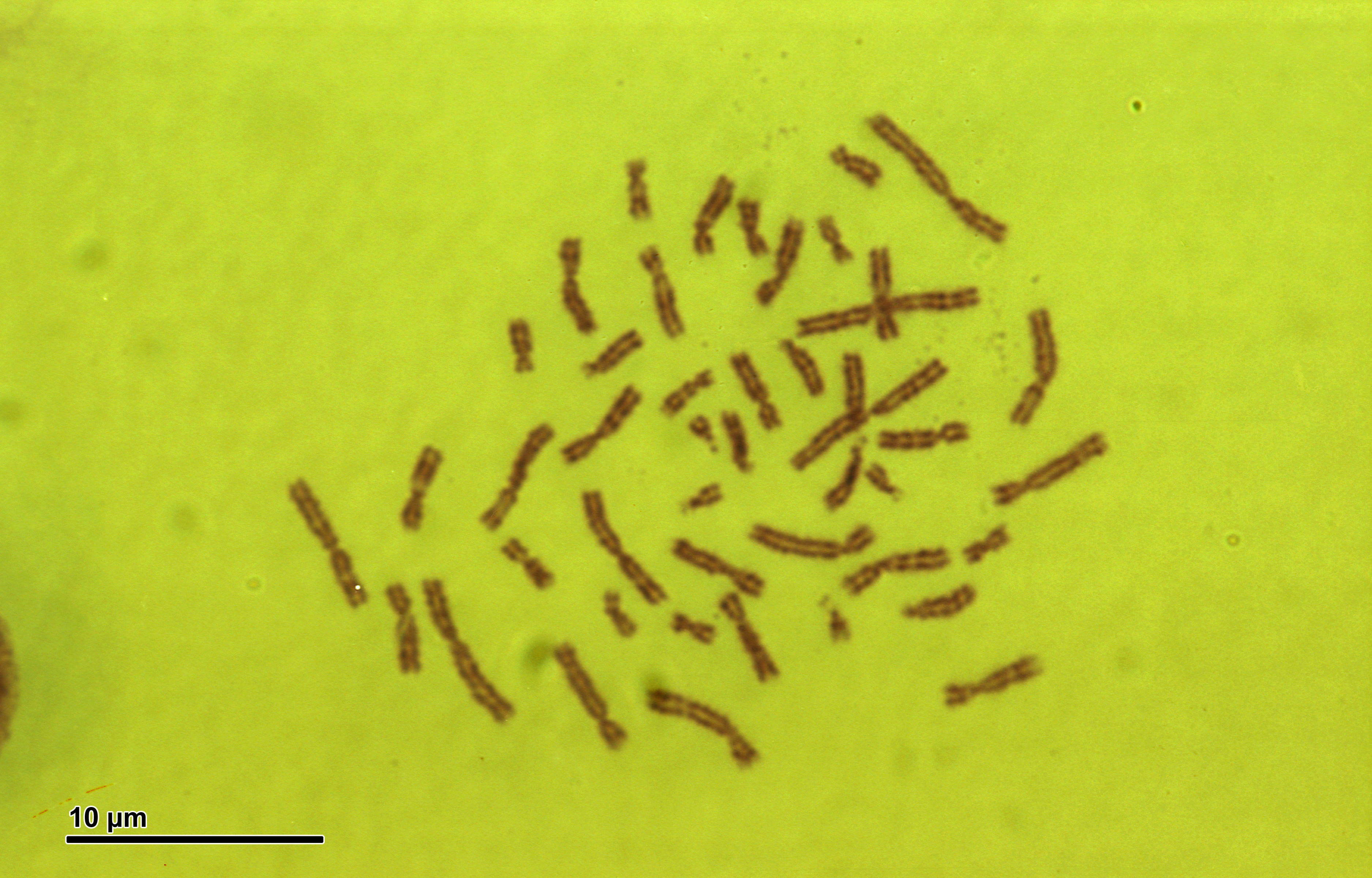
Raça é uma categorização de humanos baseada em características físicas (fenotípicas) e/ou socioculturais compartilhadas por grupos geralmente vistos como distintos dentro de uma determinada sociedade. O termo passou a ser de uso comum durante o século XVI, quando era utilizado para se referir a grupos de vários tipos, incluindo aqueles caracterizados por relações estreitas de parentesco. No século XVII, o termo começou a se referir a qualidades físicas e, mais tarde, a afiliações nacionais. A ciência moderna considera que o conceito de "raças humanas" é uma construção social, uma identidade atribuída com base em regras estabelecidas pela sociedade.
Introdução
O que você precisa saber de cara
Condição genética rara em indivíduos com cromossomos XX, onde o desenvolvimento das características sexuais não segue o padrão típico feminino. Pode resultar em variações na anatomia genital e gonadal.
Encontrou um erro ou informação desatualizada? Sugira uma correção →
Entender a doença
Do básico ao detalhe, leia no seu ritmo
Preparando trilha educativa...
Sinais e sintomas
O que aparece no corpo e com que frequência cada sintoma acontece
Linha do tempo da pesquisa
Encontrou um erro ou informação desatualizada? Sugira uma correção →
Genética e causas
O que está alterado no DNA e como passa nas famílias
Nenhum gene associado encontrado
Os dados genéticos desta condição ainda estão sendo catalogados.
Diagnóstico
Os sinais que médicos procuram e os exames que confirmam
Tratamento e manejo
Remédios, cuidados de apoio e o que precisa acompanhar
Onde tratar no SUS
Hospitais de referência no Brasil e o protocolo oficial do SUS (PCDT)
🇧🇷 Atendimento SUS — Doença genética 46,XX do desenvolvimento sexual
Selecione um estado ou use sua localização para ver resultados.
Dados de DATASUS/CNES, SBGM, ABNeuro e Ministério da Saúde. Sempre confirme a disponibilidade diretamente com o estabelecimento.
Pesquisa ativa
Ensaios clínicos abertos e novidades científicas recentes
Pesquisa e ensaios clínicos
Nenhum ensaio clínico registrado para esta condição.
Publicações mais relevantes
Genetic and embryonic transcriptome analyses reveal the molecular and developmental basis of Mayer-Rokitansky-Küster-Hauser syndrome.
Mayer-Rokitansky-Küster-Hauser syndrome (MRKHS) is characterised by aplasia of the uterus, cervix and upper part of the vagina. The genetic aetiology remains incompletely understood. We performed gene-level and gene set-level burden analyses based on exome sequencing/genome sequencing data from 727 probands with MRKHS and 2504 female control individuals. Single-cell RNA sequencing (scRNA-seq) was performed on human and mouse embryonic metanephros at different developmental stages. Genetic and transcriptomic data were integrated to prioritise suboptimal genetic signals, identify relevant cell types and determine key developmental stages. Potential digenic inheritance was assessed and prioritised using coexpression patterns from scRNA-seq data. We identified known MRKHS genes (PAX8, BMP7, GREB1L) and novel candidates (PAN2, AGPAT2) with exome-wide significance. Enriched biological processes included cell apoptosis and mesenchymal-to-epithelial transition. In human embryos, MRKHS-associated genes were enriched in the uterine epithelium at eight gestational weeks (w8) and Wolffian duct epithelium at w11, supporting the biological relevance of burden signals. We detected 992 digenic combinations in MRKHS, with three achieving exome-wide significance (CPSF3L/CYP2A7, AICDA/NOS1, EVC2/KANK1). Our study reveals both established and novel genetic contributors to MRKHS, links them to specific embryonic cell types and stages, and highlights potential digenic inheritance patterns. Integrating genetic burden and single-cell transcriptomic data provides new insights into the complex molecular mechanisms underlying MRKHS.
Case Report: Challenges of an extremely delayed diagnosis of classic congenital adrenal hyperplasia in a completely virilized 46,XX patient.
Classic Congenital Adrenal Hyperplasia (CAH) due to 21-hydroxylase deficiency is typically diagnosed in early life. We report a 46,XX completely virilized 46,XX patient who was diagnosed with classic CAH at the age of 73 years. He was under follow-up for prostate hyperplasia and referred after the finding of giant bilateral adrenal myelolipomas. He presented with hormonal values initially interpreted as suggestive of hypogonadotropic hypogonadism, prompting further biochemical and genetic analysis. Next-generation sequencing identified heterozygous variants in X-linked genes, uncovering a 46,XX difference of sex development (DSD). Then, CYP21A2 molecular analysis revealed compound heterozygosity for two pathogenic variants (p.I173N, p.R357W), confirming simple virilizing CAH. The patient's reticent attitude contributed to the diagnostic delay. However, this unique case reveals the challenges generated by the paraurethral glands hyperplasia - mimicking a prostate due to prolonged untreated hyperandrogenism - as well as the repeated failure to recognize Müllerian remnants on imaging and the critical issues related to diagnostic communication.
46,XX Testicular/Ovotesticular Disorders of Sexual Development: A Single-Center Retrospective Experience.
<p>Background: 46,XX testicular/ovotesticular disorders of sexual development (T/OT DSD) are infrequent congenital conditions characterized by the presence of functional ovarian and testicular or only testicular parenchyma. The aim of the study was to retrospectively describe clinical, hormonal, and genetic characteristics of 29 patients with 46,XX T/OT DSD (2000-2023), focusing on gonadal function, hormonal production, and long-term follow-up. Most patients (n = 25, 86.2%) presented with atypical genitalia that suggested DSD. Median age at first assessment was 0.38 years. Sex assignment was male in 21 patients without reports of discordant gender identity. Sex assignment was recommended before expert evaluation and without adequate studies in 64% of those patients with atypical genitalia (16/25). The median external masculinization score was 8 (range 4-12). During mini-puberty, LH, testosterone, AMH, and the LH/FSH ratio were above the female reference range and no different from the normal male reference range. Spontaneous puberty was observed in one female and 10 male-assigned subjects. Among the latter, pubertal virilization occurred with signs of hypergonadotropic hypogonadism and gynecomastia. Molecular studies identified the underlying mechanism in 7 patients: SRY gene was identified in two, WT1 gene variations were detected in three others, and 2 syndromic patients harbored complex chromosomal rearrangements. Our findings underscore the clinical and biochemical variability in 46,XX T/OT DSD. Expert evaluation and accurate diagnostic work-up are essential prior to sex assignment and to prevent misdiagnosis and inappropriate treatments. Mini-puberty was characterized by a masculinized pattern of gonadotropin secretion. The potential for functional male pubertal development should be taken into account when making sex assignment decisions. </p>.
Retrospective analysis of children with 46,XX testicular/ovotesticular DSD: a 10-year single-center experience.
46,XX testicular/ovotesticular differences/disorders of sexual development (TDSD/OTDSD) are rare in childhood and exhibit marked distinctions compared to those in adulthood. This study aimed to summarize the clinical characteristics and outcomes of 46,XX TDSD/OTDSD in childhood. The sexual development characteristics, hormone profiles, chromosomal analysis, fluorescence in situ hybridization analysis (FISH) sex-determining region Y (SRY) analysis (peripheral blood and tissues), molecular genetic etiology, gonadal pathology, risk of gonadal tumors, and assigned gender of 52 patients were collected and analyzed. The median age at initial presentation was 18 months, and external masculinization score(EMS) within the range of 3 < EMS ≤ 6 was more prevalent. There were no statistical differences in hormone levels [luteinizing hormone (LH), follicle-stimulating hormone (FSH), and testosterone (T)] between the different age groups. Among the 52 children, 4 showed positive SRY in peripheral blood, whereas none of the 8 children exhibited positive SRY in tissue samples. A total of 29 children underwent whole exome sequencing (WES) and copy number variant (CNV) analysis, but no genetic variants were identified. A total of 47 children underwent gonadal biopsy and showed no evidence of tumors. However, immunohistochemical analysis revealed that 2 of 16 children were OCT3/4 positive. The most frequent type of gonadal pathology (17/47) was bilateral seminiferous tubules. After the assessment, gender assignment was revised in six cases: five individuals originally assigned as female at birth were reassigned as male, while one individual assigned as male was changed to female. In seven cases, the gender of rearing remained undetermined pending further longitudinal psychosocial assessment. Among the female-reared cohort, three children were more than 11 years old. As a result of undergoing bilateral gonadectomy at an early age, the patients were unable to spontaneously enter puberty. However, given their short stature, they are receiving growth hormone (GH) treatment and have not yet received sufficient sex hormone replacement therapy (HRT). Among the male-reared cohort, seven children had entered puberty. The average age at puberty onset was 12 ± 0.87 years, the average testicular volume was 5.14 ± 1.57 mL, the mean basal LH level was 6.44 ± 4.19 IU/L, the mean basal FSH level was 13.18 ± 10.22 IU/L, and the mean basal T was 3.40 ± 1.63 nmol/L. Compared to adults, children with 46,XX testicular/ovotesticular DSD were very different. SRY-negative children were predominant and tended to have more severe external genital abnormalities during childhood. Peripheral blood or tissue SRY mosaicism was not a prevalent cause and the intricate genetic pathways behind these cases were unknown. There were no statistical differences in hormone levels (LH, FSH, and T) between the different age groups. The assigned gender is mainly male, and the incidence of gonadal tumor risk markers was modest. During adolescence, their testosterone levels could normalize despite elevated FSH and LH levels.
LARS2-Related Perrault Syndrome in Siblings With 46,XY Differences of Sex Development.
Perrault syndrome is a heterogeneous phenotype that generally encompasses the findings of sensorineural hearing loss in both 46,XX and 46,XY individuals and varying degrees of abnormal ovarian function in 46,XX individuals. In this case report, we present two brothers with LARS2-related Perrault syndrome who have undervirilization. In addition to bilateral profound sensorineural hearing loss, both brothers had bilateral undescended testes that required surgical intervention. In addition, the younger affected brother had hypospadias with chordee. Quad exome sequencing on both brothers was consistent with 46,XY and revealed the same biallelic pathogenic variants in LARS2, a gene known to be associated with Perrault syndrome. No other variants were reported on exome analysis. To date, undervirilization in 46,XY individuals who have Perrault syndrome has only rarely been reported, although the number of reported males with Perrault syndrome continues to be small. Pathogenic variants in LARS2 have been found to lead to ovarian dysgenesis in 46,XX individuals and complete infertility due to failure to produce germ cells in Caenorhabditis elegans ( C . elegans ), indicating that LARS2 is expressed in gonadal tissue and can impact gonadal development. Undervirilization in affected males is likely an underrecognized component of the LARS2-related Perrault syndrome. In this article, we suggest that LARS2 be included in the differential diagnosis of both 46,XX and 46,XY individuals with DSD conditions and should be considered in 46,XY individuals with hearing loss and evidence of undervirilization.
Publicações recentes
46,XX Testicular/Ovotesticular Disorders of Sexual Development: A Single-Center Retrospective Experience.
LARS2-Related Perrault Syndrome in Siblings With 46,XY Differences of Sex Development.
Testicular differentiation in 46,XX DSD: an overview of genetic causes.
The smallest likely pathogenic duplication of a SOX9 enhancer identified to date in a family with 46,XX testicular differences of sex development.
Genetic control of typical and atypical sex development.
📚 EuropePMCmostrando 63
Case Report: Challenges of an extremely delayed diagnosis of classic congenital adrenal hyperplasia in a completely virilized 46,XX patient.
Frontiers in endocrinologyGenetic and embryonic transcriptome analyses reveal the molecular and developmental basis of Mayer-Rokitansky-Küster-Hauser syndrome.
Journal of medical genetics46,XX Testicular/Ovotesticular Disorders of Sexual Development: A Single-Center Retrospective Experience.
Sexual development : genetics, molecular biology, evolution, endocrinology, embryology, and pathology of sex determination and differentiationRetrospective analysis of children with 46,XX testicular/ovotesticular DSD: a 10-year single-center experience.
Frontiers in endocrinologyLARS2-Related Perrault Syndrome in Siblings With 46,XY Differences of Sex Development.
American journal of medical genetics. Part A46, XX DSD with Atypical Genitalia: Clinical Insights and Diagnostic Approaches.
Hormone and metabolic research = Hormon- und Stoffwechselforschung = Hormones et metabolismeCase Report and Literature Review: A 46,XX Infant with Atypical Genitalia Diagnosed with Primary Ovarian Insufficiency Caused by HFM1 Gene Variants.
Hormone research in paediatricsPhenotypes Linked to Duplication Upstream of SOX9: New Insights Into Presentation and Diagnosis.
The Journal of clinical endocrinology and metabolismIntegration of long-read sequencing, DNA methylation and gene expression reveals heterogeneity in Y chromosome segment lengths in phenotypic males with 46,XX testicular disorder/difference of sex development.
Biology of sex differences[Genetic and clinical characteristics of 46,XX testicular disorders of sex development].
Zhonghua nan ke xue = National journal of andrologyA multicenter analysis of individuals with a 47,XXY/46,XX karyotype.
Genetics in medicine : official journal of the American College of Medical GeneticsA homozygous mutation of TWNK identified in premature ovarian insufficiency warns of late-onset perrault syndrome.
European journal of obstetrics, gynecology, and reproductive biologyDiagnosis and management of non-CAH 46,XX disorders/differences in sex development.
Frontiers in endocrinologyLong-term outcomes in non-CAH 46,XX DSD.
Frontiers in endocrinologyTesticular differentiation in 46,XX DSD: an overview of genetic causes.
Frontiers in endocrinologyHeterozygous ZNHIT3 variants within the 17q12 recurrent deletion region are associated with Mayer-Rokitansky-Kuster Hauser (MRKH) syndrome.
Molecular and cellular endocrinologyAromatase deficiency in transplanted bone marrow cells improves vertebral trabecular bone quantity, connectivity, and mineralization and decreases cortical porosity in murine bone marrow transplant recipients.
PloS oneCOUP-TFII regulates early bipotential gonad signaling and commitment to ovarian progenitors.
Cell & bioscienceEarly Diagnosis of 46,XX Testicular Difference of Sexual Development: Unusual Presentation with Increased Nuchal Translucency.
Fetal and pediatric pathologyThe smallest likely pathogenic duplication of a SOX9 enhancer identified to date in a family with 46,XX testicular differences of sex development.
American journal of medical genetics. Part AGenetic control of typical and atypical sex development.
Nature reviews. UrologyCategorization of differences of sex development among Egyptian children and the role of antimullerian hormone and inhibin B.
Frontiers in endocrinologyUpdate on Mayer-Rokitansky-Küster-Hauser syndrome.
Frontiers of medicineEvidence for high breakpoint variability in 46, XX, SRY-positive testicular disorder and frequent ARSE deletion that may be associated with short stature.
AndrologyDisorders of Sex Development in a Large Ukrainian Cohort: Clinical Diversity and Genetic Findings.
Frontiers in endocrinologyMicroRNAs May Play an Important Role in Sexual Reversal Process of Chinese Soft-Shelled Turtle, Pelodiscus sinensis.
GenesExpanding the spectrum of syndromic PPP2R3C-related XY gonadal dysgenesis to XX gonadal dysgenesis.
Clinical genetics46,XX DSD: Developmental, Clinical and Genetic Aspects.
Diagnostics (Basel, Switzerland)WT1 Pathogenic Variants are Associated with a Broad Spectrum of Differences in Sex Development Phenotypes and Heterogeneous Progression of Renal Disease.
Sexual development : genetics, molecular biology, evolution, endocrinology, embryology, and pathology of sex determination and differentiationThe laboratory in the multidisciplinary diagnosis of differences or disorders of sex development (DSD): I) Physiology, classification, approach, and methodologyII) Biochemical and genetic markers in 46,XX DSD.
Advances in laboratory medicineWhole genome sequencing identifies a cryptic SOX9 regulatory element duplication underlying a case of 46,XX ovotesticular difference of sexual development.
American journal of medical genetics. Part ASRY-negative 46,XX testicular/ovotesticular DSD: Long-term outcomes and early blockade of gonadotropic axis.
Clinical endocrinologyTestis formation in XX individuals resulting from novel pathogenic variants in Wilms' tumor 1 (WT1) gene.
Proceedings of the National Academy of Sciences of the United States of AmericaOligogenic Origin of Differences of Sex Development in Humans.
International journal of molecular sciencesMayer-Rokitansky-Küster-Hauser syndrome - case studies, methods of treatment and the future prospects of human uterus transplantation.
European review for medical and pharmacological sciencesA rare cause of delayed puberty in two cases with 46,XX and 46,XY karyotype: 17 α-hydroxylase deficiency due to a novel variant in CYP17A1 gene.
Gynecological endocrinology : the official journal of the International Society of Gynecological EndocrinologySyndrome Mayer-Rokitansky-Küster-Hauser - uterine and vaginal agenesis: current knowledge and therapeutic options.
Ceska gynekologieIndependent Origin of XY and ZW Sex Determination Mechanisms in Mosquitofish Sister Species.
GeneticsThe Natural History of a Man With Ovotesticular 46,XX DSD Caused by a Novel 3-Mb 15q26.2 Deletion Containing NR2F2 Gene.
Journal of the Endocrine SocietySimilar Cause, Different Phenotype: SOX9 Enhancer Duplication in a Family.
Hormone research in paediatrics46,XX DSD due to Androgen Excess in Monogenic Disorders of Steroidogenesis: Genetic, Biochemical, and Clinical Features.
International journal of molecular sciencesA Duplication Upstream of SOX9 Associated with SRY Negative 46,XX Ovotesticular Disorder of Sex Development: A Case Report.
Journal of clinical research in pediatric endocrinologyXX sex chromosome complement promotes atherosclerosis in mice.
Nature communicationsLow prevalence of male microchimerism in women with Mayer-Rokitansky-Küster-Hauser syndrome.
Human reproduction (Oxford, England)Aromatase Deficiency in Two Siblings with 46,XX Karyotype Raised as Different Genders: A Novel Mutation (p.R115X) in the CYP19A1 Gene.
Journal of clinical research in pediatric endocrinologyTri-allelic expression of HLA gene in 46,XX/46,XY chimerism.
Transplant immunologyExosomes derived from human umbilical cord mesenchymal stem cells accelerate growth of VK2 vaginal epithelial cells through MicroRNAs in vitro.
Human reproduction (Oxford, England)Human sex reversal is caused by duplication or deletion of core enhancers upstream of SOX9.
Nature communications[Disorders of sexual differentiation in children: a critical look at open questions (part II)].
Urologiia (Moscow, Russia : 1999)Loss of Function of the Nuclear Receptor NR2F2, Encoding COUP-TF2, Causes Testis Development and Cardiac Defects in 46,XX Children.
American journal of human geneticsPhenotypic Variation in 46,XX Disorders of Sex Development due to the NR5A1 p.R92W Variant: A Sibling Case Report and Literature Review.
Sexual development : genetics, molecular biology, evolution, endocrinology, embryology, and pathology of sex determination and differentiationMutations involving the SRY-related gene SOX8 are associated with a spectrum of human reproductive anomalies.
Human molecular geneticsCytogenetic analysis of patients with primary amenorrhea in Eastern India.
Journal of obstetrics and gynaecology : the journal of the Institute of Obstetrics and GynaecologyMultiparameter Investigation of a 46,XX/46,XY Tetragametic Chimeric Phenotypical Male Patient with Bilateral Scrotal Ovotestes and Ovulatory Activity.
Sexual development : genetics, molecular biology, evolution, endocrinology, embryology, and pathology of sex determination and differentiationSequence variants in ESR1 and OXTR are associated with Mayer-Rokitansky-Küster-Hauser syndrome.
Acta obstetricia et gynecologica Scandinavica17α-HYDROXYLASE/17, 20-LYASE DEFICIENCY: CLINICAL AND MOLECULAR CHARACTERIZATION OF EIGHT CHINESE PATIENTS.
Endocrine practice : official journal of the American College of Endocrinology and the American Association of Clinical EndocrinologistsSteroid hormone analysis in diagnosis and treatment of DSD: position paper of EU COST Action BM 1303 'DSDnet'.
European journal of endocrinologyRapid Molecular Genetic Diagnosis with Next-Generation Sequencing in 46,XY Disorders of Sex Development Cases: Efficiency and Cost Assessment.
Hormone research in paediatrics46,XX males: a case series based on clinical and genetics evaluation.
Andrologia[Analysis of clinical features and related genes variation in five patients with 46, XX male syndrome].
Zhonghua er ke za zhi = Chinese journal of pediatricsAromatase deficiency in a male patient - Case report and review of the literature.
BonePrevalence and patient characteristics of Mayer-Rokitansky-Küster-Hauser syndrome: a nationwide registry-based study.
Human reproduction (Oxford, England)Androgen induces gonadal soma-derived factor, Gsdf, in XX gonads correlated to sex-reversal but not Dmrt1 directly, in the teleost fish, northern medaka (Oryzias sakaizumii).
Molecular and cellular endocrinologyAssociações
Organizações que acompanham esta doença — pra ter apoio e orientação
Ainda não temos associações cadastradas para Doença genética 46,XX do desenvolvimento sexual.
É de uma associação que acompanha esta doença? Fale com a gente →
Comunidades
Grupos ativos de quem convive com esta doença aqui no Raras
Ainda não existe comunidade no Raras para Doença genética 46,XX do desenvolvimento sexual
Pacientes, familiares e cuidadores se organizam em comunidades pra compartilhar experiências, fazer perguntas e se apoiar. Você pode ser o primeiro.
Tire suas dúvidas
Perguntas, dicas e experiências compartilhadas aqui na página
Participe da discussão
Faça login para postar dúvidas, compartilhar experiências e interagir com especialistas.
Fazer loginDoenças relacionadas
Doenças com sintomas parecidos — ajudam quem ainda está buscando diagnóstico
Ainda não achamos doenças com sintomas parecidos o suficiente.
Referências e fontes
Bases de dados externas citadas neste artigo
Publicações científicas
Artigos indexados no PubMed ligados a esta doença no grafo RarasNet — título, periódico e PMID direto da fonte, sem intermediação de IA.
- Genetic and embryonic transcriptome analyses reveal the molecular and developmental basis of Mayer-Rokitansky-Küster-Hauser syndrome.
- Case Report: Challenges of an extremely delayed diagnosis of classic congenital adrenal hyperplasia in a completely virilized 46,XX patient.
- 46,XX Testicular/Ovotesticular Disorders of Sexual Development: A Single-Center Retrospective Experience.Sexual development : genetics, molecular biology, evolution, endocrinology, embryology, and pathology of sex determination and differentiation· 2025· PMID 41170606mais citado
- Retrospective analysis of children with 46,XX testicular/ovotesticular DSD: a 10-year single-center experience.
- LARS2-Related Perrault Syndrome in Siblings With 46,XY Differences of Sex Development.
- Testicular differentiation in 46,XX DSD: an overview of genetic causes.
- The smallest likely pathogenic duplication of a SOX9 enhancer identified to date in a family with 46,XX testicular differences of sex development.
- Genetic control of typical and atypical sex development.
Bases de dados e fontes oficiais
Identificadores e referências canônicas usadas para montar este verbete.
- ORPHA:325697(Orphanet)
- MONDO:0957024(MONDO)
- Busca completa no PubMed(PubMed)
- Artigo Wikipedia(Wikipedia)
Dados compilados pelo RarasNet a partir de fontes abertas (Orphanet, OMIM, MONDO, PubMed/EuropePMC, ClinicalTrials.gov, DATASUS, PCDT/MS). Este conteúdo é informativo e não substitui avaliação médica.
Conteúdo mantido por Agente Raras · Médicos e pesquisadores podem colaborar