Doença genética comum na Europa, causa níveis muito altos de colesterol LDL desde o nascimento, aumentando o risco de doenças cardíacas precoces.
Introdução
O que você precisa saber de cara
Visão geral
A Hipercolesterolemia familiar (conhecida internacionalmente como Heterozygous familial hypercholesterolemia) está categorizada sob o código CID-10 E78.0.[1]
Tratamento e manejo
No âmbito do Sistema Único de Saúde (SUS), o Protocolo Clínico e Diretrizes Terapêuticas (PCDT) para Dislipidemia: prevenção de eventos cardiovasculares e pancreatite, regulamentado pela Portaria Conjunta SAS-SCTIE/MS nº 8 de 30 de julho de 2019, estabelece a dispensação de medicamentos para o manejo lipídico.[2][2][2][2][2][2][2][2][2][2][2][2][2][2][2]
Entre os medicamentos que o SUS efetivamente dispensa aos pacientes estão as estatinas: Atorvastatina cálcica (comprimidos de 20 mg, 40 mg e 80 mg), Sinvastatina (comprimidos de 10 mg, 20 mg e 40 mg) e Pravastatina sódica (comprimidos de 10 mg, 20 mg e 40 mg).[2][2][2][2][2][2][2][2][2]
Além das estatinas, a farmácia do SUS dispensa os seguintes fibratos conforme o PCDT: Ciprofibrato (comprimido 100 mg), Fenofibrato (cápsula 200 mg e cápsula de liberação retardada 250 mg), Genfibrozila (comprimidos de 600 mg e 900 mg) e Etofibrato (cápsula 500 mg).[2][2][2][2][2][2]
Conteúdo informativo gerado e mantido automaticamente a partir de fontes oficiais (Orphanet, HPO, OMIM, SUS). Não substitui avaliação médica.
A hipercolesterolemia familiar é uma condição genética conhecida por ocasionar alterações acentuadas nos níveis de colesterol LDL. A literatura científica aponta que a identificação de parentes por meio do rastreamento familiar é essencial para detectar alterações precocemente. No Brasil, o SUS fornece opções de tratamento como sinvastatina, atorvastatina e ciprofibrato pela diretriz de dislipidemia. Diversas pesquisas clínicas internacionais e nacionais continuam avaliando novos medicamentos para o manejo da condição.
Doença genética comum na Europa, causa níveis muito altos de colesterol LDL desde o nascimento, aumentando o risco de doenças cardíacas precoces.
Encontrou um erro ou informação desatualizada? Sugira uma correção →
Entender a doença
Do básico ao detalhe, leia no seu ritmo
Preparando trilha educativa...
Sinais e sintomas
O que aparece no corpo e com que frequência cada sintoma acontece
Linha do tempo da pesquisa
Encontrou um erro ou informação desatualizada? Sugira uma correção →
Genética e causas
O que está alterado no DNA e como passa nas famílias
Nenhum gene associado encontrado
Os dados genéticos desta condição ainda estão sendo catalogados.
Diagnóstico
Os sinais que médicos procuram e os exames que confirmam
Tratamento e manejo
Remédios, cuidados de apoio e o que precisa acompanhar
Onde tratar no SUS
Hospitais de referência no Brasil e o protocolo oficial do SUS (PCDT)
🇧🇷 Atendimento SUS — Hipercolesterolemia familiar
Selecione um estado ou use sua localização para ver resultados.
Dados de DATASUS/CNES, SBGM, ABNeuro e Ministério da Saúde. Sempre confirme a disponibilidade diretamente com o estabelecimento.
Pesquisa ativa
Ensaios clínicos abertos e novidades científicas recentes
Ensaios em destaque
Com ensaio aberto em 32 países. O ponto verde marca onde há vaga agora.
🟢 Recrutando agora
12 pesquisas recrutando participantes. Converse com seu médico sobre a possibilidade de participar.
Outros ensaios clínicos
65 ensaios clínicos encontrados, 16 ativos.
Publicações mais relevantes
Mostrando amostra de 11 publicações de um total de 39
Efficacy of evinacumab by genotype and low-density lipoprotein receptor function in patients with homozygous familial hypercholesterolaemia: A subanalysis from the ELIPSE open-label extension study.
Homozygous familial hypercholesterolaemia (HoFH) is a rare genetic disorder caused primarily by variants in both alleles of the gene encoding the low-density lipoprotein receptor (LDLR). This subanalysis of the ELIPSE open-label extension (OLE) study assessed the efficacy of evinacumab, an angiopoietin-like 3 inhibitor, by genotype and LDLR function in patients with HoFH. Patients aged ≥12 years with HoFH on stable lipid-lowering therapies received evinacumab 15 mg/kg intravenously every 4 weeks. Patients were grouped according to genotype: bi-allelic monogenic identical variants (true homozygous) or bi-allelic monogenic different LDLR variants (compound heterozygous); and by LDLR function: null/null variants resulting in <15% LDLR activity or negative/negative variants predicted to result in <2% LDLR activity. One hundred and sixteen patients enrolled in the OLE. At baseline, 55 (47.4%) had either identical bi-allelic variants in LDLR (n = 53) or LDLRAP1 (n = 2), and 41 (35.3%) had different bi-allelic LDLR variants. Median (Q1, Q3) LDL-C levels were reduced by -53.8% (-42.6%, -67.0%) and -58.1% (-41.5%, -65.9%) by Week 8 of evinacumab treatment in the identical (LDLR or LDLRAP1) and different (LDLR) bi-allelic variant groups, respectively, and remained low at Week 104 (-50.9% [-34.9%, -60.3%] and -47.3% [-34.8%, -67.5%], respectively). At baseline, 36 (31.0%) patients had null/null LDLR variants, and 19 (16.4%) patients had negative/negative LDLR variants. Evinacumab treatment also resulted in rapid and sustained decreases in median LDL-C levels to Week 104 in these subgroups. Evinacumab treatment resulted in sustained LDL-C reduction in patients with HoFH irrespective of genotype or LDLR function.
Polygenic risk of high LDL cholesterol and ischemic heart disease in the general population.
We tested the association of polygenic risk scores (PRS) for low-density lipoprotein cholesterol (LDL-C) and coronary artery disease (CAD) with LDL-C and risk of ischemic heart disease (IHD) in the Danish general population. We included a total of 21,485 individuals from the Copenhagen General Population Study and Copenhagen City Heart Study. For everyone, LDL-PRS and CAD-PRS were calculated, each based on >400,000 variants. We also genotyped four rare variants in LDLR or APOB known to cause familial hypercholesterolemia (FH). Heterozygous carriers of FH-causing variants in APOB or LDLR had a mean LDL-C of 5.40 and 6.09 mmol/L, respectively, and an odds ratio for IHD of 2.27 (95 % CI 1.43-3.51) when compared to non-carriers. The LDL-PRS explained 13.8 % of the total variation in LDL-C in the cohort. Individuals in the lowest and highest 1 % of LDL-PRS had a mean LDL-C of 2.49 and 4.75 mmol/L, respectively. Compared to those in the middle 20-80 %, those in the lowest and highest 1 % of LDL-PRS had odds ratios for IHD of 0.58 (95 % CI, 0.38-0.88) and 1.83 (95 % CI, 1.33-2.53). The corresponding odds ratios for CAD-PRS were 0.61 (95 % CI, 0.41-0.92) and 2.06 (95 % CI, 1.49-2.85). The top 1 % of LDL-PRS and CAD-PRS conferred effects on LDL-C and risk of IHD comparable to those seen for carriers of rare FH-causing variants in APOB or LDLR. These results highlight the potential value of implementing such PRS clinically.
It is Time to Screen for Homozygous Familial Hypercholesterolemia in the United States.
Homozygous familial hypercholesterolemia (HoFH) is an ultra-rare inherited condition that affects approximately one in 300,000 people. The disorder is characterized by extremely high, life-threatening levels of low-density lipoprotein (LDL) cholesterol from birth, leading to significant premature cardiovascular morbidity and mortality, if left untreated. Homozygous familial hypercholesterolemia is severely underdiagnosed and undertreated in the United States (US), despite guidelines recommendations for universal pediatric lipid screening in children aged 9-11. Early diagnosis and adequate treatment are critical in averting premature cardiovascular disease in individuals affected by HoFH. Yet, an unacceptably high number of people living with HoFH remain undiagnosed, misdiagnosed, and/or receive a late diagnosis, often after a major cardiovascular event. The emergence of novel lipid-lowering therapies, along with the realization that diagnosis is too often delayed, have highlighted an urgency to implement policies that ensure timely detection of HoFH in the US. Evidence from around the world suggests that a combination of universal pediatric screening and cascade screening strategies constitutes an effective approach to identifying heterozygous familial hypercholesterolemia (HeFH). Nevertheless, HoFH and its complications manifest much earlier in life compared to HeFH. To date, little focus has been placed on the detection of HoFH in very young children and/or infants. The 2023 Updated European Atherosclerosis Society Consensus Statement on HoFH has recommended, for the first time, broadening pediatric guidelines to include lipid screening of newborn infants. Some unique aspects of HoFH need to be considered before implementing newborn screening. As such, insights from pilot studies conducted in Europe may provide some preliminary guidance. Our paper proposes a set of actionable measures that states can implement to reduce the burden of HoFH. It also outlines key research and policy gaps that need to be addressed in order to pave the way for universal newborn screening of HoFH in the US.
International Atherosclerosis Society guidance for implementing best practice in the care of familial hypercholesterolaemia.
This contemporary, international, evidence-informed guidance aims to achieve the greatest good for the greatest number of people with familial hypercholesterolaemia (FH) across different countries. FH, a family of monogenic defects in the hepatic LDL clearance pathway, is a preventable cause of premature coronary artery disease and death. Worldwide, 35 million people have FH, but most remain undiagnosed or undertreated. Current FH care is guided by a useful and diverse group of evidence-based guidelines, with some primarily directed at cholesterol management and some that are country-specific. However, none of these guidelines provides a comprehensive overview of FH care that includes both the lifelong components of clinical practice and strategies for implementation. Therefore, a group of international experts systematically developed this guidance to compile clinical strategies from existing evidence-based guidelines for the detection (screening, diagnosis, genetic testing and counselling) and management (risk stratification, treatment of adults or children with heterozygous or homozygous FH, therapy during pregnancy and use of apheresis) of patients with FH, update evidence-informed clinical recommendations, and develop and integrate consensus-based implementation strategies at the patient, provider and health-care system levels, with the aim of maximizing the potential benefit for at-risk patients and their families worldwide.
Novel Finnish-enriched variants causing severe hypercholesterolemia and their clinical impact on coronary artery disease.
Severe hypercholesterolemia (LDL-cholesterol ≥ 5 mmol/l) is a major risk factor for coronary artery disease (CAD). The etiology incudes both genetic and nongenetic factors, but persons carrying mutations in known hypercholesterolemia-associated genes are at significantly higher CAD risk than non-carriers. Yet, a significant proportion of mutation carriers remains undetected while the assessment of genetic candidate variants in clinical practice is challenging. To address these challenges, we set out to test the utility of a practical approach to leverage data from a large reference cohort, the FinnGen Study encompassing 356,082 persons with extensive longitudinal health record information, to aid the clinical evaluation of single genetic candidate genes variants detected by exome sequence analysis in a target population of 351 persons with severe hypercholesterolemia. We identified 23 rare missense mutations in known hypercholesterolemia genes, 3 of which were previously described mutations (LDLR Pro309Lysfs, LDLR Arg595Gln and APOB Arg3527Gln). Subsequent in silico and clinical assessment of the remaining 20 variants pinpointed two likely hypercholesterolemia-associated variants in LDLR (Arg574Leu and Glu626Lys) and one in LDLRAP1 (Arg151Trp). Heterozygous carriers of the novel LDLR and LDLRAP1 variants received statin treatment more often than non-carriers (OR 2.1, p = 1.8e-6 and OR 1.4, p = 0.001) and untreated carriers had higher risk for ischemic heart disease (OR 2.0, p = 0.03 and OR 1.8, p = 0.008). Our data elucidate the wide spectrum of genetic variants impacting hypercholesterolemia and demonstrate the utility of a large reference population to assess the heterogeneous impact of candidate gene variants on cardiovascular disease risk.
Publicações recentes
Classification, prevalence and cardiovascular risk of different types of hypercholesterolemia.
Efficacy and safety of PCSK9 inhibitors in real life.
🥈 ObservacionalApplication of the 6-SNP elevated LDL-cholesterol polygenic risk score in individuals with familial hypercholesterolemia phenotype from an Argentine population.
How to achieve LDL cholesterol goals with the funding criteria for new lipid-lowering drugs?
Long-term sex differences in atherosclerotic cardiovascular disease in individuals with heterozygous familial hypercholesterolaemia in Spain: a study using data from SAFEHEART, a nationwide, multicentre, prospective cohort study.
📚 EuropePMCmostrando 11
Efficacy of evinacumab by genotype and low-density lipoprotein receptor function in patients with homozygous familial hypercholesterolaemia: A subanalysis from the ELIPSE open-label extension study.
AtherosclerosisPolygenic risk of high LDL cholesterol and ischemic heart disease in the general population.
AtherosclerosisIt is Time to Screen for Homozygous Familial Hypercholesterolemia in the United States.
Global heartNovel Finnish-enriched variants causing severe hypercholesterolemia and their clinical impact on coronary artery disease.
AtherosclerosisInternational Atherosclerosis Society guidance for implementing best practice in the care of familial hypercholesterolaemia.
Nature reviews. CardiologyGlobal perspective of familial hypercholesterolaemia: a cross-sectional study from the EAS Familial Hypercholesterolaemia Studies Collaboration (FHSC).
Lancet (London, England)Association of Rare Pathogenic DNA Variants for Familial Hypercholesterolemia, Hereditary Breast and Ovarian Cancer Syndrome, and Lynch Syndrome With Disease Risk in Adults According to Family History.
JAMA network openEfficacy, safety, and tolerability of evolocumab in pediatric patients with heterozygous familial hypercholesterolemia: Rationale and design of the HAUSER-RCT study.
Journal of clinical lipidologyMultimodal lipid-lowering treatment in pediatric patients with homozygous familial hypercholesterolemia-target attainment requires further increase of intensity.
Pediatric nephrology (Berlin, Germany)Genetic epidemiology of autosomal recessive hypercholesterolemia in Sicily: Identification by next-generation sequencing of a new kindred.
Journal of clinical lipidologyClinical and molecular characteristics of homozygous familial hypercholesterolemia patients: Insights from SAFEHEART registry.
Journal of clinical lipidologyAssociações
Organizações que acompanham esta doença — pra ter apoio e orientação
Associação brasileira dedicada a Hipercolesterolemia familiar.
Doenças relacionadas
Doenças com sintomas parecidos — ajudam quem ainda está buscando diagnóstico
Ainda não achamos doenças com sintomas parecidos o suficiente.
Perguntas frequentes
O que as famílias mais perguntam sobre esta doença — cada resposta com a fonte de onde saiu
É uma alteração catalogada sob o código CID-10 E78.0 e código Orphanet 406. A literatura médica associa o quadro à deficiência na função do receptor das LDL e risco cardiovascular.
Referências
Fontes citadas no texto, publicações do grafo e bases de dados usadas neste verbete
3 fontes citadas no texto · 10 publicações do grafo RarasNet (PubMed) · 3 bases de dados. Títulos, periódicos e PMIDs vêm direto da fonte, sem intermediação de IA.
Dados compilados pelo RarasNet a partir de fontes abertas (Orphanet, OMIM, MONDO, PubMed/EuropePMC, ClinicalTrials.gov, DATASUS, PCDT/MS). Este conteúdo é informativo e não substitui avaliação médica.
Citar este verbete
Raras. (2026). Hipercolesterolemia familiar. Em Raras — Enciclopédia de Doenças Raras do Brasil. https://raras.org/doenca/hipercolesterolemia-familiar
Formato APA. Conteúdo sob CC BY 4.0 — reuso livre com atribuição.
Conteúdo mantido por Agente Raras · Médicos e pesquisadores podem colaborar
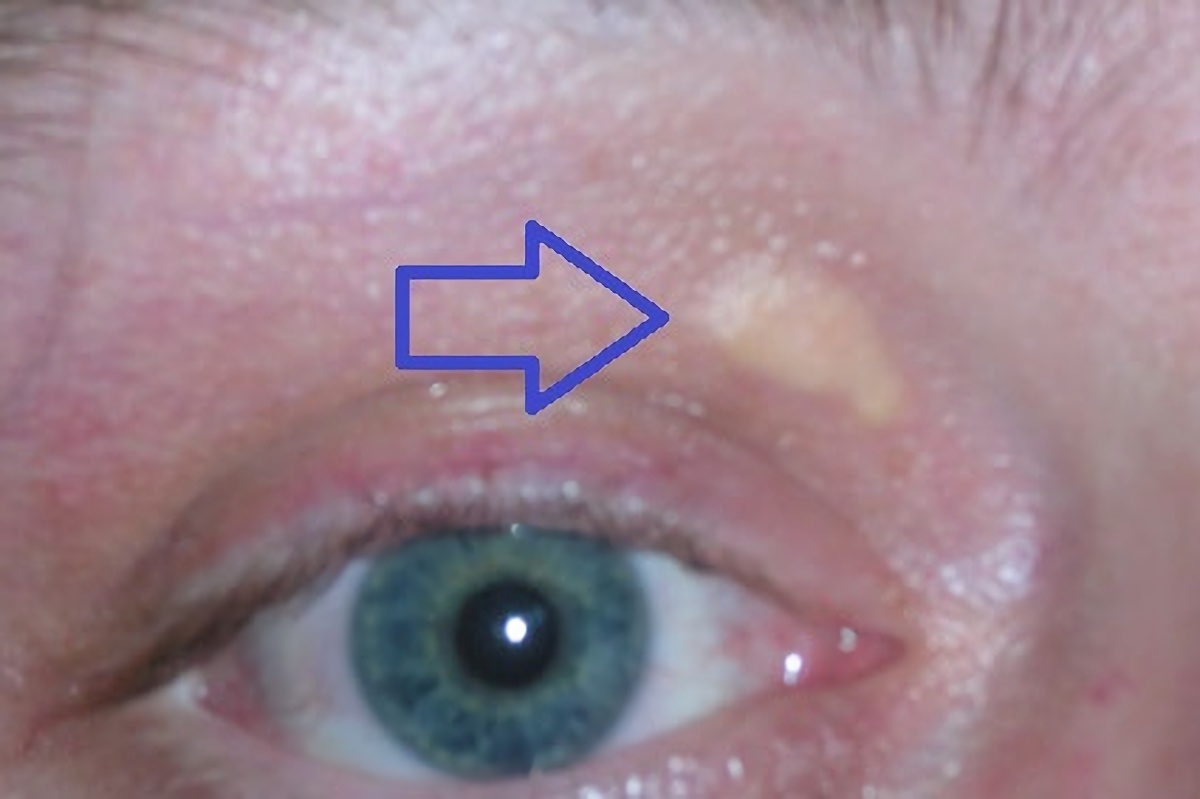
Hipercolesterolemia familiar
📋 Origem dos dados
Esta página agrega dados de fontes públicas e oficiais. Dados sobre cobertura no SUS (PCDT, CEAF) são verificados ativamente por agente proativo (ver badge no infobox). Demais dados têm atribuição de fonte + data da última sincronização — clique para abrir o original.
- Doença rara (ontologia)
- fonte: Orphanet
- Codificação WHO/SUS
- fonte: WHO ICD-10 / DATASUS
- Indexação biomédica
- fonte: MeSH (NLM)
- Dado público estruturado
- fonte: Wikidata
- Reposicionamento
- fonte: Drug Repurposing Hub
- Ensaios clínicos
- fonte: ClinicalTrials.gov

