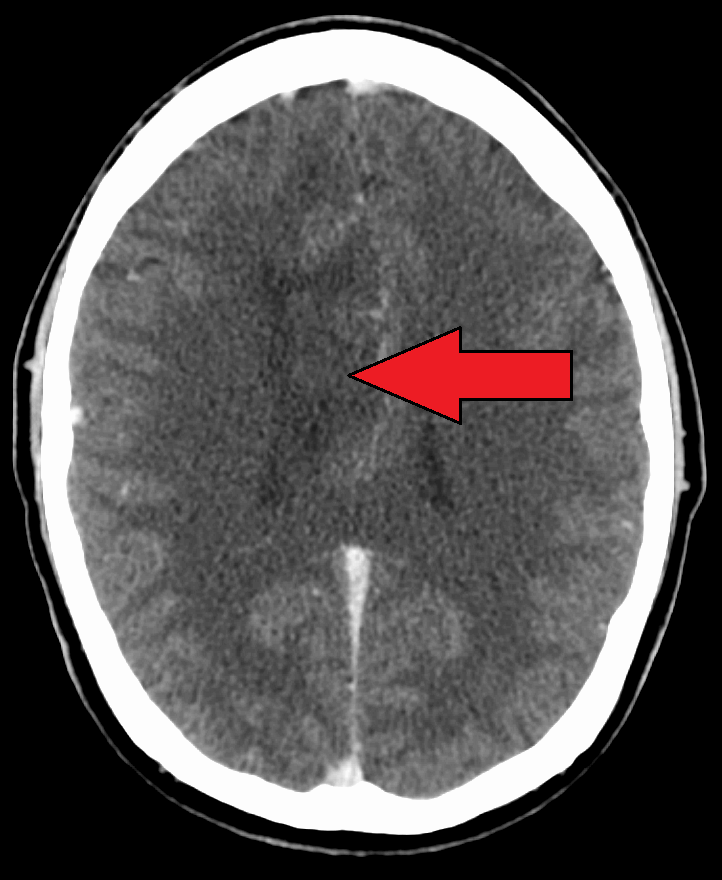
Tumor grau II da OMS composto por uma mistura notável de dois tipos distintos de células neoplásicas que se assemelham morfologicamente às células tumorais do oligodendroglioma e do astrocitoma difuso. (QUEM)
Introdução
O que você precisa saber de cara
O **oligoastrocitoma** é um tumor cerebral raro classificado como grau II, composto pela mistura de dois tipos celulares diferentes semelhantes a astrocitomas e oligodendrogliomas. Embora a lista de sintomas específicos não esteja detalhada nos catálogos internacionais, a doença compromete o sistema nervoso central e demanda avaliação médica especializada. No Sistema Único de Saúde, o cuidado é guiado pelas diretrizes de Tumor Cerebral no Adulto, em que as condutas são definidas conforme a autonomia de cada serviço. Pesquisas genéticas associam a condição ao gene IDH2, enquanto estudos clínicos no exterior seguem explorando novas alternativas de tratamento.
Tumor grau II da OMS composto por uma mistura notável de dois tipos distintos de células neoplásicas que se assemelham morfologicamente às células tumorais do oligodendroglioma e do astrocitoma difuso. (QUEM)
Tem tratamento?
Encontrou um erro ou informação desatualizada? Sugira uma correção →
Entender a doença
Do básico ao detalhe, leia no seu ritmo
Preparando trilha educativa...
Sinais e sintomas
O que aparece no corpo e com que frequência cada sintoma acontece
Linha do tempo da pesquisa
Encontrou um erro ou informação desatualizada? Sugira uma correção →
Genética e causas
O que está alterado no DNA e como passa nas famílias
Genes associados
1 gene identificado com associação a esta condição.
D-2-hydroxyglutaric aciduria 2
A neurometabolic disorder causing developmental delay, epilepsy, hypotonia, and dysmorphic features. Both a mild and a severe phenotype exist. The severe phenotype is homogeneous and is characterized by early infantile-onset epileptic encephalopathy and cardiomyopathy. The mild phenotype has a more variable clinical presentation. Diagnosis is based on the presence of an excess of D-2-hydroxyglutaric acid in the urine.
Variantes genéticas (ClinVar)
82 variantes patogênicas registradas no ClinVar.
Vias biológicas (Reactome)
4 vias biológicas associadas aos genes desta condição.
Diagnóstico
Os sinais que médicos procuram e os exames que confirmam
Tratamento e manejo
Remédios, cuidados de apoio e o que precisa acompanhar
Onde tratar no SUS
Hospitais de referência no Brasil e o protocolo oficial do SUS (PCDT)
🇧🇷 Atendimento SUS — Oligoastrocitoma
Selecione um estado ou use sua localização para ver resultados.
Dados de DATASUS/CNES, SBGM, ABNeuro e Ministério da Saúde. Sempre confirme a disponibilidade diretamente com o estabelecimento.
Pesquisa ativa
Ensaios clínicos abertos e novidades científicas recentes
Ensaios em destaque
Com ensaio aberto em 2 países. O ponto verde marca onde há vaga agora.
🟢 Recrutando agora
2 pesquisas recrutando participantes. Converse com seu médico sobre a possibilidade de participar.
Outros ensaios clínicos
62 ensaios clínicos encontrados, 5 ativos.
Publicações mais relevantes
Endoscopic Transorbital Approach for Select Recurrent and Newly Diagnosed Anteromedial Temporal Lobe Gliomas.
The endoscopic lateral transorbital approach (eLTOA) has emerged as a minimal access technique for accessing the middle fossa and periorbital region. This study explores the applicability of eLTOA in the management of recurrent and newly diagnosed medial temporal lobe gliomas. Forty patients at our institution underwent eLTOA between 2016 and 2024. There were five surgeries for glioma. Patients were assessed for demographic and clinical data, radiographic characteristics, and histopathological and molecular findings. Four recurrent gliomas required biopsy for diagnosis and molecular genotyping, and one newly diagnosed tumor aimed for gross total resection (GTR). Histologic diagnoses remained unchanged in three recurrent cases (two glioblastoma multiforme and one xanthoastrocytoma). One case was upgraded from oligoastrocytoma Grade II to glioblastoma Grade IV. GTR was achieved in the newly diagnosed tumor, with histology confirming dysembryoplastic neuroepithelial tumor. Average length of stay was 3 days. There was one case of transient diplopia. eLTOA offers a minimally invasive, direct approach to medial temporal lobe gliomas that minimizes the risks of infection and temporalis muscle atrophy associated with reoperation through a previously irradiated incision. It is most useful for restaging recurrent tumors, although GTR can be obtained in well-selected newly diagnosed tumors.
Risk factors for postoperative malignant progression of lower-grade gliomas: a systematic review and meta-analysis.
The primary aim was to evaluate the risk factors for postoperative malignant progression of lower-grade glioma (LGG) in patients. PubMed, EMBASE, Web of Science and Cochrane Library were searched from database inception to August 2024. Quantitative and original studies reporting risk factors for postoperative malignant progression of LGGs were included. 17 observational studies with 3810 glioma patients met the inclusion criteria. Factors including advanced age (HR 1.011, p = 0.042), contrast enhancement (HR 1.540, p = 0.001), rapid expanding speed (HR 4.525, p < 0.001), location in insular lobe (HR 1.514, p = 0.020), eloquence involved (HR 2.413, p < 0.001) and corpus callosum involved (HR 1.695, p = 0.002) were identified as risk factors of postoperative malignant progression of LGGs. High Karnofsky Performance Status (KPS) score (HR 0.955, p = 0.001), oligodendroglioma (HR 0.603, p < 0.001), oligoastrocytoma (HR 0.693, p = 0.016), isocitrate dehydrogenase (IDH) mutation (HR 0.406, p = 0.004), 1p19q codeletion (HR 0.534, p < 0.001), O6-methylguanine-DNA methyltransferase promoter (MGMTP) methylation (HR 0.539, p = 0.007), resection operation (HR 0.277, p < 0.001) and high extent of resection (EOR) (HR 0.972, p = 0.038) were identified as factors that decreased the risk of postoperative malignant progression of LGGs. This review identified multiple factors associated with the risk of postoperative malignant progression of LGGs, with moderate to high certainty of evidence supporting several key risk and protective factors. Surgeons should be aware of these factors and consider implementing more active treatment and surveillance measures for high-risk patients to improve prognosis.
Investigation of mismatch repair protein expression in glioma.
Mismatch repair (MMR) proteins are essential for maintaining genomic stability, and their dysfunction contributes to tumorigenesis in several malignancies. However, their role in glioma remains insufficiently defined. This study evaluated MMR protein expression in Tunisian glioma patients and examined its clinicopathological and prognostic significance. Ninety-five glioma samples were retrospectively analyzed. MMR protein expression was assessed by immunohistochemistry on formalin-fixed, paraffin-embedded tissues. Survival outcomes were evaluated using Kaplan-Meier analysis with Log-Rank testing. MMR expression was retained in 65 tumors (68.4 %) and lost in 30 (31.6 %). Loss of MLH1/PMS2 was observed in 16 tumors, MSH2/MSH6 loss in 12, and complete loss of all MMR proteins in two tumors. The distribution of MMR deficiency varied by histological subtype. Among pilocytic astrocytomas, 7 cases exhibited MMR deficiency, predominantly MLH1/PMS2 (n = 5). Two astrocytomas IDH mutant showed either MLH1/PMS2 or MSH2/MSH6 loss. Altered MMR profiles were also identified in oligodendroglioma IDH-mutant, 1p/19q co-deleted (n = 3), oligoastrocytoma NOS (n = 1), and anaplastic oligodendroglioma NOS (n = 1). In glioblastoma, IDH-wildtype, 14 cases showed heterodimer loss (MLH1/PMS2 or MSH2/MSH6), and two tumors demonstrated complete loss of all MMR proteins. Survival analysis revealed a significant prognostic effect exclusively in glioblastomas IDH-wildtype, where MMR deficiency was associated with worse survival (Log-rank test, p < 0.0001). MMR deficiency is relatively frequent in gliomas and carries prognostic significance, particularly in glioblastoma IDH-wildtype. Incorporating MMR status into molecular profiling may enhance risk stratification and inform therapeutic decision-making in glioma management.
Oligodendrogliomas: findings after classifying the same cohort using pre- and post-World Health Organization (WHO) 2021 criteria.
The 2021 World Health Organization (WHO) classification includes the presence of isocitrate dehydrogenase (IDH) mutation and 1p/19q codeletion for oligodendrogliomas. The objective of this study was to evaluate the impact of the introduction of this classification in a cohort of oligodendrogliomas. A total of 182 cases with an initial diagnosis of oligodendroglioma by histological criteria were identified, including Grades 2 and 3 and oligoastrocytoma (initial cohort). Subsequently, IDH mutation and 1p/19q codeletion were determined and were present in a total of 91 cases (reclassified cohort). The clinical evolution of both cohorts was analyzed. The mean age was 45 years (14-75), 65% were Grade 2 and 22% were oligoastrocytomas. Complete resection was performed in 47% and biopsy in 7%. After surgery, 50% received radiotherapy, 30% chemotherapy and 36% did not receive adjuvant therapy. In the reclassified cohort, there were no statistically significant differences between Grade 2 and Grade 3 oligodendrogliomas, the median overall survival (OS) in Grade 2 was 13.3 years [95% confidence interval (CI) 8.2-18.4] and 12 years in Grade 3 (95% CI 5.6-18.3). However, in the initial cohort, significant differences were found according to tumour grade. Even in cases without adjuvant treatment, the median OS was 12 years. Compared with this data, the median OS for the cohort that did not meet IDH mutation and 1p/19q codeletion criteria was 7.52 years (95% CI 4.67-10.38). Molecular classification allows a more accurate selection of oligodendrogliomas and implies cases with a better prognosis, regardless of the grade and treatment received. These data should be taken into account in clinical practice and clinical trials.
A dual-genotype IDH-mutant infiltrating glioma, a real oligoastrocytoma in cerebral hemisphere.
Since the 5th edition of CNS WHO classification. the categorization of oligoastrocytoma has been discontinued. It is now understood that the majority of tumors previously identified as oligoastrocytomas can be reclassified into either astrocytomas or oligodendrogliomas based on molecular characteristics. In this report, we present a rare case of true oligoastrocytoma characterized by the coexistence of two distinct cell types within a single tumor mass, as evidenced in imaging findings and histological examination. The left frontal infiltrating glioma displayed calcification, and histological analysis revealed two morphologically distinct regions corresponding to oligodendroglioma and astrocytoma. Immunohistochemical and molecular pathology analyses, including IDH1, ATRX, TP53 mutations, H3K27me3 status, Tert promoter mutations, and 1p/19q co-deletion, are consistent with oligodendroglioma and astrocytoma, respectively. Post-surgery, the patient opted against radiotherapy and chemotherapy and showed no signs of recurrence at a 4-month follow-up, but was subsequently lost to follow-up. This case prompts questions about the prognosis and potential grading criteria for true oligoastrocytoma. It underscores the need for further case studies to potentially re-establish it as a distinct tumor type in future CNS WHO classifications.
Publicações recentes
Endoscopic Transorbital Approach for Select Recurrent and Newly Diagnosed Anteromedial Temporal Lobe Gliomas.
Risk factors for postoperative malignant progression of lower-grade gliomas: a systematic review and meta-analysis.
Investigation of mismatch repair protein expression in glioma.
Revisiting pediatric HGGs and PNETs according to the WHO CNS5 criteria: A clinical and genomic retrospective analysis.
Oligodendrogliomas: findings after classifying the same cohort using pre- and post-World Health Organization (WHO) 2021 criteria.
📚 EuropePMC103 artigos no totalmostrando 183
Endoscopic Transorbital Approach for Select Recurrent and Newly Diagnosed Anteromedial Temporal Lobe Gliomas.
Journal of neurological surgery. Part B, Skull baseRisk factors for postoperative malignant progression of lower-grade gliomas: a systematic review and meta-analysis.
Surgical oncologyInvestigation of mismatch repair protein expression in glioma.
Annals of diagnostic pathologyRevisiting pediatric HGGs and PNETs according to the WHO CNS5 criteria: A clinical and genomic retrospective analysis.
Neuro-oncology advancesOligodendrogliomas: findings after classifying the same cohort using pre- and post-World Health Organization (WHO) 2021 criteria.
Brain communicationsIn silico analysis reveals distinct changes in markers of epithelial to mesenchymal transition in glioma subtypes.
Biomolecules & biomedicineLow-Grade Glioma in the Differential Diagnosis of Limbic Encephalitis.
CureusA Patient With Oligoastrocytoma of Suprasellar Cistern Combined With Infantile Uterus.
The Journal of craniofacial surgeryA dual-genotype IDH-mutant infiltrating glioma, a real oligoastrocytoma in cerebral hemisphere.
IBRO neuroscience reportsOligoastrocytoma: The Vanishing Entity With True Dual Genotype, a Report, its Molecular Profiles and Review of Literature.
International journal of surgical pathologyCongress of Neurological Surgeons systematic review and evidence-based guidelines for the role of chemotherapy in newly diagnosed WHO Grade II diffuse glioma in adults: update.
Journal of neuro-oncologyGeriatric grade 2 and 3 gliomas: A national cancer database analysis of demographics, treatment utilization, and survival.
Journal of clinical neuroscience : official journal of the Neurosurgical Society of AustralasiaSingle-cell transcriptomic analysis identifies downregulated phosphodiesterase 8B as a novel oncogene in IDH-mutant glioma.
Frontiers in immunologyRare dual-genotype IDH mutant glioma: Review of previously reported cases and two new cases of true "oligoastrocytoma".
Neuropathology : official journal of the Japanese Society of NeuropathologyGenetically Distinct Oligosarcoma Arising from Oligodendroglioma: Systematic Review & Illustrative Case Example.
World neurosurgeryDesign, synthesis and anticancer evaluation of novel arylhydrazones of active methylene compounds.
International journal of biological macromoleculesMeningioma and glioma as the first collision brain tumour reported in small animals.
Journal of comparative pathologyGenomic profiles of IDH-mutant gliomas: MYCN-amplified IDH-mutant astrocytoma had the worst prognosis.
Scientific reportsMachine learning predicts histologic type and grade of canine gliomas based on MRI texture analysis.
Veterinary radiology & ultrasound : the official journal of the American College of Veterinary Radiology and the International Veterinary Radiology AssociationConcurrent IDH1 and IDH2 mutations in glioblastoma: A case report.
Frontiers in oncologyRecombinant polio-rhinovirus immunotherapy for recurrent paediatric high-grade glioma: a phase 1b trial.
The Lancet. Child & adolescent healthValue of quantitative apparent diffusion coefficients in differentiating low-grade gliomas from mixed neuronal-glial tumors.
World neurosurgery: XMorphologically, genetically and spatially mixed astrocytoma and oligodendroglioma; chronological acquisition of 1p/19q codeletion and CDKN2A deletion: a case report.
Brain tumor pathologyPrevalence of seizures in brain tumor: A meta-analysis.
Epilepsy researchTrue anaplastic oligoastrocytoma with dual genotype: illustrative case.
Journal of neurosurgery. Case lessonsSubtyping and grading of lower-grade gliomas using integrated feature selection and support vector machine.
Briefings in functional genomicsMalignant oligoastrocytoma in the spinal cord of a cat.
The Journal of veterinary medical scienceClinical Profile, Pathology, and Molecular Typing of Gliomas with Oligodendroglial Morphology: A Single Institutional Experience.
Neurology IndiaSynergistic anti-tumor efficacy of mutant isocitrate dehydrogenase 1 inhibitor SYC-435 with standard therapy in patient-derived xenograft mouse models of glioma.
Translational oncologyFISH analyses for 1p and 19q status on gliomas: Reporting an 8 years' experience from a tertiary care center in the Middle East.
Annals of diagnostic pathologyDisparities in Reported Testing for 1p/19q Codeletion in Oligodendroglioma and Oligoastrocytoma Patients: An Analysis of the National Cancer Database.
Frontiers in oncologyClinical and histopathological profile of dysembryoplastic neuroepithelial tumor: An experience from a tertiary care center.
Journal of cancer research and therapeuticsRapid Spectroscopic Liquid Biopsy for the Universal Detection of Brain Tumours.
CancersPalliative endoscopic third ventriculostomy for pediatric primary brain tumors: a single-institution case series.
Journal of neurosurgery. PediatricsUpfront Therapy of Aggressive/High-Risk Low-Grade Glioma: Single-Institution Outcome Analysis of Temozolomide-Based Radio-Chemotherapy and Adjuvant Chemotherapy.
World neurosurgeryHigh IER5 Gene Expression Is Associated With Poor Prognosis in Glioma Patients.
Frontiers in cell and developmental biologyIncremental Utility of Tc-99m Glucohepatonate Single-Photon Emission Computed Tomography over 18F-Flourodeoxyglucose Positron Emission Tomography in Diagnosis of Brain Tumor Recurrence - Old is Gold.
Indian journal of nuclear medicine : IJNM : the official journal of the Society of Nuclear Medicine, IndiaPrognostic Role of EYA4 in Lower Grade Glioma with IDH1 Mutation and 1p19q Co-Deletion.
World neurosurgery[Diffuse Astrocytoma with Malignant Progression after Long-term Temozolomide Monotherapy:A Case Report].
No shinkei geka. Neurological surgeryAnaplastic oligoastrocytoma with dual genotype: A case report of a rare entity.
Clinical neuropathologyRisk Stratification in Low Grade Glioma: A Single Institutional Experience.
Neurology IndiaIncidence of Gliomas in Municipalities of Zenica - Doboj Canton in Bosnia and Herzegovina - A 10-Year Study.
Medeniyet medical journalA dual-genotype oligoastrocytoma with histologic, molecular, radiological and time-course features.
Acta neuropathologica communicationsSurgical treatment of low-grade brain tumors associated with epilepsy.
International review of neurobiologyNuclear H3 K27me3 is retained in both components of dual genotype oligoastrocytoma.
Neuropathology : official journal of the Japanese Society of NeuropathologyPhase I clinical trial of temsirolimus and perifosine for recurrent glioblastoma.
Annals of clinical and translational neurologyLow expression of FOSL1 is associated with favorable prognosis and sensitivity to radiation/pharmaceutical therapy in lower grade glioma.
Neurological researchPediatric Kidney Transplantation in Perú: A Single-Center Initial Experience.
Transplantation proceedingsEarly versus delayed postoperative radiotherapy for treatment of low-grade gliomas.
The Cochrane database of systematic reviewsAcute and chronic hemorrhage from radiation-induced cavernous malformation associated with late-delayed radiation necrosis in long surviving glioma patients: A case report.
Oncology lettersEngrailed 1 overexpression as a potential prognostic marker in Lower Grade Glioma.
PeerJRecurrent Glioma With Lineage Conversion From Oligodendroglioma to Astrocytoma in Two Cases.
Frontiers in oncologyThe crystal structure of Capicua HMG-box domain complexed with the ETV5-DNA and its implications for Capicua-mediated cancers.
The FEBS journalBrain cancer survival in Canada 1996-2008: effects of sociodemographic characteristics.
Current oncology (Toronto, Ont.)The pan-cancer mutational landscape of the PPAR pathway reveals universal patterns of dysregulated metabolism and interactions with tumor immunity and hypoxia.
Annals of the New York Academy of SciencesClinical importance of molecular markers of adult diffuse glioma.
Practical neurologyPhase I-II trial of imatinib mesylate (Gleevec; STI571) in treatment of recurrent oligodendroglioma and mixed oligoastrocytoma. North central cancer treatment group study N0272 (ALLIANCE/NCCTG).
Journal of neuro-oncologyvon Willebrand Factor Gene Expression in Primary Lower Grade Glioma: Mutually Co-Occurring Mutations in von Willebrand Factor, ATRX, and TP53.
Brain tumor research and treatmentIncidence trends of adult malignant brain tumors in Finland, 1990-2016.
Acta oncologica (Stockholm, Sweden)A Pilot Study of Vaccine Therapy with Multiple Glioma Oncoantigen/Glioma Angiogenesis-Associated Antigen Peptides for Patients with Recurrent/Progressive High-Grade Glioma.
Journal of clinical medicineNeurosurgical Therapy for Status Epilepticus in Oligoastrocytoma Patients.
World neurosurgeryOligo-astrocytoma in LZTR1-related Noonan syndrome.
European journal of medical geneticsAllergy may confer better survival on patients with gliomas.
Clinical neurology and neurosurgerySequencing of Chemotherapy and Radiotherapy for Newly Diagnosed Anaplastic Oligodendroglioma and Oligoastrocytoma.
American journal of clinical oncologyThe Applicability of Haarlem Integrated Diagnostic System in Diffuse Glial Tumors and Molecular Methods Affecting Prognosis.
Balkan medical journalMolecular features and clinical outcomes in surgically treated low-grade diffuse gliomas in patients over the age of 60.
Journal of neuro-oncologySuccessful treatment of a BRAF V600E-mutant extracranial metastatic anaplastic oligoastrocytoma with vemurafenib and everolimus.
Cancer biology & therapyIncreased HSPG2 expression independently predicts poor survival in patients with oligoastrocytoma and oligodendroglioma.
European review for medical and pharmacological sciencesComparison of Radiation Therapy Alone and Chemotherapy Alone for Low-Grade Gliomas without Surgical Resection.
World neurosurgeryPossibility of venoarterial extracorporeal membranous oxygenator being a bridging therapy for hemodynamic deterioration of pulmonary tumor thrombotic microangiopathy prior to initiating chemotherapy: A case report.
MedicineExtracranial metastasis of anaplastic oligoastrocytoma.
Cancer biology & medicineImpact of adjuvant treatments on survival in Korean patients with WHO grade II gliomas: KNOG 15-02 and KROG 16-04 intergroup study.
Journal of neuro-oncologyAssociation of MGMT Promoter Methylation Status With Survival Outcomes in Patients With High-Risk Glioma Treated With Radiotherapy and Temozolomide: An Analysis From the NRG Oncology/RTOG 0424 Trial.
JAMA oncologyAge and surgical outcome of low-grade glioma in Sweden.
Acta neurologica ScandinavicaSymptomatic Remote Cyst after BCNU Wafer Implantation for Malignant Glioma.
Neurologia medico-chirurgicaMulti-institutional study of treatment patterns in Korean patients with WHO grade II gliomas: KNOG 15-02 and KROG 16-04 intergroup study.
Journal of neuro-oncologyDiffuse low-grade glioma mimicking ischaemic infarct: a case report.
The International journal of neuroscienceClinical importance of eflornithine (α-difluoromethylornithine) for the treatment of malignant gliomas.
CNS oncologyThe 2016 revision of the WHO Classification of Central Nervous System Tumours: retrospective application to a cohort of diffuse gliomas.
Journal of neuro-oncologyPrognostic markers for survival in patients with oligodendroglial tumors; a single-institution review of 214 cases.
PloS oneSEOM clinical guideline of diagnosis and management of low-grade glioma (2017).
Clinical & translational oncology : official publication of the Federation of Spanish Oncology Societies and of the National Cancer Institute of MexicoSEOM clinical guidelines for anaplastic gliomas (2017).
Clinical & translational oncology : official publication of the Federation of Spanish Oncology Societies and of the National Cancer Institute of MexicoSpinal metastases of two different grade oligodendrogliomas: a case report and review of literature.
Journal of spine surgery (Hong Kong)2016 Updates to the WHO Brain Tumor Classification System: What the Radiologist Needs to Know.
Radiographics : a review publication of the Radiological Society of North America, IncIntraoperative Squash and Touch Preparation Cytology of Brain Lesions Stained with H+E and Diff-Quik™: A 20-Year Retrospective Analysis and Comparative Literature Review.
Acta cytologicaReclassification of Mixed Oligoastrocytic Tumors Using a Genetically Integrated Diagnostic Approach.
Journal of pathology and translational medicinePrognostic relevance of NG2/CSPG4, CD44 and Ki-67 in patients with glioblastoma.
Tumour biology : the journal of the International Society for Oncodevelopmental Biology and MedicineThreshold of the extent of resection for WHO Grade III gliomas: retrospective volumetric analysis of 122 cases using intraoperative MRI.
Journal of neurosurgeryWHO 2016 Classification of gliomas.
Neuropathology and applied neurobiologyA simple algorithmic approach using histology and immunohistochemistry for the current classification of adult diffuse glioma in a resource-limited set-up.
Journal of clinical pathologyExtracranial metastasis of anaplastic oligoastrocytoma: a case report and review of the literature.
International journal of clinical and experimental pathologyRates of Seizure Freedom After Surgical Resection of Diffuse Low-Grade Gliomas.
World neurosurgeryExtent of resection and timing of surgery in adult low grade glioma.
JPMA. The Journal of the Pakistan Medical AssociationMultifocal and multicentric low-grade oligoastrocytoma in a young patient.
Romanian journal of morphology and embryology = Revue roumaine de morphologie et embryologieTreatment Outcomes in 1p19q Co-deleted/Partially Deleted Gliomas.
The Canadian journal of neurological sciences. Le journal canadien des sciences neurologiquesMulticenter phase II study of temozolomide and myeloablative chemotherapy with autologous stem cell transplant for newly diagnosed anaplastic oligodendroglioma.
Neuro-oncologyMapping an Extended Neurochemical Profile at 3 and 7 T Using Accelerated High-Resolution Proton Magnetic Resonance Spectroscopic Imaging.
Investigative radiologyPatterns of care and treatment outcomes in older adults with low grade glioma: a 50-year experience.
Journal of neuro-oncologyDual-Genotype Diffuse Low-Grade Glioma: Is It Really Time to Abandon Oligoastrocytoma As a Distinct Entity?
Journal of neuropathology and experimental neurologyClinical predictors for survival and treatment outcome of high-grade glioma in Prasat Neurological Institute.
Asian journal of neurosurgeryOutcomes for Anaplastic Glioma Treated With Radiation Therapy With or Without Concurrent Temozolomide.
American journal of clinical oncologyThe usefulness of 18F-fluorocholine PET/CT in the detection of recurrence of central nervous system primary neoplasms.
Revista espanola de medicina nuclear e imagen molecularFeline glioma: a retrospective study and review of the literature.
Journal of feline medicine and surgeryThe impact of body mass index and height on the risk for glioblastoma and other glioma subgroups: a large prospective cohort study.
Neuro-oncologyFocal seizure induced by preoperative navigated transcranial magnetic stimulation in a patient with anaplastic oligoastrocytoma.
Brain stimulationTreatment Strategies for Low-Grade Glioma in Adults.
Journal of oncology practiceNeurosurgery concepts: Key perspectives on intrathecal fluorescein for detecting intraoperative cerebrospinal fluid leak during endoscopic endonasal surgery, spinal intraarterial chemotherapy, oligoastrocytoma classification by in situ molecular genetics, and prenatal myelomeningocele closure and the need for cerebrospinal fluid shunt placement.
Surgical neurology internationalDiagnostic revision of 206 adult gliomas (including 40 oligoastrocytomas) based on ATRX, IDH1/2 and 1p/19q status.
Journal of neuro-oncologyPersonalized anticancer therapy selection using molecular landscape topology and thermodynamics.
OncotargetTemozolomide low-dose chemotherapy in newly diagnosed low-grade gliomas: activity, safety, and long-term follow-up.
TumoriStereotactic brachytherapy using iodine 125 seeds for the treatment of primary and recurrent anaplastic glioma WHO° III.
Journal of neuro-oncologyMolecular and histologic characteristics of pseudoprogression in diffuse gliomas.
Journal of neuro-oncologyTemozolomide chemotherapy versus radiotherapy in high-risk low-grade glioma (EORTC 22033-26033): a randomised, open-label, phase 3 intergroup study.
The Lancet. OncologyHealth-related quality of life in patients with high-risk low-grade glioma (EORTC 22033-26033): a randomised, open-label, phase 3 intergroup study.
The Lancet. OncologyUnique case of oligoastrocytoma with recurrence and grade progression: Exhibiting differential expression of high mobility group-A1 and human telomerase reverse transcriptase.
World journal of clinical casesIntraoperative Probe-Based Confocal Laser Endomicroscopy in Surgery and Stereotactic Biopsy of Low-Grade and High-Grade Gliomas: A Feasibility Study in Humans.
NeurosurgeryGenotyping low-grade gliomas among Hispanics.
Neuro-oncology practiceSymptom resolution in infiltrating WHO grade II-IV glioma patients undergoing surgical resection.
Journal of clinical neuroscience : official journal of the Neurosurgical Society of AustralasiaA case of medulloblastoma in adult patient affected by anaplastic oligoastrocytoma.
Neurological sciences : official journal of the Italian Neurological Society and of the Italian Society of Clinical NeurophysiologyDevelopment of a transplantable glioma tumour model from genetically engineered mice: MRI/MRS/MRSI characterisation.
Journal of neuro-oncologyImpact of histopathological transformation and overall survival in patients with progressive anaplastic glioma.
Journal of clinical neuroscience : official journal of the Neurosurgical Society of AustralasiaIDH1 Mutation in Gliomas in Mosul City - Iraq.
Open access Macedonian journal of medical sciencesHigh-grade glioma with anterior skull base erosion and intranasal extension: case report.
Journal of neurosurgeryAnaplastic astrocytoma and non-1p/19q co-deleted anaplastic oligoastrocytoma: long-term survival, employment, and performance status of survivors.
Neuro-oncology practicePre-operative Embolization of Intracranial and Extracranial Tumors: A Review of 37 Cases.
Journal of the Medical Association of Thailand = Chotmaihet thangphaetEpidermal Growth Factor Receptor and Ki-67 Expression in Canine Gliomas.
Veterinary pathology[Glioneuronal tumor with neuropil-like island: report of four cases and review of literature].
Zhonghua bing li xue za zhi = Chinese journal of pathologyPrimary Spinal Oligoastrocytoma.
The Journal of craniofacial surgeryRadiation plus Procarbazine, CCNU, and Vincristine in Low-Grade Glioma.
The New England journal of medicine18F-fluoroethyl-L-tyrosine positron emission tomography for the differential diagnosis of tumefactive multiple sclerosis versus glioma: A case report.
Oncology lettersOverview of Transgenic Glioblastoma and Oligoastrocytoma CNS Models and Their Utility in Drug Discovery.
Current protocols in pharmacologyLow-grade and anaplastic oligodendroglioma.
Handbook of clinical neurologyDetection of ATRX and IDH1-R132H immunohistochemistry in the progression of 211 paired gliomas.
OncotargetA rare case of oligoastrocytoma with atypical symptoms initially diagnosed as multiple sclerosis: A case report.
Molecular and clinical oncologyPrimary spinal cord anaplastic oligoastrocytoma presenting with paraplegia.
The spine journal : official journal of the North American Spine SocietyPresence of neural progenitors in spontaneous canine gliomas: A histopathological and immunohistochemical study of 20 cases.
Veterinary journal (London, England : 1997)Clinicopathological factors predictive of postoperative seizures in patients with gliomas.
SeizureEpidermal growth factor receptor (EGFR) gene amplification in high-grade gliomas: Western Indian tertiary cancer center experience.
Neurology IndiaPrognostic significance of histomolecular subgroups of adult anaplastic (WHO Grade III) gliomas: applying the 'integrated' diagnosis approach.
Journal of clinical pathologyThe effect of pregnancy on survival in a low-grade glioma cohort.
Journal of neurosurgeryA case of osteoclast-like giant cell-rich epithelioid glioblastoma with BRAF V600E mutation.
Brain tumor pathologyPrimary spinal oligoastrocytoma mimicking longitudinally extensive transverse myelitis.
Multiple sclerosis and related disordersOligodendrogliomas: a short history of clinical developments.
CNS oncologyProcarbazine, lomustine and vincristine or temozolomide: which is the better regimen?
CNS oncologyThe role of surgery in the management of patients with diffuse low grade glioma: A systematic review and evidence-based clinical practice guideline.
Journal of neuro-oncologyManagement of patients with recurrence of diffuse low grade glioma: A systematic review and evidence-based clinical practice guideline.
Journal of neuro-oncologyThe role of initial chemotherapy for the treatment of adults with diffuse low grade glioma : A systematic review and evidence-based clinical practice guideline.
Journal of neuro-oncologyGenetics and imaging of oligodendroglial tumors.
CNS oncologyThe role of surgery in grade II/III oligodendroglial tumors.
CNS oncologyDoes morphological assessment have a role in classifying oligoastrocytoma as 'oligodendroglial' versus 'astrocytic'?
HistopathologyCorrelation of diffusion tensor and dynamic susceptibility contrast MRI with DNA ploidy and cell cycle analysis of gliomas.
Clinical neurology and neurosurgerySurvival of adults with primary malignant brain tumours in Europe; Results of the EUROCARE-5 study.
European journal of cancer (Oxford, England : 1990)PC or PCV, That Is the Question: Primary Anaplastic Oligodendroglial Tumors Treated with Procarbazine and CCNU With and Without Vincristine.
Anticancer researchA multicenter study of anaplastic oligodendroglioma: the Korean Radiation Oncology Group Study 13-12.
Journal of neuro-oncologySolitary "aggressive" leptomeningeal anaplastic oligoastrocytoma.
Revue neurologiqueStereotactic interstitial brachytherapy for the treatment of oligodendroglial brain tumors.
Strahlentherapie und Onkologie : Organ der Deutschen Rontgengesellschaft ... [et al]Genetic and epigenetic characterization of low-grade gliomas reveals frequent methylation of the MLH3 gene.
Genes, chromosomes & cancerCombined IDH1 mutation and MGMT methylation status on long-term survival of patients with cerebral low-grade glioma.
Clinical neurology and neurosurgeryDendritic cell-based immunotherapy targeting Wilms' tumor 1 in patients with recurrent malignant glioma.
Journal of neurosurgeryBiopsy Proven Tumefactive Multiple Sclerosis with Concomitant Glioma: Case Report and Review of the Literature.
Frontiers in neurologyIDH mutation, 1p19q codeletion and ATRX loss in WHO grade II gliomas.
OncotargetHypomethylated Rab27b is a progression-associated prognostic biomarker of glioma regulating MMP-9 to promote invasion.
Oncology reportsQuantitative fluorescence using 5-aminolevulinic acid-induced protoporphyrin IX biomarker as a surgical adjunct in low-grade glioma surgery.
Journal of neurosurgeryApplication of technical strategies for surgical management of adult intrinsic pontine gliomas: a retrospective series.
International journal of clinical and experimental medicineIDH1 and IDH2 mutations in different histologic subtypes and WHO grading gliomas in a sample from Northern Brazil.
Genetics and molecular research : GMRPhase II trial of pre-irradiation and concurrent temozolomide in patients with newly diagnosed anaplastic oligodendrogliomas and mixed anaplastic oligoastrocytomas: long term results of RTOG BR0131.
Journal of neuro-oncologyImpending Impact of Molecular Pathology on Classifying Adult Diffuse Gliomas.
Cancer control : journal of the Moffitt Cancer CenterCombined ATRX/IDH1 immunohistochemistry predicts genotype of oligoastrocytomas.
HistopathologyImmunohistochemical profiles of IDH1, MGMT and P53: practical significance for prognostication of patients with diffuse gliomas.
Neuropathology : official journal of the Japanese Society of NeuropathologyOligodendroglioma: pathology, molecular mechanisms and markers.
Acta neuropathologicaAnaplastic glioma: current treatment and management.
Expert review of neurotherapeuticsRadiotherapy and temozolomide for anaplastic astrocytic gliomas.
Journal of neuro-oncologyOpsoclonus-myoclonus syndrome in a patient with an anaplastic oligoastrocytoma.
Journal of neuro-oncologyPrognostic value of volume-based measurements on (11)C-methionine PET in glioma patients.
European journal of nuclear medicine and molecular imagingDynamic study of methionine positron emission tomography in patients with glioblastoma with oligodendroglial components.
Brain tumor pathologyBevacizumab and irinotecan in recurrent malignant glioma, a single institution experience.
Radiology and oncologySemiological and electroencephalographic features of epilepsy with amygdalar lesion.
Epilepsy researchAstroblastoma: beside being a tumor entity, an occasional phenotype of astrocytic gliomas?
OncoTargets and therapyHealth-related quality of life in stable, long-term survivors of low-grade glioma.
Journal of clinical oncology : official journal of the American Society of Clinical OncologyPossible induction of multiple seizure foci due to parietal tumour and anti-NMDAR antibody.
Epileptic disorders : international epilepsy journal with videotapeImpact of 1p/19q codeletion and histology on outcomes of anaplastic gliomas treated with radiation therapy and temozolomide.
International journal of radiation oncology, biology, physicsThe impact of adjuvant radiation therapy for high-grade gliomas by histology in the United States population.
International journal of radiation oncology, biology, physicsAnaplastic oligoastrocytoma: is molecular stratification based on 1p/19q status alone appropriate?
Journal of neuro-oncologyAssociações
Organizações que acompanham esta doença — pra ter apoio e orientação
Ainda não temos associações cadastradas para Oligoastrocitoma.
É de uma associação que acompanha esta doença? Fale com a gente →
Doença com base genética
Um médico geneticista pode ajudar no diagnóstico de Oligoastrocitoma e no aconselhamento genético da família.
Doenças relacionadas
Doenças com sintomas parecidos — ajudam quem ainda está buscando diagnóstico
Ainda não achamos doenças com sintomas parecidos o suficiente.
Perguntas frequentes
O que as famílias mais perguntam sobre esta doença — cada resposta com a fonte de onde saiu
É um tumor cerebral raro classificado como grau II pela Organização Mundial da Saúde. Ele é formado por uma mistura de células com aspectos semelhantes aos de oligodendrogliomas e astrocitomas difusos.
Referências
Fontes citadas no texto, publicações do grafo e bases de dados usadas neste verbete
6 publicações do grafo RarasNet (PubMed) · 6 bases de dados. Títulos, periódicos e PMIDs vêm direto da fonte, sem intermediação de IA.
Dados compilados pelo RarasNet a partir de fontes abertas (Orphanet, OMIM, MONDO, PubMed/EuropePMC, ClinicalTrials.gov, DATASUS, PCDT/MS). Este conteúdo é informativo e não substitui avaliação médica.
Citar este verbete
Raras. (s.d.). Oligoastrocitoma. Em Raras — Enciclopédia de Doenças Raras do Brasil. https://raras.org/doenca/oligoastrocitoma
Formato APA. Conteúdo sob CC BY 4.0 — reuso livre com atribuição.
Conteúdo mantido por Agente Raras · Médicos e pesquisadores podem colaborar
Oligoastrocitoma
📋 Origem dos dados
Esta página agrega dados de fontes públicas e oficiais. Dados sobre cobertura no SUS (PCDT, CEAF) são verificados ativamente por agente proativo (ver badge no infobox). Demais dados têm atribuição de fonte + data da última sincronização — clique para abrir o original.
- Doença rara (ontologia)
- fonte: Orphanet
- Identificador unificado
- fonte: MONDO
- Codificação WHO/SUS
- fonte: WHO ICD-10 / DATASUS
- CID-11 (futuro)
- fonte: WHO ICD-11
- NIH/GARD
- fonte: GARD (NIH)
- Dado público estruturado
- fonte: Wikidata
- Reposicionamento
- fonte: Drug Repurposing Hub
- Ensaios clínicos
- fonte: ClinicalTrials.gov

