
A deficiência de Fator II, que é de nascença, é um distúrbio de sangramento hereditário (passado de pais para filhos). Ela ocorre porque a atividade do Fator II (também conhecido como protrombina) está diminuída, e se manifesta por sangramentos na pele e nas mucosas (como na boca e no nariz).
Introdução
O que você precisa saber de cara
A deficiência de Fator II, que é de nascença, é um distúrbio de sangramento hereditário (passado de pais para filhos). Ela ocorre porque a atividade do Fator II (também conhecido como protrombina) está diminuída, e se manifesta por sangramentos na pele e nas mucosas (como na boca e no nariz).
Escala de raridade
<1/50kMuito rara
1/20kRara
1/10kPouco freq.
1/5kIncomum
1/2k
Encontrou um erro ou informação desatualizada? Sugira uma correção →
Entender a doença
Do básico ao detalhe, leia no seu ritmo
Preparando trilha educativa...
Sinais e sintomas
O que aparece no corpo e com que frequência cada sintoma acontece
Partes do corpo afetadas
+ 10 sintomas em outras categorias
Características mais comuns
Os sintomas variam de pessoa para pessoa. Abaixo estão as 29 características clínicas mais associadas, ordenadas por frequência.
Linha do tempo da pesquisa
Encontrou um erro ou informação desatualizada? Sugira uma correção →
Genética e causas
O que está alterado no DNA e como passa nas famílias
Genes associados
1 gene identificado com associação a esta condição. Padrão de herança: Autosomal recessive.
Curadoria gene-doença
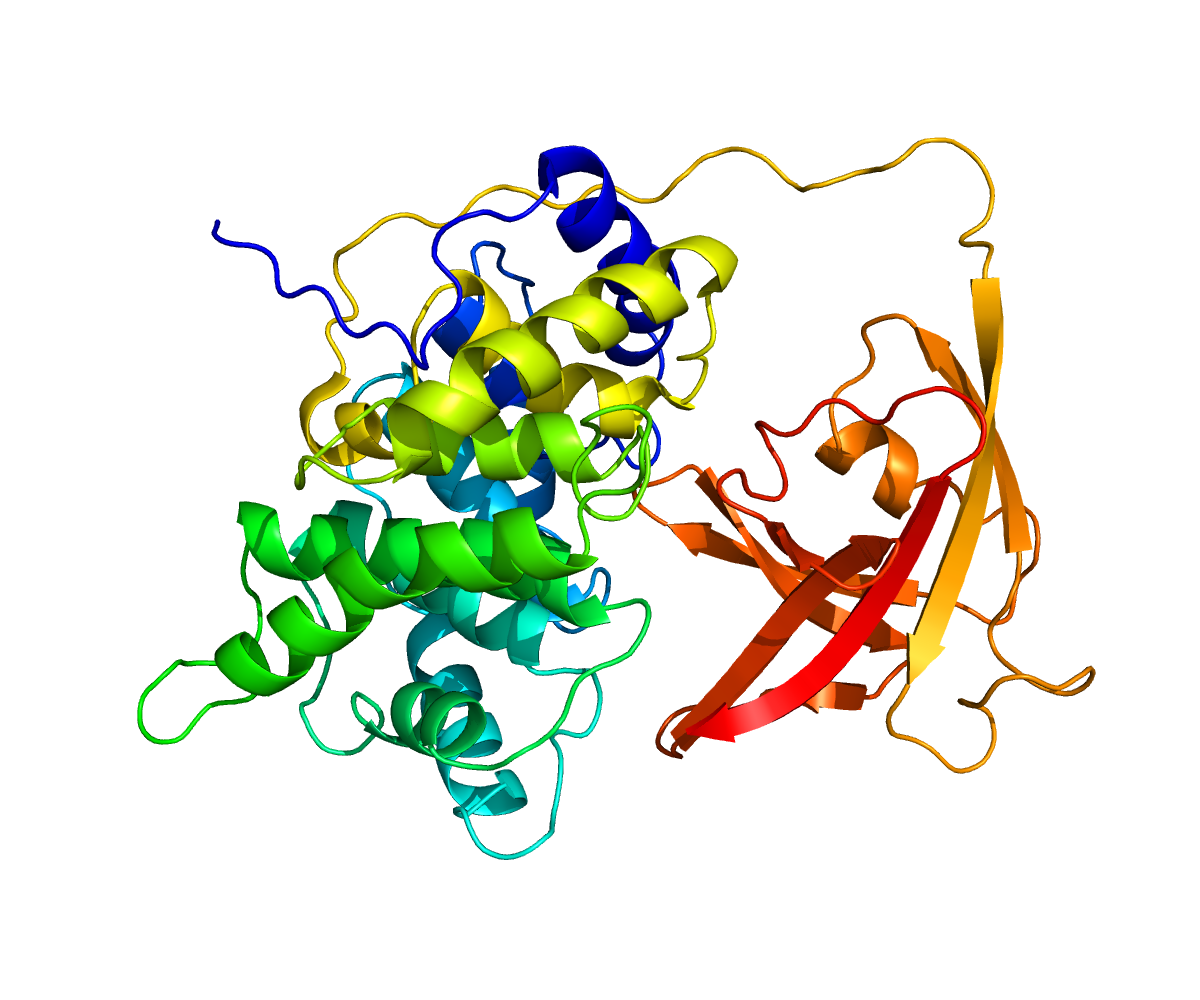
fontes oficiaisThrombin, which cleaves bonds after Arg and Lys, converts fibrinogen to fibrin and activates factors V, VII, VIII, XIII, and, in complex with thrombomodulin, protein C. Functions in blood homeostasis, inflammation and wound healing. Activates coagulation factor XI (F11); activation is promoted by the contact with negatively charged surfaces (PubMed:2019570, PubMed:21976677). Triggers the production of pro-inflammatory cytokines, such as MCP-1/CCL2 and IL8/CXCL8, in endothelial cells (PubMed:3056
Secreted, extracellular space
Factor II deficiency
A very rare blood coagulation disorder characterized by mucocutaneous bleeding symptoms. The severity of the bleeding manifestations correlates with blood factor II levels.
Medicamentos aprovados (FDA)
5 medicamentos encontrados nos registros da FDA americana.
Variantes genéticas (ClinVar)
71 variantes patogênicas registradas no ClinVar.
Vias biológicas (Reactome)
15 vias biológicas associadas aos genes desta condição.
Diagnóstico
Os sinais que médicos procuram e os exames que confirmam
Tratamento e manejo
Remédios, cuidados de apoio e o que precisa acompanhar
Onde tratar no SUS
Hospitais de referência no Brasil e o protocolo oficial do SUS (PCDT)
🇧🇷 Atendimento SUS — Deficiência de fator II congênita
Centros de Referência SUS
24 centros habilitados pelo SUS para Deficiência de fator II congênita
Centros para Deficiência de fator II congênita
Detalhes dos centros
Hospital Universitário Prof. Edgard Santos (HUPES)
R. Dr. Augusto Viana, s/n - Canela, Salvador - BA, 40110-060 · CNES 0003808
Serviço de Referência
Hospital Infantil Albert Sabin
R. Tertuliano Sales, 544 - Vila União, Fortaleza - CE, 60410-794 · CNES 2407876
Serviço de Referência
Hospital de Apoio de Brasília (HAB)
AENW 3 Lote A Setor Noroeste - Plano Piloto, Brasília - DF, 70684-831 · CNES 0010456
Serviço de Referência
Hospital Estadual Infantil e Maternidade Alzir Bernardino Alves (HIABA)
Av. Min. Salgado Filho, 918 - Soteco, Vila Velha - ES, 29106-010 · CNES 6631207
Serviço de Referência
Hospital das Clínicas da UFG
Rua 235 QD. 68 Lote Área, Nº 285, s/nº - Setor Leste Universitário, Goiânia - GO, 74605-050 · CNES 2338424
Serviço de Referência
Hospital Universitário da UFJF
R. Catulo Breviglieri, Bairro - s/n - Santa Catarina, Juiz de Fora - MG, 36036-110 · CNES 2297442
Atenção Especializada
Hospital das Clínicas da UFMG
Av. Prof. Alfredo Balena, 110 - Santa Efigênia, Belo Horizonte - MG, 30130-100 · CNES 2280167
Serviço de Referência
Hospital Universitário Julio Müller (HUJM)
R. Luis Philippe Pereira Leite, s/n - Alvorada, Cuiabá - MT, 78048-902 · CNES 2726092
Atenção Especializada
Hospital Universitário João de Barros Barreto
R. dos Mundurucus, 4487 - Guamá, Belém - PA, 66073-000 · CNES 2337878
Serviço de Referência
Hospital Universitário Lauro Wanderley (HULW)
R. Tabeliao Estanislau Eloy, 585 - Castelo Branco, João Pessoa - PB, 58050-585 · CNES 0002470
Atenção Especializada
Instituto de Medicina Integral Prof. Fernando Figueira (IMIP)
R. dos Coelhos, 300 - Boa Vista, Recife - PE, 50070-902 · CNES 0000647
Serviço de Referência
Hospital Pequeno Príncipe
R. Des. Motta, 1070 - Água Verde, Curitiba - PR, 80250-060 · CNES 3143805
Serviço de Referência
Hospital Universitário Regional de Maringá (HUM)
Av. Mandacaru, 1590 - Parque das Laranjeiras, Maringá - PR, 87083-240 · CNES 2216108
Atenção Especializada
Hospital de Clínicas da UFPR
R. Gen. Carneiro, 181 - Alto da Glória, Curitiba - PR, 80060-900 · CNES 2364980
Serviço de Referência
Hospital Universitário Pedro Ernesto (HUPE-UERJ)
Blvd. 28 de Setembro, 77 - Vila Isabel, Rio de Janeiro - RJ, 20551-030 · CNES 2280221
Serviço de Referência
Instituto Nacional de Saúde da Mulher, da Criança e do Adolescente Fernandes Figueira (IFF/Fiocruz)
Av. Rui Barbosa, 716 - Flamengo, Rio de Janeiro - RJ, 22250-020 · CNES 2269988
Serviço de Referência
Hospital São Lucas da PUCRS
Av. Ipiranga, 6690 - Jardim Botânico, Porto Alegre - RS, 90610-000 · CNES 2232928
Serviço de Referência
Hospital de Clínicas de Porto Alegre (HCPA)
Rua Ramiro Barcelos, 2350 Bloco A - Av. Protásio Alves, 211 - Bloco B e C - Santa Cecília, Porto Alegre - RS, 90035-903 · CNES 2237601
Serviço de Referência
Hospital Universitário da UFSC (HU-UFSC)
R. Profa. Maria Flora Pausewang - Trindade, Florianópolis - SC, 88036-800 · CNES 2560356
Serviço de Referência
Hospital das Clínicas da FMUSP
R. Dr. Ovídio Pires de Campos, 225 - Cerqueira César, São Paulo - SP, 05403-010 · CNES 2077485
Serviço de Referência
Hospital de Base de São José do Rio Preto
Av. Brg. Faria Lima, 5544 - Vila Sao Jose, São José do Rio Preto - SP, 15090-000 · CNES 2079798
Atenção Especializada
Hospital de Clínicas da UNICAMP
R. Vital Brasil, 251 - Cidade Universitária, Campinas - SP, 13083-888 · CNES 2748223
Serviço de Referência
Hospital de Clínicas de Ribeirão Preto (HCRP-USP)
R. Ten. Catão Roxo, 3900 - Vila Monte Alegre, Ribeirão Preto - SP, 14015-010 · CNES 2082187
Serviço de Referência
UNIFESP / Hospital São Paulo
R. Napoleão de Barros, 715 - Vila Clementino, São Paulo - SP, 04024-002 · CNES 2688689
Serviço de Referência
Dados de DATASUS/CNES, SBGM, ABNeuro e Ministério da Saúde. Sempre confirme a disponibilidade diretamente com o estabelecimento.
Pesquisa ativa
Ensaios clínicos abertos e novidades científicas recentes
Pesquisa e ensaios clínicos
Nenhum ensaio clínico registrado para esta condição.
Publicações mais relevantes
Adiposity rebound and height velocity in patients with Congenital Adrenal Hyperplasia.
Adiposity rebound is the first rise in BMI that occurs after the initial decrease during infancy. Early adiposity rebound, before age 5, is a risk factor for later obesity and metabolic problems. We investigated adiposity rebound in children with Congenital Adrenal Hyperplasia due to 21-hydroxylase deficiency (CAH). Longitudinal observational registry study. Height, weight and BMI from patients younger than 20 years in the I-CAH Registry was described by non-linear mixed-effects models. Covariates of glucocorticoid dose, mineralocorticoid dose, 17-Hydroxyprogesterone were assessed on growth and bone age. A total of 10,261 visits within 573 patients (43.6% male) showed significant variation in age at latest peak height velocity (8.4 years (SD = 3.0) in boys; 9.0 years (SD = 1.6) in girls). Peak height velocity was more blunted in boys (7.7 cm/year (SD = 1.4)) than girls (7.4 cm/year (SD = 1.3)) in comparison to normative values. Adiposity rebound occurred earlier than age 5 years in 82% of the cohort, mean age 3.7 years (SD = 1.3) in boys and 3.9 years (SD = 0.9) in girls. Girls prescribed higher doses of glucocorticoid were associated with heavier weight in adolescence and earlier adiposity rebound. Bone age was increasingly advanced in those prescribed higher doses in both sexes. There is a large variation in the timing of adiposity rebound and SITAR-estimated latest peak height velocity in children with CAH. In addition to identifying individuals with CAH who may be at risk of adverse cardiometabolic outcomes these metrics may serve as early surrogate outcomes in future research investigating early-life treatment strategies.
Emicizumab in Acquired Hemophilia A: A Real-World Case Series with Patient-Level Outcome Analysis.
Acquired Hemophilia A (AHA) is a rare bleeding disorder caused by factor VIII inhibitors. Standard therapies are limited by thrombotic risk and prolonged hospitalization. Emicizumab, approved for congenital Hemophilia A, has emerged as a potential alternative in AHA based on case reports and early clinical trial data. To evaluate the efficacy and safety of Emicizumab in AHA through a retrospective real-world case series and a systematic literature review with patient-level data analysis. We retrospectively analyzed five AHA cases treated with Emicizumab at two Italian centers and performed a PRISMA-compliant systematic review of published reports, extracting and analyzing patient-level data using Joanna Briggs Institute tools. In the real-world cohort, early Emicizumab use in five patients with high-titer inhibitors and severe bleeding led to rapid hemorrhagic control, early withdrawal of bypassing agents, and no thrombotic or adverse events. All five patients received immunosuppression, and inhibitor eradication was achieved in 60% of patients, but for 40% follow up is still ongoing. The literature review identified 24 patients from 18 publications. Early Emicizumab administration (at admission) was associated with reduced bleeding recurrence (0% vs. 56.3%), shorter in-hospital stay (median 23.5 days vs. 39 days), and lower bleeding-related mortality (0% vs. 12.5%) compared with delayed administration. Early Emicizumab initiation appears to be a safe and effective strategy for AHA management, particularly in fragile or high-risk populations. Its subcutaneous route, favorable safety profile, and ability to reduce hospitalization support its integration into first-line therapeutic algorithms. Further prospective studies are warranted to define.
IGF-I bioavailability in congenital isolated growth hormone deficiency.
The Itabaianinha cohort in Brazil carries a homozygous growth hormone-releasing hormone (GHRH) receptor (GHRH-R) gene mutation, causing congenital isolated GH deficiency (GHD). Affected individuals present with severe short stature, central obesity, hypercholesterolemia, and marked reductions in serum GH, IGF-I, and IGFBP 3 concentrations yet show no premature atherosclerosis and maintain a normal lifespan. IGF-I mostly circulates bound to IGFBPs and requires proteolytic cleavage for IGF-I receptor activation. Pregnancy-associated plasma protein A (PAPP-A) is an important IGF-dependent cleavage enzyme, binding to IGFBP 4 and releasing IGF-I. PAPP-A activity is inhibited by stanniocalcin-2 (STC2). The IGFBP 4-STC2-PAPP-A axis (ISPa) has emerged as a key regulator of IGF-I bioactivity. We evaluated the ISPa in: (1) GHD subjects with homozygous GHRH-R c.57 + 1G→A mutation, (2) heterozygotes (HTZ), and (3) homozygous wild-type controls (HMZ). Parameters from the ISPa were measured at LMU Klinikum, Munich. Additional biochemical parameters were analyzed at the Federal University of Sergipe, Brazil. As expected, GHD subjects had markedly low GH, IGF-I, IGF-II, free IGF-I, and IGFBP 3 (P < .001), while HTZ resembled HMZ subjects. STC2, PAPP-A, and PAPP-A-STC2 complex concentrations did not differ between groups. However, PAPP-A2 and intact IGFBP 4 were higher in the GHD subjects (P < .05 and P < .01). Notably, IGF-I and IGFBP 3 positively correlated with IGF-II, whereas intact IGFBP 4 and PAPP-A2 showed inverse correlations with IGF-I and IGF-II. Our findings suggest altered IGF-I bioavailability regulation via the ISPa in congenital lifetime GHD, leading to increased PAPP-A2 proteolytic activity, reduced PAPP-A enzymatic activity, and reduced sequestration of PAPP-A2 by STC2.
Use of Plasma-Derived FVII Concentrate in Surgical Patients with Factor VII Deficiency: A Case Series.
Congenital factor VII (FVII) deficiency is the most common rare hemorrhagic disorder. Acquired FVII deficiency can be isolated or associated with other low coagulation factor levels. FVII levels do not accurately predict a patient's bleeding risk. In the case of surgery, the perioperative management needs to be evaluated on a case-by-case basis, considering the patient's bleeding history and the type of surgery. We present 12 patients with congenital or acquired FVII deficiency and describe the perioperative management with plasma-derived nonactivated FVII (pd-FVII) concentrate. Patients with factor VII deficiency treated with pd-FVII for perioperative hemostasis, between April 2022 and May 2025. We report thirteen procedures in 12 patients (11 males and 1 female; age range: 15-78 years). Two patients were affected by acquired deficiency, and 10 patients presented congenital deficiency. Perioperative prophylaxis with pd-FVII was performed at doses ranging from 20 to 40 IU/kg/dose. Total pd-FVII consumption ranged between 20 and 320 IU/kg. During and after surgery, there were no major bleeding or thrombotic events. In the postoperative period, only one patient presented with hematuria.
Thrombin generation profiling in rare coagulation factor deficiencies: associations with bleeding severity and potential for screening.
Rare coagulation factor deficiencies (RCFDs) can cause significant bleeding, but activated partial thromboplastin time (APTT) and prothrombin time (PT) may not detect abnormalities, and factor activity measurements do not predict bleeding severity. Thrombin generation assays may better reflect overall hemostatic capacity. This study investigated whether thrombin generation can detect RCFDs and correlate with bleeding severity in patients with congenital deficiencies of factor (F)II, FV, FV/FVIII, FVII, FX, and FXI. Thrombin generation was measured using the Nijmegen hemostasis assay in patients from the cross-sectional Dutch Rare Bleeding disorders in the Netherlands (RBiN) study (2017-2019). Parameters analyzed included thrombin potential, lag time, and thrombin potential-to-lag time (TP/LT) ratio, normalized using pooled normal plasma and expressed as percentages of the mean from 37 healthy controls. Nijmegen hemostasis assay data were correlated with bleeding severity and compared with APTT and PT. We included 106 patients, mostly with mild deficiencies (median factor activity 5%-53%). Overall, thrombin generation in patients was significantly reduced compared with controls, with decreased thrombin potentials (median 58%) and prolonged lag times (150%), resulting in reduced TP/LT ratios (45%). These parameters correlated with bleeding severity; across RCFDs, median TP/LT ratios ranged from 30% to 104% in patients without spontaneous bleeding (bleeding severity grade 0-1), 26% to 49% in mild spontaneous bleeding (grade 2), and 0% to 22% in severe spontaneous bleeding (grade 3). At 95% specificity, TP/LT ratio showed 68% to 100% sensitivity, outperforming APTT and PT (14%-80%) in all RCFDs except FVII and FV/FVIII deficiency. Thrombin generation profiling correlated with bleeding severity and showed higher sensitivity than conventional screening assays in detecting RCFDs, supporting its potential in screening and clinical evaluation of RFCDs.
Publicações recentes
Prothrombin deficiency with recurrent subretinal hemorrhage.
Association between Severe Acute Respiratory Syndrome Coronavirus 2 Infection (Coronavirus Disease 2019) and Lupus Anticoagulant-Hypoprothrombinemia Syndrome: A Case Report and Literature Assessment.
A pilot study on the impact of congenital thrombophilia in COVID-19.
Inherited factor II deficiency with paradoxical hypercoagulability: a case report.
Congenital Jejunal Membrane Causing Transient Pseudohypoaldosteronism and Hypoprothrombinemia in a 7-Week-Old Infant.
📚 EuropePMC2 artigos no totalmostrando 105
Adiposity rebound and height velocity in patients with Congenital Adrenal Hyperplasia.
European journal of endocrinology[Protein-energy deficiency in children of the first year of life as a risk factor for dislipoproteinemia].
Voprosy pitaniiaEmicizumab in Acquired Hemophilia A: A Real-World Case Series with Patient-Level Outcome Analysis.
Seminars in thrombosis and hemostasisIGF-I bioavailability in congenital isolated growth hormone deficiency.
European journal of endocrinologyUse of Plasma-Derived FVII Concentrate in Surgical Patients with Factor VII Deficiency: A Case Series.
Seminars in thrombosis and hemostasisThrombin generation profiling in rare coagulation factor deficiencies: associations with bleeding severity and potential for screening.
Journal of thrombosis and haemostasis : JTHSevere myelomeningocele in the fourth pregnancy of a 29-year-old woman: a case report.
Romanian journal of morphology and embryology = Revue roumaine de morphologie et embryologieClinical and Genetic Characterization of Factor XI Deficiency in Jordan: Identification of a Novel Splice-Site Mutation Associated with Severe Deficiency.
Clinical and applied thrombosis/hemostasis : official journal of the International Academy of Clinical and Applied Thrombosis/HemostasisCongenital Thrombophilia in Chronic Thromboembolic Pulmonary Hypertension (CTEPH): A Systematic Review of Prevalence, Clinical Phenotype, and Surgical Outcomes.
BiomedicinesAdult-onset Vitamin K-dependent Coagulation Factor Deficiency of Unidentified Etiology.
Internal medicine (Tokyo, Japan)Model-informed drug development of Mim8 - a next-generation bispecific antibody for treatment of haemophilia A.
European journal of pharmaceutical sciences : official journal of the European Federation for Pharmaceutical SciencesFactor XI and Atrial Fibrillation: A Mismatched Pairing?
European cardiologyDeficiency of HSF4 Increases the Secretion of Small Extracellular Vesicles via Upregulation of Chaperone-Mediated Autophagy.
Journal of cellular biochemistryTwenty years of the four-factor prothrombin complex concentrate Octaplex/Balfaxar: A narrative review.
Transfusion and apheresis science : official journal of the World Apheresis Association : official journal of the European Society for HaemapheresisSuccessful Laparoscopic Sleeve Gastrectomy in a Patient With Rare Congenital Factor VII Deficiency: A Case Report and Management Strategy.
CureusHypercalcemia and co-occurring TBX1 mutation in Glycogen Storage Disease Type Ib: case report.
BMC medical genomicsChallenges in the diagnosis and management of patients with rare coagulation disorders in Lebanon and consequences of a social and economic crisis.
Haemophilia : the official journal of the World Federation of Hemophilia[100 years thrombotic thrombocytopenic purpura (TTP) - lessons learned?].
Deutsche medizinische Wochenschrift (1946)Brain Abnormalities in Young Single- and Double-Heterozygote Mice for Both Nkx2-1- and Pax8-Null Mutations.
Molecular neurobiologyClinical and Humanistic Burden of Non-inhibitor Haemophilia A in Five European Countries: Insights from the CHESS II Study.
Advances in therapyProthrombin deficiency with recurrent subretinal hemorrhage.
Laboratory medicineExploring the relationship between condition severity and health-related quality of life in people with haemophilia A across Europe: a multivariable analysis of data from the CHESS II study.
Health and quality of life outcomesDiagnosis and management of factor XI alloinhibitors in patients with congenital factor XI deficiency-A large single-centre experience.
Haemophilia : the official journal of the World Federation of HemophiliaPerioperative management and neuraxial analgesia in women with factor XI deficiency (<60 IU/dL): a French multicenter observational study of 314 pregnancies.
Research and practice in thrombosis and haemostasisGenetics and Epigenetics in Acquired Hemophilia A: From Bench to Bedside.
Current issues in molecular biologyAccuracy of Glucagon Testing Across Transition in Young Adults With Childhood-Onset GH Deficiency.
The Journal of clinical endocrinology and metabolismPhase 3 Trial of Crinecerfont in Adult Congenital Adrenal Hyperplasia.
The New England journal of medicineUpdates on clinical and laboratory aspects of hereditary dyserythropoietic anemias.
International journal of laboratory hematologyEconomic and Humanistic Burden of Moderate and Severe Hemophilia A and B in Spain: Real-World Evidence Insights from the CHESS II Study.
Journal of health economics and outcomes researchIsolated Prothrombin Deficiency: A Case Report of a Rare Coagulation Disorder and Review of Literature.
CureusFalsely prolonged prothrombin time test in a patient with erythrocytosis: a case report.
Blood coagulation & fibrinolysis : an international journal in haemostasis and thrombosisGenotype-Phenotype Relationship among 785 Unrelated White Women with Inherited Congenital Factor VII Deficiency: A Three-Center Database Study.
Journal of clinical medicinePredictONCO: a web tool supporting decision-making in precision oncology by extending the bioinformatics predictions with advanced computing and machine learning.
Briefings in bioinformaticsPlasma Clearance of Coagulation Factor VIII and Extension of Its Half-Life for the Therapy of Hemophilia A: A Critical Review of the Current State of Research and Practice.
International journal of molecular sciencesAssociation between Severe Acute Respiratory Syndrome Coronavirus 2 Infection (Coronavirus Disease 2019) and Lupus Anticoagulant-Hypoprothrombinemia Syndrome: A Case Report and Literature Assessment.
Seminars in thrombosis and hemostasisBiomarker sST2 in Adults with Transposition of the Great Arteries Palliated by Mustard Procedure: A Five-Year Follow-up.
Pediatric cardiologySingle Cell Sequencing Reveals Mechanisms of Persistent Truncus Arteriosus Formation after PDGFRα and PDGFRβ Double Knockout in Cardiac Neural Crest Cells.
GenesCongenital adiponectin deficiency mitigates high-fat-diet-induced obesity in gonadally intact male and female, but not in ovariectomized mice.
Scientific reportsCerebral venous sinus thrombosis after COVID-19 vaccination and congenital deficiency of coagulation factors: Is there a correlation?
Human vaccines & immunotherapeuticsInvolvement of muscle satellite cell dysfunction in neuromuscular disorders: Expanding the portfolio of satellite cell-opathies.
European journal of translational myologyEuropean Renal Best Practice endorsement of guidelines for diagnosis and therapy of thrombotic thrombocytopaenic purpura published by the International Society on Thrombosis and Haemostasis.
Nephrology, dialysis, transplantation : official publication of the European Dialysis and Transplant Association - European Renal AssociationThe role of epidermal growth factor-like domain-related abnormalities, protein S Tokushima, and anti-protein S autoantibodies in pregnancy loss.
Journal of reproductive immunologyAnesthesia strategy for factor X deficiency coagulopathy: case report.
Brazilian journal of anesthesiology (Elsevier)Crinecerfont Lowers Elevated Hormone Markers in Adults With 21-Hydroxylase Deficiency Congenital Adrenal Hyperplasia.
The Journal of clinical endocrinology and metabolismExpanding the clinical spectrum of pathogenic variation in NR2F2: Asplenia.
European journal of medical geneticsWhole Exome Sequencing Uncovered the Genetic Architecture of Growth Hormone Deficiency Patients.
Frontiers in endocrinologyBiallelic P4HTM variants associated with HIDEA syndrome and mitochondrial respiratory chain complex I deficiency.
European journal of human genetics : EJHGAldosterone signaling defect in young infants: single-center report and review.
BMC endocrine disordersTildacerfont in Adults With Classic Congenital Adrenal Hyperplasia: Results from Two Phase 2 Studies.
The Journal of clinical endocrinology and metabolismPatient-relevant health outcomes for hemophilia care: Development of an international standard outcomes set.
Research and practice in thrombosis and haemostasisRNAi targeting heparin cofactor II promotes hemostasis in hemophilia A.
Molecular therapy. Nucleic acidsvon Willebrand factor propeptide missense variants affect anterograde transport to Golgi resulting in ER retention.
Human mutationAutocrine IGF2 programmes β-cell plasticity under conditions of increased metabolic demand.
Scientific reportsA pilot study on the impact of congenital thrombophilia in COVID-19.
European journal of clinical investigationLack of resemblance between Myhre syndrome and other "segmental progeroid" syndromes warrants restraint in applying this classification.
GeroScienceA large cohort of disorders of sex development and their genetic characteristics: 6 novel mutations in known genes.
European journal of medical geneticsBiochemical, molecular and clinical aspects of coagulation factor VII and its role in hemostasis and thrombosis.
HaematologicaCurrent Clinical Applications of In Vivo Gene Therapy with AAVs.
Molecular therapy : the journal of the American Society of Gene TherapyGenetic compensation prevents myopathy and heart failure in an in vivo model of Bag3 deficiency.
PLoS geneticsCongenital Hemolytic Anemias: Is There a Role for the Immune System?
Frontiers in immunologyThyroxine Treatment During the Perinatal Stage Prevents the Alterations in the ObRb-STAT3 Leptin Signaling Pathway Caused by Congenital Hypothyroidism.
Hormone and metabolic research = Hormon- und Stoffwechselforschung = Hormones et metabolismeBleeding and response to hemostatic therapy in acquired hemophilia A: results from the GTH-AH 01/2010 study.
BloodDeficiency of NONO is associated with impaired cardiac function and fibrosis in mice.
Journal of molecular and cellular cardiologyComprehensive care for hemophilia and other inherited bleeding disorders.
Transfusion and apheresis science : official journal of the World Apheresis Association : official journal of the European Society for HaemapheresisNovel Intragenic PAX6 Deletion in a Pedigree with Aniridia, Morbid Obesity, and Diabetes.
Current eye researchDirect Oral Anticoagulants in Patients Affected by Major Congenital Thrombophilia.
Mediterranean journal of hematology and infectious diseasesEtiology of primary adrenal insufficiency in children: a 29-year single-center experience.
Journal of pediatric endocrinology & metabolism : JPEMRetinal dystrophy in an individual carrying a de novo missense variant of SMARCA4.
Molecular genetics & genomic medicineHemostatic assessment of combined anticoagulant therapy using warfarin and prothrombin complex concentrates in a case of severe protein C deficiency.
International journal of hematologyNeuroglial Involvement in Abnormal Glutamate Transport in the Cochlear Nuclei of the Igf1 -/- Mouse.
Frontiers in cellular neuroscienceAZATAX: Acetazolamide safety and efficacy in cerebellar syndrome in PMM2 congenital disorder of glycosylation (PMM2-CDG).
Annals of neurologyClinical pharmacology, efficacy and safety study of a triple-secured fibrinogen concentrate in adults and adolescent patients with congenital fibrinogen deficiency.
Journal of thrombosis and haemostasis : JTHSuccessful coronary artery bypass graft surgery in severe congenital factor VII deficiency: Perioperative treatment with pd-factor VII concentrate.
Haemophilia : the official journal of the World Federation of HemophiliaProline 36 of the Factor XIII Activation Peptide Plays a Crucial Role in Substrate Recognition and Zymogen Activation.
Thrombosis and haemostasisSite-1 protease deficiency causes human skeletal dysplasia due to defective inter-organelle protein trafficking.
JCI insightThe sample that would not clot.
Clinica chimica acta; international journal of clinical chemistryExpanding the Spectrum of EBV-positive Marginal Zone Lymphomas: A Lesion Associated With Diverse Immunodeficiency Settings.
The American journal of surgical pathologyLoss of Dis3l2 partially phenocopies Perlman syndrome in mice and results in up-regulation of Igf2 in nephron progenitor cells.
Genes & developmentTesting for genetic contributions to infertility: potential clinical impact.
Expert review of molecular diagnosticsSclerotherapy of esophageal varices in hemophilia patients with liver cirrhosis - a prospective, controlled clinical study.
Polski przeglad chirurgiczny[Genetic factors in hypopituitarism. The role of transcription factors in pituitary hormone deficiency].
Orvosi hetilapAcquired factor V deficiency in a patient with myeloma and amyloidosis.
Thrombosis researchInherited factor II deficiency with paradoxical hypercoagulability: a case report.
Blood coagulation & fibrinolysis : an international journal in haemostasis and thrombosisAnaphylaxis Following Human Prothrombin Complex Concentrate in a Child with Lupus Anticoagulant Hypoprothrombinemia Syndrome: A Cautionary Tale.
TH open : companion journal to thrombosis and haemostasisChildren with premature pubarche: is an alterated neonatal 17-Ohp screening test a predictive factor?
Italian journal of pediatricsHypothalamic abnormalities: Growth failure due to defects of the GHRH receptor.
Growth hormone & IGF research : official journal of the Growth Hormone Research Society and the International IGF Research SocietyFactor XI gene variants in factor XI-deficient patients of Southern Italy: identification of a novel mutation and genotype-phenotype relationship.
Human genome variationCongenital Jejunal Membrane Causing Transient Pseudohypoaldosteronism and Hypoprothrombinemia in a 7-Week-Old Infant.
Klinische PadiatrieA genetic risk factor for thrombophilia in a Han Chinese family.
Molecular medicine reportsGene analysis of six cases of congenital protein S deficiency and functional analysis of protein S mutations (A139V, C449F, R451Q, C475F, A525V and D599TfsTer13).
Thrombosis researchRecombinant Activated Factor VII (Eptacog Alfa Activated, NovoSeven®) in Patients with Rare Congenital Bleeding Disorders. A Systematic Review on its Use in Surgical Procedures.
Current pharmaceutical designMinireview on Glutamine Synthetase Deficiency, an Ultra-Rare Inborn Error of Amino Acid Biosynthesis.
BiologyFgf10 deficiency is causative for lethality in a mouse model of bronchopulmonary dysplasia.
The Journal of pathologyExpression and release of platelet protein disulphide isomerase in patients with haemophilia A.
Haemophilia : the official journal of the World Federation of HemophiliaRecombinant B-domain-deleted porcine sequence factor VIII (r-pFVIII) for the treatment of bleeding in patients with congenital haemophilia A and inhibitors.
Haemophilia : the official journal of the World Federation of HemophiliaRare coagulation disorders: fibrinogen, factor VII and factor XIII.
Haemophilia : the official journal of the World Federation of HemophiliaWomen with congenital factor VII deficiency: clinical phenotype and treatment options from two international studies.
Haemophilia : the official journal of the World Federation of HemophiliaFunctional characterization of a novel GFI1B mutation causing congenital macrothrombocytopenia.
Journal of thrombosis and haemostasis : JTHIn Pulmonary Arterial Hypertension, Reduced BMPR2 Promotes Endothelial-to-Mesenchymal Transition via HMGA1 and Its Target Slug.
CirculationAutoantibodies against homocysteinylated protein in a mouse model of folate deficiency-induced neural tube defects.
Birth defects research. Part A, Clinical and molecular teratologyA case of congenital prothrombin deficiency and idiopathic thrombocytopenic purpura in a pregnant female.
Blood coagulation & fibrinolysis : an international journal in haemostasis and thrombosisMolecular characterization of novel splice site mutation causing protein C deficiency.
Blood coagulation & fibrinolysis : an international journal in haemostasis and thrombosisFrequency of the p.Gly262Asp mutation in congenital Factor X deficiency.
European journal of clinical investigationEptacog alfa activated: a recombinant product to treat rare congenital bleeding disorders.
Blood reviewsPreparation of factor VII concentrate using CNBr-activated Sepharose 4B immunoaffinity chromatography.
Medical journal of the Islamic Republic of IranAssociações
Organizações que acompanham esta doença — pra ter apoio e orientação
Ainda não temos associações cadastradas para Deficiência de fator II congênita.
É de uma associação que acompanha esta doença? Fale com a gente →
Comunidades
Grupos ativos de quem convive com esta doença aqui no Raras
Ainda não existe comunidade no Raras para Deficiência de fator II congênita
Pacientes, familiares e cuidadores se organizam em comunidades pra compartilhar experiências, fazer perguntas e se apoiar. Você pode ser o primeiro.
Tire suas dúvidas
Perguntas, dicas e experiências compartilhadas aqui na página
Participe da discussão
Faça login para postar dúvidas, compartilhar experiências e interagir com especialistas.
Fazer loginDoenças relacionadas
Doenças com sintomas parecidos — ajudam quem ainda está buscando diagnóstico
Referências e fontes
Bases de dados externas citadas neste artigo
Publicações científicas
Artigos indexados no PubMed ligados a esta doença no grafo RarasNet — título, periódico e PMID direto da fonte, sem intermediação de IA.
- Adiposity rebound and height velocity in patients with Congenital Adrenal Hyperplasia.
- Emicizumab in Acquired Hemophilia A: A Real-World Case Series with Patient-Level Outcome Analysis.
- IGF-I bioavailability in congenital isolated growth hormone deficiency.
- Use of Plasma-Derived FVII Concentrate in Surgical Patients with Factor VII Deficiency: A Case Series.
- Thrombin generation profiling in rare coagulation factor deficiencies: associations with bleeding severity and potential for screening.
- Prothrombin deficiency with recurrent subretinal hemorrhage.
- Association between Severe Acute Respiratory Syndrome Coronavirus 2 Infection (Coronavirus Disease 2019) and Lupus Anticoagulant-Hypoprothrombinemia Syndrome: A Case Report and Literature Assessment.
- A pilot study on the impact of congenital thrombophilia in COVID-19.
- Inherited factor II deficiency with paradoxical hypercoagulability: a case report.
- Congenital Jejunal Membrane Causing Transient Pseudohypoaldosteronism and Hypoprothrombinemia in a 7-Week-Old Infant.
Bases de dados e fontes oficiais
Identificadores e referências canônicas usadas para montar este verbete.
- ORPHA:325(Orphanet)
- OMIM OMIM:613679(OMIM)
- MONDO:0013361(MONDO)
- GARD:2926(GARD (NIH))
- Variantes catalogadas(ClinVar)
- Busca completa no PubMed(PubMed)
- Q3801629(Wikidata)
Dados compilados pelo RarasNet a partir de fontes abertas (Orphanet, OMIM, MONDO, PubMed/EuropePMC, ClinicalTrials.gov, DATASUS, PCDT/MS). Este conteúdo é informativo e não substitui avaliação médica.
Conteúdo mantido por Agente Raras · Médicos e pesquisadores podem colaborar
Deficiência de fator II congênita
📋 Origem dos dados
Esta página agrega dados de fontes públicas e oficiais. Dados sobre cobertura no SUS (PCDT, CEAF) são verificados ativamente por agente proativo (ver badge no infobox). Demais dados têm atribuição de fonte + data da última sincronização — clique para abrir o original.
- Doença rara (ontologia)
- fonte: Orphanet
- Identificador unificado
- fonte: MONDO
- Genética mendeliana
- fonte: OMIM
- Codificação WHO/SUS
- fonte: WHO ICD-10 / DATASUS
- CID-11 (futuro)
- fonte: WHO ICD-11
- NIH/GARD
- fonte: GARD (NIH)
- Indexação biomédica
- fonte: MeSH (NLM)
- Dado público estruturado
- fonte: Wikidata
- Medicamentos aprovados FDA
- fonte: FDA OpenFDA