
A deficiência de Fator VII (FVII) é uma doença hereditária rara que causa sangramentos. Ela ocorre porque o corpo tem pouco ou nenhum desse fator de coagulação.
Introdução
O que você precisa saber de cara
A deficiência de Fator VII (FVII) é uma doença hereditária rara que causa sangramentos. Ela ocorre porque o corpo tem pouco ou nenhum desse fator de coagulação.
Escala de raridade
<1/50kMuito rara
1/20kRara
1/10kPouco freq.
1/5kIncomum
1/2k
Encontrou um erro ou informação desatualizada? Sugira uma correção →
Entender a doença
Do básico ao detalhe, leia no seu ritmo
Preparando trilha educativa...
Sinais e sintomas
O que aparece no corpo e com que frequência cada sintoma acontece
Partes do corpo afetadas
+ 10 sintomas em outras categorias
Características mais comuns
Os sintomas variam de pessoa para pessoa. Abaixo estão as 18 características clínicas mais associadas, ordenadas por frequência.
Linha do tempo da pesquisa
Encontrou um erro ou informação desatualizada? Sugira uma correção →
Genética e causas
O que está alterado no DNA e como passa nas famílias
Genes associados
1 gene identificado com associação a esta condição. Padrão de herança: Autosomal dominant, Autosomal recessive.
Curadoria gene-doença
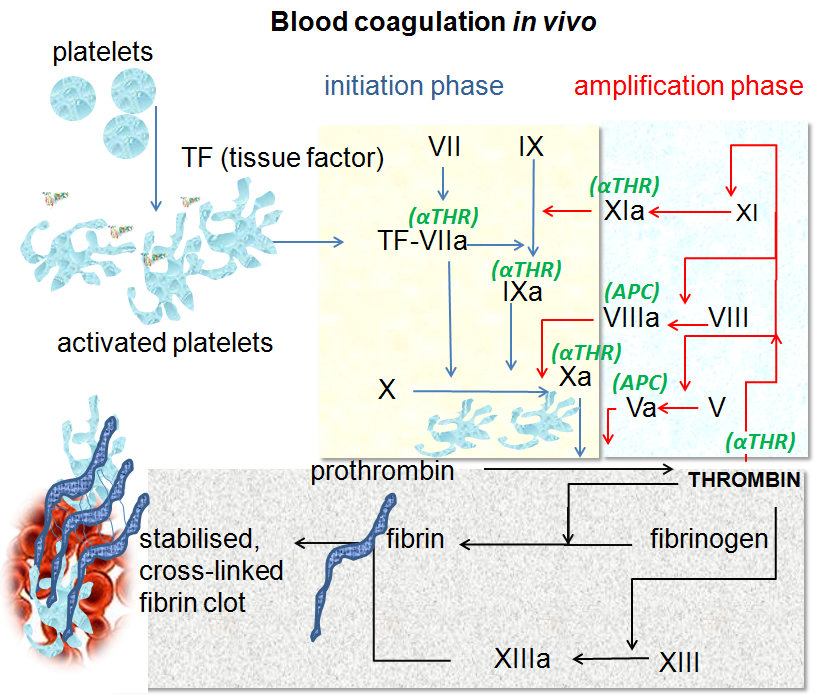
fontes oficiaisInitiates the extrinsic pathway of blood coagulation. Serine protease that circulates in the blood in a zymogen form. Factor VII is converted to factor VIIa by factor Xa, factor XIIa, factor IXa, or thrombin by minor proteolysis. In the presence of tissue factor and calcium ions, factor VIIa then converts factor X to factor Xa by limited proteolysis. Factor VIIa also converts factor IX to factor IXa in the presence of tissue factor and calcium (PubMed:271951)
Secreted
Factor VII deficiency
A hemorrhagic disease with variable presentation. The clinical picture can be very severe, with the early occurrence of intracerebral hemorrhages or repeated hemarthroses, or, in contrast, moderate with cutaneous-mucosal hemorrhages (epistaxis, menorrhagia) or hemorrhages provoked by a surgical intervention. Finally, numerous subjects are completely asymptomatic despite very low factor VII levels.
Medicamentos aprovados (FDA)
5 medicamentos encontrados nos registros da FDA americana.
Variantes genéticas (ClinVar)
247 variantes patogênicas registradas no ClinVar.
Classificação de variantes (ClinVar)
Distribuição de 94 variantes classificadas pelo ClinVar.
Vias biológicas (Reactome)
5 vias biológicas associadas aos genes desta condição.
Diagnóstico
Os sinais que médicos procuram e os exames que confirmam
Tratamento e manejo
Remédios, cuidados de apoio e o que precisa acompanhar
Onde tratar no SUS
Hospitais de referência no Brasil e o protocolo oficial do SUS (PCDT)
🇧🇷 Atendimento SUS — Deficiência de fator VII congênita
Centros de Referência SUS
24 centros habilitados pelo SUS para Deficiência de fator VII congênita
Centros para Deficiência de fator VII congênita
Detalhes dos centros
Hospital Universitário Prof. Edgard Santos (HUPES)
R. Dr. Augusto Viana, s/n - Canela, Salvador - BA, 40110-060 · CNES 0003808
Serviço de Referência
Hospital Infantil Albert Sabin
R. Tertuliano Sales, 544 - Vila União, Fortaleza - CE, 60410-794 · CNES 2407876
Serviço de Referência
Hospital de Apoio de Brasília (HAB)
AENW 3 Lote A Setor Noroeste - Plano Piloto, Brasília - DF, 70684-831 · CNES 0010456
Serviço de Referência
Hospital Estadual Infantil e Maternidade Alzir Bernardino Alves (HIABA)
Av. Min. Salgado Filho, 918 - Soteco, Vila Velha - ES, 29106-010 · CNES 6631207
Serviço de Referência
Hospital das Clínicas da UFG
Rua 235 QD. 68 Lote Área, Nº 285, s/nº - Setor Leste Universitário, Goiânia - GO, 74605-050 · CNES 2338424
Serviço de Referência
Hospital Universitário da UFJF
R. Catulo Breviglieri, Bairro - s/n - Santa Catarina, Juiz de Fora - MG, 36036-110 · CNES 2297442
Atenção Especializada
Hospital das Clínicas da UFMG
Av. Prof. Alfredo Balena, 110 - Santa Efigênia, Belo Horizonte - MG, 30130-100 · CNES 2280167
Serviço de Referência
Hospital Universitário Julio Müller (HUJM)
R. Luis Philippe Pereira Leite, s/n - Alvorada, Cuiabá - MT, 78048-902 · CNES 2726092
Atenção Especializada
Hospital Universitário João de Barros Barreto
R. dos Mundurucus, 4487 - Guamá, Belém - PA, 66073-000 · CNES 2337878
Serviço de Referência
Hospital Universitário Lauro Wanderley (HULW)
R. Tabeliao Estanislau Eloy, 585 - Castelo Branco, João Pessoa - PB, 58050-585 · CNES 0002470
Atenção Especializada
Instituto de Medicina Integral Prof. Fernando Figueira (IMIP)
R. dos Coelhos, 300 - Boa Vista, Recife - PE, 50070-902 · CNES 0000647
Serviço de Referência
Hospital Pequeno Príncipe
R. Des. Motta, 1070 - Água Verde, Curitiba - PR, 80250-060 · CNES 3143805
Serviço de Referência
Hospital Universitário Regional de Maringá (HUM)
Av. Mandacaru, 1590 - Parque das Laranjeiras, Maringá - PR, 87083-240 · CNES 2216108
Atenção Especializada
Hospital de Clínicas da UFPR
R. Gen. Carneiro, 181 - Alto da Glória, Curitiba - PR, 80060-900 · CNES 2364980
Serviço de Referência
Hospital Universitário Pedro Ernesto (HUPE-UERJ)
Blvd. 28 de Setembro, 77 - Vila Isabel, Rio de Janeiro - RJ, 20551-030 · CNES 2280221
Serviço de Referência
Instituto Nacional de Saúde da Mulher, da Criança e do Adolescente Fernandes Figueira (IFF/Fiocruz)
Av. Rui Barbosa, 716 - Flamengo, Rio de Janeiro - RJ, 22250-020 · CNES 2269988
Serviço de Referência
Hospital São Lucas da PUCRS
Av. Ipiranga, 6690 - Jardim Botânico, Porto Alegre - RS, 90610-000 · CNES 2232928
Serviço de Referência
Hospital de Clínicas de Porto Alegre (HCPA)
Rua Ramiro Barcelos, 2350 Bloco A - Av. Protásio Alves, 211 - Bloco B e C - Santa Cecília, Porto Alegre - RS, 90035-903 · CNES 2237601
Serviço de Referência
Hospital Universitário da UFSC (HU-UFSC)
R. Profa. Maria Flora Pausewang - Trindade, Florianópolis - SC, 88036-800 · CNES 2560356
Serviço de Referência
Hospital das Clínicas da FMUSP
R. Dr. Ovídio Pires de Campos, 225 - Cerqueira César, São Paulo - SP, 05403-010 · CNES 2077485
Serviço de Referência
Hospital de Base de São José do Rio Preto
Av. Brg. Faria Lima, 5544 - Vila Sao Jose, São José do Rio Preto - SP, 15090-000 · CNES 2079798
Atenção Especializada
Hospital de Clínicas da UNICAMP
R. Vital Brasil, 251 - Cidade Universitária, Campinas - SP, 13083-888 · CNES 2748223
Serviço de Referência
Hospital de Clínicas de Ribeirão Preto (HCRP-USP)
R. Ten. Catão Roxo, 3900 - Vila Monte Alegre, Ribeirão Preto - SP, 14015-010 · CNES 2082187
Serviço de Referência
UNIFESP / Hospital São Paulo
R. Napoleão de Barros, 715 - Vila Clementino, São Paulo - SP, 04024-002 · CNES 2688689
Serviço de Referência
Dados de DATASUS/CNES, SBGM, ABNeuro e Ministério da Saúde. Sempre confirme a disponibilidade diretamente com o estabelecimento.
Pesquisa ativa
Ensaios clínicos abertos e novidades científicas recentes
Ensaios em destaque
🟢 Recrutando agora
4 pesquisas recrutando participantes. Converse com seu médico sobre a possibilidade de participar.
Outros ensaios clínicos
11 ensaios clínicos encontrados, 4 ativos.
Publicações mais relevantes
Congenital factor VII deficiency as a cause of postpartum hemorrhage: A case report.
Obstetric hemorrhage is one of the leading causes of maternal morbidity and mortality worldwide. However, coagulation disorders as an etiology are rare, with a prevalence of less than 1 %. This report concerns the case of a 24-year-old patient with no previous history of bleeding who presented with postpartum hemorrhage at 38.6 weeks of pregnancy after a normal vaginal delivery. The hemorrhage was refractory to the use of uterotonics and compression maneuvers. In the absence of uterine atony, retained products of conception, or obvious trauma, the possibility of an underlying coagulopathy was considered. Initial studies showed an isolated prolongation of prothrombin time, with activated partial thromboplastin time within normal parameters. A correction test with a normal plasma pool was performed, which showed complete correction of prothrombin time. Specific factor quantification confirmed a severe and isolated factor VII deficiency.
Perioperative Challenges in a Patient With Moderate Congenital Factor VII Deficiency: A Case Report.
Congenital factor VII (FVII) deficiency is a rare autosomal recessive bleeding disorder characterized by marked clinical variability. The correlation between plasma FVII activity and bleeding severity is often poor, posing challenges in perioperative management. We report the case of a 25-year-old man with moderate congenital FVII deficiency (FVII:C 39%), diagnosed in infancy. He experienced severe bleeding after a dental extraction in 2008 but later underwent ileocecal resection in 2023 under recombinant activated factor VII (rFVIIa) coverage without complications. Preoperative laboratory investigations showed prolonged prothrombin time (PT 57% activity) with normal activated partial thromboplastin time (aPTT ratio 1.14), confirming isolated moderate FVII deficiency. A personalized perioperative protocol including rFVIIa (15-25 µg/kg IV), tranexamic acid, and local hemostatic measures was implemented. The patient tolerated the procedure well, with no postoperative bleeding or thrombosis. This case highlights that even moderate FVII deficiency can carry significant surgical bleeding risk, and emphasizes the importance of tailored perioperative management combining rFVIIa, antifibrinolytic therapy, and meticulous local hemostasis.
Perinatal ischemic stroke in an infant with factor VII deficiency: A CARE-compliant case report.
Hemophilia, an inherited bleeding disorder, is rarely caused by congenital factor VII (FVII) deficiency, occurring in 1 in 500,000 patients. Oftentimes, the presenting symptom of newborns with congenital FVII deficiency is intracranial hemorrhage, which can lead to adverse neurological outcomes. A 2-day-old male infant, born late preterm, presented with symptoms of coffee-ground emesis, lethargy, and feeding difficulties. Computed tomography revealed acute ischemic stroke with hemorrhagic transformation in the territory of the left middle cerebral artery, along with acute subdural hematoma and intraventricular hemorrhage. A few days later, magnetic resonance imaging showed an additional hemorrhagic infarction in the left parietal-occipital lobes. Hematologic testing confirmed FVII deficiency. The patient underwent treatment with recombinant FVII. On the 15th day, following the correction of the bleeding tendency, a ventriculoperitoneal shunt was inserted. An early and comprehensive rehabilitation program was initiated. The patient exhibits right-sided hemiplegia, visual deficits, and global developmental delays. However, gradual progress has been noted through rehabilitative interventions. Currently, at the age of 44 months, the patient can stand with minimal assistance for 10 minutes, cruise over extended distances, articulate brief phrases, and comply with simple instructions. This case report describes the first documented neonatal case of congenital FVII deficiency associated with simultaneous cerebral infarction and hemorrhage, indicating that FVII deficiency does not protect against thrombosis. Early, comprehensive rehabilitation capitalizes on neuroplasticity, potentially enhancing motor, cognitive, and communicative skills and supporting functional independence in patients with perinatal stroke.
[Severe congenital Factor VII deficiency discovered incidentally in the peripartum period: a case report].
Factor VII, also known as proconvertin, is a vitamin K-dependent coagulation protein involved in the extrinsic coagulation pathway. It is a congenital deficiency that is a rare autosomal recessive disorder that can manifest as bleeding episodes of varying severity. We here report the case of a 22-year-old primigravida patient in whom a coagulation disorder was incidentally discovered during the peripartum period, following an episode of epistaxis. Biological investigations revealed a significant decrease in prothrombin time and a markedly prolonged INR, leading to the diagnosis of severe factor VII deficiency. Given the high risk of hemorrhage, a specific obstetric management plan was implemented. Delivery was performed by cesarean section under general anesthesia, following preoperative preparation that included a transfusion of fresh frozen plasma and the administration of an antifibrinolytic agent. The procedure was uneventful, and the postoperative course was favorable, with no significant bleeding episodes. This study highlights the importance of early detection and appropriate management of factor VII deficiency in an obstetric context to minimize hemorrhagic risks for both mother and newborn. Le facteur VII, ou proconvertine, est une protéine de la coagulation dépendante de la vitamine K, intervenant dans la voie extrinsèque de la coagulation. Son déficit congénital constitue une affection rare à transmission autosomique récessive et peut se manifester par des épisodes hémorragiques de sévérité variable. Nous rapportons le cas d´une patiente de 22 ans, primigeste, chez qui un trouble de la coagulation a été découvert de manière fortuite en péripartum à la suite d´un épisode d´épistaxis. Le bilan biologique a révélé un effondrement du temps de prothrombine ainsi qu´un allongement significatif de l'International Normalised Ratio (INR), conduisant au diagnostic d´un déficit sévère en facteur VII. Compte tenu du risque hémorragique, une prise en charge obstétricale spécifique a été mise en place. L´accouchement par césarienne a été réalisé sous anesthésie générale, après une préparation préopératoire comprenant une transfusion de plasma frais congelé et l'administration d´un antifibrinolytique. L'intervention s´est déroulée sans complications, et l'évolution post-opératoire a été favorable, sans épisode hémorragique notable. À travers cette observation, nous mettons en lumière l'importance du dépistage précoce et d´une prise en charge adaptée du déficit en facteur VII dans un contexte obstétrical, afin de minimiser les risques hémorragiques tant pour la mère que pour le nouveau-né.
A novel compound heterozygous mutation (c.64G > A and c.506-1G > A) associated with congenital coagulation factor VII deficiency: a case report and literature review.
Congenital factor VII (FVII) deficiency is a rare autosomal recessive bleeding disorder characterized by prolonged prothrombin time (PT) and reduced FVII coagulant activity (FVII: C). Here, we present the case of a middle-aged male patient with gastrointestinal bleeding, who exhibited prolonged PT and decreased FVII: C levels. Gene sequencing analysis revealed compound heterozygous mutations in the F7 gene: c.64G > A (p.V22I) and c.506-1G > A. Based on the laboratory results and gene sequencing, the patient was diagnosed as FVII deficiency. After adding recombinant activated FVII (rFVIIa) for several days, the laboratory indicators returned to normal and the bleeding symptoms were relieved. In subsequent validation studies, we also identified the c.506-1G > A mutation in his older sister and daughter. Importantly, this represents the first documented case where both mutations coexist concurrently. Additionally, our literature review reveals that approximately 50% of mutation types associated with congenital FVII deficiency are located on exon 9; however, there is no significant correlation between the reduction in FVII: C levels and severity of clinical symptoms based on EAHAD database analysis.
Publicações recentes
Congenital factor VII deficiency as a cause of postpartum hemorrhage: A case report.
Perioperative Challenges in a Patient With Moderate Congenital Factor VII Deficiency: A Case Report.
🥉 Relato de casoPerinatal ischemic stroke in an infant with factor VII deficiency: A CARE-compliant case report.
📖 Revisão[Severe congenital Factor VII deficiency discovered incidentally in the peripartum period: a case report].
A novel compound heterozygous mutation (c.64G > A and c.506-1G > A) associated with congenital coagulation factor VII deficiency: a case report and literature review.
📚 EuropePMC155 artigos no totalmostrando 72
Congenital factor VII deficiency as a cause of postpartum hemorrhage: A case report.
Case reports in women's healthPerioperative Challenges in a Patient With Moderate Congenital Factor VII Deficiency: A Case Report.
CureusPerinatal ischemic stroke in an infant with factor VII deficiency: A CARE-compliant case report.
Medicine[Severe congenital Factor VII deficiency discovered incidentally in the peripartum period: a case report].
The Pan African medical journalA novel compound heterozygous mutation (c.64G > A and c.506-1G > A) associated with congenital coagulation factor VII deficiency: a case report and literature review.
Annals of hematologyCongenital Factor VII Deficiency: A Case Study of Four Family Members.
CureusSuccessful Laparoscopic Sleeve Gastrectomy in a Patient With Rare Congenital Factor VII Deficiency: A Case Report and Management Strategy.
Cureus[Management of pregnant women with deficiency of factor VII. Report of one case].
Revista medica de ChileFrequency of the p.Thr241Asn mutation in Chinese patients with congenital factor VII deficiency.
Thrombosis researchPatient with congenital factor VII deficiency undergoing brain tumor neurosurgery successfully treated with recombinant factor VIIa and fresh frozen plasma: A case report and literature review.
MedicineGenotype-Phenotype Relationship among 785 Unrelated White Women with Inherited Congenital Factor VII Deficiency: A Three-Center Database Study.
Journal of clinical medicineFactor VII Deficiency in an End-Stage Renal Disease Patient With Recurrent Thrombosis: A Case Report.
CureusAcute Thrombotic Events in Association With Coronavirus Disease of 2019 Immunization as Initial Presentation of Congenital Factor VII Deficiency.
Journal of pediatric hematology/oncologyA multicenter, observational study to evaluate hemostasis following recombinant activated FVII treatment in patients in Japan with congenital factor VII deficiency.
Blood coagulation & fibrinolysis : an international journal in haemostasis and thrombosisCurrent status and future prospects of activated recombinant coagulation factor VIIa, NovoSeven®, in the treatment of haemophilia and rare bleeding disorders.
Annals of hematologyInterleukin 10, but not tumor necrosis factor-alpha, gene variations are associated with factor VII inhibitor development.
Laboratory medicineCase report of recurrent bleeding in an infant with isolated prolonged prothrombin time due to congenital factor VII deficiency---a riddle solved.
Journal of family medicine and primary careReproductive health and hemostatic issues in women and girls with congenital factor VII deficiency: A systematic review.
Journal of thrombosis and haemostasis : JTHPhenotypic and genotypic characterization of two factor VII deficiency patients from southeastern China.
Blood coagulation & fibrinolysis : an international journal in haemostasis and thrombosisClinical phenotype and F7 gene genotype in 40 Tunisian patients with congenital factor VII deficiency.
Blood coagulation & fibrinolysis : an international journal in haemostasis and thrombosisNovel heterozygous F7 gene mutation (c. C1286T) associated with congenital factor VII deficiency: A case report and literature review.
Journal of clinical laboratory analysisPerioperative management for patient with congenital factor VII deficiency who underwent laparoscopic cholecystectomy: Case report.
International journal of surgery case reportsCongenital Factor VII Deficiency in Association With Bicuspid Aortic Valve and Multicystic Dysplastic Kidney Disease in a Child.
Journal of medical casesSevere Congenital Factor VII Deficiency with Normal Perioperative Coagulation Profile Based on ROTEM Analysis in a Hepatectomy.
The American journal of case reportsDiagnosis and treatment discussion of congenital factor VII deficiency in pregnancy: A case report.
World journal of clinical casesIdentification of two novel mutations in three children with congenital factor VII deficiency.
Blood coagulation & fibrinolysis : an international journal in haemostasis and thrombosisCompound Heterozygous Mutations in the F7 Gene in 2 Unrelated Families With Congenital Factor VII Deficiency.
Journal of pediatric hematology/oncologyInhibitor in Congenital Factor VII Deficiency; a Rare but Serious Therapeutic Challenge-A Systematic Literature Review.
Journal of clinical medicineApplication of radioisotope synovectomy in the ankle joint in a child with congenital factor VII deficiency.
Turk pediatri arsiviPsychosocial Impact and Disease Management in Patients with Congenital Factor VII Deficiency.
Journal of blood medicineSuccessful Desensitization Protocol in an Infant Following Anaphylaxis Secondary to Recombinant Factor VIIa.
Pediatric allergy, immunology, and pulmonologyCongenital factor VII deficiency in Iraqi children (Single Centre Experience).
Pakistan journal of medical sciencesCongenital factor VII deficiency presenting first time as isolated recurrent hematuria at late age.
Saudi journal of kidney diseases and transplantation : an official publication of the Saudi Center for Organ Transplantation, Saudi Arabia[Congenital factor VII deficiency revealed by post-circumcision bleeding].
The Pan African medical journalNovel IVS7+1G>T mutation of life-threatening congenital factor VII deficiency in neonates: A retrospective study in China.
MedicineThrombotic events with recombinant activated factor VII (rFVIIa) in approved indications are rare and associated with older age, cardiovascular disease, and concomitant use of activated prothrombin complex concentrates (aPCC).
Journal of blood medicineAcute Myelogenous Leukemia With Trisomy 8 and Concomitant Acquired Factor VII Deficiency.
Journal of investigative medicine high impact case reportsClinical and Laboratory Findings in Jewish and Bedouin Patients in Southern Israel Who Were Diagnosed with Factor VII Deficiency.
The Israel Medical Association journal : IMAJDirect oral anticoagulants for atrial fibrillation in patients with congenital factor VII deficiency.
European journal of haematology[Congenital factor VII deficiency: about two family cases].
The Pan African medical journalProphylaxis of peripartum haemorrhage using recombinant factor VIIa (rfVIIa) in pregnant women with congenital factor VII deficiency: A case report and literature review.
European journal of obstetrics, gynecology, and reproductive biologySuccessful coronary artery bypass graft surgery in severe congenital factor VII deficiency: Perioperative treatment with pd-factor VII concentrate.
Haemophilia : the official journal of the World Federation of HemophiliaInhibitor development in patients with congenital factor VII deficiency, a study on 50 Iranian patients.
Blood coagulation & fibrinolysis : an international journal in haemostasis and thrombosisContinuous infusion of recombinant activated factor VII: a review of data in congenital hemophilia with inhibitors and congenital factor VII deficiency.
Journal of blood medicineFunctional and Molecular Characterization of C91S Mutation in the Second Epidermal Growth Factor-Like Domain of Factor VII.
Iranian journal of biotechnologyAcquired Factor VII Deficiency in Association with Pyelonephritis.
The Journal of the Association of Physicians of IndiaSurgery in patients with congenital factor VII deficiency - a single center study.
Polski przeglad chirurgicznyA new perspective on perioperative coagulation management in a patient with congenital factor VII deficiency: A case report.
MedicineProstate surgery in severe congenital factor VII deficiency: A case report.
Urology case reportsHemophagocytic lymphohistiocytosis and congenital factor VII deficiency: a case report.
BMC medical geneticsHomozygous congenital factor VII deficiency with a novel mutation, associated with severe spontaneous intracranial bleeding in a neonate.
Blood coagulation & fibrinolysis : an international journal in haemostasis and thrombosisSerendipitous Discovery of Factor VII Deficiency and the Ensuing Dilemma.
MaedicaActivation of Endoplasmic Reticulum Stress and Unfolded Protein Response in Congenital Factor VII Deficiency.
Thrombosis and haemostasisPediatric cardiac intervention in a case of congenital factor VII deficiency: a challenge to overcome.
Indian journal of hematology & blood transfusion : an official journal of Indian Society of Hematology and Blood TransfusionExpanded carrier screening and preimplantation genetic diagnosis in a couple who delivered a baby affected with congenital factor VII deficiency.
BMC medical geneticsAsymptomatic intracranial hemorrhage in a newborn with congenital factor VII deficiency and successful treatment with recombinant activated factor VII.
The Turkish journal of pediatricsCongenital factor VII deficiency: Multidisciplinary approach is the key to successful perioperative outcome.
Indian journal of anaesthesiaThrombosis in a bleeding disorder: case of thromboembolism in factor VII deficiency.
Clinical case reportsPrimary prophylaxis for children with severe congenital factor VII deficiency - Clinical and laboratory assessment.
Blood cells, molecules & diseasesContinuous infusion of human prothrombin complex in a patient with congenital factor VII deficiency undergoing laparoscopic cholecystectomy: A case report from China.
International journal of surgery case reportsInhibitor development after liver transplantation in congenital factor VII deficiency.
Haemophilia : the official journal of the World Federation of HemophiliaWomen with congenital factor VII deficiency: clinical phenotype and treatment options from two international studies.
Haemophilia : the official journal of the World Federation of Hemophilia[Mutation analysis and prenatal diagnosis for a family affected with congenital factor VII deficiency].
Zhonghua yi xue yi chuan xue za zhi = Zhonghua yixue yichuanxue zazhi = Chinese journal of medical geneticsElevated prothrombin time on routine preoperative laboratory results in a healthy infant undergoing craniosynostosis repair: Diagnosis and perioperative management of congenital factor VII deficiency.
International journal of surgery case reportsHeterozygous congenital Factor VII deficiency with the 9729del4 mutation, associated with severe spontaneous intracranial bleeding in an adolescent male.
Blood cells, molecules & diseasesJapanese family with congenital factor VII deficiency.
Pediatrics international : official journal of the Japan Pediatric SocietyA rare combination: congenital factor VII deficiency with Chiari malformation.
Blood coagulation & fibrinolysis : an international journal in haemostasis and thrombosisFirst living-related liver transplant to cure factor VII deficiency.
Pediatric transplantationRecombinant activated factor VII: 30 years of research and innovation.
Blood reviewsEptacog alfa activated: a recombinant product to treat rare congenital bleeding disorders.
Blood reviewsBilateral subdural hematomas, an unusual vaso-occlusive event and prolonged prothrombin time in a 58-year-old victim of an armed robbery.
The Journal of the Louisiana State Medical Society : official organ of the Louisiana State Medical SocietyUse of recombinant factor VII for tooth extractions in a patient with severe congenital factor VII deficiency: a case report.
Journal of the American Dental Association (1939)Associações
Organizações que acompanham esta doença — pra ter apoio e orientação
Ainda não temos associações cadastradas para Deficiência de fator VII congênita.
É de uma associação que acompanha esta doença? Fale com a gente →
Comunidades
Grupos ativos de quem convive com esta doença aqui no Raras
Ainda não existe comunidade no Raras para Deficiência de fator VII congênita
Pacientes, familiares e cuidadores se organizam em comunidades pra compartilhar experiências, fazer perguntas e se apoiar. Você pode ser o primeiro.
Tire suas dúvidas
Perguntas, dicas e experiências compartilhadas aqui na página
Participe da discussão
Faça login para postar dúvidas, compartilhar experiências e interagir com especialistas.
Fazer loginDoenças relacionadas
Doenças com sintomas parecidos — ajudam quem ainda está buscando diagnóstico
Referências e fontes
Bases de dados externas citadas neste artigo
Publicações científicas
Artigos indexados no PubMed ligados a esta doença no grafo RarasNet — título, periódico e PMID direto da fonte, sem intermediação de IA.
- Congenital factor VII deficiency as a cause of postpartum hemorrhage: A case report.
- Perioperative Challenges in a Patient With Moderate Congenital Factor VII Deficiency: A Case Report.
- Perinatal ischemic stroke in an infant with factor VII deficiency: A CARE-compliant case report.
- [Severe congenital Factor VII deficiency discovered incidentally in the peripartum period: a case report].
- A novel compound heterozygous mutation (c.64G > A and c.506-1G > A) associated with congenital coagulation factor VII deficiency: a case report and literature review.
Bases de dados e fontes oficiais
Identificadores e referências canônicas usadas para montar este verbete.
- ORPHA:327(Orphanet)
- OMIM OMIM:227500(OMIM)
- MONDO:0009211(MONDO)
- GARD:2238(GARD (NIH))
- Variantes catalogadas(ClinVar)
- Busca completa no PubMed(PubMed)
- Q18555032(Wikidata)
Dados compilados pelo RarasNet a partir de fontes abertas (Orphanet, OMIM, MONDO, PubMed/EuropePMC, ClinicalTrials.gov, DATASUS, PCDT/MS). Este conteúdo é informativo e não substitui avaliação médica.
Conteúdo mantido por Agente Raras · Médicos e pesquisadores podem colaborar
Deficiência de fator VII congênita
📋 Origem dos dados
Esta página agrega dados de fontes públicas e oficiais. Dados sobre cobertura no SUS (PCDT, CEAF) são verificados ativamente por agente proativo (ver badge no infobox). Demais dados têm atribuição de fonte + data da última sincronização — clique para abrir o original.
- Doença rara (ontologia)
- fonte: Orphanet
- Identificador unificado
- fonte: MONDO
- Genética mendeliana
- fonte: OMIM
- Codificação WHO/SUS
- fonte: WHO ICD-10 / DATASUS
- CID-11 (futuro)
- fonte: WHO ICD-11
- NIH/GARD
- fonte: GARD (NIH)
- Indexação biomédica
- fonte: MeSH (NLM)
- Dado público estruturado
- fonte: Wikidata
- Medicamentos aprovados FDA
- fonte: FDA OpenFDA
- Ensaios clínicos
- fonte: ClinicalTrials.gov