A Anemia Diseritropoiética Congênita (ADC) é um grupo de doenças do sangue bem diversas que afetam a fase final da produção dos glóbulos vermelhos e causam alterações nessas células, resultando em anemia. Existem cinco tipos de ADC: ADC I, ADC II, ADC III, ADC IV e a forma com plaquetas baixas (trombocitopenia).
Introdução
O que você precisa saber de cara
Anemia congênita diceretopoética (CDA) é um grupo raro de distúrbios sanguíneos hereditários que afeta o desenvolvimento dos glóbulos vermelhos. Em pessoas com CDA, os glóbulos vermelhos imaturos não se desenvolvem em células normais e maduras. Como resultado, as pessoas com a condição apresentam uma redução significativa no número de glóbulos vermelhos funcionais (anemia). O termo “diceretopoética” refere‑se à forma anormal dos glóbulos vermelhos que ocorre em pessoas com essa condição. Pessoas com CDA tipicamente apresentam anemia leve a moderada. Em alguns casos, as pessoas afetadas têm anemia grave que pode exigir transfusões de sangue frequentes para repor o suprimento de glóbulos vermelhos.
Os sinais e sintomas da CDA podem incluir cansaço (fadiga), fraqueza, amarelamento da pele e dos olhos (icterícia) e aumento do fígado e do baço (hepatosplenomegalia). A CDA também faz com que o corpo absorva ferro em excesso (sobrecarga de ferro), o que pode danificar tecidos e órgãos.
Existem vários tipos de CDA. Cada tipo tem uma causa genética diferente e padrões de sinais e sintomas distintos, embora sobrepostos.
A CDA tipo I é caracterizada por anemia moderada a grave que normalmente começa na infância ou adolescência, embora a condição possa ser detectada antes do nascimento em alguns casos. Além dos sinais e sintomas comuns a todos os tipos de CDA, indivíduos com CDA tipo I podem apresentar alterações esqueléticas, incluindo baixa estatura ou anomalias nos dedos das mãos ou dos pés.
A anemia associada à CDA tipo II pode variar de leve a grave e geralmente se desenvolve na adolescência ou no início da idade adulta. Indivíduos com CDA tipo II podem desenvolver depósitos duros na vesícula biliar chamados cálculos biliares, além dos sinais e sintomas habituais da CDA.
A CDA tipo III pode resultar em anemia que varia de leve a grave, dependendo da causa genética, e tipicamente começa na infância ou na primeira infância. Algumas pessoas com CDA tipo III não recebem diagnóstico até mais tarde na vida porque apresentam sintomas muito leves. Em alguns casos, indivíduos com CDA tipo III desenvolvem um distúrbio sanguíneo conhecido como gamopatia monoclonal, que pode levar a um câncer de glóbulos brancos (mieloma múltiplo). Algumas pessoas com CDA tipo III têm anomalias oculares que podem causar comprometimento da visão.
A CDA tipo IV é caracterizada por anemia moderada a grave que tipicamente se desenvolve cedo na vida, embora a condição possa ser detectada antes do nascimento em alguns casos. As pessoas afetadas podem apresentar edema extenso causado por acúmulo de líquido antes do nascimento (hidropisia fetal). Além dos sinais e sintomas que são comuns a todos os tipos de CDA, indivíduos com CDA tipo IV frequentemente têm baixa estatura.
Fonte: MedlinePlus Genetics (NLM/NIH), traduzidoA Anemia Diseritropoiética Congênita (ADC) é um grupo de doenças do sangue bem diversas que afetam a fase final da produção dos glóbulos vermelhos e causam alterações nessas células, resultando em anemia. Existem cinco tipos de ADC: ADC I, ADC II, ADC III, ADC IV e a forma com plaquetas baixas (trombocitopenia).
Tem tratamento?
Escala de raridade
<1/50kMuito rara
1/20kRara
1/10kPouco freq.
1/5kIncomum
1/2k
Encontrou um erro ou informação desatualizada? Sugira uma correção →
Entender a doença
Do básico ao detalhe, leia no seu ritmo
Preparando trilha educativa...
Sinais e sintomas
O que aparece no corpo e com que frequência cada sintoma acontece
Partes do corpo afetadas
+ 62 sintomas em outras categorias
Características mais comuns
Os sintomas variam de pessoa para pessoa. Abaixo estão as 103 características clínicas mais associadas, ordenadas por frequência.
Linha do tempo da pesquisa
Encontrou um erro ou informação desatualizada? Sugira uma correção →
Genética e causas
O que está alterado no DNA e como passa nas famílias
Genes associados
8 genes identificados com associação a esta condição. Padrão de herança: Autosomal dominant, Autosomal recessive, X-linked recessive.
Anemia, congenital dyserythropoietic, 4A
An autosomal dominant blood disorder characterized by ineffective erythropoiesis and hemolysis resulting in anemia. Circulating erythroblasts and erythroblasts in the bone marrow show various morphologic abnormalities. Affected individuals also have increased levels of fetal hemoglobin.
Exocrine pancreatic insufficiency dyserythropoietic anemia and calvarial hyperostosis
Patients present with pancreatic insufficiency, intestinal malabsorption, failure to thrive, and anemia soon after birth.
X-linked dyserythropoietic anemia and thrombocytopenia
Disorder characterized by erythrocytes with abnormal size and shape, and paucity of platelets in peripheral blood. The bone marrow contains abundant and abnormally small megakaryocytes.
Anemia, congenital dyserythropoietic, 1B
An autosomal recessive blood disorder characterized by morphological abnormalities of erythroblasts, ineffective erythropoiesis, macrocytic anemia and secondary hemochromatosis. It is occasionally associated with bone abnormalities, especially of the hands and feet (acrodysostosis), nail hypoplasia, and scoliosis. Ultrastructural features include internuclear chromatin bridges connecting some nearly completely separated erythroblasts and an abnormal appearance (spongy or Swiss-cheese appearance) of the heterochromatin in a high proportion of the erythroblasts.
Anemia, congenital dyserythropoietic, 3A
An autosomal dominant blood disorder characterized by ineffective erythropoiesis, hemolytic anemia, macrocytosis in the peripheral blood, intravascular hemolysis, and giant multinucleated erythroblasts in the bone marrow.
Anemia, congenital dyserythropoietic, 1A
An autosomal recessive blood disorder characterized by morphological abnormalities of erythroblasts, ineffective erythropoiesis, macrocytic anemia and secondary hemochromatosis. It is occasionally associated with bone abnormalities, especially of the hands and feet (acrodysostosis), nail hypoplasia, and scoliosis. Ultrastructural features include internuclear chromatin bridges connecting some nearly completely separated erythroblasts and an abnormal appearance (spongy or Swiss-cheese appearance) of the heterochromatin in a high proportion of the erythroblasts.
Cowden syndrome 7
A form of Cowden syndrome, a hamartomatous polyposis syndrome with age-related penetrance. Cowden syndrome is characterized by hamartomatous lesions affecting derivatives of ectodermal, mesodermal and endodermal layers, macrocephaly, facial trichilemmomas (benign tumors of the hair follicle infundibulum), acral keratoses, papillomatous papules, and elevated risk for development of several types of malignancy, particularly breast carcinoma in women and thyroid carcinoma in both men and women. Colon cancer and renal cell carcinoma have also been reported. Hamartomas can be found in virtually every organ, but most commonly in the skin, gastrointestinal tract, breast and thyroid. CWS7 inheritance is autosomal dominant.
Anemia, congenital dyserythropoietic, 3B, autosomal recessive
An autosomal recessive blood disorder characterized by marked dyserythropoiesis, hemolytic anemia, macrocytosis in the peripheral blood, and giant multinucleated erythroblasts in the bone marrow.
Variantes genéticas (ClinVar)
338 variantes patogênicas registradas no ClinVar.
Classificação de variantes (ClinVar)
Distribuição de 834 variantes classificadas pelo ClinVar.
Vias biológicas (Reactome)
24 vias biológicas associadas aos genes desta condição.
Diagnóstico
Os sinais que médicos procuram e os exames que confirmam
Tratamento e manejo
Remédios, cuidados de apoio e o que precisa acompanhar
Onde tratar no SUS
Hospitais de referência no Brasil e o protocolo oficial do SUS (PCDT)
🇧🇷 Atendimento SUS — Anemia diseritropoiética congênita
Centros de Referência SUS
24 centros habilitados pelo SUS para Anemia diseritropoiética congênita
Centros para Anemia diseritropoiética congênita
Detalhes dos centros
Hospital Universitário Prof. Edgard Santos (HUPES)
R. Dr. Augusto Viana, s/n - Canela, Salvador - BA, 40110-060 · CNES 0003808
Serviço de Referência
Hospital Infantil Albert Sabin
R. Tertuliano Sales, 544 - Vila União, Fortaleza - CE, 60410-794 · CNES 2407876
Serviço de Referência
Hospital de Apoio de Brasília (HAB)
AENW 3 Lote A Setor Noroeste - Plano Piloto, Brasília - DF, 70684-831 · CNES 0010456
Serviço de Referência
Hospital Estadual Infantil e Maternidade Alzir Bernardino Alves (HIABA)
Av. Min. Salgado Filho, 918 - Soteco, Vila Velha - ES, 29106-010 · CNES 6631207
Serviço de Referência
Hospital das Clínicas da UFG
Rua 235 QD. 68 Lote Área, Nº 285, s/nº - Setor Leste Universitário, Goiânia - GO, 74605-050 · CNES 2338424
Serviço de Referência
Hospital Universitário da UFJF
R. Catulo Breviglieri, Bairro - s/n - Santa Catarina, Juiz de Fora - MG, 36036-110 · CNES 2297442
Atenção Especializada
Hospital das Clínicas da UFMG
Av. Prof. Alfredo Balena, 110 - Santa Efigênia, Belo Horizonte - MG, 30130-100 · CNES 2280167
Serviço de Referência
Hospital Universitário Julio Müller (HUJM)
R. Luis Philippe Pereira Leite, s/n - Alvorada, Cuiabá - MT, 78048-902 · CNES 2726092
Atenção Especializada
Hospital Universitário João de Barros Barreto
R. dos Mundurucus, 4487 - Guamá, Belém - PA, 66073-000 · CNES 2337878
Serviço de Referência
Hospital Universitário Lauro Wanderley (HULW)
R. Tabeliao Estanislau Eloy, 585 - Castelo Branco, João Pessoa - PB, 58050-585 · CNES 0002470
Atenção Especializada
Instituto de Medicina Integral Prof. Fernando Figueira (IMIP)
R. dos Coelhos, 300 - Boa Vista, Recife - PE, 50070-902 · CNES 0000647
Serviço de Referência
Hospital Pequeno Príncipe
R. Des. Motta, 1070 - Água Verde, Curitiba - PR, 80250-060 · CNES 3143805
Serviço de Referência
Hospital Universitário Regional de Maringá (HUM)
Av. Mandacaru, 1590 - Parque das Laranjeiras, Maringá - PR, 87083-240 · CNES 2216108
Atenção Especializada
Hospital de Clínicas da UFPR
R. Gen. Carneiro, 181 - Alto da Glória, Curitiba - PR, 80060-900 · CNES 2364980
Serviço de Referência
Hospital Universitário Pedro Ernesto (HUPE-UERJ)
Blvd. 28 de Setembro, 77 - Vila Isabel, Rio de Janeiro - RJ, 20551-030 · CNES 2280221
Serviço de Referência
Instituto Nacional de Saúde da Mulher, da Criança e do Adolescente Fernandes Figueira (IFF/Fiocruz)
Av. Rui Barbosa, 716 - Flamengo, Rio de Janeiro - RJ, 22250-020 · CNES 2269988
Serviço de Referência
Hospital São Lucas da PUCRS
Av. Ipiranga, 6690 - Jardim Botânico, Porto Alegre - RS, 90610-000 · CNES 2232928
Serviço de Referência
Hospital de Clínicas de Porto Alegre (HCPA)
Rua Ramiro Barcelos, 2350 Bloco A - Av. Protásio Alves, 211 - Bloco B e C - Santa Cecília, Porto Alegre - RS, 90035-903 · CNES 2237601
Serviço de Referência
Hospital Universitário da UFSC (HU-UFSC)
R. Profa. Maria Flora Pausewang - Trindade, Florianópolis - SC, 88036-800 · CNES 2560356
Serviço de Referência
Hospital das Clínicas da FMUSP
R. Dr. Ovídio Pires de Campos, 225 - Cerqueira César, São Paulo - SP, 05403-010 · CNES 2077485
Serviço de Referência
Hospital de Base de São José do Rio Preto
Av. Brg. Faria Lima, 5544 - Vila Sao Jose, São José do Rio Preto - SP, 15090-000 · CNES 2079798
Atenção Especializada
Hospital de Clínicas da UNICAMP
R. Vital Brasil, 251 - Cidade Universitária, Campinas - SP, 13083-888 · CNES 2748223
Serviço de Referência
Hospital de Clínicas de Ribeirão Preto (HCRP-USP)
R. Ten. Catão Roxo, 3900 - Vila Monte Alegre, Ribeirão Preto - SP, 14015-010 · CNES 2082187
Serviço de Referência
UNIFESP / Hospital São Paulo
R. Napoleão de Barros, 715 - Vila Clementino, São Paulo - SP, 04024-002 · CNES 2688689
Serviço de Referência
Dados de DATASUS/CNES, SBGM, ABNeuro e Ministério da Saúde. Sempre confirme a disponibilidade diretamente com o estabelecimento.
Pesquisa ativa
Ensaios clínicos abertos e novidades científicas recentes
Ensaios em destaque
Com ensaio aberto em 4 países. O ponto verde marca onde há vaga agora.
🟢 Recrutando agora
3 pesquisas recrutando participantes. Converse com seu médico sobre a possibilidade de participar.
Outros ensaios clínicos
10 ensaios clínicos encontrados, 3 ativos.
Publicações mais relevantes
Use of Post-Transplant Cyclophosphamide in Matched Related and Unrelated Donor Hematopoietic Stem Cell Transplant for Benign Hematological Disorders.
Introduction of Post-Transplant Cyclophosphamide (PTCy) based immunosuppression in Haploidentical Hematopoietic Stem Cell Transplants (HSCT) has shown to reduce the incidence of Graft vs. Host Disease (GVHD). However, data on its use in HLA matched settings is lacking. We describe our experience using PTCY in pediatric patients undergoing matched donor HSCT. We retrospectively analysed data of 16 patients who underwent HLA-matched HSCT using PTCy from March 2022-July 2024 at our institute. Sixteen patients of median age-6 years (Range:1-17 years) were analysed. Indications of transplant were Thalassemia in 10, severe aplastic anemia in 5 and Congenital dyserythropoietic anemia in 1. Conditioning regimes used were Rabbit ATG-Thio-Flu-Cy-2 Gy TBI in 8 and Rabbit ATG-Thio-Treo-Flu-2 Gy TBI in 3 which was preceded by two cycles of pre-transplant immunosuppression (PTIS); Rabbit ATG-Flu-Cy-4 Gy TBI in 5 patients of aplastic anemia. PTCy, Mycophenolate mofetil and cyclosporine were used as GVHD prophylaxis. One patient had primary and another had CMV induced secondary graft failure. Three patients had grade I-II acute GVHD at median 32days post HSCT (Range: 28-140days). None of the patients had chronic GVHD. CMV reactivation occurred in 8 patients at a median + 21 days (Range: 14-35 days). Median follow up duration post HSCT was 473days (Range:85-808 days). 1 year- Event-free and 1 year-overall survival rates were 81.25% and 93.7% respectively. PTCy-based approach appears to be promising in matched related and unrelated donor transplants for benign hematological disorders.
Additive effect of multiple genetic variants in SEC23B and PIEZO1 on iron metabolism dyshomeostasis in hereditary anemias.
Hereditary anemias encompass a genetically heterogeneous spectrum of disorders, often involving multi-locus inheritance, which can complicate clinical management and worsen disease severity. This study investigates the impact of the co-inheritance of SEC23B loss-of-function pathogenic variants, which lead to congenital dyserythropoietic anemia type II (CDA II), and PIEZO1 gain-of-function pathogenic variants, associated with dehydrated hereditary stomatocytosis type I (DHS1), on hematological parameters and iron metabolism. Among 583 patients with suspected hereditary anemia, 13 were found to carry both SEC23B and PIEZO1 variants, leading to a dual diagnosis of CDA II and DHS1. Compared to those with isolated CDA II, these patients exhibited a significantly higher absolute reticulocyte count and bone marrow responsiveness index, alongside an increased prevalence of elevated ferritin levels. Functional studies in Hep3B human hepatoma cells confirmed that SEC23B knockdown combined with PIEZO1 gain-of-function led to marked ferritin accumulation and reduced hepcidin expression, driven by altered BMP/SMAD signaling and ERK1/2 MAPK pathway. These findings demonstrate how multi-locus inheritance can modify disease severity, particularly by exacerbating iron overload. Our results underscore the clinical relevance of comprehensive genetic testing for enhanced risk stratification and personalized management of hereditary anemias.
Anemia-associated mutations disrupt the CDIN1-Codanin1 complex in inherited congenital dyserythropoietic anemia I (CDA-I) disease.
Congenital dyserythropoietic anemia type I (CDA-I) is a rare hereditary disease marked by ineffective erythropoiesis, a characteristic spongy heterochromatin structure in erythroblasts, and mutations in the genes CDAN1 and CDIN1, which encode the proteins Codanin1 and CDIN1. Codanin1 regulates histone shuttling via the chaperone ASF1, yet the role of CDIN1 in CDA-I pathology remains unclear. Notably, CDIN1 is known to interact directly with the C-terminus of Codanin1. Although mutations in both genes are critical to the disease phenotype, their molecular-level effects have not been fully elucidated. Here, we present a comprehensive structural and functional analysis of the CDIN1-Codanin1 C-terminus complex. Using complementary biophysical techniques, we show that CDIN1 and Codanin1 C-terminus form a high-affinity heterodimeric complex with equimolar stoichiometry. We further delineate the essential interacting regions of CDIN1 and Codanin1. We demonstrate that CDA-I-associated mutations in either protein disrupt the CDIN1-Codanin1 interaction, suggesting a potential molecular mechanism underlying the disease.
Clinical and genetic analysis of Majeed syndrome caused by LPIN2 complex heterozygous mutation and literature review.
Majeed syndrome is a rare autosomal recessive autoinflammatory disorder caused by LPIN2 mutations. It is characterized by chronic recurrent multifocal osteomyelitis (CRMO), congenital dyserythropoietic anemia (CDA), and, in some cases, neutrophilic dermatoses. Its rarity and overlap with juvenile idiopathic arthritis (JIA) often lead to delayed or incorrect diagnoses. We report a 3-year-10-month-old girl with recurrent swelling and pain of the knees and ankles, associated with low-grade fever and elevated inflammatory markers for over two years. Initially diagnosed and treated as JIA with NSAIDs, methotrexate, and adalimumab, she experienced only partial improvement. MRI revealed multifocal bone marrow edema consistent with CRMO, and laboratory results demonstrated mild microcytic anemia. These findings raised suspicion of a monogenic autoinflammatory disease. Whole-exome sequencing identified two novel LPIN2 variants: c.2349del (p.Glu784ArgfsTer8), inherited maternally, and c.2327+3A>G, inherited paternally. RNA analysis confirmed exon 17 skipping, carried out quantitative RT-PCR analysis of LPIN2 mRNA,establishing pathogenicity of the splice-site variant. Together with the clinical features, these findings confirmed the diagnosis of Majeed syndrome. A review of 35 previously reported patients demonstrated that most presented before age three with CRMO and recurrent fever, but the severity of CDA varied widely. IL-1 blockade remains the most effective treatment, with sustained remission reported in multiple cases. This case expands the mutational spectrum of LPIN2 and emphasizes the importance of early genetic testing in children with recurrent osteomyelitis and anemia refractory to standard therapy. Prompt recognition enables accurate diagnosis and timely initiation of IL-1-targeted therapy, which can markedly improve outcomes.
KLF1 coordinates specialized transcriptional networks required to maintain the integrity of terminal erythropoiesis.
Krüppel-like factor 1 [KLF1; also known as erythroid Krüppel-like factor (EKLF)] is a C2H2 zinc finger transcription factor that plays a crucial role in all aspects of erythropoiesis. Mutations in KLF1 lead to diverse phenotypes ranging from mild to severe anemias. Individuals with a heterozygous E325K mutation [congenital dyserythropoietic anemia (CDA) type IV] exhibit impaired erythroid terminal differentiation and increased presence of binucleate erythroblasts. We have previously shown that KLF1 is necessary for cell cycle exit and enucleation in mouse primary cells. In the present study, we discovered that genes involved in cell motility, cell division and mitotic pathways are all directly regulated by KLF1. Klf1-/- cells exhibit increased numbers of binucleated erythroblasts and DNA bridges, and differentiating Klf1-/- erythroblasts display an increased percentage of cytokinesis failure events and defective microtubule bundling. Klf1-/- erythroblasts produce frequent aberrant F-actin-rich membrane protrusions and anucleate cell fragments. Human CDA type IV cells exhibit similar patterns of dysregulation of cytokinesis and cell motility genes. Collectively, we show that KLF1 is necessary for maintaining the integrity of erythroid cell divisions by direct regulation of genes involved in cytokinesis and motility pathways during terminal erythroid differentiation.
Publicações recentes
LSD1 inhibition ameliorates congenital dyserythropoietic anemia type II.
Additive effect of multiple genetic variants in SEC23B and PIEZO1 on iron metabolism dyshomeostasis in hereditary anemias.
Anemia-associated mutations disrupt the CDIN1-Codanin1 complex in inherited congenital dyserythropoietic anemia I (CDA-I) disease.
Use of Post-Transplant Cyclophosphamide in Matched Related and Unrelated Donor Hematopoietic Stem Cell Transplant for Benign Hematological Disorders.
MMS22L is a novel key actor of normal and pathological erythropoiesis.
📚 EuropePMC346 artigos no totalmostrando 164
Additive effect of multiple genetic variants in SEC23B and PIEZO1 on iron metabolism dyshomeostasis in hereditary anemias.
HemaSphereAnemia-associated mutations disrupt the CDIN1-Codanin1 complex in inherited congenital dyserythropoietic anemia I (CDA-I) disease.
The FEBS journalUse of Post-Transplant Cyclophosphamide in Matched Related and Unrelated Donor Hematopoietic Stem Cell Transplant for Benign Hematological Disorders.
Indian journal of hematology & blood transfusion : an official journal of Indian Society of Hematology and Blood TransfusionMMS22L is a novel key actor of normal and pathological erythropoiesis.
HemaSphere[KLF1 (Krüppel-like factor 1) variants in the pathogenesis of hematological diseases].
Postepy biochemiiClinical and genetic analysis of Majeed syndrome caused by LPIN2 complex heterozygous mutation and literature review.
Frontiers in pediatricsCodanin-1, defective in congenital dyserythropoietic anemia I (CDA-I), regulates erythroid differentiation.
Annals of hematologyHaploidentical hematopoietic stem cell transplantation for the treatment of congenital dyserythropoietic anemia combined with thalassemia: a report of two cases.
Annals of hematologyKLF1 coordinates specialized transcriptional networks required to maintain the integrity of terminal erythropoiesis.
Journal of cell scienceCongenital Dyserythropoietic Anemia Type III Associated With a Novel KIF23 Variant (c.2132A>G; p.Gln711Arg): A Case Report.
Clinical case reportsIncreased Prevalence of Thromboembolic Events in Patients with Congenital Dyserythropoietic Anemia Type I.
Acta haematologicaRopeginterferon alfa-2b as a promising alternative to conventional interferon in CDA type 1: a case report of two siblings.
Clinical and experimental medicineSevere Neonatal Anemia with Multi-Organ Failure, Extreme Placentomegaly, and Placental Megaloblastic Erythroblastosis as Features in Identifying Congenital Dyserythropoietic Anemia Type 1: A Case Report.
NeonatologyFertility preservation by ovarian tissue cryopreservation of children in China--umbilical single-incision surgery and perioperative experience.
Frontiers in endocrinologyMechanism of ASF1 engagement by CDAN1.
Nature communicationsHereditary disorders of ineffective erythropoiesis.
Blood cells, molecules & diseasesHematopoietic Stem Cell Transplant of a Congenital Dyserythropoietic Anemia Type II Patient: A Rare Report from the Indian Population.
Indian journal of hematology & blood transfusion : an official journal of Indian Society of Hematology and Blood TransfusionAutoinflammatory Bone Diseases.
Balkan medical journalReduced GATA1 levels are associated with ineffective erythropoiesis in sickle cell anemia.
HaematologicaThe unlikely combination: Anderson-Fabry disease and congenital dyserythropoietic anemia type II in a pediatric patient.
Clinical case reportsMechanism of ASF1 Inhibition by CDAN1.
bioRxiv : the preprint server for biologyErythroid Krüppel-Like Factor (KLF1): A Surprisingly Versatile Regulator of Erythroid Differentiation.
Advances in experimental medicine and biologyA Case of Congenital Dyserythropoietic Anemia Masked by Hemoglobin H Disease.
Mediterranean journal of hematology and infectious diseasesCongenital dyserythropoietic anemia type II-A rare case report.
Indian journal of pathology & microbiologyNovel therapeutic approaches in thalassemias, sickle cell disease, and other red cell disorders.
BloodCongenital Dyserythropoietic Anemia Type II With Myelofibrosis in an Adult Patient: A Report of a Rare Case With a Brief Review.
CureusThe human AAA-ATPase VPS4A isoform and its co-factor VTA1 have a unique function in regulating mammalian cytokinesis abscission.
PLoS biologyUnveiling the genetic landscape of suspected congenital dyserythropoietic anemia type I: A retrospective cohort study of 36 patients.
American journal of hematologyIdentification of a novel splice variant in SEC23B gene in a patient with concomitant presence of congenital dyserythropoietic anemia II and Gilbert's syndrome.
Hematology (Amsterdam, Netherlands)Congenital dyserythropoietic anemia type IV with KLF1 E325K mutation: A new case with dysmorphic male genitalia.
Pediatric blood & cancerNovel mutation in KIF23 causing congenital dyserythropoietic anemia type III in patients who underwent allogeneic hematopoietic stem cell transplantation.
Pediatric blood & cancerNeonatal diagnosis of congenital dyserythropoietic anemia type II.
International journal of laboratory hematologyDiamond-Blackfan anemia, the archetype of ribosomopathy: How distinct is it from the other constitutional ribosomopathies?
Blood cells, molecules & diseasesCongenital dyserythropoietic anemia type II in a newborn with a novel compound heterozygous mutation in the SEC23B: a case report and review of the literature.
International journal of hematologyCongenital Dyserythropoietic Anemia Type I: A Rare Case Report.
CureusSevere β-thalassemia (Hb Zunyi) mimicking congenital dyserythropoietic anemia.
Pediatric blood & cancerA stepwise diagnostic approach for undiagnosed Anemia in children: A model for low-middle income country.
Blood cells, molecules & diseasesCytopenia: a report of haplo-cord transplantation in twin brothers caused by a novel germline GATA1 mutation and family survey.
Annals of hematologyDevelopment of High-Resolution Melting Curve Analysis for rapid detection of SEC23B gene mutation causing Congenital Dyserythropoietic Anemia type II in Indian population.
Italian journal of pediatricsNew Cases and Mutations in SEC23B Gene Causing Congenital Dyserythropoietic Anemia Type II.
International journal of molecular sciencesCongenital Dyserythropoietic Anemia Type II: High Prevalence of c.1385A>G, (p.Tyr462Cys) Mutation in the Indian Population.
Indian journal of pediatricsA novel human cellular model of CDA IV enables comprehensive analysis revealing the molecular basis of the disease phenotype.
BloodHematopoietic cell transplantation for congenital dyserythropoietic anemia IV caused by compound heterozygous KLF1 mutations.
Annals of hematologyEvaluation of the main regulators of systemic iron homeostasis in pyruvate kinase deficiency.
Scientific reportsRare congenital Dyserythropoietic anemia of childhood: A case report.
Clinical case reportsCongenital dyserythropoietic anemia type IV in the genetic era: A rare neonatal case report of rapid identification with a review of the literature.
Pediatric blood & cancerUltrastructural characteristics of erythroid cells in congenital dyserythropoietic anemia type II, with a focus on peripheral cisternae and double membranes.
Blood science (Baltimore, Md.)Rise of the planet of rare anemias: An update on emerging treatment strategies.
Frontiers in medicineHereditary spherocytosis associated with Noonan syndrome mimicking a dyserythropoietic anaemia.
Pediatric blood & cancerPyruvate kinase deficiency mimicking congenital dyserythropoietic anemia type I.
The Turkish journal of pediatrics[A case of cholelithiasis that seems like secondary hemochromatosis as a result of congenital dyserythropoietic anemia].
Zhonghua gan zang bing za zhi = Zhonghua ganzangbing zazhi = Chinese journal of hepatologyMutations in the RACGAP1 gene cause autosomal recessive congenital dyserythropoietic anemia type III.
HaematologicaCongenital Dyserythropoietic Anemia Type II: A Case Report.
CureusAn EHPB1L1 Nonsense Mutation Associated with Congenital Dyserythropoietic Anemia and Polymyopathy in Labrador Retriever Littermates.
GenesImages from the Haematologica Atlas of Hematologic Cytology: congenital dyserythropoietic anemia type II.
Haematologica[Differential diagnosis of inherited bone marrow failure syndromes in erythrocyte disorders].
[Rinsho ketsueki] The Japanese journal of clinical hematologyAutism-associated chromatin remodeler CHD8 regulates erythroblast cytokinesis and fine-tunes the balance of Rho GTPase signaling.
Cell reportsAblation of Tmcc2 Gene Impairs Erythropoiesis in Mice.
International journal of molecular sciencesFunctional impairment of erythropoiesis in Congenital Dyserythropoietic Anaemia type I arises at the progenitor level.
British journal of haematologyAdrenal extramedullary hematopoiesis in the setting of anti-Diego antibody and congenital dyserythropoietic anemia.
Journal of pediatric surgery case reportsHematopoietic Cell Transplantation for Congenital Dyserythropoietic Anemia: A Report from the Pediatric Transplant and Cellular Therapy Consortium.
Transplantation and cellular therapySEC23B Loss-of-Function Suppresses Hepcidin Expression by Impairing Glycosylation Pathway in Human Hepatic Cells.
International journal of molecular sciencesNovel PKLR missense mutation (A300P) causing pyruvate kinase deficiency in an Omani Kindred-PK deficiency masquerading as congenital dyserythropoietic anemia.
Clinical case reportsMultiple oral and cerebral relapses of a Granular cell tumor (Abrikossoff Tumor) in a young girl affected by congenital dyserythropoietic anemia type II.
La Clinica terapeutica[Whole exome sequencing analysis of compound heterozygous variants of CDAN1 gene in a Chinese family with non-immune hydrops fetalis].
Nan fang yi ke da xue xue bao = Journal of Southern Medical UniversityA common human missense mutation of vesicle coat protein SEC23B leads to growth restriction and chronic pancreatitis in mice.
The Journal of biological chemistrySEC23A rescues SEC23B-deficient congenital dyserythropoietic anemia type II.
Science advancesHemochromatosis, Iron Overload-Related Diseases, and Pancreatic Cancer Risk in the Surveillance, Epidemiology, and End Results (SEER)-Medicare.
Cancer epidemiology, biomarkers & prevention : a publication of the American Association for Cancer Research, cosponsored by the American Society of Preventive OncologyPeripheral blood features of iron overload in post-splenectomy, type I congenital dyserythropoietic anemia.
American journal of hematology[Clinical and genetic analysis of a child with Majeed syndrome].
Zhonghua yi xue yi chuan xue za zhi = Zhonghua yixue yichuanxue zazhi = Chinese journal of medical genetics[Variant analysis of SEC23B gene in 4 families with congenital dyserythropoietic anemia].
Zhonghua yi xue yi chuan xue za zhi = Zhonghua yixue yichuanxue zazhi = Chinese journal of medical geneticsCdan1 Is Essential for Primitive Erythropoiesis.
Frontiers in physiologyFamilial genotypic and phenotypic heterogeneity and its implications on genetic counseling exemplified in two cases of hereditary pyropoikilocytosis/erythrocytic spectrin-linked hemolytic anemia masquerading as congenital dyserythropoietic anemia.
Pediatric blood & cancerMajeed Syndrome: Five Cases With Novel Mutations From Unrelated Families in India With a Review of Literature.
The Journal of rheumatologyCompound heterozygosity for two novel mutations of the SEC23B gene in congenital dyserythropoietic anemia type II.
International journal of hematologyCongenital dyserythropoietic anemia and drug-induced liver injury present as bland cholestasis: A case report.
Experimental and therapeutic medicineMajeed Syndrome: A Review of the Clinical, Genetic and Immunologic Features.
BiomoleculesAn IDH1-vitamin C crosstalk drives human erythroid development by inhibiting pro-oxidant mitochondrial metabolism.
Cell reportsER-to-Golgi transport and SEC23-dependent COPII vesicles regulate T cell alloimmunity.
The Journal of clinical investigationCongenital dyserythropoietic anemia type I: First report from the Congenital Dyserythropoietic Anemia Registry of North America (CDAR).
Blood cells, molecules & diseasesSevere anemia caused by dominant mutations in Krüppel-like factor 1 (KLF1).
Mutation research. Reviews in mutation researchVPS4A Mutations in Humans Cause Syndromic Congenital Dyserythropoietic Anemia due to Cytokinesis and Trafficking Defects.
American journal of human geneticsCongenital dyserythropoietic anemia types Ib, II, and III: novel variants in the CDIN1 gene and functional study of a novel variant in the KIF23 gene.
Annals of hematologyCodanin-1 mutations engineered in human erythroid cells demonstrate role of CDAN1 in terminal erythroid maturation.
Experimental hematologyHepatic and cardiac iron load as determined by MRI T2* in patients with congenital dyserythropoietic anemia type I.
Annals of hematologyCorrigendum: Characterization of Two Cases of Congenital Dyserythropoietic Anemia Type I Shed Light on the Uncharacterized C15orf41 Protein.
Frontiers in physiologyDifferential tissue specific expression of Kif23 alternative transcripts in mice with the human mutation causing congenital dyserythropoietic anemia type III.
Blood cells, molecules & diseasesCongenital Anemia Phenotypes Due to KLF1 Mutations.
Journal of pediatric hematology/oncologyRAP-011 Rescues the Disease Phenotype in a Cellular Model of Congenital Dyserythropoietic Anemia Type II by Inhibiting the SMAD2-3 Pathway.
International journal of molecular sciencesUridine treatment normalizes the congenital dyserythropoietic anemia type II-like hematological phenotype in a patient with homozygous mutation in the CAD gene.
American journal of hematologyPrevalence of left ventricular hypertrabeculation/noncompaction among patients with congenital dyserythropoietic anemia Type 1 (CDA1).
International journal of cardiologyHemoglobin switching in mice carrying the Klf1Nan variant.
HaematologicaTreatment of transfusion-dependent congenital dyserythropoietic anemia Type I patients with pegylated interferon alpha-2a.
European journal of haematologyCharacterization of the interactions between Codanin-1 and C15Orf41, two proteins implicated in congenital dyserythropoietic anemia type I disease.
BMC molecular and cell biologyTargeted next-generation sequencing identified novel mutations associated with hereditary anemias in Brazil.
Annals of hematologyCongenital dyserythropoietic anemia type IV with high fetal hemoglobin caused by heterozygous KLF1 p.Glu325Lys: first report in an Indian infant.
Annals of hematologyA Very Rare Congenital Dyserythropoietic Anemia Variant-Type IV in a Patient With a Novel Mutation in the KLF1 Gene: A Case Report and Review of the Literature.
Journal of pediatric hematology/oncologyA Krüppel-like factor 1 (KLF1) Mutation Associated with Severe Congenital Dyserythropoietic Anemia Alters Its DNA-Binding Specificity.
Molecular and cellular biologyE. coli Monomicrobial Necrotizing Fasciitis in an Iron-Overloaded Adolescent.
The Pediatric infectious disease journalCongenital dyserythropoietic anemia type I mimicking myelodysplasia syndrome with a novel CDAN1 mutation.
Annals of hematologyCompound heterozygous LPIN2 pathogenic variants in a patient with Majeed syndrome with recurrent fever and severe neutropenia: case report.
BMC medical geneticsDramatic Response of Familial Majeed Syndrome to Interleukin-1 Antagonist Therapy: Case report.
Archives of rheumatologyHematopoietic Stem Cell Transplantation in Congenital Dyserythropetic Anemia Type II: A Case Report and Review of the Literature.
Journal of pediatric hematology/oncologyCoDysAn: A Telemedicine Tool to Improve Awareness and Diagnosis for Patients With Congenital Dyserythropoietic Anemia.
Frontiers in physiologyTransfusion independence after repeated haploidentical hematopoietic cell transplants in a patient with congenital dyserythropoietic anemia type II and hemosiderosis.
Pediatric transplantationManaging the Unusual Causes of Fetal Anemia.
Fetal diagnosis and therapyCaution is Needed in Interpreting Hemoglobin A1c Levels in the Muslim Bedouin Population of Southern Israel.
The Israel Medical Association journal : IMAJThe BMP-SMAD pathway mediates the impaired hepatic iron metabolism associated with the ERFE-A260S variant.
American journal of hematologyCharacterization of Two Cases of Congenital Dyserythropoietic Anemia Type I Shed Light on the Uncharacterized C15orf41 Protein.
Frontiers in physiologyNeonatal cholestasis and hepatosplenomegaly caused by congenital dyserythropoietic anemia type 1: A case report.
World journal of hepatologyCorrupted DNA-binding specificity and ectopic transcription underpin dominant neomorphic mutations in KLF/SP transcription factors.
BMC genomics[New mutation site of SEC23B gene in type Ⅱ congenital erythrocythememia anemia: one case report and literatures review].
Zhonghua xue ye xue za zhi = Zhonghua xueyexue zazhiKLF1 mutation E325K induces cell cycle arrest in erythroid cells differentiated from congenital dyserythropoietic anemia patient-specific induced pluripotent stem cells.
Experimental hematologyGenetic disarray follows mutant KLF1-E325K expression in a congenital dyserythropoietic anemia patient.
HaematologicaFetal-onset congenital dyserythropoietic anemia type 1 due to CDAN1 mutations presenting as hydrops fetalis.
Pediatric hematology and oncologyStem cell transplantation for congenital dyserythropoietic anemia: an analysis from the European Society for Blood and Marrow Transplantation.
Haematologica[Rare anemias from the group of congenital bone marrow failure syndromes].
Vnitrni lekarstviFunctions of the COPII gene paralogs SEC23A and SEC23B are interchangeable in vivo.
Proceedings of the National Academy of Sciences of the United States of America[Congenital dyserythropoietic anemia type Ⅱ with rare SEC23B mutations: a case report].
Zhonghua xue ye xue za zhi = Zhonghua xueyexue zazhiInternuclear bridging outside of primary myelodysplasia and congenital dyserythropoietic anemia.
BloodWhole-exome analysis to detect congenital hemolytic anemia mimicking congenital dyserythropoietic anemia.
International journal of hematologyClinical and genetic features of congenital dyserythropoietic anemia (CDA).
European journal of haematologyCongenital dyserythropoietic anemia type 1: a case with novel compound heterozygous mutations in the C15orf41 gene.
American journal of hematologyIdentification of a Novel Mutation in the SEC23B Gene Associated With Congenital Dyserythropoietic Anemia Type II Through the Use of Next-generation Sequencing Panel in an Undiagnosed Case of Nonimmune Hereditary Hemolytic Anemia.
Journal of pediatric hematology/oncologyLabel-Free Optical Marker for Red-Blood-Cell Phenotyping of Inherited Anemias.
Analytical chemistry[Using target next-generation sequencing assay in diagnosing of 46 patients with suspected congenital anemias].
Zhonghua xue ye xue za zhi = Zhonghua xueyexue zazhiFetal-onset Congenital Dyserythropoietic Anemia Type 1 due to a Novel Mutation With Severe Iron Overload and Severe Cholestatic Liver Disease.
Journal of pediatric hematology/oncologyFetal presentation of congenital dyserythropoietic anemia type 1 with novel compound heterozygous CDAN1 mutations.
Blood cells, molecules & diseasesMulti-gene panel testing improves diagnosis and management of patients with hereditary anemias.
American journal of hematologyDiagnosis and Management of Congenital Dyserythropoietic Anaemia Type II in a Secundigravida.
CureusKLF1 E325K-associated Congenital Dyserythropoietic Anemia Type IV: Insights Into the Variable Clinical Severity.
Journal of pediatric hematology/oncology[Analysis of genotype and phenotype of SEC23B gene in a family affected with congenital dyserythropoietic anemia type II].
Zhonghua yi xue yi chuan xue za zhi = Zhonghua yixue yichuanxue zazhi = Chinese journal of medical geneticsSuccessful management of transfusion-dependent congenital dyserythropoietic anemia type 1b with interferon alfa-2a.
Pediatric blood & cancerNovel mutations in KLF1 encoding the In(Lu) phenotype reflect a diversity of clinical presentations.
TransfusionIdentification of CDAN1, C15ORF41 and SEC23B mutations in Chinese patients affected by congenital dyserythropoietic anemia.
GeneCongenital dyserythropoietic anemia type II mimicking hereditary spherocytosis in Indian patient with SEC23B-Y462C mutations.
Annals of hematologyHeavy metal levels in patients with ineffective erythropoiesis.
Transfusion and apheresis science : official journal of the World Apheresis Association : official journal of the European Society for HaemapheresisMorphological features of congenital dyserythropoietic anemia type I: The role of electron microscopy in diagnosis.
European journal of haematologyGATA1 erythroid-specific regulation of SEC23B expression and its implication in the pathogenesis of congenital dyserythropoietic anemia type II.
HaematologicaAn Unusual Hydrops Fetalis Associated with Compound Heterozygosity for Krüppel-like Factor 1 mutations.
HemoglobinNon-myeloablative allogeneic stem cell transplant with post-transplant cyclophosphamide cures the first adult patient with congenital dyserythropoietic anemia.
Bone marrow transplantationA case of congenital dyserythropoietic anemia type IV.
Clinical case reportsProton pump inhibitors use suppresses iron absorption in congenital dyserythropoietic anemia.
Pediatric hematology and oncology[A case of genetically diagnosed congenital dyserythropoietic anemia].
Zhonghua er ke za zhi = Chinese journal of pediatricsCD44 as a Potential Screening Marker for Preliminary Differentiation Between Congenital Dyserythropoietic Anemia Type II and Hereditary Spherocytosis.
Cytometry. Part B, Clinical cytometryFibromuscular Dysplasia Complicated With Cerebral Stroke in a Child With Congenital Dyserythropoietic Anemia Type II.
Journal of pediatric hematology/oncologyDistal limb anomalies in patients with congenital dyserythropoietic anemia.
American journal of medical genetics. Part ACan mutations in the gene encoding transcription factor EKLF (Erythroid Krüppel-Like Factor) protect us against infectious and parasitic diseases?
Postepy higieny i medycyny doswiadczalnej (Online)Expression and methylation data from SLE patient and healthy control blood samples subdivided with respect to ARID3a levels.
Data in briefIncreased levels of ERFE-encoding FAM132B in patients with congenital dyserythropoietic anemia type II.
BloodNew Codanin-1 Gene Mutations in a Italian Patient with Congenital Dyserythropoietic Anemia Type I and Heterozygous Beta-Thalassemia.
Indian journal of hematology & blood transfusion : an official journal of Indian Society of Hematology and Blood TransfusionCongenital Dyserythropoietic Anemia Type 1: Report of One Patient and Analysis of Previously Reported Patients Treated with Interferon Alpha.
Indian journal of hematology & blood transfusion : an official journal of Indian Society of Hematology and Blood TransfusionCongenital dyserythropoietic anemia associated to a GATA1 mutation aggravated by pyruvate kinase deficiency.
Annals of hematologyPancreatic SEC23B deficiency is sufficient to explain the perinatal lethality of germline SEC23B deficiency in mice.
Scientific reportsMorbidity and mortality of adult patients with congenital dyserythropoietic anemia type I.
European journal of haematologyGermline Heterozygous Variants in SEC23B Are Associated with Cowden Syndrome and Enriched in Apparently Sporadic Thyroid Cancer.
American journal of human geneticsHb TAYBE: clinical and morphological findings IN 43 patients.
European journal of haematologyAcute Liver Failure in a Pediatric Patient with Congenital Dysery-Thropoietic Anemia Type I Treated with Deferasirox.
Hematology reportsMethionine synthase reductase deficiency (CblE): A report of two patients and a novel mutation.
Hematology (Amsterdam, Netherlands)Krüppel-like factor 1: hematologic phenotypes associated with KLF1 gene mutations.
International journal of laboratory hematologyDiagnosis: Congenital Dyserythropoietic Anemia Type 2 Due to Compound Heterozygote Mutation in SEC23B Gene.
Turkish journal of haematology : official journal of Turkish Society of HaematologyAntiphospholipid syndrome in a patient suffering from congenital dyserythropoietic anemia type III.
Annals of hematologyKLF1-null neonates display hydrops fetalis and a deranged erythroid transcriptome.
BloodSuccessful Allogeneic Hematopoietic Stem Cell Transplantation of a Patient Suffering from Type II Congenital Dyserythropoietic Anemia A Rare Case Report from Western India.
Case reports in hematologyAssociações
Organizações que acompanham esta doença — pra ter apoio e orientação

Pioneiro da triagem neonatal na América Latina (1976). 17 milhões de bebês triados.
Doença com base genética
Um médico geneticista pode ajudar no diagnóstico de Anemia diseritropoiética congênita e no aconselhamento genético da família.
Doenças relacionadas
Doenças com sintomas parecidos — ajudam quem ainda está buscando diagnóstico
Perguntas frequentes
O que as famílias mais perguntam sobre esta doença — cada resposta com a fonte de onde saiu
É um grupo raro de anemias hereditárias caracterizado pelo desenvolvimento inadequado dos glóbulos vermelhos na medula óssea. A doença é dividida em diferentes subtipos clínicos e costuma iniciar os sintomas durante a infância.
Referências
Fontes citadas no texto, publicações do grafo e bases de dados usadas neste verbete
7 publicações do grafo RarasNet (PubMed) · 6 bases de dados. Títulos, periódicos e PMIDs vêm direto da fonte, sem intermediação de IA.
Dados compilados pelo RarasNet a partir de fontes abertas (Orphanet, OMIM, MONDO, PubMed/EuropePMC, ClinicalTrials.gov, DATASUS, PCDT/MS). Este conteúdo é informativo e não substitui avaliação médica.
Citar este verbete
Raras. (s.d.). Anemia diseritropoiética congênita. Em Raras — Enciclopédia de Doenças Raras do Brasil. https://raras.org/doenca/anemia-diseritropoietica-congenita
Formato APA. Conteúdo sob CC BY 4.0 — reuso livre com atribuição.
Conteúdo mantido por Agente Raras · Médicos e pesquisadores podem colaborar
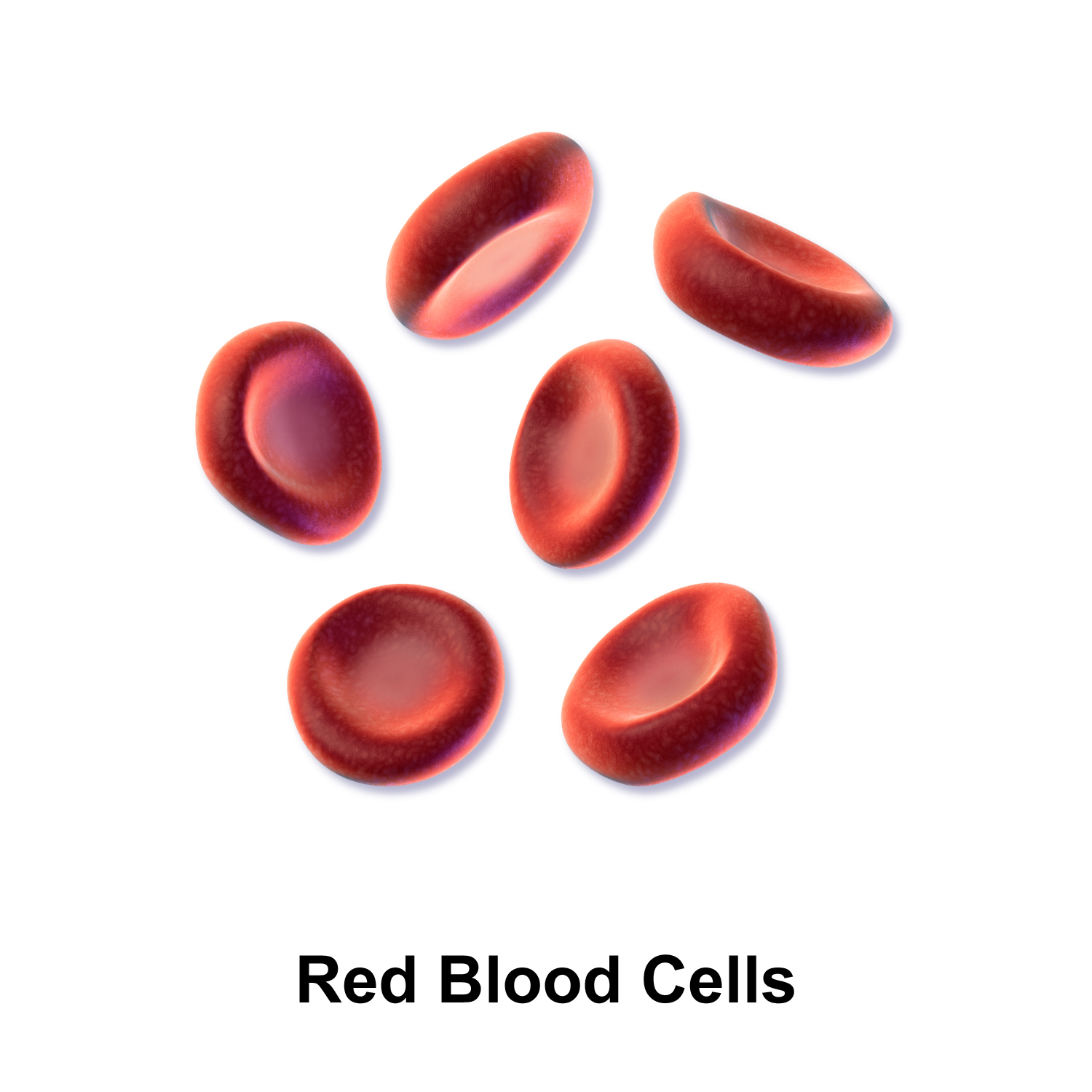
Anemia diseritropoiética congênita
📋 Origem dos dados
Esta página agrega dados de fontes públicas e oficiais. Dados sobre cobertura no SUS (PCDT, CEAF) são verificados ativamente por agente proativo (ver badge no infobox). Demais dados têm atribuição de fonte + data da última sincronização — clique para abrir o original.
- Doença rara (ontologia)
- fonte: Orphanet
- Identificador unificado
- fonte: MONDO
- Codificação WHO/SUS
- fonte: WHO ICD-10 / DATASUS
- CID-11 (futuro)
- fonte: WHO ICD-11
- NIH/GARD
- fonte: GARD (NIH)
- Indexação biomédica
- fonte: MeSH (NLM)
- Dado público estruturado
- fonte: Wikidata
- Reposicionamento
- fonte: Drug Repurposing Hub
- Ensaios clínicos
- fonte: ClinicalTrials.gov

