
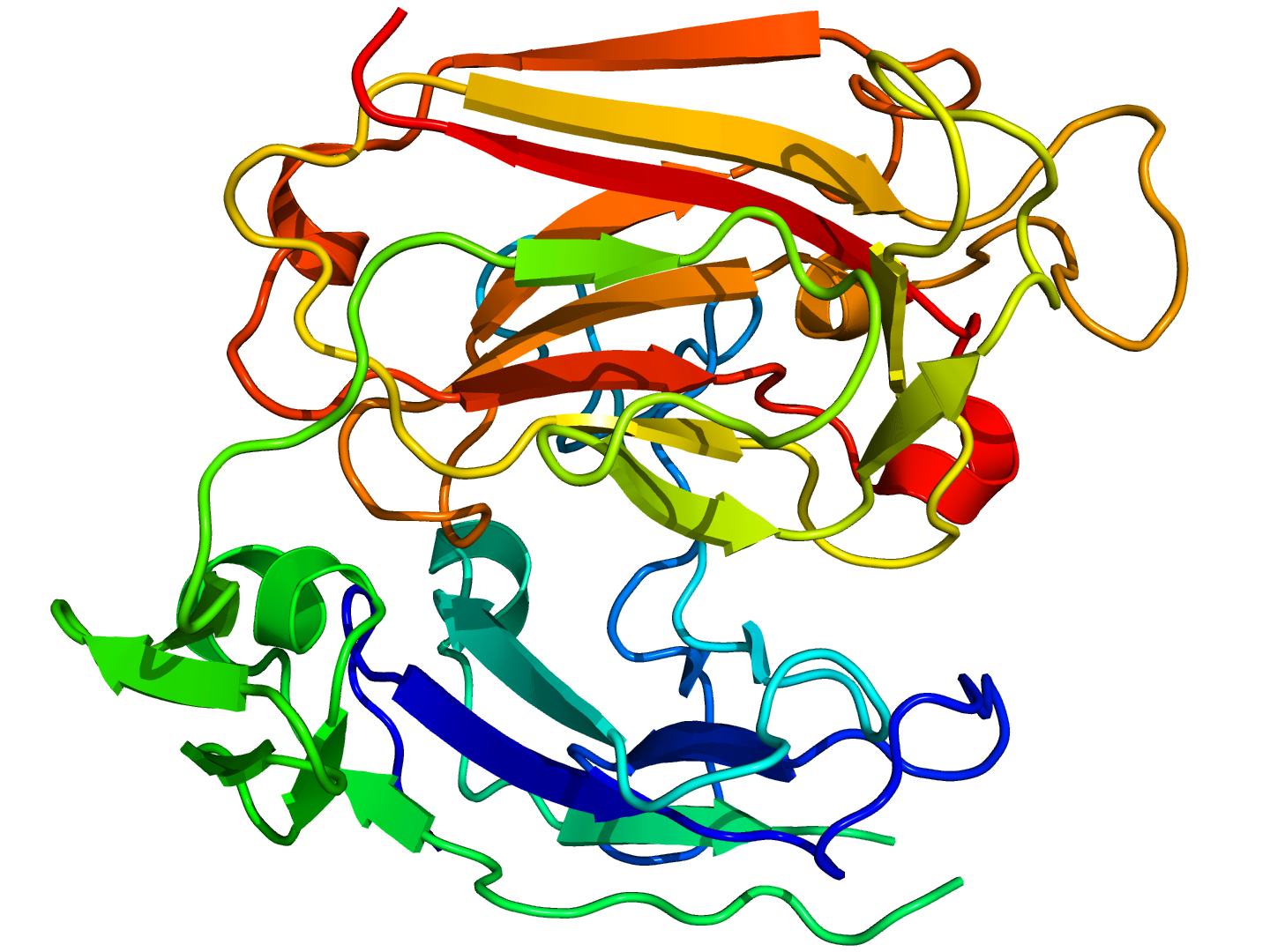
Esta é uma lista de códigos de doenças no banco de dados Online Mendelian Inheritance in Man (OMIM). São doenças que podem ser herdadas por meio de um mecanismo genético mendeliano. O OMIM é um dos bancos de dados abrigados no Centro Nacional de Informações sobre Biotecnologia dos EUA.
Introdução
O que você precisa saber de cara
Visão geral
A Síndrome de anomalia radial-hipoplasia tibial é uma condição genética rara que afeta o desenvolvimento dos membros, caracterizada por alterações no rádio (osso do antebraço) e pela hipoplasia (desenvolvimento incompleto) da tíbia (osso da perna). A prevalência estimada é de menos de 1 caso por 1.000.000 de pessoas, sendo considerada uma doença ultrarrara. O início das manifestações ocorre ainda no período pré-natal (antenatal).[1]
Sinais e sintomas
Os principais sinais envolvem alterações nos membros superiores e inferiores. No antebraço, pode haver encurtamento ou ausência do rádio (anomalia radial). Na perna, observa-se hipoplasia da tíbia, que pode variar de leve encurtamento a ausência parcial do osso. Outros sintomas específicos não foram listados nas fontes oficiais disponíveis.[1]
Causas genéticas
Diagnóstico
O diagnóstico é baseado na avaliação clínica dos sinais físicos e em exames de imagem que confirmam as alterações ósseas. Exames genéticos podem auxiliar na investigação, incluindo cariótipo com bandas G, Q ou R, pesquisa de microdeleções/microduplicações por FISH, sequenciamento completo do exoma (WES) e dosagem de alfa-fetoproteína. No Brasil, esses procedimentos estão disponíveis no Sistema Único de Saúde (SUS) com cobertura mínima.[1][3]
Tratamento e manejo
O manejo é multidisciplinar e focado nos sintomas apresentados por cada paciente. Inclui atendimento em reabilitação para doenças raras, disponível no SUS, além de acompanhamento ortopédico e fisioterápico para melhorar a função dos membros. Não há medicamentos específicos aprovados para esta síndrome.[1]
Prognóstico e qualidade de vida
O prognóstico depende da gravidade das alterações ósseas e da presença de outras condições associadas. Com intervenções precoces de reabilitação e suporte ortopédico, muitas crianças podem alcançar boa funcionalidade e qualidade de vida. Não há dados específicos de sobrevida nas fontes oficiais.[1]
Conteúdo informativo gerado e mantido automaticamente a partir de fontes oficiais (Orphanet, HPO, OMIM, SUS). Não substitui avaliação médica.
Esta é uma lista de códigos de doenças no banco de dados Online Mendelian Inheritance in Man (OMIM). São doenças que podem ser herdadas por meio de um mecanismo genético mendeliano. O OMIM é um dos bancos de dados abrigados no Centro Nacional de Informações sobre Biotecnologia dos EUA.
Escala de raridade
<1/50kMuito rara
1/20kRara
1/10kPouco freq.
1/5kIncomum
1/2k
Encontrou um erro ou informação desatualizada? Sugira uma correção →
Entender a doença
Do básico ao detalhe, leia no seu ritmo
Preparando trilha educativa...
Sinais e sintomas
O que aparece no corpo e com que frequência cada sintoma acontece
Visão geral
A Síndrome de anomalia radial-hipoplasia tibial é uma condição genética rara que afeta o desenvolvimento dos membros, caracterizada por alterações no rádio (osso do antebraço) e pela hipoplasia (desenvolvimento incompleto) da tíbia (osso da perna). A prevalência estimada é de menos de 1 caso por 1.000.000 de pessoas, sendo considerada uma doença ultrarrara. O início das manifestações ocorre ainda no período pré-natal (antenatal).[1]
Sinais e sintomas
Os principais sinais envolvem alterações nos membros superiores e inferiores. No antebraço, pode haver encurtamento ou ausência do rádio (anomalia radial). Na perna, observa-se hipoplasia da tíbia, que pode variar de leve encurtamento a ausência parcial do osso. Outros sintomas específicos não foram listados nas fontes oficiais disponíveis.[1]
Causas genéticas
Diagnóstico
O diagnóstico é baseado na avaliação clínica dos sinais físicos e em exames de imagem que confirmam as alterações ósseas. Exames genéticos podem auxiliar na investigação, incluindo cariótipo com bandas G, Q ou R, pesquisa de microdeleções/microduplicações por FISH, sequenciamento completo do exoma (WES) e dosagem de alfa-fetoproteína. No Brasil, esses procedimentos estão disponíveis no Sistema Único de Saúde (SUS) com cobertura mínima.[1][3]
Tratamento e manejo
O manejo é multidisciplinar e focado nos sintomas apresentados por cada paciente. Inclui atendimento em reabilitação para doenças raras, disponível no SUS, além de acompanhamento ortopédico e fisioterápico para melhorar a função dos membros. Não há medicamentos específicos aprovados para esta síndrome.[1]
Prognóstico e qualidade de vida
O prognóstico depende da gravidade das alterações ósseas e da presença de outras condições associadas. Com intervenções precoces de reabilitação e suporte ortopédico, muitas crianças podem alcançar boa funcionalidade e qualidade de vida. Não há dados específicos de sobrevida nas fontes oficiais.[1]
Conteúdo informativo gerado e mantido automaticamente a partir de fontes oficiais (Orphanet, HPO, OMIM, SUS). Não substitui avaliação médica.
Linha do tempo da pesquisa
Encontrou um erro ou informação desatualizada? Sugira uma correção →
Genética e causas
O que está alterado no DNA e como passa nas famílias
Nenhum gene associado encontrado
Os dados genéticos desta condição ainda estão sendo catalogados.
Diagnóstico
Os sinais que médicos procuram e os exames que confirmam
Tratamento e manejo
Remédios, cuidados de apoio e o que precisa acompanhar
Onde tratar no SUS
Hospitais de referência no Brasil e o protocolo oficial do SUS (PCDT)
🇧🇷 Atendimento SUS — Síndrome de anomalia radial-hipoplasia tibial
Centros de Referência SUS
24 centros habilitados pelo SUS para Síndrome de anomalia radial-hipoplasia tibial
Centros para Síndrome de anomalia radial-hipoplasia tibial
Detalhes dos centros
Hospital Universitário Prof. Edgard Santos (HUPES)
R. Dr. Augusto Viana, s/n - Canela, Salvador - BA, 40110-060 · CNES 0003808
Serviço de Referência
Hospital Infantil Albert Sabin
R. Tertuliano Sales, 544 - Vila União, Fortaleza - CE, 60410-794 · CNES 2407876
Serviço de Referência
Hospital de Apoio de Brasília (HAB)
AENW 3 Lote A Setor Noroeste - Plano Piloto, Brasília - DF, 70684-831 · CNES 0010456
Serviço de Referência
Hospital Estadual Infantil e Maternidade Alzir Bernardino Alves (HIABA)
Av. Min. Salgado Filho, 918 - Soteco, Vila Velha - ES, 29106-010 · CNES 6631207
Serviço de Referência
Hospital das Clínicas da UFG
Rua 235 QD. 68 Lote Área, Nº 285, s/nº - Setor Leste Universitário, Goiânia - GO, 74605-050 · CNES 2338424
Serviço de Referência
Hospital Universitário da UFJF
R. Catulo Breviglieri, Bairro - s/n - Santa Catarina, Juiz de Fora - MG, 36036-110 · CNES 2297442
Atenção Especializada
Hospital das Clínicas da UFMG
Av. Prof. Alfredo Balena, 110 - Santa Efigênia, Belo Horizonte - MG, 30130-100 · CNES 2280167
Serviço de Referência
Hospital Universitário Julio Müller (HUJM)
R. Luis Philippe Pereira Leite, s/n - Alvorada, Cuiabá - MT, 78048-902 · CNES 2726092
Atenção Especializada
Hospital Universitário João de Barros Barreto
R. dos Mundurucus, 4487 - Guamá, Belém - PA, 66073-000 · CNES 2337878
Serviço de Referência
Hospital Universitário Lauro Wanderley (HULW)
R. Tabeliao Estanislau Eloy, 585 - Castelo Branco, João Pessoa - PB, 58050-585 · CNES 0002470
Atenção Especializada
Instituto de Medicina Integral Prof. Fernando Figueira (IMIP)
R. dos Coelhos, 300 - Boa Vista, Recife - PE, 50070-902 · CNES 0000647
Serviço de Referência
Hospital Pequeno Príncipe
R. Des. Motta, 1070 - Água Verde, Curitiba - PR, 80250-060 · CNES 3143805
Serviço de Referência
Hospital Universitário Regional de Maringá (HUM)
Av. Mandacaru, 1590 - Parque das Laranjeiras, Maringá - PR, 87083-240 · CNES 2216108
Atenção Especializada
Hospital de Clínicas da UFPR
R. Gen. Carneiro, 181 - Alto da Glória, Curitiba - PR, 80060-900 · CNES 2364980
Serviço de Referência
Hospital Universitário Pedro Ernesto (HUPE-UERJ)
Blvd. 28 de Setembro, 77 - Vila Isabel, Rio de Janeiro - RJ, 20551-030 · CNES 2280221
Serviço de Referência
Instituto Nacional de Saúde da Mulher, da Criança e do Adolescente Fernandes Figueira (IFF/Fiocruz)
Av. Rui Barbosa, 716 - Flamengo, Rio de Janeiro - RJ, 22250-020 · CNES 2269988
Serviço de Referência
Hospital São Lucas da PUCRS
Av. Ipiranga, 6690 - Jardim Botânico, Porto Alegre - RS, 90610-000 · CNES 2232928
Serviço de Referência
Hospital de Clínicas de Porto Alegre (HCPA)
Rua Ramiro Barcelos, 2350 Bloco A - Av. Protásio Alves, 211 - Bloco B e C - Santa Cecília, Porto Alegre - RS, 90035-903 · CNES 2237601
Serviço de Referência
Hospital Universitário da UFSC (HU-UFSC)
R. Profa. Maria Flora Pausewang - Trindade, Florianópolis - SC, 88036-800 · CNES 2560356
Serviço de Referência
Hospital das Clínicas da FMUSP
R. Dr. Ovídio Pires de Campos, 225 - Cerqueira César, São Paulo - SP, 05403-010 · CNES 2077485
Serviço de Referência
Hospital de Base de São José do Rio Preto
Av. Brg. Faria Lima, 5544 - Vila Sao Jose, São José do Rio Preto - SP, 15090-000 · CNES 2079798
Atenção Especializada
Hospital de Clínicas da UNICAMP
R. Vital Brasil, 251 - Cidade Universitária, Campinas - SP, 13083-888 · CNES 2748223
Serviço de Referência
Hospital de Clínicas de Ribeirão Preto (HCRP-USP)
R. Ten. Catão Roxo, 3900 - Vila Monte Alegre, Ribeirão Preto - SP, 14015-010 · CNES 2082187
Serviço de Referência
UNIFESP / Hospital São Paulo
R. Napoleão de Barros, 715 - Vila Clementino, São Paulo - SP, 04024-002 · CNES 2688689
Serviço de Referência
Dados de DATASUS/CNES, SBGM, ABNeuro e Ministério da Saúde. Sempre confirme a disponibilidade diretamente com o estabelecimento.
Pesquisa ativa
Ensaios clínicos abertos e novidades científicas recentes
Pesquisa e ensaios clínicos
Nenhum ensaio clínico registrado para esta condição.
Publicações mais relevantes
Evidence of White Matter Neuroinflammation in Myalgic Encephalomyelitis/Chronic Fatigue Syndrome: A Diffusion-Based Neuroinflammation Imaging Study.
Myalgic encephalomyelitis/chronic fatigue syndrome (ME/CFS) is a debilitating disorder with suspected neuroinflammatory pathophysiology. However, previous diffusion tensor imaging (DTI) studies have reported inconsistent white matter abnormalities in ME/CFS, and specific white matter inflammatory changes remain poorly characterised. This study employed an advanced diffusion-based neuroinflammation imaging (NII) model to investigate white matter neuroinflammation in ME/CFS. Diffusion MRI data from 67 ME/CFS patients (median age, 38; and 54 women) and 67 rigorously matched healthy controls (HCs) (median age 38; and 52 women) were analysed. Seven NII-derived metrics were computed: hindered water ratio (NII-HR), restricted fraction (NII-RF), fibre fraction (NII-FF), axial diffusivity (NII-AD), radial diffusivity (NII-RD), mean diffusivity (NII-MD) and fractional anisotropy (NII-FA). Conventional DTI metrics were also calculated. Tract-based spatial statistics were used to perform voxel-wise group comparisons, and multiple regression analysis was conducted to examine the relationship between NII/DTI metrics and clinical measures of mental health, physical health, sleep quality, disability, disease severity and disease duration. Compared to HCs, ME/CFS patients exhibited widespread white matter abnormalities, including significantly lower NII-HR and NII-RF, and significantly higher NII-FF, NII-AD, NII-MD and NII-FA across association, commissural and projection fibres. Additionally, some regions showed decreased NII-AD and NII-MD in ME/CFS. Lower NII-RF, NII-AD and NII-MD in ME/CFS were significantly associated with worse mental health, while lower NII-RF was also associated with a higher level of disability. Among ME/CFS patients, higher NII-FF was associated with lower disease severity. Conventional DTI showed minimal group differences and no significant clinical associations. This study provides in vivo evidence of white matter neuroinflammation in ME/CFS, characterised by cerebral edema (reduced NII-HR), cellular infiltration (reduced NII-RF) and axonal reorganisation (increased NII-FF). This suggests NII-derived indices may serve as sensitive biomarkers for neuroinflammation in ME/CFS.
White matter abnormalities in metabolic syndrome patients with and without mild cognitive impairment: A diffusion tensor imaging study.
The presence of metabolic syndrome (MetS) constitutes a significant risk factor for the development of cognitive dysfunction and dementia. MetS can result in damage to the integrity and microstructure of white matter (WM). There may exist certain distinctions in WM between MetS patients with mild cognitive impairment (MCI) and MetS patients with preserved cognitive function. Using diffusion tensor imaging (DTI), we aim to investigate the alterations of the WM in MetS patients with and without MCI. 36 MetS patients with MCI (MetS-MCI group), 30 age-, gender-, and education-matched MetS patients with normal cognition (MetS-NC group), and 36 healthy controls (HC) were included in the study. Diffusion data was analyzed using Tract-Based Spatial Statistics (TBSS) analysis and Region of Interest (ROI) quantitative analysis to investigate the differences in fractional anisotropy (FA), mean diffusivity (MD), axial diffusivity (λ1), and radial diffusivity (λ23) among these groups. Analyses on WM fiber tracts showed FA reduction or MD elevation in regions related to cognitive functions. Relationship between DTI metrics in these regions and neuropsychological assessments was characterized. In the whole-brain TBSS analysis, compared to HC group, MetS-MCI group primarily exhibited an increase in MD, λ1 and λ23. MetS-NC group primarily exhibited an increase in MD and λ1 compared to HC group. Furthermore, compared to MetS-NC group, MetS-MCI group demonstrated significantly elevated MD and λ23. In the ROI quantitative analysis, increased MD values in right posterior thalamic radiation (PTR.R), left external capsule (EC.L), right inferior fronto-occipital fasciculus (IFO.R), left inferior fronto-occipital fasciculus (IFO.L), and right uncinate fasciculus (UF.R), along with decreased FA values in EC.L, right external capsule (EC.R) and left superior corona radiata (SCR.L), were associated with overall cognitive decline. Elevated MD values in EC.L and IFO.L, as well as reduced FA values in EC.L, were linked to poorer executive function. Similarly, higher MD values in EC.L, IFO.L, and UF.R, combined with lower FA values in EC.L, were associated with worse memory performance. Our study showed that MetS patients with MCI exhibited more severe WM damage compared to MetS patients without cognitive impairment, and loss of myelin sheath integrity may contribute to the cognitive decline in patients with MetS. Furthermore, our study clarified the association between different cognitive functions and specific WM fiber bundles in MetS patients. Fanconi anemia (FA) is characterized by physical abnormalities, bone marrow failure, and increased risk for malignancy. Characteristic physical abnormalities, present in approximately 75% of affected individuals, include one or more of the following: growth deficiency, abnormal skin pigmentation, skeletal malformations of the upper and/or lower limbs, microcephaly, genitourinary tract anomalies, and ocular manifestations. Endocrine disorders (hypothyroidism, diabetes / impaired glucose tolerance), hearing loss, developmental delay, congenital heart defects, and gastrointestinal malformations are also more common in those with FA. Progressive bone marrow failure with pancytopenia typically presents in the first decade, often initially with thrombocytopenia or leukopenia. The incidence of myelodysplastic syndrome (MDS) or acute myeloid leukemia (AML) is 35% by age 40 years. Solid tumors – particularly of the head and neck, skin, and genitourinary tract – are more common in individuals with FA. The diagnosis of FA is established in a proband with increased chromosome breakage and radial forms on cytogenetic testing of lymphocytes with diepoxybutane (DEB) and mitomycin C (MMC) and/or one of the following identified on molecular genetic testing: biallelic pathogenic variants in one of the 21 genes known to cause autosomal recessive FA; a heterozygous pathogenic variant in RAD51 known to cause autosomal dominant FA; or a hemizygous pathogenic variant in FANCB known to cause X-linked FA. Targeted therapies: Oral androgens (e.g., oxymetholone, danazol) may transiently improve red blood cell and platelet counts in approximately 50% of individuals with FA. Granulocyte colony-stimulating factor improves the neutrophil count in some individuals. Hematopoietic stem cell transplantation (HSCT) is the only curative therapy for the hematologic manifestations of FA, but the non-hematologic manifestations remain, including a high risk for solid tumors, which may be increased following HSCT. All these therapies have potential significant toxicity. Treatment of manifestations: Treatment of growth deficiency, limb anomalies, other orthopedic manifestations, kidney malformations, genital anomalies, hypothyroidism, diabetes, ocular anomalies, hearing loss, and cardiac anomalies as recommended by the subspecialty care provider. Early intervention for developmental delays; individualized education plan for school-age children; speech, occupational, and physical therapy as needed. Supplemental feeding as needed by nasogastric tube or gastrostomy tube. Treatment of bone marrow failure / MDS / AML through a center with experience in FA; early detection and surgical removal for solid tumors; human papilloma virus vaccination to reduce the risk for gynecologic cancer in females and reduce the risk of oral cancer in all individuals; liberal use of sunscreen and rash guards; treatment of skin cancer per dermatologist in coordination with multidisciplinary experts in FA; social work and care coordination as needed. Surveillance: Clinical assessment of growth, feeding, nutrition, spine, and ocular issues at each visit throughout childhood. Annual ophthalmology examination; assessment of pubertal stage and hormone levels at puberty and every two years until puberty is complete; annual evaluation with endocrinologist including TSH, free T4, 25-hydroxyvitamin D, two-hour glucose tolerance testing, and measurement of insulin concentration; follow-up hearing evaluation if exposed to ototoxic drugs; annual developmental assessment throughout childhood; blood counts every three to four months or as needed; bone marrow aspirate and biopsy to evaluate morphology and cellularity; FISH and cytogenetics to evaluate for emergence of a malignant clone at least annually after age two years; liver function tests every three to six months and liver ultrasound every six to twelve months in those receiving androgen therapy; gynecologic assessment for genital lesions annually beginning at age 13 years; vulvo-vaginal examinations and Pap smear annually beginning at age 18 years or with onset of sexual activity; oral examinations for tumors every six months beginning at age nine to ten years; annual nasolaryngoscopy beginning at age ten years; dermatology evaluation every six to 12 months; annual abdominal ultrasound and brain MRI in those with BRCA2-related FA. Additional cancer surveillance for individuals with BRCA1-, BRCA2-, BRIP1-, PALB2-, and RAD51C-related FA per National Comprehensive Cancer Network (NCCN) screening guidelines. Agents/circumstances to avoid: Transfusions of red blood cells or platelets for persons who are candidates for HSCT; family members as blood donors if HSCT is being considered; blood products that are not filtered (leuko-depleted) or irradiated; toxic agents that have been implicated in tumorigenesis; excessive sun exposure; unsafe sex practices, which increase the risk of HPV-associated malignancy. Radiographic studies solely for the purpose of surveillance (i.e., in the absence of clinical indications) should be minimized. Evaluation of relatives at risk: Molecular genetic testing (if the family-specific pathogenic variant[s] are known) or DEB/MMC cytogenetic testing of all sibs of a proband (and all at-risk family members of an individual with autosomal dominant [RAD51-related] or X-linked [FANCB-related] FA) for early diagnosis, treatment, and monitoring for physical abnormalities, bone marrow failure, and related cancers. FA is inherited in an autosomal recessive manner, an autosomal dominant manner (RAD51-related FA), or an X-linked manner (FANCB-related FA). Autosomal recessive FA: If both parents are known to be heterozygous for an autosomal recessive FA-related pathogenic variant, each sib of an affected individual has at conception a 25% chance of inheriting both pathogenic variants and being affected, a 50% chance of inheriting one pathogenic variant and being heterozygous, and a 25% chance of inheriting neither of the familial FA-related pathogenic variants. Heterozygotes are not at risk for autosomal recessive FA. However, heterozygous pathogenic variants in a subset of FA-related genes (e.g., BRCA1, BRCA2, PALB2, BRIP1, and RAD51C) are associated with an increased risk for breast and other cancers. Heterozygote testing for at-risk relatives requires prior identification of the FA-related pathogenic variants in the family. Autosomal dominant FA: Given that all probands with RAD51-related FA reported to date whose parents have undergone molecular genetic testing have the disorder as a result of a de novo RAD51 pathogenic variant, the risk to other family members is presumed to be low. X-linked FA: The risk to sibs of a male proband depends on the genetic status of the mother. If the mother of the proband has a FANCB pathogenic variant, the chance of the mother transmitting it in each pregnancy is 50%. Male sibs who inherit the pathogenic variant will be affected. Female sibs who inherit the pathogenic variant will be heterozygotes and will usually not be affected. Heterozygote testing for at-risk female relatives requires prior identification of the FANCB pathogenic variant in the family. Molecular genetic prenatal testing and preimplantation genetic testing are possible if the pathogenic variant(s) in the family are known.
Discovery of a Pathogenic NME5 Variant Underlying Acephalic Spermatozoa Syndrome: Unraveling a Novel Genotype-Phenotype Association in Male Infertility.
Acephalic spermatozoa syndrome (ASS) is a severe form of male infertility, but its genetic etiology remains largely unclear. In this study, we identified a novel homozygous frameshift variant in NME5 (c.163delA, p.Ser55Valfs*16) in an infertile man with ASS. Subsequent functional analyses revealed complete loss of NME5 protein. Moreover, ultrastructural analysis of sperm revealed abnormalities in the head-tail coupling apparatus (HTCA) and mitochondrial sheath, as well as defects in the radial spokes and microtubules. Immunofluorescence analysis further confirmed the near absence of the HTCA marker SPATA6 in the patient's sperm. In addition, NME5 expression was assessed across spermatogenic stages in both humans and mice, with predominant expression from round to elongated spermatids. Notably, the patient harboring the NME5 variant achieved a favorable clinical outcome after intracytoplasmic sperm injection. Overall, our findings revealed for the first time that NME5 is a causative gene for human ASS, further expanding the gene mutational spectrum associated with human male infertility and ultimately offering potential new avenues for diagnostic and therapeutic strategies in clinical practice.
Prenatal sonographic features and outcomes of radial ray defects - a 14 case series with a literature review.
In this study, we aimed to present the demographic, ultrasonographic, genetic, obstetric, and postpartum results of 14 patients diagnosed with radial ray defects. Fourteen patients diagnosed with radial ray defects. Non-development or hypoplasia of any preaxial part of the upper extremity on ultrasonography was considered a radial ray defect. Maternal age, gestational week at diagnosis, laterality of the radial ray defect, genetic results, presence of comorbid anomalies, termination status, and postpartum prognosis were obtained. The range of maternal age at the time of diagnosis was 17-38 years and the gestational age ranged between 14-26 weeks. Four of the radial ray defects were bilateral, and ten were unilateral. Trisomy 18 was identified in two cases. Eight cases accepted the termination procedure. Three cases rejected termination and had spontaneous intrauterine death during pregnancy follow-up. One case was diagnosed with VACTERL association and died postpartum on the 13th day. One case was monitored due to Fanconi aplastic anemia and one case had amniotic band syndrome in etiology and lives with a prosthetic arm. The frequency of a radial ray defect accompanied by syndromic and congenital anomalies was high, and visualization of the radial bone or other preaxial bone structures on the 1st trimester fetal ultrasonography will ensure the diagnosis of a radial ray defect in early gestational weeks. In the case of a radial ray defect diagnosis, systemic organ screening should be performed with detailed ultrasonography and the necessary invasive procedure for karyotype examination should be advised to all families.
Contribution of Myelin Damage to White Matter Changes in Osmotic Demyelination Syndrome.
Background/Objectives: Osmotic demyelination syndrome (ODS) causes marked myelin loss with relative axonal preservation. We used diffusion tensor imaging (DTI) to longitudinally assess white matter (WM) changes, hypothesizing that radial diffusivity (RD) would show dynamic recovery alongside clinical improvement. Methods: A 40-year-old woman with ODS and five age-matched female controls underwent DTI at 7 weeks and 6 months post-onset. Metrics were extracted from 27 WM tract categories using atlas-based regions of interest. Lesions were defined by directional dual thresholds (RD_d ≥ 2.0, axial diffusivity [AD] ≤ -2.0, or fractional anisotropy [FA] ≤ -2.0) and confirmed using the Crawford-Howell test with Benjamini-Hochberg FDR correction (q ≤ 0.05). Longitudinal percent change (Δ%) was compared using the Friedman test with Bonferroni-corrected Wilcoxon post hoc tests (α = 0.017). Results: Serum sodium increased from 126 to 138 mmol/L within 24 h, followed by a severe neurological deficit; near-complete recovery by 6 months. At 7 weeks, RD-defined lesions were detected in 10/27 tracts (37.0%)-1/6 brainstem-related and 9/21 non-brainstem-indicating widespread myelin-predominant injury. No AD- or FA-based lesions met criteria, although AD increase in the cingulate gyrus was significant. From 7 weeks to 6 months, the mean Δ% was -0.40 ± 9.38% (AD), -4.73 ± 9.73% (RD), and +7.94 ± 7.53% (FA). Changes differed across metrics (χ2(2) = 24.07, p = 5.92 × 10⁻⁶), with greater RD and FA changes than AD. Conclusions: Early RD-predominant abnormalities preceded RD reduction and FA increase during recovery, consistent with restoration of myelin-related microstructure. Larger studies are warranted.
Publicações recentes
Diagnostic journey for individuals with fibrous dysplasia / McCune albright syndrome (FD/MAS).
Porphyria cutanea tarda and patterns of long-term sick leave and disability pension: a 24-year nationwide matched-cohort study.
Methylmalonic acidemia/propionic acidemia - the biochemical presentation and comparing the outcome between liver transplantation versus non-liver transplantation groups.
Conservatively treated Congenital Hyperinsulinism (CHI) due to K-ATP channel gene mutations: reducing severity over time.
📚 EuropePMCmostrando 199
Prenatal sonographic features and outcomes of radial ray defects - a 14 case series with a literature review.
Ceska gynekologieEvidence of White Matter Neuroinflammation in Myalgic Encephalomyelitis/Chronic Fatigue Syndrome: A Diffusion-Based Neuroinflammation Imaging Study.
Human brain mappingContribution of Myelin Damage to White Matter Changes in Osmotic Demyelination Syndrome.
Diagnostics (Basel, Switzerland)Impact of metabolic syndrome on cardiac function and myocardial fibrosis in hypertrophic obstructive cardiomyopathy following septal myectomy assessed by cardiac magnetic resonance.
Quantitative imaging in medicine and surgeryCongenital Symptomatic Scaphoid-Trapezium Coalition in a Pediatric Patient With VACTERL Association.
Journal of hand surgery global onlineHorns, nails, and leaky kidneys: A rare case of congenital nephrotic syndrome.
Clinical nephrology. Case studiesExperience with patients presenting with the clinical features of Holt-Oram syndrome: a single center retrospective study.
Journal of cardiothoracic surgeryAssociation of Cardiovascular-Kidney-Syndrome and Brain Macrostructure and Microstructure Injury: A Prospective Cohort Study.
Diabetes, obesity & metabolismWhite matter abnormalities in metabolic syndrome patients with and without mild cognitive impairment: A diffusion tensor imaging study.
Behavioural brain researchDiscovery of a Pathogenic NME5 Variant Underlying Acephalic Spermatozoa Syndrome: Unraveling a Novel Genotype-Phenotype Association in Male Infertility.
Clinical geneticsSuccessful creation of an arteriovenous fistula and pathological evaluation of the radial artery in an end-stage kidney disease patient with Marfan syndrome: a case report.
CEN case reportsBiallelic null RAB3GAP1 variants impair cortical development and autophagy in Warburg Micro syndrome: evidence from fetal brain tissue and patient fibroblasts.
Acta neuropathologica communicationsA New Case of Nager Syndrome as a Rare Cause of Acrofacial Dysostosis.
Molecular syndromologyModeling Mowat-Wilson syndrome with patient iPSCs reveals transcriptional and phenotypic defects in neural progenitors.
Neurobiology of diseaseAccelerated Tempo of Cortical Neurogenesis in Down Syndrome.
bioRxiv : the preprint server for biologyDe novo CHD7 variant in a CHARGE syndrome preterm infant initially diagnosed as idiopathic hypogonadotropic hypogonadism: a case report and literature review.
BMC pediatricsCharacterization of brain microstructural changes in children with infantile vitamin B12 deficiency using diffusion tensor imaging.
NeuroradiologyPeripapillary Retinoschisis: The Expanded Spectrum and New Insights From Multimodal Imaging.
American journal of ophthalmologyTechnical Success of Stent Placement via Transradial Approach for Aberrant Right Subclavian Artery Stenosis.
Vascular and endovascular surgeryUnveiling causal relationship between white matter tracts and psychiatric disorders.
Communications biologyHumeroradial Synostosis: An Updated Classification and Differential Diagnosis Based on Genetic Aetiology.
Clinical geneticsProteomic profiling of primary cilia in the developing brain uncovers new regulators of cortical development.
bioRxiv : the preprint server for biologyDiffusion kurtosis imaging biomarkers associated with amelioration of neuroinflammation, gray matter microstructural abnormalities, and gut dysbiosis by central thalamic deep brain stimulation in autistic -like young rats.
NeuroImageWhite matter abnormalities of the frontal-striatal-thalamic circuit in individuals with attenuated positive symptom syndromes: a probabilistic tractography study.
Schizophrenia (Heidelberg, Germany)A de novo HK1 Variant in a Boy Fulfilling the Diagnostic Criteria for Tuberous Sclerosis Complex: Expanding the Phenotypic Spectrum of NEDVIBA.
American journal of medical genetics. Part AA Rare Case of Bilateral Congenital Radial Head Dislocation: A Case Report.
Journal of orthopaedic case reportsAssessing Accuracy of Chat Generative Pre-Trained Transformer's Responses to Common Patient Questions Regarding Congenital Upper Limb Differences.
Journal of hand surgery global onlineIsolated Pectoralis Major and Tricep Atrophy Secondary to Neuralgic Amyotrophy.
CureusOcular microvascular changes in COVID-19: role of hypoxia, D-dimer, IL-6 and systemic treatment.
Pharmacological reports : PRClinical, Electrical, and Mechanical Parameters in Potassium Channel-Mediated Congenital Long QT Syndrome.
Journal of clinical medicineAnatomical variation of the superficial branch of the radial nerve and brachioradialis tendon: a case report with embryological and clinical insights.
Folia medicaFrom Hope to Heartache: A Case Report of Treatment Failure and its Impact on a 1-year-old with Bilateral Radial Aplasia in a Resource-Limited Setting.
Journal of orthopaedic case reportsDeletion of sf3b4 causes splicing defects and gene dysregulation that disrupt craniofacial development and survival.
Disease models & mechanismsThe adverse effect of metabolic syndrome on left ventricular global strains and myocardial energetic efficiency in non-ischemic dilated cardiomyopathy patients: a cardiac magnetic resonance study.
Cardiovascular diabetologyImaging on the painful and compressed nerve: upper extremity.
International orthopaedicsDiffusion tensor imaging with free-water correction reveals distinctions between severe and attenuated subtypes in Mucopolysaccharidosis type I.
Journal of inherited metabolic diseaseCCDC113 stabilizes sperm axoneme and head-tail coupling apparatus to ensure male fertility.
eLifeWhite matter organization abnormalities in adults with 47,XXX: A 7 Tesla MRI study.
Psychiatry research. NeuroimagingAn Algorithm for Management of Radial Longitudinal Deficiency.
The journal of hand surgery Asian-Pacific volumeA Rare Case of Bilateral Cubital Valgus Secondary to Congenital Anterior Radial Head Dislocation.
CureusMapping the amplitude and phase of dissolved 129Xe red blood cell signal oscillations with keyhole spectroscopic lung imaging.
Magnetic resonance in medicinePeak width of skeletonized mean diffusivity as a neuroimaging biomarker in first-episode schizophrenia.
Frontiers in neuroscienceSevere Phenotype With RECQL4 Syndrome: A Report of Two Cases.
American journal of medical genetics. Part AAssociated Anomalies in Radial Ray Deficiency.
American journal of medical genetics. Part ACoA synthase plays a critical role in neurodevelopment and neurodegeneration.
Frontiers in cellular neuroscienceRPL26 variants: A rare cause of Diamond-Blackfan anemia syndrome with multiple congenital anomalies at the forefront.
Genetics in medicine : official journal of the American College of Medical GeneticsFunctional characterization vs in silico prediction for TBX5 missense and splice variants in Holt-Oram syndrome.
Genetics in medicine : official journal of the American College of Medical GeneticsImpact of pathogenic variants of the Ras-mitogen-activated protein kinase pathway on major white matter tracts in the human brain.
Brain communicationsDiffusion tensor imaging in Behcet's disease with and without neurological involvement patients: evaluation of microstructural white matter abnormality with a tract-based spatial statistical analysis.
The British journal of radiologyRadiological manifestations of nail-patella syndrome in a 56-year-old female: A case report.
Radiology case reportsCentral Tetrapolydactyly With Atrial Septal Defect and Facial Nerve Palsy in a 15-Month-Old Female Child.
CureusA human fetal cerebellar map of the late second trimester reveals developmental molecular characteristics and abnormality in trisomy 21.
Cell reportsThe accessory brachioradialis muscle: prevalence of a rare variant with possible clinical implications.
Surgical and radiologic anatomy : SRA[Advances in genetic research on Non-syndromic congenital joint synostosis].
Zhonghua yi xue yi chuan xue za zhi = Zhonghua yixue yichuanxue zazhi = Chinese journal of medical geneticsWhite matter abnormalities in healthy E200K carriers may serve as an early biomarker for genetic Creutzfeldt-Jakob disease (gCJD).
Journal of neurology, neurosurgery, and psychiatryEffects of Adapted Physical Activity on White Matter Integrity in Patients with Schizophrenia.
Brain sciencesIncreasing Severity of Radial Longitudinal Deficiency Correlates With the Degree of Proximal Ulnar Hypoplasia.
The Journal of hand surgery[Treatment of Congenital Ulnar Impingement Syndrome by Corrective Osteotomy of the Distal Radius - Clinical Results].
Handchirurgie, Mikrochirurgie, plastische Chirurgie : Organ der Deutschsprachigen Arbeitsgemeinschaft fur Handchirurgie : Organ der Deutschsprachigen Arbeitsgemeinschaft fur Mikrochirurgie der Peripheren Nerven und Gefasse : Organ der V...Neurophysiological and brain structural insights into cyclin-dependent kinase-like 5 deficiency disorder: Visual and auditory evoked potentials and MRI analysis.
Journal of the neurological sciencesThe role of imaging in focal neuropathies.
Handbook of clinical neurologyCartilage within lipomyelomeningocele and ulnar longitudinal deficiency syndrome as VACTERL association, alliance in SHH/GLI3, and Wnt pathway: illustrative case.
Journal of neurosurgery. Case lessonsLong-term follow-up for the atypical radial longitudinal deficiency: A case report.
Congenital anomaliesSuperficial branch of the radial nerve passing through the supinator canal, emerging between the extensor digitorum and abductor pollicis longus muscles and consequently supplying the second finger and radial portion of the third finger: a case report and clinical implications.
Surgical and radiologic anatomy : SRAExploring the intersection of tuberous sclerosis and precocious puberty unveiled by hematocolpos.
Neurological sciences : official journal of the Italian Neurological Society and of the Italian Society of Clinical NeurophysiologyInvestigating the role connective tissue fibroblasts play in the altered muscle anatomy associated with the limb abnormality, Radial Dysplasia.
Journal of anatomyAn Evaluation of Variations in the Carpal Tunnel Dimensions of Adult Subjects in a Hospital-Based Population: An Ultrasonographic Cross-Sectional Study.
CureusMultidisciplinary approach in diagnosis and treatment of Fong disease.
Journal of surgical case reportsBrain and cognitive changes in patients with long COVID compared with infection-recovered control subjects.
Brain : a journal of neurologyPrenatal findings in 11 cases with craniofacial microsomia using the Alberta Congenital Anomalies Surveillance System, 1997-2019.
American journal of medical genetics. Part ATranscriptomic dysregulation and autistic-like behaviors in Kmt2c haploinsufficient mice rescued by an LSD1 inhibitor.
Molecular psychiatryWidespread White Matter Abnormalities in Concussed Athletes Detected by 7T Diffusion Magnetic Resonance Imaging.
Journal of neurotraumaThe first presentation of a case of nail-patella syndrome newly diagnosed at the onset of rheumatoid arthritis: a case report.
BMC musculoskeletal disordersSf3b4 mutation in Xenopus tropicalis causes RNA splicing defects followed by massive gene dysregulation that disrupt cranial neural crest development.
bioRxiv : the preprint server for biologyMicrostructural white matter abnormalities in overactive bladder syndrome evaluation with diffusion kurtosis imaging tract-based spatial statistics analysis.
World journal of urologyFEZ1 participates in human embryonic brain development by modulating neuronal progenitor subpopulation specification and migrations.
iScienceIdentification of CFAP52 as a novel diagnostic target of male infertility with defects of sperm head-tail connection and flagella development.
eLifeProblems With Medium-Sized Joints: Wrist Conditions.
FP essentialsGray Platelet Syndrome in a Neonate With VACTERL Association: A Novel Homozygous Pathogenic Variant c.5257C>T in the NBEAL2 Gene.
CureusGermline PTEN genotype-dependent phenotypic divergence during the early neural developmental process of forebrain organoids.
Molecular psychiatryThe microstructural change of the brain and its clinical severity association in pediatric Tourette syndrome patients.
Journal of neurodevelopmental disordersNonfamilial VACTERL-H Syndrome in a Dizygotic Twin: Prenatal Ultrasound and Postnatal 3D CT Findings.
Medicina (Kaunas, Lithuania)SALL4 Phenotype in Four Generations of One Family: An Interplay of the Upper Limb, Kidneys, and the Pituitary.
Hormone research in paediatricsHolt-Oram syndrome: a rare clinical image.
The Pan African medical journalChanges in Density of Peripapillary and Intrapapillary Capillaries on OCT Angiography in Acute Retinal Necrosis Treated by Pharmacotherapy Alone without Surgery.
Ocular immunology and inflammationWhat lies beneath: White matter microstructure in pediatric myalgic encephalomyelitis/chronic fatigue syndrome using diffusion MRI.
Journal of neuroscience researchUlnar Longitudinal Deficiency: A Case Report.
CureusIntegrative Role of the SALL4 Gene: From Thalidomide Embryopathy to Genetic Defects of the Upper Limb, Internal Organs, Cerebral Midline, and Pituitary.
Hormone research in paediatricsClinical Presentations and Diagnostic Imaging of VACTERL Association.
Fetal and pediatric pathologyReadability of Online Patient Education Materials for Congenital Hand Differences.
Hand (New York, N.Y.)Craniofacial Microsomia: New Updates in Spinal Anomalies.
The Journal of craniofacial surgeryNeurologic, Neuropsychologic, and Neuroradiologic Features of EBF3-Related Syndrome.
Neurology. GeneticsCongenital Proximal Radioulnar Synostosis in an Elite Athlete-Case Report.
Medicina (Kaunas, Lithuania)Acute carpal tunnel syndrome from thrombosed persistent median artery in a patient with congenitally absent radial artery.
VascularClinico-radiological evaluation and management of type II radial ray defect in a young female from rural India: case report.
The Pan African medical journal[Benefit of Arthroscopy in Differential Diagnostics and Therapy of Lateral Epicondylitis].
Acta chirurgiae orthopaedicae et traumatologiae CechoslovacaATP7A-related copper transport disorders: A systematic review and definition of the clinical subtypes.
Journal of inherited metabolic diseaseSpectrum of fetal limb anomalies.
Journal of clinical ultrasound : JCUTwo-stage treatment of extremity deformities associated with thrombocytopenia-absent radius syndrome.
Acta orthopaedica et traumatologica turcicaVascular malformation rupture in a patient affected by Costello syndrome.
BMJ case reportsClinically diverse and perinatally lethal syndromes with urorectal septum malformation sequence.
American journal of medical genetics. Part AA Rare Variant and Unusual Presentation of Holt Oram Syndrome in a Child.
CureusPlatelet-rich Plasma in the Treatment of Recurrent Flexor Tenosynovitis of Wrist Complicated with Carpal Tunnel Syndrome in a Patient with Type 2 Diabetes Mellitus: A Case Report.
Journal of orthopaedic case reportsEpidemiology of Congenital Hand Differences at a Tertiary Hospital in Southern India - Establishment of a New Registry and Assessment Using Both the Swanson/IFSSH and the Oberg, Manske and Tonkin Classifications.
The journal of hand surgery Asian-Pacific volumeUltra-high sensitivity cardiac troponin-I concentration and left ventricular structure and function in women with ischemia and no obstructive coronary artery disease.
American heart journal plus : cardiology research and practiceWhite matter microstructure and the clinical risk for psychosis: A diffusion tensor imaging study of individuals with basic symptoms and at ultra-high risk.
NeuroImage. ClinicalPeripheral Nerve Innervation in Bilateral Cleft Hand Syndrome Elucidated by Ultrasound.
Frontiers in neurologyHGprt deficiency disrupts dopaminergic circuit development in a genetic mouse model of Lesch-Nyhan disease.
Cellular and molecular life sciences : CMLSFurther description of two patients with biallelic variants in NADSYN1 in association with cardiac and vertebral anomalies.
American journal of medical genetics. Part AOpen-wedge osteotomy for thumb radial angulation in Apert syndrome using a bone-graft substitute.
Journal of pediatric orthopedics. Part BNovel FGF9 variant contributes to multiple synostoses syndrome 3.
American journal of medical genetics. Part ACongenital anomalies of the tubular gastrointestinal tract.
PathologicaRole of sonography in assessment of upper extremity nerve pathologies: A literature review.
Journal of medical imaging and radiation sciencesMultimodal imaging of retinal findings in syndactyly, telecanthus, anogenital, and renal malformations (STAR) syndrome.
American journal of ophthalmology case reportsConsider differentials before diagnosing COVID-19 associated polyradiculitis.
European journal of translational myologyRhomboencephalosynapsis: Review of the Literature.
World neurosurgeryMyocardial deformation assessed by CMR in children after multisystem inflammatory syndrome (MIS-C).
International journal of cardiologyPossible autosomal recessive inheritance in a neonate with Nager syndrome: Case report.
Annals of medicine and surgery (2012)Diffusion tensor imaging for the study of early renal dysfunction in patients affected by bardet-biedl syndrome.
Scientific reportsNerve conduction study findings and their predictors in clinically diagnosed patients with carpal tunnel syndrome in a Saudi population.
Nigerian journal of clinical practiceChromosomal aberrations after induced pluripotent stem cells reprogramming.
Genetics and molecular biologyBrain microstructural abnormalities in 22q11.2 deletion syndrome: A systematic review of diffusion tensor imaging studies.
European neuropsychopharmacology : the journal of the European College of NeuropsychopharmacologyWhite matter abnormalities in a patient with visual snow syndrome: New evidence from a diffusion tensor imaging study.
European journal of neurologyCombined clinic and home-based therapeutic approach for the treatment of bilateral radial deficiency for a young child with Holt-Oram syndrome: A case report.
Journal of hand therapy : official journal of the American Society of Hand TherapistsTBX3 and TBX5 duplication: A family with an atypical overlapping Holt-Oram/ulnar-mammary syndrome phenotype.
European journal of medical geneticsImmunodeficiency, Centromeric Region Instability, and Facial Anomalies Syndrome (ICF) in a Boy with Variable Clinical and Immunological Presentations.
Iranian journal of allergy, asthma, and immunologyExcess epicardial fat volume in women is a novel risk marker for microvascular dysfunction, which may be a contributing factor in the atypical chest pain syndrome.
The Egyptian heart journal : (EHJ) : official bulletin of the Egyptian Society of CardiologyMultiple Osteochondromas Comorbid With Enlarged Parietal Foramina, Elongated Styloid Processes, and Tibiofibular Synostosis.
American journal of clinical pathologyInvestigation of ligament, bone, synovial and plica pathologies accompanied by common extensor tendon in patients with lateral overuse syndrome of the elbow using magnetic resonance imaging.
Acta radiologica (Stockholm, Sweden : 1987)Angiographic Findings of the Median Artery in Two Patients with Carpal Tunnel Syndrome.
The journal of hand surgery Asian-Pacific volumeNager syndrome in patient lacking acrofacial dysostosis: Expanding the phenotypic spectrum of SF3B4-related disease.
American journal of medical genetics. Part AEvaluation of Pulmonary Hypoplasia in Various Congenital Anomalies with a Comparison of Two Conventional Methods of Assessment: Radial Alveolar Count (RAC) and Lung Weight: Body Weight Ratio (LBW).
Turk patoloji dergisiHistopathology of recurrent Steel syndrome in fetuses caused by novel variants of COL27A1 gene.
Virchows Archiv : an international journal of pathologyChromosome Instability in Fanconi Anemia: From Breaks to Phenotypic Consequences.
GenesPrevalence and risk factors of radial ray deficiencies: A population-based case-control study.
American journal of medical genetics. Part AThrombocytopenia-Absent Radius (TAR): Case report of dental implant and surgical treatment.
Journal of clinical and experimental dentistryAbnormalities in white matter tracts in the fronto-striatal-thalamic circuit are associated with verbal performance in 22q11.2DS.
Schizophrenia researchSystematic Review of the Surgical Outcomes of Elbow Plicae.
Orthopaedic journal of sports medicineDefining Features of Hand Anomalies in Severe Thumb Hypoplasia: A Classification Modification.
The Journal of hand surgeryDifferent dose of heparin in preventing radial artery occlusion after transradial coronary angiography: A protocol for systematic review and meta-analysis of randomized controlled trials.
MedicineAn unusual association of Morning Glory Syndrome with chronic myeloid leukemia-Philadelphia chromosome.
Journal of family medicine and primary careAssociation of Radial Longitudinal Deficiency and Thumb Hypoplasia: An Update Using the CoULD Registry.
The Journal of bone and joint surgery. American volumeBilateral anatomical variations in the extensor compartment of forearm and hand.
Surgical and radiologic anatomy : SRAJuberg-Hayward syndrome and Roberts syndrome are allelic, caused by mutations in ESCO2.
Archives of oral biologySensorimotor white matter projections and disease severity in primary Restless Legs Syndrome/Willis-Ekbom disease: a multimodal DTI analysis.
Sleep medicineUnusual Triad of Bifid Median Nerve, Persistent Median Artery, and Aberrant Muscle Causing Carpal Tunnel Syndrome: A Case Report.
JBJS case connectorDisrupted white matter connectivity and organization of brain structural connectomes in tuberous sclerosis complex patients with neuropsychiatric disorders using diffusion tensor imaging.
Magma (New York, N.Y.)The Radial Floating Cup radial head prosthesis to treat radial head fractures: functional and radiographic results after more than 12 years of mean follow-up.
Archives of orthopaedic and trauma surgeryCurrent concepts in the management Radial Longitudinal Deficiency.
Journal of clinical orthopaedics and traumaCongenital third cranial nerve palsy with prenuclear dysinnervation involving otolithic pathways: Underpinnings of a novel congenital cranial dysinnervation disorder.
Indian journal of ophthalmologyGenetic diagnoses and associated anomalies in fetuses prenatally diagnosed with esophageal atresia.
American journal of medical genetics. Part ALigase IV syndrome can present with microcephaly and radial ray anomalies similar to Fanconi anaemia plus fatal kidney malformations.
European journal of medical geneticsProlonged left ventricular contraction duration in apical segments as a marker of arrhythmic risk in patients with long QT syndrome.
Europace : European pacing, arrhythmias, and cardiac electrophysiology : journal of the working groups on cardiac pacing, arrhythmias, and cardiac cellular electrophysiology of the European Society of CardiologyMetabolic syndrome and myocardium steatosis in subclinical type 2 diabetes mellitus: a 1H-magnetic resonance spectroscopy study.
Cardiovascular diabetologyA Comprehensive Review of Radiohumeral Synovial Plicae for a Correct Clinical Interpretation in Intractable Lateral Epicondylitis.
Current reviews in musculoskeletal medicineAdams Oliver syndrome: A mimicker of familial exudative vitreoretinopathy.
American journal of ophthalmology case reportsA Rare Cause of Hypophosphatemia: Raine Syndrome Changing Clinical Features with Age.
Calcified tissue internationalCorneal Abnormalities Are Novel Clinical Feature in Wolfram Syndrome.
American journal of ophthalmologyJuberg-Hayward syndrome is a cohesinopathy, caused by mutation in ESCO2.
European journal of orthodonticsFunctional connectivity and microstructural changes of the brain in primary Sjögren syndrome: the relationship with depression.
Acta radiologica (Stockholm, Sweden : 1987)Severe Phenotype of APECED (APS1) Increases Risk for Structural Bone Alterations.
Frontiers in endocrinologyIndividuals with nonsyndromic orofacial clefts have increased asymmetry of fingerprint patterns.
PloS onePathogenic DDX3X Mutations Impair RNA Metabolism and Neurogenesis during Fetal Cortical Development.
NeuronOverlapping Clinical Syndromes in Patients with Glial Fibrillary Acidic Protein IgG.
Neuroimmunomodulation[Left ventricular deformation in cardiac light-chain amyloidosis and hypereosinophilic syndrome. Results from the MAGYAR-Path Study].
Orvosi hetilapRadial Longitudinal Deficiency: Severity Differences Between U.S. and Japanese Cohorts.
The Journal of hand surgeryA Syrian patient with Steel syndrome due to compound heterozygous COL27A1 mutations with colobomata of the eye.
American journal of medical genetics. Part APolydactyly a review and update of a common congenital hand difference.
Current opinion in pediatricsTranscription Factor 4 Safeguards Hippocampal Dentate Gyrus Development by Regulating Neural Progenitor Migration.
Cerebral cortex (New York, N.Y. : 1991)1q21.1 deletion and a rare functional polymorphism in siblings with thrombocytopenia-absent radius-like phenotypes.
Cold Spring Harbor molecular case studiesGrowing up with a rare genetic disease: an interpretative phenomenological analysis of living with Holt-Oram syndrome.
Disability and rehabilitationTGDS pathogenic variants cause Catel-Manzke syndrome without hyperphalangy.
American journal of medical genetics. Part AOculo-auriculo-vertebral spectrum with radial defects, a bifid condyle and taurodontism: A case report.
Dental and medical problemsDysmature superficial white matter microstructure in developmental focal epilepsy.
Brain communicationsECG analysis in patients with acute coronary syndrome undergoing invasive management: rationale and design of the electrocardiography sub-study of the MATRIX trial.
Journal of electrocardiology[Radial club hand prevalence at Shriners Hospital-Mexico and literature review].
Acta ortopedica mexicanaAltered white matter microstructure in 22q11.2 deletion syndrome: a multisite diffusion tensor imaging study.
Molecular psychiatryRetinal findings in pediatric patients with Usher syndrome Type 1 due to mutations in MYO7A gene.
Eye (London, England)Post-mortem Characterisation of a Case With an ACTG1 Variant, Agenesis of the Corpus Callosum and Neuronal Heterotopia.
Frontiers in physiologyPhenotypic Overlap of Roberts and Baller-Gerold Syndromes in Two Patients With Craniosynostosis, Limb Reductions, and ESCO2 Mutations.
Frontiers in pediatricsCombined navigated drilling and arthroscopy facilitate minimally invasive surgical treatment of ulnar-radial joint dislocation caused by epiphyseal premature closure: A case report.
MedicineA novel small deletion of LMX1B in a large Chinese family with nail-patella syndrome.
BMC medical geneticsQuantitative anatomy of the primary ossification center of the radial shaft in human fetuses.
Surgical and radiologic anatomy : SRAThe Noonan Syndrome-linked Raf1L613V mutation drives increased glial number in the mouse cortex and enhanced learning.
PLoS geneticsA rare disease with a rare presentation: hemi-atrophy caused by fibromuscular dysplasia in a 27 month old girl.
ReumatismoBrain MRI shows white matter sparing in Kennedy's disease and slow-progressing lower motor neuron disease.
Human brain mappingBiventricular myocardial strain analysis using cardiac magnetic resonance feature tracking (CMR-FT) in patients with distinct types of right ventricular diseases comparing arrhythmogenic right ventricular cardiomyopathy (ARVC), right ventricular outflow-tract tachycardia (RVOT-VT), and Brugada syndrome (BrS).
Clinical research in cardiology : official journal of the German Cardiac SocietyDisruption of TCF4 regulatory networks leads to abnormal cortical development and mental disabilities.
Molecular psychiatryDiffusion Tensor Imaging Analysis of Mild Traumatic Brain Injury and Posttraumatic Stress Disorder.
Biological psychiatry. Cognitive neuroscience and neuroimagingReversible conduction failure on the deep tendon reflex response recording in early Guillain-Barré syndrome.
Clinical neurophysiology practiceHolt-Oram syndrome: clinical and molecular description of 78 patients with TBX5 variants.
European journal of human genetics : EJHGGPR126: A novel candidate gene implicated in autosomal recessive intellectual disability.
American journal of medical genetics. Part AAssociated anomalies in cases with anorectal anomalies.
American journal of medical genetics. Part ADental and Maxillofacial Signs in Leri-Weill Dyschondrosteosis.
Journal of oral and maxillofacial surgery : official journal of the American Association of Oral and Maxillofacial SurgeonsFOXG1 Orchestrates Neocortical Organization and Cortico-Cortical Connections.
NeuronMorning glory disc anomaly and facial hemangiomas in a girl with moyamoya syndrome.
Indian journal of ophthalmologyThe teratogenic effects of thalidomide on limbs.
The Journal of hand surgery, European volumeAltered white matter connectivity in patients with schizophrenia: An investigation using public neuroimaging data from SchizConnect.
PloS oneUlnar Subluxation of the Extensor Pollicis Longus Tendon as a Cause of Congenital Clasped Thumb: A Case Report.
The journal of hand surgery Asian-Pacific volumeA rare variation of intrinsic and extrinsic hand muscles represented by a bi-ventered first lumbrical extending into the carpal tunnel combined with bilateral fifth superficial flexor digitorum tendon regression.
Morphologie : bulletin de l'Association des anatomistesAssociações
Organizações que acompanham esta doença — pra ter apoio e orientação
Ainda não temos associações cadastradas para Síndrome de anomalia radial-hipoplasia tibial.
É de uma associação que acompanha esta doença? Fale com a gente →
Comunidades
Grupos ativos de quem convive com esta doença aqui no Raras
Ainda não existe comunidade no Raras para Síndrome de anomalia radial-hipoplasia tibial
Pacientes, familiares e cuidadores se organizam em comunidades pra compartilhar experiências, fazer perguntas e se apoiar. Você pode ser o primeiro.
Tire suas dúvidas
Perguntas, dicas e experiências compartilhadas aqui na página
Participe da discussão
Faça login para postar dúvidas, compartilhar experiências e interagir com especialistas.
Fazer loginDoenças relacionadas
Doenças com sintomas parecidos — ajudam quem ainda está buscando diagnóstico
Ainda não achamos doenças com sintomas parecidos o suficiente.
Referências e fontes
Bases de dados externas citadas neste artigo
Publicações científicas
Artigos indexados no PubMed ligados a esta doença no grafo RarasNet — título, periódico e PMID direto da fonte, sem intermediação de IA.
- Evidence of White Matter Neuroinflammation in Myalgic Encephalomyelitis/Chronic Fatigue Syndrome: A Diffusion-Based Neuroinflammation Imaging Study.
- White matter abnormalities in metabolic syndrome patients with and without mild cognitive impairment: A diffusion tensor imaging study.
- Discovery of a Pathogenic NME5 Variant Underlying Acephalic Spermatozoa Syndrome: Unraveling a Novel Genotype-Phenotype Association in Male Infertility.
- Prenatal sonographic features and outcomes of radial ray defects - a 14 case series with a literature review.
- Contribution of Myelin Damage to White Matter Changes in Osmotic Demyelination Syndrome.
- Diagnostic journey for individuals with fibrous dysplasia / McCune albright syndrome (FD/MAS).
- Porphyria cutanea tarda and patterns of long-term sick leave and disability pension: a 24-year nationwide matched-cohort study.
- Methylmalonic acidemia/propionic acidemia - the biochemical presentation and comparing the outcome between liver transplantation versus non-liver transplantation groups.
- Conservatively treated Congenital Hyperinsulinism (CHI) due to K-ATP channel gene mutations: reducing severity over time.
Bases de dados e fontes oficiais
Identificadores e referências canônicas usadas para montar este verbete.
- ORPHA:1121(Orphanet)
- MONDO:0015232(MONDO)
- GARD:18716(GARD (NIH))
- Busca completa no PubMed(PubMed)
- Q55785346(Wikidata)
Dados compilados pelo RarasNet a partir de fontes abertas (Orphanet, OMIM, MONDO, PubMed/EuropePMC, ClinicalTrials.gov, DATASUS, PCDT/MS). Este conteúdo é informativo e não substitui avaliação médica.
Conteúdo mantido por Agente Raras · Médicos e pesquisadores podem colaborar
Síndrome de anomalia radial-hipoplasia tibial
📋 Origem dos dados
Esta página agrega dados de fontes públicas e oficiais. Dados sobre cobertura no SUS (PCDT, CEAF) são verificados ativamente por agente proativo (ver badge no infobox). Demais dados têm atribuição de fonte + data da última sincronização — clique para abrir o original.
- Doença rara (ontologia)
- fonte: Orphanet
- Identificador unificado
- fonte: MONDO
- Codificação WHO/SUS
- fonte: WHO ICD-10 / DATASUS
- NIH/GARD
- fonte: GARD (NIH)
- Dado público estruturado
- fonte: Wikidata