
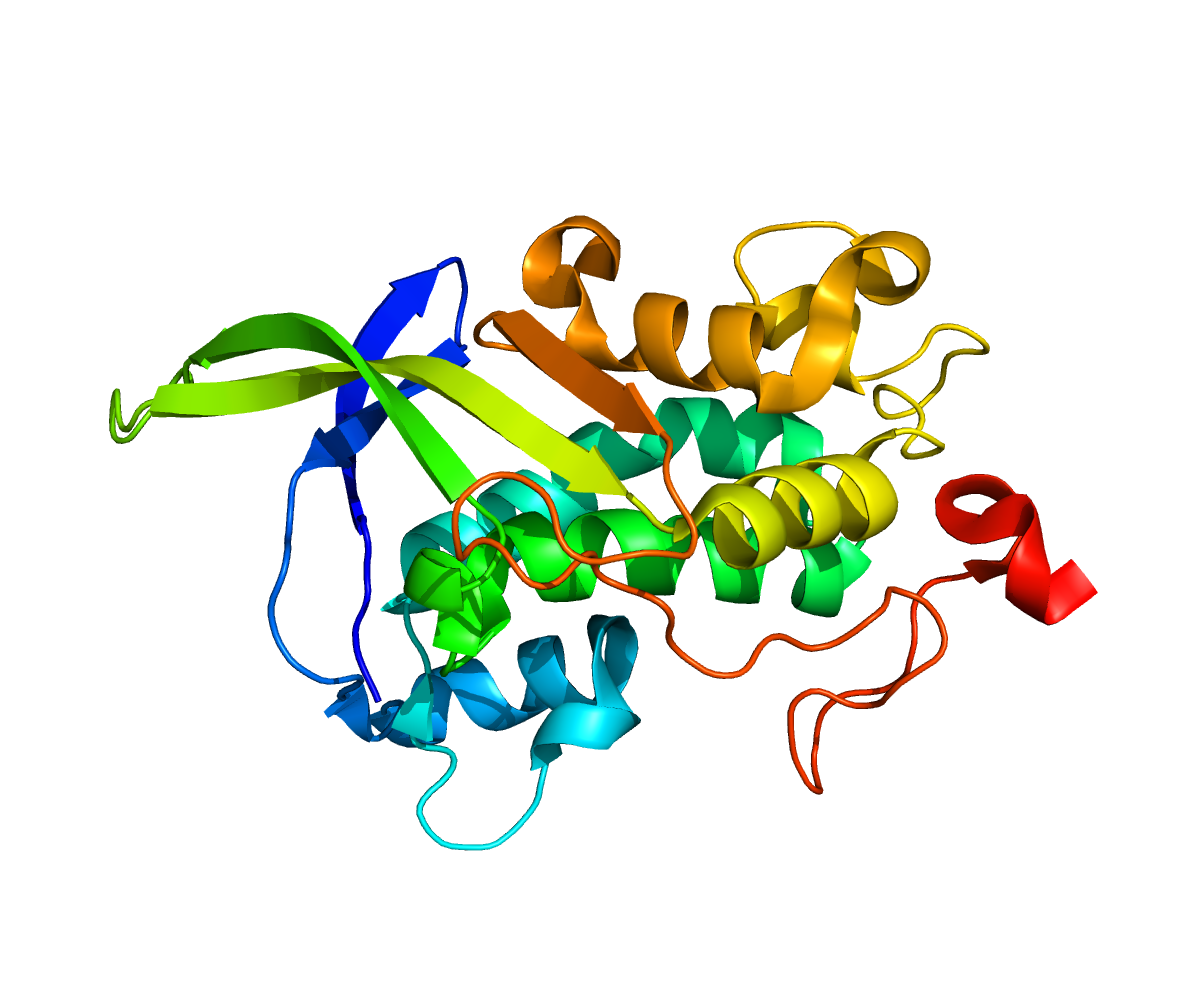
Niemann–Pick tipo C (NPC) é uma doença de depósito lisossômico associada a mutações nos genes NPC1 e NPC2. A Niemann–Pick tipo C afeta cerca de 1 a cada 150.000 pessoas. Aproximadamente 50% dos casos apresentam sintomas antes dos dez anos de idade, mas as manifestações podem ser reconhecidas pela primeira vez apenas na sexta década de vida. Apesar do nome, a doença de Niemann-Pick tipo C tem muito pouco a ver com a doença de Niemann–Pick associada ao SMPD1, embora já se tenha pensado que fossem a mesma doença.
Introdução
O que você precisa saber de cara
Visão geral
A Doença de Niemann-Pick tipo C, com apresentação neurológica grave precoce do latente é uma condição genética rara que afeta o metabolismo de lipídios (gorduras) dentro das células. Ela se caracteriza por um acúmulo anormal de colesterol e outras gorduras nos lisossomos, estruturas celulares responsáveis pela digestão de substâncias. Esta forma específica da doença tem início muito precoce, ainda na infância ou no período neonatal, e cursa com sintomas neurológicos graves. A prevalência exata é desconhecida.[1]
Sinais e sintomas
Os sintomas da Doença de Niemann-Pick tipo C com apresentação neurológica grave precoce do latente começam na infância ou no período neonatal. As manifestações são predominantemente neurológicas e podem incluir atraso no desenvolvimento neuropsicomotor, dificuldades de alimentação, perda de habilidades já adquiridas, convulsões e movimentos anormais. O quadro é progressivo e grave.[1]
Causas genéticas
A doença é causada por mutações nos genes NPC1 ou NPC2. Esses genes fornecem instruções para a produção de proteínas essenciais para o transporte intracelular de colesterol. Quando essas proteínas não funcionam corretamente, o colesterol se acumula dentro das células, especialmente nos neurônios, levando aos sintomas da doença. A herança é autossômica recessiva, o que significa que a pessoa precisa herdar uma cópia do gene alterado de cada um dos pais para desenvolver a condição.[1][3]
Diagnóstico
O diagnóstico é baseado na avaliação clínica, exames laboratoriais e testes genéticos. Exames como dosagem de aminoácidos, ácidos orgânicos na urina e triagem para erros inatos do metabolismo podem ser realizados. O sequenciamento completo do exoma (WES) é um método eficaz para identificar mutações nos genes NPC1 e NPC2. O Teste do Pezinho (triagem neonatal) pode detectar alguns casos, mas não é específico para esta doença. Atualmente, existem 336 testes genéticos disponíveis e 874 variantes descritas no ClinVar para esta condição.[1][3]
Tratamento e manejo
O manejo da Doença de Niemann-Pick tipo C com apresentação neurológica grave precoce do latente é multidisciplinar e visa aliviar os sintomas e melhorar a qualidade de vida. Não há cura. O tratamento inclui suporte clínico, fisioterapia, terapia ocupacional, fonoaudiologia e acompanhamento nutricional. No Brasil, o Sistema Único de Saúde (SUS) oferece cobertura parcial para alguns procedimentos, como atendimento em reabilitação para doenças raras, infusão de imiglucerase (para Gaucher) e infusão de agalsidase (para Fabry), embora esses medicamentos não sejam específicos para esta doença. É fundamental que o tratamento seja individualizado e acompanhado por uma equipe médica especializada.[1]
Prognóstico e qualidade de vida
O prognóstico para esta forma grave e precoce da doença é reservado. A progressão dos sintomas neurológicos é rápida e pode levar a complicações significativas. O suporte multidisciplinar e o cuidado paliativo são essenciais para garantir o máximo conforto e qualidade de vida para o paciente e sua família. O acompanhamento regular com uma equipe de saúde especializada em doenças raras é fundamental.[1]
Conteúdo informativo gerado e mantido automaticamente a partir de fontes oficiais (Orphanet, HPO, OMIM, SUS). Não substitui avaliação médica.
Niemann–Pick tipo C (NPC) é uma doença de depósito lisossômico associada a mutações nos genes NPC1 e NPC2. A Niemann–Pick tipo C afeta cerca de 1 a cada 150.000 pessoas. Aproximadamente 50% dos casos apresentam sintomas antes dos dez anos de idade, mas as manifestações podem ser reconhecidas pela primeira vez apenas na sexta década de vida. Apesar do nome, a doença de Niemann-Pick tipo C tem muito pouco a ver com a doença de Niemann–Pick associada ao SMPD1, embora já se tenha pensado que fossem a mesma doença.
Escala de raridade
<1/50kMuito rara
1/20kRara
1/10kPouco freq.
1/5kIncomum
1/2k
Encontrou um erro ou informação desatualizada? Sugira uma correção →
Entender a doença
Do básico ao detalhe, leia no seu ritmo
Preparando trilha educativa...
Sinais e sintomas
O que aparece no corpo e com que frequência cada sintoma acontece
Visão geral
A Doença de Niemann-Pick tipo C, com apresentação neurológica grave precoce do latente é uma condição genética rara que afeta o metabolismo de lipídios (gorduras) dentro das células. Ela se caracteriza por um acúmulo anormal de colesterol e outras gorduras nos lisossomos, estruturas celulares responsáveis pela digestão de substâncias. Esta forma específica da doença tem início muito precoce, ainda na infância ou no período neonatal, e cursa com sintomas neurológicos graves. A prevalência exata é desconhecida.[1]
Sinais e sintomas
Os sintomas da Doença de Niemann-Pick tipo C com apresentação neurológica grave precoce do latente começam na infância ou no período neonatal. As manifestações são predominantemente neurológicas e podem incluir atraso no desenvolvimento neuropsicomotor, dificuldades de alimentação, perda de habilidades já adquiridas, convulsões e movimentos anormais. O quadro é progressivo e grave.[1]
Causas genéticas
A doença é causada por mutações nos genes NPC1 ou NPC2. Esses genes fornecem instruções para a produção de proteínas essenciais para o transporte intracelular de colesterol. Quando essas proteínas não funcionam corretamente, o colesterol se acumula dentro das células, especialmente nos neurônios, levando aos sintomas da doença. A herança é autossômica recessiva, o que significa que a pessoa precisa herdar uma cópia do gene alterado de cada um dos pais para desenvolver a condição.[1][3]
Diagnóstico
O diagnóstico é baseado na avaliação clínica, exames laboratoriais e testes genéticos. Exames como dosagem de aminoácidos, ácidos orgânicos na urina e triagem para erros inatos do metabolismo podem ser realizados. O sequenciamento completo do exoma (WES) é um método eficaz para identificar mutações nos genes NPC1 e NPC2. O Teste do Pezinho (triagem neonatal) pode detectar alguns casos, mas não é específico para esta doença. Atualmente, existem 336 testes genéticos disponíveis e 874 variantes descritas no ClinVar para esta condição.[1][3]
Tratamento e manejo
O manejo da Doença de Niemann-Pick tipo C com apresentação neurológica grave precoce do latente é multidisciplinar e visa aliviar os sintomas e melhorar a qualidade de vida. Não há cura. O tratamento inclui suporte clínico, fisioterapia, terapia ocupacional, fonoaudiologia e acompanhamento nutricional. No Brasil, o Sistema Único de Saúde (SUS) oferece cobertura parcial para alguns procedimentos, como atendimento em reabilitação para doenças raras, infusão de imiglucerase (para Gaucher) e infusão de agalsidase (para Fabry), embora esses medicamentos não sejam específicos para esta doença. É fundamental que o tratamento seja individualizado e acompanhado por uma equipe médica especializada.[1]
Prognóstico e qualidade de vida
O prognóstico para esta forma grave e precoce da doença é reservado. A progressão dos sintomas neurológicos é rápida e pode levar a complicações significativas. O suporte multidisciplinar e o cuidado paliativo são essenciais para garantir o máximo conforto e qualidade de vida para o paciente e sua família. O acompanhamento regular com uma equipe de saúde especializada em doenças raras é fundamental.[1]
Conteúdo informativo gerado e mantido automaticamente a partir de fontes oficiais (Orphanet, HPO, OMIM, SUS). Não substitui avaliação médica.
Linha do tempo da pesquisa
Encontrou um erro ou informação desatualizada? Sugira uma correção →
Genética e causas
O que está alterado no DNA e como passa nas famílias
Genes associados
2 genes identificados com associação a esta condição. Padrão de herança: Autosomal recessive.
Intracellular cholesterol transporter which acts in concert with NPC1 and plays an important role in the egress of cholesterol from the lysosomal compartment (PubMed:11125141, PubMed:15937921, PubMed:17018531, PubMed:18772377, PubMed:29580834). Unesterified cholesterol that has been released from LDLs in the lumen of the late endosomes/lysosomes is transferred by NPC2 to the cholesterol-binding pocket in the N-terminal domain of NPC1 (PubMed:17018531, PubMed:18772377, PubMed:27238017). May bind
SecretedEndoplasmic reticulumLysosome
Niemann-Pick disease C2
A lysosomal storage disorder that affects the viscera and the central nervous system. It is due to defective intracellular processing and transport of low-density lipoprotein derived cholesterol. It causes accumulation of cholesterol in lysosomes, with delayed induction of cholesterol homeostatic reactions. Niemann-Pick disease type C2 has a highly variable clinical phenotype. Clinical features include variable hepatosplenomegaly and severe progressive neurological dysfunction such as ataxia, dystonia and dementia. The age of onset can vary from infancy to late adulthood.
Intracellular cholesterol transporter which acts in concert with NPC2 and plays an important role in the egress of cholesterol from the endosomal/lysosomal compartment (PubMed:10821832, PubMed:12554680, PubMed:18772377, PubMed:27238017, PubMed:9211849, PubMed:9927649). Unesterified cholesterol that has been released from LDLs in the lumen of the late endosomes/lysosomes is transferred by NPC2 to the cholesterol-binding pocket in the N-terminal domain of NPC1 (PubMed:18772377, PubMed:19563754, Pu
Late endosome membraneLysosome membrane
Niemann-Pick disease C1
A lysosomal storage disorder that affects the viscera and the central nervous system. It is due to defective intracellular processing and transport of low-density lipoprotein derived cholesterol. It causes accumulation of cholesterol in lysosomes, with delayed induction of cholesterol homeostatic reactions. Niemann-Pick disease type C1 has a highly variable clinical phenotype. Clinical features include variable hepatosplenomegaly and severe progressive neurological dysfunction such as ataxia, dystonia and dementia. The age of onset can vary from infancy to late adulthood. An allelic variant of Niemann-Pick disease type C1 is found in people with Nova Scotia ancestry. Patients with the Nova Scotian clinical variant are less severely affected.
Medicamentos aprovados (FDA)
2 medicamentos encontrados nos registros da FDA americana.
Variantes genéticas (ClinVar)
874 variantes patogênicas registradas no ClinVar.
Vias biológicas (Reactome)
2 vias biológicas associadas aos genes desta condição.
Diagnóstico
Os sinais que médicos procuram e os exames que confirmam
Tratamento e manejo
Remédios, cuidados de apoio e o que precisa acompanhar
Onde tratar no SUS
Hospitais de referência no Brasil e o protocolo oficial do SUS (PCDT)
🇧🇷 Atendimento SUS — Doença de Niemann-Pick tipo C, com apresentação neurológica grave precoce do latente
Centros de Referência SUS
21 centros habilitados pelo SUS para Doença de Niemann-Pick tipo C, com apresentação neurológica grave precoce do latente
Centros para Doença de Niemann-Pick tipo C, com apresentação neurológica grave precoce do latente
Detalhes dos centros
Hospital Universitário Prof. Edgard Santos (HUPES)
R. Dr. Augusto Viana, s/n - Canela, Salvador - BA, 40110-060 · CNES 0003808
Serviço de Referência
Hospital de Apoio de Brasília (HAB)
AENW 3 Lote A Setor Noroeste - Plano Piloto, Brasília - DF, 70684-831 · CNES 0010456
Serviço de Referência
Hospital Estadual Infantil e Maternidade Alzir Bernardino Alves (HIABA)
Av. Min. Salgado Filho, 918 - Soteco, Vila Velha - ES, 29106-010 · CNES 6631207
Serviço de Referência
Hospital das Clínicas da UFG
Rua 235 QD. 68 Lote Área, Nº 285, s/nº - Setor Leste Universitário, Goiânia - GO, 74605-050 · CNES 2338424
Serviço de Referência
Hospital das Clínicas da UFMG
Av. Prof. Alfredo Balena, 110 - Santa Efigênia, Belo Horizonte - MG, 30130-100 · CNES 2280167
Serviço de Referência
NUPAD / Faculdade de Medicina UFMG
Av. Prof. Alfredo Balena, 189 - 5 andar - Centro, Belo Horizonte - MG, 30130-100 · CNES 2183226
Serviço de Referência
Hospital Universitário João de Barros Barreto
R. dos Mundurucus, 4487 - Guamá, Belém - PA, 66073-000 · CNES 2337878
Serviço de Referência
Hospital de Clínicas da Universidade Federal de Pernambuco
Av. Prof. Moraes Rego, 1235 - Cidade Universitária, Recife - PE, 50670-901 · CNES 2561492
Atenção Especializada
Instituto de Medicina Integral Prof. Fernando Figueira (IMIP)
R. dos Coelhos, 300 - Boa Vista, Recife - PE, 50070-902 · CNES 0000647
Serviço de Referência
Hospital de Clínicas da UFPR
R. Gen. Carneiro, 181 - Alto da Glória, Curitiba - PR, 80060-900 · CNES 2364980
Serviço de Referência
Hospital Universitário Pedro Ernesto (HUPE-UERJ)
Blvd. 28 de Setembro, 77 - Vila Isabel, Rio de Janeiro - RJ, 20551-030 · CNES 2280221
Serviço de Referência
Instituto Nacional de Saúde da Mulher, da Criança e do Adolescente Fernandes Figueira (IFF/Fiocruz)
Av. Rui Barbosa, 716 - Flamengo, Rio de Janeiro - RJ, 22250-020 · CNES 2269988
Serviço de Referência
Hospital Universitário Onofre Lopes (HUOL)
Av. Nilo Peçanha, 620 - Petrópolis, Natal - RN, 59012-300 · CNES 2408570
Atenção Especializada
Hospital São Lucas da PUCRS
Av. Ipiranga, 6690 - Jardim Botânico, Porto Alegre - RS, 90610-000 · CNES 2232928
Serviço de Referência
Hospital de Clínicas de Porto Alegre (HCPA)
Rua Ramiro Barcelos, 2350 Bloco A - Av. Protásio Alves, 211 - Bloco B e C - Santa Cecília, Porto Alegre - RS, 90035-903 · CNES 2237601
Serviço de Referência
Hospital Universitário da UFSC (HU-UFSC)
R. Profa. Maria Flora Pausewang - Trindade, Florianópolis - SC, 88036-800 · CNES 2560356
Serviço de Referência
Hospital das Clínicas da FMUSP
R. Dr. Ovídio Pires de Campos, 225 - Cerqueira César, São Paulo - SP, 05403-010 · CNES 2077485
Serviço de Referência
Hospital de Clínicas da UNICAMP
R. Vital Brasil, 251 - Cidade Universitária, Campinas - SP, 13083-888 · CNES 2748223
Serviço de Referência
Hospital de Clínicas de Ribeirão Preto (HCRP-USP)
R. Ten. Catão Roxo, 3900 - Vila Monte Alegre, Ribeirão Preto - SP, 14015-010 · CNES 2082187
Serviço de Referência
Instituto da Criança e do Adolescente (ICr-HCFMUSP)
Av. Dr. Enéas Carvalho de Aguiar, 647 - Cerqueira César, São Paulo - SP, 05403-000 · CNES 2081695
Serviço de Referência
UNIFESP / Hospital São Paulo
R. Napoleão de Barros, 715 - Vila Clementino, São Paulo - SP, 04024-002 · CNES 2688689
Serviço de Referência
Dados de DATASUS/CNES, SBGM, ABNeuro e Ministério da Saúde. Sempre confirme a disponibilidade diretamente com o estabelecimento.
Pesquisa ativa
Ensaios clínicos abertos e novidades científicas recentes
Pesquisa e ensaios clínicos
Nenhum ensaio clínico registrado para esta condição.
Publicações mais relevantes
Clinical disease characteristics of patients with Niemann-Pick Disease Type C: findings from the International Niemann-Pick Disease Registry (INPDR).
Niemann-Pick Disease Type C (NPC) is an autosomal recessive rare disease characterised by progressive neurovisceral manifestations. The collection of on-going large-scale NPC clinical data may generate better understandings of the natural history of the disease. Here we report NPC patient data from the International Niemann-Pick Disease Registry (INPDR). The INPDR is a web-based, patient-led independent registry for the collection of prospective and retrospective clinical data from Niemann-Pick Disease patients. Baseline data from NPC patients enrolled into the INPDR from September 2014 to December 2019 was extracted to analyse the demographic, genetic and clinical features of the disease. A total of 203 NPC patients from six European countries were included in this study. The mean age (SD) at diagnosis was 11.2 years (14.2). Among enrolled patients, 168 had known neurological manifestations: 43 (24.2%) had early-infantile onset, 47 (26.4%) had late-infantile onset, 41 (23.0%) had juvenile onset, and 37 (20.8%) had adult onset. 10 (5.6%) patients had the neonatal rapidly fatal systemic form. Among the 97 patients with identified NPC1 variants, the most common variant was the c. 3182T > C variant responsible for the p.lle1061Thr protein change, reported in 35.1% (N = 34) of patients. The frequencies of hepatomegaly and neonatal jaundice were greatest in patients with early-infantile and late-infantile neurological onset. Splenomegaly was the most commonly reported observation, including 80% of adult-onset patients. The most commonly reported neurological manifestations were cognitive impairment (78.5%), dysarthria (75.9%), ataxia (75.9%), vertical supranuclear gaze palsy (70.9%) and dysphagia (69.6%). A 6-domain composite disability scale was used to calculate the overall disability score for each neurological form. Across all with neurological onset, the majority of patients showed moderate to severe impairments in all domains, except for 'swallowing' and 'seizure'. The age at diagnosis and death increased with increased age of neurological symptom onset. Miglustat use was recorded in 62.4% of patients and the most common symptomatic therapies used by patients were antiepileptics (32.9%), antidepressants (11.8%) and antacids (9.4%). The proportion of participants at each age of neurological onset was relatively equal across the cohort. Neurological manifestations, such as ataxia, dysphagia, and dysarthria, were frequently observed across all age categories.
Favorable outcomes following early onset oral miglustat in early infantile Niemann Pick Type C.
Niemann-Pick disease Type C (NPC) is a rare autosomal recessive neurovisceral lysosomal disorder. Perinatal and early infantile onset NPC are the most severe types of the disease. Early infantile type is characterized by a rapidly progressive neurodegenerative course, which entails significant morbidity and usually results in death within 5 years. Miglustat, an iminosugar that selectively inhibits the glycosylceramide synthase enzyme, is known to stabilize or delay neurological progression in individuals with NPC, but its impact on affected infants is yet to be elucidated. We present two siblings with early infantile NPC due to the previously reported devastating homozygous mutation c.2279_2281delTCT in NPC1. Their considerably discrepant neurological disease courses were dependent on the timing of initiation of miglustat treatment. The outcomes support the significant role of early treatment with miglustat in the disease course of early infantile NPC and suggest that therapy should be considered even before the occurrence of neurological involvement. Moreover, this report emphasizes the importance of early diagnosis, in light of the availability of a potential disease-modifying medication.
[Clinical features and gene mutation analysis of patients with Niemann-Pick disease type C].
Objective: To analyze the clinical manifestations, therapeutic efficacy, prognosis and characteristics of NPC1 mutation in Chinese patients with Niemann-Pick disease type C(NPC). Methods: Ten unrelated Chinese NPC patients were diagnosed by NPC1 mutation analysis from July 2013 to February 2017 in Beijing Tian Tan Hospital of Capital Medical University. Clinical data of 10 cases were analyzed retrospectively which included clinical manifestations, laboratory results and NPC1 gene mutation features, and a series of follow-up were carried out about therapeutic efficacy and prognosis. Results: Ten patients suffering from NPC included 5 males and 5 females, aged from 42 days to 14 years when they presented to Tian Tan Hospital. According to their age of neurological onset, 4 were in early infantile period, 2 in late infantile period, 2 in juvenile periods, and the other 2 cases in neonatal period. They all presented with splenomegaly, 5 of 10 accompanied with hepatomegaly. Two cases of neonatal subtype presented mainly with delayed neonatal cholestatic jaundice and hepatosplenomegaly, accompanied with decreased muscle tone and slight psychomotor retardation. The other 8 cases presented with severe neurological involvement, such as progressive encephalopathy, ataxia and language impairment, 4 with dystonia, 3 with decreased muscle tension, 5 with vertical supranuclear gaze palsy, 5 with gelastic cataplexy, and 4 with epilepsy. Eight of 9 cases presented with foam cells in their bone marrow. Head MRI showed diffuse cerebral atrophy in 8 cases, thin corpus callosum in 2 cases, and brain white matter abnormal signals in 2 cases. Among 10 cases, 18 different mutations of NPC1 allelic genes were identified including 11 reported mutations, 3 novel missense mutations: c. 3683T>C (p.Met1128Thr), c.1926G>C (p.Met642Iie) and c. 3006C>G (p.Phe1002Leu), 2 novel nonsense mutation: c. 1142G>A(p.Trp381Ter ) and c. 3229C>T(p.Arg1077Ter), 1 novel minimal deletion mutation: c. 1385-1386del, and 1 novel intron mutation: c. 1757+ 5G>A. In 5 cases, the symptom of gelastic cataplexy was alleviated by imipramine, and the convulsion was relieved by valproate in 2 cases, by carbamazepine in 1 case at the beginning of seizure. During the 25 (3-66) months of follow-up, 4 cases died, the others' neurological symptoms were deteriorated progressively. Conclusions: The NPC1 gene mutation were high heterozygous in this group, and 7 novel mutations enriched the gene mutation spectrum of NPC1. The neurological manifestations were complicated in patients with NPC, and the symptomatology would be different according to their onset age of neurological symptoms. There might be effective symptomatic treatment for gelastic cataplexy by imipramine and for convulsion by valproate or carbamazepine. 目的:分析尼曼匹克病C型(NPC)患者的临床表现和基因突变特点,观察疾病的治疗效果和预后。 方法:收集2013年7月至2017年2月在首都医科大学附属北京天坛医院就诊的10例NPC患者,对其临床表现、常规化验检查和基因突变特点进行分析,并随访其治疗效果和预后。 结果: 10例NPC患者,男5例,女5例,就诊年龄42 d~14岁;包括2例新生儿型、4例早期婴儿型、2例晚期婴儿型和2例青少年型。所有患者均有明显的脾大,5例伴有肝大。头部磁共振示8例脑萎缩、2例胼胝体变细及2例脑白质区异常信号。10例患者共检出18种NPC1基因突变,其中11种为已知突变,另7种为新突变,包括3种错义突变:c.3683T>C (p.Met1128Thr)、c.1926G>C(p.Met642Iie)和c.3006C>G(p.Phe1002Leu);2种无义突变:c.1142G>A(p.Trp381Ter )和c.3229C>T(p.Arg1077Ter);1种微小缺失突变:c.1385-1386del;1种剪切位点突变:c.1757+5G>A。平均随访25(3~66)个月,丙咪嗪使5例患者的痴笑猝倒发作减轻,丙戊酸钠和卡马西平分别使2例和1例患者的癫痫发作程度减轻,随访结束时4例死亡,其余患者的病情均呈进行性加重。 结论: NPC1基因突变谱具有高度异质性,中国人NPC1基因的突变热点可能与欧州国家不同。NPC患者的神经系统表现与其发病年龄有关。丙咪嗪对控制痴笑猝倒发作有效,卡马西平或丙戊酸钠可能在病程早期对控制癫痫发作有效。.
Long term follow-up to evaluate the efficacy of miglustat treatment in Italian patients with Niemann-Pick disease type C.
Twenty-five patients with Niemann Pick disease type C (age range: 7 months to 44 years) were enrolled in an Italian independent multicenter trial and treated with miglustat for periods from 48 to 96 months. Based on the age at onset of neurological manifestations patients' phenotypes were classified as: adult (n = 6), juvenile (n = 9), late infantile (n = 6), early infantile (n = 2). Two patients had an exclusively visceral phenotype. We clinically evaluated patients' neurological involvement, giving a score of severity ranging from 0 (best) to 3 (worst) for gait abnormalities, dystonia, dysmetria, dysarthria, and developmental delay/cognitive impairment, and from 0 to 4 for dysphagia. We calculated a mean composite severity score transforming the original scores proportionally to range from 0 to 1 to summarize the clinical picture of patients and monitor their clinical course. We compared the results after 24 months of treatment in 23 patients showing neurological manifestations. Stabilization or improvement of all parameters was observed in the majority of patients. With the exception of developmental delay/cognitive impairment, these results persisted after 48-96 months in 41 - 55% of the patients (dystonia: 55%, dysarthria: 50%, gait abnormalities: 43%, dysmetria: 41%, respectively). After 24 months of therapy the majority of the evaluable patients (n = 20), demonstrated a stabilization or improvement in the ability to swallow four substances of different consistency (water: 65%, purée: 58%, little pasta: 60%, biscuit: 55%). These results persisted after 48-96 months in 40-50% of patients, with the exception of water swallowing. Stabilization or improvement of the composite severity score was detected in the majority (57%) of 7 patients who were treated early (within 3.5 years from onset) and rarely in patients who received treatment later. The results of this study suggest that miglustat treatment can improve or stabilize neurological manifestations, at least for a period of time; the severity of clinical conditions at the beginning of treatment can influence the rate of disease progression. This conclusion applies particularly to patients with juvenile or adult onset of the disease. EudraCT number 2006-005842-35.
Publicações recentes
Ver todas no PubMed📚 EuropePMCmostrando 4
Clinical disease characteristics of patients with Niemann-Pick Disease Type C: findings from the International Niemann-Pick Disease Registry (INPDR).
Orphanet journal of rare diseasesFavorable outcomes following early onset oral miglustat in early infantile Niemann Pick Type C.
Molecular genetics and metabolism reports[Clinical features and gene mutation analysis of patients with Niemann-Pick disease type C].
Zhonghua yi xue za zhiLong term follow-up to evaluate the efficacy of miglustat treatment in Italian patients with Niemann-Pick disease type C.
Orphanet journal of rare diseasesAssociações
Organizações que acompanham esta doença — pra ter apoio e orientação
Ainda não temos associações cadastradas para Doença de Niemann-Pick tipo C, com apresentação neurológica grave precoce do latente.
É de uma associação que acompanha esta doença? Fale com a gente →
Comunidades
Grupos ativos de quem convive com esta doença aqui no Raras
Ainda não existe comunidade no Raras para Doença de Niemann-Pick tipo C, com apresentação neurológica grave precoce do latente
Pacientes, familiares e cuidadores se organizam em comunidades pra compartilhar experiências, fazer perguntas e se apoiar. Você pode ser o primeiro.
Tire suas dúvidas
Perguntas, dicas e experiências compartilhadas aqui na página
Participe da discussão
Faça login para postar dúvidas, compartilhar experiências e interagir com especialistas.
Fazer loginDoenças relacionadas
Doenças com sintomas parecidos — ajudam quem ainda está buscando diagnóstico
Ainda não achamos doenças com sintomas parecidos o suficiente.
Referências e fontes
Bases de dados externas citadas neste artigo
Publicações científicas
Artigos indexados no PubMed ligados a esta doença no grafo RarasNet — título, periódico e PMID direto da fonte, sem intermediação de IA.
- Clinical disease characteristics of patients with Niemann-Pick Disease Type C: findings from the International Niemann-Pick Disease Registry (INPDR).
- Favorable outcomes following early onset oral miglustat in early infantile Niemann Pick Type C.
- [Clinical features and gene mutation analysis of patients with Niemann-Pick disease type C].
- Long term follow-up to evaluate the efficacy of miglustat treatment in Italian patients with Niemann-Pick disease type C.
- Niemann-Pick disease type C.
Bases de dados e fontes oficiais
Identificadores e referências canônicas usadas para montar este verbete.
- ORPHA:216975(Orphanet)
- MONDO:0016307(MONDO)
- GARD:20505(GARD (NIH))
- Variantes catalogadas(ClinVar)
- Busca completa no PubMed(PubMed)
- Q55345952(Wikidata)
Dados compilados pelo RarasNet a partir de fontes abertas (Orphanet, OMIM, MONDO, PubMed/EuropePMC, ClinicalTrials.gov, DATASUS, PCDT/MS). Este conteúdo é informativo e não substitui avaliação médica.
Conteúdo mantido por Agente Raras · Médicos e pesquisadores podem colaborar
Doença de Niemann-Pick tipo C, com apresentação neurológica grave precoce do latente
📋 Origem dos dados
Esta página agrega dados de fontes públicas e oficiais. Dados sobre cobertura no SUS (PCDT, CEAF) são verificados ativamente por agente proativo (ver badge no infobox). Demais dados têm atribuição de fonte + data da última sincronização — clique para abrir o original.
- Doença rara (ontologia)
- fonte: Orphanet
- Identificador unificado
- fonte: MONDO
- Codificação WHO/SUS
- fonte: WHO ICD-10 / DATASUS
- CID-11 (futuro)
- fonte: WHO ICD-11
- NIH/GARD
- fonte: GARD (NIH)
- Dado público estruturado
- fonte: Wikidata
- Medicamentos aprovados FDA
- fonte: FDA OpenFDA