
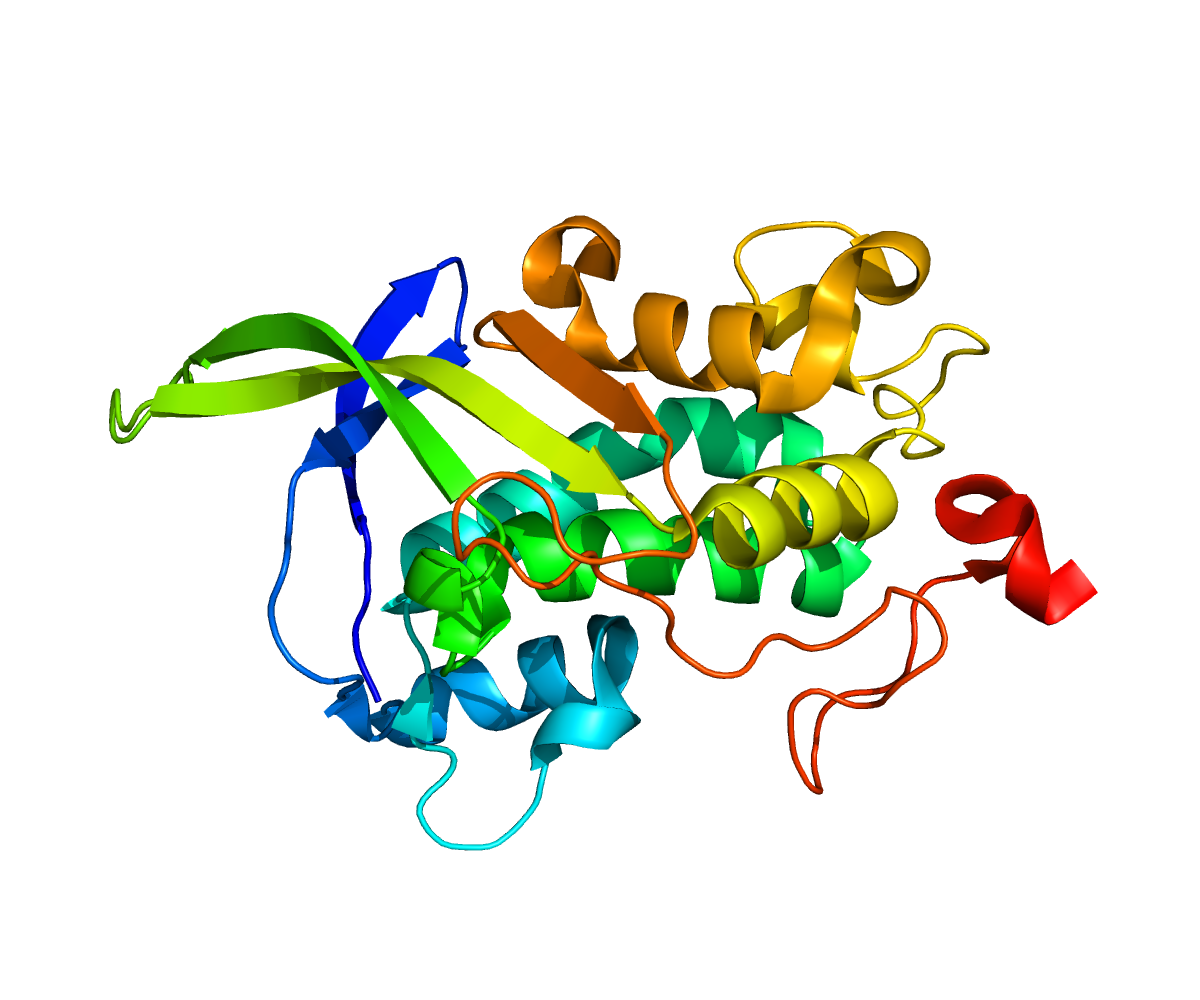
Niemann–Pick tipo C (NPC) é uma doença de depósito lisossômico associada a mutações nos genes NPC1 e NPC2. A Niemann–Pick tipo C afeta aproximadamente 1 em cada 150.000 pessoas. Cerca de 50% dos casos manifestam-se antes dos dez anos de idade, mas as manifestações podem ser reconhecidas pela primeira vez apenas na sexta década de vida. Apesar do nome, a doença de Niemann-Pick tipo C tem muito pouco a ver com a doença de Niemann-Pick associada ao SMPD1, embora já se tenha pensado que fossem a mesma doença.
Introdução
O que você precisa saber de cara
Visão geral
A Doença de Niemann-Pick tipo C, com apresentação neurológica tardia do latente é uma condição genética rara que afeta o metabolismo de lipídios dentro das células. Nesta forma específica, os primeiros sintomas neurológicos aparecem na infância tardia (entre 2 e 6 anos de idade). A doença é progressiva e pode impactar o movimento, a coordenação e a função cognitiva. A prevalência exata é desconhecida, mas estima-se que seja extremamente rara.[1]
Sinais e sintomas
Os sintomas neurológicos da forma tardia do latente incluem dificuldades motoras progressivas, como ataxia (falta de coordenação), distonia (contrações musculares involuntárias) e disartria (dificuldade na fala). Também podem ocorrer convulsões, perda de habilidades cognitivas previamente adquiridas e, em alguns casos, problemas de deglutição. Os sintomas geralmente começam entre os 2 e 6 anos de idade.[1]
Causas genéticas
A doença é causada por mutações nos genes NPC1 ou NPC2. Esses genes fornecem instruções para a produção de proteínas que ajudam a transportar o colesterol e outros lipídios para dentro das células. Quando essas proteínas não funcionam corretamente, lipídios se acumulam dentro das células, especialmente no cérebro, levando aos sintomas neurológicos. A herança é autossômica recessiva, ou seja, a pessoa precisa herdar uma cópia do gene alterado de cada um dos pais para desenvolver a doença.[1][3]
Diagnóstico
O diagnóstico é baseado na avaliação clínica dos sintomas neurológicos e confirmado por testes genéticos. O sequenciamento completo do exoma (WES) é um dos métodos disponíveis para identificar mutações nos genes NPC1 e NPC2. Atualmente, há 874 variantes registradas no ClinVar associadas a esta condição. No Brasil, o Sistema Único de Saúde (SUS) oferece cobertura parcial para exames como dosagem de aminoácidos, ácidos orgânicos na urina, teste de triagem para erros inatos do metabolismo e o teste do pezinho (triagem neonatal).[1][3]
Tratamento e manejo
Atualmente, não há cura para a Doença de Niemann-Pick tipo C. O manejo é focado no controle dos sintomas e na melhora da qualidade de vida. Isso pode incluir fisioterapia, terapia ocupacional, fonoaudiologia e suporte nutricional. No Brasil, o SUS oferece atendimento em reabilitação para doenças raras, que pode incluir essas terapias. Medicamentos específicos para a doença não estão listados nos dados oficiais disponíveis. É importante que o tratamento seja individualizado e acompanhado por uma equipe multidisciplinar.[1]
Prognóstico e qualidade de vida
O prognóstico varia de acordo com a idade de início dos sintomas e a progressão da doença. Na forma tardia do latente, a progressão tende a ser mais lenta do que nas formas de início mais precoce, mas ainda assim a doença é progressiva e pode levar a comprometimento motor e cognitivo significativo ao longo do tempo. O suporte multidisciplinar e o manejo dos sintomas podem ajudar a melhorar a qualidade de vida e a funcionalidade da pessoa afetada.[1]
Conteúdo informativo gerado e mantido automaticamente a partir de fontes oficiais (Orphanet, HPO, OMIM, SUS). Não substitui avaliação médica.
Niemann–Pick tipo C (NPC) é uma doença de depósito lisossômico associada a mutações nos genes NPC1 e NPC2. A Niemann–Pick tipo C afeta aproximadamente 1 em cada 150.000 pessoas. Cerca de 50% dos casos manifestam-se antes dos dez anos de idade, mas as manifestações podem ser reconhecidas pela primeira vez apenas na sexta década de vida. Apesar do nome, a doença de Niemann-Pick tipo C tem muito pouco a ver com a doença de Niemann-Pick associada ao SMPD1, embora já se tenha pensado que fossem a mesma doença.
Escala de raridade
<1/50kMuito rara
1/20kRara
1/10kPouco freq.
1/5kIncomum
1/2k
Encontrou um erro ou informação desatualizada? Sugira uma correção →
Entender a doença
Do básico ao detalhe, leia no seu ritmo
Preparando trilha educativa...
Sinais e sintomas
O que aparece no corpo e com que frequência cada sintoma acontece
Visão geral
A Doença de Niemann-Pick tipo C, com apresentação neurológica tardia do latente é uma condição genética rara que afeta o metabolismo de lipídios dentro das células. Nesta forma específica, os primeiros sintomas neurológicos aparecem na infância tardia (entre 2 e 6 anos de idade). A doença é progressiva e pode impactar o movimento, a coordenação e a função cognitiva. A prevalência exata é desconhecida, mas estima-se que seja extremamente rara.[1]
Sinais e sintomas
Os sintomas neurológicos da forma tardia do latente incluem dificuldades motoras progressivas, como ataxia (falta de coordenação), distonia (contrações musculares involuntárias) e disartria (dificuldade na fala). Também podem ocorrer convulsões, perda de habilidades cognitivas previamente adquiridas e, em alguns casos, problemas de deglutição. Os sintomas geralmente começam entre os 2 e 6 anos de idade.[1]
Causas genéticas
A doença é causada por mutações nos genes NPC1 ou NPC2. Esses genes fornecem instruções para a produção de proteínas que ajudam a transportar o colesterol e outros lipídios para dentro das células. Quando essas proteínas não funcionam corretamente, lipídios se acumulam dentro das células, especialmente no cérebro, levando aos sintomas neurológicos. A herança é autossômica recessiva, ou seja, a pessoa precisa herdar uma cópia do gene alterado de cada um dos pais para desenvolver a doença.[1][3]
Diagnóstico
O diagnóstico é baseado na avaliação clínica dos sintomas neurológicos e confirmado por testes genéticos. O sequenciamento completo do exoma (WES) é um dos métodos disponíveis para identificar mutações nos genes NPC1 e NPC2. Atualmente, há 874 variantes registradas no ClinVar associadas a esta condição. No Brasil, o Sistema Único de Saúde (SUS) oferece cobertura parcial para exames como dosagem de aminoácidos, ácidos orgânicos na urina, teste de triagem para erros inatos do metabolismo e o teste do pezinho (triagem neonatal).[1][3]
Tratamento e manejo
Atualmente, não há cura para a Doença de Niemann-Pick tipo C. O manejo é focado no controle dos sintomas e na melhora da qualidade de vida. Isso pode incluir fisioterapia, terapia ocupacional, fonoaudiologia e suporte nutricional. No Brasil, o SUS oferece atendimento em reabilitação para doenças raras, que pode incluir essas terapias. Medicamentos específicos para a doença não estão listados nos dados oficiais disponíveis. É importante que o tratamento seja individualizado e acompanhado por uma equipe multidisciplinar.[1]
Prognóstico e qualidade de vida
O prognóstico varia de acordo com a idade de início dos sintomas e a progressão da doença. Na forma tardia do latente, a progressão tende a ser mais lenta do que nas formas de início mais precoce, mas ainda assim a doença é progressiva e pode levar a comprometimento motor e cognitivo significativo ao longo do tempo. O suporte multidisciplinar e o manejo dos sintomas podem ajudar a melhorar a qualidade de vida e a funcionalidade da pessoa afetada.[1]
Conteúdo informativo gerado e mantido automaticamente a partir de fontes oficiais (Orphanet, HPO, OMIM, SUS). Não substitui avaliação médica.
Linha do tempo da pesquisa
Encontrou um erro ou informação desatualizada? Sugira uma correção →
Genética e causas
O que está alterado no DNA e como passa nas famílias
Genes associados
2 genes identificados com associação a esta condição. Padrão de herança: Autosomal recessive.
Intracellular cholesterol transporter which acts in concert with NPC1 and plays an important role in the egress of cholesterol from the lysosomal compartment (PubMed:11125141, PubMed:15937921, PubMed:17018531, PubMed:18772377, PubMed:29580834). Unesterified cholesterol that has been released from LDLs in the lumen of the late endosomes/lysosomes is transferred by NPC2 to the cholesterol-binding pocket in the N-terminal domain of NPC1 (PubMed:17018531, PubMed:18772377, PubMed:27238017). May bind
SecretedEndoplasmic reticulumLysosome
Niemann-Pick disease C2
A lysosomal storage disorder that affects the viscera and the central nervous system. It is due to defective intracellular processing and transport of low-density lipoprotein derived cholesterol. It causes accumulation of cholesterol in lysosomes, with delayed induction of cholesterol homeostatic reactions. Niemann-Pick disease type C2 has a highly variable clinical phenotype. Clinical features include variable hepatosplenomegaly and severe progressive neurological dysfunction such as ataxia, dystonia and dementia. The age of onset can vary from infancy to late adulthood.
Intracellular cholesterol transporter which acts in concert with NPC2 and plays an important role in the egress of cholesterol from the endosomal/lysosomal compartment (PubMed:10821832, PubMed:12554680, PubMed:18772377, PubMed:27238017, PubMed:9211849, PubMed:9927649). Unesterified cholesterol that has been released from LDLs in the lumen of the late endosomes/lysosomes is transferred by NPC2 to the cholesterol-binding pocket in the N-terminal domain of NPC1 (PubMed:18772377, PubMed:19563754, Pu
Late endosome membraneLysosome membrane
Niemann-Pick disease C1
A lysosomal storage disorder that affects the viscera and the central nervous system. It is due to defective intracellular processing and transport of low-density lipoprotein derived cholesterol. It causes accumulation of cholesterol in lysosomes, with delayed induction of cholesterol homeostatic reactions. Niemann-Pick disease type C1 has a highly variable clinical phenotype. Clinical features include variable hepatosplenomegaly and severe progressive neurological dysfunction such as ataxia, dystonia and dementia. The age of onset can vary from infancy to late adulthood. An allelic variant of Niemann-Pick disease type C1 is found in people with Nova Scotia ancestry. Patients with the Nova Scotian clinical variant are less severely affected.
Medicamentos aprovados (FDA)
2 medicamentos encontrados nos registros da FDA americana.
Variantes genéticas (ClinVar)
874 variantes patogênicas registradas no ClinVar.
Vias biológicas (Reactome)
2 vias biológicas associadas aos genes desta condição.
Diagnóstico
Os sinais que médicos procuram e os exames que confirmam
Tratamento e manejo
Remédios, cuidados de apoio e o que precisa acompanhar
Onde tratar no SUS
Hospitais de referência no Brasil e o protocolo oficial do SUS (PCDT)
🇧🇷 Atendimento SUS — Doença de Niemann-Pick tipo C, com apresentação neurológica tardia do latente
Centros de Referência SUS
21 centros habilitados pelo SUS para Doença de Niemann-Pick tipo C, com apresentação neurológica tardia do latente
Centros para Doença de Niemann-Pick tipo C, com apresentação neurológica tardia do latente
Detalhes dos centros
Hospital Universitário Prof. Edgard Santos (HUPES)
R. Dr. Augusto Viana, s/n - Canela, Salvador - BA, 40110-060 · CNES 0003808
Serviço de Referência
Hospital de Apoio de Brasília (HAB)
AENW 3 Lote A Setor Noroeste - Plano Piloto, Brasília - DF, 70684-831 · CNES 0010456
Serviço de Referência
Hospital Estadual Infantil e Maternidade Alzir Bernardino Alves (HIABA)
Av. Min. Salgado Filho, 918 - Soteco, Vila Velha - ES, 29106-010 · CNES 6631207
Serviço de Referência
Hospital das Clínicas da UFG
Rua 235 QD. 68 Lote Área, Nº 285, s/nº - Setor Leste Universitário, Goiânia - GO, 74605-050 · CNES 2338424
Serviço de Referência
Hospital das Clínicas da UFMG
Av. Prof. Alfredo Balena, 110 - Santa Efigênia, Belo Horizonte - MG, 30130-100 · CNES 2280167
Serviço de Referência
NUPAD / Faculdade de Medicina UFMG
Av. Prof. Alfredo Balena, 189 - 5 andar - Centro, Belo Horizonte - MG, 30130-100 · CNES 2183226
Serviço de Referência
Hospital Universitário João de Barros Barreto
R. dos Mundurucus, 4487 - Guamá, Belém - PA, 66073-000 · CNES 2337878
Serviço de Referência
Hospital de Clínicas da Universidade Federal de Pernambuco
Av. Prof. Moraes Rego, 1235 - Cidade Universitária, Recife - PE, 50670-901 · CNES 2561492
Atenção Especializada
Instituto de Medicina Integral Prof. Fernando Figueira (IMIP)
R. dos Coelhos, 300 - Boa Vista, Recife - PE, 50070-902 · CNES 0000647
Serviço de Referência
Hospital de Clínicas da UFPR
R. Gen. Carneiro, 181 - Alto da Glória, Curitiba - PR, 80060-900 · CNES 2364980
Serviço de Referência
Hospital Universitário Pedro Ernesto (HUPE-UERJ)
Blvd. 28 de Setembro, 77 - Vila Isabel, Rio de Janeiro - RJ, 20551-030 · CNES 2280221
Serviço de Referência
Instituto Nacional de Saúde da Mulher, da Criança e do Adolescente Fernandes Figueira (IFF/Fiocruz)
Av. Rui Barbosa, 716 - Flamengo, Rio de Janeiro - RJ, 22250-020 · CNES 2269988
Serviço de Referência
Hospital Universitário Onofre Lopes (HUOL)
Av. Nilo Peçanha, 620 - Petrópolis, Natal - RN, 59012-300 · CNES 2408570
Atenção Especializada
Hospital São Lucas da PUCRS
Av. Ipiranga, 6690 - Jardim Botânico, Porto Alegre - RS, 90610-000 · CNES 2232928
Serviço de Referência
Hospital de Clínicas de Porto Alegre (HCPA)
Rua Ramiro Barcelos, 2350 Bloco A - Av. Protásio Alves, 211 - Bloco B e C - Santa Cecília, Porto Alegre - RS, 90035-903 · CNES 2237601
Serviço de Referência
Hospital Universitário da UFSC (HU-UFSC)
R. Profa. Maria Flora Pausewang - Trindade, Florianópolis - SC, 88036-800 · CNES 2560356
Serviço de Referência
Hospital das Clínicas da FMUSP
R. Dr. Ovídio Pires de Campos, 225 - Cerqueira César, São Paulo - SP, 05403-010 · CNES 2077485
Serviço de Referência
Hospital de Clínicas da UNICAMP
R. Vital Brasil, 251 - Cidade Universitária, Campinas - SP, 13083-888 · CNES 2748223
Serviço de Referência
Hospital de Clínicas de Ribeirão Preto (HCRP-USP)
R. Ten. Catão Roxo, 3900 - Vila Monte Alegre, Ribeirão Preto - SP, 14015-010 · CNES 2082187
Serviço de Referência
Instituto da Criança e do Adolescente (ICr-HCFMUSP)
Av. Dr. Enéas Carvalho de Aguiar, 647 - Cerqueira César, São Paulo - SP, 05403-000 · CNES 2081695
Serviço de Referência
UNIFESP / Hospital São Paulo
R. Napoleão de Barros, 715 - Vila Clementino, São Paulo - SP, 04024-002 · CNES 2688689
Serviço de Referência
Dados de DATASUS/CNES, SBGM, ABNeuro e Ministério da Saúde. Sempre confirme a disponibilidade diretamente com o estabelecimento.
Pesquisa ativa
Ensaios clínicos abertos e novidades científicas recentes
Ensaios em destaque
🟢 Recrutando agora
3 pesquisas recrutando participantes. Converse com seu médico sobre a possibilidade de participar.
Outros ensaios clínicos
Publicações mais relevantes
Implications of the choroid plexus in Niemann-Pick disease Type C neuropathogenesis.
Niemann-Pick Disease Type C (NPC) is an ultra-rare disorder characterized by progressive psychiatric and neurologic manifestations, with late infantile, juvenile, and adolescent/adult presentations. We examined morphological properties of the choroid plexus, a protective blood-cerebrospinal fluid barrier, in NPC, and their relationship with neurodegeneration, clinical status, and circulatory markers. This study also determined whether choroid plexus morphology differentiates between NPC and more prevalent illnesses, schizophrenia (SZ) and bipolar disorder (BD), which have overlapping psychiatric symptoms with adolescent and adult-onset NPC and are associated with misdiagnosis. Patients with NPC were assessed using neuroimaging, clinical instruments, and plasma protein quantification focusing on inflammatory markers. Morphological properties (i.e., choroid plexus volumes) were compared between patients with NPC (n = 17), SZ (n = 20), BD (n = 24), and healthy controls (HCs, n = 106). Choroid plexus enlargement (p < 0.05) and reduced thalamic volumes (p < 0.05) were observed in NPC patients versus HCs and SZ or BD patients. A logistic regression model with choroid plexus and thalamic volumes as predictors yielded high prediction accuracy for NPC vs. HCs, NPC vs. SZ, and NPC vs. BD (area under the receiver operating characteristics curve [AUROC] of 1). Choroid plexus volumes were negatively correlated with left (p = 0.009-0.012) and right (p = 0.007-0.025) thalamic volumes, left (r = -0.69, p = 0.003) and right (r = -0.71, p = 0.002) crus I of the cerebellum, and greater severity on the NPC-Suspicion Index psychiatric subscale (ρ = 0.72, p = 0.042). Targeted protein expression quantification revealed differential expression of TGFA, HLA-DRA, TNFSF12, EGF, INFG, and IL-18 in NPC patients vs. HCs (p < 0.05), with higher choroid plexus volumes correlating with IL-18 levels (ρ = 0.71, p = 0.047). The choroid plexus may play a critical role in NPC neuropathogenesis and serve as a novel biomarker for monitoring neurodegenerative and inflammatory processes in NPC.
Splenomegaly and progressive neurologic involvement: Think about Niemann-Pick type C disease.
Niemann-Pick type C (NPC) disease is a lysosomal storage disease with visceral organ involvement and neurological and psychiatric symptoms. This study presents the clinical and laboratory findings of NPC cases involving three novel variants. The clinical and laboratory findings were reviewed retrospectively between February 2006 and December 2022. There were nine females and five males. The median age of diagnosis of the patients was 5 months (range: 1 month to 38 years). The clinical phenotypes of the patients were early infantile (n = 7), late infantile (n = 4), juvenile (n = 2), and adult (n = 1). The visceral findings were splenomegaly (100%), hepatomegaly (78.6%), neonatal jaundice (42.8%), and hepatic failure (14.3%). The neurological findings were developmental delay (71.4%), seizures (50%), vertical supranuclear gaze palsy (28.6%), ataxia (28.6%), dysarthria (28.6%), dysphagia (21.4%), dystonia (21.4%). Cataplexy (14.3%) and psychiatric manifestations (14.3%) were recorded in juvenile and adult-onset patients. Three novel variants were detected (p.Asn524LysfsTer39, p.Val1023Phe, and p.Asn906Tyr). Miglustat treatment was received by 64.3% of patients but had no clear effect on the disease course. The median duration of use was 3 years (with a range from 1-13 years). Miglustat's adverse effects were low platelet count (35.7%) and diarrhea (7.1%). Niemann-Pick type C disease should be considered in the presence of visceral organ involvement and progressive neurological findings. It is essential to support the diagnosis with laboratory and genetic analysis.
Clinical disease characteristics of patients with Niemann-Pick Disease Type C: findings from the International Niemann-Pick Disease Registry (INPDR).
Niemann-Pick Disease Type C (NPC) is an autosomal recessive rare disease characterised by progressive neurovisceral manifestations. The collection of on-going large-scale NPC clinical data may generate better understandings of the natural history of the disease. Here we report NPC patient data from the International Niemann-Pick Disease Registry (INPDR). The INPDR is a web-based, patient-led independent registry for the collection of prospective and retrospective clinical data from Niemann-Pick Disease patients. Baseline data from NPC patients enrolled into the INPDR from September 2014 to December 2019 was extracted to analyse the demographic, genetic and clinical features of the disease. A total of 203 NPC patients from six European countries were included in this study. The mean age (SD) at diagnosis was 11.2 years (14.2). Among enrolled patients, 168 had known neurological manifestations: 43 (24.2%) had early-infantile onset, 47 (26.4%) had late-infantile onset, 41 (23.0%) had juvenile onset, and 37 (20.8%) had adult onset. 10 (5.6%) patients had the neonatal rapidly fatal systemic form. Among the 97 patients with identified NPC1 variants, the most common variant was the c. 3182T > C variant responsible for the p.lle1061Thr protein change, reported in 35.1% (N = 34) of patients. The frequencies of hepatomegaly and neonatal jaundice were greatest in patients with early-infantile and late-infantile neurological onset. Splenomegaly was the most commonly reported observation, including 80% of adult-onset patients. The most commonly reported neurological manifestations were cognitive impairment (78.5%), dysarthria (75.9%), ataxia (75.9%), vertical supranuclear gaze palsy (70.9%) and dysphagia (69.6%). A 6-domain composite disability scale was used to calculate the overall disability score for each neurological form. Across all with neurological onset, the majority of patients showed moderate to severe impairments in all domains, except for 'swallowing' and 'seizure'. The age at diagnosis and death increased with increased age of neurological symptom onset. Miglustat use was recorded in 62.4% of patients and the most common symptomatic therapies used by patients were antiepileptics (32.9%), antidepressants (11.8%) and antacids (9.4%). The proportion of participants at each age of neurological onset was relatively equal across the cohort. Neurological manifestations, such as ataxia, dysphagia, and dysarthria, were frequently observed across all age categories.
Genetic and phenotypic variability in adult patients with Niemann Pick type C from Serbia: single-center experience.
Niemann Pick type C is an autosomal recessive lysosomal storage disorder caused by mutations in NPC1 and NPC2 genes. It is a neuro-visceral disease with a heterogeneous phenotype. Clinical features depend on the age at onset. Visceral manifestations are more prominent in the early onset (infantile) form, while neuro-psychiatric symptoms are more prominent in the late disease onset (juvenile and adult forms). A total number of 150 patients have been screened for changes in NPC1 and NPC2 gene at the Neurology Clinic, University Clinical Centre of Serbia in the period 2012-2020. Clinical data were extracted for patients with biallelic mutations. Fifteen patients carried biallelic mutations in the NPC1. Out of eight different reported NPC1 variants, four are novel (c.1204_1205TT>GC, p.F402A; c.2486T>G, p.L829R; c.2795+5 G>C; c.3722T>A, p.L1241*). The mean age at the disease onset was 20.3 ± 11.9 years with the average diagnostic delay of 7.7 ± 4.3 years. Movement disorders and psychiatric or cognitive disturbances were the most common initial symptoms (in 33% and 28% patients, respectively). The average age at the first neurological manifestation was 21 ± 12.0 years. At the last examination, eye movement abnormalities (vertical slow saccades or vertical supranuclear gaze palsy), and ataxia were present in all patients, while dystonia was common (in 78.6% of patients). Presence of c.2861C>T, p.S954L mutation in homozygous state was associated with older age at the neurological symptom onset. Clinical findings were in line with the expected, but the diagnostic delay was common. We hypothesize that the presence of c.2861C>T, p.S954L mutation may contribute to the phenotype attenuation.
Cost-effectiveness of miglustat versus symptomatic therapy of Niemann-Pick disease type C.
Niemann-Pick disease type C (NP-C) is a progressive neurodegenerative disorder with early infantile (< 2 years), late infantile (2-6 years), juvenile (7-15 years) and adolescent (> 15 years) onset. The mainstay of therapy for NP-C patients with neurological symptoms is miglustat, a drug that may modify the course of the disease. Our aim was to evaluate the cost-effectiveness of miglustat in comparison to symptomatic therapy in patients with NP-C in the socio-economic settings of the Republic of Serbia, an upper-middle-income European economy. The perspective of the Serbian Republic Health Insurance Fund was chosen for this study, and the time horizon was eighty years. The main outcomes of the study were quality-adjusted life years gained with miglustat and comparator, and direct costs of treatment. The study was conducted through the generation and simulation of the Discrete-Event Simulation model. The model results were obtained after Monte Carlo microsimulation of a sample with 1000 virtual patients. Treatment with miglustat was not cost-effective when compared with symptomatic therapy and was associated with negative values of net monetary benefit regardless of the onset of neurological manifestations (- 110,447,627.00 ± 701,614.00 RSD, - 343,871,695.00 ± 2,577,441.00 RSD, - 1,397,908,502.00 ± 23,084,235.00 RSD and - 2,953,680,879.00 ± 33,297,412.00 RSD) for early infantile, late infantile, juvenile and adolescent cohorts, respectively). When traditional pharmacoeconomic evaluation is employed, miglustat is not a cost-effective option in comparison to symptomatic therapy for the treatment of NP-C. However, given the proven efficacy of miglustat, there is a need to find ways to make this drug available to all patients with NP-C.
Publicações recentes
Clinical Spectrum and Genetic Variability in Bulgarian Patients with Niemann-Pick Disease Type C.
[Psychiatric disorders in adult form of Niemann-Pick disease type C].
Observational cohort study of the natural history of Niemann-Pick disease type C in the UK: a 5-year update from the UK clinical database.
Efficacy of miglustat in Niemann-Pick C disease: a single centre experience.
Disease and patient characteristics in NP-C patients: findings from an international disease registry.
📚 EuropePMCmostrando 23
Splenomegaly and progressive neurologic involvement: Think about Niemann-Pick type C disease.
Pediatrics international : official journal of the Japan Pediatric SocietyImplications of the choroid plexus in Niemann-Pick disease Type C neuropathogenesis.
Brain, behavior, and immunityCost-effectiveness of miglustat versus symptomatic therapy of Niemann-Pick disease type C.
International journal of clinical pharmacyClinical disease characteristics of patients with Niemann-Pick Disease Type C: findings from the International Niemann-Pick Disease Registry (INPDR).
Orphanet journal of rare diseasesGenetic and phenotypic variability in adult patients with Niemann Pick type C from Serbia: single-center experience.
Journal of neurologyNiemann-Pick disease type C in Palestine: genotype and phenotype of sixteen patients and report of a novel mutation in the NPC1 gene.
BMC medical genomicsNiemann-Pick Disease, Type C: Diagnosis, Management and Disease-Targeted Therapies in Development.
Seminars in pediatric neurologyEarly detection of Niemann-pick disease type C with cataplexy and orexin levels: continuous observation with and without Miglustat.
Orphanet journal of rare diseasesTreatment outcomes following continuous miglustat therapy in patients with Niemann-Pick disease Type C: a final report of the NPC Registry.
Orphanet journal of rare diseasesLong-term survival outcomes of patients with Niemann-Pick disease type C receiving miglustat treatment: A large retrospective observational study.
Journal of inherited metabolic diseaseRetinal axonal degeneration in Niemann-Pick type C disease.
Journal of neurologyLaboratory diagnosis of the Niemann-Pick type C disease: an inherited neurodegenerative disorder of cholesterol metabolism.
Metabolic brain disease[Clinical features and gene mutation analysis of patients with Niemann-Pick disease type C].
Zhonghua yi xue za zhiSevere demyelination in a patient with a late infantile form of Niemann-Pick disease type C.
Neuropathology : official journal of the Japanese Society of NeuropathologyImpact of miglustat on evolution of atypical presentation of late-infantile-onset Niemann-Pick disease type C with early cognitive impairment, behavioral dysfunction, epilepsy, ophthalmoplegia, and cerebellar involvement: a case report.
Journal of medical case reports[Blood 7-ketocholesterol level, clinical features and gene mutation analysis of 18 children with Niemann-Pick disease type C].
Zhonghua er ke za zhi = Chinese journal of pediatricsNiemann-Pick type C: focus on the adolescent/adult onset form.
The International journal of neuroscienceClinical Spectrum and Genetic Variability in Bulgarian Patients with Niemann-Pick Disease Type C.
European neurology[Psychiatric disorders in adult form of Niemann-Pick disease type C].
L'EncephaleObservational cohort study of the natural history of Niemann-Pick disease type C in the UK: a 5-year update from the UK clinical database.
BMC neurologyStable or improved neurological manifestations during miglustat therapy in patients from the international disease registry for Niemann-Pick disease type C: an observational cohort study.
Orphanet journal of rare diseasesLong term follow-up to evaluate the efficacy of miglustat treatment in Italian patients with Niemann-Pick disease type C.
Orphanet journal of rare diseasesRecent advances in the diagnosis and treatment of niemann-pick disease type C in children: a guide to early diagnosis for the general pediatrician.
International journal of pediatricsAssociações
Organizações que acompanham esta doença — pra ter apoio e orientação
Ainda não temos associações cadastradas para Doença de Niemann-Pick tipo C, com apresentação neurológica tardia do latente.
É de uma associação que acompanha esta doença? Fale com a gente →
Comunidades
Grupos ativos de quem convive com esta doença aqui no Raras
Ainda não existe comunidade no Raras para Doença de Niemann-Pick tipo C, com apresentação neurológica tardia do latente
Pacientes, familiares e cuidadores se organizam em comunidades pra compartilhar experiências, fazer perguntas e se apoiar. Você pode ser o primeiro.
Tire suas dúvidas
Perguntas, dicas e experiências compartilhadas aqui na página
Participe da discussão
Faça login para postar dúvidas, compartilhar experiências e interagir com especialistas.
Fazer loginDoenças relacionadas
Doenças com sintomas parecidos — ajudam quem ainda está buscando diagnóstico
Ainda não achamos doenças com sintomas parecidos o suficiente.
Referências e fontes
Bases de dados externas citadas neste artigo
Publicações científicas
Artigos indexados no PubMed ligados a esta doença no grafo RarasNet — título, periódico e PMID direto da fonte, sem intermediação de IA.
- Implications of the choroid plexus in Niemann-Pick disease Type C neuropathogenesis.
- Splenomegaly and progressive neurologic involvement: Think about Niemann-Pick type C disease.Pediatrics international : official journal of the Japan Pediatric Society· 2024· PMID 39697013mais citado
- Clinical disease characteristics of patients with Niemann-Pick Disease Type C: findings from the International Niemann-Pick Disease Registry (INPDR).
- Genetic and phenotypic variability in adult patients with Niemann Pick type C from Serbia: single-center experience.
- Cost-effectiveness of miglustat versus symptomatic therapy of Niemann-Pick disease type C.
- Clinical Spectrum and Genetic Variability in Bulgarian Patients with Niemann-Pick Disease Type C.
- [Psychiatric disorders in adult form of Niemann-Pick disease type C].
- Observational cohort study of the natural history of Niemann-Pick disease type C in the UK: a 5-year update from the UK clinical database.
- Efficacy of miglustat in Niemann-Pick C disease: a single centre experience.
- Disease and patient characteristics in NP-C patients: findings from an international disease registry.
Bases de dados e fontes oficiais
Identificadores e referências canônicas usadas para montar este verbete.
- ORPHA:216978(Orphanet)
- MONDO:0016308(MONDO)
- GARD:20506(GARD (NIH))
- Variantes catalogadas(ClinVar)
- Busca completa no PubMed(PubMed)
- Q55345953(Wikidata)
Dados compilados pelo RarasNet a partir de fontes abertas (Orphanet, OMIM, MONDO, PubMed/EuropePMC, ClinicalTrials.gov, DATASUS, PCDT/MS). Este conteúdo é informativo e não substitui avaliação médica.
Conteúdo mantido por Agente Raras · Médicos e pesquisadores podem colaborar
Doença de Niemann-Pick tipo C, com apresentação neurológica tardia do latente
📋 Origem dos dados
Esta página agrega dados de fontes públicas e oficiais. Dados sobre cobertura no SUS (PCDT, CEAF) são verificados ativamente por agente proativo (ver badge no infobox). Demais dados têm atribuição de fonte + data da última sincronização — clique para abrir o original.
- Doença rara (ontologia)
- fonte: Orphanet
- Identificador unificado
- fonte: MONDO
- Codificação WHO/SUS
- fonte: WHO ICD-10 / DATASUS
- CID-11 (futuro)
- fonte: WHO ICD-11
- NIH/GARD
- fonte: GARD (NIH)
- Dado público estruturado
- fonte: Wikidata
- Medicamentos aprovados FDA
- fonte: FDA OpenFDA