
Uma forma rara e genética de hipofosfatasia (HPP), caracterizada pela mineralização óssea gravemente prejudicada ainda no útero (durante a gravidez), devido à atividade reduzida da enzima fosfatase alcalina (FAS) no sangue, e que causa o nascimento de bebês sem vida (natimortos) ou falência respiratória nos primeiros dias de vida.
Introdução
O que você precisa saber de cara
Uma forma rara e genética de hipofosfatasia (HPP), caracterizada pela mineralização óssea gravemente prejudicada ainda no útero (durante a gravidez), devido à atividade reduzida da enzima fosfatase alcalina (FAS) no sangue, e que causa o nascimento de bebês sem vida (natimortos) ou falência respiratória nos primeiros dias de vida.
Escala de raridade
<1/50kMuito rara
1/20kRara
1/10kPouco freq.
1/5kIncomum
1/2k
Encontrou um erro ou informação desatualizada? Sugira uma correção →
Entender a doença
Do básico ao detalhe, leia no seu ritmo
Preparando trilha educativa...
Sinais e sintomas
O que aparece no corpo e com que frequência cada sintoma acontece
Linha do tempo da pesquisa
Encontrou um erro ou informação desatualizada? Sugira uma correção →
Genética e causas
O que está alterado no DNA e como passa nas famílias
Genes associados
1 gene identificado com associação a esta condição. Padrão de herança: Autosomal recessive.
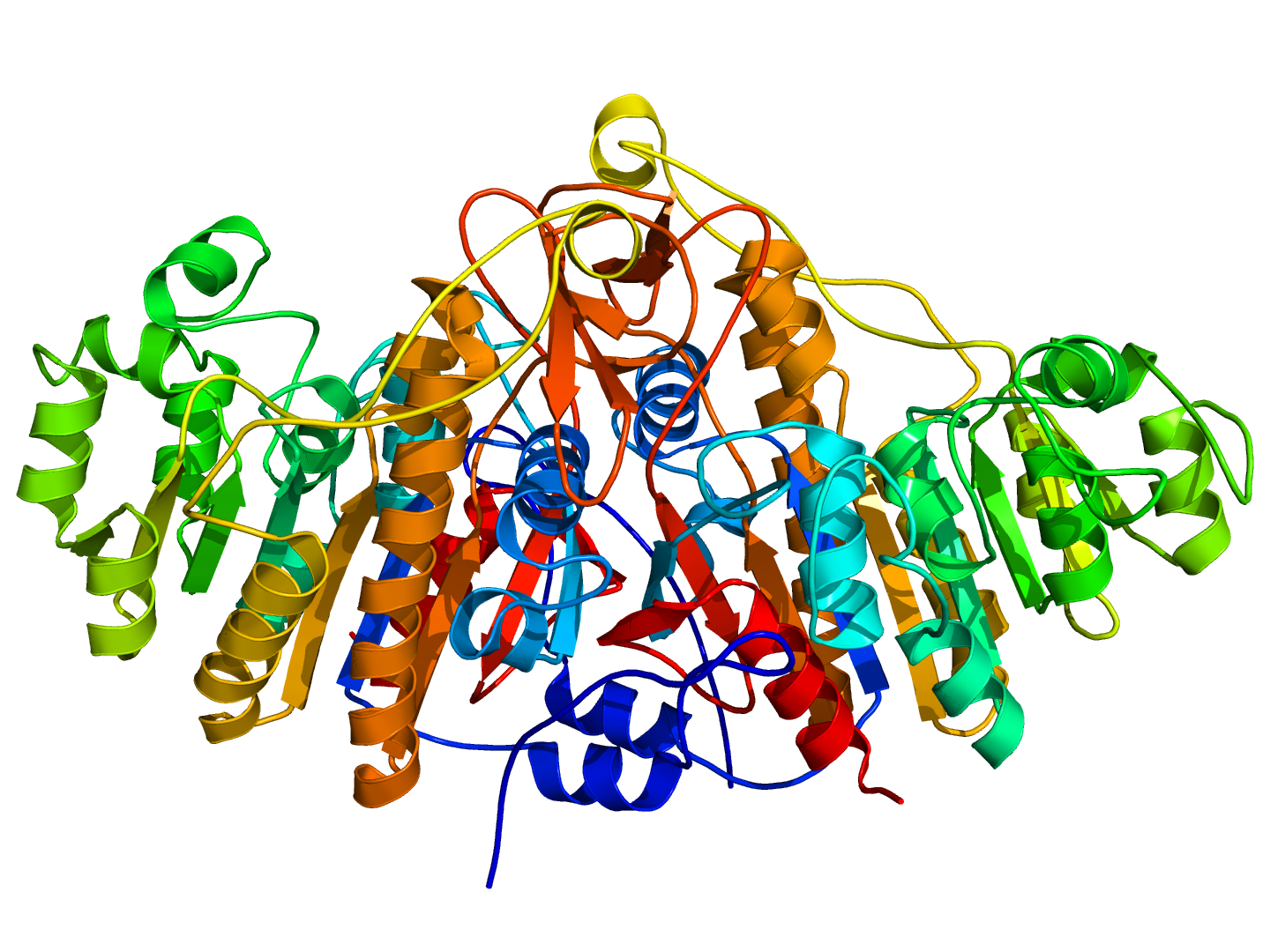
Alkaline phosphatase that metabolizes various phosphate compounds and plays a key role in skeletal mineralization and adaptive thermogenesis (PubMed:12162492, PubMed:23688511, PubMed:25982064). Has broad substrate specificity and can hydrolyze a considerable variety of compounds: however, only a few substrates, such as diphosphate (inorganic pyrophosphate; PPi), pyridoxal 5'-phosphate (PLP) and N-phosphocreatine are natural substrates (PubMed:12162492, PubMed:2220817). Plays an essential role in
Cell membraneExtracellular vesicle membraneMitochondrion membraneMitochondrion intermembrane space
Hypophosphatasia
A metabolic bone disease characterized by defective skeletal mineralization and biochemically by deficient activity of the tissue non-specific isoenzyme of alkaline phosphatase. Four forms are distinguished, depending on the age of onset: perinatal, infantile, childhood and adult type. The perinatal form is the most severe and is almost always fatal. The adult form is mild and characterized by recurrent fractures, osteomalacia, rickets, and loss of teeth. Some cases are asymptomatic, while some patients manifest dental features without skeletal manifestations (odontohypophosphatasia).
Variantes genéticas (ClinVar)
976 variantes patogênicas registradas no ClinVar.
Classificação de variantes (ClinVar)
Distribuição de 2 variantes classificadas pelo ClinVar.
Vias biológicas (Reactome)
1 via biológica associada aos genes desta condição.
Diagnóstico
Os sinais que médicos procuram e os exames que confirmam
Tratamento e manejo
Remédios, cuidados de apoio e o que precisa acompanhar
Onde tratar no SUS
Hospitais de referência no Brasil e o protocolo oficial do SUS (PCDT)
🇧🇷 Atendimento SUS — Hipofosfatasia perinatal fatal
Selecione um estado ou use sua localização para ver resultados.
Dados de DATASUS/CNES, SBGM, ABNeuro e Ministério da Saúde. Sempre confirme a disponibilidade diretamente com o estabelecimento.
Pesquisa ativa
Ensaios clínicos abertos e novidades científicas recentes
Ensaios em destaque
🟢 Recrutando agora
1 pesquisa recrutando participantes. Converse com seu médico sobre a possibilidade de participar.
Outros ensaios clínicos
Publicações mais relevantes
Management of Craniosynostosis in Lethal Perinatal Hypophosphatasia.
Although perinatal lethal hypophosphatasia (HPP) was once a disease with a universally poor prognosis, it has now become a rare but treatable condition with the advent of enzyme replacement therapy with asfotase alfa. As a result, a greater population of patients with perinatal HPP are presenting with abnormal head shape and craniosynostosis. The authors present here 3 cases of perinatal lethal HPP, 1 treated with traditional open cranial vault remodeling and 2 treated utilizing distraction osteogenesis techniques. All patients demonstrated outcomes comparable to those previously reported with traditional observation or open cranial vault repair. Thorough consideration and discussion between the surgical team and patient's family is needed to determine a treatment plan that best addresses the goals of patient and family in light of recent advances in medical treatment in this rare patient population in which surgical interventions were previously nearly impossible. This article further supports the safety and efficacy of surgical intervention and explores the utility of distraction osteogenesis to address craniosynostosis in this patient population.
Findings of amplitude-integrated electroencephalogram recordings and serum vitamin B6 metabolites in perinatal lethal hypophosphatasia during enzyme replacement therapy.
Hypophosphatasia (HPP) is a rare disorder caused by low serum tissue non-specific alkaline phosphatase (ALP) activity due to hypomorphic mutations in the ALPL gene. HPP is characterized by defective bone mineralization. It frequently accompanies pyridoxine-responsive seizures. Because alkaline phosphatase change pyridoxal 5' phosphate (PLP) into pyridoxal (PL), which can cross the blood brain barrier and regulates inhibitory neurotransmitter gamma-aminobutyric acid. The female patient was born at a gestational age of 37 weeks 2 days. She presented severe respiratory disorder due to extreme thoracic hypoplasia. With the extremely low serum ALP value (14 IU/L), she was clinically diagnosed as HPP. The diagnosis was confirmed with genetic testing. On day1, the subclinical seizures were detected by aEEG. Together with enzyme replacement therapy by asfotase alfa, pyridoxine hydrochloride was administered, then the seizures were rapidly controlled. While confirming that there was no seizure by aEEG monitoring, pyridoxine hydrochloride was gradually discontinued after 1 month. Before administration of pyridoxine hydrochloride, PL was extremely low (4.7 nM) and PLP was increased (1083 nM). After the withdrawal, PL was increased to 84.9 nM only by enzyme replacement. Monitoring with aEEG enabled early intervention for pyridoxine responsive seizures. Confirming increased serum PL concentration is a prudent step in determining when to reduce or discontinue pyridoxine hydrochloride during enzyme replacement therapy.
Analysis of musculoskeletal dysmorphic abnormalities of 20 fetuses.
This study aims to report rates of skeletal abnormalities and their risk factors in light of information obtained in a fetal autopsy series. The study included 20 fetuses (11 males, 8 females and 1 ambiguous genitalia; mean age 19.3±4.0 weeks; range 16 to 32 week) who underwent autopsy in our hospital between January 2013 and March 2015. Fetuses were systematically classified according to age, gender, family history, abortus week, abortus type, and extremity and organ abnormalities. Skin biopsies were performed for genetic evaluation. Radiographic, pathologic and genetic findings were classified. Except one spontaneous abortus, all cases were applied medical abortus (94.1%). Genetic diagnosis could not be established in seven cases, whereas genetic disorders were identified in 13 cases: two trisomy 13, two trisomy 18, one (triploidi) 69,XXY, two arthrogryposis multiplex congenita, one osteogenesis imperfecta, one lethal multiple pterygium, one Saldino-Noonan syndrome, one teratogenic drug effect, one perinatal lethal hypophosphatasia, and one Beckwith-Wiedemann syndrome. Decreased fetal movement was one of the most frequently observed findings. Consanguineous marriage, oligohydramnios, drug addiction of the mother, teratogenic exposure, and other systemic abnormalities were risk factors. Skeletal dysplasias are rare diseases. Clinicians should be careful for skeletal abnormalities in perinatal period follow-ups.
Clinical and Genetic Findings of Turkish Hypophosphatasia Cases.
Hypophosphatasia (HPP) is a rare, commonly unrecognized hereditary mineralization defect with a dramatically poor prognosis in severe cases. This study is the first to examine the detailed clinical and laboratory characteristics of patients with HPP and healthy carriers in Turkey. The study data were obtained retrospectively from the files of 10 healthy carriers and of 16 cases with HPP (12 children and 4 adults) who were followed in our center from 2012 to 2016. The annual incidence of perinatal lethal hypophosphatasia (PLH) was estimated to be approximately 1 case per 435,517 live births,, which is the first report from Turkey. The clinical courses of the cases differed depending on the type of HPP. All of the seven cases (58.3% of all cases) with perinatal lethal form of HPP died. A need for respiratory support (p=0.001), a history of pyridoxine-dependent seizures (p=0.001), a low chest circumference measurement (p=0.017), younger age at diagnosis (p=0.029), a small head circumference at the time of presentation (p=0.042), a low arm span to height ratio (p=0.048), and a low serum alkaline phosphatase (ALP) level (p=0.042) seemed to be predicting factors for mortality. The mean height standard deviation score of the patients and those of the healthy carriers did not differ significantly (p=0.173). Different mutations were detected in nine of 14 cases (64.2%) in whom an ALPL gene mutation analysis could be performed, and five of these cases (35.7%) had novel mutations. The most common mutations were c746G>T (five alleles), c346G>A (three alleles), and c.140C>T (three alleles). In addition, the most frequently observed genotype in Turkish HPP cases was autosomal-dominant c.346G>A (p.A116T) mutations which were detected in three cases in two different families. Because of the respiratory problems, especially the lung hypoplasia, the clinical course is poor in cases with the perinatal lethal form of HPP. Some minor abnormalities such as mild short stature and osteopenia could be observed in asymptomatic heterozygote carriers. Laboratory findings were normal in these cases.
Identification of a molecular defect in a stillborn fetus with perinatal lethal hypophosphatasia using a disease-associated genome sequencing approach.
Lethal skeletal disorders represent a heterogeneous and clinically variable group of genetic conditions, usually difficult to diagnose without post-mortem radiological assessment. Here we report on a stillborn patient delivered at 22 weeks of gestation who presented with severe skeletal symptoms comprising limb shortening and intrauterine fractures detected upon prenatal ultrasound and autopsy examination. Since post-mortem X-ray was refused and no phenotypic diagnosis could be attempted, we performed next-generation sequencing (NGS) of 2741 genes associated with all known Mendelian disorders. With this strategy, we were able to demonstrate the diagnosis at a molecular level, which turned out to be perinatal lethal hypophosphatasia (HPP). This severe form of HPP represents an inborn defect of ossification often resulting in stillbirth or postnatal death. The NGS panel revealed compound heterozygous ALPL missense mutations: c.1283G>C(p.Arg428Pro) and c.1363G>A(p.Gly455Ser). Mutations detected in our case, although previously described in other patients, have not been reported to co-occur in a single individual. The diagnosis established in our index using the NGS-based approach could have been successfully reached by standard radiography. Thus, our report points to the importance of X-ray examination in stillborn cases and highlights the emerging role of NGS strategies in the diagnostic process of prenatally manifesting skeletal disorders.
Publicações recentes
Management of Craniosynostosis in Lethal Perinatal Hypophosphatasia.
Findings of amplitude-integrated electroencephalogram recordings and serum vitamin B6 metabolites in perinatal lethal hypophosphatasia during enzyme replacement therapy.
Analysis of musculoskeletal dysmorphic abnormalities of 20 fetuses.
Clinical and Genetic Findings of Turkish Hypophosphatasia Cases.
Identification of a molecular defect in a stillborn fetus with perinatal lethal hypophosphatasia using a disease-associated genome sequencing approach.
📚 EuropePMC8 artigos no totalmostrando 5
Management of Craniosynostosis in Lethal Perinatal Hypophosphatasia.
The Journal of craniofacial surgeryFindings of amplitude-integrated electroencephalogram recordings and serum vitamin B6 metabolites in perinatal lethal hypophosphatasia during enzyme replacement therapy.
Brain & developmentAnalysis of musculoskeletal dysmorphic abnormalities of 20 fetuses.
Eklem hastaliklari ve cerrahisi = Joint diseases & related surgeryClinical and Genetic Findings of Turkish Hypophosphatasia Cases.
Journal of clinical research in pediatric endocrinologyIdentification of a molecular defect in a stillborn fetus with perinatal lethal hypophosphatasia using a disease-associated genome sequencing approach.
Polish journal of pathology : official journal of the Polish Society of PathologistsAssociações
Organizações que acompanham esta doença — pra ter apoio e orientação
Ainda não temos associações cadastradas para Hipofosfatasia perinatal fatal.
É de uma associação que acompanha esta doença? Fale com a gente →
Comunidades
Grupos ativos de quem convive com esta doença aqui no Raras
Ainda não existe comunidade no Raras para Hipofosfatasia perinatal fatal
Pacientes, familiares e cuidadores se organizam em comunidades pra compartilhar experiências, fazer perguntas e se apoiar. Você pode ser o primeiro.
Tire suas dúvidas
Perguntas, dicas e experiências compartilhadas aqui na página
Participe da discussão
Faça login para postar dúvidas, compartilhar experiências e interagir com especialistas.
Fazer loginDoenças relacionadas
Doenças com sintomas parecidos — ajudam quem ainda está buscando diagnóstico
Ainda não achamos doenças com sintomas parecidos o suficiente.
Referências e fontes
Bases de dados externas citadas neste artigo
Publicações científicas
Artigos indexados no PubMed ligados a esta doença no grafo RarasNet — título, periódico e PMID direto da fonte, sem intermediação de IA.
- Management of Craniosynostosis in Lethal Perinatal Hypophosphatasia.
- Findings of amplitude-integrated electroencephalogram recordings and serum vitamin B6 metabolites in perinatal lethal hypophosphatasia during enzyme replacement therapy.
- Analysis of musculoskeletal dysmorphic abnormalities of 20 fetuses.Eklem hastaliklari ve cerrahisi = Joint diseases & related surgery· 2017· PMID 28760128mais citado
- Clinical and Genetic Findings of Turkish Hypophosphatasia Cases.
- Identification of a molecular defect in a stillborn fetus with perinatal lethal hypophosphatasia using a disease-associated genome sequencing approach.Polish journal of pathology : official journal of the Polish Society of Pathologists· 2016· PMID 27179278mais citado
Bases de dados e fontes oficiais
Identificadores e referências canônicas usadas para montar este verbete.
- ORPHA:247623(Orphanet)
- MONDO:0016605(MONDO)
- GARD:17191(GARD (NIH))
- Variantes catalogadas(ClinVar)
- Busca completa no PubMed(PubMed)
- Q56013860(Wikidata)
Dados compilados pelo RarasNet a partir de fontes abertas (Orphanet, OMIM, MONDO, PubMed/EuropePMC, ClinicalTrials.gov, DATASUS, PCDT/MS). Este conteúdo é informativo e não substitui avaliação médica.
Conteúdo mantido por Agente Raras · Médicos e pesquisadores podem colaborar
Hipofosfatasia perinatal fatal
📋 Origem dos dados
Esta página agrega dados de fontes públicas e oficiais. Dados sobre cobertura no SUS (PCDT, CEAF) são verificados ativamente por agente proativo (ver badge no infobox). Demais dados têm atribuição de fonte + data da última sincronização — clique para abrir o original.
- Doença rara (ontologia)
- fonte: Orphanet
- Identificador unificado
- fonte: MONDO
- Codificação WHO/SUS
- fonte: WHO ICD-10 / DATASUS
- CID-11 (futuro)
- fonte: WHO ICD-11
- NIH/GARD
- fonte: GARD (NIH)
- Indexação biomédica
- fonte: MeSH (NLM)
- Dado público estruturado
- fonte: Wikidata
- Ensaios clínicos
- fonte: ClinicalTrials.gov