
Um tipo específico de hipofosfatasia (HPP) caracterizado por: um nível baixo da enzima fosfatase alcalina no sangue, queda precoce de dentes de leite e/ou permanentes, e/ou cáries graves, tudo isso sem problemas nos ossos. É uma condição genética que pode ser herdada de duas maneiras: autossômica dominante ou autossômica recessiva.
Introdução
O que você precisa saber de cara
Um tipo específico de hipofosfatasia (HPP) caracterizado por: um nível baixo da enzima fosfatase alcalina no sangue, queda precoce de dentes de leite e/ou permanentes, e/ou cáries graves, tudo isso sem problemas nos ossos. É uma condição genética que pode ser herdada de duas maneiras: autossômica dominante ou autossômica recessiva.
Escala de raridade
<1/50kMuito rara
1/20kRara
1/10kPouco freq.
1/5kIncomum
1/2k
Encontrou um erro ou informação desatualizada? Sugira uma correção →
Entender a doença
Do básico ao detalhe, leia no seu ritmo
Preparando trilha educativa...
Sinais e sintomas
O que aparece no corpo e com que frequência cada sintoma acontece
Linha do tempo da pesquisa
Encontrou um erro ou informação desatualizada? Sugira uma correção →
Genética e causas
O que está alterado no DNA e como passa nas famílias
Genes associados
1 gene identificado com associação a esta condição. Padrão de herança: Autosomal dominant, Autosomal recessive.
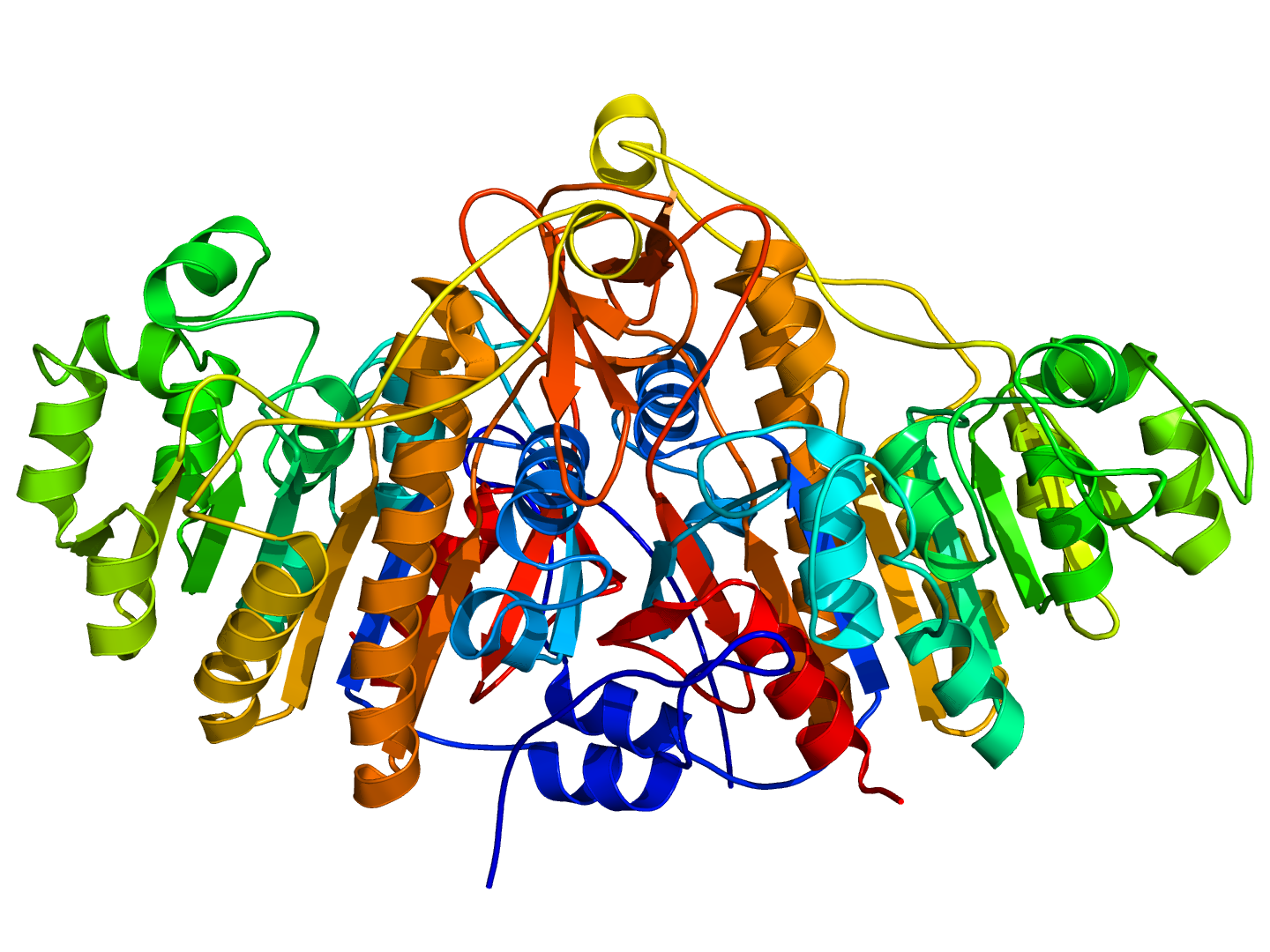
Alkaline phosphatase that metabolizes various phosphate compounds and plays a key role in skeletal mineralization and adaptive thermogenesis (PubMed:12162492, PubMed:23688511, PubMed:25982064). Has broad substrate specificity and can hydrolyze a considerable variety of compounds: however, only a few substrates, such as diphosphate (inorganic pyrophosphate; PPi), pyridoxal 5'-phosphate (PLP) and N-phosphocreatine are natural substrates (PubMed:12162492, PubMed:2220817). Plays an essential role in
Cell membraneExtracellular vesicle membraneMitochondrion membraneMitochondrion intermembrane space
Hypophosphatasia
A metabolic bone disease characterized by defective skeletal mineralization and biochemically by deficient activity of the tissue non-specific isoenzyme of alkaline phosphatase. Four forms are distinguished, depending on the age of onset: perinatal, infantile, childhood and adult type. The perinatal form is the most severe and is almost always fatal. The adult form is mild and characterized by recurrent fractures, osteomalacia, rickets, and loss of teeth. Some cases are asymptomatic, while some patients manifest dental features without skeletal manifestations (odontohypophosphatasia).
Variantes genéticas (ClinVar)
976 variantes patogênicas registradas no ClinVar.
Classificação de variantes (ClinVar)
Distribuição de 6 variantes classificadas pelo ClinVar.
Vias biológicas (Reactome)
1 via biológica associada aos genes desta condição.
Diagnóstico
Os sinais que médicos procuram e os exames que confirmam
Tratamento e manejo
Remédios, cuidados de apoio e o que precisa acompanhar
Onde tratar no SUS
Hospitais de referência no Brasil e o protocolo oficial do SUS (PCDT)
🇧🇷 Atendimento SUS — Odontohipofosfatasia
Selecione um estado ou use sua localização para ver resultados.
Dados de DATASUS/CNES, SBGM, ABNeuro e Ministério da Saúde. Sempre confirme a disponibilidade diretamente com o estabelecimento.
Pesquisa ativa
Ensaios clínicos abertos e novidades científicas recentes
Ensaios em destaque
🟢 Recrutando agora
1 pesquisa recrutando participantes. Converse com seu médico sobre a possibilidade de participar.
Outros ensaios clínicos
Publicações mais relevantes
NEFL is associated with inhibition of odontoblastic process in odontohypophosphatasia.
Hypophosphatasia (HPP) is a rare bone disease caused by pathological variants of ALPL. While hypomineralization of dentin and odontoblast (OD) differentiation defects are known to occur in HPP, the underlying pathophysiology remains poorly understood. We generated induced pluripotent stem cell (iPSC) lines from patients with perinatal severe HPP (Perinatal) and then isogenic (Rescued) and odontohypophosphatasia type (Odonto) lines using gene editing. These three HPP-iPSC lines were differentiated into OD-like cells via mesenchymal stem cells derived from neural crest cells. The characteristics of the OD-like cells were assessed. Rescued-OD-like cells demonstrated mineralization ability, increased microtubule-associated protein tau (MAPT) expression, and unidirectional cell processes, while these characteristics were impaired in Perinatal- and Odonto-OD-like cells. These findings suggest that these features are associated with reduced ALP activity. Notably, neurofilament light chain (NEFL) expression was enhanced in Odonto-OD-like cells compared to Perinatal- and Rescued-OD-like cells. NEFL knockdown partially rescued cell process elongation in Odonto-OD-like cells without affecting alkaline phosphatase activity, while NEFL overexpression inhibited cell process elongation in Rescued-OD-like cells. Enhanced expression of NEFL in Odonto-OD-like cells negatively correlates with OD morphology and may be relevant to odontoblast morphological abnormalities associated with odontohypophosphatasia; however, generalization to other odonto-HPP genotypes requires additional patient-derived lines.
Hypophosphatasia in children: From low alkaline phosphatase activity to diagnosis, genetic testing, and treatment options. A narrative review.
Hypophosphatasia (HPP) is an inherited metabolic disorder caused by loss-of-function mutations in the ALPL gene encoding a tissue-nonspecific alkaline phosphatase (TNSALP). It has been classified based on age at first disease manifestation, including lethal perinatal, benign perinatal, infantile, juvenile, adult, and odontohypophosphatasia. Diagnosis is based on clinical presentation, alkaline phosphatase (ALP) assay and genetic testing. The main diagnostic clue is the low (for age and sex) ALP activity. In any patient with suspected HPP or skeletal/bone deformities/dysplasia, it is recommended to evaluate phospho-calcium metabolism, which is useful in differential diagnosis. Genetic diagnosis of HPP requires identification of a disease-causing variant(s) (pathogenic). In Europe, the most frequent ALPL variants are c.571G>A, c.407G>A and c.1250A>G, while the most frequently detected variants in the world are c.1250A>G, c.571G>A and c.1133A>T. Asfotase alfa, a recombinant human TNSALP enzyme replacement therapy, is now available for the treatment of HPP. The article provides an up-to-date overview of clinical, biochemical and molecular features of HPP. Treatment strategy in HPP was also described.
Biochemical phenotype of hypophosphatasia in asymptomatic individuals carrying ALPL variants.
Hypophosphatasia (HPP) is the rare metabolic disorder caused by variants in the ALPL gene, resulting in deficient activity of tissue-nonspecific alkaline phosphatase (ALP). This leads to accumulation of substrates contributing to impaired bone mineralization. Hypophosphatasia manifests with a broad clinical spectrum; however, an increasing number of individuals with ALPL variants have been identified presenting the hallmark biochemical feature of HPP of low serum ALP activity, with or without elevated serum pyridoxal-5-phosphate (PLP) or urine phosphoethanolamine (PEA), while remaining asymptomatic. These ALPL carriers may represent a distinct subgroup within the HPP continuum, prompting the need for clearer classification. Using data from the Global ALPL Gene Variant Database, we identified 43 subjects who fulfilled the following criteria: low ALP (adjusted for age/sex), at least one ALPL variant, and no overt or reported HPP-related symptoms. Their median age was 29 yr (range 0-64); 23 were female. Serum ALP activity was reduced in all cases, with 76% of subjects showing levels less than 50% below the lower limit of normal. In 19 of 43 individuals, PLP or PEA was also elevated. Thirty distinct genotypes were observed; 79% of subjects were heterozygous, while 21% harbored homozygous or compound heterozygous variants. The identified variants were largely missense (77%), mostly affecting regions without a specific domain (38%). Five variants showed a dominant-negative effect in vitro, yet produced no clinical manifestations. Some identified genotypes were also linked to adult, childhood, or odontohypophosphatasia phenotypes, underscoring significant genotype-phenotype variability. These findings refine our understanding of the HPP spectrum, identifying a cohort of asymptomatic ALPL carriers with biochemical phenotype of HPP. Recognizing this group is important for improving diagnostic criteria and preventing overdiagnosis and unnecessary treatment. Longitudinal studies are needed to clarify follow-up strategies and determine whether these individuals develop clinical manifestations later in life or remain asymptomatic. Hypophosphatasia (HPP) is a rare inherited condition causing abnormal bone and teeth mineralization, as well as non-skeletal manifestations, due to low levels of an enzyme called alkaline phosphatase (ALP). People with HPP often have weak bones, early tooth loss, muscle weakness, fatigue, and/or chronic pain. However, some individuals reported no obvious symptoms of HPP despite carrying the same genetic change and having low ALP. Our study identified 43 such people, showing that these genetic changes can exist without causing noticeable health problems but still affect important blood markers. Understanding this form will guide medical advice and help determine if these individuals will develop symptoms later. This knowledge will also improve diagnosis, counseling, and care for affected families.
Clinical features of low serum alkaline phosphatase levels in children: A retrospective study.
Serum alkaline phosphatase (ALP), a biomarker of bone and liver metabolism, is often elevated in children; however, the lower reference limit is rarely considered. Hypophosphatasia (HPP) is characterized by low ALP levels and impaired mineralization of bone and teeth. Although enzyme replacement therapy is available, mild forms are diagnosed late owing to subtle symptoms and ALP levels falling within the adult reference range. In Japan, ALP analysis methods were updated in 2020 and now require value conversion. Pediatricians unfamiliar with these standards may overlook low ALP levels. We investigated whether the disease distribution varies by age and identified key features critical for diagnosis. We analyzed serum ALP levels of patients aged <18 years who visited three Nippon Medical School hospitals between January 2020 and December 2022. The inclusion criteria were ALP levels within the adult reference range but below age- and sex-specific pediatric norms. Patient age, sex, and medical history were recorded. Among 16,125 ALP measurements from 5513 individuals, 239 cases (132 males and 107 females) met the inclusion criteria. In neonates, preterm birth or low birth weight was common, and 55.6% of the infants had infections. School-age children frequently present with a history of corticosteroid use, while adolescents often exhibit signs of malnutrition or chronic diarrhea. One patient had a prior HPP diagnosis, and two were newly diagnosed. Our findings underscore the importance of recognizing low ALP levels in pediatric patients and maintaining a high index of suspicion for HPP and other treatable conditions.
Dentoalveolar defects and impaired alveolar bone healing in a neural crest directed conditional knockout mouse model of hypophosphatasia.
Hypophosphatasia (HPP) is an inherited error-of-metabolism caused by loss-of-function mutations in ALPL-encoded tissue-nonspecific alkaline phosphatase (TNAP). HPP has wide-ranging severity, including a clinical subtype called odontohypophosphatasia (odonto HPP), which selectively affects craniofacial structures. Dentoalveolar defects in HPP can affect enamel, dentin, and alveolar bone, and deficient acellular cementum contributes to tooth loss. Global Alpl knockout phenocopies effects of severe HPP, but early lethality precludes longer-term studies. Aiming to create a mouse model replicating dentoalveolar effects of HPP, we used Wnt1Cre2 mice to conditionally delete Alpl in ectomesenchymal cells that make dentin, cementum, periodontal ligament (PDL), and alveolar bone. We compared appendicular and craniofacial skeletal effects of Wnt1Cre2 to Prx1Cre conditional Alpl ablation in limb bud mesenchyme. We also tested alveolar bone socket healing in Wnt1Cre2; Alplfl/fl conditional knockout mice and the effect of TNAP-Fc-D10 enzyme replacement therapy (ERT) on socket healing. Prx1Cre; Alplfl/fl mice exhibited 38 % reduced circulating alkaline phosphatase (ALP) and long bone defects, but no craniofacial phenotypes. Wnt1Cre2; Alplfl/fl mice featured 60 % reduced ALP and profound mineralization defects in dentin, cementum, and alveolar bone, but no appendicular skeleton changes. Defects were noted in neural crest-derived intersphenoid synchondrosis of the cranial base and mandibular condyle of Wnt1Cre2; Alplfl/fl mice. Extraction of maxillary molars in Wnt1Cre2; Alplfl/fl mice revealed profound alveolar bone healing defects that were partially rescued by ERT. Cranial neural crest deletion of Alpl resulted in a mouse model phenocopying odonto HPP that can be used to investigate mechanisms underlying pathologies as well as interventions. Hypophosphatasia is characterized by defective mineralization of growing or remodeling bone, with or without root-intact tooth loss, in the presence of low activity of serum and bone alkaline phosphatase (ALP). Biallelic ALPL pathogenic variants often result in severe hypophosphatasia that can result in stillbirth without mineralized bone, while heterozygous ALPL pathogenic variants are more likely to manifest as modest, mild, or even asymptomatic disease. Regardless of the number of ALPL pathogenic variants, many individuals with hypophosphatasia suffer from pain, disability, and reduced quality of life. Variability of clinical manifestations is common in both childhood and adult forms of hypophosphatasia and even occurs within affected families. While the disease spectrum is a continuum, seven clinical forms of hypophosphatasia are usually recognized based on age at diagnosis and severity of features. Perinatal (severe): Characterized by restrictive lung disease, respiratory failure, vitamin B6-dependent seizures, hypercalcemia with high morbidity, and mortality Perinatal (benign): Prenatal skeletal manifestations that slowly resolve into one of the milder forms Infantile: Onset between birth and age six months of clinical features of rickets without elevated serum ALP activity Severe childhood (juvenile): Variable presenting features progressing to rickets Mild childhood: Present later in childhood without rachitic disease, low bone mineral density for age, increased risk of fracture, and premature loss of primary teeth with intact roots Adult: Characterized by osteomalacia and stress fractures and pseudofractures of the lower extremities in middle age, sometimes associated with early loss of adult dentition. Adults with hypophosphatasia may also have significant bone pain and pronounced non-skeletal disease, with muscle weakness, dental problems, and reduced quality of life. Odontohypophosphatasia: Characterized by premature exfoliation of primary teeth and/or severe dental caries without skeletal manifestations The clinical diagnosis of hypophosphatasia can be established in a proband based on clinical diagnostic criteria. The molecular diagnosis of hypophosphatasia can be established in a proband with one major or two minor criteria and biallelic loss-of-function ALPL pathogenic variants or a heterozygous ALPL pathogenic variant with dominant-negative effect identified by molecular genetic testing. Targeted therapy: Asfotase alfa enzyme replacement therapy (ERT) Supportive care: For the perinatal (severe) type: expectant management and family support; respiratory support; management of calcium homeostasis and bone health per endocrinologist and orthopedist; pain management; neurosurgical management of craniosynostosis; management of kidney disease per nephrologist; dental care. For the infantile and early childhood (juvenile) types: respiratory support; management of calcium homeostasis and bone health per endocrinologist and orthopedist; pain management; treatment of seizures with vitamin B6; neurosurgical management of craniosynostosis; management of kidney disease per nephrologist; dental care. For all other types: dental care starting at age one year; nonsteroidal anti-inflammatory drugs for osteoarthritis, bone pain, and osteomalacia; internal fixation for pseudofractures and stress fractures. In adult hypophosphatasia, there is limited experience in treating osteomalacia with teriparatide. For all types: psychological support, social work support, and referral to mental health professionals as needed. Surveillance: Monitor calcium homeostasis and bone health per endocrinologist, nephrologist, and orthopedist; physical medicine and rehabilitation, physical therapy, and occupational therapy evaluations as needed; monitor children with infantile type for increased intracranial pressure secondary to craniosynostosis; renal ultrasound annually and nephrology evaluations as needed for kidney disease; neurology evaluations as needed for seizures; dental visits twice yearly starting at age one year. Agents/circumstances to avoid: Bisphosphonates, denosumab, and excess vitamin D; teriparatide is contraindicated in children. Pregnancy management: The use of asfotase alfa ERT during human pregnancy has not been extensively studied; therefore, any potential risk to the fetus of a pregnant woman taking this therapy during pregnancy is unknown. Perinatal and infantile hypophosphatasia are typically inherited in an autosomal recessive manner. Milder forms of hypophosphatasia, especially adult and odontohypophosphatasia, may be inherited in an autosomal recessive or autosomal dominant manner depending on the effect that the ALPL pathogenic variant has on alkaline phosphatase, tissue-nonspecific isozyme (TNSALP) activity. Autosomal recessive hypophosphatasia: If both parents are known to be heterozygous for an ALPL pathogenic variant, each sib of an affected individual has at conception a 25% chance of inheriting biallelic pathogenic variants and being affected, a 50% chance of being heterozygous, and a 25% chance of inheriting neither of the familial pathogenic variants. Depending on the ALPL pathogenic variant, heterozygous sibs may be either clinically asymptomatic (manifesting only biochemical abnormality) or have milder clinical manifestations than the proband. Autosomal dominant hypophosphatasia: Unless an individual with autosomal dominant hypophosphatasia has children with an individual who has a heterozygous or biallelic ALPL pathogenic variant(s), offspring have a 50% chance of inheriting the ALPL pathogenic variant. Once the ALPL pathogenic variant(s) have been identified in an affected family member, heterozygote testing for at-risk relatives and prenatal/preimplantation genetic testing for hypophosphatasia are possible. Recurrence of perinatal hypophosphatasia may reliably be identified by prenatal ultrasound examination.
Publicações recentes
NEFL is associated with inhibition of odontoblastic process in odontohypophosphatasia.
Hypophosphatasia in children: From low alkaline phosphatase activity to diagnosis, genetic testing, and treatment options. A narrative review.
Biochemical phenotype of hypophosphatasia in asymptomatic individuals carrying ALPL variants.
Dentoalveolar defects and impaired alveolar bone healing in a neural crest directed conditional knockout mouse model of hypophosphatasia.
📚 EuropePMC15 artigos no totalmostrando 34
NEFL is associated with inhibition of odontoblastic process in odontohypophosphatasia.
Journal of bone and mineral metabolismHypophosphatasia in children: From low alkaline phosphatase activity to diagnosis, genetic testing, and treatment options. A narrative review.
Advances in clinical and experimental medicine : official organ Wroclaw Medical UniversityClinical features of low serum alkaline phosphatase levels in children: A retrospective study.
Pediatrics international : official journal of the Japan Pediatric SocietyBiochemical phenotype of hypophosphatasia in asymptomatic individuals carrying ALPL variants.
Journal of bone and mineral research : the official journal of the American Society for Bone and Mineral ResearchDentoalveolar defects and impaired alveolar bone healing in a neural crest directed conditional knockout mouse model of hypophosphatasia.
BoneHypophosphatasia: the importance of knowing in advance.
Minerva endocrinologyMolecular study of patients with odontohypophosphatasia resulting from missense mutation in ALPL.
Oral diseasesMusculoskeletal and neurocognitive clinical significance of adult hypophosphatasia.
Osteoporosis and sarcopeniaA case report of odonto-hypophosphatasia with a novel variant in the ALPL gene.
Journal of pediatric endocrinology & metabolism : JPEMOdontohypophosphatasia caused by a novel combination of two heterozygous variants: a case report.
The Journal of clinical pediatric dentistryThe impact of enzyme replacement therapy on the oral health manifestations of hypophosphatasia among children: a scoping review.
European archives of paediatric dentistry : official journal of the European Academy of Paediatric DentistryEffects of Infantile Hypophosphatasia on Human Dental Tissue.
Calcified tissue internationalThe Clinical Picture of Patients Suffering from Hypophosphatasia-A Rare Metabolic Disease of Many Faces.
Diagnostics (Basel, Switzerland)Prosthodontic Rehabilitation of a Patient with Hypophosphatasia Using Dental Implants: A Case Report with Seven Years Follow-Up.
Journal of prosthodontics : official journal of the American College of ProsthodontistsDental outcomes for children receiving asfotase alfa for hypophosphatasia.
Bone[Prevalence of hypophosphatasia in adult patients in rheumatology].
Zeitschrift fur RheumatologieOdontohypophosphatasia treated with asfotase alfa enzyme replacement therapy in a toddler: a case report.
Clinical pediatric endocrinology : case reports and clinical investigations : official journal of the Japanese Society for Pediatric EndocrinologyHypophosphatasia: Current Literature for Pathophysiology, Clinical Manifestations, Diagnosis, and Treatment.
CureusHypophosphatasia: Biological and Clinical Aspects, Avenues for Therapy.
The Clinical biochemist. ReviewsAlkaline Phosphatase Replacement Therapy.
Advances in experimental medicine and biologyAdult hypophosphatasia with compound heterozygous p.Phe327Leu missense and c.1559delT frameshift mutations in tissue-nonspecific alkaline phosphatase gene: a case report.
Journal of medical case reportsHypophosphatasia: oral cavity and dental disorders.
Archives de pediatrie : organe officiel de la Societe francaise de pediatrieGenetic evaluations of Chinese patients with odontohypophosphatasia resulting from heterozygosity for mutations in the tissue-non-specific alkaline phosphatase gene.
Oncotarget[Hypophosphatasia: Clinical manifestations, diagnostic recommendations and therapeutic options].
Anales de pediatriaCase series: Odontohypophosphatasia or missed diagnosis of childhood/adult-onset hypophosphatasia? - Call for a long-term follow-up of premature loss of primary teeth.
Bone reportsMolecular and clinical analysis of ALPL in a cohort of patients with suspicion of Hypophosphatasia.
American journal of medical genetics. Part ACurrent concepts in odontohypophosphatasia form of hypophosphatasia and report of two cases.
BMC oral healthPathophysiology of hypophosphatasia and the potential role of asfotase alfa.
Therapeutics and clinical risk managementMolecular diagnosis of hypophosphatasia and differential diagnosis by targeted Next Generation Sequencing.
Molecular genetics and metabolismHypophosphatasia: an overview of the disease and its treatment.
Osteoporosis international : a journal established as result of cooperation between the European Foundation for Osteoporosis and the National Osteoporosis Foundation of the USAClinical Forms and Animal Models of Hypophosphatasia.
Sub-cellular biochemistryMolecular phenotype of tissue-nonspecific alkaline phosphatase with a proline (108) to leucine substitution associated with dominant odontohypophosphatasia.
Molecular genetics and metabolismPeriodontal Defects in the A116T Knock-in Murine Model of Odontohypophosphatasia.
Journal of dental researchProsthetic rehabilitation of hypophosphatasia with precision attachment retained unconventional partial denture: a case report.
Journal of clinical and diagnostic research : JCDRAssociações
Organizações que acompanham esta doença — pra ter apoio e orientação
Ainda não temos associações cadastradas para Odontohipofosfatasia.
É de uma associação que acompanha esta doença? Fale com a gente →
Comunidades
Grupos ativos de quem convive com esta doença aqui no Raras
Ainda não existe comunidade no Raras para Odontohipofosfatasia
Pacientes, familiares e cuidadores se organizam em comunidades pra compartilhar experiências, fazer perguntas e se apoiar. Você pode ser o primeiro.
Tire suas dúvidas
Perguntas, dicas e experiências compartilhadas aqui na página
Participe da discussão
Faça login para postar dúvidas, compartilhar experiências e interagir com especialistas.
Fazer loginDoenças relacionadas
Doenças com sintomas parecidos — ajudam quem ainda está buscando diagnóstico
Ainda não achamos doenças com sintomas parecidos o suficiente.
Referências e fontes
Bases de dados externas citadas neste artigo
Publicações científicas
Artigos indexados no PubMed ligados a esta doença no grafo RarasNet — título, periódico e PMID direto da fonte, sem intermediação de IA.
- NEFL is associated with inhibition of odontoblastic process in odontohypophosphatasia.
- Hypophosphatasia in children: From low alkaline phosphatase activity to diagnosis, genetic testing, and treatment options. A narrative review.Advances in clinical and experimental medicine : official organ Wroclaw Medical University· 2026· PMID 41528835mais citado
- Biochemical phenotype of hypophosphatasia in asymptomatic individuals carrying ALPL variants.Journal of bone and mineral research : the official journal of the American Society for Bone and Mineral Research· 2026· PMID 41042986mais citado
- Clinical features of low serum alkaline phosphatase levels in children: A retrospective study.Pediatrics international : official journal of the Japan Pediatric Society· 2025· PMID 41195840mais citado
- Dentoalveolar defects and impaired alveolar bone healing in a neural crest directed conditional knockout mouse model of hypophosphatasia.
- Hypophosphatasia.
Bases de dados e fontes oficiais
Identificadores e referências canônicas usadas para montar este verbete.
- ORPHA:247685(Orphanet)
- MONDO:0016607(MONDO)
- GARD:17194(GARD (NIH))
- Variantes catalogadas(ClinVar)
- Busca completa no PubMed(PubMed)
- Q56013862(Wikidata)
Dados compilados pelo RarasNet a partir de fontes abertas (Orphanet, OMIM, MONDO, PubMed/EuropePMC, ClinicalTrials.gov, DATASUS, PCDT/MS). Este conteúdo é informativo e não substitui avaliação médica.
Conteúdo mantido por Agente Raras · Médicos e pesquisadores podem colaborar
Odontohipofosfatasia
📋 Origem dos dados
Esta página agrega dados de fontes públicas e oficiais. Dados sobre cobertura no SUS (PCDT, CEAF) são verificados ativamente por agente proativo (ver badge no infobox). Demais dados têm atribuição de fonte + data da última sincronização — clique para abrir o original.
- Doença rara (ontologia)
- fonte: Orphanet
- Identificador unificado
- fonte: MONDO
- Codificação WHO/SUS
- fonte: WHO ICD-10 / DATASUS
- NIH/GARD
- fonte: GARD (NIH)
- Indexação biomédica
- fonte: MeSH (NLM)
- Dado público estruturado
- fonte: Wikidata
- Ensaios clínicos
- fonte: ClinicalTrials.gov