
Forma autossômica recessiva de oftalmoplegia externa progressiva.
Introdução
O que você precisa saber de cara
Forma autossômica recessiva de oftalmoplegia externa progressiva.
Encontrou um erro ou informação desatualizada? Sugira uma correção →
Entender a doença
Do básico ao detalhe, leia no seu ritmo
Preparando trilha educativa...
Sinais e sintomas
O que aparece no corpo e com que frequência cada sintoma acontece
Partes do corpo afetadas
+ 35 sintomas em outras categorias
Características mais comuns
Os sintomas variam de pessoa para pessoa. Abaixo estão as 84 características clínicas mais associadas, ordenadas por frequência.
Linha do tempo da pesquisa
Encontrou um erro ou informação desatualizada? Sugira uma correção →
Genética e causas
O que está alterado no DNA e como passa nas famílias
Genes associados
4 genes identificados com associação a esta condição.
Releases the supercoiling and torsional tension of DNA introduced during the DNA replication and transcription by transiently cleaving and rejoining one strand of the DNA duplex. Introduces a single-strand break via transesterification at a target site in duplex DNA. The scissile phosphodiester is attacked by the catalytic tyrosine of the enzyme, resulting in the formation of a DNA-(5'-phosphotyrosyl)-enzyme intermediate and the expulsion of a 3'-OH DNA strand. The free DNA strand then undergoes
Mitochondrion matrix
Microcephaly, growth restriction, and increased sister chromatid exchange 2
An autosomal recessive disorder characterized by intrauterine growth restriction, poor postnatal growth with short stature and microcephaly, and increased sister chromatid exchange on cell studies.
Catalytic subunit of DNA polymerase gamma solely responsible for replication of mitochondrial DNA (mtDNA). Replicates both heavy and light strands of the circular mtDNA genome using a single-stranded DNA template, RNA primers and the four deoxyribonucleoside triphosphates as substrates (PubMed:11477093, PubMed:11897778, PubMed:15917273, PubMed:19837034, PubMed:9558343). Has 5' -> 3' polymerase activity. Functionally interacts with TWNK and SSBP1 at the replication fork to form a highly processiv
MitochondrionMitochondrion matrix, mitochondrion nucleoid
Progressive external ophthalmoplegia with mitochondrial DNA deletions, autosomal dominant, 1
A disorder characterized by progressive weakness of ocular muscles and levator muscle of the upper eyelid. In a minority of cases, it is associated with skeletal myopathy, which predominantly involves axial or proximal muscles and which causes abnormal fatigability and even permanent muscle weakness. Ragged-red fibers and atrophy are found on muscle biopsy. A large proportion of chronic ophthalmoplegias are associated with other symptoms, leading to a multisystemic pattern of this disease. Additional symptoms are variable, and may include cataracts, hearing loss, sensory axonal neuropathy, ataxia, depression, hypogonadism, and parkinsonism.
Phosphorylates thymidine, deoxycytidine, and deoxyuridine in the mitochondrial matrix (PubMed:11687801, PubMed:9989599). In non-replicating cells, where cytosolic dNTP synthesis is down-regulated, mtDNA synthesis depends solely on TK2 and DGUOK (PubMed:9989599). Widely used as target of antiviral and chemotherapeutic agents (PubMed:9989599)
Mitochondrion
Mitochondrial DNA depletion syndrome 2
A disorder due to mitochondrial dysfunction characterized by childhood onset of muscle weakness associated with depletion of mtDNA in skeletal muscle. There is wide clinical variability; some patients have onset in infancy and show a rapidly progressive course with early death due to respiratory failure, whereas others have later onset of a slowly progressive myopathy.
Provides the precursors necessary for DNA synthesis. Catalyzes the biosynthesis of deoxyribonucleotides from the corresponding ribonucleotides
Cytoplasm
Progressive external ophthalmoplegia with mitochondrial DNA deletions, autosomal recessive 6
A form of progressive external ophthalmoplegia, a mitochondrial myopathy characterized by progressive paralysis of the levator palpebrae, orbicularis oculi, and extraocular muscles. Ragged red fibers are seen on muscle biopsy.
Medicamentos aprovados (FDA)
1 medicamento encontrado nos registros da FDA americana.
Variantes genéticas (ClinVar)
1.229 variantes patogênicas registradas no ClinVar.
Classificação de variantes (ClinVar)
Distribuição de 1 variantes classificadas pelo ClinVar.
Vias biológicas (Reactome)
18 vias biológicas associadas aos genes desta condição.
Diagnóstico
Os sinais que médicos procuram e os exames que confirmam
Tratamento e manejo
Remédios, cuidados de apoio e o que precisa acompanhar
Onde tratar no SUS
Hospitais de referência no Brasil e o protocolo oficial do SUS (PCDT)
🇧🇷 Atendimento SUS — Oftalmoplegia externa progressiva autossômica recessiva
Selecione um estado ou use sua localização para ver resultados.
Dados de DATASUS/CNES, SBGM, ABNeuro e Ministério da Saúde. Sempre confirme a disponibilidade diretamente com o estabelecimento.
Pesquisa ativa
Ensaios clínicos abertos e novidades científicas recentes
Pesquisa e ensaios clínicos
Nenhum ensaio clínico registrado para esta condição.
Publicações mais relevantes
Identification of two novel RRM2B variants associated with autosomal recessive progressive external ophthalmoplegia in a family with pseudodominant inheritance pattern.
RRM2B encodes the p53-inducible small subunit (p53R2) of ribonucleotide reductase, a key protein for mitochondrial DNA (mtDNA) synthesis. Pathogenic variants in this gene result in familial mitochondrial disease in adults and children, secondary to a maintenance disorder of mtDNA. This study describes two patients, mother and son, with early-onset chronic progressive external ophthalmoplegia (PEO). Skeletal muscle biopsy from the latter was examined: cytochrome c oxidase (COX)-negative fibres were shown, and molecular studies revealed multiple mtDNA deletions. A next-generation sequencing gene panel for nuclear-encoded mitochondrial maintenance genes identified two unreported heterozygous missense variants (c.514 G > A and c.682 G > A) in the clinically affected son. The clinically affected mother harboured the first variant in homozygous state, and the clinically unaffected father harboured the remaining variant in heterozygous state. In silico analyses predicted both variants as deleterious. Cell culture studies revealed that patients' skin fibroblasts, but not fibroblasts from healthy controls, responded to nucleoside supplementation with enhanced mtDNA repopulation, thus suggesting an in vitro functional difference in patients' cells. Our results support the pathogenicity of two novel RRM2B variants found in two patients with autosomal recessive PEO with multiple mtDNA deletions inherited with a pseudodominant pattern. Four phenotypes comprise the RRM2B mitochondrial DNA maintenance defects (RRM2B-MDMDs): RRM2B encephalomyopathic MDMD, the most severe phenotype, usually manifesting shortly after birth as hypotonia, poor feeding, and faltering growth requiring hospitalization. Subsequent assessments are likely to reveal multisystem involvement including sensorineural hearing loss, renal tubulopathy, and respiratory failure. Autosomal dominant progressive external ophthalmoplegia (adPEO), typically adult onset; other manifestations can include ptosis, bulbar dysfunction, fatigue, and muscle weakness. RRM2B autosomal recessive progressive external ophthalmoplegia (arPEO), a typically childhood-onset predominantly myopathic phenotype of PEO, ptosis, proximal muscle weakness, and bulbar dysfunction. RRM2B mitochondrial neurogastrointestinal encephalopathy (MNGIE)-like, characterized by progressive ptosis, ophthalmoplegia, gastrointestinal dysmotility, cachexia, and peripheral neuropathy. To date, 78 individuals from 52 families with a molecularly confirmed RRM2B-MDMD have been reported. The diagnosis of an RRM2B-MDMD is established in a proband with suggestive findings and either biallelic RRM2B pathogenic variants or a heterozygous RRM2B pathogenic variant identified by molecular genetic testing. Treatment of manifestations: To date, there are no known cures and few effective treatments for any forms of mitochondrial disease, including the RRM2B-MDMDs. Treatment modalities focusing on symptomatic management and supportive care are best implemented by a multidisciplinary team. Surveillance: Because most infants and young children with the encephalomyopathic phenotype are severely affected and are hospitalized for prolonged periods, monitoring typically occurs regularly by senior clinical specialists. Individuals with the other phenotypes warrant routine monitoring based on their clinical findings, rate of disease progression, and response to interventions. Agents/circumstances to avoid: Valproic acid should be used only in exceptional circumstances. Use of prescription drugs should always take into consideration the specific needs of and potential risks for the affected individual. Evaluation of relatives at risk: It is appropriate to clarify the genetic status of at-risk relatives of an affected family member so that those with the RRM2B pathogenic variant(s) can undergo timely routine surveillance for disease complications and avoid possible precipitating factors. With the exception of autosomal dominant progressive external ophthalmoplegia, RRM2B mitochondrial DNA maintenance defects – RRM2B encephalomyopathic MDMD, RRM2B MNGIE-like, and RRM2B-arPEO – are inherited in an autosomal recessive manner. Autosomal recessive inheritance. If both parents are known to be heterozygous for an RRM2B pathogenic variant, each sib of an affected individual has at conception a 25% chance of inheriting biallelic RRM2B pathogenic variants and being affected, a 50% chance of being heterozygous, and a 25% chance of inheriting neither of the familial RRM2B pathogenic variants. Autosomal dominant inheritance. If a parent of the proband is affected and/or is known to have the RRM2B pathogenic variant identified in the proband, the risk to sibs of inheriting the pathogenic variant is 50%. Once the RRM2B pathogenic variant(s) have been identified in an affected family member, prenatal and preimplantation genetic testing for RRM2B-MDMD are possible.
Deep sequencing of mitochondrial DNA and characterization of a novel POLG mutation in a patient with arPEO.
To determine the pathogenicity of a novel POLG mutation in a man with late-onset autosomal recessive progressive external ophthalmoplegia using clinical, molecular, and biochemical analyses. A multipronged approach with detailed neurologic examinations, muscle biopsy analyses, molecular genetic studies, and in vitro biochemical characterization. The patient had slowly progressive bilateral ptosis and severely reduced horizontal and vertical gaze. Muscle biopsy showed slight variability in muscle fiber size, scattered ragged red fibers, and partial cytochrome c oxidase deficiency. Biallelic mutations were identified in the POLG gene encoding the catalytic A subunit of POLγ. One allele carried a novel mutation in the exonuclease domain (c.590T>C; p.F197S), and the other had a previously characterized null mutation in the polymerase domain (c.2740A>C; p.T914P). Biochemical characterization revealed that the novel F197S mutant protein had reduced exonuclease and DNA polymerase activities and confirmed that T914P was inactive. By deep sequencing of mitochondrial DNA (mtDNA) extracted from muscle, multiple large-scale rearrangements were mapped and quantified. The patient's phenotype was caused by biallelic POLG mutations, resulting in one inactive POLγA protein (T914P) and one with decreased polymerase and exonuclease activity (F197S). The reduction in polymerase activity explains the presence of multiple pathogenic large-scale deletions in the patient's mtDNA.
POLG-related disorders and their neurological manifestations.
The POLG gene encodes the mitochondrial DNA polymerase that is responsible for replication of the mitochondrial genome. Mutations in POLG can cause early childhood mitochondrial DNA (mtDNA) depletion syndromes or later-onset syndromes arising from mtDNA deletions. POLG mutations are the most common cause of inherited mitochondrial disorders, with as many as 2% of the population carrying these mutations. POLG-related disorders comprise a continuum of overlapping phenotypes with onset from infancy to late adulthood. The six leading disorders caused by POLG mutations are Alpers-Huttenlocher syndrome, which is one of the most severe phenotypes; childhood myocerebrohepatopathy spectrum, which presents within the first 3 years of life; myoclonic epilepsy myopathy sensory ataxia; ataxia neuropathy spectrum; autosomal recessive progressive external ophthalmoplegia; and autosomal dominant progressive external ophthalmoplegia. This Review describes the clinical features, pathophysiology, natural history and treatment of POLG-related disorders, focusing particularly on the neurological manifestations of these conditions.
Publicações recentes
Identification of two novel RRM2B variants associated with autosomal recessive progressive external ophthalmoplegia in a family with pseudodominant inheritance pattern.
RRM2B Mitochondrial DNA Maintenance Defects.
Deep sequencing of mitochondrial DNA and characterization of a novel POLG mutation in a patient with arPEO.
POLG-related disorders and their neurological manifestations.
📚 EuropePMC3 artigos no totalmostrando 3
Identification of two novel RRM2B variants associated with autosomal recessive progressive external ophthalmoplegia in a family with pseudodominant inheritance pattern.
Journal of human geneticsDeep sequencing of mitochondrial DNA and characterization of a novel POLG mutation in a patient with arPEO.
Neurology. GeneticsPOLG-related disorders and their neurological manifestations.
Nature reviews. NeurologyAssociações
Organizações que acompanham esta doença — pra ter apoio e orientação
Ainda não temos associações cadastradas para Oftalmoplegia externa progressiva autossômica recessiva.
É de uma associação que acompanha esta doença? Fale com a gente →
Comunidades
Grupos ativos de quem convive com esta doença aqui no Raras
Ainda não existe comunidade no Raras para Oftalmoplegia externa progressiva autossômica recessiva
Pacientes, familiares e cuidadores se organizam em comunidades pra compartilhar experiências, fazer perguntas e se apoiar. Você pode ser o primeiro.
Tire suas dúvidas
Perguntas, dicas e experiências compartilhadas aqui na página
Participe da discussão
Faça login para postar dúvidas, compartilhar experiências e interagir com especialistas.
Fazer loginDoenças relacionadas
Doenças com sintomas parecidos — ajudam quem ainda está buscando diagnóstico
Referências e fontes
Bases de dados externas citadas neste artigo
Publicações científicas
Artigos indexados no PubMed ligados a esta doença no grafo RarasNet — título, periódico e PMID direto da fonte, sem intermediação de IA.
- Identification of two novel RRM2B variants associated with autosomal recessive progressive external ophthalmoplegia in a family with pseudodominant inheritance pattern.
- Deep sequencing of mitochondrial DNA and characterization of a novel POLG mutation in a patient with arPEO.
- POLG-related disorders and their neurological manifestations.
- POLG-Related Disorders.
- RRM2B Mitochondrial DNA Maintenance Defects.
Bases de dados e fontes oficiais
Identificadores e referências canônicas usadas para montar este verbete.
- ORPHA:254886(Orphanet)
- MONDO:0016810(MONDO)
- GARD:1191(GARD (NIH))
- Variantes catalogadas(ClinVar)
- Busca completa no PubMed(PubMed)
- Q56013891(Wikidata)
Dados compilados pelo RarasNet a partir de fontes abertas (Orphanet, OMIM, MONDO, PubMed/EuropePMC, ClinicalTrials.gov, DATASUS, PCDT/MS). Este conteúdo é informativo e não substitui avaliação médica.
Conteúdo mantido por Agente Raras · Médicos e pesquisadores podem colaborar
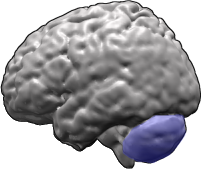
Oftalmoplegia externa progressiva autossômica recessiva
📋 Origem dos dados
Esta página agrega dados de fontes públicas e oficiais. Dados sobre cobertura no SUS (PCDT, CEAF) são verificados ativamente por agente proativo (ver badge no infobox). Demais dados têm atribuição de fonte + data da última sincronização — clique para abrir o original.
- Doença rara (ontologia)
- fonte: Orphanet
- Identificador unificado
- fonte: MONDO
- Codificação WHO/SUS
- fonte: WHO ICD-10 / DATASUS
- CID-11 (futuro)
- fonte: WHO ICD-11
- NIH/GARD
- fonte: GARD (NIH)
- Indexação biomédica
- fonte: MeSH (NLM)
- Dado público estruturado
- fonte: Wikidata
- Medicamentos aprovados FDA
- fonte: FDA OpenFDA