
Doença rara que afeta a absorção de aminoácidos neutros no intestino e rins. Pode levar a deficiências nutricionais e problemas neurológicos devido à falta de aminoácidos essenciais no cérebro.
Introdução
O que você precisa saber de cara
Visão geral
A Alteração do transporte de aminoácidos neutros é uma doença metabólica hereditária caracterizada por uma falha no transporte de aminoácidos neutros através das membranas celulares. Esta condição faz parte do grupo das doenças hereditárias do metabolismo e pode afetar diversos órgãos e sistemas, dependendo do tipo específico de transporte comprometido.[1]
Sinais e sintomas
Não há dados disponíveis sobre fenótipos ou sintomas específicos para esta condição nos registros oficiais consultados. As manifestações clínicas podem variar amplamente dependendo do subtipo e dos genes envolvidos, mas informações detalhadas não foram encontradas nas fontes atuais.[1]
Causas genéticas
Diagnóstico
O diagnóstico desta condição é baseado em avaliação clínica e exames laboratoriais que demonstram alterações no transporte de aminoácidos neutros. Não há informações sobre testes genéticos específicos disponíveis ou variantes registradas no ClinVar para esta doença. O diagnóstico diferencial inclui outras doenças metabólicas hereditárias que afetam o transporte de aminoácidos.[1][3]
Tratamento e manejo
Não há informações sobre tratamentos específicos, medicamentos ou procedimentos aprovados para esta condição nos registros oficiais consultados. O manejo é geralmente sintomático e de suporte, podendo incluir acompanhamento multidisciplinar com nutricionista, geneticista e outros especialistas conforme a necessidade de cada paciente.[1]
Tratamentos citados na literatura
Não foram encontrados tratamentos específicos citados na literatura científica para esta condição nos registros consultados. Esta seção será atualizada caso novos dados sejam disponibilizados.[1]
Prognóstico e qualidade de vida
Não há dados disponíveis sobre prognóstico ou qualidade de vida para esta condição nos registros oficiais consultados. O prognóstico pode variar dependendo da gravidade do defeito de transporte e dos órgãos afetados, mas informações específicas não foram encontradas.[1]
Conteúdo informativo gerado e mantido automaticamente a partir de fontes oficiais (Orphanet, HPO, OMIM, SUS). Não substitui avaliação médica.
Doença rara que afeta a absorção de aminoácidos neutros no intestino e rins. Pode levar a deficiências nutricionais e problemas neurológicos devido à falta de aminoácidos essenciais no cérebro.
Encontrou um erro ou informação desatualizada? Sugira uma correção →
Entender a doença
Do básico ao detalhe, leia no seu ritmo
Preparando trilha educativa...
Sinais e sintomas
O que aparece no corpo e com que frequência cada sintoma acontece
Visão geral
A Alteração do transporte de aminoácidos neutros é uma doença metabólica hereditária caracterizada por uma falha no transporte de aminoácidos neutros através das membranas celulares. Esta condição faz parte do grupo das doenças hereditárias do metabolismo e pode afetar diversos órgãos e sistemas, dependendo do tipo específico de transporte comprometido.[1]
Sinais e sintomas
Não há dados disponíveis sobre fenótipos ou sintomas específicos para esta condição nos registros oficiais consultados. As manifestações clínicas podem variar amplamente dependendo do subtipo e dos genes envolvidos, mas informações detalhadas não foram encontradas nas fontes atuais.[1]
Causas genéticas
Diagnóstico
O diagnóstico desta condição é baseado em avaliação clínica e exames laboratoriais que demonstram alterações no transporte de aminoácidos neutros. Não há informações sobre testes genéticos específicos disponíveis ou variantes registradas no ClinVar para esta doença. O diagnóstico diferencial inclui outras doenças metabólicas hereditárias que afetam o transporte de aminoácidos.[1][3]
Tratamento e manejo
Não há informações sobre tratamentos específicos, medicamentos ou procedimentos aprovados para esta condição nos registros oficiais consultados. O manejo é geralmente sintomático e de suporte, podendo incluir acompanhamento multidisciplinar com nutricionista, geneticista e outros especialistas conforme a necessidade de cada paciente.[1]
Tratamentos citados na literatura
Não foram encontrados tratamentos específicos citados na literatura científica para esta condição nos registros consultados. Esta seção será atualizada caso novos dados sejam disponibilizados.[1]
Prognóstico e qualidade de vida
Não há dados disponíveis sobre prognóstico ou qualidade de vida para esta condição nos registros oficiais consultados. O prognóstico pode variar dependendo da gravidade do defeito de transporte e dos órgãos afetados, mas informações específicas não foram encontradas.[1]
Conteúdo informativo gerado e mantido automaticamente a partir de fontes oficiais (Orphanet, HPO, OMIM, SUS). Não substitui avaliação médica.
Linha do tempo da pesquisa
Encontrou um erro ou informação desatualizada? Sugira uma correção →
Genética e causas
O que está alterado no DNA e como passa nas famílias
Nenhum gene associado encontrado
Os dados genéticos desta condição ainda estão sendo catalogados.
Diagnóstico
Os sinais que médicos procuram e os exames que confirmam
Tratamento e manejo
Remédios, cuidados de apoio e o que precisa acompanhar
Onde tratar no SUS
Hospitais de referência no Brasil e o protocolo oficial do SUS (PCDT)
🇧🇷 Atendimento SUS — Alteração do transporte de aminoácidos neutros
Selecione um estado ou use sua localização para ver resultados.
Dados de DATASUS/CNES, SBGM, ABNeuro e Ministério da Saúde. Sempre confirme a disponibilidade diretamente com o estabelecimento.
Pesquisa ativa
Ensaios clínicos abertos e novidades científicas recentes
Pesquisa e ensaios clínicos
Nenhum ensaio clínico registrado para esta condição.
Publicações mais relevantes
Therapeutic Efficacy of S-Allyl-L-Cysteine an Active Constituent of Aged Garlic Extract in Rat Model of Gestational Diabetes Mellitus.
Gestational diabetes mellitus (GDM) is a major pregnancy complication that adversely affects fetal development. Emerging evidence implicates inflammation and oxidative stress in its pathogenesis, highlighting the need for in-depth mechanistic insights. Aged garlic extract (AGE) and its active compound, S-allyl-L-cysteine (SAC), possess anti-inflammatory, antioxidant, and antidiabetic properties in type I and II diabetes; however, their therapeutic potential in GDM remains unknown. This study developed a rat model of GDM (n = 40) by administering a high-fat diet before and during pregnancy, inducing GDM with Nicotinamide, and inducing chronic stress. Glycemic parameters, insulin signaling genes (IRS-2, AKT-1, and PCK-1), glucose transporters (GLUT-2 and GLUT-4), proinflammatory cytokines, and antioxidants were assessed on gestational day 5. GDM-induced rats (n = 6 in each group) received different treatments, including SAC, insulin, and their combination. On day 15, significant therapeutic benefits were observed in the SAC + insulin group. The model effectively mimics human GDM by demonstrating insulin resistance and dysregulated signaling pathways. SAC treatment reduced inflammation and oxidative stress and restored insulin signaling. GDM involves inflammatory cascades and insulin signaling dysregulation, whereas SAC, particularly in combination with insulin, shows promise as a therapeutic intervention for GDM. These findings provide valuable insights for future research and the development of novel GDM treatment strategies.
Hematopoietic Stem-Cell Gene Therapy for Cystinosis.
Cystinosis is a multisystemic lysosomal storage disorder caused by pathogenic variants in CTNS, the gene encoding cystinosin, a lysosomal transmembrane cystine transporter. In patients with cystinosis, cystine accumulates within lysosomes in all organs. The cystine-depleting agent cysteamine delays but does not prevent disease progression. In this phase 1-2, open-label, ongoing clinical study, we performed a preliminary assessment of CTNS-RD-04, which consists of autologous CD34+ cells transduced with lentiviral vectors carrying CTNS complementary DNA, in patients with cystinosis. The primary end points were the safety and the side-effect profiles of CTNS-RD-04. Secondary end points were measures of efficacy, including white-cell cystine levels and cystine storage depletion. Oral cysteamine was withdrawn before CTNS-RD-04 infusion, and cysteamine eyedrops were withdrawn 1 month after myeloablation. Six participants (20 to 46 years of age) received CTNS-RD-04 and were followed for 29 to 63 months. CTNS-RD-04 doses ranged from 3.63×10⁶ to 9.59×10⁶ CD34+ cells per kilogram of body weight, and vector copy numbers ranged from 0.59 to 2.91 copies per diploid genome. All the patients had sustained and highly polyclonal hematopoietic reconstitution; vector copy numbers at 24 months ranged from 0.51 to 2.67 copies per diploid genome. A total of 217 adverse events occurred, most of which were mild or moderate in severity and largely consistent with the procedures and underlying disease. No evidence of monoclonal expansion was noted. White-cell cystine levels decreased from baseline except in Patient 4, who had the lowest vector copy number. In this small study, CTNS-RD-04, an ex vivo gene therapy for cystinosis, had adverse effects that were largely consistent with the myeloablative regimen and underlying disease profile. White-cell cystine levels decreased after therapy. (Funded by the California Institute for Regenerative Medicine and others; ClinicalTrials.gov number, NCT03897361.).
Connexin43 Deficiency Leads to Ventricular Arrhythmias by Reprogramming Proline Metabolism.
Ventricular arrhythmias (VAs) as life-threatening heart rhythm disorders, reduced connexin43 (Cx43) is one of the mechanisms of VAs. Cx43 is the predominant ventricular gap junction protein essential for cardiac electrical conduction; the absence in the mouse heart results in sudden arrhythmic death. However, the mechanism linking Cx43 downregulation and VA formation remains unclear. Here it is aimed to elucidate the molecular mechanism by which Cx43 deficiency leads to VAs using Cx43 knockout (Cx43-KO) induced pluripotent stem-derived cardiomyocytes and cardiac-specific conditional Cx43-KO (Cx43-cKO) mice. It is shown that Cx43-KO induced arrhythmic phenotype and decreased proline content both in vitro and in vivo. Mechanistically, Cx43 interacts with the amino acid transporter SNAT2 (sodium-dependent neutral amino acid transporter). Cx43 deficiency reduces SNAT2 expression, impairing proline transport and metabolism. This disruption leads to mitochondrial dysfunction, oxidative stress, abnormal calcium handling, and arrhythmias. Exogenous proline supplementation rescued the arrhythmic phenotype in Cx43-cKO mice by restoring metabolic balance. In conclusion, it is suggested that Cx43 deficiency leads to VAs through SNAT2-mediated proline metabolic reprogramming. Targeting proline metabolism may therefore offer novel therapeutic strategies for VAs.
A Nonketotic Hyperglycinemia Mouse Shows Wide-Ranging Biochemical Consequences of Elevated Glycine, Reduced Folate One-Carbon Charging, and Serine Deficiency.
Nonketotic hyperglycinemia is a severe neonatal epileptic encephalopathy caused by deficient glycine cleavage enzyme activity, for which currently no effective treatment exists. Incomplete understanding of brain biochemistry represents a major knowledge gap to develop new treatments. We examined the biochemistry in blood, liver, cortex, hippocampus, and cerebellum of a mouse model homozygous for the Gldc variant p.Ala394Val. Glycine was increased in all compartments and caused increased brain neurotoxic metabolites guanidinoacetate and methylglyoxal, and also N-acetylglycine and cystathionine. The glycine extruding transporter Slc6a20 was increased. There was reduced one-carbon folate charging with secondarily reduced methionine in the cortex, and reduced alternative one-carbon donors L-serine and formate. Serine deficiency was associated with reduced amounts of sphingosine, sphingomyelin, and ceramide species important for myelination, but not phosphatidylserines. There was a region-specific deficiency of D-serine in the cortex and hippocampus. This difference, also present in humans, was strain- and age-related, most evident in young J129X1/SvJ mice, reflecting symptomatology. There was no evidence of oxidative stress or a bioenergetic defect. The biochemistry of the nonketotic hyperglycinemia mouse model can be traced to three components: increased glycine, reduced folate one-carbon charging, and decreased L- and D-serine. These changes will need to be addressed in new therapeutic approaches.
Metabolic reprogramming during human neuron differentiation indicates glutaminase as a key determinant in Fragile X syndrome.
Metabolic homeostasis gone awry is a contributor to, if not an underlying cause of, several neurologic disorders. Fragile X syndrome (FXS) is a neurodevelopmental disorder caused by a trinucleotide repeat expansion in FMR1 and consequent loss of the encoded protein FMRP, which results in downstream molecular, neurologic, and mitochondrial deficits that are linked to cognitive impairment. In the human postmortem brain, many metabolites and solute carrier proteins are coordinately dysregulated, which also occurs during the differentiation of human induced pluripotent stem cells (iPSCs) into excitatory neurons. Metabolic tracing in FXS neurons demonstrates a dearth of glutamine deamidation to glutamate, which reduces anaplerosis into the TCA cycle, potentially hindering the bioenergetic and biosynthetic functions of mitochondria. Mechanistically, aberrant expression of glutaminase isoforms in FXS is responsible for reduced glutaminolysis, thereby altering glutamate levels, which may contribute to FXS.
Publicações recentes
Cysteine residues located within the core domain of human vitamin C transporter, hSVCT2, are essential for its structural and functional properties.
14-3-3θ phosphorylation at S232 reduces its interactome and regulates axonal trafficking.
Mutational effects of the asparagine198 and glutamate223 residues on the human norepinephrine transporter on basal and HIV-1 Tat protein-induced inhibition of dopamine transport.
Structural insights into brain thyroid hormone transport via MCT8 and OATP1C1.
The antiport mechanism of the human LAT1 transporter: defining the molecular determinants by means of wet and dry approaches.
📚 EuropePMCmostrando 200
Decoding genetic complexity in glycogen storage diseases: three novel variants in SLC37A4, GAA, and PHKG2 identified in an Iranian cohort.
Neuromuscular disorders : NMDExploring SLC1A5 (ASCT2), SLC7A5, and SLC3A2 (LAT1) Genetic Variants in Colorectal Cancer: Implications for Prognosis and Personalized Care.
Anticancer researchTherapeutic Efficacy of S-Allyl-L-Cysteine an Active Constituent of Aged Garlic Extract in Rat Model of Gestational Diabetes Mellitus.
Cell biochemistry and functionSimvastatin Targets PKM2 to Alter Metabolic Reprogramming in Hepatic Stellate Cells and Mitigate Liver Fibrosis.
FASEB journal : official publication of the Federation of American Societies for Experimental BiologyHematopoietic Stem-Cell Gene Therapy for Cystinosis.
The New England journal of medicinePhosphorylation-Dependent Regulation and Interactions of the Neutral Amino Acid Transporter SLC6A15: Implications for Major Depression and Neuropsychiatric Disorders.
Omics : a journal of integrative biologyConnexin43 Deficiency Leads to Ventricular Arrhythmias by Reprogramming Proline Metabolism.
Advanced science (Weinheim, Baden-Wurttemberg, Germany)Glutamine transporter SLC1A5 inhibits autophagy-mediated CD276 degradation to promote esophageal cancer progression.
Cancer biology & therapyA Nonketotic Hyperglycinemia Mouse Shows Wide-Ranging Biochemical Consequences of Elevated Glycine, Reduced Folate One-Carbon Charging, and Serine Deficiency.
Journal of inherited metabolic diseaseTransduction of Quiescent Human Hematopoietic Stem and Progenitor Cells Using Lentiviral Vectors and Virus-Like Particles.
Current protocolsMetabolic reprogramming during human neuron differentiation indicates glutaminase as a key determinant in Fragile X syndrome.
Cell reportsTargeting the Mapk13-Tcf1-Slc7a5 Axis via One-Carbon Metabolic Regulation to Prevent Chronic Allograft Vasculopathy.
Advanced science (Weinheim, Baden-Wurttemberg, Germany)Ampelopsin preserves glutamate homeostasis against cerebral ischemia.
Biomedicine & pharmacotherapy = Biomedecine & pharmacotherapieL-type amino acid transporter 1 deficiency delays intestinal tissue repair in dextran sulfate sodium-induced colitis.
International immunopharmacologyThe glucose uptake inhibitor SgrS is induced by D-serine yet does not contribute to growth arrest in enterohaemorrhagic Escherichia coli.
Microbiology (Reading, England)FOXM1/FUS facilitates triple-negative breast cancer malignant progression and glutamine metabolism through mediating SLC7A5 transcription.
Journal of molecular histologyMicrobiota utilization of intestinal amino acids modulates cancer progression and anticancer immunity.
Cell host & microbeCx43 phosphorylation at Ser368 facilitates PASMC dedifferentiation in nicotine-induced pulmonary arterial remodeling.
ToxicologyNickel refining fumes activate glutamine metabolism via the HIF-1α/Notch pathway to drive epithelial-mesenchymal transition in Beas-2B cells.
ToxicologyGlutamine metabolites promote the progression of cervical cancer by inducing M2 macrophage polarization.
Pathology, research and practiceTMAO converts cytochrome c into a pro-apoptotic peroxidase by destabilizing the heme-Met80 ligation.
Cellular and molecular biology (Noisy-le-Grand, France)Serine metabolism in the central nervous system: advances and challenges on a conditionally essential amino acid.
Molecular aspects of medicineCelastrol delays the progression of hepatocellular carcinoma by suppressing SLC1A5-mediated glutamine dependence.
Toxicology and applied pharmacologyProteasomal activity and disease outcome in phenylketonuria patients with a structural SLC7A5 variant.
Scientific reportsAn Alternative Metabolic Pathway of Glucose Oxidation Induced by Mitochondrial Complex I Inhibition: Serinogenesis and Folate Cycling.
International journal of molecular sciencesFood-derived chlorogenic acid prevents aortic aneurysm and dissection by nutritional restore branched-chain amino acid dyshomeostasis.
The Journal of nutritional biochemistryETV1 Drives CD4+ T Cell-Mediated Intestinal Inflammation in Inflammatory Bowel Disease Through Amino Acid Transporter Slc7a5.
Advanced science (Weinheim, Baden-Wurttemberg, Germany)SLBP promotes lung adenocarcinoma progression by inhibiting ferroptosis and reprogramming glutamine metabolism via FADS2 interaction.
Experimental cell researchUnveiling the Structure of PROT and ATB0,+: Unique Members of the Glycine Transporter Subfamily.
Molecules (Basel, Switzerland)Disentangling the mechanistic role of loop-C capping in Cys-loop receptor activation.
Nature communicationsA hyperexcited basolateral amygdala complex state determines the hippocampal structural plasticity associated with the reconsolidation of a fear memory.
NeuroscienceLeucine-Dependent SLC7A5-PGAM5 Interaction Promotes Advanced Atherosclerosis Through Hindering Mitochondrial Function of Macrophages.
Advanced science (Weinheim, Baden-Wurttemberg, Germany)Genetic architecture of the murine red blood cell proteome reveals central role of hemoglobin beta cysteine 93 in maintaining redox balance.
Cell genomicsPotential benefits of l-serine in children with GRIN2B loss-of-function variants: Randomized n-of-1 trials.
Molecular genetics and metabolismMPTP mediated Ox-mtDNA release inducing macrophage pyroptosis and exacerbating MCD-induced MASH via promoting the ITPR3/Ca2+/NLRP3 pathway.
Journal of translational medicineDownregulation of the cysE/cysK genes of Clostridioides difficile induced by cysteine revealed the response of bacteria to iron homeostasis.
BMC microbiologyThe Arabidopsis neutral amino acid transporter UmamiT20 confers Botrytis cinerea susceptibility.
Journal of experimental botanyAn Isogenic Human Myoblast Cell Model for Cystinosis Myopathy Reveals Alteration of Key Myogenic Regulatory Proteins.
Journal of cachexia, sarcopenia and muscleCysteine residues located within the core domain of human vitamin C transporter, hSVCT2, are essential for its structural and functional properties.
International journal of biological macromoleculesIsoliquiritigenin Inhibits Triple-Negative Breast Cancer Progression via Targeting the IRF5/SLC7A5/IDO1-Mediated Tryptophan Metabolism Pathway.
Oncology researchSerine Promotes Inflammatory Macrophage Polarisation in Periodontitis via NAD+ Signalling.
Journal of clinical periodontologyUnraveling the active ingredients and molecular mechanisms of Qinghua Changyan granule against irritable bowel syndrome with diarrhea: Effects on gut microbiota and glutamine transport via an integrative approach combining UHPLC-MS/MS and experimental verification.
FitoterapiaTXNIP mediates LAT1/SLC7A5 endocytosis to limit amino acid uptake in cells entering quiescence.
The EMBO journalRevisiting phenylketonuria: Do high brain glycine levels caused by chronic hyperphenylalanemia contribute to brain dysfunction by modulating D-serine levels and NMDA receptor activity?
Analytical biochemistryLAT1-NRF2 axis controls sFlt-1/PlGF imbalance and oxidative stress in preeclampsia.
Nature communicationsScreening for novel L-type amino acid transporter 1 (SLC7A5) inhibitors using a fluorescent amino acid.
Biochemical and biophysical research communicationsNon-Ser36 phosphorylated p66Shc inhibits TRPC-dependent and TRPC-independent calcium influx in vascular smooth muscle cells.
Biochemical and biophysical research communicationsD-Serine's Journey Between Stars and Synapses.
Neurochemical researchALDH2 deficiency aggravates vascular injury-induced restenosis by enhancing vascular smooth muscle cell proliferation through SLC38A2-mediated upregulation of glutamine uptake.
Metabolism: clinical and experimentalCrossing the Borders: the amino acid transporter LAT1 (SLC7A5) in the Blood-Brain Barrier.
Neurochemistry internationalInhibition of integrin α3 suppresses gastric cancer progression via STAT3-mediated regulation of SLC1A5-dependent glutamine uptake.
Journal of gastroenterologyd-serine prevents cognitive impairment in a mouse model of NMDAR encephalitis.
Journal of neuroimmunologyIdentification of ShgH as a dual histidine/glutamine transporter component essential for Streptococcus suis virulence and biofilm modulation.
Microbiological research14-3-3θ phosphorylation at S232 reduces its interactome and regulates axonal trafficking.
Disease models & mechanismsSyntaxin 3 regulates apical membrane integrity in proximal tubule epithelial cells and prevents Fanconi syndrome development.
Kidney internationalSocial memory engram formation impairment in neuroligin-3 R451C knock-in mice is caused by disrupted prefrontal NMDA receptor-dependent potentiation.
Communications biologyPhenotypic variability in cystinosis: Lessons from an atypical case.
NefrologiaDifferential modulation of polycystin-2 gain-of-function channels by cysteine-reactive compounds, amphiphilic substances, and S4-S5 linker mutations.
The Journal of biological chemistryMolecular determinants of cesium- and glycine-dependent glycine receptor activation.
Scientific reportsSlc7a7 licenses macrophage glutaminolysis for restorative functions in atherosclerosis.
Nature metabolismTargeting hepatocyte-specific SLC2A8 blocks hepatic steatosis and dissociates TCA cycle flux inhibition from glutamine anaplerosis.
Hepatology communicationsDeciphering the molecular mechanisms of startle disease: The role of the Asn46Lys mutation in the glycine receptor.
The Journal of chemical physicsReprogramming glutamine metabolism enhances BCMA-CAR T-cell fitness and therapeutic efficacy in multiple myeloma.
BloodMutational effects of the asparagine198 and glutamate223 residues on the human norepinephrine transporter on basal and HIV-1 Tat protein-induced inhibition of dopamine transport.
European journal of pharmacologyReprogramming cysteine metabolism via METTL14-SLC7A11 axis promotes the progression of NAFLD and hepatocellular carcinoma.
Life sciencesLoss-of-function variations in solute carrier family 38 member 6 are associated with essential tremor.
Signal transduction and targeted therapyA Novel Approach for Cisplatin-Resistant Esophageal Squamous Cell Carcinoma via Amino Acid Transporter LAT1 Inhibition.
Cancer medicineOncogenic role of the SLC7A13-SLC3A1 cystine transporter in human luminal breast cancer and its cryo-EM structure.
Protein & cell[Ziwuliuzhu acupuncture modulates Glu/GABA‑Gln metabolic loop abnormalities in insomniac rats].
Nan fang yi ke da xue xue bao = Journal of Southern Medical UniversityJPH203 alleviates renal fibrosis via inhibition of serine-related mTORC1 pathway in TGF-β1-induced fibroblasts and UUO mice.
Experimental cell researchClinical exome sequencing efficacy and phenotypic expansions involving non-isolated congenital anomalies of kidney and urinary tract (CAKUT+).
European journal of human genetics : EJHGTherapeutic strategies in cystinosis: A focus on cysteamine and beyond.
Experimental and molecular pathologyA Systems Biology Perspective on Childhood ADHD: Neurochemical Dysregulation, Brain-Behavior Interactions, and Emerging Therapeutics.
FASEB journal : official publication of the Federation of American Societies for Experimental BiologyInhibiting SLC38A2 lowers blood pressure in rodent models of hypertension.
Science translational medicineHartnup disease-causing SLC6A19 mutations lead to B0AT1 aberrant trafficking and ACE2 mis-localisation implicating the endoplasmic reticulum protein quality control.
Frontiers in cell and developmental biologySequential administration of D-cycloserine and MK801 reduces pERK-expressing neurons in the lateral amygdala and disrupts threat memory reconsolidation.
NeuroscienceAndrogens drive SLC1A5-dependent metabolic reprogramming in polycystic ovary syndrome.
Nature communicationsMcLeod syndrome mimicking mitochondrial myopathy due to a novel in-frame duplication in the XK gene.
Neuromuscular disorders : NMDAdaptive cohort design and LAT1 expression scale: study protocol for a Phase 2a trial of QBS72S in breast cancer brain metastases.
BMC cancerHypoxia-induced PYCR1 regulates glycolysis and histone lactylation to promote bladder cancer progression and metastasis via SLC6A14/Glutamine metabolism.
Cancer biology & therapyOseR, a bacterial redox sensor, regulates ergothioneine uptake via a Cys thiol switch, enhancing oxidative stress resistance and virulence.
Redox biologyN-methyl-d-aspartate receptor is involved in the progression of anxiety disorders with thyroid tumors.
Journal of receptor and signal transduction researchA Proton Magnetic Resonance Spectroscopy (1H MRS) Pilot Study Revealing Altered Glutamatergic and Gamma-Aminobutyric Acid (GABA)ergic Neurotransmission in Social Anxiety Disorder (SAD).
International journal of molecular sciencesStructural insights into brain thyroid hormone transport via MCT8 and OATP1C1.
Cell"Glutaminolysis Fuels Reactive Astrocytes, Exacerbating Amyloid Pathology in Alzheimer's Disease".
bioRxiv : the preprint server for biologyAdaptively increased intake of arginine sustains oral keratinocyte survival through alleviating oxidative stress during targeting glutamine metabolism.
Biochemical pharmacologySLC1A5-dependent glutamine uptake in hepatocytes promotes liver regeneration.
Hepatology communicationsMicroenvironment responsive nanoplatform for targeted removal of cholesterol and reshaping inflammatory microenvironment in atherosclerotic plaques.
Journal of controlled release : official journal of the Controlled Release SocietyThe antiport mechanism of the human LAT1 transporter: defining the molecular determinants by means of wet and dry approaches.
Biochemical and biophysical research communicationsAmino acid transporter LAT1 (SLC7A5) promotes metabolic rewiring in TNBC progression through the L-Trp/QPRT/NAD+ pathway.
Journal of experimental & clinical cancer research : CRA whole genomic CRISPR-Cas9 screen identifies the amino acid transporter SLC43A1 (LAT3) as a major determinant of oxaliplatin sensitivity in colorectal cancer cells.
bioRxiv : the preprint server for biologyImpact of 7-ketocholesterol on the function and stability of the LAT1 transporter.
Biochemical pharmacologyAblation of LAT2 Transporter Causes Intramuscular Glutamine Accumulation and Inhibition of Fasting-Induced Proteolysis.
Journal of cachexia, sarcopenia and muscleAmino acid prodrug of capsaicin improves pharmacokinetic properties in the mouse brain and pancreas.
European journal of pharmaceutics and biopharmaceutics : official journal of Arbeitsgemeinschaft fur Pharmazeutische Verfahrenstechnik e.VSLC7A11-mediated cell death mechanism in cancer: a comparative study of disulfidptosis and ferroptosis.
Frontiers in cell and developmental biologyTargeting glutamine metabolism in CD4+ T-cell-mediated autoimmune diseases.
Immunology and cell biologySynergistic behavioral and neuroplastic effects of psilocybin-NMDAR modulator administration.
Translational psychiatryA potential therapeutic target at Connexin 43 serine phosphorylation against ischaemia/reperfusion arrhythmia.
British journal of pharmacologyMechanism of SLC1A5 Regulation of Glutamine Metabolism to Promote Ferroptosis Sensitivity in Endometriosis.
Frontiers in bioscience (Landmark edition)Plumbagin ameliorates ferroptosis of ovarian granulosa cells in polycystic ovary syndrome by down-regulating SLC7A5 m6A methylation modification through inhibition of YTHDF1.
Journal of ovarian researchPharmacological inhibition of PSPH reduces serine levels and epileptic seizures.
Nature chemical biologyLoss of CD98HC phosphorylation by ATM impairs antiporter trafficking and drives glutamate toxicity in Ataxia telangiectasia.
Nature communicationsRole of Slc7a11 in Bleomycin-Induced Lung Injury.
LungRestricting SLC7A5-mediated Leucine uptake in T cells prevents acute GVHD and maintains GVT response.
EMBO molecular medicineTargeting LAT1 with JPH203 to reduce TNBC proliferation and reshape suppressive immune microenvironment by blocking essential amino acid uptake.
Amino acidsComputational prediction of deleterious nonsynonymous SNPs in the CTNS gene: implications for cystinosis.
BMC genomic dataLong-term outcomes in nephropathic cystinosis: a review.
Pediatric nephrology (Berlin, Germany)Molecular mechanism of thyroxine transport by monocarboxylate transporters.
Nature communicationsEffects of energy and amino acid intake during gestation on reproductive performance, milk composition, antioxidant status and placental nutrient transport in high-parity sows.
Frontiers in veterinary scienceEpigenetic Activation of PTCD3 Promotes CRC Glutamine Metabolism and Metastasis via IGF2BP2-Mediated SLC38A2 m6A Modification.
FASEB journal : official publication of the Federation of American Societies for Experimental BiologyEarly involvement of D-serine in β-amyloid-dependent pathophysiology.
Cellular and molecular life sciences : CMLSCx45 regulation by kinases and impact of expression in heart failure.
Journal of molecular and cellular cardiologyStructural basis of excitatory amino acid transporter 3 substrate recognition.
Proceedings of the National Academy of Sciences of the United States of AmericaGroup A Streptococcal asparagine metabolism regulates bacterial virulence.
EMBO reportsAn excitatory amino acid transporter 1 acts as a novel glutamine transporter and immune modulator in the oyster Crassostrea gigas.
International journal of biological macromoleculesEctopic expression of Slc1a2 in the prefrontal cortex of sleep-deprived male mice counteracts the glutamate/GABA-glutamine dysfunction.
BMC biologyNovel mechanism for tubular injury in nephropathic cystinosis.
eLifeStructural basis for the substrate recognition and transport mechanism of the human y+LAT1-4F2hc transporter complex.
Science advancesSLC1A4 and Serine Homeostasis: Implications for Neurodevelopmental and Neurodegenerative Disorders.
International journal of molecular sciencesThe Glutamate/GABA-Glutamine Cycle: Insights, Updates, and Advances.
Journal of neurochemistrySLC7A5/E2F1/PTBP1/PKM2 axis mediates progression and therapy effect of triple-negative breast cancer through the crosstalk of amino acid metabolism and glycolysis pathway.
Cancer lettersAlterations of valsartan pharmacokinetics in a rodent model of metabolic dysfunction-associated steatohepatitis.
Drug metabolism and disposition: the biological fate of chemicalsThe role of l-serine and l-threonine in the energy metabolism and nutritional stress response of Trypanosoma cruzi.
mSphereBridging the gap: investigating the role of phosphorylation at the serine 129 site of α-synuclein in VAPB-PTPIP51 interactions.
Acta neuropathologica communicationsSerum levels of D-cycloserine predict antidepressant effects in pharmacologically enhanced intermittent theta-burst stimulation.
Journal of affective disordersSynthesis of PbCrO4 nanorods-Ti3C2Tx MXene composites: A sensitive photoelectrochemical sensor for the detection of cysteine in human blood serum.
Analytica chimica actaTargeting oxidative stress-induced lipid peroxidation enhances podocyte function in cystinosis.
Journal of translational medicineCharacterisation of SLC38A8 and Its Role in Retinal Pathways and Disease.
Clinical & experimental ophthalmologySLC1A4 Promotes Malignant Transformation of Hepatocellular Carcinoma by Activating the AKT Signaling.
Analytical cellular pathology (Amsterdam)Disruption of redox balance in glutaminolytic triple negative breast cancer by inhibition of glutaminase and glutamate export.
Neoplasia (New York, N.Y.)Key role of the CSE/transsulfuration pathway in macrophage phenotypic change under iron overload.
Journal of trace elements in medicine and biology : organ of the Society for Minerals and Trace Elements (GMS)Involvement of the astroglial glutamate-glutamine cycle in the analgesic effects of electroacupuncture in a rat model of chronic neuropathic pain.
Acupuncture in medicine : journal of the British Medical Acupuncture SocietyResearch progress of cysteine transporter SLC7A11 in endocrine and metabolic diseases.
Molecular biology reportsSERINC2-mediated serine metabolism promotes cervical cancer progression and drives T cell exhaustion.
International journal of biological sciencesDefective Slc7a7 transport reduces erythropoietin compromising erythropoiesis.
Molecular medicine (Cambridge, Mass.)Alzheimer's disease: an integrative bioinformatics and machine learning analysis reveals glutamine metabolism-associated gene biomarkers.
BMC pharmacology & toxicologySLC1A5 is a key regulator of glutamine metabolism and a prognostic marker for aggressive luminal breast cancer.
Scientific reportsExpression rate of LAT1 in high-grade parotid gland carcinoma and potential of BNCT as a treatment option for recurrent parotid gland carcinoma.
Applied radiation and isotopes : including data, instrumentation and methods for use in agriculture, industry and medicineKNTC1 introduces segmental heterogeneity to mitochondria.
Disease models & mechanisms[Research progress on the mechanism of leucine regulation of protein synthesis in aging skeletal muscle through LAT1].
Sheng li xue bao : [Acta physiologica Sinica]Contiguous Xp21 deletion involving Duchenne muscular dystrophy and McLeod neuroacanthocytosis syndrome results in rapidly progressive and fatal cardiomyopathy.
Cardiology in the youngStructural Dynamics of Neutral Amino Acid Transporter SLC6A19 in Simple and Complex Lipid Bilayers.
Journal of cellular biochemistryPositive feedback between arginine methylation of YAP and methionine transporter SLC43A2 drives anticancer drug resistance.
Nature communicationsThe protein circPETH-147aa regulates metabolic reprogramming in hepatocellular carcinoma cells to remodel immunosuppressive microenvironment.
Nature communicationsMitochondrial-cytochrome c oxidase II promotes glutaminolysis to sustain tumor cell survival upon glucose deprivation.
Nature communicationsSappanone A alleviates metabolic dysfunction-associated steatohepatitis by decreasing hepatocyte lipotoxicity via targeting Mup3 in mice.
Phytomedicine : international journal of phytotherapy and phytopharmacologyAcetylation of proximal cysteine-lysine pairs by alcohol metabolism.
Redox biologyInsight into the Structure of the Neutral Amino Acid Transporter B0AT2 Enabled the Discovery of Tiagabine as an Inhibitor.
ACS chemical neuroscienceMicroenvironmental G protein-coupled estrogen receptor-mediated glutamine metabolic coupling between cancer-associated fibroblasts and triple-negative breast cancer cells governs tumour progression.
Clinical and translational medicineExtrajunctional CLDN10 cooperates with LAT1 and accelerates clear cell renal cell carcinoma progression.
Cell communication and signaling : CCSLAT1 transporter as a target for breast cancer diagnosis and therapy.
European journal of medicinal chemistry[Advances in the Pathophysiology and Drug Discovery of Novel Therapeutics for Attention-Deficit/hyperactivity Disorder].
Yakugaku zasshi : Journal of the Pharmaceutical Society of JapanDelivery of small interfering RNA by hydrogen sulfide-releasing nanomotor for the treatment of Parkinson's disease.
Journal of controlled release : official journal of the Controlled Release SocietyPhosphorylation on serine 72 modulates Rab7A palmitoylation and retromer recruitment.
Journal of cell scienceThe therapeutic effect and underlying biochemical mechanism of methylprednisolone and D-methionine in "rescuing" noise-induced hearing loss in guinea pigs.
Hearing researchSLC6A19 inhibition facilitates urinary neutral amino acid excretion and lowers plasma phenylalanine.
JCI insightEffect of ceftriaxone on the glutamate-glutamine cycle and seizure susceptibility of Tg2576 mouse model of Alzheimer's disease.
Journal of Alzheimer's disease : JADThe role of astrocytes in depression, its prevention, and treatment by targeting astroglial gliotransmitter release.
Proceedings of the National Academy of Sciences of the United States of AmericaRNA-binding protein YBX3 promotes PPARγ-SLC3A2 mediated BCAA metabolism fueling brown adipogenesis and thermogenesis.
Molecular metabolismProcognitive Effects of Adjunctive D-Cycloserine to Intermittent Theta-Burst Stimulation in Major Depressive Disorder: Effets procognitifs de la D-cyclosérine en traitement complémentaire par la stimulation thêta-burst intermittente dans le trouble dépressif caractérisé.
Canadian journal of psychiatry. Revue canadienne de psychiatrieSLC7A9 suppression increases chemosensitivity by inducing ferroptosis via the inhibition of cystine transport in gastric cancer.
EBioMedicineReconstitution of Rab11-FIP4 Expression Rescues Cellular Homeostasis in Cystinosis.
Molecular and cellular biologyLysine 204 is crucial for the antiport function of the human LAT1 transporter.
Biochimica et biophysica acta. BioenergeticsExpression of the large amino acid transporter SLC7A5/LAT1 on immune cells is enhanced in primary sclerosing cholangitis-associated cholangiocarcinoma and correlates with poor prognosis in cholangiocarcinoma.
Human pathologyConstitutive sodium permeability in a C. elegans two-pore domain potassium channel.
Proceedings of the National Academy of Sciences of the United States of AmericaAndrogen signaling restricts glutaminolysis to drive sex-specific Th17 metabolism in allergic airway inflammation.
The Journal of clinical investigationMethionine restriction alleviates diabetes-associated cognitive impairment via activation of FGF21.
Redox biologyDietary glutamine supplementation improves both Th1 and Th17 responses via CARD11-mTORC1 pathway in murine model of atopic dermatitis.
International immunopharmacologyEssentiality of SLC7A11-mediated nonessential amino acids in MASLD.
Science bulletinJPH203 alleviates peritoneal fibrosis via inhibition of amino acid-mediated mTORC1 signaling.
Biochemical and biophysical research communicationsAssessment of amino acid charge states based on cryo-electron microscopy and molecular dynamics simulations of respiratory complex I.
Biochimica et biophysica acta. BioenergeticsThe Multifaceted Role of L-Type Amino Acid Transporter 1 at the Blood-Brain Barrier: Structural Implications and Therapeutic Potential.
Molecular neurobiologyClinical Features and Novel Pathogenic Variants of Chinese Patients With McLeod Syndrome and Chorea-Acanthocytosis.
Molecular genetics & genomic medicineThe role of double heterozygotes of SLC3A1 and SLC7A9 in the prevalence of cystine stones.
Genetics in medicine : official journal of the American College of Medical GeneticsTRIM35 triggers cardiac remodeling by regulating SLC7A5-mediated amino acid transport and mTORC1 activation in fibroblasts.
Cell communication and signaling : CCSATM phosphorylation of CD98HC increases antiporter membrane localization and prevents chronic toxic glutamate accumulation in Ataxia telangiectasia.
Research squareExpanding the mutational and phenotypical spectrum of FHONDA syndrome.
European journal of ophthalmologyL-methionine and the L-type Ca2+ channel agonist BAY K 8644 collaboratively contribute to the reduction of depressive-like behavior in mice.
Frontiers in neural circuitsGut microbiota mediate early life stress-induced social dysfunction and anxiety-like behaviors by impairing amino acid transport at the gut.
Gut microbesMitochondrial reprogramming by activating OXPHOS via glutamine metabolism in African American patients with bladder cancer.
JCI insightThe Simultaneous Inhibition of Solute Carrier Family 6 Member 19 and Breast Cancer Resistance Protein Transporters Leads to an Increase of Indoxyl Sulfate (a Uremic Toxin) in Plasma and Kidney.
Drug metabolism and disposition: the biological fate of chemicalsTherapeutic drug monitoring in Parkinson's disease.
Journal of neural transmission (Vienna, Austria : 1996)UBAP2 contributes to radioresistance by enhancing homologous recombination through SLC27A5 ubiquitination in hepatocellular carcinoma.
Biochimica et biophysica acta. Molecular basis of diseaseAdvances and challenges in serine in the central nervous system: physicochemistry, physiology, and pharmacology.
Metabolic brain diseaseLAT1 expression in colorectal cancer cells is unresponsive to HIF-1/2α accumulation under experimental hypoxia.
Scientific reportsMolecular basis of inhibition of the amino acid transporter B0AT1 (SLC6A19).
Nature communicationsYTHDF1 regulates GID8-mediated glutamine metabolism to promote colorectal cancer progression in m6A-dependent manner.
Cancer lettersDigital clubbing without hypoxia for lysinuric protein intolerance.
European journal of medical geneticsMitochondrial complex I promotes kidney cancer metastasis.
NatureEpigenome-wide association study on the plasma metabolome suggests self-regulation of the glycine and serine pathway through DNA methylation.
Clinical epigeneticsLong-term effects of luteolin in a mouse model of nephropathic cystinosis.
Biomedicine & pharmacotherapy = Biomedecine & pharmacotherapieCongenital Heart Disease and Genetic Changes in Folate/Methionine Cycles.
GenesLack of evidence for direct ligand-gated ion channel activity of GluD receptors.
Proceedings of the National Academy of Sciences of the United States of AmericaHyperekplexia: A Single-Center Experience.
Journal of child neurologyExosomal miR-126-3p: Potential protection against vascular damage by regulating the SLC7A5/mTOR Signalling pathway in human umbilical vein endothelial cells.
Scandinavian journal of immunologyStructural Studies of the Taurine Transporter: A Potential Biological Target from the GABA Transporter Subfamily in Cancer Therapy.
International journal of molecular sciencesGlutamine metabolic competition drives immunosuppressive reprogramming of intratumour GPR109A+ myeloid cells to promote liver cancer progression.
GutPalmitoylation at a conserved cysteine residue facilitates gasdermin D-mediated pyroptosis and cytokine release.
Proceedings of the National Academy of Sciences of the United States of AmericaBranched-Chain Amino Acids Deficiency Promotes Diabetic Neuropathic Pain Through Upregulating LAT1 and Inhibiting Kv1.2 Channel.
Advanced science (Weinheim, Baden-Wurttemberg, Germany)Multilayered proteomics reveals that JAM-A promotes breast cancer progression via regulation of amino acid transporter LAT1.
Cancer scienceAssociações
Organizações que acompanham esta doença — pra ter apoio e orientação
Ainda não temos associações cadastradas para Alteração do transporte de aminoácidos neutros.
É de uma associação que acompanha esta doença? Fale com a gente →
Comunidades
Grupos ativos de quem convive com esta doença aqui no Raras
Ainda não existe comunidade no Raras para Alteração do transporte de aminoácidos neutros
Pacientes, familiares e cuidadores se organizam em comunidades pra compartilhar experiências, fazer perguntas e se apoiar. Você pode ser o primeiro.
Tire suas dúvidas
Perguntas, dicas e experiências compartilhadas aqui na página
Participe da discussão
Faça login para postar dúvidas, compartilhar experiências e interagir com especialistas.
Fazer loginDoenças relacionadas
Doenças com sintomas parecidos — ajudam quem ainda está buscando diagnóstico
Ainda não achamos doenças com sintomas parecidos o suficiente.
Referências e fontes
Bases de dados externas citadas neste artigo
Publicações científicas
Artigos indexados no PubMed ligados a esta doença no grafo RarasNet — título, periódico e PMID direto da fonte, sem intermediação de IA.
- Therapeutic Efficacy of S-Allyl-L-Cysteine an Active Constituent of Aged Garlic Extract in Rat Model of Gestational Diabetes Mellitus.
- Hematopoietic Stem-Cell Gene Therapy for Cystinosis.
- Connexin43 Deficiency Leads to Ventricular Arrhythmias by Reprogramming Proline Metabolism.
- A Nonketotic Hyperglycinemia Mouse Shows Wide-Ranging Biochemical Consequences of Elevated Glycine, Reduced Folate One-Carbon Charging, and Serine Deficiency.
- Metabolic reprogramming during human neuron differentiation indicates glutaminase as a key determinant in Fragile X syndrome.
- Cysteine residues located within the core domain of human vitamin C transporter, hSVCT2, are essential for its structural and functional properties.
- 14-3-3θ phosphorylation at S232 reduces its interactome and regulates axonal trafficking.
- Mutational effects of the asparagine198 and glutamate223 residues on the human norepinephrine transporter on basal and HIV-1 Tat protein-induced inhibition of dopamine transport.
- Structural insights into brain thyroid hormone transport via MCT8 and OATP1C1.
- The antiport mechanism of the human LAT1 transporter: defining the molecular determinants by means of wet and dry approaches.
Bases de dados e fontes oficiais
Identificadores e referências canônicas usadas para montar este verbete.
- ORPHA:308451(Orphanet)
- MONDO:0017687(MONDO)
- GARD:21305(GARD (NIH))
- Busca completa no PubMed(PubMed)
- Q55787282(Wikidata)
Dados compilados pelo RarasNet a partir de fontes abertas (Orphanet, OMIM, MONDO, PubMed/EuropePMC, ClinicalTrials.gov, DATASUS, PCDT/MS). Este conteúdo é informativo e não substitui avaliação médica.
Conteúdo mantido por Agente Raras · Médicos e pesquisadores podem colaborar
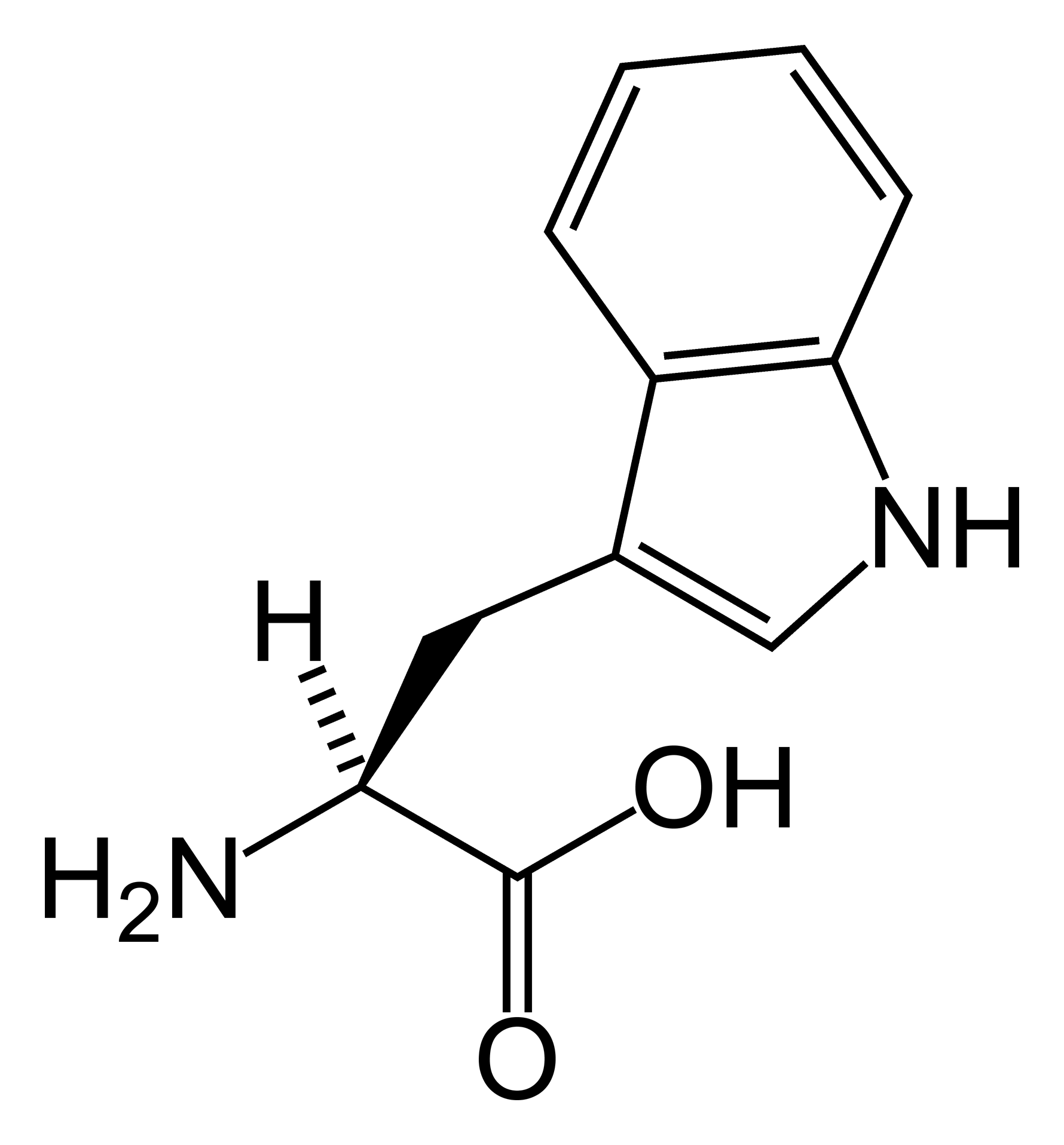
Alteração do transporte de aminoácidos neutros
📋 Origem dos dados
Esta página agrega dados de fontes públicas e oficiais. Dados sobre cobertura no SUS (PCDT, CEAF) são verificados ativamente por agente proativo (ver badge no infobox). Demais dados têm atribuição de fonte + data da última sincronização — clique para abrir o original.
- Doença rara (ontologia)
- fonte: Orphanet
- Identificador unificado
- fonte: MONDO
- NIH/GARD
- fonte: GARD (NIH)
- Dado público estruturado
- fonte: Wikidata