
Adipsia, também conhecida como hipodipsia, é um sintoma de diminuição inadequada ou ausência da sensação de sede. Envolve um aumento da osmolalidade ou da concentração de soluto na urina, o que estimula a secreção do hormônio antidiurético (ADH) do hipotálamo para os rins. Isso faz com que a pessoa retenha água e, em última análise, torne-se incapaz de sentir sede. Devido à sua raridade, o distúrbio não foi objeto de muitos estudos de pesquisa.
Introdução
O que você precisa saber de cara
Visão geral
A Síndrome de hipernatremia adípsica hipotalâmica é uma doença rara que afeta o equilíbrio de água e sal no corpo. Ela é caracterizada por níveis elevados de sódio no sangue (hipernatremia) e ausência de sede (adipsia), devido a uma disfunção no hipotálamo, a região do cérebro que regula a sede e a liberação de hormônios. Essa condição pode levar a desidratação grave e complicações neurológicas se não for adequadamente manejada.[1]
Sinais e sintomas
Os principais sinais e sintomas da síndrome incluem níveis cronicamente elevados de sódio no sangue (hipernatremia), ausência de sensação de sede (adipsia) e, em alguns casos, alterações no estado mental, como confusão ou letargia. A falta de sede pode levar a uma ingestão insuficiente de líquidos, agravando a desidratação e os desequilíbrios eletrolíticos.[1]
Causas genéticas
A causa genética da Síndrome de hipernatremia adípsica hipotalâmica ainda não foi completamente identificada. Até o momento, nenhum gene específico foi confirmado como responsável pela condição, e não há informações sobre padrões de herança. Pesquisas em genética continuam sendo realizadas para entender melhor as bases moleculares da doença.[1][3]
Diagnóstico
O diagnóstico é baseado na avaliação clínica, incluindo a confirmação de hipernatremia persistente e ausência de sede, após exclusão de outras causas. Exames laboratoriais medem os níveis de sódio e a osmolaridade sanguínea. Testes genéticos podem ser realizados para investigar possíveis causas hereditárias, embora a maioria dos casos não tenha uma mutação genética identificada até o momento.[1][3]
Tratamento e manejo
O tratamento da síndrome foca na correção e prevenção da hipernatremia e desidratação. Isso geralmente envolve a administração controlada de líquidos, muitas vezes por via oral ou intravenosa, com monitoramento frequente dos níveis de sódio. Como não há sensação de sede, o paciente pode precisar de um plano de ingestão de líquidos programado. O manejo deve ser individualizado e acompanhado por uma equipe médica especializada.[1]
Prognóstico e qualidade de vida
Com o manejo adequado, muitos pacientes conseguem manter uma boa qualidade de vida, embora a condição exija acompanhamento contínuo para evitar complicações como desidratação grave ou danos neurológicos. O prognóstico depende da gravidade da disfunção hipotalâmica e da adesão ao plano de tratamento.[1]
Conteúdo informativo gerado e mantido automaticamente a partir de fontes oficiais (Orphanet, HPO, OMIM, SUS). Não substitui avaliação médica.
Adipsia, também conhecida como hipodipsia, é um sintoma de diminuição inadequada ou ausência da sensação de sede. Envolve um aumento da osmolalidade ou da concentração de soluto na urina, o que estimula a secreção do hormônio antidiurético (ADH) do hipotálamo para os rins. Isso faz com que a pessoa retenha água e, em última análise, torne-se incapaz de sentir sede. Devido à sua raridade, o distúrbio não foi objeto de muitos estudos de pesquisa.
Encontrou um erro ou informação desatualizada? Sugira uma correção →
Entender a doença
Do básico ao detalhe, leia no seu ritmo
Preparando trilha educativa...
Sinais e sintomas
O que aparece no corpo e com que frequência cada sintoma acontece
Visão geral
A Síndrome de hipernatremia adípsica hipotalâmica é uma doença rara que afeta o equilíbrio de água e sal no corpo. Ela é caracterizada por níveis elevados de sódio no sangue (hipernatremia) e ausência de sede (adipsia), devido a uma disfunção no hipotálamo, a região do cérebro que regula a sede e a liberação de hormônios. Essa condição pode levar a desidratação grave e complicações neurológicas se não for adequadamente manejada.[1]
Sinais e sintomas
Os principais sinais e sintomas da síndrome incluem níveis cronicamente elevados de sódio no sangue (hipernatremia), ausência de sensação de sede (adipsia) e, em alguns casos, alterações no estado mental, como confusão ou letargia. A falta de sede pode levar a uma ingestão insuficiente de líquidos, agravando a desidratação e os desequilíbrios eletrolíticos.[1]
Causas genéticas
A causa genética da Síndrome de hipernatremia adípsica hipotalâmica ainda não foi completamente identificada. Até o momento, nenhum gene específico foi confirmado como responsável pela condição, e não há informações sobre padrões de herança. Pesquisas em genética continuam sendo realizadas para entender melhor as bases moleculares da doença.[1][3]
Diagnóstico
O diagnóstico é baseado na avaliação clínica, incluindo a confirmação de hipernatremia persistente e ausência de sede, após exclusão de outras causas. Exames laboratoriais medem os níveis de sódio e a osmolaridade sanguínea. Testes genéticos podem ser realizados para investigar possíveis causas hereditárias, embora a maioria dos casos não tenha uma mutação genética identificada até o momento.[1][3]
Tratamento e manejo
O tratamento da síndrome foca na correção e prevenção da hipernatremia e desidratação. Isso geralmente envolve a administração controlada de líquidos, muitas vezes por via oral ou intravenosa, com monitoramento frequente dos níveis de sódio. Como não há sensação de sede, o paciente pode precisar de um plano de ingestão de líquidos programado. O manejo deve ser individualizado e acompanhado por uma equipe médica especializada.[1]
Prognóstico e qualidade de vida
Com o manejo adequado, muitos pacientes conseguem manter uma boa qualidade de vida, embora a condição exija acompanhamento contínuo para evitar complicações como desidratação grave ou danos neurológicos. O prognóstico depende da gravidade da disfunção hipotalâmica e da adesão ao plano de tratamento.[1]
Conteúdo informativo gerado e mantido automaticamente a partir de fontes oficiais (Orphanet, HPO, OMIM, SUS). Não substitui avaliação médica.
Linha do tempo da pesquisa
Encontrou um erro ou informação desatualizada? Sugira uma correção →
Genética e causas
O que está alterado no DNA e como passa nas famílias
Nenhum gene associado encontrado
Os dados genéticos desta condição ainda estão sendo catalogados.
Diagnóstico
Os sinais que médicos procuram e os exames que confirmam
Tratamento e manejo
Remédios, cuidados de apoio e o que precisa acompanhar
Onde tratar no SUS
Hospitais de referência no Brasil e o protocolo oficial do SUS (PCDT)
🇧🇷 Atendimento SUS — Síndrome de hipernatremia adípsica hipotalâmica
Selecione um estado ou use sua localização para ver resultados.
Dados de DATASUS/CNES, SBGM, ABNeuro e Ministério da Saúde. Sempre confirme a disponibilidade diretamente com o estabelecimento.
Pesquisa ativa
Ensaios clínicos abertos e novidades científicas recentes
Pesquisa e ensaios clínicos
Nenhum ensaio clínico registrado para esta condição.
Publicações mais relevantes
'Un-thirsty' hypernatremia.
A 38-year-old man was admitted because of transient somnolence. Five weeks previously, he had suffered a subarachnoid hemorrhage from a ruptured aneurysm of the anterior communicating artery (ACOM), which was treated by craniotomy and clipping. He had recovered well, although loss of short-term memory and a forehead paresis on the side of craniotomy persisted. Clinical examination on admission showed no new neurological deficits. Cerebral computed tomography with angiography revealed no bleeding or infarction and correctly positioned clips. Laboratory examination showed severe hypernatremia (179 mmol/L). The patient was admitted to the intensive care unit (ICU) and treated with oral fluids and 5% glucose intravenously. Remarkably, he denied being thirsty and had to be encouraged to drink. Urine osmolality quickly fell to 294 mOsm/kg, polyuria of up to 400 mL/h was measured, and serum sodium remained elevated. Therefore, diabetes insipidus (DI) was obvious. After application of desmopressin acetate, urine output dropped to around 50 mL/h, confirming central DI or vasopressin deficiency (VD). Desmopressin acetate dose and volume management were continuously adjusted to blood sodium to restore euvolemia. Drinking volume needed to be supervised because of persistent lack of thirst and amnesia of being told to drink. Adipsic VD (aAVP-D) is a rare syndrome characterized by the combination of VD and loss of thirst in response to hypernatremia. It usually occurs within days after cell damage of osmoreceptors, for example after disruption of blood supply as in clipping of an ACOM aneurysm. Management includes titrated desmopressin acetate replacement, fixed water intake, weight monitoring, patient education and sodium monitoring. Adipsic vasopressin deficiency (aAVP-D) is a rare form of vasopressin deficiency (VD) characterized by additional loss of thirst in response to hypernatremia due to impaired function of periventricular osmoreceptors. Bleeding from ACOM aneurysm and, possibly, therefore the performed frontal craniectomy with aneurysm clipping are the most frequent causes of aAVP-D. Other causes include craniopharyngioma, head trauma, germinoma or neurosarcoidosis. Management of aAVP-D includes replacement of titrated desmopressin acetate, fixed water intake, daily weight tracking, good patient education and regular sodium monitoring.
Clinical characteristics and management of adipsic arginine vasopressin deficiency in children and adolescents with sellar germ cell tumors.
Adipsic arginine vasopressin deficiency(aAVP-D) is a rare, high-risk syndrome, particularly difficult to recognize and manage in children and adolescents. This investigation examined the clinical features and management of aAVP-D in children and adolescents with sellar germ cell tumors (GCTs). A retrospective survey was performed on 260 patients with sellar GCTs, categorized into aAVP-D and non-aAVP-D groups based on thirst presence. General characteristics, hypothalamic syndrome, pituitary function, metabolic indicators, and complications were compared. Biochemical indicator changes in the aAVP-D group were analyzed after systematic management, and receiver operating characteristic (ROC) curve analysis established the optimum serum sodium cut-off for predicting the aAVP-D. 25 patients (9.6%) developed aAVP-D. The aAVP-D group had larger tumors with hypothalamic involvement and more surgical resections. They also demonstrated more hypothalamic syndrome, central adrenal insufficiency, central hypogonadism, and insulin-like growth factor-1 levels below norms. Furthermore, aAVP-D patients exhibited significantly higher rates of hypernatremia (100% vs 20.9%, p < 0.001), hyperuricemia (60.0% vs 23.4%, p < 0.001), renal impairment (32.0% vs 1.7%, p < 0.001), and venous thrombosis (4.0% vs 0%, p = 0.002). Following systematic management, aAVP-D patients experienced significant reductions in serum sodium, uric acid, and creatinine levels, although these remained higher than in the non-aAVP-D group. ROC analysis indicated that a serum sodium level above 149.5 mmol/L predicted aAVP-D. Conclusion Patients with aAVP-D had more tumor involvement in the hypothalamic region, surgical resections, hypothalamic syndrome, hypopituitarism, and complications. Serum sodium levels above 149.5 mmol/L necessitated heightened vigilance for aAVP-D. Early identification and systematic management reduced complications, though clinical management remained challenging. What is Known • Adipsic arginine vasopressin deficiency (aAVP-D) is a rare and high-risk syndrome that is difficult to recognize and manage. • There are few reports on aAVP-D, most of which focus on adult patients. • The characteristics and management of aAVP-D in children and adolescents remain unclear. What is New • Children and adolescents with aAVP-D experienced higher rates of hypothalamic region tumor involvement, surgical resections, hypothalamic syndrome, hypopituitarism, and associated complications. • Serum sodium levels above 149.5 mmol/L necessitated heightened vigilance for aAVP-D. • Early recognition and structured management of ADI lowered the risk of complications.
Autoimmunity related to anti-Nax and anti-ZSCAN1 autoantibodies in adipsic hypernatremia.
"Adipsic hypernatremia" is clinically characterized by chronic elevation of plasma [Na+] with an inappropriate lack of thirst and upward resetting of the osmotic set point for arginine vasopressin (AVP) secretion, combined with a relative deficiency of AVP, thereby resulting in persistent hypernatremia. Many cases are accompanied by structural lesions in the hypothalamus, pituitary gland, and circumventricular organs (CVOs). On the other hand, cases without structural lesions have been reported since the 1970s, but the pathophysiology was unknown for a long time. In 2010, Hiyama et al. reported that an anti-Nax antibody response caused adipsic hypernatremia in a pediatric case with ganglioblastoma. In recent years, advances in clinical research have led researchers to recognize that an autoimmunological pathogenic mechanism might be associated with periventricular organs such as the subfornical organ (SFO). In addition, in pediatric cases diagnosed as ROHHAD (rapid-onset obesity with hypoventilation, hypothalamic dysfunction, autonomic dysregulation) syndrome, it has been reported that half of the cases have abnormal serum Na levels, and some research findings indicated an autoimmune mechanism acting on the organs of the hypothalamus and CVOs. Then, anti-ZSCAN1 antibody response was detected in cases diagnosed as ROHHAD-NET in 2022. In this review, by summarizing a series of studies on Nax and ZSCAN1, which are expressed in the hypothalamus, pituitary gland, and SFO, I would like to describe the current findings of the autoimmune pathogenesis of adipsic hypernatremia.
Hypodipsic hypernatremia after long-standing polydipsia in a cat with suspect neonatal head trauma.
A 16-month-old neutered male domestic shorthair cat weighing 2.7 kg was referred for further evaluation of acute generalized muscle weakness and paraparesis after a long-standing history of polyuria-polydipsia. The diagnosis of hypodipsic/adipsic hypernatremia relied on the key findings of absent spontaneous drinking despite hypernatremia and a hyperosmolar state (444.8 mOsm/kg, reference interval 280 to 310 mOsm/kg). Brain MRI revealed severe multifocal anatomic anomalies of the rostral calvarium and the forebrain, suggestive of encephaloclastic porencephaly. Involvement of the thalamic and hypothalamic regions could have been responsible for the cat's adipsic hypernatremia. The unique aspects of this case were the rare description of central nervous system disease leading to hypodipsia, and the history of chronic polydipsia before the acute onset of hypodipsia. Key clinical message: Multifocal abnormalities of the forebrain can present with polyuria-polydipsia syndrome, hypodipsia/adipsia, or both, depending on the stage of the disease. This likely happens when the hypothalamic and thalamic regions are affected, since they regulate antidiuretic hormone release and thirst, respectively. Hypernatrémie hypodipsique après polydipsie ancienne chez un chat suspect de traumatisme crânien néonatal. Un chat domestique à poil court mâle castré âgé de 16 mois et pesant 2,7 kg a été référé pour une évaluation plus approfondie de faiblesse musculaire aiguë généralisée et de paraparésie après une longue histoire de polyurie-polydipsie. Le diagnostic d’hypernatrémie hypodipsique/adipsique reposait sur les principales conclusions de l’absence d’abreuvement spontané malgré l’hypernatrémie et un état hyperosmolaire (444,8 mOsm/kg, intervalle de référence de 280 à 310 mOsm/kg). L’IRM du cerveau a révélé des anomalies anatomiques multifocales sévères de la calotte crânienne rostrale et du prosencéphale évoquant une porencéphalie encéphaloclastique. L’atteinte des régions thalamique et hypothalamique pourrait être responsable de l’hypernatrémie adipsique du chat. Les aspects uniques de ce cas étaient la description rare d’une maladie du système nerveux central conduisant à l’hypodipsie, et l’histoire de la polydipsie chronique avant l’apparition aiguë de l’hypodipsie.Message clinique clé :Les anomalies multifocales du cerveau antérieur peuvent présenter un syndrome de polyurie-polydipsie, une hypodipsie/adipsie, ou les deux, selon le stade de la maladie. Cela se produit probablement lorsque les régions hypothalamique et thalamique sont affectées, car elles régulent respectivement la libération d’hormone antidiurétique et la soif.(Traduit par Dr Serge Messier).
Autoimmunity Related to Adipsic Hypernatremia and ROHHAD Syndrome.
Specific antibody responses to subfornical organs, including Nax antibody, have been reported in patients with adipsic hypernatremia of unknown etiology who do not have structural lesions in the hypothalamic-pituitary gland. The subfornical organ, also referred to as the window of the brain, is a sensing site that monitors sodium and osmotic pressure levels. On the other hand, ROHHAD syndrome is a rare disease for which the etiology of the hypothalamic disorder is unknown, and there have been some reports in recent years describing its association with autoimmune mechanisms. In addition, abnormal Na levels, including hypernatremia, are likely to occur in this syndrome. When comparing the clinical features of adipsic hypernatremia due to autoimmune mechanisms and ROHHAD syndrome, there are similar hypothalamic-pituitary dysfunction symptoms in addition to abnormal Na levels. Since clinical diagnoses of autoimmunological adipsic hypernatremia and ROHAD syndrome might overlap, we need to understand the essential etiology and carry out precise assessments to accurately diagnose patients and provide effective treatment. In this review, I review the literature on the autoimmune mechanism reported in recent years and describe the findings obtained so far and future directions.
Publicações recentes
Adipsic arginine vasopressin deficiency: challenges in managing the intricate interplay of adipsia with polyuria.
Autoimmunity related to anti-Na(x) and anti-ZSCAN1 autoantibodies in adipsic hypernatremia.
Clinical Characteristics of Adipsic Diabetes Insipidus.
Hypodipsic hypernatremia after long-standing polydipsia in a cat with suspect neonatal head trauma.
Relationship between postoperative hypothalamic injury and water and sodium disturbance in patients with craniopharyngioma: A retrospective study of 178 cases.
📚 EuropePMCmostrando 12
'Un-thirsty' hypernatremia.
Endocrinology, diabetes & metabolism case reportsClinical characteristics and management of adipsic arginine vasopressin deficiency in children and adolescents with sellar germ cell tumors.
European journal of pediatricsAutoimmunity related to anti-Nax and anti-ZSCAN1 autoantibodies in adipsic hypernatremia.
Endocrine journalHypodipsic hypernatremia after long-standing polydipsia in a cat with suspect neonatal head trauma.
The Canadian veterinary journal = La revue veterinaire canadienneRelationship between postoperative hypothalamic injury and water and sodium disturbance in patients with craniopharyngioma: A retrospective study of 178 cases.
Frontiers in endocrinologyAutoimmunity Related to Adipsic Hypernatremia and ROHHAD Syndrome.
International journal of molecular sciencesDiagnosis and Management of Central Diabetes Insipidus in Adults.
The Journal of clinical endocrinology and metabolismRecurrent Adipsic Hypernatremia in a Fully Independent Non-psychiatric Patient With Multiple Congenital Anomalies: A Case Report.
CureusIdentification of clinical factors related to antibody-mediated immune response to the subfornical organ.
Clinical endocrinologyAdipsic Diabetes Insipidus in Children: A Case Report and Practical Guide.
The American journal of case reportsPosterior pituitary dysfunction following traumatic brain injury: review.
PituitaryCentral Diabetes Insipidus in Infancy With or Without Hypothalamic Adipsic Hypernatremia Syndrome: Early Identification and Outcome.
The Journal of clinical endocrinology and metabolismAssociações
Organizações que acompanham esta doença — pra ter apoio e orientação
Ainda não temos associações cadastradas para Síndrome de hipernatremia adípsica hipotalâmica.
É de uma associação que acompanha esta doença? Fale com a gente →
Comunidades
Grupos ativos de quem convive com esta doença aqui no Raras
Ainda não existe comunidade no Raras para Síndrome de hipernatremia adípsica hipotalâmica
Pacientes, familiares e cuidadores se organizam em comunidades pra compartilhar experiências, fazer perguntas e se apoiar. Você pode ser o primeiro.
Tire suas dúvidas
Perguntas, dicas e experiências compartilhadas aqui na página
Participe da discussão
Faça login para postar dúvidas, compartilhar experiências e interagir com especialistas.
Fazer loginDoenças relacionadas
Doenças com sintomas parecidos — ajudam quem ainda está buscando diagnóstico
Ainda não achamos doenças com sintomas parecidos o suficiente.
Referências e fontes
Bases de dados externas citadas neste artigo
Publicações científicas
Artigos indexados no PubMed ligados a esta doença no grafo RarasNet — título, periódico e PMID direto da fonte, sem intermediação de IA.
- 'Un-thirsty' hypernatremia.
- Clinical characteristics and management of adipsic arginine vasopressin deficiency in children and adolescents with sellar germ cell tumors.
- Autoimmunity related to anti-Nax and anti-ZSCAN1 autoantibodies in adipsic hypernatremia.
- Hypodipsic hypernatremia after long-standing polydipsia in a cat with suspect neonatal head trauma.
- Autoimmunity Related to Adipsic Hypernatremia and ROHHAD Syndrome.
- Adipsic arginine vasopressin deficiency: challenges in managing the intricate interplay of adipsia with polyuria.
- Clinical Characteristics of Adipsic Diabetes Insipidus.
- Relationship between postoperative hypothalamic injury and water and sodium disturbance in patients with craniopharyngioma: A retrospective study of 178 cases.
Bases de dados e fontes oficiais
Identificadores e referências canônicas usadas para montar este verbete.
- ORPHA:443101(Orphanet)
- MONDO:0018620(MONDO)
- GARD:21850(GARD (NIH))
- Busca completa no PubMed(PubMed)
- Q55788222(Wikidata)
Dados compilados pelo RarasNet a partir de fontes abertas (Orphanet, OMIM, MONDO, PubMed/EuropePMC, ClinicalTrials.gov, DATASUS, PCDT/MS). Este conteúdo é informativo e não substitui avaliação médica.
Conteúdo mantido por Agente Raras · Médicos e pesquisadores podem colaborar
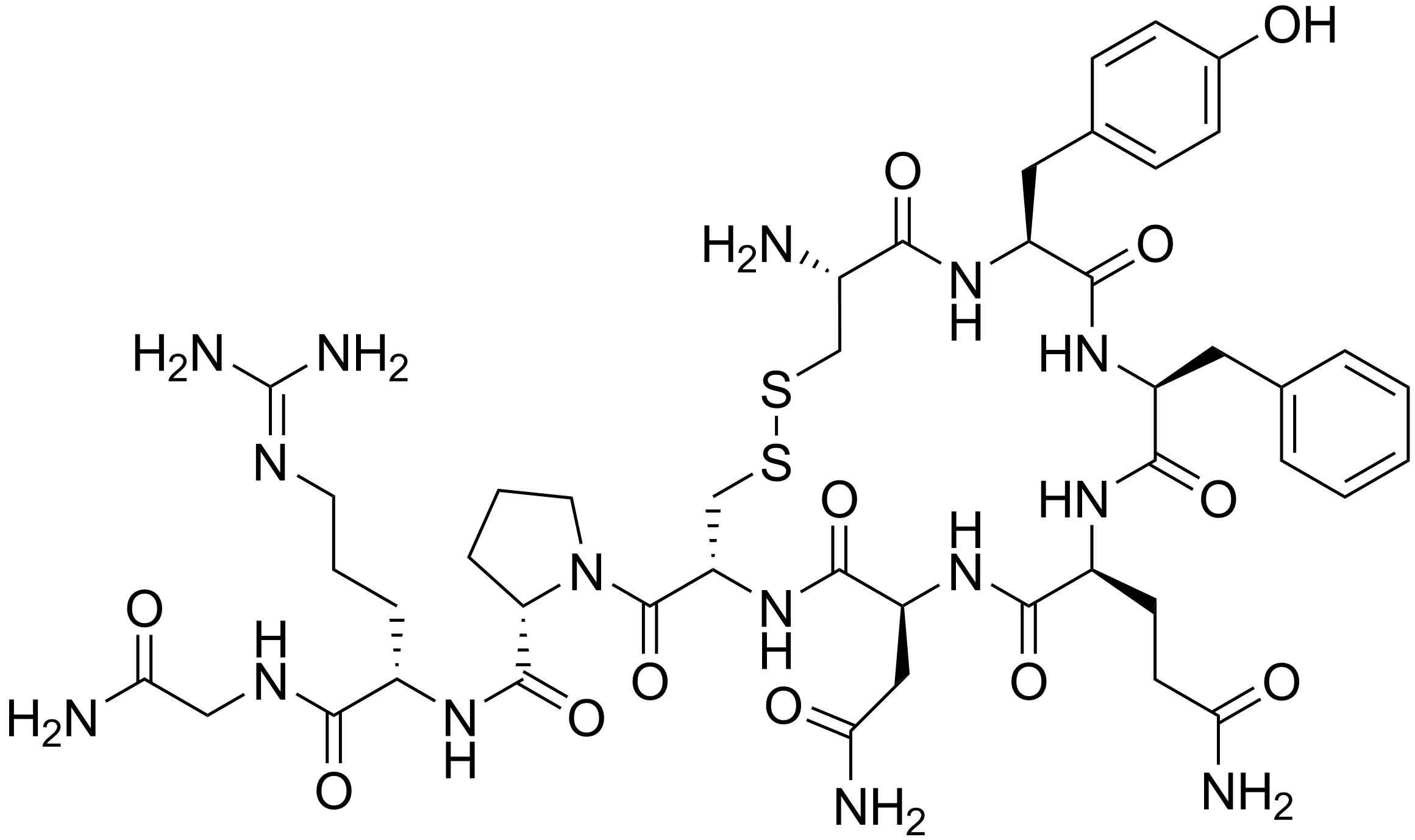
Síndrome de hipernatremia adípsica hipotalâmica
📋 Origem dos dados
Esta página agrega dados de fontes públicas e oficiais. Dados sobre cobertura no SUS (PCDT, CEAF) são verificados ativamente por agente proativo (ver badge no infobox). Demais dados têm atribuição de fonte + data da última sincronização — clique para abrir o original.
- Doença rara (ontologia)
- fonte: Orphanet
- Identificador unificado
- fonte: MONDO
- Codificação WHO/SUS
- fonte: WHO ICD-10 / DATASUS
- CID-11 (futuro)
- fonte: WHO ICD-11
- NIH/GARD
- fonte: GARD (NIH)
- Dado público estruturado
- fonte: Wikidata