
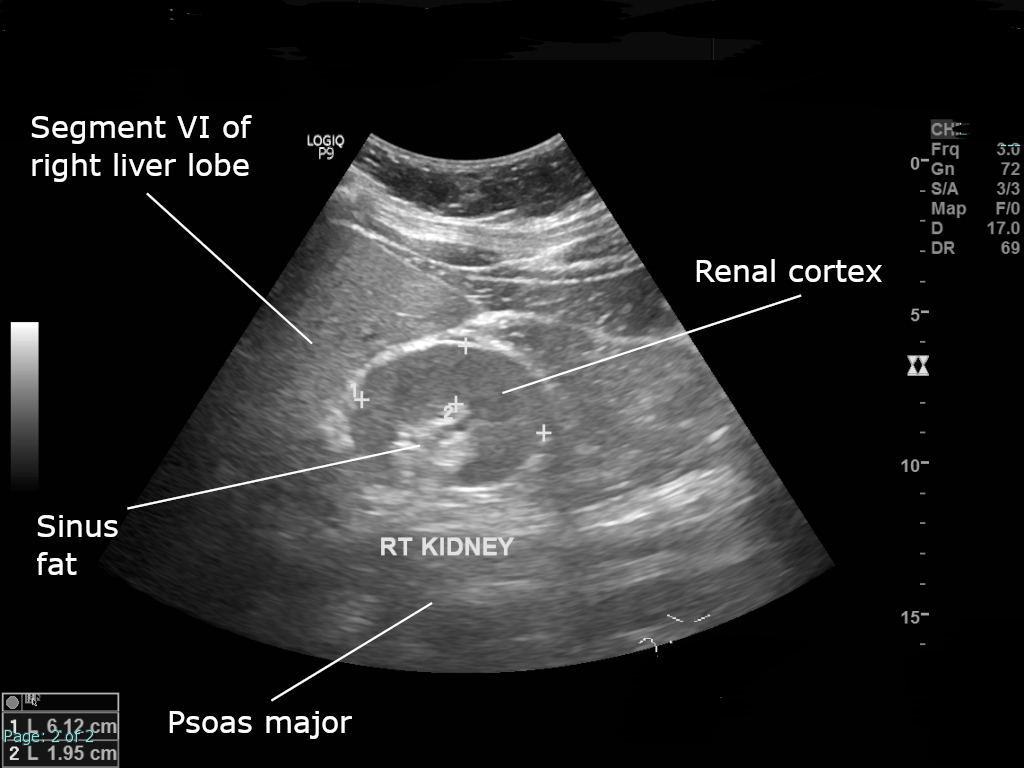
Agenesia renal unilateral (URA) é uma forma de agenesia renal caracterizada pela completa ausência de desenvolvimento de um rim acompanhada de ausência de ureter.
Introdução
O que você precisa saber de cara
Agenesia renal unilateral (URA) é uma forma de agenesia renal caracterizada pela completa ausência de desenvolvimento de um rim acompanhada de ausência de ureter.
Escala de raridade
<1/50kMuito rara
1/20kRara
1/10kPouco freq.
1/5kIncomum
1/2k
Encontrou um erro ou informação desatualizada? Sugira uma correção →
Entender a doença
Do básico ao detalhe, leia no seu ritmo
Preparando trilha educativa...
Sinais e sintomas
O que aparece no corpo e com que frequência cada sintoma acontece
Linha do tempo da pesquisa
Encontrou um erro ou informação desatualizada? Sugira uma correção →
Genética e causas
O que está alterado no DNA e como passa nas famílias
Genes associados
8 genes identificados com associação a esta condição. Padrão de herança: Autosomal dominant.
Component of the asymmetric unit membrane (AUM); a highly specialized biomembrane elaborated by terminally differentiated urothelial cells. May play an important role in AUM-cytoskeleton interaction in terminally differentiated urothelial cells. It also contributes to the formation of urothelial glycocalyx which may play an important role in preventing bacterial adherence (By similarity)
Endoplasmic reticulum membrane
Extracellular matrix protein that plays a role in epidermal differentiation and is required for epidermal adhesion during embryonic development
Secreted, extracellular space, extracellular matrix, basement membrane
Bifid nose, with or without anorectal and renal anomalies
A disease characterized by the presence of a bifid nose usually associated with renal agenesis and anorectal malformations. A bifid nose is a congenital deformity due to failure of the paired nasal processes to fuse to a single midline organ during early gestation.
Acts as a positive regulator of ERK phosphorylation downstream of fibroblast growth factor-receptor activation (PubMed:23862974, PubMed:28157540). Involved in the regulation of both caspase-dependent apoptosis and caspase-independent cell death (PubMed:15178406). In the skin, it plays a predominant role in suppressing caspase-dependent apoptosis in response to UV stress in a range of dermal cell types (PubMed:28157540)
CytoplasmCell membraneApical cell membraneBasolateral cell membraneCell junction
Congenital anomalies of the kidney and urinary tract 1
A disorder encompassing a broad spectrum of renal and urinary tract malformations that include renal agenesis, kidney hypodysplasia, multicystic kidney dysplasia, duplex collecting system, posterior urethral valves and ureter abnormalities. Congenital anomalies of kidney and urinary tract are the commonest cause of chronic kidney disease in children.
Extracellular matrix protein required for maintenance of the integrity of the skin epithelium and for maintenance of renal epithelia (PubMed:15838507). Required for epidermal adhesion (PubMed:15838507). Involved in the development of eyelids and the anterior segment of the eyeballs (PubMed:29688405, PubMed:30802441)
Cell membrane
Fraser syndrome 2
A form of Fraser syndrome, an autosomal recessive disorder characterized by cryptophthalmos, cutaneous syndactyly, and urogenital abnormalities including renal agenesis or hypoplasia. Additional features include abnormalities of the larynx, ear malformations, and facial abnormalities.
Involved in extracellular matrix organization (By similarity). Required for the regulation of epidermal-basement membrane adhesion responsible for proper organogenesis during embryonic development (By similarity). Involved in brain organization and function (By similarity)
Cell membrane
Fraser syndrome 1
A form of Fraser syndrome, an autosomal recessive disorder characterized by cryptophthalmos, cutaneous syndactyly, and urogenital abnormalities including renal agenesis or hypoplasia. Additional features include abnormalities of the larynx, ear malformations, and facial abnormalities.
Plays a major role in early metanephros and genital development
Membrane
Renal hypodysplasia/aplasia 3
A severe, autosomal dominant disease encompassing a spectrum of kidney development defects. Clinical manifestations are highly variable and include bilateral or unilateral renal agenesis, renal aplasia, hypoplasia, (cystic) dysplasia, severe obstructive uropathy, and vesicoureteral reflux. Bilateral renal agenesis is almost invariably fatal in utero or in the perinatal period. Unilateral renal agenesis can lead to future health issues including end-stage renal disease.
Receptor tyrosine-protein kinase involved in numerous cellular mechanisms including cell proliferation, neuronal navigation, cell migration, and cell differentiation in response to glia cell line-derived growth family factors (GDNF, NRTN, ARTN, PSPN and GDF15) (PubMed:20064382, PubMed:20616503, PubMed:20702524, PubMed:21357690, PubMed:21454698, PubMed:24560924, PubMed:28846097, PubMed:28846099, PubMed:28953886, PubMed:31118272). In contrast to most receptor tyrosine kinases, RET requires not onl
Cell membraneEndosome membrane
Hirschsprung disease 1
A disorder of neural crest development characterized by absence of enteric ganglia along a variable length of the intestine. It is the most common cause of congenital intestinal obstruction. Early symptoms range from complete acute neonatal obstruction, characterized by vomiting, abdominal distention and failure to pass stool, to chronic constipation in the older child.
Growth factor of the TGF-beta superfamily that plays essential roles in many developmental processes, including neurogenesis, vascular development, angiogenesis and osteogenesis (PubMed:31363885). Acts in concert with PTHLH/PTHRP to stimulate ductal outgrowth during embryonic mammary development and to inhibit hair follicle induction (By similarity). Initiates the canonical BMP signaling cascade by associating with type I receptor BMPR1A and type II receptor BMPR2 (PubMed:25868050, PubMed:800600
Secreted, extracellular space, extracellular matrix
Microphthalmia, syndromic, 6
A disease characterized by microphthalmia/anophthalmia associated with facial, genital, skeletal, neurologic and endocrine anomalies. Microphthalmia is a disorder of eye formation, ranging from small size of a single eye to complete bilateral absence of ocular tissues (anophthalmia). In many cases, microphthalmia/anophthalmia occurs in association with syndromes that include non-ocular abnormalities.
Variantes genéticas (ClinVar)
978 variantes patogênicas registradas no ClinVar.
Vias biológicas (Reactome)
14 vias biológicas associadas aos genes desta condição.
Diagnóstico
Os sinais que médicos procuram e os exames que confirmam
Tratamento e manejo
Remédios, cuidados de apoio e o que precisa acompanhar
Onde tratar no SUS
Hospitais de referência no Brasil e o protocolo oficial do SUS (PCDT)
🇧🇷 Atendimento SUS — Agenesia renal unilateral
Selecione um estado ou use sua localização para ver resultados.
Dados de DATASUS/CNES, SBGM, ABNeuro e Ministério da Saúde. Sempre confirme a disponibilidade diretamente com o estabelecimento.
Pesquisa ativa
Ensaios clínicos abertos e novidades científicas recentes
Ensaios em destaque
🟢 Recrutando agora
1 pesquisa recrutando participantes. Converse com seu médico sobre a possibilidade de participar.
Outros ensaios clínicos
Publicações mais relevantes
Publicações recentes
Unilateral Fetal Renal Abnormalities: Are They Really Isolated?
Cardiac malformation of partial trisomy 7p/monosomy 18p and partial trisomy 18p/monosomy 7p in siblings as a result of reciprocal unbalanced malsegregation--and review of the literature.
Obesity, proteinuria and progression of renal failure.
[Echography and fetal urinary malformations].
["Teratologic series" and their genetics].
Associações
Organizações que acompanham esta doença — pra ter apoio e orientação
Ainda não temos associações cadastradas para Agenesia renal unilateral.
É de uma associação que acompanha esta doença? Fale com a gente →
Comunidades
Grupos ativos de quem convive com esta doença aqui no Raras
Ainda não existe comunidade no Raras para Agenesia renal unilateral
Pacientes, familiares e cuidadores se organizam em comunidades pra compartilhar experiências, fazer perguntas e se apoiar. Você pode ser o primeiro.
Tire suas dúvidas
Perguntas, dicas e experiências compartilhadas aqui na página
Participe da discussão
Faça login para postar dúvidas, compartilhar experiências e interagir com especialistas.
Fazer loginDoenças relacionadas
Doenças com sintomas parecidos — ajudam quem ainda está buscando diagnóstico
Ainda não achamos doenças com sintomas parecidos o suficiente.
Referências e fontes
Bases de dados externas citadas neste artigo
Publicações científicas
Artigos indexados no PubMed ligados a esta doença no grafo RarasNet — título, periódico e PMID direto da fonte, sem intermediação de IA.
- Unilateral Fetal Renal Abnormalities: Are They Really Isolated?Journal of ultrasound in medicine : official journal of the American Institute of Ultrasound in Medicine· 2016· PMID 26892819mais citado
- Cardiac malformation of partial trisomy 7p/monosomy 18p and partial trisomy 18p/monosomy 7p in siblings as a result of reciprocal unbalanced malsegregation--and review of the literature.
- Obesity, proteinuria and progression of renal failure.
- [Echography and fetal urinary malformations].
- ["Teratologic series" and their genetics].
Bases de dados e fontes oficiais
Identificadores e referências canônicas usadas para montar este verbete.
- ORPHA:93100(Orphanet)
- MONDO:0019636(MONDO)
- GARD:16804(GARD (NIH))
- Variantes catalogadas(ClinVar)
- Busca completa no PubMed(PubMed)
- Q55788761(Wikidata)
Dados compilados pelo RarasNet a partir de fontes abertas (Orphanet, OMIM, MONDO, PubMed/EuropePMC, ClinicalTrials.gov, DATASUS, PCDT/MS). Este conteúdo é informativo e não substitui avaliação médica.
Conteúdo mantido por Agente Raras · Médicos e pesquisadores podem colaborar
Agenesia renal unilateral
📋 Origem dos dados
Esta página agrega dados de fontes públicas e oficiais. Dados sobre cobertura no SUS (PCDT, CEAF) são verificados ativamente por agente proativo (ver badge no infobox). Demais dados têm atribuição de fonte + data da última sincronização — clique para abrir o original.
- Doença rara (ontologia)
- fonte: Orphanet
- Identificador unificado
- fonte: MONDO
- Codificação WHO/SUS
- fonte: WHO ICD-10 / DATASUS
- CID-11 (futuro)
- fonte: WHO ICD-11
- NIH/GARD
- fonte: GARD (NIH)
- Dado público estruturado
- fonte: Wikidata
- Ensaios clínicos
- fonte: ClinicalTrials.gov