
Falta, desde o nascimento, de vários fatores de coagulação (as substâncias que fazem o sangue coagular) que dependem da vitamina K.
Introdução
O que você precisa saber de cara
Falta, desde o nascimento, de vários fatores de coagulação (as substâncias que fazem o sangue coagular) que dependem da vitamina K.
Escala de raridade
<1/50kMuito rara
1/20kRara
1/10kPouco freq.
1/5kIncomum
1/2k
Encontrou um erro ou informação desatualizada? Sugira uma correção →
Entender a doença
Do básico ao detalhe, leia no seu ritmo
Preparando trilha educativa...
Sinais e sintomas
O que aparece no corpo e com que frequência cada sintoma acontece
Partes do corpo afetadas
+ 21 sintomas em outras categorias
Características mais comuns
Os sintomas variam de pessoa para pessoa. Abaixo estão as 54 características clínicas mais associadas, ordenadas por frequência.
Linha do tempo da pesquisa
Encontrou um erro ou informação desatualizada? Sugira uma correção →
Genética e causas
O que está alterado no DNA e como passa nas famílias
Genes associados
5 genes identificados com associação a esta condição. Padrão de herança: Autosomal recessive.
Mediates the vitamin K-dependent carboxylation of glutamate residues to calcium-binding gamma-carboxyglutamate (Gla) residues with the concomitant epoxidation of vitamin K hydroquinone to vitamin K epoxide (PubMed:17073445, PubMed:39880952, PubMed:39880037). Couples epoxidation and carboxylation in the same active site (PubMed:39880952, PubMed:39880037). Catalyzes gamma-carboxylation of blood coagulation factors (F2, F7, F9 and F10) and anticoagulants such as PROC, which are essential for thromb
Endoplasmic reticulum membrane
Combined deficiency of vitamin K-dependent clotting factors 1
VKCFD leads to a bleeding tendency that is usually reversed by oral administration of vitamin K.
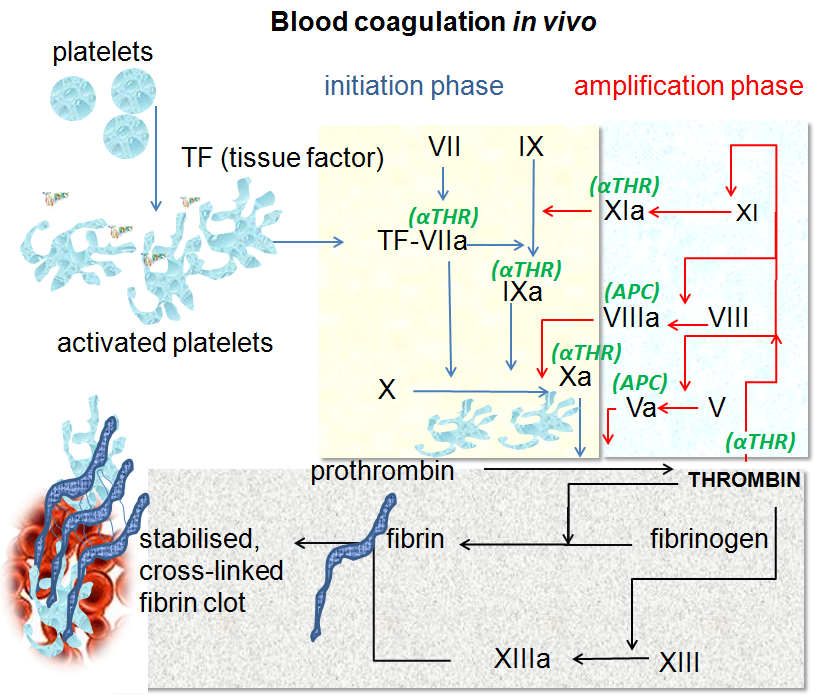
Factor Xa is a vitamin K-dependent glycoprotein that converts prothrombin to thrombin in the presence of factor Va, calcium and phospholipid during blood clotting (PubMed:22409427, PubMed:39880037). Factor Xa activates pro-inflammatory signaling pathways in a protease-activated receptor (PAR)-dependent manner (PubMed:24041930, PubMed:30568593, PubMed:34831181, PubMed:18202198). Up-regulates expression of protease-activated receptors (PARs) F2R, F2RL1 and F2RL2 in dermal microvascular endothelial
Secreted
Factor X deficiency
A hemorrhagic disease with variable presentation. Affected individuals can manifest prolonged nasal and mucosal hemorrhage, menorrhagia, hematuria, and occasionally hemarthrosis. Some patients do not have clinical bleeding diathesis.
Initiates the extrinsic pathway of blood coagulation. Serine protease that circulates in the blood in a zymogen form. Factor VII is converted to factor VIIa by factor Xa, factor XIIa, factor IXa, or thrombin by minor proteolysis. In the presence of tissue factor and calcium ions, factor VIIa then converts factor X to factor Xa by limited proteolysis. Factor VIIa also converts factor IX to factor IXa in the presence of tissue factor and calcium (PubMed:271951)
Secreted
Factor VII deficiency
A hemorrhagic disease with variable presentation. The clinical picture can be very severe, with the early occurrence of intracerebral hemorrhages or repeated hemarthroses, or, in contrast, moderate with cutaneous-mucosal hemorrhages (epistaxis, menorrhagia) or hemorrhages provoked by a surgical intervention. Finally, numerous subjects are completely asymptomatic despite very low factor VII levels.
Thrombin, which cleaves bonds after Arg and Lys, converts fibrinogen to fibrin and activates factors V, VII, VIII, XIII, and, in complex with thrombomodulin, protein C. Functions in blood homeostasis, inflammation and wound healing. Activates coagulation factor XI (F11); activation is promoted by the contact with negatively charged surfaces (PubMed:2019570, PubMed:21976677). Triggers the production of pro-inflammatory cytokines, such as MCP-1/CCL2 and IL8/CXCL8, in endothelial cells (PubMed:3056
Secreted, extracellular space
Factor II deficiency
A very rare blood coagulation disorder characterized by mucocutaneous bleeding symptoms. The severity of the bleeding manifestations correlates with blood factor II levels.
Involved in vitamin K metabolism. Catalytic subunit of the vitamin K epoxide reductase (VKOR) complex which reduces inactive vitamin K 2,3-epoxide to active vitamin K. Vitamin K is required for the gamma-carboxylation of various proteins, including clotting factors, and is required for normal blood coagulation, but also for normal bone development
Endoplasmic reticulum membrane
Combined deficiency of vitamin K-dependent clotting factors 2
VKCFD leads to a bleeding tendency that is usually reversed by oral administration of vitamin K.
Variantes genéticas (ClinVar)
501 variantes patogênicas registradas no ClinVar.
Classificação de variantes (ClinVar)
Distribuição de 1 variantes classificadas pelo ClinVar.
Vias biológicas (Reactome)
22 vias biológicas associadas aos genes desta condição.
Diagnóstico
Os sinais que médicos procuram e os exames que confirmam
Tratamento e manejo
Remédios, cuidados de apoio e o que precisa acompanhar
Onde tratar no SUS
Hospitais de referência no Brasil e o protocolo oficial do SUS (PCDT)
🇧🇷 Atendimento SUS — Deficiência combinada hereditária dos fatores de coagulação vitamina K-dependente
Selecione um estado ou use sua localização para ver resultados.
Dados de DATASUS/CNES, SBGM, ABNeuro e Ministério da Saúde. Sempre confirme a disponibilidade diretamente com o estabelecimento.
Pesquisa ativa
Ensaios clínicos abertos e novidades científicas recentes
Pesquisa e ensaios clínicos
Nenhum ensaio clínico registrado para esta condição.
Publicações mais relevantes
Hereditary Combined Deficiency of Vitamin K-Dependent Clotting Factors Presenting as Postoperative Haemorrhage in A Syrian Adolescent: A Likely VKCFD Type 2 Phenotype.
Hereditary combined deficiency of vitamin K-dependent clotting factors (VKCFD) is a rare autosomal recessive disorder characterized by reduced activity of factors II, VII, IX, and X despite normal vitamin K levels. We report a 17-year-old Syrian female who presented with impaired wound healing and haemorrhagic discharge following cervical rib surgery. Laboratory evaluation revealed markedly prolonged prothrombin time and activated partial thromboplastin time both corrected on mixing studies, and selective deficiency of vitamin K-dependent factors. Vitamin K levels were normal, excluding acquired causes. The patient experienced recurrent bleeding episodes including haematuria and epistaxis, successfully managed with plasma and recombinant activated factor VII. The absence of skeletal abnormalities, mild bleeding phenotype, and delayed onset suggest a VKCFD type 2 presentation. This case highlights the importance of early recognition, differentiation from acquired coagulopathies, and targeted replacement therapy to prevent life threatening haemorrhage. Consider vitamin K-dependent clotting factors deficiency in unexplained prolonged prothrombin time/activated partial thromboplastin time with normal vitamin K and combined factor deficiencies.Early recognition prevents catastrophic bleeding; vitamin K and factor replacement are lifesaving.Internists play a pivotal role in differentiating inherited from acquired coagulopathies.
Hereditary Combined Deficiency of the Vitamin K-Dependent Coagulation Factors.
Hereditary combined vitamin K-dependent coagulation factor deficiency (VKCFD) is an extremely rare autosomal recessive genetic disorder characterized by deficiencies in vitamin K-dependent coagulation factors and natural anticoagulants. The condition presents with a spectrum of bleeding symptoms ranging from mild to severe, often beginning in the neonatal period. These bleeding episodes can be particularly severe and even life-threatening, occurring spontaneously or during surgery. In addition to bleeding problems, individuals with VKCFD may experience a variety of non-hemostatic problems, including skeletal deformities, cardiovascular abnormalities, and skin conditions.VKCFD is caused by variants in the genes encoding either γ-glutamyl carboxylase or the vitamin K 2,3-epoxide reductase complex. Both proteins play a critical role in γ-carboxylation, a posttranslational modification that is essential for the proper function of vitamin K-dependent proteins. Timely and accurate diagnosis is essential to differentiate VKCFD from other genetic and acquired disorders, and genetic testing is required to identify the specific variant.The primary treatment for VKCFD is the administration of vitamin K, with transfusions of fresh frozen plasma often required during surgery or in cases of severe bleeding. In certain situations, alternative therapies such as prothrombin complex concentrates (PCCs) or a combination of recombinant activated factor VII and vitamin K may be considered. With appropriate treatment, individuals with VKCFD generally have a good clinical outcome, and the condition has a limited impact on their quality of life. This article presents a comprehensive review of all 57 VKCFD cases documented in the literature, as well as 4 new, unpublished cases from France. Vitamin K comprises a group of fat-soluble compounds. Several vitamin K-dependent proteins are involved in essential processes such as blood clotting, bone metabolism, and cardiovascular health. Vitamin K deficiency can contribute to significant bleeding, poor bone development, osteoporosis, and increased cardiovascular disease. According to the National Academy of Science Food and Nutrition Board, the recommended dietary intake for healthy adults is 120 μg/d for men and 90 μg/d for women. Vitamin K deficiency bleeding (VKDB) in newborns is categorized into 3 groups based on the timing of presentation. Early VKDB manifests within 24 hours after birth, classic VKDB presents within the first week, and late VKDB occurs between 1 week and 6 months of life, with a peak incidence between 2 weeks and 8 weeks. Hereditary combined deficiency of vitamin K–dependent clotting factors (VKCFD) is a rare congenital bleeding disorder that can also manifest during the neonatal period.
The Role of GRP and MGP in the Development of Non-Hemorrhagic VKCFD1 Phenotypes.
Vitamin K dependent coagulation factor deficiency type 1 (VKCFD1) is a rare hereditary bleeding disorder caused by mutations in γ-Glutamyl carboxylase (GGCX) gene. The GGCX enzyme catalyzes the γ-carboxylation of 15 different vitamin K dependent (VKD) proteins, which have function in blood coagulation, calcification, and cell signaling. Therefore, in addition to bleedings, some VKCFD1 patients develop diverse non-hemorrhagic phenotypes such as skin hyper-laxity, skeletal dysmorphologies, and/or cardiac defects. Recent studies showed that GGCX mutations differentially effect γ-carboxylation of VKD proteins, where clotting factors are sufficiently γ-carboxylated, but not certain non-hemostatic VKD proteins. This could be one reason for the development of diverse phenotypes. The major manifestation of non-hemorrhagic phenotypes in VKCFD1 patients are mineralization defects. Therefore, the mechanism of regulation of calcification by specific VKD proteins as matrix Gla protein (MGP) and Gla-rich protein (GRP) in physiological and pathological conditions is of high interest. This will also help to understand the patho-mechanism of VKCFD1 phenotypes and to deduce new treatment strategies. In the present review article, we have summarized the recent findings on the function of GRP and MGP and how these proteins influence the development of non-hemorrhagic phenotypes in VKCFD1 patients.
Suspected vitamin K-dependent coagulation factor deficiency in pregnancy: A case report.
Hereditary combined vitamin K-dependent clotting factor deficiency (VKCFD) is a rare autosomal recessive congenital bleeding disorder. There are no established guidelines for the care for pregnant women and newborns within the context of VKCFD. A 39-year-old multigravida woman with a family history of VKCFD was referred for high-risk maternal fetal medicine care. Prenatal testing for fetal VKCFD was declined. The patient received vitamin K1 from 36 weeks of gestation and had an uncomplicated vaginal delivery. The baby had normal head ultrasound results, vital signs, and physical examination, with no signs of bleeding: factor levels and coagulation factors were within reference range. Follow-up showed no evidence of VKCFD. A thorough care plan is required for pregnant women whose newborns are at risk for VKCFD.
GGCX variants leading to biallelic deficiency to γ-carboxylate GRP cause skin laxity in VKCFD1 patients.
γ-Glutamyl carboxylase (GGCX) catalyzes the γ-carboxylation of 15 different vitamin K dependent (VKD) proteins. Pathogenic variants in GGCX cause a rare hereditary bleeding disorder called Vitamin K dependent coagulation factor deficiency type 1 (VKCFD1). In addition to bleedings, some VKCFD1 patients develop skin laxity and skeletal dysmorphologies. However, the pathophysiological mechanisms underlying these non-hemorrhagic phenotypes remain elusive. Therefore, we have analyzed 20 pathogenic GGCX variants on their ability to γ-carboxylate six non-hemostatic VKD proteins in an in vitro assay, where GGCX variants were expressed in GGCX-/- cells and levels of γ-carboxylated co-expressed VKD proteins were detected by a functional ELISA. We observed that GGCX variants causing markedly reduced γ-carboxylation of Gla rich protein (GRP) in vitro were reported in patients with skin laxity. Reduced levels of γ-carboxylated Matrix gla protein (MGP) are not exclusive for causing skeletal dysmorphologies in VKCFD1 patients. In silico docking of vitamin K hydroquinone on a GGCX model revealed a binding site, which was validated by in vitro assays. GGCX variants affecting this site result in disability to γ-carboxylate VKD proteins and hence are involved in the most severe phenotypes. This genotype-phenotype analysis will help to understand the development of non-hemorrhagic phenotypes and hence improve treatment in VKCFD1 patients.
Publicações recentes
Hereditary Combined Deficiency of the Vitamin K-Dependent Coagulation Factors.
The Role of GRP and MGP in the Development of Non-Hemorrhagic VKCFD1 Phenotypes.
GGCX variants leading to biallelic deficiency to γ-carboxylate GRP cause skin laxity in VKCFD1 patients.
Bleeding and non-bleeding phenotypes in patients with GGCX gene mutations.
Hereditary combined deficiency of the vitamin K-dependent clotting factors.
📚 EuropePMC3 artigos no totalmostrando 5
Hereditary Combined Deficiency of Vitamin K-Dependent Clotting Factors Presenting as Postoperative Haemorrhage in A Syrian Adolescent: A Likely VKCFD Type 2 Phenotype.
European journal of case reports in internal medicineHereditary Combined Deficiency of the Vitamin K-Dependent Coagulation Factors.
HamostaseologieSuspected vitamin K-dependent coagulation factor deficiency in pregnancy: A case report.
Case reports in women's healthThe Role of GRP and MGP in the Development of Non-Hemorrhagic VKCFD1 Phenotypes.
International journal of molecular sciencesGGCX variants leading to biallelic deficiency to γ-carboxylate GRP cause skin laxity in VKCFD1 patients.
Human mutationAssociações
Organizações que acompanham esta doença — pra ter apoio e orientação
Ainda não temos associações cadastradas para Deficiência combinada hereditária dos fatores de coagulação vitamina K-dependente.
É de uma associação que acompanha esta doença? Fale com a gente →
Comunidades
Grupos ativos de quem convive com esta doença aqui no Raras
Ainda não existe comunidade no Raras para Deficiência combinada hereditária dos fatores de coagulação vitamina K-dependente
Pacientes, familiares e cuidadores se organizam em comunidades pra compartilhar experiências, fazer perguntas e se apoiar. Você pode ser o primeiro.
Tire suas dúvidas
Perguntas, dicas e experiências compartilhadas aqui na página
Participe da discussão
Faça login para postar dúvidas, compartilhar experiências e interagir com especialistas.
Fazer loginDoenças relacionadas
Doenças com sintomas parecidos — ajudam quem ainda está buscando diagnóstico
Referências e fontes
Bases de dados externas citadas neste artigo
Publicações científicas
Artigos indexados no PubMed ligados a esta doença no grafo RarasNet — título, periódico e PMID direto da fonte, sem intermediação de IA.
- Hereditary Combined Deficiency of Vitamin K-Dependent Clotting Factors Presenting as Postoperative Haemorrhage in A Syrian Adolescent: A Likely VKCFD Type 2 Phenotype.
- Hereditary Combined Deficiency of the Vitamin K-Dependent Coagulation Factors.
- The Role of GRP and MGP in the Development of Non-Hemorrhagic VKCFD1 Phenotypes.
- Suspected vitamin K-dependent coagulation factor deficiency in pregnancy: A case report.
- GGCX variants leading to biallelic deficiency to γ-carboxylate GRP cause skin laxity in VKCFD1 patients.
- Bleeding and non-bleeding phenotypes in patients with GGCX gene mutations.
- Hereditary combined deficiency of the vitamin K-dependent clotting factors.
Bases de dados e fontes oficiais
Identificadores e referências canônicas usadas para montar este verbete.
- ORPHA:98434(Orphanet)
- MONDO:0015722(MONDO)
- GARD:20121(GARD (NIH))
- Variantes catalogadas(ClinVar)
- Busca completa no PubMed(PubMed)
- Q29982032(Wikidata)
Dados compilados pelo RarasNet a partir de fontes abertas (Orphanet, OMIM, MONDO, PubMed/EuropePMC, ClinicalTrials.gov, DATASUS, PCDT/MS). Este conteúdo é informativo e não substitui avaliação médica.
Conteúdo mantido por Agente Raras · Médicos e pesquisadores podem colaborar
Deficiência combinada hereditária dos fatores de coagulação vitamina K-dependente
📋 Origem dos dados
Esta página agrega dados de fontes públicas e oficiais. Dados sobre cobertura no SUS (PCDT, CEAF) são verificados ativamente por agente proativo (ver badge no infobox). Demais dados têm atribuição de fonte + data da última sincronização — clique para abrir o original.
- Doença rara (ontologia)
- fonte: Orphanet
- Identificador unificado
- fonte: MONDO
- Codificação WHO/SUS
- fonte: WHO ICD-10 / DATASUS
- CID-11 (futuro)
- fonte: WHO ICD-11
- NIH/GARD
- fonte: GARD (NIH)
- Indexação biomédica
- fonte: MeSH (NLM)
- Dado público estruturado
- fonte: Wikidata