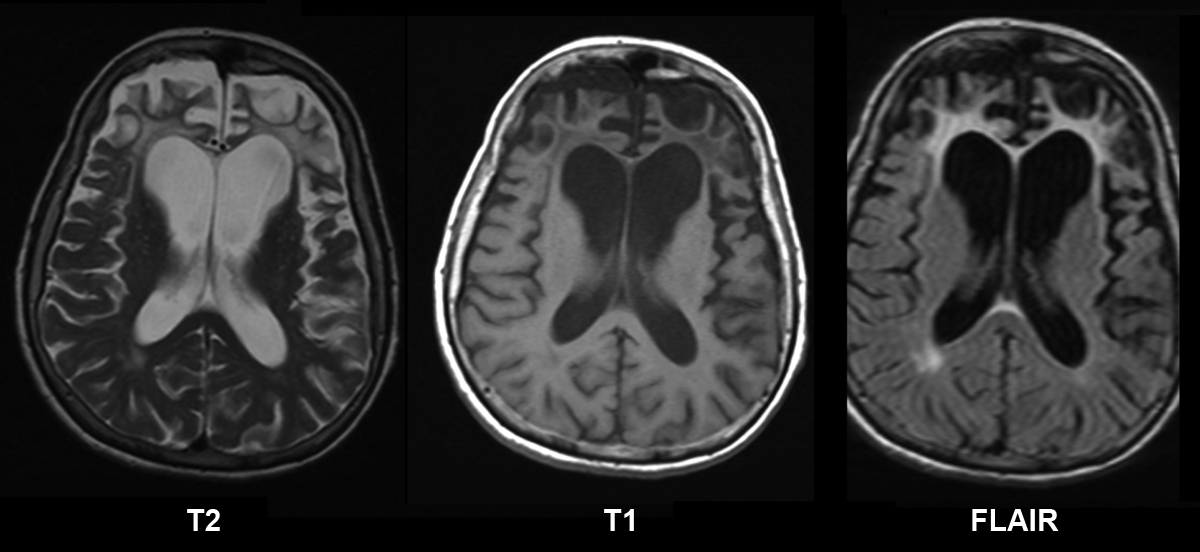
A Demência Frontotemporal (DFT) abrange um grupo de doenças neurodegenerativas, ou seja, condições do cérebro que pioram com o tempo. É caracterizada por alterações progressivas no comportamento, dificuldades de planejamento e tomada de decisões (o que chamamos de disfunção executiva), e problemas de linguagem. Esses problemas surgem devido à degeneração de áreas específicas do cérebro, como as regiões pré-frontal medial e frontoinsular. Foram identificados quatro subtipos clínicos: a demência semântica, a afasia progressiva não-fluente, a DFT variante comportamental e a atrofia lobar temporal direita.
Introdução
O que você precisa saber de cara
A demência frontotemporal relacionada ao CHMP2B é um distúrbio cerebral progressivo que afeta a personalidade, o comportamento e a linguagem. Os sintomas desse distúrbio geralmente se tornam perceptíveis nos cinquenta ou sessenta anos de idade, e as pessoas com a condição sobrevivem cerca de 3 a 21 anos após o aparecimento dos sintomas.
Alterações na personalidade e no comportamento são os sinais iniciais mais comuns da demência frontotemporal relacionada ao CHMP2B. Essas mudanças incluem respostas emocionais inadequadas, inquietação, perda de iniciativa e negligência da higiene pessoal. As pessoas com a condição podem comer excessivamente alimentos doces ou colocar objetos não alimentares na boca (hiperoralidade). Além disso, pode tornar‑se difícil para elas interagirem com outras pessoas de maneira socialmente apropriada. Elas passam a precisar cada vez mais de ajuda com os cuidados pessoais e outras atividades da vida diária.
Muitas pessoas com a demência frontotemporal relacionada ao CHMP2B desenvolvem problemas progressivos de fala e linguagem (afasia). Elas podem ter dificuldade para falar, embora frequentemente consigam compreender a fala de outras pessoas e textos escritos. As pessoas com a condição também podem ter dificuldade em usar números (discalculia). Nos estágios mais avançados da doença, muitas perdem completamente a capacidade de se comunicar.
Vários anos após o surgimento dos primeiros sinais e sintomas, algumas pessoas com a demência frontotemporal relacionada ao CHMP2B desenvolvem problemas de movimento. Essas anomalias motoras incluem rigidez, tremores, tensão muscular descontrolada (distonia) e espasmos musculares involuntários (mioclonia). À medida que a doença progride, a maioria das pessoas com a condição torna‑se incapaz de andar.
Fonte: MedlinePlus Genetics (NLM/NIH), traduzidoA Demência Frontotemporal (DFT) abrange um grupo de doenças neurodegenerativas, ou seja, condições do cérebro que pioram com o tempo. É caracterizada por alterações progressivas no comportamento, dificuldades de planejamento e tomada de decisões (o que chamamos de disfunção executiva), e problemas de linguagem. Esses problemas surgem devido à degeneração de áreas específicas do cérebro, como as regiões pré-frontal medial e frontoinsular. Foram identificados quatro subtipos clínicos: a demência semântica, a afasia progressiva não-fluente, a DFT variante comportamental e a atrofia lobar temporal direita.
O que está sendo pesquisado
Escala de raridade
<1/50kMuito rara
1/20kRara
1/10kPouco freq.
1/5kIncomum
1/2k
Encontrou um erro ou informação desatualizada? Sugira uma correção →
Entender a doença
Do básico ao detalhe, leia no seu ritmo
Preparando trilha educativa...
Sinais e sintomas
O que aparece no corpo e com que frequência cada sintoma acontece
Partes do corpo afetadas
+ 73 sintomas em outras categorias
Características mais comuns
Os sintomas variam de pessoa para pessoa. Abaixo estão as 165 características clínicas mais associadas, ordenadas por frequência.
Linha do tempo da pesquisa
Encontrou um erro ou informação desatualizada? Sugira uma correção →
Genética e causas
O que está alterado no DNA e como passa nas famílias
Genes associados
11 genes identificados com associação a esta condição. Padrão de herança: Autosomal dominant.
Frontotemporal dementia 2
A form of dementia characterized by pathologic finding of frontotemporal lobar degeneration, presenile dementia with behavioral changes, deterioration of cognitive capacities and loss of memory. Gestural apraxia, parkinsonism, visual loss, and visual hallucinations are present in 25 to 40% of patients.
Frontotemporal dementia 2
A form of dementia characterized by pathologic finding of frontotemporal lobar degeneration, presenile dementia with behavioral changes, deterioration of cognitive capacities and loss of memory. Gestural apraxia, parkinsonism, visual loss, and visual hallucinations are present in 25 to 40% of patients.
Alzheimer disease 3
A familial early-onset form of Alzheimer disease. Alzheimer disease is a neurodegenerative disorder characterized by progressive dementia, loss of cognitive abilities, and deposition of fibrillar amyloid proteins as intraneuronal neurofibrillary tangles, extracellular amyloid plaques and vascular amyloid deposits. The major constituents of these plaques are neurotoxic amyloid-beta protein 40 and amyloid-beta protein 42, that are produced by the proteolysis of the transmembrane APP protein. The cytotoxic C-terminal fragments (CTFs) and the caspase-cleaved products, such as C31, are also implicated in neuronal death.
Polycystic lipomembranous osteodysplasia with sclerosing leukoencephalopathy 2
An autosomal recessive disease characterized by presenile frontal dementia with leukoencephalopathy and basal ganglia calcification. In most cases the disorder first manifests in early adulthood as pain and swelling in ankles and feet, followed by bone fractures. Neurologic symptoms manifest in the fourth decade of life as a frontal lobe syndrome with loss of judgment, euphoria, and disinhibition. Progressive decline in other cognitive domains begins to develop at about the same time. The disorder culminates in a profound dementia and death by age 50 years.
Inclusion body myopathy with early-onset Paget disease with or without frontotemporal dementia 1
An autosomal dominant disease characterized by disabling muscle weakness clinically resembling to limb girdle muscular dystrophy, osteolytic bone lesions consistent with Paget disease, and premature frontotemporal dementia. Clinical features show incomplete penetrance.
Frontotemporal dementia and/or amyotrophic lateral sclerosis 7
A neurodegenerative disorder characterized by frontotemporal dementia and/or amyotrophic lateral sclerosis in affected individuals. There is high intrafamilial variation. Frontotemporal dementia (FTD) is characterized by frontal and temporal lobe atrophy associated with neuronal loss, gliosis, and dementia. Patients exhibit progressive changes in social, behavioral, and/or language function. Amyotrophic lateral sclerosis (ALS) is characterized by the death of motor neurons in the brain, brainstem, and spinal cord, resulting in fatal paralysis. FTDALS7 is an autosomal dominant form characterized by onset of ALS or FTD in adulthood. A few patients may have both phenotypes.
Inclusion body myopathy with early-onset Paget disease with or without frontotemporal dementia 3
An autosomal dominant disease characterized by disabling muscle weakness clinically resembling to limb girdle muscular dystrophy, osteolytic bone lesions consistent with Paget disease, and premature frontotemporal dementia. Clinical features show incomplete penetrance.
Amyotrophic lateral sclerosis 23
A form of amyotrophic lateral sclerosis, a neurodegenerative disorder affecting upper motor neurons in the brain and lower motor neurons in the brain stem and spinal cord, resulting in fatal paralysis. Sensory abnormalities are absent. The pathologic hallmarks of the disease include pallor of the corticospinal tract due to loss of motor neurons, presence of ubiquitin-positive inclusions within surviving motor neurons, and deposition of pathologic aggregates. The etiology of amyotrophic lateral sclerosis is likely to be multifactorial, involving both genetic and environmental factors. The disease is inherited in 5-10% of the cases. ALS23 is an autosomal dominant form with incomplete penetrance.
Paget disease of bone 3
A disorder of bone remodeling characterized by increased bone turnover affecting one or more sites throughout the skeleton, primarily the axial skeleton. Osteoclastic overactivity followed by compensatory osteoblastic activity leads to a structurally disorganized mosaic of bone (woven bone), which is mechanically weaker, larger, less compact, more vascular, and more susceptible to fracture than normal adult lamellar bone.
Inclusion body myopathy with early-onset Paget disease with or without frontotemporal dementia 2
An autosomal dominant disease characterized by disabling muscle weakness clinically resembling to limb girdle muscular dystrophy, osteolytic bone lesions consistent with Paget disease, and premature frontotemporal dementia. Clinical features show incomplete penetrance.
Medicamentos e terapias
Mecanismo: Glutamate [NMDA] receptor negative allosteric modulator
Mecanismo: Glutamate [NMDA] receptor negative allosteric modulator
Mecanismo: Catechol O-methyltransferase inhibitor
Mecanismo: Inositol-1(or 4)-monophosphatase 1 inhibitor
Mecanismo: Insulin receptor agonist
Mecanismo: Mitochondrial complex I (NADH dehydrogenase) inhibitor
Variantes genéticas (ClinVar)
384 variantes patogênicas registradas no ClinVar.
Classificação de variantes (ClinVar)
Distribuição de 3.298 variantes classificadas pelo ClinVar.
Vias biológicas (Reactome)
65 vias biológicas associadas aos genes desta condição.
Diagnóstico
Os sinais que médicos procuram e os exames que confirmam
Tratamento e manejo
Remédios, cuidados de apoio e o que precisa acompanhar
Onde tratar no SUS
Hospitais de referência no Brasil e o protocolo oficial do SUS (PCDT)
🇧🇷 Atendimento SUS — Demência fronto-temporal
Selecione um estado ou use sua localização para ver resultados.
Dados de DATASUS/CNES, SBGM, ABNeuro e Ministério da Saúde. Sempre confirme a disponibilidade diretamente com o estabelecimento.
Pesquisa ativa
Ensaios clínicos abertos e novidades científicas recentes
Ensaios em destaque
Com ensaio aberto em 18 países. O ponto verde marca onde há vaga agora.
🟢 Recrutando agora
58 pesquisas recrutando participantes. Converse com seu médico sobre a possibilidade de participar.
Outros ensaios clínicos
218 ensaios clínicos encontrados, 86 ativos.
Publicações mais relevantes
Mostrando amostra de 200 publicações de um total de 7.341
Efficacy and safety of oral semaglutide 14 mg (flexible dose) in early-stage symptomatic Alzheimer's disease (evoke and evoke+): two phase 3, randomised, placebo-controlled trials.
Dois grandes estudos de fase 3 (evoke e evoke+) investigaram a eficácia da semaglutida oral em pacientes com doença de Alzheimer em estágio inicial. Contrariando as expectativas, os resultados mostraram que o medicamento não foi eficaz em retardar a progressão clínica da doença, levando ao encerramento dos ensaios devido a resultados negativos. A segurança e tolerabilidade da semaglutida foram consistentes com as observadas em outras indicações, sem novas preocupações significativas nesta população.
🇧🇷 traduzidoFrontotemporal lobar degeneration complexity: atypical presentations and heterogeneous proteinopathies in five cases.
Este estudo destaca a complexidade da Demência Frontotemporal (DFT), revelando que a apresentação clínica pode ser enganosa e nem sempre refletir a patologia cerebral subjacente. Muitas vezes, condições como a Doença de Alzheimer ou outras múltiplas patologias podem mimetizar a DFT ou coexistir, sendo a localização do dano cerebral mais determinante para os sintomas do que a proteína específica envolvida. Para um diagnóstico etiológico preciso e definitivo, o exame neuropatológico pós-morte é essencial, fornecendo clareza crucial para pacientes e médicos.
🇧🇷 traduzidoTBK1 Mutations in Amyotrophic Lateral Sclerosis and Frontotemporal Dementia: Mechanistic Insights into Impaired Autophagy and Proteostatic Failure.
Mutações no gene TBK1 são uma causa genética importante que liga a Demência Frontotemporal (DFT) e a Esclerose Lateral Amiotrófica (ELA). O TBK1 é essencial para o processo de "limpeza" das células (autofagia), que remove componentes danificados; as mutações neste gene comprometem essa função vital, levando ao acúmulo de "lixo" celular. Para pacientes e médicos, essa descoberta é crucial para compreender a base genética dessas doenças, auxiliar no diagnóstico e aconselhamento familiar, e direcionar o desenvolvimento de novas terapias que visem restaurar a autofagia.
🇧🇷 traduzidoRole of Alpha-Synuclein in Frontotemporal Dementia: Narrative Review.
Este artigo enfatiza que, apesar da Demência Frontotemporal (DFT) ser tradicionalmente ligada às proteínas tau ou TDP-43, a presença de alfa-sinucleína (α-Syn) é um fator crucial e subestimado para a progressão da doença. A α-Syn frequentemente co-agrega com outras proteínas, acelerando a perda neuronal, contribuindo para a rápida deterioração cognitiva e a complexidade clínica da DFT. Para pacientes e médicos, isso significa que os diagnósticos atuais podem estar incompletos, não detectando essa importante co-patologia, o que pode explicar a limitada eficácia de tratamentos focados em uma única proteína. Os achados ressaltam a necessidade de futuras estratégias terapêuticas e diagnósticas que abordem múltiplas proteínas para combater a toxicidade sinérgica e melhorar os resultados.
🇧🇷 traduzidoReversibility and β-sheet formation are decoupled in tau condensate aging.
Este estudo fundamental sobre a proteína tau na demência frontotemporal (DFT) revela que as duas características principais da patologia – a formação de estruturas anormais (β-sheet) e a irreversibilidade dos agregados de tau – não acontecem simultaneamente, sendo processos independentes. Isso significa que alguns agregados de tau podem ter a estrutura "ruim" mas ainda serem reversíveis, e outros serem irreversíveis sem essa estrutura típica. Para pacientes e médicos, essa descoberta é crucial, pois sugere a existência de múltiplas e diversas janelas terapêuticas para intervir, potencialmente permitindo impedir ou reverter a progressão da doença antes que os agregados se tornem irreversíveis e danosos.
🇧🇷 traduzidoPublicações recentes
Microprotein Regulates G-quadruplex Driven RNA Aggregation.
Dysphagia in behavioural variant of frontotemporal dementia- a systematic review.
An Autopsy Case of a Patient With Corticobasal Degeneration and a History of Acute Restlessness and Stupor.
Continuous At-Home Monitoring of Nighttime Bed Behavior in Frontotemporal Dementia.
Epilepsy and EEG abnormalities in neurodegenerative dementias: toward a system epilepsy framework.
📚 EuropePMC4.220 artigos no totalmostrando 198
The Benson Complex Figure Test for the Differential Diagnosis of Dementias.
NeuroSciThe performance of plasma pTau181 and pTau217 in distinguishing Alzheimer's disease from various neurodegenerative disorders, psychiatric disorders, and cognitively unimpaired controls.
Journal of Alzheimer's disease : JADFree water changes and their correlations with multimodal biomarkers in frontotemporal dementia.
Alzheimer's & dementia : the journal of the Alzheimer's AssociationEfficacy and safety of oral semaglutide 14 mg (flexible dose) in early-stage symptomatic Alzheimer's disease (evoke and evoke+): two phase 3, randomised, placebo-controlled trials.
Lancet (London, England)Behavioral and psychological symptoms of dementia: A scoping review of evidence from India.
Asian journal of psychiatryEye-brain coupling-mediated eye movement abnormalities as non-invasive biomarkers for mild cognitive impairment: A systematic review.
Journal of Alzheimer's disease : JADNon-pharmaceutical interventions for persons living with young-onset dementia and their informal caregivers: A systematic review with meta-analysis.
Journal of Alzheimer's disease : JADScientific knowledge about dementia: From the Global South to the world.
Alzheimer's & dementia : the journal of the Alzheimer's AssociationHerpesvirus genome integration in whole-genome sequences of dementia and control cohorts.
Alzheimer's & dementia : the journal of the Alzheimer's AssociationRole of astrocyte biomarker GFAP in early diagnosis and prognosis assessment of dementia: A comprehensive review.
International journal of biological macromoleculesImpact of diagnostic genetic testing for familial dementia: experiences of patients and relatives.
Alzheimer's research & therapyAssociation between exogenous hormone use and dementia: A prospective cohort study and synthetic analysis.
Maturitas[Magnetic resonance imaging in dementia].
Radiologie (Heidelberg, Germany)Unveiling discrepancies in depression detection among persons with dementia: A comparative analysis of caregiver and self-report.
Journal of Alzheimer's disease : JADDecoding neurodegeneration one cell at a time.
The Journal of clinical investigationSplicing the narrative: alternative TARDBP splicing and its relation to neurodegeneration in ALS and FTD.
The Journal of clinical investigationFrontotemporal lobar degeneration complexity: atypical presentations and heterogeneous proteinopathies in five cases.
Frontiers in neuroscienceValidation of a novel cognitive-functional outcome measure optimized for early Alzheimer's Disease: Evidence from the VIVA-MIND trial.
The journal of prevention of Alzheimer's diseaseDeep Learning-Based Alzheimer's Disease Detection from Multi-Channel EEG Using Fused Time-Frequency Image Grids.
Diagnostics (Basel, Switzerland)TBK1 Mutations in Amyotrophic Lateral Sclerosis and Frontotemporal Dementia: Mechanistic Insights into Impaired Autophagy and Proteostatic Failure.
CellsRole of Alpha-Synuclein in Frontotemporal Dementia: Narrative Review.
CellsCognitive and behavioral involvement in spinal and bulbar muscular atrophy (SBMA): a systematic review.
Amyotrophic lateral sclerosis & frontotemporal degenerationReversibility and β-sheet formation are decoupled in tau condensate aging.
Proceedings of the National Academy of Sciences of the United States of AmericaA repeat expansion in GOLGA8A is a major risk factor for atypical frontotemporal lobar degeneration with ubiquitin-positive inclusions.
Nature geneticsMolecular Complexities of Dementia: PAISA Mutations and Targeting TAF2N as Therapeutic Avenues.
Current gene therapyA Novel Rare Homozygous R47C Variant in TREM2 with Frontal Variant Alzheimer's Disease.
Neurology IndiaMicroglia protein profiles in CSF across Alzheimer's disease clinical stages.
Nature agingALS and Huntington Disease: Unraveling the Connections between TDP-43 and Huntingtin.
The Journal of neuroscience : the official journal of the Society for NeurosciencePAICS mediates DNA damage and cerebellar neuronal loss in C9orf72 amyotrophic lateral sclerosis.
Brain : a journal of neurologyElevating Neuronal CYLD Causes Frontotemporal Dementia (FTD)-Relevant Behavioral and Physiological Deficits.
bioRxiv : the preprint server for biologyFructose-2,6-bisphosphate restores TDP-43 pathology-driven genome repair deficiency in motor neuron diseases.
Communications biologyTDP-43 pathology triggers neuroinflammation and cognitive impairment by inducing microglial necroptosis.
EMBO molecular medicineGraph empirical mode decomposition and multiscale feature extraction for EEG-based classification of Alzheimer's disease and frontotemporal dementia.
Computer methods and programs in biomedicineCofilin hyperphosphorylation triggers TDP-43 pathology in sporadic amyotrophic lateral sclerosis.
Brain : a journal of neurologyExploring neuropsychiatric and behavioral symptoms, and social cognitive deficits in the differential diagnosis of behavioral variant of frontotemporal dementia and primary psychiatric disorders: A systematic literature review.
Alzheimer's & dementia (Amsterdam, Netherlands)Multi-modal dissection of cell-type specific TDP-43 pathology in the motor cortex.
Nature communicationsBehavioural rigidity as a transdiagnostic marker of nucleus accumbens dysfunction in dementia.
Brain : a journal of neurologyWhite Matter Hyperintensities in Behavioral Variant Frontotemporal Dementia and Semantic Variant Primary Progressive Aphasia.
Neurology open accessRNA-Binding Proteins TDP-43 and FUS Promote R-Loop Resolution and Regulate Transcription Termination.
The Journal of biological chemistryDecoding the functions of nuclear speckles in neurodegeneration.
Trends in neurosciencesPathogenic VCP (p.Arg453Trp) variant in three siblings with frontotemporal dementia-amyotrophic lateral sclerosis spectrum: A Turkish family.
Clinical neurology and neurosurgeryVon Economo Neuron Loss in Frontotemporal Dementia: A Meta-Analysis of Neuropathological Studies.
Annals of clinical and translational neurologyTranscriptomic signature of frontotemporal lobar degeneration with TDP-43 type C pathology.
Brain : a journal of neurologyQuantitative EEG signatures of power and functional connectivity alterations in Alzheimer's disease and frontotemporal dementia.
Scientific reportsREM sleep behavior disorder as a shared motor phenotype: A multidimensional clinical study.
Sleep medicineFrom scaffold to effector: reframing GFAP in neurodegeneration.
Journal of advanced researchA CNN-transformer fusion for EEG-based discrimination of Alzheimer's and frontotemporal dementia.
Physical and engineering sciences in medicineIntegrating attractor dynamics and connectivity features for EEG-based dementia classification.
Scientific reportsA Unique EEG-Hyfusion Fully Automated Stacked Model for Classification of Alzheimer's Disease and Fronto-Temporal Dementia.
Journal of visualized experiments : JoVEMoral decision-making in patients with neurodegenerative diseases: a systematic review.
Frontiers in psychologyAccuracy of clinical diagnosis of behavioral variant frontotemporal dementia: A systematic review and meta-analysis.
Alzheimer's & dementia (Amsterdam, Netherlands)Network-based cortical atrophy predicts longitudinal clinical decline in sporadic behavioral variant frontotemporal dementia.
Alzheimer's & dementia (Amsterdam, Netherlands)Ginsenoside compound K inhibited the gelation of GGGGCC repeats and regulated co-aggregation with arginine-rich poly-dipeptides in C9orf72-related ALS.
International journal of biological macromoleculesShort tandem repeat expansions in patients with neurodegenerative dementia.
EBioMedicineDeep learning-based synthetic brain MRI for the assessment of regional atrophy patterns in neurodegenerative diseases.
European radiologyNuclear tau aggregates inhibit RNA export and form by secondary seeding from cytosolic tau aggregates.
bioRxiv : the preprint server for biologyAmyotrophic Lateral Sclerosis (ALS) Genetics and Microbiota: A Comprehensive Review.
International journal of molecular sciencesMulti-Entropy Feature Concatenation for Data-Efficient Cross-Subject Classification of Alzheimer's Disease and Frontotemporal Dementia from Single-Channel EEG.
Entropy (Basel, Switzerland)An Artificial Intelligence-Driven Multimorbidity Framework Reveals a Shared Metabolic and Immune Core Across Alzheimer's Disease, Amyotrophic Lateral Sclerosis, and Frontotemporal Dementia.
BiomedicinesDynamic Mode Decomposition-Based Clustered Pattern Projection for Reliable Alzheimer's Disease Detection from EEG.
Diagnostics (Basel, Switzerland)Autonomic dysfunction and hypothalamic atrophy in frontotemporal dementia and primary psychiatric disorders.
Alzheimer's & dementia (Amsterdam, Netherlands)Immune cells play a mediating role in the relationship between the gut microbiota and dementia: A Mendelian randomization study.
Innate immunityGenetic Spectrum and Phenotypic Variability in Chinese Patients with Multisystem Proteinopathy and Related Disorders.
Degenerative neurological and neuromuscular diseaseCPEB3 selectively inhibits α-synuclein aggregation without modulating TDP-43 pathology.
FEBS lettersTDP-43 pathology is linked to motor neuron loss but is independent of stress granules in vivo.
bioRxiv : the preprint server for biologyIntrathecal (G4C2)149 delivery in C9orf72-deficient mice yields mild motor dysfunction and ALS/FTD pathological hallmarks.
bioRxiv : the preprint server for biologyDiscovery of TDP-43 aggregation inhibitors via a hybrid machine learning framework.
bioRxiv : the preprint server for biologyDistinct mechanistic pathways of early tauopathy revealed by MAPT mutations.
bioRxiv : the preprint server for biologyAccurate strand-specific long-read transcript isoform discovery and quantification at bulk, single-cell, and single-nucleus resolution.
bioRxiv : the preprint server for biologyExploring the PLD1-tau interaction in Frontotemporal Dementia.
bioRxiv : the preprint server for biologyDistinct tau filament folds in familial frontotemporal dementia due to the MAPT S305I mutation.
bioRxiv : the preprint server for biologyRole of nuclear import proteins in maintaining proteostasis and disease pathogenesis.
Biochemical pharmacologyAdvanced neuroimaging assessment of neurodegenerative dementia syndromes: A framework for comprehensive multimodal FDG-PET, MR-perfusion, and MR-diffusion analysis.
NeuroImage. ClinicalA path to preventing cognitive impairment due to Alzheimer's disease: initiatives beginning in the USA.
The Lancet. NeurologyAccuracy of clinical diagnosis in neurodegenerative diseases - a study of 455 autopsy cases.
Journal of neurologyArtificial microRNAs targeting tau enable post-symptomatic functional recovery in aged tauopathy mice.
Molecular therapy. Nucleic acidsLesion network mapping of focal injury-related aggression finds two distinct network injury patterns.
Brain communicationsIncreased neuronal activity restores circadian function in Drosophila models of C9orf72-ALS/FTD.
iScienceMapping the clinical correlates of brain hypoperfusion in behavioral variant frontotemporal dementia: insights from a SPECT imaging study.
Frontiers in neuroscienceCSF protein biomarkers are associated with atrophy and symptom severity in genetic FTD: a GENFI study.
Journal of neural transmission (Vienna, Austria : 1996)Vulnerability of anterior cingulate Von Economo neurons to FTLD-tauopathies in behavioral variant frontotemporal dementia.
Cerebral cortex (New York, N.Y. : 1991)EEG network reorganization across Alzheimer's disease, frontotemporal dementia, and dementia with Lewy bodies.
Alzheimer's & dementia (Amsterdam, Netherlands)Reasons for and against presymptomatic genetic testing in frontotemporal dementia: a qualitative study.
Human geneticsGLP-1 receptor agonists reduce dementia and Alzheimer disease risk in diabetic Patients with CKD.
Nephrology, dialysis, transplantation : official publication of the European Dialysis and Transplant Association - European Renal AssociationRefolding-assisted purification of native full-length TDP-43 compatible with BSL-2 safety regulations.
Methods (San Diego, Calif.)Molecular and Microstructural MRI of Neuroinflammation in Alzheimer's Disease.
Current Alzheimer researchAdditive value of early-phase β-Amyloid-PET for the differential diagnosis of non-Alzheimer's disease dementia.
NeuroImage. ClinicalSpatiotemporal transcriptomic profiling reveals upregulation of glycolysis pathway genes before overt tauopathy in the PS19 mouse model.
Experimental & molecular medicineClassification of tauopathies from human brain homogenates through salt-modulated tau amplification.
Alzheimer's & dementia : the journal of the Alzheimer's AssociationTransplantation of Human IPSC-derived Microglia Ameliorates Neuropathology and Circuit Dysfunction in Progranulin-Deficient Mice.
Research squareFrom Evasion to Collapse: The Kinetic Cascade of TDP-43 and the Failure of Proteostasis.
International journal of molecular sciencesCognitive Impairment, Dementia and Depression in Older Adults.
Journal of clinical medicineComposite grey matter fingerprints for genetic frontotemporal dementia.
Journal of neurology, neurosurgery, and psychiatryGene-specific impacts on brain architecture in genetic frontotemporal dementia.
Journal of neurology, neurosurgery, and psychiatryApathy mediates the relationship between uncinate fasciculus fractional anisotropy and depression in healthy adults.
Brain research bulletinA new graph-transformer framework for EEG-based differentiation of Alzheimer's disease and frontotemporal dementia.
Biomedical physics & engineering expressMissense variants in TUBA4A cause myo-tubulinopathies.
Brain : a journal of neurologyMitochondria and Lipid Defects in Hereditary Progranulin-Related Frontotemporal Dementia.
CellsHigh vulnerability of medial prefrontal pyramidal neurons in post-stroke, vascular, Alzheimer's disease, and aging-related dementias.
Alzheimer's & dementia : the journal of the Alzheimer's AssociationMorphometric features enhance phenotype discrimination in frontotemporal lobar degeneration.
Brain communicationsp62/SQSTM1 Condensation Modulates Mitochondrial Clustering to Participate in Mitochondrial Quality Control.
Aging cellImplications of virus-induced stress granules in tauopathies.
Translational neurodegenerationDevelopment and validation of a novel panel of CSF biomarkers for Alzheimer's disease.
Alzheimer's research & therapyReal-world evaluation of Armstrong's criteria in corticobasal degeneration: Phenotypic overlap and diagnostic challenges.
Parkinsonism & related disordersAmyotrophic Lateral Sclerosis and Frontotemporal Dementia Have Distinct Prediagnostic Blood Biochemical Profiles.
Annals of neurologyLost in translation: absence of KIAA1324/ELAPOR1 protein in pathological TDP-43-affected neurons in ALS/FTD.
Acta neuropathologica communicationsBehavioral Variant Frontotemporal Dementia With C9orf72 Intermediate Repeat Expansion : A case report.
Alzheimer disease and associated disordersRisk of Dementia in Type 2 Diabetes Patients With Open-Angle Glaucoma: Insights From a Nationwide Real-World Cohort Study.
American journal of ophthalmologyRepetitive behaviors in syndromes associated with frontotemporal lobar degeneration.
Journal of Alzheimer's disease : JADLoss of CAMKK2 and iron-transport proteins-transferrin and its receptor-in the Alzheimer's disease hippocampus: link to tau pathology.
Frontiers in cell and developmental biologyDynamic conformational ensembles of soluble Tau encode neuronal toxicity prior to aggregation.
bioRxiv : the preprint server for biologyOxytocin reduces anger bias, harm-intention recognition, and self-focus in behavioral variant frontotemporal dementia: a randomized double-blind placebo-controlled crossover trial.
Frontiers in aging neuroscienceTargeted CSF metabolomics and conformal prediction improve diagnostic accuracy of normal pressure hydrocephalus.
Fluids and barriers of the CNSGenetic evidence on the association between pulmonary function and cognitive impairment: A 2-sample Mendelian randomization study.
MedicineA Single-Item Screening Tool for the Assessment of Hoarding: Preliminary Observations.
The Journal of neuropsychiatry and clinical neurosciencesClinical Validation of the Behavioral Evaluation Scale of Frontotemporal Dementia: A Pilot Study.
The Journal of neuropsychiatry and clinical neurosciencesDistinct TAF15 amyloid filament folds define multiple subtypes of FTLD-TAF15.
bioRxiv : the preprint server for biologyMultimodal semantic knowledge of emotion concepts in frontotemporal dementia.
medRxiv : the preprint server for health sciencesAxonal dying back of upper motor neurons in human ALS.
Research squareFUS and TDP-43 aggregation are uncoupled from toxicity in ageing yeast models.
BMC biologyTBK1-Associated Primary Lateral Sclerosis Followed by Right Temporal Variant Frontotemporal Dementia.
Annals of clinical and translational neurologyC9orf72 hexanucleotide repeat RNA drives transcriptional dysregulation through genome-wide DNA:RNA hybrid G-quadruplexes.
NeuronBlocking RAN translation without altering repeat RNAs rescues C9ORF72-related ALS and FTD phenotypes.
Science (New York, N.Y.)Thermally activated history-dependent homogenization of G-quadruplexes in an ALS/FTD-associated gene.
Biophysical journalGamma tACS as a novel treatment for primary progressive aphasia: A pilot case series of four cases.
Brain stimulationAberrant Splicing Signatures Underpin Oligodendrocyte Damage in ALS and Neuron Loss in FTD.
Advanced science (Weinheim, Baden-Wurttemberg, Germany)Understanding Neurodegenerative Diseases From the -Omics Perspective: Lessons Learnt.
Annals of neurologyAberrant Protein S-Nitrosylation Mimics the Effect of Rare Genetic Mutations in Neurodegenerative Diseases.
Journal of neurochemistryCSF1R mutations in an Italian population of early-onset dementia: a case series.
Journal of neurologyCognitive processes and emotion perception in frontotemporal dementia.
Cognition & emotionMixed Nonfluent/Agrammatic Primary Progressive Aphasia and Behavioral Variant Frontotemporal Dementia: A Case Report From Tanzania.
Alzheimer disease and associated disordersAberrant CDK4/6-driven cell-cycle reentry drives neuronal loss and defines a therapeutic target in C9orf72 ALS/FTD.
iScienceBlood-based biomarkers and early diagnosis of Alzheimer's disease.
Neural regeneration researchMulti-dimensional EEG analysis reveals distinct neurophysiological patterns in Alzheimer's and frontotemporal dementia.
Journal of neuroengineering and rehabilitationA rostral prefrontal mediolateral gradient predicts creativity in frontotemporal dementia.
Brain : a journal of neurologyNon-Huntington's disease chorea: an expanding universe with acquired causes.
Brain : a journal of neurologyCRISPR screens in iPSC-derived neurons reveal principles of tau proteostasis.
CellElucidation of Molecular Mechanisms of Lipid-Altered Cytotoxicity of TDP-43 Fibrils.
ACS chemical neuroscienceBehavioral Variant in Alzheimer's Disease.
Acta neurologica TaiwanicaSocial Cognition in Community Dwelling Persons With Dementia; Is Facial Emotion Recognition Related to Proxy Rated Empathy and Aggression?
International journal of geriatric psychiatryTissue-specific immune and MAPK signatures in models of reduced Progranulin and Western diet.
Neurobiology of diseaseDementia severity index: A threshold-based approach to classifying dementia levels using resting state EEG.
Computers in biology and medicineExperimental Models and Translational Strategies in Neuroprotective Drug Development with Emphasis on Alzheimer's Disease.
Molecules (Basel, Switzerland)Giant Right Sphenoid Wing Meningioma as a Reversible Frontal Network Lesion: A Pseudo-bvFTD Case with Venous-Sparing Skull-Base Resection.
Diagnostics (Basel, Switzerland)Patterns and Trajectories of Behavioral and Neuropsychiatric Symptoms in Frontotemporal Dementia and Primary Progressive Aphasia.
NeurologyBehavioral and Neuropsychiatric Symptoms in Patients With Frontotemporal Dementia and Primary Progressive Aphasia.
NeurologySTELLA-FTD: Examination of a Behavior Change Intervention for Frontotemporal Dementia Family Care Partners.
Alzheimer's & dementia. Behavior & socioeconomics of agingGenetic contributions to Alzheimer's disease and frontotemporal dementia in admixed Latin American populations.
NPJ dementiaC9orf72 in myeloid cells prevents an inflammatory response to microbial glycogen.
Cell reportsPeripheral Signatures of Multidimensional Pathology in Symptomatic and Asymptomatic Creutzfeldt-Jakob Disease.
CNS neuroscience & therapeuticsModeling contributions of cognition and apathy to functional impairment in younger-onset dementia.
Alzheimer's & dementia (Amsterdam, Netherlands)Psychometric Properties of the UCSF Fein MAC Educational & Developmental History Questionnaire:: A Novel Screening Tool for Capturing Early Life Learning Profiles Across Healthy Aging and Dementia Populations.
medRxiv : the preprint server for health sciencesExtracellular Vesicle-Derived microRNAs as Fluid Biomarkers in Neurodegenerative Diseases: A Systematic Review.
Journal of neurochemistryCytoplasmic TDP-43 leads to early behavioral impairments without neurodegeneration in a serotonergic neuron-specific C. elegans model.
Scientific reportsGraph-theoretical analysis of resting-state EEG networks differentiates Alzheimer's disease and frontotemporal dementia.
The International journal of neuroscienceALS-related proteinopathies: From TDP-43 to mitochondrial proteinopathies.
Current opinion in neurobiologyDirect image-guided convective perfusion of the bilateral thalami for gene therapy in frontotemporal dementia: technical note.
Journal of neurosurgeryGenetic testing for adult-onset neurodegenerative diseases: A clinical perspective.
Journal of the Formosan Medical Association = Taiwan yi zhiAnalyses of the Effects of Wild-Type TDP-43 Overexpression in Oxytocin Neurons in Mice.
Neuropathology and applied neurobiologyInteractome screening implicates BAG6 as a suppressor of UBQLN2 misfolding in ALS/FTD.
Frontiers in molecular neuroscienceMislocalization of FTD3-associated mutant CHMP2B to the nucleus of human neurons due to loss of a nuclear export signal.
Acta neuropathologica communicationsA Psychosocial Intervention for Managing Disinhibition in People With the Behavioral Variant of Frontotemporal Dementia: A Matter of Focusing.
Journal of the American Medical Directors AssociationElectroconvulsive Therapy for Behavioral, Mood, and Catatonic Symptoms in Patients With Frontotemporal Dementia: A Literature Review.
The journal of ECTThe causal effects of dementia on systemic sclerosis: a two-sample bidirectional Mendelian randomization study.
International journal of surgery (London, England)Automated item-level measures of verbal fluency in semantic and logopenic primary progressive aphasia.
Alzheimer's & dementia : the journal of the Alzheimer's AssociationSmall molecule JRMS modulating importin-β1 chaperone activity as a therapeutic strategy reducing TDP-43 pathology.
Neurotherapeutics : the journal of the American Society for Experimental NeuroTherapeuticsγ-Radiation induces region-specific subcellular alterations of amyotrophic lateral sclerosis and frontotemporal dementia markers in swine brain.
Scientific reportsInhibiting Glycogen Synthase Kinase 3 Suppresses TDP-43-Mediated Neurotoxicity in a Caspase-Dependent Manner.
Molecular neurobiologyDepression and apathy in frontotemporal dementia: a short assessment of facts and outlook.
Journal of neural transmission (Vienna, Austria : 1996)Understanding the multifaceted nature of quality of life in dementia using a transdiagnostic network analysis approach.
Aging & mental healthMolecular Mechanisms and Therapeutic Potential of Degron-Mediated Proteostasis Regulation in Neurodegenerative Diseases.
Cellular and molecular neurobiology[Cognitive profiles in dementia].
Vertex (Buenos Aires, Argentina)Systemic complement factors in aging, Alzheimer's disease and other dementias: a longitudinal study over 10 years.
Molecular neurodegenerationHomocysteine levels do not impact cognitive profile in frontotemporal dementia.
Neurological sciences : official journal of the Italian Neurological Society and of the Italian Society of Clinical NeurophysiologyDefining the Intestinal eCBome and Oxylipin Signaling Systems in a TDP-43 Mouse Model of Frontotemporal Dementia.
FASEB journal : official publication of the Federation of American Societies for Experimental BiologySubjective time perception in dementia: a behavioural and neuroanatomical analysis.
Brain communicationsStress granules as a central hub linking organelle stress, aging, and neurodegeneration.
BMB reportsSelective neuronal restoration of progranulin does not prevent the frontotemporal dementia like-phenotype of progranulin knockout mice.
Journal of neuroinflammationShared Neuroinflammatory Mechanisms Across Dementia Types: An Integrative Review.
International journal of molecular sciencesGrammatical complexity and productivity in written text in presymptomatic frontotemporal dementia: A repeated measures study.
International journal of speech-language pathologyMapping the brain atrophy mediating increased impatience for reward in frontotemporal dementia.
Communications biologyEEG-based classification of alzheimer's disease and frontotemporal dementia using functional connectivity.
Scientific reportsDefining RNA oligonucleotides that reverse deleterious phase transitions of RNA-binding proteins with prion-like domains.
Molecular cellMicrovascular dysfunction and aberrant network activity drive reduced brain oxygenation in a mouse tauopathy model.
Research squareCaregiver Burden in Prion Disease.
Dementia and geriatric cognitive disorders extraDistinct lysosomal dysfunction patterns of GRN deficiency in the CNS implicate progranulin in cell type-specific protein sorting.
bioRxiv : the preprint server for biologyGeneration and validation of an iPSC line HMSCATi009-A from a patient with frontotemporal dementia.
Stem cell researchTargeting neuroinflammation in neurodegenerative disorders: the emerging potential of semaglutide.
Inflammation research : official journal of the European Histamine Research Society ... [et al.]H+ Ions and ATP Reshape the Conformational Landscape of an RNA Recognition Motif and Regulate Its Fibrillation.
Journal of the American Chemical SocietyFrontotemporal dementia: Clinical aspects, genetics, and neuropathology of a family with a C9ORF72 expansion in Argentina.
Brain pathology (Zurich, Switzerland)Restoration of progranulin by engineered hematopoietic stem cell-derived microglia corrects phenotypes of granulin knockout mice.
Science translational medicineThe many faces of p97/Cdc48 in mitochondrial homeostasis.
Essays in biochemistryInvestigating the Causal Relationships Between Brain Imaging Phenotypes and Dementia and Its Subtypes: Comprehensive Analysis of Structural and Resting-State Functional Imaging.
Psychogeriatrics : the official journal of the Japanese Psychogeriatric SocietyTDP-43-mediated alternative polyadenylation is associated with a reduction in VPS35 and VPS29 expression in frontotemporal dementia.
PLoS biologyMeasuring Sense of Agency in Neurodegenerative Dementias: Evidence From the Intentional Binding Effect.
Cognitive and behavioral neurology : official journal of the Society for Behavioral and Cognitive NeurologyThe Storm Behind the Silence: Detecting Cerebral Amyloid Angiopathy-Related Inflammation in a Patient with Dementia.
Journal of Brown hospital medicineGASDERMIN D-mediated pyroptosis as a therapeutic target in TAU-dependent frontotemporal dementia mouse model.
Journal of biomedical scienceTBK1 orchestrates autophagy and endo-lysosomal pathways in human neurons.
AutophagyAssociações
Organizações que acompanham esta doença — pra ter apoio e orientação
Ainda não temos associações cadastradas para Demência fronto-temporal.
É de uma associação que acompanha esta doença? Fale com a gente →
Doença com base genética
Um médico geneticista pode ajudar no diagnóstico de Demência fronto-temporal e no aconselhamento genético da família.
Doenças relacionadas
Doenças com sintomas parecidos — ajudam quem ainda está buscando diagnóstico
Perguntas frequentes
O que as famílias mais perguntam sobre esta doença — cada resposta com a fonte de onde saiu
Atualmente, a Demência fronto-temporal é considerada uma condição neurodegenerativa progressiva e não há cura catalogada. Não há tratamentos modificadores da doença aprovados pela ANVISA ou pelo FDA.
Referências
Fontes citadas no texto, publicações do grafo e bases de dados usadas neste verbete
10 publicações do grafo RarasNet (PubMed) · 7 bases de dados. Títulos, periódicos e PMIDs vêm direto da fonte, sem intermediação de IA.
Dados compilados pelo RarasNet a partir de fontes abertas (Orphanet, OMIM, MONDO, PubMed/EuropePMC, ClinicalTrials.gov, DATASUS, PCDT/MS). Este conteúdo é informativo e não substitui avaliação médica.
Citar este verbete
Raras. (s.d.). Demência fronto-temporal. Em Raras — Enciclopédia de Doenças Raras do Brasil. https://raras.org/doenca/demencia-fronto-temporal
Formato APA. Conteúdo sob CC BY 4.0 — reuso livre com atribuição.
Conteúdo mantido por Agente Raras · Médicos e pesquisadores podem colaborar
Demência fronto-temporal
📋 Origem dos dados
Esta página agrega dados de fontes públicas e oficiais. Dados sobre cobertura no SUS (PCDT, CEAF) são verificados ativamente por agente proativo (ver badge no infobox). Demais dados têm atribuição de fonte + data da última sincronização — clique para abrir o original.
- Doença rara (ontologia)
- fonte: Orphanet
- Identificador unificado
- fonte: MONDO
- Codificação WHO/SUS
- fonte: WHO ICD-10 / DATASUS
- CID-11 (futuro)
- fonte: WHO ICD-11
- NIH/GARD
- fonte: GARD (NIH)
- Indexação biomédica
- fonte: MeSH (NLM)
- Dado público estruturado
- fonte: Wikidata
- Moléculas estudadas na doença
- fonte: OpenTargets
- Alvos terapêuticos
- fonte: OpenTargets
- Ensaios clínicos
- fonte: ClinicalTrials.gov

