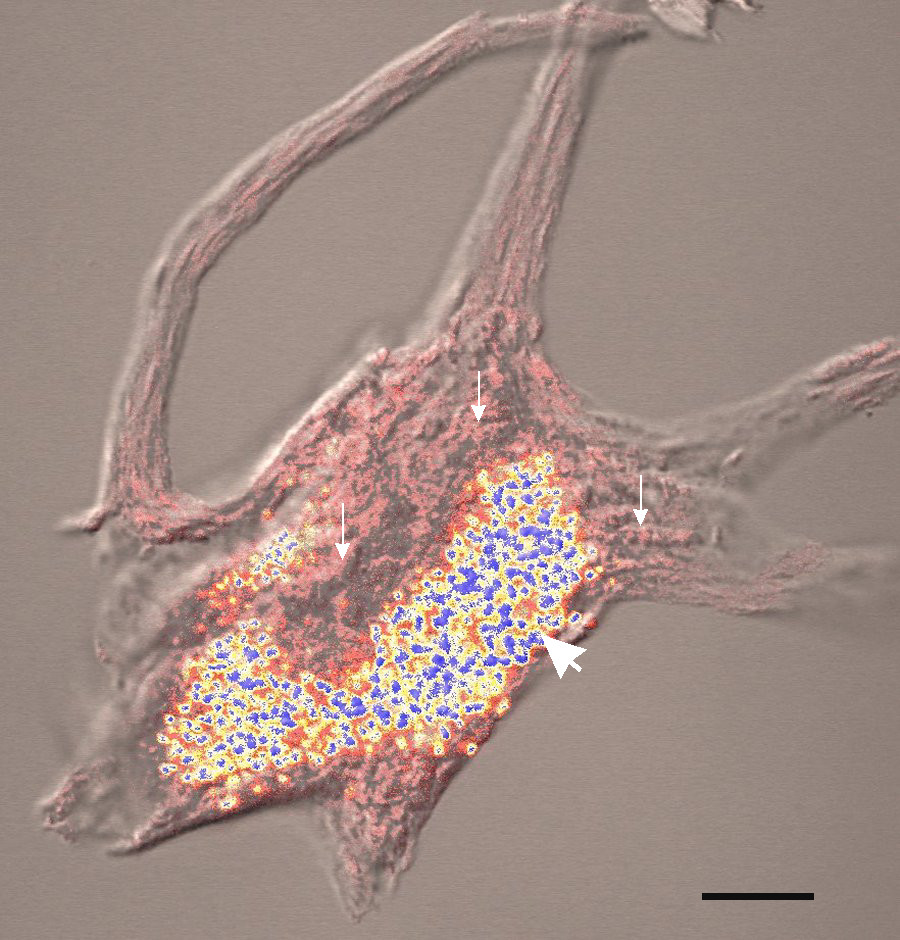
São um grupo de doenças cerebrais hereditárias (passadas de pais para filhos) que pioram com o tempo (progressivas) e causam a degeneração (destruição) das células do cérebro. Seus sintomas incluem a perda de habilidades mentais e outras capacidades, convulsões e a perda de visão devido à degeneração da retina (uma parte do olho). Quando analisadas em laboratório, o que se observa é o acúmulo de uma substância que brilha sozinha, chamada ceroide lipofuscina, dentro das células nervosas do cérebro e da retina.
Introdução
O que você precisa saber de cara
A doença CLN11 é um distúrbio que afeta principalmente o sistema nervoso. Indivíduos com essa condição geralmente apresentam sinais e sintomas na adolescência ou no início da idade adulta. Essa condição é caracterizada por crises epilépticas recorrentes (epilepsia), perda de visão, problemas de equilíbrio e coordenação (ataxia cerebelar) e declínio da função intelectual.
As crises epilépticas na doença CLN11 frequentemente envolvem perda de consciência, rigidez muscular (rigidez) e convulsões generalizadas (crises tônico-clônicas).
A perda de visão ocorre de forma gradual ao longo do tempo e deve-se a uma condição chamada retinite pigmentosa, que é causada pela degradação da camada sensível à luz na parte posterior do olho (retina). Pessoas com a doença CLN11 também podem desenvolver opacificação das lentes dos olhos (catarata) e movimentos oculares rápidos e involuntários (nistagmo).
Indivíduos afetados podem ainda desenvolver contrações musculares (mioclonia), problemas ao caminhar e quedas (distúrbio da marcha) e fala prejudicada (disartria). Com o tempo, pessoas com a doença CLN11 desenvolvem perda de memória de curto prazo e perda da função executiva, que é a capacidade de planejar e implementar estratégias e ações de resolução de problemas. Elas também podem tornar‑se irritáveis e impulsivas. Alguns indivíduos afetados experimentam alucinações visuais envolvendo pessoas ou animais.
A doença CLN11 é um dos distúrbios conhecidos como lipofuscinoses ceroidais neuronais (NCLs). Todos esses distúrbios afetam o sistema nervoso e tipicamente causam problemas progressivos de visão, movimento e capacidade de pensamento. As diferentes NCLs são diferenciadas pela sua causa genética. Cada tipo de doença recebe a designação “CLN”, que significa ceroid lipofuscinosis, neuronal, seguida de um número para indicar seu subtipo.
Fonte: MedlinePlus Genetics (NLM/NIH), traduzidoSão um grupo de doenças cerebrais hereditárias (passadas de pais para filhos) que pioram com o tempo (progressivas) e causam a degeneração (destruição) das células do cérebro. Seus sintomas incluem a perda de habilidades mentais e outras capacidades, convulsões e a perda de visão devido à degeneração da retina (uma parte do olho). Quando analisadas em laboratório, o que se observa é o acúmulo de uma substância que brilha sozinha, chamada ceroide lipofuscina, dentro das células nervosas do cérebro e da retina.
O que está sendo pesquisado
Escala de raridade
<1/50kMuito rara
1/20kRara
1/10kPouco freq.
1/5kIncomum
1/2k
Encontrou um erro ou informação desatualizada? Sugira uma correção →
Entender a doença
Do básico ao detalhe, leia no seu ritmo
Preparando trilha educativa...
Sinais e sintomas
O que aparece no corpo e com que frequência cada sintoma acontece
Partes do corpo afetadas
+ 52 sintomas em outras categorias
Características mais comuns
Os sintomas variam de pessoa para pessoa. Abaixo estão as 154 características clínicas mais associadas, ordenadas por frequência.
Linha do tempo da pesquisa
Encontrou um erro ou informação desatualizada? Sugira uma correção →
Genética e causas
O que está alterado no DNA e como passa nas famílias
Genes associados
13 genes identificados com associação a esta condição. Padrão de herança: Autosomal dominant, Autosomal recessive.
Curadoria gene-doença
fontes oficiaisEpilepsy, progressive myoclonic 3, with or without intracellular inclusions
A form of progressive myoclonic epilepsy, a clinically and genetically heterogeneous group of disorders defined by the combination of action and reflex myoclonus, other types of epileptic seizures, and progressive neurodegeneration and neurocognitive impairment. EPM3 is an autosomal recessive, severe, form with early onset. Multifocal myoclonic seizures begin between 16 and 24 months of age after normal initial development. Neurodegeneration and regression occur with seizure onset. Other features include intellectual disability, dysarthria, truncal ataxia, and loss of fine finger movements. EEG shows slow dysrhythmia, multifocal and occasionally generalized epileptiform discharges. In some patients, ultrastructural findings on skin biopsies identify intracellular accumulation of autofluorescent lipopigment storage material, consistent with neuronal ceroid lipofuscinosis.
Kufor-Rakeb syndrome
A rare form of autosomal recessive juvenile or early-onset, levodopa-responsive parkinsonism. In addition to typical parkinsonian signs, clinical manifestations of Kufor-Rakeb syndrome include behavioral problems, facial tremor, pyramidal tract dysfunction, supranuclear gaze palsy, and dementia.
Ceroid lipofuscinosis, neuronal, 8
A form of neuronal ceroid lipofuscinosis with onset in childhood. Neuronal ceroid lipofuscinoses are progressive neurodegenerative, lysosomal storage diseases characterized by intracellular accumulation of autofluorescent liposomal material, and clinically by seizures, dementia, visual loss, and/or cerebral atrophy. The lipopigment patterns observed most often in neuronal ceroid lipofuscinosis type 8 comprise mixed combinations of granular, curvilinear, and fingerprint profiles.
Ceroid lipofuscinosis, neuronal, 2
A form of neuronal ceroid lipofuscinosis. Neuronal ceroid lipofuscinoses are progressive neurodegenerative, lysosomal storage diseases characterized by intracellular accumulation of autofluorescent liposomal material, and clinically by seizures, dementia, visual loss, and/or cerebral atrophy. The lipopigment pattern seen most often in CLN2 consists of curvilinear profiles.
Ceroid lipofuscinosis, neuronal, 13 (Kufs type)
A form of neuronal ceroid lipofuscinosis characterized by adult onset of progressive cognitive decline and motor dysfunction leading to dementia and often early death. Some patients develop seizures. Neuronal ceroid lipofuscinoses are progressive neurodegenerative, lysosomal storage diseases characterized by intracellular accumulation of autofluorescent liposomal material. CLN13 inheritance is autosomal recessive.
Ceroid lipofuscinosis, neuronal, 10
A form of neuronal ceroid lipofuscinosis with onset at birth or early childhood. Neuronal ceroid lipofuscinoses are progressive neurodegenerative, lysosomal storage diseases characterized by intracellular accumulation of autofluorescent liposomal material, and clinically by seizures, dementia, visual loss, and/or cerebral atrophy.
Ceroid lipofuscinosis, neuronal, 3
A form of neuronal ceroid lipofuscinosis. Neuronal ceroid lipofuscinoses are progressive neurodegenerative, lysosomal storage diseases characterized by intracellular accumulation of autofluorescent liposomal material, and clinically by seizures, dementia, visual loss, and/or cerebral atrophy. The hallmark of CLN3 is the ultrastructural pattern of lipopigment with a fingerprint profile, which can have 3 different appearances: pure within a lysosomal residual body; in conjunction with curvilinear or rectilinear profiles; and as a small component within large membrane-bound lysosomal vacuoles. The combination of fingerprint profiles within lysosomal vacuoles is a regular feature of blood lymphocytes from patients with neuronal ceroid lipofuscinosis type 3.
Ceroid lipofuscinosis, neuronal, 5
A form of neuronal ceroid lipofuscinosis. Neuronal ceroid lipofuscinoses are progressive neurodegenerative, lysosomal storage diseases characterized by intracellular accumulation of autofluorescent liposomal material, and clinically by seizures, dementia, visual loss, and/or cerebral atrophy. The lipopigment patterns observed most often in neuronal ceroid lipofuscinosis type 5 comprise mixed combinations of granular, curvilinear, and fingerprint profiles.
Ceroid lipofuscinosis, neuronal, 4B (Kufs type), autosomal dominant
An adult-onset neuronal ceroid lipofuscinosis. Neuronal ceroid lipofuscinoses are progressive neurodegenerative, lysosomal storage diseases characterized by intracellular accumulation of autofluorescent liposomal material, and clinically by seizures, dementia, visual loss, and/or cerebral atrophy. CLN4B has no visual involvement and is characterized by seizures and other neurologic symptoms.
Ceroid lipofuscinosis, neuronal, 7
A form of neuronal ceroid lipofuscinosis with onset in early childhood. Neuronal ceroid lipofuscinoses are progressive neurodegenerative, lysosomal storage diseases characterized by intracellular accumulation of autofluorescent liposomal material, and clinically by seizures, dementia, visual loss, and/or cerebral atrophy. The lipopigment patterns observed most often in neuronal ceroid lipofuscinosis type 7 comprise mixed combinations of granular, curvilinear, fingerprint, and rectilinear profiles.
Frontotemporal dementia 2
A form of dementia characterized by pathologic finding of frontotemporal lobar degeneration, presenile dementia with behavioral changes, deterioration of cognitive capacities and loss of memory. Gestural apraxia, parkinsonism, visual loss, and visual hallucinations are present in 25 to 40% of patients.
Ceroid lipofuscinosis, neuronal, 1
A form of neuronal ceroid lipofuscinosis with variable age at onset. Infantile, late-infantile, juvenile, and adult onset have been reported. Neuronal ceroid lipofuscinoses are progressive neurodegenerative, lysosomal storage diseases characterized by intracellular accumulation of autofluorescent liposomal material, and clinically by seizures, dementia, visual loss, and/or cerebral atrophy. The lipopigment pattern seen most often in CLN1 is referred to as granular osmiophilic deposits (GROD).
Ceroid lipofuscinosis, neuronal, 6
An autosomal recessive form of neuronal ceroid lipofuscinosis. Neuronal ceroid lipofuscinoses are progressive neurodegenerative, lysosomal storage diseases characterized by intracellular accumulation of autofluorescent liposomal material, and clinically by seizures, dementia, visual loss, and/or cerebral atrophy. The lipopigment patterns observed most often in neuronal ceroid lipofuscinosis type 6 comprise mixed combinations of granular, curvilinear, and fingerprint profiles.
Medicamentos e terapias
Mecanismo: Inosine-5'-monophosphate dehydrogenase (IMPDH) inhibitor
Mecanismo: Ceramide glucosyltransferase inhibitor
Variantes genéticas (ClinVar)
586 variantes patogênicas registradas no ClinVar.
Classificação de variantes (ClinVar)
Distribuição de 6.803 variantes classificadas pelo ClinVar.
Vias biológicas (Reactome)
14 vias biológicas associadas aos genes desta condição.
Diagnóstico
Os sinais que médicos procuram e os exames que confirmam
Tratamento e manejo
Remédios, cuidados de apoio e o que precisa acompanhar
Onde tratar no SUS
Hospitais de referência no Brasil e o protocolo oficial do SUS (PCDT)
🇧🇷 Atendimento SUS — Lipofuscinose ceroide neuronal
Selecione um estado ou use sua localização para ver resultados.
Dados de DATASUS/CNES, SBGM, ABNeuro e Ministério da Saúde. Sempre confirme a disponibilidade diretamente com o estabelecimento.
Pesquisa ativa
Ensaios clínicos abertos e novidades científicas recentes
Ensaios em destaque
Com ensaio aberto em 5 países. O ponto verde marca onde há vaga agora.
🟢 Recrutando agora
8 pesquisas recrutando participantes. Converse com seu médico sobre a possibilidade de participar.
Outros ensaios clínicos
44 ensaios clínicos encontrados, 17 ativos.
Publicações mais relevantes
Mostrando amostra de 200 publicações de um total de 808
A Flupirtine Benzyl Carbamate Improves Neurocognitive Deficits and Molecular Pathology in the Cln6nclf Mouse.
Neuronal ceroid lipofuscinosis type 6 (CLN6) is a fatal, autosomal recessive neurodegenerative disorder characterized by cognitive/motor impairment, vision loss, as well as neuronal loss and gliosis in the brain, and premature death. Onset typically occurs in childhood. No approved pharmacological treatments exist that halt or reverse disease progression. A novel flupirtine benzyl carbamate was orally administered to male and female Cln6nclf mice from 4 to 28 weeks of age to evaluate its neuroprotective and antispastic effects. Drug treatment produced significant, sex-dependent phenotypic improvements. Treated mice of both sexes exhibited reduced hindlimb spasticity, but only treated males demonstrated diminution in locomotor hyperactivity and recovery of visuospatial performance. In the brains of male and female Cln6nclf mice, flupirtine benzyl carbamate significantly decreased astrocytosis, microgliosis and mitochondrial ATP synthase subunit C (SCMAS) accumulation, increased neuronal marker expression and reduced the number of TUNEL-positive cells. The treatment failed to rescue photoreceptor loss or clear retinal SCMAS storage. These outcomes result in distinct sex-specific differences in neuronal vulnerability and drug responsiveness. Overall, these findings demonstrate that flupirtine benzyl carbamate diminishes key motor, visual and pathological deficits in CLN6 disease, highlighting its promise as a potential disease-modifying therapy for CLN6 in humans despite sex-specific differences.
Neurodevelopmental and Psychiatric Disorders and the Use of Psychotropic Medications in a National Sample of Individuals With Juvenile Neuronal Ceroid Lipofuscinosis.
Juvenile neuronal ceroid lipofuscinosis, linked to mutations in the ceroid lipofuscinosis, neuronal 3 (CLN3) gene, is a childhood-onset neurodegenerative disorder. Although mood and behavioral symptoms are described in this group, it's unclear whether these meet diagnostic criteria. We investigated the occurrence of neurodevelopmental and psychiatric disorders in a nationally representative sample, using a semistructured psychiatric interview, as well as the use of psychotropic medication. Ten of 20 individuals met the criteria for one or more current diagnoses, with an additional 5 having past diagnoses, resulting in a lifetime occurrence in 15 individuals. Anxiety disorders were the most frequent diagnostic group, followed by neurodevelopmental disorders. Attention-deficit hyperactivity disorder was the most common single diagnosis. Subthreshold psychiatric symptoms were present in all individuals. Although psychiatric disorders were frequent, few used psychotropic medication. These findings underscore the need for routine monitoring of neurodevelopmental and psychiatric disorders in individuals with CLN3 and the provision of evidence-based treatments.
Pilot Study of Fingolimod Treatment in Neuronal Ceroid Lipofuscinosis Type 1.
Neuronal ceroid lipofuscinosis type 1 (CLN1) is a rare autosomal recessive lysosomal storage disorder caused by pathogenic variants in the PPT1 gene, leading to lipofuscin accumulation, neurodegeneration, psychomotor regression, seizures, and vision loss, with early death in infancy. Currently, no curative treatment exists. Neuroinflammation plays a major role in CLN1 pathophysiology, making anti-inflammatory treatments a potential option. Fingolimod, an immune modulator approved for multiple sclerosis (MS), has shown efficacy in reducing neurodegeneration in CLN1 mouse models. Neurofilament light chain (NfL), a key axonal structural protein, is a biomarker of neuronal damage, with elevated levels indicating axonal injury in various neurologic diseases. We report on 2 pediatric patients with CLN1 treated with fingolimod to assess clinical response and its impact on NfL levels. This study involved 2 patients with CLN1 who were treated with fingolimod under a compassionate use program at Great Ormond Street Hospital. Inclusion criteria required a molecular diagnosis of CLN1. Patient 1 was monitored over a 36-month period, while patient 2 was followed for 15 months. Fingolimod was administered daily, with dosing adjusted based on age and weight. Lymphocyte counts and NfL levels were regularly measured throughout the study to assess treatment response. The primary outcome was the evaluation of the safety profile following the SOP for fingolimod administration at GOSH. Secondary outcomes included clinical assessments to monitor disease progression and lymphocyte count. As an exploratory outcome, we measured NfL levels, which serve as a biomarker of neuroinflammation and axonal injury. Two patients with CLN1 were treated with fingolimod under compassionate use. Patient 1 showed a >50% reduction in NfL levels after 14 months, approaching normal results after 2 years, while patient 2 had limited NfL data but generally lower levels, possibly due to later disease onset. No major safety concerns were observed. No clinical improvements were seen, although some stabilization was observed despite expected disease progression. The significant reduction in NfL levels observed suggests reduced neuroaxonal damage secondary to immune modulation. This finding highlights the potential role of immune modulation in addressing underlying inflammatory processes in CLN1, even if it does not fully halt disease progression.
ATP13A2-Mediated Spermine Export Modulates Lipid Catabolism in the Endolysosomal System of SH-SY5Y Cells.
Dysfunction of the membrane transporter P5B-ATPase 13A2 (ATP13A2) has been linked to neurodegenerative disorders, while its overexpression has been associated with colorectal cancer. ATP13A2 localizes to lysosomes and late endosomes, where it exports polyamines such as spermine into the cytosol. We previously showed that ATP13A2 expression alters lipid homeostasis and reduces the levels of bis(monoacylglycero)phosphate (BMP), an anionic phospholipid essential for lipid digestion in acidic compartments, suggesting that ATP13A2-mediated spermine export may affect lysosomal lipid catabolism. α/β-hydrolase domain-containing 6 (ABHD6), the enzyme responsible for BMP catabolism, was detected by immunofluorescence and immunoblot analysis in SH-SY5Y cells overexpressing human ATP13A2 and treated with spermine. The activities of the lipid-degrading hydrolases acid ceramidase (ACase) and glucocerebrosidase (GCase) were measured using specific fluorogenic substrates. ATP13A2-expressing cells showed higher ABHD6 expression, and spermine treatment promoted its translocation to the cytoplasm. Spermine induced a transient increase in ACase activity, followed by a stronger inhibition in ATP13A2-expressing cells. Moreover, GCase activity was elevated in these cells but also showed greater spermine-induced inhibition. Altogether, these results suggest that ATP13A2-mediated spermine export modulates the lipid digestion capacity of the endolysosomal system and support a functional interplay between polyamine and lipid metabolism in these organelles.
A timeline of symptom onset and disease progression in CLN3 disease.
CLN3 disease, or Juvenile Neuronal Ceroid Lipofuscinosis (JNCL), is a rare, genetic neurodegenerative condition, typically manifesting in the first decade of life and progressing in severity, with death typically occurring in early adulthood. Despite two decades of natural history research, a clear timeline of CLN3 disease symptom onset and progression remains poorly defined, limiting optimal patient management and therapeutic development. We conducted a literature review and analysed the natural history data to better understand the age of core symptom onset and chronological disease progression. A literature review was undertaken using a pre-defined search strategy focused on CLN3 disease natural history studies, where age at onset for one or more core symptoms was reported in cohorts of ≥ 15 subjects. For each symptom, weighted mean age at onset and weighted standard deviation were calculated, with 95% confidence intervals derived from the weighted standard error. Symptom onset ages were compared using ANOVA. We identified nine natural history studies that met our pre-defined criteria. In total, 423 discrete patients aged between 4 and 39 years were reported. Thirteen core symptoms and a weighted average age at onset and weighted standard deviation were (in years): vision loss (6.1 ± 1.6, N = 254), behavioural changes (8.5 ± 3.9, N = 194), cognitive decline (9.3 ± 3.1, N = 219), seizures (10.2 ± 3.0, N = 243), sleep disturbance (11.0 ± 6.1, N = 111), motor decline (11.0 ± 3.8, N = 108), complete blindness (11.4 ± 3.6, N = 171), speech and language impairment (12.7 ± 4.8, N = 136), Parkinsonian gait (14.1 ± 2.5, N = 111), cardiac manifestations (17.8 ± 4.4, N = 45), loss of independent walking (19.5 ± 3.2, N = 70), feeding difficulties requiring enteral feeding tube (22.0 ± 1.6, N = 35), and death (22.4 ± 4.4, N = 95). This comprehensive summary of available natural history data illustrates mean age at onset of 13 core symptoms of CLN3 disease, and characterises a chronological timeline of disease progression. These results provide much-needed practical, anticipatory guidance to those involved in caring for individuals with CLN3 disease, and serve to highlight the critical importance of collecting globally standardised, quantifiable, longitudinal data for optimising patient management and advancing therapeutic approaches for CLN3 disease. The online version contains supplementary material available at 10.1186/s13023-025-04174-5.
Publicações recentes
[Clinical features of 13 children with neuronal ceroid lipofuscinosis type 2].
Modest rescue of RBFOX1 splicing function attenuates Huntington's disease features.
Patient and Family Perspective on Transition from Ventricular Access Device to Chest-Sited Port for Intracerebroventricular Infusion in CLN2 Disease.
A Flupirtine Benzyl Carbamate Improves Neurocognitive Deficits and Molecular Pathology in the Cln6(nclf) Mouse.
CLN2 disease: why early diagnosis matters more than ever.
📚 EuropePMC1.141 artigos no totalmostrando 194
A Flupirtine Benzyl Carbamate Improves Neurocognitive Deficits and Molecular Pathology in the Cln6nclf Mouse.
CellsCLN2 disease: why early diagnosis matters more than ever.
European journal of paediatric neurology : EJPN : official journal of the European Paediatric Neurology SocietyDeficient de-S-acylation in aging and CLN1 contributes to lyso-mitochondrial dysfunction, lipid dyshomeostasis, and resultant lipofuscin biogenesis.
Research squareNeurodevelopmental and Psychiatric Disorders and the Use of Psychotropic Medications in a National Sample of Individuals With Juvenile Neuronal Ceroid Lipofuscinosis.
Journal of child neurologyPilot Study of Fingolimod Treatment in Neuronal Ceroid Lipofuscinosis Type 1.
Neurology. GeneticsDysfunction of GABAergic interneurons underlies altered neural network oscillations associated with epileptiform activity in PPT1-deficient mice.
Translational psychiatryBi-allelic TPP1 variants in neuronal ceroid lipofuscinosis 2: clinical findings from an Iranian cohort of 20 patients, founder effect, and in silico analyses.
Human geneticsProdromal pathogenesis of CLN7 Batten Disease revealed by multimodal biomarkers in macaques.
bioRxiv : the preprint server for biologyKCTD7-related progressive myoclonic epilepsy: Clinical and genetic characterization of six Indian patients and review of literature.
SeizureATP13A2-Mediated Spermine Export Modulates Lipid Catabolism in the Endolysosomal System of SH-SY5Y Cells.
International journal of molecular sciencesDistinct lysosomal dysfunction patterns of GRN deficiency in the CNS implicate progranulin in cell type-specific protein sorting.
bioRxiv : the preprint server for biologyA timeline of symptom onset and disease progression in CLN3 disease.
Orphanet journal of rare diseasesRestoration of progranulin by engineered hematopoietic stem cell-derived microglia corrects phenotypes of granulin knockout mice.
Science translational medicineLimited therapeutic efficacy of N-acetyl-L-leucine in a mouse model of CLN1 disease.
Scientific reportsBrain-Directed AAV Gene Therapy Rescues a Mouse Model of the CLN5 Form of Neuronal Ceroid Lipofuscinosis Disease and Normalizes a Blood Plasma Biomarker of Neurodegeneration.
Human gene therapyEnteric nervous system degeneration in human and murine CLN3 disease, is ameliorated by gene therapy in mice.
Acta neuropathologica communicationsGastrointestinal symptoms in neuronal ceroid lipofuscinoses (NCLs): an observational study on prevalence, timing of progression, and impact on quality of life.
NeurogeneticsIncidence and timing of diagnosis of neuronal ceroid lipofuscinosis type 2 (CLN2): A nationwide study using the French hospital discharge database.
European journal of paediatric neurology : EJPN : official journal of the European Paediatric Neurology SocietyS-acylation and neuroinflammation: the therapeutic potential of zDHHC and deacylase modulation.
European journal of medicinal chemistryLongitudinal Exploration of Auditory Sensory-Perceptual Processing in CLN3 Disease (Juvenile Neuronal Ceroid Lipofuscinosis (Batten disease)): A High-Density Auditory Evoked Potential (AEP) Study.
bioRxiv : the preprint server for biologyCanine Neuronal Ceroid Lipofuscinosis-like Disorder Associated with Sequence Variants in AP3B1 and TRAPPC9.
GenesProgressive rod bipolar cell loss, ubiquitin accumulation, and subretinal drusenoid deposits in Cln3Δex7/8 mice: New insights into juvenile neuronal ceroid lipofuscinosis pathogenesis.
Experimental eye researchThe lysosome and proteostatic stress at the intersection of pediatric neurological disorders and adult neurodegenerative diseases.
Progress in neurobiologyLysosomal TRPML1 activation modulates synaptic transmission and intrinsic neuronal excitability.
NeuropharmacologyHyperreflective Ganglion Cell Layer Band in NCL3-Associated Retinal Degeneration.
Retinal cases & brief reportsPersistent lymphopenia in a Japanese boy with neuronal ceroid lipofuscinosis type 3.
European journal of medical geneticsCLN7 protein functions at the interface between endolysosomes and stress granules to promote cell survival.
Cell death & diseaseChest-sited intraventricular access devices for cerliponase alfa infusion in Batten disease at a single tertiary United Kingdom pediatric center.
Journal of neurosurgery. PediatricsTreatment of Neuronal Ceroid Lipofuscinosis Type 2 with Cerliponase Alfa: A Systematic Review and Single-Arm Meta-Analysis of Two Studies.
Journal of child neurologyBioenergetic Profiling Applied to a Zebrafish Model of Neuronal Ceroid Lipofuscinosis, a Lysosomal Storage Disorder.
Methods in molecular biology (Clifton, N.J.)Generation of Donor-Specific iPSC for Modelling Lysosomal Storage Disorders.
Methods in molecular biology (Clifton, N.J.)Elevated tripeptidyl-peptidase 1 corrects multiple disease phenotypes in a mouse model of juvenile neuronal ceroid lipofuscinosis.
Molecular therapy. Methods & clinical developmentPalmitoyl-Protein Thioesterase 1 (PPT1) Protein, Linked to Neuronal Ceroid Lipofuscinosis 1, Is a Major Constituent of Ageing-Related Human Neuronal Lipofuscin.
Neuropathology and applied neurobiologyAssessment of motor deterioration in a cynomolgus macaque with neuronal ceroid lipofuscinosis type 2 disease using two behavioral analyses.
The Journal of veterinary medical scienceCLN2 Disease: Current Understandings, Challenges, and Future Directions.
Journal of child neurologyVisual Recovery and Neurological Stabilization Following Miglustat Treatment in Pediatric CLN3 Disease.
Journal of child neurologyIdentifying Drug Repurposing Candidates for CLN3 Targeting Proteomics Expression Profile.
Proceedings. IEEE International Conference on Bioinformatics and BiomedicineNeuronal ceroid lipofuscinosis type 5 in Russia: first case report and literature review.
Frontiers in medicineLong-Term Open-Label Study Evaluating Oral Miglustat Treatment in Patients With Neuronal Ceroid Lipofuscinosis Type 3.
NeurologyNeuronal ceroid lipofuscinosis: underlying mechanisms and emerging therapeutic targets.
Nature reviews. NeurologyCatatonia and cognitive decline in a patient with bipolar disorder: a diagnostic challenge leading to neuronal ceroid lipofuscinosis type 13.
Neurological sciences : official journal of the Italian Neurological Society and of the Italian Society of Clinical NeurophysiologyRecombinant cathepsins B and L promote α-synuclein clearance and restore lysosomal function in human and murine models with α-synuclein pathology.
Molecular neurodegenerationCerliponase alfa therapy leads to long-term seizure freedom in a patient with late infantile neuronal ceroid lipofuscinosis.
SeizureLysosomal polyamine storage upon ATP13A2 loss impairs β-glucocerebrosidase via altered lysosomal pH and electrostatic hydrolase-lipid interactions.
Cell reportsManagement of positive cerebrospinal fluid cultures from intraventricular reservoirs of neuronal ceroid lipofuscinosis type 2 patients: one institution's experience.
Journal of neurosurgery. PediatricsDiagnostic analysis of adult neuronal ceroid lipofuscinosis caused by CLN6 gene mutation: a case report.
Clinical parkinsonism & related disordersGut-Brain Interactions in Neuronal Ceroid Lipofuscinoses: A Systematic Review Beyond the Brain in Paediatric Dementias.
International journal of molecular sciencesAge at onset and gene variants predict lifespan and disease duration in childhood neuronal ceroid lipofuscinoses.
Developmental medicine and child neurologyRecreating pathophysiology of CLN2 disease and demonstrating reversion by TPP1 gene therapy in hiPSC-derived retinal organoids and retina-on-chip.
Cell reports. MedicineCLN3 disease disrupts very early postnatal hippocampal maturation.
Scientific reportsCysteine string protein α and a link between rare and common neurodegenerative dementias.
NPJ dementiaImpact of CLN3 Disease on Child Quality of Life and Family Function.
Pediatric neurologySame-Day Approach for Combined Intravitreal and Intracerebroventricular Enzyme Replacement Therapy to Prevent Retinal Disease Progression in Children With Neuronal Ceroid Lipofuscinosis Type 2.
Pediatric neurologyUnraveling Neuronal Ceroid Lipofuscinosis: Insights From Two Pediatric Cases in Peripheral India.
Journal of child neurologyBenchmarking Nanopore Sequencing for CLN2 (TPP1) Mutation Detection: Integrating Rapid Genomics and Orthogonal Validation for Precision Diagnostics.
International journal of molecular sciencesCLN5 deficiency impairs glucose uptake and uncovers PHGDH as a potential biomarker in Batten disease.
Molecular psychiatryUNRAVELING CLN7 disease: the distinct roles of two close MFSD8/CLN7 splice variants in phenotypic expression.
Human molecular geneticsNeuronal ceroid lipofuscinosis type 11 in early childhood.
BMJ case reportsNovel surgical approach for intraventricular cerliponase alfa enzyme replacement therapy via central venous access device (CVAD) port in neuronal ceroid lipofuscinosis type 2 (CLN2) disease.
Child's nervous system : ChNS : official journal of the International Society for Pediatric NeurosurgeryA New Perspective on Agitation in Alzheimer's Disease: A Potential Paradigm Shift.
International journal of molecular sciencesProgranulin deficiency in the brain: the interplay between neuronal and non-neuronal cells.
Translational neurodegenerationGenetic Reasons for Phenotypic Diversity in Neuronal Ceroid Lipofuscinoses and High-Resolution Imaging as a Marker of Retinal Disease.
Ophthalmology scienceCorrigendum to "Classic and atypical late infantile neuronal ceroid lipofuscinosis in Latin America: Clinical and genetic aspects, and treatment outcome with cerliponase alfa." [Molecular Genetics and Metabolism ReportsVolume 38 (2024) 101060].
Molecular genetics and metabolism reportsMolecular elucidation of brain lipofuscin in aging and Neuronal Ceroid Lipofuscinosis.
Research squareReal-world clinical outcomes of patients with CLN2 disease treated with cerliponase alfa.
Frontiers in neurologyMotor Neuron Involvement in Two ATP13A2-Related Families: ALS And HSP-Like Phenotypes.
Movement disorders clinical practiceNeuronal Ceroid Lipofuscinosis-Concepts, Classification, and Avenues for Therapy.
CNS neuroscience & therapeuticsThe Batten disease gene Cln3 is required for the activation of intestinal stem cell during regeneration via JAK/STAT signaling in Drosophila.
Frontiers in cell and developmental biologyCharacterisation of sleep in a mouse model of CLN3 disease revealed sex-specific sleep disturbances.
Journal of sleep researchUnifying biology of neurodegeneration in lysosomal storage diseases.
Journal of inherited metabolic diseaseSpeech, Language and Non-verbal Communication in CLN2 and CLN3 Batten Disease.
Journal of inherited metabolic diseaseGene therapy ameliorates bowel dysmotility and enteric neuron degeneration and extends survival in lysosomal storage disorder mouse models.
Science translational medicineNeuronal ceroid lipofuscinosis 11 (CLN11) presenting with early-onset cone-rod dystrophy and learning difficulties.
NeurogeneticsOpen-label evaluation of oral trehalose in patients with neuronal ceroid lipofuscinoses.
Journal of neurologyTwo-year follow-up of gait and postural control following initiation of recombinant human tripeptidyl intracerebroventricular enzyme replacement therapy in two atypical CLN2 patients.
Scientific reportsTwenty-Year Survival Analysis of Adeno-Associated Virus Vector Serotype 2-Mediated Gene Therapy to the Central Nervous System for CLN2 Disease.
Human gene therapyClinical Heterogeneity of Neuronal Ceroid Lipofuscinosis Type 13: A Case Report and Systematic Review of Literature.
Neurology. GeneticsClinical, Pathological, and Molecular Findings in a Mexican Patient With Neuronal Ceroid Lipofuscinosis Type 2: Support for Pathogenicity of the c.1226 G>T Variant and for Presence of Cherry-Red Spot in This Disease.
Pediatric and developmental pathology : the official journal of the Society for Pediatric Pathology and the Paediatric Pathology SocietyNeuronal ceroid lipofuscinoses type 7 (CLN7): a case series reporting cross sectional and retrospective clinical data to evaluate validity of standardized tools to assess disease progression, quality of life, and adaptive skills.
Orphanet journal of rare diseasesGABAAR-PPT1 palmitoylation homeostasis controls synaptic transmission and circuitry oscillation.
Translational psychiatryA rare family of SMA combined with type B Kufs disease.
Neurological sciences : official journal of the Italian Neurological Society and of the Italian Society of Clinical NeurophysiologyGenetic spectrum of neuronal ceroid lipofuscinosis & its genotype-phenotype correlation -A single centre experience of 56 cases.
Journal of the neurological sciencesDrug-refractory epilepsy due to a novel CLN5 mutation: A report of three patients from an Indian family.
SeizureA Novel Variant of the CTSD Gene Associated with Juvenile-onset Neuronal Ceroid Lipofuscinosis Type 10: A Case Report and Literature Review.
Cerebellum (London, England)[Study of a case of Juvenile neuronal ceroid lipofuscinosis due to compound heterozygous variants of PPT1 gene].
Zhonghua yi xue yi chuan xue za zhi = Zhonghua yixue yichuanxue zazhi = Chinese journal of medical geneticsAdverse Reactions to the Orphan Drug Cerliponase Alfa in the Treatment of Neurolipofuscinosis Type 2 (CLN2).
Pharmaceuticals (Basel, Switzerland)Phenotypic variability observed in a Chinese patient cohort with biallelic variants in the CLN genes.
Molecular visionPeripapillary Retinal Nerve Fiber Layer (pRNFL) Thickness - A Novel Biomarker of Neurodegeneration in Late-Infantile CLN2 Disease.
Eye and brainCone-Rod Dystrophy and Progressive Visual Loss as the First Manifestation of Neuronal Ceroid Lipofuscinosis Type 7: A Case Report.
Clinical case reportsFirst report of PURA syndrome in a Colombian patient with de novo missense variant c.692T>C (p.Phe231Ser).
Biomedica : revista del Instituto Nacional de SaludGenetic and Cellular Basis of Impaired Phagocytosis and Photoreceptor Degeneration in CLN3 Disease.
Investigative ophthalmology & visual scienceAdult-Onset Neuronal Ceroid Lipofuscinosis: CLN5 Variant Presenting as Focal Dystonia.
Tremor and other hyperkinetic movements (New York, N.Y.)A Rare Case of Neuronal Ceroid Lipofuscinosis-Type 1 (NCL-1) with Vitamin D-Dependent Rickets-Type 1 (VDDR-1), Complex 1 Mitochondrial Deficiency, and Mixed Variant-Checkerboard and Phylloid Type of Pigmentary Mosaicism.
Journal of pediatric geneticsSafety and feasibility of umbilical cord blood transplantation in children with neuronal ceroid lipofuscinosis: a retrospective study.
Stem cells translational medicineAdult-onset neuronal ceroid lipofuscinosis misdiagnosed as autoimmune encephalitis and normal-pressure hydrocephalus: A 10-year case report and case-based review.
MedicineIntragenic duplication disrupting the reading frame of MFSD8 in Small Swiss Hounds with neuronal ceroid lipofuscinosis.
Animal geneticsFurther description of the phenotypic spectrum of neuronal ceroid lipofuscinosis type 11.
Genetics in medicine : official journal of the American College of Medical GeneticsInsight of autonomic dysfunction in CLN3 disease: a study on episodes resembling paroxysmal sympathetic hyperactivity (PSH).
Orphanet journal of rare diseasesGlucose metabolism impairment as a hallmark of progressive myoclonus epilepsies: a focus on neuronal ceroid lipofuscinoses.
Frontiers in cellular neuroscienceCerliponase alfa decreases Aβ load and alters autophagy- related pathways in mouse hippocampal neurons exposed to fAβ1-42.
Life sciencesA novel pathogenic variant in the KCTD7 gene in a patient with neuronal ceroid lipofuscinosis (CLN14): a case report and review of the literature.
BMC neurologyActivation of D2-like dopamine receptors improves the neuronal network and cognitive function of PPT1KI mice.
Acta pharmacologica SinicaPediatric onset neuronal ceroid lipofuscinoses: Unraveling clinical and genetic specifications.
Pakistan journal of medical sciencesBehaviours and psychological symptoms of childhood dementia: two cases of psychosocial interventions.
Palliative care and social practiceEarly Symptoms and Treatment Outcomes in Neuronal Ceroid Lipofuscinosis Type 2: Croatian Experience.
Journal of personalized medicineExpanding the genetic landscape of Usher syndrome type IV caused by pathogenic ARSG variants.
Clinical geneticsIncreased SNAI2 expression and defective collagen adhesion in cells with pediatric dementia, juvenile ceroid lipofuscinosis.
Biochemical and biophysical research communicationsMagnetic resonance imaging pattern recognition of metabolic and neurodegenerative encephalopathies in dogs and cats.
Frontiers in veterinary scienceMaculopathy and adult-onset ataxia in patients with biallelic MFSD8 variants.
Molecular genetics & genomic medicineTRPML1 activation ameliorates lysosomal phenotypes in CLN3 deficient retinal pigment epithelial cells.
Scientific reportsOCT Biomarkers in Ocular CLN2 Disease in Patients Treated With Intraventricular Enzyme Replacement Therapy.
Investigative ophthalmology & visual scienceUpregulation of peroxisome proliferator-activated receptor γ with resorcinol alleviates reactive oxygen species generation and lipid accumulation in neuropathic lysosomal storage diseases.
The international journal of biochemistry & cell biologyReduction of neuroinflammation and seizures in a mouse model of CLN1 batten disease using the small molecule enzyme mimetic, N-Tert-butyl hydroxylamine.
Molecular genetics and metabolismPro-cathepsin D prevents aberrant protein aggregation dependent on endoplasmic reticulum protein CLN6.
Molecular genetics and metabolismAdult-onset deletion of ATP13A2 in mice induces progressive nigrostriatal pathway dopaminergic degeneration and lysosomal abnormalities.
NPJ Parkinson's diseaseNeuronal Ceroid Lipofuscinoses Type 7 (CLN7)- A Case Series Reporting Cross Sectional and Retrospective Clinical Data to Evaluate Validity of Standardized Tools to Assess Disease Progression, Quality of Life, and Adaptive Skills.
Research squareEnzyme Replacement Therapy for CLN2 Disease: MRI Volumetry Shows Significantly Slower Volume Loss Compared with a Natural History Cohort.
AJNR. American journal of neuroradiologyEvolution of Movement Disorders in Patients With CLN2-Batten Disease Treated With Enzyme Replacement Therapy.
NeurologyThe neuronal ceroid lipofuscinosis type 2 - associated variants: An analysis of alterations in the TPP1 gene and genotype-phenotype correlation in Ukraine.
JIMD reportsNeuronal Ceroid Lipofuscinosis in a Mixed-Breed Dog with a Splice Site Variant in CLN6.
GenesMutations in CLCN6 as a Novel Genetic Cause of Neuronal Ceroid Lipofuscinosis in Patients and a Murine Model.
Annals of neurologyNeuronal ceroid lipofuscinosis in a Schapendoes dog is caused by a missense variant in CLN6.
Animal geneticsPhenotypic/Genotypic Profile of Children with Neuronal Ceroid Lipofuscinosis in Southern Brazil.
NeuropediatricsAkap5 links synaptic dysfunction to neuroinflammatory signaling in a mouse model of infantile neuronal ceroid lipofuscinosis.
Frontiers in synaptic neuroscienceA novel homozygous CLN6 Tyr142Cys variant in a nonconsanguineous family with Kufs disease.
Neurological sciences : official journal of the Italian Neurological Society and of the Italian Society of Clinical NeurophysiologyTargeting autophagy impairment improves the phenotype of a novel CLN8 zebrafish model.
Neurobiology of diseaseA needle in a haystack? The impact of a targeted epilepsy gene panel in the identification of a treatable but rapidly progressive metabolic epilepsy: CLN2 disease.
Arquivos de neuro-psiquiatriaTwo compound heterozygous variants in the CLN8 gene are responsible for neuronal cereidolipofuscinoses disorder in a child: a case report.
Frontiers in pediatricsDevelopment, validation and application of single molecule molecular inversion probe based novel integrated genetic screening method for 29 common lysosomal storage disorders in India.
Human genomicsIntragenic MFSD8 duplication and histopathological findings in a rabbit with neuronal ceroid lipofuscinosis.
Animal geneticsBiochemical, Biomarker, and Behavioral Characterization of the GrnR493X Mouse Model of Frontotemporal Dementia.
Molecular neurobiologyCeroid lipofuscinosis type 2 disease: Effective presymptomatic therapy-Oldest case of a presymptomatic enzyme therapy.
European journal of neurologyI123-FP-CIT (DaTSCAN) SPECT beyond the Most Common Causes of Parkinsonism: A Systematic Review.
Movement disorders clinical practiceRecognizing Lipofuscinosis as a Guide in Antiepileptic Treatment: Clinical Description of the First Mexican Case With Neuronal Ceroid Lipofuscinosis Type 7 (NCL7).
CureusProgressive Visual Loss Is Not Always Accompanied by Neurodegenerative Disorder in Juvenile Neuronal Ceroid Lipofuscinosis: A Case Report.
Klinische Monatsblatter fur AugenheilkundeClinical and Molecular Characteristics of Neuronal Ceroid Lipofuscinosis in Saudi Arabia.
Pediatric neurologyCathepsin D inhibition during neuronal differentiation selectively affects individual proteins instead of overall protein turnover.
BiochimieNatural History of Neuronal Ceroid Lipofuscinosis Type 6, Late Infantile Disease.
Pediatric neurologyA recessive CLN3 variant is responsible for delayed-onset retinal degeneration in Hereford cattle.
Journal of veterinary diagnostic investigation : official publication of the American Association of Veterinary Laboratory Diagnosticians, IncThe parent and family impact of CLN3 disease: an observational survey-based study.
Orphanet journal of rare diseasesIdentification of New Modulators and Inhibitors of Palmitoyl-Protein Thioesterase 1 for CLN1 Batten Disease and Cancer.
ACS omegaClassic and Atypical Late Infantile Neuronal Ceroid Lipofuscinosis in Latin America: Clinical and Genetic Aspects, and Treatment Outcome with Cerliponase Alfa.
Molecular genetics and metabolism reportsDHDDS-related disease; biallelic missense novel variant causing major severity with an early-onset epilepsy and hyperkinetic movement disorder.
The International journal of neuroscienceHomozygous CNP Mutation and Neurodegeneration in Weimaraners: Myelin Abnormalities and Accumulation of Lipofuscin-like Inclusions.
GenesWhole exome sequencing identifies variable expressivity of CLN6 variants in Progressive myoclonic epilepsy affected families.
Epilepsy researchTPP1 Variants in Iranian patients: A Novel Pathogenic Homozygous Variant Causing Neuronal Ceroid Lipofuscinosis 2.
Molecular syndromologyCellular Modeling of CLN6 with IPSC-derived Neurons and Glia.
bioRxiv : the preprint server for biologyPeripheral retinal finding on fluorescein angiography in neuronal ceroid lipofuscinosis type 2 (CLN2).
Journal of AAPOS : the official publication of the American Association for Pediatric Ophthalmology and StrabismusThe Psychiatric Care of Children and Young Adults With Neurodegenerative Diseases.
Journal of the American Academy of Child and Adolescent PsychiatryMechanisms regulating the intracellular trafficking and release of CLN5 and CTSD.
Traffic (Copenhagen, Denmark)Neuronal ceroid lipofuscinosis type 11 diagnosed patient with bi-allelic variants in GRN gene: case report and review of literature.
Journal of pediatric endocrinology & metabolism : JPEMATP13A2 (PARK9) and basal ganglia function.
Frontiers in neurologyDevelopmental Skills and Neurorehabilitation for Children With Batten Disease: A Retrospective Chart Review of a Comprehensive Batten Clinic.
Pediatric neurologyKCTD7-related progressive myoclonic epilepsy: Report of 42 cases and review of literature.
EpilepsiaDisruption of lysosomal nutrient sensing scaffold contributes to pathogenesis of a fatal neurodegenerative lysosomal storage disease.
The Journal of biological chemistryCLN3 deficiency leads to neurological and metabolic perturbations during early development.
Life science allianceProximity labelling reveals effects of disease-causing mutation on the DNAJC5/cysteine string protein α interactome.
The Biochemical journalA computational approach to analyzing the functional and structural impacts of Tripeptidyl-Peptidase 1 missense mutations in neuronal ceroid lipofuscinosis.
Metabolic brain diseaseAssessing the integrity of auditory sensory memory processing in CLN3 disease (Juvenile Neuronal Ceroid Lipofuscinosis (Batten disease)): an auditory evoked potential study of the duration-evoked mismatch negativity (MMN).
Journal of neurodevelopmental disorders[Analysis of a child with CLN1 neuronal ceroid lipofuscinosis in conjunct with Hereditary hyperferinemia cataract syndrome].
Zhonghua yi xue yi chuan xue za zhi = Zhonghua yixue yichuanxue zazhi = Chinese journal of medical geneticsIntravitreal enzyme replacement for inherited retinal diseases.
Current opinion in ophthalmologyDem-Aging: autophagy-related pathologies and the "two faces of dementia".
NeurogeneticsSafety and efficacy of cerliponase alfa in children with neuronal ceroid lipofuscinosis type 2 (CLN2 disease): an open-label extension study.
The Lancet. NeurologyCerliponase alfa and neuronal ceroid lipofuscinosis type 2: long-term outcomes and lessons for future research.
The Lancet. NeurologyClinical features of two Japanese siblings of neuronal ceroid lipofuscinosis type 1 (CLN1) complicated with TypeⅡ diabetes mellitus.
Molecular genetics and metabolism reportsHaploidentical haematopoietic stem cell transplantation combined with post-transplant cyclophosphamide in neuronal ceroid lipofuscinosis: Experience in eight patients.
Medicina clinicaThe Spectrum of Inherited Gray Matter Degenerative Brain Disorders (DBD) in Children: A Single-Center Study.
Annals of Indian Academy of NeurologyExamining the Role of a Functional Deficiency of Iron in Lysosomal Storage Disorders with Translational Relevance to Alzheimer's Disease.
CellsMulti-modal proteomic characterization of lysosomal function and proteostasis in progranulin-deficient neurons.
Molecular neurodegenerationIntegrative human and murine multi-omics: Highlighting shared biomarkers in the neuronal ceroid lipofuscinoses.
Neurobiology of diseaseEfficacy of dual intracerebroventricular and intravitreal CLN5 gene therapy in sheep prompts the first clinical trial to treat CLN5 Batten disease.
Frontiers in pharmacologyIntraventricular Cerliponase Alfa Treatment in a Patient with Advanced Neuronal Ceroid Lipofuscinosis Type 2.
Internal medicine (Tokyo, Japan)CLN2 disease resulting from a novel homozygous deep intronic splice variant in TPP1 discovered using long-read sequencing.
Molecular genetics and metabolismNeuronal progenitor cells-based metabolomics study reveals dysregulated lipid metabolism and identifies putative biomarkers for CLN6 disease.
Scientific reportsLoss of Depalmitoylation Disrupts Homeostatic Plasticity of AMPARs in a Mouse Model of Infantile Neuronal Ceroid Lipofuscinosis.
The Journal of neuroscience : the official journal of the Society for NeuroscienceCathepsin D overexpression in the nervous system rescues lethality and Aβ42 accumulation of cathepsin D systemic knockout in vivo.
Acta pharmaceutica Sinica. BTreatment of non-epileptic episodes of anxious, fearful behavior in adolescent juvenile neuronal ceroid lipofuscinosis (CLN3 disease).
Frontiers in neurologyA Homozygous MAN2B1 Missense Mutation in a Doberman Pinscher Dog with Neurodegeneration, Cytoplasmic Vacuoles, Autofluorescent Storage Granules, and an α-Mannosidase Deficiency.
GenesAn Overview of the Neurotrophic and Neuroprotective Properties of the Psychoactive Drug Lithium as an Autophagy Modulator in Neurodegenerative Conditions.
CureusLoss of mfsd8 alters the secretome during Dictyostelium aggregation.
European journal of cell biologyMultimodal and longitudinal evaluation of novel phenotype-genotype correlation of CLN3 isolated retinal degeneration in an hispanic female with heterozygous mutations c.944dup and c.1305C>G.
Ophthalmic geneticsLong-term safety and dose escalation of intracerebroventricular CLN5 gene therapy in sheep supports clinical translation for CLN5 Batten disease.
Frontiers in geneticsThe involvement of Purkinje cells in progressive myoclonic epilepsy: Focus on neuronal ceroid lipofuscinosis.
Neurobiology of diseaseTUNEL-positive structures in activated microglia and SQSTM1/p62-positive structures in activated astrocytes in the neurodegenerative brain of a CLN10 mouse model.
GliaLoss of Progranulin Results in Increased Pan-Cathepsin Activity and Reduced LAMP1 Lysosomal Protein.
bioRxiv : the preprint server for biologyRare adult neuronal ceroid lipofuscinosis associated with CLN6 gene mutations: A case report.
World journal of clinical casesPhenotypic and genetic aspects of hereditary ataxia in dogs.
Journal of veterinary internal medicineLanguage Delay in Patients with CLN2 Disease: Could It Support Earlier Diagnosis?
NeuropediatricsA novel porcine model of CLN3 Batten disease recapitulates clinical phenotypes.
Disease models & mechanismsJuvenile CLN3 disease is a lysosomal cholesterol storage disorder: similarities with Niemann-Pick type C disease.
EBioMedicineSCA34 caused by ELOVL4 L168F mutation is a lysosomal lipid storage disease sharing pathology features with neuronal ceroid lipofuscinosis and peroxisomal disorders.
Acta neuropathologicaGranulins rescue inflammation, lysosome dysfunction, and neuropathology in a mouse model of progranulin deficiency.
bioRxiv : the preprint server for biologyProgranulin deficiency results in sex-dependent alterations in microglia in response to demyelination.
Acta neuropathologicaEtiology of anxious and fearful behavior in juvenile neuronal ceroid lipofuscinosis (CLN3 disease).
Frontiers in psychiatryAssociações
Organizações que acompanham esta doença — pra ter apoio e orientação
Ainda não temos associações cadastradas para Lipofuscinose ceroide neuronal.
É de uma associação que acompanha esta doença? Fale com a gente →
Doença com base genética
Um médico geneticista pode ajudar no diagnóstico de Lipofuscinose ceroide neuronal e no aconselhamento genético da família.
Doenças relacionadas
Doenças com sintomas parecidos — ajudam quem ainda está buscando diagnóstico
Perguntas frequentes
O que as famílias mais perguntam sobre esta doença — cada resposta com a fonte de onde saiu
Existe um documento oficial para "Lipofuscinose Ceroide Neuronal tipo 2". Ele pode não cobrir esta forma específica da doença — confira no texto do protocolo antes de contar com ele.
É um grupo de doenças genéticas e hereditárias caracterizadas pela deterioração progressiva das células cerebrais. Ela provoca perda gradual das funções cognitivas, convulsões e perda de visão devido ao acúmulo celular de lipopigmentos.
Referências
Fontes citadas no texto, publicações do grafo e bases de dados usadas neste verbete
9 publicações do grafo RarasNet (PubMed) · 6 bases de dados. Títulos, periódicos e PMIDs vêm direto da fonte, sem intermediação de IA.
Dados compilados pelo RarasNet a partir de fontes abertas (Orphanet, OMIM, MONDO, PubMed/EuropePMC, ClinicalTrials.gov, DATASUS, PCDT/MS). Este conteúdo é informativo e não substitui avaliação médica.
Citar este verbete
Raras. (s.d.). Lipofuscinose ceroide neuronal. Em Raras — Enciclopédia de Doenças Raras do Brasil. https://raras.org/doenca/lipofuscinose-ceroide-neuronal
Formato APA. Conteúdo sob CC BY 4.0 — reuso livre com atribuição.
Conteúdo mantido por Agente Raras · Médicos e pesquisadores podem colaborar
Lipofuscinose ceroide neuronal
📋 Origem dos dados
Esta página agrega dados de fontes públicas e oficiais. Dados sobre cobertura no SUS (PCDT, CEAF) são verificados ativamente por agente proativo (ver badge no infobox). Demais dados têm atribuição de fonte + data da última sincronização — clique para abrir o original.
- Doença rara (ontologia)
- fonte: Orphanet
- Identificador unificado
- fonte: MONDO
- Codificação WHO/SUS
- fonte: WHO ICD-10 / DATASUS
- CID-11 (futuro)
- fonte: WHO ICD-11
- NIH/GARD
- fonte: GARD (NIH)
- Indexação biomédica
- fonte: MeSH (NLM)
- Dado público estruturado
- fonte: Wikidata
- Moléculas estudadas na doença
- fonte: OpenTargets
- Ensaios clínicos
- fonte: ClinicalTrials.gov

