São condições que se manifestam como um tipo de anemia (sangue fraco) onde os glóbulos vermelhos são destruídos em vasos sanguíneos muito pequenos; poucas plaquetas no sangue (células que ajudam a coagular); e diversos sinais de que os órgãos não estão funcionando bem. Isso ocorre porque as plaquetas se agrupam e bloqueiam a circulação nos vasos sanguíneos menores.
Introdução
O que você precisa saber de cara
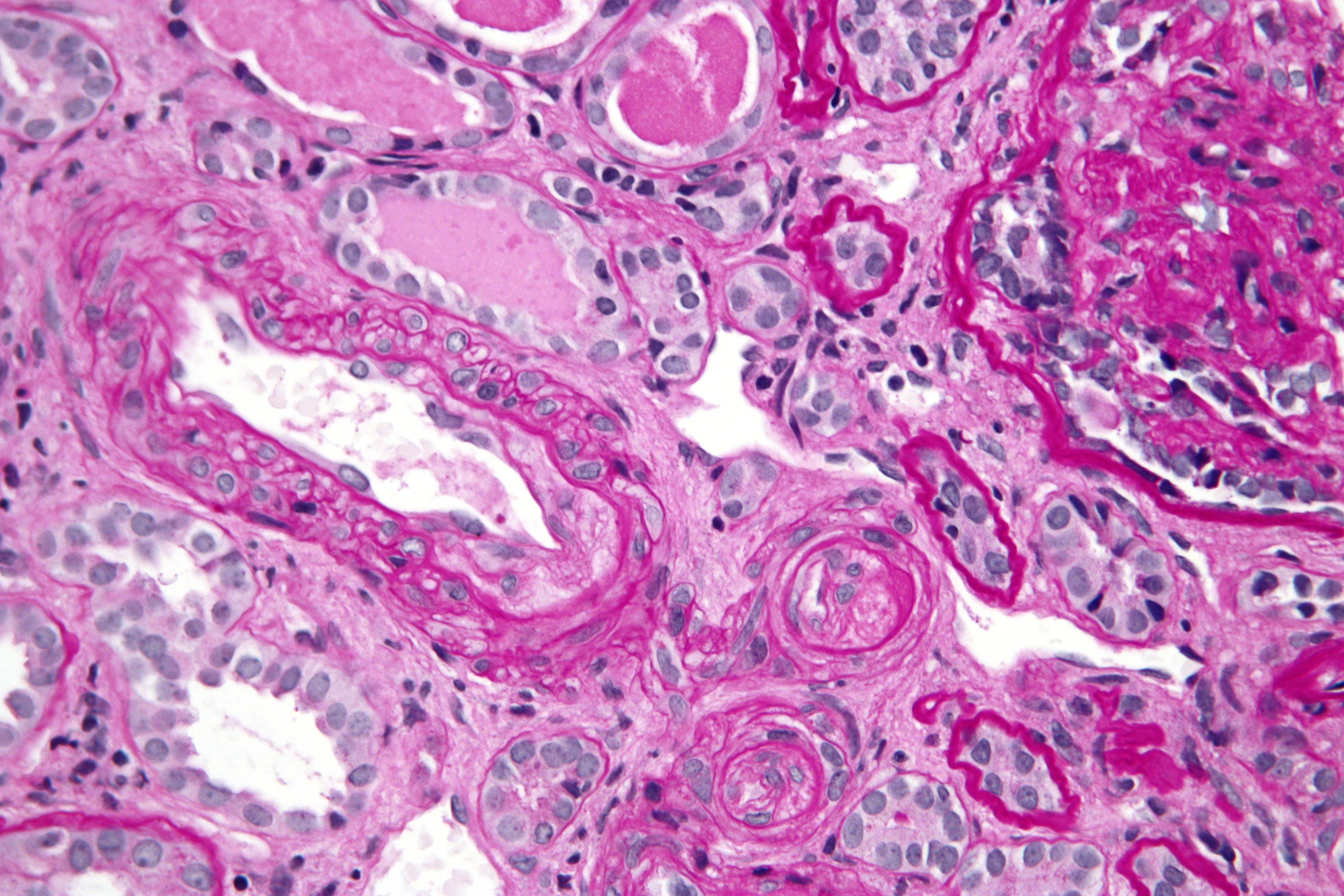
A microangiopatia trombótica é uma doença em que as plaquetas se acumulam e entopem pequenos vasos sanguíneos, destruindo os glóbulos vermelhos. Essa situação costuma causar sangramentos fáceis, como manchas roxas na pele, urina alterada por dano nos rins e icterícia (pele e olhos amarelados). O quadro pode ser desencadeado por alterações em genes de controle do sangue e do sistema imunológico, exigindo intervenção médica ágil. No Brasil, a condição não conta com um protocolo clínico (PCDT) próprio no SUS, e o tratamento de suporte é realizado pela rede hospitalar do sistema de saúde.
São condições que se manifestam como um tipo de anemia (sangue fraco) onde os glóbulos vermelhos são destruídos em vasos sanguíneos muito pequenos; poucas plaquetas no sangue (células que ajudam a coagular); e diversos sinais de que os órgãos não estão funcionando bem. Isso ocorre porque as plaquetas se agrupam e bloqueiam a circulação nos vasos sanguíneos menores.
Tem tratamento?
Encontrou um erro ou informação desatualizada? Sugira uma correção →
Entender a doença
Do básico ao detalhe, leia no seu ritmo
Preparando trilha educativa...
Sinais e sintomas
O que aparece no corpo e com que frequência cada sintoma acontece
Partes do corpo afetadas
+ 42 sintomas em outras categorias
Características mais comuns
Os sintomas variam de pessoa para pessoa. Abaixo estão as 86 características clínicas mais associadas, ordenadas por frequência.
Linha do tempo da pesquisa
Encontrou um erro ou informação desatualizada? Sugira uma correção →
Genética e causas
O que está alterado no DNA e como passa nas famílias
Genes associados
9 genes identificados com associação a esta condição.
Thrombotic thrombocytopenic purpura, hereditary
An autosomal recessive hematologic disease characterized by hemolytic anemia with fragmentation of erythrocytes, thrombocytopenia, diffuse and non-focal neurologic findings, decreased renal function and fever.
Hemolytic uremic syndrome, atypical, 3
An atypical form of hemolytic uremic syndrome. It is a complex genetic disease characterized by microangiopathic hemolytic anemia, thrombocytopenia, renal failure and absence of episodes of enterocolitis and diarrhea. In contrast to typical hemolytic uremic syndrome, atypical forms have a poorer prognosis, with higher death rates and frequent progression to end-stage renal disease.
Macular degeneration, age-related, 14
A form of age-related macular degeneration, a multifactorial eye disease and the most common cause of irreversible vision loss in the developed world. In most patients, the disease is manifest as ophthalmoscopically visible yellowish accumulations of protein and lipid that lie beneath the retinal pigment epithelium and within an elastin-containing structure known as Bruch membrane.
Basal laminar drusen
Drusen are extracellular deposits that accumulate below the retinal pigment epithelium on Bruch membrane. Basal laminar drusen refers to an early adult-onset drusen phenotype that shows a pattern of uniform small, slightly raised yellow subretinal nodules randomly scattered in the macula. In later stages, these drusen often become more numerous, with clustered groups of drusen scattered throughout the retina. In time these small basal laminar drusen may expand and ultimately lead to a serous pigment epithelial detachment of the macula that may result in vision loss.
Nephrotic syndrome 7
A form of nephrotic syndrome, a renal disease clinically characterized by severe proteinuria, resulting in complications such as hypoalbuminemia, hyperlipidemia and edema. NPHS7 is an autosomal recessive form characterized by onset of proteinuria usually in the first decade of life. The disorder is progressive, and some patients develop end-stage renal disease within several years. Renal biopsy typically shows membranoproliferative glomerulonephritis.
Hemolytic uremic syndrome, atypical, 2
An atypical form of hemolytic uremic syndrome. It is a complex genetic disease characterized by microangiopathic hemolytic anemia, thrombocytopenia, renal failure and absence of episodes of enterocolitis and diarrhea. In contrast to typical hemolytic uremic syndrome, atypical forms have a poorer prognosis, with higher death rates and frequent progression to end-stage renal disease.
Complement component 3 deficiency
A rare defect of the complement classical pathway. Patients develop recurrent, severe, pyogenic infections because of ineffective opsonization of pathogens. Some patients may also develop autoimmune disorders, such as arthralgia and vasculitic rashes, lupus-like syndrome and membranoproliferative glomerulonephritis.
Thrombophilia due to thrombomodulin defect
A hemostatic disorder characterized by a tendency to thrombosis.
Medicamentos e terapias
Mecanismo: Thrombopoietin receptor agonist
Mecanismo: Glucocorticoid receptor agonist
Mecanismo: Glucocorticoid receptor agonist
Mecanismo: Thrombopoietin receptor agonist
Mecanismo: Glucocorticoid receptor agonist
Mecanismo: Tyrosine-protein kinase SYK inhibitor
Mecanismo: Glucocorticoid receptor agonist
Mecanismo: Complement C5 inhibitor
Mecanismo: von Willebrand factor inhibitor
Mecanismo: DNA (cytosine-5)-methyltransferase 3A inhibitor
Variantes genéticas (ClinVar)
441 variantes patogênicas registradas no ClinVar.
Classificação de variantes (ClinVar)
Distribuição de 5 variantes classificadas pelo ClinVar.
Vias biológicas (Reactome)
18 vias biológicas associadas aos genes desta condição.
Diagnóstico
Os sinais que médicos procuram e os exames que confirmam
Tratamento e manejo
Remédios, cuidados de apoio e o que precisa acompanhar
Onde tratar no SUS
Hospitais de referência no Brasil e o protocolo oficial do SUS (PCDT)
🇧🇷 Atendimento SUS — Microangiopatia trombótica
Selecione um estado ou use sua localização para ver resultados.
Dados de DATASUS/CNES, SBGM, ABNeuro e Ministério da Saúde. Sempre confirme a disponibilidade diretamente com o estabelecimento.
Pesquisa ativa
Ensaios clínicos abertos e novidades científicas recentes
Ensaios em destaque
Com ensaio aberto em 24 países. O ponto verde marca onde há vaga agora.
🟢 Recrutando agora
15 pesquisas recrutando participantes. Converse com seu médico sobre a possibilidade de participar.
Outros ensaios clínicos
53 ensaios clínicos encontrados, 19 ativos.
Publicações mais relevantes
Mostrando amostra de 200 publicações de um total de 3.994
[Clinical efficacy and safety of eculizumab in pediatric atypical hemolytic uremic syndrome].
Objective: To evaluate the efficacy and safety of eculizumab (ECZ) in pediatric atypical hemolytic uremic syndrome (aHUS). Methods: A single-center retrospective study was conducted on 11 children with aHUS who received ECZ therapy in the Department of Nephrology, Children's Hospital of Fudan University, between December 2022 and February 2025. The clinical data, including genetic testing results, were collected for analyzing hematological and renal remission, prognosis and adverse events. Results: Among the 11 patients, 6 were male and 5 were female, with age at onset of 2.83 (0.55, 5.75) years. Eight patients had newly diagnosed aHUS, and 3 had relapsed disease. The pathogenic genetic variants were identified in 3 patients. Before ECZ treatment, 8 children required dialysis, including 2 with chronic dialysis. The age at first ECZ administration was 5.03 (0.72, 11.39) years, and the follow-up duration was (15±9) months. All 11 patients achieved complete thrombotic microangiopathy remission, with a time to remission of (36±23) d. In the 11 patients, the estimated glomerular filtration rate at the final follow-up increased by 46 (31, 62) ml/(min·1.73 m2) compared with baseline. The time to achieve normalization of serum creatinine or a ≥25% reduction was 10.0 (5.5, 31.5) d. Plasma exchange or plasma infusion was discontinued in all patients. The 8 patients who required dialysis at baseline successfully discontinued dialysis, and no new dialysis cases occurred. Six patients with negative genetic testing discontinued ECZ without relapse during follow-up. ECZ was well tolerated, with no meningococcal infections reported. Two patients with elevated liver enzymes recovered fully. Conclusions: ECZ demonstrates favorable efficacy and tolerability in pediatric aHUS. The application of ECZ may contribute to improve the prognosis of aHUS. 目的: 探讨依库珠单抗(ECZ)治疗儿童非典型溶血尿毒综合征(aHUS)的疗效和安全性。 方法: 病例系列研究,收集2022年12月至2025年2月在复旦大学附属儿科医院肾内科应用ECZ治疗的11例aHUS患儿临床资料包括基因诊断,分析其血液学、肾脏缓解情况以及预后和不良反应。 结果: 11例患儿中,男6例、女5例,起病年龄2.83(0.55,5.75)岁;8例为新发病例,3例为复发病例;3例检出aHUS相关基因变异。ECZ治疗前有8例患儿需行透析治疗,其中2例为长期透析患儿。首剂ECZ治疗年龄为5.03(0.72,11.39)岁,随访时间(15±9)个月。ECZ治疗后,11例患儿均达到血栓性微血管病完全缓解,达到时间(36±23)d。11例患儿末次随访估算肾小球滤过率较基线上升了46(31,62)ml/(min·1.73 m2);达到血肌酐正常或下降≥25%的时间为10.0(5.5,31.5)d。所有患儿均停止血浆置换或血浆输注;基线时需要透析的8例患儿均成功停止透析,无新增透析患儿。6例基因检测阴性患儿已停用ECZ,无复发病例。ECZ耐受性良好,没有发生脑膜炎球菌感染;2例肝酶升高患儿均恢复正常。 结论: ECZ对儿童aHUS具有良好的疗效和耐受性。应用ECZ有助于改善aHUS预后。.
Shiga Toxin-Producing Escherichia coli Outbreak in Canadian Daycare Centers.
Shiga toxin-producing Escherichia coli (STEC) infections have significant morbidity, with 15% to 20% of children developing hemolytic uremic syndrome (HUS), more than half of whom require kidney replacement therapy (KRT). To describe health care resource utilization, clinical outcomes, and outcomes associated with daily laboratory monitoring for thrombotic microangiopathy (TMA) in a large point-source STEC outbreak. This retrospective cohort study was conducted among a population-based cohort of individuals exposed to a contaminated food item served in 11 childcare centers in Calgary, Alberta, Canada, on August 29, 2023. Children and adults with confirmed STEC infection linked to the outbreak were included. Data were analyzed from June 9, 2025, to January 5, 2026. E coli O157:H7 possessing genes encoding Shiga toxins 1 and 2. Health care utilization, symptoms and signs of infection, occurrence of HUS and KRT, and results of TMA screening. There were 359 outbreak-linked confirmed STEC infections, including 285 children (median [IQR] age, 3.3 [2.3-4.2] years; 141 [62.4%] male) and 71 adults (median [IQR] age, 38.8 [31.9-46.4] years; 58 [81.7%] female) and 3 out-of-province cases; 326 primary and 33 secondary infections were identified. Of 359 infected individuals overall, 66 (18.4%) were asymptomatic. HUS occurred in 21 children (7.4%), all of whom had diarrhea (21 of 206 children with diarrhea [10.2%]). No adults developed HUS. This outbreak was linked to 508 and 395 visits by children with STEC to an emergency department and a dedicated STEC clinic, respectively; 591 visits occurred during a 7-day period, starting 6 days after exposure. Forty children were hospitalized, 9 children required KRT, and 3 children required intensive care. The most common symptoms in children and adults were diarrhea (206 children [91.2%]; 16 of 20 adults with data [80.0%]), abdominal pain (141 children [62.4%]; 11 of 20 adults with data [55.0%]), and bloody diarrhea (127 children [56.2%]; 7 of 20 adults with data [35.0%]). TMA testing had 100% (95% CI, 83.9%-100%) sensitivity, 95.7% (95% CI, 92.0%-98.0%) specificity, and a diagnostic accuracy of 96.1% (95% CI, 92.7%-98.2%) for development of HUS. This cohort study reporting on a point-source STEC outbreak identified significant use of health care resources. Only 7% of children infected with STEC developed HUS, which is lower than reported in most prior outbreaks and sporadic case series. These findings highlight the importance of a coordinated public health response integrated with clinical care and suggest that proactive screening for TMA has the potential to mitigate adverse outcomes.
Role of extracorporeal therapy in poisoning - A case based narrative.
Extracorporeal treatment (ECTR) have been employed for poison elimination dating back to as early as the 1960s, but during the current day and time, the indications for ECTR are mostly arbitrary and are considered when other treatments of poison elimination or reduction below toxic levels are not available. It is invaluable, especially when the toxins or poison are amendable to removal by ECTR, especially in a setting of clinical deterioration, the unavailability of specific antidotes, or when other treatment modalities are cost prohibitive in a tertiary setting with ECTR facilities. To reiterate the efficacy of extracorporeal therapy techniques in poisoning focusing on the indications, available modalities, and outcomes. Three clinical cases of acute poisoning with phenobarbitone, copper sulfate, and snake envenomation, effectively managed by ECTR, in detail were reviewed. A literature review on ECTR in poisoning was also conducted to summarize the principles. All three patients were managed with appropriate ECTR modalities. Therapeutic plasma exchange was used to treat snakebite-induced thrombotic microangiopathy, hemodialysis was used to treat phenobarbital toxicity, and plasma exchange was used effectively for copper sulfate poisoning. ECTR was initiated early, which resulted in clinical improvement and recovery in all cases. HD remains a pivotal treatment option for the management of severe poisonings. Nevertheless, given the rare possibility of an encounter with cases necessitating treatment with extracorporeal therapies and the lack of recommendations and guidelines to standardize the practice, the evidence supporting the application of ECTR still remains limited and needs to be studied further for high-quality evidence.
Presentation of HIV-Associated Thrombotic Microangiopathy and Response to Therapeutic Plasma Exchange: A 10-year Retrospective Single-Centre Cohort Study.
HIV is a significant aetiological factor in thrombotic microangiopathy (TMA) in regions of high seroprevalence, but description of HIV-associated TMA (HIV-TMA) remains limited to small case series. We sought to describe the presentation, complications of TPE, and mortality and renal outcomes of HIV-TMA. We retrospectively reviewed 98 cases of HIV-TMA treated with therapeutic plasma exchange (TPE) between 1/1/2010 and 31/12/2020. The effect of HIV infection and clinical presentation on mortality, TPE complications, and renal outcomes were analysed using regression analysis. TMA is associated with advanced HIV infection (median CD4 count 151 × 106/mm3 cells and median viral load 117500 copies/mL), usually occurs in the absence of antiretroviral therapy (ART), and shows a predilection for young Black women, reflecting TMA risk factors and local demographics of the HIV pandemic. Neurological deficit is the most common presenting feature (54.1%). HIV-TMA mortality is high despite TPE (49% of cases); better renal function reduces risk of TMA-attributable death (HR 0.97, 95% CI 0.96-0.99, p < 0.001); use of FFP as infusant is associated with increased risk of mortality (HR 3.96, 95% CI 1.60-9.84, p = 0.003). Sepsis frequently complicates TPE (16.3% of courses) and contributes to excess mortality (20.7% of deaths); risk of infection increases with duration of TPE (OR 1.21, 95% CI 1.07-1.37, p = 0.002), implicating augmented immunosuppression in mortality. HIV infection parameters do not significantly affect risk of mortality or sepsis. Residual renal dysfunction is relatively rare in survivors at follow-up. Mortality remains high in HIV-TMA treated with TPE, and sepsis-related complications are of concern. Randomized prospective studies are needed to evaluate the use of TPE versus plasma infusion (PI) and infusant choice in HIV-TMA. Longer duration follow-up studies are needed to evaluate residual renal dysfunction in survivors of HIV-TMA.
Reinventing the wheel in ischemic stroke: Novel aspects in ADAMTS13 and von Willebrand axis.
A disintegrin and metalloproteinase with a thrombospondin type 1 motif, member 13 (ADAMTS13), is an enzyme that cleaves ultra-large von Willebrand factor (VWF) multimers. ADAMTS13 deficiency leads to thrombotic thrombocytopenic purpura (TTP), a thrombotic microangiopathy characterized by micro-thrombosis in small vessels and target-organ damage. Given that in long-term TTP survivors, reduced ADAMTS13 activity has been associated with the development of major cardiovascular events, the emerging evidence regarding the dysregulation of the ADAMTS13/ VWF axis in the pathogenesis of ischemic stroke (IS), and the unmet need for novel predictive models for IS outcomes and novel targeted therapeutics, we aim to review the current literature to provide an overview of the ongoing research on this field. Our objective is to summarize the evidence from experimental and clinical studies to underline the pathogenetic and therapeutic potential of VWF-ADAMTS13 in IS, while also providing perspectives for future research in this domain.
Publicações recentes
Chemotherapy-Induced Thrombotic Microangiopathy in a Pediatric Patient With a Single Functioning Kidney: A Case Report and Review of the Literature.
🥉 Relato de casoAcquired Thrombotic Thrombocytopenic Purpura with a Poor Response to Treatment can be an Initial Manifestation of Occult Signet Ring Cell Carcinoma and other Malignancies.
🥉 Relato de casoCase Report: COVID-19 unmasks factor H mutation-driven hemolytic uremic syndrome in a previously undiagnosed septuagenarian kidney transplant recipient.
📖 RevisãoBartonella henselae infection associated with a multisystemic thrombo-inflammatory syndrome in an immunocompetent adult.
🥉 Relato de casoA Case of Urethral Carcinoma With Cardiac Metastasis and Pulmonary Tumor Thrombotic Microangiopathy Confirmed by Autopsy.
🥈 Observacional📚 EuropePMC2.484 artigos no totalmostrando 197
Safety and Efficacy of Therapeutic Plasma Exchange in Pediatric Non-Neurological Diseases.
International journal of nephrology and renovascular diseaseEarly recognition of atypical hemolytic uremic syndrome to prevent irreversible kidney injury: cardiac failure and refractory hypertension as critical clues in young patients.
CEN case reportsRecurrent pancreatitis and atypical hemolytic uremic syndrome (aHUS): an unusual presentation in childhood.
Pediatric nephrology (Berlin, Germany)Expression of Human Thrombomodulin Prevents Early Thrombocytopenia and Thrombotic Microangiopathy in Pig-to-Nonhuman Primate Orthotopic Liver Xenotransplantation.
XenotransplantationErythrodermic psoriasis complicated by immune complex-mediated crescentic glomerulonephritis and atypical hemolytic uremic syndrome: a case report.
BMC nephrologyBeyond HELLP: An Unusual Cause of Severe Thrombocytopenia in Pregnancy.
CureusHemoglobinuria-associated acute kidney injury in hemolytic uremic syndrome without renal thrombotic microangiopathy.
BMC nephrologyPulmonary Tumor Thrombotic Microangiopathy in a Patient With Male Breast Cancer: A Report of a Rare Case.
CureusLate-Onset Normotensive Thrombotic Microangiopathy and Pyoderma Gangrenosum Following Nine Years of Sunitinib Therapy: A Case Report.
Kidney medicineMonoclonal Gammopathies of Thrombotic and Hemorrhagic Significance: Mapping into a classification schema.
Journal of thrombosis and haemostasis : JTHEfficacy analysis of iptacopan in a patient with thrombotic microangiopathy after allogeneic hematopoietic stem cell transplantation: a case report.
Frontiers in immunologyThrombotic microangiopathy with features of thrombotic thrombocytopenic purpura in a patient with Vibrio parahaemolyticus bacteremia: a rare case report.
Internal and emergency medicine[Once upon a time in nephrology - Episode 3: A brief history of preeclampsia].
Nephrologie & therapeutiqueSevere systemic lupus erythematosus with thrombotic microangiopathy: rescue therapy with pegcetacoplan.
Pediatric nephrology (Berlin, Germany)Case Report: Endothelial-targeted bridging therapy for a TTP-like phenotype in fulminant iMCD-TAFRO.
Frontiers in immunologyRecurrent Atypical Hemolytic-Uremic Syndrome (aHUS) Associated With CD46 Genetic Mutation: A Report of a Rare Case.
Cureus[Clinical efficacy and safety of eculizumab in pediatric atypical hemolytic uremic syndrome].
Zhonghua er ke za zhi = Chinese journal of pediatricsThrombotic microangiopathy after kidney transplantation: diagnosis and management strategies.
Clinical kidney journalDynamic Monitoring of ADAMTS-13 Activity for Differential Diagnosis Across the Spectrum of Sepsis-Associated Thrombotic Microangiopathies.
Mediterranean journal of hematology and infectious diseasesA Prospective 1-Year Study of Renal Recovery in Pigment Nephropathy: Insights Beyond the Acute Phase.
The Journal of the Association of Physicians of IndiaA Case of Epstein-Barr Virus-Associated Transplanted Kidney Post-Transplant Lymphoproliferative Disorder Complicated by Hemophagocytic Lymphohistiocytosis, Six Years after Transplantation.
Surgical case reportsThe C3 p.Ile1157Thr mutation associated with atypical hemolytic uremic syndrome, particularly in Japan, does not lead to disease development in several mouse models.
Journal of thrombosis and haemostasis : JTHRisk factors for acute kidney injury after hematopoietic stem cell transplantation in children: a single-center retrospective study.
PeerJShiga Toxin-Producing Escherichia coli Outbreak in Canadian Daycare Centers.
JAMA network openLong-Term Risk of Major Coronary Artery Disease Events After Thrombotic Microangiopathy Treated With Plasma Exchange.
American journal of hematologyRole of extracorporeal therapy in poisoning - A case based narrative.
International journal of critical illness and injury scienceFrom Hemolysis to Lupus: A Case of Evans Syndrome Revealing Systemic Autoimmunity.
Clinical case reportsPresentation of HIV-Associated Thrombotic Microangiopathy and Response to Therapeutic Plasma Exchange: A 10-year Retrospective Single-Centre Cohort Study.
Health science reportsImmunoglobulin A Nephropathy With Associated Thrombotic Microangiopathy: Biopsy and Clinical Case Series.
Clinical medicine insights. Case reportsFrom post-infectious glomerulonephritis to complement-mediated aHUS: a diagnostic challenge.
Pediatric nephrology (Berlin, Germany)Hematologic disorders in pregnancy: the role of the complement system.
Expert review of hematologyCatastrophic Antiphospholipid Syndrome: A Rare but Life-Threatening Thrombotic Storm-A Case Report and Literature Review.
Case reports in rheumatologyCan low serum complement be used as an indicator of thrombotic microangiopathy in kidney transplant candidates with unknown diagnosis?
Journal of nephrologyEffectiveness of caplacizumab in the first-line treatment for acquired thrombotic thrombocytopenic purpura: single center experience.
Therapeutic advances in hematologyA young woman with membranoproliferative glomerulonephritis and persistent hypocomplementemia: a case report.
BMC nephrologyReinventing the wheel in ischemic stroke: Novel aspects in ADAMTS13 and von Willebrand axis.
Blood reviewsDetecting Endothelial Compromise Objectively through Dynamic EASIX scoring (DECODE) - predictive utility of EASIX and modified EASIX scores for endothelial complications post hematopoietic cell transplant.
Frontiers in oncologyPregnancy-Associated Thrombotic Thrombocytopenic Purpura: Diagnostic Pitfalls, Therapeutic Strategies, and Emerging Paradigms.
BiomedicinesMonoclonal gammopathies of cutaneous significance: A nomenclature and pathophysiology-based classification.
Journal of the American Academy of DermatologyLate Onset of Congenital TTP: Case Presentation and Review of the Literature.
Clinical medicine insights. Case reportsValidation of D-Dimer as a Prognostic Biomarker in Transplant-Associated Thrombotic Microangiopathy in Children.
Pediatric blood & cancerPathologic diagnosis incorporating molecular monitoring highlights new pathophysiological mechanisms in kidney xenotransplantation.
Kidney internationalUnveiling the Pernicious Truth: A Case Report on the Rare Presentation of Severe Vitamin B12 Deficiency.
CureusAvoidance of related donors in CAEBV with germline immune variants: long-termoutcome of matched unrelated donor HSCT - a case report.
Annals of hematologyCase report: Different outcomes of two cases of relapsed/refractory T cell acute lymphoblastic leukemia treated with anti-CD7 chimeric antigen receptor T cells bridging to allogeneic hematopoietic stem cell transplantation: from curative promise to fatal risk.
Frontiers in oncologyCase Report: CAR-T cell therapy bridging to allogeneic hematopoietic stem cell transplantation triggers Purtscher-like retinopathy: clinical features and complement-mediated microvascular injury mechanisms.
Frontiers in immunologySuccessful living kidney transplantation in a T-cell flow cytometry crossmatch-positive patient with atypical hemolytic uremic syndrome treated with an anti-C5 antibody: a case report.
CEN case reportsGenetics of thrombotic thrombocytopenic purpura: systematic review in immune and congenital thrombotic thrombocytopenic purpura.
Journal of thrombosis and haemostasis : JTHIdentifying novel biomarkers for systemic lupus erythematosus associated with macrophage activation syndrome.
Biomedicine & pharmacotherapy = Biomedecine & pharmacotherapieA roadmap for a patient-centred approach to Pompe disease management.
Journal of neurologyConcomitant pulmonary embolism and severe thrombocytopenia associated with an APS-like autoimmune thrombophilic condition: a case report.
BMC pulmonary medicineMultisystem involvement with ischemic complications in a child with STEC-HUS: a case of gangrene.
Pediatric nephrology (Berlin, Germany)Early eculizumab treatment improves renal outcomes in pediatric lupus nephritis with thrombotic microangiopathy.
Nephrology, dialysis, transplantation : official publication of the European Dialysis and Transplant Association - European Renal AssociationC3 mutation-associated atypical hemolytic uremic syndrome with severe renal dysfunction and hypertensive emergency successfully treated with ravulizumab and sacubitril/valsartan: a case report.
BMC nephrologyLinking preclinical models to clinical realities: VEGF/VEGFR inhibitors and thrombotic microangiopathy in cancer therapy.
iMetaOmicsImpact of Day of Hospital Admission and Hospital Characteristics on Mortality in Thrombotic Thrombocytopenic Purpura.
Journal of clinical apheresisSyndrome of Inappropriate Antidiuretic Hormone Secretion and Thrombotic Microangiopathy as Paraneoplastic Syndromes Complicating BRCA2-Mutated Metastatic Prostate Cancer.
CureusAcute Kidney Injury Following Vaccine-Induced Thrombotic Microangiopathy.
European journal of case reports in internal medicineActinomycotic Cholecystitis and Pancreatitis: Report of an Unusual Case.
The American journal of case reportsAdvanced Pediatric HIV Presenting as Thrombotic Microangiopathy.
Indian journal of pediatricsHypertensive Havoc: When Malignant Hypertension Mimics Thrombotic Thrombocytopenic Purpura.
CureusCase Report: Glomerular microangiopathy and reversible renal toxicity during prolonged bevacizumab therapy in ovarian cancer.
Frontiers in oncologySevere venom-induced consumption coagulopathy, snakebite-associated thrombotic microangiopathy, and local necrosis following Western bush viper (Atheris chlorechis) envenoming in France.
Toxicon : official journal of the International Society on ToxinologyRTX-family toxin EhxA drives morphological remodeling and thrombogenesis in RBCs during enterohemorrhagic Escherichia coli infection.
Science advancesLong-chain polyphosphates induce glomerular microthrombi and exacerbate LPS-induced acute kidney injury in mouse.
Disease models & mechanismsA case of membranous proliferative glomerulonephritis-type IgA nephropathy modified by nintedanib.
CEN case reportsFibronectin glomerulopathy caused by genetic FN1 mutation: A case report and literature review.
Clinical nephrologyOptimizing the management of congenital thrombotic thrombocytopenic purpura.
Research and practice in thrombosis and haemostasisDelayed-Onset Hemolysis in a Case of Hemolytic Uremic Syndrome: A Diagnostic Challenge.
Case reports in hematologyEfficacy of Plasma Exchange in Secondary Thrombotic Microangiopathy: A Case Report and Literature Review.
CureusChronic health manifestations following hump-nosed pit viper (Hypnale spp.) bites: an authenticated case series.
Transactions of the Royal Society of Tropical Medicine and HygieneAcute kidney injury requiring temporary hemodialysis due to HELLP syndrome: a case report.
CEN case reportsReal-World Effectiveness of Ravulizumab Among C5 Inhibitor-Naive Patients With Atypical Hemolytic Uremic Syndrome: A Physician Panel-Based Chart Review (aHUS IMPACT Study).
Kidney medicineAcute myocardial infarction following allogeneic hematopoietic stem cell transplantation: A national cohort study.
Cancer lettersEculizumab in treatment for complement-mediated thrombotic microangiopathy associated with acute pancreatitis.
EXCLI journalCaveolin-1 as a Marker of Endothelial Damage in Primary Antiphospholipid Syndrome Nephropathy.
Kidney medicineMacrophage Activation Syndrome-Associated Proteins and Enhanced Interferon-γ Responsiveness in the Plasma Proteome of Patients With Multisystem Inflammatory Syndrome in Children in a Pretreatment Replication Single-Center Cohort.
ACR open rheumatologyClinical characteristics and outcome of malaria-associated acute kidney injury in adult patients: a systematic review and meta analysis.
Malaria journalBone marrow proteomic profiling reveals TMEM109 as a biomarker for relapse in thrombotic thrombocytopenic purpura.
Journal of thrombosis and haemostasis : JTHThrombotic microangiopathy in a patient with anti-signal recognition particle antibody-positive immune-mediated necrotising myopathy: a case report.
Modern rheumatology case reportsComplement-mediated HUS revisited: evolving insights into pathophysiology, diagnosis, and treatment.
Frontiers in immunology[Management of thrombotic microangiopathy].
Revue medicale suisseCutaneous and Systemic Complications in Primary CD8+ Aggressive Epidermotropic Cytotoxic T-cell Lymphoma.
CureusSafety of Post-transplant Cyclophosphamide as a Single Agent for Graft-Versus-Host Disease Prophylaxis After Human Leukocyte Antigen (HLA)-Matched Transplantation With the Japanese Population: A Single-Center Phase Ⅰ/Ⅱ Study.
CureusSuccessful term pregnancy after renal transplant in end-stage renal disease with complement factor H-related mutation: A case report.
World journal of transplantationFrom dog bite to dialysis: complement-mediated haemolytic uraemic syndrome .
BMJ case reportsCatastrophic Antiphospholipid Syndrome.
Seminars in thrombosis and hemostasisPrimary antiphospholipid syndrome presenting with unilateral renal infarction and C4d-positive cortical necrosis: a case report with a pooled analysis of 24 cases.
Frontiers in immunologyLong-term renal outcomes of patients with biopsy-proven malignant hypertension-associated renal thrombotic microangiopathy who are dialysis-independent at baseline.
Renal failureRelationship between kidney length and renal risk in malignant hypertension patients with renal thrombotic microangiopathy.
Clinical and experimental hypertension (New York, N.Y. : 1993)Salvaging sepsis-associated atypical hemolytic uremic syndrome with terminal complement blockade: A case report.
Medicine[Microangiopathies thrombotiques].
La Revue du praticienMonitoring ADAMTS-13 conformation in immune-mediated thrombotic thrombocytopenic purpura: toward personalized management.
Research and practice in thrombosis and haemostasisThrombotic thrombocytopenic purpura in a patient with systemic lupus erythematosus after anifrolumab: a possible association.
Archive of clinical casesThrombotic microangiopathy or rejection in first pig-to-human patient liver xenotransplantation.
Journal of hepatologyHealth-related quality of life and mental health in autoimmune thrombotic thrombocytopenic purpura patients in the caplacizumab era.
Research and practice in thrombosis and haemostasisSurvival after cardiopulmonary arrest due to Capnocytophaga canimorsus sepsis: A case successfully managed using plasma exchange.
IJID regionsUse of narsoplimab for eculizumab-refractory adult transplant-associated thrombotic microangiopathy (TA-TMA).
Annals of hematologyClinicopathological Spectrum and Treatment Outcomes of Cryofibrinogen-Associated Nephropathies.
Kidney international reportsBicistronic-CD19/22 Chimeric Antigen Receptor T-Cell Therapy for Childhood Refractory Lupus Nephritis.
Kidney international reportsPostpartum Readmission for Pregnancy-Associated Thrombotic Microangiopathy Is Associated With Poor Maternal Outcomes.
Journal of clinical apheresisThrombotic Microangiopathy Secondary to Capnocytophaga Sepsis: A Case Report.
CureusRetrospective cohort evaluation of renal involvement in non-HIV castleman disease patients from a single academic center in Beijing, China.
Annals of hematologyFrom uterine atony to aHUS: A case of postpartum thrombotic microangiopathy.
Revista espanola de anestesiologia y reanimacionAcyclovir-Resistant Herpes Simplex Virus in Pediatric Patients Undergoing Allogeneic Hematopoietic Stem Cell Transplant: A Case Series.
Transplant infectious disease : an official journal of the Transplantation SocietyBiopsy-proven tyrosine kinase inhibitor-associated renal injury: a case series.
Clinical kidney journalThrombotic Microangiopathy and Glomerulonephritis Complicating Staphylococcus aureus-Induced Impetigo in a Girl.
The Pediatric infectious disease journalIncidence and Impact of Endothelial Dysfunction Events and Veno-Occlusive Disease in Haploidentical Stem Cell Transplantation with Post-Transplant Cyclophosphamide: A Retrospective Analysis From the Argentinian Group of Marrow Transplant and Cellular Therapy (GATMO-TC).
Transplantation and cellular therapyIncidence, timing, and clinical significance of adverse immune events after gene replacement therapy: A systematic review and meta-analysis.
Molecular therapy : the journal of the American Society of Gene TherapyDiagnostic and therapeutic challenges into snakebite-induced thrombotic microangiopathy: a case report and review of the literature.
Journal of medical case reportsRisk Factors Associated with the Development of Thrombotic Microangiopathy in Patients with Dermatomyositis.
International journal of molecular sciencesValidation of risk stratification and novel prognostic biomarkers in asian adult HSCT recipients with TA-TMA: A multicenter real-world study.
Bone marrow transplantationDiagnostic Challenges in Atypical Hemolytic Uremic Syndrome: A Case of Artificial Mitral Valve Dysfunction as a Possible Trigger for Severe Thrombotic Microangiopathy.
The American journal of case reportsEthnicity affects relapse-free survival in immune-mediated thrombotic thrombocytopenic purpura.
HaematologicaPulmonary tumour thrombotic microangiopathy or chronic thromboembolic pulmonary hypertension?-diagnosed by pulmonary wedge aspiration cytology using a Swan-Ganz catheter: a case report.
European heart journal. Case reportsCrovalimab Rescue Therapy in a Case With Genetic Complement Mediated Thrombotic Microangiopathy.
Kidney medicinePetting Zoo Perils: Escherichia coli O157:h7 Associated Hemolytic Uremic Syndrome Secondary to Animal Exposure.
Hemodialysis international. International Symposium on Home HemodialysisDiagnosis and treatment of complement-mediated thrombotic microangiopathies: consensus of the Genetic Diseases Committee of the Chilean Society of Nephrology.
BMC nephrologyFunctional Xenogeneic Liver Support in a Living Human: Promise, Lessons, and Next Steps.
Xenotransplantation[Targeting complement in atypical hemolytic and uremic syndrome: development and current status of eculizumab and ravulizumab].
Nephrologie & therapeutiqueA milestone in liver xenotransplantation: The first 10-gene-edited pig-to-living-human auxiliary transplantation and the road ahead.
Cell transplantationAcute kidney injury associated with acute fatty liver of pregnancy: An update on a rare clinical entity.
World journal of nephrologyMechanistic insights from transcript analysis of long-term pig to non-human primate kidney xenografts.
Kidney internationalAtypical Hemolytic Uremic Syndrome After Post-Abortion Infection: Case Report and Literature Review.
International journal of women's healthThe Era of Gene Therapy, Newborn Screening, and Improved Management in the Leukodystrophies: A Shifting Framework With Altered Expectations.
Pediatric neurologyRenal Autotransplantation After Yang-Monti Neoureter Procedure: Surgical Case Report and Brief Literature Review.
Case reports in urologyPostoperative Bilateral Renal Cortical Necrosis Secondary to Antiphospholipid Syndrome: A Case Report and Literature Review.
Canadian journal of kidney health and diseaseLiver Involvement in Children with Hemolytic Uremic Syndrome: Clinical Significance and Prognostic Value.
Children (Basel, Switzerland)Genotype-Phenotype Variability in Congenital Thrombotic Thrombocytopenic Purpura (TTP): Two Novel ADAMTS13 Variants.
CureusNephrotic syndrome genomic discovery in the Mass General Brigham Biobank identifies monoallelic MEFV variants as a risk factor for focal segmental glomerulosclerosis.
Kidney international[Pulmonary Tumor Thrombotic Microangiopathy - Case Report].
HarefuahClinical differential analysis of severe complications thrombotic microangiopathy and acute graft-versus-host disease following allogeneic hematopoietic stem cell transplantation.
Frontiers in oncologyLipid dysregulation after hematopoietic stem cell transplant.
HaematologicaPregnancy-related acute kidney injury in south India: Clinical profile and maternal outcomes.
Tropical doctorOutcomes of allogeneic hematopoietic stem cell transplantation for acquired pure red cell aplasia.
International journal of hematologyPost-miscarriage Complement-Mediated Thrombotic Microangiopathy in a 27-Year-Old Woman: A Case Highlighting Diagnostic and Therapeutic Gaps in Brazil.
CureusTemporal biomarker dynamics and clinical outcomes in transplant-associated thrombotic microangiopathy (TA-TMA).
Transplantation and cellular therapyTick saliva molecules as potential immunomodulatory therapeutics.
Parasitology internationalThe Patient-Reported Outcomes Measurement Information System perspective of adults with long-standing atypical hemolytic uremic syndrome.
Research and practice in thrombosis and haemostasisGene therapy in Duchenne muscular dystrophy.
Archives de pediatrie : organe officiel de la Societe francaise de pediatrieThrombotic thrombocytopenic purpura following allogeneic hematopoietic stem cell transplantation: a rare but fatal complication.
Journal of thrombosis and haemostasis : JTHIn patients with suspected thrombotic thrombocytopenic purpura, what is the optimal time to therapeutic plasma exchange?
Hematology, transfusion and cell therapyPost‑Marketing Surveillance of the Safety and Effectiveness of Emicizumab in Japanese Patients With Congenital Haemophilia A With Inhibitors.
Haemophilia : the official journal of the World Federation of HemophiliaThrombotic thrombocytopaenic purpura.
European heart journal. Case reportsHemolytic Uremic Syndrome Complicated by Severe Neuropsychiatric Symptoms: A Case Report and Review of the Literature.
CureusMammalian target of rapamycin inhibitors as the treatment for steroid-refractory acute graft-vs.-host disease after allogeneic hematopoietic stem cell transplantation: A systematic review and individual patient data meta-analysis.
Experimental and therapeutic medicine[The night has many faces: When schistocytes step out of line].
PraxisRavulizumab in treatment-naïve patients with atypical hemolytic uremic syndrome: a real-world case series.
Drug target insightsPathologic findings in preclinical and early clinical kidney xenotransplantation.
Current opinion in organ transplantationEnterohemorrhagic Escherichia coli O157 outer membrane vesicles administered by oral gavage cause renal tubular injury and acute kidney failure in mice.
Frontiers in cellular and infection microbiologyLate Onset Thrombotic Microangiopathy in Kidney Transplants; Poor Outcome Despite Eculizumab Treatment.
Transplant international : official journal of the European Society for Organ TransplantationThrombomodulin protects against acute vascular and multiorgan injury in sickle cell disease.
JCI insightFeasibility and Diagnostic Utility of Mucosal T-Cell Flow Cytometry for Intestinal Graft-Versus-Host Disease.
Gastro hep advancesRenal thrombotic microangiopathy impairs renal function recovery in lupus nephritis.
Clinical kidney journalSuboptimal management of cancer-associated thrombotic microangiopathies in newly diagnosed and known cancers: A 15-year provincial retrospective cohort study.
Thrombosis researchThrombotic Microangiopathy During Pregnancy: Role of Soluble Fms-like Tyrosine Kinase-1-Placental Growth Factor Ratios.
American journal of kidney diseases : the official journal of the National Kidney FoundationBridging via extracorporeal cardiopulmonary resuscitation for hemodynamic collapse in a patient with metastatic lung cancer: a case report.
JA clinical reportsTailored treatment of acute immune-mediated thrombotic thrombocytopenic purpura.
Hematology. American Society of Hematology. Education ProgramLong-term outcome and management of complement-mediated thrombotic microangiopathy/aHUS.
Hematology. American Society of Hematology. Education ProgramModern management of congenital thrombotic thrombocytopenic purpura (cTTP).
Hematology. American Society of Hematology. Education ProgramUpdate in the diagnosis of complement-mediated thrombotic microangiopathy/atypical hemolytic uremic syndrome.
Hematology. American Society of Hematology. Education ProgramThe conundrum of thrombotic microangiopathy in pregnancy.
BMJ case reportsCase Report: Gemcitabine-induced membranoproliferative glomerulonephritis with immune complexes in a patient with metastatic pancreatic cancer.
Frontiers in medicineEASIX, a new tool to predict response and refractoriness in immune-mediated thrombotic thrombocytopenic purpura.
Frontiers in immunologyTerminal complement inhibition in atypical haemolytic uremic syndrome: a single-centre experience.
Frontiers in pharmacologyImmune-mediated thrombotic thrombocytopenic purpura as a model of systemic microvascular dysfunction: moving from an acute to a chronic disorder.
Journal of thrombosis and haemostasis : JTHOutcomes of Terminal Complement Blockade in Adults with High-Risk Transplant-Associated Thrombotic Microangiopathy: A Comparative Analysis.
Transplantation and cellular therapyNavigating complexities: differential diagnosis of thrombotic microangiopathies in pregnancy - a case report.
Acta clinica BelgicaPulmonary Tumor Thrombotic Microangiopathy in Platinum-Resistant Ovarian Cancer - A Case Report.
Acta Cardiologica SinicaPredicting Outcomes and Optimizing Therapy in Thrombotic Thrombocytopenic Purpura: Insights on Caplacizumab Use from a Romanian Hematology Center.
Journal of clinical medicineCharacterization of a Long-Acting Anti-Human MASP-2 Antibody for the Treatment of Complement-Related Diseases.
Journal of inflammation researchThrombotic Thrombocytopenic Purpura During Anti-Tuberculosis Therapy: A Case Report and Literature Review.
Infection and drug resistanceAnticancer drug-induced nephrotoxicity: biopsy-proven patterns and outcomes across chemotherapy, targeted therapy, and immune checkpoint inhibitors.
Renal failureNavigating Pediatric Atypical Hemolytic Uremic Syndrome: A Two-Year Case Series From Eastern India.
CureusEculizumab as an adjunctive rescue treatment for life-threatening childhood onset of systemic lupus erythematosus.
LupusBicytopenia with haemolysis: Think severe vitamin B12 deficiency-associated thrombotic microangiopathy.
Tropical doctorGemcitabine-Induced Thrombotic Microangiopathy in a Patient With Metastatic Pancreatic Cancer: A Case Report.
CureusShiga Toxin-Producing Escherichia coli-Associated Hemolytic Uremic Syndrome in Adult Kidney Transplant Recipients.
Kidney international reportsAntiphospholipid Syndrome and the Kidney.
Kidney international reportsOcular manifestations of primary thrombotic microangiopathies : a descriptive systematic review.
BMC ophthalmologyAcute oxalate nephropathy seven years post Roux-en-Y gastric bypass surgery without excessive vitamin C intake: a case report.
BMC geriatricsSevere hypertension with thrombotic microangiopathy: the need for pathogenically targeted treatments.
Kidney internationalTREX1-associated thrombotic microangiopathy: a tale of 2 mechanistically distinct domains.
Kidney international[Ultra-early administration of eculizumab in a child with atypical hemolytic uremic syndrome: a case report].
Zhongguo dang dai er ke za zhi = Chinese journal of contemporary pediatricsEarly Echocardiographic and Serum Biomarkers Predict Thrombotic Microangiopathy, Endotheliopathy, and Survival After Pediatric Hematopoietic Stem Cell Transplant.
Transplantation and cellular therapyCase Report: A rare complication of non-hypertensive HELLP syndrome-microangiopathic coagulation activation leading to postpartum DIC with acute kidney injury.
Frontiers in medicineMultidisciplinary management of concurrent postpartum eclampsia, HELLP syndrome, ruptured hepatic subcapsular hematoma, and atypical hemolytic uremic syndrome: a case report.
BMC pregnancy and childbirthAcute Toxicities and Early Outcomes of Tandem Autologous Stem Cell Transplantation in Pediatric High-Risk Neuroblastoma: A Multicenter Study.
Transplantation and cellular therapyMalignant Hypertension-Induced Thrombotic Microangiopathy Mimicking Atypical Hemolytic Uremic Syndrome and Thrombotic Thrombocytopenic Purpura.
JACC. Case reportsPlatelet Count of Zero: A Case of Vancomycin-Induced Immune Thrombocytopenia.
CureusPrimary antiphospholipid syndrome and the kidney: biopsy-proven insights from two referral Italian centres.
Rheumatology (Oxford, England)Transient Haemolytic Anaemia and Thrombocytopenia in a Healthy Young Adult Following Influenza a Infection.
European journal of case reports in internal medicineChronic Glomerular Thrombotic Microangiopathy in a 72-Year-Old Patient with B-Cell Chronic Lymphocytic Leukemia and IgG Lambda Paraprotein.
International journal of molecular sciencesSpectrum and outcomes of thrombotic microangiopathies in nephrology: a 17-year cohort from a North African center.
BMC nephrologyProtocol for the Isolation and Analysis of Extracellular Vesicles From Peripheral Blood: Red Cell, Endothelial, and Platelet-Derived Extracellular Vesicles.
Bio-protocolSafety and Effectiveness of Emicizumab in People With Haemophilia A Enrolled in the ATHN 7 Haemophilia Natural History Study.
Haemophilia : the official journal of the World Federation of HemophiliaExploring the Relationship Between Thrombotic Microangiopathy and Immune Checkpoint Inhibitors: A Focus on Mechanistic Insights.
American journal of therapeuticsAssociações
Organizações que acompanham esta doença — pra ter apoio e orientação
Ainda não temos associações cadastradas para Microangiopatia trombótica.
É de uma associação que acompanha esta doença? Fale com a gente →
Doença com base genética
Um médico geneticista pode ajudar no diagnóstico de Microangiopatia trombótica e no aconselhamento genético da família.
Doenças relacionadas
Doenças com sintomas parecidos — ajudam quem ainda está buscando diagnóstico
Perguntas frequentes
O que as famílias mais perguntam sobre esta doença — cada resposta com a fonte de onde saiu
Ela ocorre quando plaquetas formam pequenos coágulos que obstruem vasos diminutos e destroem os glóbulos vermelhos. Esse processo pode estar associado a variações em genes como ADAMTS13, CFH e DGKE, que regulam a coagulação e o sistema imune.
Referências
Fontes citadas no texto, publicações do grafo e bases de dados usadas neste verbete
10 publicações do grafo RarasNet (PubMed) · 6 bases de dados. Títulos, periódicos e PMIDs vêm direto da fonte, sem intermediação de IA.
Dados compilados pelo RarasNet a partir de fontes abertas (Orphanet, OMIM, MONDO, PubMed/EuropePMC, ClinicalTrials.gov, DATASUS, PCDT/MS). Este conteúdo é informativo e não substitui avaliação médica.
Citar este verbete
Raras. (s.d.). Microangiopatia trombótica. Em Raras — Enciclopédia de Doenças Raras do Brasil. https://raras.org/doenca/microangiopatia-trombotica
Formato APA. Conteúdo sob CC BY 4.0 — reuso livre com atribuição.
Conteúdo mantido por Agente Raras · Médicos e pesquisadores podem colaborar
Microangiopatia trombótica
📋 Origem dos dados
Esta página agrega dados de fontes públicas e oficiais. Dados sobre cobertura no SUS (PCDT, CEAF) são verificados ativamente por agente proativo (ver badge no infobox). Demais dados têm atribuição de fonte + data da última sincronização — clique para abrir o original.
- Doença rara (ontologia)
- fonte: Orphanet
- Identificador unificado
- fonte: MONDO
- Codificação WHO/SUS
- fonte: WHO ICD-10 / DATASUS
- NIH/GARD
- fonte: GARD (NIH)
- Indexação biomédica
- fonte: MeSH (NLM)
- Dado público estruturado
- fonte: Wikidata
- Moléculas estudadas na doença
- fonte: OpenTargets
- Ensaios clínicos
- fonte: ClinicalTrials.gov

