Doença hereditária autossômica recessiva rara causada por mutações no gene NGLY1. É caracterizada por atraso no desenvolvimento, hipotonia, movimentos involuntários anormais, produção deficiente de lágrimas, microcefalia, convulsões intratáveis, movimentos oculares anormais e anomalias hepáticas.
Introdução
O que você precisa saber de cara
A **síndrome de alacrimia - coreoatetose - disfunção hepática** é uma doença genética muito rara causada por alterações no gene **NGLY1**. Os primeiros sinais costumam aparecer ainda nos bebês e incluem produção escassa ou ausência de lágrimas, fraqueza no corpo e atraso no desenvolvimento. Também podem ocorrer movimentos anormais e problemas de funcionamento no fígado ao longo do tempo. Não há remédio curativo aprovado, mas o SUS disponibiliza exames como sequenciamento do exoma e procedimentos de reabilitação para apoiar o cuidado da criança.
Doença hereditária autossômica recessiva rara causada por mutações no gene NGLY1. É caracterizada por atraso no desenvolvimento, hipotonia, movimentos involuntários anormais, produção deficiente de lágrimas, microcefalia, convulsões intratáveis, movimentos oculares anormais e anomalias hepáticas.
Escala de raridade
<1/50kMuito rara
1/20kRara
1/10kPouco freq.
1/5kIncomum
1/2k
Encontrou um erro ou informação desatualizada? Sugira uma correção →
Entender a doença
Do básico ao detalhe, leia no seu ritmo
Preparando trilha educativa...
Sinais e sintomas
O que aparece no corpo e com que frequência cada sintoma acontece
Partes do corpo afetadas
+ 67 sintomas em outras categorias
Características mais comuns
Os sintomas variam de pessoa para pessoa. Abaixo estão as 148 características clínicas mais associadas, ordenadas por frequência.
Linha do tempo da pesquisa
Encontrou um erro ou informação desatualizada? Sugira uma correção →
Genética e causas
O que está alterado no DNA e como passa nas famílias
Genes associados
1 gene identificado com associação a esta condição. Padrão de herança: Autosomal recessive.
Curadoria gene-doença
fontes oficiaisCongenital disorder of deglycosylation 1
An autosomal recessive multisystem disorder characterized by developmental delay, hypotonia, abnormal involuntary movements and alacrima or poor tear production. Other features include microcephaly, intractable seizures, abnormal eye movements and evidence of liver dysfunction, probably due to cytoplasmic accumulation of storage material in vacuoles.
Variantes genéticas (ClinVar)
216 variantes patogênicas registradas no ClinVar.
Vias biológicas (Reactome)
1 via biológica associada aos genes desta condição.
Diagnóstico
Os sinais que médicos procuram e os exames que confirmam
Tratamento e manejo
Remédios, cuidados de apoio e o que precisa acompanhar
Onde tratar no SUS
Hospitais de referência no Brasil e o protocolo oficial do SUS (PCDT)
🇧🇷 Atendimento SUS — Síndrome de alacrimia - coreoatetose - disfunção hepática
Selecione um estado ou use sua localização para ver resultados.
Dados de DATASUS/CNES, SBGM, ABNeuro e Ministério da Saúde. Sempre confirme a disponibilidade diretamente com o estabelecimento.
Pesquisa ativa
Ensaios clínicos abertos e novidades científicas recentes
Ensaios em destaque
Nenhum país com ensaio aberto no momento.
Pesquisa e ensaios clínicos
4 ensaios clínicos encontrados, 2 ativos.
Publicações mais relevantes
Progressive neurodegeneration, motor decline, and premature mortality in aging Ngly1 deficient rats.
Simultaneous detection of PNGase and ENGase activities in tissue lysate or cytosol using a simply designed high-mannose-type glycopeptide probe containing an Asn-leu-leu sequence.
A síndrome de Alacrimia-coreoatetose-disfunção hepática (deficiência de NGLY1) é uma doença rara ligada à disfunção da enzima PNGase, com a atividade da ENGase também contribuindo para sua patologia. Para entender e tratar melhor essa condição, o monitoramento preciso dessas atividades enzimáticas é crucial. Este estudo desenvolveu novas sondas de glicopeptídeos, mais simples de sintetizar e robustas, que detectam eficazmente tanto a PNGase quanto a ENGase, mesmo em amostras complexas de tecido, resistindo à degradação. Essas ferramentas representam um avanço significativo para o diagnóstico, monitoramento da doença e potencial desenvolvimento de terapias para pacientes com deficiência de NGLY1.
🇧🇷 traduzidoNGLY1 as an Emerging Critical Modulator for Neurodevelopment and Pathogenesis in the Brain.
A deficiência da enzima NGLY1 é uma doença genética rara que se manifesta com atrasos no desenvolvimento neurológico, distúrbios de movimento (como coreoatetose), hipotonia e convulsões, além de afetar múltiplos sistemas do corpo. Este artigo resume avanços na compreensão de suas bases moleculares no cérebro e destaca a pesquisa de terapias gênicas emergentes, que buscam restaurar a função da NGLY1 e aliviar os sintomas neurológicos, oferecendo esperança para pacientes e direcionamento para futuros tratamentos.
🇧🇷 traduzidoComparative proteomics of HepG2 cells reveals NGLY1 as an important regulator of ferroptosis resistance and iron uptake.
A deficiência de NGLY1 é uma doença genética rara com ampla gama de sintomas. Este estudo revela que a ausência da proteína NGLY1 torna as células mais suscetíveis a um tipo de morte celular (ferroptose), desregula a captação de ferro e aumenta o estresse oxidativo. Essa descoberta oferece uma nova compreensão dos mecanismos da doença, crucial para médicos e pacientes, e pode guiar o desenvolvimento de futuras estratégias terapêuticas.
🇧🇷 traduzidoNatural SEL1L variants rescue a model of NGLY1 deficiency and modify ERAD function and proteasome sensitivity.
A deficiência de NGLY1 é uma doença ultrarrara. Este estudo crucial identificou que variantes naturais de um gene diferente, o SEL1L (envolvido na degradação de proteínas celulares), melhoraram significativamente a sobrevivência e a resistência ao estresse celular em um modelo animal da doença. Para pacientes e médicos, isso é relevante porque o SEL1L se torna um forte candidato a gene modificador, o que pode explicar a grande variabilidade na apresentação da doença entre indivíduos e, potencialmente, apontar para novas abordagens terapêuticas.
🇧🇷 traduzidoPublicações recentes
Improvement of Progressive Vanishing Lung Syndrome in COPD: A 7-Year Radiological Evolution Case Report and Literature Review.
Anastomotic leakage increases the risk of major low anterior resection syndrome 3 years after rectal cancer surgery.
Unveiling the hidden link: diabetes mellitus as a catalyst for orbital apex syndrome.
Two Syndrome Progressing to Nine Syndrome.
[Analysis of association between HIF-1α gene polymorphism and different syndromes of early cough variant asthma patients and their lung function].
📚 EuropePMCmostrando 98
Progressive neurodegeneration, motor decline, and premature mortality in aging Ngly1 deficient rats.
Orphanet journal of rare diseasesSimultaneous detection of PNGase and ENGase activities in tissue lysate or cytosol using a simply designed high-mannose-type glycopeptide probe containing an Asn-leu-leu sequence.
Bioorganic & medicinal chemistry lettersAAV9-mediated NGLY1 gene replacement suppresses non-epileptic convulsions in Ngly1-/- rats.
Biochemical and biophysical research communicationsNGLY1 as an Emerging Critical Modulator for Neurodevelopment and Pathogenesis in the Brain.
International journal of molecular sciencesStructural characterization and insights into the formation of N-acetylglucosaminylasparagine and its derivatives in NGLY1-deficient models and patients.
GlycobiologyComparative proteomics of HepG2 cells reveals NGLY1 as an important regulator of ferroptosis resistance and iron uptake.
PloS oneNGLY1-CDDG: report of two cases from India and brief review of literature.
Journal of geneticsNatural SEL1L variants rescue a model of NGLY1 deficiency and modify ERAD function and proteasome sensitivity.
PLoS geneticsNGLY1 deficiency - clinical features and therapeutic strategy.
Journal of human geneticsPreclinical pharmacology and safety studies to support an AAV9 NGLY1 gene therapy clinical trial for the treatment of NGLY1 deficiency.
Molecular therapy. Methods & clinical developmentThe STING pathway drives noninflammatory neurodegeneration in NGLY1 deficiency.
The Journal of experimental medicineTaking the STING out of neurodegenerative disease.
The Journal of experimental medicineStructural and Functional Characterization of N-Glycanase-1 Pathogenic Variants.
CellsImpaired Proteostasis is Linked to Neurological Pathology in a Zebrafish NGLY1 Deficiency Model.
Journal of inherited metabolic diseaseIncreased oxidative stress and autophagy in NGLY1 patient iPSC-derived neural stem cells.
Experimental cell researchDevelopment of new NGLY1 assay systems - toward developing an early screening method for NGLY1 deficiency.
GlycobiologyStructural basis of sugar recognition by SCFFBS2 ubiquitin ligase involved in NGLY1 deficiency.
FEBS lettersSystemic gene therapy corrects the neurological phenotype in a mouse model of NGLY1 deficiency.
JCI insightMutations in nucleotide metabolism genes bypass proteasome defects in png-1/NGLY1-deficient Caenorhabditis elegans.
PLoS biologyOcular features of NGLY1 deficiency from a prospective longitudinal cohort.
Journal of AAPOS : the official publication of the American Association for Pediatric Ophthalmology and StrabismusIntranasal oxytocin suppresses seizure-like behaviors in a mouse model of NGLY1 deficiency.
Communications biologyELISA-based highly sensitive assay system for the detection of endogenous NGLY1 activity.
Biochemical and biophysical research communicationsDevelopment of a fluorescence and quencher-based FRET assay for detection of endogenous peptide:N-glycanase/NGLY1 activity.
The Journal of biological chemistryA commentary on 'Patient-derived gene and protein expression signatures of NGLY1 deficiency'.
Journal of biochemistryProgressive myoclonic epilepsy as an expanding phenotype of NGLY1-associated congenital deglycosylation disorder: A case report and review of the literature.
European journal of medical geneticsNGLY1 mutations cause protein aggregation in human neurons.
Cell reportsNGLY1: A fascinating, multifunctional molecule.
Biochimica et biophysica acta. General subjectsNGLY1 deficiency: a prospective natural history study.
Human molecular geneticsGeneration and characterization of NGLY1 patient-derived midbrain organoids.
Frontiers in cell and developmental biologyAn induced pluripotent stem cell-derived NMJ platform for study of the NGLY1-Congenital Disorder of Deglycosylation.
Advanced therapeuticsNGLY1 deficiency: estimated incidence, clinical features, and genotypic spectrum from the NGLY1 Registry.
Orphanet journal of rare diseasesAAV9-NGLY1 gene replacement therapy improves phenotypic and biomarker endpoints in a rat model of NGLY1 Deficiency.
Molecular therapy. Methods & clinical developmentComparative proteomics reveals elevated CCN2 in NGLY1-deficient cells.
Biochemical and biophysical research communicationsN-glycoproteomics reveals distinct glycosylation alterations in NGLY1-deficient patient-derived dermal fibroblasts.
Journal of inherited metabolic diseaseHow do genetic tests answer questions about neurodevelopmental differences? A sociological take.
Developmental medicine and child neurologyExpanding the NGLY1 deficiency phenotype: Case report of an atypical patient.
European journal of medical geneticsNGLY1 Deficiency Zebrafish Model Manifests Abnormalities of the Nervous and Musculoskeletal Systems.
Frontiers in cell and developmental biologyAn in vivo drug repurposing screen and transcriptional analyses reveals the serotonin pathway and GSK3 as major therapeutic targets for NGLY1 deficiency.
PLoS geneticsComprehensive Analysis of the Structure and Function of Peptide:N-Glycanase 1 and Relationship with Congenital Disorder of Deglycosylation.
NutrientsNGLY1 Deficiency, a Congenital Disorder of Deglycosylation: From Disease Gene Function to Pathophysiology.
CellsDeficiency of N-glycanase 1 perturbs neurogenesis and cerebral development modeled by human organoids.
Cell death & diseaseDelineating the epilepsy phenotype of NGLY1 deficiency.
Journal of inherited metabolic diseaseImpaired catabolism of free oligosaccharides due to MAN2C1 variants causes a neurodevelopmental disorder.
American journal of human geneticsEver-expanding NGLY1 biology.
Journal of biochemistryA method for assaying peptide: N-glycanase/N-glycanase 1 activities in crude extracts using an N-glycosylated cyclopeptide.
GlycobiologyPatient-derived gene and protein expression signatures of NGLY1 deficiency.
Journal of biochemistryN-Glycanase 1 Deficiency Is a Rare Cause of Pediatric Neurodegeneration With Neuronal Inclusions and Liver Steatosis.
CureusAssay for the peptide:N-glycanase/NGLY1 and disease-specific biomarkers for diagnosing NGLY1 deficiency.
Journal of biochemistryNGLY1: insights from Caenorhabditis elegans.
Journal of biochemistryGlcNAc-Asn is a biomarker for NGLY1 deficiency.
Journal of biochemistryGeneration of two gene corrected human isogenic iPSC lines (NCATS-CL6104 and NCATS-CL6105) from a patient line (NCATS-CL6103) carrying a homozygous p.R401X mutation in the NGLY1 gene using CRISPR/Cas9.
Stem cell researchPhysiological importance of NGLY1, as revealed by rodent model analyses.
Journal of biochemistryTracing the NGLY1 footprints: insights from Drosophila.
Journal of biochemistryLoss of peptide:N-glycanase causes proteasome dysfunction mediated by a sugar-recognizing ubiquitin ligase.
Proceedings of the National Academy of Sciences of the United States of AmericaReversibility of motor dysfunction in the rat model of NGLY1 deficiency.
Molecular brainAn induced pluripotent stem cell line (NCATS-CL9075) from a patient carrying compound heterozygote mutations, p.R390P and p.L318P, in the NGLY1 gene.
Stem cell researchNGLY1 Deficiency: A Rare Newly Described Condition with a Typical Presentation.
Life (Basel, Switzerland)JF1/B6F1 Ngly1-/- mouse as an isogenic animal model of NGLY1 deficiency.
Proceedings of the Japan Academy. Series B, Physical and biological sciencesNGLY1 deficiency: Novel variants and literature review.
European journal of medical genetics[Congenital disorder of deglycosylation associated with N-glycanse 1 deficiency].
Postepy biochemiiA conserved role for AMP-activated protein kinase in NGLY1 deficiency.
PLoS geneticsA Drosophila screen identifies NKCC1 as a modifier of NGLY1 deficiency.
eLifeLiver failure and x-linked immunodeficiency type 47.
Pediatric transplantationCytosolic N-GlcNAc proteins are formed by the action of endo-β-N-acetylglucosaminidase.
Biochemical and biophysical research communicationsRegulation of BMP4/Dpp retrotranslocation and signaling by deglycosylation.
eLifeTwo novel compound heterozygous mutations in NGLY1as a cause of congenital disorder of deglycosylation: a case presentation.
BMC medical geneticsLiver involvement in NGLY1 congenital disorder of deglycosylation.
Polish journal of pathology : official journal of the Polish Society of PathologistsNGLY1 deficiency-A rare congenital disorder of deglycosylation.
JIMD reportsStructured reviews for data and knowledge-driven research.
Database : the journal of biological databases and curationLoss of N-Glycanase 1 Alters Transcriptional and Translational Regulation in K562 Cell Lines.
G3 (Bethesda, Md.)Ngly1 -/- rats develop neurodegenerative phenotypes and pathological abnormalities in their peripheral and central nervous systems.
Human molecular geneticsNGLY1 deficiency: Novel patient, review of the literature and diagnostic algorithm.
JIMD reportsNovel NGLY1 gene variants in Chinese children with global developmental delay, microcephaly, hypotonia, hypertransaminasemia, alacrimia, and feeding difficulty.
Journal of human geneticsN-Glycanase 1 Transcriptionally Regulates Aquaporins Independent of Its Enzymatic Activity.
Cell reportsLiver-specific deletion of Ngly1 causes abnormal nuclear morphology and lipid metabolism under food stress.
Biochimica et biophysica acta. Molecular basis of diseaseDrug screens of NGLY1 deficiency in worm and fly models reveal catecholamine, NRF2 and anti-inflammatory-pathway activation as potential clinical approaches.
Disease models & mechanismsTransiently elevated plasma methionine, S-adenosylmethionine and S-adenosylhomocysteine: Unreported laboratory findings in a patient with NGLY1 deficiency, a congenital disorder of deglycosylation.
JIMD reportsAn induced pluripotent stem cell line (TRNDi010-C) from a patient carrying a homozygous p.R401X mutation in the NGLY1 gene.
Stem cell researchAspartylglycosamine is a biomarker for NGLY1-CDDG, a congenital disorder of deglycosylation.
Molecular genetics and metabolismOrthopaedic phenotyping of NGLY1 deficiency using an international, family-led disease registry.
Orphanet journal of rare diseasesNovel variants and clinical symptoms in four new ALG3-CDG patients, review of the literature, and identification of AAGRP-ALG3 as a novel ALG3 variant with alanine and glycine-rich N-terminus.
Human mutationProtein Sequence Editing of SKN-1A/Nrf1 by Peptide:N-Glycanase Controls Proteasome Gene Expression.
CellUnexplained death in patients with NGLY1 mutations may be explained by adrenal insufficiency.
Physiological reportsGeneration of an induced pluripotent stem cell line (TRNDi002-B) from a patient carrying compound heterozygous p.Q208X and p.G310G mutations in the NGLY1 gene.
Stem cell researchN-glycanase NGLY1 regulates mitochondrial homeostasis and inflammation through NRF1.
The Journal of experimental medicineIntegrating glycomics and genomics uncovers SLC10A7 as essential factor for bone mineralization by regulating post-Golgi protein transport and glycosylation.
Human molecular geneticsDefects in the Neuroendocrine Axis Contribute to Global Development Delay in a Drosophila Model of NGLY1 Deficiency.
G3 (Bethesda, Md.)Urine oligosaccharide screening by MALDI-TOF for the identification of NGLY1 deficiency.
Molecular genetics and metabolismTranscriptome and functional analysis in a Drosophila model of NGLY1 deficiency provides insight into therapeutic approaches.
Human molecular geneticsA New Fluorogenic Probe for the Detection of endo-β-N-Acetylglucosaminidase.
Chembiochem : a European journal of chemical biologyMitochondrial function requires NGLY1.
MitochondrionRepurposing of Proton Pump Inhibitors as first identified small molecule inhibitors of endo-β-N-acetylglucosaminidase (ENGase) for the treatment of NGLY1 deficiency, a rare genetic disease.
Bioorganic & medicinal chemistry lettersLethality of mice bearing a knockout of the Ngly1-gene is partially rescued by the additional deletion of the Engase gene.
PLoS geneticsProviding Palliative Care in Rare Pediatric Diseases: A Case Series of Three Children with Congenital Disorder of Glycosylation.
Journal of palliative medicineProspective phenotyping of NGLY1-CDDG, the first congenital disorder of deglycosylation.
Genetics in medicine : official journal of the American College of Medical GeneticsCatabolism of N-glycoproteins in mammalian cells: Molecular mechanisms and genetic disorders related to the processes.
Molecular aspects of medicineThe cytoplasmic peptide:N-glycanase (NGLY1) - Structure, expression and cellular functions.
GeneNew perspectives on the mutated NGLY1 enigma.
Medical hypothesesAssociações
Organizações que acompanham esta doença — pra ter apoio e orientação
Ainda não temos associações cadastradas para Síndrome de alacrimia - coreoatetose - disfunção hepática.
É de uma associação que acompanha esta doença? Fale com a gente →
Doença com base genética
Um médico geneticista pode ajudar no diagnóstico de Síndrome de alacrimia - coreoatetose - disfunção hepática e no aconselhamento genético da família.
Doenças relacionadas
Doenças com sintomas parecidos — ajudam quem ainda está buscando diagnóstico
Perguntas frequentes
O que as famílias mais perguntam sobre esta doença — cada resposta com a fonte de onde saiu
Sim, é uma doença genética com padrão de herança autossômica recessiva. Ela ocorre em razão de mutações herdadas no gene NGLY1.
Referências
Fontes citadas no texto, publicações do grafo e bases de dados usadas neste verbete
10 publicações do grafo RarasNet (PubMed) · 7 bases de dados. Títulos, periódicos e PMIDs vêm direto da fonte, sem intermediação de IA.
Dados compilados pelo RarasNet a partir de fontes abertas (Orphanet, OMIM, MONDO, PubMed/EuropePMC, ClinicalTrials.gov, DATASUS, PCDT/MS). Este conteúdo é informativo e não substitui avaliação médica.
Citar este verbete
Raras. (s.d.). Síndrome de alacrimia - coreoatetose - disfunção hepática. Em Raras — Enciclopédia de Doenças Raras do Brasil. https://raras.org/doenca/sindrome-de-alacrimia-coreoatetose-disfuncao-hepatica
Formato APA. Conteúdo sob CC BY 4.0 — reuso livre com atribuição.
Conteúdo mantido por Agente Raras · Médicos e pesquisadores podem colaborar
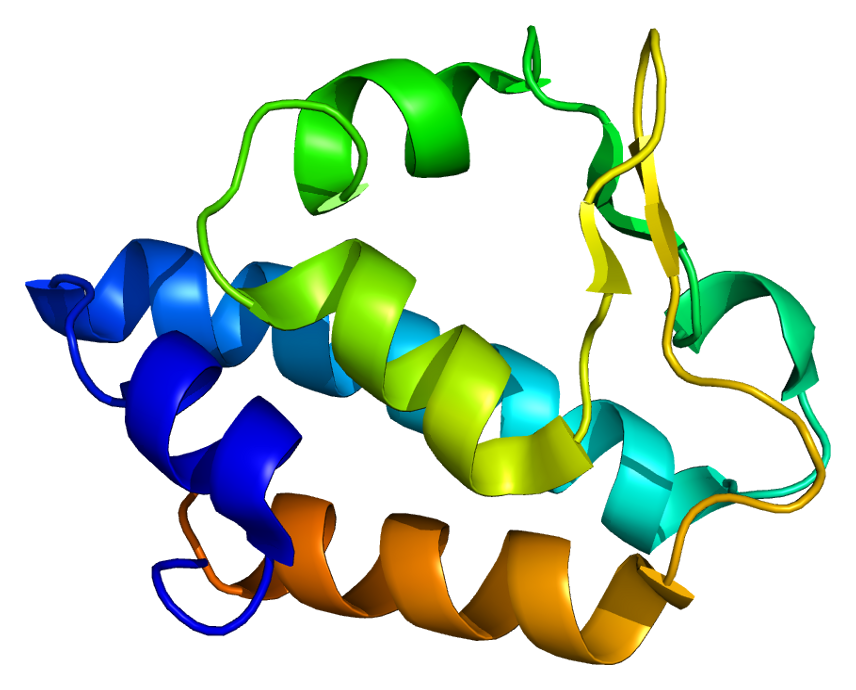
Síndrome de alacrimia - coreoatetose - disfunção hepática
📋 Origem dos dados
Esta página agrega dados de fontes públicas e oficiais. Dados sobre cobertura no SUS (PCDT, CEAF) são verificados ativamente por agente proativo (ver badge no infobox). Demais dados têm atribuição de fonte + data da última sincronização — clique para abrir o original.
- Doença rara (ontologia)
- fonte: Orphanet
- Identificador unificado
- fonte: MONDO
- Genética mendeliana
- fonte: OMIM
- Codificação WHO/SUS
- fonte: WHO ICD-10 / DATASUS
- NIH/GARD
- fonte: GARD (NIH)
- Indexação biomédica
- fonte: MeSH (NLM)
- Dado público estruturado
- fonte: Wikidata
- Ensaios clínicos
- fonte: ClinicalTrials.gov

