
O diabetes insípido nefrogênico (NDI) é caracterizado por poliúria com polidipsia, episódios recorrentes de febre, constipação e desidratação hipernatrêmica aguda após o nascimento que pode causar sequelas neurológicas. A poliúria pode exceder 10 litros em crianças.
Introdução
O que você precisa saber de cara
O diabetes insípido nefrogênico (NDI) é caracterizado por poliúria com polidipsia, episódios recorrentes de febre, constipação e desidratação hipernatrêmica aguda após o nascimento que pode causar sequelas neurológicas. A poliúria pode exceder 10 litros em crianças.
Escala de raridade
<1/50kMuito rara
1/20kRara
1/10kPouco freq.
1/5kIncomum
1/2k
Encontrou um erro ou informação desatualizada? Sugira uma correção →
Entender a doença
Do básico ao detalhe, leia no seu ritmo
Preparando trilha educativa...
Sinais e sintomas
O que aparece no corpo e com que frequência cada sintoma acontece
Partes do corpo afetadas
+ 10 sintomas em outras categorias
Características mais comuns
Os sintomas variam de pessoa para pessoa. Abaixo estão as 30 características clínicas mais associadas, ordenadas por frequência.
Linha do tempo da pesquisa
Encontrou um erro ou informação desatualizada? Sugira uma correção →
Genética e causas
O que está alterado no DNA e como passa nas famílias
Genes associados
2 genes identificados com associação a esta condição. Padrão de herança: Autosomal dominant, Autosomal recessive, X-linked recessive.
G-protein-coupled receptor for arginine vasopressin, an antidiuretic that promotes renal water reabsorption (PubMed:1534149, PubMed:19440390, PubMed:33664408, PubMed:33742150). Ligand binding causes a conformation change that triggers signaling via guanine nucleotide-binding proteins (G proteins) and modulates the activity of downstream effectors, such as adenylate cyclase (cAMP) (PubMed:33664408, PubMed:33742150). AVPR2 is coupled to G(s) G alpha proteins and mediates activation of adenylate cy
Cell membrane
Nephrogenic syndrome of inappropriate antidiuresis
Characterized by an inability to excrete a free water load, with inappropriately concentrated urine and resultant hyponatremia, hypoosmolarity, and natriuresis.
Forms a water-specific channel that provides the plasma membranes of renal collecting duct with high permeability to water, thereby permitting water to move in the direction of an osmotic gradient (PubMed:15509592, PubMed:7510718, PubMed:7524315, PubMed:8140421, PubMed:8584435). Plays an essential role in renal water homeostasis (PubMed:15509592, PubMed:7524315, PubMed:8140421). Could also be permeable to glycerol (PubMed:8584435)
Apical cell membraneBasolateral cell membraneCell membraneCytoplasmic vesicle membraneGolgi apparatus, trans-Golgi network membrane
Diabetes insipidus, nephrogenic, 2, autosomal
A disorder caused by the inability of the renal collecting ducts to absorb water in response to arginine vasopressin. Characterized by excessive water drinking (polydipsia), excessive urine excretion (polyuria), persistent hypotonic urine, and hypokalemia. Inheritance can be autosomal dominant or recessive.
Variantes genéticas (ClinVar)
487 variantes patogênicas registradas no ClinVar.
Vias biológicas (Reactome)
7 vias biológicas associadas aos genes desta condição.
Diagnóstico
Os sinais que médicos procuram e os exames que confirmam
Tratamento e manejo
Remédios, cuidados de apoio e o que precisa acompanhar
Onde tratar no SUS
Hospitais de referência no Brasil e o protocolo oficial do SUS (PCDT)
🇧🇷 Atendimento SUS — Resistência a arginina vasopressina
Selecione um estado ou use sua localização para ver resultados.
Dados de DATASUS/CNES, SBGM, ABNeuro e Ministério da Saúde. Sempre confirme a disponibilidade diretamente com o estabelecimento.
Pesquisa ativa
Ensaios clínicos abertos e novidades científicas recentes
Ensaios em destaque
🟢 Recrutando agora
1 pesquisa recrutando participantes. Converse com seu médico sobre a possibilidade de participar.
Outros ensaios clínicos
0 ensaios clínicos encontrados.
Publicações mais relevantes
CANDID Study: Clinical and Molecular Characterization of Congenital Arginine Vasopressin-Resistance and the Use of a Novel Diagnostic Biomarker in Indian Children.
To present authors' experience with congenital arginine vasopressin resistance (AVP-R) in children up to 12-y-old at a tertiary care center in Northern India. An ambispective analysis was conducted, focusing on clinical, biochemical, genetic evaluations, treatments, renal and neurological outcomes. Data from 11 patients (two females) were included, with an average delay of 18 mo between symptom onset and diagnosis. The majority of children presented with failure to thrive (90.9%), polyuria (90.9%), and hyperosmolality (63.6%) at the time of diagnosis. Nearly one-fourth of the cohort experienced acute kidney injury. Random copeptin levels (340.7 ± 59.56 pmol/L) were significantly higher than the diagnostic cutoff suggested in the literature, and molecular diagnosis confirmed AVPR2 mutations in 90% of the cases. The subjects were followed for a median of 2.1 y (range: 1-4.7 y). During this period, there was a median increase of + 0.79 in BMI/weight-for-height SDS and a 30.55% reduction in urine output. However, 63.63% of the children continued to experience failure to thrive. None of the subjects developed renal structural abnormalities or chronic kidney disease (CKD) ≥ stage 2 by the final follow-up. Neurological evaluation revealed attention deficit hyperactivity disorder and gross developmental delay in two children and one child respectively. This study provides the first comprehensive analysis of congenital AVP-R in a low-middle-income setting.
Use, efficacy, and safety of desmopressin for congenital nephrogenic diabetes insipidus in children: a nationwide survey.
Congenital nephrogenic diabetes insipidus (CNDI) is characterized by resistance of the distal nephrons and collecting ducts to arginine vasopressin (AVP). High doses of 1-deamino-8-D-arginine vasopressin (DDAVP), a V2-receptor-selective agonist, are effective in some cases. The present study aimed to demonstrate the use, efficacy, and safety of DDAVP and the characteristics of patients who responded to this treatment. The present, retrospective, multicentric, observational survey of patients with CNDI receiving DDAVP was based on a previous, nationwide survey conducted by the Japanese Society for Pediatric Endocrinology (JSPE) and collected data on the use (formulation, dosage, and treatment duration), efficacy (change in urine output and height SDS), and safety of DDAVP. In the initial survey, 43 of 123 JSPE council members (35.0%) observed the patients. The secondary survey of 13 patients found DDAVP to be effective in five patients (38.5%), as evidenced by a 12.6-31.6% decrease in urine output. The maximum urine osmolality on a water deprivation test and urine osmolality after vasopressin injection were lower in patients who were unresponsive to DDAVP than in those who were responsive to the drug (106 vs. 206 mOsm/H2O/kg, 140 vs. 525 mOsm/H2O/kg). The AVPR2 variants identified in the DDAVP-responsive group were p.Ala37Pro, p.Leu44Phe, p.Arg104Cys, and p.Tyr128Ser. DDAVP was effective against CNDI with residual V2R function. The water deprivation test with vasopressin injection and genetic testing may be useful for predicting responsiveness to DDAVP. Diabetes insipidus (DI) is a disorder characterized by excretion of large volumes of hypotonic urine. The underlying cause is either a deficiency of the hormone arginine vasopressin (AVP) in the pituitary gland/hypothalamus [central DI or Arginine Vasopressin Deficiency (AVP-D)], or resistance to the actions of AVP in the kidneys [nephrogenic DI or Arginine Vasopressin Resistance (AVP-R)]. In most circumstances, DI is also characterized by excessive consumption of water (polydipsia). A third condition called primary polydipsia can clinically show overlapping features with DI. Both DI and primary polydipsia are collectively referred to as ‘polyuria-polydipsia syndromes. Like other endocrine disorders, an accurate diagnosis of DI can be challenging. This is mainly because the results obtained from diagnostic testing can show significant overlap among the different forms of DI and primary polydipsia. When a case of DI is suspected, the initial step involves the confirmation of the presence of hypotonic polyuria, which is the hallmark of DI. Once hypotonic polyuria is established, the next step is to identify the type of polyuria-polydipsia disorder (central DI vs. nephrogenic DI vs. primary polydipsia). This can be determined either through the water deprivation test or through the copeptin stimulation tests using osmotic and non-osmotic AVP stimulants. Lastly, a detailed history and physical examination must be performed, and appropriate laboratory and imaging studies must be undertaken to identify the underlying etiology of DI. This chapter describes the diagnostic steps to be pursued to identify the presence of DI, distinguish the various forms of polyuria-polydipsia disorders, identify the underlying disorders responsible for the DI, the challenges faced with diagnostic testing for DI in clinical practice, and future prospects in the field of DI diagnosis. For complete coverage of all related areas of Endocrinology, please visit our on-line FREE web-text, WWW.ENDOTEXT.ORG.
Diagnosis of arginine vasopressin deficiency in a patient with 10 years of polyuria and polydipsia following an Epstein-Barr virus infection.
Polyuria-polydipsia syndrome is composed of arginine vasopressin deficiency, arginine vasopressin resistance and primary polydipsia and are characterised by severe polyuria with hypotonic urine. The water deprivation test is commonly used to indirectly assess the vasopressin response to water deprivation. We report a woman in her 20s who demonstrated severe polyuria (11-12 L/day) on submitting a 24-hour urine sample for analysis. She subsequently mentioned having had polyuria and polydipsia for 10 years after an Epstein-Barr virus infection. A water deprivation test with copeptin measurement confirmed arginine vasopressin deficiency. Treatment with desmopressin transformed her life. Further investigation revealed possible concurrent subclinical mixed connective tissue disease. We suspect Epstein-Barr virus infection to be the cause of the arginine vasopressin deficiency and possibly the trigger for the subclinical mixed connective tissue disease. This case also highlights the utility of copeptin measurements in differentiating the various polyuria-polydipsia syndromes.
International expert consensus statement on the diagnosis and management of congenital nephrogenic diabetes insipidus (arginine vasopressin resistance).
Congenital nephrogenic diabetes insipidus (NDI; also known as arginine vasopressin resistance) is a rare inherited disorder of water homeostasis, caused by insensitivity of the distal nephron to arginine vasopressin. Consequently, the kidney loses its ability to concentrate urine, which leads to polyuria, polydipsia and the risk of hypertonic dehydration. The diagnosis and management of NDI are very challenging and require an integrated, multidisciplinary approach. Here, we present 36 recommendations for diagnosis, treatment and follow-up in both children and adults, as well as emergency management, genetic counselling and family planning, for patients with NDI. These recommendations were formulated and graded by an international group of experts in NDI from paediatric and adult nephrology, urology and clinical genetics from the European Rare Kidney Disease Reference Network and the European Society of Paediatric Nephrology, as well as patient advocates, and were validated by a voting panel in a Delphi process. The goal of these recommendations is to provide guidance to health care professionals who care for patients with NDI and to patients and their families. In addition, we emphasize the need for further research on different aspects of this potentially life-threatening disorder to support the development of evidence-based guidelines in the future.
Phenotype and renal outcomes of patients with congenital arginine vasopressin-resistance.
The clinical phenotype and long-term outcomes of patients with congenital arginine vasopressin-resistance (AVP-R) have not been well evaluated. This study investigated the clinical features, treatment modalities, and renal outcomes of patients with AVP-R. Twenty-seven patients (male: female = 21:6, mean age = 22 ± 17 years) with genetically confirmed AVP-R from 18 unrelated Taiwanese families were included. Genomic DNA extracted from blood leukocytes was analyzed for AVPR2 and AQP2 mutations. Clinical presentations, laboratory findings, management, and follow-up data, including analyses of renal function changes, were evaluated. Seventeen patients from 12 X-linked recessive families harbored 11 different AVPR2 mutations, including three novel small deletions and two large deletion mutations. Eight patients from five autosomal recessive (AR) families harbored three different AQP2 mutations (Q57P, G100V, V168Rfs*32), and two patients from one autosomal dominant (AD) family harbored a novel AQP2 R253Dfs*82 mutation. The median ages at onset of polyuria and polydipsia and at clinical diagnosis of AVP-R were 0.7 (2 months-2.5 years) and 11.7 years (0.7-21.5 years), respectively. Three quarters of patients were treated with oral hydrochlorothiazide alone or combined with amiloride, and one third received indomethacin. Intrafamilial phenotypic heterogeneity was observed in one family harboring the AVPR2 F178 L mutation. Seven patients exhibited persistent non-obstructive hydroureteronephrosis. At a median follow-up of 16.6 years (2.2-25.7 years), seven patients (26%) had progressed to chronic kidney disease (CKD, stage III-V), of whom three (AVPR2 mutation = 2, AD AQP2 R253Dfs*82 = 1) were dependent on dialysis. An earlier age of onset, higher serum osmolality, larger daily urine volume, and hydroureteronephrosis at first presentation were independent risk factors for CKD progression. Non-obstructive hydroureteronephrosis is a common complication of congenital AVP-R. CKD frequently develops in patients with phenotypically severe congenital AVP-R, independent of AVPR2 or AQP2 mutation.
Publicações recentes
Congenital Nephrogenic Diabetes Insipidus With the Leu44Phe Variant in Vasopressin Receptor 2 Managed With DDAVP.
Use, efficacy, and safety of desmopressin for congenital nephrogenic diabetes insipidus in children: a nationwide survey.
Diagnostic Tests for Diabetes Insipidus.
🥉 Relato de casoPhenotype and renal outcomes of patients with congenital arginine vasopressin-resistance.
🥈 ObservacionalLate Diagnosis of X-Linked Arginine Vasopressin Resistance Presenting With Flow Uropathy in Adulthood.
📚 EuropePMC12 artigos no totalmostrando 20
Use, efficacy, and safety of desmopressin for congenital nephrogenic diabetes insipidus in children: a nationwide survey.
Endocrine journalPhenotype and renal outcomes of patients with congenital arginine vasopressin-resistance.
Nephrology, dialysis, transplantation : official publication of the European Dialysis and Transplant Association - European Renal AssociationLate Diagnosis of X-Linked Arginine Vasopressin Resistance Presenting With Flow Uropathy in Adulthood.
JCEM case reportsA Novel Pathogenic Variant of the AVPR2 Gene Leading to Arginine Vasopressin Resistance Since the Neonatal Period.
GenesIfosfamide-Induced Partial Arginine Vasopressin Resistance Responsive to Vasopressin/Desmopressin and Amiloride.
CureusManaging Ifosfamide-Induced Arginine Vasopressin Resistance: Diagnostic and Treatment Strategies.
CureusPrognostic Implications of Diabetes Insipidus in Heart Failure Hospitalizations: Insights from the U.S. National Readmissions Database 2016-2021.
Journal of clinical medicineIdiopathic Arginine Vasopressin Deficiency With Mild and Reversible Hypercalcemia.
Ochsner journalCANDID Study: Clinical and Molecular Characterization of Congenital Arginine Vasopressin-Resistance and the Use of a Novel Diagnostic Biomarker in Indian Children.
Indian journal of pediatricsDiagnosis of arginine vasopressin deficiency in a patient with 10 years of polyuria and polydipsia following an Epstein-Barr virus infection.
BMJ case reportsPropofol-induced transient arginine vasopressin deficiency.
Endocrinology, diabetes & metabolism case reportsInternational expert consensus statement on the diagnosis and management of congenital nephrogenic diabetes insipidus (arginine vasopressin resistance).
Nature reviews. NephrologyApproach to the Patient With Suspected Hypotonic Polyuria.
The Journal of clinical endocrinology and metabolismBartter Syndrome Presenting as Arginine-Vasopressin Resistance: A Report of 2 Cases.
The American journal of case reportsBiological Variation Estimates for Plasma Copeptin and Clinical Implications.
The journal of applied laboratory medicineCopeptin analysis in endocrine disorders.
Frontiers in endocrinologyLithium-Induced Arginine Vasopressin Resistance (AVP-R): A Case of Chronic Exposure to Lithium.
Cureus[Clinical and laboratory characteristics of arginine vasopressin resistance, caused by a new homozygous mutation p.R113C in AQP2].
Problemy endokrinologiiChanging the Name of Diabetes Insipidus: A Position Statement of the Working Group for Renaming Diabetes Insipidus.
The Journal of clinical endocrinology and metabolismChanging the name of diabetes insipidus: a position statement of the working group to consider renaming diabetes insipidus.
Archives of endocrinology and metabolismAssociações
Organizações que acompanham esta doença — pra ter apoio e orientação
Ainda não temos associações cadastradas para Resistência a arginina vasopressina.
É de uma associação que acompanha esta doença? Fale com a gente →
Comunidades
Grupos ativos de quem convive com esta doença aqui no Raras
Ainda não existe comunidade no Raras para Resistência a arginina vasopressina
Pacientes, familiares e cuidadores se organizam em comunidades pra compartilhar experiências, fazer perguntas e se apoiar. Você pode ser o primeiro.
Tire suas dúvidas
Perguntas, dicas e experiências compartilhadas aqui na página
Participe da discussão
Faça login para postar dúvidas, compartilhar experiências e interagir com especialistas.
Fazer loginDoenças relacionadas
Doenças com sintomas parecidos — ajudam quem ainda está buscando diagnóstico
Referências e fontes
Bases de dados externas citadas neste artigo
Publicações científicas
Artigos indexados no PubMed ligados a esta doença no grafo RarasNet — título, periódico e PMID direto da fonte, sem intermediação de IA.
- CANDID Study: Clinical and Molecular Characterization of Congenital Arginine Vasopressin-Resistance and the Use of a Novel Diagnostic Biomarker in Indian Children.
- Use, efficacy, and safety of desmopressin for congenital nephrogenic diabetes insipidus in children: a nationwide survey.
- Diagnosis of arginine vasopressin deficiency in a patient with 10 years of polyuria and polydipsia following an Epstein-Barr virus infection.
- International expert consensus statement on the diagnosis and management of congenital nephrogenic diabetes insipidus (arginine vasopressin resistance).
- Phenotype and renal outcomes of patients with congenital arginine vasopressin-resistance.Nephrology, dialysis, transplantation : official publication of the European Dialysis and Transplant Association - European Renal Association· 2025· PMID 41129383mais citado
- Congenital Nephrogenic Diabetes Insipidus With the Leu44Phe Variant in Vasopressin Receptor 2 Managed With DDAVP.
- Diagnostic Tests for Diabetes Insipidus.
- Late Diagnosis of X-Linked Arginine Vasopressin Resistance Presenting With Flow Uropathy in Adulthood.
Bases de dados e fontes oficiais
Identificadores e referências canônicas usadas para montar este verbete.
- ORPHA:223(Orphanet)
- MONDO:0016383(MONDO)
- GARD:7178(GARD (NIH))
- Variantes catalogadas(ClinVar)
- Busca completa no PubMed(PubMed)
- Artigo Wikipedia(Wikipedia)
- Q220551(Wikidata)
Dados compilados pelo RarasNet a partir de fontes abertas (Orphanet, OMIM, MONDO, PubMed/EuropePMC, ClinicalTrials.gov, DATASUS, PCDT/MS). Este conteúdo é informativo e não substitui avaliação médica.
Conteúdo mantido por Agente Raras · Médicos e pesquisadores podem colaborar
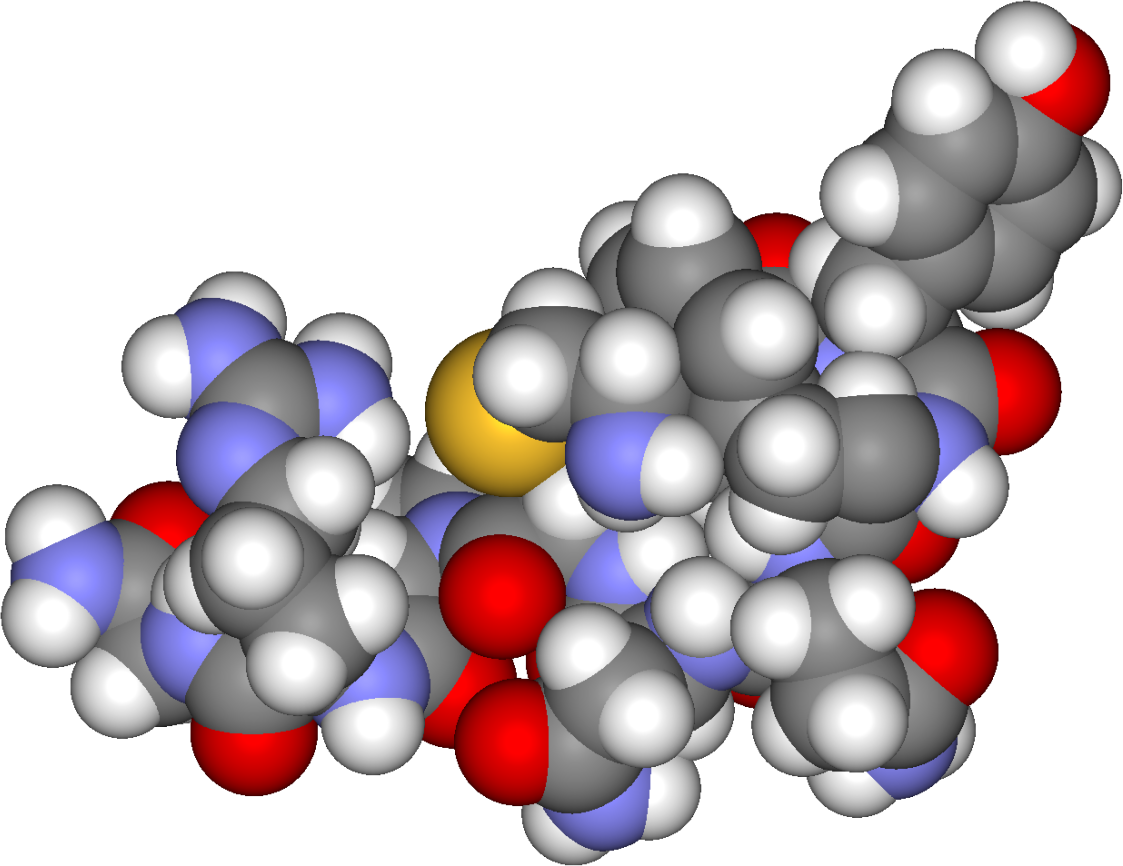
Resistência a arginina vasopressina
📋 Origem dos dados
Esta página agrega dados de fontes públicas e oficiais. Dados sobre cobertura no SUS (PCDT, CEAF) são verificados ativamente por agente proativo (ver badge no infobox). Demais dados têm atribuição de fonte + data da última sincronização — clique para abrir o original.
- Doença rara (ontologia)
- fonte: Orphanet
- Identificador unificado
- fonte: MONDO
- Codificação WHO/SUS
- fonte: WHO ICD-10 / DATASUS
- CID-11 (futuro)
- fonte: WHO ICD-11
- NIH/GARD
- fonte: GARD (NIH)
- Indexação biomédica
- fonte: MeSH (NLM)
- Dado público estruturado
- fonte: Wikidata