
Forma autossômica recessiva de distrofia muscular de cinturas.
Introdução
O que você precisa saber de cara
Forma autossômica recessiva de distrofia muscular de cinturas.
Tem tratamento?
Encontrou um erro ou informação desatualizada? Sugira uma correção →
Entender a doença
Do básico ao detalhe, leia no seu ritmo
Preparando trilha educativa...
Sinais e sintomas
O que aparece no corpo e com que frequência cada sintoma acontece
Partes do corpo afetadas
+ 106 sintomas em outras categorias
Características mais comuns
Os sintomas variam de pessoa para pessoa. Abaixo estão as 321 características clínicas mais associadas, ordenadas por frequência.
Linha do tempo da pesquisa
Encontrou um erro ou informação desatualizada? Sugira uma correção →
Genética e causas
O que está alterado no DNA e como passa nas famílias
Genes associados
31 genes identificados com associação a esta condição.
Curadoria gene-doença
fontes oficiaisMuscle assembly regulating factor. Mediates the antiparallel assembly of titin (TTN) molecules at the sarcomeric Z-disk
Cytoplasm, myofibril, sarcomere
Cardiomyopathy, familial hypertrophic, 25
A hereditary heart disorder characterized by ventricular hypertrophy, which is usually asymmetric and often involves the interventricular septum. The symptoms include dyspnea, syncope, collapse, palpitations, and chest pain. They can be readily provoked by exercise. The disorder has inter- and intrafamilial variability ranging from benign to malignant forms with high risk of cardiac failure and sudden cardiac death.
Catalyzes the transfer of a ribitol-phosphate from CDP-ribitol to the distal N-acetylgalactosamine of the phosphorylated O-mannosyl trisaccharide (N-acetylgalactosamine-beta-3-N-acetylglucosamine-beta-4-(phosphate-6-)mannose), a carbohydrate structure present in alpha-dystroglycan (DAG1) (PubMed:26923585, PubMed:27194101, PubMed:29477842). This constitutes the first step in the formation of the ribitol 5-phosphate tandem repeat which links the phosphorylated O-mannosyl trisaccharide to the ligan
Golgi apparatus membraneCytoplasmNucleus
Muscular dystrophy-dystroglycanopathy congenital with brain and eye anomalies A4
An autosomal recessive disorder characterized by congenital muscular dystrophy associated with cobblestone lissencephaly and other brain anomalies, eye malformations, profound intellectual disability, and death usually in the first years of life. Included diseases are the more severe Walker-Warburg syndrome and the slightly less severe muscle-eye-brain disease.
Participates in O-mannosyl glycosylation by catalyzing the addition of N-acetylglucosamine to O-linked mannose on glycoproteins (PubMed:11709191, PubMed:27493216, PubMed:28512129). Catalyzes the synthesis of the GlcNAc(beta1-2)Man(alpha1-)O-Ser/Thr moiety on alpha-dystroglycan and other O-mannosylated proteins, providing the necessary basis for the addition of further carbohydrate moieties (PubMed:11709191, PubMed:27493216). Is specific for alpha linked terminal mannose and does not have MGAT3,
Golgi apparatus membrane
Muscular dystrophy-dystroglycanopathy congenital with brain and eye anomalies A3
An autosomal recessive disorder characterized by congenital muscular dystrophy, ocular abnormalities, cobblestone lissencephaly, and cerebellar and pontine hypoplasia. Patients present severe congenital myopia, congenital glaucoma, pallor of the optic disks, retinal hypoplasia, intellectual disability, hydrocephalus, abnormal electroencephalograms, generalized muscle weakness and myoclonic jerks. Included diseases are the more severe Walker-Warburg syndrome and the slightly less severe muscle-eye-brain disease.
Component of the sarcoglycan complex, a subcomplex of the dystrophin-glycoprotein complex which forms a link between the F-actin cytoskeleton and the extracellular matrix
Cell membrane, sarcolemmaCytoplasm, cytoskeleton
Muscular dystrophy, limb-girdle, autosomal recessive 6
An autosomal recessive degenerative myopathy initially affecting the proximal limb girdle musculature. Muscle from patients shows a complete loss of delta-sarcoglycan as well as of the others components of the sarcoglycan complex.
Catalytic subunit of the GMPPA-GMPPB mannose-1-phosphate guanylyltransferase complex (PubMed:33986552). Catalyzes the formation of GDP-mannose, an essential precursor of glycan moieties of glycoproteins and glycolipids (PubMed:33986552). Can catalyze the reverse reaction in vitro (PubMed:33986552). Together with GMPPA regulates GDP-alpha-D-mannose levels (PubMed:33986552)
Cytoplasm
Muscular dystrophy-dystroglycanopathy congenital with brain and eye anomalies A14
An autosomal recessive disorder characterized by congenital muscular dystrophy associated with brain anomalies, eye malformations, and profound intellectual disability. The disorder includes a severe form designated as Walker-Warburg syndrome and a less severe phenotype known as muscle-eye-brain disease. MDDGA14 features include increased muscle tone, microcephaly, cleft palate, feeding difficulties, severe muscle weakness, sensorineural hearing loss, cerebellar hypoplasia, ataxia, and retinal dysfunction.
Protein O-mannose kinase that specifically mediates phosphorylation at the 6-position of an O-mannose of the trisaccharide (N-acetylgalactosamine (GalNAc)-beta-1,3-N-acetylglucosamine (GlcNAc)-beta-1,4-mannose) to generate phosphorylated O-mannosyl trisaccharide (N-acetylgalactosamine-beta-1,3-N-acetylglucosamine-beta-1,4-(phosphate-6-)mannose). Phosphorylated O-mannosyl trisaccharide is a carbohydrate structure present in alpha-dystroglycan (DAG1), which is required for binding laminin G-like d
Endoplasmic reticulum membrane
Muscular dystrophy-dystroglycanopathy congenital with brain and eye anomalies A12
An autosomal recessive disorder characterized by congenital muscular dystrophy associated with cobblestone lissencephaly and other brain anomalies, eye malformations, profound intellectual disability, and death usually in the first years of life. Included diseases are the more severe Walker-Warburg syndrome and the slightly less severe muscle-eye-brain disease.
Key component in the assembly and functioning of vertebrate striated muscles. By providing connections at the level of individual microfilaments, it contributes to the fine balance of forces between the two halves of the sarcomere. The size and extensibility of the cross-links are the main determinants of sarcomere extensibility properties of muscle. In non-muscle cells, seems to play a role in chromosome condensation and chromosome segregation during mitosis. Might link the lamina network to ch
CytoplasmNucleus
Myopathy, myofibrillar, 9, with early respiratory failure
An autosomal dominant myopathy characterized by adulthood onset of weakness in proximal, distal, axial and respiratory muscles. Pelvic girdle weakness, foot drop and neck weakness are the main symptoms at onset, but ultimately the weakness usually involves the proximal compartment of both upper and lower limbs. Additional features include variable degrees of Achilles tendon contractures, spinal rigidity and muscle hypertrophy. Respiratory involvement often leads to requirement for non-invasive ventilation support.
Component of the sarcoglycan complex, a subcomplex of the dystrophin-glycoprotein complex which forms a link between the F-actin cytoskeleton and the extracellular matrix
Cell membrane, sarcolemmaCytoplasm, cytoskeleton
Muscular dystrophy, limb-girdle, autosomal recessive 5
An autosomal recessive degenerative myopathy characterized by rapidly progressive muscle wasting from early childhood with loss of independent ambulation around age 12 years, dystrophic pattern on muscle biopsy, absence of gamma-sarcoglycan and normal dystrophin immunostaining.
Transfers mannosyl residues to the hydroxyl group of serine or threonine residues. Coexpression of both POMT1 and POMT2 is necessary for enzyme activity, expression of either POMT1 or POMT2 alone is insufficient (PubMed:14699049, PubMed:28512129). Essentially dedicated to O-mannosylation of alpha-DAG1 and few other proteins but not of cadherins and protocaherins (PubMed:28512129)
Endoplasmic reticulum membrane
Muscular dystrophy-dystroglycanopathy congenital with brain and eye anomalies A2
An autosomal recessive disorder characterized by congenital muscular dystrophy associated with cobblestone lissencephaly and other brain anomalies, eye malformations, profound intellectual disability, and death usually in the first years of life. Included diseases are the more severe Walker-Warburg syndrome and the slightly less severe muscle-eye-brain disease.
Adapter protein in a cytoplasmic complex linking beta-integrins to the actin cytoskeleton, bridges the complex to cell surface receptor tyrosine kinases and growth factor receptors. Plays a role in modulating cell spreading and migration
NucleusCell junction, focal adhesionCell membrane
Muscular dystrophy, autosomal recessive, with cardiomyopathy and triangular tongue
An autosomal recessive muscular dystrophy characterized by childhood-onset of muscle weakness progressing to a severe quadriparesis. Additionally, patients have biventricular cardiac dysfunction due to dilated cardiomyopathy, and macroglossia with a small tip resulting in a triangular tongue.
Involved in endoplasmic reticulum to Golgi apparatus trafficking at a very early stage
Golgi apparatusGolgi apparatus, cis-Golgi network
Muscular dystrophy, limb-girdle, autosomal recessive 18
A form of limb-girdle muscular dystrophy characterized by proximal muscle weakness with childhood onset, resulting in gait abnormalities and scapular winging. Serum creatine kinase is increased. A subset of patients may show a hyperkinetic movement disorder with chorea, ataxia, or dystonia and global developmental delay.
The dystroglycan complex is involved in a number of signaling events and processes including laminin deposition and extracellular matrix assembly, acetylcholine receptor clustering, sarcolemmal stability, cell survival, peripheral nerve myelination, nodal structure, cell migration, epithelial polarization, and epithelium branching morphogenesis (By similarity). Required for the formation of photoreceptor ribbon synapses, and long-term maintenance of inhibitory synapses in cerebellar Purkinje cel
Secreted, extracellular spaceSecreted, extracellular space, extracellular matrix, basement membraneSynapseCell membraneCytoplasm, cytoskeletonNucleus, nucleoplasmCell membrane, sarcolemmaPostsynaptic cell membrane
Muscular dystrophy-dystroglycanopathy limb-girdle C9
An autosomal recessive muscular dystrophy showing onset in early childhood, and associated with intellectual disability without structural brain anomalies.
Dual specificity glycosyltransferase that catalyzes the transfer of glucose and xylose from UDP-glucose and UDP-xylose, respectively, to a serine residue found in the consensus sequence of C-X-S-X-P-C (PubMed:21081508, PubMed:21490058, PubMed:21949356, PubMed:27807076, PubMed:28775322). Specifically targets extracellular EGF repeats of protein such as CRB2, F7, F9 and NOTCH2 (PubMed:21081508, PubMed:21490058, PubMed:21949356, PubMed:27807076, PubMed:28775322). Acts as a positive regulator of Not
Endoplasmic reticulum lumen
Dowling-Degos disease 4
A form of Dowling-Degos disease, a genodermatosis manifesting with postpubertal reticulate hyperpigmentation that is progressive and disfiguring, and small hyperkeratotic dark brown papules that affect mainly the flexures and great skin folds. Patients usually show no abnormalities of the hair or nails. DDD4 is characterized by prominent involvement of non-flexural skin areas.
Component of the sarcoglycan complex, a subcomplex of the dystrophin-glycoprotein complex which forms a link between the F-actin cytoskeleton and the extracellular matrix
Cell membrane, sarcolemmaCytoplasm, cytoskeleton
Muscular dystrophy, limb-girdle, autosomal recessive 4
An autosomal recessive degenerative myopathy characterized by pelvic and shoulder muscle wasting, onset usually in childhood and variable progression rate.
Cytidylyltransferase required for protein O-linked mannosylation (PubMed:22522420, PubMed:22522421, PubMed:26687144, PubMed:26923585, PubMed:27130732, PubMed:27601598). Catalyzes the formation of CDP-ribitol nucleotide sugar from D-ribitol 5-phosphate (PubMed:26687144, PubMed:26923585, PubMed:27130732). CDP-ribitol is a substrate of FKTN during the biosynthesis of the phosphorylated O-mannosyl trisaccharide (N-acetylgalactosamine-beta-3-N-acetylglucosamine-beta-4-(phosphate-6-)mannose), a carboh
Cytoplasm, cytosol
Muscular dystrophy-dystroglycanopathy congenital with brain and eye anomalies A7
An autosomal recessive disorder characterized by congenital muscular dystrophy associated with cobblestone lissencephaly and other brain anomalies, eye malformations, profound intellectual disability, and death usually in the first years of life. Included diseases are the more severe Walker-Warburg syndrome and the slightly less severe muscle-eye-brain disease.
O-linked mannose beta-1,4-N-acetylglucosaminyltransferase that transfers UDP-N-acetyl-D-glucosamine to the 4-position of the mannose to generate N-acetyl-D-glucosamine-beta-1,4-O-D-mannosylprotein. Involved in the biosynthesis of the phosphorylated O-mannosyl trisaccharide (N-acetylgalactosamine-beta-3-N-acetylglucosamine-beta-4-(phosphate-6-)mannose), a carbohydrate structure present in alpha-dystroglycan (DAG1), which is required for binding laminin G-like domain-containing extracellular prote
Endoplasmic reticulum membrane
Muscular dystrophy-dystroglycanopathy congenital with brain and eye anomalies A8
An autosomal recessive disorder characterized by congenital muscular dystrophy associated with cobblestone lissencephaly and other brain anomalies, eye malformations, profound intellectual disability, and death usually in the first years of life. Included diseases are the more severe Walker-Warburg syndrome and the slightly less severe muscle-eye-brain disease.
Plays a role in plasma membrane repair in a process involving annexins (PubMed:33496727). Does not exhibit calcium-activated chloride channel (CaCC) activity
Endoplasmic reticulum membraneCell membrane
Gnathodiaphyseal dysplasia
Rare skeletal syndrome characterized by bone fragility, sclerosis of tubular bones, and cemento-osseous lesions of the jawbone. Patients experience frequent bone fractures caused by trivial accidents in childhood; however the fractures heal normally without bone deformity. The jaw lesions replace the tooth-bearing segments of the maxilla and mandible with fibrous connective tissues, including various amounts of cementum-like calcified mass, sometimes causing facial deformities. Patients also have a propensity for jaw infection and often suffer from purulent osteomyelitis-like symptoms, such as swelling of and pus discharge from the gums, mobility of the teeth, insufficient healing after tooth extraction and exposure of the lesions into the oral cavity.
Transfers mannosyl residues to the hydroxyl group of serine or threonine residues. Coexpression of both POMT1 and POMT2 is necessary for enzyme activity, expression of either POMT1 or POMT2 alone is insufficient (PubMed:12369018, PubMed:14699049, PubMed:28512129). Essentially dedicated to O-mannosylation of alpha-DAG1 and few other proteins but not of cadherins and protocaherins (PubMed:28512129)
Endoplasmic reticulum membrane
Muscular dystrophy-dystroglycanopathy congenital with impaired intellectual development B1
An autosomal recessive disorder characterized by congenital muscular dystrophy associated with intellectual disability and mild structural brain abnormalities.
Calcium-regulated non-lysosomal thiol-protease. Proteolytically cleaves CTBP1 at 'His-409'. Mediates, with UTP25, the proteasome-independent degradation of p53/TP53 (PubMed:23357851, PubMed:27657329)
CytoplasmNucleus, nucleolus
Muscular dystrophy, limb-girdle, autosomal recessive 1
An autosomal recessive degenerative myopathy characterized by progressive symmetrical atrophy and weakness of the proximal limb muscles and elevated serum creatine kinase. The symptoms usually begin during the first two decades of life, and the disease gradually worsens, often resulting in loss of walking ability 10 or 20 years after onset.
Key calcium ion sensor involved in the Ca(2+)-triggered synaptic vesicle-plasma membrane fusion. Plays a role in the sarcolemma repair mechanism of both skeletal muscle and cardiomyocytes that permits rapid resealing of membranes disrupted by mechanical stress (By similarity)
Cell membrane, sarcolemmaCytoplasmic vesicle membraneCell membraneLate endosome membrane
Muscular dystrophy, limb-girdle, autosomal recessive 2
An autosomal recessive degenerative myopathy characterized by weakness and atrophy starting in the proximal pelvifemoral muscles, with onset in the late teens or later, massive elevation of serum creatine kinase levels and slow progression. Scapular muscle involvement is minor and not present at onset. Upper limb girdle involvement follows some years after the onset in lower limbs.
Catalyzes the conversion of (3S)-hydroxy-3-methylglutaryl-CoA (HMG-CoA) to mevalonic acid, the rate-limiting step in the synthesis of cholesterol and other isoprenoids, thus plays a critical role in cellular cholesterol homeostasis (PubMed:21357570, PubMed:2991281, PubMed:36745799, PubMed:6995544). HMGCR is the main target of statins, a class of cholesterol-lowering drugs (PubMed:11349148, PubMed:18540668, PubMed:36745799)
Endoplasmic reticulum membranePeroxisome membrane
Muscular dystrophy, limb-girdle, autosomal recessive 28
An autosomal recessive form of limb girdle muscular dystrophy, a group of genetically heterogeneous muscular disorders that share proximal muscle weakness as the major attribute. Most limb girdle muscular dystrophies present with elevated creatinine kinase and myopathic electromyographic features. Disease is usually progressive to a variable degree, ranging from minor disability to complete inability to ambulate, and can involve the large proximal muscles, as well as axial and facial muscles. Different disease forms may exhibit skeletal muscle hypertrophy, kyphoscoliosis, and contractures or involve other muscle groups and manifest with distal weakness, cardiomyopathy, dysphagia, and respiratory difficulties. LGMDR28 is characterized by progressive muscle weakness affecting the proximal and axial muscles of the upper and lower limbs, and highly variable age at onset. Most patients have limited ambulation or become wheelchair-bound within a few decades, and respiratory insufficiency commonly occurs.
Binding to cells via a high affinity receptor, laminin is thought to mediate the attachment, migration and organization of cells into tissues during embryonic development by interacting with other extracellular matrix components
Secreted, extracellular space, extracellular matrix, basement membrane
Merosin-deficient congenital muscular dystrophy 1A
Characterized by difficulty walking, hypotonia, proximal weakness, hyporeflexia, and white matter hypodensity on MRI.
May play a role in the maintenance of heart function mediated, at least in part, through cAMP-binding. May play a role in the regulation of KCNK2/TREK-1-mediated current amplitude (PubMed:31610034)
Membrane
Muscular dystrophy, limb-girdle, autosomal recessive 26
An autosomal recessive muscular disorder characterized by adult onset of weakness and atrophy of proximal limb muscles, elevated serum creatine kinase levels, and dystrophic findings on muscle biopsy. There is no cardiac or respiratory involvement.
Cell adhesion molecule involved in the establishment and/or maintenance of cell integrity. Involved in the formation and regulation of the tight junction (TJ) paracellular permeability barrier in epithelial cells (PubMed:16188940). Plays a role in VAMP3-mediated vesicular transport and recycling of different receptor molecules through its interaction with VAMP3. Plays a role in the regulation of cell shape and movement by modulating the Rho-family GTPase activity through its interaction with ARH
Lateral cell membraneCell junction, tight junctionMembraneCell membrane, sarcolemmaMembrane, caveola
Muscular dystrophy, limb-girdle, autosomal recessive 25
An autosomal recessive muscular disorder characterized by slowly progressive onset of proximal lower limb weakness in adulthood, syncopal episodes, and markedly increased serum creatine kinase, which can increase further after strenuous exercise.
Component of the sarcoglycan complex, a subcomplex of the dystrophin-glycoprotein complex which forms a link between the F-actin cytoskeleton and the extracellular matrix
Cell membrane, sarcolemmaCytoplasm, cytoskeleton
Muscular dystrophy, limb-girdle, autosomal recessive 3
An autosomal recessive degenerative myopathy characterized by progressive muscle wasting from early childhood with loss of independent ambulation by teenage years. Muscle biopsy shows necrosis, decreased immunostaining for alpha sarcoglycan, and adhalin deficiency.
Putative Notch ligand involved in the mediation of Notch signaling. Involved in limb development (By similarity)
Membrane
Muscular dystrophy, limb-girdle, autosomal recessive 27
An autosomal recessive muscular disorder characterized by progressive muscle weakness most prominent in the proximal lower limb and axial muscles, and resulting in walking difficulty or loss of ambulation. Additional more variable features include neck muscle weakness, scoliosis, and joint contractures. Some affected individuals manifest impaired intellectual development or speech delay, cardiomyopathy, and cardiac arrhythmia. Muscle biopsy shows non-specific dystrophic changes.
Required for nuclear membrane integrity. Induces TOR1A and TOR1B ATPase activity and is required for their location on the nuclear membrane. Binds to A- and B-type lamins. Possible role in membrane attachment and assembly of the nuclear lamina
Nucleus inner membraneNucleus envelopeNucleus
Myopathy, autosomal recessive, with rigid spine and distal joint contractures
An autosomal recessive degenerative myopathy characterized by muscle weakness initially involving the proximal lower limbs, followed by distal upper and lower limb muscle weakness and atrophy. Other features include joint contractures, rigid spine, and restricted pulmonary function. Cardiac involvement has been observed in some patients. Disease onset is in the first or second decades of life.
Catalyzes the transfer of a ribitol 5-phosphate from CDP-L-ribitol to the ribitol 5-phosphate previously attached by FKTN/fukutin to the phosphorylated O-mannosyl trisaccharide (N-acetylgalactosamine-beta-3-N-acetylglucosamine-beta-4-(phosphate-6-)mannose), a carbohydrate structure present in alpha-dystroglycan (DAG1) (PubMed:26923585, PubMed:27194101, PubMed:29477842, PubMed:31949166). This constitutes the second step in the formation of the ribose 5-phosphate tandem repeat which links the phos
Golgi apparatus membraneSecretedCell membrane, sarcolemmaRough endoplasmic reticulumCytoplasm
Muscular dystrophy-dystroglycanopathy congenital with brain and eye anomalies A5
An autosomal recessive disorder characterized by congenital muscular dystrophy associated with cobblestone lissencephaly and other brain anomalies, eye malformations, profound intellectual disability, and death usually in the first years of life. Included diseases are the more severe Walker-Warburg syndrome and the slightly less severe muscle-eye-brain disease.
E3 ubiquitin ligase that plays a role in various biological processes including neural stem cell differentiation, innate immunity, inflammatory resonse and autophagy (PubMed:19349376, PubMed:31123703). Plays a role in virus-triggered induction of IFN-beta and TNF by mediating the ubiquitination of STING1. Mechanistically, targets STING1 for 'Lys-63'-linked ubiquitination which promotes the interaction of STING1 with TBK1 (PubMed:22745133). Regulates bacterial clearance and promotes autophagy in
CytoplasmMitochondrionEndoplasmic reticulum
Muscular dystrophy, limb-girdle, autosomal recessive 8
An autosomal recessive degenerative myopathy characterized by pelvic girdle, shoulder girdle and quadriceps muscle weakness. Clinical phenotype and severity are highly variable. Disease progression is slow and most patients remain ambulatory into the sixth decade of life.
Functions as an U snRNP-specific nuclear import adapter. Involved in the trimethylguanosine (m3G)-cap-dependent nuclear import of U snRNPs. Binds specifically to the terminal m3G-cap U snRNAs
NucleusCytoplasm
Muscular dystrophy, limb-girdle, autosomal recessive 29
An autosomal recessive form of limb girdle muscular dystrophy, a group of genetically heterogeneous muscular disorders that share proximal muscle weakness as the major attribute. Most limb girdle muscular dystrophies present with elevated creatinine kinase and myopathic electromyographic features. Disease is usually progressive to a variable degree, ranging from minor disability to complete inability to ambulate, and can involve the large proximal muscles, as well as axial and facial muscles. Different disease forms may exhibit skeletal muscle hypertrophy, kyphoscoliosis, and contractures or involve other muscle groups and manifest with distal weakness, cardiomyopathy, dysphagia, and respiratory difficulties. LGMDR29 is characterized by muscle weakness predominantly affecting the proximal lower limbs, although upper limb involvement also occurs. Additional features include joint contractures, spinal abnormalities, and significant restrictive ventilatory dysfunction. In rare cases, central nervous system involvement has been reported, including cataracts, developmental delay, and brain imaging abnormalities.
Interlinks intermediate filaments with microtubules and microfilaments and anchors intermediate filaments to desmosomes or hemidesmosomes. Could also bind muscle proteins such as actin to membrane complexes in muscle. May be involved not only in the filaments network, but also in the regulation of their dynamics. Structural component of muscle. Isoform 9 plays a major role in the maintenance of myofiber integrity
Cytoplasm, cytoskeletonCell junction, hemidesmosomeCell projection, podosome
Epidermolysis bullosa simplex 5C, with pyloric atresia
A form of epidermolysis bullosa, a genodermatosis characterized by recurrent blistering, fragility of the skin and mucosal epithelia, and erosions caused by minor mechanical trauma. EBS5C is an autosomal recessive disorder characterized by severe skin blistering at birth and congenital pyloric atresia. Death usually occurs in infancy.
Medicamentos e terapias
Mecanismo: Glucocorticoid receptor agonist
Variantes genéticas (ClinVar)
734 variantes patogênicas registradas no ClinVar.
Classificação de variantes (ClinVar)
Distribuição de 45.440 variantes classificadas pelo ClinVar.
Vias biológicas (Reactome)
45 vias biológicas associadas aos genes desta condição.
Diagnóstico
Os sinais que médicos procuram e os exames que confirmam
Tratamento e manejo
Remédios, cuidados de apoio e o que precisa acompanhar
Onde tratar no SUS
Hospitais de referência no Brasil e o protocolo oficial do SUS (PCDT)
🇧🇷 Atendimento SUS — Distrofia muscular das cinturas dos membros autossômica recessiva
Selecione um estado ou use sua localização para ver resultados.
Dados de DATASUS/CNES, SBGM, ABNeuro e Ministério da Saúde. Sempre confirme a disponibilidade diretamente com o estabelecimento.
Pesquisa ativa
Ensaios clínicos abertos e novidades científicas recentes
Pesquisa e ensaios clínicos
Nenhum ensaio clínico registrado para esta condição.
Publicações mais relevantes
Diamond Sign in Calpainopathy.
This case report describes the appearance of autosomal recessive limb-girdle muscular dystrophy in a 30-year-old man with lower limb weakness, asymmetric atrophy of thigh muscles, and wasting of calf muscles.
Generation of induced pluripotent stem cell lines from three LGMD R1 patients carrying CAPN3 hypomorphic intronic variant c.1746-20C > G.
Calpainopathy is a progressive autosomal recessive limb girdle muscular dystrophy (LGMD R1) caused by variants in the calpain 3 (CAPN3) gene. We have shown that the hypomorphic intronic mutation c.1746-20C > G, which is common in Latvia (MAF 0.237), causes incorrect splicing of the CAPN3 products that in combination with c.643 T > C variant in trans position leads to the development of LGMD clinical symptoms. Our project aims to generate calpainopathy patient-derived induced pluripotent stem cells (iPSCs) and create a disease model that recapitulates unique CAPN3 variant.
Whole-exome sequencing identifies TRIM72 as a candidate gene for autosomal recessive limb-girdle muscular dystrophy.
Limb-girdle muscular dystrophies (LGMDs) constitute a genetically diverse group of disorders characterized by progressive proximal muscle weakness and atrophy. Despite advances in genetic diagnostics, numerous cases remain unresolved due to extensive genetic heterogeneity, emphasizing the necessity for continued identification of novel pathogenic variants. Using whole-exome sequencing (WES) in a Saudi family affected by autosomal recessive LGMD, we identified a novel homozygous frameshift mutation (c.891delT; p.Ala298ArgfsTer64) in the TRIM72 (MG53) gene, which we propose as a strong candidate gene for LGMD. Segregation analysis via Sanger sequencing confirmed that the variant co-segregated precisely with the disease phenotype and was absent in ethnically matched control cohorts. TRIM72 encodes a muscle-specific E3 ubiquitin ligase involved in sarcolemmal membrane repair, critical for maintaining muscle cell integrity. Functional parallels between TRIM72 and the LGMD-associated TRIM32, alongside corroborating evidence from animal models and cellular studies, support the candidacy of TRIM72 in LGMD pathogenesis. Our findings identify TRIM72 as a novel candidate gene implicated in autosomal recessive LGMD, expanding the genetic spectrum of this heterogeneous disease. This discovery underscores the critical roles of TRIM family proteins in muscle pathology and reinforces the value of advanced genetic sequencing methodologies in diagnosing unresolved muscular dystrophy cases.
Autosomal Recessive Limb-Girdle Muscular Dystrophy Type 10 (LGMD,10), Caused by a Novel Homozygous Variant in the TTN Gene.
Limb-girdle muscular dystrophy was first introduced in the 1950s as a distinct family of unusual genetic diseases. The prevalence of the disease is about 4-7/1000, with a spectrum of onset at different ages. LGMD has a cluster of symptoms varying in severity and presentation in patients. Limb-girdle muscular dystrophy`s inheritance is unique as it can be autosomal dominant or recessive. We report a young boy with autosomal recessive limb-girdle muscular dystrophy (LGMD), presented with distal muscle weakness in all four limbs for three years and thinning of legs, arms, and thighs. Our gene of focus is TTN, which is associated with muscle elasticity and myogenesis. Our subtype reported is currently associated with a new homozygous TTN variant; thus, we are writing a novel variant mutation causing limb-girdle muscular dystrophy type 10.
[Autosomal recessive limb-girdle muscular dystrophy-10. Case report].
The autosomal recessive limb-girdle muscular dystrophy-10 (LGMDR10) is a muscular dystrophy caused by pathogenetic variants in the TTN gene encoding the titin protein, which is responsible for muscle flexibility and tension. Its prevalence is unknown. The main clinical manifestations are proximal muscle weakness predominantly in the shoulder girdle and pelvic girdle, mild weakness of distal muscles and muscle atrophy. The objective is to present a case report of autosomal recessive limb-girdle muscular dystrophy-10 in a Mexican patient. 39-year-old male with hypotrophy of the left leg, muscle weakness of the 4 limbs predominantly proximal and asymmetrical, myalgia and nocturnal cramps. Total creatine phosphokinase level was of 819.7 IU/L, nerve conduction velocity and electromyography with left femoral neuropathy of the axonotmesis type and mixed axonal neuropathy with myopathic pattern of upper limbs. The molecular study for muscular dystrophies reported 2 pathogenic variants in compound heterozygous state in the TTN gene: c.107578C>T (p. Gln37860*) and c.104269C>T (p. Gln34767*), respectively. In line with the information available, there are no reported cases of LGMDR10 in Mexico. This is a progressive disease with total loss of ambulation between the fourth and the sixth decade of life, which is why its clinical suspicion is important for a timely diagnosis, an adequate counseling, and preventive measures of complications for a better quality of life. la distrofia muscular de cinturas y extremidades autosómica recesiva 10 (LGMDR10) es una distrofia muscular causada por variantes patogénicas en el gen TTN que codifica la proteína titina, la cual es responsable de la flexibilidad y la tensión muscular. Su prevalencia es desconocida. Las principales manifestaciones clínicas son debilidad muscular proximal de predominio en la cintura escapular y pélvica, leve debilidad de músculos distales y atrofia muscular. El objetivo es presentar un reporte de caso de distrofia muscular de cinturas y extremidades autosómica recesiva 10 en un paciente mexicano. hombre de 39 años con hipotrofia de pierna izquierda, debilidad muscular de las 4 extremidades de predominio proximal y asimétrica, mialgias y calambres nocturnos. La creatinfosfoquinasa total fue de 819.7 UI/L, la velocidad de conducción nerviosa y la electromiografía presentó neuropatía femoral izquierda del tipo axonotmesis y neuropatía mixta axonal con patrón miopático de miembros superiores. El estudio molecular para distrofias musculares reportó 2 variantes patogénicas en estado heterocigoto compuesto en el gen TTN: c.107578C>T (p. Gln37860*) y c.104269C>T (p. Gln34767*), respectivamente. conforme a la información disponible, no existen casos reportados de LGMDR10 en México. Esta es una enfermedad progresiva con pérdida total de la deambulación entre la cuarta y la sexta década de vida, por lo que es importante su sospecha clínica para un diagnóstico oportuno, un asesoramiento adecuado y la prevención de complicaciones para una mejor calidad de vida.
Publicações recentes
Limb Girdle Muscular Dystrophy Associated With TRIM32 Variants: A National Cohort Study.
Expanded clinical and genetic characterization of autosomal recessive HMGCR-related muscular dystrophy.
Diamond Sign in Calpainopathy.
Generation of induced pluripotent stem cell lines from three LGMD R1 patients carrying CAPN3 hypomorphic intronic variant c.1746-20C > G.
Whole-exome sequencing identifies TRIM72 as a candidate gene for autosomal recessive limb-girdle muscular dystrophy.
📚 EuropePMC49 artigos no totalmostrando 41
Diamond Sign in Calpainopathy.
JAMA neurologyGeneration of induced pluripotent stem cell lines from three LGMD R1 patients carrying CAPN3 hypomorphic intronic variant c.1746-20C > G.
Stem cell researchWhole-exome sequencing identifies TRIM72 as a candidate gene for autosomal recessive limb-girdle muscular dystrophy.
Human genomicsAutosomal Recessive Limb-Girdle Muscular Dystrophy Type 10 (LGMD,10), Caused by a Novel Homozygous Variant in the TTN Gene.
International medical case reports journal[Autosomal recessive limb-girdle muscular dystrophy-10. Case report].
Revista medica del Instituto Mexicano del Seguro SocialVariants in CAPN3 Causing Autosomal Dominant Limb-Girdle Muscular Dystrophy Combined With Calpain-3 Deficiency.
Human mutationAutosomal recessive limb girdle muscular dystrophy-type 5 (LGMDR-5).
BMJ case reportsNovel five nucleotide deletion in dysferlin leads to autosomal recessive limb-girdle muscular dystrophy.
Physiological reportsPatterns of Clinical Progression Among Patients With Autosomal Recessive Limb-Girdle Muscular Dystrophy: A Systematic Review.
Journal of clinical neuromuscular diseaseSingle-centre experience with autosomal recessive limb-girdle muscular dystrophy: case series and literature review.
Arquivos de neuro-psiquiatriaDisease modeling and gene correction of LGMDR21 iPSCs elucidates the role of POGLUT1 in skeletal muscle maintenance, regeneration, and the satellite cell niche.
Molecular therapy. Nucleic acidsAutosomal Recessive Limb-Girdle Muscular Dystrophy-3: A Case Report of a Patient with Autism Spectrum Disorder.
GenesHow a paternal uniparental isodisomy of chromosome 17 leads to autosomal recessive limb-girdle muscular dystrophy R3.
Neuromuscular disorders : NMDLarge Region of Homozygous (ROH) Identified in Indian Patients with Autosomal Recessive Limb-Girdle Muscular Dystrophy with p.Thr182Pro Variant in SGCB Gene.
Human mutationHomozygous Inversion on Chromosome 13 Involving SGCG Detected by Short Read Whole Genome Sequencing in a Patient Suffering from Limb-Girdle Muscular Dystrophy.
GenesA Novel Homozygous Variant in DYSF Gene Is Associated with Autosomal Recessive Limb Girdle Muscular Dystrophy R2/2B.
International journal of molecular sciencesA novel splice site variant in the POPDC3 causes autosomal recessive limb-girdle muscular dystrophy type 26.
Clinical geneticsProgression to Loss of Ambulation Among Patients with Autosomal Recessive Limb-girdle Muscular Dystrophy: A Systematic Review.
Journal of neuromuscular diseasesCompound heterozygous c.598_612del and c.1746-20C > G CAPN3 genotype cause autosomal recessive limb-girdle muscular dystrophy-1: a case report.
BMC musculoskeletal disordersMuscle magnetic resonance imaging in patients with LAMA2-related muscular dystrophy.
Neuromuscular disorders : NMDA recurrent rare intronic variant in CAPN3 alters mRNA splicing and causes autosomal recessive limb-girdle muscular dystrophy-1 in three Pakistani pedigrees.
American journal of medical genetics. Part ANatural history and genetic study of LAMA2-related muscular dystrophy in a large Chinese cohort.
Orphanet journal of rare diseasesClinical Determinants of Disease Progression in Patients With Beta-Sarcoglycan Gene Mutations.
Frontiers in neurology[A Japanese family with POMT2-related limb girdle muscular dystrophy].
Rinsho shinkeigaku = Clinical neurologyTwo Japanese LGMDR25 patients with a biallelic recurrent nonsense variant of BVES.
Neuromuscular disorders : NMDNovel CAPN3 variant associated with an autosomal dominant calpainopathy.
Neuropathology and applied neurobiologyHomozygous missense variant in the TTN gene causing autosomal recessive limb-girdle muscular dystrophy type 10.
BMC medical geneticsPOPDC3 Gene Variants Associate with a New Form of Limb Girdle Muscular Dystrophy.
Annals of neurologyClinicogenetic lessons from 370 patients with autosomal recessive limb-girdle muscular dystrophy.
Clinical geneticsAutosomal recessive limb-girdle and Miyoshi muscular dystrophies in the Netherlands: The clinical and molecular spectrum of 244 patients.
Clinical geneticsClinical and genetic spectrum of sarcoglycanopathies in a large cohort of Chinese patients.
Orphanet journal of rare diseases[Coincidence of hereditary motor and sensory neuropathy type 1A and limb girdle muscular dystrophy type 2A].
Zhurnal nevrologii i psikhiatrii imeni S.S. KorsakovaLimb girdle muscular dystrophy 2G in a religious minority of Bulgarian Muslims homozygous for the c.75G>A, p.Trp25X mutation.
Neuromuscular disorders : NMDCalpain 3 and CaMKIIβ signaling are required to induce HSP70 necessary for adaptive muscle growth after atrophy.
Human molecular geneticsDysferlin mediates membrane tubulation and links T-tubule biogenesis to muscular dystrophy.
Journal of cell scienceLGMD2D syndrome: the importance of clinical and molecular genetics in patient and family management. Case Report.
Neuro endocrinology lettersA POGLUT1 mutation causes a muscular dystrophy with reduced Notch signaling and satellite cell loss.
EMBO molecular medicineTRIM32 ubiquitin E3 ligase, one enzyme for several pathologies: From muscular dystrophy to tumours.
The international journal of biochemistry & cell biologyLimb-girdle muscular dystrophy type 2A in Brazilian children.
Arquivos de neuro-psiquiatriaLimb Girdle Muscular Dystrophy (LGMD): Case Report.
Journal of clinical and diagnostic research : JCDRDiagnostic clues and manifesting carriers in fukutin-related protein (FKRP) limb-girdle muscular dystrophy.
Journal of the neurological sciencesAssociações
Organizações que acompanham esta doença — pra ter apoio e orientação
Ainda não temos associações cadastradas para Distrofia muscular das cinturas dos membros autossômica recessiva.
É de uma associação que acompanha esta doença? Fale com a gente →
Comunidades
Grupos ativos de quem convive com esta doença aqui no Raras
Ainda não existe comunidade no Raras para Distrofia muscular das cinturas dos membros autossômica recessiva
Pacientes, familiares e cuidadores se organizam em comunidades pra compartilhar experiências, fazer perguntas e se apoiar. Você pode ser o primeiro.
Tire suas dúvidas
Perguntas, dicas e experiências compartilhadas aqui na página
Participe da discussão
Faça login para postar dúvidas, compartilhar experiências e interagir com especialistas.
Fazer loginDoenças relacionadas
Doenças com sintomas parecidos — ajudam quem ainda está buscando diagnóstico
Referências e fontes
Bases de dados externas citadas neste artigo
Publicações científicas
Artigos indexados no PubMed ligados a esta doença no grafo RarasNet — título, periódico e PMID direto da fonte, sem intermediação de IA.
- Diamond Sign in Calpainopathy.
- Generation of induced pluripotent stem cell lines from three LGMD R1 patients carrying CAPN3 hypomorphic intronic variant c.1746-20C > G.
- Whole-exome sequencing identifies TRIM72 as a candidate gene for autosomal recessive limb-girdle muscular dystrophy.
- Autosomal Recessive Limb-Girdle Muscular Dystrophy Type 10 (LGMD,10), Caused by a Novel Homozygous Variant in the TTN Gene.
- [Autosomal recessive limb-girdle muscular dystrophy-10. Case report].
- Limb Girdle Muscular Dystrophy Associated With TRIM32 Variants: A National Cohort Study.
- Expanded clinical and genetic characterization of autosomal recessive HMGCR-related muscular dystrophy.
Bases de dados e fontes oficiais
Identificadores e referências canônicas usadas para montar este verbete.
- ORPHA:102015(Orphanet)
- MONDO:0015152(MONDO)
- GARD:19825(GARD (NIH))
- Variantes catalogadas(ClinVar)
- Busca completa no PubMed(PubMed)
- Q27429766(Wikidata)
Dados compilados pelo RarasNet a partir de fontes abertas (Orphanet, OMIM, MONDO, PubMed/EuropePMC, ClinicalTrials.gov, DATASUS, PCDT/MS). Este conteúdo é informativo e não substitui avaliação médica.
Conteúdo mantido por Agente Raras · Médicos e pesquisadores podem colaborar
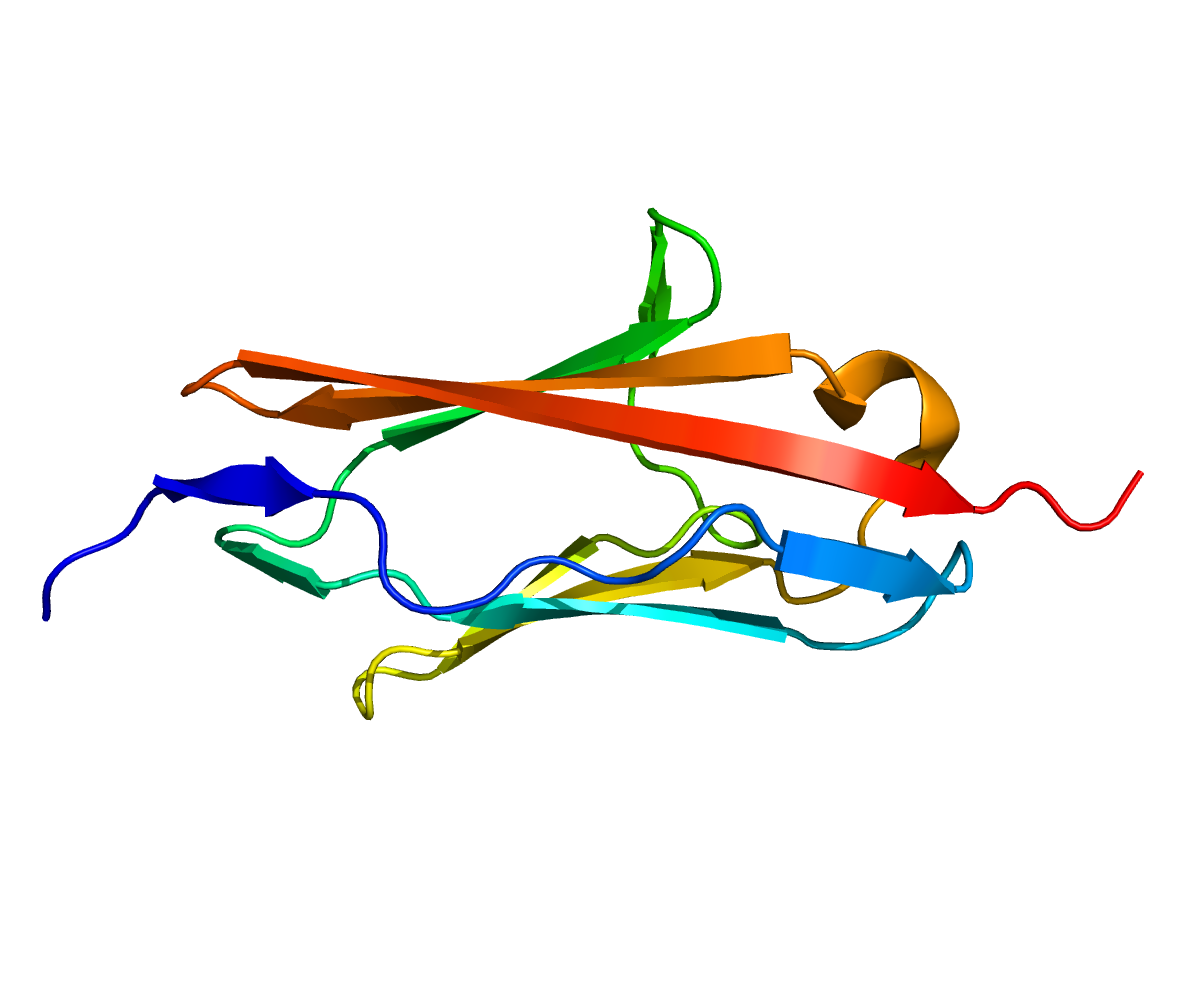
Distrofia muscular das cinturas dos membros autossômica recessiva
📋 Origem dos dados
Esta página agrega dados de fontes públicas e oficiais. Dados sobre cobertura no SUS (PCDT, CEAF) são verificados ativamente por agente proativo (ver badge no infobox). Demais dados têm atribuição de fonte + data da última sincronização — clique para abrir o original.
- Doença rara (ontologia)
- fonte: Orphanet
- Identificador unificado
- fonte: MONDO
- CID-11 (futuro)
- fonte: WHO ICD-11
- NIH/GARD
- fonte: GARD (NIH)
- Indexação biomédica
- fonte: MeSH (NLM)
- Dado público estruturado
- fonte: Wikidata
- Medicamentos (literatura)
- fonte: Orphanet