
Esta é uma lista de imunodeficiências primárias (IDP), que são deficiências imunológicas não secundárias a outra condição.
Introdução
O que você precisa saber de cara
Visão geral
A imunodeficiência combinada grave por deficiência de LCK é uma doença genética rara que afeta o sistema imunológico desde os primeiros meses de vida. Estima-se que sua prevalência seja inferior a 1 caso por 1.000.000 de pessoas. A condição é herdada de forma autossômica recessiva, ou seja, é necessário que ambos os pais sejam portadores de uma cópia alterada do gene para que a criança manifeste a doença. Os primeiros sinais geralmente aparecem ainda na infância ou no período neonatal.[1][4]
Sinais e sintomas
Os principais sintomas incluem infecções recorrentes, especialmente do trato respiratório superior e inferior, candidíase oral crônica (sapinho), diarreia prolongada, febre e déficit de crescimento. Também podem ocorrer manifestações autoimunes, como anemia, trombocitopenia (baixa contagem de plaquetas), pericardite (inflamação do revestimento do coração), vasculite retiniana, paniculite (inflamação do tecido gorduroso sob a pele) e abscessos. Em alguns casos, observa-se extravasamento capilar, ascite (acúmulo de líquido no abdômen) e níveis diminuídos de imunoglobulinas (IgG, IgA, IgM e IgE) no sangue.[1][4]
Causas genéticas
A doença é causada por alterações (mutações) no gene LCK, que fornece instruções para a produção de uma proteína chamada tirosina-proteína quinase Lck. Essa proteína é essencial para o desenvolvimento e funcionamento adequado das células T, um tipo de glóbulo branco fundamental para a defesa do organismo contra infecções. A herança é autossômica recessiva, o que significa que a criança precisa herdar uma cópia defeituosa do gene de cada um dos pais para desenvolver a condição.[1][2][5]
Diagnóstico
O diagnóstico é baseado na avaliação clínica, nos exames laboratoriais que mostram níveis baixos de imunoglobulinas e na contagem reduzida de células T CD4-positivas. A confirmação é feita por meio de teste genético que identifica mutações no gene LCK. Atualmente, há 23 testes genéticos disponíveis e 28 variantes registradas no ClinVar para essa condição. O código CID-10 correspondente é D81.1.[1][2][5]
Tratamento e manejo
O tratamento é individualizado e deve ser conduzido por uma equipe médica especializada em imunodeficiências. As principais abordagens incluem o controle das infecções com antibióticos, antifúngicos e antivirais, além da reposição de imunoglobulinas (gamaglobulina) para reforçar a defesa do organismo. Em casos graves, o transplante de células-tronco hematopoéticas (medula óssea) pode ser considerado. Não há medicamentos específicos aprovados exclusivamente para esta doença. No Brasil, a cobertura pelo SUS é considerada mínima.[1][2]
Prognóstico e qualidade de vida
O prognóstico varia conforme a gravidade das infecções e a presença de complicações autoimunes. Com diagnóstico precoce e manejo adequado, é possível melhorar a qualidade de vida e reduzir o risco de infecções graves. O acompanhamento regular com imunologista e o suporte multidisciplinar são fundamentais para o bem-estar do paciente e da família.[1][2]
Conteúdo informativo gerado e mantido automaticamente a partir de fontes oficiais (Orphanet, HPO, OMIM, SUS). Não substitui avaliação médica.
Esta é uma lista de imunodeficiências primárias (IDP), que são deficiências imunológicas não secundárias a outra condição.
Escala de raridade
<1/50kMuito rara
1/20kRara
1/10kPouco freq.
1/5kIncomum
1/2k
Encontrou um erro ou informação desatualizada? Sugira uma correção →
Entender a doença
Do básico ao detalhe, leia no seu ritmo
Preparando trilha educativa...
Sinais e sintomas
O que aparece no corpo e com que frequência cada sintoma acontece
Visão geral
A imunodeficiência combinada grave por deficiência de LCK é uma doença genética rara que afeta o sistema imunológico desde os primeiros meses de vida. Estima-se que sua prevalência seja inferior a 1 caso por 1.000.000 de pessoas. A condição é herdada de forma autossômica recessiva, ou seja, é necessário que ambos os pais sejam portadores de uma cópia alterada do gene para que a criança manifeste a doença. Os primeiros sinais geralmente aparecem ainda na infância ou no período neonatal.[1][4]
Sinais e sintomas
Os principais sintomas incluem infecções recorrentes, especialmente do trato respiratório superior e inferior, candidíase oral crônica (sapinho), diarreia prolongada, febre e déficit de crescimento. Também podem ocorrer manifestações autoimunes, como anemia, trombocitopenia (baixa contagem de plaquetas), pericardite (inflamação do revestimento do coração), vasculite retiniana, paniculite (inflamação do tecido gorduroso sob a pele) e abscessos. Em alguns casos, observa-se extravasamento capilar, ascite (acúmulo de líquido no abdômen) e níveis diminuídos de imunoglobulinas (IgG, IgA, IgM e IgE) no sangue.[1][4]
Causas genéticas
A doença é causada por alterações (mutações) no gene LCK, que fornece instruções para a produção de uma proteína chamada tirosina-proteína quinase Lck. Essa proteína é essencial para o desenvolvimento e funcionamento adequado das células T, um tipo de glóbulo branco fundamental para a defesa do organismo contra infecções. A herança é autossômica recessiva, o que significa que a criança precisa herdar uma cópia defeituosa do gene de cada um dos pais para desenvolver a condição.[1][2][5]
Diagnóstico
O diagnóstico é baseado na avaliação clínica, nos exames laboratoriais que mostram níveis baixos de imunoglobulinas e na contagem reduzida de células T CD4-positivas. A confirmação é feita por meio de teste genético que identifica mutações no gene LCK. Atualmente, há 23 testes genéticos disponíveis e 28 variantes registradas no ClinVar para essa condição. O código CID-10 correspondente é D81.1.[1][2][5]
Tratamento e manejo
O tratamento é individualizado e deve ser conduzido por uma equipe médica especializada em imunodeficiências. As principais abordagens incluem o controle das infecções com antibióticos, antifúngicos e antivirais, além da reposição de imunoglobulinas (gamaglobulina) para reforçar a defesa do organismo. Em casos graves, o transplante de células-tronco hematopoéticas (medula óssea) pode ser considerado. Não há medicamentos específicos aprovados exclusivamente para esta doença. No Brasil, a cobertura pelo SUS é considerada mínima.[1][2]
Prognóstico e qualidade de vida
O prognóstico varia conforme a gravidade das infecções e a presença de complicações autoimunes. Com diagnóstico precoce e manejo adequado, é possível melhorar a qualidade de vida e reduzir o risco de infecções graves. O acompanhamento regular com imunologista e o suporte multidisciplinar são fundamentais para o bem-estar do paciente e da família.[1][2]
Conteúdo informativo gerado e mantido automaticamente a partir de fontes oficiais (Orphanet, HPO, OMIM, SUS). Não substitui avaliação médica.
Partes do corpo afetadas
+ 14 sintomas em outras categorias
Características mais comuns
Os sintomas variam de pessoa para pessoa. Abaixo estão as 25 características clínicas mais associadas, ordenadas por frequência.
Linha do tempo da pesquisa
Triagem neonatal (Teste do Pezinho)
A triagem neonatal permite diagnóstico precoce e início imediato do tratamento.
Encontrou um erro ou informação desatualizada? Sugira uma correção →
Genética e causas
O que está alterado no DNA e como passa nas famílias
Genes associados
1 gene identificado com associação a esta condição. Padrão de herança: Autosomal recessive.
Curadoria gene-doença
fontes oficiaisNon-receptor tyrosine-protein kinase that plays an essential role in the selection and maturation of developing T-cells in the thymus and in the function of mature T-cells (PubMed:2470098). Plays a key role in T-cell antigen receptor (TCR)-linked signal transduction pathways (PubMed:2470098). Constitutively associated with the cytoplasmic portions of the CD4 and CD8 surface receptors (PubMed:2470098). Association of the TCR with a peptide antigen-bound MHC complex facilitates the interaction of
Cell membraneCytoplasm, cytosol
Variantes genéticas (ClinVar)
28 variantes patogênicas registradas no ClinVar.
Vias biológicas (Reactome)
23 vias biológicas associadas aos genes desta condição.
Diagnóstico
Os sinais que médicos procuram e os exames que confirmam
Tratamento e manejo
Remédios, cuidados de apoio e o que precisa acompanhar
Onde tratar no SUS
Hospitais de referência no Brasil e o protocolo oficial do SUS (PCDT)
🇧🇷 Atendimento SUS — Imunodeficiência combinada grave por deficiência de LCK
Selecione um estado ou use sua localização para ver resultados.
Dados de DATASUS/CNES, SBGM, ABNeuro e Ministério da Saúde. Sempre confirme a disponibilidade diretamente com o estabelecimento.
Pesquisa ativa
Ensaios clínicos abertos e novidades científicas recentes
Pesquisa e ensaios clínicos
Nenhum ensaio clínico registrado para esta condição.
Publicações mais relevantes
LCK at the crossroad of immunodeficiency and autoimmunity: Mechanisms and therapeutic opportunities.
The lymphocyte-specific protein tyrosine kinase (LCK) is the principal initiator of T cell receptor (TCR) signaling and a critical regulator of T-cell development, activation, and immune tolerance. Its critical expression in T cells positions LCK as both a molecular gatekeeper of adaptive immunity and an attractive therapeutic target. Loss-of-function mutations in LCK result in combined immunodeficiency with profound defects in T-cell differentiation and signaling, whereas hypomorphic variants with residual activity can promote immune dysregulation and autoimmunity. Conversely, aberrant LCK activation is associated with autoimmunity and chronic inflammation, including type 1 diabetes, psoriasis, rheumatoid arthritis, asthma, multiple sclerosis, and graft-versus-host disease. Here, we review the structural and regulatory mechanisms of LCK, its dysfunction in immunodeficiency and autoimmunity, and the current landscape of therapeutic strategies. While first-generation inhibitors targeting the ATP-binding site have shown efficacy in preclinical models, their lack of selectivity highlights the need for innovative approaches directed at non-catalytic domains of LCK. By linking mechanistic understanding with clinical relevance, we position LCK as a precision regulatory node with the potential to transform therapeutic strategies for T cell-driven immune disorders.
Alpharetroviral Vector-Mediated Gene Therapy for IL7RA-Deficient Severe Combined Immunodeficiency.
Severe combined immunodeficiency (SCID) encompasses rare primary immunodeficiency disorders characterized by deficient T-cell development, which leads to a severely compromised immune system and susceptibility to life-threatening infections. Among SCID subtypes, IL7RA-SCID is caused by mutations in the interleukin 7 receptor alpha chain (IL7RA) and represents a significant subset of patients with limited treatment options. This study investigated the efficacy of a self-inactivating (SIN) alpharetroviral vector (ARV) engineered to deliver a codon-optimized IL7RA cDNA to restore T-cell development in Il7r-knockout mice. We compared the elongation factor 1 alpha short (EFS) promoter and the lymphoid-restricted Lck promoter for their ability to drive IL7RA expression and found that the EFS promoter enabled robust and sustained IL7RA expression that led to the functional rescue of T-lymphopoiesis in vitro and in vivo. Conversely, though effective in vitro, the Lck promoter failed to produce viable T-cell populations in vivo. Our results highlight the potential of using SIN-ARVs as a gene therapy (GT) strategy for treating IL7RA-SCID. Importantly, sustained production of T-lymphocytes was found in both primary and secondary transplant recipient animals with no adverse effects, supporting the safety and feasibility of this approach. Overall, this study provides valuable insights into the development of GT for IL7RA-SCID and underscores the clinical potential of an EFS-driven SIN-ARV to restore IL7RA-deficient immune function.
Combined Immunodeficiency Caused by a Novel Nonsense Mutation in LCK.
Mutations affecting T-cell receptor (TCR) signaling typically cause combined immunodeficiency (CID) due to varying degrees of disturbed T-cell homeostasis and differentiation. Here, we describe two cousins with CID due to a novel nonsense mutation in LCK and investigate the effect of this novel nonsense mutation on TCR signaling, T-cell function, and differentiation. Patients underwent clinical, genetic, and immunological investigations. The effect was addressed in primary cells and LCK-deficient T-cell lines after expression of mutated LCK. RESULTS: Both patients primarily presented with infections in early infancy. The LCK mutation led to reduced expression of a truncated LCK protein lacking a substantial part of the kinase domain and two critical regulatory tyrosine residues. T cells were oligoclonal, and especially naïve CD4 and CD8 T-cell counts were reduced, but regulatory and memory including circulating follicular helper T cells were less severely affected. A diagnostic hallmark of this immunodeficiency is the reduced surface expression of CD4. Despite severely impaired TCR signaling mTOR activation was partially preserved in patients' T cells. LCK-deficient T-cell lines reconstituted with mutant LCK corroborated partially preserved signaling. Despite detectable differentiation of memory and effector T cells, their function was severely disturbed. NK cell cytotoxicity was unaffected. Residual TCR signaling in LCK deficiency allows for reduced, but detectable T-cell differentiation, while T-cell function is severely disturbed. Our findings expand the previous report on one single patient on the central role of LCK in human T-cell development and function.
📚 EuropePMCmostrando 3
LCK at the crossroad of immunodeficiency and autoimmunity: Mechanisms and therapeutic opportunities.
Immunology lettersAlpharetroviral Vector-Mediated Gene Therapy for IL7RA-Deficient Severe Combined Immunodeficiency.
Human gene therapyCombined Immunodeficiency Caused by a Novel Nonsense Mutation in LCK.
Journal of clinical immunologyAssociações
Organizações que acompanham esta doença — pra ter apoio e orientação
Ainda não temos associações cadastradas para Imunodeficiência combinada grave por deficiência de LCK.
É de uma associação que acompanha esta doença? Fale com a gente →
Comunidades
Grupos ativos de quem convive com esta doença aqui no Raras
Ainda não existe comunidade no Raras para Imunodeficiência combinada grave por deficiência de LCK
Pacientes, familiares e cuidadores se organizam em comunidades pra compartilhar experiências, fazer perguntas e se apoiar. Você pode ser o primeiro.
Tire suas dúvidas
Perguntas, dicas e experiências compartilhadas aqui na página
Participe da discussão
Faça login para postar dúvidas, compartilhar experiências e interagir com especialistas.
Fazer loginDoenças relacionadas
Doenças com sintomas parecidos — ajudam quem ainda está buscando diagnóstico
Referências e fontes
Bases de dados externas citadas neste artigo
Publicações científicas
Artigos indexados no PubMed ligados a esta doença no grafo RarasNet — título, periódico e PMID direto da fonte, sem intermediação de IA.
Bases de dados e fontes oficiais
Identificadores e referências canônicas usadas para montar este verbete.
- ORPHA:280142(Orphanet)
- OMIM OMIM:615758(OMIM)
- MONDO:0014334(MONDO)
- GARD:17288(GARD (NIH))
- Variantes catalogadas(ClinVar)
- Q55784784(Wikidata)
Dados compilados pelo RarasNet a partir de fontes abertas (Orphanet, OMIM, MONDO, PubMed/EuropePMC, ClinicalTrials.gov, DATASUS, PCDT/MS). Este conteúdo é informativo e não substitui avaliação médica.
Conteúdo mantido por Agente Raras · Médicos e pesquisadores podem colaborar
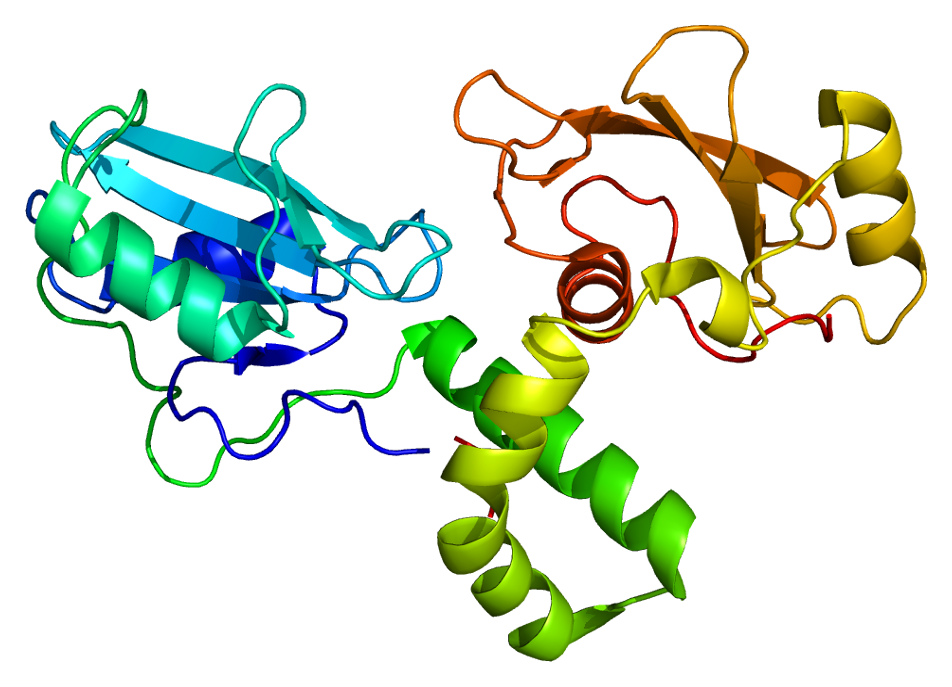
Imunodeficiência combinada grave por deficiência de LCK
📋 Origem dos dados
Esta página agrega dados de fontes públicas e oficiais. Dados sobre cobertura no SUS (PCDT, CEAF) são verificados ativamente por agente proativo (ver badge no infobox). Demais dados têm atribuição de fonte + data da última sincronização — clique para abrir o original.
- Doença rara (ontologia)
- fonte: Orphanet
- Identificador unificado
- fonte: MONDO
- Genética mendeliana
- fonte: OMIM
- Codificação WHO/SUS
- fonte: WHO ICD-10 / DATASUS
- CID-11 (futuro)
- fonte: WHO ICD-11
- NIH/GARD
- fonte: GARD (NIH)
- Dado público estruturado
- fonte: Wikidata