
É um tipo de distrofia muscular das cinturas, uma condição genética que a pessoa herda de ambos os pais. A idade de início e o conjunto de sintomas são muito variáveis, mas geralmente se caracteriza por uma fraqueza que piora devagar nos músculos mais próximos ao tronco, como os da bacia e dos ombros (afetando principalmente as pernas). É comum que a pessoa também apresente um andar "rebolando", omoplatas saltadas (como asas), aumento do tamanho das panturrilhas e da língua, dores musculares após exercícios, e/ou alterações nos exames de sangue ou urina, como níveis altos de uma enzima muscular (CK) no sangue ou a presença de uma proteína muscular na urina. Também foram relatados casos de fraqueza nos músculos do abdômen, problemas no coração (cardiomiopatia), comprometimento dos músculos respiratórios e diversas alterações cerebrais.
Introdução
O que você precisa saber de cara
É um tipo de distrofia muscular das cinturas, uma condição genética que a pessoa herda de ambos os pais. A idade de início e o conjunto de sintomas são muito variáveis, mas geralmente se caracteriza por uma fraqueza que piora devagar nos músculos mais próximos ao tronco, como os da bacia e dos ombros (afetando principalmente as pernas). É comum que a pessoa também apresente um andar "rebolando", omoplatas saltadas (como asas), aumento do tamanho das panturrilhas e da língua, dores musculares após exercícios, e/ou alterações nos exames de sangue ou urina, como níveis altos de uma enzima muscular (CK) no sangue ou a presença de uma proteína muscular na urina. Também foram relatados casos de fraqueza nos músculos do abdômen, problemas no coração (cardiomiopatia), comprometimento dos músculos respiratórios e diversas alterações cerebrais.
Escala de raridade
<1/50kMuito rara
1/20kRara
1/10kPouco freq.
1/5kIncomum
1/2k
Encontrou um erro ou informação desatualizada? Sugira uma correção →
Entender a doença
Do básico ao detalhe, leia no seu ritmo
Preparando trilha educativa...
Sinais e sintomas
O que aparece no corpo e com que frequência cada sintoma acontece
Partes do corpo afetadas
+ 15 sintomas em outras categorias
Características mais comuns
Os sintomas variam de pessoa para pessoa. Abaixo estão as 34 características clínicas mais associadas, ordenadas por frequência.
Linha do tempo da pesquisa
Encontrou um erro ou informação desatualizada? Sugira uma correção →
Genética e causas
O que está alterado no DNA e como passa nas famílias
Genes associados
1 gene identificado com associação a esta condição. Padrão de herança: Autosomal recessive.
Curadoria gene-doença
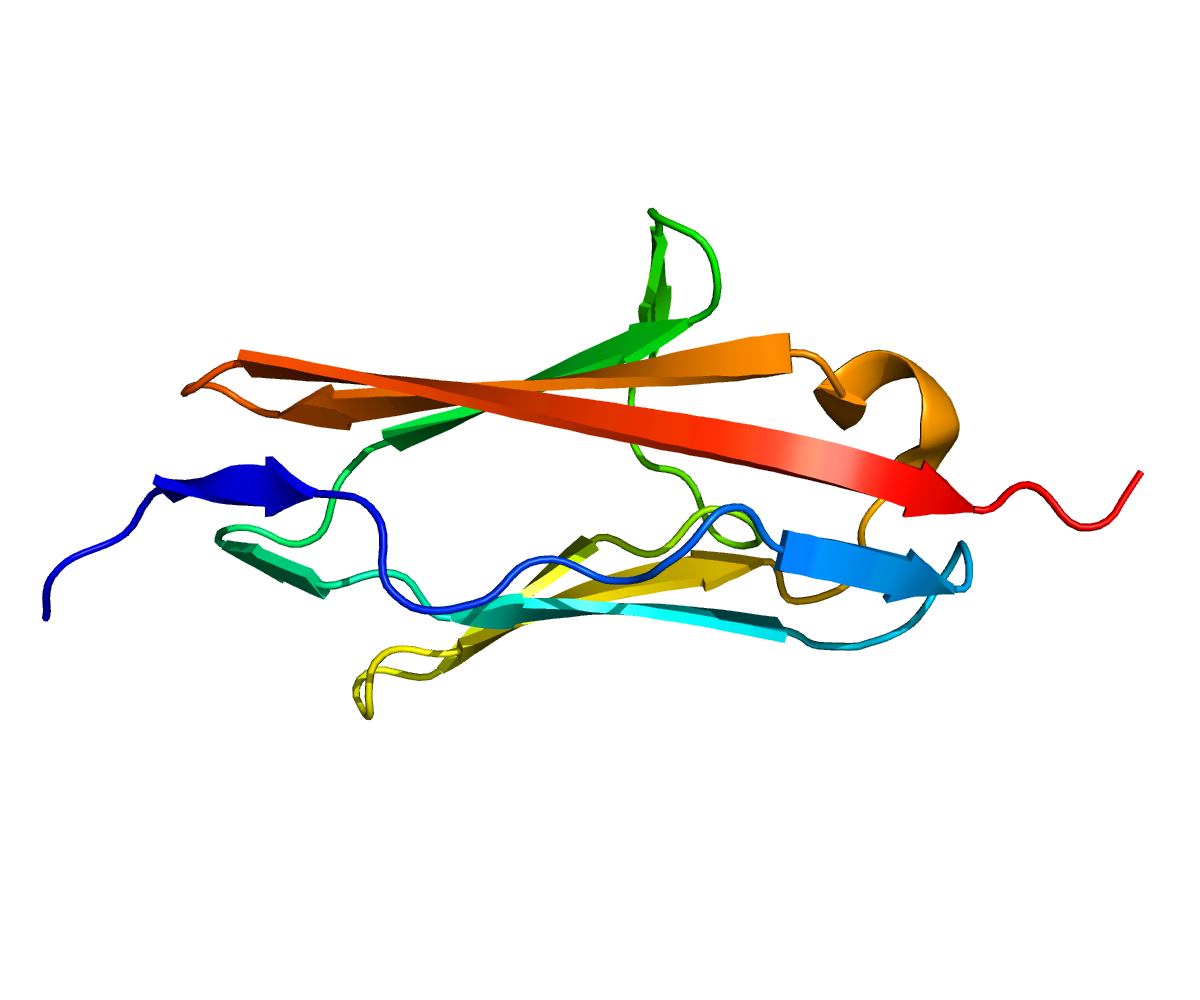
fontes oficiaisCatalyzes the transfer of a ribitol 5-phosphate from CDP-L-ribitol to the ribitol 5-phosphate previously attached by FKTN/fukutin to the phosphorylated O-mannosyl trisaccharide (N-acetylgalactosamine-beta-3-N-acetylglucosamine-beta-4-(phosphate-6-)mannose), a carbohydrate structure present in alpha-dystroglycan (DAG1) (PubMed:26923585, PubMed:27194101, PubMed:29477842, PubMed:31949166). This constitutes the second step in the formation of the ribose 5-phosphate tandem repeat which links the phos
Golgi apparatus membraneSecretedCell membrane, sarcolemmaRough endoplasmic reticulumCytoplasm
Muscular dystrophy-dystroglycanopathy congenital with brain and eye anomalies A5
An autosomal recessive disorder characterized by congenital muscular dystrophy associated with cobblestone lissencephaly and other brain anomalies, eye malformations, profound intellectual disability, and death usually in the first years of life. Included diseases are the more severe Walker-Warburg syndrome and the slightly less severe muscle-eye-brain disease.
Variantes genéticas (ClinVar)
352 variantes patogênicas registradas no ClinVar.
Vias biológicas (Reactome)
1 via biológica associada aos genes desta condição.
Diagnóstico
Os sinais que médicos procuram e os exames que confirmam
Tratamento e manejo
Remédios, cuidados de apoio e o que precisa acompanhar
Onde tratar no SUS
Hospitais de referência no Brasil e o protocolo oficial do SUS (PCDT)
🇧🇷 Atendimento SUS — Distrofia muscular das cinturas R9 FKRP-relacionada
Selecione um estado ou use sua localização para ver resultados.
Dados de DATASUS/CNES, SBGM, ABNeuro e Ministério da Saúde. Sempre confirme a disponibilidade diretamente com o estabelecimento.
Pesquisa ativa
Ensaios clínicos abertos e novidades científicas recentes
Ensaios em destaque
🟢 Recrutando agora
2 pesquisas recrutando participantes. Converse com seu médico sobre a possibilidade de participar.
Outros ensaios clínicos
14 ensaios clínicos encontrados, 3 ativos.
Publicações mais relevantes
Prospective observational study of FKRP-related limb-girdle muscular dystrophy R9: A GRASP consortium study.
Limb-girdle muscular dystrophy R9 (LGMDR9, formerly known as LGMD2I), caused by variants in the fukutin-related protein (FKRP) gene leads to progressive muscle weakness of the shoulder and pelvic limb-girdles and loss of motor function over time. Clinical management and future trial design are improved by determining which standardized clinical outcome assessments (COA) of function are most appropriate to capture disease presentation and progression, informing endpoint selection and enrollment criteria. The purpose of our study was to evaluate the cross-sectional validity and reliability of clinical outcome assessments in patients with FKRP-related LGMDR9 participating in the Genetic Resolution and Assessments Solving Phenotypes in LGMD (GRASP) natural history study. Enrolled patients completed a battery of COA on two consecutive days, including the North Star Assessment for limb girdle-type dystrophies (NSAD), the 100-m timed test (100 m), and the Performance of Upper Limb 2.0 (PUL). A total of 101 patients with FKRP-related LGMDR9 completed COA evaluations. All functional COA were highly and significantly correlated even across constructs, except for the 9-hole peg test. Similarly, all tests demonstrated excellent test-retest reliability across 2-day visits. The NSAD and PUL demonstrate robust psychometrics with good targeting, ordered response thresholds, fit and stability, and limited dependency of items across the scales. This study has determined the suitability of several functional COA, cross-sectionally, in LGMDR9 to inform future trial design and clinical care.
Insomnia and sleep-disordered breathing in FKRP-related limb-girdle muscular dystrophy R9. The Norwegian LGMDR9 cohort study (2020).
Limb-girdle muscular dystrophy R9 (LGMDR9) is a progressive and disabling genetic muscle disease. Sleep is relevant in the patient care as it impacts on health, functioning, and well-being. LGMDR9 may potentially affect sleep by physical or emotional symptoms, myalgia, or sleep-disordered breathing (SDB) through cardiorespiratory involvement. The objective was to investigate the occurrence of insomnia and unrecognized or untreated SDB in LGMDR9, associated factors, and relationships with fatigue and health-related quality of life (HRQoL). All 90 adults in a Norwegian LGMDR9 cohort received questionnaires on sleep, fatigue, and HRQoL. Forty-nine of them underwent clinical assessments and 26 without mask-based therapy for respiration disorders additionally underwent polysomnography (PSG) and capnometry. Among 77 questionnaire respondents, 31% received mask-based therapy. The prevalence of insomnia was 32% of both those with and without such therapy but was significantly increased in fatigued respondents (54% vs 21%). Insomnia levels correlated inversely with mental HRQoL. Among 26 PSG candidates, an apnea-hypopnea index (AHI) ≥ 5/h was observed in 16/26 subjects (≥ 15/h in 8/26) with median 6.8 obstructive apneas and 0.2 central apneas per hour of sleep. The AHI was related to advancing age and an ejection fraction < 50%. Sleep-related hypoventilation was detected in one subject. Fatigue severity did not correlate with motor function or nocturnal metrics of respiration or sleep but with Maximal Inspiratory Pressure (r = - 0.46). The results indicate that insomnia and SDB are underrecognized comorbidities in LGMDR9 and associated with HRQoL impairment and heart failure, respectively. We propose an increased attention to insomnia and SDB in the interdisciplinary care of LGMDR9. Insomnia and pulmonary function should be examined in fatigued patients.
Health-Related Quality of Life in FKRP-Related Limb-Girdle Muscular Dystrophy R9.
Limb-girdle muscular dystrophy R9 (LGMDR9) is a chronic progressive hereditary muscle disease, related to the Fukutin Related Protein (FKRP) gene, that may cause major disabilities, cardiomyopathy, and ventilatory failure. Knowledge of how LGMDR9 affects health-related quality of life (HRQoL) is relevant in treatment and care. To investigate HRQoL in the Norwegian LGMDR9 population over 14 months and relation to fatigue and sleep quality. Participants (16+ years) of the Norwegian LGMDR9 cohort study completed two HRQoL measures, i.e., Individualized Neuromuscular Quality of Life questionnaire (INQoL) and the 36-item Short Form (SF-36) at baseline, 8, and 14 months and measures of fatigue and sleep quality at 9 months. HRQoL response rate was 84/90 (75 c.826 C > A homozygotes and nine c.826 C > A compound heterozygotes). Compared to Norwegian normative data, all SF-36 domain scores were impaired (p≤0.006) except mental health in males (p = 0.05) and pain scores. During 14 months, perceived muscle weakness and the INQoL index (disease burden) worsened in c.826 C > A homozygotes. Compound heterozygotes reported more dysphagia and physical difficulties than homozygotes and showed a tendency towards worsening in weakness over time but some improvement on the INQoL index. Homozygous females reported generally poorer HRQoL and a higher burden than males. The INQoL index was related to perceived muscle weakness and fatigue, and fatigue to myalgia and mental distress. The prevalence of fatigue and poor sleep was 40% and 49%, respectively. The 14-month follow-up period shows a worsening of perceived weakness and burden in c.826 C > A homozygotes, which can then be expected. The prevalence and impact of fatigue indicate a need for awareness and treatment of fatigue. Myalgia and mental distress are potential targets in the treatment of fatigue, which future studies need to establish. Sleep issues and gender-specific care needs also require attention in LGMDR9.
Genetic findings in Czech patients with limb girdle muscular dystrophy.
Limb girdle muscular dystrophies (LGMD) are a genetically heterogeneous group of muscular dystrophies. The study presents an overview of molecular characteristics of a large cohort of LGMD patients who are representative of the Czech LGMD population. We present 226 LGMD probands in which 433 mutant alleles carrying 157 different variants with a supposed pathogenic effect were identified. Fifty-four variants have been described only in the Czech LGMD population so far. LGMD R1 caplain3-related is the most frequent subtype of LGMD involving 53.1% of patients with genetically confirmed LGMD, followed by LGMD R9 FKRP-related (11.1%), and LGMD R12 anoctamin5-related (7.1%). If we consider identified variants, then all but five were small-scale variants. One large gene deletion was identified in the LAMA2 gene and two deletions in each of CAPN3 and SGCG. We performed comparison our result with other published studies. The results obtained in the Czech LGMD population clearly differ from the outcome of other LGMD populations in two aspects-we have a more significant proportion of patients with LGMD R1 calpain3-related and a smaller proportion of LGMD R2 dysferlin-related.
[Analysis of clinical characteristics and genetic variants in two children with Limb-girdle muscular dystrophy autosomal recessive 9 FKRP-related].
To explore the correlation between clinical manifestations of Limb-girdle muscular dystrophy autosomal recessive 9 FKRP-related (R9 FKRP-related) and variants of the FKRP gene. Two children who had presented at the Children's Hospital of Nanjing Medical University respectively due to increased serum myocardial zymogram and hepatic dysfunction on September 30, 2018 and August 3, 2018 were selected as the study subjects. Clinical data of the children were collected. Both children were suspected for Duchenne or Becker muscular dystrophy for asymptomatic high creatine kinase (CK) levels. Peripheral blood samples of the children and their parents were collected for whole exome sequencing, and candidate variants were validated by Sanger sequencing. Genetic testing revealed that both children have carried compound heterozygous variants of the FKRP gene. The c.545A>G and c.941C>T variants in child 1 have been reported previously, among which the c.545A>G is a hot spot mutation in the Chinese population. Child 2 has carried c.602T>C and c.961G>A variants, both of which were unreported previously. Both children have met the diagnostic criteria for LGMD R9 FKRP-related. Carriers of the c.545A>G variant may present milder symptoms. Compared with patients carrying null variants, carriers of compound heterozygous missense variants may present with a milder phenotype, manifesting as asymptomatic high CK level.
📚 EuropePMC4 artigos no totalmostrando 9
Prospective observational study of FKRP-related limb-girdle muscular dystrophy R9: A GRASP consortium study.
Annals of clinical and translational neurologyHealth-Related Quality of Life in FKRP-Related Limb-Girdle Muscular Dystrophy R9.
Journal of neuromuscular diseases[Analysis of clinical characteristics and genetic variants in two children with Limb-girdle muscular dystrophy autosomal recessive 9 FKRP-related].
Zhonghua yi xue yi chuan xue za zhi = Zhonghua yixue yichuanxue zazhi = Chinese journal of medical geneticsInsomnia and sleep-disordered breathing in FKRP-related limb-girdle muscular dystrophy R9. The Norwegian LGMDR9 cohort study (2020).
Journal of neurologyGenetic findings in Czech patients with limb girdle muscular dystrophy.
Clinical geneticsPhenotype Genotype Characterization of FKRP-related Muscular Dystrophy among Indian Patients.
Journal of neuromuscular diseasesEpidemiology and natural history in 101 subjects with FKRP-related limb-girdle muscular dystrophy R9. The Norwegian LGMDR9 cohort study (2020).
Neuromuscular disorders : NMDCardiomyopathy in limb girdle muscular dystrophy R9, FKRP related.
Muscle & nerveGlobal FKRP Registry: observations in more than 300 patients with Limb Girdle Muscular Dystrophy R9.
Annals of clinical and translational neurologyAssociações
Organizações que acompanham esta doença — pra ter apoio e orientação
Ainda não temos associações cadastradas para Distrofia muscular das cinturas R9 FKRP-relacionada.
É de uma associação que acompanha esta doença? Fale com a gente →
Comunidades
Grupos ativos de quem convive com esta doença aqui no Raras
Ainda não existe comunidade no Raras para Distrofia muscular das cinturas R9 FKRP-relacionada
Pacientes, familiares e cuidadores se organizam em comunidades pra compartilhar experiências, fazer perguntas e se apoiar. Você pode ser o primeiro.
Tire suas dúvidas
Perguntas, dicas e experiências compartilhadas aqui na página
Participe da discussão
Faça login para postar dúvidas, compartilhar experiências e interagir com especialistas.
Fazer loginDoenças relacionadas
Doenças com sintomas parecidos — ajudam quem ainda está buscando diagnóstico
Referências e fontes
Bases de dados externas citadas neste artigo
Publicações científicas
Artigos indexados no PubMed ligados a esta doença no grafo RarasNet — título, periódico e PMID direto da fonte, sem intermediação de IA.
- Prospective observational study of FKRP-related limb-girdle muscular dystrophy R9: A GRASP consortium study.
- Insomnia and sleep-disordered breathing in FKRP-related limb-girdle muscular dystrophy R9. The Norwegian LGMDR9 cohort study (2020).
- Health-Related Quality of Life in FKRP-Related Limb-Girdle Muscular Dystrophy R9.
- Genetic findings in Czech patients with limb girdle muscular dystrophy.
- [Analysis of clinical characteristics and genetic variants in two children with Limb-girdle muscular dystrophy autosomal recessive 9 FKRP-related].Zhonghua yi xue yi chuan xue za zhi = Zhonghua yixue yichuanxue zazhi = Chinese journal of medical genetics· 2023· PMID 37730220mais citado
Bases de dados e fontes oficiais
Identificadores e referências canônicas usadas para montar este verbete.
- ORPHA:34515(Orphanet)
- OMIM OMIM:607155(OMIM)
- MONDO:0011787(MONDO)
- GARD:12533(GARD (NIH))
- Variantes catalogadas(ClinVar)
- Q22965446(Wikidata)
Dados compilados pelo RarasNet a partir de fontes abertas (Orphanet, OMIM, MONDO, PubMed/EuropePMC, ClinicalTrials.gov, DATASUS, PCDT/MS). Este conteúdo é informativo e não substitui avaliação médica.
Conteúdo mantido por Agente Raras · Médicos e pesquisadores podem colaborar
Distrofia muscular das cinturas R9 FKRP-relacionada
📋 Origem dos dados
Esta página agrega dados de fontes públicas e oficiais. Dados sobre cobertura no SUS (PCDT, CEAF) são verificados ativamente por agente proativo (ver badge no infobox). Demais dados têm atribuição de fonte + data da última sincronização — clique para abrir o original.
- Doença rara (ontologia)
- fonte: Orphanet
- Identificador unificado
- fonte: MONDO
- Genética mendeliana
- fonte: OMIM
- Codificação WHO/SUS
- fonte: WHO ICD-10 / DATASUS
- CID-11 (futuro)
- fonte: WHO ICD-11
- NIH/GARD
- fonte: GARD (NIH)
- Indexação biomédica
- fonte: MeSH (NLM)
- Dado público estruturado
- fonte: Wikidata
- Ensaios clínicos
- fonte: ClinicalTrials.gov