
Doença de Parkinson que começa a partir dos 50 anos.
Introdução
O que você precisa saber de cara
Doença de Parkinson que começa a partir dos 50 anos.
Escala de raridade
<1/50kMuito rara
1/20kRara
1/10kPouco freq.
1/5kIncomum
1/2k
Encontrou um erro ou informação desatualizada? Sugira uma correção →
Entender a doença
Do básico ao detalhe, leia no seu ritmo
Preparando trilha educativa...
Sinais e sintomas
O que aparece no corpo e com que frequência cada sintoma acontece
Partes do corpo afetadas
+ 53 sintomas em outras categorias
Características mais comuns
Os sintomas variam de pessoa para pessoa. Abaixo estão as 95 características clínicas mais associadas, ordenadas por frequência.
Linha do tempo da pesquisa
Encontrou um erro ou informação desatualizada? Sugira uma correção →
Genética e causas
O que está alterado no DNA e como passa nas famílias
Genes associados
18 genes identificados com associação a esta condição. Padrão de herança: Autosomal dominant.
Curadoria gene-doença
fontes oficiaisSerine/threonine-protein kinase which phosphorylates a broad range of proteins involved in multiple processes such as neuronal plasticity, innate immunity, autophagy, and vesicle trafficking (PubMed:17114044, PubMed:20949042, PubMed:21850687, PubMed:22012985, PubMed:23395371, PubMed:24687852, PubMed:25201882, PubMed:26014385, PubMed:26824392, PubMed:27830463, PubMed:28720718, PubMed:29125462, PubMed:29127255, PubMed:29212815, PubMed:30398148, PubMed:30635421). Is a key regulator of RAB GTPases b
Cytoplasmic vesiclePerikaryonGolgi apparatus membraneCell projection, axonCell projection, dendriteEndoplasmic reticulum membraneCytoplasmic vesicle, secretory vesicle, synaptic vesicle membraneEndosomeLysosomeMitochondrion outer membraneCytoplasm, cytoskeletonCytoplasmic vesicle, phagosome
Parkinson disease 8
A slowly progressive neurodegenerative disorder characterized by bradykinesia, rigidity, resting tremor, postural instability, neuronal loss in the substantia nigra, and the presence of neurofibrillary MAPT (tau)-positive and Lewy bodies in some patients.
Isoform 2 inhibits the ubiquitin ligase activity of SIAH1 and inhibits proteasomal degradation of target proteins. Isoform 2 inhibits autoubiquitination and proteasomal degradation of SIAH1, and thereby increases cellular levels of SIAH. Isoform 2 modulates SNCA monoubiquitination by SIAH1
Parkinson disease
A complex neurodegenerative disorder characterized by bradykinesia, resting tremor, muscular rigidity and postural instability. Additional features are characteristic postural abnormalities, dysautonomia, dystonic cramps, and dementia. The pathology of Parkinson disease involves the loss of dopaminergic neurons in the substantia nigra and the presence of Lewy bodies (intraneuronal accumulations of aggregated proteins), in surviving neurons in various areas of the brain. The disease is progressive and usually manifests after the age of 50 years, although early-onset cases (before 50 years) are known. The majority of the cases are sporadic suggesting a multifactorial etiology based on environmental and genetic factors. However, some patients present with a positive family history for the disease. Familial forms of the disease usually begin at earlier ages and are associated with atypical clinical features.
Transcriptional regulator which is important for the differentiation and maintenance of meso-diencephalic dopaminergic (mdDA) neurons during development (PubMed:15716272, PubMed:17184956). It is crucial for expression of a set of genes such as SLC6A3, SLC18A2, TH and DRD2 which are essential for development of mdDA neurons (By similarity)
CytoplasmNucleus
Intellectual developmental disorder with language impairment and early-onset DOPA-responsive dystonia-parkinsonism
An autosomal dominant disorder characterized by global developmental delay affecting motor, cognitive, and speech domains apparent in early childhood or infancy. Most patients also show movement abnormalities, often hypotonia with later development of dopa-responsive dystonia or parkinsonism. About half of patients develop various types of seizures.
Cytoplasm
Involved in EGFR trafficking, acting as negative regulator of endocytic EGFR internalization at the plasma membrane
Cytoplasm
Spinocerebellar ataxia 2
Spinocerebellar ataxia is a clinically and genetically heterogeneous group of cerebellar disorders. Patients show progressive incoordination of gait and often poor coordination of hands, speech and eye movements, due to cerebellum degeneration with variable involvement of the brainstem and spinal cord. SCA2 belongs to the autosomal dominant cerebellar ataxias type I (ADCA I) which are characterized by cerebellar ataxia in combination with additional clinical features like optic atrophy, ophthalmoplegia, bulbar and extrapyramidal signs, peripheral neuropathy and dementia. SCA2 is characterized by hyporeflexia, myoclonus and action tremor and dopamine-responsive parkinsonism. In some patients, SCA2 presents as pure familial parkinsonism without cerebellar signs.
Promotes microtubule assembly and stability, and might be involved in the establishment and maintenance of neuronal polarity (PubMed:21985311). The C-terminus binds axonal microtubules while the N-terminus binds neural plasma membrane components, suggesting that tau functions as a linker protein between both (PubMed:21985311, PubMed:32961270). Axonal polarity is predetermined by TAU/MAPT localization (in the neuronal cell) in the domain of the cell body defined by the centrosome. The short isofo
Cytoplasm, cytosolCell membraneCytoplasm, cytoskeletonCell projection, axonCell projection, dendriteSecreted
Alcohol dehydrogenase. Exhibits high activity for ethanol oxidation and plays a major role in ethanol catabolism
Cytoplasm
The TFIID basal transcription factor complex plays a major role in the initiation of RNA polymerase II (Pol II)-dependent transcription (PubMed:33795473). TFIID recognizes and binds promoters with or without a TATA box via its subunit TBP, a TATA-box-binding protein, and promotes assembly of the pre-initiation complex (PIC) (PubMed:2194289, PubMed:2363050, PubMed:2374612, PubMed:27193682, PubMed:33795473). The TFIID complex consists of TBP and TBP-associated factors (TAFs), including TAF1, TAF2,
Nucleus
Spinocerebellar ataxia 17
Spinocerebellar ataxia is a clinically and genetically heterogeneous group of cerebellar disorders. Patients show progressive incoordination of gait and often poor coordination of hands, speech and eye movements, due to degeneration of the cerebellum with variable involvement of the brainstem and spinal cord. SCA17 is an autosomal dominant cerebellar ataxia (ADCA) characterized by widespread cerebral and cerebellar atrophy, dementia and extrapyramidal signs. The molecular defect in SCA17 is the expansion of a CAG repeat in the coding region of TBP. Longer expansions result in earlier onset and more severe clinical manifestations of the disease.
Deubiquitinating enzyme involved in protein homeostasis maintenance, transcription, cytoskeleton regulation, myogenesis and degradation of misfolded chaperone substrates (PubMed:12297501, PubMed:16118278, PubMed:17696782, PubMed:23625928, PubMed:28445460, PubMed:33157014). Binds long polyubiquitin chains and trims them, while it has weak or no activity against chains of 4 or less ubiquitins (PubMed:17696782). Involved in degradation of misfolded chaperone substrates via its interaction with STUB
Nucleus matrixNucleusLysosome membrane
Spinocerebellar ataxia 3
Spinocerebellar ataxia is a clinically and genetically heterogeneous group of cerebellar disorders. Patients show progressive incoordination of gait and often poor coordination of hands, speech and eye movements, due to cerebellum degeneration with variable involvement of the brainstem and spinal cord. SCA3 belongs to the autosomal dominant cerebellar ataxias type I (ADCA I) which are characterized by cerebellar ataxia in combination with additional clinical features like optic atrophy, ophthalmoplegia, bulbar and extrapyramidal signs, peripheral neuropathy and dementia. The molecular defect in SCA3 is the a CAG repeat expansion in ATX3 coding region. Longer expansions result in earlier onset and more severe clinical manifestations of the disease.
Transcription factor. Binds to the oxygen responsive element of COX4I2 and activates its transcription under hypoxia conditions (4% oxygen), as well as normoxia conditions (20% oxygen) (PubMed:23303788)
NucleusMitochondrionMitochondrion intermembrane space
Parkinson disease 22
An autosomal dominant form of Parkinson disease, a complex neurodegenerative disorder characterized by bradykinesia, resting tremor, muscular rigidity and postural instability, as well as by a clinically significant response to treatment with levodopa. The pathology involves the loss of dopaminergic neurons in the substantia nigra and the presence of Lewy bodies (intraneuronal accumulations of aggregated proteins), in surviving neurons in various areas of the brain.
Calcium-independent phospholipase involved in phospholipid remodeling with implications in cellular membrane homeostasis, mitochondrial integrity and signal transduction. Hydrolyzes the ester bond of the fatty acyl group attached at sn-1 or sn-2 position of phospholipids (phospholipase A1 and A2 activity respectively), producing lysophospholipids that are used in deacylation-reacylation cycles (PubMed:10092647, PubMed:10336645, PubMed:20886109, PubMed:9417066). Hydrolyzes both saturated and unsa
CytoplasmCell membraneMitochondrionCell projection, pseudopodium
Neurodegeneration with brain iron accumulation 2B
A neurodegenerative disorder associated with iron accumulation in the brain, primarily in the basal ganglia. It is characterized by progressive extrapyramidal dysfunction leading to rigidity, dystonia, dysarthria and sensorimotor impairment.
Involved in membrane trafficking through early endosomes, such as the early endosome to recycling endosome transport implicated in the recycling of transferrin and the early endosome to late endosome transport implicated in degradation of EGF and EGFR (PubMed:18256511, PubMed:18307993). Involved in the regulation of endosomal membrane tubulation and regulates the dynamics of SNX1 on the endosomal membrane; via association with WASHC2 may link the WASH complex to the retromer SNX-BAR subcomplex (
Early endosomeEarly endosome membraneEndosome membrane
Parkinson disease
A complex neurodegenerative disorder characterized by bradykinesia, resting tremor, muscular rigidity and postural instability. Additional features are characteristic postural abnormalities, dysautonomia, dystonic cramps, and dementia. The pathology of Parkinson disease involves the loss of dopaminergic neurons in the substantia nigra and the presence of Lewy bodies (intraneuronal accumulations of aggregated proteins), in surviving neurons in various areas of the brain. The disease is progressive and usually manifests after the age of 50 years, although early-onset cases (before 50 years) are known. The majority of the cases are sporadic suggesting a multifactorial etiology based on environmental and genetic factors. However, some patients present with a positive family history for the disease. Familial forms of the disease usually begin at earlier ages and are associated with atypical clinical features.
Glucosylceramidase that catalyzes, within the lysosomal compartment, the hydrolysis of glucosylceramides/GlcCers (such as beta-D-glucosyl-(1<->1')-N-acylsphing-4-enine) into free ceramides (such as N-acylsphing-4-enine) and glucose (PubMed:15916907, PubMed:24211208, PubMed:32144204, PubMed:39395789, PubMed:9201993). Plays a central role in the degradation of complex lipids and the turnover of cellular membranes (PubMed:27378698). Through the production of ceramides, participates in the PKC-activ
Lysosome membrane
Gaucher disease
An autosomal recessive lysosomal storage disease due to deficient activity of lysosomal beta-glucocerebrosidase, and characterized by accumulation of glucosylceramide in the reticulo-endothelial system. GD is a multisystem disease historically divided into three main subtypes on the basis of the presence of neurologic involvement, age at onset and progression rate: type 1 is the non-neuropathic form, type 2 is the acute neuropathic form with early onset and rapid neurologic deterioration, type 3 is the chronic neuropathic form with slow progression of neurologic features. GD shows a marked phenotypic diversity ranging from adult asymptomatic forms, at the mild end, to perinatal lethal forms at the severe end of the disease spectrum. Formal diagnosis of Gaucher disease is based on the measurement of glucocerebrosidase levels in circulating leukocytes and molecular genetic analysis.
Neuronal protein that plays several roles in synaptic activity such as regulation of synaptic vesicle trafficking and subsequent neurotransmitter release (PubMed:20798282, PubMed:26442590, PubMed:28288128, PubMed:30404828). Participates as a monomer in synaptic vesicle exocytosis by enhancing vesicle priming, fusion and dilation of exocytotic fusion pores (PubMed:28288128, PubMed:30404828). Mechanistically, acts by increasing local Ca(2+) release from microdomains which is essential for the enha
CytoplasmMembraneNucleusSynapseSecretedCell projection, axon
Key component of the 4EHP-GYF2 complex, a multiprotein complex that acts as a repressor of translation initiation (PubMed:22751931, PubMed:31439631, PubMed:35878012). In the 4EHP-GYF2 complex, acts as a factor that bridges EIF4E2 to ZFP36/TTP, linking translation repression with mRNA decay (PubMed:31439631). Also recruits and bridges the association of the 4EHP complex with the decapping effector protein DDX6, which is required for the ZFP36/TTP-mediated down-regulation of AU-rich mRNA (PubMed:3
Parkinson disease 11
A complex neurodegenerative disorder characterized by bradykinesia, resting tremor, muscular rigidity and postural instability, as well as by a clinically significant response to treatment with levodopa. The pathology involves the loss of dopaminergic neurons in the substantia nigra and the presence of Lewy bodies (intraneuronal accumulations of aggregated proteins), in surviving neurons in various areas of the brain.
Component of the protein complex eIF4F, which is involved in the recognition of the mRNA cap, ATP-dependent unwinding of 5'-terminal secondary structure and recruitment of mRNA to the ribosome (PubMed:29987188). Exists in two complexes, either with EIF1 or with EIF4E (mutually exclusive) (PubMed:29987188). Together with EIF1, is required for leaky scanning, in particular for avoiding cap-proximal start codon (PubMed:29987188). Together with EIF4E, antagonizes the scanning promoted by EIF1-EIF4G1
CytoplasmNucleusCytoplasm, Stress granule
Parkinson disease 18
An autosomal dominant, late-onset form of Parkinson disease. Parkinson disease is a complex neurodegenerative disorder characterized by bradykinesia, resting tremor, muscular rigidity and postural instability, as well as by a clinically significant response to treatment with levodopa. The pathology involves the loss of dopaminergic neurons in the substantia nigra and the presence of Lewy bodies (intraneuronal accumulations of aggregated proteins), in surviving neurons in various areas of the brain.
Acts as a component of the retromer cargo-selective complex (CSC). The CSC is believed to be the core functional component of retromer or respective retromer complex variants acting to prevent missorting of selected transmembrane cargo proteins into the lysosomal degradation pathway. The recruitment of the CSC to the endosomal membrane involves RAB7A and SNX3. The CSC seems to associate with the cytoplasmic domain of cargo proteins predominantly via VPS35; however, these interactions seem to be
CytoplasmMembraneEndosomeEarly endosomeLate endosome
Parkinson disease 17
An autosomal dominant, adult-onset form of Parkinson disease. Parkinson disease is a complex neurodegenerative disorder characterized by bradykinesia, resting tremor, muscular rigidity and postural instability, as well as by a clinically significant response to treatment with levodopa. The pathology involves the loss of dopaminergic neurons in the substantia nigra and the presence of Lewy bodies (intraneuronal accumulations of aggregated proteins), in surviving neurons in various areas of the brain.
Variantes genéticas (ClinVar)
219 variantes patogênicas registradas no ClinVar.
Vias biológicas (Reactome)
69 vias biológicas associadas aos genes desta condição.
Diagnóstico
Os sinais que médicos procuram e os exames que confirmam
Tratamento e manejo
Remédios, cuidados de apoio e o que precisa acompanhar
Onde tratar no SUS
Hospitais de referência no Brasil e o protocolo oficial do SUS (PCDT)
🇧🇷 Atendimento SUS — Doença de Parkinson hereditária com início tardio
Selecione um estado ou use sua localização para ver resultados.
Dados de DATASUS/CNES, SBGM, ABNeuro e Ministério da Saúde. Sempre confirme a disponibilidade diretamente com o estabelecimento.
Pesquisa ativa
Ensaios clínicos abertos e novidades científicas recentes
Ensaios em destaque
🟢 Recrutando agora
1 pesquisa recrutando participantes. Converse com seu médico sobre a possibilidade de participar.
Outros ensaios clínicos
Publicações mais relevantes
Clinical and genetic features of patients suffering from CMT4J.
Mutations in the FIG4 gene have been identified in various diseases, including amyotrophic lateral sclerosis, Parkinson's disease, and Charcot-Marie-Tooth 4 J (CMT4J), with a wide range of phenotypic manifestations. We present eight cases of CMT4J patients carrying the p.Ile41Thr mutation of FIG4. The patients were categorized according to their phenotype. Six patients had a pure CMT; whereas, two patients had a CMT associated with parkinsonism. Three patients had an early onset and exhibited more severe forms of the disease. Three others experienced symptoms in their teenage years and had milder forms. Two patients had a late onset in adulthood. Four patients showed electrophysiological evidence of conduction blocks, typically associated with acquired neuropathies. Consequently, two of them received intravenous immunoglobulin treatment without a significant objective response. Interestingly, two heterozygous patients with the same mutations exhibited contrasting phenotypes, one having a severe early-onset form and the other experiencing a slow disease progression starting at the age of 49. Notably, although 7 out of 8 patients in this study were compound heterozygous for the p.Ile41Thr mutation, only one individual was found to be homozygous for this genetic variant and exhibited an early-onset, severe form of the disease. Additionally, one patient who developed the disease in his youth was also diagnosed with hereditary neuropathy with pressure palsies. Our findings provide insights into the CMT4J subtype by reporting on eight heterogeneous patient cases and highlight the potential for misdiagnosis when conduction blocks or asymmetrical nerve conduction study results are observed in patients with FIG4 mutations.
Cognitive deficits and altered cholinergic innervation in young adult male mice carrying a Parkinson's disease Lrrk2G2019S knockin mutation.
Impaired executive function is a common and debilitating non-motor symptom of idiopathic and hereditary Parkinson's disease (PD), but there is little understanding of the underlying pathophysiological mechanisms and circuits. The G2019S mutation in the kinase domain of leucine-rich repeat kinase 2 (LRRK2) greatly increases risk for late-onset PD, and non-manifesting LRRK2G2019S carriers can also exhibit early and significant cognitive impairment. Here, we subjected young adult male mice carrying a Lrrk2G2019S knockin mutation to touchscreen-based operant tasks that measure attention, goal-directed learning and cognitive flexibility, all of which rely on frontal-striatal connectivity and are strongly modulated by cholinergic innervation. In a visuospatial attention task, mutant mice exhibited significantly more omissions and longer response latencies than controls that could not be attributed to deficits in motivation, visual sensory perception per se or locomotion, thereby suggesting impairments in divided attention and/or action-selection as well as generally slower information processing speed. Pretreating mice with the acetylcholinesterase inhibitor donepezil normalized both higher omission rates and longer response latencies in the mutants, but did not affect any performance metric in controls. Strikingly, cholinergic fiber density in cortical areas PL/IL and DMS (dorsomedial striatum) was significantly sparser in mutants than in controls, while further behavioral interrogation of the mutants revealed significant impairments in action-outcome associations but preserved cognitive flexibility. These data suggest that the Lrrk2G2019S mutation negatively impacts cholinergic innervation anatomically and functionally by young adulthood, impairing corticostriatal network function in ways that may contribute to early PD-associated executive function deficits.
Movement disorders and neuropathies: overlaps and mimics in clinical practice.
Movement disorders as well as peripheral neuropathies are extremely frequent in the general population; therefore, it is not uncommon to encounter patients with both these conditions. Often, the coexistence is coincidental, due to the high incidence of common causes of peripheral neuropathy, such as diabetes and other age-related disorders, as well as of Parkinson disease (PD), which has a typical late onset. Nonetheless, there is broad evidence that PD patients may commonly develop a sensory and/or autonomic polyneuropathy, triggered by intrinsic and/or extrinsic mechanisms. Similarly, some peripheral neuropathies may develop some movement disorders in the long run, such as tremor, and rarely dystonia and myoclonus, suggesting that central mechanisms may ensue in the pathogenesis of these diseases. Although rare, several acquired or hereditary causes may be responsible for the combination of movement and peripheral nerve disorders as a unique entity, some of which are potentially treatable, including paraneoplastic, autoimmune and nutritional aetiologies. Finally, genetic causes should be pursued in case of positive family history, young onset or multisystemic involvement, and examined for neuroacanthocytosis, spinocerebellar ataxias, mitochondrial disorders and less common causes of adult-onset cerebellar ataxias and spastic paraparesis. Deep phenotyping in terms of neurological and general examination, as well as laboratory tests, neuroimaging, neurophysiology, and next-generation genetic analysis, may guide the clinician toward the correct diagnosis and management.
Clinical-Genetic Features Influencing Disability in Spastic Paraplegia Type 4: A Cross-sectional Study by the Italian DAISY Network.
Hereditary spastic paraplegias (HSPs) are a group of inherited rare neurologic disorders characterized by length-dependent degeneration of the corticospinal tracts and dorsal columns, whose prominent clinical feature is represented by spastic gait. Spastic paraplegia type 4 (SPG4, SPAST-HSP) is the most common form. We present both clinical and molecular findings of a large cohort of patients, with the aim of (1) defining the clinical spectrum of SPAST-HSP in Italy; (2) describing their molecular features; and (3) assessing genotype-phenotype correlations to identify features associated with worse disability. A cross-sectional retrospective study with molecular and clinical data collected in an anonymized database was performed. A total of 723 Italian patients with SPAST-HSP (58% men) from 316 families, with a median age at onset of 35 years, were included. Penetrance was 97.8%, with men showing higher Spastic Paraplegia Rating Scale (SPRS) scores (19.67 ± 12.58 vs 16.15 ± 12.61, p = 0.009). In 26.6% of patients with SPAST-HSP, we observed a complicated phenotype, mainly including intellectual disability (8%), polyneuropathy (6.7%), and cognitive decline (6.5%). Late-onset cases seemed to progress more rapidly, and patients with a longer disease course displayed a more severe neurologic disability, with higher SPATAX (3.61 ± 1.46 vs 2.71 ± 1.20, p < 0.001) and SPRS scores (22.63 ± 11.81 vs 12.40 ± 8.83, p < 0.001). Overall, 186 different variants in the SPAST gene were recorded, of which 48 were novel. Patients with SPAST-HSP harboring missense variants displayed intellectual disability (14.5% vs 4.4%, p < 0.001) more frequently, whereas patients with truncating variants presented more commonly cognitive decline (9.7% vs 2.6%, p = 0.001), cerebral atrophy (11.2% vs 3.4%, p = 0.003), lower limb spasticity (61.5% vs 44.5%), urinary symptoms (50.0% vs 31.3%, p < 0.001), and sensorimotor polyneuropathy (11.1% vs 1.1%, p < 0.001). Increasing disease duration (DD) and abnormal motor evoked potentials (MEPs) were also associated with increased likelihood of worse disability (SPATAX score>3). The SPAST-HSP phenotypic spectrum in Italian patients confirms a predominantly pure form of HSP with mild-to-moderate disability in 75% of cases, and slight prevalence of men, who appeared more severely affected. Early-onset cases with intellectual disability were more frequent among patients carrying missense SPAST variants, whereas patients with truncating variants showed a more complicated disease. Both longer DD and altered MEPs are associated with worse disability.
The spectrum of neurodevelopmental, neuromuscular and neurodegenerative disorders due to defective autophagy.
Primary dysfunction of autophagy due to Mendelian defects affecting core components of the autophagy machinery or closely related proteins have recently emerged as an important cause of genetic disease. This novel group of human disorders may present throughout life and comprises severe early-onset neurodevelopmental and more common adult-onset neurodegenerative disorders. Early-onset (or congenital) disorders of autophagy often share a recognizable "clinical signature," including variable combinations of neurological, neuromuscular and multisystem manifestations. Structural CNS abnormalities, cerebellar involvement, spasticity and peripheral nerve pathology are prominent neurological features, indicating a specific vulnerability of certain neuronal populations to autophagic disturbance. A typically biphasic disease course of late-onset neurodegeneration occurring on the background of a neurodevelopmental disorder further supports a role of autophagy in both neuronal development and maintenance. Additionally, an associated myopathy has been characterized in several conditions. The differential diagnosis comprises a wide range of other multisystem disorders, including mitochondrial, glycogen and lysosomal storage disorders, as well as ciliopathies, glycosylation and vesicular trafficking defects. The clinical overlap between the congenital disorders of autophagy and these conditions reflects the multiple roles of the proteins and/or emerging molecular connections between the pathways implicated and suggests an exciting area for future research. Therapy development for congenital disorders of autophagy is still in its infancy but may result in the identification of molecules that target autophagy more specifically than currently available compounds. The close connection with adult-onset neurodegenerative disorders highlights the relevance of research into rare early-onset neurodevelopmental conditions for much more common, age-related human diseases.Abbreviations: AC: anterior commissure; AD: Alzheimer disease; ALR: autophagic lysosomal reformation; ALS: amyotrophic lateral sclerosis; AMBRA1: autophagy and beclin 1 regulator 1; AMPK: AMP-activated protein kinase; ASD: autism spectrum disorder; ATG: autophagy related; BIN1: bridging integrator 1; BPAN: beta-propeller protein associated neurodegeneration; CC: corpus callosum; CHMP2B: charged multivesicular body protein 2B; CHS: Chediak-Higashi syndrome; CMA: chaperone-mediated autophagy; CMT: Charcot-Marie-Tooth disease; CNM: centronuclear myopathy; CNS: central nervous system; DNM2: dynamin 2; DPR: dipeptide repeat protein; DVL3: disheveled segment polarity protein 3; EPG5: ectopic P-granules autophagy protein 5 homolog; ER: endoplasmic reticulum; ESCRT: homotypic fusion and protein sorting complex; FIG4: FIG4 phosphoinositide 5-phosphatase; FTD: frontotemporal dementia; GBA: glucocerebrosidase; GD: Gaucher disease; GRN: progranulin; GSD: glycogen storage disorder; HC: hippocampal commissure; HD: Huntington disease; HOPS: homotypic fusion and protein sorting complex; HSPP: hereditary spastic paraparesis; LAMP2A: lysosomal associated membrane protein 2A; MEAX: X-linked myopathy with excessive autophagy; mHTT: mutant huntingtin; MSS: Marinesco-Sjoegren syndrome; MTM1: myotubularin 1; MTOR: mechanistic target of rapamycin kinase; NBIA: neurodegeneration with brain iron accumulation; NCL: neuronal ceroid lipofuscinosis; NPC1: Niemann-Pick disease type 1; PD: Parkinson disease; PtdIns3P: phosphatidylinositol-3-phosphate; RAB3GAP1: RAB3 GTPase activating protein catalytic subunit 1; RAB3GAP2: RAB3 GTPase activating non-catalytic protein subunit 2; RB1: RB1-inducible coiled-coil protein 1; RHEB: ras homolog, mTORC1 binding; SCAR20: SNX14-related ataxia; SENDA: static encephalopathy of childhood with neurodegeneration in adulthood; SNX14: sorting nexin 14; SPG11: SPG11 vesicle trafficking associated, spatacsin; SQSTM1: sequestosome 1; TBC1D20: TBC1 domain family member 20; TECPR2: tectonin beta-propeller repeat containing 2; TSC1: TSC complex subunit 1; TSC2: TSC complex subunit 2; UBQLN2: ubiquilin 2; VCP: valosin-containing protein; VMA21: vacuolar ATPase assembly factor VMA21; WDFY3/ALFY: WD repeat and FYVE domain containing protein 3; WDR45: WD repeat domain 45; WDR47: WD repeat domain 47; WMS: Warburg Micro syndrome; XLMTM: X-linked myotubular myopathy; ZFYVE26: zinc finger FYVE-type containing 26.
Publicações recentes
Cognitive deficits and altered cholinergic innervation in young adult male mice carrying a Parkinson's disease Lrrk2(G2019S) knockin mutation.
Movement disorders and neuropathies: overlaps and mimics in clinical practice.
Clinical and molecular genetic findings of hereditary Parkinson's patients from Turkey.
Parkinson's Disease and Fabry Disease: Clinical, Biochemical and Neuroimaging Analysis of Three Pedigrees.
New Genes Causing Hereditary Parkinson's Disease or Parkinsonism.
📚 EuropePMCmostrando 22
Clinical and genetic features of patients suffering from CMT4J.
Journal of neurologyCognitive deficits and altered cholinergic innervation in young adult male mice carrying a Parkinson's disease Lrrk2G2019S knockin mutation.
Experimental neurologyMovement disorders and neuropathies: overlaps and mimics in clinical practice.
Journal of neurologyClinical-Genetic Features Influencing Disability in Spastic Paraplegia Type 4: A Cross-sectional Study by the Italian DAISY Network.
Neurology. GeneticsClinical and molecular genetic findings of hereditary Parkinson's patients from Turkey.
Parkinsonism & related disordersThe spectrum of neurodevelopmental, neuromuscular and neurodegenerative disorders due to defective autophagy.
AutophagyProgression characteristics of the European Friedreich's Ataxia Consortium for Translational Studies (EFACTS): a 4-year cohort study.
The Lancet. NeurologyFrom Transcriptomics to Treatment in Inherited Optic Neuropathies.
GenesParkinson's Disease and Fabry Disease: Clinical, Biochemical and Neuroimaging Analysis of Three Pedigrees.
Journal of Parkinson's diseaseClinical and ultrastructural findings in an ataxic variant of Kufor-Rakeb syndrome.
Folia neuropathologicaGenetic meta-analysis of diagnosed Alzheimer's disease identifies new risk loci and implicates Aβ, tau, immunity and lipid processing.
Nature geneticsPLA2G6-associated neurodegeneration presenting as a complicated form of hereditary spastic paraplegia.
Journal of human geneticsNonataxia symptoms in Friedreich Ataxia: Report from the Registry of the European Friedreich's Ataxia Consortium for Translational Studies (EFACTS).
NeurologyWhole-Exome Sequencing in Searching for New Variants Associated With the Development of Parkinson's Disease.
Frontiers in aging neuroscienceMendelian adult-onset leukodystrophy genes in Alzheimer's disease: critical influence of CSF1R and NOTCH3.
Neurobiology of agingNew Genes Causing Hereditary Parkinson's Disease or Parkinsonism.
Current neurology and neuroscience reportsA Systems View of the Differences between APOE ε4 Carriers and Non-carriers in Alzheimer's Disease.
Frontiers in aging neuroscienceThe Immune System and Neuroinflammation as Potential Sources of Blood-Based Biomarkers for Alzheimer's Disease, Parkinson's Disease, and Huntington's Disease.
ACS chemical neuroscienceLate onset dHMN II caused by c.404C>G mutation in HSPB1 gene.
Journal of the peripheral nervous system : JPNSThe Role of TREM2 in Alzheimer's Disease and Other Neurological Disorders.
Journal of Alzheimer's disease & ParkinsonismA new prion disease: relationship with central and peripheral amyloidoses.
Nature reviews. NeurologyBiological and clinical characteristics of the European Friedreich's Ataxia Consortium for Translational Studies (EFACTS) cohort: a cross-sectional analysis of baseline data.
The Lancet. NeurologyAssociações
Organizações que acompanham esta doença — pra ter apoio e orientação
Ainda não temos associações cadastradas para Doença de Parkinson hereditária com início tardio.
É de uma associação que acompanha esta doença? Fale com a gente →
Comunidades
Grupos ativos de quem convive com esta doença aqui no Raras
Ainda não existe comunidade no Raras para Doença de Parkinson hereditária com início tardio
Pacientes, familiares e cuidadores se organizam em comunidades pra compartilhar experiências, fazer perguntas e se apoiar. Você pode ser o primeiro.
Tire suas dúvidas
Perguntas, dicas e experiências compartilhadas aqui na página
Participe da discussão
Faça login para postar dúvidas, compartilhar experiências e interagir com especialistas.
Fazer loginDoenças relacionadas
Doenças com sintomas parecidos — ajudam quem ainda está buscando diagnóstico
Referências e fontes
Bases de dados externas citadas neste artigo
Publicações científicas
Artigos indexados no PubMed ligados a esta doença no grafo RarasNet — título, periódico e PMID direto da fonte, sem intermediação de IA.
- Clinical and genetic features of patients suffering from CMT4J.
- Cognitive deficits and altered cholinergic innervation in young adult male mice carrying a Parkinson's disease Lrrk2G2019S knockin mutation.
- Movement disorders and neuropathies: overlaps and mimics in clinical practice.
- Clinical-Genetic Features Influencing Disability in Spastic Paraplegia Type 4: A Cross-sectional Study by the Italian DAISY Network.
- The spectrum of neurodevelopmental, neuromuscular and neurodegenerative disorders due to defective autophagy.
- Clinical and molecular genetic findings of hereditary Parkinson's patients from Turkey.
- Parkinson's Disease and Fabry Disease: Clinical, Biochemical and Neuroimaging Analysis of Three Pedigrees.
- New Genes Causing Hereditary Parkinson's Disease or Parkinsonism.
Bases de dados e fontes oficiais
Identificadores e referências canônicas usadas para montar este verbete.
- ORPHA:411602(Orphanet)
- OMIM OMIM:168600(OMIM)
- MONDO:0008199(MONDO)
- GARD:17684(GARD (NIH))
- Variantes catalogadas(ClinVar)
- Busca completa no PubMed(PubMed)
- Q42863519(Wikidata)
Dados compilados pelo RarasNet a partir de fontes abertas (Orphanet, OMIM, MONDO, PubMed/EuropePMC, ClinicalTrials.gov, DATASUS, PCDT/MS). Este conteúdo é informativo e não substitui avaliação médica.
Conteúdo mantido por Agente Raras · Médicos e pesquisadores podem colaborar
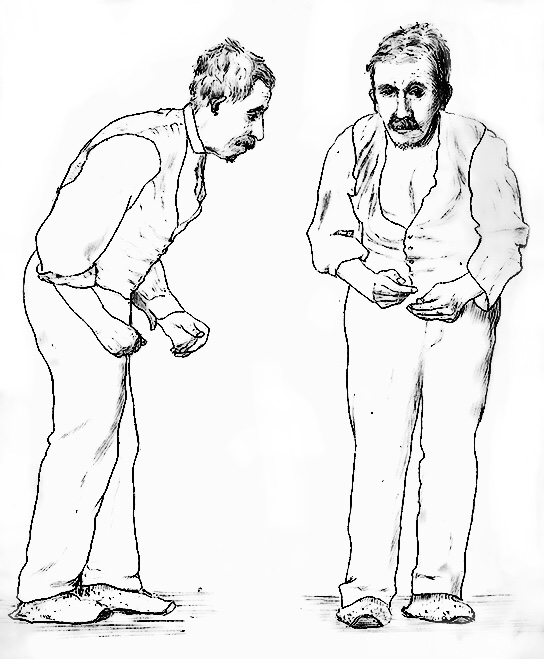
Doença de Parkinson hereditária com início tardio
📋 Origem dos dados
Esta página agrega dados de fontes públicas e oficiais. Dados sobre cobertura no SUS (PCDT, CEAF) são verificados ativamente por agente proativo (ver badge no infobox). Demais dados têm atribuição de fonte + data da última sincronização — clique para abrir o original.
- Doença rara (ontologia)
- fonte: Orphanet
- Identificador unificado
- fonte: MONDO
- Genética mendeliana
- fonte: OMIM
- Codificação WHO/SUS
- fonte: WHO ICD-10 / DATASUS
- NIH/GARD
- fonte: GARD (NIH)
- Dado público estruturado
- fonte: Wikidata