
Distúrbio hereditário ou adquirido do metabolismo eletrolítico, caracterizado pela incapacidade dos túbulos renais de responder à aldosterona. Manifesta-se por acidose metabólica hipercalêmica, perda de sal urinário, secreção normal ou aumentada de aldosterona e taxa de filtração glomerular normal.
Introdução
O que você precisa saber de cara
Distúrbio hereditário ou adquirido do metabolismo eletrolítico, caracterizado pela incapacidade dos túbulos renais de responder à aldosterona. Manifesta-se por acidose metabólica hipercalêmica, perda de sal urinário, secreção normal ou aumentada de aldosterona e taxa de filtração glomerular normal.
Tem tratamento?
Encontrou um erro ou informação desatualizada? Sugira uma correção →
Entender a doença
Do básico ao detalhe, leia no seu ritmo
Preparando trilha educativa...
Sinais e sintomas
O que aparece no corpo e com que frequência cada sintoma acontece
Partes do corpo afetadas
+ 25 sintomas em outras categorias
Características mais comuns
Os sintomas variam de pessoa para pessoa. Abaixo estão as 46 características clínicas mais associadas, ordenadas por frequência.
Linha do tempo da pesquisa
Encontrou um erro ou informação desatualizada? Sugira uma correção →
Genética e causas
O que está alterado no DNA e como passa nas famílias
Genes associados
8 genes identificados com associação a esta condição.
Core component of multiple cullin-RING-based BCR (BTB-CUL3-RBX1) E3 ubiquitin-protein ligase complexes which mediate the ubiquitination and subsequent proteasomal degradation of target proteins. BCR complexes and ARIH1 collaborate in tandem to mediate ubiquitination of target proteins (PubMed:27565346). As a scaffold protein may contribute to catalysis through positioning of the substrate and the ubiquitin-conjugating enzyme. The E3 ubiquitin-protein ligase activity of the complex is dependent o
NucleusGolgi apparatusCell projection, cilium, flagellumCytoplasm, cytoskeleton, spindleCytoplasmCytoplasm, cytoskeleton, microtubule organizing center, centrosomeCytoplasm, cytoskeleton, spindle pole
Pseudohypoaldosteronism 2E
An autosomal dominant disorder characterized by severe hypertension, hyperkalemia, hyperchloremia, hyperchloremic metabolic acidosis, and correction of physiologic abnormalities by thiazide diuretics.
Serine/threonine-protein kinase component of the WNK1-SPAK/OSR1 kinase cascade, which acts as a key regulator of blood pressure and regulatory volume increase by promoting ion influx (PubMed:15883153, PubMed:17190791, PubMed:31656913, PubMed:34289367, PubMed:36318922). WNK1 mediates regulatory volume increase in response to hyperosmotic stress by acting as a molecular crowding sensor, which senses cell shrinkage and mediates formation of a membraneless compartment by undergoing liquid-liquid pha
CytoplasmNucleusCytoplasm, cytoskeleton, spindle
Pseudohypoaldosteronism 2C
An autosomal dominant disorder characterized by severe hypertension, hyperkalemia, hyperchloremia, mild hyperchloremic metabolic acidosis in some cases, and correction of physiologic abnormalities by thiazide diuretics.
Serine/threonine-protein kinase component of the WNK4-SPAK/OSR1 kinase cascade, which acts as a key regulator of ion transport in the distal nephron and blood pressure (By similarity). The WNK4-SPAK/OSR1 kinase cascade is composed of WNK4, which mediates phosphorylation and activation of downstream kinases OXSR1/OSR1 and STK39/SPAK (PubMed:16832045). Following activation, OXSR1/OSR1 and STK39/SPAK catalyze phosphorylation of ion cotransporters, such as SLC12A1/NKCC2, SLC12A2/NKCC1, SLC12A3/NCC,
Cell junction, tight junction
Pseudohypoaldosteronism 2B
An autosomal dominant disorder characterized by hypertension, hyperkalemia, hyperchloremia, mild hyperchloremic metabolic acidosis, and correction of physiologic abnormalities by thiazide diuretics.
Receptor for both mineralocorticoids (MC) such as aldosterone and glucocorticoids (GC) such as corticosterone or cortisol. Binds to mineralocorticoid response elements (MRE) and transactivates target genes. The effect of MC is to increase ion and water transport and thus raise extracellular fluid volume and blood pressure and lower potassium levels
CytoplasmNucleusEndoplasmic reticulum membrane
Pseudohypoaldosteronism 1, autosomal dominant
A salt wasting disease resulting from target organ unresponsiveness to mineralocorticoids. PHA1A is a mild form characterized by target organ defects confined to kidney. Patients may present with neonatal renal salt wasting with hyperkalaemic acidosis despite high aldosterone levels. These patients improve with age and usually become asymptomatic without treatment.
This is one of the three pore-forming subunits of the heterotrimeric epithelial sodium channel (ENaC), a critical regulator of sodium balance and fluid homeostasis (PubMed:30251954, PubMed:32729833, PubMed:8023962, PubMed:8278374, PubMed:9792722). ENaC operates in epithelial tissues, where it mediates the electrodiffusion of sodium ions from extracellular fluid through the apical membrane of cells, with water following osmotically (PubMed:24124190, PubMed:28710092, PubMed:8278374). It plays a ke
Apical cell membraneCell projection, ciliumCytoplasmic granuleCytoplasmCytoplasmic vesicle, secretory vesicle, acrosomeCell projection, cilium, flagellum
Pseudohypoaldosteronism 1B1, autosomal recessive
A form of pseudohypoaldosteronism type 1, a rare salt wasting disease resulting from target organ unresponsiveness to mineralocorticoids. The disorder affects multiple organs, and is characterized by an often fulminant presentation in the neonatal period with dehydration, hyponatremia, hyperkalemia, metabolic acidosis, failure to thrive and weight loss.
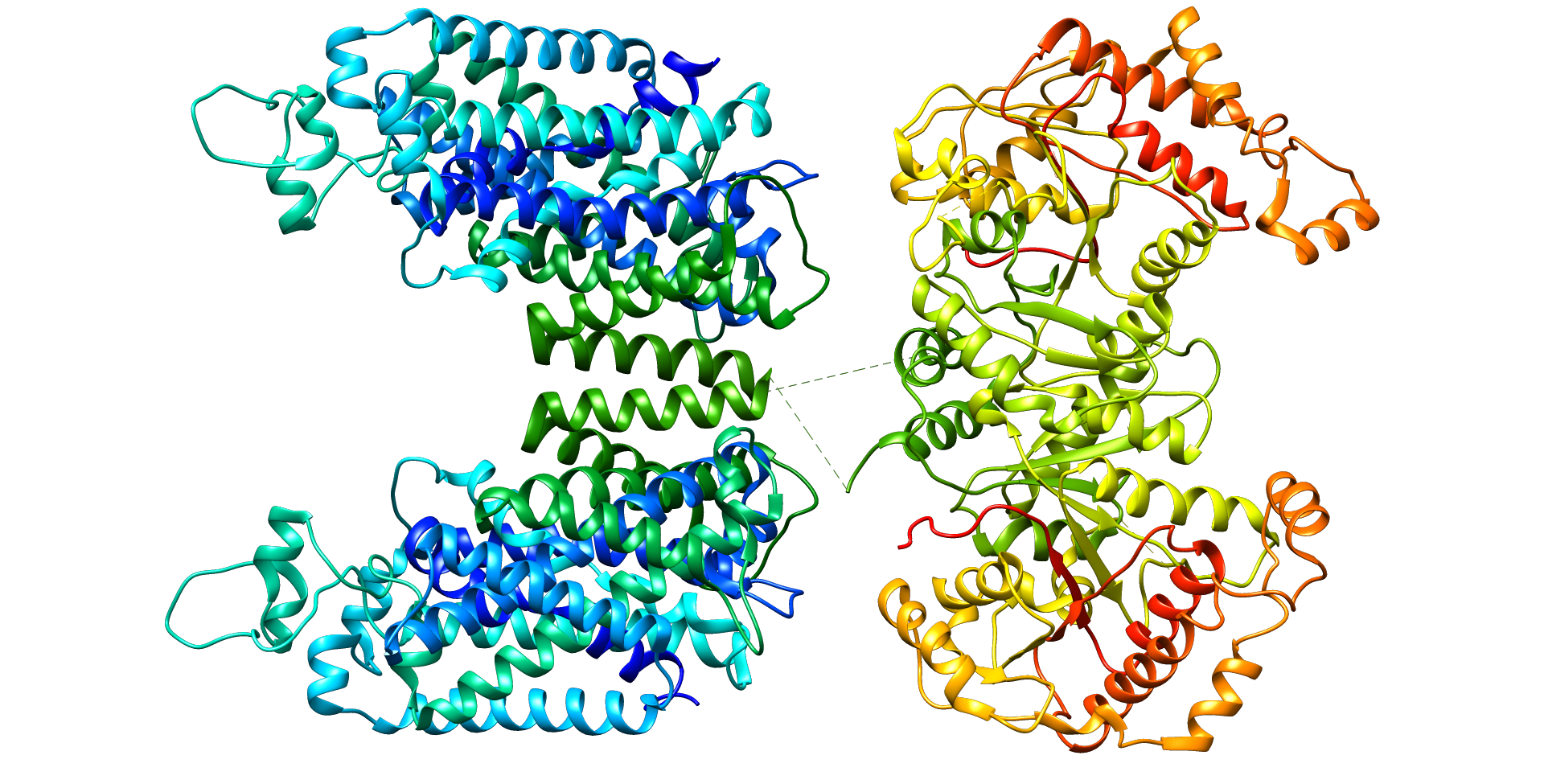
Substrate-specific adapter of a BCR (BTB-CUL3-RBX1) E3 ubiquitin ligase complex that acts as a regulator of ion transport in the distal nephron (PubMed:14528312, PubMed:22406640, PubMed:23387299, PubMed:23453970, PubMed:23576762, PubMed:23665031, PubMed:25313067, PubMed:35093948). The BCR(KLHL3) complex acts by mediating ubiquitination and degradation of WNK1 and WNK4, two activators of Na-Cl cotransporter SLC12A3/NCC in distal convoluted tubule cells of kidney, thereby regulating NaCl reabsorpt
Cytoplasm, cytosolCytoplasm, cytoskeleton
Pseudohypoaldosteronism 2D
A disorder characterized by severe hypertension, hyperkalemia, hyperchloremia, hyperchloremic metabolic acidosis, and correction of physiologic abnormalities by thiazide diuretics. PHA2D inheritance is autosomal dominant or recessive.
This is one of the three pore-forming subunits of the heterotrimeric epithelial sodium channel (ENaC), a critical regulator of sodium balance and fluid homeostasis (PubMed:30251954, PubMed:32729833, PubMed:7762608, PubMed:9792722). ENaC operates in epithelial tissues, where it mediates the electrodiffusion of sodium ions from extracellular fluid through the apical membrane of cells, with water following osmotically (PubMed:24124190). It plays a key role in maintaining sodium homeostasis through
Apical cell membraneCytoplasmic vesicle membrane
Pseudohypoaldosteronism 1B2, autosomal recessive
A form of pseudohypoaldosteronism type 1, a rare salt wasting disease resulting from target organ unresponsiveness to mineralocorticoids. The disorder affects multiple organs, and is characterized by an often fulminant presentation in the neonatal period with dehydration, hyponatremia, hyperkalemia, metabolic acidosis, failure to thrive and weight loss.
This is one of the three pore-forming subunits of the heterotrimeric epithelial sodium channel (ENaC), a critical regulator of sodium balance and fluid homeostasis (PubMed:30251954, PubMed:32729833, PubMed:7550319, PubMed:7762608, PubMed:9792722). ENaC operates in epithelial tissues, where it mediates the electrodiffusion of sodium ions from extracellular fluid through the apical membrane of cells, with water following osmotically (PubMed:24124190). It plays a key role in maintaining sodium home
Apical cell membrane
Liddle syndrome 2
A form of Liddle syndrome, an autosomal dominant disorder characterized by early onset of hypertension, hypokalemic alkalosis, and suppression of plasma renin activity and aldosterone secretion.
Medicamentos e terapias
Mecanismo: Angiotensin-converting enzyme inhibitor
Variantes genéticas (ClinVar)
466 variantes patogênicas registradas no ClinVar.
Classificação de variantes (ClinVar)
Distribuição de 3.581 variantes classificadas pelo ClinVar.
Vias biológicas (Reactome)
16 vias biológicas associadas aos genes desta condição.
Diagnóstico
Os sinais que médicos procuram e os exames que confirmam
Tratamento e manejo
Remédios, cuidados de apoio e o que precisa acompanhar
Onde tratar no SUS
Hospitais de referência no Brasil e o protocolo oficial do SUS (PCDT)
🇧🇷 Atendimento SUS — Pseudohiperaldosteronismo
Selecione um estado ou use sua localização para ver resultados.
Dados de DATASUS/CNES, SBGM, ABNeuro e Ministério da Saúde. Sempre confirme a disponibilidade diretamente com o estabelecimento.
Pesquisa ativa
Ensaios clínicos abertos e novidades científicas recentes
Ensaios em destaque
🟢 Recrutando agora
3 pesquisas recrutando participantes. Converse com seu médico sobre a possibilidade de participar.
Outros ensaios clínicos
12 ensaios clínicos encontrados, 3 ativos.
Publicações mais relevantes
Do Not Dismiss Incidental Hyperkalemia in Childhood: Early Recognition of Pseudohypoaldosteronism Type II.
Persistent hyperkalemia in children warrants careful evaluation, as it may indicate an underlying renal tubular disorder. We report a case of persistent hyperkalemia in a three-year-old boy in which adenovirus infection unmasked latent pseudohypoaldosteronism type II (PHAII), allowing recognition prior to the development of hypertension. The patient presented with a nine-day history of fever. Initial laboratory tests showed hyperkalemia (5.8 mmol/L), mild hyponatremia, normal renal function, and normal anion gap (AG) metabolic acidosis (pH: 7.37; bicarbonate: 19.9 mmol/L; AG: 8.1 mmol/L). The patient was diagnosed with adenovirus infection. Although the fever and inflammatory markers improved within four days, the hyperkalemia persisted (6.2 mmol/L). At three and six weeks, serum potassium remained elevated (6.0 and 6.4 mmol/L, respectively) with normal AG metabolic acidosis (HCO₃⁻ 20.0 and 17.6 mmol/L, respectively; AG 12.8 and 11.4 mmol/L, respectively). Urinary potassium indices showed inappropriately low fractional excretion of potassium (FEK) and transtubular potassium gradient (TTKG) with normal renin-aldosterone levels. Subsequently, family history-taking identified early-onset hypertension in the child's father. Treatment with hydrochlorothiazide (HCTZ) resulted in normalization of serum potassium and correction of the metabolic acidosis. Genetic testing revealed a heterozygous KLHL3 variant (c.1501C>T, p.Pro501Ser), confirming the diagnosis of PHAII. This case highlights the importance of not dismissing incidentally detected hyperkalemia in children and illustrates the value of performing a structured evaluation that includes confirming the persistence of hyperkalemia, acid-base assessment, urinary potassium analysis, and family history-taking to facilitate early diagnosis of renal tubular disorders such as PHAII.
Pseudohypoaldosterism: demystification using network medicine and proposed diagnostic panels.
Pseudohypoaldosteronism (PHA) is a rare hereditary channelopathy characterized by renal tubular dysfunction that impairs sodium reabsorption and promotes excessive potassium retention. This imbalance often results in life-threatening electrolyte disturbances during infancy, although symptoms tend to improve with age. The disease has distinct genetic forms, most commonly linked to pathogenic variants in genes encoding epithelial sodium channel (ENaC) subunits, the mineralocorticoid receptor gene NR3C2, and the CUL3, WNK1, WNK4, or KLHL3 genes. More recently, cases involving digenic co-expression defects have been reported, suggesting a broader molecular pathogenic basis. The objective of this study was to investigate the underlying mechanisms of PHA and to assess whether additional genetic contributors may participate in disease pathogenesis. A systems medicine approach was applied, combining interaction network construction with enrichment analyses. A high confidence interactome consisting of 53 nodes was generated, with CALM3 and SCN2A identified as central hubs. Enrichment analysis highlighted biological processes and pathways related to membrane depolarization, sodium ion transport, aldosterone-regulated sodium reabsorption, and gene expression in renal tissue. Two diagnostic panels were designed, namely, PHA-X (NGS-based incorporating CNV detection and ACMG/AMP curation) and PHA-4T (disease-specific databases). Findings support the conception of PHA as a network-level disorder rather than resulting from isolated mutations, offering new perspectives for diagnosis and therapy development.
Tissue-specific expression and regulation of the mineralocorticoid receptor during development.
This review summarizes current knowledge on the mineralocorticoid receptor (MR), a nuclear receptor encoded by the NR3C2 gene, and its ligand aldosterone. In epithelial tissues, such as the kidney, colon, salivary glands, and skin, particularly within the sweat glands, the MR plays a key role in regulating sodium reabsorption. In non-epithelial tissues, such as the brain, adipose tissue, and heart, glucocorticoids are the main physiological MR ligands due to the absence of the 11β-hydroxysteroid dehydrogenase type 2. MR expression begins during development with tissue-specific patterns. In the kidney, MR levels peak mid-gestation, decrease at birth, and then increase postnatally. Loss of MR function, as observed in pseudohypoaldosteronism type 1 causes salt-wasting syndrome. Similar patterns are seen in the heart and brain, especially the hippocampus, where it influences stress regulation. On the contrary, MR expression is maintained at birth in the lung for neonatal fluid clearance via epithelial sodium channels. It is also present in tissues such as skin, retina, and gastrointestinal tract, indicating broad physiological roles. MR expression during fetal development correlates with adaptations to extra-uterine life, such as changes in amniotic fluid osmolality and aldosterone levels. MR gene expression and activity are tightly regulated through multiple mechanisms. These include transcriptional control via two promoters, post-transcriptional regulation involving RNA-binding proteins and microRNAs, and post-translational modifications, such as phosphorylation, sumoylation, and ubiquitination. These regulatory levels ensure appropriate MR function across different tissues and developmental stages and may have implications for conditions such as hypertension and heart failure.
A Novel SCNN1B Mutation in a Neonate With Systemic Pseudohypoaldosteronism Type 1: Case Report.
Early recognition of PHA1B in neonates with persistent hyperkalemia and hyponatremia is important for timely intervention. Genetic testing confirms the diagnosis, guiding long-term management. This case highlights a novel SCNN1B mutation, expanding the genetic spectrum and emphasizing the need for lifelong monitoring to prevent life-threatening complications.
Current understanding of ENaC regulation by P2Y2/PLC/PI(4,5)P2 pathway.
The epithelial sodium channel (ENaC) localized in the cell membrane is crucial for sodium transport and blood pressure regulation. Discovered in frog skin, ENaC is expressed in the colon, lungs, exocrine glands, and most notably in the distal nephron of the kidneys, where it limits sodium reabsorption. Mutations in ENaC cause hereditary hypertension (Liddle's syndrome) or hypotension (pseudohypoaldosteronism type 1). ENaC activity and expression are tightly controlled by various signaling molecules and second messengers. For example, urinary ATP binding to the P2Y2 receptor inhibits ENaC. ENaC also interacts with PI(4,5)P2 and the ubiquitin ligase Nedd4-2 via specific motifs. PI(4,5)P2 is essential for ENaC stability, trafficking, and gating. This review focuses on the regulatory roles of the P2Y2 receptor and PI(4,5)P2 on ENaC regulation.
Publicações recentes
Clinical and molecular characteristics of a series of Chinese children with pseudohypoaldosteronism: a case series.
Congenital aldosterone deficiency and its resistance.
Do Not Dismiss Incidental Hyperkalemia in Childhood: Early Recognition of Pseudohypoaldosteronism Type II.
Pseudohypoaldosterism: demystification using network medicine and proposed diagnostic panels.
Tissue-specific expression and regulation of the mineralocorticoid receptor during development.
📚 EuropePMC473 artigos no totalmostrando 197
Do Not Dismiss Incidental Hyperkalemia in Childhood: Early Recognition of Pseudohypoaldosteronism Type II.
CureusPseudohypoaldosterism: demystification using network medicine and proposed diagnostic panels.
Hormones (Athens, Greece)Tissue-specific expression and regulation of the mineralocorticoid receptor during development.
The Journal of endocrinologyA Novel SCNN1B Mutation in a Neonate With Systemic Pseudohypoaldosteronism Type 1: Case Report.
Clinical case reportsCurrent understanding of ENaC regulation by P2Y2/PLC/PI(4,5)P2 pathway.
Purinergic signallingCase Report: Compound Heterozygous SCNN1B Mutations Causing Pseudohypoaldosteronism Type 1B2 in Neonatal Twins.
Molecular genetics & genomic medicineSecondary hyperaldosteronism associated with severe infantile atopic dermatitis: a case series.
Annals of pediatric endocrinology & metabolismDiagnostic pitfalls in aldosterone defects: a 9-year follow-up of early-onset pseudohypoaldosteronism type 2.
Journal of pediatric endocrinology & metabolism : JPEMPseudohypoaldosteronism type II: The Relevance of A Challenging Diagnosis.
European journal of case reports in internal medicineLong-Term Immune Alterations After Thymectomy in Early Childhood: A Case Series.
CureusRepeated pseudohypoaldosteronism (PHA1) in pregnancy associated with fetal growth restriction: case report and review of the literature.
BMC pregnancy and childbirthThe first report of a gross deletion in the SCNN1G gene in a case presenting with hyponatremic convulsion at fifth year of treatment.
Journal of pediatric endocrinology & metabolism : JPEMTransient pseudohypoaldosteronism type I in infants with urinary tract infections and/or uropathy: insights from a French multicenter cohort.
European journal of pediatricsThe functional study of novel KLHL3 missense mutations associated with pseudohypoaldosteronism type II.
EndocrineCardiac arrest in a previously healthy infant caused by secondary pseudohypoaldosteronism: Case report and literature review.
Medicina intensivaCase Report: Functional investigation of the γENaC G532S mutation presenting as mild PHA-1B3.
Frontiers in medicinePseudo-Hypoaldosteronism Type 2 due to New Variants of KLHL3 Gene Diagnosed in an Adult Woman With Very High Sensitivity to Hydrochlorothiazide.
Clinical case reportsSorting nexins associated with recycling complexes regulate epithelial sodium channel trafficking.
American journal of physiology. Renal physiologyA case report of Graves' disease combined with pseudohypoaldosteronism type IID in a child.
Translational pediatricsLife-Threatening Hyponatremia, Hyperkalemia, and Shock in Infancy: Not Always Congenital Adrenal Hyperplasia.
CureusLenticulostriate vasculopathy in newborns: whole genome sequencing data analysis.
Frontiers in pediatricsPrenatal Diagnosis of Autosomal Dominant Pseudohypoaldosteronism due to NR3C2 Gene Mutation: Immediate Postnatal Oral Saline Therapy Prevents the Clinical Manifestations Resulting from Impaired Salt Balance.
Hormone research in paediatricsA case report on pseudohypoaldosteronism with a pathogenic mutation of CA12 causes autosomal recessive isolated hyperchlorhidrosis disorder.
Journal of family medicine and primary careClinical and Biochemical Characteristics of Pseudohypoaldosteronism Type 1 with and Without Genetic Mutations: A Literature Review.
Journal of clinical medicineA Case of Secondary Pseudohypoaldosteronism in a Neonate not Due to Urinary Tract Issues.
Journal of clinical research in pediatric endocrinologyCase Report: Type II Bartter syndrome with a novel KCNJ1 variant in a premature neonate presenting with features of salt-wasting congenital adrenal crisis and pseudo-hypoaldosteronism.
Frontiers in pediatricsRevelation of Gordon Syndrome: A Case of Persistent Hyperkalemia.
Cureus[Three cases of pseudohypoaldosteronism type Ⅱ].
Zhonghua xin xue guan bing za zhiHypertension and hyperkalemia associated with Pro701Leu mutation in the NR3C2 gene: A case report.
MedicineAutosomal recessive (type 1B) pseudohypoaldosteronism: a novel mutation and its management.
BMJ case reportsCase Report: Autoimmune hepatitis in a patient with pseudohypoaldosteronism type 1-insights into a rare co-occurrence.
Frontiers in pediatricsDelayed Graft Function and Tacrolimus Overdosage: A Case Report.
Chirurgia (Bucharest, Romania : 1990)Refractory Hyperkalemia With Type 4 Renal Tubular Acidosis Associated With Tubulointerstitial Nephritis and Renal Papillary Necrosis Following Intravenous Lipid Emulsion Therapy in a Cat.
Journal of veterinary emergency and critical care (San Antonio, Tex. : 2001)Functional properties of the γ-ENaC-A635V mutation in a patient with severe hyponatremia.
Hormones (Athens, Greece)Kidney involvement during the course of febrile urinary tract infection.
Pediatric nephrology (Berlin, Germany)Neonatal pseudo-hypoaldosteronism type 1 with a novel NR3C2 gene variant.
Sudanese journal of paediatricsThe evolving concepts of KS-WNK1 effect on NCC activity.
American journal of physiology. Renal physiologyA Rare Cause of Neonatal Salt Wasting Syndrome: Clinical Management of a Case Diagnosed with Pseudohypoaldosteronism Due to a Novel Homozygous Variant in the SCNN1B Gene.
Journal of clinical research in pediatric endocrinologyFamilial Hyperkalemic Hypertension.
Comprehensive PhysiologyRenal pseudohypoaldosteronism type 1-an adult case series including a novel gene variant.
EndocrinePseudohypoaldosteronism type II and sensory neuropathy associated with a heterozygous pathogenic variant in KLHL3 gene, a case report.
HeliyonHyperkalaemic acidosis: blood pressure is the diagnostic clue.
Pediatric nephrology (Berlin, Germany)Pulmonary manifestations of Pseudohypoaldosteronism type 1b: A systematic review of the literature.
Paediatric respiratory reviewsPrevalence of and factors associated with Na + /K + imbalances in a population of children hospitalized with febrile urinary tract infection.
European journal of pediatricsPersistent mild hypercalcaemia in an infant with pseudohypoaldosteronism and the diagnostic challenges faced.
Journal of nephrologyPseudohypoaldosteronism Type 1b in a Saudi Female Infant Due to Homozygous Variant Gene Mutation in SCNN1A: A Case Report.
CureusPrevalence of Hyperkalemia and Familial Hyperkalemic Hypertension in 5100 Patients Referred to a Tertiary Hypertension Unit.
Hypertension (Dallas, Tex. : 1979)Distal convoluted tubule-specific disruption of the COP9 signalosome but not its regulatory target cullin 3 causes tubular injury.
American journal of physiology. Renal physiologyEosinophilic cystitis-an obscure case of obstructive uropathy in infancy.
Pediatric nephrology (Berlin, Germany)Transient secondary pseudo-hypoaldosteronism in infants with urinary tract infections: systematic literature review.
European journal of pediatricsNovel homozygous mutation in SCNN1A gene in an Iranian boy with PHA1B.
Journal of pediatric endocrinology & metabolism : JPEMSecondary pseudohypoaldosteronism: a 15-year experience and a literature review.
Pediatric nephrology (Berlin, Germany)An unusual case of Pseudohypoaldosteronism coexisting with cystic fibrosis.
BMJ case reportsHyponatremia in babies: a 11-year single-center study.
Frontiers in pediatricsPseudohypoaldosteronism and acquired renal aldosterone resistance with hyperkalemic type IV renal tubular acidosis in 2 cats.
Journal of veterinary internal medicineAutosomal Dominant Pseudohypoaldosteronism Type 1 in a Newborn With Failure to Thrive.
CureusPseudohypoaldosteronism Type 1B and Cohen Syndrome: Novel Mutation, Unusual Combination, and Presentation.
CureusA case of secondary pseudohypoaldosteronism that presented as poor weight gain.
Clinical case reportsNR3C2 microdeletions-an underrecognized cause of pseudohypoaldosteronism type 1A: a case report and literature review.
Laboratory medicineThe small molecule activator S3969 stimulates the epithelial sodium channel by interacting with a specific binding pocket in the channel's β-subunit.
The Journal of biological chemistryAdult-onset transient pseudohypoaldosteronism secondary to obstructive nephropathy: a case report.
International urology and nephrologyPseudohypoaldosteronism Type II or Gordon Syndrome: A Rare Syndrome of Hyperkalemia and Hypertension With Normal Renal Function.
CureusCardiac arrest in a newborn: A case of pseudohypoaldosteronism.
Clinical case reportsAnalysis of patients presenting with serum electrolyte imbalance in terms of the differential diagnosis of pseudohypoaldosteronism.
Northern clinics of IstanbulCase report: Early molecular confirmation and sodium polystyrene sulfonate management of systemic pseudohypoaldosteronism type I.
Frontiers in endocrinologyCase report: Life threatening hyponatremia in infants with urinary tract infections: two cases of type III pseudohypoaldosteronism and review of the literature.
Frontiers in pediatricsClinical analysis of salt-wasting in infants due to genetic aetiology.
Endokrynologia PolskaWhen the Going Gets Tough: A Case Report and Review of Calcinosis Cutis in an Infant with Pseudo-Hypoaldosteronism.
CureusHereditary causes of hypertension due to increased sodium transport.
Current opinion in pediatricsA Spanish Family with Gordon Syndrome Due to a Variant in the Acidic Motif of WNK1.
GenesDysregulation of the WNK4-SPAK/OSR1 pathway has a minor effect on baseline NKCC2 phosphorylation.
American journal of physiology. Renal physiologyTRANSIENT PSEUDOHYPOALDOSTERONISM SECONDARY TO URINARY TRACT INFECTION IN A MALE INFANT WITH UNILATERAL HYDRONEPHROSIS DUE TO PRIMARY OBSTRUCTIVE MEGAURETER: A CASE REPORT.
Acta clinica CroaticaInsights into the diverse mechanisms and effects of variant CUL3-induced familial hyperkalemic hypertension.
Cell communication and signaling : CCSUnanticipated domain requirements for Drosophila Wnk kinase in vivo.
PLoS geneticsGordon's syndrome in pregnancy.
Obstetric medicineAssociation of Familial Hyperkalemia and Hypertension with Proximal Renal Tubular Acidosis and Epileptic Seizures.
NephronAre CUL3 variants an underreported cause of congenital heart disease?
American journal of medical genetics. Part ARole of epithelial sodium channel-related inflammation in human diseases.
Frontiers in immunology[Neonatal systemic pseudohypoaldosteronism type I].
Zhongguo dang dai er ke za zhi = Chinese journal of contemporary pediatricsKLHL3-dependent WNK4 degradation affected by potassium through the neddylation and autophagy pathway.
BMC nephrologyBrugada syndrome uncovered in patient with pseudohypoaldosteronism due to hyperkalaemia.
BMJ case reportsIdentification of a novel KLHL3-interacting motif in the C-terminal region of WNK4.
Biochemical and biophysical research communicationsPseudohypoaldosteronism type 1b in fraternal twins of a Chinese family: report of two cases and literature review.
Archives of endocrinology and metabolismThe Epithelial Sodium Channel-An Underestimated Drug Target.
International journal of molecular sciencesA mild and transient form of autosomal recessive pseudohypoaldosteronism type 1 caused by a novel mutation in the SCNN1A gene.
American journal of physiology. Endocrinology and metabolism[Regulation of kidney on potassium balance and its clinical significance].
Sheng li xue bao : [Acta physiologica Sinica]Classification of pseudohypoaldosteronism type II as type IV renal tubular acidosis: results of a literature review.
Endocrine journalEarly-in-Life Serum Aldosterone Levels Could Predict Surgery in Patients with Obstructive Congenital Anomalies of the Kidney and Urinary Tract: A Pilot Study.
Journal of clinical medicineCullin 3 and Blood Pressure Regulation: Insights From Familial Hyperkalemic Hypertension.
Hypertension (Dallas, Tex. : 1979)A Five-Month-Old Boy With Hypotonia, Electrolyte Derangements, and Failure to Thrive.
CureusControl of sodium and potassium homeostasis by renal distal convoluted tubules.
Brazilian journal of medical and biological research = Revista brasileira de pesquisas medicas e biologicasErrate: Salt-Losing Syndrome in a Girl with Type I and II Pseudohypoaldosteronism.
The American journal of case reportsSuccessful Management of Systemic Pseudohypoaldosteronism Type 1 in an Infant.
Indian pediatricsRare forms of genetic paediatric adrenal insufficiency: Excluding congenital adrenal hyperplasia.
Reviews in endocrine & metabolic disordersAldosterone defects in infants and young children with hyperkalemia: A single center retrospective study.
Frontiers in pediatricsA novel splice site CUL3 variant in a patient with neurodevelopmental delay.
Brain & developmentNCC regulation by WNK signal cascade.
Frontiers in physiologySystemic Pseudohypoaldosteronism Type 1 Due to a Novel Mutation in SCNN1B Gene: A Case Report.
EJIFCCAcid-Base Imbalance in Pseudohypoaldosteronism Type 1 in Comparison With Type IV Renal Tubular Acidosis.
Journal of the Endocrine SocietySalt-Losing Syndrome in a Girl with Type I and II Pseudohypoaldosteronism.
The American journal of case reportsImportance of cascade family screening and precision medicine for patients with familial hyperkalaemia: a case report.
Hong Kong medical journal = Xianggang yi xue za zhiMild Clinical Phenotype in an 8-Year-Old Boy with Pseudohypoaldosteronism Type 2E: A Diagnostic Challenge.
Indian journal of pediatricsWNK1/HSN2 mediates neurite outgrowth and differentiation via a OSR1/GSK3β-LHX8 pathway.
Scientific reportsThe Post-Translational Modification Networking in WNK-Centric Hypertension Regulation and Electrolyte Homeostasis.
BiomedicinesTransient pseudohypoaldosteronism in infancy mainly manifested as poor appetite and vomiting: Two case reports and review of the literature.
Frontiers in pediatricsNeonatal Pseudohypoaldosteronism Type-1 in Japan.
Journal of clinical medicineCullin 3 mutant causing familial hyperkalemic hypertension lacks normal activity in the kidney.
American journal of physiology. Renal physiologyPseudohypoaldosteronism associated with hypertrophic cardiomyopathy, hypertension and thrombocytosis due to mutation in the ELAC2 gene: a case report.
Journal of pediatric endocrinology & metabolism : JPEMA case of severe systemic type 1 pseudohypoaldosteronism with 10 years of evolution.
Journal of pediatric endocrinology & metabolism : JPEMMechanistic insights into the primary and secondary alterations of renal ion and water transport in the distal nephron.
Journal of internal medicineDifficulties in the diagnosis and management of eight infants with secondary pseudohypoaldosteronism.
The Turkish journal of pediatricsChallenges of Diagnosing Pseudohypoaldosteronism (PHA) in an Infant.
Case reports in endocrinologyDouble synonymous mutations in exon 9 of the Cullin3 gene restore exon inclusion by abolishing hnRNPs inhibition.
Human molecular geneticsA case of novel mutation of Cullin 3 gene in pseudohypoaldosteronism type II.
Journal of hypertensionGeneration and analysis of pseudohypoaldosteronism type II knock-in mice caused by a nonsense KLHL3 mutation in the Kelch domain.
FASEB journal : official publication of the Federation of American Societies for Experimental BiologyKelch-like protein 3 in human disease and therapy.
Molecular biology reportsCullin 3 Exon 9 Deletion in Familial Hyperkalemic Hypertension Impairs Cullin3-Ring-E3 Ligase (CRL3) Dynamic Regulation and Cycling.
International journal of molecular sciencesPseudohypoaldosteronism Type 1: The Presentation and Management of a Neonate With a Novel Mutation of the SCNN1B Gene Found in Two Hispanic Siblings.
CureusUBR5 is a novel regulator of WNK1 stability.
American journal of physiology. Cell physiologyPseudohypoaldosteronism type 2: CUL3 mutation confirmed 15 years following initial diagnosis.
Internal medicine journalCase Report: A Novel Compound Heterozygote Mutation of the SCNN1B Gene Identified in a Chinese Familial Pseudohypoaldosteronism Disease Type I With Persistent Hyperkalemia.
Frontiers in pediatricsClaudins in kidney health and disease.
Kidney research and clinical practiceAsymptomatic hyperkalemia as a form of presentation of pseudohypoaldosteronism.
Anales de pediatriaSequence and structural variations determining the recruitment of WNK kinases to the KLHL3 E3 ligase.
The Biochemical journalA Novel Homozygous KLHL3 Mutation as a Cause of Autosomal Recessive Pseudohypoaldosteronism Type II Diagnosed Late in Life.
NephronPseudo-hypoaldosteronism secondary to infantile urinary tract infections: role of ultrasound.
Italian journal of pediatricsCombined Kelch-like 3 and Cullin 3 Degradation is a Central Mechanism in Familial Hyperkalemic Hypertension in Mice.
Journal of the American Society of Nephrology : JASNFamilial hyperkalemic hypertension: hyperkalemia not hypertension defines dominant KLHL3 disease and may permit earlier recognition and tailored therapy.
Journal of nephrologyDiagnostic and management considerations in pseudohypoaldosteronism type 1b.
BMJ case reportsA Neonate with Autosomal Dominant Pseudohypoaldosteronism Type 1 Due to a Novel Microdeletion of the NR3C2 Gene at 4q31.23.
Children (Basel, Switzerland)Unusual skin and eyelid changes in a neonate with pseudohypoaldosteronism.
Archives of disease in childhood. Fetal and neonatal editionNovel CUL3 Variant Causing Familial Hyperkalemic Hypertension Impairs Regulation and Function of Ubiquitin Ligase Activity.
Hypertension (Dallas, Tex. : 1979)Case Report: Newborns With Pseudohypoaldosteronism Secondary to Excessive Gastrointestinal Losses Through High Output Stoma.
Frontiers in pediatricsAn infant case of pseudohypoaldosteronism type1A caused by a novel NR3C2 variant.
Human genome variation[A Case of Pseudohypoaldosteronism Type Ⅱ (PHA2) Caused by a Novel Mutation of KLHL3].
Sichuan da xue xue bao. Yi xue ban = Journal of Sichuan University. Medical science editionHormone resistance in children: what primary care physicians need to know.
Acta bio-medica : Atenei ParmensisGordon syndrome caused by a CUL3 mutation in a patient with short stature in Korea: a case report.
Journal of pediatric endocrinology & metabolism : JPEMHow Much Is Too Much? Exploring Pseudohyperaldosteronism in Glycyrrhizic Acid Toxicity From Chronic Licorice Root Consumption.
CureusMonogenic forms of low-renin hypertension: clinical and molecular insights.
Pediatric nephrology (Berlin, Germany)A late diagnosis of Pseudohypoaldosteronism type I in an infant with hypoplastic left heart syndrome presenting with failure to thrive.
Cardiology in the youngA Case Report of Neonatal Vomiting due to Adrenal Hemorrhage, Abscess and Pseudohypoaldosteronism.
Journal of education & teaching in emergency medicineA Unique Genotype of Pseudohypoaldosteronism Type 1b in a Highly Consanguineous Population.
Journal of the Endocrine SocietyAldosterone signaling defect in young infants: single-center report and review.
BMC endocrine disordersSystemic pseudohypoaldosteronism-1 with episodic dyslipidemia in a Sudanese child.
Endocrinology, diabetes & metabolism case reportsA rare case of persistent hyperkalaemia.
Annals of clinical biochemistryTubulopathy meets Sherlock Holmes: biochemical fingerprinting of disorders of altered kidney tubular salt handling.
Pediatric nephrology (Berlin, Germany)Novel SCNN1A gene splicing-site mutation causing autosomal recessive pseudohypoaldosteronism type 1 (PHA1) in two Italian patients belonging to the same small town.
Italian journal of pediatricsRegulatory control of the Na-Cl co-transporter NCC and its therapeutic potential for hypertension.
Acta pharmaceutica Sinica. BGenotype-phenotype correlation in Gordon's syndrome: report of two cases carrying novel heterozygous mutations.
Journal of nephrologyCase Report: Severe Hyponatremia in Infants With Urinary Tract Infection.
Frontiers in pediatricsTransient Pseudohypoaldosteronism Secondary to Group B Streptococcus Pyelonephritis.
CureusA case report of pseudohypoaldosteronism type II with a homozygous KLHL3 variant accompanied by hyperthyroidism.
BMC endocrine disordersA rare cause of salt-wasting in early infancy: Transient pseudohypoaldosteronism.
Turkish archives of pediatricsActivation of autosomal recessive Pseudohypoaldosteronism1 ENaC with aldosterone.
European journal of pharmacologyA Novel SCNN1A Variation in a Patient with Autosomal-recessive Pseudohypoaldosteronism Type 1.
Journal of clinical research in pediatric endocrinologySecondary Pseudohypoaldosteronism Associated With Mild Hydronephrosis in a Newborn.
CureusClinical characteristics and treatment requirements of children with autosomal recessive pseudohypoaldosteronism.
European journal of endocrinologyRole of KLHL3 and dietary K+ in regulating KS-WNK1 expression.
American journal of physiology. Renal physiologyWNK4 kinase: from structure to physiology.
American journal of physiology. Renal physiologyDecreased KLHL3 expression is involved in the activation of WNK-OSR1/SPAK-NCC cascade in type 1 diabetic mice.
Pflugers Archiv : European journal of physiologyA Case of Salt-Wasting 21-Hydroxylase Deficiency With Resistance to Aldosterone due to Urinary Tract Infection.
CureusThe incidence of transient infantile pseudohypoaldosteronism in Ireland: A prospective study.
Acta paediatrica (Oslo, Norway : 1992)Metabolic Acidosis, Hyperkalemia, and Renal Unresponsiveness to Aldosterone Syndrome: Response to Treatment with Low-Potassium Diet.
Saudi journal of kidney diseases and transplantation : an official publication of the Saudi Center for Organ Transplantation, Saudi ArabiaThree cases of pseudohypoaldosteronism following ileostomy in preterm infants.
Pediatrics and neonatologyRenin-aldosterone system evaluation over four decades in an extended family with autosomal dominant pseudohypoaldosteronism due to a deletion in the NR3C2 gene.
The Journal of steroid biochemistry and molecular biologyA comparative study of structural and conformational properties of WNK kinase isoforms bound to an inhibitor: insights from molecular dynamic simulations.
Journal of biomolecular structure & dynamicsClinical Management in Systemic Type Pseudohypoaldosteronism Due to SCNN1B Variant and Literature Review.
Journal of clinical research in pediatric endocrinologyHyperkalemia in pseudohypoaldosteronism type 2 can be from mutated WNK4, but more often from impaired ubiquitination of normal WNK4.
Kidney internationalAldosterone deficiency with a hormone profile mimicking pseudohypoaldosteronism.
Journal of pediatric endocrinology & metabolism : JPEMMutation affecting the conserved acidic WNK1 motif causes inherited hyperkalemic hyperchloremic acidosis.
The Journal of clinical investigationWNK-SPAK/OSR1-NCC kinase signaling pathway as a novel target for the treatment of salt-sensitive hypertension.
Acta pharmacologica SinicaAn infantile case of pseudohypoaldosteronism type 1 (PHA1) caused by a novel mutation of NR3C2.
Clinical pediatric endocrinology : case reports and clinical investigations : official journal of the Japanese Society for Pediatric EndocrinologyWNK1-OSR1/SPAK KINASE CASCADE IS IMPORTANT FOR ANGIOGENESIS.
Transactions of the American Clinical and Climatological AssociationFamilial cases of pseudohypoaldosteronism type II harboring a novel mutation in the Cullin 3 gene.
Nephrology (Carlton, Vic.)Rare case of pseudohypoaldosteronism in a neonate secondary to congenital hydrometrocolpos.
BMJ case reports[Severity of familial hyperkalemic hypertension caused by CUL-3 mutations: a story about kidneys and blood vessels].
Medecine sciences : M/SPseudohypoaldosteronism Type 1 Newborn Patient with a Novel Mutation in SCNN1B.
Journal of pediatric intensive careThe WNK signaling pathway and salt-sensitive hypertension.
Hypertension research : official journal of the Japanese Society of HypertensionHereditary causes of primary aldosteronism and other disorders of apparent excess mineralocorticoid activity.
Gland surgeryRecent insights into sodium and potassium handling by the aldosterone-sensitive distal nephron: implications on pathophysiology and drug discovery.
Journal of nephrologyInterstitial 4q Deletion Syndrome Including NR3C2 Causing Pseudohypoaldosteronism.
Molecular syndromologyFailure to Thrive, Hyponatremia, Hyperkalemia - Differential Diagnostic Reflections of a Rare Genetic Disease.
Klinische PadiatrieDietary potassium restriction attenuates urinary sodium wasting in the generalized form of pseudohypoaldosteronism type 1.
CEN case reportsOne-month-old girl presenting with pseudohypoaldosteronism leading to the diagnosis of CDK13-related disorder: a case report and review of the literature.
Journal of medical case reportsPrevalence, diagnosis, and management of secondary pseudohypoaldosteronism.
Pediatric nephrology (Berlin, Germany)Familial Hyperkalemic Hypertension Genotype With a Negative Phenotype: A CUL3 Mosaicism.
American journal of hypertensionLife threatening hyperkalemia treated with prolonged continuous insulin infusion.
International journal of pediatrics & adolescent medicineRare cause of severe hypertension in an adolescent boy presenting with short stature: Answers.
Pediatric nephrology (Berlin, Germany)A novel SCNN1G mutation in a PHA I infant patient correlates with nephropathy.
Biochemical and biophysical research communicationsThe Case | Severe hypertension and hyperkalemia in a kidney transplant recipient.
Kidney internationalCullin-Ring ubiquitin ligases in kidney health and disease.
Current opinion in nephrology and hypertensionPhenotypic diversity and correlation with the genotypes of pseudohypoaldosteronism type 1.
Journal of pediatric endocrinology & metabolism : JPEMHyponatremia in children under 100 days old: incidence and etiologies.
European journal of pediatricsAn infant with hyponatremia, hyperkalemia, and metabolic acidosis associated with urinary tract infection: Answers.
Pediatric nephrology (Berlin, Germany)A familial case of pseudohypoaldosteronism type II (PHA2) with a novel mutation (D564N) in the acidic motif in WNK4.
Molecular genetics & genomic medicineSystemic Pseudohypoaldosteronism Type 1 due to 3 Novel Mutations in SCNN1Aand SCNN1BGenes.
Hormone research in paediatricsInvestigating specificity of the anti-hypertensive inhibitor WNK463 against With-No-Lysine kinase family isoforms via multiscale simulations.
Journal of biomolecular structure & dynamicsAssociações
Organizações que acompanham esta doença — pra ter apoio e orientação
Ainda não temos associações cadastradas para Pseudohiperaldosteronismo.
É de uma associação que acompanha esta doença? Fale com a gente →
Comunidades
Grupos ativos de quem convive com esta doença aqui no Raras
Ainda não existe comunidade no Raras para Pseudohiperaldosteronismo
Pacientes, familiares e cuidadores se organizam em comunidades pra compartilhar experiências, fazer perguntas e se apoiar. Você pode ser o primeiro.
Tire suas dúvidas
Perguntas, dicas e experiências compartilhadas aqui na página
Participe da discussão
Faça login para postar dúvidas, compartilhar experiências e interagir com especialistas.
Fazer loginDoenças relacionadas
Doenças com sintomas parecidos — ajudam quem ainda está buscando diagnóstico
Referências e fontes
Bases de dados externas citadas neste artigo
Publicações científicas
Artigos indexados no PubMed ligados a esta doença no grafo RarasNet — título, periódico e PMID direto da fonte, sem intermediação de IA.
- Do Not Dismiss Incidental Hyperkalemia in Childhood: Early Recognition of Pseudohypoaldosteronism Type II.
- Pseudohypoaldosterism: demystification using network medicine and proposed diagnostic panels.
- Tissue-specific expression and regulation of the mineralocorticoid receptor during development.
- A Novel SCNN1B Mutation in a Neonate With Systemic Pseudohypoaldosteronism Type 1: Case Report.
- Current understanding of ENaC regulation by P2Y2/PLC/PI(4,5)P2 pathway.
- Clinical and molecular characteristics of a series of Chinese children with pseudohypoaldosteronism: a case series.
- Congenital aldosterone deficiency and its resistance.
Bases de dados e fontes oficiais
Identificadores e referências canônicas usadas para montar este verbete.
- ORPHA:444916(Orphanet)
- MONDO:0018638(MONDO)
- GARD:21861(GARD (NIH))
- Variantes catalogadas(ClinVar)
- Busca completa no PubMed(PubMed)
- Q200745(Wikidata)
Dados compilados pelo RarasNet a partir de fontes abertas (Orphanet, OMIM, MONDO, PubMed/EuropePMC, ClinicalTrials.gov, DATASUS, PCDT/MS). Este conteúdo é informativo e não substitui avaliação médica.
Conteúdo mantido por Agente Raras · Médicos e pesquisadores podem colaborar
Pseudohiperaldosteronismo
📋 Origem dos dados
Esta página agrega dados de fontes públicas e oficiais. Dados sobre cobertura no SUS (PCDT, CEAF) são verificados ativamente por agente proativo (ver badge no infobox). Demais dados têm atribuição de fonte + data da última sincronização — clique para abrir o original.
- Doença rara (ontologia)
- fonte: Orphanet
- Identificador unificado
- fonte: MONDO
- Codificação WHO/SUS
- fonte: WHO ICD-10 / DATASUS
- NIH/GARD
- fonte: GARD (NIH)
- Indexação biomédica
- fonte: MeSH (NLM)
- Dado público estruturado
- fonte: Wikidata
- Medicamentos (literatura)
- fonte: Orphanet
- Ensaios clínicos
- fonte: ClinicalTrials.gov