
A distrofia muscular autossômica recessiva de cinturas tipo 2X é um subtipo raro de distrofia muscular autossômica recessiva de cinturas caracterizada por bloqueio atrioventricular resultando em episódios repetidos de síncope, níveis séricos elevados de creatina quinase e início na idade adulta de fraqueza e atrofia do músculo esquelético proximal lentamente progressivo. As alterações distróficas musculares observadas na biópsia muscular incluem variabilidade de diâmetro, aumento de núcleos centrais e presença de fibras necróticas e em regeneração.
Introdução
O que você precisa saber de cara
A distrofia muscular autossômica recessiva de cinturas tipo 2X é um subtipo raro de distrofia muscular autossômica recessiva de cinturas caracterizada por bloqueio atrioventricular resultando em episódios repetidos de síncope, níveis séricos elevados de creatina quinase e início na idade adulta de fraqueza e atrofia do músculo esquelético proximal lentamente progressivo. As alterações distróficas musculares observadas na biópsia muscular incluem variabilidade de diâmetro, aumento de núcleos centrais e presença de fibras necróticas e em regeneração.
Escala de raridade
<1/50kMuito rara
1/20kRara
1/10kPouco freq.
1/5kIncomum
1/2k
Encontrou um erro ou informação desatualizada? Sugira uma correção →
Entender a doença
Do básico ao detalhe, leia no seu ritmo
Preparando trilha educativa...
Sinais e sintomas
O que aparece no corpo e com que frequência cada sintoma acontece
Partes do corpo afetadas
+ 10 sintomas em outras categorias
Características mais comuns
Os sintomas variam de pessoa para pessoa. Abaixo estão as 21 características clínicas mais associadas, ordenadas por frequência.
Linha do tempo da pesquisa
Encontrou um erro ou informação desatualizada? Sugira uma correção →
Genética e causas
O que está alterado no DNA e como passa nas famílias
Genes associados
1 gene identificado com associação a esta condição. Padrão de herança: Autosomal recessive.
Curadoria gene-doença
fontes oficiaisCell adhesion molecule involved in the establishment and/or maintenance of cell integrity. Involved in the formation and regulation of the tight junction (TJ) paracellular permeability barrier in epithelial cells (PubMed:16188940). Plays a role in VAMP3-mediated vesicular transport and recycling of different receptor molecules through its interaction with VAMP3. Plays a role in the regulation of cell shape and movement by modulating the Rho-family GTPase activity through its interaction with ARH
Lateral cell membraneCell junction, tight junctionMembraneCell membrane, sarcolemmaMembrane, caveola
Muscular dystrophy, limb-girdle, autosomal recessive 25
An autosomal recessive muscular disorder characterized by slowly progressive onset of proximal lower limb weakness in adulthood, syncopal episodes, and markedly increased serum creatine kinase, which can increase further after strenuous exercise.
Variantes genéticas (ClinVar)
26 variantes patogênicas registradas no ClinVar.
Diagnóstico
Os sinais que médicos procuram e os exames que confirmam
Tratamento e manejo
Remédios, cuidados de apoio e o que precisa acompanhar
Onde tratar no SUS
Hospitais de referência no Brasil e o protocolo oficial do SUS (PCDT)
🇧🇷 Atendimento SUS — Distrofia muscular das cinturas dos membros autossômica recessiva tipo 2X
Selecione um estado ou use sua localização para ver resultados.
Dados de DATASUS/CNES, SBGM, ABNeuro e Ministério da Saúde. Sempre confirme a disponibilidade diretamente com o estabelecimento.
Pesquisa ativa
Ensaios clínicos abertos e novidades científicas recentes
Pesquisa e ensaios clínicos
Nenhum ensaio clínico registrado para esta condição.
Publicações mais relevantes
Cracking the Code: Genotype-Phenotype Correlation Models in Sarcoglycanopathies.
Sarcoglycanopathies are among the most severe limb-girdle muscular dystrophies (LGMD), though milder presentations have been described. These diseases are primarily caused by missense variants, but the limited predictability of their effect on protein maturation, complex formation, and transport has hindered reliable genotype-phenotype correlations. This study aimed to establish accurate genotype-phenotype correlations for LGMDR3, LGMDR4, and LGMDR5. We analyzed the largest sarcoglycanopathy cohort to date (n = 541). Clinical data, including age at symptom onset and loss of ambulation, were collected and used to define phenotype severity. Predictive models were developed considering the impact of non-truncating variants on secondary structure, functional domains, evolutionary conservation, and intra-complex protein-protein interactions. Patients carrying two variants predicted to disrupt membrane trafficking were expected to present with severe phenotypes. For LGMDR3, the best-performing model classified variants affecting β-sheets, cadherin-like, and ATP-binding domains as disruptive to membrane translocation, achieving 89% predictive power, 0.867 balanced accuracy, and 2.4% false-negative rate (clinically severe patients who were wrongly classified by the model as mild). For LGMDR4 and LGMDR5, the best-performing model involved conserved residues, β-sheets, EGF-like domain, and protein-protein interactions-reaching 80% predictive power, 0.689 balanced accuracy, and 3.1% false-negative rate (LGMDR4), and 90% predictive power, 0.536 balanced accuracy, with no false negatives (LGMDR5). Additionally, we developed an open-access predictive tool for clinical and research application. This study provides a robust genotype-phenotype correlation for sarcoglycanopathies, improving prognosis, patient management, and clinical trial recruitment.
SORT LNPs encapsulating Cas9 mRNA achieve efficient editing in skeletal muscle in a dystrophic mouse model.
Limb Girdle Muscular Dystrophy (LGMD) is the fourth most common type of muscular dystrophy. Gene editing holds promise for treating neuromuscular disorders such as LGMD, but clinical translation remains challenging due to lack of complementary delivery tools for skeletal muscle. Lipid nanoparticles (LNPs) offer a promising platform for transient delivery of gene editing reagents as mRNA or ribonucleoprotein complexes (RNPs) to skeletal muscle but editing efficiencies remain modest. While lipid compositions have been optimized to improve delivery to muscle, the impact of cargo type on editing efficiency, biodistribution and immune response has not been evaluated. Here we demonstrate that selective organ targeting (SORT) LNPs encapsulating optimized Cas9 cargo facilitate efficient, local delivery to skeletal muscle. Using a LGMDR7 mouse model harboring a mutation in TCAP as a proof-of-concept target, we show that LNP cargo type impacts LNP size, delivery to neighboring muscle groups and editing efficiency. RNP and mRNA LNPs also provoked distinct innate and adaptive immune responses upon repeated dosing. The optimized SORT LNP platform resulted in 40% restoration of Telethonin expression in treated muscle. Overall, these findings offer valuable insights for the continued development of LNP-based gene editing reagents to facilitate disease-modifying interventions for neuromuscular diseases.
Statins in Genetic Myopathies: A Retrospective Analysis of Safety and Tolerability.
Statins are widely prescribed lipid-lowering agents, but their safety and tolerability in patients with underlying genetic myopathies remain uncertain. We aimed to study statin safety and tolerability in genetic myopathies using a large retrospective cohort. We conducted a retrospective study in patients with myotonic dystrophy type 1 (DM1) and type 2 (DM2), facioscapulohumeral dystrophy (FSHD), limb-girdle muscular dystrophy (LGMD), and metabolic or mitochondrial myopathies who were exposed to statins. We included 135 patients (36 with DM1, 46 with DM2, 22 with FSHD, 6 with LGMD, 17 with mitochondrial myopathy, 6 with glycogenosis, and 2 with disorders of fatty acid oxidation or carnitine transport). A total of 44 patients discontinued statins, most often for statin-associated muscle symptoms (SAMS; n = 20). SAMS occurred in 36 of 135 patients (26.67%; 8 with DM1, 10 with DM2, 7 with FSHD, 3 with LGMD, 4 with mitochondrial myopathy, and 4 with metabolic myopathy). Myalgias were the most frequent SAMS (n = 29). Rhabdomyolysis occurred in 4 patients (1 with mitochondrial myopathy and 3 with McArdle disease). Statins unmasked myopathy in 6 of 36 patients. No patient developed immune-mediated necrotizing myopathy. SAMS are generally mild and occur at a frequency similar to the general population in common genetic myopathies, except increased rhabdomyolysis in mitochondrial myopathies and McArdle disease. Statins are generally safe, though not well tolerated, and could be used when closely monitored in several genetic myopathies. In mitochondrial and metabolic myopathies, their use should be approached with caution because of the potential risk of rhabdomyolysis.
Clinical and Genetic Analysis of Limb-Girdle Muscular Dystrophy Type 2F with A Novel SGCD Mutation: A Case Report.
Limb-girdle muscular dystrophies (LGMDs) represent a varied group of genetic disorders characterised by the progressive weakening and atrophy of proximal muscles, particularly those in the shoulders and hips. These conditions are inherited in either an autosomal dominant or recessive pattern, with numerous genes implicated in their pathogenesis. Clinically, LGMDs are marked by a gradual decline in muscle function, often resulting in significant mobility impairments. In this study, we identify and characterise a novel homozygous deletion mutation, c.572_574delTAA, in the SGCD gene in a consanguineous Iranian family affected by LGMD2F. The patient, a 10.5-year-old boy, exhibited progressive muscle weakness alongside specific clinical features such as contractures and scoliosis. Genetic analysis revealed that this deletion caused a p.Leu191del alteration in the δ-sarcoglycan protein. The mutation was confirmed via Sanger sequencing and found to co-segregate with the disease phenotype within the family. These findings provide new insights into the genetic basis of LGMD2F, underscoring the critical role of comprehensive genetic analysis for accurate diagnosis and management. This study contributes to the broader understanding of the genetic diversity of LGMDs and highlights the need for ongoing research to enhance diagnostic and therapeutic approaches.
SNUPN variants cause spinocerebellar atrophy by disrupting global splicing in cerebellar Purkinje cells.
Mutations in the SNUPN gene, which encodes snurportin-1, a nuclear import adaptor for U1 small nuclear ribonucleoproteins (snRNP), have recently been implicated in limb-girdle muscular dystrophy, attributed to disrupted pre-messenger RNA splicing in skeletal muscle. U1 small nuclear ribonucleoproteins play a vital role in pre-messenger RNA splicing, a process essential for transcript fidelity and the regulation of gene expression across tissues. However, the impact of SNUPN mutations on the CNS remains unclear. We identified pathogenic variants in the SNUPN gene in two families with spinocerebellar atrophy. One patient exhibited mild changes in skeletal muscle, while the other did not. To elucidate the pathogenic mechanisms, nuclear transport of the mutated snurpotin-1, and its interaction with importin beta were analysed in vitro. Then, we generated a knock-in mouse carrying the patients' variants and assessed its motor function and cerebellar morphology in vivo. Furthermore, we analysed U1 snRNP localization and RNA splicing in cerebellar Purkinje cells by both RNA- and single-cell RNA sequencing. Mutated snurportin-1 displayed impaired nuclear transport and reduced binding to importin beta. The knock-in mouse mimicking the compound heterozygous variants exhibited cerebellar ataxia, cerebellar atrophy and dendritic abnormalities in Purkinje cells. Abnormal RNA splicing and reduced expression were observed in many genes related to neuronal development and synaptic organization in Purkinje cells, leading to an immature cytoskeleton and reduced secretion of sonic hedgehog. The defects in Purkinje cells caused secondary abnormalities in granule cell migration and interneuron development. Our findings suggest that snurportin-1 plays a critical role in cerebellar development through U1 snRNP-mediated RNA processing and that its dysfunction may contribute to spinocerebellar ataxia. These results expand the clinical spectrum of SNUPN-related disorders beyond skeletal muscle and highlight splicing dysregulation as a potential mechanism underlying cerebellar atrophy.
Publicações recentes
DAB2 in LGMD R2: a molecular link between disease progression and lipid dysregulation.
A Novel Dysferlin-Binding Kinase CK2α Promotes Plasma Membrane Repair in Dysferlinopathy.
Implementing a Tiered Genetic Testing Strategy for Muscular Dystrophies in Morocco: From Targeted Assays to Exome Sequencing.
Potential pitfalls in the differential diagnosis of myositis versus hereditary myopathies.
Clinical and Genetic Characterization of CAPN3-Related Limb-Girdle Muscular Dystrophies in an Egyptian Cohort.
📚 EuropePMCmostrando 197
DAB2 in LGMD R2: a molecular link between disease progression and lipid dysregulation.
JCI insightEvaluation of the methodology of independent Community Advisory Boards in health products research and development: a mixed-methods cross-sectional survey study.
Research involvement and engagementCracking the Code: Genotype-Phenotype Correlation Models in Sarcoglycanopathies.
Annals of clinical and translational neurologyA Novel Dysferlin-Binding Kinase CK2α Promotes Plasma Membrane Repair in Dysferlinopathy.
FASEB journal : official publication of the Federation of American Societies for Experimental BiologySORT LNPs encapsulating Cas9 mRNA achieve efficient editing in skeletal muscle in a dystrophic mouse model.
Molecular therapy : the journal of the American Society of Gene TherapyCosegregation of congenital dysferlinopathy phenotype and marinesco-sjögren syndrome: a case report with literature review.
BMC pediatricsPyroxd1 is essential for murine viability with the homozygous N155S recurrent variant linked to myopathy, muscle hypotrophy and osteopenia.
Acta neuropathologica communicationsWhat Is in the Myopathy Literature?
Journal of clinical neuromuscular diseaseExpanding the phenotypic spectrum of LAMA2-related disorders: Axonal neuropathy in the absence of muscular dystrophy.
Journal of human geneticsInflammation at the core: rethinking pathology in limb-girdle muscular dystrophy R3.
Brain : a journal of neurologyImplementing a Tiered Genetic Testing Strategy for Muscular Dystrophies in Morocco: From Targeted Assays to Exome Sequencing.
Molecular genetics & genomic medicineStatins in Genetic Myopathies: A Retrospective Analysis of Safety and Tolerability.
Neurology. Clinical practiceCRPPA exon 6-9 deletion as a founder mutation in Chinese patients with dystroglycanopathy.
Pediatric investigationClinical and Genetic Analysis of Limb-Girdle Muscular Dystrophy Type 2F with A Novel SGCD Mutation: A Case Report.
Cell journalDilated Cardiomyopathy and Later Onset Limb-Girdle Muscular Dystrophy Associated With Fukutin and LaminA/C Mutations.
JACC. Case reportsSNUPN variants cause spinocerebellar atrophy by disrupting global splicing in cerebellar Purkinje cells.
Brain : a journal of neurologyOligomer-dependent and oligomer-independent pathogenesis of muscular dystrophy-associated mutations within the penta-EF-hand domain of calpain-3.
The Journal of biological chemistryPotential pitfalls in the differential diagnosis of myositis versus hereditary myopathies.
Clinical and experimental rheumatologyDYSF gene variant spectrum in Arab populations across eight countries: A systematic review.
Biomolecules & biomedicineAcute Liver Failure With Transient Liver Steatosis Following Multiple Hits Postoperatively in a Patient With Limb-Girdle Muscular Dystrophy: A Case Report.
Clinical case reportsThe Impact of Glycosylation on the Conformational Ensembles of β-, δ-, and γ Sarcoglycans.
bioRxiv : the preprint server for biology[Chinese expert consensus on the diagnosis and treatment of Becker muscular dystrophy].
Zhonghua nei ke za zhiClinical and Genetic Characterization of CAPN3-Related Limb-Girdle Muscular Dystrophies in an Egyptian Cohort.
Pediatric neurologyEnhancing the Performance of a Blood-Based Diagnostic Screening Tool for Dysferlinopathy: Optimising an Immunoassay Across Continents.
Neuropathology and applied neurobiologyLAMA2 variants associated with muscular dystrophy, brain structural abnormalities, and epilepsy: a genotype-phenotype study.
Frontiers in neurologyPerinatal management of a pregnant patient with limb-girdle muscular dystrophy R1 calpain3-related.
BMJ case reportsComplement C5 Inhibitor Ameliorates a Case of Dysferlinopathy.
Neurology(R) neuroimmunology & neuroinflammationUnexpected genotypes associated with severe paediatric conditions identified in a healthy population cohort.
European journal of human genetics : EJHGInitial presentation with elevated transaminases and subsequent hematuria in limb-girdle muscular dystrophy type 2B: A case report.
MedicinePredicting Loss of Ambulation in Limb Girdle Muscular Dystrophy R9.
Annals of clinical and translational neurologyWhole-Body Pattern of Muscle Degeneration and Progression in Sarcoglycanopathies.
Annals of clinical and translational neurologyA Case of Anti-MuSK Antibody-positive Myasthenia Gravis Presenting as Limb-Girdle Muscle Atrophy.
Acta neurologica TaiwanicaTissue-Selective Effects of PLEC Isoform Deficiency: Insights From A Muscle Only Phenotype.
Muscle & nerveDeciphering the role of AP-1 transcription factor in cardiac involvement and inflammation of limb-girdle muscular dystrophy 2A.
In silico pharmacologyRepairing the defective folding of alpha-sarcoglycan is needed to promote myogenic cell engraftment in 3D artificial muscle models of LGMDR3.
Skeletal muscleRecurrent CAPN3 p.Asp753Asn Variant Supports a Potential Dominant Calpainopathy with Variable Clinical Expressivity.
International journal of molecular sciencesDantrolene-Responsive Muscle Stiffness in a Patient With a Normal Neurologic Exam and EMG: A Case Report.
Case reports in neurological medicineAntisense oligonucleotides targeting valosin-containing protein ameliorate muscle pathology and molecular defects in cell and mouse models of multisystem proteinopathy.
Clinical and translational medicineReconsidering a silent variant: SGCA's role in atypical cardiomyopathy.
European journal of human genetics : EJHGHMGCR-related muscular dystrophy: a case of severe neonatal-onset form.
Neuromuscular disorders : NMDComprehensive Profiling of Annexins in Neuromuscular Disorders Reveals a Unique Signature in Dysferlinopathy.
European journal of neurologyTrigger-Free Neuraxial Anaesthesia for Emergency Evacuation of Retained Products of Conception in Limb-Girdle Muscular Dystrophy: A Case Report and Literature Review.
CureusNovel insights into the molecular mechanisms of LGMDD2: role of TNPO3 in experimental cell and zebrafish models.
Cellular and molecular life sciences : CMLSMutations in Hsp40 co-chaperone change the canonical interdomain interactions stimulating LGMDD1 myopathy.
The Journal of biological chemistryThe herculean illusion: congenital hypothyroidism masquerading as muscular dystrophy.
Acta neurologica BelgicaDysferlin and the Regulation of Ca2+ Release in Skeletal Muscle.
CellsLimb-Girdle Muscular Dystrophy Type 2B and Morbihan Disease: A Case Report With an Atypical Presentation.
CureusPharmacokinetic and Pharmacodynamic Evaluation of Bidridistrogene Xeboparvovec in an Aged Murine Model of Limb-Girdle Muscular Dystrophy Type 2E/R4.
Human gene therapyA novel compound heterozygous variant in LAMA2 gene in a family with merosin-deficient congenital muscular dystrophy.
BMC medical genomicsMotor Function in Limb-Girdle Muscular Dystrophy R1/2A: Validation of Clinical Outcome Assessments for Clinical Care and Trial Readiness.
Neurology. GeneticsBoldo Restores Vascularization and Reduces Skeletal Muscle Inflammation in Symptomatic Mice with Dysferlinopathy.
International journal of molecular sciencesExpert Consensus on Genetic Diagnostic Approaches for Patients With Limb-Girdle Muscular Dystrophy.
NeurologyMuscle transcriptomics of alpha-sarcoglycanopathy highlights inflammatory pathways driving disease.
Brain : a journal of neurologyGenetic Deletion of the Purinergic Receptor P2rx7 Worsens the Phenotype of α‑Sarcoglycan Muscular Dystrophy.
ACS pharmacology & translational scienceBalanced Translocations Involving the DMD Gene as a Cause of Muscular Dystrophy in Female Children: A Description of Three Cases.
International journal of molecular sciencesIntegrative Transcriptomic and Network-Based Analysis of Neuromuscular Diseases.
International journal of molecular sciencesAutomated Classification of Neuromuscular Diseases Using Thigh Muscle MRI With Model Interpretations.
Journal of cachexia, sarcopenia and muscleMyopathies: Radiologist's Essential Tips for Clinical, Pathologic, and Imaging Findings.
Radiographics : a review publication of the Radiological Society of North America, IncGenetic Causes of Hereditary Myopathies in a Cohort of Male Patients: Molecular Diagnosis in Myopathies.
The journal of applied laboratory medicineMyomiRs Expression in Limb Girdle Muscular Dystrophy.
IUBMB lifeUncovering compound heterozygous DYSF variants in a Chinese family affected by limb-girdle muscular dystrophy type 2B.
Frontiers in geneticsLimb-Girdle Muscular Dystrophies.
Continuum (Minneapolis, Minn.)Impaired myogenesis in limb girdle muscular dystrophy type 2B.
Scientific reportsIntramuscular and Intravenous AAV-Mediated Gene Delivery in Mouse Models.
Methods in molecular biology (Clifton, N.J.)In Vivo Electroporation of Plasmid DNA into the Skeletal Muscle of Dystrophic Mouse Models.
Methods in molecular biology (Clifton, N.J.)Manual Immunofluorescence Staining for Dystrophin and Key Dystrophin-Associated Proteins.
Methods in molecular biology (Clifton, N.J.)An interesting report of POPDC3 limb girdle muscular dystrophy R26 from India.
Journal of neuromuscular diseasesZebrafish as a Model Organism for Research in Rare Genetic Neuromuscular Diseases.
International journal of molecular sciences282nd ENMC international workshop - standards of diagnosis and care for the sarcoglycanopathies. 8-10 November 2024, Amsterdam, Netherlands.
Neuromuscular disorders : NMDAccelerating Medical Record Data Abstraction and Analysis in Muscular Dystrophy: Large Language Models and International Classification of Diseases Codes.
Neurology. Clinical practiceDiamond Sign in Calpainopathy.
JAMA neurologyCardiac MRI for early detection of subclinical cardiac dysfunction in dysferlinopathy.
Neuromuscular disorders : NMDAge, muscle, and gender specific characterization of muscle degeneration in a mouse model of calpainopathy.
Scientific reportsEvaluation of nutritional status and swallowing functions of children with neuromuscular disordes.
Neuro endocrinology letters[Pathomorphological characteristics of inflammatory and hereditary myopathies].
Arkhiv patologiiClinical and Genetic Characterization of the Largest Cohort of Patients With D3 Limb-Girdle Muscular Dystrophy in an Isolated Uruguayan Population.
European journal of neurologyGenetic and Clinical Spectrum of Limb-Girdle Muscular Dystrophies in Western Sicily.
GenesEngineering Targeted Gene Delivery Systems for Primary Hereditary Skeletal Myopathies: Current Strategies and Future Perspectives.
BiomedicinesBroadening the paradigm of laminin α2-related muscular dystrophy: A case of partial merosin deficiency with compound heterozygous variants.
SAGE open medical case reportsLimb-girdle muscular dystrophy D3: The first North American family and review of the literature.
Journal of the neurological sciencesSuccessful perinatal management in pregnant women with R9 limb-girdle muscular dystrophy and left ventricular ejection fraction of 27%: a case report.
Frontiers in medicineHealth-Related Quality-of-Life Outcomes in Patients with Recessive and Dominant LGMD: A Comparative Cross-Sectional Study.
Muscles (Basel, Switzerland)Limb girdle muscular dystrophies: striving to bridge a diagnostic gap.
European journal of paediatric neurology : EJPN : official journal of the European Paediatric Neurology SocietyGeneration of induced pluripotent stem cell lines from three LGMD R1 patients carrying CAPN3 hypomorphic intronic variant c.1746-20C > G.
Stem cell researchFinancial Toxicity and Its Determinants in Individuals Living With Inherited and Acquired Neuromuscular Disorders: The BIND Study.
NeurologyRibitol treatment rescues dystroglycanopathy mice with common L276I mutation.
PloS oneThe glycosyltransferase POGLUT1 regulates muscle stem cell development and maintenance in mice.
PLoS geneticsSomatic and germinal mosaicism of a canonical splicing variant causing limb-girdle muscular dystrophy type 1B.
Journal of applied geneticsHigh-Density Lipoprotein-Associated Cholesterol Abnormalities in a Clinical Outcomes Study of Dysferlin-Deficient Limb-Girdle Muscular Dystrophy Type R2.
Journal of cachexia, sarcopenia and muscleScreening for Cardiac Involvement and Early Initiation of Therapies in Limb-Girdle Muscular Dystrophy R9.
JACC. Heart failureWhole-exome sequencing identifies TRIM72 as a candidate gene for autosomal recessive limb-girdle muscular dystrophy.
Human genomicsA Founder Allele in SGCG Combining Missense Variant and Multi-Exon Duplication in Turkish Patients With Sarcoglycanopathy.
Clinical geneticsThe "greta oto" sign for diagnosing axial myopathy with low back pain as the major clinical manifestation: a novel MRI sign with report of four cases.
European spine journal : official publication of the European Spine Society, the European Spinal Deformity Society, and the European Section of the Cervical Spine Research SocietyDemographic, clinical, and genetic characteristics of patients with Limb-Girdle Muscular Dystrophies (LGMD): A single tertiary-center experience.
European journal of paediatric neurology : EJPN : official journal of the European Paediatric Neurology SocietyLimb-Girdle Muscular Dystrophy Scientific Workshop: A Multistakeholder Discussion Focused on Charting the Path Forward for Drug Development.
Neurology. Clinical practiceWhole Exome Sequencing Identified a Stop-Gained Mutation in DYSF Gene Associated With Dysferlinopathy in an Iranian Family.
International journal of genomicsModeling of Dysferlinopathy (LGMDR2) Progression: A Longitudinal Fat Fraction Analysis.
Neurology. GeneticsDetailed immune cell profiling of paediatric patient with limb girdle muscular dystrophy R3.
Journal of the neurological sciencesRestoration of Dysferlin After Exon 32 Skipping in Patient Cells.
Methods in molecular biology (Clifton, N.J.)Tips to Design Effective Splice-Switching Antisense Oligonucleotides for Exon Skipping and Exon Inclusion.
Methods in molecular biology (Clifton, N.J.)An Overview of Recent Advances and Clinical Applications of Exon Skipping and Splice Modulation for Muscular Dystrophy and Various Genetic Diseases.
Methods in molecular biology (Clifton, N.J.)New genotype-phenotype correlations and transcriptomic findings in limb-girdle muscular dystrophy R9.
Journal of neurologyMutations in Hsp40 co-chaperone change the unique canonical inter-domain interactions stimulating LGMDD1 myopathy.
bioRxiv : the preprint server for biologyDistinct systemic metabolic features in limb-girdle muscular dystrophy type R1 mouse models as a potential early pathogenic signature.
Biochimica et biophysica acta. Molecular basis of diseaseReview: Limb-girdle muscular dystrophies (LGMDs) existing registries and natural history studies: Where do we stand?
Journal of neuromuscular diseasesLimb-girdle muscular dystrophy type 2Y with cardiac involvement in a 23-year-old woman: a case report.
European heart journal. Case reportsSarcospan protects against LGMD R5 via remodeling of the sarcoglycan complex composition in dystrophic mice.
The Journal of clinical investigationPain Experiences and Prescription Pain Medications Among People With Selected Muscular Dystrophies in the Muscular Dystrophy Surveillance, Tracking, and Research Network.
Muscle & nerveDysferlinopathy as cause of long-term hyperCKemia with preserved strength.
Orphanet journal of rare diseasesHeartMate 3 Left Ventricular Assist Device Implantation in a Pediatric Patient With Limb-Girdle Muscular Dystrophy.
Ochsner journalLeft ventricular systolic dysfunction screening in muscular dystrophies using deep learning-based electrocardiogram interpretation.
Journal of electrocardiologyAutosomal Dominant Calpainopathy in a Diabetic Patient Complicated by Functional Gitelman Syndrome.
Case reports in medicineAutosomal Recessive Limb-Girdle Muscular Dystrophy Type 10 (LGMD,10), Caused by a Novel Homozygous Variant in the TTN Gene.
International medical case reports journalSegmental Strain and Strain-Rate Imaging to Assess Cardiac Function in Patients With Limb-Girdle Muscular Dystrophy R9: An Observational Study of the Norwegian LGMDR9 Cohort.
Echocardiography (Mount Kisco, N.Y.)Calpainopathy (limb-girdle muscular dystrophy type R1): clinical features, diagnostic approaches, and biotechnological treatment methods.
Journal of neuromuscular diseasesTele-assessment in limb-girdle muscular dystrophy: feasibility and reliability of patient-led asynchronous method.
Neurological sciences : official journal of the Italian Neurological Society and of the Italian Society of Clinical NeurophysiologyRecent insights into limb-girdle muscular dystrophy: Impacts, therapy, and challenges.
Histology and histopathologyA survey on mutation spectrum in Iranian patients with limb-girdle muscular dystrophies.
Human genomicsScreening for Pompe disease in Serbian patients with limb-girdle muscle weakness.
Clinical neurology and neurosurgeryA prospective observational study assessing the functional disease progression of LGMDR4, betasarcoglycan-related limb girdle muscular dystrophy.
Journal of neuromuscular diseasesUrinary N-terminal titin fragment ascertained as biomarker in a small cohort of limb-girdle muscular dystrophy LGMDR1-calpain 3 related.
Journal of neuromuscular diseasesFrom Doubt to Diagnosis: Canadian Patient Perspectives on a Limb-Girdle Muscular Dystrophy Diagnosis.
Health expectations : an international journal of public participation in health care and health policyEmerging atypical clinicopathological manifestations of immune-mediated necrotizing myopathy (IMNM).
Neuromuscular disorders : NMDMulti-parametric quantitative MRI of the lower limb muscles in a longitudinal study of limb-girdle muscular dystrophy R9.
PloS oneIn situ detection of activation of CAPN3, a responsible gene product for LGMDR1, in mouse skeletal myotubes.
The Journal of biological chemistry[Autosomal recessive limb-girdle muscular dystrophy-10. Case report].
Revista medica del Instituto Mexicano del Seguro SocialChronic sarcoid myopathy mimicking facioscapulohumeral muscular dystrophy: a case report.
Neuromuscular disorders : NMDLoss of popdc3 Impairs Mitochondrial Function and Causes Skeletal Muscle Atrophy and Reduced Swimming Ability in Zebrafish.
Journal of cachexia, sarcopenia and muscleClinical Trial Readiness in Limb Girdle Muscular Dystrophy R1 (LGMDR1): A GRASP Consortium Study.
Annals of clinical and translational neurologyVariants in CAPN3 Causing Autosomal Dominant Limb-Girdle Muscular Dystrophy Combined With Calpain-3 Deficiency.
Human mutationTwo distinct phenotypes and a novel mutation in limb-girdle muscular dystrophy R7 telethonin-related patients from Thai neuromuscular center.
Neurological sciences : official journal of the Italian Neurological Society and of the Italian Society of Clinical NeurophysiologyRNA Mis-Splicing Effects of Noncanonical Splicing Variants in Limb-Girdle Muscular Dystrophy Type R1/2A.
Neurology. GeneticsCharacterization of severe COL6-related dystrophy due to the recurrent variant COL6A1 c.930+189C>T.
Brain : a journal of neurologyBorzoi decodes the complex DNA signals governing gene regulation.
Nature geneticsMuscle-specific Ryanodine receptor 1 properties underlie limb-girdle muscular dystrophy 2B/R2 progression.
Nature communicationsThe Role of Integrin β1D Mislocalization in the Pathophysiology of Calpain 3-Related Limb-Girdle Muscular Dystrophy.
CellsSarcoglycanopathies: From clinical diagnosis to new promising therapies.
Journal of neuromuscular diseasesUniversal Proteomic Signature After Exercise-Induced Muscle Injury in Muscular Dystrophies.
Annals of clinical and translational neurologyHigh-throughput screening identifies bazedoxifene as a potential therapeutic for dysferlin-deficient limb girdle muscular dystrophy.
British journal of pharmacologyNovel POMT2 variants associated with limb-girdle muscular dystrophy R14: genetic, histological and functional studies.
Orphanet journal of rare diseasesMuscle MRI Pattern in Dysferlinopathy and its Correlation with Dysferlin Gait.
Annals of Indian Academy of NeurologyLimb-Girdle Muscular Dystrophy Type 2 Caused by a Novel Homozygous Mutation in DYSF in a Consanguineous Family.
International journal of rheumatic diseasesInvestigating genotype-phenotype correlation of limb-girdle muscular dystrophy R8: association of clinical severity, protein biological function and protein oligomerization.
Acta neuropathologica communicationsPhysical training of wheelchair users with neuromuscular disorders: A systematic review.
Journal of neuromuscular diseasesTitinopathies: Phenotype - genotype heterogeneity in an Indian cohort.
Journal of neuromuscular diseasesMetabolic dysregulation contributes to the development of dysferlinopathy.
Life science allianceThe TRIM32 geno-phenotype spectrum: a literature review and 25-year clinical follow-up of two brothers living with sarcotubular myopathy.
Acta myologica : myopathies and cardiomyopathies : official journal of the Mediterranean Society of MyologyAsymptomatic and oligosymptomatic states of dysferlinopathy.
Journal of neuromuscular diseasesA rare homozygous CAPN3 variant with distinct clinical features in unrelated families of Iraqi Jewish descent.
Journal of neuromuscular diseasesAntisense oligonucleotide-mediated exon 27 skipping restores dysferlin function in dysferlinopathy patient-derived muscle cells.
Molecular therapy. Nucleic acids[Ultrastructural changes of skeletal muscle tissue of patients with dysferlinopathy].
Arkhiv patologiiThe Basis of Diversity in Laminopathy Phenotypes Caused by Variants in the Intron 8 Donor Splice Site of the LMNA Gene.
International journal of molecular sciencesAnalysis of Exon Skipping Applicability for Dysferlinopathies.
CellsLimb-Girdle Muscular Dystrophies (LGMD): Clinical features, diagnosis and genetic variability through next generation sequencing.
Global medical geneticsRapid Quantitative Assessment of Muscle Sodium Dynamics After Exercise Using 23Na-MRI in Dysferlinopathy and Healthy Controls.
Journal of cachexia, sarcopenia and muscleTranscriptome analysis of muscle atrophy in Leizhou black goats: identification of key genes and insights into limb-girdle muscular dystrophy.
BMC genomicsSarcoglycans are enriched at the neuromuscular junction in a nerve-dependent manner.
Cell death & diseaseEffects of HMG CoA reductase (HMGCR) deficiency on skeletal muscle development.
The FEBS journalChild Neurology: Severe GMPPB-Related Congenital Muscular Dystrophy With Rapidly Progressive Encephalopathy Leading to Infantile Death.
NeurologyClinical and imaging spectrum of non-congenital dominant ACTN2 myopathy.
Journal of neurologyA study to identify individuals at risk to be affected by late-onset Pompe disease who had previously been given a non-specific or tentative diagnosis for their muscle weakness (Pompe PURSUE).
Orphanet journal of rare diseasesTTN-Related Muscular Dystrophies, LGMD, and TMD, in an Estonian Family Caused by the Finnish Founder Variant.
Neurology. GeneticsSafety and Efficacy of Autologous Bone Marrow Derived Mononuclear Cell Transplant in the Management of Various Neurological Disorders.
CureusChronic pain as a presenting feature of dysferlinopathy.
Neuromuscular disorders : NMDThe N-Terminal Fragment of Urine Titin Is Not a Product of Degradation by Calpain 3.
Muscle & nerveEfficacy of Cystic Fibrosis Transmembrane Regulator Corrector C17 in Beta-Sarcoglycanopathy-Assessment of Patient's Primary Myotubes.
International journal of molecular sciencesProfiling of pathogenic variants in Japanese patients with sarcoglycanopathy.
Orphanet journal of rare diseasesGene-editing in patient and humanized-mice primary muscle stem cells rescues dysferlin expression in dysferlin-deficient muscular dystrophy.
Nature communicationsA founder variant in the RYR1 gene is associated with hyperCKemia, myalgia and muscle cramps.
European journal of neurologyPediatric Soft Tissue Sarcoma in Limb-Girdle Muscular Dystrophy: Molecular Findings and Clinical Implications.
The American journal of case reportsCase report: A single novel calpain 3 gene variant associated with mild myopathy.
Frontiers in geneticsDevelopment of differential diagnostic models for distinguishing between limb-girdle muscular dystrophy and idiopathic inflammatory myopathy.
Arthritis research & therapyDetection of gene variants associated with recessive limb-girdle muscular weakness and Pompe disease in a global cohort of patients through the application of next-generation sequencing analysis.
Frontiers in geneticsProspective observational study of FKRP-related limb-girdle muscular dystrophy R9: A GRASP consortium study.
Annals of clinical and translational neurologyDiagnosing missed cases of spinal muscular atrophy in genome, exome, and panel sequencing data sets.
Genetics in medicine : official journal of the American College of Medical GeneticsNatural history of skeletal muscle laminopathies: a 2-year prospective study.
Neuromuscular disorders : NMDCase Report: Exploring the clinical spectrum of LGMD R27: insights from a case study with homozygous pathogenic variant in the JAG2 gene.
Frontiers in pediatricsSIX transcription factors are necessary for the activation of DUX4 expression in facioscapulohumeral muscular dystrophy.
Skeletal muscleMaternal health and obstetric complications of genetic neuromuscular disorders in pregnancy: A systematic review.
European journal of obstetrics, gynecology, and reproductive biologyHereditary Neuromuscular Disorders in Reproductive Medicine.
GenesAdult late-onset limb-girdle muscular dystrophy R1/2A complicated by parathyroid adenoma and sick sinus syndrome: a case report and literature review.
BMC musculoskeletal disordersMuscle MRI in a Rare Case of Limb-Girdle Muscular Dystrophy 1B.
CureusSerum protein and imaging biomarkers after intermittent steroid treatment in muscular dystrophy.
Scientific reportsIn a cohort of 961 clinically suspected Duchenne muscular dystrophy patients, 105 were diagnosed to have other muscular dystrophies (OMDs), with LGMD2E (variant SGCB c.544A>C) being the most common.
Molecular genetics & genomic medicineExpanding the spectrum of HSPB8-related myopathy: a novel mutation causing atypical pediatric-onset axial and limb-girdle involvement with autophagy abnormalities and molecular dynamics studies.
Journal of human geneticsTRIM32 inhibits Venezuelan equine encephalitis virus infection by targeting a late step in viral entry.
PLoS pathogensAcute weakness and elevated creatine kinase levels associated with coxsackievirus infection in LAMA2-related muscular dystrophy.
Neuromuscular disorders : NMDCryo-EM structures of the membrane repair protein dysferlin.
Nature communicationsLimb-girdle muscular dystrophies: A scoping review and overview of currently available rehabilitation strategies.
Muscle & nerveEfficacy of ephedrine treatment in COLQ-related Congenital Myasthenic Syndrome (CMS): longitudinal quantitative assessment in a 71-year-old man.
Acta myologica : myopathies and cardiomyopathies : official journal of the Mediterranean Society of MyologyAAV-based TCAP delivery rescues mitochondria dislocation in limb-girdle muscular dystrophy R7.
Brain : a journal of neurologyA 5-year natural history study in LAMA2-related muscular dystrophy and SELENON-related myopathy: the Extended LAST STRONG study.
BMC neurologyGeneration of a lamin A/C knockout human induced pluripotent stem cell line (ZJULLi007-A) via CRISPR/Cas9.
Stem cell researchMolecular Study of the Fukutin-Related Protein (FKRP) Gene in Patients from Southern Italy with Duchenne/Becker-like Phenotype.
International journal of molecular sciencesMutations in COL6A Gene Family Responsible for Muscular Dystrophies in Three Unrelated Families.
Iranian biomedical journalAnesthetic Challenges of a Patient With Limb-Girdle Muscular Dystrophy in a Patient With Colon Cancer.
CureusClinical Presentation, Diagnosis, and Genetic Insights of Miyoshi Myopathy: A Case Report and Literature Review.
CureusAssociações
Organizações que acompanham esta doença — pra ter apoio e orientação
Ainda não temos associações cadastradas para Distrofia muscular das cinturas dos membros autossômica recessiva tipo 2X.
É de uma associação que acompanha esta doença? Fale com a gente →
Comunidades
Grupos ativos de quem convive com esta doença aqui no Raras
Ainda não existe comunidade no Raras para Distrofia muscular das cinturas dos membros autossômica recessiva tipo 2X
Pacientes, familiares e cuidadores se organizam em comunidades pra compartilhar experiências, fazer perguntas e se apoiar. Você pode ser o primeiro.
Tire suas dúvidas
Perguntas, dicas e experiências compartilhadas aqui na página
Participe da discussão
Faça login para postar dúvidas, compartilhar experiências e interagir com especialistas.
Fazer loginDoenças relacionadas
Doenças com sintomas parecidos — ajudam quem ainda está buscando diagnóstico
Referências e fontes
Bases de dados externas citadas neste artigo
Publicações científicas
Artigos indexados no PubMed ligados a esta doença no grafo RarasNet — título, periódico e PMID direto da fonte, sem intermediação de IA.
- Cracking the Code: Genotype-Phenotype Correlation Models in Sarcoglycanopathies.
- SORT LNPs encapsulating Cas9 mRNA achieve efficient editing in skeletal muscle in a dystrophic mouse model.Molecular therapy : the journal of the American Society of Gene Therapy· 2026· PMID 41814652mais citado
- Statins in Genetic Myopathies: A Retrospective Analysis of Safety and Tolerability.
- Clinical and Genetic Analysis of Limb-Girdle Muscular Dystrophy Type 2F with A Novel SGCD Mutation: A Case Report.
- SNUPN variants cause spinocerebellar atrophy by disrupting global splicing in cerebellar Purkinje cells.
- DAB2 in LGMD R2: a molecular link between disease progression and lipid dysregulation.
- A Novel Dysferlin-Binding Kinase CK2α Promotes Plasma Membrane Repair in Dysferlinopathy.
- Implementing a Tiered Genetic Testing Strategy for Muscular Dystrophies in Morocco: From Targeted Assays to Exome Sequencing.
- Potential pitfalls in the differential diagnosis of myositis versus hereditary myopathies.
- Clinical and Genetic Characterization of CAPN3-Related Limb-Girdle Muscular Dystrophies in an Egyptian Cohort.
Bases de dados e fontes oficiais
Identificadores e referências canônicas usadas para montar este verbete.
- ORPHA:476084(Orphanet)
- OMIM OMIM:616812(OMIM)
- MONDO:0014782(MONDO)
- GARD:17847(GARD (NIH))
- Variantes catalogadas(ClinVar)
- Busca completa no PubMed(PubMed)
- Q27429769(Wikidata)
Dados compilados pelo RarasNet a partir de fontes abertas (Orphanet, OMIM, MONDO, PubMed/EuropePMC, ClinicalTrials.gov, DATASUS, PCDT/MS). Este conteúdo é informativo e não substitui avaliação médica.
Conteúdo mantido por Agente Raras · Médicos e pesquisadores podem colaborar
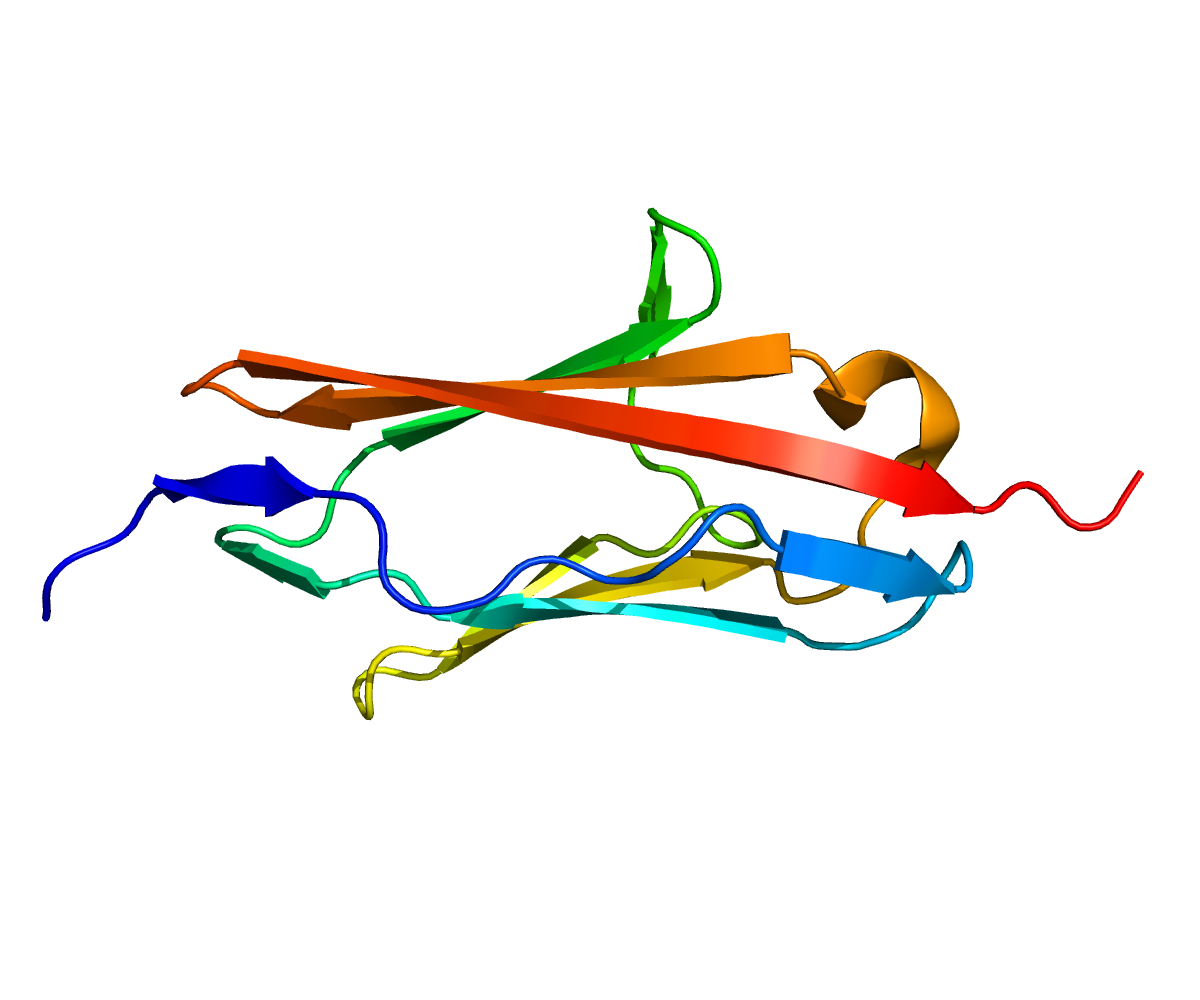
Distrofia muscular das cinturas dos membros autossômica recessiva tipo 2X
📋 Origem dos dados
Esta página agrega dados de fontes públicas e oficiais. Dados sobre cobertura no SUS (PCDT, CEAF) são verificados ativamente por agente proativo (ver badge no infobox). Demais dados têm atribuição de fonte + data da última sincronização — clique para abrir o original.
- Doença rara (ontologia)
- fonte: Orphanet
- Identificador unificado
- fonte: MONDO
- Genética mendeliana
- fonte: OMIM
- Codificação WHO/SUS
- fonte: WHO ICD-10 / DATASUS
- CID-11 (futuro)
- fonte: WHO ICD-11
- NIH/GARD
- fonte: GARD (NIH)
- Dado público estruturado
- fonte: Wikidata