
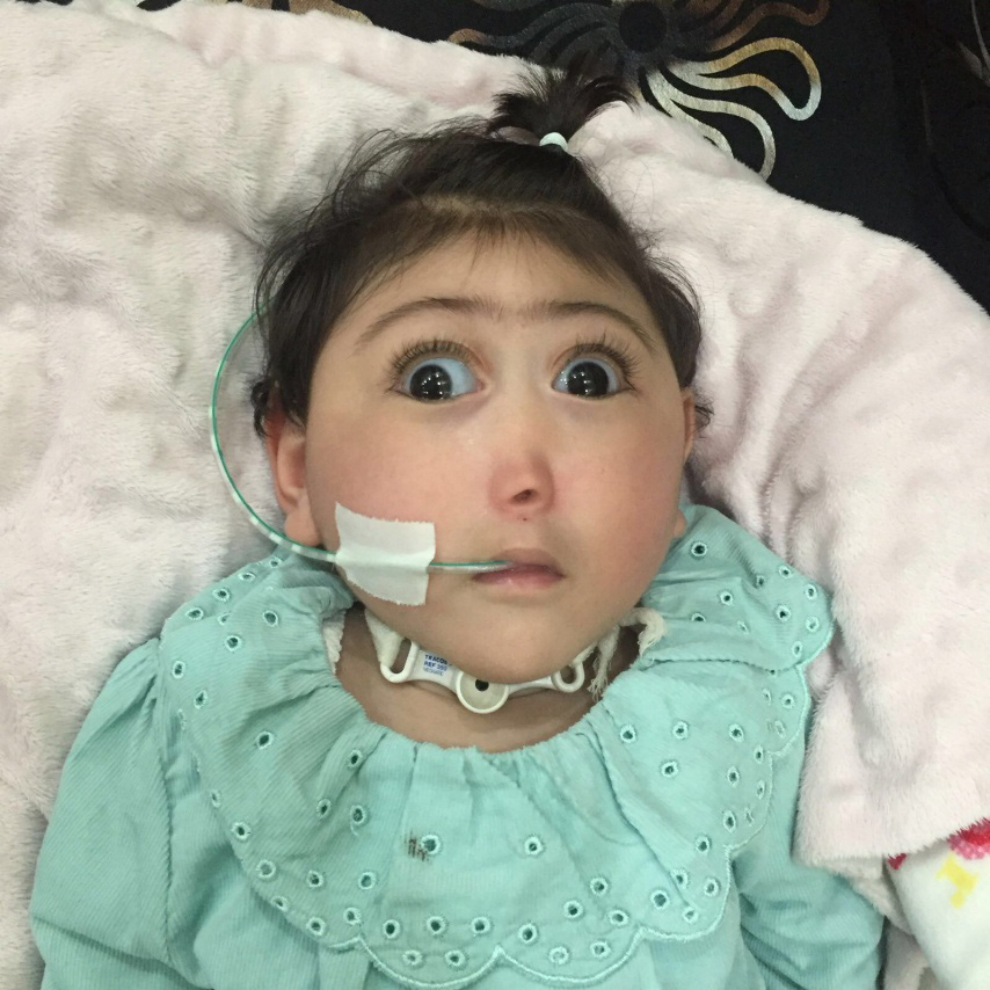
A hipotricose simples (HS) ou hipotricose simples hereditária (HHS) é caracterizada pela redução da pilosidade no couro cabeludo e no corpo (com cabelos ralos, finos e curtos) na ausência de outras anomalias.
Introdução
O que você precisa saber de cara
A hipotricose simples (HS) ou hipotricose simples hereditária (HHS) é caracterizada pela redução da pilosidade no couro cabeludo e no corpo (com cabelos ralos, finos e curtos) na ausência de outras anomalias.
Tem tratamento?
Escala de raridade
<1/50kMuito rara
1/20kRara
1/10kPouco freq.
1/5kIncomum
1/2k
Encontrou um erro ou informação desatualizada? Sugira uma correção →
Entender a doença
Do básico ao detalhe, leia no seu ritmo
Preparando trilha educativa...
Sinais e sintomas
O que aparece no corpo e com que frequência cada sintoma acontece
Partes do corpo afetadas
+ 8 sintomas em outras categorias
Características mais comuns
Os sintomas variam de pessoa para pessoa. Abaixo estão as 33 características clínicas mais associadas, ordenadas por frequência.
Linha do tempo da pesquisa
Encontrou um erro ou informação desatualizada? Sugira uma correção →
Genética e causas
O que está alterado no DNA e como passa nas famílias
Genes associados
7 genes identificados com associação a esta condição. Padrão de herança: Autosomal dominant, Autosomal recessive.
Binds to oleoyl-L-alpha-lysophosphatidic acid (LPA). Intracellular cAMP is involved in the receptor activation. Important for the maintenance of hair growth and texture
Cell membrane
Woolly hair autosomal recessive 1 with or without hypotrichosis
A hair shaft disorder characterized by fine and tightly curled hair. Compared to normal curly hair that is observed in some populations, woolly hair grows slowly and stops growing after a few inches. Under light microscopy, woolly hair shows some structural anomalies, including trichorrhexis nodosa and tapered ends. Some individuals exhibit features of hypotrichosis.
A component of desmosome cell-cell junctions which are required for positive regulation of cellular adhesion (By similarity). Coordinates the transition from proliferation to differentiation in hair follicle keratinocytes (By similarity). Plays a role in moderating lymphocyte migration to inflamed skin and maintaining homeostasis of the epidermal inflammatory response (By similarity)
Cell membraneCell junction, desmosome
Hypotrichosis 6
A condition characterized by the presence of less than the normal amount of hair and abnormal hair follicles and shafts, which are thin and atrophic. The disorder affects the trunk and extremities as well as the scalp, and the eyebrows and eyelashes may also be involved, whereas beard, pubic, and axillary hairs are largely spared. In addition, patients can develop hyperkeratotic follicular papules, erythema, and pruritus in affected areas. In some patients with congenital hypotrichosis, monilethrix-like hairs showing elliptical nodes have been observed. HYPT6 inheritance is autosomal recessive.
Negative regulator of the Wnt signaling pathway. Inhibits Wnt signaling in a cell-autonomous manner and functions upstream of beta-catenin. May act via its interaction with Wnt and LRP proteins. May play a role in colorectal tumorigenesis
Cell membrane
Hypotrichosis 1
A rare form of non-syndromic hereditary hypotrichosis without characteristic hair shaft anomalies. Affected individuals typically show normal hair at birth, but hair loss and thinning of the hair shaft start during early childhood and progress with age. HYPT1 inheritance is autosomal dominant.
Hydrolyzes specifically phosphatidic acid (PA) to produce 2-acyl lysophosphatidic acid (LPA; a potent bioactive lipid mediator) and fatty acid. Does not hydrolyze other phospholipids, like phosphatidylserine (PS), phosphatidylcholine (PC) and phosphatidylethanolamine (PE) or triacylglycerol (TG)
SecretedCell membrane
Hypotrichosis 7
A condition characterized by the presence of less than the normal amount of hair. Affected individuals have sparse or absent scalp, axillary and body hair and sparse eyebrows and eyelashes. HYPT7 inheritance is autosomal recessive.
Component of the large ribosomal subunit (PubMed:12962325, PubMed:23636399, PubMed:25901680, PubMed:25957688). The ribosome is a large ribonucleoprotein complex responsible for the synthesis of proteins in the cell (PubMed:12962325, PubMed:23636399, PubMed:25901680, PubMed:25957688)
Cytoplasm, cytosolCytoplasmEndoplasmic reticulum
Hypotrichosis 12
A form of hypotrichosis, a condition characterized by the presence of less than the normal amount of hair and abnormal hair follicles and shafts, which are thin and atrophic. The extent of scalp and body hair involvement can be very variable, within as well as between families. HYPT12 patients have normal scalp hair density at birth. Hair loss begins during the first 6 months of life and gradually progresses to nearly complete loss of scalp hair. The remaining hairs grow slowly and are thin, sparse, dry, and fragile. Body hair, axillary and pubic hair, eyebrows and eyelashes are also sparse or absent. HYPT12 inheritance is autosomal dominant.
Plays a role in pre-mRNA splicing as a core component of the spliceosomal U1, U2, U4 and U5 small nuclear ribonucleoproteins (snRNPs), the building blocks of the spliceosome (PubMed:11991638, PubMed:18984161, PubMed:19325628, PubMed:23246290, PubMed:23333303, PubMed:25555158, PubMed:26912367, PubMed:28076346, PubMed:28502770, PubMed:28781166, PubMed:32494006). Component of both the pre-catalytic spliceosome B complex and activated spliceosome C complexes (PubMed:11991638, PubMed:28076346, PubMed
Cytoplasm, cytosolNucleus
Hypotrichosis 11
A form of hypotrichosis, a condition characterized by the presence of less than the normal amount of hair and abnormal hair follicles and shafts, which are thin and atrophic. The extent of scalp and body hair involvement can be very variable, within as well as between families. HYPT11 is an autosomal dominant form characterized by scanty or absent eyebrows and a highly variable degree of alopecia since birth, ranging from slight thinning of scalp and axillary hair to complete loss of scalp and body hair. Pubic hair remains mainly unaffected.
Key enzyme in the cholesterol biosynthesis pathway. Catalyzes the cyclization of (S)-2,3 oxidosqualene to lanosterol, a reaction that forms the sterol nucleus (PubMed:14766201, PubMed:26200341, PubMed:7639730). Through the production of lanosterol may regulate lens protein aggregation and increase transparency (PubMed:26200341)
Endoplasmic reticulum membrane
Cataract 44
An opacification of the crystalline lens of the eye that frequently results in visual impairment or blindness. Opacities vary in morphology, are often confined to a portion of the lens, and may be static or progressive. In general, the more posteriorly located and dense an opacity, the greater the impact on visual function.
Medicamentos e terapias
Mecanismo: Prostanoid FP receptor agonist
Variantes genéticas (ClinVar)
208 variantes patogênicas registradas no ClinVar.
Classificação de variantes (ClinVar)
Distribuição de 3 variantes classificadas pelo ClinVar.
Vias biológicas (Reactome)
32 vias biológicas associadas aos genes desta condição.
Diagnóstico
Os sinais que médicos procuram e os exames que confirmam
Tratamento e manejo
Remédios, cuidados de apoio e o que precisa acompanhar
Onde tratar no SUS
Hospitais de referência no Brasil e o protocolo oficial do SUS (PCDT)
🇧🇷 Atendimento SUS — Hipotricose simples
Selecione um estado ou use sua localização para ver resultados.
Dados de DATASUS/CNES, SBGM, ABNeuro e Ministério da Saúde. Sempre confirme a disponibilidade diretamente com o estabelecimento.
Pesquisa ativa
Ensaios clínicos abertos e novidades científicas recentes
Ensaios em destaque
Pesquisa e ensaios clínicos
1 ensaios clínicos encontrados.
Publicações mais relevantes
Hypotrichosis simplex type 7: A rare cause of non-syndromic woolly hair.
Novel biallelic LSS variants in autosomal recessive hypotrichosis simplex: insights from a multi-omics approach.
Autosomal recessive hereditary hypotrichosis simplex: A case report.
Hereditary hypotrichosis simplex with SNRPE gene mutation.
Treatment of hypotrichosis simplex of the scalp with the combination of botanic extracts and minoxidil: a case report.
Hypotrichosis simplex of the scalp (HSS) is a clinically rare monogenic autosomal dominant disorder associated with variants in the gene CDSN, which encodes the desmosome protein corneodesmosin. Although studies have reported that some medications can improve the symptoms of hair loss in HSS, there is still a lack of definitive and effective treatments for this disease. We report a familial case of HSS in an 8-year-old male child diagnosed with HSS caused by a mutation in CDSN, who was treated with botanical extracts in combination with minoxidil, which resulted in significant hair growth after two treatments. This is the first study describing the improvement of clinical symptoms of HSS with oral botanical extracts. This suggests that botanical extracts in combination with minoxidil may be a therapeutic approach for HSS in the clinic.
Publicações recentes
Novel biallelic LSS variants in autosomal recessive hypotrichosis simplex: insights from a multi-omics approach.
Hypotrichosis simplex type 7: A rare cause of non-syndromic woolly hair.
Treatment of hypotrichosis simplex of the scalp with the combination of botanic extracts and minoxidil: a case report.
Autosomal recessive hereditary hypotrichosis simplex: A case report.
Hereditary hypotrichosis simplex with SNRPE gene mutation.
📚 EuropePMC56 artigos no totalmostrando 33
Novel biallelic LSS variants in autosomal recessive hypotrichosis simplex: insights from a multi-omics approach.
Human geneticsHypotrichosis simplex type 7: A rare cause of non-syndromic woolly hair.
Indian journal of dermatology, venereology and leprologyTreatment of hypotrichosis simplex of the scalp with the combination of botanic extracts and minoxidil: a case report.
Frontiers in geneticsAutosomal recessive hereditary hypotrichosis simplex: A case report.
JAAD case reportsHereditary hypotrichosis simplex with SNRPE gene mutation.
Indian journal of dermatology, venereology and leprologyIsotretinoin-induced hair growth in a case of hereditary hypotrichosis simplex of the scalp: A promising therapeutic approach.
JAAD case reportsTwo novel mutations in LSS gene associated with hypotrichosis simplex in a Chinese family.
Journal of cosmetic dermatology[Genetic analysis of a child with Hypotrichosis simplex].
Zhonghua yi xue yi chuan xue za zhi = Zhonghua yixue yichuanxue zazhi = Chinese journal of medical geneticsA case of LSS-associated congenital nuclear cataract with hypotrichosis and literature review.
American journal of medical genetics. Part ADevelopment of Woolly Hair and Hairlessness in a CRISPR-Engineered Mutant Mouse Model with KRT71 Mutations.
CellsA novel heterozygous missense variant in ribosomal protein L21 associated with familial hypotrichosis simplex.
Clinical and experimental dermatologyFamilial hypotrichosis simplex of the scalp associated with a novel heterozygous nonsense variant in CDSN.
Clinical and experimental dermatologyNovel blended SNRPE-related spliceosomopathy phenotype characterized by microcephaly and congenital atrichia.
American journal of medical genetics. Part AA novel homozygous mutation in LSS gene possibly causes hypotrichosis simplex in two siblings of a Tibetan family from the western Sichuan province of China.
Frontiers in physiologySuccessful treatment of hereditary hypotrichosis simplex by platelet rich plasma injection with topical minoxidil 2.
The Journal of dermatological treatmentA Novel Pathogenic CDH3 Variant underlying Heredity Hypotrichosis Simplex detected by Whole-Exome Sequencing (WES)-A Case Report.
Cold Spring Harbor molecular case studiesTreatment of hereditary hypotrichosis simplex of the scalp with oral minoxidil and growth factors.
Dermatologic therapyHypotrichosis simplex of the scalp and peeling skin disease, two sides of the same coin.
Journal of the European Academy of Dermatology and Venereology : JEADVApplication of topical gentamicin-a new era in the treatment of genodermatosis.
World journal of pediatrics : WJPDiffuse congenital hypotrichosis simplex with associated hair shaft fragility.
The Australasian journal of dermatologyFour hypotrichosis families with mutations in the gene LSS presenting with and without neurodevelopmental phenotypes.
American journal of medical genetics. Part AA Nonsense Variant in Hephaestin Like 1 (HEPHL1) Is Responsible for Congenital Hypotrichosis in Belted Galloway Cattle.
GenesAdditional causal SNRPE mutations in hereditary hypotrichosis simplex.
The British journal of dermatologyNovel mutations in Chinese hypotrichosis simplex patients associated with LSS gene.
The Journal of dermatologyReading through genetic 'stop signs': a therapeutic strategy in genetic skin disease.
The British journal of dermatologyAutosomal-dominant hypotrichosis with woolly hair: Novel gene locus on chromosome 4q35.1-q35.2.
PloS oneTreatment of hereditary hypotrichosis simplex of the scalp with topical gentamicin.
The British journal of dermatologyMutations in the CDSN gene cause peeling skin disease and hypotrichosis simplex of the scalp.
The Journal of dermatology[Involvement of cholesterol metabolism in hypotrichosis simplex].
Annales de dermatologie et de venereologieBiallelic pathogenic variants in the lanosterol synthase gene LSS involved in the cholesterol biosynthesis cause alopecia with intellectual disability, a rare recessive neuroectodermal syndrome.
Genetics in medicine : official journal of the American College of Medical GeneticsBi-allelic Mutations in LSS, Encoding Lanosterol Synthase, Cause Autosomal-Recessive Hypotrichosis Simplex.
American journal of human geneticsA novel insertion mutation of CDSN responsible for hypotrichosis simplex of scalp in a Chinese family.
Clinical and experimental dermatologyHereditary hypotrichosis simplex of the scalp.
CutisAssociações
Organizações que acompanham esta doença — pra ter apoio e orientação
Ainda não temos associações cadastradas para Hipotricose simples.
É de uma associação que acompanha esta doença? Fale com a gente →
Comunidades
Grupos ativos de quem convive com esta doença aqui no Raras
Ainda não existe comunidade no Raras para Hipotricose simples
Pacientes, familiares e cuidadores se organizam em comunidades pra compartilhar experiências, fazer perguntas e se apoiar. Você pode ser o primeiro.
Tire suas dúvidas
Perguntas, dicas e experiências compartilhadas aqui na página
Participe da discussão
Faça login para postar dúvidas, compartilhar experiências e interagir com especialistas.
Fazer loginDoenças relacionadas
Doenças com sintomas parecidos — ajudam quem ainda está buscando diagnóstico
Referências e fontes
Bases de dados externas citadas neste artigo
Publicações científicas
Artigos indexados no PubMed ligados a esta doença no grafo RarasNet — título, periódico e PMID direto da fonte, sem intermediação de IA.
- Hypotrichosis simplex type 7: A rare cause of non-syndromic woolly hair.
- Novel biallelic LSS variants in autosomal recessive hypotrichosis simplex: insights from a multi-omics approach.
- Autosomal recessive hereditary hypotrichosis simplex: A case report.
- Hereditary hypotrichosis simplex with SNRPE gene mutation.
- Treatment of hypotrichosis simplex of the scalp with the combination of botanic extracts and minoxidil: a case report.
Bases de dados e fontes oficiais
Identificadores e referências canônicas usadas para montar este verbete.
- ORPHA:55654(Orphanet)
- MONDO:0018914(MONDO)
- GARD:9170(GARD (NIH))
- Variantes catalogadas(ClinVar)
- Busca completa no PubMed(PubMed)
- Q1641483(Wikidata)
Dados compilados pelo RarasNet a partir de fontes abertas (Orphanet, OMIM, MONDO, PubMed/EuropePMC, ClinicalTrials.gov, DATASUS, PCDT/MS). Este conteúdo é informativo e não substitui avaliação médica.
Conteúdo mantido por Agente Raras · Médicos e pesquisadores podem colaborar
Hipotricose simples
📋 Origem dos dados
Esta página agrega dados de fontes públicas e oficiais. Dados sobre cobertura no SUS (PCDT, CEAF) são verificados ativamente por agente proativo (ver badge no infobox). Demais dados têm atribuição de fonte + data da última sincronização — clique para abrir o original.
- Doença rara (ontologia)
- fonte: Orphanet
- Identificador unificado
- fonte: MONDO
- Codificação WHO/SUS
- fonte: WHO ICD-10 / DATASUS
- CID-11 (futuro)
- fonte: WHO ICD-11
- NIH/GARD
- fonte: GARD (NIH)
- Indexação biomédica
- fonte: MeSH (NLM)
- Dado público estruturado
- fonte: Wikidata
- Medicamentos (literatura)
- fonte: Orphanet