Forma autossômica dominante de doença renal policística.
Introdução
O que você precisa saber de cara
A **doença renal policística autossômica dominante** é uma condição genética que provoca a formação de cistos nos rins e em outros órgãos ao longo da vida. Os sintomas mais frequentes percebidos pela pessoa são dor nas costas ou nas laterais do abdome, pressão alta e perda de sangue na urina. Nos Estados Unidos, o tolvaptano é um medicamento aprovado pelo FDA para a doença, mas isso não significa que o remédio seja fornecido no Brasil. No SUS, a condição não conta com um protocolo clínico específico (PCDT) nem dispensa medicamentos exclusivos, sendo o cuidado realizado pelas equipes de nefrologia e reabilitação da rede pública.
Forma autossômica dominante de doença renal policística.
Tem tratamento?
Escala de raridade
<1/50kMuito rara
1/20kRara
1/10kPouco freq.
1/5kIncomum
1/2k
Encontrou um erro ou informação desatualizada? Sugira uma correção →
Entender a doença
Do básico ao detalhe, leia no seu ritmo
Preparando trilha educativa...
Sinais e sintomas
O que aparece no corpo e com que frequência cada sintoma acontece
Partes do corpo afetadas
+ 14 sintomas em outras categorias
Características mais comuns
Os sintomas variam de pessoa para pessoa. Abaixo estão as 52 características clínicas mais associadas, ordenadas por frequência.
Linha do tempo da pesquisa
Encontrou um erro ou informação desatualizada? Sugira uma correção →
Genética e causas
O que está alterado no DNA e como passa nas famílias
Genes associados
9 genes identificados com associação a esta condição. Padrão de herança: Autosomal dominant.
Curadoria gene-doença
fontes oficiaisShort-rib thoracic dysplasia 9 with or without polydactyly
A form of short-rib thoracic dysplasia, a group of autosomal recessive ciliopathies that are characterized by a constricted thoracic cage, short ribs, shortened tubular bones, and a 'trident' appearance of the acetabular roof. Polydactyly is variably present. Non-skeletal involvement can include cleft lip/palate as well as anomalies of major organs such as the brain, eye, heart, kidneys, liver, pancreas, intestines, and genitalia. Some forms of the disease are lethal in the neonatal period due to respiratory insufficiency secondary to a severely restricted thoracic cage, whereas others are compatible with life. Disease spectrum encompasses Ellis-van Creveld syndrome, asphyxiating thoracic dystrophy (Jeune syndrome), Mainzer-Saldino syndrome, and short rib-polydactyly syndrome. SRTD9 is characterized by phalangeal cone-shaped epiphyses, chronic renal disease, nearly constant retinal dystrophy, and mild radiographic abnormality of the proximal femur. Occasional features include short stature, cerebellar ataxia, and hepatic fibrosis.
Nephronophthisis 9
An autosomal recessive disorder resulting in end-stage renal disease. It is a progressive tubulo-interstitial kidney disorder histologically characterized by modifications of the tubules with thickening of the basement membrane, interstitial fibrosis and, in the advanced stages, medullary cysts.
Renal dysplasia, cystic
An anomaly of the kidney characterized by numerous renal cysts and apparent disorder of differentiation of the renal parenchyma. Kidney of affected individuals lack the normal renal bean shape, and the collection drainage system. The cystic, dysplastic kidney contains undifferentiated mesenchyme, cartilaginous tissue, and immature collecting ducts.
Polycystic kidney disease 6 with or without polycystic liver disease
A form of polycystic kidney disease, a disorder characterized by progressive formation and enlargement of cysts in both kidneys, typically leading to end-stage renal disease in adult life. Cysts also occur in other organs, particularly the liver. PKD6 inheritance is autosomal dominant.
Polycystic kidney disease 7
A form of polycystic kidney disease, a disorder characterized by progressive formation and enlargement of cysts in both kidneys, typically leading to end-stage renal disease in adult life. Cysts also occur in other organs, particularly the liver. PKD7 inheritance is autosomal dominant.
Polycystic kidney disease 2 with or without polycystic liver disease
An autosomal dominant disorder characterized by progressive formation and enlargement of cysts in both kidneys, typically leading to end-stage renal disease in adult life. Cysts also occurs in the liver and other organs. It represents approximately 15% of the cases of autosomal dominant polycystic kidney disease. PKD2 is clinically milder than PKD1 but it has a deleterious impact on overall life expectancy.
Polycystic kidney disease 3 with or without polycystic liver disease
A form of polycystic kidney disease, a disorder characterized by progressive formation and enlargement of cysts in both kidneys, typically leading to end-stage renal disease in adult life. Cysts also occur in other organs, particularly the liver. PKD3 inheritance is autosomal dominant.
Polycystic kidney disease 1 with or without polycystic liver disease
An autosomal dominant disorder characterized by renal cysts, liver cysts and intracranial aneurysm. Clinical variability is due to differences in the rate of loss of glomerular filtration, the age of reaching end-stage renal disease and the occurrence of hypertension, symptomatic extrarenal cysts, and subarachnoid hemorrhage from intracranial 'berry' aneurysm.
Medicamentos aprovados (FDA)
1 medicamento encontrado nos registros da FDA americana.
Variantes genéticas (ClinVar)
503 variantes patogênicas registradas no ClinVar.
Classificação de variantes (ClinVar)
Distribuição de 1.127 variantes classificadas pelo ClinVar.
Vias biológicas (Reactome)
17 vias biológicas associadas aos genes desta condição.
Diagnóstico
Os sinais que médicos procuram e os exames que confirmam
Tratamento e manejo
Remédios, cuidados de apoio e o que precisa acompanhar
Onde tratar no SUS
Hospitais de referência no Brasil e o protocolo oficial do SUS (PCDT)
🇧🇷 Atendimento SUS — Doença renal policística autossômica dominante
Selecione um estado ou use sua localização para ver resultados.
Dados de DATASUS/CNES, SBGM, ABNeuro e Ministério da Saúde. Sempre confirme a disponibilidade diretamente com o estabelecimento.
Pesquisa ativa
Ensaios clínicos abertos e novidades científicas recentes
Ensaios em destaque
Com ensaio aberto em 21 países. O ponto verde marca onde há vaga agora.
🟢 Recrutando agora
30 pesquisas recrutando participantes. Converse com seu médico sobre a possibilidade de participar.
Outros ensaios clínicos
182 ensaios clínicos encontrados, 56 ativos.
Publicações mais relevantes
Mostrando amostra de 200 publicações de um total de 3.153
Investigating PKD2 deficiency-associated cardiomyopathies using hESC-cardiomyocytes and bioengineered 3D ventricular cardiac tissue strips.
Autosomal dominant polycystic kidney disease is a highly prevalent hereditary renal disorder caused by mutations in either polycystin-1 or polycystin-2. These patients also develop cardiomyopathies. However, the mechanism of how polycystin-2 defects could lead to cardiomyopathies is poorly understood. Moreover, previous studies using animal models cannot fully represent human cardiomyocyte pathophysiology. Human embryonic stem cells were differentiated into cardiomyocytes. These cardiomyocytes were transduced with viral-based polycystin-2-shRNAs, then mixed with an appropriate amount of human fetal fibroblasts, collagen, and Matrigel, and biofabricated into 3D bioengineered ventricular cardiac tissue strips (hvCTS). We used these 3D hvCTS and 2D human embryonic stem cells-derived cardiomyocytes to recapitulate polycystin-2 deficiency-associated cardiac contractile defects and to explore underlying mechanisms. Knockdown of polycystin-2 decreased the contractile force and slowed down the contraction and relaxation velocities in hvCTS, indicative of contractile malfunction. The underlying mechanisms involved an elevated endoplasmic reticulum stress and a decreased activity of sarcoplasmic reticulum Ca2+-ATPases. Alleviation of endoplasmic reticulum stress by small molecular chaperones 4-phenylbutyrate/tauroursodeoxycholic acid or stimulation of sarcoplasmic reticulum Ca2+-ATPase activity by CDN1163 partially rescued the polycystin-2 deficiency-associated contractile dysfunction in hvCTS. This study used 3D hvCTS and 2D human embryonic stem cells-derived cardiomyocytes as novel disease models to recapitulate PKD2 deficiency-associated contractile defects. We found that knockdown of polycystin-2 induces cardiomyopathies via elevating endoplasmic reticulum stress and decreasing sarcoplasmic reticulum Ca2+-ATPase activity. The results provide novel insights about polycystin-2 deficiency-associated cardiomyopathies in polycystic kidney disease patients.
Generation of a human-induced pluripotent stem cell line (NUMNi003-A) from a patient with autosomal dominant polycystic kidney disease harboring a PKD1 gene variant.
PKD1 variants are risk factors for autosomal dominant polycystic kidney disease (ADPKD). However, the detailed mechanisms by which PKD1 variants cause ADPKD remain unclear. Currently, there are no curative treatments for ADPKD. We generated induced pluripotent stem cells (iPSCs) from a patient with ADPKD and a PKD1 variant. These iPSCs expressed stem cell markers and could differentiate into the three germ layers in vitro. The iPSCs will serve as useful tools for understanding the pathophysiology of ADPKD and for screening therapeutic approaches.
Reversible cystogenesis in juvenile primate ADPKD models: evidence from PKD1 heterozygous monkeys.
Autosomal dominant polycystic kidney disease (ADPKD) is a common inherited disorder caused predominantly by heterozygous mutations in the PKD1 gene, leading to progressive renal cyst formation. While PKD1 mutant mouse models have provided mechanistic insights, PKD1 heterozygous mice fail to replicate the early cystogenesis observed in human patients. To address this gap, we conducted a longitudinal study using PKD1 heterozygous cynomolgus monkeys. Serial renal ultrasonography from birth to five years of age-corresponding to human childhood-revealed progressive cyst development. Remarkably, a subset of cysts, particularly smaller ones, exhibited spontaneous regression over time. This phenomenon was also observed in PKD1 mosaic monkeys harboring mixed variant patterns. In contrast, monkeys with biallelic PKD1 loss-of-function variants developed severe cystic disease, kidney enlargement, hepatic cysts, and elevated serum creatinine, resembling the clinical features of advanced ADPKD. These findings demonstrate that early renal cysts may possess intrinsic plasticity, challenging the conventional view of ADPKD as a relentlessly progressive disorder. Our results suggest that the early stages of cystogenesis represent a potential therapeutic window for intervention, in which cyst regression may be promoted. The PKD1 heterozygous monkey model thus provides a valuable platform for studying the developmental dynamics of ADPKD and for evaluating novel therapeutic approaches targeting early cystic changes.
Genetic basis of the circle of Willis characteristics in the healthy and intracranial aneurysm population.
Rupture of an intracranial aneurysm (IA) can result in aneurysmal subarachnoid hemorrhage (ASAH), a severe and often fatal form of stroke. The configuration of the intracranial arteries - collectively known as the circle of Willis (CoW) - influences the risk of IA development and rupture. Although CoW variation is known to be heritable, its genetic underpinnings and contribution to IA remain poorly understood. Here, we aimed to investigate the genetic architecture of CoW variation and its potential link with IA. Using a semi-automated detection tool, we characterized the diameters, bifurcation angles, and presence of arterial segments of the CoW in 1078 participants from a population-based cohort and 682 IA patients. Composite traits capturing variation in all CoW characteristics were generated through principal component analysis. We conducted a genome-wide association study (GWAS) on these composite traits and identified four loci with suggestively significant associations. Lead single-nucleotide polymorphisms (SNPs) were located in or near the genes DPYSL2, CSMD3, TRPC6, and PKD1L2. Notably, PKD1L2 is closely related to PKD1, a gene implicated in autosomal dominant polycystic kidney disease, a connective tissue disorder that increases IA susceptibility. We observed statistically significant SNP-based heritability for the second principal component of CoW variation (heritability estimate = 0.95, standard error = 0.25). All lead SNPs demonstrated nominal association (p < 0.05) with multiple CoW characteristics and other vascular traits. Our findings highlight a substantial genetic contribution to CoW morphology and offer new insights into the molecular mechanisms underlying CoW variation and its role in IA pathogenesis.
Pellino1-mTOR/S6K1 signaling axis is a key pathogenesis for the development of polycystic kidney disease.
Ubiquitination serves a critical role in regulating both inflammatory responses and kidney injury. Among inherited renal disorders, autosomal dominant polycystic kidney disease (ADPKD) has demonstrated associations with disrupted ubiquitin signaling that exacerbates inflammation and cyst progression. In this study, we demonstrate that the E3 ligase Pellino1 (Peli1) acts as an essential contributor to the pathogenesis of ADPKD amid inflammatory conditions. In individuals with clear cell renal cell carcinoma (ccRCC), Peli1 exhibits markedly elevated expression, and this upregulation is associated with adverse clinical outcomes. Additionally, we find that various TLR stimulations in renal tubular cells induce increased Peli1 expression, which is also elevated in samples from ADPKD patients. Using doxycycline-inducible Peli1-transgenic mice, we establish that Peli1 overexpression leads to impaired renal function and facilitates cyst formation. On a mechanistic level, elevated Peli1 promotes cystic epithelial cell proliferation by activating mTOR signaling, accomplished through the stabilization of S6K1. In summary, our data indicate that TLR-driven upregulation of Peli1 facilitates renal cyst growth via S6K1 stabilization. These results reveal a novel mechanistic link between PKD and ccRCC.A schematic model is proposed to describe the role of Peli1 in the development of polycystic kidney diseases. Normal signaling pathways (Left) and Peli1-mediated signaling pathways in polycystic kidney disease (Right). The illustration outlines the cascade from TLR stimulation to Peli1-dependent K63 ubiquitination of S6K1 and subsequent proliferation in renal tubular epithelial cells. This figure was generated using BioRender.com.
Publicações recentes
SAR-Guided Scaffold Innovation of Selective V(2)R Antagonists: Therapeutic Frontiers in ADPKD.
Retroperitoneoscopic Nephrectomy at the Time of Kidney Transplantation for Autosomal Dominant Polycystic Kidney Disease: Safety, Efficacy, Feasibility, and Cosmetic Outcomes.
A case of Kocuria rhizophila infection and persistence in ascitic fluid of a peritoneal dialysis patient with polycystic kidney disease.
Apelin inhibits cyst growth and improves kidney function in mice with polycystic kidney disease.
Patient-derived kidney organoids recapitulate ADPKD and facilitate the identification of Rho pathway inhibitors as candidate therapeutics.
📚 EuropePMC3.135 artigos no totalmostrando 195
Future needs for clinical trials in autosomal dominant polycystic kidney disease.
Nature reviews. NephrologyInvestigating PKD2 deficiency-associated cardiomyopathies using hESC-cardiomyocytes and bioengineered 3D ventricular cardiac tissue strips.
Cell death & disease[Genetic kidney diseases].
Deutsche medizinische Wochenschrift (1946)ALDH1A1 is a potential novel target for treatment of ADPKD.
Kidney internationalGuidance on Care for Autosomal Dominant Polycystic Kidney Disease: A Patient Perspective.
American journal of kidney diseases : the official journal of the National Kidney FoundationKDOQI US Commentary on the KDIGO 2025 Clinical Practice Guideline for the Evaluation, Management, and Treatment of Autosomal Dominant Polycystic Kidney Disease (ADPKD).
American journal of kidney diseases : the official journal of the National Kidney FoundationDevelopment and validation of a predictive model for the lifetime risk of end-stage kidney disease in autosomal dominant polycystic kidney disease.
Revista de investigacion clinica; organo del Hospital de Enfermedades de la NutricionComparison of arteriovenous fistula outcomes in patients with and without autosomal dominant polycystic kidney disease: A retrospective study.
The journal of vascular accessReal-World Outcomes of Sodium-Glucose Cotransporter 2 Inhibitor Therapy in Nondiabetic Autosomal-Dominant Polycystic Kidney Disease: Effects on Progression to Dialysis in a TrinetX Cohort.
Mayo Clinic proceedings. Innovations, quality & outcomesGeneration of a human-induced pluripotent stem cell line (NUMNi003-A) from a patient with autosomal dominant polycystic kidney disease harboring a PKD1 gene variant.
Stem cell researchReversible cystogenesis in juvenile primate ADPKD models: evidence from PKD1 heterozygous monkeys.
Human molecular geneticsProgressive endocannabinoid system dysregulation in autosomal dominant polycystic kidney disease.
Molecular medicine (Cambridge, Mass.)Machine Learning Prediction of Progression to Dialysis in Patients With Polycystic Kidney Disease: Population-Based Retrospective Cohort Study.
JMIR medical informaticsRuptured jejunal gastrointestinal stromal tumor (GIST) presenting with acute hemoperitoneum in a young adult with autosomal dominant polycystic kidney disease (ADPKD).
Journal of surgical case reportsPost-COVID-19 Outcomes of Patients with Autosomal Dominant Polycystic Kidney Disease: A Multicenter Controlled Study.
Journal of clinical medicineGenetic basis of the circle of Willis characteristics in the healthy and intracranial aneurysm population.
European journal of human genetics : EJHGWhen autosomal dominant polycystic kidney disease becomes atypical: aADPKD.
Kidney internationalACR Appropriateness Criteria® Autosomal Dominant Polycystic Kidney Disease.
Journal of the American College of Radiology : JACRA Patient Whose Family Has Experienced Autosomal Dominant Polycystic Kidney Disease for over Four Generations Shares Their Perspective.
Clinical journal of the American Society of Nephrology : CJASNQuantitative dynamic contrast-enhanced magnetic resonance imaging for renal perfusion measurement in autosomal dominant polycystic kidney disease.
Quantitative imaging in medicine and surgery[Autosomal dominant polycystic kidney disease].
Revue medicale de LiegeUltrasound-assisted diagnosis and ultrasound-guided radiofrequency ablation of renal cell carcinoma in a patient with autosomal dominant polycystic kidney disease: a case report with two-year follow-up.
BMC nephrologyRenal blood flow and progression to kidney failure in ADPKD.
Nephrology, dialysis, transplantation : official publication of the European Dialysis and Transplant Association - European Renal AssociationEGR1 Nuclear Condensates Promote Renal Cyst Development in Polycystic Kidney Disease.
Exploration (Beijing, China)A Single Incision for Simultaneous Liver and Kidney Transplant With Right-Side Nephrectomy for Polycystic Liver and Autosomal Dominant Polycystic Kidney Disease.
Experimental and clinical transplantation : official journal of the Middle East Society for Organ TransplantationThe PKD Daily: Development and Content Validation of a Hybrid Diary for Tracking Urinary Events in Adults with Autosomal Dominant Polycystic Kidney Disease (ADPKD).
Advances in therapyAbdominal arterial calcification profile in kidney transplant candidates: a comparison between patients with autosomal dominant polycystic kidney disease and those with other causes of kidney failure.
Journal of nephrologyAppendiceal Adenocarcinoma Masquerading as a Chronic Intra-abdominal Abscess.
CureusA case of autosomal dominant polycystic kidney disease with multiple bilateral spontaneous retroperitoneal hemorrhages.
CEN case reportsUnravelling sex-specific differences in autosomal dominant polycystic kidney disease: a multiorgan perspective.
Clinical kidney journalPellino1-mTOR/S6K1 signaling axis is a key pathogenesis for the development of polycystic kidney disease.
Cell death & diseaseHeterogeneous regulation of fibroblast growth factor 23 in acute kidney injury, chronic kidney disease, and polycystic kidney disease: mechanisms, diagnostic utility, and clinical implications.
Frontiers in molecular biosciencesEffect of adequate daily water intake versus inadequate water intake on the risk of major chronic diseases in healthy adults: a systematic review protocol.
Systematic reviewsLong-Term Tolvaptan Administration in Chinese patients with Autosomal Dominant Polycystic Kidney Disease :A Retrospective Study in Real Clinical Practice.
Kidney & blood pressure researchALG8-Driven Metabolic Reprogramming in Polycystic Kidney Disease: A Systematic Synthesis of Evidence Linking Glycosylation Defects to Metabolic Signaling.
IUBMB lifeAutosomal dominant polycystic kidney disease.
Lancet (London, England)Association of Kidney Volume With Patient-Reported Outcomes in ADPKD.
Kidney international reportsThe Inheritance Puzzle: A Case of Dual Genetic Kidney Disease.
Nephrology (Carlton, Vic.)Association of anemia with long-term renal prognosis in autosomal dominant polycystic kidney disease using time-series analysis.
Scientific reportsTolvaptan for autosomal dominant polycystic kidney disease: Real-world insights from a propensity score weighted retrospective cohort study.
American journal of nephrologyThe Hidden Iceberg of ADPKD: Early Organomegaly-Driven Malnutrition and Sarcopenia Beyond Preserved eGFR.
International journal of molecular sciencesA heteromeric TRP channel that functions as a WNT-activated G protein-coupled receptor.
Nature communicationsEvolution of Clinical Trial Design in ADPKD.
Kidney international reportsScreening for genetic kidney diseases in a dialysis cohort via exome sequencing.
Clinical kidney journalGiant polycystic liver disease with thoracic involvement: An anaesthesia and surgical challenge in liver transplantation.
Revista espanola de anestesiologia y reanimacionTSC2/PKD1 contiguous gene deletion syndrome.
Kidney internationalCoexistence of autosomal dominant polycystic kidney disease and primary hyperoxaluria type 3.
Kidney internationalReassessing pravastatin in adult autosomal dominant polycystic kidney disease and potential subgroup benefits.
Kidney internationalEmodin retards renal cyst progression in ADPKD by inhibiting cell proliferation and decreasing oxidative stress.
Life sciencesRare Combination of PKD and precocious puberty in a HNF1B mutated little girl.
Urology case reportsKetogenic dietary interventions for autosomal-dominant polycystic kidney disease (ADPKD): a systematic review and synthesis without meta-analysis (SWiM) of observational and interventional studies.
Metabolism openRecurrent obturator hernia in a patient with autosomal dominant polycystic kidney disease undergoing peritoneal dialysis: a case report.
CEN case reportsMachine learning for predicting CKD stages in patients with autosomal dominant polycystic kidney disease: a nationwide cohort study in Japan.
Scientific reportsRelationship between Total Kidney Volume and eGFR in Autosomal Dominant Polycystic Kidney Disease.
Clinical journal of the American Society of Nephrology : CJASNKidney transplantation after chronic active Epstein-Barr virus infection remission.
CEN case reportsMultilineage assembly brings spatial order to human kidney organoids.
Kidney internationalIft46 deficiency causes renal cyst via enhanced Limk2 through lack of autophagy flux.
Cell communication and signaling : CCSThe Relationship of Osmolality and Kidney Outcomes in Patients with Autosomal Dominant Polycystic Kidney Disease.
Kidney360BICC1 interacts with PKD1 and PKD2 to drive cystogenesis in ADPKD.
eLifeEpithelial Dynamics of Cystogenesis in Genetic Models of Autosomal Dominant Polycystic Kidney Disease.
CellsImpact of Emergency Surgery for Acute Type A Aortic Dissection on Postoperative Renal Function in Patients With Autosomal Dominant Polycystic Kidney Disease.
Circulation reportsDisruption of Polycystin Ciliary Localization and Channel Function by Autosomal Dominant Polycystic Kidney Disease-Causing Polycystin-1 Variants.
Journal of the American Society of Nephrology : JASNA HaloTag Knock-In Resource for In Vivo and In Vitro Analysis of Endogenous Polycystin-2 Localization, Turnover, and Transport.
Journal of the American Society of Nephrology : JASNPolycystin-2 (PC2): structural insights and its role in disease pathogenesis.
Archives of physiology and biochemistryDual Monogenic Cystic Disease Case Report: Autosomal Dominant Polycystic Kidney Disease and Autosomal Dominant Polycystic Liver Disease.
Clinical case reportsOptimizing next-generation sequencing for genetic diagnosis in autosomal dominant polycystic kidney disease.
Genetics in medicine : official journal of the American College of Medical GeneticsIncidence and clinicopathological analysis of portal vein and inferior vena cava thrombosis in autopsy cases of autosomal dominant polycystic kidney disease.
Clinical and experimental nephrologyReal-world outcomes of managing autosomal-dominant polycystic kidney disease using a medical food as part of a nutrition and lifestyle program to improve renal and metabolic health.
Frontiers in nutritionSomatostatin analog therapy in delaying progression of polycystic liver disease: A meta-analysis with trial sequential analysis.
iLIVEROctreotide long-acting release in the treatment of autosomal dominant polycystic kidney disease: a meta-analysis.
Frontiers in endocrinologyVascular transcriptional and metabolic changes precede progressive intrarenal microvascular rarefaction in autosomal dominant polycystic kidney disease.
American journal of physiology. Renal physiologyUntangling amino acid metabolism in renal diseases: mechanisms, dysregulation, and critical gaps.
Clinical kidney journalSuccessful Treatment of Posttransplant Refractory Pure Red Cell Aplasia Following Parvovirus B19 Infection.
Case reports in medicineDiscovery of a potent STAT3 inhibitor WR-S-647 for the treatment of ADPKD.
Archives of pharmacal researchMorphometric and Functional Evaluation of Nonrenal Vasculature in Female and Male PKD/Mhm (Cy/+) Rats.
Kidney & blood pressure researchDeciphering the Cell-Specific Specificity of the α -Klotho-Cellular Inhibitor of Apoptosis Protein 1 Axis in Autosomal Dominant Polycystic Kidney Disease.
Journal of the American Society of Nephrology : JASNPathogenic Pathways and Therapeutic Strategies in Autosomal Dominant Polycystic Kidney Disease (ADPKD).
Journal of cellular signalingThe Prevalence, Mechanisms, and Clinical Significance of Inferior Vena Cava Compression in Autosomal Dominant Polycystic Kidney Disease: A Multicenter Retrospective Cohort Study Based on TriNetX.
Medicina (Kaunas, Lithuania)Trajectories of Kidney Function in Autosomal Dominant Polycystic Kidney Disease Patients Treated with Tolvaptan.
Medicina (Kaunas, Lithuania)Cervical Artery Dissection in Autosomal Dominant Polycystic Kidney Disease.
Medicina (Kaunas, Lithuania)Mediterranean Diet Adherence and Oxidative Stress in Autosomal Dominant Polycystic Kidney Disease: A Cross-Sectional Analysis of sNOX2-dp and Hydrogen Peroxide Concentration.
Antioxidants (Basel, Switzerland)Efficacy of Transcatheter Renal Arterial Embolization to Contract Renal Size and Increase Muscle Mass in Patients with Polycystic Kidney Disease.
Diagnostics (Basel, Switzerland)Peritoneal catheter rupture in an obese patient with the peritoneal wall anchor technique.
CEN case reportsClinical Applications of Artificial Intelligence in Autosomal Dominant Polycystic Kidney Disease.
Nephrology, dialysis, transplantation : official publication of the European Dialysis and Transplant Association - European Renal AssociationEUS-guided ablation of a symptomatic renal cyst in a patient with autosomal dominant polycystic kidney disease.
Endoscopic ultrasoundThe many faces of cholesterol in autosomal dominant polycystic kidney disease.
Kidney internationalBone Phenotype in Autosomal Dominant Polycystic Kidney Disease.
Calcified tissue international2025 KDIGO Executive Summary: Diagnosis and Management of Pediatric Autosomal Dominant Polycystic Kidney Disease.
Kidney & blood pressure researchUrinary interleukin-37 as a suggested protective biomarker of renal prognosis in autosomal dominant polycystic kidney disease.
CytokineThe Role of Immune Cells as Modulators of Progression in Polycystic Kidney Disease: A Systematic Review.
Kidney360Glis3 Is a Modifier of Cyst Progression in Autosomal Dominant Polycystic Kidney Disease.
Journal of the American Society of Nephrology : JASNα -Klotho Promotes Cell Death and Suppresses Inflammation through TNF-Cellular Inhibitor of Apoptosis Protein 1 Signaling in Autosomal Dominant Polycystic Kidney Disease.
Journal of the American Society of Nephrology : JASNA Ciliary Phosphoinositide Pathway Regulates the Dosage of Polycystins in Primary Cilia.
Journal of the American Society of Nephrology : JASNUnrecognized Biases and Validation Gaps in TraceOrg for Automated Autosomal Dominant Polycystic Kidney Disease Volumetry.
Journal of the American Society of Nephrology : JASNAuthor's Reply: Unrecognized Biases and Validation Gaps in TraceOrg for Automated Autosomal Dominant Polycystic Kidney Disease Volumetry.
Journal of the American Society of Nephrology : JASNDevelopment and Validation of a Multivariable Prediction Model for Kidney Failure in Early Autosomal Dominant Polycystic Kidney Disease.
Journal of the American Society of Nephrology : JASNIntegrin α 1 β 1 Promotes Interstitial Fibrosis and Cyst Growth in a Mouse Model of Polycystic Kidney Disease.
Journal of the American Society of Nephrology : JASNUltrasound Localization Microscopy to Assess the Intrarenal Microvasculature in Autosomal Dominant Polycystic Kidney Disease.
Journal of the American Society of Nephrology : JASNNovel variants in STAG2 and PKD1 associate with multiple congenital malformations and autosomal dominant polycystic kidney disease in a Chinese family: A case report and literature review.
Experimental and therapeutic medicineDisruption of a six-nucleotide miRNA motif improves PKD1 dosage and ameliorates polycystic kidney disease.
Nucleic acids researchCoincidence of autosomal dominant polycystic kidney disease and Alport syndrome: a case report and literature review.
CEN case reportsAbnormal purinergic signaling contributes to development of renal cysts in autosomal dominant polycystic kidney disease.
Purinergic signallingBeyond the Watershed: Chronic Ischemic Colitis Masking Underlying Small Bowel Non-Hodgkin Lymphoma.
CureusMinocycline infusion sclerotherapy for infected hepatic cysts in a patient with autosomal dominant polycystic kidney disease: a case report and literature review.
CEN case reportsRobotic-Assisted Simultaneous Bilateral Native Nephrectomy and Living Donor Kidney Transplantation.
The Journal of surgical researchLiver Cyst Infection Outcomes in Patients With ADPKD.
Kidney international reportsEight Years of Canadian Real-World Assessment of Tolvaptan in Patients With Autosomal Dominant Polycystic Kidney Disease: The C-MAJOR Registry.
Canadian journal of kidney health and diseaseNatural history of simple and complex cysts in autosomal dominant polycystic kidney disease on MRI.
Communications medicinePerspective on Fertility Topics in Autosomal Dominant Polycystic Kidney Disease.
Kidney360RETRACTED: Kebede et al. Determinants of Disease Progression in Autosomal Dominant Polycystic Kidney Disease. J. Pers. Med. 2024, 14, 936.
Journal of personalized medicinePeroxisome proliferator-activated receptors in kidney diseases: A promising therapeutic target.
Biomedicine & pharmacotherapy = Biomedecine & pharmacotherapieFeasibility Study of Empagliflozin in Patients with Autosomal Dominant Polycystic Kidney Disease: Design and Baseline Characteristics.
American journal of nephrologyPAX gene expression in autosomal dominant polycystic kidney disease contributes to cyst expansion and regulates a gene network associated with cyst growth.
Human molecular geneticsHorseshoe kidney and polycystic horseshoe kidney: a forensic autopsy-based study in Portugal.
International urology and nephrologyThe Renal miRNA Expression Profile of Pkd1RC/RC Mice Changes Longitudinally with the Progression of the Disease.
Kidney360Genetic Testing in Cystic Kidney Disease.
Kidney360Lack of ANKMY2 suppresses kidney cystogenesis in embryonic- and adult-onset polycystic kidney disease.
PLoS geneticsMulti-Target Effects of Novel Synthetic Indanedione-Based Spirotransdicalinol Compound 4l in Autosomal Dominant Polycystic Kidney Disease.
FASEB journal : official publication of the Federation of American Societies for Experimental BiologyPrenatal Diagnosis and Postnatal Outcomes of Fetal ADPKD: A Single-Center Retrospective Cohort Study.
Medicina (Kaunas, Lithuania)Functional Coupling of Calcium-Sensing Receptor and Polycystin-2 in Renal Epithelial Cells: Physiological Role and Potential Therapeutic Target in Polycystic Kidney Disease.
International journal of molecular sciencesClinical Factors Associated With Intracranial Aneurysms in Patients With Autosomal Dominant Polycystic Kidney Disease.
CureusTargeting Ogt in ADPKD mitigates metabolic reprogramming and renal cystogenesis, extending survival.
bioRxiv : the preprint server for biologyThe Relationship of Renalase with Diurnal Blood Pressure Rhythm, Left Ventricular Mass Index and Carotid Intima-media Thickness in Autosomal Dominant Polycystic Kidney Disease.
Saudi journal of kidney diseases and transplantation : an official publication of the Saudi Center for Organ Transplantation, Saudi ArabiaImmune microenvironment in autosomal dominant polycystic kidney disease.
Genes & diseasesTargeting ferroptosis: novel therapeutic approaches and intervention strategies for kidney diseases.
Frontiers in immunologyEmerging Mechanistic Roles of STING Signaling in Kidney Diseases.
The American journal of pathologyPERADIGM: Phenotype embedding similarity-based rare disease gene mapping.
PLoS geneticsBefore the Pressure Rises: Intrarenal Renin-Angiotensin-Aldosterone System Activation in Normotensive Autosomal Dominant Polycystic Kidney Disease.
Kidney360Tolvaptan pharmacokinetics and pharmacodynamics in adolescents with autosomal dominant polycystic kidney disease.
European journal of pediatricsAldehyde dehydrogenase 1 A1 regulates the transcription of PD-L1 and its targeting with disulfiram together with PD-L1 immunotherapy synergistically delays cyst growth in ADPKD.
Kidney internationalPerioperative Outcomes of Nephrectomy for Autosomal Dominant Polycystic Kidney Disease.
Urology practiceGenetic testing in autosomal dominant polycystic kidney disease: why it matters in 2025.
Clinical kidney journalOutcomes of Patients With Autosomal Dominant Polycystic Kidney Disease Prescribed SGLT2 Inhibitors in British Columbia: A Single-Arm Retrospective Cohort Study.
Canadian journal of kidney health and diseaseEmerging Therapies in Autosomal Dominant Polycystic Kidney Disease.
Kidney360In vivo base editing rescues ADPKD in a humanized mouse model.
Nature communicationsTolvaptan in Autosomal Dominant Polycystic Kidney Disease (ADPKD): a multicenter real life Italian experience.
Clinical kidney journalEndoplasmic reticulum-mitochondrion disconnection promotes metabolic reprogramming and cystogenesis in polycystic kidney disease.
bioRxiv : the preprint server for biologyThe impact of reproductive steroids on autosomal dominant polycystic kidney disease progression in women.
SteroidsThe Need for Novel Therapeutic Directions in Autosomal Dominant Polycystic Kidney Disease Patient Care.
Clinical journal of the American Society of Nephrology : CJASNAmebic Liver Abscess in a Patient with Polycystic Liver Disease: A Case Report.
Surgical case reportsApplication of Surface-Enhanced Raman Spectroscopy and Machine Learning Omics Techniques in the Progression Assessment of Autosomal Dominant Polycystic Kidney Disease.
Kidney diseases (Basel, Switzerland)Prenatal-Onset Autosomal Dominant Polycystic Kidney Disease: Clinical Spectrum and Genetic Complexity of a Pseudo-Recessive Phenotype.
Prenatal diagnosisDiscovery of Non-benzoazacyclic V2R Antagonists for the Treatment of Autosomal Dominant Polycystic Kidney Disease.
Journal of medicinal chemistryThe nucleobase guanine at the 3'-terminus of oligonucleotide RGLS4326 drives off-target AMPAR inhibition and CNS toxicity.
Nature communicationsAutopsy detection of Pneumatosis Cystoides Intestinalis in a patient with end-stage renal failure from autosomal dominant polycystic kidney disease undergoing dialysis: a case report.
Oxford medical case reportsReal-world evidence for using urine osmolality as a practical tool in tolvaptan dose optimization in patients with ADPKD.
Clinical nephrologyExploring the Role of Plant-Based Nutrition in Polycystic Kidney Disease.
NutrientsAre Image-Based Deep Learning Algorithms of Kidney Volume in Polycystic Kidney Disease Ready for Clinical Deployment? A Systematic Review and Meta-Analysis.
Journal of clinical medicineEstimation of Kidney Volumes in Autosomal Dominant Polycystic Kidney Disease: A Comparison Between Manual Segmentation and Ellipsoid Formula.
Clinics and practiceCoronary aneurysms and dissections in a patient with autosomal dominant polycystic kidney disease: a case report.
Journal of medical case reportsPrecision genomic profiling in Gaucher disease: insights from atypical presentations.
Frontiers in geneticsDistinguishing Acute Pancreatitis From Refractory Peritonitis in Peritoneal Dialysis: A Case Report.
CureusExtra-ciliary role for polycystins in regulation of Ezrin and renal tubular morphology.
bioRxiv : the preprint server for biologyFrailty Among Patients With ADPKD.
Kidney international reportsEnd Point Selection in ADPKD Clinical Trials.
Kidney international reportsGenotype-first assessment of presentation and penetrance of neurofibromatosis type 1, autosomal dominant polycystic kidney disease, and Marfan syndrome within the All of Us research program cohort.
Genetics in medicine : official journal of the American College of Medical GeneticsA national cohort study examined the risk of severe infection and infection-related mortality in patients with chronic kidney disease with lupus nephritis in comparison to other chronic kidney disease etiologies.
Kidney internationalTranslational readthrough therapy for ADPKD induces polycystin1 expression and partially rescues functional deficits in PKD1 mutant cells.
Scientific reportsIn-depth 3D exploration of autosomal dominant polycystic kidney disease through light sheet fluorescence microscopy.
Scientific reportsMolecular Diagnosis and Identification of a Novel Pathogenic Variant in Autosomal Dominant Polycystic Kidney Disease (ADPKD): A Case in Full Bloom.
CureusMetformin in non-diabetic patients with autosomal dominant polycystic kidney disease: a systematic review and meta-analysis of randomized controlled trials.
BMC nephrologyDe novo PKD1 splicing and missense variants in two familial ADPKD: Molecular characterization and genetic counseling implications.
GeneInhibition of the inflammasome ameliorates orthologous polycystic kidney disease.
Proceedings of the National Academy of Sciences of the United States of AmericaKidneys in Children with Tuberous Sclerosis Complex-An Up-to-Date Review.
Journal of clinical medicinePentosidine and Bone Properties in Autosomal Dominant Polycystic Kidney Disease.
Journal of clinical medicineCirculating and Urinary CCL20 in Human Kidney Disease.
International journal of molecular sciencesSodium-Glucose Cotransporter 2 Inhibitors in Autosomal Dominant Polycystic Kidney Disease: Mechanistic Insights and Therapeutic Promise.
Journal of the American Society of Nephrology : JASNMolecular pathology and cystogenic propensity of the ADPKD Taiwan founder variant.
JCI insightKidney stones and autosomal dominant polycystic kidney disease: a state-of-the-art review.
Renal failureCardiac complications in autosomal dominant polycystic kidney disease: links to genotype and CKD severity.
Clinical kidney journalKidney organoids in translational research: disease modeling, drug discovery, and unresolved challenges.
Cell and tissue researchAutomatically Measuring Kidney, Liver, and Cyst Volumes in Autosomal Dominant Polycystic Kidney Disease.
Journal of the American Society of Nephrology : JASNCombined Preimplantation Genetic Testing for Aneuploidy (PGT-A) and Monogenic Disorders (PGT-M) to Prevent Autosomal Dominant Polycystic Kidney Disease After Kidney Transplant.
CureusDrug repurposing in PIK3CA-related overgrowth spectrum: breakthroughs from overgrowth syndromes to kidney disease.
Kidney internationalEliosin-an alternative product from the HmPKD1 locus is a component of endoplasmic reticulum mitochondria membrane contact sites.
PloS oneA novel frameshift variation of PKD1 in familial autosomal dominant polycystic kidney diseases: expanding the clinical phenotype and genetic spectrum of PKD1 disorders.
BMC medical genomicsAssessing ciliary function in polycystic kidney disease: beyond the kidney.
Acta clinica BelgicaUnraveling the Genetic Links Between Polycystic Kidney Disease and Hypertension Through ARL13B.
International journal of nephrology and renovascular diseaseHypertension Resistant to RAAS Inhibitors as a Prognostic Indicator for Rapid Progression to ESRD in ADPKD: A Ten-Year Follow-Up.
Diagnostics (Basel, Switzerland)Refining Tolvaptan Dosing in Autosomal Dominant Polycystic Kidney Disease.
Kidney360Contemporary management of advanced chronic kidney disease: An evidence-based review.
European journal of internal medicineKcnn4/KCa3.1 inhibition blunts polycystic kidney disease progression in mouse models.
JCI insightIdiopathic Pubic Symphysis Diastasis in a Patient With Autosomal Dominant Polycystic Kidney Disease: A Rare Case Report.
CureusUnexpected Paraganglioma Identified During Bilateral Nephrectomy in Autosomal Dominant Polycystic Kidney Disease: A Case Report.
CureusThe coming of age for polycystic kidney disease.
Kidney internationalSDF2 and SDF2L1 are essential co-factors of DNAJB11 for Polycystin-1 processing.
The Journal of biological chemistryInhibiting mPGES-2 impedes renal cyst growth in mice with polycystic kidney disease.
Acta pharmacologica SinicaA Review of the Management of Nephrolithiasis in Autosomal Dominant Polycystic Kidney Disease.
CureusAssociations of Skeletal Muscle Mass and Body Mass Index With Clinical Outcomes in Autosomal-Dominant Polycystic Kidney Disease: An Observational Study.
American journal of kidney diseases : the official journal of the National Kidney FoundationInteraction Proteomics of Polycystins 1 and 2 Reveal a Novel Role for the BLOC-1/BORC Lysosomal Positioning Complex.
Molecular & cellular proteomics : MCPDo Patients with Autosomal Dominant Polycystic Kidney Disease Need Native Nephrectomy before Kidney Transplantation? A Single-Center Retrospective Study over 11 Years.
Urologia internationalisPKD1 Splice and PKD2 Nonsense Variants Identified in Two Chinese Families With Autosomal Dominant Polycystic Kidney Disease.
Nephrology (Carlton, Vic.)Gambogic Acid Inhibits MDCK Cyst Enlargement by Suppressing Inflammation via p38 and NF-κB Pathway Inhibition.
ACS omegaInactivation of Pkd2 in adult mice results in delayed cyst formation and identifies sex as a major modifier of disease severity.
Kidney internationalA randomized controlled trial evaluated the effect of pravastatin on kidney disease outcomes in adult patients with early-stage autosomal dominant polycystic kidney disease.
Kidney internationalAssociações
Organizações que acompanham esta doença — pra ter apoio e orientação

Pioneiro da triagem neonatal na América Latina (1976). 17 milhões de bebês triados.
Doença com base genética
Um médico geneticista pode ajudar no diagnóstico de Doença renal policística autossômica dominante e no aconselhamento genético da família.
Doenças relacionadas
Doenças com sintomas parecidos — ajudam quem ainda está buscando diagnóstico
Perguntas frequentes
O que as famílias mais perguntam sobre esta doença — cada resposta com a fonte de onde saiu
É uma alteração genética caracterizada pelo aparecimento gradual de múltiplos cistos nos rins. A enfermidade é catalogada pelo código CID-10 Q61.2 e também é conhecida pelo termo rim policístico.
Referências
Fontes citadas no texto, publicações do grafo e bases de dados usadas neste verbete
10 publicações do grafo RarasNet (PubMed) · 7 bases de dados. Títulos, periódicos e PMIDs vêm direto da fonte, sem intermediação de IA.
Dados compilados pelo RarasNet a partir de fontes abertas (Orphanet, OMIM, MONDO, PubMed/EuropePMC, ClinicalTrials.gov, DATASUS, PCDT/MS). Este conteúdo é informativo e não substitui avaliação médica.
Citar este verbete
Raras. (s.d.). Doença renal policística autossômica dominante. Em Raras — Enciclopédia de Doenças Raras do Brasil. https://raras.org/doenca/doenca-renal-policistica-autossomica-dominante
Formato APA. Conteúdo sob CC BY 4.0 — reuso livre com atribuição.
Conteúdo mantido por Agente Raras · Médicos e pesquisadores podem colaborar
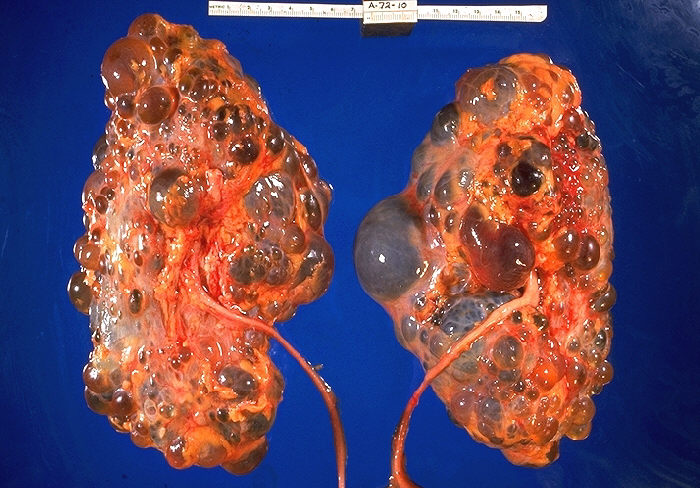
Doença renal policística autossômica dominante
📋 Origem dos dados
Esta página agrega dados de fontes públicas e oficiais. Dados sobre cobertura no SUS (PCDT, CEAF) são verificados ativamente por agente proativo (ver badge no infobox). Demais dados têm atribuição de fonte + data da última sincronização — clique para abrir o original.
- Doença rara (ontologia)
- fonte: Orphanet
- Identificador unificado
- fonte: MONDO
- Codificação WHO/SUS
- fonte: WHO ICD-10 / DATASUS
- CID-11 (futuro)
- fonte: WHO ICD-11
- NIH/GARD
- fonte: GARD (NIH)
- Indexação biomédica
- fonte: MeSH (NLM)
- Dado público estruturado
- fonte: Wikidata
- Medicamentos aprovados FDA
- fonte: FDA OpenFDA
- Ensaios clínicos
- fonte: ClinicalTrials.gov

