Doença infecciosa causada por trematódeos parasitas do gênero Schistosoma que colonizam os vasos sanguíneos humanos e liberam ovos que podem causar reações granulomatosas que levam a doenças agudas (coceira do nadador ou síndrome da esquistossomose aguda) ou crônicas. Dependendo de onde os ovos se alojam, as manifestações da esquistossomose crônica podem incluir diarreia, dor abdominal, perda de apetite, anemia (intestinos), hepatoesplenismo, fibrose periportal com hipertensão portal (fígado), inflamação e cicatrizes urogenitais, hematúria e disúria (aparelho geniturinário). Outros pacientes podem ser assintomáticos.
Introdução
O que você precisa saber de cara
A esquistossomose, conhecida também como bilharzíase, é uma infecção causada por parasitas que habitam a corrente sanguínea. Ela pode provocar dor na barriga, diarreia, anemia, presença de sangue na urina e aumento do fígado e do baço. Para investigar a fibrose no fígado, o SUS teve o uso da elastografia hepática ampliado por decisão oficial da CONITEC. O medicamento Oxamniquina foi excluído do SUS em 2025, e o Praziquantel tem registro aprovado na Anvisa.
Doença infecciosa causada por trematódeos parasitas do gênero Schistosoma que colonizam os vasos sanguíneos humanos e liberam ovos que podem causar reações granulomatosas que levam a doenças agudas (coceira do nadador ou síndrome da esquistossomose aguda) ou crônicas. Dependendo de onde os ovos se alojam, as manifestações da esquistossomose crônica podem incluir diarreia, dor abdominal, perda de apetite, anemia (intestinos), hepatoesplenismo, fibrose periportal com hipertensão portal (fígado), inflamação e cicatrizes urogenitais, hematúria e disúria (aparelho geniturinário). Outros pacientes podem ser assintomáticos.
Tem tratamento?
Escala de raridade
<1/50kMuito rara
1/20kRara
1/10kPouco freq.
1/5kIncomum
1/2k
Encontrou um erro ou informação desatualizada? Sugira uma correção →
Entender a doença
Do básico ao detalhe, leia no seu ritmo
Preparando trilha educativa...
Sinais e sintomas
O que aparece no corpo e com que frequência cada sintoma acontece
Partes do corpo afetadas
+ 1 sintomas em outras categorias
Características mais comuns
Os sintomas variam de pessoa para pessoa. Abaixo estão as 4 características clínicas mais associadas, ordenadas por frequência.
Linha do tempo da pesquisa
Encontrou um erro ou informação desatualizada? Sugira uma correção →
Genética e causas
O que está alterado no DNA e como passa nas famílias
Nenhum gene associado encontrado
Os dados genéticos desta condição ainda estão sendo catalogados.
Diagnóstico
Os sinais que médicos procuram e os exames que confirmam
Tratamento e manejo
Remédios, cuidados de apoio e o que precisa acompanhar
Onde tratar no SUS
Hospitais de referência no Brasil e o protocolo oficial do SUS (PCDT)
🇧🇷 Atendimento SUS — Esquistossomose
Selecione um estado ou use sua localização para ver resultados.
Dados de DATASUS/CNES, SBGM, ABNeuro e Ministério da Saúde. Sempre confirme a disponibilidade diretamente com o estabelecimento.
Pesquisa ativa
Ensaios clínicos abertos e novidades científicas recentes
Ensaios em destaque
Com ensaio aberto em 18 países. O ponto verde marca onde há vaga agora.
🟢 Recrutando agora
6 pesquisas recrutando participantes. Converse com seu médico sobre a possibilidade de participar.
Outros ensaios clínicos
94 ensaios clínicos encontrados, 12 ativos.
Publicações mais relevantes
Mostrando amostra de 200 publicações de um total de 6.937
Rapid identification of Biomphalaria spp. and diagnosis of Schistosoma mansoni infestation using MALDI-TOF mass spectrometry.
This study explores the use of Matrix-Assisted Laser Desorption/Ionization Time-of-Flight mass spectrometry (MALDI-TOF MS) to identify and differentiate Biomphalaria snails infected with the parasite S. mansoni, which causes schistosomiasis. The study was conducted on two snail species, Biomphalaria pfeifferi (collected in the field in Senegal) and Biomphalaria glabrata (a laboratory strain). The snails were infected in the laboratory with S. mansoni miracidia, and their infection was confirmed by cercariae emission tests and quantitative PCR (qPCR). MALDI-TOF MS was then used to analyse proteins from infected and uninfected snails to identify spectral differences. Based on protein profiles, the results of MALDI-TOF mass spectrometry made it possible to accurately differentiate between S. mansoni-infected snails and uninfected snails. An increase in the number of peaks detected and their intensity was observed for the spectra of S. mansoni-infected snails compared to uninfected snails. The application of principal component analysis (PCA) to these mass spectrometry profiles confirmed the discrimination between the two groups according to their infection status. In addition, specific discriminating peaks were identified for each snail species, allowing for the distinction of infected from uninfected snails. The present study revealed, for the first time, that MALDI-TOF MS appears to be a rapid, reliable, and specific tool for the diagnosis of schistosomiasis in snails, offering promising prospects for the surveillance and control of this disease in endemic areas. However, further work is needed to establish a MALDI-TOF MS reference spectra database specific to Schistosoma parasites and to standardise sample collection, storage, and preparation in order to apply this technique in the field.
Optimising DTwP-containing vaccine infant immunisation schedules in Uganda and Nepal (OptImms): two open-label, non-inferiority, randomised controlled trials.
Few data are available comparing the WHO diphtheria-tetanus-pertussis (DTP)-containing vaccine schedule with reduced-dose or delayed three-dose schedules in infants. We aimed to identify an alternative schedule that is non-inferior or superior to the WHO schedule in maintaining early pertussis antibody levels before booster, while creating space for integration of new vaccines. In two parallel, open-label, randomised, non-inferiority trials in Uganda and Nepal, healthy infants aged 42-50 days were randomised in a 4:4:4:3:3 ratio via an online system to five diphtheria-tetanus-whole-cell pertussis-Haemophilus influenzae type b-hepatitis B (DTwP-Hib-HepB) vaccination schedules (WHO schedule [ages 6, 10, and 14 weeks]; reduced two-dose schedules at ages 6 and 14 weeks or ages 2 and 4 months; or delayed three-dose schedules at ages 2, 3, and 4 months or ages 2, 4, and 6 months), using site-stratified block randomisation with a block size of 18. The primary outcome was the pre-booster IgG antibody response against pertussis antigens (pertussis toxin; filamentous haemagglutinin [FHA]; pertactin; fimbriae 2 and 3 [Fim 2 and 3]). Antibody responses during and 1 month after the primary series were assessed as secondary endpoints. The two-dose schedules were compared with the WHO schedule as primary analyses, and the exploratory analyses were to compare delayed three-dose schedules with the WHO schedule. All these analyses were conducted in the per-protocol population. For the primary endpoint, non-inferiority margins for geometric mean ratios (GMRs) between two-dose and WHO schedules were calculated for each pertussis antigen separately as 35% of the standard deviation of the geometric mean concentrations of the WHO group, and non-inferiority was concluded if the lower bound of the 95% CI of the GMR exceeded the non-inferiority margin. A non-inferiority margin of 0·67 was used for all other non-inferiority comparisons. The trials were registered with ISRCTN (Uganda [ISRCTN60356654] and Nepal [ISRCTN12240140]) and are complete. Between Oct 1, 2021, and July 12, 2022 (Uganda) and Dec 5, 2021, and Feb 26, 2023 (Nepal), 956 infants were recruited per country and randomly allocated across the five study groups; pre-booster analyses were conducted in 876 participants in Uganda and 851 participants in Nepal. Two-dose schedules at ages 6 and 14 weeks and ages 2 and 4 months did not meet non-inferiority criteria for pertussis antibodies pre-booster, except FHA (non-inferiority margin 0·59) in Nepal (6 and 14 weeks GMR 0·83 [95% CI 0·61-1·13]; 2 and 4 months 1·20 [0·88-1·64]). Delayed three-dose schedules at ages 2, 3, and 4 months and ages 2, 4, and 6 months produced similar or higher post-primary series and pre-booster responses compared with the WHO schedule, but the WHO schedule achieved higher antibody responses against all pertussis antigens, except FHA in Nepal, at age 3 months. The WHO DTP schedule is the preferred schedule in high-pertussis-burden settings, as it elicits the greatest antibody responses in the first 3 months of life when infants are particularly vulnerable. Although delayed three-dose schedules may be considered in low-risk contexts and in settings with maternal immunisation programmes, early infant protection should guide policy decisions. Gates Foundation.
Prevalence, infection intensity, and risk factors of soil-transmitted helminthiasis and intestinal schistosomiasis among schoolchildren in Southern Ethiopia.
Soil-transmitted helminthiasis (STH) and intestinal schistosomiasis are widespread and prevalent in tropical regions due to poor sanitation and limited healthcare access. Despite control efforts, localized epidemiological data remain essential for effective intervention. This study aimed to assess the prevalence of STH and associated factors among schoolchildren in Hawella Tulla sub-city, Hawassa City, Sidama National Regional State, Ethiopia. A school-based cross-sectional study involving 394 primary schoolchildren was conducted from June to December 2023. Data were collected using an interviewer-administered questionnaire. Infection with the parasite was diagnosed by Kato-Katz microscopy. Bivariate and multivariable logistic regression were used to identify factors associated with the STH infections. The combined prevalence of soil-transmitted helminths (STHs) and intestinal schistosomiasis was 42.6% (168/394; 95% CI: 37.8-47.6). STHs constituted the predominant infection, detected in 41.1% of children (162/394; 95% CI: 36.3-46.0), while intestinal schistosomiasis was found in 3.3% (13/394; 95% CI: 1.9-5.4). The most prevalent parasite was Ascaris lumbricoides (29.2%), followed by Trichuris trichiura (17.8%) and hookworms (5.1%). Schoolchildren who reported consuming unwashed fruits or vegetables (AOR: 2.89; 95% CI: 1.73-4.85), swimming or bathing in streams or lakes (AOR: 2.23; 95% CI: 1.31-3.79), and not receiving deworming treatment (AOR: 2.12; 95% CI: 1.26-3.56) were significantly more likely to be infected with soil-transmitted helminths (STHs). Overall, soil-transmitted helminthiasis (STHs) and Schistosoma mansoni remain significant public health concerns in the study area, affecting more than one-third of schoolchildren. Infections were strongly associated with poor hygiene practices, inadequate deworming coverage, and exposure to contaminated water sources. This highlights the need for improved hygiene, health education, and deworming programs.
An artificial intelligence-powered digital pathology platform to support large-scale deworming programs against soil-transmitted helminthiasis and intestinal schistosomiasis in resource-limited settings.
The World Health Organization (WHO) has emphasised the need for innovative diagnostic tools to support the control and elimination of neglected tropical diseases (NTDs). Microscopy-based diagnostics, the current standard, rely on trained technicians for labour-intensive processes, posing logistical challenges in the low-resource settings where NTDs are most prevalent. This study describes the technical details of an artificial intelligence-powered digital pathology (AI-DP) platform designed to support large-scale deworming programs for two NTDs, alongside its analytical performance and user experience in laboratory and field settings. The AI-DP platform integrates electronic data capture tools, whole-slide imaging scanners, onboard AI analysis, and result verification software to automate microscopy-based screening. Targeting soil-transmitted helminthiasis (STH) and intestinal schistosomiasis (SCH) as initial use cases, the system was deployed in Ethiopia and Uganda, scanning 951 Kato-Katz (KK) thick smears containing 43,919 verified helminth eggs. Using 5-fold cross-validation, precision/recall/average precision were 95.4%/91.7%/97.1% for Ascaris lumbricoides, 95.9%/86.7%/94.8% for Trichuris trichiura, 84.6%/86.6%/91.4% for hookworm, and 89.1%/79.1%/89.2% for Schistosoma mansoni. Feedback from 14 field users across 30 real-world scenarios indicated the AI-DP platform's improved usability, particularly in hardware portability and software interfaces, though the average scan time of 12.5 minutes per smear was identified as a limitation. The AI-DP platform demonstrates potential as a tool for efficient monitoring and evaluation of STH and SCH control programs by providing near-real-time data with quality controls. However, further validation studies are needed to assess its clinical diagnostic performance, field usability, and cost-effectiveness in large-scale STH and SCH deworming programs. Given that the platform also provides a pipeline for any microscopy-based diagnosis, its potential for other NTDs also needs further attention.
Olfactory gene profiling in ticks: A scoping review with a functional perspective.
Olfaction is important in ticks' host-seeking and mating behaviors, as it enables them to detect volatile chemical compounds. This scoping review aims to systematically map and synthesize the existing literature on olfactory gene families in ticks and to examine the application of functional genomics or behavioral approaches. We conducted a thorough search in five databases for publications up to 19 September 2025. This scoping review was implemented according to the Systematic Reviews and Meta-Analyses extension for Scoping Reviews (PRISMA-ScR) guidelines. A total of 15 studies were included in this review, and 12 tick species were reported. Among these, Haemaphysalis longicornis and Ixodes scapularis had the most olfactory genes identified. Ten related olfactory gene families were identified in the 12 tick species. Among these, Niemann-Pick type C2 protein families were the most frequent across tick species (n = 11), followed by gustatory receptor and ionotropic receptor families (n = 7). Additionally, the studies reviewed found differences in gene family distributions among tick species. Molecular methods were used to identify olfactory genes, with most studies reporting RNA sequencing and reverse transcription quantitative PCR. A small number of studies used functional validation techniques such as RNA interference, ligand-binding assays, molecular docking, electroantennography, or Y-tube olfactometer assay. This scoping review highlights significant progress in the molecular understanding of tick olfaction. It emphasizes the importance of advancing this knowledge to improve comprehension of molecular tick olfactory and enable the development of targeted, olfaction-driven tick control and tick-borne disease prevention strategies.
Publicações recentes
Acute Schistosomiasis in a Traveler Returning From St. Croix, United States Virgin Islands: A Case Report.
Cecal schistosomiasis with perforation: case report and literature review.
Histopathological Diagnosis of Infectious Diseases: Experience From a Tertiary Care Center in a Sub-Saharan African Country.
Lessons from history: mass mobilization and public health campaigns in China's anti-schistosomiasis efforts (1950s-1980s).
N‑Myristoyltransferase Inhibitors as a Potential Starting Point for the Development of Antischistosomal Agents.
📚 EuropePMC12.328 artigos no totalmostrando 199
Surface-modified nanocarriers in the design of targeted drug delivery systems for parasitic diseases: a comprehensive review.
BMC chemistryImported Schistosoma intercalatum/guineensis infection: a retrospective study from a referral Tropical Medicine Unit in Barcelona, Spain.
BMC infectious diseasesRapid identification of Biomphalaria spp. and diagnosis of Schistosoma mansoni infestation using MALDI-TOF mass spectrometry.
PLoS neglected tropical diseasesProteasomal-dependent endothelial P2Y6 receptor downregulation as an adaptive mechanism limiting monocyte adhesion during intestinal schistosomiasis.
Purinergic signallingVisual Detection for Environmental Antimicrobial Resistance Genes by Recombinase Polymerase Amplification Combined with Lateral Flow Dipstick.
Current microbiologyHost genetic background influences the severity of disease in Schistosoma haematobium infections.
Parasite (Paris, France)Comprehensive Schistosoma mansoni Hierarchical Transcriptome Assembly Points to Novel lncRNAs Associated with Sexual Dimorphism.
Non-coding RNAImproved serological testing for bovine schistosomiasis in Eastern Africa.
Parasites & vectorsPleural Effusion with Schistosoma Ova in Cytologic Smears: A Rare Case Report in an Elderly Patient.
Acta cytologicaOptimising DTwP-containing vaccine infant immunisation schedules in Uganda and Nepal (OptImms): two open-label, non-inferiority, randomised controlled trials.
The Lancet. Infectious diseasesTRPtracker: a community database for monitoring praziquantel sensitivity at TRPMPZQ variants.
International journal for parasitology. Drugs and drug resistanceA Comprehensive Review of Endoparasite Infections in Marine Fish: Prevalence, Infection Factors, and Dominant Species.
Current microbiologyClinical and hemodynamic evaluation of schistosomiasis-associated pulmonary arterial hypertension from Egyptian pulmonary hypertension centers: epidemiology, risk factors, and survival determinants.
Scientific reportsSpinal cord Schistosomiasis in a 26-year-old male patient with progressive lower limb weakness and sensory loss: A case report.
IJID regionsMolecular Detection of Schistosomiasis Using Real-Time PCR Before and After Treatment in Dumbi Communities, Kaduna State, Nigeria.
CureusSpatial distribution of urogenital schistosomiasis in school-aged children in Togo: an oversampling survey in three districts in 2022.
Parasites & vectorsPrevalence, infection intensity, and risk factors of soil-transmitted helminthiasis and intestinal schistosomiasis among schoolchildren in Southern Ethiopia.
PLoS neglected tropical diseasesAn artificial intelligence-powered digital pathology platform to support large-scale deworming programs against soil-transmitted helminthiasis and intestinal schistosomiasis in resource-limited settings.
PLoS neglected tropical diseasesOlfactory gene profiling in ticks: A scoping review with a functional perspective.
Veterinary and animal scienceSub-microscopic schistosomiasis and soil-transmitted helminths in school children: molecular diagnostic evidence and implications for disease elimination.
Scientific reportsRapid Nutritional Screening and Short-Term Prognosis in Advanced Schistosomiasis: A Prospective Cohort Study.
Acta parasitologicaThree decades of change: schistosomiasis, hepatitis C, and the rise of metabolic dysfunction-associated steatotic liver disease in Egypt.
Arab journal of gastroenterology : the official publication of the Pan-Arab Association of GastroenterologyThe human immunome in the post-schistosomiasis mass drug administration era.
PLoS neglected tropical diseasesIncidental appendectomy identifying appendiceal schistosomiasis during elective TAPP inguinal hernia repair: a case report.
International journal of surgery case reports50-Year Bibliometrics of International Scientific Biomedical Publications on "Parasitic Diseases": MEDLINE (1970-2019).
La Tunisie medicaleIncidence, trend and distribution of reported cases of schistosomiasis to health facilities in the Volta Region, Ghana, 2019-2023.
BMC infectious diseasesModifications of the Helmintex Method: Integration of Treatments With Tween 20, Cellulase, Percoll and Auramine-O Staining for Detection of Schistosoma mansoni Eggs.
Tropical medicine & international health : TM & IHThe CD163:CD68 Ratio Reflects Splenic Macrophage Remodelling in Murine Chronic Schistosomiasis.
Parasite immunologyAssociation between female genital schistosomiasis and high-risk human papillomavirus among women of reproductive age in Zambia: the Schista study.
The Journal of infectious diseasesMass drug administration of praziquantel lowers the susceptibility of school-aged children to Schistosoma mansoni in endemic areas.
Frontiers in immunologyPilot assessment of point-of-care differential white blood cell count analysers in schoolchildren with schistosomiasis.
Transactions of the Royal Society of Tropical Medicine and HygieneSchistosome esophageal gland factor MEG-8.2 drives host cell lysis and interacts with host immune proteins.
PLoS pathogensMiracidia as main source for autofluorescence of Schistosoma mansoni eggs.
Memorias do Instituto Oswaldo CruzComprehensive identification and co-expression analysis of long non-coding RNAs across eight timepoints of Schistosoma mansoni life cycle.
Memorias do Instituto Oswaldo CruzPrevalence, Intensity, Risk Factors, and Haematological impact of Schistosomiasis among School-Aged Children in Osun State, Nigeria.
Journal of vector borne diseasesFine-scale mapping of Oncomelania hupensis habitats in eastern China using multi-season Sentinel-2 imagery and semi-supervised deep learning.
Acta tropicaTIGIT impairs NK cell antifibrotic activity through the IFNγ-IFI30 axis in schistosomiasis-induced liver fibrosis.
Frontiers in immunologyRALP1 is essential for schizont maturation and erythrocyte invasion in Plasmodium falciparum.
Parasites & vectorsA male-pheromone-elevated transcription factor ZNF362.1 in female schistosomes determines sexual maturation.
Science advancesPrevalence and associated factors of non-variceal upper gastrointestinal bleeding among cirrhotic patients with upper gastrointestinal bleeding on follow-up at a Tertiary Hospital in Ethiopia.
PloS oneSchistosoma infection as a cause of myeloradiculopathy: case report from Mozambique and systematic review.
Frontiers in medicineImage segmentation of cervical grainy sandy patches lesions associated with female genital schistosomiasis using deep convolutional neural network with U-NET architecture.
PLoS neglected tropical diseasesMolecular diagnostics reveal substantial sub-patent schistosomiasis and soil-transmitted helminth infections in school children: An implication for elimination programme.
Acta tropicaIgG subclass-based serodiagnosis of Schistosoma mansoni using C-type lectin-derived peptides.
Diagnostic microbiology and infectious diseaseSchistosoma mansoni soluble egg antigen and its key proteins differentially affect dextran sodium sulphate-induced inflammatory bowel disease.
Memorias do Instituto Oswaldo CruzPrevalence and factors associated with urinary schistosomiasis in women attending cervical cancer screening in Sithobela, Eswatini: A facility-based cross-sectional study.
HelminthologiaGreen synthesis of zinc oxide (ZnO) nanoparticles using aqueous leaves extracts of Artemisia annua: Their characterizations and anti-parasitic activity.
HelminthologiaRare Enterobius vermicularis infection of the greater omentum misdiagnosed as schistosomiasis: a case report.
Infectious diseases of povertyBayesian machine learning enables discovery of risk factors for hepatosplenic multimorbidity related to schistosomiasis.
Nature communicationsThe underestimated burden of placental schistosomiasis in endemic regions: Findings from a cross-sectional, diagnostic proof-of-concept study on placental schistosomiasis in Gabon.
PLoS neglected tropical diseasesA Hidden "Promoter": Schistosoma japonicum soluble egg antigen activates MAPK/PI3K-AKT pathways and inhibits autophagy to facilitate colorectal cancer.
Infection and immunitySchistosoma Species and Hybrid Genotyping With a Field Deployable Multi-Marker Amplicon Panel.
Current protocolsUnmasking Parasitic Colitis Mimicking Inflammatory Bowel Disease.
CureusSurface Charge-Dependent Targeting and Penetration of Magnetic Nanoparticles into Eggs and Adult Worms of Schistosoma japonicum.
PharmaceuticsIdentification of Ferroptosis-Related Hub Genes Linked to Suppressed Sulfur Metabolism and Immune Remodeling in Schistosoma japonicum-Induced Liver Fibrosis.
Pathogens (Basel, Switzerland)Single-Imaging Parasite-Quantification Microfluidic Device for Detection and Analysis of Schistosoma Eggs in Urine.
MicromachinesLimited impact of schistosome infection on Biomphalaria glabrata snail microbiomes.
Parasites & vectorsEcological influences on host-parasite dynamics among Biomphalaria snails in two schistosomiasis endemic regions of Kenya.
Frontiers in parasitologySchistosome-derived microRNAs: promise, pitfalls and priorities for molecular diagnosis.
Infectious diseases of povertyUsefulness of environmental DNA for Biomphalaria glabrata and Schistosoma mansoni surveillance and control of low schistosomiasis endemic areas in Brazil.
Infection, genetics and evolution : journal of molecular epidemiology and evolutionary genetics in infectious diseasesOne health at the last mile: Multi-scale predictors of Schistosoma japonicum infection in southwest china across two decades of control.
PLoS neglected tropical diseases[Urogenital schistosomiasis].
La Revue du praticienExtracellular Vesicle Properties and Functions Are Defined by the Originating Cell's Fitness Status.
Journal of extracellular biologyPrediction of 6-year mortality in advanced splenomegaly-subtype schistosomiasis: a retrospective cohort study from Hubei, China.
BMJ openAID-FGS: Artificial intelligence-enabled diagnosis of female genital schistosomiasis: Preliminary findings.
PLOS digital healthAlternate-Day Fasting Exacerbates Lung Inflammatory Disease Compared to High-Sucrose Diet in Experimental Schistosomiasis Mansoni.
Parasite immunologyCX3CL1/CX3CR1 axis in liver disease: context-dependent roles and balance.
Frontiers in immunologyThe Fight is not Over: Sustained Vigilance Against Schistosomiasis Needing in China.
Acta parasitologicaImplications of host sex on liver metabolism during Schistosoma mansoni Infection.
Frontiers in cellular and infection microbiologyGenetic Characterization of Schistosoma Species from Goats in Pakistan Using the 28S rDNA Region.
Indian journal of microbiologyLiver and bladder morbidity in a Schistosoma mansoni and haematobium co-endemic area in the Democratic Republic of Congo.
PLoS neglected tropical diseasesPrevalence, intensity and predictors of intestinal schistosomiasis among fishermen in Ilemela Municipality, Tanzania.
Transactions of the Royal Society of Tropical Medicine and HygieneImpact of pre-treatment food on praziquantel absorption, metabolism, treatment-associated side effects, and drug efficacy: a systematic review and meta-analysis protocol.
Systematic reviewsEvaluating short-term changes in helminth burdens using sequential community-based surveys in Rwanda.
Scientific reportsCerebral schistosomiasis masquerading as a CNS malignancy in a sudanese traveler: A diagnostic challenge and review of literature.
Travel medicine and infectious diseaseDistribution and Prevalence of Schistosome Infection among Intermediate Snail Hosts in Ethiopia: A Systematic Review and Meta-Analysis.
Acta parasitologicaAlterations in gut microbiota and their association with nutrition and disease progression in advanced schistosomiasis.
Acta tropicaA functional switch of Galectin-1: A glycan-dependent driver of liver cancer progression.
Biochimica et biophysica acta. Reviews on cancerSingle-cell RNA-sequencing of peripheral blood mononuclear cells reveals the transcriptome profile of Microtus fortis immune cells during the early phase of infection with Schistosoma japonicum.
Frontiers in cellular and infection microbiologyReal-world efficacy and prognostic factors of CDK4/6 inhibitors in HR+/HER2- metastatic breast cancer: a multicenter retrospective study from the Dongting Lake region of China.
Translational breast cancer research : a journal focusing on translational research in breast cancerKIF20A inhibits TRIM21-dependent ubiquitination of DHX9 to boost SOX2 stability, enhancing OSCC stemness and ferroptosis resistance.
Cell death & diseaseChronic Schistosomiasis Infection Dose not Affect the Prognosis of Gastric Cancer Patients.
Journal of gastrointestinal cancerImaging evaluation and management of liver infections: a multimodality review.
Abdominal radiology (New York)The Transformative Impact of Deep Learning and Artificial Intelligence on Parasitic Disease Diagnosis.
Clinical laboratoryDistribution of Biomphalaria sp. and other limnic mollusks in the state of Ceará: a potential effect of the São Francisco River Transposition Project.
Revista da Sociedade Brasileira de Medicina TropicalPrimed mesenchymal stem cells attenuate schistosomiasis fibrosis by enhancing macrophage subset switching and efferocytosis via Itgb2-Rac1 axis.
Cell death discoveryHeat shock protein 90 as a vital signalling hub in Schistosoma mansoni: a master regulator of stem cell proliferation, development and survival.
Open biologyAssociations of Schistosoma mansoni Infection, Latent Tuberculosis, Host Interferon-γ Concentrations, and Praziquantel Treatment in Tanzanian Adults.
The American journal of tropical medicine and hygieneBleeding rectal polyp as an atypical presentation of intestinal schistosomiasis: A case report from Egypt.
PLoS neglected tropical diseasesFrom local triumph to global learning: Gimavi village & the journey toward schistosomiasis elimination.
The Indian journal of medical researchFeasibility of a phase 3 partially randomised clinical trial to assess the safety and efficacy of paediatric praziquantel for schistosomiasis treatment in children aged 3 months to 6 years in endemic regions of Brazil: a pilot study.
BMJ openCharacterization of Transcriptional, Epigenetic, and Phenotypic Plasticity and Discovery of Biomarkers in Acute and Chronic Murine Schistosomiasis Infection.
FASEB journal : official publication of the Federation of American Societies for Experimental BiologyMinimal hepatic encephalopathy in hepatosplenic schistosomiasis: High prevalence and association with portosystemic shunts in a Brazilian cross-sectional study.
World journal of hepatologySnail 3G: genomics, genetics, and gene-editing of Biomphalaria glabrata.
Frontiers in geneticsEnhanced surgical tolerance of schistosomiasis-induced fibrotic liver following treatment with Ziziphus plant extract.
World journal of hepatologyBarriers in managing maternal schistosomiasis: a qualitative study of healthcare providers in Tanzania.
International healthThe vaginal microbiota of adult Malagasy women of reproductive age in the Marovoay district: first characterization and exploration of associations with human papillomavirus and Schistosoma haematobium infections.
The Journal of infectious diseasesFemale genital schistosomiasis (FGS) in migrants - a systematic review of reported cases.
BMC women's healthClinical and epidemiological features of schistosomiasis among sub-Saharan African migrants in Barcelona, Spain: a retrospective observational study.
Infectious diseases of povertyThe gut microbiome and metabolome associate with Schistosoma mansoni infection and cardiovascular disease risk in Uganda.
Nature communicationsDistinct quaternary reaction behavior and stable charge-transfer complex formation in Schistosoma mansoni sulfide:quinone oxidoreductase.
Free radical biology & medicineIL-6 and TGF-β1 as biomarkers of schistosomiasis-associated pulmonary hypertension in a murine model.
Brazilian journal of medical and biological research = Revista brasileira de pesquisas medicas e biologicasRecurrent Hematuria Unmasking a Rare Case of Bladder Schistosomiasis in a Child Living in a Non-endemic Country: A Case Report.
CureusOptimization and validation of a TaqMan real-time PCR for the detection of Heterobilharzia americana in dog feces.
Veterinary parasitologyEvaluation of surveillance-response interventions for Schistosoma haematobium elimination on Pemba Island, Tanzania: A 4-year intervention study with repeated cross-sectional surveys.
PLoS neglected tropical diseasesEffects of anxiety on thyroid nodules among Adolescents - A Cross-sectional study from Jiangsu, China.
EndocrinePrevalence of schistosome infection in a region of Madagascar regularly undergoing mass drug administration: a cross-sectional study.
Pathogens and global healthSchistosomal appendicitis: a case series.
Journal of surgical case reportsConfronting neglected tropical diseases: a moral and strategic imperative for global equity.
Infectious diseases of povertyLiver and spleen ultrasonography and elastography are useful for identifying a history of upper gastrointestinal bleeding in patients with schistosomiasis.
BMC infectious diseasesHidden in Plain Sight: The Enduring Challenge of Neglected Tropical Diseases in Khartoum State, Sudan.
Journal of tropical medicineFrom cercariae to chronic inflammation: understanding schistosome infection and host immune responses.
Frontiers in immunologySchistosomiasis in Saudi Arabia (2002-2024): A National Analysis of Trends, Regional Heterogeneity, and Progress Toward Elimination.
Tropical medicine and infectious diseaseImported Eosinophilia in Migrants from Endemic Areas in Spain.
Tropical medicine and infectious diseaseAntischistosomal activity of imidazolidine-2,4-dione derivatives.
Antimicrobial agents and chemotherapyHepatic Angiosarcoma Associated with Chronic Schistosomiasis in a Patient with Decompensated Cirrhosis: A Rare Case Report.
Case reports in gastroenterologyPseudocirrhotic Turtle Back Liver in Remote Schistosomiasis.
ACG case reports journalThe DEAD-box RNA helicase eIF4A is a crucial factor for stem-cell activity and reproduction of the parasite Schistosoma mansoni.
Frontiers in cellular and infection microbiologyCase report: Radiographic and cystoscopic manifestations of chronic urogenital Schistosomiasis in an asymptomatic Zimbabwean man with HIV.
Urology case reportsAPOE ε4 Allele Modifies the Association of Heavy Metals and their Mixture with Diabetes Mellitus among Chinese Community-Dwelling Older Adults.
Biomedical and environmental sciences : BESAssociation between Schistosoma mansoni infection and fecal occult blood in schoolchildren in Mbita, Suba North sub-county, western Kenya.
Tropical medicine and healthDifferential expression and prognostic role of ACACA, ACLY, and FASN in schistosomiasis-associated versus hepatitis B virus-related liver cancer.
Infectious agents and cancerThe P2X7 Receptor and Its Relation to Neglected Tropical Diseases: Focusing on Chagas Disease.
Journal of tropical medicineDynamic single-cell transcriptomics reveals lsamp-guided neural network formation in male S. japonicum driving female reproduction.
Nature communicationsLong-term persistence of Schistosoma mansoni hotspots in western Kenya despite ongoing mass drug administration.
Current research in parasitology & vector-borne diseasesRepeated biannual cross-sectional surveys in primary schools set baseline seasonal and spatial surveillance for malaria and schistosomiasis in the Shire Valley Transformation Programme (SVTP), Malawi.
Current research in parasitology & vector-borne diseasesMzb1 Promotes Progression of Schistosomiasis by Inducing Endoplasmic Reticulum Stress.
The Journal of infectious diseasesNeonatal and maternal adverse outcomes among low-risk nulliparous women compared with multiparous women at 37-41 weeks of gestation: a cohort study in South China.
Frontiers in medicineTemporal variability and flooding influence the ecological niche of Biomphalaria intermediate hosts for Schistosoma mansoni in rural Uganda.
Proceedings. Biological sciencesEndothelial cells protect Schistosoma mansoni from hydrogen peroxide-induced death.
PLoS neglected tropical diseasesHealth needs assessment for tropical vector-borne disease prevention among Chinese expatriate workers in Africa: a cross-sectional study.
BMC public healthSex in Immune Cells and Parasitic Diseases - A Complex Relationship.
Immunological reviewsTissue-specific and sex-biased glycoproteomic landscape of Schistosoma mansoni.
Nature communicationsImported female genital schistosomiasis: a neglected health issue across borders.
Journal of global healthHigh prevalence of schistosomiasis among resettled Rohingya refugees.
Journal of travel medicineAdvancing schistosomiasis monitoring through optimised environmental DNA detection.
Food and waterborne parasitologyPublic health challenge of hybridization in urogenital schistosomiasis: New insights and one health perspectives from Malawi.
Philosophical transactions of the Royal Society of London. Series B, Biological sciencesDynamic interactions between Schistosoma haematobium, Schistosoma mattheei and Schistosoma mansoni underscore the complex polyparasitism of intestinal schistosomiasis in southern Malawi.
Philosophical transactions of the Royal Society of London. Series B, Biological sciencesClinical morbidity of single or mixed schistosome species infection in two communities of southern Malawi.
Philosophical transactions of the Royal Society of London. Series B, Biological sciencesOne Health insights into local transmission of zoonotic Schistosoma mattheei in southern Malawi.
Philosophical transactions of the Royal Society of London. Series B, Biological sciencesMultidisciplinary challenges by 'pure' and hybrid Schistosoma species introduced into southwestern Europe.
Philosophical transactions of the Royal Society of London. Series B, Biological sciencesFinding hybrid schistosomes in genital schistosomiasis: are we missing their clinical relevance?
Philosophical transactions of the Royal Society of London. Series B, Biological sciencesTranscriptomic plasticity in hybrid schistosomes can contribute to their zoonotic potential.
Philosophical transactions of the Royal Society of London. Series B, Biological sciencesNot all 'hybrids' matter: towards a nuanced understanding of Schistosoma species hybridization.
Philosophical transactions of the Royal Society of London. Series B, Biological sciencesCross-reactivity and localization of Schistosoma mansoni antigen for immunodiagnosis.
Brazilian journal of medical and biological research = Revista brasileira de pesquisas medicas e biologicasPrevalence of schistosomiasis and associated risk factors in endemic communities: cross-sectional study, Patioba and Colônia Miranda, Sergipe, 2022-2023.
Epidemiologia e servicos de saude : revista do Sistema Unico de Saude do BrasilAllergic airway inflammation of offspring mice is suppressed by breast milk from Schistosoma mansoni-infected mothers.
Brazilian journal of biology = Revista brasleira de biologiaTracking the spatial and longitudinal dynamics of mixed infections of urogenital and intestinal schistosomiasis, inclusive of Schistosoma mattheei, in two sentinel rural communities from southern Malawi.
Philosophical transactions of the Royal Society of London. Series B, Biological sciencesVariable efficacy of praziquantel among Schistosoma-infected ruminants of northern Senegal-a drug trial and population genetic study across two contrasting epidemiological regions.
Philosophical transactions of the Royal Society of London. Series B, Biological sciencesAfrican zoonotic schistosomiasis: a paradigm shift.
Philosophical transactions of the Royal Society of London. Series B, Biological sciencesInvasive patterns of Biomphalaria straminea revealed by genetic mapping in the Greater Bay Area, China.
Infectious diseases of povertyCrystal structure of Echinococcus multilocularis cystatin B reveals a novel feature in classical stefins.
Scientific reportsEnhancing serological diagnosis of urogenital schistosomiasis with admixtures of antigens from Schistosoma eggs and worms.
Journal of infection in developing countriesPrevalence, risk factors and trends of human schistosomiasis in Côte d'Ivoire from 1974-2023: systematic review and meta-analysis.
Infectious diseases of povertyCirculating microRNAs in pulmonary arterial hypertension: biomarkers for diagnosis, prognostic stratification, and treatment.
GeroScienceSchistosomal appendicitis in Qatar: a rare parasitic cause of acute appendicitis in a non-endemic region.
Journal of surgical case reportsA reservoir at the gates: nonhuman mammalian hosts for human schistosomiasis in western Africa and the critical challenge for elimination.
Infectious diseases of povertyDiagnosis of female genital schistosomiasis and pre-emptive treatment with praziquantel: a community-based pilot intervention study in Tiko, Cameroon.
Reproductive healthSchistosomiasis, endless endemicity since the ancient Egyptians.
BMC infectious diseasesChronic Exposure to Niclosamide Disrupts Structure and Metabolism of Digestive Glands and Foot in Cipangopaludina cathayensis.
BiologyAn automated end-to-end system for schistosome viability assessment to accelerate anti-schistosomal drug discovery.
PLoS neglected tropical diseasesEvidence-based decision-making support for determining the risk of schistosomiasis infection during large events in China: Application of risk assessment.
PLoS neglected tropical diseasesSchistosomiasis japonica transmission dynamics: mathematical modeling in guiding One Health approach control strategies.
Infectious diseases of povertyImpact of nonpharmaceutical interventions on infectious disease patterns in Yunnan Province across the COVID-19 pandemic phases.
BMC infectious diseasesResistance evaluation and surveillance initiative for schistosomiasis treatment: study protocol for the RESIST project.
BMC infectious diseasesCommunity survey of the infection, intensity and risk factors associated with schistosomiasis and soil-transmitted helminthiasis in south-eastern Gabon.
Scientific reportsPrevalence of Schistosoma bovis and Schistosoma haematobium hybrids in endemic communities in Ghana.
PloS oneCattle Schistosomiasis With Farmers' Practice Regarding the Prevention and Control of Zoonotic Trematodes in Maya City, Eastern Ethiopia.
Journal of parasitology researchThe regional impact and control strategies of schistosomiasis in Rwanda, Tanzania, and Uganda: a narrative review.
Annals of medicine and surgery (2012)Molluscicidal Activity of Camellia Sinensis (Green Tea) and Camellia sinensis var. Assamica (Purple Tea) Extracts Against Biomphalaria pfeifferi, the Major Vector Snail of Human Schistosomiasis in Sub-Saharan Africa.
Journal of parasitology researchSchistosoma japonicum infection: clinical significance of ultrasound findings.
Transactions of the Royal Society of Tropical Medicine and HygieneMavacamten in hypertrophic obstructive cardiomyopathy with hepato-renal comorbidities: A case report.
MedicineThe role of quantitative T1 and T2 mapping for detecting minimal hepatic encephalopathy in chronic hepatic schistosomiasis patients.
PloS onePancreatic Schistosomiasis, China, 2020-2024.
Emerging infectious diseasesPrognostic determinants and mortality risk of advanced schistosomiasis revealed by Lasso-Cox regression integrative approach.
PLoS neglected tropical diseasesTopic: Xenomonitoring of Schistosoma intermediate hosts for evaluating community-wide mass drug administration in Ghana: preliminary findings and lessons.
Transactions of the Royal Society of Tropical Medicine and HygieneEpidemiology of Schistosoma haematobium infection and microhaematuria among schoolchildren in a setting of sustained mass drug administration in Banfora, Burkina Faso.
Parasite epidemiology and controlSpinal cord schistosomiasis: A case report.
Neurological sciences : official journal of the Italian Neurological Society and of the Italian Society of Clinical NeurophysiologyPeer-led versus routine health education for schistosomiasis knowledge improvement among primary school students in Wuhan, China.
PLoS neglected tropical diseasesGetting into host's skin: initial immune response to Schistosoma mansoni infection.
Frontiers in immunologyNeglected by Design: Occupational Parasitic Infections in India's Lower Castes.
The Yale journal of biology and medicineTemporal modulation of gene expression in a controlled Schistosoma mansoni human infection model.
Frontiers in immunologyAcetylene Acetogenin from Porcelia macrocarpa Exhibits Superior Efficacy against Schistosoma mansoni In Vivo.
ACS omegaImplementation of the community health system innovation project in three low- and middle-income countries: COHESION-I study protocol.
BMJ openHIV, Viral Hepatitis, and Schistosomiasis Association with Liver Cancer: A Systematic Review.
MicroorganismsNo Histopathological Evidence of Inflammation Despite Molecular Detection of Schistosoma spp. and Sexually Transmitted Pathogens in Placental Parenchyma Specimens with Limited Membrane Sampling from West African Women with Uncomplicated Pregnancies.
Pathogens (Basel, Switzerland)Neglected tropical diseases elimination in Africa: lessons from regional control programmes.
Tropical medicine and healthComparison of three real-time polymerase chain reaction protocols for the diagnosis of imported schistosomiasis in a non-endemic setting.
Parasites & vectorsDevelopment and validation of an explainable prediction model for schistosomiasis seropositivity: a population-based screening study in Hunan Province, China.
International journal for parasitologyNon-parasite genome encoded virus-like RNAs reprogram the pathogenicity of human blood flukes.
Nature communicationsSystemic and capacity barriers to female genital schistosomiasis management among healthcare workers in Ghana: a mixed-method approach.
Tropical diseases, travel medicine and vaccines[Achievement of behavioral and metabolic factors control targets on atherosclerotic cardiovascular disease risk in patients with type 2 diabetes mellitus].
Zhonghua liu xing bing xue za zhi = Zhonghua liuxingbingxue zazhiPulmonary Hypertension Associated With Sickle Cell Disease and Schistosomiasis.
Pulmonary circulationQuantum-Mechanically Refined, Dynamics-Coupled, and AI-Augmented Elucidation of Epigenetic Inhibition: An In Silico Paradigm Targeting HDAC8 of Schistosoma mansoni.
Journal of tropical medicineLoss of vitamin C biosynthesis protects from the pathology of a parasitic infection.
Proceedings of the National Academy of Sciences of the United States of AmericaEvaluating a quality improvement intervention for schistosomiasis mass drug administration in Ghana using the RE-AIM framework.
Epidemiology and infectionDevelopment of a dynamical model to enhance understanding of epidemiology of schistosomiasis in school-aged-children.
Scientific reportsSurvey of hard ticks in high-incidence area of Severe Fever with Thrombocytopenia Syndrome in China.
Experimental & applied acarologyBladder Cancer Incidence and Mortality: A Global Overview and Recent Trends.
European urologyAssociações
Organizações que acompanham esta doença — pra ter apoio e orientação
Ainda não temos associações cadastradas para Esquistossomose.
É de uma associação que acompanha esta doença? Fale com a gente →
Doença com base genética
Um médico geneticista pode ajudar no diagnóstico de Esquistossomose e no aconselhamento genético da família.
Doenças relacionadas
Doenças com sintomas parecidos — ajudam quem ainda está buscando diagnóstico
Perguntas frequentes
O que as famílias mais perguntam sobre esta doença — cada resposta com a fonte de onde saiu
Não, a esquistossomose não é transmitida de pais para filhos por vias genéticas. Trata-se de uma doença infecciosa provocada por parasitas do gênero Schistosoma que entram no corpo humano.
Referências
Fontes citadas no texto, publicações do grafo e bases de dados usadas neste verbete
10 publicações do grafo RarasNet (PubMed) · 6 bases de dados. Títulos, periódicos e PMIDs vêm direto da fonte, sem intermediação de IA.
Dados compilados pelo RarasNet a partir de fontes abertas (Orphanet, OMIM, MONDO, PubMed/EuropePMC, ClinicalTrials.gov, DATASUS, PCDT/MS). Este conteúdo é informativo e não substitui avaliação médica.
Citar este verbete
Raras. (s.d.). Esquistossomose. Em Raras — Enciclopédia de Doenças Raras do Brasil. https://raras.org/doenca/esquistossomose
Formato APA. Conteúdo sob CC BY 4.0 — reuso livre com atribuição.
Conteúdo mantido por Agente Raras · Médicos e pesquisadores podem colaborar
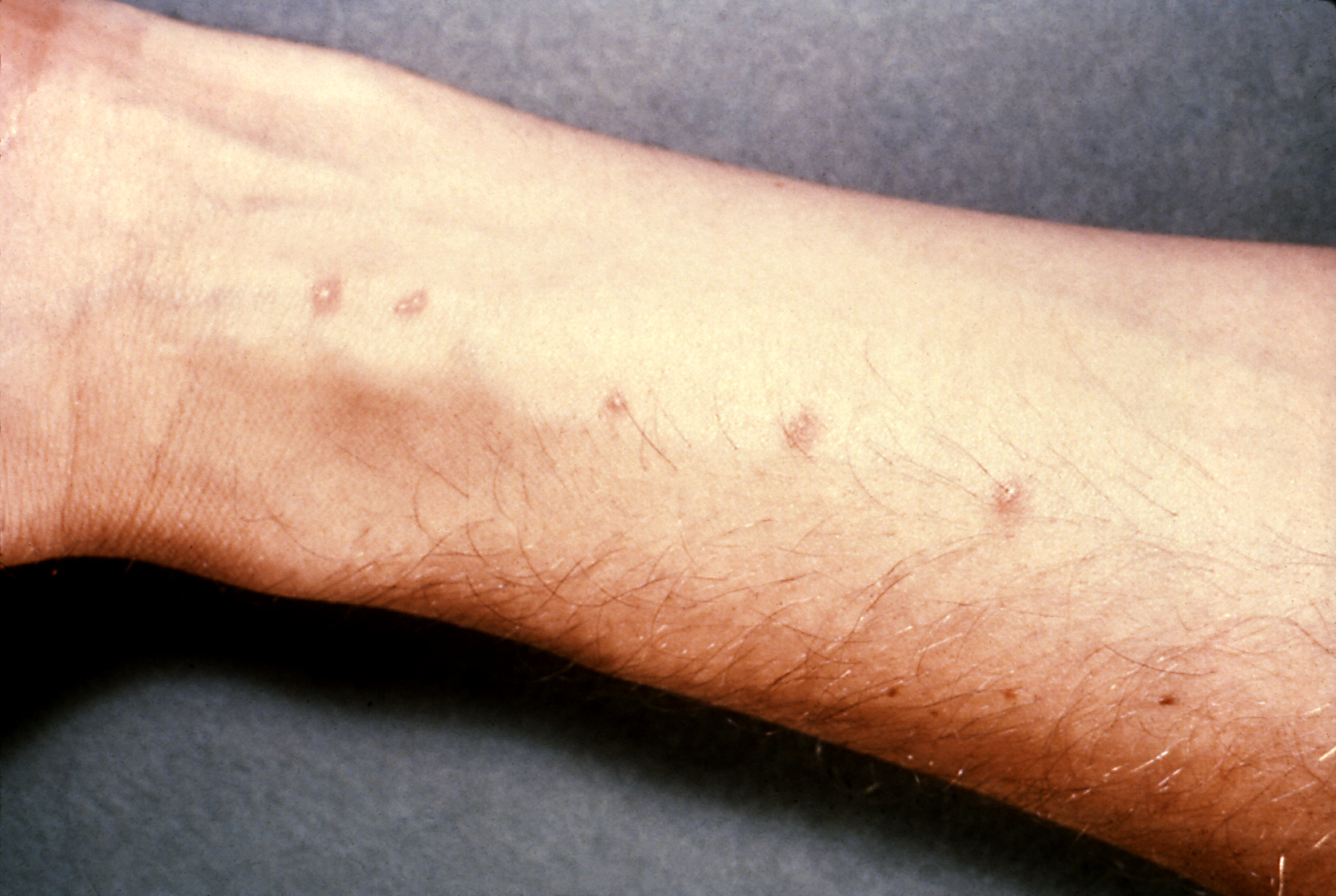
Esquistossomose
📋 Origem dos dados
Esta página agrega dados de fontes públicas e oficiais. Dados sobre cobertura no SUS (PCDT, CEAF) são verificados ativamente por agente proativo (ver badge no infobox). Demais dados têm atribuição de fonte + data da última sincronização — clique para abrir o original.
- Doença rara (ontologia)
- fonte: Orphanet
- Identificador unificado
- fonte: MONDO
- Codificação WHO/SUS
- fonte: WHO ICD-10 / DATASUS
- CID-11 (futuro)
- fonte: WHO ICD-11
- NIH/GARD
- fonte: GARD (NIH)
- Indexação biomédica
- fonte: MeSH (NLM)
- Dado público estruturado
- fonte: Wikidata
- Medicamentos aprovados FDA
- fonte: FDA OpenFDA
- Reposicionamento
- fonte: Drug Repurposing Hub
- Ensaios clínicos
- fonte: ClinicalTrials.gov

