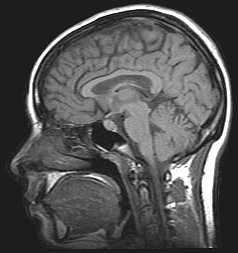
A hipertensão intracraniana idiopática é um problema neurológico em que a pressão dentro da cabeça aumenta sem uma causa conhecida. Os sintomas incluem dores de cabeça que voltam sempre e não passam, náuseas, vômitos, visão embaçada ou perda da visão que aparece e some (e que pode piorar com o tempo), e inchaço do nervo óptico (chamado papiledema). A perda de visão pode ser permanente.
Introdução
O que você precisa saber de cara
A **hipertensão intracraniana idiopática** é uma alteração neurológica em que a pressão dentro da cabeça sobe sem um motivo conhecido evidente. As queixas mais comuns sentidas pelas pessoas são dores de cabeça fortes e que não passam, visão embaçada, visão dupla, zumbido e enjoo. O maior perigo do aumento contínuo da pressão é a lesão no nervo óptico, que pode levar à perda definitiva da visão se não for acompanhada de perto. No Brasil, a condição não possui um protocolo oficial com remédios fornecidos especificamente pelo SUS, mas o sistema público oferece acompanhamento neurológico e serviços de reabilitação.
A hipertensão intracraniana idiopática é um problema neurológico em que a pressão dentro da cabeça aumenta sem uma causa conhecida. Os sintomas incluem dores de cabeça que voltam sempre e não passam, náuseas, vômitos, visão embaçada ou perda da visão que aparece e some (e que pode piorar com o tempo), e inchaço do nervo óptico (chamado papiledema). A perda de visão pode ser permanente.
Tem tratamento?
Escala de raridade
<1/50kMuito rara
1/20kRara
1/10kPouco freq.
1/5kIncomum
1/2k
Encontrou um erro ou informação desatualizada? Sugira uma correção →
Entender a doença
Do básico ao detalhe, leia no seu ritmo
Preparando trilha educativa...
Sinais e sintomas
O que aparece no corpo e com que frequência cada sintoma acontece
Partes do corpo afetadas
+ 15 sintomas em outras categorias
Características mais comuns
Os sintomas variam de pessoa para pessoa. Abaixo estão as 23 características clínicas mais associadas, ordenadas por frequência.
Linha do tempo da pesquisa
Encontrou um erro ou informação desatualizada? Sugira uma correção →
Genética e causas
O que está alterado no DNA e como passa nas famílias
Nenhum gene associado encontrado
Os dados genéticos desta condição ainda estão sendo catalogados.
Diagnóstico
Os sinais que médicos procuram e os exames que confirmam
Tratamento e manejo
Remédios, cuidados de apoio e o que precisa acompanhar
Onde tratar no SUS
Hospitais de referência no Brasil e o protocolo oficial do SUS (PCDT)
🇧🇷 Atendimento SUS — Hipertensão intracraniana idiopática
Selecione um estado ou use sua localização para ver resultados.
Dados de DATASUS/CNES, SBGM, ABNeuro e Ministério da Saúde. Sempre confirme a disponibilidade diretamente com o estabelecimento.
Pesquisa ativa
Ensaios clínicos abertos e novidades científicas recentes
Ensaios em destaque
Com ensaio aberto em 12 países. O ponto verde marca onde há vaga agora.
🟢 Recrutando agora
11 pesquisas recrutando participantes. Converse com seu médico sobre a possibilidade de participar.
Outros ensaios clínicos
52 ensaios clínicos encontrados, 20 ativos.
Publicações mais relevantes
Mostrando amostra de 200 publicações de um total de 2.552
Glucagon-like peptide-1 receptor agonists and the risk of surgical intervention in idiopathic intracranial hypertension: A propensity-matched cohort study.
Glucagon-like peptide-1 receptor agonists (GLP-1 RAs) have emerged as promising adjuncts for idiopathic intracranial hypertension (IIH) through weight loss and intracranial pressure modulation. Their impact on surgical intervention requirements remains unclear. We conducted a retrospective cohort study using the TriNetX Research Network. Adults with IIH (BMI ≥ 25 kg/m2) were included, excluding those with secondary causes of intracranial hypertension or prior surgical intervention. The exposed cohort (n = 7682) included patients prescribed a GLP-1 RA after IIH diagnosis. The control group (n = 54,775) consisted of unexposed patients. Propensity score matching (1:1) was performed for demographics, BMI, comorbidities, and medication use, yielding 6188 patients per cohort. The primary outcome was ventriculoperitoneal shunt (VPS) placement; secondary outcomes included venous sinus stenting (VSS) and optic nerve sheath fenestration (ONSF). Outcomes were assessed at 1- and 2-years using risk ratios and Cox survival analysis. Following propensity score matching, GLP-1 RA exposure was associated with a significantly reduced incidence of VPS placement at both 1 year (RR 0.42; 95% CI 0.23-0.76; p = 0.003) and two years (RR 0.53; 95% CI 0.32-0.86; p = 0.009). VSS incidence was significantly lower in the GLP-1 RA cohort at both 1 year (RR 0.53; CI 0.32-0.88; p = 0.013) and 2 years (RR 0.56; CI 0.35-0.90; p = 0.015). ONSF rates did not differ significantly at either time point. In this multi-institutional, propensity-matched cohort, GLP-1 RA use was associated with lower rates of VPS placement and VSS. These findings suggest a potential disease-modifying role for GLP-1 therapy in IIH and support prospective validation.
Inflammation in Idiopathic Intracranial Hypertension: An Immunometabolic Mechanistic Framework and Clinical Implications.
Idiopathic intracranial hypertension (IIH) is a multifactorial disorder characterized by sustained intracranial pressure (ICP) elevation in the absence of identifiable causes, predominantly affecting obese women of reproductive age. Although the pathophysiology of IIH remains incompletely understood, accumulating evidence indicates that inflammation is closely intertwined with metabolic, vascular, and cerebrospinal fluid (CSF) disturbances. We performed a structured literature search of PubMed, EMBASE, Web of Science, and the Cochrane Library for studies relevant to the pathophysiology of IIH, with a particular focus on inflammatory mechanisms, molecular signatures, and clinical correlates. The reviewed evidence indicates that inflammatory activation within the choroid plexus and cerebral endothelium is associated with enhanced activity of sodium-potassium adenosine triphosphatase (Na+/K+-ATPase), Na+-K+-2Cl- cotransporter (NKCC1), and aquaporin-1 (AQP1), impaired barrier integrity, and increased CSF secretion. In parallel, inflammatory fibrosis of arachnoid villi and dysfunction of glymphatic-lymphatic outflow pathways may impede CSF reabsorption, further contributing to ICP elevation. At the systemic level, obesity-associated adipokines, proinflammatory cytokines, and endocrine dysregulation-particularly involving glucocorticoid and sex-steroid signaling-appear to amplify neuroinflammatory cascades linked to altered CSF homeostasis. Clinically, patients with IIH exhibit elevated inflammatory biomarkers (C-reactive protein, neuron-specific enolase, neutrophil-to-lymphocyte and platelet-to-lymphocyte ratios), intrathecal immunoglobulin G (IgG) synthesis, and increased neurofilament light chain levels, consistent with combined immune activation and neuroaxonal stress. Common comorbidities such as anemia, obstructive sleep apnea, and thrombophilia may further exacerbate inflammatory and hypoxic burden. Collectively, these findings support a conceptual shift from IIH as a purely mechanical disorder toward an immunometabolic disease of CSF regulation. In this review, we integrate mechanistic, clinical, and molecular evidence linking inflammation to IIH pathophysiology, and discuss how inflammatory biomarkers, metabolic modulators, and targeted anti-inflammatory strategies could inform future diagnostic, prognostic, and therapeutic frameworks. A more precise understanding of these immunometabolic pathways may help redefine IIH as a biologically stratified and therapeutically tractable disorder.
Glymphatic System Dysfunction in Central Nervous System Diseases.
The glymphatic system is a perivascular cerebrospinal fluid (CSF)-interstitial fluid (ISF) exchange pathway that supports brain homeostasis by clearing metabolic waste and neurotoxic proteins. Across central nervous system diseases, converging evidence indicates that glymphatic dysfunction represents a shared pathophysiological axis linking vascular, astroglial, inflammatory, and sleep-related disturbances to impaired solute clearance. In this review, we synthesize mechanistic and clinical evidence for glymphatic impairment in acute brain injury (ischemic and hemorrhagic stroke, traumatic brain injury) and chronic neurological disorders (Alzheimer's disease, Parkinson's disease, cerebral small vessel disease, multiple sclerosis, idiopathic normal pressure hydrocephalus, idiopathic intracranial hypertension, epilepsy, and headache disorders). Major mechanisms include (i) aquaporin-4 (AQP4) depolarization/mislocalization at astrocytic endfeet, reducing perivascular water transport; (ii) perivascular space compression or obstruction from cytotoxic/vasogenic edema, blood-derived products, protein aggregates, or altered extracellular matrix; (iii) loss of arterial pulsatility and vascular stiffening, weakening the driving forces for convective exchange; (iv) blood-brain barrier disruption and neuroinflammation, which remodel perivascular architecture and amplify clearance failure; and (v) sleep and autonomic dysregulation, including altered noradrenergic tone, which suppresses glymphatic activity during periods when clearance is normally maximal. Clinically, glymphatic dysfunction can be probed using diffusion tensor imaging-analysis along the perivascular space (DTI-ALPS), contrast-enhanced MRI approaches, and structural surrogates such as enlarged perivascular spaces, with emerging associations to cognition, mood, and disease severity. Finally, we discuss translational strategies aimed at restoring clearance, including sleep/circadian optimization, vascular risk control, anti-inflammatory approaches, AQP4- and TRPV4-oriented targets, and neuromodulation. Mechanism-guided, standardized imaging and longitudinal interventional studies are needed to establish glymphatic biomarkers as actionable therapeutic and prognostic tools.
Routine Blood and Cerebrospinal Fluid Markers in Newly Diagnosed Idiopathic Intracranial Hypertension: An Exploratory Case-Control Study.
Idiopathic intracranial hypertension (IIH) is an enigmatic syndrome of raised intracranial pressure and papilledema with metabolic underpinnings, although the exact etiology remains obscure. We aimed to evaluate routine blood and cerebrospinal fluid (CSF) markers covering several organ systems in newly diagnosed IIH and compared to controls. We registered the results of routine blood and CSF analyses in patients consecutively included in a prospective cohort by clinically suspected IIH. We compared females with confirmed IIH (2013 criteria) to "IIH mimics" in whom IIH was refuted (controls). We excluded patients with secondary pseudotumor cerebri syndrome, pregnancy, IIH relapse, age >50 years, male sex, other significant disease, or use of medications associated with multiorgan biochemical abnormalities with a prevalence of >1%. We compared 139 females with IIH to 78 controls of similar sex, age, and body mass index (BMI). In IIH, we found relatively higher plasma levels of leukocytes (p=0.02), neutrophils (p=0.04), and alkaline phosphatase (p=0.03), and lower levels of plasma urea (p=0.04) and CSF protein (p=0.02). Leukocytes and neutrophils correlated with lumbar opening pressure and were significantly higher in severe papilledema. Findings were not explained by BMI, smoking, or statistically influential covariates. In a well-defined prospective cohort of newly diagnosed IIH restricted by careful censoring of secondary cases and confounding factors, we found relatively increased systemic inflammation in plasma which correlated with markers of more severe IIH disease activity. IIH is likely a heterogeneous and complex disease in which inflammation seems to be involved. Idiopathic intracranial hypertension (IIH) is a poorly understood neuro-metabolic disorder in which adiposity is somehow related to raised intracranial pressure (ICP) causing optic nerve swelling. To explore possible indices of pathophysiology and comorbidity, we compared results of routine blood and cerebrospinal fluid (CSF) analyses obtained from individuals with newly diagnosed IIH (hence, naïve to ICP-lowering treatment) to results from healthy control patients disproven of IIH. Analyses covered multiple organ systems. We carefully censored individuals with conditions or drugs that could confound biomarker analyses. We included 139 individuals with IIH and 78 controls of similar age, BMI, and sex. In IIH, we observed relatively higher levels of blood leukocytes, neutrophils, and alkaline phosphatase, and lower levels of urea and CSF protein. Elevation of leukocytes was not explained by BMI, or active smoking, was associated with severe optic nerve edema and correlated with lumbar opening pressure, a surrogate measure of ICP. These findings support established hypotheses of a role of inflammation in IIH and confirms previous observations of lower CSF protein, possibly related to altered CSF flow. Lower urea may reflect disrupted amino acid metabolism and warrants further study.
Surgical Interventions in Idiopathic Intracranial Hypertension-A Comprehensive Multi-Center Study of Outcome and the Role of Treatment Indication.
Surgical intervention is recommended in idiopathic intracranial hypertension (IIH) for fulminant or treatment-refractory cases, yet data on outcomes remain limited, particularly regarding indication-specific effects. This study evaluated outcomes and indications for surgery in IIH, aiming to identify predictors of favorable or adverse results. A retrospective multi-center study was conducted by the Danish-Austrian IIH Consortium (DASH-IIH). Databases from three centers (Vienna, Odense, Copenhagen) were screened for persons with IIH (pwIIH) fulfilling revised Friedman criteria who underwent surgery and had ≥ 6 months of follow-up. Outcomes at 6 months included visual function, headache improvement (≥ 50%), papilledema resolution, and severe adverse events. Multivariable regression was used to adjust for confounders. Of 1310 pwIIH, only 3.6% required surgery overall. Thirty-six pwIIH were included (100% female; mean age 32.5 years; median BMI 37.0; median CSF opening pressure 41 cmH2O). Of these, 27 (75%) underwent CSF diversion and 9 (25%) optic nerve sheath fenestration (ONSF). The primary indication for surgery was acute visual deterioration in 83.3% and refractory headache in 16.7%. Visual function improved in 41.7%, papilledema resolved in 89.7%, and headache improved in 30.6%. No significant differences in outcomes were found between CSF diversion and ONSF. Importantly, no visual improvement occurred in cases operated for headache alone, and the odds of headache improvement were significantly lower in this group (OR 0.11, p = 0.012). CSF diversion and ONSF are effective in IIH with acute visual threat, improving vision and, to a much lesser extent, headache. Refractory headache alone appears insufficient indication for surgical intervention.
Publicações recentes
Idiopathic Intracranial Hypertension Without Papilledema in a Transgender Woman With HIV: A Case Report and Review of Risk Factors.
Migratory Venous Sinus Stenosis After Stenting for Idiopathic Intracranial Hypertension: a Single-Center Case Series.
🥉 Relato de casoCalcitonin gene-related peptide induces headache attacks in people with idiopathic intracranial hypertension.
Visual and Neurological Outcomes Following Glucagon-Like Peptide-1 Receptor Agonist Therapy and Bariatric Surgery in Idiopathic Intracranial Hypertension: A Network Meta-Analysis.
The effects of optic nerve sheath fenestration on visual function and OCT metrics in idiopathic intracranial hypertension: a retrospective study.
📚 EuropePMC2.407 artigos no totalmostrando 188
Optic Disc Drusen in Children: An Updated Clinical and Imaging Perspective.
International ophthalmology clinicsUpdate on Pediatric Idiopathic Intracranial Hypertension.
International ophthalmology clinicsMyelin Oligodendrocyte Glycoprotein Antibody-associated Disease as a Cause for Pediatric Idiopathic Intracranial Hypertension in a Non-obese Boy Without Papilledema: Correspondence-2.
Indian journal of pediatricsMyelin Oligodendrocyte Glycoprotein Antibody-associated Disease as a Cause for Pediatric Idiopathic Intracranial Hypertension in a Non-obese Boy Without Papilledema: Authors' Reply.
Indian journal of pediatricsChoroidal Neovascular Membrane Formation in Idiopathic Intracranial Hypertension: A Scoping Review.
Neuro-ophthalmology (Aeolus Press)Idiopathic intracranial hypertension patients can be effectively managed using an OCT-based telemedicine model.
Eye (London, England)Clinical Presentation and Epidemiology of Spontaneous Cerebrospinal Fluid Leaks.
Otolaryngologic clinics of North AmericaGlucagon-like peptide-1 receptor agonists and the risk of surgical intervention in idiopathic intracranial hypertension: A propensity-matched cohort study.
Clinical neurology and neurosurgeryJournal club: GLP-1 receptor agonists in idiopathic intracranial hypertension.
Practical neurologyThe Benefits and Risks of Glucagon-Like Peptide-1 Receptor Agonists on Ocular Diseases: A Narrative Review.
Cureus"Just lose weight": weight-based medical bias and experiential expertise in intracranial hypertension.
Frontiers in psychiatryInflammation in Idiopathic Intracranial Hypertension: An Immunometabolic Mechanistic Framework and Clinical Implications.
CNS neuroscience & therapeuticsMyelin Oligodendrocyte Glycoprotein Antibody-associated Disease as a Cause for Pediatric Idiopathic Intracranial Hypertension in a Non-obese Boy Without Papilledema: Correspondence.
Indian journal of pediatricsGlymphatic System Dysfunction in Central Nervous System Diseases.
CNS neuroscience & therapeuticsExtrinsic versus intrinsic stenosis as a means of clinical triage for patients with symptomatic dural venous sinus stenosis.
Clinical imagingEndovascular Stenting of Transverse Sinus Stenosis: A Step-by-Step Operative Technique: 2-Dimensional Operative Video.
Operative neurosurgery (Hagerstown, Md.)Serum and CSF neurofilament light chain and glial fibrillary acidic protein levels in idiopathic intracranial hypertension.
The journal of headache and painRoutine Blood and Cerebrospinal Fluid Markers in Newly Diagnosed Idiopathic Intracranial Hypertension: An Exploratory Case-Control Study.
Eye and brainSurgical Interventions in Idiopathic Intracranial Hypertension-A Comprehensive Multi-Center Study of Outcome and the Role of Treatment Indication.
European journal of neurologyVenous sinus stenting versus ventriculoperitoneal shunting for idiopathic intracranial hypertension: propensity score weighted, cost consequence analysis.
Journal of neurointerventional surgeryPotential therapeutic role of GLP-1 receptor agonists in Idiopathic intracranial hypertension: a systematic review and meta-analysis.
Neurological researchTherapeutic role of GLP-1 receptor agonists in idiopathic intracranial hypertension: a systematic review and meta-analysis.
Neurological sciences : official journal of the Italian Neurological Society and of the Italian Society of Clinical NeurophysiologyBehavioral Phenotype and Neuropsychological Profile of an Adult With Smith-Magenis Syndrome due to a Previously Unreported RAI1 Mutation: A Case Report.
Clinical case reportsThe effect of jugular foramen volume on the development of idiopathic intracranial hypertension.
The Journal of international medical researchDiagnostic accuracy of venous manometry to predict elevated intracranial pressure.
Frontiers in neurologyIdiopathic Intracranial Hypertension in a Non-obese Male Patient: A Case Report.
CureusWeight management in idiopathic intracranial hypertension: A role for precision medicine in obesity therapeutics.
European journal of ophthalmologyVenous Sinus Stenting With Concomitant Intracranial Pressure Monitoring in a Case of Fulminant Idiopathic Intracranial Hypertension.
Journal of neuro-ophthalmology : the official journal of the North American Neuro-Ophthalmology SocietyA Rare Case of Secondary Pseudotumor Cerebri Syndrome in a Female with a Tongue Base Tumor: A Case Report.
Case reports in neurologyRecurrent Cerebrospinal Fluid Leaks in High-Risk Patients.
Otolaryngologic clinics of North AmericaEndovascular venous sinus stenting versus cerebrospinal fluid shunting for idiopathic intracranial hypertension: nationwide real-world outcomes.
AJNR. American journal of neuroradiologyIntracranial dural arteriovenous fistula following venous sinus stenting: A case series and literature review.
Journal of clinical neuroscience : official journal of the Neurosurgical Society of AustralasiaOptimizing virtual monoenergetic imaging for dual‑energy CT venography assessment of intracranial venous sinus stents.
NeuroradiologySmoking and idiopathic intracranial hypertension: a meta-analysis.
Eye (London, England)Iodine-Induced Sialadenitis Requiring Intubation After Intracranial Venous Sinus Stenting: A Case Report.
The American journal of case reportsPro-Con: Antiobesity Drugs Such as Glucagon-Like Peptide-1 Receptor Agonists Should Be a First-Line Treatment in Idiopathic Intracranial Hypertension.
Journal of neuro-ophthalmology : the official journal of the North American Neuro-Ophthalmology SocietyAssociation Between GLP-1 RAs and Idiopathic Intracranial Hypertension-Reply.
JAMA neurologyAssociation Between GLP-1 RAs and Idiopathic Intracranial Hypertension.
JAMA neurologyIdentifying NDUFA12 mutation in a Saudi family: An unusual presentation of mitochondrial Complex I deficiency mimicking as idiopathic intracranial hypertension in a patient with papilledema and visual loss.
Journal of family & community medicineInflammatory parameters in idiopathic intracranial hypertension and their relationship with optic disc findings.
International ophthalmologyA Spectral-Domain-OCT-Guided One-Year Follow-Up of Newly Diagnosed Pediatric Idiopathic Intracranial Hypertension Patients.
Diagnostics (Basel, Switzerland)Dilated emissary veins in patients with pulsatile tinnitus: Culprit or bystander?
NeuroradiologyComparative Effectiveness of Venous Sinus Stenting and Ventricular Shunting for Idiopathic Intracranial Hypertension: A Phenotype-Stratified, Propensity-Matched Cohort Study.
NeurosurgeryTrans-stenotic pressure gradient in symptomatic transverse sinus stenosis: clinical, laboratory, and imaging correlates.
Quantitative imaging in medicine and surgeryHeadache and Papilledema Unmasking an Underlying Myeloproliferative Neoplasm: A Case of Chronic Recanalized Cerebral Venous Sinus Thrombosis.
CureusSternberg canal defect and intracranial hypertension: a synergistic etiopathology in spontaneous cerebrospinal fluid rhinorrhea. Illustrative case.
Journal of neurosurgery. Case lessonsOutcomes With Glucagon-Like Peptide-1 Receptor Agonists in Idiopathic Intracranial Hypertension: A Systematic Review and Meta-Analysis.
American journal of therapeuticsA Novel Approach to the Diagnosis of Idiopathic Intracranial Hypertension: Non-Invasive Assessment Using MRI-Based CSF Flow Rigidity Index and Conventional MRI-Derived IIH-MR Score.
AJNR. American journal of neuroradiologyVisual and headache outcomes following lumboperitoneal shunting in idiopathic intracranial hypertension: a prospective observational study.
BMC neurologyMRI features in atypical idiopathic intracranial hypertension.
European radiologyPersistence of pulsatile tinnitus in patients with idiopathic intracranial hypertension following resolution of papilledema: Response.
Journal of the neurological sciencesThe impact of human brain geometry on the transport of an intrathecal tracer.
Fluids and barriers of the CNSConcurrent Presentation of Idiopathic Intracranial Hypertension and Bilateral Optic Perineuritis in a Young Boy: A Rare Clinical Entity.
CureusIdiopathic Intracranial Hypertension Presenting With Reversible Hemiparesis: A Rare Stroke Mimic.
CureusComparing Glymphatic Function Measures: Diffusion Tensor Image Analysis Along Perivascular Spaces (DTI-ALPS) versus Intrathecal Contrast-Enhanced MRI.
RadiologyNovel use of GLP-1 receptor agonist therapy for pediatric idiopathic intracranial hypertension: a case report.
Canadian journal of ophthalmology. Journal canadien d'ophtalmologieEndovascular shunt feasibility in shunt responsive idiopathic intracranial hypertension: morphometric radiographic analysis.
Journal of neurointerventional surgeryThe Lack of Broad Multidisciplinary Assessments in Children and Adolescents With Newly Diagnosed Idiopathic Intracranial Hypertension.
Pediatric neurologyAssociations between the brain glymphatic system and mitochondrial (dys)function: a systematic review.
Frontiers in neuroscienceIdiopathic Intracranial Hypertension in Children and Adolescents with Obesity: A Narrative Review.
Children (Basel, Switzerland)Structural MRI Biomarkers of Intracranial Pressure in IIH: Linking Optic Nerve Sheath, Pituitary Morphology, and Hormonal Changes.
Clinical neuroradiologyMolecular profile of pediatric pseudotumor cerebri: the role of apelin isoforms and oxidative stress.
BMC pediatricsVariability in Lumbar Puncture Assessment in Patients With Papilledema From Idiopathic Intracranial Hypertension: A Multi-Institutional Review.
The neurologistVenous Sinus Stenting Using a Ledge-Reducing Catheter, 0.088-in. Catheter-Extender With an External Single Point of Control: Technique and Multicenter Clinical Experience.
Stroke (Hoboken, N.J.)Under Pressure: Increased Intracranial Pressure in Infants and Children. Presented at the 2024 AOC/AACO/AAO Sunday Symposium.
Journal of binocular vision and ocular motilityIntroduction. Idiopathic intracranial hypertension and associated cerebral venous outflow disorders: challenging conditions with an optimistic future.
Neurosurgical focusMedial upper eyelid crease incision approach to optic nerve sheath fenestration as part of a multidisciplinary treatment protocol for patients with vision-threatening papilledema.
Neurosurgical focusInfluence of clinical, anatomical, and manometric factors on unilateral transverse sinus stent placement for idiopathic intracranial hypertension.
Neurosurgical focusVenous sinus stenting: where does it fit in the treatment paradigm for cerebrospinal fluid leaks?
Neurosurgical focusUtility of intracranial pressure monitoring in idiopathic intracranial hypertension patients with refractory headaches: an 8-year, single-surgeon, specialized-center retrospective study.
Neurosurgical focusSurgical outcomes in pediatric idiopathic intracranial hypertension: a systematic review and meta-analysis of CSF shunting, optic nerve sheath fenestration, and venous sinus stenting.
Neurosurgical focusThe impact of stent length on stent-adjacent stenosis following transverse sinus stenting in idiopathic intracranial hypertension.
Neurosurgical focusEndovascular biopsy of an isolated sigmoid sinus intravenous lesion with newer-generation stent retriever: illustrative case.
Journal of neurosurgery. Case lessonsPathomechanistic role of central venous pressure in idiopathic intracranial hypertension.
Neurosurgical focusLong-term visual outcomes after surgical management for intracranial idiopathic hypertension.
Neurosurgical focusMapping real-time hemodynamic changes in venous sinus stenting using intraoperative transcranial Doppler ultrasonography and quantitative angiography.
Neurosurgical focusOptic nerve sheath diameter ultrasonography and invasive cisternal pressure monitoring for risk stratification and surgical selection in idiopathic intracranial hypertension.
Neurosurgical focusOutcomes of venous sinus stenting versus ventriculoperitoneal shunting for fulminant idiopathic intracranial hypertension: a dual-center analysis.
Neurosurgical focusSeizure frequency reduction after sinus stent placement in patients with venopathic intracranial hypertension-associated encephaloceles: a case series.
Neurosurgical focusVenous outflow and quality of life improvement after styloidectomy and jugular venous decompression.
Neurosurgical focusMRI evaluation of pituitary/sella turcica ratio and venoglymphatic congestion in idiopathic intracranial hypertension.
Neurosurgical focusIncidence of dynamic internal jugular vein stenosis during cerebral venography: an updated analysis.
Neurosurgical focusClinical features of high intracranial pressure and prevalence of idiopathic intracranial hypertension among patients presenting with spontaneous CSF leaks.
Neurosurgical focusObstructive hydrocephalus secondary to brainstem sagging in recurrent cerebrospinal fluid-venous fistulas: a diagnostic and therapeutic challenge. Illustrative case.
Journal of neurosurgery. Case lessonsMental Health Assessment and Suitability for Cognitive-Behavioral Therapy Among Patients With Idiopathic Intracranial Hypertension.
Journal of neuro-ophthalmology : the official journal of the North American Neuro-Ophthalmology SocietyIdiopathic Intracranial Hypertension. Reply.
The New England journal of medicineIdiopathic Intracranial Hypertension.
The New England journal of medicineChallenges in the management of idiopathic intracranial hypertension.
Journal of neurointerventional surgeryPreoperative Neuroimaging Markers, Clinical Severity Measures, and Shunt Characteristics for Predicting Shunt Revision in Idiopathic Intracranial Hypertension: An Explainable Machine-Learning Study.
AJNR. American journal of neuroradiologyPeripapillary Choroidal Vascularity Index for Differentiating Papilledema from Pseudopapilledema: A Deep Learning-Based Approach.
Ophthalmology scienceThe Use of Combined Fundus Photography and Perimetry for the Assessment of Patients Referred for Intracranial Hypertension or Follow-Up of the Diagnosis in a Tertiary Headache Center.
European journal of neurologyHyperosmolar Hyperglycemic State With Reversible Encephalopathy in a Young Female on Chronic Steroids and Opioids: A Case Report.
CureusMultimodal Deep Learning Differentiates Papilledema and Non-Arteritic Anterior Ischemic Optic Neuropathy From Healthy Eyes.
Investigative ophthalmology & visual scienceEvaluating the Role of GLP-1 Receptor Agonists in Modifying Risks of Visual and CSF Complications in Idiopathic Intracranial Hypertension.
International forum of allergy & rhinologyMRI findings in pediatric idiopathic intracranial hypertension: evaluating the oculomotor nerve sheath as a potential new diagnostic marker.
Child's nervous system : ChNS : official journal of the International Society for Pediatric NeurosurgeryOculomotor Synkinesis Secondary to Meningocele: Report of a Rare Case.
The Indian journal of radiology & imagingAssessment of optic nerve sheath enlargement and Frisen classification in idiopathic intracranial hypertension: Implications for estimating intracranial pressure and grading chronic papilledema.
Taiwan journal of ophthalmologyLength of Transverse Sinus Reinforcement Predicts Symptom Improvement After Venous Sinus Stenting for Idiopathic Intracranial Hypertension.
NeurosurgeryEvaluating Conscious Sedation Versus General Anesthesia for Venous Sinus Stenting for Idiopathic Intracranial Hypertension and Implications for Outpatient Management: A Propensity Score-Matched Analysis.
NeurosurgeryVenous Sinus Stenting for Cerebrospinal Fluid Leaks in Setting of Idiopathic Intracranial Hypertension-An Institutional Series and Systematic Review of Literature.
Journal of neurological surgery. Part B, Skull baseComparison of virtual reality-based portable perimetry and conventional perimetry in patients with idiopathic intracranial hypertension.
Indian journal of ophthalmologySpontaneous CSF rhinorrhoea and sphenoid encephalocele as manifestations of idiopathic intracranial hypertension.
BMJ case reportsPerivascular Diffusivity Suggests Dynamic and Modifiable Glymphatic Transit in Idiopathic Intracranial Hypertension.
Journal of neuro-ophthalmology : the official journal of the North American Neuro-Ophthalmology SocietyIdiopathic ıntracranial hypertension: diagnostic contribution of novel MRI parameters and their relationship with CSF pressure.
Acta neurologica BelgicaA method for measuring first glymphatic influx of a cerebrospinal fluid tracer in the human brain.
Frontiers in neuroscienceEndolymphatic hydrops and intracranial hypertension: a quantitative MRI analysis.
Frontiers in neurologyResilient Calvarial Bone Marrow Supports Retinal Repair in Type 2 Diabetes.
Advanced science (Weinheim, Baden-Wurttemberg, Germany)Fluoroscopic guidance decreases the risk of post-lumbar puncture headache in patients with idiopathic intracranial hypertension.
Neurological sciences : official journal of the Italian Neurological Society and of the Italian Society of Clinical NeurophysiologyOutcomes of Bariatric Surgery for Idiopathic Intracranial Hypertension: A Systematic Review and a Single-Arm Meta-analysis.
Obesity surgeryGlucagon-like peptide-1 receptor agonists: What ophthalmologists need to know.
Survey of ophthalmologyA unifying disease model of idiopathic intracranial hypertension: A narrative review.
HeadacheVenous Drainage Patterns of the Cavernous Sinus: A Retrospective Angiographic Analysis.
AJNR. American journal of neuroradiologyEfficacy of glucagon-like peptide-1 receptor agonists in idiopathic intracranial hypertension: A systematic review and meta-analysis.
Journal of the neurological sciencesFulminant Idiopathic Intracranial Hypertension: An Unusual Case of Polycythemia Vera.
Acta neurologica TaiwanicaObesity and Dural Venous Sinus Thrombosis: An Unusual Presentation of an Uncommon Stroke.
CureusMicrostructural White Matter Alterations in Pediatric Idiopathic Intracranial Hypertension: A Diffusion Tensor Imaging Study.
Children (Basel, Switzerland)Impact of caffeine consumption on headache severity, sleep quality, and psychiatric symptoms in patients with idiopathic intracranial hypertension: a cross-sectional study.
The journal of headache and painIntradiploic Epidermoid Cyst Causing Transverse Sinus Compression in an Adolescent With Papilledema: A Rare Mimic of Idiopathic Intracranial Hypertension.
CureusNeuro-interventional Radiology in Paediatric Patients: An Update.
Cardiovascular and interventional radiologyIdiopathic CSF dynamic disturbances causing headache: a narrative review.
Neurological sciences : official journal of the Italian Neurological Society and of the Italian Society of Clinical NeurophysiologyOculomotor Nerve Palsy in Idiopathic Intracranial Hypertension: A Case Report and Literature Review.
The NeurohospitalistComparing Transverse Sinus Stenosis in Lateral Skull Base Cerebrospinal Fluid Leaks to Idiopathic Intracranial Hypertension.
Otology & neurotology : official publication of the American Otological Society, American Neurotology Society [and] European Academy of Otology and NeurotologySubcutaneous Granuloma Annulare: A Rare Case Associated With Acetazolamide.
The American Journal of dermatopathologyElectroconvulsive Therapy in the Presence of Intracranial Pathology: A Literature Review.
The journal of ECTIs there a role of MOG antibodies in idiopathic intracranial hypertension: A comparative analysis with optic neuritis-MOG antibody associated disease.
Multiple sclerosis and related disordersDoes Obesity Predispose Patients to Superior Semicircular Canal Dehiscence?
AJNR. American journal of neuroradiologyOptic nerve sheath enhancement in patients with a new diagnosis of idiopathic intracranial hypertension.
Frontiers in neurologyEvaluating Dural Sinus Manometry Before and After Cerebrospinal Fluid Drainage in Idiopathic Intracranial Hypertension: A Novel Diagnostic Approach: A Case Series.
Operative neurosurgery (Hagerstown, Md.)Pilot analysis of Chitinase-3-like protein 1 and soluble Syndecan-1 CSF levels as potential biomarkers in relapsing-remitting multiple sclerosis.
Journal of neuroimmunologyCerebral venous sinus stenting for fulminant idiopathic intracranial hypertension.
Practical neurologyStenting versus shunting in sight-threatening idiopathic intracranial hypertension: genuine equipoise.
Practical neurologyRe-calculated idiopathic intracranial hypertension prevalence rates with corrected age-filtering techniques.
Clinical neurology and neurosurgerySurgical versus endovascular treatment for idiopathic intracranial hypertension.
Neuro-ChirurgieBeyond idiopathic intracranial hypertension: optic nerve decompression for vision preservation in cerebrospinal fluid flow disorders. A mechanism-based approach.
Journal of neurosurgeryAutomated Retinal Vascular Analysis Reveals Response to Acetazolamide in Idiopathic Intracranial Hypertension.
Translational vision science & technologyVenous manometry triage in refractory idiopathic intracranial hypertension: imaging and criteria validity.
Journal of neurointerventional surgeryA Simple Laparoscopic Technique to Place the Abdominal Limb of Lumboperitoneal Shunts.
JSLS : Journal of the Society of Laparoendoscopic SurgeonsTherapeutic role of venous sinus stenting in pediatric IIH: evidence review for clinical practice.
Acta neurochirurgicaA Colloid Cyst Masquerading As Idiopathic Intracranial Hypertension in a Young Woman: A Diagnostic Pitfall.
CureusVisual prognosis in idiopathic intracranial hypertension: observations from a retrospective cohort in Germany.
Frontiers in neurologyClinical and MRI Features in Pediatric Idiopathic Intracranial Hypertension: Focus on Optic Nerve ADC Values.
Child's nervous system : ChNS : official journal of the International Society for Pediatric NeurosurgeryPseudotumor Cerebri and Hemolytic Uremic Syndrome, A Rare Association.
Clinical case reportsSurgical outcomes of optic nerve sheath fenestration in pediatric pseudotumor cerebri syndrome.
BMC ophthalmologyAcute headache treatment in idiopathic intracranial hypertension: treating to the phenotype?
The journal of headache and painUnraveling Intractable Headache in Acute Myeloid Leukemia With Coexisting Migraines and Chiari Malformation.
CureusAwareness of idiopathic intracranial hypertension in children among pediatricians in Saudi Arabia: a cross-sectional study.
Frontiers in pediatricsIdiopathic Intracranial Hypertension as the Initial Manifestation of Systemic Lupus Erythematosus: A Case Report and Literature Review.
The American journal of case reportsDistinctive MRI findings and clinical correlations in pediatric idiopathic intracranial hypertension: optic nerve sheath dilatation and scleral flattening as diagnostic indicators.
Acta radiologica (Stockholm, Sweden : 1987)Neurofilament light chain levels as a biomarker in idiopathic intracranial hypertension: correlations with papilledema and radiological findings.
Acta neurologica BelgicaComplication of stent displacement from the internal jugular vein to the pulmonary artery after jugular vein stenting in the treatment of intracranial hypertension: a case report.
BMC neurologyWhen One Tap Isn't Enough: A Case of Pseudotumor Cerebri Requiring Venous Sinus Stenting.
CureusEffect of GLP-1 receptor agonists on idiopathic intracranial hypertension: A systematic review.
HeadacheIdiopathic intracranial hypertension initially diagnosed in ophthalmology: A case series.
MedicineArnold-Chiari malformation is associated with increased likelihood of a procedure in idiopathic intracranial hypertension.
Frontiers in ophthalmologyDiagnosis, treatment and monitoring of idiopathic intracranial hypertension: Consensus recommendations of the Austrian IIH network (AN4IH).
Cephalalgia : an international journal of headachePrevalence and Radiological Manifestations of Internal Jugular Venous Stenosis in Patients with Pulsatile Tinnitus: A Case-Control Study.
AJNR. American journal of neuroradiologyWeight loss and a shunt on "off": an odd case of overshunting in an idiopathic intracranial hypertension patient. Illustrative case.
Journal of neurosurgery. Case lessonsPsychiatric symptoms and quality of life in patients with Idiopathic Intracranial Hypertension- A cross-sectional study.
Journal of clinical neuroscience : official journal of the Neurosurgical Society of AustralasiaPapilledema suspicion in ophthalmology practice: clinical profiles and structural-functional assessment of the optic nerve in referred cases.
International ophthalmologyA retrospective longitudinal analysis of risk factors, treatment outcomes and imaging parameters of ventricular collapse in idiopathic intracranial hypertension.
Fluids and barriers of the CNSSonographic Visualization of a Tortuous Optic Nerve: Case Report of a Novel Finding on Point-of-Care Ultrasound.
Clinical practice and cases in emergency medicineInitial experience with the antithrombogenic-coated CARESTO stent for venous sinus stenting for idiopathic intracranial hypertension: A multicenter study.
Interventional neuroradiology : journal of peritherapeutic neuroradiology, surgical procedures and related neurosciencesThe effect of GLP-1 agonist on idiopathic intracranial hypertension: a systematic review and meta-analysis.
Therapeutic advances in neurological disordersHeadaches due to Low and High Intracranial Pressure.
Physical medicine and rehabilitation clinics of North AmericaNeuroimaging and Diagnostic Workup for Headache.
Physical medicine and rehabilitation clinics of North AmericaPatterns of Retinal Damage and Visual Long-Term Consequences in Patients With Idiopathic Intracranial Hypertension.
NeurologyIron Deficiency Without Anaemia in a Young Female With Idiopathic Intracranial Hypertension: A Case Report Supporting Routine Iron Studies.
CureusWhen Time Equals Vision: The Neuro-Ophthalmic Outcomes of Patients with Fulminant Idiopathic Intracranial Hypertension Undergoing Emergent Cerebral Transverse Venous Stenting.
Brain sciencesIdiopathic Intracranial Hypertension Animal Models and Venous Sinus Stenting: Status of Disease and Device-Focused Evidence.
Brain sciencesCerebral venous outflow revisited: Contemporary insights to simplify a complex disease.
Interventional neuroradiology : journal of peritherapeutic neuroradiology, surgical procedures and related neurosciencesA Prospective Multicenter Study on the Evaluation of Frequency of Idiopathic Intracranial Hypertension in Korea.
Journal of Korean medical scienceHeadache and GLP-1 receptor agonists: when medications are therapeutic and when they contribute to the symptom.
Arquivos de neuro-psiquiatriaFirst Clinical Evaluation of a Modular Lumboperitoneal Shunt System With a Gravitational Unit for Communicating Hydrocephalus: A Retrospective Case Series.
Operative neurosurgery (Hagerstown, Md.)Weight loss remains a challenge for idiopathic intracranial hypertension patients: A retrospective case series from Kenya.
eNeurologicalSciThe Impact of Venous Stenting on Symptoms and Quality of Life in Patients with Idiopathic Intracranial Hypertension and Spontaneous Cerebrospinal Fluid Leak.
Journal of neurological surgery. Part B, Skull basePrevalence of anemia in patients with idiopathic intracranial hypertension: A retrospective cohort study.
MedicineMigraine-like headache attributed to a causative disorder: primary migraine or secondary headache with a migraine-like phenotype?
The journal of headache and painMyelin Oligodendrocyte Glycoprotein Antibody-associated Disease as a Cause for Pediatric Idiopathic Intracranial Hypertension in a Non-obese Boy Without Papilledema.
Indian journal of pediatricsIdiopathic Intracranial Hypertension Managed With Lumboperitoneal Shunting and Venous Sinus Stenting: A Report of Two Cases.
CureusLaparoscopic anchoring of peritoneal catheters using surgical mesh - a promising approach for recurrent extrinsic ventriculoperitoneal shunt migration.
British journal of neurosurgeryAssociations between cerebrospinal fluid pressure levels, clinical features, and MRI abnormalities in pediatric idiopathic intracranial hypertension: A retrospective study.
Brain & developmentInfographic: Landmark Trials in Neuro-Ophthalmology-Effectiveness of Bariatric Surgery vs Community Weight Management Intervention for the Treatment of Idiopathic Intracranial Hypertension: A Randomized Clinical Trial.
Eye (London, England)Upstream stasis sign as a predictor of stenting outcomes in idiopathic intracranial hypertension.
Journal of neurointerventional surgeryInfographic: Landmark trials in Neuro-Ophthalmology -results of the randomised sequential cross-over trial evaluating five purportedly ICP lowering drugs in idiopathic intracranial hypertension.
Eye (London, England)Moving Lumbar Drain Placement to IR From the Operating Room Creates Time and Cost Savings.
Otolaryngology--head and neck surgery : official journal of American Academy of Otolaryngology-Head and Neck SurgeryMachine learning models for predicting transstenotic pressure gradient based on computed tomography angiography features.
Quantitative imaging in medicine and surgeryA Case of Pseudotumor Cerebri Associated with Lithium Use.
Turk psikiyatri dergisi = Turkish journal of psychiatryImpact of Psychiatric Comorbidities on Healthcare Resource Utilization in Patients Undergoing Venous Sinus Stenting for Idiopathic Intracranial Hypertension.
NeurosurgeryAssociações
Organizações que acompanham esta doença — pra ter apoio e orientação
Ainda não temos associações cadastradas para Hipertensão intracraniana idiopática.
É de uma associação que acompanha esta doença? Fale com a gente →
Doença com base genética
Um médico geneticista pode ajudar no diagnóstico de Hipertensão intracraniana idiopática e no aconselhamento genético da família.
Doenças relacionadas
Doenças com sintomas parecidos — ajudam quem ainda está buscando diagnóstico
Perguntas frequentes
O que as famílias mais perguntam sobre esta doença — cada resposta com a fonte de onde saiu
O aumento da pressão dentro da cabeça ocorre sem uma causa definida, não havendo genes identificados como causadores da doença. Por isso, o padrão de transmissão genética entre gerações familiares é considerado não aplicável.
Referências
Fontes citadas no texto, publicações do grafo e bases de dados usadas neste verbete
10 publicações do grafo RarasNet (PubMed) · 7 bases de dados. Títulos, periódicos e PMIDs vêm direto da fonte, sem intermediação de IA.
Dados compilados pelo RarasNet a partir de fontes abertas (Orphanet, OMIM, MONDO, PubMed/EuropePMC, ClinicalTrials.gov, DATASUS, PCDT/MS). Este conteúdo é informativo e não substitui avaliação médica.
Citar este verbete
Raras. (s.d.). Hipertensão intracraniana idiopática. Em Raras — Enciclopédia de Doenças Raras do Brasil. https://raras.org/doenca/hipertensao-intracraniana-idiopatica
Formato APA. Conteúdo sob CC BY 4.0 — reuso livre com atribuição.
Conteúdo mantido por Agente Raras · Médicos e pesquisadores podem colaborar
Hipertensão intracraniana idiopática
📋 Origem dos dados
Esta página agrega dados de fontes públicas e oficiais. Dados sobre cobertura no SUS (PCDT, CEAF) são verificados ativamente por agente proativo (ver badge no infobox). Demais dados têm atribuição de fonte + data da última sincronização — clique para abrir o original.
- Doença rara (ontologia)
- fonte: Orphanet
- Identificador unificado
- fonte: MONDO
- Genética mendeliana
- fonte: OMIM
- Codificação WHO/SUS
- fonte: WHO ICD-10 / DATASUS
- CID-11 (futuro)
- fonte: WHO ICD-11
- NIH/GARD
- fonte: GARD (NIH)
- Indexação biomédica
- fonte: MeSH (NLM)
- Dado público estruturado
- fonte: Wikidata
- Reposicionamento
- fonte: Drug Repurposing Hub
- Ensaios clínicos
- fonte: ClinicalTrials.gov

