É uma condição metabólica causada por um problema nos pequenos tubos dos rins, que não conseguem reaproveitar corretamente a prolina, hidroxiprolina e glicina. A prevalência é estimada em cerca de 1 a cada 15.000 pessoas. A condição geralmente não apresenta sintomas e é descoberta por acaso quando se detectam níveis altos de prolina, hidroxiprolina e glicina na urina. É transmitida geneticamente de forma autossômica recessiva.
Introdução
O que você precisa saber de cara
A iminoglicinúria é uma condição genética rara em que os rins eliminam quantidades aumentadas de três aminoácidos específicos: prolina, hidroxiprolina e glicina. Na maioria absoluta dos casos, a condição não causa sintomas físicos, dores ou desconfortos perceptíveis no dia a dia, sendo descoberta por acaso em exames de urina. Como não gera danos à saúde habitual e não há acúmulo dessas substâncias no sangue, não existem remédios específicos necessários ou aprovados. No Brasil, a condição não consta na lista de PCDTs do Ministério da Saúde, mas a confirmação diagnóstica pode ser acompanhada pela rede de doenças raras do SUS.
É uma condição metabólica causada por um problema nos pequenos tubos dos rins, que não conseguem reaproveitar corretamente a prolina, hidroxiprolina e glicina. A prevalência é estimada em cerca de 1 a cada 15.000 pessoas. A condição geralmente não apresenta sintomas e é descoberta por acaso quando se detectam níveis altos de prolina, hidroxiprolina e glicina na urina. É transmitida geneticamente de forma autossômica recessiva.
Escala de raridade
<1/50kMuito rara
1/20kRara
1/10kPouco freq.
1/5kIncomum
1/2k
Encontrou um erro ou informação desatualizada? Sugira uma correção →
Entender a doença
Do básico ao detalhe, leia no seu ritmo
Preparando trilha educativa...
Sinais e sintomas
O que aparece no corpo e com que frequência cada sintoma acontece
Partes do corpo afetadas
+ 7 sintomas em outras categorias
Características mais comuns
Os sintomas variam de pessoa para pessoa. Abaixo estão as 9 características clínicas mais associadas, ordenadas por frequência.
Linha do tempo da pesquisa
Encontrou um erro ou informação desatualizada? Sugira uma correção →
Genética e causas
O que está alterado no DNA e como passa nas famílias
Genes associados
4 genes identificados com associação a esta condição. Padrão de herança: Autosomal recessive.
Hyperglycinuria
A condition characterized by excess of glycine in the urine. In some cases it is associated with renal colic and renal oxalate stones.
Hartnup disorder
Autosomal recessive abnormality of renal and gastrointestinal neutral amino acid transport noted for its clinical variability. First described in 1956, HND is characterized by increases in the urinary and intestinal excretion of neutral amino acids. Individuals with typical Hartnup aminoaciduria may be asymptomatic, some develop a photosensitive pellagra-like rash, attacks of cerebellar ataxia and other neurological or psychiatric features. Although the definition of HND was originally based on clinical and biochemical abnormalities, its marked clinical heterogeneity has led to it being known as a disorder with a consistent pathognomonic neutral hyperaminoaciduria.
Hyperglycinuria
A condition characterized by excess of glycine in the urine. In some cases it is associated with renal colic and renal oxalate stones.
Variantes genéticas (ClinVar)
339 variantes patogênicas registradas no ClinVar.
Classificação de variantes (ClinVar)
Distribuição de 88 variantes classificadas pelo ClinVar.
Vias biológicas (Reactome)
8 vias biológicas associadas aos genes desta condição.
Diagnóstico
Os sinais que médicos procuram e os exames que confirmam
Tratamento e manejo
Remédios, cuidados de apoio e o que precisa acompanhar
Onde tratar no SUS
Hospitais de referência no Brasil e o protocolo oficial do SUS (PCDT)
🇧🇷 Atendimento SUS — Iminoglicinúria
Selecione um estado ou use sua localização para ver resultados.
Dados de DATASUS/CNES, SBGM, ABNeuro e Ministério da Saúde. Sempre confirme a disponibilidade diretamente com o estabelecimento.
Pesquisa ativa
Ensaios clínicos abertos e novidades científicas recentes
Pesquisa e ensaios clínicos
Nenhum ensaio clínico registrado para esta condição.
Publicações mais relevantes
Structure and function of the SIT1 proline transporter in complex with the COVID-19 receptor ACE2.
Proline is widely known as the only proteogenic amino acid with a secondary amine. In addition to its crucial role in protein structure, the secondary amino acid modulates neurotransmission and regulates the kinetics of signaling proteins. To understand the structural basis of proline import, we solved the structure of the proline transporter SIT1 in complex with the COVID-19 viral receptor ACE2 by cryo-electron microscopy. The structure of pipecolate-bound SIT1 reveals the specific sequence requirements for proline transport in the SLC6 family and how this protein excludes amino acids with extended side chains. By comparing apo and substrate-bound SIT1 states, we also identify the structural changes that link substrate release and opening of the cytoplasmic gate and provide an explanation for how a missense mutation in the transporter causes iminoglycinuria.
The SLC6A15-SLC6A20 Neutral Amino Acid Transporter Subfamily: Functions, Diseases, and Their Therapeutic Relevance.
The neutral amino acid transporter subfamily that consists of six members, consecutively SLC6A15-SLC620, also called orphan transporters, represents membrane, sodium-dependent symporter proteins that belong to the family of solute carrier 6 (SLC6). Primarily, they mediate the transport of neutral amino acids from the extracellular milieu toward cell or storage vesicles utilizing an electric membrane potential as the driving force. Orphan transporters are widely distributed throughout the body, covering many systems; for instance, the central nervous, renal, or intestinal system, supplying cells into molecules used in biochemical, signaling, and building pathways afterward. They are responsible for intestinal absorption and renal reabsorption of amino acids. In the central nervous system, orphan transporters constitute a significant medium for the provision of neurotransmitter precursors. Diseases related with aforementioned transporters highlight their significance; SLC6A19 mutations are associated with metabolic Hartnup disorder, whereas altered expression of SLC6A15 has been associated with a depression/stress-related disorders. Mutations of SLC6A18-SLCA20 cause iminoglycinuria and/or hyperglycinuria. SLC6A18-SLC6A20 to reach the cellular membrane require an ancillary unit ACE2 that is a molecular target for the spike protein of the SARS-CoV-2 virus. SLC6A19 has been proposed as a molecular target for the treatment of metabolic disorders resembling gastric surgery bypass. Inhibition of SLC6A15 appears to have a promising outcome in the treatment of psychiatric disorders. SLC6A19 and SLC6A20 have been suggested as potential targets in the treatment of COVID-19. In this review, we gathered recent advances on orphan transporters, their structure, functions, related disorders, and diseases, and in particular their relevance as therapeutic targets. SIGNIFICANCE STATEMENT: The following review systematizes current knowledge about the SLC6A15-SLCA20 neutral amino acid transporter subfamily and their therapeutic relevance in the treatment of different diseases.
Genetic mutation of SLC6A20 (c.1072T > C) in a family with nephrolithiasis: A case report.
Nephrolithiasis is a highly prevalent disease worldwide that is associated with significant suffering, renal failure, and cost for the healthcare system. A patient with nephrolithiasis was found to have SLC6A20 variation. SLC6A20 gene in human is located on chromosome 3p21.3, which is a member of SLC6 family of membrane transporters and the product of this gene expression is transporter protein of sub-amino acid transporter system. The previous studies have reported that the mutation of SLC6A20 may cause hyperglycinuria or iminoglycinuria which may lead to nephrolithiasis. The object was to investigate the relationship between nephrolithiasis and SLC6A20 through pedigree genetic analysis. To explore whether the SLC6A20 mutation can cause hereditary nephrolithiasis, and provide evidence for further research. The urine and blood were collected from the patients for compositional analysis. DNA sequencing was applied to analyze the gene mutation. Labial gland and kidney biopsy were conducted for pathological analysis. As a result we reported a rare family case of nephrolithiasis accompanied by primary Sjogren's syndrome and investigated it by examining the family members with whole exome gene sequencing technology and detecting 20 different amino acids and 132 kinds of organic acids in the urine with gas chromatography-mass spectrometry. We discovered that the proband and her mother had hyperglycinuria and the proband (Ⅱ2), her sister (Ⅱ3), and mother (Ⅰ1) were found to carry the SLC6A20 gene exon NM_020208.3 sequence c.1072T > C heterozygous mutation, and the other family members (Ⅰ2, Ⅱ1, Ⅱ4, Ⅲ1, Ⅲ2) did not carry the genetic mutation. As a conclusion, the heterozygous mutation of SLC6A20 (c.1072T > C) might be contributed to hyperglycinuria and the formation of nephrolithiasis.
Amino Acid Transport Across the Mammalian Intestine.
The small intestine mediates the absorption of amino acids after ingestion of protein and sustains the supply of amino acids to all tissues. The small intestine is an important contributor to plasma amino acid homeostasis, while amino acid transport in the large intestine is more relevant for bacterial metabolites and fluid secretion. A number of rare inherited disorders have contributed to the identification of amino acid transporters in epithelial cells of the small intestine, in particular cystinuria, lysinuric protein intolerance, Hartnup disorder, iminoglycinuria, and dicarboxylic aminoaciduria. These are most readily detected by analysis of urine amino acids, but typically also affect intestinal transport. The genes underlying these disorders have all been identified. The remaining transporters were identified through molecular cloning techniques to the extent that a comprehensive portrait of functional cooperation among transporters of intestinal epithelial cells is now available for both the basolateral and apical membranes. Mouse models of most intestinal transporters illustrate their contribution to amino acid homeostasis and systemic physiology. Intestinal amino acid transport activities can vary between species, but these can now be explained as differences of amino acid transporter distribution along the intestine. © 2019 American Physiological Society. Compr Physiol 9:343-373, 2019.
Intestinal IMINO transporter SIT1 is not expressed in human newborns.
The expression of amino acid transporters in small intestine epithelia of human newborns has not been studied yet. It is further not known whether the maturation of imino acid (proline) transport is delayed as in the kidney proximal tubule. The possibility to obtain small intestinal tissue from patients undergoing surgery for jejunal or ileal atresia during their first days after birth was used to address these questions. As control, adult terminal ileum tissue was sampled during routine endoscopies. Gene expression of luminal imino and amino acid transporter SIT1 (SLC6A20) was approximately threefold lower in newborns versus adults. mRNA levels of all other luminal and basolateral amino acid transporters and accessory proteins tested were similar in newborn mucosa compared with adults. At the protein level, the major luminal neutral amino acid transporter B0AT1 (SLC6A19) and its accessory protein angiotensin-converting enzyme 2 were shown by immunofluorescence to be expressed similarly in newborns and in adults. SIT1 protein was not detectable in the small intestine of human newborns, in contrast to adults. The morphology of newborn intestinal mucosa proximal and distal to the obstruction was generally normal, but a decreased proliferation rate was visualized distally of the atresia by lower levels of the mitosis marker Ki-67. The mRNA level of the 13 tested amino acid transporters and accessory proteins was nonetheless similar, suggesting that the intestinal obstruction and interruption of amniotic fluid passage through the small intestinal lumen did not affect amino acid transporter expression. NEW & NOTEWORTHY System IMINO transporter SIT1 is not expressed in the small intestine of human newborns. This new finding resembles the situation in the proximal kidney tubule leading to iminoglycinuria. Lack of amniotic fluid passage in small intestinal atresia does not affect amino acid transporter expression distal to intestinal occlusion.
Publicações recentes
Structure and function of the SIT1 proline transporter in complex with the COVID-19 receptor ACE2.
The SLC6A15-SLC6A20 Neutral Amino Acid Transporter Subfamily: Functions, Diseases, and Their Therapeutic Relevance.
Genetic mutation of SLC6A20 (c.1072T > C) in a family with nephrolithiasis: A case report.
Amino Acid Transport Across the Mammalian Intestine.
Intestinal IMINO transporter SIT1 is not expressed in human newborns.
📚 EuropePMC20 artigos no totalmostrando 5
Structure and function of the SIT1 proline transporter in complex with the COVID-19 receptor ACE2.
Nature communicationsThe SLC6A15-SLC6A20 Neutral Amino Acid Transporter Subfamily: Functions, Diseases, and Their Therapeutic Relevance.
Pharmacological reviewsGenetic mutation of SLC6A20 (c.1072T > C) in a family with nephrolithiasis: A case report.
Open medicine (Warsaw, Poland)Amino Acid Transport Across the Mammalian Intestine.
Comprehensive PhysiologyIntestinal IMINO transporter SIT1 is not expressed in human newborns.
American journal of physiology. Gastrointestinal and liver physiologyAssociações
Organizações que acompanham esta doença — pra ter apoio e orientação
Ainda não temos associações cadastradas para Iminoglicinúria.
É de uma associação que acompanha esta doença? Fale com a gente →
Doença com base genética
Um médico geneticista pode ajudar no diagnóstico de Iminoglicinúria e no aconselhamento genético da família.
Doenças relacionadas
Doenças com sintomas parecidos — ajudam quem ainda está buscando diagnóstico
Perguntas frequentes
O que as famílias mais perguntam sobre esta doença — cada resposta com a fonte de onde saiu
A iminoglicinúria é uma condição genética permanente que geralmente não apresenta sintomas e não compromete a saúde geral. Não há medicamentos específicos aprovados por agências regulatórias nem necessidade de tratamentos invasivos relatada.
Referências
Fontes citadas no texto, publicações do grafo e bases de dados usadas neste verbete
5 publicações do grafo RarasNet (PubMed) · 7 bases de dados. Títulos, periódicos e PMIDs vêm direto da fonte, sem intermediação de IA.
Dados compilados pelo RarasNet a partir de fontes abertas (Orphanet, OMIM, MONDO, PubMed/EuropePMC, ClinicalTrials.gov, DATASUS, PCDT/MS). Este conteúdo é informativo e não substitui avaliação médica.
Citar este verbete
Raras. (s.d.). Iminoglicinúria. Em Raras — Enciclopédia de Doenças Raras do Brasil. https://raras.org/doenca/iminoglicinuria
Formato APA. Conteúdo sob CC BY 4.0 — reuso livre com atribuição.
Conteúdo mantido por Agente Raras · Médicos e pesquisadores podem colaborar
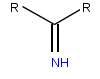
Iminoglicinúria
📋 Origem dos dados
Esta página agrega dados de fontes públicas e oficiais. Dados sobre cobertura no SUS (PCDT, CEAF) são verificados ativamente por agente proativo (ver badge no infobox). Demais dados têm atribuição de fonte + data da última sincronização — clique para abrir o original.
- Doença rara (ontologia)
- fonte: Orphanet
- Identificador unificado
- fonte: MONDO
- Genética mendeliana
- fonte: OMIM
- Codificação WHO/SUS
- fonte: WHO ICD-10 / DATASUS
- CID-11 (futuro)
- fonte: WHO ICD-11
- NIH/GARD
- fonte: GARD (NIH)
- Indexação biomédica
- fonte: MeSH (NLM)
- Dado público estruturado
- fonte: Wikidata

