Raras
Buscar doenças, sintomas, genes...
Leucemia mieloide aguda
ORPHA:519CID-10 · C92.0CID-11 · 2A60OMIM 601626DOENÇA RARA

A leucemia mieloide aguda (LMA) é um grupo de neoplasias decorrentes de células precursoras comprometidas com a diferenciação da linha celular mieloide. Todos eles são caracterizados pela expansão clonal de blastos mieloides. A LMA manifesta-se por febre, palidez, anemia, hemorragias e infecções recorrentes.

Mantido por Agente Raras·Colaborar como especialista →

Introdução

O que você precisa saber de cara

📋

A leucemia mieloide aguda (LMA) é um grupo de neoplasias decorrentes de células precursoras comprometidas com a diferenciação da linha celular mieloide. Todos eles são caracterizados pela expansão clonal de blastos mieloides. A LMA manifesta-se por febre, palidez, anemia, hemorragias e infecções recorrentes.

Pesquisas ativas
43 ensaios
3819 total registrados no ClinicalTrials.gov
Publicações científicas
47.122 artigos
Último publicado: 2026 Mar

Escala de raridade

CLASSIFICAÇÃO ORPHANET · BRASIL 2024
1-5 / 10 000
Ultra-rara
<1/50k
Muito rara
1/20k
Rara
1/10k
Pouco freq.
1/5k
Incomum
1/2k
Prevalência
10.0
Europe
Início
All ages
🏥
SUS: Sem cobertura SUSScore: 0%
CID-10: C92.0
Você se identifica com essa condição?
O Raras está aqui pra te apoiar — com ou sem diagnóstico

Encontrou um erro ou informação desatualizada? Sugira uma correção →

Entender a doença

Do básico ao detalhe, leia no seu ritmo

Preparando trilha educativa...

Sinais e sintomas

O que aparece no corpo e com que frequência cada sintoma acontece

Partes do corpo afetadas

🩸
Sangue
16 sintomas
🦴
Ossos e articulações
5 sintomas
📏
Crescimento
4 sintomas
🫁
Pulmão
3 sintomas
🫃
Digestivo
2 sintomas
🛡️
Imunológico
2 sintomas

+ 34 sintomas em outras categorias

Características mais comuns

Nódulo subcutâneo
Herança autossômica dominante
HP:0001442
Aumento da contagem de micromegacariócitos
Hipolobulação do núcleo megacariocítico
Leucemia mielomonocítica aguda
71sintomas
Sem dados (71)

Os sintomas variam de pessoa para pessoa. Abaixo estão as 71 características clínicas mais associadas, ordenadas por frequência.

Nódulo subcutâneoSubcutaneous nodule
Herança autossômica dominanteAutosomal dominant inheritance
HP:0001442
Aumento da contagem de micromegacariócitosIncreased micromegakaryocyte count
Hipolobulação do núcleo megacariocíticoMegakaryocyte nucleus hypolobulation

Linha do tempo da pesquisa

Publicações por ano — veja quando o interesse científico cresceu
Anos de pesquisa1desde 2026
Total histórico47.122PubMed
Últimos 10 anos200publicações
Pico2026196 papers
Linha do tempo
2026Hoje · 2026🧪 1984Primeiro ensaio clínico
Publicações por ano (últimos 10 anos)

Encontrou um erro ou informação desatualizada? Sugira uma correção →

Genética e causas

O que está alterado no DNA e como passa nas famílias

Genes associados

48 genes identificados com associação a esta condição.

MLLT10Protein AF-10Disease-causing germline mutation(s) inAltamente restrito
FUNÇÃO

Probably involved in transcriptional regulation. In vitro or as fusion protein with KMT2A/MLL1 has transactivation activity. Binds to cruciform DNA. In cells, binding to unmodified histone H3 regulates DOT1L functions including histone H3 'Lys-79' dimethylation (H3K79me2) and gene activation (PubMed:26439302)

LOCALIZAÇÃO

Nucleus

EXPRESSÃO TECIDUAL(Ubíquo)
Testículo
50.9 TPM
Cervix Ectocervix
32.3 TPM
Útero
31.2 TPM
Ovário
30.5 TPM
Bladder
29.2 TPM
OUTRAS DOENÇAS (2)
acute myeloid leukemiaprecursor T-cell acute lymphoblastic leukemia
HGNC:16063UniProt:P55197
TERTTelomerase reverse transcriptasePOLYGENICRestrito
FUNÇÃO

Telomerase is a ribonucleoprotein enzyme essential for the replication of chromosome termini in most eukaryotes. Active in progenitor and cancer cells. Inactive, or very low activity, in normal somatic cells. Catalytic component of the teleromerase holoenzyme complex whose main activity is the elongation of telomeres by acting as a reverse transcriptase that adds simple sequence repeats to chromosome ends by copying a template sequence within the RNA component of the enzyme. Catalyzes the RNA-de

LOCALIZAÇÃO

Nucleus, nucleolusNucleus, nucleoplasmNucleusChromosome, telomereCytoplasmNucleus, PML body

VIAS BIOLÓGICAS (3)
Telomere Extension By TelomeraseFormation of the beta-catenin:TCF transactivating complexRegulation of MITF-M-dependent genes involved in DNA replication, damage repair and senescence
EXPRESSÃO TECIDUAL(Baixa expressão)
Testículo
2.7 TPM
Intestino delgado
0.7 TPM
Brain Caudate basal ganglia
0.6 TPM
Cólon transverso
0.5 TPM
Brain Nucleus accumbens basal ganglia
0.5 TPM
OUTRAS DOENÇAS (13)
dyskeratosis congenita, autosomal dominant 2pulmonary fibrosis and/or bone marrow failure, Telomere-related, 1adrenal cortex carcinomaclear cell sarcoma of kidney
HGNC:11730UniProt:O14746
GATA2Endothelial transcription factor GATA-2POLYGENICAltamente restrito
FUNÇÃO

Transcriptional activator which regulates endothelin-1 gene expression in endothelial cells. Binds to the consensus sequence 5'-AGATAG-3'

LOCALIZAÇÃO

Nucleus

VIAS BIOLÓGICAS (3)
RUNX1 regulates transcription of genes involved in differentiation of HSCsTranscriptional regulation of granulopoiesisFactors involved in megakaryocyte development and platelet production
MECANISMO DE DOENÇA

Immunodeficiency 21

An immunodeficiency disease characterized by profoundly decreased or absent monocytes, B-lymphocytes, natural killer lymphocytes, and circulating and tissue dendritic cells, with little or no effect on T-cell numbers. Clinical features of DCML include susceptibility to disseminated non-tuberculous mycobacterial infections, papillomavirus infections, opportunistic fungal infections, and pulmonary alveolar proteinosis. Bone marrow hypocellularity and dysplasia of myeloid, erythroid, and megakaryocytic lineages are present in most patients, as are karyotypic abnormalities, including monosomy 7 and trisomy 8. This syndrome links susceptibility to mycobacterial, viral, and fungal infections with malignancy and can be transmitted in an autosomal dominant pattern.

EXPRESSÃO TECIDUAL(Ubíquo)
Útero
86.1 TPM
Próstata
69.7 TPM
Cervix Endocervix
65.8 TPM
Cervix Ectocervix
62.1 TPM
Fallopian Tube
57.5 TPM
OUTRAS DOENÇAS (4)
deafness-lymphedema-leukemia syndromemonocytopenia with susceptibility to infectionsacute myeloid leukemiamyelodysplastic syndrome
HGNC:4171UniProt:P23769
SH3GL1MENDELIANModerado
LOCALIZAÇÃO

FUNÇÃO (UNIPROT)

Implicated in endocytosis. May recruit other proteins to membranes with high curvature (By similarity)

EXPRESSÃO TECIDUAL(Ubíquo)
Esôfago - Mucosa
155.1 TPM
Skin Sun Exposed Lower leg
138.6 TPM
Skin Not Sun Exposed Suprapubic
128.8 TPM
Vagina
111.4 TPM
Fibroblastos
101.6 TPM
OUTRAS DOENÇAS (1)
acute myeloid leukemia
UniProt:Q99961
CHIC2POLYGENICTolerante
LOCALIZAÇÃO

INTERAÇÕES PROTEICAS (2)
OUTRAS DOENÇAS (1)
acute myeloid leukemia
UniProt:Q9UKJ5
AFF1AF4/FMR2 family member 1Candidate gene tested inRestrito
LOCALIZAÇÃO

Nucleus

OUTRAS DOENÇAS (1)
mixed phenotype acute leukemia with t(v;11q23.3)
HGNC:7135UniProt:P51825
GLIS2Zinc finger protein GLIS2Candidate gene tested inModerado
FUNÇÃO

Can act either as a transcriptional repressor or as a transcriptional activator, depending on the cell context. Acts as a repressor of the Hedgehog signaling pathway (By similarity). Represses the Hedgehog-dependent expression of Wnt4 (By similarity). Necessary to maintain the differentiated epithelial phenotype in renal cells through the inhibition of SNAI1, which itself induces the epithelial-to-mesenchymal transition (By similarity). Represses transcriptional activation mediated by CTNNB1 in

LOCALIZAÇÃO

Nucleus speckleCytoplasm

MECANISMO DE DOENÇA

Nephronophthisis 7

An autosomal recessive disorder resulting in end-stage renal disease during childhood or adolescence. It is a progressive tubulo-interstitial kidney disorder histologically characterized by modifications of the tubules with thickening of the basement membrane, interstitial fibrosis and, in the advanced stages, medullary cysts.

EXPRESSÃO TECIDUAL(Ubíquo)
Aorta
80.8 TPM
Artéria coronária
65.2 TPM
Artéria tibial
61.5 TPM
Rim - Medula
51.5 TPM
Pulmão
51.2 TPM
OUTRAS DOENÇAS (3)
nephronophthisis 7nephronophthisis 1acute megakaryoblastic leukemia without down syndrome
HGNC:29450UniProt:Q9BZE0
IDH2Isocitrate dehydrogenase [NADP], mitochondrialCandidate gene tested inAltamente restrito
FUNÇÃO

Plays a role in intermediary metabolism and energy production (PubMed:19228619, PubMed:22416140). It may tightly associate or interact with the pyruvate dehydrogenase complex (PubMed:19228619, PubMed:22416140)

LOCALIZAÇÃO

Mitochondrion

VIAS BIOLÓGICAS (4)
Citric acid cycle (TCA cycle)Maturation of TCA enzymes and regulation of TCA cycleMitochondrial protein degradationTranscriptional activation of mitochondrial biogenesis
MECANISMO DE DOENÇA

D-2-hydroxyglutaric aciduria 2

A neurometabolic disorder causing developmental delay, epilepsy, hypotonia, and dysmorphic features. Both a mild and a severe phenotype exist. The severe phenotype is homogeneous and is characterized by early infantile-onset epileptic encephalopathy and cardiomyopathy. The mild phenotype has a more variable clinical presentation. Diagnosis is based on the presence of an excess of D-2-hydroxyglutaric acid in the urine.

EXPRESSÃO TECIDUAL(Ubíquo)
Músculo esquelético
442.8 TPM
Coração - Ventrículo esquerdo
311.5 TPM
Rim - Medula
273.8 TPM
Linfócitos
186.0 TPM
Fígado
184.7 TPM
OUTRAS DOENÇAS (13)
d-2-hydroxyglutaric aciduria 2anaplastic oligodendrogliomagemistocytic astrocytomaoligoastrocytoma
HGNC:5383UniProt:P48735
IRF2BP2Interferon regulatory factor 2-binding protein 2Candidate gene tested inModerado
FUNÇÃO

Acts as a transcriptional corepressor in a IRF2-dependent manner; this repression is not mediated by histone deacetylase activities (PubMed:12799427). Represses the NFAT1-dependent transactivation of NFAT-responsive promoters (PubMed:21576369). Acts as a coactivator of VEGFA expression in cardiac and skeletal muscles (PubMed:20702774). Plays a role in immature B-cell differentiation (PubMed:27016798)

LOCALIZAÇÃO

CytoplasmNucleus

MECANISMO DE DOENÇA

Immunodeficiency, common variable, 14

A primary immunodeficiency resulting in recurrent sinopulmonary infections since early childhood, and characterized by hypogammaglobulinemia with undetectable IgG and IgA, poor response to vaccination, and decreased levels of switched memory B cells. CVID14 inheritance is autosomal dominant.

EXPRESSÃO TECIDUAL(Ubíquo)
Artéria tibial
137.0 TPM
Aorta
113.8 TPM
Ovário
113.3 TPM
Skin Not Sun Exposed Suprapubic
103.1 TPM
Skin Sun Exposed Lower leg
101.0 TPM
OUTRAS DOENÇAS (2)
immunodeficiency, common variable, 14acute promyelocytic leukemia
HGNC:21729UniProt:Q7Z5L9
MLLT3Protein AF-9Candidate gene tested inAltamente restrito
FUNÇÃO

Chromatin reader component of the super elongation complex (SEC), a complex required to increase the catalytic rate of RNA polymerase II transcription by suppressing transient pausing by the polymerase at multiple sites along the DNA (PubMed:20159561, PubMed:20471948, PubMed:25417107, PubMed:27105114, PubMed:27545619). Specifically recognizes and binds acylated histone H3, with a preference for histone H3 that is crotonylated (PubMed:25417107, PubMed:27105114, PubMed:27545619, PubMed:30374167, P

LOCALIZAÇÃO

NucleusChromosome

VIAS BIOLÓGICAS (3)
Formation of RNA Pol II elongation complex RNA Polymerase II Transcription ElongationRNA Polymerase II Pre-transcription Events
EXPRESSÃO TECIDUAL(Ubíquo)
Linfócitos
20.9 TPM
Tireoide
12.2 TPM
Pituitária
8.3 TPM
Útero
8.2 TPM
Cervix Ectocervix
7.7 TPM
OUTRAS DOENÇAS (1)
acute myeloid leukemia with t(9;11)(p22;q23)
HGNC:7136UniProt:P42568
RPN1Dolichyl-diphosphooligosaccharide--protein glycosyltransferase subunit 1Candidate gene tested inAltamente restrito
FUNÇÃO

Subunit of the oligosaccharyl transferase (OST) complex that catalyzes the initial transfer of a defined glycan (Glc(3)Man(9)GlcNAc(2) in eukaryotes) from the lipid carrier dolichol-pyrophosphate to an asparagine residue within an Asn-X-Ser/Thr consensus motif in nascent polypeptide chains, the first step in protein N-glycosylation (PubMed:31831667). N-glycosylation occurs cotranslationally and the complex associates with the Sec61 complex at the channel-forming translocon complex that mediates

LOCALIZAÇÃO

Endoplasmic reticulum membraneMelanosome

VIAS BIOLÓGICAS (6)
Maturation of spike proteinAsparagine N-linked glycosylationPD-L1(CD274) glycosylation and translocation to plasma membraneMaturation of DENV proteinsRegulation of CDH1 posttranslational processing and trafficking to plasma membrane
EXPRESSÃO TECIDUAL(Ubíquo)
Fibroblastos
226.2 TPM
Pulmão
150.2 TPM
Tireoide
142.3 TPM
Cervix Endocervix
125.5 TPM
Útero
119.5 TPM
OUTRAS DOENÇAS (1)
acute myeloid leukemia with inv3(p21;q26.2) or t(3;3)(p21;q26.2)
HGNC:10381UniProt:P04843
DEKProtein DEKCandidate gene tested inTolerante
FUNÇÃO

Involved in chromatin organization

LOCALIZAÇÃO

Nucleus

VIAS BIOLÓGICAS (3)
Transcriptional regulation by the AP-2 (TFAP2) family of transcription factorsTranscriptional regulation of granulopoiesisB-WICH complex positively regulates rRNA expression
EXPRESSÃO TECIDUAL(Ubíquo)
Linfócitos
163.2 TPM
Fibroblastos
118.3 TPM
Tireoide
98.6 TPM
Artéria tibial
94.1 TPM
Útero
92.9 TPM
OUTRAS DOENÇAS (1)
acute myeloid leukemia with t(6;9)(p23;q34)
HGNC:2768UniProt:P35659
TBL1XR1F-box-like/WD repeat-containing protein TBL1XR1Candidate gene tested inAltamente restrito
FUNÇÃO

F-box-like protein involved in the recruitment of the ubiquitin/19S proteasome complex to nuclear receptor-regulated transcription units. Plays an essential role in transcription activation mediated by nuclear receptors. Probably acts as integral component of the N-Cor corepressor complex that mediates the recruitment of the 19S proteasome complex, leading to the subsequent proteasomal degradation of N-Cor complex, thereby allowing cofactor exchange, and transcription activation

LOCALIZAÇÃO

Nucleus

VIAS BIOLÓGICAS (10)
PPARA activates gene expressionActivation of gene expression by SREBF (SREBP)Transcriptional regulation of white adipocyte differentiationRORA,B,C and NR1D1 (REV-ERBA) regulate gene expressionExpression of BMAL (ARNTL), CLOCK, and NPAS2
MECANISMO DE DOENÇA

Pierpont syndrome

An autosomal dominant syndrome characterized by multiple congenital anomalies, global developmental delay, learning disability, palmar and plantar fat pads, and distinctive facial characteristics, especially when smiling.

EXPRESSÃO TECIDUAL(Ubíquo)
Tireoide
51.9 TPM
Cervix Ectocervix
38.1 TPM
Cervix Endocervix
37.9 TPM
Fibroblastos
36.7 TPM
Aorta
35.9 TPM
OUTRAS DOENÇAS (3)
Pierpont syndromeintellectual disability, autosomal dominant 41acute promyelocytic leukemia
HGNC:29529UniProt:Q9BZK7
NABP1SOSS complex subunit B2Candidate gene tested inTolerante
FUNÇÃO

Component of the SOSS complex, a multiprotein complex that functions downstream of the MRN complex to promote DNA repair and G2/M checkpoint. In the SOSS complex, acts as a sensor of single-stranded DNA that binds to single-stranded DNA, in particular to polypyrimidines. The SOSS complex associates with DNA lesions and influences diverse endpoints in the cellular DNA damage response including cell-cycle checkpoint activation, recombinational repair and maintenance of genomic stability. Required

LOCALIZAÇÃO

Nucleus

VIAS BIOLÓGICAS (1)
RNA polymerase II transcribes snRNA genes
EXPRESSÃO TECIDUAL(Ubíquo)
Fibroblastos
53.0 TPM
Baço
33.5 TPM
Pulmão
22.1 TPM
Sangue
19.2 TPM
Intestino delgado
16.3 TPM
OUTRAS DOENÇAS (1)
acute promyelocytic leukemia
HGNC:26232UniProt:Q96AH0
PMLProtein PMLCandidate gene tested inRestrito
FUNÇÃO

Functions via its association with PML-nuclear bodies (PML-NBs) in a wide range of important cellular processes, including tumor suppression, transcriptional regulation, apoptosis, senescence, DNA damage response, and viral defense mechanisms. Acts as the scaffold of PML-NBs allowing other proteins to shuttle in and out, a process which is regulated by SUMO-mediated modifications and interactions. Inhibits EIF4E-mediated mRNA nuclear export by reducing EIF4E affinity for the 5' 7-methylguanosine

LOCALIZAÇÃO

NucleusNucleus, nucleoplasmCytoplasmNucleus, PML bodyNucleus, nucleolusEndoplasmic reticulum membraneEarly endosome membrane

VIAS BIOLÓGICAS (1)
Interferon gamma signaling
EXPRESSÃO TECIDUAL(Ubíquo)
Tecido adiposo
55.3 TPM
Útero
50.0 TPM
Cervix Ectocervix
49.5 TPM
Pulmão
49.1 TPM
Mama
49.1 TPM
OUTRAS DOENÇAS (1)
acute promyelocytic leukemia
HGNC:9113UniProt:P29590
MRTFAMyocardin-related transcription factor ACandidate gene tested inAltamente restrito
FUNÇÃO

Transcription coactivator that associates with the serum response factor (SRF) transcription factor to control expression of genes regulating the cytoskeleton during development, morphogenesis and cell migration (PubMed:26224645). The SRF-MRTFA complex activity responds to Rho GTPase-induced changes in cellular globular actin (G-actin) concentration, thereby coupling cytoskeletal gene expression to cytoskeletal dynamics. MRTFA binds G-actin via its RPEL repeats, regulating activity of the MRTFA-

LOCALIZAÇÃO

CytoplasmNucleus

VIAS BIOLÓGICAS (1)
RHO GTPases Activate Formins
OUTRAS DOENÇAS (3)
immunodeficiency 66megakaryoblastic acute myeloid leukemia with t(1;22)(p13;q13)immune deficiency due to impaired neutrophil phagocytosis and migration
HGNC:14334UniProt:Q969V6
STAT5BSignal transducer and activator of transcription 5BCandidate gene tested inAltamente restrito
FUNÇÃO

Carries out a dual function: signal transduction and activation of transcription (PubMed:29844444). Mediates cellular responses to the cytokine KITLG/SCF and other growth factors. Binds to the GAS element and activates PRL-induced transcription. Positively regulates hematopoietic/erythroid differentiation

LOCALIZAÇÃO

CytoplasmNucleus

VIAS BIOLÓGICAS (10)
Prolactin receptor signalingInterleukin-2 signalingErythropoietin activates STAT5Interleukin-7 signalingInterleukin-3, Interleukin-5 and GM-CSF signaling
MECANISMO DE DOENÇA

Growth hormone insensitivity syndrome with immune dysregulation 1, autosomal recessive

An autosomal recessive form of growth hormone insensitivity syndrome, a congenital disease characterized by short stature, growth hormone deficiency in the presence of normal to elevated circulating concentrations of growth hormone, resistance to exogeneous growth hormone therapy, and recurrent infections. Most, but not all, patients have features of immune dysregulation.

EXPRESSÃO TECIDUAL(Ubíquo)
Útero
155.5 TPM
Sangue
138.5 TPM
Fallopian Tube
134.4 TPM
Ovário
129.2 TPM
Cervix Ectocervix
113.3 TPM
OUTRAS DOENÇAS (3)
growth hormone insensitivity with immune dysregulation 1, autosomal recessivegrowth hormone insensitivity syndrome with immune dysregulation 2, autosomal dominantacute promyelocytic leukemia
HGNC:11367UniProt:P51692
RUNX1T1Protein CBFA2T1Candidate gene tested inAltamente restrito
FUNÇÃO

Transcriptional corepressor which facilitates transcriptional repression via its association with DNA-binding transcription factors and recruitment of other corepressors and histone-modifying enzymes (PubMed:10688654, PubMed:12559562, PubMed:15203199). Can repress the expression of MMP7 in a ZBTB33-dependent manner (PubMed:23251453). Can repress transactivation mediated by TCF12 (PubMed:16803958). Acts as a negative regulator of adipogenesis (By similarity). The AML1-MTG8/ETO fusion protein freq

LOCALIZAÇÃO

Nucleus

EXPRESSÃO TECIDUAL(Ubíquo)
Cérebro - Hemisfério cerebelar
37.2 TPM
Cerebelo
28.5 TPM
Nervo tibial
14.2 TPM
Cervix Ectocervix
12.1 TPM
Cervix Endocervix
11.9 TPM
OUTRAS DOENÇAS (1)
acute myeloid leukemia with t(8;21)(q22;q22) translocation
HGNC:1535UniProt:Q06455
CBFBCore-binding factor subunit betaCandidate gene tested inAltamente restrito
FUNÇÃO

Forms the heterodimeric complex core-binding factor (CBF) with RUNX family proteins (RUNX1, RUNX2, and RUNX3). RUNX members modulate the transcription of their target genes through recognizing the core consensus binding sequence 5'-TGTGGT-3', or very rarely, 5'-TGCGGT-3', within their regulatory regions via their runt domain, while CBFB is a non-DNA-binding regulatory subunit that allosterically enhances the sequence-specific DNA-binding capacity of RUNX. The heterodimers bind to the core site o

LOCALIZAÇÃO

Nucleus

VIAS BIOLÓGICAS (10)
RUNX3 Regulates Immune Response and Cell MigrationRegulation of RUNX3 expression and activityRUNX3 regulates p14-ARFRUNX3 regulates RUNX1-mediated transcriptionTranscriptional regulation by RUNX2
OUTRAS DOENÇAS (2)
cleidocranial dysplasia 2acute myeloid leukemia with abnormal bone marrow eosinophils inv(16)(p13q22) or t(16;16)(p13;q22)
HGNC:1539UniProt:Q13951
MYH11Myosin-11Candidate gene tested inAltamente restrito
FUNÇÃO

Muscle contraction

LOCALIZAÇÃO

Melanosome

VIAS BIOLÓGICAS (8)
RHO GTPases activate PAKsRHO GTPases Activate ROCKsRHO GTPases activate PKNsRHO GTPases activate CITSema4D induced cell migration and growth-cone collapse
EXPRESSÃO TECIDUAL(Ubíquo)
Esôfago - Muscular
8417.6 TPM
Cólon sigmoide
7101.3 TPM
Esôfago - Junção
6634.6 TPM
Artéria tibial
5189.9 TPM
Bladder
3106.5 TPM
OUTRAS DOENÇAS (7)
megacystis-microcolon-intestinal hypoperistalsis syndrome 2visceral myopathy 2aortic aneurysm, familial thoracic 4acute myeloid leukemia with abnormal bone marrow eosinophils inv(16)(p13q22) or t(16;16)(p13;q22)
HGNC:7569UniProt:P35749
GATA1Erythroid transcription factorCandidate gene tested inAltamente restrito
FUNÇÃO

Transcriptional activator or repressor which serves as a general switch factor for erythroid development (PubMed:35030251). It binds to DNA sites with the consensus sequence 5'-[AT]GATA[AG]-3' within regulatory regions of globin genes and of other genes expressed in erythroid cells. Activates the transcription of genes involved in erythroid differentiation of K562 erythroleukemia cells, including HBB, HBG1/2, ALAS2 and HMBS (PubMed:24245781)

LOCALIZAÇÃO

Nucleus

VIAS BIOLÓGICAS (3)
RUNX1 regulates genes involved in megakaryocyte differentiation and platelet functionRUNX1 regulates transcription of genes involved in differentiation of HSCsFactors involved in megakaryocyte development and platelet production
MECANISMO DE DOENÇA

X-linked dyserythropoietic anemia and thrombocytopenia

Disorder characterized by erythrocytes with abnormal size and shape, and paucity of platelets in peripheral blood. The bone marrow contains abundant and abnormally small megakaryocytes.

EXPRESSÃO TECIDUAL(Tecido-específico)
Sangue
25.8 TPM
Pulmão
3.7 TPM
Testículo
3.6 TPM
Baço
1.9 TPM
Pituitária
0.8 TPM
OUTRAS DOENÇAS (10)
transient myeloproliferative syndromethrombocytopenia, X-linked, with or without dyserythropoietic anemiahemolytic anemia due to erythrocyte adenosine deaminase overproductionX-linked dyserythropoetic anemia with abnormal platelets and neutropenia
HGNC:4170UniProt:P15976
BCORBCL-6 corepressorCandidate gene tested inAltamente restrito
FUNÇÃO

Transcriptional corepressor. May specifically inhibit gene expression when recruited to promoter regions by sequence-specific DNA-binding proteins such as BCL6 and MLLT3. This repression may be mediated at least in part by histone deacetylase activities which can associate with this corepressor. Involved in the repression of TFAP2A; impairs binding of BCL6 and KDM2B to TFAP2A promoter regions. Via repression of TFAP2A acts as a negative regulator of osteo-dentiogenic capacity in adult stem cells

LOCALIZAÇÃO

Nucleus

MECANISMO DE DOENÇA

Microphthalmia, syndromic, 2

A very rare multiple congenital anomaly syndrome characterized by eye anomalies (congenital cataract, microphthalmia, or secondary glaucoma), facial abnormalities (long narrow face, high nasal bridge, pointed nose with cartilages separated at the tip, cleft palate, or submucous cleft palate), cardiac anomalies (atrial septal defect, ventricular septal defect, or floppy mitral valve) and dental abnormalities (canine radiculomegaly, delayed dentition, oligodontia, persistent primary teeth, or variable root length). Microphthalmia is a disorder of eye formation, ranging from small size of a single eye to complete bilateral absence of ocular tissues (anophthalmia). In many cases, microphthalmia/anophthalmia occurs in association with syndromes that include non-ocular abnormalities.

OUTRAS DOENÇAS (4)
microphthalmia, syndromic 2acute promyelocytic leukemiaclear cell sarcoma of kidneymicrophthalmia, Lenz type
HGNC:20893UniProt:Q6W2J9
TGM6Protein-glutamine gamma-glutamyltransferase 6Candidate gene tested inTolerante
FUNÇÃO

Catalyzes the cross-linking of proteins and the conjugation of polyamines to proteins

LOCALIZAÇÃO

Cytoplasm

MECANISMO DE DOENÇA

Spinocerebellar ataxia 35

A form of spinocerebellar ataxia, a clinically and genetically heterogeneous group of cerebellar disorders. Patients show progressive incoordination of gait and often poor coordination of hands, speech and eye movements, due to degeneration of the cerebellum with variable involvement of the brainstem and spinal cord. SCA35 patients commonly show upper limb involvement and torticollis. There is no cognitive impairment.

EXPRESSÃO TECIDUAL(Não detectado)
Cervix Ectocervix
0.0 TPM
Testículo
0.0 TPM
Skin Sun Exposed Lower leg
0.0 TPM
Skin Not Sun Exposed Suprapubic
0.0 TPM
Esôfago - Mucosa
0.0 TPM
INTERAÇÕES PROTEICAS (1)
OUTRAS DOENÇAS (2)
spinocerebellar ataxia type 35inherited acute myeloid leukemia
HGNC:16255UniProt:O95932
RBM15RNA-binding protein 15Candidate gene tested inAltamente restrito
FUNÇÃO

RNA-binding protein that acts as a key regulator of N6-methyladenosine (m6A) methylation of RNAs, thereby regulating different processes, such as hematopoietic cell homeostasis, alternative splicing of mRNAs and X chromosome inactivation mediated by Xist RNA (PubMed:27602518). Associated component of the WMM complex, a complex that mediates N6-methyladenosine (m6A) methylation of RNAs, a modification that plays a role in the efficiency of mRNA splicing and RNA processing (By similarity). Plays a

LOCALIZAÇÃO

Nucleus speckleNucleus, nucleoplasmNucleus envelopeNucleus membrane

EXPRESSÃO TECIDUAL(Ubíquo)
Linfócitos
21.8 TPM
Testículo
12.1 TPM
Fibroblastos
7.6 TPM
Baço
6.8 TPM
Pulmão
6.5 TPM
OUTRAS DOENÇAS (1)
megakaryoblastic acute myeloid leukemia with t(1;22)(p13;q13)
HGNC:14959UniProt:Q96T37
KMT2AHistone-lysine N-methyltransferase 2ACandidate gene tested inAltamente restrito
FUNÇÃO

Histone methyltransferase that plays an essential role in early development and hematopoiesis (PubMed:12453419, PubMed:15960975, PubMed:19187761, PubMed:19556245, PubMed:20677832, PubMed:21220120, PubMed:26886794). Catalytic subunit of the MLL1/MLL complex, a multiprotein complex that mediates both methylation of 'Lys-4' of histone H3 (H3K4me) complex and acetylation of 'Lys-16' of histone H4 (H4K16ac) (PubMed:12453419, PubMed:15960975, PubMed:19187761, PubMed:19556245, PubMed:20677832, PubMed:2

LOCALIZAÇÃO

Nucleus

VIAS BIOLÓGICAS (5)
Phosphorylated BMAL1:CLOCK (ARNTL:CLOCK) activates expression of core clock genesRUNX1 regulates transcription of genes involved in differentiation of HSCsPhosphorylation of CLOCK, acetylation of BMAL1 (ARNTL) at target gene promotersThe CRY:PER:kinase complex represses transactivation by the BMAL:CLOCK (ARNTL:CLOCK) complexTranscriptional regulation of granulopoiesis
MECANISMO DE DOENÇA

Wiedemann-Steiner syndrome

A syndrome characterized by hairy elbows (hypertrichosis cubiti), intellectual disability, a distinctive facial appearance, and short stature. Facial characteristics include long eyelashes, thick or arched eyebrows with a lateral flare, and downslanting and vertically narrow palpebral fissures.

EXPRESSÃO TECIDUAL(Ubíquo)
Cerebelo
34.8 TPM
Cérebro - Hemisfério cerebelar
32.5 TPM
Ovário
26.9 TPM
Artéria tibial
25.5 TPM
Útero
24.7 TPM
OUTRAS DOENÇAS (7)
Wiedemann-Steiner syndromemixed phenotype acute leukemia with t(9;22)(q34.1;q11.2)mixed phenotype acute leukemia with t(v;11q23.3)B-lymphoblastic leukemia/lymphoma with t(v;11q23.3)
HGNC:7132UniProt:Q03164
KAT6AHistone acetyltransferase KAT6ACandidate gene tested inAltamente restrito
FUNÇÃO

Histone acetyltransferase that acetylates lysine residues in histone H3 and histone H4 (in vitro) (PubMed:11742995, PubMed:11965546). Component of the MOZ/MORF complex which has a histone H3 acetyltransferase activity (PubMed:11965546). May act as a transcriptional coactivator for RUNX1 and RUNX2 (PubMed:12771199). Acetylates p53/TP53 at 'Lys-120' and 'Lys-382' and controls its transcriptional activity via association with PML (PubMed:23431171). May play a role in leukemogenic gene transcription

LOCALIZAÇÃO

NucleusNucleus, nucleolusNucleus, nucleoplasmNucleus, PML body

VIAS BIOLÓGICAS (2)
Regulation of TP53 Activity through AcetylationHATs acetylate histones
EXPRESSÃO TECIDUAL(Ubíquo)
Pulmão
28.6 TPM
Útero
26.8 TPM
Cervix Ectocervix
25.7 TPM
Skin Sun Exposed Lower leg
25.1 TPM
Nervo tibial
24.6 TPM
OUTRAS DOENÇAS (2)
autosomal dominant intellectual disability-craniofacial anomalies-cardiac defects syndromeacute myeloid leukemia with t(8;16)(p11;p13) translocation
HGNC:13013UniProt:Q92794
CREBBPCREB-binding proteinCandidate gene tested inAltamente restrito
FUNÇÃO

Acetylates histones, giving a specific tag for transcriptional activation (PubMed:21131905, PubMed:24616510). Mediates acetylation of histone H3 at 'Lys-18' and 'Lys-27' (H3K18ac and H3K27ac, respectively) (PubMed:21131905). Also acetylates non-histone proteins, like DDX21, FBL, IRF2, MAFG, NCOA3, POLR1E/PAF53 and FOXO1 (PubMed:10490106, PubMed:11154691, PubMed:12738767, PubMed:12929931, PubMed:24207024, PubMed:28790157, PubMed:30540930, PubMed:35675826, PubMed:9707565). Binds specifically to ph

LOCALIZAÇÃO

CytoplasmNucleus

VIAS BIOLÓGICAS (1)
SARS-CoV-2 activates/modulates innate and adaptive immune responses
EXPRESSÃO TECIDUAL(Ubíquo)
Útero
53.4 TPM
Ovário
49.6 TPM
Cervix Endocervix
48.1 TPM
Cerebelo
45.0 TPM
Artéria tibial
41.8 TPM
OUTRAS DOENÇAS (5)
Menke-Hennekam syndrome 1Rubinstein-Taybi syndrome due to CREBBP mutationsMenke-Hennekam syndromeacute myeloid leukemia with t(8;16)(p11;p13) translocation
HGNC:2348UniProt:Q92793
ZBTB16Zinc finger and BTB domain-containing protein 16Candidate gene tested inAltamente restrito
FUNÇÃO

Acts as a transcriptional repressor (PubMed:10688654, PubMed:24359566). Transcriptional repression may be mediated through recruitment of histone deacetylases to target promoters (PubMed:10688654). May play a role in myeloid maturation and in the development and/or maintenance of other differentiated tissues. Probable substrate-recognition component of an E3 ubiquitin-protein ligase complex which mediates the ubiquitination and subsequent proteasomal degradation of target proteins (PubMed:145283

LOCALIZAÇÃO

NucleusNucleus, nuclear body

VIAS BIOLÓGICAS (2)
Antigen processing: Ubiquitination & Proteasome degradationNeddylation
MECANISMO DE DOENÇA

Skeletal defects, genital hypoplasia, and impaired intellectual development

A disorder characterized by intellectual disability, craniofacial dysmorphism, microcephaly and short stature. Additional features include absence of the thumbs, hypoplasia of the radii and ulnae, additional vertebrae and ribs, retarded bone age and genital hypoplasia.

EXPRESSÃO TECIDUAL(Ubíquo)
Artéria tibial
112.3 TPM
Aorta
71.4 TPM
Tecido adiposo
61.8 TPM
Nervo tibial
57.0 TPM
Artéria coronária
54.9 TPM
OUTRAS DOENÇAS (2)
acute promyelocytic leukemiaprecursor T-cell acute lymphoblastic leukemia
HGNC:12930UniProt:Q05516
NUMA1Nuclear mitotic apparatus protein 1Candidate gene tested inAltamente restrito
FUNÇÃO

Microtubule (MT)-binding protein that plays a role in the formation and maintenance of the spindle poles and the alignement and the segregation of chromosomes during mitotic cell division (PubMed:17172455, PubMed:19255246, PubMed:24996901, PubMed:26195665, PubMed:27462074, PubMed:7769006). Functions to tether the minus ends of MTs at the spindle poles, which is critical for the establishment and maintenance of the spindle poles (PubMed:11956313, PubMed:12445386). Plays a role in the establishmen

LOCALIZAÇÃO

NucleusNucleus, nucleoplasmNucleus matrixChromosomeCytoplasm, cytoskeletonCytoplasm, cytoskeleton, microtubule organizing center, centrosomeCytoplasm, cytoskeleton, spindle poleCytoplasm, cell cortexCell membraneLateral cell membraneCytoplasm, cytosol

VIAS BIOLÓGICAS (1)
Mitotic Prophase
EXPRESSÃO TECIDUAL(Ubíquo)
Cervix Ectocervix
145.1 TPM
Cervix Endocervix
144.4 TPM
Útero
143.8 TPM
Ovário
130.7 TPM
Próstata
130.3 TPM
OUTRAS DOENÇAS (1)
acute promyelocytic leukemia
HGNC:8059UniProt:Q14980
FIP1L1Pre-mRNA 3'-end-processing factor FIP1Candidate gene tested inAltamente restrito
FUNÇÃO

Component of the cleavage and polyadenylation specificity factor (CPSF) complex that plays a key role in pre-mRNA 3'-end formation, recognizing the AAUAAA signal sequence and interacting with poly(A) polymerase and other factors to bring about cleavage and poly(A) addition. FIP1L1 contributes to poly(A) site recognition and stimulates poly(A) addition. Binds to U-rich RNA sequence elements surrounding the poly(A) site. May act to tether poly(A) polymerase to the CPSF complex

LOCALIZAÇÃO

Nucleus

VIAS BIOLÓGICAS (6)
mRNA 3'-end processingDengue Virus-Host InteractionsTransport of Mature mRNA Derived from an Intronless TranscriptProcessing of Intronless Pre-mRNAsRNA Polymerase II Transcription Termination
EXPRESSÃO TECIDUAL(Ubíquo)
Linfócitos
79.7 TPM
Testículo
78.1 TPM
Fibroblastos
70.5 TPM
Ovário
55.4 TPM
Cervix Endocervix
47.6 TPM
OUTRAS DOENÇAS (3)
acute promyelocytic leukemiaprimary hypereosinophilic syndromechronic eosinophilic leukemia
HGNC:19124UniProt:Q6UN15
STAT3Signal transducer and activator of transcription 3Candidate gene tested inAltamente restrito
FUNÇÃO

Signal transducer and transcription activator that mediates cellular responses to interleukins, KITLG/SCF, LEP and other growth factors (PubMed:10688651, PubMed:12359225, PubMed:12873986, PubMed:15194700, PubMed:15653507, PubMed:16285960, PubMed:17344214, PubMed:18242580, PubMed:18782771, PubMed:22306293, PubMed:23084476, PubMed:28262505, PubMed:32929201, PubMed:38404237). Once activated, recruits coactivators, such as NCOA1 or MED1, to the promoter region of the target gene (PubMed:15653507, Pu

LOCALIZAÇÃO

CytoplasmNucleus

VIAS BIOLÓGICAS (10)
Interleukin-20 family signalingDownstream signal transductionInterleukin-15 signalingSignaling by SCF-KITInterleukin-9 signaling
MECANISMO DE DOENÇA

Hyper-IgE syndrome 1, autosomal dominant, with recurrent infections

A rare disorder of immunity and connective tissue characterized by immunodeficiency, chronic eosinophilia, distinctive coarse facial appearance, abnormal dentition, hyperextensibility of the joints, and bone fractures.

EXPRESSÃO TECIDUAL(Ubíquo)
Pulmão
173.0 TPM
Artéria tibial
145.7 TPM
Aorta
144.8 TPM
Adipose Visceral Omentum
140.2 TPM
Fallopian Tube
136.9 TPM
OUTRAS DOENÇAS (7)
hyper-IgE recurrent infection syndrome 1, autosomal dominantSTAT3-related early-onset multisystem autoimmune diseasebreast implant-associated anaplastic large cell lymphomaacute promyelocytic leukemia
HGNC:11364UniProt:P40763
ERCC6L2DNA excision repair protein ERCC-6-like 2Candidate gene tested inTolerante
FUNÇÃO

Promotes double-strand break (DSB) end-joining and facilitates programmed recombination by controlling how DNA ends are joined in a spatially oriented manner during repair (By similarity). Also plays a role in DNA repair by restricting DNA end resection in double strand break (DSB) repair (PubMed:24507776, PubMed:37014751). Facilitates replication of complex DNA regions and regulates the maintenance of chromatin structure (PubMed:37014751)

LOCALIZAÇÃO

NucleusCytoplasm, cytoskeleton, microtubule organizing center, centrosomeMitochondrionChromosome, centromere

MECANISMO DE DOENÇA

Bone marrow failure syndrome 2

An autosomal recessive disorder characterized by trilineage bone marrow failure, bone marrow hypocellularity, learning difficulties, and microcephaly. Insufficient hematopoiesis results in peripheral blood cytopenias, affecting myeloid, erythroid and megakaryocyte lines. Cutaneous features and increased chromosome breakage are not features.

EXPRESSÃO TECIDUAL(Ubíquo)
Nervo tibial
8.8 TPM
Cervix Ectocervix
7.6 TPM
Cervix Endocervix
7.4 TPM
Ovário
7.2 TPM
Útero
6.6 TPM
INTERAÇÕES PROTEICAS (1)
OUTRAS DOENÇAS (2)
pancytopenia-developmental delay syndromeinherited acute myeloid leukemia
HGNC:26922UniProt:Q5T890
CBFA2T3Transcriptional corepressor CBFA2T3Candidate gene tested inTolerante
FUNÇÃO

Transcriptional corepressor which facilitates transcriptional repression via its association with DNA-binding transcription factors and recruitment of other corepressors and histone-modifying enzymes (PubMed:12559562, PubMed:15203199, PubMed:16966434, PubMed:18456661). Can repress the expression of MMP7 in a ZBTB33-dependent manner (PubMed:23251453). Reduces the protein levels and stability of the transcriptinal regulator HIF1A; interacts with EGLN1 and promotes the HIF1A prolyl hydroxylation-de

LOCALIZAÇÃO

NucleusNucleus, nucleolusNucleus, nucleoplasmGolgi apparatus membrane

OUTRAS DOENÇAS (1)
acute megakaryoblastic leukemia without down syndrome
HGNC:1537UniProt:O75081
TET2Methylcytosine dioxygenase TET2Candidate gene tested inTolerante
FUNÇÃO

Dioxygenase that catalyzes the conversion of the modified genomic base 5-methylcytosine (5mC) into 5-hydroxymethylcytosine (5hmC) and plays a key role in active DNA demethylation. Has a preference for 5-hydroxymethylcytosine in CpG motifs. Also mediates subsequent conversion of 5hmC into 5-formylcytosine (5fC), and conversion of 5fC to 5-carboxylcytosine (5caC). Conversion of 5mC into 5hmC, 5fC and 5caC probably constitutes the first step in cytosine demethylation. Methylation at the C5 position

LOCALIZAÇÃO

NucleusChromosome

VIAS BIOLÓGICAS (2)
TET1,2,3 and TDG demethylate DNASpecification of primordial germ cells
EXPRESSÃO TECIDUAL(Ubíquo)
Linfócitos
12.3 TPM
Cervix Ectocervix
10.8 TPM
Vagina
10.4 TPM
Skin Not Sun Exposed Suprapubic
10.3 TPM
Skin Sun Exposed Lower leg
10.2 TPM
OUTRAS DOENÇAS (11)
myelodysplastic syndromeimmunodeficiency 75acute myeloid leukemia with multilineage dysplasiamyelodysplastic syndrome with ring sideroblasts
HGNC:25941UniProt:Q6N021
PRKAR1AcAMP-dependent protein kinase type I-alpha regulatory subunitCandidate gene tested inAltamente restrito
FUNÇÃO

Regulatory subunit of the cAMP-dependent protein kinases involved in cAMP signaling in cells

LOCALIZAÇÃO

Cell membrane

VIAS BIOLÓGICAS (10)
PKA activationGPER1 signalingCREB1 phosphorylation through the activation of Adenylate CyclaseDARPP-32 eventsHigh laminar flow shear stress activates signaling by PIEZO1 and PECAM1:CDH5:KDR in endothelial cells
MECANISMO DE DOENÇA

Carney complex 1

CNC is a multiple neoplasia syndrome characterized by spotty skin pigmentation, cardiac and other myxomas, endocrine tumors, and psammomatous melanotic schwannomas.

EXPRESSÃO TECIDUAL(Ubíquo)
Artéria tibial
152.7 TPM
Ovário
151.5 TPM
Aorta
138.6 TPM
Útero
138.3 TPM
Tecido adiposo
129.4 TPM
OUTRAS DOENÇAS (9)
familial atrial myxomapigmented nodular adrenocortical disease, primary, 1Acrodysostosis 1 with or without hormone resistanceCarney complex, type 1
HGNC:9388UniProt:P10644
JAK2Tyrosine-protein kinase JAK2Disease-causing germline mutation(s) inTolerante
FUNÇÃO

Non-receptor tyrosine kinase involved in various processes such as cell growth, development, differentiation or histone modifications. Mediates essential signaling events in both innate and adaptive immunity. In the cytoplasm, plays a pivotal role in signal transduction via its association with type I receptors such as growth hormone (GHR), prolactin (PRLR), leptin (LEPR), erythropoietin (EPOR), thrombopoietin receptor (MPL/TPOR); or type II receptors including IFN-alpha, IFN-beta, IFN-gamma and

LOCALIZAÇÃO

Endomembrane systemCytoplasmNucleus

VIAS BIOLÓGICAS (10)
Interleukin-20 family signalingRAF activationSignaling downstream of RAS mutantsSignaling by moderate kinase activity BRAF mutantsParadoxical activation of RAF signaling by kinase inactive BRAF
EXPRESSÃO TECIDUAL(Ubíquo)
Artéria tibial
68.9 TPM
Aorta
46.9 TPM
Artéria coronária
31.6 TPM
Tecido adiposo
20.8 TPM
Nervo tibial
20.0 TPM
OUTRAS DOENÇAS (9)
thrombocythemia 3acquired polycythemia veraprimary myelofibrosisprimary familial polycythemia due to EPO receptor mutation
HGNC:6192UniProt:O60674
LPPLipoma-preferred partnerDisease-causing germline mutation(s) inTolerante
FUNÇÃO

May play a structural role at sites of cell adhesion in maintaining cell shape and motility. In addition to these structural functions, it may also be implicated in signaling events and activation of gene transcription. May be involved in signal transduction from cell adhesion sites to the nucleus allowing successful integration of signals arising from soluble factors and cell-cell adhesion sites. Also suggested to serve as a scaffold protein upon which distinct protein complexes are assembled i

LOCALIZAÇÃO

NucleusCytoplasmCell junctionCell membrane

VIAS BIOLÓGICAS (1)
Lysosphingolipid and LPA receptors
EXPRESSÃO TECIDUAL(Ubíquo)
Artéria tibial
190.8 TPM
Esôfago - Muscular
147.3 TPM
Aorta
128.2 TPM
Esôfago - Junção
116.1 TPM
Cólon sigmoide
98.3 TPM
INTERAÇÕES PROTEICAS (4)
OUTRAS DOENÇAS (1)
acute myeloid leukemia
HGNC:HGNC:6679UniProt:Q93052
DNMT3ADNA (cytosine-5)-methyltransferase 3ADisease-causing germline mutation(s) inTolerante
FUNÇÃO

Required for genome-wide de novo methylation and is essential for the establishment of DNA methylation patterns during development (PubMed:12138111, PubMed:16357870, PubMed:30478443). DNA methylation is coordinated with methylation of histones (PubMed:12138111, PubMed:16357870, PubMed:30478443). It modifies DNA in a non-processive manner and also methylates non-CpG sites (PubMed:12138111, PubMed:16357870, PubMed:30478443). May preferentially methylate DNA linker between 2 nucleosomal cores and i

LOCALIZAÇÃO

NucleusChromosomeCytoplasm

VIAS BIOLÓGICAS (6)
RMTs methylate histone argininesDefective pyroptosisPRC2 methylates histones and DNADNA methylationRegulation of endogenous retroelements by Piwi-interacting RNAs (piRNAs)
MECANISMO DE DOENÇA

Tatton-Brown-Rahman syndrome

An overgrowth syndrome characterized by a distinctive facial appearance, tall stature and intellectual disability. Facial gestalt is characterized by a round face, heavy horizontal eyebrows and narrow palpebral fissures. Less common features include atrial septal defects, seizures, umbilical hernia, and scoliosis.

EXPRESSÃO TECIDUAL(Ubíquo)
Cerebelo
20.9 TPM
Cérebro - Hemisfério cerebelar
18.9 TPM
Pituitária
18.8 TPM
Ovário
18.3 TPM
Linfócitos
15.5 TPM
OUTRAS DOENÇAS (5)
Tatton-Brown-Rahman overgrowth syndromeHeyn-Sproul-Jackson syndromeacute myeloid leukemiaacute myeloid leukemia with multilineage dysplasia
HGNC:2978UniProt:Q9Y6K1
PICALMPhosphatidylinositol-binding clathrin assembly proteinDisease-causing germline mutation(s) inTolerante
FUNÇÃO

Cytoplasmic adapter protein that plays a critical role in clathrin-mediated endocytosis which is important in processes such as internalization of cell receptors, synaptic transmission or removal of apoptotic cells. Recruits AP-2 and attaches clathrin triskelions to the cytoplasmic side of plasma membrane leading to clathrin-coated vesicles (CCVs) assembly (PubMed:10436022, PubMed:16262731, PubMed:27574975). Furthermore, regulates clathrin-coated vesicle size and maturation by directly sensing a

LOCALIZAÇÃO

Cell membraneMembrane, clathrin-coated pitGolgi apparatusCytoplasmic vesicle, clathrin-coated vesicleNucleus

VIAS BIOLÓGICAS (3)
Clathrin-mediated endocytosisCargo recognition for clathrin-mediated endocytosisRND3 GTPase cycle
EXPRESSÃO TECIDUAL(Ubíquo)
Artéria tibial
255.3 TPM
Tecido adiposo
210.5 TPM
Aorta
194.4 TPM
Artéria coronária
182.9 TPM
Nervo tibial
175.8 TPM
OUTRAS DOENÇAS (2)
acute myeloid leukemiaprecursor T-cell acute lymphoblastic leukemia
HGNC:15514UniProt:Q13492
RUNX1Runt-related transcription factor 1Disease-causing germline mutation(s) inTolerante
FUNÇÃO

Forms the heterodimeric complex core-binding factor (CBF) with CBFB. RUNX members modulate the transcription of their target genes through recognizing the core consensus binding sequence 5'-TGTGGT-3', or very rarely, 5'-TGCGGT-3', within their regulatory regions via their runt domain, while CBFB is a non-DNA-binding regulatory subunit that allosterically enhances the sequence-specific DNA-binding capacity of RUNX. The heterodimers bind to the core site of a number of enhancers and promoters, inc

LOCALIZAÇÃO

Nucleus

VIAS BIOLÓGICAS (10)
Pre-NOTCH Transcription and TranslationRegulation of RUNX1 Expression and ActivityRUNX1 regulates genes involved in megakaryocyte differentiation and platelet functionRUNX3 regulates p14-ARFRUNX1 regulates transcription of genes involved in differentiation of keratinocytes
EXPRESSÃO TECIDUAL(Ubíquo)
Glândula salivar
31.0 TPM
Fibroblastos
22.0 TPM
Pulmão
18.9 TPM
Mama
18.8 TPM
Nervo tibial
13.1 TPM
OUTRAS DOENÇAS (6)
acute myeloid leukemiahereditary thrombocytopenia and hematologic cancer predisposition syndromehereditary thrombocytopenia and hematological cancer predisposition syndrome associated with RUNX1acute myeloid leukemia with t(8;21)(q22;q22) translocation
HGNC:10471UniProt:Q01196
RARARetinoic acid receptor alphaDisease-causing germline mutation(s) inAltamente restrito
FUNÇÃO

Receptor for retinoic acid (PubMed:16417524, PubMed:19850744, PubMed:20215566, PubMed:21152046, PubMed:37478846). Retinoic acid receptors bind as heterodimers to their target response elements in response to their ligands, all-trans or 9-cis retinoic acid, and regulate gene expression in various biological processes (PubMed:21152046, PubMed:28167758, PubMed:37478846). The RXR/RAR heterodimers bind to the retinoic acid response elements (RARE) composed of tandem 5'-AGGTCA-3' sites known as DR1-DR

LOCALIZAÇÃO

NucleusCytoplasm

VIAS BIOLÓGICAS (5)
Activation of anterior HOX genes in hindbrain development during early embryogenesisNuclear Receptor transcription pathwayTranscriptional regulation of granulopoiesisTGFBR3 expressionSUMOylation of intracellular receptors
EXPRESSÃO TECIDUAL(Ubíquo)
Sangue
83.8 TPM
Pulmão
63.0 TPM
Cervix Endocervix
58.2 TPM
Fallopian Tube
57.2 TPM
Cervix Ectocervix
53.9 TPM
OUTRAS DOENÇAS (1)
acute promyelocytic leukemia
HGNC:9864UniProt:P10276
KITMast/stem cell growth factor receptor KitDisease-causing germline mutation(s) inAltamente restrito
FUNÇÃO

Tyrosine-protein kinase that acts as a cell-surface receptor for the cytokine KITLG/SCF and plays an essential role in the regulation of cell survival and proliferation, hematopoiesis, stem cell maintenance, gametogenesis, mast cell development, migration and function, and in melanogenesis. In response to KITLG/SCF binding, KIT can activate several signaling pathways. Phosphorylates PIK3R1, PLCG1, SH2B2/APS and CBL. Activates the AKT1 signaling pathway by phosphorylation of PIK3R1, the regulator

LOCALIZAÇÃO

Cell membraneCytoplasm

VIAS BIOLÓGICAS (5)
Developmental Lineage of Mammary Gland Luminal Epithelial CellsDevelopmental Lineage of Mammary Gland Alveolar CellsTFAP2 (AP-2) family regulates transcription of growth factors and their receptorsSignaling by SCF-KITRegulation of KIT signaling
MECANISMO DE DOENÇA

Piebald trait

Autosomal dominant genetic developmental abnormality of pigmentation characterized by congenital patches of white skin and hair that lack melanocytes.

EXPRESSÃO TECIDUAL(Ubíquo)
Esôfago - Muscular
44.5 TPM
Ovário
36.4 TPM
Esôfago - Junção
35.3 TPM
Cérebro - Hemisfério cerebelar
29.8 TPM
Tireoide
28.1 TPM
OUTRAS DOENÇAS (21)
gastrointestinal stromal tumorcutaneous mastocytosisacute myeloid leukemiapiebaldism
HGNC:6342UniProt:P10721
CEBPACCAAT/enhancer-binding protein alphaDisease-causing germline mutation(s) inModerado
FUNÇÃO

Transcription factor that coordinates proliferation arrest and the differentiation of myeloid progenitors, adipocytes, hepatocytes, and cells of the lung and the placenta. Binds directly to the consensus DNA sequence 5'-T[TG]NNGNAA[TG]-3' acting as an activator on distinct target genes (PubMed:11242107). During early embryogenesis, plays essential and redundant functions with CEBPB. Essential for the transition from common myeloid progenitors (CMP) to granulocyte/monocyte progenitors (GMP). Crit

LOCALIZAÇÃO

NucleusNucleus, nucleolus

VIAS BIOLÓGICAS (3)
Transcriptional regulation of granulopoiesisTranscriptional regulation of white adipocyte differentiationMLL4 and MLL3 complexes regulate expression of PPARG target genes in adipogenesis and hepatic steatosis
MECANISMO DE DOENÇA

Leukemia, acute myelogenous

A subtype of acute leukemia, a cancer of the white blood cells. AML is a malignant disease of bone marrow characterized by maturational arrest of hematopoietic precursors at an early stage of development. Clonal expansion of myeloid blasts occurs in bone marrow, blood, and other tissue. Myelogenous leukemias develop from changes in cells that normally produce neutrophils, basophils, eosinophils and monocytes.

OUTRAS DOENÇAS (4)
acute myeloid leukemiainherited acute myeloid leukemiaacute myeloid leukemia with t(8;21)(q22;q22) translocationacute myeloid leukemia with CEBPA somatic mutations
HGNC:1833UniProt:P49715
NUP214Nuclear pore complex protein Nup214Disease-causing germline mutation(s) inRestrito
FUNÇÃO

Part of the nuclear pore complex (PubMed:9049309). Has a critical role in nucleocytoplasmic transport (PubMed:31178128). May serve as a docking site in the receptor-mediated import of substrates across the nuclear pore complex (PubMed:31178128, PubMed:8108440) (Microbial infection) Required for capsid disassembly of the human adenovirus 5 (HadV-5) leading to release of the viral genome to the nucleus (in vitro)

LOCALIZAÇÃO

Nucleus, nuclear pore complex

VIAS BIOLÓGICAS (10)
snRNP AssemblyHCMV Early EventsHCMV Late EventsNEP/NS2 Interacts with the Cellular Export MachineryTransport of Ribonucleoproteins into the Host Nucleus
EXPRESSÃO TECIDUAL(Ubíquo)
Testículo
95.8 TPM
Baço
40.1 TPM
Linfócitos
26.7 TPM
Útero
25.7 TPM
Tireoide
25.3 TPM
OUTRAS DOENÇAS (5)
leukemia, acute lymphocytic, susceptibility to, 1acute myeloid leukemiaacute myeloid leukemia with t(6;9)(p23;q34)precursor T-cell acute lymphoblastic leukemia
HGNC:8064UniProt:P35658
NPM1NucleophosminDisease-causing germline mutation(s) inAltamente restrito
FUNÇÃO

Involved in diverse cellular processes such as ribosome biogenesis, centrosome duplication, protein chaperoning, histone assembly, cell proliferation, and regulation of tumor suppressors p53/TP53 and ARF. Binds ribosome presumably to drive ribosome nuclear export. Associated with nucleolar ribonucleoprotein structures and bind single-stranded nucleic acids. Acts as a chaperonin for the core histones H3, H2B and H4. Stimulates APEX1 endonuclease activity on apurinic/apyrimidinic (AP) double-stran

LOCALIZAÇÃO

Nucleus, nucleolusNucleus, nucleoplasmCytoplasm, cytoskeleton, microtubule organizing center, centrosome

VIAS BIOLÓGICAS (4)
PKR-mediated signalingTP53 regulates transcription of additional cell cycle genes whose exact role in the p53 pathway remain uncertainNuclear import of Rev proteinNuclear events stimulated by ALK signaling in cancer
EXPRESSÃO TECIDUAL(Ubíquo)
Linfócitos
1517.5 TPM
Fibroblastos
1222.0 TPM
Ovário
1031.3 TPM
Cervix Endocervix
640.5 TPM
Útero
622.0 TPM
OUTRAS DOENÇAS (8)
acute myeloid leukemiaacute promyelocytic leukemiaacute myeloid leukemia with NPM1 somatic mutationsdyskeratosis congenita
HGNC:7910UniProt:P06748
KRASGTPase KRasDisease-causing germline mutation(s) inAltamente restrito
FUNÇÃO

Ras proteins bind GDP/GTP and possess intrinsic GTPase activity (PubMed:20949621, PubMed:39809765). Plays an important role in the regulation of cell proliferation (PubMed:22711838, PubMed:23698361). Activates MAPK1/MAPK3 resulting in phosphorylation and ultimately degradation of GJA1 (By similarity). Plays a role in promoting oncogenic events by inducing transcriptional silencing of tumor suppressor genes (TSGs) in colorectal cancer (CRC) cells in a ZNF304-dependent manner (PubMed:24623306)

LOCALIZAÇÃO

Cell membraneEndomembrane systemCytoplasm, cytosol

VIAS BIOLÓGICAS (2)
Signaling by moderate kinase activity BRAF mutantsRUNX3 regulates p14-ARF
MECANISMO DE DOENÇA

Leukemia, acute myelogenous

A subtype of acute leukemia, a cancer of the white blood cells. AML is a malignant disease of bone marrow characterized by maturational arrest of hematopoietic precursors at an early stage of development. Clonal expansion of myeloid blasts occurs in bone marrow, blood, and other tissue. Myelogenous leukemias develop from changes in cells that normally produce neutrophils, basophils, eosinophils and monocytes.

EXPRESSÃO TECIDUAL(Ubíquo)
Nervo tibial
30.7 TPM
Cérebro - Hemisfério cerebelar
25.1 TPM
Esôfago - Muscular
22.2 TPM
Esôfago - Mucosa
21.6 TPM
Esôfago - Junção
20.2 TPM
OUTRAS DOENÇAS (20)
gastric canceracute myeloid leukemialinear nevus sebaceous syndromeNoonan syndrome 3
HGNC:6407UniProt:P01116
ETV6Transcription factor ETV6Disease-causing germline mutation(s) inAltamente restrito
FUNÇÃO

Transcriptional repressor; binds to the DNA sequence 5'-CCGGAAGT-3'. Plays a role in hematopoiesis and malignant transformation

LOCALIZAÇÃO

Nucleus

VIAS BIOLÓGICAS (1)
Signaling by FLT3 fusion proteins
EXPRESSÃO TECIDUAL(Ubíquo)
Artéria tibial
45.0 TPM
Glândula salivar
42.7 TPM
Skin Sun Exposed Lower leg
35.5 TPM
Linfócitos
30.0 TPM
Aorta
29.4 TPM
OUTRAS DOENÇAS (9)
acute myeloid leukemiathrombocytopenia 5B-lymphoblastic leukemia/lymphoma with t(12;21)(p13.2;q22.1)obsolete autosomal thrombocytopenia with normal platelets
HGNC:3495UniProt:P41212
FLT3Receptor-type tyrosine-protein kinase FLT3Disease-causing germline mutation(s) inAltamente restrito
FUNÇÃO

Tyrosine-protein kinase that acts as a cell-surface receptor for the cytokine FLT3LG and regulates differentiation, proliferation and survival of hematopoietic progenitor cells and of dendritic cells. Promotes phosphorylation of SHC1 and AKT1, and activation of the downstream effector MTOR. Promotes activation of RAS signaling and phosphorylation of downstream kinases, including MAPK1/ERK2 and/or MAPK3/ERK1. Promotes phosphorylation of FES, FER, PTPN6/SHP, PTPN11/SHP-2, PLCG1, and STAT5A and/or

LOCALIZAÇÃO

MembraneEndoplasmic reticulum lumen

VIAS BIOLÓGICAS (1)
FLT3 Signaling
MECANISMO DE DOENÇA

Leukemia, acute myelogenous

A subtype of acute leukemia, a cancer of the white blood cells. AML is a malignant disease of bone marrow characterized by maturational arrest of hematopoietic precursors at an early stage of development. Clonal expansion of myeloid blasts occurs in bone marrow, blood, and other tissue. Myelogenous leukemias develop from changes in cells that normally produce neutrophils, basophils, eosinophils and monocytes.

EXPRESSÃO TECIDUAL(Tecido-específico)
Cérebro - Hemisfério cerebelar
22.5 TPM
Cerebelo
19.7 TPM
Baço
5.4 TPM
Sangue
3.4 TPM
Brain Spinal cord cervical c-1
3.3 TPM
OUTRAS DOENÇAS (11)
leukemia, acute lymphocytic, susceptibility to, 1acute myeloid leukemiaB-lymphoblastic leukemia/lymphoma with t(9;22)(q34.1;q11.2)mixed phenotype acute leukemia with t(v;11q23.3)
HGNC:3765UniProt:P36888

Medicamentos aprovados (FDA)

4 medicamentos encontrados nos registros da FDA americana.

💊 Idamycin PFS (IDARUBICIN HYDROCHLORIDE)
💊 ONUREG (AZACITIDINE)
💊 RYDAPT (RYDAPT)
💊 Daurismo (GLASDEGIB)
Ver no DailyMed/FDA

Variantes genéticas (ClinVar)

95 variantes patogênicas registradas no ClinVar.

🧬 MLLT10: NM_001195626.3(MLLT10):c.2064-4A>G ()
🧬 MLLT10: NM_001195626.3(MLLT10):c.2064-18G>T ()
🧬 MLLT10: NM_001195626.3(MLLT10):c.1052-10T>A ()
🧬 MLLT10: NM_001195626.3(MLLT10):c.241-4A>G ()
🧬 MLLT10: GRCh37/hg19 10p14-q26.3(chr10:11138692-135427143) ()
Ver todas no ClinVar

Classificação de variantes (ClinVar)

Distribuição de 10,935 variantes classificadas pelo ClinVar.

4374
6561
Patogênica (40.0%)
VUS (60.0%)
VARIANTES MAIS SIGNIFICATIVAS
CEBPA: NM_004364.5(CEBPA):c.134dup (p.Pro46fs) [Pathogenic]
CEBPA: NM_004364.5(CEBPA):c.253dup (p.Ser85fs) [Pathogenic]
CEBPA: NM_004364.5(CEBPA):c.62del (p.Ser21fs) [Pathogenic]
CEBPA: NM_004364.5(CEBPA):c.96del (p.Arg35fs) [Pathogenic]
DNMT3A: NM_022552.5(DNMT3A):c.894del (p.Lys299fs) [Likely pathogenic]

Vias biológicas (Reactome)

304 vias biológicas associadas aos genes desta condição.

Telomere Extension By Telomerase Formation of the beta-catenin:TCF transactivating complex Regulation of MITF-M-dependent genes involved in DNA replication, damage repair and senescence RUNX1 regulates transcription of genes involved in differentiation of HSCs Transcriptional regulation of granulopoiesis Factors involved in megakaryocyte development and platelet production EGFR downregulation Negative regulation of MET activity Cargo recognition for clathrin-mediated endocytosis Clathrin-mediated endocytosis InlB-mediated entry of Listeria monocytogenes into host cell Transcriptional activation of mitochondrial biogenesis Citric acid cycle (TCA cycle) Mitochondrial protein degradation Maturation of TCA enzymes and regulation of TCA cycle Formation of RNA Pol II elongation complex RNA Polymerase II Pre-transcription Events RNA Polymerase II Transcription Elongation SRP-dependent cotranslational protein targeting to membrane Asparagine N-linked glycosylation Maturation of spike protein Regulation of CDH1 posttranslational processing and trafficking to plasma membrane Maturation of DENV proteins PD-L1(CD274) glycosylation and translocation to plasma membrane B-WICH complex positively regulates rRNA expression Transcriptional regulation by the AP-2 (TFAP2) family of transcription factors BMAL1:CLOCK,NPAS2 activates circadian expression PPARA activates gene expression NOTCH1 Intracellular Domain Regulates Transcription Activation of gene expression by SREBF (SREBP) Constitutive Signaling by NOTCH1 PEST Domain Mutants Constitutive Signaling by NOTCH1 HD+PEST Domain Mutants HDACs deacetylate histones Notch-HLH transcription pathway Transcriptional regulation of white adipocyte differentiation Regulation of lipid metabolism by PPARalpha Loss of MECP2 binding ability to the NCoR/SMRT complex Regulation of MECP2 expression and activity NR1H3 & NR1H2 regulate gene expression linked to cholesterol transport and efflux HCMV Early Events Cytoprotection by HMOX1 Heme signaling MLL4 and MLL3 complexes regulate expression of PPARG target genes in adipogenesis and hepatic steatosis Expression of BMAL (ARNTL), CLOCK, and NPAS2 RORA,B,C and NR1D1 (REV-ERBA) regulate gene expression RNA polymerase II transcribes snRNA genes SUMOylation of DNA damage response and repair proteins SUMOylation of ubiquitinylation proteins Regulation of TP53 Activity through Acetylation Interferon gamma signaling Regulation of RUNX1 Expression and Activity Regulation of PTEN localization Dengue virus activates/modulates innate and adaptive immune responses SUMOylation of transcription cofactors RHO GTPases Activate Formins Prolactin receptor signaling Interleukin-7 signaling Signaling by SCF-KIT Signaling by cytosolic FGFR1 fusion mutants Downstream signal transduction Signaling by Leptin Interleukin-3, Interleukin-5 and GM-CSF signaling Interleukin-20 family signaling Interleukin-15 signaling Interleukin-9 signaling Interleukin-2 signaling Interleukin-21 signaling Erythropoietin activates STAT5 STAT5 Activation Signaling by phosphorylated juxtamembrane, extracellular and kinase domain KIT mutants Signaling by CSF3 (G-CSF) STAT5 activation downstream of FLT3 ITD mutants Signaling by FLT3 fusion proteins Inactivation of CSF3 (G-CSF) signaling Growth hormone receptor signaling RUNX1 and FOXP3 control the development of regulatory T lymphocytes (Tregs) Transcriptional regulation by RUNX2 RUNX1 regulates estrogen receptor mediated transcription RUNX1 regulates expression of components of tight junctions RUNX1 regulates genes involved in megakaryocyte differentiation and platelet function RUNX1 regulates transcription of genes involved in differentiation of keratinocytes RUNX1 interacts with co-factors whose precise effect on RUNX1 targets is not known RUNX1 regulates transcription of genes involved in BCR signaling RUNX1 regulates transcription of genes involved in differentiation of myeloid cells RUNX1 regulates transcription of genes involved in interleukin signaling RUNX1 regulates transcription of genes involved in WNT signaling Regulation of RUNX2 expression and activity RUNX2 regulates osteoblast differentiation RUNX2 regulates chondrocyte maturation RUNX2 regulates bone development RUNX2 regulates genes involved in cell migration RUNX2 regulates genes involved in differentiation of myeloid cells Regulation of RUNX3 expression and activity RUNX3 Regulates Immune Response and Cell Migration RUNX3 regulates RUNX1-mediated transcription RUNX3 regulates p14-ARF Estrogen-dependent gene expression EPHA-mediated growth cone collapse Sema4D induced cell migration and growth-cone collapse Smooth Muscle Contraction RHO GTPases activate PKNs RHO GTPases activate CIT RHO GTPases Activate ROCKs RHO GTPases activate PAKs Developmental Lineage of Mammary Gland Myoepithelial Cells PKMTs methylate histone lysines Formation of WDR5-containing histone-modifying complexes Regulation of PD-L1(CD274) transcription Phosphorylated BMAL1:CLOCK (ARNTL:CLOCK) activates expression of core clock genes Phosphorylation of CLOCK, acetylation of BMAL1 (ARNTL) at target gene promoters The CRY:PER:kinase complex represses transactivation by the BMAL:CLOCK (ARNTL:CLOCK) complex HATs acetylate histones Regulation of gene expression by Hypoxia-inducible Factor Pre-NOTCH Transcription and Translation Regulation of gene expression in late stage (branching morphogenesis) pancreatic bud precursor cells LRR FLII-interacting protein 1 (LRRFIP1) activates type I IFN production Attenuation phase Activation of anterior HOX genes in hindbrain development during early embryogenesis CD209 (DC-SIGN) signaling TP53 Regulates Transcription of Genes Involved in Cytochrome C Release Activation of the TFAP2 (AP-2) family of transcription factors RUNX3 regulates NOTCH signaling NOTCH3 Intracellular Domain Regulates Transcription NOTCH4 Intracellular Domain Regulates Transcription TRAF3-dependent IRF activation pathway TRAF6 mediated IRF7 activation FOXO-mediated transcription of cell death genes Neddylation Antigen processing: Ubiquitination & Proteasome degradation Recruitment of NuMA to mitotic centrosomes Mitotic Prophase Transport of Mature mRNA Derived from an Intronless Transcript mRNA 3'-end processing RNA Polymerase II Transcription Termination Processing of Intronless Pre-mRNAs Signaling by cytosolic PDGFRA and PDGFRB fusion proteins mRNA Polyadenylation Dengue Virus-Host Interactions Interleukin-6 signaling BH3-only proteins associate with and inactivate anti-apoptotic BCL-2 members Signalling to STAT3 Signaling by ALK Senescence-Associated Secretory Phenotype (SASP) POU5F1 (OCT4), SOX2, NANOG activate genes related to proliferation Association of TriC/CCT with target proteins during biosynthesis Transcriptional regulation of pluripotent stem cells Interleukin-10 signaling Interleukin-4 and Interleukin-13 signaling PTK6 Activates STAT3 MET activates STAT3 Interleukin-35 Signalling Interleukin-37 signaling Interleukin-23 signaling Interleukin-27 signaling Signaling by PDGFRA transmembrane, juxtamembrane and kinase domain mutants Signaling by PDGFRA extracellular domain mutants TET1,2,3 and TDG demethylate DNA Specification of primordial germ cells PKA activation PKA activation in glucagon signalling DARPP-32 events Glucagon-like Peptide-1 (GLP1) regulates insulin secretion Vasopressin regulates renal water homeostasis via Aquaporins CREB1 phosphorylation through the activation of Adenylate Cyclase Hedgehog 'off' state GPER1 signaling ADORA2B mediated anti-inflammatory cytokines production FCGR3A-mediated IL10 synthesis ALK mutants bind TKIs Signaling by ALK fusions and activated point mutants High laminar flow shear stress activates signaling by PIEZO1 and PECAM1:CDH5:KDR in endothelial cells MAPK3 (ERK1) activation MAPK1 (ERK2) activation RMTs methylate histone arginines RAF activation RAF/MAP kinase cascade IL-6-type cytokine receptor ligand interactions Signaling by moderate kinase activity BRAF mutants Signaling by BRAF and RAF1 fusions Paradoxical activation of RAF signaling by kinase inactive BRAF Cyclin D associated events in G1 Regulation of IFNG signaling Signaling by Erythropoietin Interleukin-12 signaling Erythropoietin activates Phosphoinositide-3-kinase (PI3K) Erythropoietin activates Phospholipase C gamma (PLCG) Erythropoietin activates RAS Interleukin receptor SHC signaling Signaling downstream of RAS mutants LPPR2 LPPR5 LPPR4(LPPR1-3,5) PRC2 methylates histones and DNA SUMOylation of DNA methylation proteins DNA methylation Defective pyroptosis Regulation of endogenous retroelements by Piwi-interacting RNAs (piRNAs) Golgi Associated Vesicle Biogenesis RND3 GTPase cycle SLC-mediated transport of organic cations SARS-CoV-1 activates/modulates innate immune responses Differentiation of naive CD+ T cells to T helper 1 cells (Th1 cells) Nuclear Receptor transcription pathway SUMOylation of intracellular receptors Signaling by Retinoic Acid TGFBR3 expression PIP3 activates AKT signaling Regulation of KIT signaling Constitutive Signaling by Aberrant PI3K in Cancer PI5P, PP2A and IER3 Regulate PI3K/AKT Signaling TFAP2 (AP-2) family regulates transcription of growth factors and their receptors Dasatinib-resistant KIT mutants Imatinib-resistant KIT mutants KIT mutants bind TKIs Masitinib-resistant KIT mutants Nilotinib-resistant KIT mutants Regorafenib-resistant KIT mutants Signaling by kinase domain mutants of KIT Sunitinib-resistant KIT mutants Signaling by juxtamembrane domain KIT mutants Sorafenib-resistant KIT mutants Signaling by extracellular domain mutants of KIT Transcriptional and post-translational regulation of MITF-M expression and activity Developmental Lineage of Mammary Gland Luminal Epithelial Cells Developmental Lineage of Mammary Gland Alveolar Cells ISG15 antiviral mechanism Transport of the SLBP independent Mature mRNA Transport of the SLBP Dependant Mature mRNA Transport of Mature mRNA derived from an Intron-Containing Transcript Rev-mediated nuclear export of HIV RNA Transport of Ribonucleoproteins into the Host Nucleus NS1 Mediated Effects on Host Pathways Viral Messenger RNA Synthesis NEP/NS2 Interacts with the Cellular Export Machinery Regulation of Glucokinase by Glucokinase Regulatory Protein Nuclear import of Rev protein Vpr-mediated nuclear import of PICs snRNP Assembly Nuclear Pore Complex (NPC) Disassembly Regulation of HSF1-mediated heat shock response SUMOylation of SUMOylation proteins HuR (ELAVL1) binds and stabilizes mRNA SUMOylation of chromatin organization proteins SUMOylation of RNA binding proteins SUMOylation of DNA replication proteins Defective TPR may confer susceptibility towards thyroid papillary carcinoma (TPC) tRNA processing in the nucleus HCMV Late Events SARS-CoV-2 activates/modulates innate and adaptive immune responses Deposition of new CENPA-containing nucleosomes at the centromere TP53 regulates transcription of additional cell cycle genes whose exact role in the p53 pathway remain uncertain TFAP2A acts as a transcriptional repressor during retinoic acid induced cell differentiation SARS-CoV-1-host interactions Nuclear events stimulated by ALK signaling in cancer PKR-mediated signaling SOS-mediated signalling Activation of RAS in B cells Constitutive Signaling by Ligand-Responsive EGFR Cancer Variants SHC1 events in ERBB2 signaling SHC1 events in ERBB4 signaling Signalling to RAS p38MAPK events GRB2 events in EGFR signaling SHC1 events in EGFR signaling GRB2 events in ERBB2 signaling Tie2 Signaling EGFR Transactivation by Gastrin DAP12 signaling SHC-related events triggered by IGF1R FCERI mediated MAPK activation NCAM signaling for neurite out-growth Ca2+ pathway Ras activation upon Ca2+ influx through NMDA receptor VEGFR2 mediated cell proliferation Constitutive Signaling by EGFRvIII SHC-mediated cascade:FGFR1 FRS-mediated FGFR1 signaling SHC-mediated cascade:FGFR2 FRS-mediated FGFR2 signaling SHC-mediated cascade:FGFR3 FRS-mediated FGFR3 signaling FRS-mediated FGFR4 signaling Signaling by membrane-tethered fusions of PDGFRA or PDGFRB PI3K Cascade FLT3 Signaling FLT3 mutants bind TKIs KW2449-resistant FLT3 mutants semaxanib-resistant FLT3 mutants crenolanib-resistant FLT3 mutants gilteritinib-resistant FLT3 mutants lestaurtinib-resistant FLT3 mutants midostaurin-resistant FLT3 mutants pexidartinib-resistant FLT3 mutants ponatinib-resistant FLT3 mutants quizartinib-resistant FLT3 mutants sorafenib-resistant FLT3 mutants sunitinib-resistant FLT3 mutants tandutinib-resistant FLT3 mutants linifanib-resistant FLT3 mutants tamatinib-resistant FLT3 mutants Signaling by FLT3 ITD and TKD mutants Negative regulation of FLT3 FLT3 signaling through SRC family kinases FLT3 signaling by CBL mutants

Diagnóstico

Os sinais que médicos procuram e os exames que confirmam

Carregando...

Tratamento e manejo

Remédios, cuidados de apoio e o que precisa acompanhar

Pipeline de tratamentos
Pipeline regulatório — de medicamentos já aprovados a drogas em pesquisa exploratória.
3Fase 32
2Fase 212
1Fase 14
·Pré-clínico2
Medicamentos catalogadosEnsaios clínicos· 0 medicamentos · 20 ensaios
Carregando informações de tratamento...

Onde tratar no SUS

Hospitais de referência no Brasil e o protocolo oficial do SUS (PCDT)

🇧🇷 Atendimento SUS — Leucemia mieloide aguda

🗺️

Selecione um estado ou use sua localização para ver resultados.

Dados de DATASUS/CNES, SBGM, ABNeuro e Ministério da Saúde. Sempre confirme a disponibilidade diretamente com o estabelecimento.

Pesquisa ativa

Ensaios clínicos abertos e novidades científicas recentes

🟢 Recrutando agora

20 pesquisas recrutando participantes. Converse com seu médico sobre a possibilidade de participar.

NCT04628026 · Phase III Study of Induction and Consolidation Chemotherapy …Recrutando
PHASE3
NCT03188874 · Clinical AML Registry and Biomaterial Database of the Study …Recrutando
NCT06904066 · Autologous T Cells Transduced With Retroviral Vectors Expres…Recrutando
PHASE1
NCT04067336 · First in Human Study of Ziftomenib in Relapsed or Refractory…Recrutando
PHASE1, PHASE2
NCT05564390 · MYELOMATCH: A Screening Study to Assign People With Myeloid …Recrutando
PHASE2
NCT02390752 · Phase I Trial of TURALIO(R) (Pexidartinib, PLX3397) in Child…Recrutando
PHASE1
NCT06247787 · A Study to Find the Highest Dose of Imetelstat in Combinatio…Recrutando
PHASE1
NCT07537738 · Leukemia Stem Cell-based Assay to Predict Relapse and Surviv…Recrutando
NCT05554406 · Testing the Effects of Novel Therapeutics for Newly Diagnose…Recrutando
PHASE2
NCT04797767 · Venetoclax and CLAG-M for the Treatment of Acute Myeloid Leu…Recrutando
PHASE1, PHASE2
NCT05429632 · Mocravimod as Adjunctive and Maintenance Treatment in AML Pa…Recrutando
PHASE3
NCT03586609 · Venetoclax, Cladribine, Low Dose Cytarabine, and Azacitidine…Recrutando
PHASE2
NCT06317649 · Venetoclax and HMA Treatment of Older and Unfit Adults With …Recrutando
PHASE2
NCT02390635 · PET/MRI, 18F-FDG PET/CT and Whole Body MRI in Finding Extram…Recrutando
PHASE1
NCT05554393 · Comparing Cytarabine + Daunorubicin Therapy Versus Cytarabin…Recrutando
PHASE2
NCT06672146 · Comparing New Treatments for People With Newly Diagnosed Acu…Recrutando
PHASE2
NCT06782542 · Olutasidenib, Venetoclax, and Azacitidine in IDH1 Mutated Ne…Recrutando
PHASE2
NCT07532824 · Proton-Based Total Marrow Irradiation for Allogeneic Transpl…Recrutando
PHASE1, PHASE2
NCT04140487 · Azacitidine, Venetoclax, and Gilteritinib in Treating Patien…Recrutando
PHASE1, PHASE2
NCT07493538 · MT2025-35 Allogeneic Hematopoietic Stem Cell Transplantation…Recrutando
PHASE2

Outros ensaios clínicos

🧪 Está conduzindo uma pesquisa?
Divulgue para pacientes e familiares que acompanham esta doença.
Divulgar pesquisa →

Publicações mais relevantes

🥉Melhor nível de evidência: Relato de caso
Timeline de publicações
29.162 papers (10 anos)

Mostrando amostra de 200 publicações de um total de 29.162

#1

Dynamic epigenetic regulation of BCLAF1 splicing in acute myeloid leukemia.

Cell death &amp; disease2026 Mar 24

Na Leucemia Mieloide Aguda (LMA), este estudo identificou um desequilíbrio em duas formas da proteína BCLAF1: uma que promove o crescimento do câncer e outra que o suprime. A boa notícia é que o tratamento com "epidrogas" específicas pode restaurar esse balanço fisiológico, sugerindo um novo mecanismo para a LMA e abrindo caminho para o desenvolvimento de terapias inovadoras para pacientes.

🇧🇷 traduzido
#2

Impact of Post-Transplant Cyclophosphamide on the Prognostic Value of HCT-CI.

Transplantation and cellular therapy2026 Mar 19

Este estudo confirma que o índice de comorbidade para transplante de células hematopoiéticas (HCT-CI) continua sendo uma ferramenta crucial para prever riscos após o transplante em pacientes com leucemia mieloide aguda, mesmo quando a ciclosfamida pós-transplante (PTCY) é utilizada para prevenir a doença do enxerto contra o hospedeiro (DECH). A análise mostrou que um HCT-CI elevado ainda está associado a um maior risco de mortalidade não relacionada à recaída (NRM), e que a presença de comorbidades cardíacas é particularmente relevante e pode influenciar o prognóstico em pacientes que recebem PTCY. Isso sugere que, embora o HCT-CI seja válido, médicos e pacientes devem dar atenção especial às condições cardíacas ao usar PTCY.

🇧🇷 traduzido
#3

IDH1 and IDH2 mutated myeloid neoplasms: mutational pattern, clonal hierarchy and the role in AML transformation.

Blood advances2026 Mar 20

Este estudo abrangente revelou que mutações nos genes *IDH1* e *IDH2*, importantes alvos para terapias direcionadas, estão presentes em 28% dos casos de Leucemia Mieloide Aguda (LMA) e em menor proporção em outras neoplasias mieloides. Crucialmente para pacientes e médicos, a mutação *IDH1* é frequentemente adquirida na transição de síndromes mielodisplásicas (SMD) ou leucemia mielomonocítica crônica (LMMC) para LMA, indicando seu papel na progressão da doença. Isso ressalta a importância de testes moleculares sequenciais para identificar essas mutações e guiar decisões de tratamento direcionado à medida que a doença evolui.

🇧🇷 traduzido
#4

Trends in survival for adult patients with hematopoietic malignancies in Japan, 2000-14 (CONCORD-3).

Japanese journal of clinical oncology2026 Mar 20

Este estudo japonês (2000-2014) revelou uma melhora geral na sobrevida em 5 anos para pacientes adultos com cânceres hematológicos, incluindo a Leucemia Mieloide Aguda (LMA). As melhorias foram mais notáveis em pacientes mais jovens (15-54 anos) com doenças mieloides, enquanto a LMA especificamente teve um avanço moderado. Para pacientes, isso representa uma notícia encorajadora de progresso nos tratamentos; para os médicos, reforça a importância do monitoramento contínuo para refinar estratégias de controle e tratamento.

🇧🇷 traduzido
#5

Comparative effectiveness of HMA with venetoclax vs intensive chemotherapy in AML with very high-risk cytogenetics.

Blood neoplasia2026 May

Para pacientes com leucemia mieloide aguda (LMA) de muito alto risco citogenético, este estudo mostra que a quimioterapia intensiva (IC) e a combinação de HMA com venetoclax (HMA+ven) oferecem taxas de remissão e sobrevida geral comparáveis, apesar do prognóstico geralmente desfavorável da doença. Essa equivalência de eficácia foi observada em diversas subpopulações cruciais, como pacientes com 60-75 anos e aqueles com mutação TP53. Portanto, HMA+ven representa uma opção de primeira linha razoável e igualmente eficaz para esses pacientes, especialmente os candidatos a transplante alogênico, oferecendo uma alternativa à quimioterapia intensiva.

🇧🇷 traduzido

Publicações recentes

Ver todas no PubMed

📚 EuropePMC26.708 artigos no totalmostrando 197

2026

The interaction between NPMc+ and Orai1 induces abnormal calcium influx to facilitate leukemogenesis.

The FEBS journal
2026

Impact of High Serum Lysozyme Activity on Renal Function and Survival Outcomes in Transplant-Eligible and Ineligible Acute Myeloid Leukemia.

Cancer medicine
2026

Potent and selective LSD1 inhibitor DC551040 reveals a promising combination therapy for AML with insight into epigenetic dysregulation.

Signal transduction and targeted therapy
2026

Dynamic epigenetic regulation of BCLAF1 splicing in acute myeloid leukemia.

Cell death &amp; disease
2026

Limited expression of B-cell maturation antigen in acute myeloid leukemia.

Journal for immunotherapy of cancer
2026

The Regimen of Cladribine, Cytarabine, and Venetoclax (CAV) Induces Apoptosis in Acute Myeloid Leukemia Cells by Enhancing DNA Damage.

Journal of visualized experiments : JoVE
2026

Enhanced Remission and Survival Outcomes with Decitabine Plus Venetoclax in Additional Sex Comb Like 1 Mutated Acute Myeloid Leukemia.

Journal of visualized experiments : JoVE
2026

2g/m2 Ara-c induced more favorable outcome than 1g/m2 Ara-c in CLAG treatment for refractory or relapsed acute myeloid leukemia without increase toxicity: a multicenter propensity score matching analysis.

Annals of hematology
2026

Enhancing cancer classification accuracy with a self-attention network using panel capture sequencing data.

Briefings in bioinformatics
2026

DNA delivered by lipid nanoparticles induces CD8+ T cell-dependent antitumor responses and enhances anti-PD-L1 therapy.

JCI insight
2026

Radix Aconiti Lateralis Preparata and Coptidis Rhizoma mitigate the course of acute myeloid leukemia.

American journal of translational research
2026

Simultaneous Determination of Venetoclax and Posaconazole in Human Plasma by UPLC-MS/MS: Application to Therapeutic Drug Monitoring in Acute Myeloid Leukemia Patients.

Drug design, development and therapy
2026

Metabolic pathways and chemotherapy resistance in acute myeloid leukemia (AML): Insights into Enoyl-CoA hydratase domain-containing protein 3 (ECHDC3) as a potential therapeutic target.

Cancer pathogenesis and therapy
2026

Complex Genetic Architecture in RASopathies: Constitutional PTPN11 and Mosaic RIT1 Pathogenic Variants Underlying Severe Noonan Syndrome With Adult-Onset Acute Myeloid Leukemia.

American journal of medical genetics. Part A
2026

Mesothelin Promotes Acute Myeloid Leukemia Progression through LYN-dependent Signaling.

The Journal of biological chemistry
2026

LncRNA SNHG25 promotes proliferation, migration, and invasion of acute myeloid leukemia by competitively binding to miR-205-5p.

Clinical and experimental medicine
2026

A degradable multi-metal-chelating stealth nanoplatform for dual ferroptosis/cuproptosis-enhanced metalloimmunotherapy in leukemia.

Journal of nanobiotechnology
2026

MRD as an early endpoint in myeloma and other hematologic malignancies: Implication for ongoing and future study designs.

Seminars in hematology
2026

Impact of Post-Transplant Cyclophosphamide on the Prognostic Value of HCT-CI.

Transplantation and cellular therapy
2026

Cladribine, low-dose cytarabine, and venetoclax in newly diagnosed and relapsed/refractory acute myeloid leukemia: A global perspective.

Current research in translational medicine
2026

Circ-RERE promotes autophagy and immune escape in acute myeloid leukemia involving the miR-128-3p/ZEB1/PD-L1 axis.

Clinics (Sao Paulo, Brazil)
2026

T-cell receptor-engineered T cells (TCR-e T cells): A novel cellular therapy for hematopoietic malignancies?

Transplant immunology
2026

Mediastinal Germ Cell Tumors: Up Close and Personal.

JMIR cancer
2026

IDH1 and IDH2 mutated myeloid neoplasms: mutational pattern, clonal hierarchy and the role in AML transformation.

Blood advances
2026

Trends in survival for adult patients with hematopoietic malignancies in Japan, 2000-14 (CONCORD-3).

Japanese journal of clinical oncology
2026

Discovery of 1,2,3,4-Tetrahydrochromeno[3,4-c]pyridin-5-one Derivatives as Novel MTHFD Inhibitors for the Treatment of Acute Myeloid Leukemia.

Journal of medicinal chemistry
2026

Comparative effectiveness of HMA with venetoclax vs intensive chemotherapy in AML with very high-risk cytogenetics.

Blood neoplasia
2026

Discovery of potent bisindole-based pyrazolopyridine derivatives as topoisomerase inhibitors: DNA damage induction and synergistic antileukemic activity.

Frontiers in pharmacology
2026

Efficacy and safety of a new cladribine-based conditioning regimen for allogeneic hematopoietic stem cell transplantation in children with relapsed or refractory acute myeloid leukemia.

Frontiers in medicine
2026

Evaluation of Pirfenidone for the Treatment of Acute Respiratory Distress Syndrome: A Case Report.

Journal of biosciences and medicines
2026

Real-world treatment patterns and clinical outcomes in patients with AML from 65 to 74 years unfit for first-line intensive chemotherapy in Japan.

International journal of hematology
2026

Overcoming vascular niche-mediated TKI resistance in acute myeloid leukemia through miR-126 inhibition.

NPJ systems biology and applications
2026

International testing and refinement of AI algorithms predicting acute leukemia subtypes from routine laboratory data.

Nature communications
2026

Treatment of Acute Myeloid Leukemias and Myelodisplastic Syndromes Relapsing After Allogeneic Stem Cell Transplantation: An In-Depth Analysis of the GITMO AML/MDS-Relapse Registry Study.

Clinical lymphoma, myeloma &amp; leukemia
2026

Flow Cytometry-Based Measurable Residual Disease Assessment in Patients With Acute Myeloid Leukemia Receiving Non-Intensive Chemotherapy.

American journal of hematology
2026

[Mutation characteristics and prognosis of patients with Fanconi anemia signaling pathway gene mutation myeloproliferative neoplasm].

Zhonghua yi xue za zhi
2026

Current landscape of mRNA therapeutics for acute myeloid leukemia.

Experimental hematology
2026

A real-world analysis of the impact of azole antifungal prophylaxis on outcomes in patients with newly diagnosed acute myeloid leukemia treated with venetoclax-based therapy.

Leukemia research
2026

The emerging role of plasmacytoid dendritic cell proliferation in acute myeloid leukemia.

Leukemia research
2026

Emergence and continuous clonal evolution of a JAK2 exon 12-mutated myeloid clone after treatment for de novo acute myeloid leukemia.

Leukemia research
2026

Diagnostic updates and research advances in AML-MR: Integrating molecular genetics and immune mechanisms.

Leukemia research
2026

Investigation of the expression and potential mechanistic role of BYSL in acute myeloid leukemia.

Clinical and experimental medicine
2026

Cord blood versus matched related donor transplantation in AML not in remission: role of pre-engraftment immune reactions.

International journal of hematology
2026

Aptamer-targeted hybrid nanoparticles based on human exosomes and LXR agonist-loaded liposomes for enhanced anti-AML therapy.

Nucleosides, nucleotides &amp; nucleic acids
2026

Therapy-related acute myeloid leukemia following successful treatment of high-risk neuroblastoma in a pediatric patient: a case report and insights into late complications.

Frontiers in oncology
2026

Discovery of GBA-16-24 as a highly potent, selective ATR inhibitor for the treatment of FLT3-mutated acute myeloid leukemia.

RSC medicinal chemistry
2026

Underrated, Unvaccinated, Untreated: A Multinational Registry Analysis of Human Metapneumovirus in Hematological Malignancy, Insights From EPICOVIDEHA/EPIRESEHA Registry.

Open forum infectious diseases
2026

Decoding the actionable potential of ribosome biogenesis in acute myeloid leukemia.

Haematologica
2026

Targeting BMP and TAZ/TEAD mechanotransduction pathways impairs acute myeloid leukemia chemoresistance.

Leukemia
2026

Relationship between Clostridioides Difficile Infections and Antimicrobial Use in Patients with Hematopoietic Diseases.

Internal medicine (Tokyo, Japan)
2026

Polθ activity modulates sensitivity to standard therapies in DNMT3A-deficient leukemia.

Cell reports. Medicine
2026

Gene Network Enrichment Analysis and Its Application to Explore Enriched Immune Disease Pathways for Gene Network of Acute Myeloid Leukemia Cell Lines.

Journal of computational biology : a journal of computational molecular cell biology
2026

Inhibition of p300/CREBBP catalytic activity drives context-dependent transcriptional activation in AML.

Blood
2026

Discovery and preclinical activity of the menin-KMT2A inhibitor ziftomenib in acute leukemia models.

Blood
2026

Randomized trial of GvHD Prophylaxis in Haploidentical PBSC Transplantation: ATG, PTCy, and Low-Dose Combination Therapy.

Blood
2026

Digital Surveillance After Allogeneic Hematopoietic Stem Cell Transplantation Guides Therapeutic Interventions to Reduce Non-Relapse Mortality.

European journal of haematology
2026

Construction and Validation of an N7-Methylguanosine-Related Prognostic Model for Acute Myeloid Leukemia.

Blood and lymphatic cancer : targets and therapy
2026

Health Disparities in Acute Myeloid Leukemia Patients Undergoing Treatment with Tyrosine Kinase Inhibitor (TKI) Therapy Targeting FLT3, IDH1, or IDH2.

Blood and lymphatic cancer : targets and therapy
2026

Efficacy analysis of iptacopan in a patient with thrombotic microangiopathy after allogeneic hematopoietic stem cell transplantation: a case report.

Frontiers in immunology
2025

Clinicopathological Spectrum of Acute Myeloid Leukemia and Treatment Outcomes in Kashmiri Population: A Prospective Study.

Journal of pharmacy &amp; bioallied sciences
2026

Effect of Somatic Variants Post Allogeneic Hematopoietic Cell Transplantation in Acute Myeloid Leukemia and Myelodysplastic Syndrome.

Hematology/oncology and stem cell therapy
2026

[Research Progress of Megakaryocyte Morphology in the Prognosis of Primary Myelofibrosis--Review].

Zhongguo shi yan xue ye xue za zhi
2026

[NK Cell Immunotherapy for Acute Myeloid Leukemia: Recent Advances and the Immunomodulatory Role of Traditional Chinese Medicine--Review].

Zhongguo shi yan xue ye xue za zhi
2026

[Clinical Characteristics and Risk Factors of Human Cytomegalovirus Infection after Allogeneic Hematopoietic Stem Cell Transplantation in Children with Acute Myeloid Leukemia].

Zhongguo shi yan xue ye xue za zhi
2026

[The Relationship between OPN, NLR and Chemotherapy Efficacy in Patients with Acute Myeloid Leukemia].

Zhongguo shi yan xue ye xue za zhi
2026

[Analysis of Clinical Characteristics and Prognosis in Patients with NCAM1-Positive Acute Myeloid Leukemia].

Zhongguo shi yan xue ye xue za zhi
2026

[Observation of the Therapeutic Effect of Venetoclax Combined with HEA Regimen on Acute Myeloid Leukemia Patients with KMT2A Gene Rearrangement].

Zhongguo shi yan xue ye xue za zhi
2026

Engineering CLL-1 CAR-NK cells via mRNA-LNP for potent antitumor activity and reversal of HLA-E-mediated resistance in acute myeloid leukemia.

Journal of experimental &amp; clinical cancer research : CR
2026

CCAAT-enhancer binding protein delta functions as a tumor suppressor gene in acute myeloid leukemia.

Neoplasia (New York, N.Y.)
2026

Phase 1b study of ABBV-744, a novel, selective BET inhibitor, as monotherapy in patients with myelofibrosis.

Blood advances
2026

Menin Inhibitors: A New Era of Targeted Therapies in Acute Myeloid Leukemia.

Current treatment options in oncology
2026

A bispecific anti-fluorescein x anti-CD3 T-cell engager in combination with fluoresceinated adaptors enables lysis of AML cells.

Molecular cancer therapeutics
2026

Twenty Years of Therapeutic Leukocytapheresis in Newly Diagnosed Acute Myeloid Leukemia: Insights From A Single Center.

Journal of clinical apheresis
2026

Paternal exposure to hydrocarbon solvents in the workplace and cancer risk in children and adolescents.

Journal of exposure science &amp; environmental epidemiology
2026

[Efficacy and safety of venetoclax-cytarabine-homoharringtonine-based cytoreductive therapy before allogeneic hematopoietic stem cell transplantation in refractory/relapsed acute myeloid leukemia with RUNX1::RUNX1T1: a retrospective study].

Zhonghua xue ye xue za zhi = Zhonghua xueyexue zazhi
2026

[Chinese guidelines for diagnosis and treatment of myelodysplastic neoplasms (2026)].

Zhonghua xue ye xue za zhi = Zhonghua xueyexue zazhi
2026

DNA Methylation Stochasticity is Linked to Transcriptional Variability and Convergent Epigenetic Disruption Across Genetic Subtypes of Acute Myeloid Leukemia.

Cancer research
2026

Construction of a predictive model based on the risk of relapse after cytarabine consolidation therapy in AML patients.

The oncologist
2026

NR2F2/AGAP2 axis: regulating lipid synthesis to drive AML progression via AMPKα/ACC pathway.

Cellular oncology (Dordrecht, Netherlands)
2026

Absence of detectable bovine leukemia virus miRNAs in human cancer small RNA-seq datasets.

Microbiology spectrum
2026

One size does not fit all: A comparative framework for optimizing ribonucleic acid transfection across acute myeloid leukemia cell lines.

Biology methods &amp; protocols
2026

ALKBH5 facilitates acute myeloid leukemia development and immune escape via PD-L1 regulation.

Frontiers in oncology
2026

Case Report: KMT2A amplification in two adult patients with B-cell acute lymphoblastic leukemia.

Frontiers in oncology
2026

Microtransplantation improves the outcome of older patients with newly diagnosed acute myeloid leukemia: a single-center study with long-term follow-up.

Frontiers in oncology
2026

A phase I/II study of gilteritinib in combination with chemotherapy in newly diagnosed patients with AML in Asia: final analysis.

Therapeutic advances in hematology
2026

Emphysematous Osteomyelitis: Three Rare Cases.

Cureus
2026

Protein S-acylation dynamics provide metabolic plasticity to acute myeloid leukemia cells.

bioRxiv : the preprint server for biology
2026

Secondary T-Lymphoblastic Lymphoma With KMT2A::MAML2 Rearrangement Following Myeloid Sarcoma and RUNX1::RUNX1T1-Positive Acute Myeloid Leukemia.

Pediatric blood &amp; cancer
2026

Research Progress of Metabolic Reprogramming in Childhood Acute Leukemia.

Pediatric blood &amp; cancer
2026

CLL-1: An emerging target for immunotherapy in acute myeloid leukemia.

Annals of hematology
2026

Clonal Dynamics of FLT3-ITD from Diagnosis to Relapse: Ultra-Sensitive Patient-Specific Monitoring by ddPCR.

International journal of molecular sciences
2026

Modulation of Leukemic Blasts into Dendritic Cells (DCleu) and Their Role in Predicting Survival in Patients with AML and MDS.

Cancers
2026

Addition of Venetoclax to Azacitidine Did Not Improve Survival in Acute Myeloid Leukemia and Was Not Well Tolerated: Real World Experience.

Cancers
2026

Single-Cell Multi-Omics Identifies Measurable Residual Disease Targets Among Myelodysplasia- and Clonal Hematopoiesis-Related Genes in Acute Myeloid Leukemia.

Cancers
2026

A Modified-Delphi Consensus on the Management of Patients with FLT3-Mutated AML.

Cancers
2026

DNMT3B Controls Enhancer-Linked Chromatin and Cell Cycle Networks in Acute Myeloid Leukemia.

Cancers
2026

Clinical and hematological profile of patients with philadelphia-negative myeloproliferative neoplasms: First report from the Ecuadorian registry.

Hematology, transfusion and cell therapy
2026

MSLN expression predicts a high risk of EMD in AML by promoting cell adhesion and metastasis via interaction with MUC16.

Blood advances
2026

Differentiation Therapy in Acute Myeloid Leukemia: Advances in Phenotypic Screening and CRISPR-based Functional Genomics.

Acta haematologica
2026

Transient Abnormal Myelopoiesis in a Non-Down Syndrome Infant With Subsequent Evolution to Acute Myeloid Leukemia.

Pediatric blood &amp; cancer
2026

The Analytical Performance and Inter-laboratory Standardization of Next-Generation Sequencing (NGS) Panels for Genetic Risk Stratification in Acute Myeloid Leukemia: A Systematic Review and Meta-Analysis.

Cureus
2026

Characterization of Acute Myeloid Leukemia With t(16;21) Translocation: Cytogenetic, Molecular, and Immunophenotypic Findings.

World journal of oncology
2026

Integrating Gene Expression With Recurrent Mutations Improves Age-Stratified Risk Prediction in Acute Myeloid Leukemia.

EJHaem
2026

IDH enzyme inhibition in cancer therapy: mechanisms, mutational insights, and effects of IDH inhibitors in glioma, acute myeloid leukemia and chondrosarcoma.

3 Biotech
2026

Post-Transplant Relapse in Acute Leukemia: Comparative Value of MRD and Chimerism.

Mediterranean journal of hematology and infectious diseases
2026

Procedural State Anxiety in Pediatric Leukemia Patients Undergoing Bone Marrow Aspiration or Lumbar Puncture: A Cross-Sectional Study Using the Chinese Version of the State Anxiety Scale for Children.

Mediterranean journal of hematology and infectious diseases
2026

Plasma Elastase Screening in Hematological Disease Reveals Its Potential as a Diagnostic and Prognostic Biomarker in Hematological Malignancies.

International journal of laboratory hematology
2026

BPX-Net: biomarker-preserved explainable networks for disease diagnosis and prognosis.

BioData mining
2026

Budget Impact of Venetoclax for Newly Diagnosed Patients with Acute Myeloid Leukemia Aged ≥ 75 Years or with Comorbidities Precluding Intensive Chemotherapy in the United States.

Advances in therapy
2026

Beyond a prognostic model: Toward functional and clinical integration of chromatin remodeling genes in acute myeloid leukemia.

Journal of the Formosan Medical Association = Taiwan yi zhi
2026

Prophylactic Levofloxacin Use in Oncology and Hematopoietic Stem Cell Transplants for Children Under 2 Years of Age.

Journal of pediatric hematology/oncology
2026

Immune-metabolic plasticity in AML: Prognostic roles of aCTLs (activated Cytotoxic T Cells) and Kynurenine.

Current problems in cancer
2026

Infectious Complications in Children, Adolescents, and Young Adults Treated for Acute Leukemia and Lymphoblastic Lymphoma: A Single-Center Experience.

Journal of pediatric hematology/oncology
2026

MDS/AML-associated DDX41 helicase facilitates homologous recombination repair by potentially resolving R-loops.

Nucleic acids research
2026

No increased risk of acute myeloid leukemia in adults with primary immune thrombocytopenia treated with thrombopoietin receptor agonists: a French nationwide population-based study.

Haematologica
2026

The PERK signaling pathway as a marker of the unfolded protein response in patients with acute myeloid leukemia.

Turkish journal of medical sciences
2026

Visomitin as a differentiation-inducing therapeutic agent through SYK inhibition in AML.

Frontiers in pharmacology
2026

Overcoming resistance to immune checkpoint inhibitor therapy in acute myeloid leukemia.

Frontiers in oncology
2026

Chidamide combined with decitabine, venetoclax, and low-dose cytarabine for relapsed/refractory acute myeloid leukemia: a single-center case series.

Frontiers in oncology
2026

Synergistic targeting of eIF4A-mediated translation initiation and apoptosis in acute myeloid leukemia.

Blood neoplasia
2026

Identification of two novel TP53 mutations in secondary acute myeloid leukemia following multiple myeloma: a case report.

Blood science (Baltimore, Md.)
2026

Neuromyelitis Optica Spectrum Disorder in a Pediatric Patient Following Haploidentical Hematopoietic Stem Cell Transplantation for Acute Myeloid Leukemia.

Blood cell therapy
2026

Single-cell analysis of UNC13D-mediated immune and dedifferentiation heterogeneity in acute myeloid leukemia and development of a prognostic model.

Translational cancer research
2026

Lipid Droplet-Targeted Biomimetic Liposomes Potentiate Chemo-Ferroptosis Therapy in Leukemia.

Advanced materials (Deerfield Beach, Fla.)
2026

[Rapid determination of venetoclax in plasma by ultra performance liquid chromatography-tandem mass spectrometry].

Se pu = Chinese journal of chromatography
2026

[Simultaneous determination of selinexor, posaconazole, venetoclax, and voriconazole in human plasma using ultra-high performance liquid chromatography-tandem mass spectrometry].

Se pu = Chinese journal of chromatography
2026

Towards evolutionary guided precision medicine of acute myeloid leukemia and Fanconi anemia associated bone marrow failure.

Stem cells translational medicine
2026

Co-Mutation of ASXL1 and KRAS Defines a Novel Ultra-Adverse-Risk Subtype of Acute Myeloid Leukemia in a Large-Scale Cohort.

Cancer medicine
2026

Immunophenotypic changes following menin inhibition in acute myeloid leukemia.

Leukemia
2026

Midostaurin response in AML is shaped by a progenitor-like cell state selectively targeted by SMAC mimetics.

NPJ precision oncology
2026

Gain and Loss of FLT3 Mutations in Patients with Acute Myeloid Leukemia: A Noninterventional Cohort Study (CLEVO).

Oncology and therapy
2026

TP53-mutated myelodysplastic syndromes and acute myeloid leukemia: a 3 comprehensive overview of targeted approaches.

Frontiers in oncology
2026

An extraction pipeline for analysis of hematopoietic stem cell transplantation data.

Bone marrow transplantation
2026

Successful allogeneic stem cell transplant in a patient with a left ventricular assist device: a novel case report.

Annals of hematology
2026

A meta learning and task adaptive approach for drug target affinity prediction.

Nature communications
2026

Integrated multi-target pharmacology of ginseng in acute myeloid leukemia through single-cell sequencing, molecular docking, network pharmacology, and in vitro experiments.

Discover oncology
2026

Comparative Genomics and Metabolomics of Domesticated, Pladienolide-Producing Streptomyces Bacteria.

Journal of natural products
2026

Challenges of Dengue in Hematological Disease Patients: Descriptive Analysis From the DANGO Registry During the 2023-2024 Outbreak in Argentina.

Transplant infectious disease : an official journal of the Transplantation Society
2026

Pharmacologic progress in higher-risk MDS: an uphill battle.

Expert opinion on pharmacotherapy
2026

Biomimetic Copper-Doped Nano-Aluminum Adjuvant Potentiates Therapy in Chemoresistant Acute Myeloid Leukemia.

Advanced healthcare materials
2026

Effect of RAS Pathway Gene Mutations on Survival in Myelodysplastic Syndrome: A Systematic Review and Meta-Analysis.

Cancer control : journal of the Moffitt Cancer Center
2026

Long-term health-related quality of life and lifestyle behavior of patients with acute myeloid leukemia.

The oncologist
2026

MCT1 inhibition reprograms Treg metabolism via ABC transporters: implications for tumor immunity and the prognosis of acute myeloid leukemia patients.

European journal of medical research
2026

Reduced relapse in high risk acute myeloid leukemia and myelodysplastic neoplasms with permissive HLA-DPB1 mismatches and post-transplant cyclophosphamide.

Leukemia
2026

Preclinical advances and mechanistic insights of CAR-T therapy for acute myeloid leukemia: from target iteration to microenvironment regulation.

Annals of medicine
2026

USP20, a Super-enhancer Regulated Gene, Promotes Acute Myeloid Leukemia Progression through CTNNB1 Deubiquitination.

International journal of biological sciences
2026

Clinical Integration of Menin Inhibitors in AML: Evolving Data and Therapeutic Perspectives.

Oncology research
2026

Transient mRNA-based CD117 CAR T cells effectively target acute myeloid leukemia in vitro for potential use as a preconditioning strategy.

Immuno-oncology technology
2025

The clinical value of inflammatory factors in evaluating the prognosis of patients with acute myeloid leukemia.

Journal of medical biochemistry
2026

Assessing the contributions of noncoding RNAs in acute myeloid leukemia.

Blood neoplasia
2026

Heterogeneous survival outcomes in molecularly defined acute myeloid leukemia with myelodysplasia-related changes.

Blood neoplasia
2026

Extensive cerebral venous sinus thrombosis with hemorrhagic venous infarction as the initial presentation of acute myeloid leukemia: A case report.

Radiology case reports
2026

Osmotic demyelination syndrome diagnosed by Magnetic Resonance Imaging in a child with tetraplegia: Case report.

Radiology case reports
2026

Preliminary evidence for the integration of CNAs, CN-LOH and mutational profiles into the prognostic stratification of elderly patients with NPM1-mutated acute myeloid leukemia.

Oncology letters
2026

Prognostic impact of myelodysplasia-related gene mutations in ELN-2022 favorable-risk acute myeloid leukemia subtypes.

Annals of medicine
2026

Fusariosis in Patients With Hematologic Malignancies in the Era of Antifungal Prophylaxis.

Transplant infectious disease : an official journal of the Transplantation Society
2026

Optimization of the fragment binding to hinge region for a potent PIM kinase inhibitor based on N-pyridinyl amide scaffold.

European journal of medicinal chemistry
2026

Selinexor and Venetoclax Combination in Patients With Relapsed or Refractory Acute Myeloid Leukemia.

American journal of hematology
2026

Sustained MYC Overexpression Drives Myeloid Differentiation Block and Acquisition of Leukemic Phenotypes.

Experimental hematology
2026

Validating the European LeukemiaNet 2022 Guidelines in a Middle Eastern Acute Myeloid Leukemia Cohort: Correlation With Survival Outcomes and Comparison to ELN 2017.

Clinical lymphoma, myeloma &amp; leukemia
2026

Day 14 Bone Marrow Biopsy in Acute Myeloid Leukemia Induction: The End of Story or Not Yet?

Technology in cancer research &amp; treatment
2026

The role of macrophages and cytokines in the occurrence and development of MDS.

Clinical and experimental medicine
2026

scDIAGRAM: detecting chromatin compartments from individual single-cell Hi-C matrix without imputation or reference features.

Briefings in bioinformatics
2026

Invasive Fusariosis Among Patients with Acute Leukemia: A 12-Year Single-Center Experience in a Middle-Income Country.

Mycopathologia
2026

Simultaneous quantification of venetoclax, busulfan and voriconazole in plasma by LC-MS/MS: Clinical applications in patients with acute myeloid leukemia.

Journal of pharmacological and toxicological methods
2026

Cytogenetic Profile of Newly Diagnosed Acute Myeloid Leukemia Patients: Insights from a Study at a Tertiary Care Centre in South India.

Asian Pacific journal of cancer prevention : APJCP
2026

The prognostic impact of myeloid co-mutation burden in TP53-mutated AML/MDS after allogeneic stem cell transplantation: a multicenter retrospective analysis.

Annals of hematology
2026

Improved overall survival in acute myeloid leukemia over the last 15 years.

Leukemia &amp; lymphoma
2026

Ziftomenib (Komzifti) for acute myeloid leukemia.

The Medical letter on drugs and therapeutics
2026

Leukemia-targeting NK cell nanoengagers effectively promote robust NK activation and potent anti-acute myeloid leukemia response.

Journal of nanobiotechnology
2026

Characteristics of patients diagnosed for acute myeloid leukemia before and during the 2020 COVID-19 pandemic: the DATAML population-based cohort.

Scientific reports
2026

Genomic structural variations contribute to inform prognosis in patients with cytogenetically normal acute myeloid leukemia.

Blood cancer journal
2026

Prophylactic Donor Lymphocyte Infusions in Pediatric Patients With High-Risk Hematological Malignancies.

European journal of haematology
2026

Landscape of circular RNAs in acute myeloid leukemia and their clinical significance.

NPJ precision oncology
2026

Design, synthesis, and Lead optimization of novel Quinazoline-based FLT3 inhibitors with potent anti-acute myelogenous leukemia activity.

Bioorganic &amp; medicinal chemistry letters
2026

Beyond Endocarditis: Roth Spots in Acute Myeloid Leukemia.

The American journal of medicine
2026

Nonmyeloablative Conditioning Combined with Anti-CD117 Antibody Briquilimab in Older Adults with High-Risk AML and MDS.

Blood
2026

Validation of ICC hierarchical classification in secondary AML.

Blood advances
2026

Childhood cancer in Sweden during the COVID-19 pandemic: Temporal patterns in incidence and survival in a nationwide register-based cohort study.

PLoS medicine
2026

FASN inactivation-induced progranulin (GRN) expression promotes lysosome-dependent cell death to suppress leukemogenesis.

Cell reports
2026

Trends in Long-Term Excess Mortality Risk and Survival Among Childhood and Adolescent Cancer Survivors in the United States.

Cancer epidemiology, biomarkers &amp; prevention : a publication of the American Association for Cancer Research, cosponsored by the American Society of Preventive Oncology
2025

Evaluation of Drugs with Selective Inhibitors Targeting the Anti-Apoptotic Protein B-cell Lymphoma 2 (BCL-2) with Pro-Apoptotic and Antineoplastic Activities in Grade IV Glioblastoma.

Turkish neurosurgery
2026

Impact of FMS-like tyrosine kinase 3 inhibitor maintenance on post-transplant outcomes in acute myeloid leukemia with FMS-like tyrosine kinase 3 mutations: a real-world German registry analysis highlighting sorafenib.

Haematologica
2026

Aberrant fucosylation of extracellular vesicles remodels the vascular microenvironment and promotes chemoresistance in myelodysplastic syndromes and acute myeloid leukemia.

Haematologica
2026

Intensive induction therapy with FLAG-idarubicin-venetoclax for fit older high-risk patients with acute myeloid leukemia.

Haematologica
2025

Effect of pretransplant spleen volume on the prognosis of acute myeloid leukemia treated with allogeneic hematopoietic stem cell transplantation.

Frontiers in immunology
2026

Case Report: Sorafenib-induced rhabdomyolysis in a post-transplant patient with acute myeloid leukemia.

Frontiers in oncology
2026

Real-World Analysis of Outcomes of Venetoclax+Azacitidine Versus 7+3 Induction in Acute Myeloid Leukemia.

EJHaem
2026

Discovery of XYD270 as a Potent, Selective, and Orally Efficacious BRD9 PROTAC for Cancer Therapy.

Journal of medicinal chemistry
2026

Confounding factors in assessing the enriched expression of somatic mutant alleles in bulk tumor samples.

Genome research
2026

[Successful treatment of cardiac tamponade due to/pericardial infiltration with pericardial drainage and intrapericardial chemotherapy in a patient with acute myeloid leukemia].

[Rinsho ketsueki] The Japanese journal of clinical hematology
2026

[Venetoclax plus azacitidine as successful bridging therapy to second transplantation for post-transplant extramedullary relapse of acute myeloid leukemia].

[Rinsho ketsueki] The Japanese journal of clinical hematology
2026

Measurable residual disease detection in acute leukemia: Technological advances and clinical translation.

Leukemia research
2026

Development and characterization of anti-CXCR4 chimeric antigen receptor T cells.

Translational oncology
2026

Two new options for NPM1-mutated relapsed, refractory acute myeloid leukemia: Researchers are looking into whether revumenib or ziftomenib can be combined with first-line standard-of-care treatment options.

Cancer
2026

The oncogenic role of ecotropic viral integration site 1 in hematological malignancies: mechanisms of activation and leukemogenesis.

Frontiers in immunology
2026

A Novel Synthetic Route for Lysine-Specific Demethylase 1-Targeting Compounds: CC-90011 and MS9117.

ChemMedChem
Ver todos os 26.708 no EuropePMC

Associações

Organizações que acompanham esta doença — pra ter apoio e orientação

Ainda não temos associações cadastradas para Leucemia mieloide aguda.

É de uma associação que acompanha esta doença? Fale com a gente →

Comunidades

Grupos ativos de quem convive com esta doença aqui no Raras

Ainda não existe comunidade no Raras para Leucemia mieloide aguda

Pacientes, familiares e cuidadores se organizam em comunidades pra compartilhar experiências, fazer perguntas e se apoiar. Você pode ser o primeiro.

Tire suas dúvidas

Perguntas, dicas e experiências compartilhadas aqui na página

Participe da discussão

Faça login para postar dúvidas, compartilhar experiências e interagir com especialistas.

Fazer login

Doenças relacionadas

Doenças com sintomas parecidos — ajudam quem ainda está buscando diagnóstico

Referências e fontes

Bases de dados externas citadas neste artigo

Publicações científicas

Artigos indexados no PubMed ligados a esta doença no grafo RarasNet — título, periódico e PMID direto da fonte, sem intermediação de IA.

  1. Dynamic epigenetic regulation of BCLAF1 splicing in acute myeloid leukemia.
    Cell death &amp; disease· 2026· PMID 41872140mais citado
  2. Impact of Post-Transplant Cyclophosphamide on the Prognostic Value of HCT-CI.
    Transplantation and cellular therapy· 2026· PMID 41864573mais citado
  3. IDH1 and IDH2 mutated myeloid neoplasms: mutational pattern, clonal hierarchy and the role in AML transformation.
    Blood advances· 2026· PMID 41860384mais citado
  4. Trends in survival for adult patients with hematopoietic malignancies in Japan, 2000-14 (CONCORD-3).
    Japanese journal of clinical oncology· 2026· PMID 41859889mais citado
  5. Comparative effectiveness of HMA with venetoclax vs intensive chemotherapy in AML with very high-risk cytogenetics.
    Blood neoplasia· 2026· PMID 41859348mais citado
  6. A Rare Hybrid Presentation: Coexistence of Necrotizing and Histiocytoid Variants of Sweet Syndrome (SS) in a Patient With Acute Myeloid Leukemia (AML).
    Cureus· 2026· PMID 41994822recente
  7. Acid ceramidase inhibition enhances BCL-2 targeting in venetoclax-resistant acute myeloid leukemia.
    Blood Neoplasia· 2026· PMID 41994327recente
  8. Functions and mechanisms of circular RNAs in cancer stem cells and therapy resistance.
    Front Cell Dev Biol· 2026· PMID 41993596recente
  9. Neural network reveals platelet age from fluorescence microscopy images.
    Platelets· 2026· PMID 41992909recente
  10. A report of novel inactivating missense mutations of BRCA1 detected in patients with acute myeloid leukemia.
    J Med Case Rep· 2026· PMID 41992294recente

Bases de dados e fontes oficiais

Identificadores e referências canônicas usadas para montar este verbete.

  1. ORPHA:519(Orphanet)
  2. OMIM OMIM:601626(OMIM)
  3. MONDO:0018874(MONDO)
  4. GARD:12757(GARD (NIH))
  5. Variantes catalogadas(ClinVar)
  6. Busca completa no PubMed(PubMed)
  7. Artigo Wikipedia(Wikipedia)
  8. Q264118(Wikidata)

Dados compilados pelo RarasNet a partir de fontes abertas (Orphanet, OMIM, MONDO, PubMed/EuropePMC, ClinicalTrials.gov, DATASUS, PCDT/MS). Este conteúdo é informativo e não substitui avaliação médica.

Conteúdo mantido por Agente Raras · Médicos e pesquisadores podem colaborar
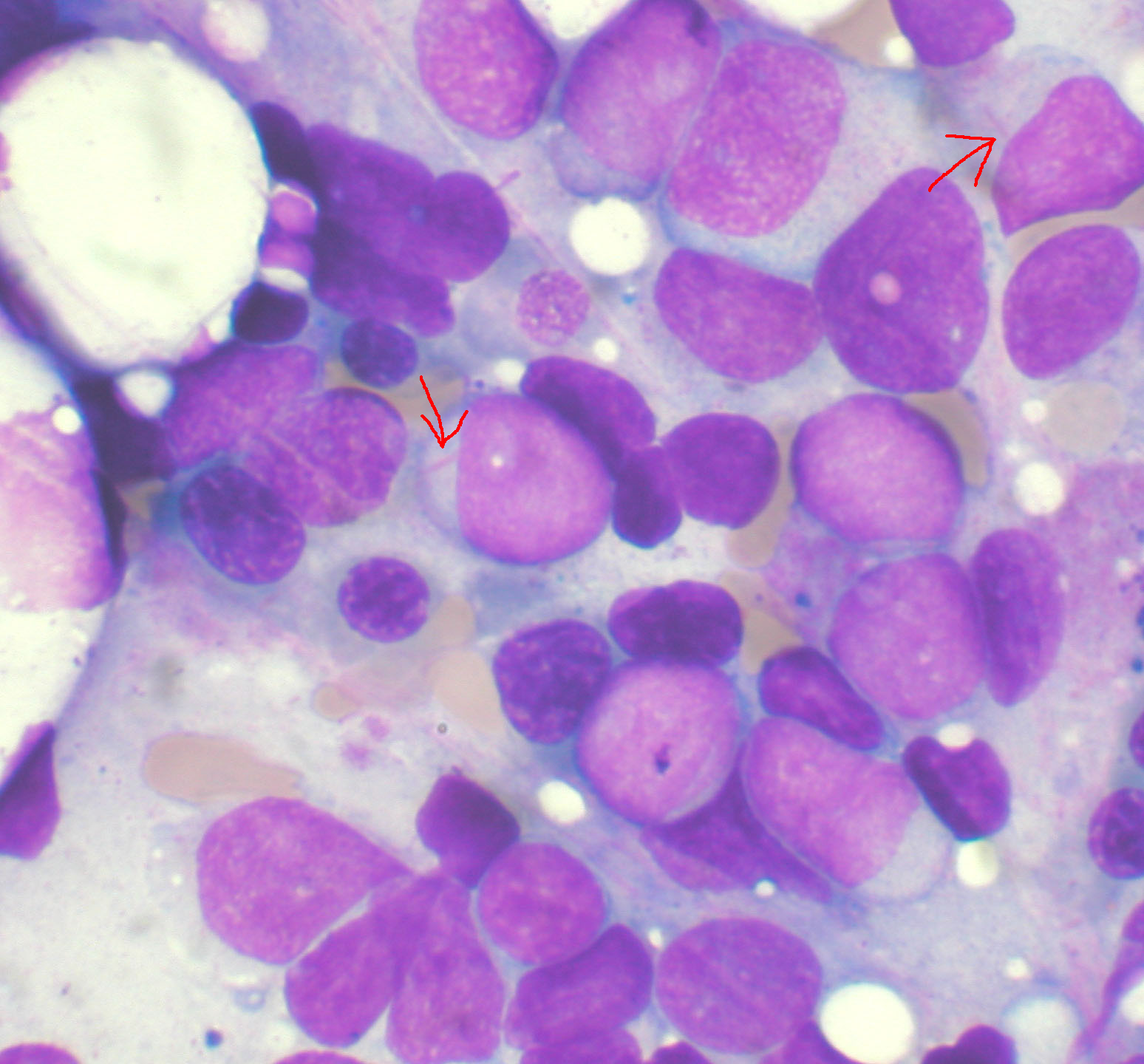
Leucemia mieloide aguda
Compêndio · Raras BR

Leucemia mieloide aguda

ORPHA:519 · MONDO:0018874
Prevalência
1-5 / 10 000
CID-10
C92.0 · Leucemia mielóide aguda
CID-11
Ensaios
43 ativos
Início
All ages
Prevalência
10.0 (Europe)
MedGen
UMLS
C0023467
Repurposing
15 candidatos
aclarubicintopoisomerase inhibitor
cyclophosphamideDNA alkylating agent
cytarabineribonucleotide reductase inhibitor
+12 outros
Wikidata
Wikipedia
Papers 10a
Evidência
🥉 Relato de caso
DiscussaoAtiva

Nenhuma novidade ainda. O agente esta monitorando.

0membros
0novidades