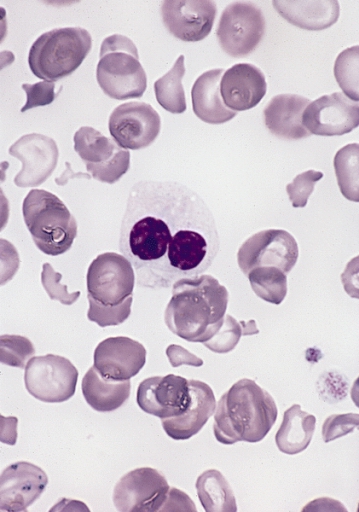
É uma doença do sangue que surge de uma célula-mãe alterada, gerando um grupo de células "iguais" (clonais) e problemáticas. Ela se caracteriza pela produção de células sanguíneas com formato e função anormais (displasia), e por uma formação ineficaz de novas células do sangue em um ou mais tipos (como glóbulos vermelhos, brancos ou plaquetas). Essa alteração nas células pode vir junto com um aumento nas células jovens da medula óssea (chamadas mieloblastos). No entanto, a quantidade dessas células é sempre inferior a 20%. Se fosse igual ou superior a 20%, a Organização Mundial da Saúde (OMS) classificaria a condição como leucemia mieloide aguda. A doença pode surgir espontaneamente (sem uma causa aparente) ou ser resultado da exposição a certos medicamentos (como alguns usados em quimioterapia) e/ou radioterapia.
Introdução
O que você precisa saber de cara
Síndrome 5q minus (5q-) é um tipo de distúrbio da medula óssea chamado síndrome mielodisplásica (MDS). A MDS compreende um grupo de condições nas quais as células sanguíneas imaturas não se desenvolvem normalmente, resultando em um excesso de células imaturas e em poucas células sanguíneas maduras normais. Na síndrome 5q-, o desenvolvimento dos glóbulos vermelhos é particularmente afetado, levando a uma escassez dessas células (anemia). Além disso, os glóbulos vermelhos que estão presentes são incomumente grandes (macrocítica). Embora muitas pessoas com a síndrome 5q- não apresentem sintomas relacionados à anemia, especialmente nos estágios iniciais da condição, alguns indivíduos afetados desenvolvem fadiga extrema, fraqueza e uma aparência anormalmente pálida (palidez) à medida que a condição piora. Pessoas com a síndrome 5q- também apresentam desenvolvimento anormal de células da medula óssea chamadas megacariócitos, que produzem plaquetas, as células envolvidas na coagulação sanguínea. Um achado comum em pessoas com a síndrome 5q- são células anormais descritas como megacariócitos hipolobulados. Além disso, alguns indivíduos com a síndrome 5q- têm excesso de plaquetas, enquanto outros têm número normal de plaquetas.
A MDS é considerada um câncer sanguíneo de crescimento lento (crônico). Ela pode progredir para um câncer sanguíneo de crescimento rápido chamado leucemia mieloide aguda (AML). A progressão para AML ocorre com menos frequência em pessoas com a síndrome 5q- do que naquelas com outras formas de MDS.
Fonte: MedlinePlus Genetics (NLM/NIH), traduzidoÉ uma doença do sangue que surge de uma célula-mãe alterada, gerando um grupo de células "iguais" (clonais) e problemáticas. Ela se caracteriza pela produção de células sanguíneas com formato e função anormais (displasia), e por uma formação ineficaz de novas células do sangue em um ou mais tipos (como glóbulos vermelhos, brancos ou plaquetas). Essa alteração nas células pode vir junto com um aumento nas células jovens da medula óssea (chamadas mieloblastos). No entanto, a quantidade dessas células é sempre inferior a 20%. Se fosse igual ou superior a 20%, a Organização Mundial da Saúde (OMS) classificaria a condição como leucemia mieloide aguda. A doença pode surgir espontaneamente (sem uma causa aparente) ou ser resultado da exposição a certos medicamentos (como alguns usados em quimioterapia) e/ou radioterapia.
Tem tratamento?
Escala de raridade
<1/50kMuito rara
1/20kRara
1/10kPouco freq.
1/5kIncomum
1/2k
Encontrou um erro ou informação desatualizada? Sugira uma correção →
Entender a doença
Do básico ao detalhe, leia no seu ritmo
Preparando trilha educativa...
Sinais e sintomas
O que aparece no corpo e com que frequência cada sintoma acontece
Partes do corpo afetadas
+ 34 sintomas em outras categorias
Características mais comuns
Os sintomas variam de pessoa para pessoa. Abaixo estão as 89 características clínicas mais associadas, ordenadas por frequência.
Linha do tempo da pesquisa
Encontrou um erro ou informação desatualizada? Sugira uma correção →
Genética e causas
O que está alterado no DNA e como passa nas famílias
Genes associados
10 genes identificados com associação a esta condição.
Curadoria gene-doença
fontes oficiaisImmunodeficiency 21
An immunodeficiency disease characterized by profoundly decreased or absent monocytes, B-lymphocytes, natural killer lymphocytes, and circulating and tissue dendritic cells, with little or no effect on T-cell numbers. Clinical features of DCML include susceptibility to disseminated non-tuberculous mycobacterial infections, papillomavirus infections, opportunistic fungal infections, and pulmonary alveolar proteinosis. Bone marrow hypocellularity and dysplasia of myeloid, erythroid, and megakaryocytic lineages are present in most patients, as are karyotypic abnormalities, including monosomy 7 and trisomy 8. This syndrome links susceptibility to mycobacterial, viral, and fungal infections with malignancy and can be transmitted in an autosomal dominant pattern.
Bone marrow failure syndrome 4
A form of bone marrow failure syndrome, a heterogeneous group of life-threatening disorders characterized by hematopoietic defects in association with a range of variable extra-hematopoietic manifestations. BMFS4 is characterized by early-onset anemia, leukopenia, decreased B cells, and developmental aberrations including facial dysmorphism, mild skeletal anomalies, and neurodevelopmental delay. BMFS4 inheritance is autosomal recessive.
Intellectual developmental disorder, autosomal dominant 42
A disorder characterized by significantly below average general intellectual functioning associated with impairments in adaptive behavior and manifested during the developmental period. MRD42 patients manifest global developmental delay commonly accompanied by hypotonia, seizures of various types, ophthalmological manifestations, and poor growth.
Tumoral calcinosis, normophosphatemic, familial
An uncommon, life-threatening disorder characterized by progressive deposition of calcified masses in cutaneous and subcutaneous tissues. Serum phosphate levels are normal. Clinical features include painful calcified ulcerative lesions and massive calcium deposition in the mid- and lower dermis, severe skin and bone infections, erythematous papular skin eruption in infancy, conjunctivitis, and gingivitis. NFTC shows a striking resemblance to acquired dystrophic calcinosis, in which tissue calcification occurs as a consequence of tissue injury/inflammation.
Ataxia-pancytopenia syndrome
An autosomal dominant disorder characterized by cerebellar ataxia, variable hematologic cytopenias, and predisposition to bone marrow failure and myeloid leukemia.
Bohring-Opitz syndrome
A syndrome characterized by severe intrauterine growth retardation, poor feeding, profound intellectual disability, trigonocephaly, prominent metopic suture, exophthalmos, nevus flammeus of the face, upslanting palpebral fissures, hirsutism, and flexion of the elbows and wrists with deviation of the wrists and metacarpophalangeal joints.
Medicamentos aprovados (FDA)
3 medicamentos encontrados nos registros da FDA americana.
Variantes genéticas (ClinVar)
2.171 variantes patogênicas registradas no ClinVar.
Classificação de variantes (ClinVar)
Distribuição de 86 variantes classificadas pelo ClinVar.
Vias biológicas (Reactome)
93 vias biológicas associadas aos genes desta condição.
Diagnóstico
Os sinais que médicos procuram e os exames que confirmam
Tratamento e manejo
Remédios, cuidados de apoio e o que precisa acompanhar
Onde tratar no SUS
Hospitais de referência no Brasil e o protocolo oficial do SUS (PCDT)
🇧🇷 Atendimento SUS — Síndromes mielodisplásicos
Selecione um estado ou use sua localização para ver resultados.
Dados de DATASUS/CNES, SBGM, ABNeuro e Ministério da Saúde. Sempre confirme a disponibilidade diretamente com o estabelecimento.
Pesquisa ativa
Ensaios clínicos abertos e novidades científicas recentes
Ensaios em destaque
Com ensaio aberto em 51 países. O ponto verde marca onde há vaga agora.
🟢 Recrutando agora
100 pesquisas recrutando participantes. Converse com seu médico sobre a possibilidade de participar.
Outros ensaios clínicos
Publicações mais relevantes
Mostrando amostra de 200 publicações de um total de 6.870
RNF25 confers mRNA damage tolerance by curbing activation of the integrated stress response.
Excessive RNA damage activates cellular stress responses, triggering cell death. However, pathways that negatively regulate RNA damage responses are largely uncharacterized. Using genetic screens, we find that the ubiquitin ligase RNF25 provides tolerance to RNA damage caused by the nucleoside analogue azacytidine, a chemotherapeutic agent used to treat acute myeloid leukemia (AML) and myelodysplastic syndrome (MDS). Mechanistically, we show that azacytidine is incorporated into mRNA, where it causes lesions that stall elongating ribosomes, leading to cytotoxic activation of the GCN2-dependent integrated stress response (ISR). Furthermore, we establish that RNF25 prevents ISR hyperactivation by ubiquitylation of ribosomal protein eS31, thereby suppressing cell death upon azacytidine treatment. Our study reveals an mRNA damage tolerance mechanism that determines cellular survival in response to azacytidine, highlighting RNA damage-induced stress response as a potentially critical component of chemosensitivity in AML and MDS.
Impact of Post-Transplant Cyclophosphamide on the Prognostic Value of HCT-CI.
The hematopoietic cell transplant comorbidity index (HCT-CI) is a validated prognostic tool for baseline assessment in allogeneic hematopoietic cell transplantation (HCT). The impact of the individual components of the HCT-CI on prognosis remains unknown for patients undergoing post-transplant cyclophosphamide (PTCY) based graft versus host disease (GVHD) prophylaxis. Data were collected and validated from patients undergoing HCT for myelodysplastic syndrome or acute myeloid leukemia at our center between 2018 and 2022. Multivariable regression analysis was used to identify an optimized subset of HCT-CI; Akaike information index (AIC) was used to assess model fit; C-index was used to evaluate the predictive ability of models. From 586, 184 (31%) received PTCY; HCT-CI comorbidities were balanced between non-PTCY and PTCY- subgroups except for renal, which was only present in 8 patients. Higher HCT-CI was associated with an increased cumulative incidence of NRM in univariable (3-year NRM: 22% (≥ 5) vs 12% (2-4) vs 4.8% (0-1), p=0.0002) and multivariable analysis (subdistribution HR 4.28 for HCT-CI≥ 5, p=0.0003, 2.61 for 2-4, p=0.013). Subset of HCT-CI comorbidities-diabetes, infection, peptic ulcer disease, renal, rheumatologic, and severe pulmonary comorbidities- had a similar impact on NRM as the total score. Diabetes and cardiac comorbidities had a strong association with NRM, and the addition of cardiac comorbidities improved the C-index only in the PTCY subgroup. The HCT-CI retains prognostic significance in the PTCY era, although refinement may be required. Future studies can identify links between cardiac comorbidities and NRM when using PTCY.
Effect of Somatic Variants Post Allogeneic Hematopoietic Cell Transplantation in Acute Myeloid Leukemia and Myelodysplastic Syndrome.
Measurable residual disease (MRD) has established prognostic significance in patients with myeloid disorders; however, there is limited data regarding its prognostic and predictive value and the optimal technique for measurement in the setting of post allogeneic hematopoietic cell transplantation (allo-HCT). A multi-gene next generation sequencing (NGS) panel can overcome the limitations of conventional techniques for measurement of MRD and can shed light onto the longitudinal evolution and genomic complexity of patients undergoing allo-HCT for acute myeloid leukemia (AML) and myelodysplastic syndrome (MDS). In this study, patients with AML or MDS who underwent their first allo-HCT and completed NGS testing at day +100 and were in a state of morphological remission were identified from the transplant registry of Mayo Clinic in Florida. The primary aim was to evaluate the prognostic impact of somatic variants detected via NGS at day +100 post allo-HCT on long-term outcomes. In total, 105 patients who underwent allo-HCT for AML and MDS and completed NGS testing on day +100 were included in the study population. Seventeen patients were found to have detectable variants, and 88 patients were without a detectable variant. At a median follow up of 1.4 years (0.1-5.5), presence of any variant at day +100 was associated with inferior 4-year overall survival (OS) (32% vs. 69%, P < 0.001), decreased progression free survival (PFS) (34% vs. 61%, P < 0.001), and a higher incidence of relapse (64% vs. 23%, P < 0.001). In univariate models, a lower Karnofsky performance score and presence of variants post allo-HCT remained significantly associated with inferior OS, higher relapse incidence, and a decreased PFS. The presence of variants at day +100 post allo-HCT remained significant in multivariate models for relapse (P = 0.002) but not for OS (P = 0.06) and PFS (P = 0.08). These results indicate that the presence of detectable somatic variants at day +100 is associated with poor long-term outcomes and are predictive of a higher incidence of relapse.
Aberrant Kupffer-like differentiation of hematopoietic stem cell is critical for the MDS pathogenesis in Setd2-deficient mice.
Histone methyltransferase SETD2 is recurrently mutated in hematopoietic malignancies. Our previous study showed that Setd2 deficiency impairs the self-renewal potential of murine hematopoietic stem cells (HSCs) and drives myelodysplastic syndrome (MDS)-like disorders. However, the precise oncogenic advantages conferred upon HSCs by Setd2 loss remain unclear. In this study, we found that Setd2 deficiency disrupted the fidelity of HSC lineage differentiation with preferential erythroid commitment and excessive macrophage priming, leading to ineffective erythropoiesis and the production of inflammatory embryonic-derived Kupffer cell (EmKC)-like cells. Notably, these EmKC-like cells exhibited HSC-independent self-renewal capability and remotely perturbed intramedullary hematopoiesis by inducing systemic inflammation. Furthermore, macrophage depletion effectively alleviated the inflammatory state and relieved MDS-like symptoms. Mechanistically, Setd2 loss leads to significant changes in DNA methylation and chromatin accessibility, resulting in the activation of Irf8. These findings suggest that the long-lived inflammatory cells may compensate for the HSC self-renewal defects, triggering systemic inflammation and driving hematopoietic malignant transformation. This paradigm provides a new understanding of hematopoietic malignancies with functional defects and exhaustion of HSCs.
Application of next-generation sequencing in the treatment of myelodysplastic syndrome: from mechanisms to clinical practice.
Myelodysplastic syndrome (MDS) is a malignant clonal disorder originating from hematopoietic stem and progenitor cells and is characterized by ineffective hematopoiesis and a high propensity for transformation into acute leukemia. Research has indicated that the pathogenesis of MDS is closely linked to genetic mutations and that its progression may encompass multiple stages, including cytogenetic and molecular alterations, leading to the acquisition of oncogenic mutations. The widespread application of next-generation sequencing (NGS) technologies, including whole-genome sequencing, whole-exome sequencing, and RNA sequencing, has significantly improved our understanding of the genetic alterations and transcriptomic modifications underlying MDS. These technologies not only deepen our understanding of molecular mechanisms but also facilitate the identification of potential therapeutic targets and prognostic biomarkers. Consequently, the 2022 World Health Organization Classification and the International Consensus Classification have incorporated molecular features into the MDS classification system, and the Molecular International Prognostic Scoring System (IPSS-M) was introduced. This review aims to summarize the role of NGS in the precise diagnosis, classification, risk assessment, treatment selection, and evaluation of therapeutic effectiveness in MDS, with implications for advancing precision medicine in hematological malignancies.
Publicações recentes
Health-related quality of life of patients with acute myeloid leukemia and myelodysplastic syndromes/neoplasms treated with decitabine: a systematic literature review.
Concurrent SF3B1 Mutation and BCR::ABL1 Demonstrating a Myelodysplastic Syndrome Phenotype: A Case Report.
Behçet's syndrome-like features revealing myelodysplastic syndrome with TP53 mutation: a case report.
Disparities in blood cancer survival in the UK 2009-2019: national cohort studies.
Luspatercept: From Bench to Bedside and Beyond in the Management of Ineffective Erythropoiesis.
📚 EuropePMC6.634 artigos no totalmostrando 199
RNF25 confers mRNA damage tolerance by curbing activation of the integrated stress response.
Molecular cellA complete blood count-based machine learning model for rapid differentiation of aplastic anemia, immune thrombocytopenia, and myelodysplastic syndromes in routine clinical practice.
Practical laboratory medicineImpact of Post-Transplant Cyclophosphamide on the Prognostic Value of HCT-CI.
Transplantation and cellular therapyMyelodysplastic Syndrome Secondary to Chimeric Antigen Receptor T-cell (CAR-T) Therapy for the Treatment of Relapsed/Refractory Multiple Myeloma.
CureusTreatment of Acute Myeloid Leukemias and Myelodisplastic Syndromes Relapsing After Allogeneic Stem Cell Transplantation: An In-Depth Analysis of the GITMO AML/MDS-Relapse Registry Study.
Clinical lymphoma, myeloma & leukemia[Mutation characteristics and prognosis of patients with Fanconi anemia signaling pathway gene mutation myeloproliferative neoplasm].
Zhonghua yi xue za zhiEmergence and continuous clonal evolution of a JAK2 exon 12-mutated myeloid clone after treatment for de novo acute myeloid leukemia.
Leukemia researchHematopoietic Stem Cell Transplantation in a Fontan Patient With Myelodysplastic Syndrome.
JACC. Case reportsEffect of Somatic Variants Post Allogeneic Hematopoietic Cell Transplantation in Acute Myeloid Leukemia and Myelodysplastic Syndrome.
Hematology/oncology and stem cell therapyAberrant Kupffer-like differentiation of hematopoietic stem cell is critical for the MDS pathogenesis in Setd2-deficient mice.
Cell death and differentiationAssociation between red cell distribution width to albumin ratio and all-cause mortality in critically ill patients with myelodysplastic syndrome: a retrospective cohort study.
Hematology (Amsterdam, Netherlands)[Efficacy and safety of romiplostim N01 for refractory aplastic anemia: a retrospective single-center study].
Zhonghua xue ye xue za zhi = Zhonghua xueyexue zazhiHidden morphological clues in deceptive bone marrow pathologies.
Annales de biologie cliniqueLarge-Vessel Vasculitis With Autoimmune Myelodysplastic Syndrome: An Uncommon Case of Large-Vessel Vasculitis With Cytopenia That Is Vacuoles, E1 Enzyme, X-linked, Autoinflammatory, Somatic Syndrome (VEXAS) Negative.
CureusSuccessful Treatment of Cutaneous Squamous Cell Carcinoma Complicated by Myelodysplastic Syndrome Using Combined ALA-PDT and Narrow-Margin Excision: A Case Report.
Clinical case reportsSeven-Year Course of Hypoplastic Myelodysplastic Syndrome Unmasked by Secondary and Neurological Syphilis.
Mediterranean journal of hematology and infectious diseasesApplication of next-generation sequencing in the treatment of myelodysplastic syndrome: from mechanisms to clinical practice.
Blood science (Baltimore, Md.)Extensive Oral Ulcerations After Stem Cell Transplant.
JAMA oncologyMDS/AML-associated DDX41 helicase facilitates homologous recombination repair by potentially resolving R-loops.
Nucleic acids researchPresumed tumor-infiltrating clonal hematopoiesis unmasking a concomitant systemic mastocytosis with associated myeloid neoplasm in a patient with metastatic melanoma.
Virchows Archiv : an international journal of pathologyMyelodysplastic Syndrome (MDS) With KMT2A::CBL Rapidly Progressed to Acute Myeloid Leukaemia (AML).
EJHaemAn extraction pipeline for analysis of hematopoietic stem cell transplantation data.
Bone marrow transplantationEffect of RAS Pathway Gene Mutations on Survival in Myelodysplastic Syndrome: A Systematic Review and Meta-Analysis.
Cancer control : journal of the Moffitt Cancer CenterThe role of macrophages and cytokines in the occurrence and development of MDS.
Clinical and experimental medicineIncreased Prevalence of Extrathymic Neoplasms in Myasthenia Gravis Patients-A Population-Based, Matched Case-Control Study.
Muscle & nerveTherapy of high-risk myelodysplastic syndromes.
Bone marrow transplantationPatient-reported outcomes in newly diagnosed patients with FLT3-internal-tandem-duplication-positive acute myeloid leukaemia receiving standard chemotherapy plus quizartinib or placebo (QuANTUM-First): a global, randomised, placebo-controlled, phase 3 trial.
The Lancet. HaematologySevere Hidradenitis Suppurativa and Subsequent Myelodysplastic Syndrome: A Case Report Highlighting Chronic Inflammatory Burden and Carcinogenic Risk.
CureusNonmyeloablative Conditioning Combined with Anti-CD117 Antibody Briquilimab in Older Adults with High-Risk AML and MDS.
BloodInterpretable Machine Learning to Decipher Myelodysplastic Syndrome-Associated Alterations of the Extracellular Matrix by Time-of-Flight Secondary Ion Mass Spectrometry.
Journal of the American Society for Mass SpectrometrySecondary primary malignancies in indolent non-Hodgkin lymphoma patients receiving frontline bendamustine-rituximab.
CancerWhole transcriptome sequencing reveals differences in the pathogenesis of myelodysplastic syndromes and acute myeloid leukemia.
Hematology (Amsterdam, Netherlands)Clinical and etiological profile of anemia in a clinical hematology department of North Africa : A cross-sectional study.
Leukemia research reportsDiagnostic value of repeat deep sampling and cytocentrifugation in disseminated nocardiosis due to Nocardia brasiliensis with intramuscular and prostatic abscesses in a patient with myelodysplastic syndrome.
Journal of infection and chemotherapy : official journal of the Japan Society of ChemotherapyActivity of Ponatinib and Vitamin K2 Against Myelodysplastic Syndrome and Acute Myeloid Leukemia Cells.
Anticancer researchMDM4 HAPLOINSUFFICIENCY LEADS TO P53-MEDIATED BONE MARROW FAILURE.
BloodClinical Presentation, Risk Factors and Outcome of Non-Tuberculous Mycobacteria Infection in Hematopoietic Stem-Cell Transplantation: A Multinational Case-Control Study.
Open forum infectious diseasesOutcomes of First-Line PARP Inhibitor Therapy in Ovarian Cancer: A Multicenter Retrospective Analysis.
Journal of clinical medicineRRM1 inhibition sensitizes lung adenocarcinoma to decitabine treatment.
Cell death & diseaseUse of Human Intravenous Immunoglobulin Therapy in Two Dogs with Non-Neoplastic Bone Marrow Disorders Refractory to Immunosuppressive Therapy.
Veterinary sciencesReal-World Outcomes of [177Lu]Lu-DOTA-TATE Peptide Receptor Radionuclide Therapy in Patients with Metastatic Gastroenteropancreatic Neuroendocrine Tumors: Data from a Belgian ENETS Center of Excellence.
Acta gastro-enterologica BelgicaSymptom burden and palliative care in patients with hematologic malignancies: a single-center experience.
Supportive care in cancer : official journal of the Multinational Association of Supportive Care in CancerComparative Analysis of ICC and WHO Classifications Reveals Molecular and Clinical Convergence Between AML-MR and MDS/AML.
Hematological oncologyBeyond initial response: Acquired resistance to hypomethylating agents in myeloid malignancies.
Critical reviews in oncology/hematologySuccessful treatment of relapsed FLT3-mutated donor cell-derived MDS/AML with FLT3 inhibitor gilteritinib.
Annals of hematologyImpact of prior solid tumor on outcomes of hematopoietic stem cell transplantation for hematologic malignancies: a propensity score-matched study.
Frontiers in immunologyReal-world study of use patterns and clinical outcomes for patients with myelodysplastic syndrome initiating oral decitabine and cedazuridine or intravenous/subcutaneous hypomethylating agents.
Therapeutic advances in hematologySymptom burden in patients with hematologic malignancies and its influencing factors.
Supportive care in cancer : official journal of the Multinational Association of Supportive Care in CancerMorphologic findings and mutational profiles of myelodysplastic neoplasms with normal versus abnormal karyotype.
Journal of hematopathologyNavigating diagnostic shifts: A comparative review of the WHO 5th edition and ICC 2022 classifications of myeloid neoplasms.
Human pathologyObservational and Genetic Association of Myelodysplastic Syndromes (MDS) and Autoimmune Diseases in Adults.
Mediators of inflammationMyelodysplastic syndrome progress to acute myeloid leukemia: new insights and updates.
Frontiers in immunologyPotential Clinical Value of Identifying Myelodysplastic Syndrome as a Cardiovascular Risk Condition.
The Canadian journal of cardiologyExtramedullary Hematopoiesis Showing Lymphadenopathy in Myelodysplastic Syndrome without Myelofibrosis.
Internal medicine (Tokyo, Japan)Clinical outcomes of patients with lower risk myelodysplastic syndrome from EUMDS registry eligible for transplantation: Implications for transplantation strategies.
British journal of haematologyReal-world data-based assessment of therapy-related myeloid neoplasms after poly(ADP-ribose) polymerase inhibitor treatment in ovarian cancer.
Frontiers in oncologyAcquired Pure Red Cell Aplasia Following BNT162b2 mRNA COVID-19 Vaccination.
Internal medicine (Tokyo, Japan)Role of SPAG6 in regulating physiological functions and tumorigenesis (Review).
International journal of oncologyClinical Characteristics and Molecular Profiling of SF3B1-Mutated Myelodysplastic Syndrome (MDS) in a Real-World Practice.
International journal of molecular sciencesPrevention and management of febrile neutropenia in acute myeloid leukaemia and higher risk myelodysplastic syndrome: An international survey of current practice.
British journal of haematologyEffectiveness of azacytidine for poly ADP-ribose polymerase inhibitor-induced myelodysplastic syndrome in ovarian cancer patient: a twofold triumph.
Journal of chemotherapy (Florence, Italy)A CRISPR-Based Humanized Model Reveals Cooperative Role of STAG2 Loss in Familial GATA2-Deficient MDS Progression.
bioRxiv : the preprint server for biologyThe development of intrapulmonary shunting caused by luspatercept in low grade myelodysplastic syndrome: a case report.
AME case reportsEarly-onset de novo donor-specific anti-HLA antibodies may contribute to poor graft function following haploidentical transplantation for myelodysplastic syndrome: a rare case presentation.
Therapeutic advances in hematologyMesangial sclerosing glomerulopathy following luspatercept treatment - a case report.
BMC nephrologyT1 mapping on cardiac magnetic resonance of myocardial calcification after septic shock.
Pediatrics international : official journal of the Japan Pediatric Society[Haploidentical hematopoietic stem cell transplantation for advanced myelodysplastic syndrome patients with recurrent genetic abnormalities].
Zhonghua xue ye xue za zhi = Zhonghua xueyexue zazhiHematological Disease Profile in the Tribal Population of Northern Maharashtra Based on Bone Marrow Examination: A Retrospective Study.
CureusBeyond Sweet Syndrome: Untangling the Threads of Histiocytoid Sweet Syndrome and Cutaneous Myeloid Neoplasia.
Surgical pathology clinicsNovel therapies in myeloid neoplasms show limited benefit and increased costs over 15 years of follow-up in Southern Finland.
Annals of hematologyFatal Ultra-Early-Onset Rhino-Cerebral Mucormycosis Caused by Rhizomucor miehei Following Umbilical Cord Blood Transplantation and Review of Published Literature.
MycopathologiaPrimary Adrenal Insufficiency Due to Recurrent Unilateral Adrenal Infarction in a Patient With Myelodysplastic Syndrome With Isolated del(5q).
AACE endocrinology and diabetesAnterior Ischemic Optic Neuropathy Associated with Acute Severe Anemia Due to Myelodysplastic Syndrome (MDS): A Case Report.
Neuro-ophthalmology (Aeolus Press)A phase 1/2 study of donor-derived anti-CD33 CAR T-cell therapy (VCAR33) for relapsed/refractory AML after allogeneic HCT.
BloodA fatal case of VEXAS syndrome with a brief review.
Journal of vascular surgery cases and innovative techniquesJAK2V617F reprograms Hypoxia Inducible Factor-1 to induce a non-canonical hypoxia regulon in myeloproliferative neoplasms.
LeukemiaClinical perception and novel insights of chronic myelomonocytic leukemia: a 10-year multi-center retrospective study.
Frontiers in medicineImmunophenotypic abnormality quantification refines multiparameter flow cytometry-based measurable residual disease testing in adults allografted for acute myeloid leukemia in morphologic remission.
HemaSphereDiffusion-Weighted Magnetic Resonance Imaging and Apparent Diffusion Coefficient Mapping Detect Kidney Infiltration in Acute Myeloid Leukemia: A Case Report.
Kidney medicineCase series: rhabdomyolysis in patients taking isocitrate dehydrogenase inhibitors for myelodysplastic syndrome and relapsed/refractory acute myeloid leukemia.
Leukemia & lymphomaVEXAS syndrome and cancer: Insights about a possible "Tip of the Iceberg". Ambidirectional data from the international AIDA network registries.
Seminars in arthritis and rheumatismSevere Congenital Neutropenia With Negative Whole-Exome Sequencing Managed With Hematopoietic Stem Cell Transplantation: A Case Report.
CureusMyelodysplastic syndrome with cryptic 5q deletions in young male patients showing sustained response to lenalidomide.
HaematologicaTransferability of Real World Evidence to Support HTA Recommendations in Lower Income European Countries.
Health science reportsAberrant CD25 and Increased CD123 Expression Are Common in Acute Myeloid Leukemia with KMT2A Partial Tandem Duplication and Are Associated with FLT3 Internal Tandem Duplication.
CancersMarrow Microenvironmental Pathobiology and Therapeutic Opportunities for TP53-Mutated Myelodysplastic Syndrome/Acute Myeloid Leukemia.
CancersMoving Beyond Somatic Alterations: Uncovering the Germline Basis of Myeloid Malignancies.
CancersSubsequent Neoplasms After Umbilical Cord Blood Transplantation in the Japanese and European Populations.
Transplantation and cellular therapyDiagnostic pitfalls of ESA-resistant anemia due to functional copper deficiency in a dialysis patient: a myelodysplastic syndrome mimic.
CEN case reportsSuccessful Treatment of Refractory Sweet's Syndrome With Adalimumab in a Myelodysplastic Syndrome Patient.
EJHaemIncidence of hematologic malignancies and mortality associated with GLP-1 receptor agonist and SGLT2 inhibitor use in type 2 diabetes mellitus: results of a retrospective cohort study of electronic health records.
EClinicalMedicinePassenger Lymphocyte Syndrome in Pediatric Lung Transplantation: A Recipient With Previous Hematopoietic Stem Cell Transplantation.
Pediatric transplantationIn vivo CRISPR screening identifies SAGA complex members as key regulators of hematopoiesis.
Nature communicationsNovel Genomic Biomarkers Improve Post-Hematopoietic Cell Transplantation Relapse Risk Stratification for Patients With Myelodysplastic Syndromes.
JCO precision oncologyInternational Prognostic Scoring System, Revised International Prognostic Scoring System, and Molecular International Prognostic Scoring System Had No Identical Prognostic Power Depending on Treatment in Myelodysplastic Syndromes.
Acta haematologicaIntensification of Treosulfan-Fludarabine Conditioning With Thiotepa Exhibited Effectiveness and Tolerability in Older or Comorbid Patients Undergoing Allogeneic Hematopoietic Stem Cell Transplant With Active Myeloid Neoplasm: A Real-world Study.
Transplantation directSynergistic apoptosis induction in myelodysplastic syndrome cells by azacitidine and PIM-2 inhibitors via nuclear factor-kappa B pathway inhibition.
BMC cancerPrediction of myeloid malignant cells in Fanconi anemia using machine learning.
PloS oneCancer risk in patients with pulmonary fibrosis and a rare telomere related gene variant.
Respiratory researchAutoimmune HLA alleles and neoantigens predict myelodysplastic syndrome outcomes after allogeneic HSCT: A CIBMTR analysis.
iScienceImpact of Mutational Landscape and Burden on RBC Transfusion Response in Patients With Lower-Risk Myelodysplastic Syndromes (LR-MDS) in the COMMANDS Study.
American journal of hematologyA case of paraneoplastic unilateral leg swelling in myelodysplastic syndrome preceding transformation to acute myeloid leukemia and responding to IL-1 inhibition.
The American journal of medicineSuccessful treatment of probable disseminated mucormycosis using liposomal amphotericin B and isavuconazole in myelodysplastic syndrome: A case report and literature review.
International journal of infectious diseases : IJID : official publication of the International Society for Infectious DiseasesAnemia Contributes to, But Does Not Explain, Cardiovascular Disease Risk Enhancement in Patients With Myelodysplastic Syndrome.
The Canadian journal of cardiologyFBXO11 suppression rewires an NPM1-centered interactome influencing the progression of myelodysplastic syndrome.
The Journal of clinical investigationSustained response to minimal-dose tagraxofusp in a patient with BPDCN and advanced chronic kidney disease.
Annals of hematologyPodocytic Infolding Gromerulopathy Developed at the Time of Transition from Chronic Myelogenous Leukemia to Myelodysplastic Syndrome: A Case Report.
Internal medicine (Tokyo, Japan)A Rare Manifestation of Cardiac Myeloid Sarcoma.
JACC. Case reportsAcyclovir-Resistant Herpes Simplex Virus in Pediatric Patients Undergoing Allogeneic Hematopoietic Stem Cell Transplant: A Case Series.
Transplant infectious disease : an official journal of the Transplantation SocietyMore than CLK bait? Rogocekib for MDS and AML.
Blood advances[Treatment goals for low-risk myelodysplastic syndromes].
[Rinsho ketsueki] The Japanese journal of clinical hematologyBehçet-like intestinal disease in a patient with trisomy 8-associated myelodysplastic syndrome (TRIAD).
BMJ case reportsA Yeast-Based High-Throughput Screening Platform for the Discovery of Novel pre-mRNA Splicing Modulators.
ACS chemical biologyFebrile Neutropenia in the Context of Clozapine-Induced Agranulocytosis (CIA) and Myelodysplastic Syndrome: Importance of a Multidisciplinary Approach.
CureusMyelodysplastic Syndrome With Complex Chromosomal Karyotype Abnormalities Complicated by Multiple Intestinal Perforations: A Case Report and Literature Review.
Case reports in gastrointestinal medicineDiagnostic and Prognostic Significance of miR-155, miR-181, miR-221, miR-222, and miR-223 Expression in Myelodysplastic Syndromes and Acute Myeloid Leukemia.
Diagnostics (Basel, Switzerland)Impact of thrombosis and bleeding on survival of older people with myelodysplastic syndromes: a population analysis.
Journal of thrombosis and haemostasis : JTHMeasurable residual disease-guided combination of ibrutinib plus venetoclax versus FCR in previously untreated patients with intermediate-risk chronic lymphocytic leukaemia: a phase 2, randomised trial (ERADIC) from the FILO group.
EClinicalMedicine[The Effect of Serum Ferritin before Transplantation on Implantation in MDS and AML Patients after Unrelated Cord Blood Transplantation].
Zhongguo shi yan xue ye xue za zhi[The Role of MiR-709 in Erythroid Development and Its Correlation with Multiple Hematological Diseases].
Zhongguo shi yan xue ye xue za zhi[Correlation between ASXL1 Gene Mutation Characteristics and Clinical Manifestations and Prognosis in Patients with Myelodysplastic Syndrome].
Zhongguo shi yan xue ye xue za zhiHematologic Landscape of Adult Patients With Diamond-Blackfan Anemia Syndrome.
American journal of hematologyThe Nicotinamide Salvage Pathway is a Metabolic Vulnerability of High-Risk MDS Stem Cells.
bioRxiv : the preprint server for biologyIbrutinib alternating with three cycles of interval fludarabine, cyclophosphamide, and rituximab (FCR) in adults with untreated chronic lymphocytic leukaemia as time-limited regimen: a single-arm, multicentre phase 2 trial in China.
EClinicalMedicineNavigating prognostic stratification and approach to TP53 -mutated myeloid neoplasms.
Current opinion in hematologyOral Squamous Cell Carcinoma in a Patient with Myelodysplastic Syndrome: Report of a Case and Literature Review.
Frontiers in dentistryHetrombopag Added to Cyclosporine as the First-Line Treatment for Patients With Non-Severe Aplastic Anemia: A Phase 2 Multicenter Trial.
American journal of hematologyPhase II study of the triple combination of rabbit ATG, ciclosporin and eltrombopag in patients with transfusion-dependent aplastic anaemia: West Japan Hematology Study Group (W-JHS) AA02 trial.
British journal of haematologyMDSC subpopulation dynamics predict disease evolution: a multidimensional biomarker framework for risk assessment in MDS.
Clinical and experimental medicineA Case of VEXAS Syndrome Initially Masked as Myelodysplastic Syndrome: Importance of Marrow Vacuolization and UBA1 Testing: A Case Report.
The American journal of case reportsPeriprosthetic Solitary Fibrous Tumor of the Proximal Femur: A Case Report.
JBJS case connectorSpontaneous Resolution of Unexplained Neutropenia in Primary Hyperparathyroidism: A Case Report.
CureusIsavuconazole for the Treatment of Invasive Fungal Disease in Hematology Patients: A Real-World Retrospective Study on Efficacy and Safety.
MicroorganismsClinical Utility of Multiplex Ligation-Dependent Probe Amplification in the Genetic Assessment of Patients with Myelodysplastic Syndrome.
BiomedicinesCytogenetic Abnormalities in Pediatric Myelodysplastic Syndrome: Insights on the Disease Biology and Impact on Leukemic Evolution.
BiomedicinesRUNX1-FPDMM in families with mild thrombocytopenia and platelet function anomalies: a case series.
Frontiers in medicinePolychondritis revealing the acutisation of myelodysplasia into acute myeloid leukaemia in a 36-year-old woman: A case report.
Joint bone spineCongenital Myelodysplastic Syndrome in a Newborn With Germline JAK2 Variant Treated With Liposomal Cytarabine-Daunorubicin and Allogeneic Hematopoietic Stem Cell Transplant.
Pediatric blood & cancer[Outcome of clinical follow-up of maternal malignant tumors indicated by abnormal NIPT signals].
Zhonghua yi xue yi chuan xue za zhi = Zhonghua yixue yichuanxue zazhi = Chinese journal of medical geneticsSF3B1 mutations in spliceosome-driven tumorigenesis: From splicing dysregulation to signaling network rewiring and therapeutic targeting.
Biochimica et biophysica acta. Reviews on cancerInquiry Regarding the Impact of Anemia Adjustment on Cardiovascular Disease Risk in Patients With Myelodysplastic Syndrome.
The Canadian journal of cardiologyPolycomb repressive complexes as therapeutic targets in hematologic malignancies.
Experimental hematologyA Case Series of SGLT2i Improving Hemoglobin in Adults with Myelodysplastic Syndrome.
Acta haematologicaA proposal for expedited stem cell transplantation for TP53-mutant myelodysplastic neoplasms and acute myeloid leukemia.
Blood advancesReview of flow cytometry findings and associated scoring approaches for identifying myelodysplastic syndrome and the future role of machine learning in improving the diagnostic algorithm.
American journal of clinical pathologyClinical and Biological Insights into Myelodysplastic Neoplasms Associated with Deletions of Chromosome 5q Region.
Hematology reportsTreatment of Relapsed/Refractory t(11;14) Multiple Myeloma and High-Risk Myelodysplastic Syndrome With Venetoclax.
Case reports in hematologyDonor age and type in allogeneic haematopoietic stem cell transplantation: Strong effect in MDS, limited in AML.
British journal of haematologyIsolated KRAS and NRAS mutations in adults with monocytosis and/or cytopenia(s).
HaematologicaA novel GATA1 variant linking germline and somatic myelodysplastic syndrome in two patients.
HaematologicaThe effects of adding decitabine to conditioning regimen for patients with acute myeloid leukemia or myelodysplastic syndrome undergoing allogeneic hematopoietic stem cell transplantation: a systematic review and meta-analysis.
Annals of hematologyImpact of Germline CHEK2 Pathogenic Variants on the Risk of Acute Myeloid Leukemia and Myelodysplastic Syndrome.
Cancer epidemiology, biomarkers & prevention : a publication of the American Association for Cancer Research, cosponsored by the American Society of Preventive OncologyMinoxidil ameliorates myelodysplastic syndrome by targeting Wnt4 while sparing normal hematopoiesis.
Cell communication and signaling : CCSDynamic and extensive A-to-I RNA recoding in immunoglobulin shapes myeloid neoplasm transcriptome.
The Journal of biological chemistryMolecular Characterization of <italic>MECOM</italic> Rearrangements in Two Cases with Myelodysplastic Syndrome and t(2;3)(p23;q26.2).
Cytogenetic and genome researchShared donor-recipient γδ T-cell phenotypic and repertoire features associate with cytomegalovirus reactivation after allogeneic haematopoietic stem cell transplantation.
Clinical & translational immunologyCyclosporine A improves survival in lower-risk hypoplastic myelodysplastic syndromes: a single-center retrospective study from China.
Hematology (Amsterdam, Netherlands)VEXAS syndrome in rheumatology practice: features from a multicenter cohort in north-east Italy.
Frontiers in immunologyA multicenter, prospective, non-interventional drug intensive monitoring study of olaparib in a large real-world Chinese patient cohort with ovarian cancer (DIM-OC).
Journal of ovarian researchImmature platelet fraction and bone marrow findings in hematology.
Scientific reports[Impact of donor characteristics on prognosis for myelodysplastic syndromes after haplo-identical transplantation: a retrospective study].
Zhonghua xue ye xue za zhi = Zhonghua xueyexue zazhi[Myelodysplastic neoplasms with acute myeloid leukemia-like mutations: clinical features, molecular profiles, and prognosis].
Zhonghua xue ye xue za zhi = Zhonghua xueyexue zazhiSF3B1K700E mutation in human embryonic stem cells causes aberrant expression of immune-related genes.
PloS oneMyelodysplastic/Myeloproliferative Neoplasm in a Dog: A Case Report.
Veterinary medicine and scienceAsymptomatic Nasopharyngeal Myeloid Sarcoma Presenting With Cervical Lymphadenopathy: A Case Report.
Ear, nose, & throat journal[VEXAS syndrome mimicking relapsing polychondritis: A case report].
Beijing da xue xue bao. Yi xue ban = Journal of Peking University. Health sciencesTriptolide combined with arsenic trioxide induces apoptosis of myelodysplastic syndrome cells by inhibiting the NF-κB signaling pathway.
MedicineHigher HLA-DRB1 Evolutionary Divergence Is Associated with Reduced Relapse and Improved Survival after Matched Unrelated Hematopoietic Cell Transplantation.
Transplantation and cellular therapyOne train can hide another one, a case of myelodysplastic syndrome (MDS) and splenic diffuse red pulp small B cell lymphoma (SDRPL).
Annales de biologie cliniqueTherapy related myelodysplastic syndrome: a hematologic sequela of low dose methotrexate in rheumatoid arthritis.
Oxford medical case reportsA Massive Haemothorax Due to Pleural Extramedullary Haematopoiesis in a Patient With Myelodysplastic Syndrome/Myeloproliferative Neoplasm.
CureusSafety and effectiveness of the combination of 5-azacitidine and ruxolitinib in VEXAS syndrome: A single-centre experience.
British journal of haematologyRibosomal protein control of hematopoietic stem cell transformation through regulation of metabolism.
Cell reportsTelomere length as a prognostic biomarker in myelodysplastic syndrome treated with hypomethylating agents.
Leukemia & lymphomaOrca-T vs allogeneic hematopoietic stem cell transplantation (Precision-T): a multicenter, randomized phase 3 trial.
BloodThe impact of the number and the size of clusters on prediction performance of the stratified and the conditional shared gamma frailty Cox proportional hazards models.
medRxiv : the preprint server for health sciencesFDA approval of imetelstat: a new era in the treatment of lower-risk myelodysplastic syndrome.
Annals of medicine and surgery (2012)Remimazolam-Based Anesthetic Management in a Patient with Severe Aortic Stenosis and Myelodysplastic Syndrome-Related Thrombocytopenia: A Case Report.
Journal of clinical medicineDroplet Digital PCR Outperforms Conventional Methods for Early Relapse Prediction in Acute Myeloid Leukemia/Myelodysplastic Syndrome Patients Post-Transplantation.
Transplantation and cellular therapySynergy in Immunostimulatory and Pro-Differentiation Effects of Vitamin D Analog and Fludarabine in Acute Myeloid Leukemias.
CellsTherapy-related Myeloid Neoplasms After Autologous Stem Cell Transplantation for Lymphoma: A Single-Center Experience.
Blood cell therapyPreparing for allogeneic hematopoietic stem cell transplant: a multidisciplinary prehabilitation intervention is safe, feasible and demonstrates preliminary efficacy in acute myeloid leukemia and myelodysplastic syndromes.
BMC cancerIntegrative Multi-Omics Analysis Unveils the Molecular Mechanisms by Which TP53 Mutation Influence Early Decitabine Resistance in Myelodysplastic Syndrome.
Journal of cellular biochemistryAcute severe cholestatic hepatitis and lymphopenia characterize pediatric hepatitis-associated aplastic anemia.
Journal of pediatric gastroenterology and nutrition[Allogeneic hematopoietic stem cell transplantation with high-dose melphalan and total body irradiation for hematological malignancies: a single-center retrospective analysis].
[Rinsho ketsueki] The Japanese journal of clinical hematologyPost Hematopoietic Cell Transplantation Maintenance Therapy With Low-Dose Azacitidine in a Pediatric Population With High-Risk Myeloid Malignancies.
Transplantation and cellular therapyOutcomes of fludarabine-melphalan versus fludarabine-busulfan reduced-intensity conditioning regimens for allogeneic hematopoietic stem cell transplantation in patients with hematologic malignancies: A systematic review and meta-analysis.
CancerReal-world incidence and risk of myelodysplastic syndrome and acute myeloid leukemia secondary to PARP inhibitors in ovarian cancer.
Clinical & translational oncology : official publication of the Federation of Spanish Oncology Societies and of the National Cancer Institute of MexicoVenetoclax/FluBu2 RIC transplant followed by all-oral venetoclax/decitabine maintenance for poor-risk MDS/AML.
Blood advancesUpdates in low/intermediate-risk MDS.
Hematology. American Society of Hematology. Education ProgramManagement of iron overload in adult myelodysplastic syndrome.
Hematology. American Society of Hematology. Education ProgramVEXAS Syndrome Presenting With Pleuritis.
Clinical case reportsCase Report: Secondary myelodysplastic syndrome following autologous stem cell transplantation in a patient with POEMS syndrome.
Frontiers in immunology[Methodological appraisal of statistical approaches to evaluating the impact of chronic graft-versus-host disease on mortality after hematopoietic stem cell transplantation].
Zhonghua xue ye xue za zhi = Zhonghua xueyexue zazhiDemand for human leukocyte antigen or human platelet antigen-selected platelets: An observational study at Canadian Blood Services.
TransfusionCollapsing Glomerulopathy in a Patient With Myelodysplastic Syndrome With Isolated del(5q): A Case Report.
Kidney medicineIndividualized Treosulfan-Based Conditioning Improves Outcomes of Allogeneic Hematopoietic Transplantation for Myelodysplastic Syndrome: A 25-Year Retrospective, Population-Based Analysis.
Transplantation and cellular therapyTMEM91::TAL1 Fusion gene in a middle-aged female with rapid MDS to secondary AML progression: a case report.
Hematology (Amsterdam, Netherlands)Chromatin accessibility in stem cells unveils progressive transcriptional alterations in myelodysplastic syndrome.
Nature communicationsAssociações
Organizações que acompanham esta doença — pra ter apoio e orientação
Ainda não temos associações cadastradas para Síndromes mielodisplásicos.
É de uma associação que acompanha esta doença? Fale com a gente →
Doença com base genética
Um médico geneticista pode ajudar no diagnóstico de Síndromes mielodisplásicos e no aconselhamento genético da família.
Doenças relacionadas
Doenças com sintomas parecidos — ajudam quem ainda está buscando diagnóstico
Perguntas frequentes
O que as famílias mais perguntam sobre esta doença — cada resposta com a fonte de onde saiu
É um distúrbio clonal da medula óssea caracterizado por defeitos no formato e na função das células do sangue. Essa condição compromete a formação correta de glóbulos vermelhos, glóbulos brancos e plaquetas.
Referências
Fontes citadas no texto, publicações do grafo e bases de dados usadas neste verbete
10 publicações do grafo RarasNet (PubMed) · 8 bases de dados. Títulos, periódicos e PMIDs vêm direto da fonte, sem intermediação de IA.
Dados compilados pelo RarasNet a partir de fontes abertas (Orphanet, OMIM, MONDO, PubMed/EuropePMC, ClinicalTrials.gov, DATASUS, PCDT/MS). Este conteúdo é informativo e não substitui avaliação médica.
Citar este verbete
Raras. (s.d.). Síndromes mielodisplásicos. Em Raras — Enciclopédia de Doenças Raras do Brasil. https://raras.org/doenca/sindromes-mielodisplasicos
Formato APA. Conteúdo sob CC BY 4.0 — reuso livre com atribuição.
Conteúdo mantido por Agente Raras · Médicos e pesquisadores podem colaborar
Síndromes mielodisplásicos
📋 Origem dos dados
Esta página agrega dados de fontes públicas e oficiais. Dados sobre cobertura no SUS (PCDT, CEAF) são verificados ativamente por agente proativo (ver badge no infobox). Demais dados têm atribuição de fonte + data da última sincronização — clique para abrir o original.
- Doença rara (ontologia)
- fonte: Orphanet
- Identificador unificado
- fonte: MONDO
- Genética mendeliana
- fonte: OMIM
- Codificação WHO/SUS
- fonte: WHO ICD-10 / DATASUS
- NIH/GARD
- fonte: GARD (NIH)
- Indexação biomédica
- fonte: MeSH (NLM)
- Dado público estruturado
- fonte: Wikidata
- Medicamentos aprovados FDA
- fonte: FDA OpenFDA
- Ensaios clínicos
- fonte: ClinicalTrials.gov

