Pular para o conteúdo
Síndrome de câncer de mama e/ou ovário hereditário
ORPHA:145CID-10 · C50.9CID-11 · 2C65DOENÇA RARA
Esta doença tem causa genética. Recomendamos procurar um médico geneticista para diagnóstico, exames genéticos e aconselhamento familiar.
kidneyInício adultaHerança AD
Também conhecida comoSíndrome hereditário de cancro da mama e ovárioSíndrome de câncer hereditário da mama e ovárioHBOCBRCABRCA1BRCA2

É uma síndrome genética que se transmite de pais para filhos, bastando que a pessoa herde um único gene alterado de um dos pais. Ela é causada por alterações nos genes BRCA1 ou BRCA2. Pessoas com essa síndrome têm um alto risco de desenvolver câncer de mama, principalmente antes dos 50 anos, e também de ter um segundo câncer de mama. Além disso, há um alto risco de desenvolver tanto câncer de mama quanto de ovário.

Em construçãohistóricoSugerir correção
Mantido por Agente Raras·Colaborar como especialista →

Introdução

O que você precisa saber de cara

💬
EM LINGUAGEM SIMPLES

A Síndrome de câncer de mama e/ou ovário hereditário é uma condição genética transmitida de pais para filhos que aumenta significativamente a chance de ter câncer de mama e de ovário. As pessoas com a síndrome costumam apresentar tumores mais precocemente, com frequência antes dos 50 anos de idade, e podem manifestar novos tumores ao longo da vida. As causas principais estão ligadas a alterações herdadas nos genes BRCA1 ou BRCA2, além de outros genes de reparo celular. No Brasil, o SUS oferece medicamentos e esquemas quimioterápicos para o tratamento do câncer de mama por meio de protocolo clínico específico.

Informacoes curadas por IA — podem conter imprecisoes
[1] Orphanet [4] GenCC [19] PCDT vigente "Câncer de Mama" — o SUS …
📋
Informacoes curadas por IA — podem conter imprecisoes

É uma síndrome genética que se transmite de pais para filhos, bastando que a pessoa herde um único gene alterado de um dos pais. Ela é causada por alterações nos genes BRCA1 ou BRCA2. Pessoas com essa síndrome têm um alto risco de desenvolver câncer de mama, principalmente antes dos 50 anos, e também de ter um segundo câncer de mama. Além disso, há um alto risco de desenvolver tanto câncer de mama quanto de ovário.

Pesquisas ativas
17 ensaios
59 total registrados no ClinicalTrials.gov
Publicações científicas
1 artigos
Último publicado: 2017 Oct
Medicamentos
11 com registro
PACLITAXEL, TOXXEL, PACLIMEIZ

Tem tratamento?

✓ 11 medicamentos específicos desta doença (registro ANVISA, FDA ou SUS/CEAF)
Ver detalhes, fases e interações →
PACLITAXELTOXXELPACLIMEIZONTAXABRAXANETAXILANPOKLIEVOTAXEL

Escala de raridade

CLASSIFICAÇÃO ORPHANET · BRASIL 2024
Unknown
Ultra-rara
<1/50k
Muito rara
1/20k
Rara
1/10k
Pouco freq.
1/5k
Incomum
1/2k
Prevalência
0.0
Worldwide
Início
Adult
+ elderly
🏥
SUS: Cobertura mínimaScore: 0%
CID-10: C50.9
Você se identifica com essa condição?
O Raras está aqui pra te apoiar — com ou sem diagnóstico

Encontrou um erro ou informação desatualizada? Sugira uma correção →

Entender a doença

Do básico ao detalhe, leia no seu ritmo

Preparando trilha educativa...

Sinais e sintomas

O que aparece no corpo e com que frequência cada sintoma acontece

Partes do corpo afetadas

🫃
Digestivo
1 sintomas
🫘
Rins
1 sintomas

+ 5 sintomas em outras categorias

Características mais comuns

90%prev.
Anormalidade da tuba uterina
Muito frequente (99-80%)
90%prev.
Neoplasia ovariana
Muito frequente (99-80%)
90%prev.
Carcinoma peritoneal primário
Muito frequente (99-80%)
55%prev.
Carcinoma de mama
Frequente (79-30%)
17%prev.
Neoplasia do pâncreas
Ocasional (29-5%)
17%prev.
Melanoma
Ocasional (29-5%)
7sintomas
Muito frequente (3)
Frequente (1)
Ocasional (3)

Os sintomas variam de pessoa para pessoa. Abaixo estão as 7 características clínicas mais associadas, ordenadas por frequência.

Anormalidade da tuba uterinaAbnormality of the fallopian tube
Muito frequente (99-80%)90%
Neoplasia ovarianaOvarian neoplasm
Muito frequente (99-80%)90%
Carcinoma peritoneal primárioPrimary peritoneal carcinoma
Muito frequente (99-80%)90%
Carcinoma de mamaBreast carcinoma
Frequente (79-30%)55%
Neoplasia do pâncreasNeoplasm of the pancreas
Ocasional (29-5%)17%

Linha do tempo da pesquisa

Publicações por ano — veja quando o interesse científico cresceu
Anos de pesquisa9desde 2017
Total histórico1PubMed
Últimos 10 anos1publicações
Pico20171 papers
Linha do tempo
20202017Hoje · 2026🧪 2000Primeiro ensaio clínico
Publicações por ano (últimos 10 anos)

Encontrou um erro ou informação desatualizada? Sugira uma correção →

Genética e causas

O que está alterado no DNA e como passa nas famílias

Genes associados

15 genes identificados com associação a esta condição. Padrão de herança: Autosomal dominant.

MRE11Double-strand break repair protein MRE11Candidate gene tested inTolerante
VIAS BIOLÓGICAS (10)
Regulation of TP53 Activity through PhosphorylationG2/M DNA damage checkpointProcessing of DNA double-strand break endsPresynaptic phase of homologous DNA pairing and strand exchangeHDR through Single Strand Annealing (SSA)
MECANISMO DE DOENÇA

Ataxia-telangiectasia-like disorder 1

A rare disorder characterized by progressive cerebellar ataxia, dysarthria, abnormal eye movements, and absence of telangiectasia. ATLD patients show normal levels of total IgG, IgA and IgM, although there may be reduced levels of specific functional antibodies. At the cellular level, ATLD exhibits hypersensitivity to ionizing radiation and radioresistant DNA synthesis.

EXPRESSÃO TECIDUAL(Ubíquo)
Linfócitos
22.2 TPM
Nervo tibial
16.4 TPM
Ovário
16.3 TPM
Cervix Ectocervix
16.1 TPM
Cervix Endocervix
16.1 TPM
OUTRAS DOENÇAS (3)
ataxia-telangiectasia-like disorder 1hereditary breast ovarian cancer syndromeNijmegen breakage syndrome-like disorder
HGNC:7230UniProt:P49959
BRCA2Breast cancer type 2 susceptibility proteinDisease-causing germline mutation(s) (loss of function) inTolerante
VIAS BIOLÓGICAS (3)
Presynaptic phase of homologous DNA pairing and strand exchangeHDR through MMEJ (alt-NHEJ)Meiotic recombination
MECANISMO DE DOENÇA

Breast cancer

A common malignancy originating from breast epithelial tissue. Breast neoplasms can be distinguished by their histologic pattern. Invasive ductal carcinoma is by far the most common type. Breast cancer is etiologically and genetically heterogeneous. Important genetic factors have been indicated by familial occurrence and bilateral involvement. Mutations at more than one locus can be involved in different families or even in the same case.

OUTRAS DOENÇAS (17)
Wilms tumor 1Fanconi anemia complementation group D1breast-ovarian cancer, familial, susceptibility to, 2BRCA2-related cancer predisposition
HGNC:1101UniProt:P51587
BRCA1Breast cancer type 1 susceptibility proteinDisease-causing germline mutation(s) (loss of function) inTolerante
VIAS BIOLÓGICAS (10)
Recruitment and ATM-mediated phosphorylation of repair and signaling proteins at DNA double strand breaksMetalloprotease DUBsTP53 Regulates Transcription of DNA Repair GenesTranscriptional Regulation by E2F6Meiotic synapsis
MECANISMO DE DOENÇA

Breast cancer

A common malignancy originating from breast epithelial tissue. Breast neoplasms can be distinguished by their histologic pattern. Invasive ductal carcinoma is by far the most common type. Breast cancer is etiologically and genetically heterogeneous. Important genetic factors have been indicated by familial occurrence and bilateral involvement. Mutations at more than one locus can be involved in different families or even in the same case.

OUTRAS DOENÇAS (12)
Fanconi anemia, complementation group Sbreast-ovarian cancer, familial, susceptibility to, 1BRCA1-related cancer predispositionprostate cancer, hereditary
HGNC:1100UniProt:P38398
PALB2Partner and localizer of BRCA2Candidate gene tested inTolerante
VIAS BIOLÓGICAS (6)
Resolution of D-loop Structures through Holliday Junction IntermediatesHDR through Homologous Recombination (HRR)Resolution of D-loop Structures through Synthesis-Dependent Strand Annealing (SDSA)Homologous DNA Pairing and Strand ExchangeImpaired BRCA2 binding to PALB2
MECANISMO DE DOENÇA

Breast cancer

A common malignancy originating from breast epithelial tissue. Breast neoplasms can be distinguished by their histologic pattern. Invasive ductal carcinoma is by far the most common type. Breast cancer is etiologically and genetically heterogeneous. Important genetic factors have been indicated by familial occurrence and bilateral involvement. Mutations at more than one locus can be involved in different families or even in the same case.

EXPRESSÃO TECIDUAL(Ubíquo)
Linfócitos
13.6 TPM
Testículo
10.3 TPM
Fibroblastos
10.2 TPM
Cérebro - Hemisfério cerebelar
8.7 TPM
Cerebelo
8.4 TPM
OUTRAS DOENÇAS (9)
Fanconi anemia complementation group NPALB2-related cancer predispositionchordomahereditary breast carcinoma
HGNC:26144UniProt:Q86YC2
RAD51CDNA repair protein RAD51 homolog 3Disease-causing germline mutation(s) inTolerante
VIAS BIOLÓGICAS (10)
Resolution of D-loop Structures through Holliday Junction IntermediatesHDR through Homologous Recombination (HRR)Resolution of D-loop Structures through Synthesis-Dependent Strand Annealing (SDSA)Homologous DNA Pairing and Strand ExchangePresynaptic phase of homologous DNA pairing and strand exchange
MECANISMO DE DOENÇA

Fanconi anemia complementation group O

A disorder affecting all bone marrow elements and resulting in anemia, leukopenia and thrombopenia. It is associated with cardiac, renal and limb malformations, dermal pigmentary changes, and a predisposition to the development of malignancies. At the cellular level it is associated with hypersensitivity to DNA-damaging agents, chromosomal instability (increased chromosome breakage) and defective DNA repair.

EXPRESSÃO TECIDUAL(Ubíquo)
Testículo
13.8 TPM
Linfócitos
11.8 TPM
Cérebro - Hemisfério cerebelar
8.9 TPM
Brain Frontal Cortex BA9
8.0 TPM
Artéria tibial
7.3 TPM
OUTRAS DOENÇAS (4)
Fanconi anemia complementation group Ohereditary breast ovarian cancer syndromeFanconi anemiabreast-ovarian cancer, familial, susceptibility to, 3
HGNC:9820UniProt:O43502
BARD1BRCA1-associated RING domain protein 1Candidate gene tested inTolerante
VIAS BIOLÓGICAS (4)
Recruitment and ATM-mediated phosphorylation of repair and signaling proteins at DNA double strand breaksMetalloprotease DUBsUCH proteinasesDefective DNA double strand break response due to BRCA1 loss of function
OUTRAS DOENÇAS (2)
hereditary breast ovarian cancer syndromehereditary breast carcinoma
HGNC:952UniProt:Q99728
CHEK2Serine/threonine-protein kinase Chk2Candidate gene tested inTolerante
VIAS BIOLÓGICAS (2)
Recruitment and ATM-mediated phosphorylation of repair and signaling proteins at DNA double strand breaksG2/M DNA damage checkpoint
MECANISMO DE DOENÇA

Tumor predisposition syndrome 4

A disorder characterized by an increased risk for developing various types of benign and/or malignant neoplasms that arise at an accelerated rate and in different organs.

OUTRAS DOENÇAS (6)
obsolete Li-Fraumeni syndrome 2bone osteosarcomaprostate cancer, hereditaryhereditary breast ovarian cancer syndrome
HGNC:16627UniProt:O96017
RAD51DNA repair protein RAD51 homolog 1Candidate gene tested inAltamente restrito
VIAS BIOLÓGICAS (4)
Presynaptic phase of homologous DNA pairing and strand exchangeHDR through Single Strand Annealing (SSA)Transcriptional Regulation by E2F6Meiotic recombination
MECANISMO DE DOENÇA

Breast cancer

A common malignancy originating from breast epithelial tissue. Breast neoplasms can be distinguished by their histologic pattern. Invasive ductal carcinoma is by far the most common type. Breast cancer is etiologically and genetically heterogeneous. Important genetic factors have been indicated by familial occurrence and bilateral involvement. Mutations at more than one locus can be involved in different families or even in the same case.

EXPRESSÃO TECIDUAL(Tecido-específico)
Linfócitos
26.5 TPM
Testículo
24.1 TPM
Fibroblastos
6.8 TPM
Esôfago - Mucosa
4.0 TPM
Cólon transverso
2.3 TPM
OUTRAS DOENÇAS (6)
Fanconi anemia complementation group Rmirror movements 2familial congenital mirror movementshereditary breast ovarian cancer syndrome
HGNC:9817UniProt:Q06609
NBNNibrinCandidate gene tested inTolerante
VIAS BIOLÓGICAS (1)
Sensing of DNA Double Strand Breaks
MECANISMO DE DOENÇA

Nijmegen breakage syndrome

A disorder characterized by chromosomal instability, radiation sensitivity, microcephaly, growth retardation, immunodeficiency and predisposition to cancer, particularly to lymphoid malignancies.

EXPRESSÃO TECIDUAL(Ubíquo)
Linfócitos
67.2 TPM
Esôfago - Muscular
38.3 TPM
Nervo tibial
37.1 TPM
Esôfago - Junção
36.3 TPM
Fibroblastos
35.1 TPM
OUTRAS DOENÇAS (5)
Nijmegen breakage syndromeaplastic anemialeukemia, acute lymphocytic, susceptibility to, 1prostate cancer, hereditary
HGNC:7652UniProt:O60934
RAD50DNA repair protein RAD50Candidate gene tested inTolerante
VIAS BIOLÓGICAS (10)
Regulation of TP53 Activity through PhosphorylationG2/M DNA damage checkpointProcessing of DNA double-strand break endsPresynaptic phase of homologous DNA pairing and strand exchangeHDR through Single Strand Annealing (SSA)
MECANISMO DE DOENÇA

Nijmegen breakage syndrome-like disorder

A disorder similar to Nijmegen breakage syndrome and characterized by chromosomal instability, radiation sensitivity, microcephaly, growth retardation, short stature and bird-like face. Immunodeficiency is absent.

EXPRESSÃO TECIDUAL(Ubíquo)
Linfócitos
36.1 TPM
Fibroblastos
27.9 TPM
Ovário
23.3 TPM
Útero
21.5 TPM
Cervix Endocervix
19.9 TPM
OUTRAS DOENÇAS (2)
Nijmegen breakage syndrome-like disorderhereditary breast ovarian cancer syndrome
HGNC:9816UniProt:Q92878
PTENPhosphatidylinositol 3,4,5-trisphosphate 3-phosphatase and dual-specificity protein phosphatase PTENCandidate gene tested inRestrito
VIAS BIOLÓGICAS (10)
Synthesis of PIPs at the plasma membraneDownstream TCR signalingNegative regulation of the PI3K/AKT networkTP53 Regulates Metabolic GenesSynthesis of IP3 and IP4 in the cytosol
MECANISMO DE DOENÇA

Cowden syndrome 1

An autosomal dominant hamartomatous polyposis syndrome with age-related penetrance. Cowden syndrome is characterized by hamartomatous lesions affecting derivatives of ectodermal, mesodermal and endodermal layers, macrocephaly, facial trichilemmomas (benign tumors of the hair follicle infundibulum), acral keratoses, papillomatous papules, and elevated risk for development of several types of malignancy, particularly breast carcinoma in women and thyroid carcinoma in both men and women. Colon cancer and renal cell carcinoma have also been reported. Hamartomas can be found in virtually every organ, but most commonly in the skin, gastrointestinal tract, breast and thyroid.

EXPRESSÃO TECIDUAL(Ubíquo)
Linfócitos
62.5 TPM
Cervix Ectocervix
62.4 TPM
Cervix Endocervix
59.7 TPM
Fallopian Tube
51.0 TPM
Cérebro - Hemisfério cerebelar
49.1 TPM
OUTRAS DOENÇAS (19)
Cowden syndrome 1prostate cancer, hereditaryPTEN hamartoma tumor syndromemacrocephaly-autism syndrome
HGNC:9588UniProt:P60484
RAD51DDNA repair protein RAD51 homolog 4Disease-causing germline mutation(s) inTolerante
VIAS BIOLÓGICAS (10)
Resolution of D-loop Structures through Holliday Junction IntermediatesHDR through Homologous Recombination (HRR)Resolution of D-loop Structures through Synthesis-Dependent Strand Annealing (SDSA)Homologous DNA Pairing and Strand ExchangePresynaptic phase of homologous DNA pairing and strand exchange
MECANISMO DE DOENÇA

Breast-ovarian cancer, familial, 4

A condition associated with familial predisposition to cancer of the breast and ovaries. Characteristic features in affected families are an early age of onset of breast cancer (often before age 50), increased chance of bilateral cancers (cancer that develop in both breasts, or both ovaries, independently), frequent occurrence of breast cancer among men, increased incidence of tumors of other specific organs, such as the prostate.

EXPRESSÃO TECIDUAL(Ubíquo)
Linfócitos
8.6 TPM
Testículo
8.4 TPM
Tireoide
5.5 TPM
Cervix Endocervix
5.5 TPM
Fibroblastos
5.5 TPM
OUTRAS DOENÇAS (3)
prostate cancer, hereditaryhereditary breast ovarian cancer syndromebreast-ovarian cancer, familial, susceptibility to, 4
HGNC:9823UniProt:O75771
BRIP1Fanconi anemia group J proteinCandidate gene tested inTolerante
VIAS BIOLÓGICAS (1)
Cytosolic iron-sulfur cluster assembly
MECANISMO DE DOENÇA

Breast cancer

A common malignancy originating from breast epithelial tissue. Breast neoplasms can be distinguished by their histologic pattern. Invasive ductal carcinoma is by far the most common type. Breast cancer is etiologically and genetically heterogeneous. Important genetic factors have been indicated by familial occurrence and bilateral involvement. Mutations at more than one locus can be involved in different families or even in the same case.

OUTRAS DOENÇAS (4)
Fanconi anemia complementation group JFanconi anemiahereditary breast ovarian cancer syndromehereditary breast carcinoma
HGNC:20473UniProt:Q9BX63
TP53Cellular tumor antigen p53Candidate gene tested inAltamente restrito
VIAS BIOLÓGICAS (10)
TP53 Regulates Metabolic GenesRegulation of TP53 ExpressionRegulation of TP53 DegradationOncogene Induced SenescenceOxidative Stress Induced Senescence
EXPRESSÃO TECIDUAL(Ubíquo)
Linfócitos
73.0 TPM
Skin Sun Exposed Lower leg
37.0 TPM
Skin Not Sun Exposed Suprapubic
35.2 TPM
Fibroblastos
32.9 TPM
Ovário
32.4 TPM
OUTRAS DOENÇAS (29)
Li-Fraumeni syndromenasopharyngeal carcinoma, susceptibility to, 1hepatocellular carcinomafamilial pancreatic carcinoma
HGNC:11998UniProt:P04637
ATMSerine-protein kinase ATMMajor susceptibility factor inTolerante
VIAS BIOLÓGICAS (5)
DNA Damage/Telomere Stress Induced SenescenceSensing of DNA Double Strand BreaksTP53 Regulates Transcription of DNA Repair GenesMeiotic recombinationRegulation of HSF1-mediated heat shock response
MECANISMO DE DOENÇA

Ataxia telangiectasia

A rare recessive disorder characterized by progressive cerebellar ataxia, dilation of the blood vessels in the conjunctiva and eyeballs, immunodeficiency, growth retardation and sexual immaturity. Patients have a strong predisposition to cancer; about 30% of patients develop tumors, particularly lymphomas and leukemias. Cells from affected individuals are highly sensitive to damage by ionizing radiation and resistant to inhibition of DNA synthesis following irradiation.

OUTRAS DOENÇAS (9)
ataxia telangiectasiaATM-related cancer predispositionfamilial colorectal cancer type XB-cell chronic lymphocytic leukemia
HGNC:795UniProt:Q13315

Variantes genéticas (ClinVar)

16.179 variantes patogênicas registradas no ClinVar.

🧬 ATM: NM_000051.4(ATM):c.3308_3309del (p.Asp1103fs) ()
🧬 ATM: NM_000051.4(ATM):c.2374A>T (p.Lys792Ter) ()
🧬 ATM: NM_000051.4(ATM):c.7368dup (p.Glu2457fs) ()
🧬 ATM: NM_000051.4(ATM):c.4173_4174delinsTTTA (p.Tyr1392fs) ()
🧬 ATM: NM_000051.4(ATM):c.843_846del (p.Glu281fs) ()
Ver todas no ClinVar

Vias biológicas (Reactome)

77 vias biológicas associadas aos genes desta condição.

Cytosolic sensors of pathogen-associated DNA DNA Damage/Telomere Stress Induced Senescence IRF3-mediated induction of type I IFN HDR through Single Strand Annealing (SSA) HDR through MMEJ (alt-NHEJ) HDR through Homologous Recombination (HRR) Sensing of DNA Double Strand Breaks Resolution of D-loop Structures through Synthesis-Dependent Strand Annealing (SDSA) Recruitment and ATM-mediated phosphorylation of repair and signaling proteins at DNA double strand breaks Resolution of D-loop Structures through Holliday Junction Intermediates Nonhomologous End-Joining (NHEJ) Homologous DNA Pairing and Strand Exchange Processing of DNA double-strand break ends Presynaptic phase of homologous DNA pairing and strand exchange Regulation of TP53 Activity through Phosphorylation G2/M DNA damage checkpoint Meiotic recombination Defective homologous recombination repair (HRR) due to BRCA1 loss of function Defective HDR through Homologous Recombination Repair (HRR) due to PALB2 loss of BRCA1 binding function Defective HDR through Homologous Recombination Repair (HRR) due to PALB2 loss of BRCA2/RAD51/RAD51C binding function Impaired BRCA2 binding to RAD51 Impaired BRCA2 binding to PALB2 Impaired BRCA2 translocation to the nucleus Impaired BRCA2 binding to SEM1 (DSS1) Meiotic synapsis SUMOylation of DNA damage response and repair proteins Metalloprotease DUBs TP53 Regulates Transcription of DNA Repair Genes Neddylation Transcriptional Regulation by E2F6 Defective DNA double strand break response due to BRCA1 loss of function Defective DNA double strand break response due to BARD1 loss of function KEAP1-NFE2L2 pathway Regulation of MITF-M-dependent genes involved in DNA replication, damage repair and senescence Factors involved in megakaryocyte development and platelet production UCH proteinases Regulation of TP53 Degradation Regulation of TP53 Activity through Methylation Stabilization of p53 Ubiquitin-Mediated Degradation of Phosphorylated Cdc25A Chk1/Chk2(Cds1) mediated inactivation of Cyclin B:Cdk1 complex Synthesis of PIPs at the plasma membrane Synthesis of IP3 and IP4 in the cytosol Negative regulation of the PI3K/AKT network Downstream TCR signaling TP53 Regulates Metabolic Genes PTEN Loss of Function in Cancer Ub-specific processing proteases Ovarian tumor domain proteases Regulation of PTEN mRNA translation Regulation of PTEN localization Regulation of PTEN stability and activity Transcriptional Regulation by MECP2 Cytosolic iron-sulfur cluster assembly Activation of NOXA and translocation to mitochondria Activation of PUMA and translocation to mitochondria Pre-NOTCH Transcription and Translation Oxidative Stress Induced Senescence Formation of Senescence-Associated Heterochromatin Foci (SAHF) Oncogene Induced Senescence SUMOylation of transcription factors Autodegradation of the E3 ubiquitin ligase COP1 Association of TriC/CCT with target proteins during biosynthesis Pyroptosis Interleukin-4 and Interleukin-13 signaling TP53 Regulates Transcription of Genes Involved in Cytochrome C Release TP53 regulates transcription of several additional cell death genes whose specific roles in p53-dependent apoptosis remain uncertain TP53 Regulates Transcription of Caspase Activators and Caspases TP53 Regulates Transcription of Death Receptors and Ligands TP53 Regulates Transcription of Genes Involved in G2 Cell Cycle Arrest TP53 regulates transcription of additional cell cycle genes whose exact role in the p53 pathway remain uncertain TP53 Regulates Transcription of Genes Involved in G1 Cell Cycle Arrest Regulation of TP53 Expression Regulation of TP53 Activity through Acetylation Regulation of TP53 Activity through Association with Co-factors Regulation of HSF1-mediated heat shock response Pexophagy

Diagnóstico

Os sinais que médicos procuram e os exames que confirmam

Carregando...

Tratamento e manejo

Remédios, cuidados de apoio e o que precisa acompanhar

Pipeline de tratamentos
Pipeline regulatório — de medicamentos já aprovados a drogas em pesquisa exploratória.
✓Aprovado1
3Fase 33
2Fase 26
1Fase 13
·Pré-clínico46
Medicamentos catalogadosEnsaios clínicos· 0 medicamentos · 59 ensaios
Carregando informações de tratamento...

Onde tratar no SUS

Hospitais de referência no Brasil e o protocolo oficial do SUS (PCDT)

🇧🇷 Atendimento SUS — Síndrome de câncer de mama e/ou ovário hereditário

🗺️

Selecione um estado ou use sua localização para ver resultados.

Dados de DATASUS/CNES, SBGM, ABNeuro e Ministério da Saúde. Sempre confirme a disponibilidade diretamente com o estabelecimento.

Pesquisa ativa

Ensaios clínicos abertos e novidades científicas recentes

Onde estão os ensaios

Com ensaio aberto em 7 países. O ponto verde marca onde há vaga agora.

🟢 Recrutando agora

9 pesquisas recrutando participantes. Converse com seu médico sobre a possibilidade de participar.

Outros ensaios clínicos

59 ensaios clínicos encontrados, 17 ativos.

Distribuição por fase
NCT07764744 · Ovarian Cancer Liquid Biopsy for Early Assessment & Detectio…Em breve
NA🇺🇸 Estados Unidos
NCT07236359 · Evaluation of Well Being and Patient Reported Outcomes After…Em breve
NA
NCT05677048 · Feasibility Study: IGNITE-TX (Identifying Individuals for Ge…Ativo
NA🇺🇸 Estados Unidos
NCT04261972 · Cell-free DNA in Hereditary And High-Risk Malignancies 1Ativo
🇨🇦 Canadá
NCT03246841 · Investigation of Tumour Spectrum of Germline Mutations in Br…Ativo
NA🇫🇷 França
NCT02760849 · Surgery in Preventing Ovarian Cancer in Patients With Geneti…Ativo
NA🇺🇸 Estados Unidos
NCT02653105 · Women at Risk of Breast Cancer and OLFM4Ativo
NA🇫🇷 França
NCT01608074 · Radical Fimbriectomy for Young BRCA Mutation CarriersAtivo
NA🇫🇷 França
NCT05721326 · Sequential EHR Based Interventions to Increase Genetic Testi…Concluído
NA🇺🇸 Estados Unidos
NCT04407611 · Scalable Communication Modalities for Returning Genetic Rese…Concluído
NA🇺🇸 Estados Unidos
NCT03832985 · Pediatric Reporting of Adult-Onset Genomic ResultsConcluído
EARLY_PHASE1🇺🇸 Estados Unidos
NCT04544501 · Enhance the Use of Genetic Counseling and Testing in LatinasConcluído
NA🇺🇸 Estados Unidos
NCT03784859 · Tissue Expansion in Breast Reconstruction Without DrainsConcluído
🇺🇸 Estados Unidos
NCT03426878 · Cancer Health Assessments Reaching ManyConcluído
NA🇺🇸 Estados Unidos
NCT06534424 · Clinical Impact of Enhanced Risk Assessments in Women With a…Concluído
NA🇺🇸 Estados Unidos
NCT03510689 · Genetics and Heart Health After Cancer TherapyConcluído
🇺🇸 Estados Unidos
NCT05306002 · Nutritional Intervention and DNA Damage of Patients With HBO…Concluído
NA🇲🇽 México
NCT03421327 · Genetic Risk: Whether, When, and How to Tell AdolescentsConcluído
🇺🇸 Estados Unidos
NCT03511690 · Testing an Intelligent Tutoring System to Enhance Genetic Ri…Concluído
NA🇺🇸 Estados Unidos
NCT03075540 · Enhancing At-risk Latina Women's Use of Genetic Counseling f…Concluído
NA🇺🇸 Estados Unidos
NCT02786147 · Identification and Referral of Women at Risk for Hereditary …Concluído
🇺🇸 Estados Unidos
NCT02324062 · Cancer Genetics Hereditary Cancer Panel TestingConcluído
🇺🇸 Estados Unidos
NCT02087592 · Feasibility of Lifestyle Intervention in BRCA1/2 Mutation Ca…Concluído
NA🇩🇪 Alemanha
NCT02562170 · Protexa® Versus TiLoopBra® in Immediate Breast Reconstructio…Concluído
PHASE4🇦🇹 Áustria
NCT02451735 · Genetic Counseling for Breast Cancer Survivors (GC for BC)Concluído
NA🇺🇸 Estados Unidos
NCT01367639 · Trial of Inquiry Based Stress Reduction (IBSR) Program for B…Concluído
PHASE2🇮🇱 Israel
NCT01333748 · Search Allelic Imbalance of Expression of BRCA Genes in Here…Concluído
PHASE2🇫🇷 França
NCT00892736 · Veliparib in Treating Patients With Malignant Solid Tumors T…Concluído
PHASE1🇺🇸 Estados Unidos
NCT00829959 · Attitudes About Childbearing And Fertility With Inherited Br…Concluído
🇺🇸 Estados Unidos
NCT00609505 · Telemedicine vs. Face-to-Face Cancer Genetic CounselingConcluído
NA🇺🇸 Estados Unidos
NCT00673335 · Letrozole in Preventing Breast Cancer in Postmenopausal Wome…Concluído
PHASE3🇫🇷 França
NCT00685256 · Standard Genetic Counseling With or Without a Decision Guide…Concluído
PHASE3🇺🇸 Estados Unidos
NCT02956681 · Statewide Communication to Reach Diverse Low Income WomenConcluído
NA
NCT00535119 · Veliparib, Carboplatin, and Paclitaxel in Treating Patients …Concluído
PHASE1🇺🇸 Estados Unidos
NCT00305695 · Zoledronate or Observation in Maintaining Bone Mineral Densi…Concluído
PHASE2🇺🇸 Estados Unidos
NCT00321633 · Carboplatin or Docetaxel in Treating Women With Metastatic G…Concluído
PHASE2🇦🇺 Austrália · 🇮🇱 Israel · 🇵🇹 Portugal +3
NCT00253539 · Arzoxifene or Tamoxifen in Preventing Breast Cancer in Preme…Concluído
PHASE2
NCT05409222 · Study of Quality of Life Post Salpingo-oophorectomy in BRCA1…UNKNOWN
🇪🇸 Espanha
NCT04197856 · Direct Information to At-risk RelativesUNKNOWN
NA🇸🇪 Suécia
NCT03979612 · Evaluation of the Adhesion to the GENEPY NetworkUNKNOWN
🇫🇷 França
NCT03294343 · Risk-Reducing Surgeries for Hereditary Ovarian CancerUNKNOWN
NA🇨🇳 China
NCT03162276 · Trial of Inquiry Based Stress Reduction (IBSR) Program for B…UNKNOWN
PHASE3🇮🇱 Israel
NCT03015376 · Inherited Susceptible Genes Among Epithelial Ovarian CancerUNKNOWN
🇨🇳 China
NCT02516540 · Efficacy of Lifestyle Intervention in BRCA1/2 Mutation Carri…UNKNOWN
NA🇩🇪 Alemanha
NCT01273909 · Outcomes After Perforator Flap Reconstruction for Breast Rec…UNKNOWN
🇺🇸 Estados Unidos
NCT04508764 · Implementation of the Families Accelerating Cascade Testing …Encerrado
NA🇺🇸 Estados Unidos
NCT04668521 · Multifactorial Risk Assessment for Breast & Ovarian Cancer R…Encerrado
🇺🇸 Estados Unidos
NCT02705924 · Impact of a Psychoeducational Intervention on Expectations a…Encerrado
NA🇫🇷 França
NCT02203513 · A Phase II Single Arm Pilot Study of the Chk1/2 Inhibitor (L…Encerrado
PHASE2🇺🇸 Estados Unidos
NCT01445275 · Cost of Cancer Risk Management in Women at Elevated Genetic …Cancelado
🇺🇸 Estados Unidos
Ver todos no ClinicalTrials.gov
🧪 Está conduzindo uma pesquisa?
Divulgue para pacientes e familiares que acompanham esta doença.
Divulgar pesquisa →

Publicações mais relevantes

Timeline de publicações
1 papers (10 anos)
#1

Performing and Declining PGD: Accounts of Jewish Israeli Women Who Carry a BRCA1/2 Mutation or Partners of Male Mutation Carriers.

Journal of genetic counseling2017 Oct

To describe factors associated with preimplantation genetic diagnosis (PGD) decisions among Jewish Israeli BRCA1/2 carriers or spouses of a male carrier, we contacted all women who initiated PGD consultation for embryonic BRCA1/2 mutation detection at Sheba Medical Center, prior to March 2014. Applying a qualitative approach, we asked women to elaborate on the factors they considered in either opting for PGD or discontinuing the screening procedure. Participants were 18 Jewish Israeli women; 14 were carriers of one of the Ashkenazi founder mutations in BRCA1/2, and four were spouses of male mutation carriers, who underwent at least one cycle of PGD. Prior to seeking PGD, ten of the women had no children. At the time of the interview, all but three had at least one child. Three factors emerged as key motivators for PGD: having witnessed the disease in a close relative (n = 12); prior IVF treatment for infertility (n = 12); and having pre-existing frozen embryos (n = 6). Ten women withdrew from the PGD process due to clinical, logistical, and financial reasons. In conclusion, most women decided to withdraw from PGD instead of continuing until a successful conception was achieved. Those who opted for PGD attributed their discontinuation of further screening to the emotional burden that is greatly intensified by practical difficulties.

Publicações recentes

Ver todas no PubMed

Associações

Organizações que acompanham esta doença — pra ter apoio e orientação

Ainda não temos associações cadastradas para Síndrome de câncer de mama e/ou ovário hereditário.

É de uma associação que acompanha esta doença? Fale com a gente →

Doença com base genética

Um médico geneticista pode ajudar no diagnóstico de Síndrome de câncer de mama e/ou ovário hereditário e no aconselhamento genético da família.

Vai consultar um especialista? Confirme o registro dele no conselho.
Conselhos e sociedades

Doenças relacionadas

Doenças com sintomas parecidos — ajudam quem ainda está buscando diagnóstico

Perguntas frequentes

O que as famílias mais perguntam sobre esta doença — cada resposta com a fonte de onde saiu

Respostas geradas por IA a partir das fontes citadas

A síndrome decorre de mutações com herança autossômica dominante, bastando herdar uma alteração de um dos pais. As alterações ocorrem principalmente nos genes BRCA1 e BRCA2, além de outros genes como PALB2 e CHEK2.

Referências

Fontes citadas no texto, publicações do grafo e bases de dados usadas neste verbete

1 publicação do grafo RarasNet (PubMed) · 7 bases de dados. Títulos, periódicos e PMIDs vêm direto da fonte, sem intermediação de IA.

  1. ORPHA:145
    Orphanet
  2. GARD:15010
    GARD (NIH)
  3. Q19000660
    Wikidata

Dados compilados pelo RarasNet a partir de fontes abertas (Orphanet, OMIM, MONDO, PubMed/EuropePMC, ClinicalTrials.gov, DATASUS, PCDT/MS). Este conteúdo é informativo e não substitui avaliação médica.

Citar este verbete

Raras. (s.d.). Síndrome de câncer de mama e/ou ovário hereditário. Em Raras — Enciclopédia de Doenças Raras do Brasil. https://raras.org/doenca/sindrome-de-cancer-de-mama-eou-ovario-hereditario

Formato APA. Conteúdo sob CC BY 4.0 — reuso livre com atribuição.

Conteúdo mantido por Agente Raras · Médicos e pesquisadores podem colaborar
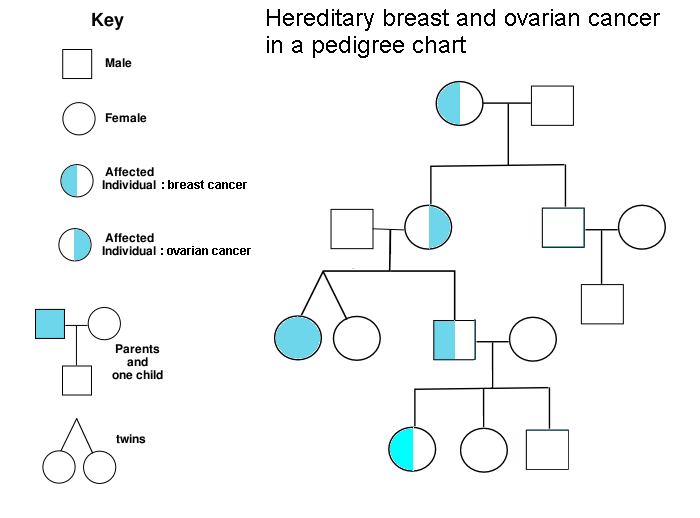
Síndrome de câncer de mama e/ou ovário hereditário
Compêndio · Raras BR

Síndrome de câncer de mama e/ou ovário hereditário

ORPHA:145 · MONDO:0003582
Prevalência
Unknown
Herança
Autosomal dominant
CID-10
C50.9 · Neoplasia maligna da mama, não especificada
CID-11
Ensaios
17 ativos
Início
Adult, Elderly
Prevalência
0.0 (Worldwide)
MedGen
UMLS
C0677776
Repurposing
10 candidatos
altretamine — DNA synthesis inhibitor
carboplatin — DNA alkylating agent|DNA inhibitor
cisplatin — DNA alkylating agent|DNA synthesis inhibitor
+7 outros
EuropePMC
Wikidata
Wikipedia
Papers 10a

📋 Origem dos dados

Esta página agrega dados de fontes públicas e oficiais. Dados sobre cobertura no SUS (PCDT, CEAF) são verificados ativamente por agente proativo (ver badge no infobox). Demais dados têm atribuição de fonte + data da última sincronização — clique para abrir o original.

Doença rara (ontologia)
fonte: Orphanet
Identificador unificado
fonte: MONDO
Indexação biomédica
fonte: MeSH (NLM)
Dado público estruturado
fonte: Wikidata
Rara