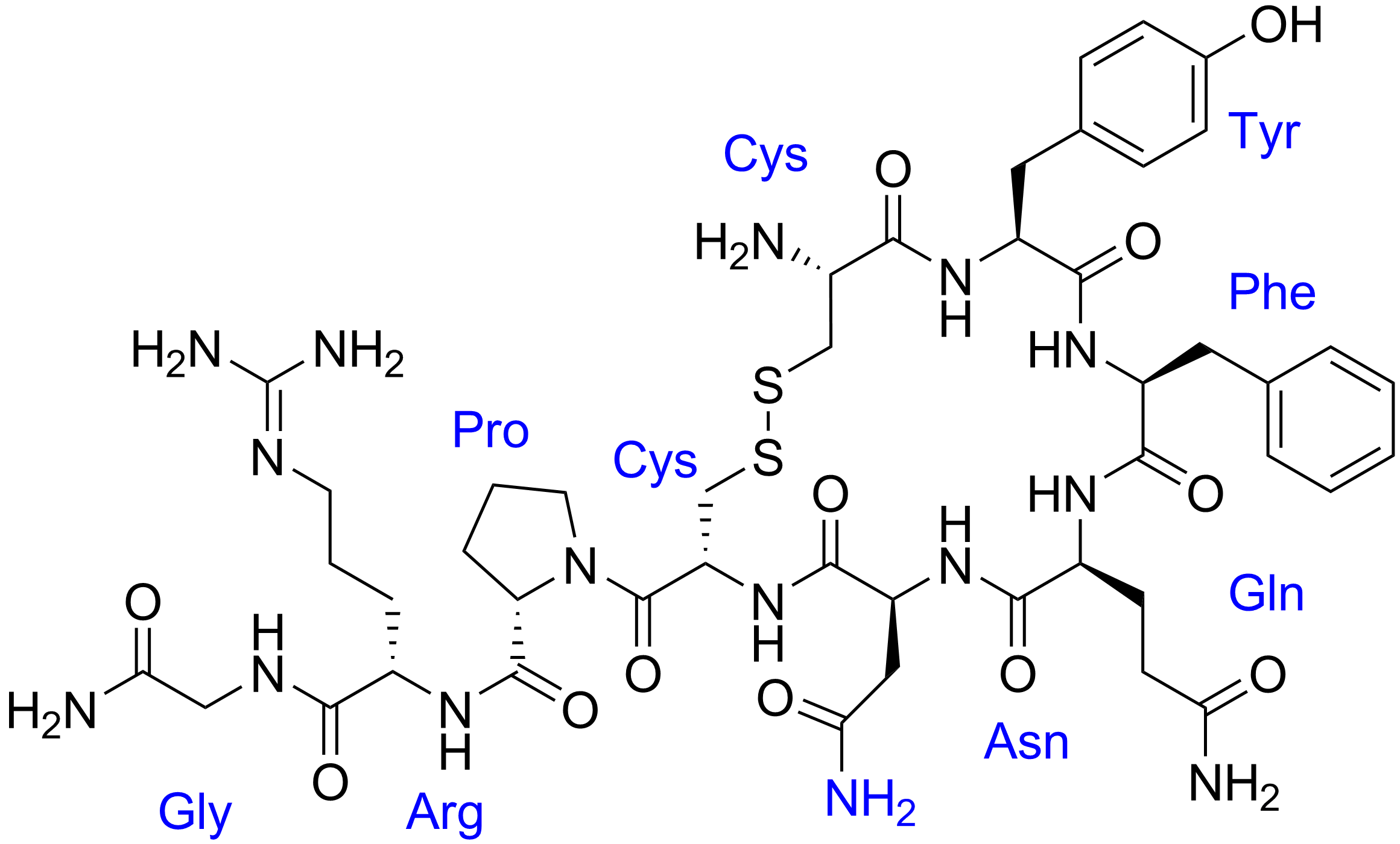
A Síndrome Nefrogênica de Retenção de Água Inapropriada (NSIAD) é uma doença genética rara que afeta o equilíbrio de água no corpo. Ela se parece muito com a Síndrome de Secreção Inapropriada de Hormônio Antidiurético (SIAD), que é bem mais comum e também envolve o controle de água. A NSIAD é caracterizada por sódio baixo no sangue (hiponatremia), mesmo com uma quantidade normal de líquidos no corpo e o sangue diluído (hipotônico). Isso acontece porque o corpo tem dificuldade para eliminar o excesso de água, e os níveis de vasopressina (AVP) no sangue – o hormônio que ajuda a controlar a água no corpo – são baixos ou indetectáveis.
Introdução
O que você precisa saber de cara
A Síndrome Nefrogênica de Retenção de Água Inapropriada (NSIAD) é uma doença genética rara que afeta o equilíbrio de água no corpo. Ela se parece muito com a Síndrome de Secreção Inapropriada de Hormônio Antidiurético (SIAD), que é bem mais comum e também envolve o controle de água. A NSIAD é caracterizada por sódio baixo no sangue (hiponatremia), mesmo com uma quantidade normal de líquidos no corpo e o sangue diluído (hipotônico). Isso acontece porque o corpo tem dificuldade para eliminar o excesso de água, e os níveis de vasopressina (AVP) no sangue – o hormônio que ajuda a controlar a água no corpo – são baixos ou indetectáveis.
Escala de raridade
<1/50kMuito rara
1/20kRara
1/10kPouco freq.
1/5kIncomum
1/2k
Encontrou um erro ou informação desatualizada? Sugira uma correção →
Entender a doença
Do básico ao detalhe, leia no seu ritmo
Preparando trilha educativa...
Sinais e sintomas
O que aparece no corpo e com que frequência cada sintoma acontece
Partes do corpo afetadas
+ 8 sintomas em outras categorias
Características mais comuns
Os sintomas variam de pessoa para pessoa. Abaixo estão as 12 características clínicas mais associadas, ordenadas por frequência.
Linha do tempo da pesquisa
Encontrou um erro ou informação desatualizada? Sugira uma correção →
Genética e causas
O que está alterado no DNA e como passa nas famílias
Genes associados
1 gene identificado com associação a esta condição. Padrão de herança: X-linked recessive.
Curadoria gene-doença
fontes oficiaisG-protein-coupled receptor for arginine vasopressin, an antidiuretic that promotes renal water reabsorption (PubMed:1534149, PubMed:19440390, PubMed:33664408, PubMed:33742150). Ligand binding causes a conformation change that triggers signaling via guanine nucleotide-binding proteins (G proteins) and modulates the activity of downstream effectors, such as adenylate cyclase (cAMP) (PubMed:33664408, PubMed:33742150). AVPR2 is coupled to G(s) G alpha proteins and mediates activation of adenylate cy
Cell membrane
Nephrogenic syndrome of inappropriate antidiuresis
Characterized by an inability to excrete a free water load, with inappropriately concentrated urine and resultant hyponatremia, hypoosmolarity, and natriuresis.
Variantes genéticas (ClinVar)
397 variantes patogênicas registradas no ClinVar.
Classificação de variantes (ClinVar)
Distribuição de 63 variantes classificadas pelo ClinVar.
Vias biológicas (Reactome)
6 vias biológicas associadas aos genes desta condição.
Diagnóstico
Os sinais que médicos procuram e os exames que confirmam
Tratamento e manejo
Remédios, cuidados de apoio e o que precisa acompanhar
Onde tratar no SUS
Hospitais de referência no Brasil e o protocolo oficial do SUS (PCDT)
🇧🇷 Atendimento SUS — Síndrome nefrogênica de antidiurese inapropriada (NSIAD)
Selecione um estado ou use sua localização para ver resultados.
Dados de DATASUS/CNES, SBGM, ABNeuro e Ministério da Saúde. Sempre confirme a disponibilidade diretamente com o estabelecimento.
Pesquisa ativa
Ensaios clínicos abertos e novidades científicas recentes
Ensaios em destaque
🟢 Recrutando agora
1 pesquisa recrutando participantes. Converse com seu médico sobre a possibilidade de participar.
Outros ensaios clínicos
Publicações mais relevantes
De novo GNAS-Gsα variant (p.Thr55Ala) with constitutive gain-of-function effects on AVPR2 and PTH1R signalings.
Recent studies have revealed de novo or germline-derived GNAS-Gsα variants with constitutive ligand-independent gain-of-function (GOF) effects on specific G-protein-coupled receptor signalings in patients with nephrogenic syndrome of inappropriate antidiuresis (NSIAD), osteolytic bone disorder with metaphyseal dysplasia, and peripheral precocious puberty. We encountered a Japanese girl with NSIAD and osteolytic bone disorder with metaphyseal dysplasia. Whole genome sequencing identified a de novo ″likely pathogenic″ heterozygous GNAS-Gsα missense variant (NM_000516.7:c.163 A > G:p.(Thr55Ala)) which occurred on the paternally inherited allele. Luciferase assays for p.Thr55Ala showed ligand-independent GOF effects on AVPR2 and PTH1R signalings, and a ligand-dependent loss-of-function (LOF) effect on PTH1R signaling. Protein structural analysis for p.Thr55Ala indicated disruption of the hydrogen bond between p.Thr55 side chain and the α-phosphate group of the bound nucleotide in both GDP-bound inactive form and GTP-bound active form and resultantly reduced affinity of the variant-positive Gsα protein for both GDP and GTP, consistent with the ligand-independent GOF and ligand-dependent LOF effects. The results, in conjunction with the previous findings, indicate that GNAS-Gsα variants with constitutive GOF effects cause clinically distinctive congenital rare disorders including NSIAD and characteristic bone disorder.
Familial hyponatremia conditioned by the R137C mutation with constitutive activation of the vasopressin receptor.
Hyponatremia can occur in endocrinological diseases, neoplasms, kidney diseases, and acquired or genetically conditioned disorders of antidiuretic hormone levels. Nephrogenic syndrome of inappropriate antidiuresis (NSIAD) is a rare X-linked disease caused by a point mutation of the type 2 vasopressin receptor (AVPR2) gene. This mutation results in constitutive activation of the AVPR2 and a low sodium level.We reported the first familial NSIAD in Poland in siblings with hyponatremia. Case 1. A 2.5-year-old boy, during a respiratory tract infection, showed the following laboratory test results: Na 125 mmol/L, serumosmolality 260 mOsm/kg H2O, low uric acid level, and increased fractional sodium and uric acid excretions. Thyroid, adrenal, and renal function were normal. Copeptin level was low. Case 2. A 7-month-old brother presented with reduced activity and muscle tone, a sodium level of 117 mmol/L, and a serum osmolality of 249 mOsm/kg H2O. They were both confirmed to be hemizygous for the R137C mutation on the AVPR2 gene. The boys were advised to restrict their oral fluid intake and supplement sodium orally, aiming for sodium levels of 133-140 mmol/L. Conclusions: Genetic testing for an AVPR2 mutation is crucial in patients with hyponatremia, normovolemia, hypoosmolality, and low copeptin level.
Germline-derived GNAS-Gsα variants associated with both gain-of-function and loss-of-function phenotypes.
Heterozygous germline inactivating mutations in GNAS can cause hormonal resistance, while activating mutations, usually somatic, result in constitutive cyclic adenosine monophosphate (cAMP) stimulation. Recent research has described germline activating variants leading to nephrogenic syndrome of inappropriate antidiuresis (NSIAD). The present study aims to characterise 4 families with an unusual combination of symptoms indicative of loss of Gsα function and a tendency to hyponatraemia compatible with NSIAD. Clinical, genetic, structural, and functional characterization of GNAS variants identified. We performed GNAS sequencing followed by in vitro functional studies by dual luciferase assays and protein structural analyses of the identified variants and the previously described GNAS variant c.166A>T, p.(Ile56Phe), and correlated these data with clinical manifestations. Genetic tests identified 2 heterozygous variants in GNAS: c.592C>T p.(Leu198Phe) in 1 family and c.501C>G p.(Asn167Lys) in other 2. Parental analyses revealed that the variants had been maternally inherited. One of the mothers, with the variant in her paternal allele, presented NSIAD. The baseline luciferase studies in the arginine vasopressin receptor 2 (AVPR2)-AVP system revealed mildly but significantly higher activity for p.(Ile56Phe) and p.(Asn167Lys) than for wildtype (WT), while statistical significance for p.(Leu198Phe) was not reached. Parathyroid hormone (PTH)-stimulated luciferase activity was lower for the 3-variant Gsα proteins than for WT-Gsα. Protein structural analyses suggest that the 3 variants could have distinct effects on the interactions with AVPR2 and PTH 1 receptor. This study provides further evidence in favour of the existence of germline variants that can cause clinical manifestations of both gain and loss of Gsα function.
Novel signalling pathways in nephrogenic syndrome of inappropriate antidiuresis: functional implication of site-specific AQP2 phosphorylation.
Nephrogenic syndrome of inappropriate antidiuresis (NSIAD) is a rare X-linked disease caused by gain-of-function mutations of arginine vasopressin receptor 2 (V2R). Patients with NSIAD are characterized by the inability to excrete a free water load and by inappropriately increased urinary osmolality despite very low levels of plasma vasopressin, resulting in euvolaemic hyponatraemia. To dissect the signalling downstream V2R constitutively active variants, Flp-In T-REx Madin-Darby canine kidney (FTM) cells, stably transfected with V2R mutants (R137L, R137C and F229V) and AQP2-wt or non-phosphorylatable AQP2-S269A/AQP2-S256A, were used as cellular models. All three activating V2R mutations presented constitutive plasma membrane expression of AQP2-wt and significantly higher basal water permeability. In addition, V2R-R137L/C showed significantly higher activity of Rho-associated kinase (ROCK), a serine/threonine kinase previously suggested to be involved in S269-AQP2 phosphorylation downstream of these V2R mutants. Interestingly, FTM cells expressing V2R-R137L/C mutants and AQP2-S269A showed a significant reduction in AQP2 membrane abundance and a significant reduction in ROCK activity, indicating the crucial importance of S269-AQP2 phosphorylation in the gain-of-function phenotype. Conversely, V2R-R137L/C mutants retained the gain-of-function phenotype when AQP2-S256A was co-expressed. In contrast, cells expressing the F229V mutant and the non-phosphorylatable AQP2-S256A had a significant reduction in AQP2 membrane abundance along with a significant reduction in basal osmotic water permeability, indicating a crucial role of Ser256 for this mutant. These data indicate that the constitutive AQP2 trafficking associated with the gain-of-function V2R-R137L/C mutants causing NSIAD is protein kinase A independent and requires an intact Ser269 in AQP2 under the control of ROCK phosphorylation. KEY POINTS: Nephrogenic syndrome of inappropriate antidiuresis is caused by two constitutively active variant phenotypes of AVPR2, one sensitive to vaptans (V2R-F229V) and the other vaptan resistant (V2R-R137C/L). In renal cells, all three activating arginine vasopressin receptor 2 (V2R) variants display constitutive AQP2 plasma membrane expression and high basal water permeability. In cells expressing V2R-R137L/C mutants, disruption of the AQP2-S269 phosphorylation site caused the loss of the gain-of-function phenotype, which, in contrast, was retained in V2R-F229V-expressing cells. Cells expressing the V2R-F229V mutant were instead sensitive to disruption of the AQP2-S256 phosphorylation site. The serine/threonine kinase Rho-associated kinase (ROCK) was found to be involved in AQP2-S269 phosphorylation downstream of the V2R-R137L/C mutants. These findings might have clinical relevance for patients with nephrogenic syndrome of inappropriate antidiuresis.
Low-Dose Cyclophosphamide Associated With Hyponatremia and Hepatotoxicity.
Cyclophosphamide (CY) is an alkylating agent often used as a chemotherapeutic agent, with increasing use as an immunosuppressant. Cyclophosphamide has many established adverse effects, including hyponatremia and limited reports of hepatotoxicity, particularly in high-dose treatment. A case of simultaneous hyponatremia and acute liver injury associated with the initiation of cyclophosphamide two weeks prior is discussed here. A 73-year-old male with acquired hemophilia A/factor VIII deficiency presented to the emergency department (ED) with four days of hip pain and was found to have jaundice and confusion. Laboratory evaluation demonstrated hyponatremia and an acute liver injury associated with his recent cyclophosphamide use. With the discontinuation of the offending agent and sodium correction, he made a full recovery. Cyclophosphamide-induced hyponatremia is likely secondary to the nephrogenic syndrome of inappropriate antidiuresis (NSIAD) and is most often associated with high-dose regimens. While the mechanism of hepatotoxicity requires further study, it is likely dose-dependent and related to excess levels of 4-hydroxycyclophosphamide (HCY). The management of cyclophosphamide-induced water toxicity and hepatotoxicity is centered around the discontinuation of medication, the correction of electrolyte abnormalities, and supportive treatment.
Publicações recentes
De novo GNAS-Gsα variant (p.Thr55Ala) with constitutive gain-of-function effects on AVPR2 and PTH1R signalings.
Familial hyponatremia conditioned by the R137C mutation with constitutive activation of the vasopressin receptor.
Germline-derived GNAS-Gsα variants associated with both gain-of-function and loss-of-function phenotypes.
Low-Dose Cyclophosphamide Associated With Hyponatremia and Hepatotoxicity.
V2 vasopressin receptor mutations: future personalized therapy based on individual molecular biology.
📚 EuropePMC39 artigos no totalmostrando 41
De novo GNAS-Gsα variant (p.Thr55Ala) with constitutive gain-of-function effects on AVPR2 and PTH1R signalings.
Journal of human geneticsFamilial hyponatremia conditioned by the R137C mutation with constitutive activation of the vasopressin receptor.
Journal of applied geneticsGermline-derived GNAS-Gsα variants associated with both gain-of-function and loss-of-function phenotypes.
European journal of endocrinologyLow-Dose Cyclophosphamide Associated With Hyponatremia and Hepatotoxicity.
CureusV2 vasopressin receptor mutations: future personalized therapy based on individual molecular biology.
Frontiers in endocrinologyNovel signalling pathways in nephrogenic syndrome of inappropriate antidiuresis: functional implication of site-specific AQP2 phosphorylation.
The Journal of physiologyPathophysiology of Drug-Induced Hyponatremia.
Journal of clinical medicineChronic hyponatremia in a 19-month-old child with gross developmental delay: Answers.
Pediatric nephrology (Berlin, Germany)A complex pheotype in a girl with a novel heterozygous missense variant (p.Ile56Phe) of the GNAS gene.
Orphanet journal of rare diseasesThe Role of Vasopressin V2 Receptor in Drug-Induced Hyponatremia.
Frontiers in physiologyNephrogenic Syndrome of Inappropriate Antidiuresis Mimicking Hyporeninemic Hypoaldosteronism: Case Report of Two Infants.
Journal of clinical research in pediatric endocrinologyDifferential diagnosis between syndrome of inappropriate antidiuretic hormone secretion and cerebral/renal salt wasting syndrome in children over 1 year: proposal for a simple algorithm.
Pediatric nephrology (Berlin, Germany)The vasopressin-aquaporin-2 pathway syndromes.
Handbook of clinical neurologyNephrogenic syndrome of inappropriate antidiuresis - An ethnically, genetically and phenotypically diverse disorder: First report in a Chinese adult and review of published cases.
Clinica chimica acta; international journal of clinical chemistry[Nephrogenic syndrome of inappropriate antidiuresis manifested by recurrent hyponatremia and convulsions].
Zhonghua er ke za zhi = Chinese journal of pediatricsPsychotropic drugs upregulate aquaporin-2 via vasopressin-2 receptor/cAMP/protein kinase A signaling in inner medullary collecting duct cells.
American journal of physiology. Renal physiology[Diagnosis and follow-up of 2 cases of pediatric nephrogenic syndrome of inappropriate antidiuresis resulting from activating mutation in AVPR2 and literature review].
Zhonghua er ke za zhi = Chinese journal of pediatricsProtective effect of tolvaptan against cyclophosphamide-induced nephrotoxicity in rat models.
Pharmacology research & perspectivesVasopressin receptor 2 mutations in the nephrogenic syndrome of inappropriate antidiuresis show different mechanisms of constitutive activation for G protein coupled receptors.
Scientific reportsThe Vasopressin Receptor 2 Mutant R137L Linked to the Nephrogenic Syndrome of Inappropriate Antidiuresis (NSIAD) Signals through an Alternative Pathway that Increases AQP2 Membrane Targeting Independently of S256 Phosphorylation.
CellsCase 15-2020: A 79-Year-Old Man with Hyponatremia and Involuntary Movements of the Arm and Face.
The New England journal of medicineV2 vasopressin receptor mutations.
Vitamins and hormonesGain-of-function mutations of the V2 vasopressin receptor in nephrogenic syndrome of inappropriate antidiuresis (NSIAD): a cell-based assay to assess constitutive water reabsorption.
Pflugers Archiv : European journal of physiology[Nephrogenic syndrome of inappropriate antidiuresis].
The Pan African medical journalNephrogenic syndrome of inappropriate antidiuresis.
Internal medicine journalGNAS: A New Nephrogenic Cause of Inappropriate Antidiuresis.
Journal of the American Society of Nephrology : JASNGermline-Derived Gain-of-Function Variants of Gsα-Coding GNAS Gene Identified in Nephrogenic Syndrome of Inappropriate Antidiuresis.
Journal of the American Society of Nephrology : JASNVasopressin-aquaporin-2 pathway: recent advances in understanding water balance disorders.
F1000ResearchFocus on neonatal and infantile onset of nephrogenic syndrome of inappropriate antidiuresis: 12 years later.
Pediatric nephrology (Berlin, Germany)Internalization of NKCC2 is impaired in thick ascending limb of Henle in moesin knockout mice.
Pflugers Archiv : European journal of physiologyAdult female with symptomatic AVPR2-related nephrogenic syndrome of inappropriate antidiuresis (NSIAD).
Endocrinology, diabetes & metabolism case reportsA case of nephrogenic syndrome of inappropriate antidiuresis caused by carbamazepine.
CEN case reportsSecondary resistance to tolvaptan in two patients with SIAD due to small cell lung cancer.
European journal of clinical pharmacology[Nephrogenic syndrome of inappropriate antidiuresis: Early diagnosis avoids severe hyponatremia complications].
Archives de pediatrie : organe officiel de la Societe francaise de pediatrieMutations of Vasopressin Receptor 2 Including Novel L312S Have Differential Effects on Trafficking.
Molecular endocrinology (Baltimore, Md.)A novel mutation affecting the arginine-137 residue of AVPR2 in dizygous twins leads to nephrogenic diabetes insipidus and attenuated urine exosome aquaporin-2.
Physiological reportsNephrogenic syndrome of inappropriate antidiuresis secondary to an activating mutation in the arginine vasopressin receptor AVPR2.
Clinical endocrinologyTen common pitfalls in the evaluation of patients with hyponatremia.
European journal of internal medicineMutation in the V2 vasopressin receptor gene, AVPR2, causes nephrogenic syndrome of inappropriate diuresis.
Kidney internationalCyclophosphamide-induced vasopressin-independent activation of aquaporin-2 in the rat kidney.
American journal of physiology. Renal physiologyNephrogenic Syndrome of Inappropriate Antidiuresis in a Female Neonate: Review of the Clinical Presentation in Females.
Hormone research in paediatricsAssociações
Organizações que acompanham esta doença — pra ter apoio e orientação
Ainda não temos associações cadastradas para Síndrome nefrogênica de antidiurese inapropriada (NSIAD).
É de uma associação que acompanha esta doença? Fale com a gente →
Comunidades
Grupos ativos de quem convive com esta doença aqui no Raras
Ainda não existe comunidade no Raras para Síndrome nefrogênica de antidiurese inapropriada (NSIAD)
Pacientes, familiares e cuidadores se organizam em comunidades pra compartilhar experiências, fazer perguntas e se apoiar. Você pode ser o primeiro.
Tire suas dúvidas
Perguntas, dicas e experiências compartilhadas aqui na página
Participe da discussão
Faça login para postar dúvidas, compartilhar experiências e interagir com especialistas.
Fazer loginDoenças relacionadas
Doenças com sintomas parecidos — ajudam quem ainda está buscando diagnóstico
Referências e fontes
Bases de dados externas citadas neste artigo
Publicações científicas
Artigos indexados no PubMed ligados a esta doença no grafo RarasNet — título, periódico e PMID direto da fonte, sem intermediação de IA.
- De novo GNAS-Gsα variant (p.Thr55Ala) with constitutive gain-of-function effects on AVPR2 and PTH1R signalings.
- Familial hyponatremia conditioned by the R137C mutation with constitutive activation of the vasopressin receptor.
- Germline-derived GNAS-Gsα variants associated with both gain-of-function and loss-of-function phenotypes.
- Novel signalling pathways in nephrogenic syndrome of inappropriate antidiuresis: functional implication of site-specific AQP2 phosphorylation.
- Low-Dose Cyclophosphamide Associated With Hyponatremia and Hepatotoxicity.
- V2 vasopressin receptor mutations: future personalized therapy based on individual molecular biology.
Bases de dados e fontes oficiais
Identificadores e referências canônicas usadas para montar este verbete.
- ORPHA:93606(Orphanet)
- OMIM OMIM:300539(OMIM)
- MONDO:0010356(MONDO)
- GARD:10306(GARD (NIH))
- Variantes catalogadas(ClinVar)
- Busca completa no PubMed(PubMed)
- Q55782451(Wikidata)
Dados compilados pelo RarasNet a partir de fontes abertas (Orphanet, OMIM, MONDO, PubMed/EuropePMC, ClinicalTrials.gov, DATASUS, PCDT/MS). Este conteúdo é informativo e não substitui avaliação médica.
Conteúdo mantido por Agente Raras · Médicos e pesquisadores podem colaborar