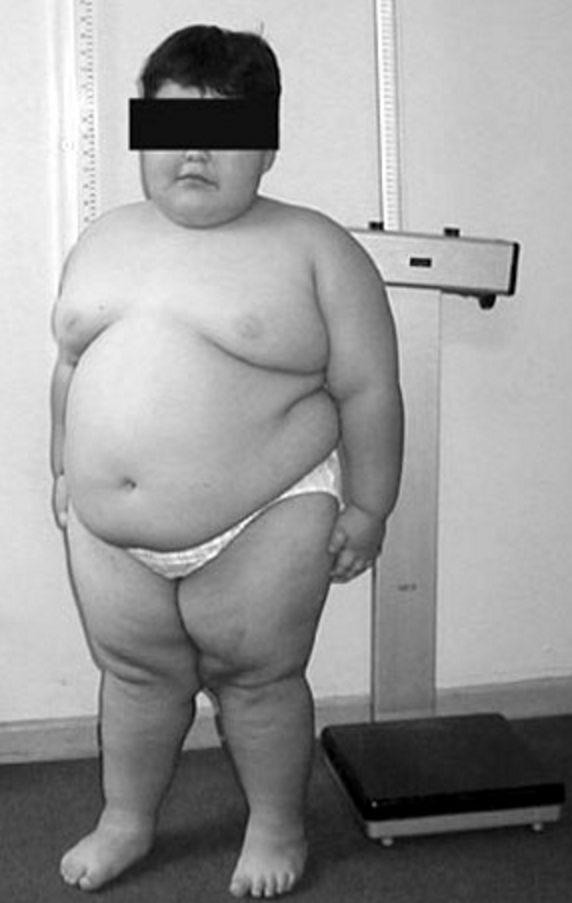
A síndrome de Prader-Willi é uma doença genética rara caracterizada por anomalias hipotálamo-hipófise com hipotonia grave durante o período neonatal e primeiros dois anos de vida e início de hiperfagia com risco de obesidade mórbida durante a infância e a idade adulta, dificuldades de aprendizagem e problemas comportamentais ou problemas psiquiátricos graves.
Introdução
O que você precisa saber de cara
A síndrome de Prader-Willi é uma condição genética complexa que afeta muitas partes do corpo. Na infância, essa condição é caracterizada por tônus muscular fraco (hipotonia), dificuldades de alimentação, crescimento pobre e desenvolvimento atrasado. A partir da infância, as pessoas afetadas desenvolvem uma fome extrema, que leva ao comer cronicamente em excesso (hiperfagia) e à obesidade. Algumas pessoas com síndrome de Prader-Willi, particularmente aquelas com obesidade, também desenvolvem diabetes tipo 2 (a forma mais comum de diabetes).
Pessoas com síndrome de Prader-Willi geralmente apresentam comprometimento intelectual leve a moderado e dificuldades de aprendizagem. Problemas comportamentais são comuns, incluindo explosões de temperamento, teimosia e comportamento compulsivo, como coçar a pele. Anormalidades do sono também podem ocorrer. Características adicionais desta condição incluem traços faciais distintivos, como testa estreita, olhos em forma de amêndoa e boca triangular; baixa estatura; e mãos e pés pequenos. Algumas pessoas com síndrome de Prader-Willi têm pele incomumente clara e cabelos de cor clara. Tanto os homens afetados quanto as mulheres afetadas têm genitália subdesenvolvida. A puberdade é atrasada ou incompleta, e a maioria dos indivíduos afetados não consegue ter filhos (inférteis).
Fonte: MedlinePlus Genetics (NLM/NIH), traduzidoA síndrome de Prader-Willi é uma doença genética rara caracterizada por anomalias hipotálamo-hipófise com hipotonia grave durante o período neonatal e primeiros dois anos de vida e início de hiperfagia com risco de obesidade mórbida durante a infância e a idade adulta, dificuldades de aprendizagem e problemas comportamentais ou problemas psiquiátricos graves.
O que está sendo pesquisado
Escala de raridade
<1/50kMuito rara
1/20kRara
1/10kPouco freq.
1/5kIncomum
1/2k
Encontrou um erro ou informação desatualizada? Sugira uma correção →
Entender a doença
Do básico ao detalhe, leia no seu ritmo
Preparando trilha educativa...
Sinais e sintomas
O que aparece no corpo e com que frequência cada sintoma acontece
Partes do corpo afetadas
+ 98 sintomas em outras categorias
Características mais comuns
Os sintomas variam de pessoa para pessoa. Abaixo estão as 241 características clínicas mais associadas, ordenadas por frequência.
Linha do tempo da pesquisa
Encontrou um erro ou informação desatualizada? Sugira uma correção →
Genética e causas
O que está alterado no DNA e como passa nas famílias
Genes associados
13 genes identificados com associação a esta condição. Padrão de herança: Autosomal dominant, Not applicable.
Curadoria gene-doença
fontes oficiaisSchaaf-Yang syndrome
A disease characterized by clinical features of Prader-Willi syndrome, including neonatal hypotonia with poor suck, feeding problems in infancy, obesity, developmental delay, short stature, and hypogonadism. Additionally, patients manifest autism spectrum disorder. Some patients have dysmorphic facial features.
Precocious puberty, central 2
A condition defined as the development of secondary sexual characteristics in boys and girls at a chronological age that is 2.5 standard deviations below the mean age at onset of puberty in the population. Central precocious puberty results from premature activation of the hypothalamic-pituitary-gonadal axis.
Intellectual developmental disorder, autosomal recessive 38
A disorder characterized by significantly below average general intellectual functioning associated with impairments in adaptive behavior and manifested during the developmental period. MRT38 is characterized by global developmental delay affecting motor, speech, adaptive, and social development. Patients manifest autistic features, aggression, self-injury, impulsivity, and distractibility.
Albinism, oculocutaneous, 2
An autosomal recessive disorder in which the biosynthesis of melanin pigment is reduced in skin, hair, and eyes. Although affected infants may appear at birth to have complete absence of melanin pigment, most patients acquire small amounts of pigment with age. Visual anomalies include decreased acuity and nystagmus. The phenotype is highly variable. The hair of affected individuals may turn darker with age, and pigmented nevi or freckles may be seen. African and African American individuals may have yellow hair and blue-gray or hazel irides. One phenotypic variant, 'brown OCA,' has been described in African and African American populations and is characterized by light brown hair and skin color and gray to tan irides.
Medicamentos e terapias
Mecanismo: Growth hormone receptor agonist
Mecanismo: Cannabinoid CB1 receptor antagonist
Mecanismo: Somatostatin receptor agonist
Mecanismo: Somatostatin receptor agonist
Mecanismo: Sodium channel alpha subunit blocker
Variantes genéticas (ClinVar)
1.696 variantes patogênicas registradas no ClinVar.
Classificação de variantes (ClinVar)
Distribuição de 53 variantes classificadas pelo ClinVar.
Vias biológicas (Reactome)
21 vias biológicas associadas aos genes desta condição.
Diagnóstico
Os sinais que médicos procuram e os exames que confirmam
Tratamento e manejo
Remédios, cuidados de apoio e o que precisa acompanhar
Onde tratar no SUS
Hospitais de referência no Brasil e o protocolo oficial do SUS (PCDT)
🇧🇷 Atendimento SUS — Síndrome Prader-Willi
Centros de Referência SUS
24 centros habilitados pelo SUS para Síndrome Prader-Willi
Centros para Síndrome Prader-Willi
Detalhes dos centros
Hospital Universitário Prof. Edgard Santos (HUPES)
R. Dr. Augusto Viana, s/n - Canela, Salvador - BA, 40110-060 · CNES 0003808
Serviço de Referência
Hospital Infantil Albert Sabin
R. Tertuliano Sales, 544 - Vila União, Fortaleza - CE, 60410-794 · CNES 2407876
Serviço de Referência
Hospital de Apoio de Brasília (HAB)
AENW 3 Lote A Setor Noroeste - Plano Piloto, Brasília - DF, 70684-831 · CNES 0010456
Serviço de Referência
Hospital Estadual Infantil e Maternidade Alzir Bernardino Alves (HIABA)
Av. Min. Salgado Filho, 918 - Soteco, Vila Velha - ES, 29106-010 · CNES 6631207
Serviço de Referência
Hospital das Clínicas da UFG
Rua 235 QD. 68 Lote Área, Nº 285, s/nº - Setor Leste Universitário, Goiânia - GO, 74605-050 · CNES 2338424
Serviço de Referência
Hospital Universitário da UFJF
R. Catulo Breviglieri, Bairro - s/n - Santa Catarina, Juiz de Fora - MG, 36036-110 · CNES 2297442
Atenção Especializada
Hospital das Clínicas da UFMG
Av. Prof. Alfredo Balena, 110 - Santa Efigênia, Belo Horizonte - MG, 30130-100 · CNES 2280167
Serviço de Referência
Hospital Universitário Julio Müller (HUJM)
R. Luis Philippe Pereira Leite, s/n - Alvorada, Cuiabá - MT, 78048-902 · CNES 2726092
Atenção Especializada
Hospital Universitário João de Barros Barreto
R. dos Mundurucus, 4487 - Guamá, Belém - PA, 66073-000 · CNES 2337878
Serviço de Referência
Hospital Universitário Lauro Wanderley (HULW)
R. Tabeliao Estanislau Eloy, 585 - Castelo Branco, João Pessoa - PB, 58050-585 · CNES 0002470
Atenção Especializada
Instituto de Medicina Integral Prof. Fernando Figueira (IMIP)
R. dos Coelhos, 300 - Boa Vista, Recife - PE, 50070-902 · CNES 0000647
Serviço de Referência
Hospital Pequeno Príncipe
R. Des. Motta, 1070 - Água Verde, Curitiba - PR, 80250-060 · CNES 3143805
Serviço de Referência
Hospital Universitário Regional de Maringá (HUM)
Av. Mandacaru, 1590 - Parque das Laranjeiras, Maringá - PR, 87083-240 · CNES 2216108
Atenção Especializada
Hospital de Clínicas da UFPR
R. Gen. Carneiro, 181 - Alto da Glória, Curitiba - PR, 80060-900 · CNES 2364980
Serviço de Referência
Hospital Universitário Pedro Ernesto (HUPE-UERJ)
Blvd. 28 de Setembro, 77 - Vila Isabel, Rio de Janeiro - RJ, 20551-030 · CNES 2280221
Serviço de Referência
Instituto Nacional de Saúde da Mulher, da Criança e do Adolescente Fernandes Figueira (IFF/Fiocruz)
Av. Rui Barbosa, 716 - Flamengo, Rio de Janeiro - RJ, 22250-020 · CNES 2269988
Serviço de Referência
Hospital São Lucas da PUCRS
Av. Ipiranga, 6690 - Jardim Botânico, Porto Alegre - RS, 90610-000 · CNES 2232928
Serviço de Referência
Hospital de Clínicas de Porto Alegre (HCPA)
Rua Ramiro Barcelos, 2350 Bloco A - Av. Protásio Alves, 211 - Bloco B e C - Santa Cecília, Porto Alegre - RS, 90035-903 · CNES 2237601
Serviço de Referência
Hospital Universitário da UFSC (HU-UFSC)
R. Profa. Maria Flora Pausewang - Trindade, Florianópolis - SC, 88036-800 · CNES 2560356
Serviço de Referência
Hospital das Clínicas da FMUSP
R. Dr. Ovídio Pires de Campos, 225 - Cerqueira César, São Paulo - SP, 05403-010 · CNES 2077485
Serviço de Referência
Hospital de Base de São José do Rio Preto
Av. Brg. Faria Lima, 5544 - Vila Sao Jose, São José do Rio Preto - SP, 15090-000 · CNES 2079798
Atenção Especializada
Hospital de Clínicas da UNICAMP
R. Vital Brasil, 251 - Cidade Universitária, Campinas - SP, 13083-888 · CNES 2748223
Serviço de Referência
Hospital de Clínicas de Ribeirão Preto (HCRP-USP)
R. Ten. Catão Roxo, 3900 - Vila Monte Alegre, Ribeirão Preto - SP, 14015-010 · CNES 2082187
Serviço de Referência
UNIFESP / Hospital São Paulo
R. Napoleão de Barros, 715 - Vila Clementino, São Paulo - SP, 04024-002 · CNES 2688689
Serviço de Referência
Dados de DATASUS/CNES, SBGM, ABNeuro e Ministério da Saúde. Sempre confirme a disponibilidade diretamente com o estabelecimento.
Pesquisa ativa
Ensaios clínicos abertos e novidades científicas recentes
Ensaios em destaque
Com ensaio aberto em 16 países. O ponto verde marca onde há vaga agora.
🟢 Recrutando agora
15 pesquisas recrutando participantes. Converse com seu médico sobre a possibilidade de participar.
Outros ensaios clínicos
140 ensaios clínicos encontrados, 24 ativos.
Publicações mais relevantes
Mostrando amostra de 200 publicações de um total de 1.691
Understanding the impact of growth hormone on ventilatory control stability in children with Prader-Willi syndrome.
A hallmark of Prader-Willi syndrome (PWS) is hypothalamic-pituitary axis dysfunction, which can result in reduced growth hormone (GH) production. While GH replacement therapy is common in children with PWS, it has also been implicated in the development of obstructive sleep apnoea (OSA) in some children. The mechanisms underlying this development are poorly understood but may be related to alterations in ventilatory control. Our study investigated the impact of GH treatment on ventilatory control stability during sleep in children with PWS. Polysomnographic data pre- and post-GH therapy in 25 children (aged 2mo-18y) were used to assess ventilatory control using a validated method that estimates loop gain (dimensionless ratio) from ventilation changes following spontaneous sighs during sleep. Data were analysed using linear mixed-effects modelling with GH as a fixed effect and participant as a random intercept. Covariates that could impact loop gain including age, obstructive-apnoea hypopnoea index (OAHI) and central apnoea-hypopnoea index (CAHI) were each added separately to the base model in a stepwise, manual forward selection approach. Loop gain was not altered by GH treatment (β = 0.003, 95% CI: [-0.042, 0.049], p = 0.878, Cohen's d = 0.031). Age, OAHI and CAHI did not alter the impact of GH on loop gain. No difference in sleep or respiratory characteristics were found, however 20% of children developed OSA post-GH. Initiation of GH therapy was not associated with a change in loop gain, suggesting that changes in ventilatory control are unlikely to contribute to the development of OSA in children with PWS. • Prader-Willi syndrome is associated with abnormal ventilatory control and increased risk of sleep-disordered breathing. • Growth hormone therapy may influence respiratory physiology but its effect on the stability of ventilatory control (loop gain) remains unclear. • In this cohort of children with Prader-Willi syndrome, growth hormone therapy did not alter loop gain despite inter-individual variability. • Our findings suggest that any sleep-disordered breathing that emerges following growth hormone therapy is likely driven by mechanisms other than altered loop gain.
Hypercoagulability in Prader-Willi Syndrome: A case-control study exploring coagulation profiles and thrombotic risk.
Prader-Willi syndrome (PWS) is a complex imprinting disorder associated with severe obesity and endocrine dysfunction, both contributing to increased cardiovascular morbidity. Emerging data suggest a disproportionately high incidence of thromboembolic events in PWS, potentially implicating an intrinsic hypercoagulable state. We conducted a cross-sectional, case-control study including 49 genetically confirmed PWS patients (22 pediatric and 27 adult) and 85 age-, sex-, and body-mass-index-matched controls. Participants underwent comprehensive hemostatic assessment including standard coagulation tests, thrombophilia screening, and factor VIII and von Willebrand factor (vWF: Ag) and platelet function analysis. Thrombin generation test and thromboelastography in PWS were also explored. Routine coagulation and thrombophilia parameters were largely normal across groups. Thrombin generation test and platelet function analysis were unremarkable. However, D-dimer and vWF: Ag levels were significantly elevated in both pediatric and adult PWS groups with no association to obesity or inflammatory markers. Thromboelastography showed a hypercoagulable pattern in 89.76% of PWS participants, independent of body mass index or metabolic status. This study identifies a distinct hypercoagulable profile in individuals with PWS not attributable solely to obesity and likely linked to endothelial dysfunction rather than conventional thrombophilic mechanisms. This may justify personalized thrombotic risk assessment in PWS and further investigation into preventive strategies.
Clinical Presentation, Genetics, and Laboratory Testing with Integrated Genetic Analysis of Molecular Mechanisms in Prader-Willi and Angelman Syndromes: A Review.
Prader-Willi (PWS) and Angelman (AS) syndromes were the first examples in humans with errors in genomic imprinting, usually from de novo 15q11-q13 deletions of different parent origin (paternal in PWS and maternal in AS). Dozens of genes and transcripts are found in the 15q11-q13 region, and may play a role in PWS, specifically paternally expressed SNURF-SNRPN and MAGEL2 genes, while AS is due to the maternally expressed UBE3A gene. These three causative genes, including their encoding proteins, were targeted. This review article summarizes and illustrates the current understanding and cause of both PWS and AS using strategies to include the literature sources of key words and searchable web-based programs with databases for integrated gene and protein interactions, biological processes, and molecular mechanisms available for the two imprinting disorders. The SNURF-SNRPN gene is key in developing complex spliceosomal snRNP assemblies required for mRNA processing, cellular events, splicing, and binding required for detailed protein production and variation, neurodevelopment, immunodeficiency, and cell migration. The MAGEL2 gene is involved with the regulation of retrograde transport and promotion of endosomal assembly, oxytocin and reproduction, as well as circadian rhythm, transcriptional activity control, and appetite. The UBE3A gene encodes a key enzyme for the ubiquitin protein degradation system, apoptosis, tumor suppression, cell adhesion, and targeting proteins for degradation, autophagy, signaling pathways, and circadian rhythm. PWS is characterized early with infantile hypotonia, a poor suck, and failure to thrive with hypogenitalism/hypogonadism. Later, growth and other hormone deficiencies, developmental delays, and behavioral problems are noted with hyperphagia and morbid obesity, if not externally controlled. AS is characterized by seizures, lack of speech, severe learning disabilities, inappropriate laughter, and ataxia. This review captures the clinical presentation, natural history, causes with genetics, mechanisms, and description of established laboratory testing for genetic confirmation of each disorder. Three separate searchable web-based programs and databases that included information from the updated literature and other sources were used to identify and examine integrated genetic findings with predicted gene and protein interactions, molecular mechanisms and functions, biological processes, pathways, and gene-disease associations for candidate or causative genes per disorder. The natural history, review of pathophysiology, clinical presentation, genetics, and genetic-phenotypic findings were described along with computational biology, molecular mechanisms, genetic testing approaches, and status for each disorder, management and treatment options, clinical trial experiences, and future strategies. Conclusions and limitations were discussed to improve understanding, clinical care, genetics, diagnostic protocols, therapeutic agents, and genetic counseling for those with these genomic imprinting disorders.
Genomic Imprinting, Epigenetic Dysregulation, and Neuropsychiatric Mechanisms in Prader-Willi Syndrome: A Multi-Level Integrative Review.
Prader-Willi syndrome (PWS) is a rare imprinting-related neurodevelopmental disorder caused by loss of paternally expressed genes within the chromosome 15q11-q13 region, including SNORD116, MAGEL2, and NDN. It provides a natural model for examining how genomic imprinting disruptions shape neural development and psychiatric vulnerability. This review synthesizes current evidence to clarify the mechanistic pathways linking imprinting defects and epigenetic dysregulation to neuropsychiatric outcomes in PWS. Published studies-including patient-derived induced pluripotent stem cell (iPSC) models, animal knockout systems (e.g., Magel2-null models), transcriptomic and DNA methylation datasets, and human neuroimaging research-were identified through targeted searches of PubMed and Web of Science and integrated narratively rather than through systematic procedures. Across these data sources, deletion-type PWS is primarily associated with impaired neuronal maturation, altered serotonergic signaling, and locus-specific transcriptional dysregulation. Maternal uniparental disomy (mUPD) is characterized by broader epigenetic alterations within the imprinted domain, genome-wide transcriptional effects, dopaminergic pathway alterations, and disrupted prefrontal-limbic connectivity linked to increased psychosis risk. Importantly, available evidence supports substantial phenotypic and mechanistic overlap between PWS subtypes, with genotype-phenotype associations reflecting probabilistic tendencies rather than categorical distinctions. Collectively, convergent findings across molecular, neurochemical, and systems-level studies support a mechanistic continuum extending from imprinting defects to behavioral phenotypes. These insights position PWS as a translational model for understanding how epigenetic dysregulation contributes to psychiatric risk and highlight the need for genotype-informed, mechanistically grounded research to advance biomarker development and targeted therapeutic strategies.
Unravelling Narcolepsy: A Series of Complex Pediatric Cases.
Narcolepsy type 1 (NT1) and narcolepsy type 2 (NT2) are rare, chronic neurologic disorders of hypersomnolence. Narcolepsy type 1 results from the selective loss of orexin-producing neurons, leading to markedly reduced levels of orexin neuropeptides in the brain and CSF. NT2 shares some symptoms with the former but has no orexin deficiency. Both disorders manifest as a spectrum of debilitating symptoms, including excessive daytime sleepiness (EDS), cataplexy (NT1 only), fragmented nocturnal sleep, sleep paralysis, and hallucinations. Diagnosis is particularly challenging, especially in pediatric patients. We describe 7 pediatric patients presenting with complex narcolepsy phenotype of EDS or cataplexy with a diverse array of comorbid genetic, neurologic, and neuropsychiatric conditions. These cases illustrate the diagnostic challenges in differentiating "primary narcolepsy" from "narcolepsy because of a medical disorder" (e.g., Prader-Willi Syndrome) or "narcolepsy associated with autism spectrum disorder or very early-onset schizophrenia." The patients underwent a comprehensive diagnostic workup, including polysomnography, multiple sleep latency testing (performed after wash-out of concomitant medications), brain magnetic resonance imaging, CSF hypocretin-1 assay, and, in case of consistent clues, autoimmune, and genetic testing. Ensuring accurate and prompt narcolepsy diagnosis allows effective and patient-centered management.
Publicações recentes
[Neurocognitive profile and vulnerability for mental health problems in selected genetic syndromes with disorders of intellectual development].
Case Report: Schaaf-Yang Syndrome Milder Phenotype Due to Potential Pathogenic Novel Missense Variant as an Unusual Cause of Obesity in a Pediatric Patient.
Early neurodevelopmental brain perfusion abnormalities and functional connectivity findings in infants with Prader-Willi syndrome.
🥈 Ensaio clínicoThe pharmacological management of obesity in Prader-Willi syndrome: what does the future hold?
🥈 ObservacionalTwo siblings with Schaaf-Yang syndrome treated with growth hormone.
📚 EuropePMC2.895 artigos no totalmostrando 195
Respiratory Syncytial Virus Infection Triggering a Pulmonary Hypertensive Crisis in a Boy With Prader-Willi Syndrome-Associated Sleep-Disordered Breathing.
CureusEpidemiology, Comorbidities, and Healthcare Costs of Prader-Willi Syndrome in South Korea Using the Korean National Health Insurance Service Database.
Journal of obesity & metabolic syndromeUnderstanding the impact of growth hormone on ventilatory control stability in children with Prader-Willi syndrome.
European journal of pediatricsThe disproportionate burden of severe obesity in youth with special needs and the role of metabolic and bariatric surgery.
Seminars in pediatric surgerySpectrum of Hypogonadism and Its Management in Adolescents With Prader-Willi Syndrome: A Retrospective Cohort Study Over 35 Years.
Clinical endocrinologyARD-101, a gut-restricted TAS2R agonist, reduces hunger in adults and promotes weight loss in DIO mice with DPP-4 inhibition.
Molecular metabolismNeonatal Bradypnea as an Under-Recognized Manifestation of Prader-Willi Syndrome: A Case Report.
CureusCirculating levels of ghrelin and hyperphagia in patients with rare genetic neurodevelopmental disorders.
The Journal of clinical endocrinology and metabolismMethylphenidate use in hyperphagic Prader-Willi syndrome: A clinical note.
Indian journal of psychiatryCross-Species Upregulation of MAGED2 in Liver Cancer Suggests a Role in Obesity-Driven Tumor Progression.
Current issues in molecular biologyPossibilities and Limitations of Prenatal Diagnosis of Rare Imprinting Syndromes: Prader-Willi Syndrome.
Children (Basel, Switzerland)Genetic and Clinical Characteristics of Chromosome 15q11-q13 Duplication Syndrome in Chinese Children.
American journal of medical genetics. Part ADampened surge in heart rate at respiratory event termination in children with Prader-Willi syndrome.
Sleep medicinePatient advocacy group perspectives on treatment priorities and clinical trials for the rare neurodevelopmental condition, Prader-Willi syndrome.
Orphanet journal of rare diseasesHypercoagulability in Prader-Willi Syndrome: A case-control study exploring coagulation profiles and thrombotic risk.
Genetics in medicine : official journal of the American College of Medical GeneticsClinical Presentation, Genetics, and Laboratory Testing with Integrated Genetic Analysis of Molecular Mechanisms in Prader-Willi and Angelman Syndromes: A Review.
International journal of molecular sciencesUnderstanding the burden of endocrine and metabolic disorders in Prader-Willi syndrome: data from the Italian registry.
Journal of endocrinological investigationGenomic Imprinting, Epigenetic Dysregulation, and Neuropsychiatric Mechanisms in Prader-Willi Syndrome: A Multi-Level Integrative Review.
CellsUnravelling Narcolepsy: A Series of Complex Pediatric Cases.
Neurology. Clinical practiceManagement of Pathological Dental Attrition in Prader-Willi Syndrome: A Case Report Using the Personalized Radboud Strategy.
Special care in dentistry : official publication of the American Association of Hospital Dentists, the Academy of Dentistry for the Handicapped, and the American Society for Geriatric DentistryEarly onset scoliosis in syndromic and neuromuscular disorders: A multidisciplinary approach.
Journal of clinical orthopaedics and traumaAdvances and challenges of precision epigenetic therapy in treating genomic imprinting diseases.
Translational pediatricsDivergent epigenetic profile underlie pubertal disorders in MKRN3-associated central precocious puberty and Prader-Willi syndrome: insights from a frameshift variant.
World journal of pediatrics : WJPOxytocin in infants with Prader-Willi syndrome to improve dysphagia and disease trajectory.
Orphanet journal of rare diseasesMarkedly Low Prevalence of Fatty Liver Despite Obesity in Prader-Willi Syndrome: A Search for Protective Genetic Markers.
Journal of clinical and experimental hepatologyBeyond Genetic Protection: Revisiting Hepatic Resilience in Prader-Willi Syndrome.
Journal of clinical and experimental hepatologySeverity and phenotype of sleep-disordered breathing in Prader-Willi syndrome compared to obstructive sleep apnea syndrome in children.
Respiratory medicineOxytocin Deficiency in Childhood and Adolescence: Clinical Features, Diagnostic Challenges and Therapeutic Perspectives.
Current issues in molecular biologyDual Genetic Diagnosis of Prader-Willi Syndrome and TMC1-Related Severe Congenital Hearing Loss: Diagnostic Challenges and Cochlear Implant Outcomes.
Diagnostics (Basel, Switzerland)Tubo-ovarian abscess in a young child with suspected Prader-Willi syndrome: a complication of childhood obesity.
BMJ case reportsAge Does Not Affect Respiratory Characteristics in Children With Prader-Willi Syndrome Before and After Growth Hormone Therapy.
Acta paediatrica (Oslo, Norway : 1992)The Discovery of RGH-706, a Highly Efficacious MCH1 Receptor Antagonist, for the Treatment of Obesity and Insatiable Hunger.
Journal of medicinal chemistryAssessment of Nutrition Quality in People With Prader-Willi Syndrome in Australia.
Journal of human nutrition and dietetics : the official journal of the British Dietetic AssociationPharmacogenomic testing for Prader-Willi syndrome: a mixed methods analysis of caregiver experiences and utilization.
PharmacogenomicsExperiences and Support Needs of Siblings of Individuals With Prader-Willi Syndrome: An Integrative Systematic Review.
Journal of applied research in intellectual disabilities : JARIDNeuropeptides and the Autonomic Nervous System in Prader-Willi Syndrome.
International journal of molecular sciencesDiazoxide Choline Extended-Release Tablets in Prader-Willi Syndrome: A Randomized, Double-Blind, Withdrawal Period Study.
The Journal of clinical endocrinology and metabolismGABAergic regulation of Locus coeruleus activity in necdin-deficient mice, an animal model of Prader-Willi syndrome.
Journal of neurodevelopmental disordersBarriers, Limitations, and Experiences with Clinical Trials-Treatment in Rare Diseases with Prader-Willi Syndrome as an Example.
GenesTargeted Next-Generation Sequencing of the Leptin-Melanocortin Pathway in Severe Obesity.
Obesity (Silver Spring, Md.)Transcriptomic signatures in brain and blood related to cognitive and psychiatric phenotypes of Prader-Willi syndrome.
Scientific reportsPrader-Willi syndrome: A rare genetic disorder with complex clinical manifestations.
Journal of family medicine and primary careFunctional Independence in Adults With Prader-Willi Syndrome: First Report Using the FIM Instrument.
American journal of medical genetics. Part AInternal diseases and molecular mechanisms causing slipped capital femoral epiphysis in children.
World journal of orthopedicsAttention skills, learning and academic abilities in children and adolescents with genetic disorders: a systematic review.
Frontiers in psychologyA scoping review of dietary interventions to treat obesity among Prader-Willi syndrome individuals.
Intractable & rare diseases researchDiagnostic Value of Exome Sequencing in Isolated Polyhydramnios.
Prenatal diagnosisEndoCompass Project: Research Roadmap for Growth Disorders.
Hormone research in paediatricsMagel2 in hypothalamic POMC neurons influences the impact of stress on anxiety-like behavior and spatial learning associated with a food reward in male mice.
Frontiers in neural circuitsDelayed Diagnosis of 48XXYY Syndrome: A Case Report Highlighting the Role of G-Banding Cytogenetics.
Journal of UOEHMyokine Levels in Relation to Bone Markers and Adipokines in Children with Prader-Willi Syndrome During Growth Hormone Therapy and Dietary Intervention.
International journal of molecular sciencesMulti-targeting zinc finger nuclease vector unsilences paternal UBE3A in a mouse model of Angelman syndrome.
Gene therapyThe spectrum of cytogenetics and clinical profile in Robertsonian translocations: An experience of two decades from tertiary referral center in India.
Medical journal, Armed Forces IndiaComparing evidence-based telemental health treatments for caregivers of children with Prader Willi and Williams syndromes: feasibility, acceptability, and preliminary outcomes.
Cognitive behaviour therapyAtypical case of Rett syndrome with concurrent MECP2 gene mutation and del(15)(q22qter) karyotype: A case report and review of literature.
World journal of clinical pediatricsPrader-Willi syndrome corrected in human hypothalamic organoids.
Nature reviews. EndocrinologyPrenatal diagnosis of Prader-Willi syndrome via maternal UPD15 with placental mosaicism: incidental discovery of fetal DMD carrier status.
Frontiers in geneticsRecommendations for real-world evidence of efficacy and safety of GLP-1 agonists in Prader-Willi syndrome: Report of a workshop held by the Foundation for Prader-Willi Research and International Prader Willi Syndrome Organisation.
Diabetes, obesity & metabolismHarnessing the microbiota-gut-brain axis to prevent and treat pediatric neurodevelopmental disorders: translational insights and strategies.
Journal of translational medicineLong-term growth hormone effects in Prader-Willi syndrome: A systematic review and meta-analysis.
Saudi medical journalOxytocin neurons drive melanocortin circuit maturation via vesicle release during a neonatal critical period.
PLoS biologyFood responsiveness, addiction, and hyperphagia in Prader-Willi syndrome: a cross-sectional study of 210 Chinese patients.
Frontiers in endocrinologySleep-disordered breathing in Prader-Willi syndrome: Two illustrative examples.
Respiratory medicine case reportsEffects of probiotics on patients with Prader-Willi syndrome: a systematic review and meta-analysis of randomized controlled trials.
Frontiers in nutritionClinical Case of Comorbid Course of Metabolically Associated Fatty Liver and Pancreas Disease in a Child with Prader-Willi Syndrome.
Journal of mother and childEating behaviour and eating disorders in individuals with rare neurodevelopmental variants: current knowledge and future research directions.
Frontiers in psychiatryIn-depth behavioral characterization of a rat model of Schaaf-Yang syndrome.
Scientific reportsEffective Conservative Management of Severe Scoliosis in a Girl with Prader-Willi Syndrome: A 20-Year Case Study Follow-Up.
Journal of clinical medicineImprinting Disorders and Epigenetic Alterations in Children Conceived by Assisted Reproductive Technologies: Mechanisms, Clinical Outcomes, and Prenatal Diagnosis.
GenesRescue of imprinted genes by epigenome editing in human cellular models of Prader-Willi syndrome.
Nature communicationsGrowth hormone treatment in adults with Prader-Willi syndrome: an update.
Expert review of endocrinology & metabolismSystematic Review of Intervention Programs Designed to Improve the Socioemotional Skills of Children and Adolescents With Prader-Willi Syndrome.
American journal on intellectual and developmental disabilitiesPrader-Willi Syndrome in Adulthood: A Case Report of Dermatologic and Ophthalmic Features Not Well Documented in the Literature.
CureusClinical significance and association with pregnancy outcome of positive non-invasive prenatal screening for trisomy 15 in singleton pregnancy: prospective cohort study, systematic review and meta-analysis.
Ultrasound in obstetrics & gynecology : the official journal of the International Society of Ultrasound in Obstetrics and GynecologyCodesigning a Neurocognitive Assessment Protocol for Hyperphagia: Perspectives From Stakeholders in Prader-Willi Syndrome.
Journal of intellectual disability research : JIDRLong-term intranasal oxytocin therapy in patients with hypothalamic syndrome: case series and literature review.
Endocrine connectionsManagement of a complex tibial fracture in a patient with Prader-Willi syndrome and severe obesity.
Journal of Yeungnam medical scienceModern Luque Trolley technique in the surgical management of early onset scoliosis: a case report of a patient followed to maturity and final fusion.
Spine deformityEvaluating DNA methylation episignatures as a first-tier diagnostic test in individuals with suspected genetic disorders.
European journal of human genetics : EJHGMultidimensional Characterisation of Eating Behaviour in Genetic Obesity: A Systematic Review.
Obesity factsWeight Loss Effect of Lisdexamfetamine in Children with Severe Obesity: A Case Series.
Childhood obesity (Print)Late Diagnosis of Prader-Willi Syndrome in an Adolescent With Significant Complications of Type 2 Diabetes.
JCEM case reportsBeyond the usual suspects: neonatal presentation of Prader-Willi syndrome.
BMJ case reportsExperiences and Support Needs of Siblings of Individuals With Prader-Willi Syndrome- Findings From a Two-Stage Qualitative Study.
Journal of applied research in intellectual disabilities : JARIDPreliminary Report on Temperature Dysregulation in a Cohort of Youth with Prader-Willi Syndrome.
Reports (MDPI)Glycemic and renal effects of SGLT2 Inhibitors in Prader-Willi syndrome: Benefits and risks.
Diabetes & metabolismHigh Rate of Dysphagia and Silent Aspiration in Infants With Prader-Willi Syndrome-Considering Laryngeal Clefts.
American journal of medical genetics. Part AOvarian Sex Cord Tumor With Annular Tubules (SCTAT) Harbor Recurrent Copy Number Alterations, Including Monosomy 22.
Modern pathology : an official journal of the United States and Canadian Academy of Pathology, IncChromosome 15q Structural Variants Associated with Syndromic Autism Spectrum Disorder: Clinical and Genomic Insights from Three Case Reports in a Brazilian Reference Center.
International journal of molecular sciencesPitolisant may lessen not only sleepiness but improve hyperphagia and behavior problems in Prader-Willi syndrome.
Journal of clinical sleep medicine : JCSM : official publication of the American Academy of Sleep MedicineLong-term impact of growth hormone therapy on mortality and type 2 diabetes in Prader-Willi syndrome: a nationwide cohort study.
Frontiers in endocrinologyBariatric Surgery in Patients With Prader-Willi Syndrome.
Journal of metabolic and bariatric surgerySleep disorder assessment in children and adolescents with neurodevelopmental disorders.
Jornal de pediatriaDevelopment of disease-specific growth charts for Argentine Prader-Willi syndrome without growth hormone treatment.
Annals of human biologyPharmacotherapy and metabolic/bariatric surgery: either or both?
International journal of obesity (2005)Loss of Necdin causes social deficit and aberrant synaptic function through destabilization of SynGAP.
Molecular psychiatryMaternal uniparental disomy of chromosome 15 with concurrent paternal non-chromosome 15 marker chromosome: a rare presentation of prader-willi syndrome.
Molecular cytogeneticsAltered Behavior and Neuronal Activity with Paternal Snord116 Deletion.
GenesAtypical Prader-Willi Syndrome Deletions: Insights Into the Complex Regulation and Phenotypic Variability.
Molecular genetics & genomic medicineHigh-throughput assessment of FMR1 and SNRPN methylation-based newborn screening using IsoPure and QIAcube HT systems.
EpigenomicsSex Hormone Replacement Therapy and Bleeding Patterns among Adolescents and Young Adult Females with Prader-Willi Syndrome.
Journal of pediatric and adolescent gynecologyTransoral outlet reduction (TORe) for treatment of weight regain after biliopancreatic diversion in a patient with Prader-Willi syndrome and super-super obesity: report of the first case.
Updates in surgeryThe Diagnostic and Therapeutic Challenges of Schaaf-Yang Syndrome: A Brazilian Case Report.
Journal of child neurologyRelationship between body mass index and nutritional status across genetic subtypes of Prader-Willi syndrome.
Clinical nutrition ESPENMolecular characterization of imprinting disorders: Beckwith-Wiedemann, Silver-Russell, and Prader-Willi syndromes in Egyptian patients.
BMC pediatricsThe burden of illness in Prader-Willi syndrome: a systematic literature review.
Orphanet journal of rare diseasesA questionnaire-based survey on hyperphagia in individuals with Prader-Willi syndrome in Japan.
Endocrine journalGrowth Hormone Treatment in Patients With KBG Syndrome: Novel Insights, Challenges and Recommendations From Six New Patients and Literature Review.
American journal of medical genetics. Part ALight and sex modify Snord116 genotype effects on metabolism, behavior, and imprinted gene networks following circadian entrainment.
bioRxiv : the preprint server for biologyAssessing Metabolic Syndrome Risk in Children and Adolescents with Prader-Willi Syndrome: A Comparison of Index Performance.
Journal of clinical medicinePrenatal Phenotype in a Neonate with Prader-Willi Syndrome and Literature Review.
Diagnostics (Basel, Switzerland)GNB1 haploinsufficiency presents as monogenic obesity syndrome.
Journal of pediatric endocrinology & metabolism : JPEMMechanism of EHMT2-mediated genomic imprinting associated with Prader-Willi syndrome.
Nature communicationsA proof-of-concept study of pitolisant for excessive daytime sleepiness in patients with Prader-Willi syndrome.
Journal of clinical sleep medicine : JCSM : official publication of the American Academy of Sleep MedicineMixed Segmental Uniparental Disomy of Chromosome 15q11-q1 Coexists with Homozygous Variant in GNB5 Gene in Child with Prader-Willi and Lodder-Merla Syndrome.
GenesEfficacy and safety of pitolisant in children above 6 years with narcolepsy.
Expert opinion on pharmacotherapyBiallelic variants in SREK1 downregulating SNORD115 and SNORD116 cause a Prader-Willi-like syndrome.
The Journal of clinical investigationSensorineural deafness in a child with Prader-Willi Syndrome-A rare case report.
Journal of family medicine and primary careAssessment of hypothalamic-pituitary-adrenal axis impairment and effects of hydrocortisone treatment in adults with Prader-Willi syndrome.
Frontiers in endocrinologyRole of mitochondrial function in the oxidative stress profile of children with Prader-Willi syndrome.
Free radical biology & medicineBiallelic pathogenic variants in POMC can cause combined pituitary hormonal deficiency associated with severe obesity.
European journal of endocrinologySertraline-Induced Mood and Behavioral Activation in Two Adults With Prader-Willi Syndrome.
Case reports in psychiatryHealth outcomes of children with Prader-Willi or Angelman syndromes: a European population-based multicentre study.
Archives of disease in childhoodNew drug approved for hyperphagia in Prader-Willi syndrome.
The lancet. Diabetes & endocrinologyHexasomy of the 15q11q13 region: a detailed report and review of the literature.
European journal of medical geneticsImprovement in body composition of Japanese participants with Prader-Willi syndrome following somatropin treatment: an open-label, multi cohort Phase 3 study.
Endocrine journalEffects of microbiota-based interventions on depression and anxiety in children and adolescents-A systematic review.
Journal of pediatric gastroenterology and nutritionPrader Willi syndrome: advances in genetics.
Advances in geneticsHigh Rates of Dysphagia and Silent Aspiration in Infants With Prader-Willi Syndrome.
American journal of medical genetics. Part ASerum Lipoprotein(a) and High-Sensitivity C-reactive Protein Correlate With Somatic Parameters Including MLPA Subgroups in Children With Prader-Willi Syndrome.
Journal of the Endocrine SocietyA Randomized Double-Blind Placebo-Controlled Trial of Guanfacine Extended Release for Aggression and Self-Injurious Behavior Associated With Prader-Willi Syndrome.
American journal of medical genetics. Part B, Neuropsychiatric genetics : the official publication of the International Society of Psychiatric GeneticsTargeting Histone H3K9 Methyltransferase G9a as a Potential Therapeutic Strategy for Neuropsychiatric Disorders.
Medicinal research reviewsHyperactive Catatonia in an Adolescent With Prader-Willi Syndrome.
Cureus[Sleep disorders in imprinting disorders].
Zhurnal nevrologii i psikhiatrii imeni S.S. KorsakovaAssociation of ring chromosome 18 and Prader-Willi syndrome: the first described case report.
Pediatric endocrinology, diabetes, and metabolismAutonomic Control of Heart Rate During Sleep Is Depressed in Young Children With Prader-Willi Syndrome.
Journal of sleep researchA new homozygous pathogenic LEPR variant causing severe, early onset obesity in a Senegalese child.
Obesity research & clinical practiceVariant pubertal development in Prader-Willi syndrome: early and slow progression of pubarche with normal age at gonadarche.
Frontiers in endocrinologyDepression, Anxiety of Death, and Fear of Death in Family Caregivers of People With Prader-Willi Syndrome: A Mixed Study.
Global advances in integrative medicine and healthComparison of Body Composition, Basal Metabolic Rate and Metabolic Outcomes of Adults with Prader-Willi Syndrome and Age- and BMI-Matched Patients with Essential Obesity.
Journal of clinical medicineEffectiveness of topiramate in the treatment of behavioural disorders in Prader-Willi syndrome.
Journal of psychiatry & neuroscience : JPNDiazoxide choline (Vykat XR) for Prader-Willi syndrome-associated hyperphagia.
The Medical letter on drugs and therapeuticsMom genes and dad genes: genomic imprinting in the regulation of social behaviors.
EpigenomicsAnesthesia management for patients with Prader-Willi syndrome undergoing bariatric surgery: a single-center retrospective case series study.
BMC anesthesiologyHeight loss with age in adults with Prader-Willi syndrome may result in artifactual increases in BMI.
Scientific reportsCytokine response to resistance exercise in children with excess adiposity and Prader-Willi syndrome.
Physiological reportsA Case of Prader-Willi Syndrome With a Deletion Including MAGEL2 , NDN , and MKRN3 , but Excluding SNRPN and SNORD116.
American journal of medical genetics. Part AA case report of Prader-Willi syndrome in a child with metabolic disorders and severe obstructive sleep apnea treated effectively with continuous positive airway pressure.
Translational pediatricsLife Satisfaction, Global Health and Mood in Prader-Willi Syndrome: Use of PROMIS and Glasgow Depression Scales.
Journal of applied research in intellectual disabilities : JARIDClassic Prader-Willi Syndrome Phenotype Caused by an Atypical Deletion in the 15q11 Region Not Involving the SNORD Genes.
Clinical geneticsLong-Term Efficacy and Safety of Growth Hormone in Children Suffering from Short Stature in China (CGLS): An Open-Label, Multicenter, Prospective and Retrospective, Observational Study.
Advances in therapySleep-Disordered Breathing and Central Respiratory Control in Children: A Comprehensive Review.
Children (Basel, Switzerland)Neuroglia in eating disorders (obesity, Prader-Willi syndrome and anorexia nervosa).
Handbook of clinical neurologyA dual effect of FUBP1 on SPA lncRNA maturation.
RNA (New York, N.Y.)The Role of the Arcuate Nucleus in Regulating Hunger and Satiety in Prader-Willi Syndrome.
Current issues in molecular biologyLoss of Snord116 protects cardiomyocyte kinetics during ischemic stress.
Journal of molecular and cellular cardiology plusPersonalized endpoints in Prader-Willi syndrome: a case study with goal attainment scaling.
Journal of clinical sleep medicine : JCSM : official publication of the American Academy of Sleep MedicineFetal cardiac rhabdomyoma incidentally associated with Prader-Willi syndrome: A case report.
European journal of obstetrics, gynecology, and reproductive biologyThe prevalence and surgical outcome of late diagnosed hip dysplasia in children with Prader-Willi syndrome: a retrospective study.
BMC musculoskeletal disordersPrader-Willi syndrome gene expression profiling of obese and non-obese patients reveals transcriptional changes in CLEC4D and ANXA3.
Journal of pediatric endocrinology & metabolism : JPEMFootprints in the Sno: investigating the cellular and molecular mechanisms of SNORD116.
Open biologyEpigenetic Age in Prader-Willi Syndrome and Essential Obesity: A Comparison with Chronological and Vascular Ages.
Journal of clinical medicineA Transcriptomic Signature of Depressive Symptoms in Late Life.
Biological psychiatry global open scienceNeglected Chronically Dislocated Hip in a Prader-Willi Child: A Case Report and Literature Review.
Journal of orthopaedic case reportsAdenotonsillectomy success for treating obstructive sleep apnea in children with Prader-Willi syndrome.
International journal of pediatric otorhinolaryngologyEarly-onset growth hormone treatment in Prader-Willi syndrome attenuates transition to severe obesity.
Journal of pediatric endocrinology & metabolism : JPEMManagement of obstructive sleep apnea-hypopnea syndrome in children: what is the role of orthodontics? A scoping review.
Sleep & breathing = Schlaf & AtmungGynecological issues in children and adolescents seen at rare-disease referral centers: an observational retrospective cohort study.
Orphanet journal of rare diseasesThe Effects of Bilingualism on the Executive Control Abilities of the Prader-Willi Syndrome Population.
Journal of psycholinguistic researchSelective changes in vasopressin neurons and astrocytes in the suprachiasmatic nucleus of Prader-Willi syndrome subjects.
Journal of neuroendocrinologyInvestigation of a mouse model of Prader-Willi Syndrome with combined disruption of Necdin and Magel2.
JCI insightVocabulary and reading skills in adults with Prader-Willi syndrome.
Journal of communication disordersFiber Intervention Study in Prader-Willi Syndrome: Insights into Metabolic and Microbiota Shifts.
The Journal of clinical endocrinology and metabolismEarly oxytocin treatment in infants with Prader-Willi syndrome is safe and is associated with better endocrine, metabolic and behavioral outcomes.
Orphanet journal of rare diseasesNDUFB7 mutations cause brain neuronal defects, lactic acidosis, and mitochondrial dysfunction in humans and zebrafish.
Cell death discoveryCircadian rhythm defects in Prader-Willi syndrome neurons.
HGG advancesComorbidities, Endocrine Medications, and Mortality in Prader-Willi Syndrome-A Swedish Register Study.
Journal of clinical medicineEfficacy and safety of once-weekly semaglutide monotherapy in a young subject with Prader-Willi syndrome, obesity, and type 2 diabetes: a case report.
Frontiers in endocrinologyFunctional analysis of a novel homozygous missense IVD gene variant: a case report with dual genetic diagnoses.
Frontiers in pediatricsAnxiety, Depression and Stress in Parents and Siblings of People Who Have Prader-Willi Syndrome: Morbidity Prevalence and Mitigating Factors.
Journal of intellectual disability research : JIDRParents' Experiences and Views About Use of Wearable Technology for Research and Treatment Monitoring of Children with Neurodevelopmental Disorders.
Journal of developmental and behavioral pediatrics : JDBPActivation of the imprinted Prader-Willi syndrome locus by CRISPR-based epigenome editing.
Cell genomicsPerception of four intellectual and developmental disabilities based on search engine and news portrayal.
PloS oneValidation of the Food Safe Zone questionnaire for families of individuals with Prader-Willi syndrome.
Journal of neurodevelopmental disordersManagement of Obesity-Related Genetic Disorders.
Endocrinology and metabolism clinics of North AmericaCase report: Long-term efficacy and safety of semaglutide in the treatment of syndromic obesity in Prader Willi syndrome - case series and literature review.
Frontiers in endocrinologyDeep brain stimulation of the hypothalamic region: a systematic review.
Acta neurochirurgicaWearable sensors in paediatric neurology.
Developmental medicine and child neurologyTargeting of retrovirus-derived Rtl8a/8b causes late-onset obesity, reduced social response and increased apathy-like behaviour.
Open biologyPharmacological Aspects in the Management of Children and Adolescents with Prader-Willi Syndrome.
Paediatric drugsModulation of respiration and hypothalamus.
Vitamins and hormonesGH Therapy in Non-Growth Hormone-Deficient Children.
Children (Basel, Switzerland)Assessment of Quality of Life and Psychological Well-Being in Italian Adult Subjects with Prader-Willi Syndrome Using the Health Survey Short Form and the Psychological General Well-Being Index Questionnaires.
Healthcare (Basel, Switzerland)A review of Prader-Willi syndrome.
JAAPA : official journal of the American Academy of Physician AssistantsCurrent practices in MRI screening in early onset scoliosis.
Spine deformityAssociações
Organizações que acompanham esta doença — pra ter apoio e orientação
Centro de Genética Humana , Instituto de Ciências Biológicas, Universidade Federal de Goiás (CEGH-ICB/UFG)
Doença com base genética
Um médico geneticista pode ajudar no diagnóstico de Síndrome Prader-Willi e no aconselhamento genético da família.
Doenças relacionadas
Doenças com sintomas parecidos — ajudam quem ainda está buscando diagnóstico
Perguntas frequentes
O que as famílias mais perguntam sobre esta doença — cada resposta com a fonte de onde saiu
A síndrome de Prader-Willi é uma doença genética rara caracterizada por alterações do eixo hipotálamo-hipófise, hipotonia acentuada no bebê e desenvolvimento posterior de fome compulsiva. Ela afeta o crescimento, o desenvolvimento cognitivo e o controle neurocomportamental ao longo da vida.
Referências
Fontes citadas no texto, publicações do grafo e bases de dados usadas neste verbete
10 publicações do grafo RarasNet (PubMed) · 8 bases de dados. Títulos, periódicos e PMIDs vêm direto da fonte, sem intermediação de IA.
Dados compilados pelo RarasNet a partir de fontes abertas (Orphanet, OMIM, MONDO, PubMed/EuropePMC, ClinicalTrials.gov, DATASUS, PCDT/MS). Este conteúdo é informativo e não substitui avaliação médica.
Citar este verbete
Raras. (s.d.). Síndrome Prader-Willi. Em Raras — Enciclopédia de Doenças Raras do Brasil. https://raras.org/doenca/sindrome-prader-willi
Formato APA. Conteúdo sob CC BY 4.0 — reuso livre com atribuição.
Conteúdo mantido por Agente Raras · Médicos e pesquisadores podem colaborar
Síndrome Prader-Willi
📋 Origem dos dados
Esta página agrega dados de fontes públicas e oficiais. Dados sobre cobertura no SUS (PCDT, CEAF) são verificados ativamente por agente proativo (ver badge no infobox). Demais dados têm atribuição de fonte + data da última sincronização — clique para abrir o original.
- Doença rara (ontologia)
- fonte: Orphanet
- Identificador unificado
- fonte: MONDO
- Genética mendeliana
- fonte: OMIM
- Codificação WHO/SUS
- fonte: WHO ICD-10 / DATASUS
- CID-11 (futuro)
- fonte: WHO ICD-11
- NIH/GARD
- fonte: GARD (NIH)
- Indexação biomédica
- fonte: MeSH (NLM)
- Dado público estruturado
- fonte: Wikidata
- Moléculas estudadas na doença
- fonte: OpenTargets
- Ensaios clínicos
- fonte: ClinicalTrials.gov

