
A ataxia com deficiência de vitamina E (AVED) é uma doença neurodegenerativa pertencente às ataxias cerebelares hereditárias. É caracterizada principalmente por ataxia espino-cerebelar progressiva, perda de propriocepção, arreflexia e está associada a uma deficiência acentuada de vitamina E.
Introdução
O que você precisa saber de cara
A ataxia com deficiência de vitamina E (AVED) é uma doença neurodegenerativa pertencente às ataxias cerebelares hereditárias. É caracterizada principalmente por ataxia espino-cerebelar progressiva, perda de propriocepção, arreflexia e está associada a uma deficiência acentuada de vitamina E.
Escala de raridade
<1/50kMuito rara
1/20kRara
1/10kPouco freq.
1/5kIncomum
1/2k
Encontrou um erro ou informação desatualizada? Sugira uma correção →
Entender a doença
Do básico ao detalhe, leia no seu ritmo
Preparando trilha educativa...
Sinais e sintomas
O que aparece no corpo e com que frequência cada sintoma acontece
Partes do corpo afetadas
+ 25 sintomas em outras categorias
Características mais comuns
Os sintomas variam de pessoa para pessoa. Abaixo estão as 48 características clínicas mais associadas, ordenadas por frequência.
Linha do tempo da pesquisa
Encontrou um erro ou informação desatualizada? Sugira uma correção →
Genética e causas
O que está alterado no DNA e como passa nas famílias
Genes associados
1 gene identificado com associação a esta condição. Padrão de herança: Autosomal recessive.
Curadoria gene-doença
fontes oficiaisBinds alpha-tocopherol, enhances its transfer between separate membranes, and stimulates its release from liver cells (PubMed:7887897). Binds both phosphatidylinositol 3,4-bisphosphate and phosphatidylinositol 4,5-bisphosphate; the resulting conformation change is important for the release of the bound alpha-tocopherol (By similarity)
Cytoplasm
Ataxia with vitamin E deficiency
An autosomal recessive disease characterized by undetectable or markedly reduced plasma levels of vitamin E, spinocerebellar degeneration, ataxia, areflexia and proprioception loss.
Variantes genéticas (ClinVar)
126 variantes patogênicas registradas no ClinVar.
Diagnóstico
Os sinais que médicos procuram e os exames que confirmam
Tratamento e manejo
Remédios, cuidados de apoio e o que precisa acompanhar
Onde tratar no SUS
Hospitais de referência no Brasil e o protocolo oficial do SUS (PCDT)
🇧🇷 Atendimento SUS — Ataxia com deficiência de vitamina E
Selecione um estado ou use sua localização para ver resultados.
Dados de DATASUS/CNES, SBGM, ABNeuro e Ministério da Saúde. Sempre confirme a disponibilidade diretamente com o estabelecimento.
Pesquisa ativa
Ensaios clínicos abertos e novidades científicas recentes
Ensaios em destaque
🟢 Recrutando agora
2 pesquisas recrutando participantes. Converse com seu médico sobre a possibilidade de participar.
Outros ensaios clínicos
3 ensaios clínicos encontrados, 2 ativos.
Publicações mais relevantes
Clinical and genetic analysis of a case series of 12 Chinese families with hereditary ataxia.
Hereditary ataxia (HA) encompasses a diverse group of neurological disorders characterized by significant clinical and genetic heterogeneity. This case series study aims to present a case series of HA from Southwest China, thereby expanding the clinical and genetic understanding of the condition. A comprehensive review of medical records was conducted for patients with progressive ataxia who were evaluated at the Children's Hospital of Chongqing Medical University and Qianjiang Central Hospital. The clinical manifestations, pedigree analysis, neuroimaging, and laboratory evaluations of the probands were systematically examined. Comprehensive genetic testing was conducted on peripheral venous blood samples to investigate HA. The genetic analyses identified spinocerebellar ataxia (SCA) in six families, ataxia-telangiectasia in three families, ataxia with vitamin E deficiency in one family, ATP1A3-associated ataxia in one family, and SPTBN2-associated ataxia in one family. Further subtyping of SCA revealed the presence of SCA types 1, 2, and 3 among the patients. The participants were enrolled an average of 8.5 years after symptom onset, with the age of onset ranging from 1 to 50 years. Gait instability was the most prevalent clinical feature observed in our cohort. We identified 12 families with HA, including four genetic mutations that have not been previously documented. SCA3 was the most frequently inherited dominant ataxia, followed by ataxia-telangiectasia. Whole-exome sequencing has significantly increased the diagnostic yield in patients with suspected genetic ataxia and should be considered for all individuals with negative repeat expansion testing.
Ataxia With Vitamin E Deficiency: Case Series, Vitamin E Therapy Response, Founder Effect, and In Silico Analysis.
Ataxia with Vitamin E Deficiency (AVED) is a rare autosomal recessive genetic disorder, that caused by pathogenic variants in the TTPA gene, which encodes the alpha-tocopherol transfer protein. This study investigates eight patients from three consanguineous Iranian families, using exome sequencing (ES) and Sanger sequencing to identify novel pathogenic variants in the TTPA gene. Two variants were identified: c.219T>A (p.Tyr73*) and c.205-1G>C. the first one (c.219T>A) related to potentially founder effects within regions of homozygosity. Clinical outcomes varied among patients based on vitamin E therapy initiation, with early treatment preventing severe neurological impairment. These findings improve knowledge of TTPA variants, supporting targeted genetic-based therapy. This study emphasizes the importance of genetic screening in consanguineous communities for the early detection and management of Mendelian diseases, with additional implications for managing rare genetic disorders generally.
Dietary and lifestyle interventions for the management of hereditary ataxias.
Hereditary ataxia (HA) is a diverse group of rare inherited neurological disorders characterised by cerebellar impairment and the progressive degeneration of spinocerebellar tracts and the spinal cord. These conditions manifest predominantly as unsteady gait, speech difficulties, dysphagia and motor skill impairment. The complex genetic causes and varied disease mechanisms underlying HA contribute to the multi-systemic symptoms which pose challenges in developing targeted effective treatments. Currently, available options for HA primarily focus on symptomatic management, highlighting a critical need for complementary therapeutic strategies, such as dietary and lifestyle interventions. This review explains recent findings on dietary and nutraceutical interventions, as well as lifestyle modifications such as exercise and rehabilitation programs for HA. It outlines common types of HA, including Friedreich ataxia, spinocerebellar ataxias, ataxia with vitamin E deficiency, ataxia-telangiectasia, and studies on a mixed cohort of patients with HA. The current management options, therapeutic implications of findings from pre-clinical and clinical data and future directions to advance the treatment of HA will also be discussed. The integration of nutraceuticals and rehabilitation programs with current methods of symptomatic management is encouraged for the holistic treatment of HA. These interventions will complement the use of various technological aids with the support of a multidisciplinary health and medical team to improve monitoring of the health status and disease progression of affected individuals; thus facilitating early treatment and an optimised clinical outcome.
A TTPA deletion is associated with retinopathy with vitamin E deficiency in the English Cocker Spaniel dog.
Retinopathy with vitamin E deficiency is a familial disease in the English Cocker Spaniel dog breed. Ophthalmic abnormalities observed in retinopathy with vitamin E deficiency-affected English Cocker Spaniel include lipofuscin granule deposition within the tapetal fundus and subsequent retinal degeneration resulting in visual deficits. Affected dogs may also exhibit neurological signs that include ataxia and hindlimb proprioceptive deficits. In all cases, circulating plasma concentrations of α-tocopherol are low. This study sought to investigate the genetic basis of retinopathy with vitamin E deficiency in the English Cocker Spaniel breed. We undertook a genome-wide association study comprising 30 English Cocker Spaniels with normal fundic examinations aged 6 years or older (controls) and 20 diagnosed with retinopathy with vitamin E deficiency (cases) and identified a statistically associated signal on chromosome 29 (Praw = 1.909 × 10⁻¹⁷). Whole genome sequencing of 2 cases identified a 102 bp deletion in exon 1 of the alpha-tocopherol transfer protein gene (TTPA), truncating the protein by 34 amino acids. The c.23_124del variant segregated with retinopathy with vitamin E deficiency in a total of 30 cases and 43 controls. Variants in TTPA are causal for ataxia with vitamin E deficiency in humans which is a phenotypically similar disease to retinopathy with vitamin E deficiency. The identification of the canine variant is extremely significant as the availability of a DNA test will allow for identification of presymptomatic dogs and early therapeutic intervention which may prevent development of retinopathy and improve neurological signs. Breeders can also use the DNA test to efficiently eradicate the disease from this breed.
Syndromic retinitis pigmentosa.
Retinitis pigmentosa (RP) is a progressive inherited retinal dystrophy, characterized by the degeneration of photoreceptors, presenting as a rod-cone dystrophy. Approximately 20-30% of patients with RP also exhibit extra-ocular manifestations in the context of a syndrome. This manuscript discusses the broad spectrum of syndromes associated with RP, pathogenic mechanisms, clinical manifestations, differential diagnoses, clinical management approaches, and future perspectives. Given the diverse clinical and genetic landscape of syndromic RP, the diagnosis may be challenging. However, an accurate and timely diagnosis is essential for optimal clinical management, prognostication, and potential treatment. Broadly, the syndromes associated with RP can be categorized into ciliopathies, inherited metabolic disorders, mitochondrial disorders, and miscellaneous syndromes. Among the ciliopathies associated with RP, Usher syndrome and Bardet-Biedl syndrome are the most well-known. Less common ciliopathies include Cohen syndrome, Joubert syndrome, cranioectodermal dysplasia, asphyxiating thoracic dystrophy, Mainzer-Saldino syndrome, and RHYNS syndrome. Several inherited metabolic disorders can present with RP, including Zellweger spectrum disorders, adult Refsum disease, α-methylacyl-CoA racemase deficiency, certain mucopolysaccharidoses, ataxia with vitamin E deficiency, abetalipoproteinemia, several neuronal ceroid lipofuscinoses, mevalonic aciduria, PKAN/HARP syndrome, PHARC syndrome, and methylmalonic acidaemia with homocystinuria type cobalamin (cbl) C disease. Due to the mitochondria's essential role in supplying continuous energy to the retina, disruption of mitochondrial function can lead to RP, as seen in Kearns-Sayre syndrome, NARP syndrome, primary coenzyme Q10 deficiency, SSBP1-associated disease, and long chain 3-hydroxyacyl-CoA dehydrogenase deficiency. Lastly, Cockayne syndrome and PERCHING syndrome can present with RP, but they do not fit the abovementioned hierarchy and are thus categorized as miscellaneous. Several first-in-human clinical trials are underway or in preparation for some of these syndromic forms of RP.
Publicações recentes
Clinical and genetic analysis of a case series of 12 Chinese families with hereditary ataxia.
Dietary and lifestyle interventions for the management of hereditary ataxias.
A TTPA deletion is associated with retinopathy with vitamin E deficiency in the English Cocker Spaniel dog.
Syndromic retinitis pigmentosa.
Ataxia With Vitamin E Deficiency: Case Series, Vitamin E Therapy Response, Founder Effect, and In Silico Analysis.
📚 EuropePMC30 artigos no totalmostrando 37
Clinical and genetic analysis of a case series of 12 Chinese families with hereditary ataxia.
Frontiers in neurologyDietary and lifestyle interventions for the management of hereditary ataxias.
Frontiers in nutritionA TTPA deletion is associated with retinopathy with vitamin E deficiency in the English Cocker Spaniel dog.
G3 (Bethesda, Md.)Syndromic retinitis pigmentosa.
Progress in retinal and eye researchAtaxia With Vitamin E Deficiency: Case Series, Vitamin E Therapy Response, Founder Effect, and In Silico Analysis.
Clinical genetics[Clinical and genetic analysis of a patient with Ataxia and vitamin E deficiency due to homozygous variant of TTPA gene].
Zhonghua yi xue yi chuan xue za zhi = Zhonghua yixue yichuanxue zazhi = Chinese journal of medical geneticsVitamin E nomenclature. Is RRR-α-tocopherol the only vitamin E?
Free radical biology & medicineVitamin E: Not only a single stereoisomer.
Free radical biology & medicineAtaxia with Vitamin E Deficiency: A Never to be Missed Treatable Ataxia.
Annals of Indian Academy of NeurologyGenetic heterogeneity within a consanguineous family involving TTPA and SETX genes.
Journal of neurogeneticsGenetically Proven Ataxia With Vitamin E Deficiency With Predominant Cervicobrachial Dystonic Presentation: A Case Report From India.
Journal of movement disordersAtypical retinopathy in ataxia with vitamin E deficiency: report of a sibship.
NeurogeneticsIsolated Head Tremor as an Initial Presentation of Ataxia with Vitamin E Deficiency: A Case Report.
Movement disorders clinical practiceOral Health-Related Quality of Life in Different Subtypes of Ehlers-Danlos Syndrome.
International journal of environmental research and public healthClinical and genetic study of ataxia with vitamin E deficiency: A case report.
World journal of clinical casesAtaxia due to vitamin E deficiency: A case report and updated review.
Clinical case reportsTreatable Ataxias: How to Find the Needle in the Haystack?
Journal of movement disordersAtaxia with vitamin E deficiency in the Philippines : A case report of two siblings.
The journal of medical investigation : JMIVitamin E: How much is enough, too much and why!
Free radical biology & medicineα-Tocopherol transfer protein (α-TTP).
Free radical biology & medicineExpanding role of vitamin E in protection against metabolic dysregulation: Insights gained from model systems, especially the developing nervous system of zebrafish embryos.
Free radical biology & medicineA first description of ataxia with vitamin E deficiency associated with MT-TG gene mutation.
Acta neurologica BelgicaPearls & Oy-sters: A Novel Presentation of Ataxia With Vitamin E Deficiency Caused by TTPA Gene Mutation.
NeurologyFirst Recognized Patient with Genetic Vitamin E Deficiency Stable after 36 Years of Controlled Supplement Therapy.
Neuro-degenerative diseasesVitamin-Responsive Movement Disorders in Children.
Annals of Indian Academy of NeurologyAtaxia with Vitamin E Deficiency with Predominant Cervical Dystonia.
Movement disorders clinical practiceTocopherols, tocotrienols and tocomonoenols: Many similar molecules but only one vitamin E.
Redox biologyFamilial vitamin E deficiency: Multiorgan complications support the adverse role of oxidative stress.
Nutrition (Burbank, Los Angeles County, Calif.)Movement Disorders in Treatable Inborn Errors of Metabolism.
Movement disorders : official journal of the Movement Disorder SocietyCurrent and Promising Therapies in Autosomal Recessive Ataxias.
CNS & neurological disorders drug targetsTranscriptome profiling of equine vitamin E deficient neuroaxonal dystrophy identifies upregulation of liver X receptor target genes.
Free radical biology & medicineMore Than Ataxia: Hyperkinetic Movement Disorders in Childhood Autosomal Recessive Ataxia Syndromes.
Tremor and other hyperkinetic movements (New York, N.Y.)Keys to overcoming the challenge of diagnosing autosomal recessive spinocerebellar ataxia.
NeurologiaAtaxia with Vitamin E Deficiency May Present with Cervical Dystonia.
Tremor and other hyperkinetic movements (New York, N.Y.)Ataxia with vitamin E deficiency caused by a new compound heterozygous mutation.
Neurological sciences : official journal of the Italian Neurological Society and of the Italian Society of Clinical NeurophysiologyMechanisms of recognition and binding of α-TTP to the plasma membrane by multi-scale molecular dynamics simulations.
Frontiers in molecular biosciencesAtaxia with vitamin e deficiency in norway.
Journal of movement disordersAssociações
Organizações que acompanham esta doença — pra ter apoio e orientação
Associação brasileira dedicada a Doença de Machado-Joseph.
Comunidades
Grupos ativos de quem convive com esta doença aqui no Raras
Ainda não existe comunidade no Raras para Ataxia com deficiência de vitamina E
Pacientes, familiares e cuidadores se organizam em comunidades pra compartilhar experiências, fazer perguntas e se apoiar. Você pode ser o primeiro.
Tire suas dúvidas
Perguntas, dicas e experiências compartilhadas aqui na página
Participe da discussão
Faça login para postar dúvidas, compartilhar experiências e interagir com especialistas.
Fazer loginDoenças relacionadas
Doenças com sintomas parecidos — ajudam quem ainda está buscando diagnóstico
Referências e fontes
Bases de dados externas citadas neste artigo
Publicações científicas
Artigos indexados no PubMed ligados a esta doença no grafo RarasNet — título, periódico e PMID direto da fonte, sem intermediação de IA.
- Clinical and genetic analysis of a case series of 12 Chinese families with hereditary ataxia.
- Ataxia With Vitamin E Deficiency: Case Series, Vitamin E Therapy Response, Founder Effect, and In Silico Analysis.
- Dietary and lifestyle interventions for the management of hereditary ataxias.
- A TTPA deletion is associated with retinopathy with vitamin E deficiency in the English Cocker Spaniel dog.
- Syndromic retinitis pigmentosa.
Bases de dados e fontes oficiais
Identificadores e referências canônicas usadas para montar este verbete.
- ORPHA:96(Orphanet)
- OMIM OMIM:277460(OMIM)
- MONDO:0010188(MONDO)
- GARD:8595(GARD (NIH))
- Variantes catalogadas(ClinVar)
- Busca completa no PubMed(PubMed)
- Q2868792(Wikidata)
Dados compilados pelo RarasNet a partir de fontes abertas (Orphanet, OMIM, MONDO, PubMed/EuropePMC, ClinicalTrials.gov, DATASUS, PCDT/MS). Este conteúdo é informativo e não substitui avaliação médica.
Conteúdo mantido por Agente Raras · Médicos e pesquisadores podem colaborar
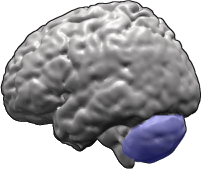
Ataxia com deficiência de vitamina E
📋 Origem dos dados
Esta página agrega dados de fontes públicas e oficiais. Dados sobre cobertura no SUS (PCDT, CEAF) são verificados ativamente por agente proativo (ver badge no infobox). Demais dados têm atribuição de fonte + data da última sincronização — clique para abrir o original.
- Doença rara (ontologia)
- fonte: Orphanet
- Identificador unificado
- fonte: MONDO
- Genética mendeliana
- fonte: OMIM
- Codificação WHO/SUS
- fonte: WHO ICD-10 / DATASUS
- CID-11 (futuro)
- fonte: WHO ICD-11
- NIH/GARD
- fonte: GARD (NIH)
- Indexação biomédica
- fonte: MeSH (NLM)
- Dado público estruturado
- fonte: Wikidata
- Reposicionamento
- fonte: Drug Repurposing Hub
- Ensaios clínicos
- fonte: ClinicalTrials.gov