
É uma doença rara do músculo do coração, que é de família, caracterizada pela dilatação do ventrículo esquerdo (a câmara principal do lado esquerdo do coração) e pelo enfraquecimento progressivo da sua capacidade de bombear o sangue. Isso acontece sem que existam outras condições que sobrecarreguem o coração, ou problemas nas artérias coronárias (as artérias que nutrem o coração) que por si só justificariam essa fraqueza geral no bombeamento. A doença pode causar insuficiência cardíaca (quando o coração fica fraco) ou arritmia (quando o coração bate fora do ritmo). É considerada isolada quando não há outros sinais ou problemas incomuns no coração ou em outras partes do corpo.
Introdução
O que você precisa saber de cara
É uma doença rara do músculo do coração, que é de família, caracterizada pela dilatação do ventrículo esquerdo (a câmara principal do lado esquerdo do coração) e pelo enfraquecimento progressivo da sua capacidade de bombear o sangue. Isso acontece sem que existam outras condições que sobrecarreguem o coração, ou problemas nas artérias coronárias (as artérias que nutrem o coração) que por si só justificariam essa fraqueza geral no bombeamento. A doença pode causar insuficiência cardíaca (quando o coração fica fraco) ou arritmia (quando o coração bate fora do ritmo). É considerada isolada quando não há outros sinais ou problemas incomuns no coração ou em outras partes do corpo.
Escala de raridade
<1/50kMuito rara
1/20kRara
1/10kPouco freq.
1/5kIncomum
1/2k
Encontrou um erro ou informação desatualizada? Sugira uma correção →
Entender a doença
Do básico ao detalhe, leia no seu ritmo
Preparando trilha educativa...
Sinais e sintomas
O que aparece no corpo e com que frequência cada sintoma acontece
Partes do corpo afetadas
+ 27 sintomas em outras categorias
Características mais comuns
Os sintomas variam de pessoa para pessoa. Abaixo estão as 109 características clínicas mais associadas, ordenadas por frequência.
Linha do tempo da pesquisa
Encontrou um erro ou informação desatualizada? Sugira uma correção →
Genética e causas
O que está alterado no DNA e como passa nas famílias
Genes associados
53 genes identificados com associação a esta condição. Padrão de herança: Autosomal dominant, Autosomal recessive, Mitochondrial inheritance, X-linked recessive.
Pore-forming subunit of Nav1.5, a voltage-gated sodium (Nav) channel that directly mediates the depolarizing phase of action potentials in excitable membranes. Navs, also called VGSCs (voltage-gated sodium channels) or VDSCs (voltage-dependent sodium channels), operate by switching between closed and open conformations depending on the voltage difference across the membrane. In the open conformation they allow Na(+) ions to selectively pass through the pore, along their electrochemical gradient.
Cell membraneCytoplasm, perinuclear regionCell membrane, sarcolemma, T-tubuleCell junction
Progressive familial heart block 1A
A cardiac bundle branch disorder characterized by progressive alteration of cardiac conduction through the His-Purkinje system, with a pattern of a right bundle-branch block and/or left anterior hemiblock occurring individually or together. It leads to complete atrio-ventricular block causing syncope and sudden death.
May function as an adapter in striated muscle to couple protein kinase C-mediated signaling via its LIM domains to the cytoskeleton
Cytoplasm, perinuclear regionCell projection, pseudopodiumCytoplasm, cytoskeletonCytoplasm, myofibril, sarcomere, Z line
Cardiomyopathy, dilated, 1C, with or without left ventricular non-compaction
A disorder characterized by ventricular dilation and impaired systolic function, resulting in congestive heart failure and arrhythmia. Patients are at risk of premature death. Cardiomyopathy dilated type 1C is associated with left ventricular non-compaction in some patients. Left ventricular non-compaction is characterized by numerous prominent trabeculations and deep intertrabecular recesses in hypertrophied and hypokinetic segments of the left ventricle.
Positive regulator of myogenesis. Acts as a cofactor for myogenic bHLH transcription factors such as MYOD1, and probably MYOG and MYF6. Enhances the DNA-binding activity of the MYOD1:TCF3 isoform E47 complex and may promote formation of a functional MYOD1:TCF3 isoform E47:MEF2A complex involved in myogenesis (By similarity). Plays a crucial and specific role in the organization of cytosolic structures in cardiomyocytes. Could play a role in mechanical stretch sensing. May be a scaffold protein t
NucleusCytoplasmCytoplasm, cytoskeletonCytoplasm, myofibril, sarcomere, Z lineCytoplasm, myofibril, sarcomere
Cardiomyopathy, dilated, 1M
A disorder characterized by ventricular dilation and impaired systolic function, resulting in congestive heart failure and arrhythmia. Patients are at risk of premature death.
May function as a molecular transmitter linking various signaling pathways to transcriptional regulation. Negatively regulates the transcriptional repressor E4F1 and may function in cell growth. Inhibits the transcriptional activity of FOXO1 and its apoptotic function by enhancing the interaction of FOXO1 with SIRT1 and FOXO1 deacetylation. Negatively regulates the calcineurin/NFAT signaling pathway in cardiomyocytes (PubMed:28717008)
CytoplasmNucleusCytoplasm, myofibril, sarcomere, Z line
Troponin I is the inhibitory subunit of troponin, the thin filament regulatory complex which confers calcium-sensitivity to striated muscle actomyosin ATPase activity
Cardiomyopathy, familial hypertrophic, 7
A hereditary heart disorder characterized by ventricular hypertrophy, which is usually asymmetric and often involves the interventricular septum. The symptoms include dyspnea, syncope, collapse, palpitations, and chest pain. They can be readily provoked by exercise. The disorder has inter- and intrafamilial variability ranging from benign to malignant forms with high risk of cardiac failure and sudden cardiac death.
Troponin T is the tropomyosin-binding subunit of troponin, the thin filament regulatory complex which confers calcium-sensitivity to striated muscle actomyosin ATPase activity
Cardiomyopathy, familial hypertrophic, 2
A hereditary heart disorder characterized by ventricular hypertrophy, which is usually asymmetric and often involves the interventricular septum. The symptoms include dyspnea, syncope, collapse, palpitations, and chest pain. They can be readily provoked by exercise. The disorder has inter- and intrafamilial variability ranging from benign to malignant forms with high risk of cardiac failure and sudden cardiac death.
Flavoprotein (FP) subunit of succinate dehydrogenase (SDH) that is involved in complex II of the mitochondrial electron transport chain and is responsible for transferring electrons from succinate to ubiquinone (coenzyme Q) (PubMed:10746566, PubMed:24781757). SDH also oxidizes malate to the non-canonical enol form of oxaloacetate, enol-oxaloacetate (By similarity). Enol-oxaloacetate, which is a potent inhibitor of the succinate dehydrogenase activity, is further isomerized into keto-oxaloacetate
Mitochondrion inner membrane
Mitochondrial complex II deficiency, nuclear type 1
A disorder of the mitochondrial respiratory chain with heterogeneous clinical manifestations. Clinical features include psychomotor regression in infants, poor growth with lack of speech development, severe spastic quadriplegia, dystonia, progressive leukoencephalopathy, muscle weakness, exercise intolerance, cardiomyopathy. Some patients manifest Leigh syndrome or Kearns-Sayre syndrome. MC2DN1 inheritance is autosomal recessive.
RNA-binding protein that acts as a regulator of mRNA splicing of a subset of genes encoding key structural proteins involved in cardiac development, such as TTN (Titin), CACNA1C, CAMK2D or PDLIM5/ENH (PubMed:22466703, PubMed:24960161, PubMed:26604136, PubMed:27496873, PubMed:27531932, PubMed:29895960, PubMed:30948719, PubMed:32840935, PubMed:34732726, PubMed:35427468). Acts as a repressor of mRNA splicing: specifically binds the 5'UCUU-3' motif that is predominantly found within intronic sequenc
NucleusCytoplasm, Cytoplasmic ribonucleoprotein granule
Cardiomyopathy, dilated, 1DD
A disorder characterized by ventricular dilation and impaired systolic function, resulting in congestive heart failure and arrhythmia. Patients are at risk of premature death.
F-actin cross-linking protein which is thought to anchor actin to a variety of intracellular structures. This is a bundling protein
Cytoplasm, myofibril, sarcomere, Z line
Cardiomyopathy, familial hypertrophic, 23, with or without left ventricular non-compaction
A hereditary heart disorder characterized by ventricular hypertrophy, which is usually asymmetric and often involves the interventricular septum. The symptoms include dyspnea, syncope, collapse, palpitations, and chest pain. They can be readily provoked by exercise. The disorder has inter- and intrafamilial variability ranging from benign to malignant forms with high risk of cardiac failure and sudden cardiac death.
Serine/threonine-protein kinase that acts as a regulatory link between the membrane-associated Ras GTPases and the MAPK/ERK cascade, and this critical regulatory link functions as a switch determining cell fate decisions including proliferation, differentiation, apoptosis, survival and oncogenic transformation. RAF1 activation initiates a mitogen-activated protein kinase (MAPK) cascade that comprises a sequential phosphorylation of the dual-specific MAPK kinases (MAP2K1/MEK1 and MAP2K2/MEK2) and
CytoplasmCell membraneMitochondrionNucleus
Noonan syndrome 5
A form of Noonan syndrome, a disease characterized by short stature, facial dysmorphic features such as hypertelorism, a downward eyeslant and low-set posteriorly rotated ears, and a high incidence of congenital heart defects and hypertrophic cardiomyopathy. Other features can include a short neck with webbing or redundancy of skin, deafness, motor delay, variable intellectual deficits, multiple skeletal defects, cryptorchidism, and bleeding diathesis. Individuals with Noonan syndrome are at risk of juvenile myelomonocytic leukemia, a myeloproliferative disorder characterized by excessive production of myelomonocytic cells.
Is an activator of the calcineurin/NFAT signaling pathway in cardiomyocytes, and is involved in myocardium morphogenesis, and regulation of myocardium mass and cardiac contractile function
Cytoplasm, myofibril, sarcomere, Z line
Cardiomyopathy, dilated, 1QQ
A form of dilated cardiomyopathy, a disorder characterized by ventricular dilation and impaired systolic function, resulting in congestive heart failure and arrhythmia. Patients are at risk of premature death. CMD1QQ is an autosomal dominant form.
Essential for cardiac morphogenesis, particularly for the formation of the right ventricle and of the aortic arch arteries. Required for vascular development and regulation of angiogenesis, possibly through a VEGF signaling pathway. Also plays an important role in limb development, particularly in the establishment of anterior-posterior polarization, acting as an upstream regulator of sonic hedgehog (SHH) induction in the limb bud. Is involved in the development of branchial arches, which give r
Nucleus
Involved in the regulation of actin polymerization
Cell membrane
Cardiomyopathy, dilated, 2I
A form of dilated cardiomyopathy, a disorder characterized by ventricular dilation and impaired systolic function, resulting in congestive heart failure and arrhythmia. Patients are at risk of premature death. CMD2I is an autosomal recessive, severe form characterized by onset in infancy or childhood.
Mediates nucleation of actin filaments and thereby promotes actin polymerization (PubMed:18403713, PubMed:25250574, PubMed:26370058, PubMed:26417072). Plays a role in the regulation of actin filament length (By similarity). Required for normal sarcomere organization in the heart, and for normal heart function (PubMed:18403713)
Cytoplasm, myofibril, sarcomereCytoplasm, myofibrilCytoplasm, myofibril, sarcomere, M lineCytoplasm, cytoskeleton
Cardiomyopathy, dilated, 2G
A form of dilated cardiomyopathy, a disorder characterized by ventricular dilation and impaired systolic function, resulting in congestive heart failure and arrhythmia. Patients are at risk of premature death. CMD2G is an autosomal recessive form characterized by early-onset, severe cardiomyopathy that progresses rapidly to heart failure in the neonatal period without evidence of intervening hypertrophy.
A component of desmosome cell-cell junctions which are required for positive regulation of cellular adhesion (PubMed:17559062, PubMed:38395410). Involved in the interaction of plaque proteins and intermediate filaments mediating cell-cell adhesion. Required for proliferation and viability of embryonic stem cells in the blastocyst, thereby crucial for progression of post-implantation embryonic development (By similarity). Maintains pluripotency by regulating epithelial to mesenchymal transition/m
Cell membraneCell junction, desmosomeCytoplasm
Arrhythmogenic right ventricular dysplasia, familial, 10
A congenital heart disease characterized by infiltration of adipose and fibrous tissue into the right ventricle and loss of myocardial cells, resulting in ventricular and supraventricular arrhythmias.
ATPase required for the post-translational delivery of tail-anchored (TA) proteins to the endoplasmic reticulum (PubMed:17382883). Recognizes and selectively binds the transmembrane domain of TA proteins in the cytosol. This complex then targets to the endoplasmic reticulum by membrane-bound receptors GET1/WRB and CAMLG/GET2, where the tail-anchored protein is released for insertion. This process is regulated by ATP binding and hydrolysis. ATP binding drives the homodimer towards the closed dime
CytoplasmEndoplasmic reticulumNucleus, nucleolus
Cardiomyopathy, dilated, 2H
A form of dilated cardiomyopathy, a disorder characterized by ventricular dilation and impaired systolic function, resulting in congestive heart failure and arrhythmia. Patients are at risk of premature death. CMD2H is an autosomal recessive form characterized by rapid progression and death in early infancy.
Component of the sarcoglycan complex, a subcomplex of the dystrophin-glycoprotein complex which forms a link between the F-actin cytoskeleton and the extracellular matrix
Cell membrane, sarcolemmaCytoplasm, cytoskeleton
Muscular dystrophy, limb-girdle, autosomal recessive 6
An autosomal recessive degenerative myopathy initially affecting the proximal limb girdle musculature. Muscle from patients shows a complete loss of delta-sarcoglycan as well as of the others components of the sarcoglycan complex.
Possible transcription factor. Specifically binds to the CT/GC-rich region of the interleukin-3 promoter and mediates tax transactivation of IL-3
Nucleus
Cardiomyopathy, dilated, 1OO
A disorder characterized by ventricular dilation and impaired systolic function, resulting in congestive heart failure and arrhythmia. Patients are at risk of premature death. CMD1OO inheritance is autosomal dominant.
Catalyzes the transfer of a ribitol-phosphate from CDP-ribitol to the distal N-acetylgalactosamine of the phosphorylated O-mannosyl trisaccharide (N-acetylgalactosamine-beta-3-N-acetylglucosamine-beta-4-(phosphate-6-)mannose), a carbohydrate structure present in alpha-dystroglycan (DAG1) (PubMed:26923585, PubMed:27194101, PubMed:29477842). This constitutes the first step in the formation of the ribitol 5-phosphate tandem repeat which links the phosphorylated O-mannosyl trisaccharide to the ligan
Golgi apparatus membraneCytoplasmNucleus
Muscular dystrophy-dystroglycanopathy congenital with brain and eye anomalies A4
An autosomal recessive disorder characterized by congenital muscular dystrophy associated with cobblestone lissencephaly and other brain anomalies, eye malformations, profound intellectual disability, and death usually in the first years of life. Included diseases are the more severe Walker-Warburg syndrome and the slightly less severe muscle-eye-brain disease.
Catalyzes the second step in the biosynthesis of coenzyme A from vitamin B5, where cysteine is conjugated to 4'-phosphopantothenate to form 4-phosphopantothenoylcysteine (PubMed:11923312, PubMed:12906824, PubMed:29754768). Has a preference for ATP over CTP as a cosubstrate (PubMed:11923312)
Cardiomyopathy, dilated, 2C
A form of dilated cardiomyopathy, a disorder characterized by ventricular dilation and impaired systolic function, resulting in congestive heart failure and arrhythmia. Patients are at risk of premature death. CMD2C is an autosomal recessive form with variable severity and age of onset ranging from 2 to 20 years. Death in infancy or early childhood may occur in severely affected children.
A component of desmosome cell-cell junctions which are required for positive regulation of cellular adhesion (PubMed:25733715). Critical for cell-cell adhesion in early stage blastocysts and progression through proamniotic cavity formation (By similarity). Not required for preimplantation morphogenic process in blastocysts (By similarity). Required for keratin filament anchoring at the desmosome junction and subsequent organization of the keratin intermediate filament network within the cytoplas
Cell projection, axonCell junction, desmosomeCell membraneCytoplasmNucleus
Keratoderma, palmoplantar, striate 2
A dermatological disorder characterized by thickening of the skin on the palms (linear pattern) and the soles (island-like pattern) and flexor aspect of the fingers. Abnormalities of the nails, the teeth and the hair are rarely present.
Catalytic subunit of the gamma-secretase complex, an endoprotease complex that catalyzes the intramembrane cleavage of integral membrane proteins such as Notch receptors and APP (amyloid-beta precursor protein) (PubMed:10206644, PubMed:10545183, PubMed:10593990, PubMed:10811883, PubMed:10899933, PubMed:12679784, PubMed:12740439, PubMed:15274632, PubMed:20460383, PubMed:25043039, PubMed:26280335, PubMed:28269784, PubMed:30598546, PubMed:30630874). Requires the presence of the other members of the
Endoplasmic reticulumEndoplasmic reticulum membraneGolgi apparatus membraneCytoplasmic granuleCell membraneCell projection, growth coneEarly endosomeEarly endosome membraneCell projection, neuron projectionCell projection, axonSynapse
Alzheimer disease 3
A familial early-onset form of Alzheimer disease. Alzheimer disease is a neurodegenerative disorder characterized by progressive dementia, loss of cognitive abilities, and deposition of fibrillar amyloid proteins as intraneuronal neurofibrillary tangles, extracellular amyloid plaques and vascular amyloid deposits. The major constituents of these plaques are neurotoxic amyloid-beta protein 40 and amyloid-beta protein 42, that are produced by the proteolysis of the transmembrane APP protein. The cytotoxic C-terminal fragments (CTFs) and the caspase-cleaved products, such as C31, are also implicated in neuronal death.
Membrane-binding protein that provides a structural bridge between the plasma membrane and the sarcoplasmic reticulum and is required for normal excitation-contraction coupling in cardiomyocytes (PubMed:20095964). Provides a structural foundation for functional cross-talk between the cell surface and intracellular Ca(2+) release channels by maintaining the 12-15 nm gap between the sarcolemma and the sarcoplasmic reticulum membranes in the cardiac dyads (By similarity). Necessary for proper intra
Cell membraneSarcoplasmic reticulum membraneEndoplasmic reticulum membraneNucleus
Cardiomyopathy, familial hypertrophic, 17
A hereditary heart disorder characterized by ventricular hypertrophy, which is usually asymmetric and often involves the interventricular septum. The symptoms include dyspnea, syncope, collapse, palpitations, and chest pain. They can be readily provoked by exercise. The disorder has inter- and intrafamilial variability ranging from benign to malignant forms with high risk of cardiac failure and sudden cardiac death.
Transcription regulator that acts both as a histone methyltransferase or chromatin adapter, depending on the context (PubMed:12816872). In the cytoplasm, acts as a histone methyltransferase, which catalyzes monomethylation of 'Lys-9' of free histone H3 (H3K9me1) during translation (By similarity). Monomethylated histone H3 is then transported to the nucleus and incorporated into nucleosomes where SUV39H methyltransferases (SUV39H1 and SUV39H2) use it as a substrate to catalyze histone H3 'Lys-9'
NucleusChromosomeCytoplasm
Left ventricular non-compaction 8
A form of left ventricular non-compaction, a cardiomyopathy due to myocardial morphogenesis arrest and characterized by a hypertrophic left ventricle, a severely thickened 2-layered myocardium, numerous prominent trabeculations, deep intertrabecular recesses, and poor systolic function. Clinical manifestations are variable. Some affected individuals experience no symptoms at all, others develop heart failure. In some cases, left ventricular non-compaction is associated with other congenital heart anomalies. LVNC8 is an autosomal dominant condition.
Lamins are intermediate filament proteins that assemble into a filamentous meshwork, and which constitute the major components of the nuclear lamina, a fibrous layer on the nucleoplasmic side of the inner nuclear membrane (PubMed:10080180, PubMed:10580070, PubMed:10587585, PubMed:10814726, PubMed:11799477, PubMed:12075506, PubMed:12927431, PubMed:15317753, PubMed:18551513, PubMed:18611980, PubMed:2188730, PubMed:22431096, PubMed:2344612, PubMed:23666920, PubMed:24741066, PubMed:31434876, PubMed:
Nucleus laminaNucleus envelopeNucleus, nucleoplasmNucleus matrixNucleus speckle
Emery-Dreifuss muscular dystrophy 2, autosomal dominant
A form of Emery-Dreifuss muscular dystrophy, a degenerative myopathy characterized by weakness and atrophy of muscle without involvement of the nervous system, early contractures of the elbows, Achilles tendons and spine, and cardiomyopathy associated with cardiac conduction defects.
Thick filament-associated protein located in the crossbridge region of vertebrate striated muscle a bands. In vitro it binds MHC, F-actin and native thin filaments, and modifies the activity of actin-activated myosin ATPase. It may modulate muscle contraction or may play a more structural role
Cardiomyopathy, familial hypertrophic, 4
A hereditary heart disorder characterized by ventricular hypertrophy, which is usually asymmetric and often involves the interventricular septum. The symptoms include dyspnea, syncope, collapse, palpitations, and chest pain. They can be readily provoked by exercise. The disorder has inter- and intrafamilial variability ranging from benign to malignant forms with high risk of cardiac failure and sudden cardiac death.
Troponin I is the inhibitory subunit of troponin, the thin filament regulatory complex which confers calcium-sensitivity to striated muscle actomyosin ATPase activity
Cardiomyopathy, familial hypertrophic, 7
A hereditary heart disorder characterized by ventricular hypertrophy, which is usually asymmetric and often involves the interventricular septum. The symptoms include dyspnea, syncope, collapse, palpitations, and chest pain. They can be readily provoked by exercise. The disorder has inter- and intrafamilial variability ranging from benign to malignant forms with high risk of cardiac failure and sudden cardiac death.
Component of the sarcomere that tethers together nebulin (skeletal muscle) and nebulette (cardiac muscle) to alpha-actinin, at the Z lines
CytoplasmNucleusCytoplasm, myofibril, sarcomereCytoplasm, myofibril, sarcomere, Z line
Congenital myopathy 24
An autosomal recessive muscular disorder characterized by slowly progressive muscle weakness and atrophy, mainly affecting the lower limbs and neck. Some patients may have mild cardiac or respiratory involvement, but they do not have respiratory failure. Muscle biopsy shows nemaline bodies.
Component of the transcription factor SL1/TIF-IB complex, which is involved in the assembly of the PIC (pre-initiation complex) during RNA polymerase I-dependent transcription. The rate of PIC formation probably is primarily dependent on the rate of association of SL1/TIF-IB with the rDNA promoter. SL1/TIF-IB is involved in stabilization of nucleolar transcription factor 1/UBTF on rDNA. Formation of SL1/TIF-IB excludes the association of TBP with TFIID subunits
Nucleus, nucleolus
Actins are highly conserved proteins that are involved in various types of cell motility and are ubiquitously expressed in all eukaryotic cells
Cytoplasm, cytoskeleton
Cardiomyopathy, dilated, 1R
A disorder characterized by ventricular dilation and impaired systolic function, resulting in congestive heart failure and arrhythmia. Patients are at risk of premature death.
May contribute to the transparency and refractive index of the lens. Has chaperone-like activity, preventing aggregation of various proteins under a wide range of stress conditions. In lens epithelial cells, stabilizes the ATP6V1A protein, preventing its degradation by the proteasome (By similarity)
CytoplasmNucleusSecretedLysosome
Myopathy, myofibrillar, 2A, adult-onset
A form of myofibrillar myopathy, a group of chronic neuromuscular disorders characterized at ultrastructural level by disintegration of the sarcomeric Z disk and myofibrils, and replacement of the normal myofibrillar markings by small dense granules, or larger hyaline masses, or amorphous material. MFM2A is an autosomal dominant form characterized by weakness of the proximal and distal limb muscles, weakness of the neck, velopharynx and trunk muscles, respiratory insufficiency, hypertrophic cardiomyopathy, and cataract.
Heart- and skeletal muscle-specific component of the ribosome, which regulates muscle function. Component of the large ribosomal subunit in striated muscle cells: replaces the RPL3 paralog in the ribosome in these cells. The ribosome is a large ribonucleoprotein complex responsible for the synthesis of proteins in the cell. Inhibits myotube growth and muscle function
Cardiomyopathy, dilated, 2D
A form of dilated cardiomyopathy, a disorder characterized by ventricular dilation and impaired systolic function, resulting in congestive heart failure and arrhythmia. Patients are at risk of premature death. CMD2D is an autosomal recessive, severe form with neonatal onset.
May play an important role in endothelial cell activation. May act as a nuclear transcription factor that negatively regulates the expression of cardiac genes. Induction seems to be correlated with apoptotic cell death in hepatoma cells
Nucleus
May be involved in the structural organization of the nucleus and in the post-mitotic nuclear assembly. Plays an important role, together with LMNA, in the nuclear anchorage of RB1 TP and TP5 may play a role in T-cell development and function. TP5 is an immunomodulating pentapeptide
NucleusChromosome
Co-chaperone for HSP/HSP70 proteins. It functions as a nucleotide-exchange factor promoting the release of ADP from HSP70, thereby activating HSP70-mediated protein refolding (PubMed:20223214). Has an essential role in maintaining proteostasis at junctional membrane complexes (JMC), where it may function as a scaffold between the HSPA8 chaperone and JMC proteins enabling correct, HSPA8-dependent JMC protein folding (By similarity). Inhibits both auto-ubiquitination of PRKN and ubiquitination of
Cardiomyopathy, dilated, 2F
A form of dilated cardiomyopathy, a disorder characterized by ventricular dilation and impaired systolic function, resulting in congestive heart failure and arrhythmia. Patients are at risk of premature death. CMD2F is an autosomal recessive, early-onset form.
Reversibly inhibits the activity of ATP2A2/SERCA2 in cardiac sarcoplasmic reticulum by decreasing the apparent affinity of the ATPase for Ca(2+) (PubMed:28890335). Binds preferentially to the ATP-bound E1 conformational form of ATP2A2 which predominates at low Ca(2+) concentrations during the diastolic phase of the cardiac cycle (By similarity). Inhibits ATP2A2 Ca(2+) affinity by disrupting its allosteric activation by ATP (By similarity). Modulates the contractility of the heart muscle in respo
Endoplasmic reticulum membraneSarcoplasmic reticulum membraneMitochondrion membraneMembrane
Cardiomyopathy, dilated, 1P
A disorder characterized by ventricular dilation and impaired systolic function, resulting in congestive heart failure and arrhythmia. Patients are at risk of premature death.
Muscle assembly regulating factor. Mediates the antiparallel assembly of titin (TTN) molecules at the sarcomeric Z-disk
Cytoplasm, myofibril, sarcomere
Cardiomyopathy, familial hypertrophic, 25
A hereditary heart disorder characterized by ventricular hypertrophy, which is usually asymmetric and often involves the interventricular septum. The symptoms include dyspnea, syncope, collapse, palpitations, and chest pain. They can be readily provoked by exercise. The disorder has inter- and intrafamilial variability ranging from benign to malignant forms with high risk of cardiac failure and sudden cardiac death.
Component of some chromatin complex recruited to chromatin sites methylated 'Lys-4' of histone H3 (H3K4me), with a preference for trimethylated form (H3K4me3)
Nucleus
Cardiomyopathy, dilated, 2B
A disorder characterized by ventricular dilation and impaired systolic function, resulting in congestive heart failure and arrhythmia. Patients are at risk of premature death.
Catalyzes CTP-mediated phosphorylation of dolichol, the terminal step in de novo dolichyl monophosphate (Dol-P) biosynthesis (PubMed:12213788, PubMed:16923818, PubMed:17273964, PubMed:22242004). Dol-P is a lipid carrier essential for the synthesis of N-linked and O-linked oligosaccharides and for GPI anchors (PubMed:12213788)
Endoplasmic reticulum membrane
Congenital disorder of glycosylation 1M
A form of congenital disorder of glycosylation, a multisystem disorder caused by a defect in glycoprotein biosynthesis and characterized by under-glycosylated serum glycoproteins. Congenital disorders of glycosylation result in a wide variety of clinical features, such as defects in the nervous system development, psychomotor retardation, dysmorphic features, hypotonia, coagulation disorders, and immunodeficiency. The broad spectrum of features reflects the critical role of N-glycoproteins during embryonic development, differentiation, and maintenance of cell functions. CDG1M is a very severe disease with death occurring in early life.
Key component in the assembly and functioning of vertebrate striated muscles. By providing connections at the level of individual microfilaments, it contributes to the fine balance of forces between the two halves of the sarcomere. The size and extensibility of the cross-links are the main determinants of sarcomere extensibility properties of muscle. In non-muscle cells, seems to play a role in chromosome condensation and chromosome segregation during mitosis. Might link the lamina network to ch
CytoplasmNucleus
Myopathy, myofibrillar, 9, with early respiratory failure
An autosomal dominant myopathy characterized by adulthood onset of weakness in proximal, distal, axial and respiratory muscles. Pelvic girdle weakness, foot drop and neck weakness are the main symptoms at onset, but ultimately the weakness usually involves the proximal compartment of both upper and lower limbs. Additional features include variable degrees of Achilles tendon contractures, spinal rigidity and muscle hypertrophy. Respiratory involvement often leads to requirement for non-invasive ventilation support.
Actin filament (F-actin)-binding protein involved in cell-matrix adhesion and cell-cell adhesion. Regulates cell-surface E-cadherin expression and potentiates mechanosensing by the E-cadherin complex. May also play important roles in cell morphology and locomotion
Cell membraneCell junction, adherens junctionCell junction, focal adhesionCytoplasm, cytoskeletonCell membrane, sarcolemmaCell projection, podosomeCytoplasm, perinuclear region
Cardiomyopathy, dilated, 1W
A disorder characterized by ventricular dilation and impaired systolic function, resulting in congestive heart failure and arrhythmia. Patients are at risk of premature death.
Involved in regulating cell migration through association with the actin cytoskeleton. Has an essential role in the maintenance of Z line and sarcomere integrity
Cytoplasm, cytoskeletonCell junction, adherens junctionCytoplasm, myofibril, sarcomere, Z line
Cardiomyopathy, dilated, 1CC
An autosomal dominant form of dilated cardiomyopathy, a disorder characterized by ventricular dilation and impaired systolic function, resulting in congestive heart failure and arrhythmia. Patients are at risk of premature death.
Anchors the extracellular matrix to the cytoskeleton via F-actin. Ligand for dystroglycan. Component of the dystrophin-associated glycoprotein complex which accumulates at the neuromuscular junction (NMJ) and at a variety of synapses in the peripheral and central nervous systems and has a structural function in stabilizing the sarcolemma. Also implicated in signaling events and synaptic transmission
Cell membrane, sarcolemmaCytoplasm, cytoskeletonPostsynaptic cell membrane
Duchenne muscular dystrophy
Most common form of muscular dystrophy; a sex-linked recessive disorder. It typically presents in boys aged 3 to 7 year as proximal muscle weakness causing waddling gait, toe-walking, lordosis, frequent falls, and difficulty in standing up and climbing up stairs. The pelvic girdle is affected first, then the shoulder girdle. Progression is steady and most patients are confined to a wheelchair by age of 10 or 12. Flexion contractures and scoliosis ultimately occur. About 50% of patients have a lower IQ than their genetic expectations would suggest. There is no treatment.
Binding to cells via a high affinity receptor, laminin is thought to mediate the attachment, migration and organization of cells into tissues during embryonic development by interacting with other extracellular matrix components
Secreted, extracellular space, extracellular matrix, basement membraneSecreted
Cardiomyopathy, dilated, 1JJ
A disorder characterized by ventricular dilation and impaired systolic function, resulting in congestive heart failure and arrhythmia. Patients are at risk of premature death.
Muscle-specific type III intermediate filament essential for proper muscular structure and function. Plays a crucial role in maintaining the structure of sarcomeres, inter-connecting the Z-disks and forming the myofibrils, linking them not only to the sarcolemmal cytoskeleton, but also to the nucleus and mitochondria, thus providing strength for the muscle fiber during activity (PubMed:25358400). In adult striated muscle they form a fibrous network connecting myofibrils to each other and to the
Cytoplasm, myofibril, sarcomere, Z lineCytoplasmCell membrane, sarcolemmaNucleusCell tipNucleus envelope
Myopathy, myofibrillar, 1
A form of myofibrillar myopathy, a group of chronic neuromuscular disorders characterized at ultrastructural level by disintegration of the sarcomeric Z disk and myofibrils, and replacement of the normal myofibrillar markings by small dense granules, or larger hyaline masses, or amorphous material. MFM1 is characterized by skeletal muscle weakness associated with cardiac conduction blocks, arrhythmias, restrictive heart failure, and accumulation of desmin-reactive deposits in cardiac and skeletal muscle cells.
Catalytic subunit of the gamma-secretase complex, an endoprotease complex that catalyzes the intramembrane cleavage of integral membrane proteins such as Notch receptors and APP (amyloid-beta precursor protein) (PubMed:10497236, PubMed:10652302, PubMed:16752394, PubMed:27293189, PubMed:36272978). Selectively cleaves late endosomal/lysosomal localized substrates and generates the prominent pool of intracellular amyloid beta that contains longer amyloid beta (PubMed:27293189). The holoprotein func
Endoplasmic reticulum membraneGolgi apparatus membraneLate endosome membraneLysosome membrane
Alzheimer disease 4
A familial early-onset form of Alzheimer disease. Alzheimer disease is a neurodegenerative disorder characterized by progressive dementia, loss of cognitive abilities, and deposition of fibrillar amyloid proteins as intraneuronal neurofibrillary tangles, extracellular amyloid plaques and vascular amyloid deposits. The major constituents of these plaques are neurotoxic amyloid-beta protein 40 and amyloid-beta protein 42, that are produced by the proteolysis of the transmembrane APP protein. The cytotoxic C-terminal fragments (CTFs) and the caspase-cleaved products, such as C31, are also implicated in neuronal death.
Subunit of ATP-sensitive potassium channels (KATP). Can form cardiac and smooth muscle-type KATP channels with KCNJ11. KCNJ11 forms the channel pore while ABCC9 is required for activation and regulation (PubMed:9831708). Can form a sulfonylurea-sensitive but ATP-insensitive potassium channel with KCNJ8 (By similarity)
Membrane
Cardiomyopathy, dilated, 1O
A disorder characterized by ventricular dilation and impaired systolic function, resulting in congestive heart failure and arrhythmia. Patients are at risk of premature death.
Co-chaperone and adapter protein that connects different classes of molecular chaperones including heat shock proteins 70 (HSP70s), e.g. HSPA1A/HSP70 or HSPA8/HSC70, and small heat shock proteins (sHSPs), e.g. HSPB8 (PubMed:27884606, PubMed:30559338). Acts as a nucleotide-exchange factor (NEF) promoting the release of ADP from HSP70s, thereby triggering client protein release (PubMed:27884606, PubMed:30559338). Nucleotide release is mediated via BAG3 binding to the nucleotide-binding domain (NBD
NucleusCytoplasm
Myopathy, myofibrillar, 6
A form of myofibrillar myopathy, a group of chronic neuromuscular disorders characterized at ultrastructural level by disintegration of the sarcomeric Z disk and myofibrils, and replacement of the normal myofibrillar markings by small dense granules, or larger hyaline masses, or amorphous material. MFM6 is characterized by early-onset of severe, progressive, diffuse muscle weakness associated with cardiomyopathy, severe respiratory insufficiency during adolescence, and a rigid spine in some patients.
Involved in the control of reactive oxygen species levels and the regulation of mitochondrial redox homeostasis (PubMed:24601690). Maintains thioredoxin in a reduced state. May play a role in redox-regulated cell signaling
Mitochondrion
Glucocorticoid deficiency 5
A form of glucocorticoid deficiency, a rare autosomal recessive disorder characterized by resistance to ACTH action on the adrenal cortex, adrenal insufficiency and an inability of the adrenal cortex to produce cortisol. It usually presents in the neonatal period or in early childhood with episodes of hypoglycemia and other symptoms related to cortisol deficiency, including failure to thrive, recurrent illnesses or infections, convulsions, and shock. In a small number of patients hypoglycemia can be sufficiently severe and persistent that it leads to serious long-term neurological damage or death. The diagnosis is readily confirmed with a low plasma cortisol measurement in the presence of an elevated ACTH level, and normal aldosterone and plasma renin measurements.
Myosins are actin-based motor molecules with ATPase activity essential for muscle contraction. Forms regular bipolar thick filaments that, together with actin thin filaments, constitute the fundamental contractile unit of skeletal and cardiac muscle
Cytoplasm, myofibrilCytoplasm, myofibril, sarcomere
Cardiomyopathy, familial hypertrophic, 1
A hereditary heart disorder characterized by ventricular hypertrophy, which is usually asymmetric and often involves the interventricular septum. The symptoms include dyspnea, syncope, collapse, palpitations, and chest pain. They can be readily provoked by exercise. The disorder has inter- and intrafamilial variability ranging from benign to malignant forms with high risk of cardiac failure and sudden cardiac death.
Binds to actin filaments in muscle and non-muscle cells (PubMed:23170982). Plays a central role, in association with the troponin complex, in the calcium dependent regulation of vertebrate striated muscle contraction (PubMed:23170982). Smooth muscle contraction is regulated by interaction with caldesmon. In non-muscle cells is implicated in stabilizing cytoskeleton actin filaments
Cytoplasm, cytoskeleton
Cardiomyopathy, familial hypertrophic, 3
A hereditary heart disorder characterized by ventricular hypertrophy, which is usually asymmetric and often involves the interventricular septum. The symptoms include dyspnea, syncope, collapse, palpitations, and chest pain. They can be readily provoked by exercise. The disorder has inter- and intrafamilial variability ranging from benign to malignant forms with high risk of cardiac failure and sudden cardiac death.
Acyltransferase required to remodel newly synthesized phospholipid cardiolipin (1',3'-bis-[1,2-diacyl-sn-glycero-3-phospho]-glycerol or CL), a key component of the mitochondrial inner membrane, with tissue specific acyl chains necessary for adequate mitochondrial function (PubMed:12930833, PubMed:19164547, PubMed:19700766, PubMed:26908608, PubMed:33096711). Its role in cellular physiology is to improve mitochondrial performance (PubMed:32234310). CL is critical for the coassembly of lipids and p
Mitochondrion outer membraneMitochondrion inner membraneMitochondrion membraneCytoplasm
Barth syndrome
An X-linked disease characterized by dilated cardiomyopathy with endocardial fibroelastosis, a predominantly proximal skeletal myopathy, growth retardation, neutropenia, and organic aciduria, particularly excess of 3-methylglutaconic acid. Additional features include hypertrophic cardiomyopathy, isolated left ventricular non-compaction, ventricular arrhythmia, motor delay, poor appetite, fatigue and exercise intolerance, hypoglycemia, lactic acidosis, hyperammonemia, and dramatic late catch-up growth after growth delay throughout childhood.
Muscle contraction
Cytoplasm, myofibril
Atrial septal defect 3
A congenital heart malformation characterized by incomplete closure of the wall between the atria resulting in blood flow from the left to the right atria.
Variantes genéticas (ClinVar)
1.955 variantes patogênicas registradas no ClinVar.
Classificação de variantes (ClinVar)
Distribuição de 5 variantes classificadas pelo ClinVar.
Vias biológicas (Reactome)
117 vias biológicas associadas aos genes desta condição.
Diagnóstico
Os sinais que médicos procuram e os exames que confirmam
Tratamento e manejo
Remédios, cuidados de apoio e o que precisa acompanhar
Onde tratar no SUS
Hospitais de referência no Brasil e o protocolo oficial do SUS (PCDT)
🇧🇷 Atendimento SUS — Miocardiopatia dilatada isolada familiar
Selecione um estado ou use sua localização para ver resultados.
Dados de DATASUS/CNES, SBGM, ABNeuro e Ministério da Saúde. Sempre confirme a disponibilidade diretamente com o estabelecimento.
Pesquisa ativa
Ensaios clínicos abertos e novidades científicas recentes
Ensaios em destaque
🟢 Recrutando agora
1 pesquisa recrutando participantes. Converse com seu médico sobre a possibilidade de participar.
Outros ensaios clínicos
Publicações mais relevantes
A rare case report of familial glucocorticoid deficiency type 4 (GCCD4) with dilated cardiomyopathy: a 3-year follow-up study.
Familial glucocorticoid deficiency type 4 (GCCD4), caused by nicotinamide nucleotide transhydrogenase (NNT) gene mutations, represents a rare multisystem disorder with poorly characterized cardiac manifestations. A 12-year-old female presented with recurrent fatigue, syncope, and severe arrhythmias. After multiple misdiagnoses [including dilated cardiomyopathy, fulminant myocarditis, and long QT syndrome (LQTS)], comprehensive evaluation revealed hypocortisolism (<1.0 µg/dL), markedly elevated adrenocorticotropic hormone (ACTH) (>1,250 pg/mL), and hypothyroidism. Genetic testing identified compound heterozygous NNT mutations (c.639_640insC/p.Val214Argfs*32 and c.2764C>T/p.Arg922*). Comprehensive whole-exome sequencing (WES) ruled out pathogenic variants in genes associated with isolated cardiomyopathy or congenital hypothyroidism. Cardiac assessment showed left ventricular dilation [left ventricular end-diastolic diameter (LVEDD) 5.14 cm], reduced left ventricular ejection fraction (LVEF) 53%, and corrected QT interval (QTc) prolongation (559 ms) with torsades de pointes. The patient was managed with hormone replacement (hydrocortisone 8.8→16.1 mg/m2/day; levothyroxine 16.7 µg/day) and cardioprotective therapy (propranolol, captopril, coenzyme Q10), resulting in significant improvement at 3-year follow-up: ejection fraction (EF) normalized to 68%, thyroid function recovered permitting levothyroxine discontinuation, hyperpigmentation resolved completely, and no arrhythmias recurred. This case underscores GCCD4 as a differential diagnosis in pediatric cardiomyopathy with arrhythmias. Multidisciplinary collaboration and early genetic testing are critical for diagnosis. Individualized glucocorticoid dosing combined with cardiac support enables favorable outcomes.
Clinical Spectrum of Arrhythmogenic Entities in Spanish Children Carrying Deleterious SCN5A Variants.
Deleterious variants in SCN5A lead to a wide clinical spectrum that includes pathologies characterized by life-threatening cardiac events (CEs). In the pediatric population, early identification, management, and risk stratification of these pathologies are the main current challenges. This study analyzed a Spanish pediatric cohort (≤18 years) carrying rare SCN5A variants to explore genotype-phenotype correlations. A retrospective descriptive cohort study, including clinical, demographic, and genetic data of probands and their relatives, was conducted. Out of 100 children studied, 69 had definitively deleterious SCN5A variants (26 females, 38%; median age: 3 years, IQR 1-12). The main diagnoses were isolated Brugada syndrome (BrS) (31; 45%); isolated long QT syndrome type 3 (LQT3) (5; 7%); isolated progressive cardiac conduction disease (PCCD) (1; 2%); isolated familial atrial fibrillation (1; 2%); overlapping phenotypes (7; 10%) including: BrS-PCCD (2; 2.8%); BrS-LQT3 (1; 1.4%); premature ventricular contraction-dilated cardiomyopathy (1; 1.4%); BrS-LQT3-PCCD (1; 1.4%); BrS-PCCD-sick sinus syndrome (SSS) (1; 1.4%) and BrS-PCCD-SSS-familial atrial fibrillation (1; 1.4%). Of them, 13 (19%) patients presented with CEs (cardiogenic syncope, ventricular tachycardia/fibrillation, sudden cardiac arrest/death, and appropriate implantable cardio defibrillator shock). These findings underscore the utility of genetic testing for early diagnosis, risk stratification, and personalized management, enhancing preventive strategies for CE prevention in pediatrics.
Dystrophin-Deficient Cardiomyopathy Due to a Novel Hemizygous DMD Indel Variant.
Variants of dystrophin can lead to diverse phenotypes, ranging from isolated cardiomyopathy to aggressive Duchenne muscular dystrophy with progressive skeletal muscle weakness. We present a case of dystrophin-deficient cardiomyopathy in a 36-year-old man who presented in cardiogenic shock due to severe dilated cardiomyopathy requiring a bridge-to-transplant left ventricular assist device Genetic testing identified a DMD c.4857_4859del variant of uncertain significance. After heart transplantation, immunohistochemistry of the explanted heart revealed markedly reduced dystrophin staining, suggesting that the variant is disease-causing. Cascade testing identified multiple family members who were affected. This case report underscores the importance of synthesizing the clinical phenotype with functional testing to classify cardiomyopathy gene variants accurately. Periodic review of variants of uncertain significance is critical to enable early diagnosis, treatment, and family screening.
Dilated Cardiomyopathy and Later Onset Limb-Girdle Muscular Dystrophy Associated With Fukutin and LaminA/C Mutations.
Nonischemic dilated cardiomyopathy (DCM) can result from pathogenic variants in genes affecting myocardial structure and function. FKTN and LMNA mutations may involve both cardiac and skeletal muscle, consistent with limb-girdle muscular dystrophy (LGMD), with cardiac disease sometimes preceding neuromuscular symptoms. We report on 2 adults presenting with advanced DCM requiring heart transplantation, who were later diagnosed with LGMD. A 22-year-old woman had biallelic FKTN variants, and a 37-year-old man carried a heterozygous LMNA pathogenic variant. Both had elevated creatine kinase prior to proximal muscle weakness. Muscle biopsy and genetic testing confirmed dystrophic processes. These cases demonstrate that genetically mediated DCM may initially present as isolated cardiac disease. Early genetic testing can guide transplant planning, long-term care, and family counseling.
Cardiac CT fractal analysis of LV noncompaction and common cardiomyopathies.
Left ventricular noncompaction (LVNC), or hypertrabeculation, is a myocardial condition that remains challenging to diagnose and differentiate from other cardiomyopathies. This study evaluated the ability of cardiac CT to differentiate between LVNC, hypertrophic cardiomyopathy (HCM), dilated cardiomyopathy (DCM), and controls using fractal analysis of LV trabeculae. Subjects with LVNC, HCM, DCM, as well as controls, who underwent coronary CT angiography were included. LV trabecular structure was quantified using fractal analysis on a stack of 15 short-axis CT images. For each subject, maximum (FDmax) and average (FDglobal) fractal dimensions were reported. A subset of subjects also had clinically acquired cardiac MRI (CMR) exams for comparison. One-way ANOVA, Pearson correlation, and Bland-Altman analysis were used for statistical analysis. The study included 313 subjects (median age: 58.8 [48.1-68.0] years, 153 male) categorized into Control (89), LVNC (46), HCM (106), and DCM (72) cohorts. FDmax was significantly higher in LVNC (1.379 ± 0.047) than in Control (1.305 ± 0.033), HCM (1.321 ± 0.040), and DCM (1.344 ± 0.054) cohorts; all p < 0.001. Similarly, FDglobal was significantly higher in LVNC (1.279 ± 0.041) than in the other cohorts; all p < 0.05. In a subset of 132 subjects with both CT and CMR exams, fractal dimensions from the two modalities were strongly correlated (r = 0.63, p < 0.0001), with CT-derived values being higher (1.337 ± 0.049 vs. 1.262 ± 0.045, p < 0.0001). CT-derived fractal dimensions of LV trabecular structure were significantly higher in LVNC compared to control subjects, HCM, and DCM. CT-derived fractal dimensions strongly correlated with, but were higher than, those from cardiac MRI in the same subjects.
Publicações recentes
Characteristics of gene mutations in Vietnamese pediatric patients with Inborn Errors of Immunity: a cross-sectional study.
Medical expenses and care pathways of patients with Pompe receiving myozyme: an observational study based on the French national healthcare database.
🥈 ObservacionalImpact of brief telehealth interventions on parental stress and challenging behaviors of children with fragile X syndrome.
Research trends and hotspots of adult Alagille syndrome: a bibliometric analysis.
📖 RevisãoThe clinical phenotypes and therapeutic strategies for stiff skin syndrome: a case series with literature review.
📖 Revisão📚 EuropePMCmostrando 92
Dystrophin-Deficient Cardiomyopathy Due to a Novel Hemizygous DMD Indel Variant.
JACC. Case reportsA rare case report of familial glucocorticoid deficiency type 4 (GCCD4) with dilated cardiomyopathy: a 3-year follow-up study.
Translational pediatricsDilated Cardiomyopathy and Later Onset Limb-Girdle Muscular Dystrophy Associated With Fukutin and LaminA/C Mutations.
JACC. Case reportsClinical Spectrum of Arrhythmogenic Entities in Spanish Children Carrying Deleterious SCN5A Variants.
International journal of molecular sciencesAtrial Dilated Cardiomyopathy: From Molecular Pathogenesis to Clinical Implications.
Journal of clinical medicineGenetic and Clinical Characterization of FLNC Variants in Chinese Patients with Cardiomyopathy.
Journal of cardiovascular development and disease[When rarity duplicates: myocardial non-compaction and single coronary artery, an association not to be underestimated].
Giornale italiano di cardiologia (2006)Cardiac CT fractal analysis of LV noncompaction and common cardiomyopathies.
Journal of cardiovascular computed tomographyNPPA-Associated Atrial Dilated Cardiomyopathy: Genotypic and Phenotypic Insights From an Ultrarare Inherited Disorder.
JACC. Case reportsRecurrent nonsense p.Trp3416* variant in the DMD gene identified in healthy Lebanese individuals: Implications for variant classification and genotype-phenotype correlations.
Journal of neuromuscular diseasesDiagnostic Criteria and Disease Staging for Desmoplakin Cardiomyopathy.
medRxiv : the preprint server for health sciencesDisease spectrum and long-term prognosis of patients with BAG3-associated neuromuscular diseases in Europe.
Brain : a journal of neurologySauchinone preserves cardiac function in doxorubicin-induced cardiomyopathy by inhibiting the NLRP3 inflammasome.
Phytomedicine : international journal of phytotherapy and phytopharmacologyEMD missense variant causes X-linked isolated dilated cardiomyopathy with myocardial emerin deficiency.
European journal of human genetics : EJHGSudden cardiac death, arrhythmogenic cardiomyopathy and intercalated disc pathology due to reduced filamin C protein levels: a matter of life and death.
Human molecular geneticsA single RBM20 missense variant is a potential contributor to dilated cardiomyopathy and/or isolated left ventricular dilatation in the Emilia Romagna region of Italy.
International journal of cardiologyArrhythmias May Hide a Genetic Cardiomyopathy in Left Ventricular Hypertrabeculation in Children: A Single-Center Experience.
Children (Basel, Switzerland)Critical contribution of mitochondria in the development of cardiomyopathy linked to desmin mutation.
Stem cell research & therapyNeuromuscular and cardiovascular phenotypes in paediatric titinopathies: a multisite retrospective study.
Journal of medical geneticsPerivascular Basal Echogenicity in the Fetal Heart: An Unconventional Marker of Maternal Autoimmune Antibodies.
Pediatric cardiologyVariable phenotype of a null PPP1R13L allele in children with dilated cardiomyopathy.
American journal of medical genetics. Part AA report of a pedigree with compound heterozygous mutations in the SLC22A5 gene.
Frontiers in pediatricsFunctional defects in hiPSCs-derived cardiomyocytes from patients with a PLEKHM2-mutation associated with dilated cardiomyopathy and left ventricular non-compaction.
Biological researchTRPA1 deficiency aggravates dilated cardiomyopathy by promoting S100A8 expression to induce M1 macrophage polarization in rats.
FASEB journal : official publication of the Federation of American Societies for Experimental BiologyLem2 is essential for cardiac development by maintaining nuclear integrity.
Cardiovascular researchExosomes mediated fibrogenesis in dilated cardiomyopathy through a MicroRNA pathway.
iScienceClinical Risk Score to Predict Pathogenic Genotypes in Patients With Dilated Cardiomyopathy.
Journal of the American College of CardiologyDominantly acting KIF5B variants with pleiotropic cellular consequences cause variable clinical phenotypes.
Human molecular geneticsDilated-Left Ventricular Non-Compaction Cardiomyopathy in a Pediatric Case with SPEG Compound Heterozygous Variants.
International journal of molecular sciencesInvolvement of muscle satellite cell dysfunction in neuromuscular disorders: Expanding the portfolio of satellite cell-opathies.
European journal of translational myologyA Case of Severe Left-Ventricular Noncompaction Associated with Splicing Altering Variant in the FHOD3 Gene.
GenesLeft Ventricular Noncompaction Cardiomyopathy: Left Ventricular Dilation and Dysfunction at Baseline Portend the Risk of Death or Heart Transplantation.
The Canadian journal of cardiologyA combinatorial oligogenic basis for the phenotypic plasticity between late-onset dilated and arrhythmogenic cardiomyopathy in a single family.
The journal of cardiovascular agingIntegrated regulatory network based on lncRNA-miRNA-mRNA-TF reveals key genes and sub-networks associated with dilated cardiomyopathy.
Computational biology and chemistryCase Report: Novel Likely Pathogenic ACTN2 Variant Causing Heterogeneous Phenotype in a Korean Family With Left Ventricular Non-compaction.
Frontiers in pediatrics[Familial left ventricular noncompaction: phenotypes and clinical course. Results of the multicenter registry].
Terapevticheskii arkhivCardiac-Specific Deletion of Orai3 Leads to Severe Dilated Cardiomyopathy and Heart Failure in Mice.
Journal of the American Heart AssociationCELF1 promotes vascular endothelial growth factor degradation resulting in impaired microvasculature in heart failure.
FASEB journal : official publication of the Federation of American Societies for Experimental BiologyThe Desmin (DES) Mutation p.A337P Is Associated with Left-Ventricular Non-Compaction Cardiomyopathy.
GenesPhosphorylated cofilin-2 is more prone to oxidative modifications on Cys39 and favors amyloid fibril formation.
Redox biologyLMNA Missense Mutation Causes Nonsense-Mediated mRNA Decay and Severe Dilated Cardiomyopathy.
Circulation. Genomic and precision medicineDifferent Manifestations in Familial Isolated Left Ventricular Non-compaction: Two Case Reports and Literature Review.
Frontiers in pediatricsInfections in children with left ventricular assist device.
Transplant infectious disease : an official journal of the Transplantation SocietyCardiac Emerinopathy: A Nonsyndromic Nuclear Envelopathy With Increased Risk of Thromboembolic Stroke Due to Progressive Atrial Standstill and Left Ventricular Noncompaction.
Circulation. Arrhythmia and electrophysiologyA novel homozygous TPM1 mutation in familial pediatric hypertrophic cardiomyopathy and in silico screening of potential targeting drugs.
European review for medical and pharmacological sciencesThe Broad Spectrum of LMNA Cardiac Diseases: From Molecular Mechanisms to Clinical Phenotype.
Frontiers in physiologySOS1 Gain-of-Function Variants in Dilated Cardiomyopathy.
Circulation. Genomic and precision medicineFamilial screening in case of acute myocarditis reveals inherited arrhythmogenic left ventricular cardiomyopathies.
ESC heart failureFamily screening in black patients with isolated left ventricular non-compaction: the Chris Hani Baragwanath experience.
Cardiovascular journal of AfricaMutations in PDLIM5 are rare in dilated cardiomyopathy but are emerging as potential disease modifiers.
Molecular genetics & genomic medicineASC-1 Is a Cell Cycle Regulator Associated with Severe and Mild Forms of Myopathy.
Annals of neurologyLow mutation rate in the TTN gene in paediatric patients with dilated cardiomyopathy - a pilot study.
Scientific reportsLeft ventricular noncompaction - Risk stratification and genetic consideration.
Journal of cardiologyDisruption of cardiac thin filament assembly arising from a mutation in LMOD2: A novel mechanism of neonatal dilated cardiomyopathy.
Science advancesLeft Ventricular Noncompaction: Cause or Consequence of Myocardial Disease? A Case Report and Literature Review.
CardiologyA novel de novo CASZ1 heterozygous frameshift variant causes dilated cardiomyopathy and left ventricular noncompaction cardiomyopathy.
Molecular genetics & genomic medicineFLNC pathogenic variants in patients with cardiomyopathies: Prevalence and genotype-phenotype correlations.
Clinical geneticsHeterozygous Mylk3 Knockout Mice Partially Recapitulate Human DCM With Heterozygous MYLK3 Mutations.
Frontiers in physiologyPatients with Isolated Focal Right Ventricular Dyskinetic Segments: Toward a Better Understanding of This Cohort.
Journal of cardiovascular imagingAutosomal recessive ADCY5-Related dystonia and myoclonus: Expanding the genetic spectrum of ADCY5-Related movement disorders.
Parkinsonism & related disordersCardiac Phenotypes, Genetics, and Risks in Familial Noncompaction Cardiomyopathy.
Journal of the American College of CardiologyInhibition of the Hypoxia-Inducible Factor 1α-Induced Cardiospecific HERNA1 Enhance-Templated RNA Protects From Heart Disease.
CirculationAlström Syndrome Presenting as Isolated Dilated Cardiomyopathy.
Indian journal of pediatricsCharacterization of rhinovirus C from a 4-year-old boy with acute onset dilated cardiomyopathy in Jakarta, Indonesia.
JMM case reportsGenetic architecture of recent-onset dilated cardiomyopathy in Moravian region assessed by whole-exome sequencing and its clinical correlates.
Biomedical papers of the Medical Faculty of the University Palacky, Olomouc, CzechoslovakiaClinical and Echocardiographic Impact of Tafazzin Variants on Dilated Cardiomyopathy Phenotype in Left Ventricular Non-Compaction Patients in Early Infancy.
Circulation journal : official journal of the Japanese Circulation SocietyThree new cases of dilated cardiomyopathy caused by mutations in LMNA gene.
Acta myologica : myopathies and cardiomyopathies : official journal of the Mediterranean Society of MyologyAtrial fibrillation in patients with inherited cardiomyopathies.
Europace : European pacing, arrhythmias, and cardiac electrophysiology : journal of the working groups on cardiac pacing, arrhythmias, and cardiac cellular electrophysiology of the European Society of CardiologyPrevalence of Pathogenic Gene Mutations and Prognosis Do Not Differ in Isolated Left Ventricular Dysfunction Compared With Dilated Cardiomyopathy.
Circulation. Heart failureClinical application of targeted next-generation sequencing in fetuses with congenital heart defect.
Ultrasound in obstetrics & gynecology : the official journal of the International Society of Ultrasound in Obstetrics and GynecologyNovel α-Actin Gene Mutation p.(Ala21Val) Causing Familial Hypertrophic Cardiomyopathy, Myocardial Noncompaction, and Transmural Crypts. Clinical-Pathologic Correlation.
Journal of the American Heart AssociationThe pathogenic gene screening in a Chinese familial dilated cardiomyopathy pedigree from Hubei.
GeneClinical spectrum of woolly hair: indications for cerebral involvement.
Italian journal of pediatricsA Dutch MYH7 founder mutation, p.(Asn1918Lys), is associated with early onset cardiomyopathy and congenital heart defects.
Netherlands heart journal : monthly journal of the Netherlands Society of Cardiology and the Netherlands Heart FoundationThe structural basis of alpha-tropomyosin linked (Asp230Asn) familial dilated cardiomyopathy.
Journal of molecular and cellular cardiologyExome Sequencing Identifies a Novel DES Mutation (R227C) in a Chinese Dilated Cardiomyopathy Family.
CardiologyAdeno-associated Virus Serotype 9 - Driven Expression of BAG3 Improves Left Ventricular Function in Murine Hearts with Left Ventricular Dysfunction Secondary to a Myocardial Infarction.
JACC. Basic to translational scienceDevelopment of dilated cardiomyopathy and impaired calcium homeostasis with cardiac-specific deletion of ESRRβ.
American journal of physiology. Heart and circulatory physiologyLong-Term Biased β-Arrestin Signaling Improves Cardiac Structure and Function in Dilated Cardiomyopathy.
CirculationCo segregation of the m.1555A>G mutation in the MT-RNR1 gene and mutations in MT-ATP6 gene in a family with dilated mitochondrial cardiomyopathy and hearing loss: A whole mitochondrial genome screening.
Biochemical and biophysical research communicationsAltered myocyte contractility and calcium homeostasis in alpha-myosin heavy chain point mutations linked to familial dilated cardiomyopathy.
Archives of biochemistry and biophysicsMutation of a common amino acid in NKX2.5 results in dilated cardiomyopathy in two large families.
BMC medical geneticsInhibition of late sodium current attenuates ionic arrhythmia mechanism in ventricular myocytes expressing LaminA-N195K mutation.
Heart rhythmWhole-Exome Sequencing Identifies Two Novel TTN Mutations in Chinese Families with Dilated Cardiomyopathy.
CardiologyTwo novel MYH7 proline substitutions cause Laing Distal Myopathy-like phenotypes with variable expressivity and neck extensor contracture.
BMC medical geneticsEvidence of a wide spectrum of cardiac involvement due to ACAD9 mutations: Report on nine patients.
Molecular genetics and metabolismPivotal Role of Regulator of G-protein Signaling 12 in Pathological Cardiac Hypertrophy.
Hypertension (Dallas, Tex. : 1979)PLEKHM2 mutation leads to abnormal localization of lysosomes, impaired autophagy flux and associates with recessive dilated cardiomyopathy and left ventricular noncompaction.
Human molecular geneticsA high frequency of viral agents yet absence of Borrelia burgdorferi is seen within the myocardium of subjects with normal left ventricular systolic function: an electron microscopy study.
Folia microbiologicaLeft ventricular noncompaction in a family with lamin A/C gene mutation.
Texas Heart Institute journalHealth Status and Psychological Distress in Patients with Non-compaction Cardiomyopathy: The Role of Burden Related to Symptoms and Genetic Vulnerability.
International journal of behavioral medicineSustained ventricular tachycardia in a patient with isolated non-compaction cardiomyopathy.
Cardiovascular journal of AfricaAssociações
Organizações que acompanham esta doença — pra ter apoio e orientação
Ainda não temos associações cadastradas para Miocardiopatia dilatada isolada familiar.
É de uma associação que acompanha esta doença? Fale com a gente →
Comunidades
Grupos ativos de quem convive com esta doença aqui no Raras
Ainda não existe comunidade no Raras para Miocardiopatia dilatada isolada familiar
Pacientes, familiares e cuidadores se organizam em comunidades pra compartilhar experiências, fazer perguntas e se apoiar. Você pode ser o primeiro.
Tire suas dúvidas
Perguntas, dicas e experiências compartilhadas aqui na página
Participe da discussão
Faça login para postar dúvidas, compartilhar experiências e interagir com especialistas.
Fazer loginDoenças relacionadas
Doenças com sintomas parecidos — ajudam quem ainda está buscando diagnóstico
Referências e fontes
Bases de dados externas citadas neste artigo
Publicações científicas
Artigos indexados no PubMed ligados a esta doença no grafo RarasNet — título, periódico e PMID direto da fonte, sem intermediação de IA.
- A rare case report of familial glucocorticoid deficiency type 4 (GCCD4) with dilated cardiomyopathy: a 3-year follow-up study.
- Clinical Spectrum of Arrhythmogenic Entities in Spanish Children Carrying Deleterious SCN5A Variants.
- Dystrophin-Deficient Cardiomyopathy Due to a Novel Hemizygous DMD Indel Variant.
- Dilated Cardiomyopathy and Later Onset Limb-Girdle Muscular Dystrophy Associated With Fukutin and LaminA/C Mutations.
- Cardiac CT fractal analysis of LV noncompaction and common cardiomyopathies.
- Characteristics of gene mutations in Vietnamese pediatric patients with Inborn Errors of Immunity: a cross-sectional study.
- Medical expenses and care pathways of patients with Pompe receiving myozyme: an observational study based on the French national healthcare database.
- Impact of brief telehealth interventions on parental stress and challenging behaviors of children with fragile X syndrome.
- Research trends and hotspots of adult Alagille syndrome: a bibliometric analysis.
- The clinical phenotypes and therapeutic strategies for stiff skin syndrome: a case series with literature review.
Bases de dados e fontes oficiais
Identificadores e referências canônicas usadas para montar este verbete.
- ORPHA:154(Orphanet)
- MONDO:0700335(MONDO)
- Variantes catalogadas(ClinVar)
- Busca completa no PubMed(PubMed)
- Q56013726(Wikidata)
Dados compilados pelo RarasNet a partir de fontes abertas (Orphanet, OMIM, MONDO, PubMed/EuropePMC, ClinicalTrials.gov, DATASUS, PCDT/MS). Este conteúdo é informativo e não substitui avaliação médica.
Conteúdo mantido por Agente Raras · Médicos e pesquisadores podem colaborar
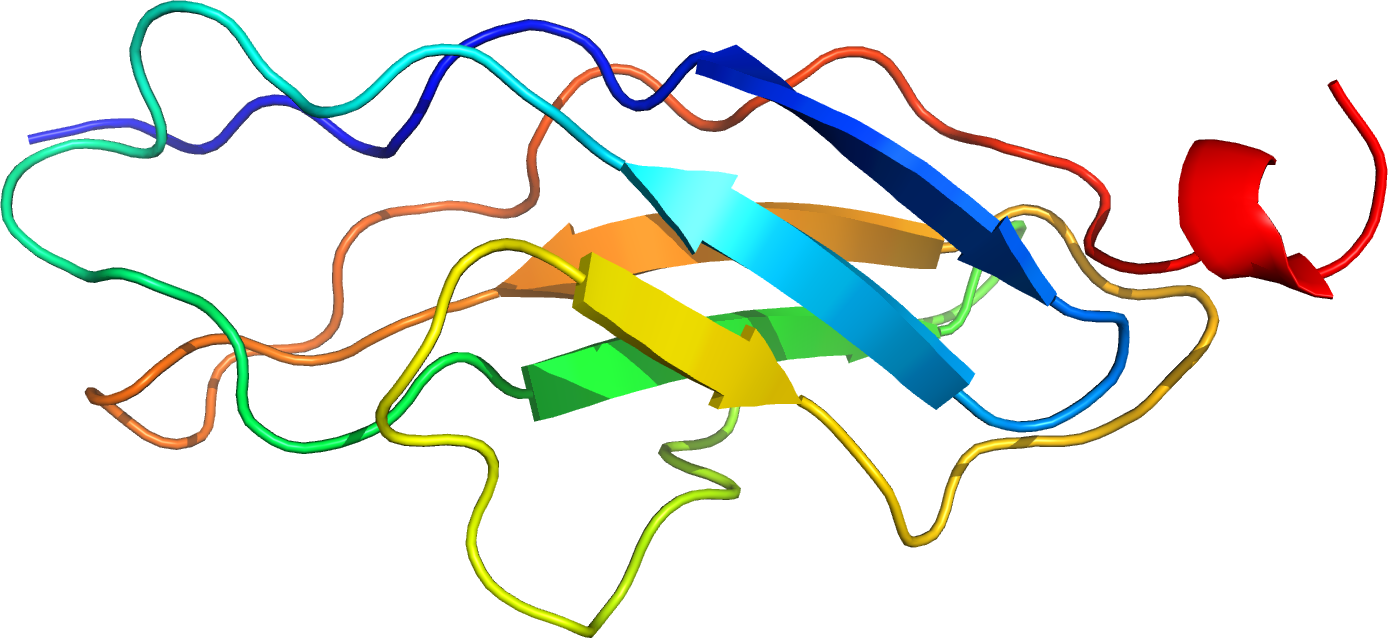
Miocardiopatia dilatada isolada familiar
📋 Origem dos dados
Esta página agrega dados de fontes públicas e oficiais. Dados sobre cobertura no SUS (PCDT, CEAF) são verificados ativamente por agente proativo (ver badge no infobox). Demais dados têm atribuição de fonte + data da última sincronização — clique para abrir o original.
- Doença rara (ontologia)
- fonte: Orphanet
- Identificador unificado
- fonte: MONDO
- Codificação WHO/SUS
- fonte: WHO ICD-10 / DATASUS
- CID-11 (futuro)
- fonte: WHO ICD-11
- Dado público estruturado
- fonte: Wikidata
- Reposicionamento
- fonte: Drug Repurposing Hub