
Esta síndrome é caracterizada pela associação de espasmos musculares involuntários, falta de coordenação motora e perda de audição causada por problemas no ouvido interno ou no nervo da audição.
Introdução
O que você precisa saber de cara
Esta síndrome é caracterizada pela associação de espasmos musculares involuntários, falta de coordenação motora e perda de audição causada por problemas no ouvido interno ou no nervo da audição.
Escala de raridade
<1/50kMuito rara
1/20kRara
1/10kPouco freq.
1/5kIncomum
1/2k
Encontrou um erro ou informação desatualizada? Sugira uma correção →
Entender a doença
Do básico ao detalhe, leia no seu ritmo
Preparando trilha educativa...
Sinais e sintomas
O que aparece no corpo e com que frequência cada sintoma acontece
Partes do corpo afetadas
+ 2 sintomas em outras categorias
Características mais comuns
Os sintomas variam de pessoa para pessoa. Abaixo estão as 13 características clínicas mais associadas, ordenadas por frequência.
Linha do tempo da pesquisa
Encontrou um erro ou informação desatualizada? Sugira uma correção →
Genética e causas
O que está alterado no DNA e como passa nas famílias
Nenhum gene associado encontrado
Os dados genéticos desta condição ainda estão sendo catalogados.
Diagnóstico
Os sinais que médicos procuram e os exames que confirmam
Tratamento e manejo
Remédios, cuidados de apoio e o que precisa acompanhar
Onde tratar no SUS
Hospitais de referência no Brasil e o protocolo oficial do SUS (PCDT)
🇧🇷 Atendimento SUS — Síndrome de mioclonia-ataxia cerebelosa-surdez
Selecione um estado ou use sua localização para ver resultados.
Dados de DATASUS/CNES, SBGM, ABNeuro e Ministério da Saúde. Sempre confirme a disponibilidade diretamente com o estabelecimento.
Pesquisa ativa
Ensaios clínicos abertos e novidades científicas recentes
Ensaios em destaque
🟢 Recrutando agora
1 pesquisa recrutando participantes. Converse com seu médico sobre a possibilidade de participar.
Outros ensaios clínicos
Publicações mais relevantes
Mostrando amostra de 11 publicações de um total de 7.533
Hummingbird sign in a patient with DNMT1-related disorder.
A 63-year-old woman presented with gait disturbance, progressive hearing loss, and sensory dominant polyneuropathy. Brain MRI mainly revealed midbrain tegmental atrophy (hummingbird sign). Genetic testing identified a heterozygous DNMT1 exon 21 mutation, previously linked to autosomal dominant cerebellar ataxia, deafness, and narcolepsy (ADCA-DN), although her clinical presentation resembled hereditary sensory and autonomic neuropathy type 1E (HSAN1E). A review of previously published cases with the same mutation revealed variability in sensory involvement, cerebellar signs, and sleep disorders, supporting the existence of a wide disease spectrum of DNMT1-related disorders. This case illustrates the phenotypic and radiological overlap within DNMT1-related disorders and supports the concept of a disease spectrum, rather than discrete syndromes, highlighting the diagnostic value of combining neuroimaging with genetic analysis.
Congenital diseases with defects in DNA methylation maintenance: focusing on ICF syndrome and multilocus imprinting disturbance.
DNA methylation is essential for transcriptional regulation and the maintenance of chromosome stability, and its precise inheritance upon DNA replication is indispensable for cellular homeostasis. The DNMT1/UHRF1 complex is critical in copying DNA methylation with accessory proteins, including CDCA7 and HELLS. The DNMT1/UHRF1 complex is also crucial for maintaining DNA methylation at imprinting control regions during preimplantation development against genome-wide DNA demethylation, an essential process for early embryos to acquire totipotency. Pathogenic variants in the genes involved in the mechanism of DNA methylation maintenance result in immunodeficiency, centromeric instability, and facial anomalies (ICF) syndrome, multilocus imprinting disturbance (MLID), autosomal dominant cerebellar ataxia, deafness, and narcolepsy (ADCADN), neuropathy, hereditary sensory, type 1E (HSN1E), Kleefstra syndrome 1 (KLEFS1) and immunodeficiency 96 (IMD96). This review discusses recent progress in understanding the molecular pathogenesis of these diseases, with a particular focus on ICF syndrome and MLID.
Cerebellar Ataxia-deafness-narcolepsy (ADCA) syndrome. Description of a variable family phenotype.
Cerebellar ataxia-deafness-narcolepsy syndrome (ADCA-DN) is a very rare polymorphic subtype of autosomal dominant ataxia type 1 (ADCA type 1). It begins in adulthood, and may also be associated with other variable symptoms as optic atrophy, cataracts, psychosis, depression or sensory neuropathy. We present a family diagnosed from the first generation, its phenotypic description and genetic study. We describe three members of a family with ADCA sydrome. Patient II-2 started at 51 years, with ataxia, tremor, epileptic seizures, cerebellar atrophy, narcolepsy without cataplexy, hearing loss, moderate cognitive impairment. Patient III-1 started at 42 years with narcolepsy with cataplexy, hearing loss and tremor, and patient IV-1 started at 4 years, with mild intellectual disability, and narcolepsy without cataplexy. Genetic test showed a mutation in DNMT1 gene: variant c.1709 C > T; p.Ala570Val in the DNMT1 gene. ADCA syndrome has a variable phenotype in a same family. In our experience, this type of ataxia develops narcolepsy as the first sympton in all three cases, with tremor and cognitive impairment, together with tremor and cognitive impairment. Ataxia, despite being a cardinal symptom, does not appear at the onset in younger patients, and hearing loss also seems to develop over the years. Sensory neuropathy is not present in any of the cases studied.
DNMT1-associated sensory neuropathy and cerebellar ataxia: A novel variant and review of genotype-phenotype correlation.
Hereditary sensory neuropathy (HSN) 1E is a neurodegenerative disorder caused by pathogenic variants in DNA methyltransferase 1 (DNMT1). It is characterised by sensorineural deafness, sensory neuropathy and cognitive decline. Variants in DNMT1 are also associated with autosomal dominant cerebellar ataxia, deafness and narcolepsy. A 42-year-old man presented with imbalance, lancinating pain, numerous paucisymptomatic injuries, progressive deafness since his mid-20s, mild cognitive decline and apathy. Examination revealed abnormalities of eye movements, distal sensory loss to all modalities, areflexia without weakness and lower limb ataxia. MRI brain and FDG-PET scan demonstrated biparietal and cerebellar atrophy/hypometabolism. Whole exome sequencing detected a heterozygous likely pathogenic missense variant in DNMT1, c.1289G > A, p.Cys430Tyr. Cochlear implant was performed at 44 years for the bilateral high frequency sensorineural hearing loss with improvement in hearing and day-to-day function. We describe a novel variant in DNMT1 and confirm that an overlapping HSN1E-cerebellar phenotype can occur. Only one prior case of cochlear implant in HSN1E has been reported to date but this case adds to that literature, suggesting that cochlear implant can be successful in such patients. We further explore the clinical and radiological signature of the cognitive syndrome associated with this disorder.
Biallelic DNAJC3 variants in a neuroendocrine developmental disorder with insulin dysregulation.
DNAJC3, a co-chaperone of BiP, is a member of the heat shock protein family. These proteins are produced in the endoplasmic reticulum (ER) to counter cell stress resulting from healthy functional protein processing. Dysregulation of unfolded proteins within the ER is implicated as a mechanism of genetic disease. Examples include Marinesco-Sjogren and Wolcott-Rallison syndromes that share similar clinical features, manifesting neurodegenerative disease and endocrine dysfunction. Recently, loss of function mutations in DNAJC3 was associated with syndromic diabetes mellitus in three families. The full phenotype included neurodegeneration, ataxia, deafness, neuropathy, adolescent-onset diabetes mellitus, growth hormone deficiency and hypothyroidism. A subsequent report of two unrelated individuals extended the phenotype to include early-onset hyperinsulinaemic hypoglycaemia. Here, we describe two siblings that recapitulate this extended phenotype in association with a homozygous novel mutation in the final exon of DNAJC3 [c.1367_1370delAGAA (p.Lys456SerfsTer85)] resulting in protein elongation predicted to abrogate the functional J domain. This report confirms DNAJC3 as a cause of syndromic congenital hyperinsulinaemic hypoglycaemia. Currently, PanelApp only includes this gene on diabetes mellitus panels. We propose DNAJC3 should be promoted from a red to a green gene on a wider number of panels to improve the diagnosis of this rare condition.
Publicações recentes
Abduction-Release Sign in Heavy Eye Syndrome.
Anti-GQ1b-Positive Miller Fisher Syndrome Following Pfizer Bivalent COVID-19 Vaccination.
A review of chronic enterocolitis of rhesus macaques (Macaca mulatta) and potential as a naturally occurring model for post-infectious irritable bowel syndrome.
Ophthalmic manifestations and management of Traboulsi syndrome in three children of a Saudi family.
Potential mechanisms of the glucocorticoid withdrawal syndrome.
📚 EuropePMCmostrando 11
Hummingbird sign in a patient with DNMT1-related disorder.
NeurocaseCongenital diseases with defects in DNA methylation maintenance: focusing on ICF syndrome and multilocus imprinting disturbance.
Genes & genetic systemsCerebellar Ataxia-deafness-narcolepsy (ADCA) syndrome. Description of a variable family phenotype.
Acta neurologica BelgicaDNMT1-associated sensory neuropathy and cerebellar ataxia: A novel variant and review of genotype-phenotype correlation.
Journal of the peripheral nervous system : JPNSBiallelic DNAJC3 variants in a neuroendocrine developmental disorder with insulin dysregulation.
Clinical dysmorphologyCerebellar Ataxia as a Common Clinical Presentation Associated with DNMT1 p.Y511H and a Review of the Literature.
Journal of molecular neuroscience : MNNovel mutations in the KCNJ10 gene associated to a distinctive ataxia, sensorineural hearing loss and spasticity clinical phenotype.
NeurogeneticsBiallelic CHP1 mutation causes human autosomal recessive ataxia by impairing NHE1 function.
Neurology. GeneticsAutosomal dominant cerebellar ataxia, deafness, and narcolepsy (ADCA-DN) associated with progressive cognitive and behavioral deterioration.
NeuropsychologyA novel DNMT1 mutation associated with early onset hereditary sensory and autonomic neuropathy, cataplexy, cerebellar atrophy, scleroderma, endocrinopathy, and common variable immune deficiency.
Journal of the peripheral nervous system : JPNSDNA methyltransferase 1 mutations and mitochondrial pathology: is mtDNA methylated?
Frontiers in geneticsAssociações
Organizações que acompanham esta doença — pra ter apoio e orientação
Ainda não temos associações cadastradas para Síndrome de mioclonia-ataxia cerebelosa-surdez.
É de uma associação que acompanha esta doença? Fale com a gente →
Comunidades
Grupos ativos de quem convive com esta doença aqui no Raras
Ainda não existe comunidade no Raras para Síndrome de mioclonia-ataxia cerebelosa-surdez
Pacientes, familiares e cuidadores se organizam em comunidades pra compartilhar experiências, fazer perguntas e se apoiar. Você pode ser o primeiro.
Tire suas dúvidas
Perguntas, dicas e experiências compartilhadas aqui na página
Participe da discussão
Faça login para postar dúvidas, compartilhar experiências e interagir com especialistas.
Fazer loginDoenças relacionadas
Doenças com sintomas parecidos — ajudam quem ainda está buscando diagnóstico
Referências e fontes
Bases de dados externas citadas neste artigo
Publicações científicas
Artigos indexados no PubMed ligados a esta doença no grafo RarasNet — título, periódico e PMID direto da fonte, sem intermediação de IA.
- Hummingbird sign in a patient with DNMT1-related disorder.
- Congenital diseases with defects in DNA methylation maintenance: focusing on ICF syndrome and multilocus imprinting disturbance.
- Cerebellar Ataxia-deafness-narcolepsy (ADCA) syndrome. Description of a variable family phenotype.
- DNMT1-associated sensory neuropathy and cerebellar ataxia: A novel variant and review of genotype-phenotype correlation.
- Biallelic DNAJC3 variants in a neuroendocrine developmental disorder with insulin dysregulation.
- Abduction-Release Sign in Heavy Eye Syndrome.
- Anti-GQ1b-Positive Miller Fisher Syndrome Following Pfizer Bivalent COVID-19 Vaccination.
- A review of chronic enterocolitis of rhesus macaques (Macaca mulatta) and potential as a naturally occurring model for post-infectious irritable bowel syndrome.
- Ophthalmic manifestations and management of Traboulsi syndrome in three children of a Saudi family.
- Potential mechanisms of the glucocorticoid withdrawal syndrome.
Bases de dados e fontes oficiais
Identificadores e referências canônicas usadas para montar este verbete.
- ORPHA:2589(Orphanet)
- OMIM OMIM:159800(OMIM)
- MONDO:0008043(MONDO)
- GARD:3873(GARD (NIH))
- Busca completa no PubMed(PubMed)
- Q55781260(Wikidata)
Dados compilados pelo RarasNet a partir de fontes abertas (Orphanet, OMIM, MONDO, PubMed/EuropePMC, ClinicalTrials.gov, DATASUS, PCDT/MS). Este conteúdo é informativo e não substitui avaliação médica.
Conteúdo mantido por Agente Raras · Médicos e pesquisadores podem colaborar
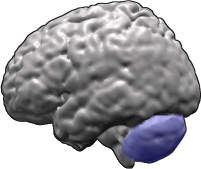
Síndrome de mioclonia-ataxia cerebelosa-surdez
📋 Origem dos dados
Esta página agrega dados de fontes públicas e oficiais. Dados sobre cobertura no SUS (PCDT, CEAF) são verificados ativamente por agente proativo (ver badge no infobox). Demais dados têm atribuição de fonte + data da última sincronização — clique para abrir o original.
- Doença rara (ontologia)
- fonte: Orphanet
- Identificador unificado
- fonte: MONDO
- Genética mendeliana
- fonte: OMIM
- Codificação WHO/SUS
- fonte: WHO ICD-10 / DATASUS
- CID-11 (futuro)
- fonte: WHO ICD-11
- NIH/GARD
- fonte: GARD (NIH)
- Indexação biomédica
- fonte: MeSH (NLM)
- Dado público estruturado
- fonte: Wikidata
- Ensaios clínicos
- fonte: ClinicalTrials.gov