
A deficiência da enzima monoamina oxidase-A (MAO-A) é uma doença genética muito rara, ligada ao cromossomo X, que causa um problema no processamento de certas substâncias químicas (neurotransmissores) no cérebro. Ela se manifesta clinicamente por atraso intelectual leve, agressividade impulsiva e, às vezes, comportamento violento, aparecendo desde a infância.
Introdução
O que você precisa saber de cara
A deficiência da enzima monoamina oxidase-A (MAO-A) é uma doença genética muito rara, ligada ao cromossomo X, que causa um problema no processamento de certas substâncias químicas (neurotransmissores) no cérebro. Ela se manifesta clinicamente por atraso intelectual leve, agressividade impulsiva e, às vezes, comportamento violento, aparecendo desde a infância.
Escala de raridade
<1/50kMuito rara
1/20kRara
1/10kPouco freq.
1/5kIncomum
1/2k
Encontrou um erro ou informação desatualizada? Sugira uma correção →
Entender a doença
Do básico ao detalhe, leia no seu ritmo
Preparando trilha educativa...
Sinais e sintomas
O que aparece no corpo e com que frequência cada sintoma acontece
Partes do corpo afetadas
+ 6 sintomas em outras categorias
Características mais comuns
Os sintomas variam de pessoa para pessoa. Abaixo estão as 14 características clínicas mais associadas, ordenadas por frequência.
Linha do tempo da pesquisa
Encontrou um erro ou informação desatualizada? Sugira uma correção →
Genética e causas
O que está alterado no DNA e como passa nas famílias
Genes associados
1 gene identificado com associação a esta condição. Padrão de herança: X-linked recessive.
Curadoria gene-doença
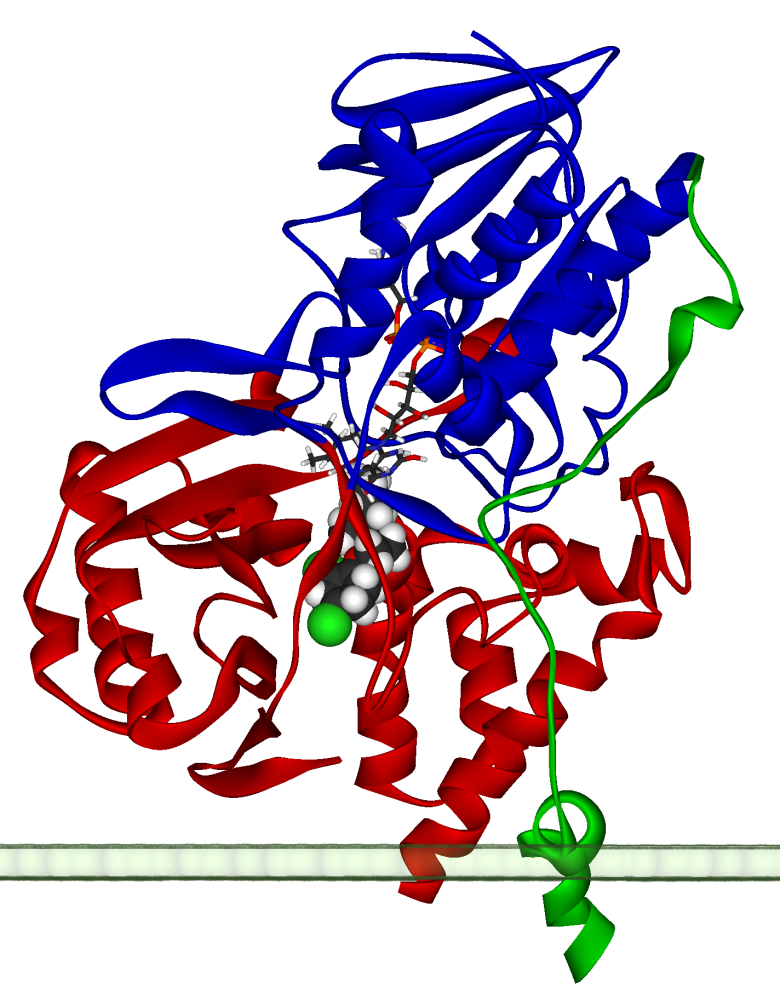
fontes oficiaisCatalyzes the oxidative deamination of primary and some secondary amine such as neurotransmitters, with concomitant reduction of oxygen to hydrogen peroxide and has important functions in the metabolism of neuroactive and vasoactive amines in the central nervous system and peripheral tissues (PubMed:18391214, PubMed:20493079, PubMed:24169519, PubMed:8316221). Preferentially oxidizes serotonin (PubMed:20493079, PubMed:24169519). Also catalyzes the oxidative deamination of kynuramine to 3-(2-amino
Mitochondrion outer membrane
Brunner syndrome
A form of X-linked non-dysmorphic mild intellectual disability. Male patients are affected by borderline intellectual deficit and exhibit abnormal behavior, including disturbed regulation of impulsive aggression. Obligate female carriers have normal intelligence and behavior.
Medicamentos aprovados (FDA)
3 medicamentos encontrados nos registros da FDA americana.
Variantes genéticas (ClinVar)
225 variantes patogênicas registradas no ClinVar.
Vias biológicas (Reactome)
8 vias biológicas associadas aos genes desta condição.
Diagnóstico
Os sinais que médicos procuram e os exames que confirmam
Tratamento e manejo
Remédios, cuidados de apoio e o que precisa acompanhar
Onde tratar no SUS
Hospitais de referência no Brasil e o protocolo oficial do SUS (PCDT)
🇧🇷 Atendimento SUS — Deficiência de monoamina oxidase A
Selecione um estado ou use sua localização para ver resultados.
Dados de DATASUS/CNES, SBGM, ABNeuro e Ministério da Saúde. Sempre confirme a disponibilidade diretamente com o estabelecimento.
Pesquisa ativa
Ensaios clínicos abertos e novidades científicas recentes
Pesquisa e ensaios clínicos
Nenhum ensaio clínico registrado para esta condição.
Publicações mais relevantes
Autoantibody profiling of autism spectrum disorder patients with monoamine oxidase a deficiency.
Monoamine oxidase A (MAO A) is a key enzyme for serotonin metabolism. Knockout MAO A in mice results in elevated serotonin, altered serum autoantibodies, and autistic-like behavior. There is a subset of patients with autism spectrum disorder (ASD) who exhibit hyperserotonemia. The link between the MAO A, hyperserotonemia, immunity, and ASD is still unknown. To address this question, we harness the high-density human proteome microarray to profile the serum autoantibodies in ASD patients with or without MAO A deficiency. We recruited 25 subjects, including 20 ASD patients, from National Yang Ming Chiao Tung University Hospital and determined their plasma serotonin levels, screened for MAO A gene mutations and identified one patient with a C374 G mutation, which abolished MAO A activity and showed the highest serotonin level (hsASD; 518.42 ng/ml) and severe ASD symptoms. In another family with twin brothers, one was diagnosed with mild ASD and exhibited an increased serotonin level (isASD; 31.48 ng/ml), while the other twin was a healthy control. These three subjects were used for serum autoantibody profiling using high-density human proteome microarrays. Comparing serum antibodies from hsASD with healthy control, we identified 354 up-regulated and 398 down-regulated autoantibodies in hsASD. By comparing isASD with healthy controls, we reported 235 up-regulated and 279 down-regulated autoantibodies in isASD. Interestingly, the up-regulated autoantibodies for hsASD were enriched in the brain region and exhibited distinct features from that of isASD. This study indicates that MAO A deficiency and serotonin levels significantly impact the immunological changes in ASD patients, which may shed some light on pathological mechanisms and provide potential biomarkers for translational research in ASD.
Assessment of intellectual impairment, health-related quality of life, and behavioral phenotype in patients with neurotransmitter related disorders: Data from the iNTD registry.
Inherited disorders of neurotransmitter metabolism are a group of rare diseases, which are caused by impaired synthesis, transport, or degradation of neurotransmitters or cofactors and result in various degrees of delayed or impaired psychomotor development. To assess the effect of neurotransmitter deficiencies on intelligence, quality of life, and behavior, the data of 148 patients in the registry of the International Working Group on Neurotransmitter Related Disorders (iNTD) was evaluated using results from standardized age-adjusted tests and questionnaires. Patients with a primary disorder of monoamine metabolism had lower IQ scores (mean IQ 58, range 40-100) within the range of cognitive impairment (<70) compared to patients with a BH4 deficiency (mean IQ 84, range 40-129). Short attention span and distractibility were most frequently mentioned by parents, while patients reported most frequently anxiety and distractibility when asked for behavioral traits. In individuals with succinic semialdehyde dehydrogenase deficiency, self-stimulatory behaviors were commonly reported by parents, whereas in patients with dopamine transporter deficiency, DNAJC12 deficiency, and monoamine oxidase A deficiency, self-injurious or mutilating behaviors have commonly been observed. Phobic fears were increased in patients with 6-pyruvoyltetrahydropterin synthase deficiency, while individuals with sepiapterin reductase deficiency frequently experienced communication and sleep difficulties. Patients with BH4 deficiencies achieved significantly higher quality of life as compared to other groups. This analysis of the iNTD registry data highlights: (a) difference in IQ and subdomains of quality of life between BH4 deficiencies and primary neurotransmitter-related disorders and (b) previously underreported behavioral traits.
Brain MR patterns in inherited disorders of monoamine neurotransmitters: An analysis of 70 patients.
Inherited monoamine neurotransmitter disorders (iMNDs) are rare disorders with clinical manifestations ranging from mild infantile hypotonia, movement disorders to early infantile severe encephalopathy. Neuroimaging has been reported as non-specific. We systematically analyzed brain MRIs in order to characterize and better understand neuroimaging changes and to re-evaluate the diagnostic role of brain MRI in iMNDs. 81 MRIs of 70 patients (0.1-52.9 years, 39 patients with tetrahydrobiopterin deficiencies, 31 with primary disorders of monoamine metabolism) were retrospectively analyzed and clinical records reviewed. 33/70 patients had MRI changes, most commonly atrophy (n = 24). Eight patients, six with dihydropteridine reductase deficiency (DHPR), had a common pattern of bilateral parieto-occipital and to a lesser extent frontal and/or cerebellar changes in arterial watershed zones. Two patients imaged after acute severe encephalopathy had signs of profound hypoxic-ischemic injury and a combination of deep gray matter and watershed injury (aromatic l-amino acid decarboxylase (AADCD), tyrosine hydroxylase deficiency (THD)). Four patients had myelination delay (AADCD; THD); two had changes characteristic of post-infantile onset neuronal disease (AADCD, monoamine oxidase A deficiency), and nine T2-hyperintensity of central tegmental tracts. iMNDs are associated with MRI patterns consistent with chronic effects of a neuronal disorder and signs of repetitive injury to cerebral and cerebellar watershed areas, in particular in DHPRD. These will be helpful in the (neuroradiological) differential diagnosis of children with unknown disorders and monitoring of iMNDs. We hypothesize that deficiency of catecholamines and/or tetrahydrobiopterin increase the incidence of and the CNS susceptibility to vascular dysfunction.
Publicações recentes
Autoantibody profiling of autism spectrum disorder patients with monoamine oxidase a deficiency.
Assessment of intellectual impairment, health-related quality of life, and behavioral phenotype in patients with neurotransmitter related disorders: Data from the iNTD registry.
Brain MR patterns in inherited disorders of monoamine neurotransmitters: An analysis of 70 patients.
The aggression and behavioral abnormalities associated with monoamine oxidase A deficiency are rescued by acute inhibition of serotonin reuptake.
[Development of serotonergic neurons of dorsal raphe nuclei in mice with knockout of monoamine oxidase A and 5-HT1A and 5-HT1B autoreceptor].
📚 EuropePMC8 artigos no totalmostrando 3
Autoantibody profiling of autism spectrum disorder patients with monoamine oxidase a deficiency.
Brain, behavior, & immunity - healthAssessment of intellectual impairment, health-related quality of life, and behavioral phenotype in patients with neurotransmitter related disorders: Data from the iNTD registry.
Journal of inherited metabolic diseaseBrain MR patterns in inherited disorders of monoamine neurotransmitters: An analysis of 70 patients.
Journal of inherited metabolic diseaseAssociações
Organizações que acompanham esta doença — pra ter apoio e orientação
Ainda não temos associações cadastradas para Deficiência de monoamina oxidase A.
É de uma associação que acompanha esta doença? Fale com a gente →
Comunidades
Grupos ativos de quem convive com esta doença aqui no Raras
Ainda não existe comunidade no Raras para Deficiência de monoamina oxidase A
Pacientes, familiares e cuidadores se organizam em comunidades pra compartilhar experiências, fazer perguntas e se apoiar. Você pode ser o primeiro.
Tire suas dúvidas
Perguntas, dicas e experiências compartilhadas aqui na página
Participe da discussão
Faça login para postar dúvidas, compartilhar experiências e interagir com especialistas.
Fazer loginDoenças relacionadas
Doenças com sintomas parecidos — ajudam quem ainda está buscando diagnóstico
Referências e fontes
Bases de dados externas citadas neste artigo
Publicações científicas
Artigos indexados no PubMed ligados a esta doença no grafo RarasNet — título, periódico e PMID direto da fonte, sem intermediação de IA.
- Autoantibody profiling of autism spectrum disorder patients with monoamine oxidase a deficiency.
- Assessment of intellectual impairment, health-related quality of life, and behavioral phenotype in patients with neurotransmitter related disorders: Data from the iNTD registry.
- Brain MR patterns in inherited disorders of monoamine neurotransmitters: An analysis of 70 patients.
- The aggression and behavioral abnormalities associated with monoamine oxidase A deficiency are rescued by acute inhibition of serotonin reuptake.
- [Development of serotonergic neurons of dorsal raphe nuclei in mice with knockout of monoamine oxidase A and 5-HT1A and 5-HT1B autoreceptor].
Bases de dados e fontes oficiais
Identificadores e referências canônicas usadas para montar este verbete.
- ORPHA:3057(Orphanet)
- OMIM OMIM:300615(OMIM)
- MONDO:0010379(MONDO)
- GARD:3531(GARD (NIH))
- Variantes catalogadas(ClinVar)
- Busca completa no PubMed(PubMed)
- Q4979092(Wikidata)
Dados compilados pelo RarasNet a partir de fontes abertas (Orphanet, OMIM, MONDO, PubMed/EuropePMC, ClinicalTrials.gov, DATASUS, PCDT/MS). Este conteúdo é informativo e não substitui avaliação médica.
Conteúdo mantido por Agente Raras · Médicos e pesquisadores podem colaborar
Deficiência de monoamina oxidase A
📋 Origem dos dados
Esta página agrega dados de fontes públicas e oficiais. Dados sobre cobertura no SUS (PCDT, CEAF) são verificados ativamente por agente proativo (ver badge no infobox). Demais dados têm atribuição de fonte + data da última sincronização — clique para abrir o original.
- Doença rara (ontologia)
- fonte: Orphanet
- Identificador unificado
- fonte: MONDO
- Genética mendeliana
- fonte: OMIM
- Codificação WHO/SUS
- fonte: WHO ICD-10 / DATASUS
- CID-11 (futuro)
- fonte: WHO ICD-11
- NIH/GARD
- fonte: GARD (NIH)
- Indexação biomédica
- fonte: MeSH (NLM)
- Dado público estruturado
- fonte: Wikidata
- Medicamentos aprovados FDA
- fonte: FDA OpenFDA