
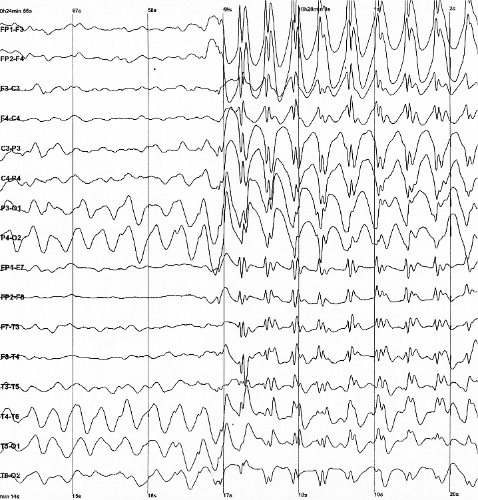
Uma síndrome de epilepsia rara caracterizada pelo início de espasmos epilépticos em bebês entre 2 e 12 meses de idade, e, raramente, até os 24 meses. Os bebês podem não apresentar nenhum histórico médico anterior, ou ter um histórico que mostre a causa por trás da condição. A tríade clássica de espasmos epilépticos, hipsarritmia (um tipo de alteração no exame de eletroencefalograma, que mede a atividade cerebral) e parada ou retrocesso no desenvolvimento é historicamente conhecida como Síndrome de West.
Introdução
O que você precisa saber de cara
Uma síndrome de epilepsia rara caracterizada pelo início de espasmos epilépticos em bebês entre 2 e 12 meses de idade, e, raramente, até os 24 meses. Os bebês podem não apresentar nenhum histórico médico anterior, ou ter um histórico que mostre a causa por trás da condição. A tríade clássica de espasmos epilépticos, hipsarritmia (um tipo de alteração no exame de eletroencefalograma, que mede a atividade cerebral) e parada ou retrocesso no desenvolvimento é historicamente conhecida como Síndrome de West.
Tem tratamento?
Encontrou um erro ou informação desatualizada? Sugira uma correção →
Entender a doença
Do básico ao detalhe, leia no seu ritmo
Preparando trilha educativa...
Sinais e sintomas
O que aparece no corpo e com que frequência cada sintoma acontece
Partes do corpo afetadas
+ 42 sintomas em outras categorias
Características mais comuns
Os sintomas variam de pessoa para pessoa. Abaixo estão as 116 características clínicas mais associadas, ordenadas por frequência.
Linha do tempo da pesquisa
Encontrou um erro ou informação desatualizada? Sugira uma correção →
Genética e causas
O que está alterado no DNA e como passa nas famílias
Genes associados
8 genes identificados com associação a esta condição.
Transcription factor (PubMed:22194193, PubMed:31691806). Binds to specific sequence motif 5'-TAATTA-3' in regulatory elements of target genes, such as histone demethylase KDM5C (PubMed:22194193, PubMed:31691806). Positively modulates transcription of KDM5C (PubMed:31691806). Activates expression of KDM5C synergistically with histone lysine demethylase PHF8 and perhaps in competition with transcription regulator ZNF711; synergy may be related to enrichment of histone H3K4me3 in regulatory element
Nucleus
Lissencephaly, X-linked 2
A classic type lissencephaly associated with abnormal genitalia. Patients have severe congenital or postnatal microcephaly, lissencephaly, agenesis of the corpus callosum, neonatal-onset intractable epilepsy, poor temperature regulation, chronic diarrhea, and ambiguous or underdeveloped genitalia.
Promotes mitochondrial protein synthesis. May act as a fidelity factor of the translation reaction, by catalyzing a one-codon backward translocation of tRNAs on improperly translocated ribosomes. Binds to mitochondrial ribosomes in a GTP-dependent manner
Mitochondrion inner membrane
Developmental and epileptic encephalopathy 40
A form of epileptic encephalopathy, a heterogeneous group of severe early-onset epilepsies characterized by refractory seizures, neurodevelopmental impairment, and poor prognosis. Development is normal prior to seizure onset, after which cognitive and motor delays become apparent. DEE40 inheritance is autosomal recessive.
Serine/threonine-protein kinase involved in various processes such as cell cycle regulation, gluconeogenesis and lipogenesis regulation, muscle growth and differentiation and tumor suppression. Phosphorylates HDAC4, HDAC5, PPME1, SREBF1, CRTC1/TORC1. Inhibits CREB activity by phosphorylating and inhibiting activity of TORCs, the CREB-specific coactivators, like CRTC2/TORC2 and CRTC3/TORC3 in response to cAMP signaling (PubMed:29211348). Acts as a tumor suppressor and plays a key role in p53/TP53
CytoplasmNucleus
Developmental and epileptic encephalopathy 30
A form of epileptic encephalopathy, a heterogeneous group of severe early-onset epilepsies characterized by refractory seizures, neurodevelopmental impairment, and poor prognosis. Development is normal prior to seizure onset, after which cognitive and motor delays become apparent.
Mediates phosphorylation of MECP2 (PubMed:15917271, PubMed:16935860). May regulate ciliogenesis (PubMed:29420175)
NucleusCytoplasm, cytoskeleton, cilium basal bodyCytoplasm, cytoskeleton, microtubule organizing center, centrosome
Catalyzes the hydrolysis of 1-phosphatidylinositol 4,5-bisphosphate into diacylglycerol (DAG) and inositol 1,4,5-trisphosphate (IP3) and mediates intracellular signaling downstream of G protein-coupled receptors (PubMed:9188725). Regulates the function of the endothelial barrier
Nucleus membraneCytoplasm
Developmental and epileptic encephalopathy 12
A form of epilepsy characterized by frequent tonic seizures or spasms beginning in infancy with a specific EEG finding of suppression-burst patterns, characterized by high-voltage bursts alternating with almost flat suppression phases. Patients may progress to West syndrome, which is characterized by tonic spasms with clustering, arrest of psychomotor development, and hypsarrhythmia on EEG.
Catalyzes the formation of the NeuAc-alpha-2,3-Gal-beta-1,4-GlcNAc-, NeuAc-alpha-2,3-Gal-beta-1,3-GlcNAc- and NeuAc-alpha-2,3-Gal-beta-1,3-GalNAc- sequences found in terminal carbohydrate groups of glycoproteins and glycolipids. The highest activity is toward Gal-beta-1,3-GlcNAc and the lowest toward Gal-beta-1,3-GalNAc
Golgi apparatus, Golgi stack membraneSecreted
Intellectual developmental disorder, autosomal recessive 12
A disorder characterized by significantly below average general intellectual functioning associated with impairments in adaptive behavior and manifested during the developmental period.
Component of N-methyl-D-aspartate (NMDA) receptors (NMDARs) that function as heterotetrameric, ligand-gated cation channels with high calcium permeability and voltage-dependent block by Mg(2+) (PubMed:24272827, PubMed:24863970, PubMed:26875626, PubMed:26919761, PubMed:27839871, PubMed:28095420, PubMed:28126851, PubMed:38538865, PubMed:8768735). Participates in synaptic plasticity for learning and memory formation by contributing to the long-term depression (LTD) of hippocampus membrane currents
Cell membranePostsynaptic cell membraneCell projection, dendriteLate endosomeLysosomeCytoplasm, cytoskeleton
Intellectual developmental disorder, autosomal dominant 6, with or without seizures
A disorder characterized by significantly below average general intellectual functioning associated with impairments in adaptive behavior and manifested during the developmental period. MRD6 additional features may include seizures, hypotonia, abnormal movements, such as dystonia, and autistic features.
Fodrin, which seems to be involved in secretion, interacts with calmodulin in a calcium-dependent manner and is thus candidate for the calcium-dependent movement of the cytoskeleton at the membrane
Cytoplasm, cytoskeletonCytoplasm, cell cortex
Developmental and epileptic encephalopathy 5
A disorder characterized by seizures associated with hypsarrhythmia, profound intellectual disability with lack of visual attention and speech development, as well as spastic quadriplegia.
Medicamentos e terapias
Mecanismo: GABA-A receptor; anion channel positive allosteric modulator
Mecanismo: Melanocortin receptor 2 agonist
Mecanismo: Gamma-amino-N-butyrate transaminase inhibitor
Mecanismo: Glucocorticoid receptor agonist
Mecanismo: Cannabinoid CB1 receptor negative allosteric modulator
Variantes genéticas (ClinVar)
572 variantes patogênicas registradas no ClinVar.
Classificação de variantes (ClinVar)
Distribuição de 41 variantes classificadas pelo ClinVar.
Vias biológicas (Reactome)
45 vias biológicas associadas aos genes desta condição.
Diagnóstico
Os sinais que médicos procuram e os exames que confirmam
Tratamento e manejo
Remédios, cuidados de apoio e o que precisa acompanhar
Onde tratar no SUS
Hospitais de referência no Brasil e o protocolo oficial do SUS (PCDT)
🇧🇷 Atendimento SUS — Síndrome West
Selecione um estado ou use sua localização para ver resultados.
Dados de DATASUS/CNES, SBGM, ABNeuro e Ministério da Saúde. Sempre confirme a disponibilidade diretamente com o estabelecimento.
Pesquisa ativa
Ensaios clínicos abertos e novidades científicas recentes
Ensaios em destaque
🟢 Recrutando agora
4 pesquisas recrutando participantes. Converse com seu médico sobre a possibilidade de participar.
Outros ensaios clínicos
42 ensaios clínicos encontrados, 5 ativos.
Publicações mais relevantes
Mostrando amostra de 200 publicações de um total de 664
Developmental and Epileptic Encephalopathy due to Cyclin-Dependent Kinase-Like 5 Deficiency: A Single-Center Experience Across Sex Differences.
The cyclin-dependent kinase-like 5 deficiency disorder (CDD) is an ultrarare X-linked disorder causing early-onset epileptic encephalopathy and severe developmental deficits. Few studies exist on its electroclinical features, outcomes, sex differences, and neuroimaging, particularly from India. This study aims to describe the electroclinical syndrome, developmental profile, radiological findings, and outcomes in patients with CDD and to compare these factors between males and females. This is a hospital-based observational study of patients diagnosed with CDD identified from a prospectively maintained registry of children with developmental and epileptic encephalopathy. Data on demographics, seizure types, epilepsy syndromes, antiseizure medications, electroencephalography findings, developmental assessments, genetic characteristics, brain magnetic resonance imaging, and outcomes were collected. We included 12 patients with pathogenic (9) and likely pathogenic (3) variants in cyclin-dependent kinase-like 5 (CDKL5), among whom seven were female. The mean age at onset of seizures was 5.95 ± 5.56 months and was higher for males than females (8.6 ± 7.23 vs 3.19 ± 2.47). The most common seizure types at onset were tonic seizures in 6 (50%) children and epileptic spasms in 4 (33.3%). Lennox-Gastaut syndrome and West syndrome were the most frequent epilepsy syndromes. The median number of seizures per person was 2.9, and the median number of antiseizure medications used was 6 during their lifetime. Magnetic resonance imaging revealed cerebral volume loss in 7 children and white matter lesions in 6. Severe developmental deficits, a Rett-like phenotype, and cortical visual impairment were observed in three-fourths of the children, and regression of milestones occurred in two-thirds. Repetitive motor behavior (P 0.0455) and regression (P 0.0101) were more common in females. CDD causes refractory epilepsy and severe developmental deficits irrespective of the sex of the patient, variant type, and treatment.
The global research hotspots and future trends of infantile epileptic spasms syndrome: A bibliometric analysis of trends and themes.
This study aims to investigate research trends, key contributors, and emerging topics in the field of infantile epileptic spasms syndrome (IESS). Publications on IESS from 1954 to 2024 were retrieved from the Web of Science Core Collection (WoSCC) database. Bibliometric analysis was performed using Microsoft Excel, VOSviewer, CiteSpace, and R version 4.3.3. A total of 2905 publications were identified, revealing a marked increase in research output from 2000 onward. The USA led with 760 publications. The University of California System was the most productive institution, contributing 420 papers. Epilepsia was the most influential journal, publishing 371 papers with 12,246 citations. Leading authors included Naomichi Matsumoto and Ingrid E. Scheffer. Keywords formed five thematic clusters: (1) genetic foundations and molecular mechanisms (e.g., "mutations"), (2) therapeutic strategies for seizure control (e.g., "ketogenic diet"), (3) epidemiological patterns and seizure classification (e.g., "classification"), (4) clinical practices and treatment outcomes (e.g., "vigabatrin"), and (5) brain structure and diagnostic imaging (e.g., "MRI"). Burst keyword analysis indicated a focus on terms including "encephalopathy", "epileptic spasms", "intellectual disability", "ilae commission", "hypsarrhythmia", "classification", "multicenter", and "management". The findings highlight current hotspots spanning genetic mechanisms, therapeutic strategies, epidemiological patterns, clinical practices, and neuroimaging. Future research should optimize treatments, improve diagnostics, and address developmental impacts.
Cholinergic modulation of hippocampal CA1 pyramidal cell excitability in ArxGCG+7 mice.
Developmental and Epileptic Encephalopathies (DEE) are rare neurodevelopmental disorders defined by seizures, developmental delays, and abnormal EEG patterns. Infantile Spasms Syndrome (ISS), the most common DEE, was one of the first linked to single-gene variants, including polyalanine expansions in the Aristaless Related Homeobox (ARX) gene. The ArxGCG+7 mouse, which models the human mutation, exhibits behavioral phenotypes, epileptiform hippocampal activity, and reduced cholinergic input to the hippocampus. The role of the disrupted cholinergic signaling has not been explored in this model and may be contributing to hippocampal dysfunction and DEE pathogenesis. Hence, we investigated the impact of the ARX GCG expansion on the septo-hippocampal network by first reproducing the changes in Choline acetyltransferase (ChAT) protein levels in the medial septum (MS) and diagonal band of Broca (DBB). Next, we performed ex vivo patch-clamp recordings in CA1 pyramidal neurons and measured responses to cholinergic agonists. Finally, we assessed acetylcholine receptor expression by western blot across the hippocampus to assess for homeostatic changes in receptors. Our data demonstrated a ∼ 60 % reduction in ChAT expression in the MS and DBB of ArxGCG+7 mice. The ArxGCG+7 CA1 pyramidal neurons exhibited increased firing activity and reduced sag potential. Despite reduced ChAT, carbachol- and pilocarpine-induced firing responses were preserved, while nicotinic receptor-mediated excitation was abolished. Carbachol-induced depolarization block threshold was elevated in mutants. Molecular analysis revealed increased muscarinic receptor 1 expression and decreased β4 nicotinic receptor expression in CA1.Together, these findings demonstrate histological, electrophysiological, and molecular alterations in the septo-hippocampal network of ArxGCG+7 mice. Together, they suggest impaired cholinergic signaling contributes to ISS pathogenesis and highlight the cholinergic system as a potential therapeutic target.
Treatment Practices for Infantile Epileptic Spasms Syndrome: Consensus and Variation in Major Pediatric Epilepsy Centers.
Infantile epileptic spasms syndrome (IESS) is a developmental and epileptic encephalopathy that requires prompt, effective treatment to optimize outcomes. While the first therapies for IESS with adrenocorticotrophic hormone, prednisolone, or vigabatrin are widely established as a standard, we hypothesized that the treatment protocols of how these therapies should be implemented varied across medical centers. The Pediatric Epilepsy Research Consortium Infantile Spasms Special Interest Group distributed a REDCap survey to 75 US epilepsy centers. Predefined treatment pathway characteristics were extracted and compared. Standard therapy regimens were defined before data collection. Thirty-six centers participated (48% completion rate). Most (89%, n = 32) had IESS treatment pathways, with 72% (n = 23) influenced by insurance barriers such as prior authorizations. Of these, 75% (n = 24) contributed pathways for analysis. Most protocols (88%, n = 21) recommended a standard treatment course for new-onset IESS. Of these, 63% (n = 15) endorsed a sequential approach to using hormonal therapy and vigabatrin, while 17% (n = 4) recommended combination therapy with both for all children. Thirteen centers (54%) provided recommendations for treating persistent epileptic spasms. Approaches to side-effect mitigation varied widely, with gastrointestinal prophylaxis and blood pressure control being the most common (79%, n = 19). Half of the pathways mentioned ketogenic diet (58%) or epilepsy surgery (46%). While there was broad consensus regarding first and second therapy treatment for IESS, variability existed in using sequential versus combination therapy, third therapies, and adverse event monitoring. These findings will guide next research steps in defining key questions on sequential versus combination therapy, third line therapy, and adverse event monitoring in order to develop a standardized consensus-driven treatment protocol for IESS in the future.
Differential hypercapnia: Recognition, management, and outcomes in an awake patient supported with peripheral veno-arterial extracorporeal membrane oxygenation.
Veno-arterial extracorporeal membrane oxygenation (VA-ECMO) is a life-saving intervention for individuals with refractory cardiopulmonary failure and is associated with several complications. Differential hypercapnia, also known as RIDDLER syndrome or East-West Syndrome, is a complication, at times exacerbated iatrogenically, where competitive flow dynamics lead to relative increase in carbon dioxide delivery from the descending aorta in awake patients supported with peripheral VA-ECMO. This case report presents the clinical course, diagnostic features, management, and outcome for a patient who developed differential hypercapnia during awake peripheral VA-ECMO cannulation and support.
Publicações recentes
American Epilepsy Society Clinical Practice Guideline: Infantile Epilepsy.
🥇 Meta-análiseDifferential hypercapnia: Recognition, management, and outcomes in an awake patient supported with peripheral veno-arterial extracorporeal membrane oxygenation.
Clinical and Therapeutic Strategies for West Syndrome in Low-Resource Settings: A 10-Year Experience From Cameroon.
Clinical characteristics and treatment outcomes of epileptic spasms: Comparative analysis of 277 patients by age at onset (2 years).
Recurrent IRF2BPL c.2152del Variant in NEDAMSS: A Case Report and Comparative Analysis.
📚 EuropePMC684 artigos no totalmostrando 197
Differential hypercapnia: Recognition, management, and outcomes in an awake patient supported with peripheral veno-arterial extracorporeal membrane oxygenation.
JHLT openClinical and Therapeutic Strategies for West Syndrome in Low-Resource Settings: A 10-Year Experience From Cameroon.
Journal of paediatrics and child healthClinical characteristics and treatment outcomes of epileptic spasms: Comparative analysis of 277 patients by age at onset (<1 year, 1-2 years, >2 years).
SeizureRecurrent IRF2BPL c.2152del Variant in NEDAMSS: A Case Report and Comparative Analysis.
American journal of medical genetics. Part ACase report: A systematic approach for the forensic evaluation of child abuse: lessons from a complex case.
Frontiers in psychiatryChanges in hypsarrhythmia in West syndrome following combined high-dose prednisolone and vigabatrin therapy: A standardized, low-resolution, brain electromagnetic tomography study.
MedicineMaternal Child-Directed Speech Toward Children With Infantile Spasm or West Syndrome.
International journal of language & communication disordersThe ketogenic diet alters microbiome-metabolome profiles to improve West syndrome therapy.
Pediatric investigationSpindle density relates to cognitive outcomes in infantile epileptic spasms syndrome with unknown etiology: A retrospective cohort study.
EpilepsiaDevelopmental and Epileptic Encephalopathy due to Cyclin-Dependent Kinase-Like 5 Deficiency: A Single-Center Experience Across Sex Differences.
Pediatric neurologyCannabidiol against Epilepsy: Insights and an Experimental In Silico Approach.
Current pharmaceutical design'Pseudo-ataxic' negative myoclonic status in developmental and epileptic encephalopathy with spike-wave activation in sleep: Utility of ACTH therapy beyond west syndrome.
Epileptic disorders : international epilepsy journal with videotapeMicrophthalmia and Infantile Spasms Leading to the Diagnosis of Aicardi Syndrome: A Case Report and Literature Review of a Rare Entity.
CureusClinical and genotypic characteristics of 19 children with STXBP1-encephalopathy.
MedicineThe global research hotspots and future trends of infantile epileptic spasms syndrome: A bibliometric analysis of trends and themes.
Brain & developmentInfantile Spasms (West Syndrome): Integrating Genetic, Neurotrophic, and Hormonal Mechanisms Toward Precision Therapy.
Medicina (Kaunas, Lithuania)Distributed EEG source localization of hypsarrhythmia in west syndrome: a standardized, low-resolution, brain electromagnetic tomography (sLORETA) study.
BMC neurologyCholinergic modulation of hippocampal CA1 pyramidal cell excitability in ArxGCG+7 mice.
Experimental neurologyThe Enigma of West Syndrome: A Case of Infantile Spasms Without Genetic Clues.
Case reports in pediatrics[Epileptic encephalopathy associated with a mutation in the KCNT1 gene].
Zhurnal nevrologii i psikhiatrii imeni S.S. KorsakovaOutcomes in West syndrome: Association of genetic and perinatal etiologies with early diagnosis and therapy.
Pediatrics international : official journal of the Japan Pediatric SocietyHistory of Lennox-Gastaut Syndrome: An electro-clinical voyage in search of an epileptic syndrome.
SeizureTreatment Practices for Infantile Epileptic Spasms Syndrome: Consensus and Variation in Major Pediatric Epilepsy Centers.
Pediatric neurologyGenetic Etiology of Developmental and Epileptic Encephalopathy in a Turkish Cohort: A Single-Center Study with Targeted Gene Panel and Whole Exome Sequencing.
GenesGenetic testing for infantile-onset epilepsies in resource-limited settings.
Seminars in pediatric neurologySeizure evolution in a mouse model of West syndrome involves complex and time-dependent synapse remodeling, gliosis and alterations in lipid metabolism.
PLoS biologyA Proof-of-Concept Study on Effectiveness of Nitrazepam in Resistant Infantile Epileptic Spasms Syndrome (NitRIS Trial).
Pediatric neurologyPrenatal betamethasone-postnatal N-methyl-D-aspartic acid model of spasms: Update on mechanisms and treatments.
Epilepsia openDose optimization of NMDA for rat model of infantile spasms: Approach using EEG, behavior (Seizure) and histopathology.
Behavioural brain researchCorticotherapy versus adrenocorticotropic hormone for treating West syndrome: a systematic review and meta-analysis.
Arquivos de neuro-psiquiatriaImaging Findings of Vigabatrin-Associated Neurotoxicity in a 12-Month-Old With Infantile Epileptic Spasm Syndrome.
CureusA 60-year follow-up of a case of symptomatic west syndrome transitioned to temporal lobe epilepsy in adulthood.
Epileptic disorders : international epilepsy journal with videotapeAdrenocorticotropic hormone combined with vigabatrin as a second-line therapy for West syndrome.
Arquivos de neuro-psiquiatriaFrontiers in EEG as a tool for the management of pediatric epilepsy: Past, present, and future.
Epilepsia openAssociation between phenotypes and genotype of developmental and epileptic encephalopathy in next-generation sequencing methods in infants: A scoping review.
The Medical journal of MalaysiaHECW2 Gene Mutation: A Rare Cause of West Syndrome: A Case Report.
Neurology IndiaEfficacy and tolerability of magnesium sulfate in children with infantile epileptic spasms syndrome: A systematic review and meta-analysis.
Epilepsy researchMicrostructural injury to the optic nerve with vigabatrin treatment in West syndrome: A DTI study.
Scientific reportsInfantile epileptic spasms syndrome as a new phenotype in TOP2B deficiency caused by a de novo variant: a case report and literature review.
Frontiers in pediatricsSafety, Efficacy, and Tolerability of Ketogenic Diet Versus Adrenocorticotropic Hormone in Infantile Epileptic Spasms Syndrome: A Randomized Controlled Trial.
Pediatric neurologyQuality of life outcomes and predictors for youth with intellectual disability and rare diseases.
Research in developmental disabilitiesEndocrinological study of low-dose adrenocorticotropic hormone therapy without tapering in infantile epileptic spasms syndrome.
Brain & developmentSCN2A gene mutations with epilepsy: single center experience.
Italian journal of pediatricsAssociation Between Scalp High-Frequency Oscillations and Burden of Amplitudes and Epileptiform Discharges (BASED) Scores in Infantile Epileptic Spasms Syndrome.
BiomoleculesDifferent mutations in TBL1XR1 lead to diverse phenotypes of neurodevelopmental disorder: two case reports.
BMC medical genomicsConnectivity Analysis of Hypsarrhythmia-EEG for Infants With West Syndrome.
IEEE transactions on neural systems and rehabilitation engineering : a publication of the IEEE Engineering in Medicine and Biology SocietyA case of early epileptic encephalopathy caused by new mutation at W218C in KCNQ2 and review literature.
Biochemistry and biophysics reportsPediatric cerebral arteriovenous malformation diagnosed 11 years after neonatal thalamic hemorrhage: illustrative case.
Journal of neurosurgery. Case lessonsVolumetric and microstructural changes in the Hippocampus and cingulum in children with west syndrome.
Brain & developmentThe Oral Findings and Dental Management of Patients with West Syndrome: A Case Series and Literature Review.
Journal of clinical medicineElectroclinical characteristics and therapies of tonic spasms.
Acta epileptologicaInfantile Epileptic Spasms Syndrome Due to Neonatal Hypoglycemic Brain Injury: A Retrospective Audit.
Indian pediatricsCOVID-19 infection and vaccination in children with Dravet syndrome or infantile epileptic spasms syndrome: An internet survey in Japan.
Brain & developmentCombination Therapy With Vigabatrin and Prednisolone Versus Vigabatrin Alone for Infantile Spasms.
Annals of clinical and translational neurologyIdentification of topological alterations using microstate dynamics in patients with infantile epileptic spasms syndrome.
Scientific reportsRelationship between the time course of Burden of Amplitudes and Epileptiform Discharges scores and relapse in children with infantile epileptic spasms syndrome.
EpilepsiaA Novel KMT2E Splicing Variant as a Cause of O'Donnell-Luria-Rodan Syndrome With West Syndrome: Expansion of the Phenotype and Genotype.
International journal of developmental neuroscience : the official journal of the International Society for Developmental NeuroscienceEvidence of thalamocortical network activation during epileptic spasms: A thalamic stereotactic EEG study.
EpilepsiaDisparities in the utilization of genetic testing for non-acquired infantile epileptic spasms syndrome in a single healthcare center in North Carolina.
Epilepsia openEvaluating the efficacy of very high-dose oral prednisolone in West syndrome: in Uttar Pradesh, India, a resource-limited setting.
Journal of tropical pediatricsInfantile Epileptic Spasms Syndrome: Unveiling clinical and genetic variability in a case series from Argentina.
SeizureDiagnostic efficiency of exome-based sequencing in pediatric patients with epilepsy.
Frontiers in geneticsMild Malformation of Cortical Development With Oligodendroglial Hyperplasia and Epilepsy: A Systematic Review.
Neurology. GeneticsRelatively Increased CO2 Delivered to the Brain From the Descending Aorta Leading to an Elevated Respiratory Rate Causing Differential Hypocapnia (RIDDLER or East-West Syndrome): New Pitfalls in Awake Peripheral V-A ECMO.
CirculationWilliams-Beuren Syndrome and Epilepsy: A Retrospective Analysis of 589 Patients.
Journal of child neurologyProtein-Losing Enteropathy Following Adrenocorticotropic Hormone Therapy in an Infant with West Syndrome.
The Tohoku journal of experimental medicineVentricular tachycardia induced by adrenocorticotropic hormone therapy in infantile epileptic spasms syndrome: A case report.
SeizureShort-Term Effectiveness and Tolerability of Vigabatrin Therapy in Infantile Epileptic Spasms Syndrome.
Indian journal of pediatricsSevere congenital hyperinsulinism with progressive neurological deterioration due to novel HADH-GHSR digenic mutations: the first case report.
Pediatric endocrinology, diabetes, and metabolismAssociation between maternal usage of volatile organic compounds and West syndrome, the Japan Environment and Children's study.
Scientific reportsInfantile epileptic spasms syndrome: When spasms come out of the blue.
Epilepsy & behavior : E&BRecent advances in CYFIP2-associated neurodevelopmental disorders: From human genetics to molecular mechanisms and mouse models.
Brain & developmentEfficacy and tolerability of celastrol and edaravone in the multiple-hit rat model of infantile spasms.
Epilepsy & behavior : E&BSymptomatic vigabatrin-associated MRI toxicity is associated with simultaneous hormonal therapy among patients with infantile spasms.
Epilepsia openFirst-choice hormonal therapies for children with infantile epileptic spasms syndrome in South Asia: A network meta-analysis of randomized controlled trials.
Epilepsia openEffectiveness of vigabatrin for infantile epileptic spasm syndrome categorized by etiologies.
SeizureNovel Splice Site Pathogenic Variant in STXBP1 Gene in a Child with Intellectual Disability, Epilepsy, and Autism Spectrum Disorder: A Case Report.
Molecular syndromologyShort-term effectiveness and side effects of ketogenic diet for drug-resistant epilepsy in children with genetic epilepsy syndromes.
Frontiers in neurologyPredictive modeling based on functional connectivity of interictal scalp EEG for infantile epileptic spasms syndrome.
Clinical neurophysiology : official journal of the International Federation of Clinical NeurophysiologyNew evidence supports RYR3 as a candidate gene for developmental and epileptic encephalopathy.
Frontiers in neurologyRole of pediatric dentist in West syndrome rehabilitation: A case report.
Special care in dentistry : official publication of the American Association of Hospital Dentists, the Academy of Dentistry for the Handicapped, and the American Society for Geriatric DentistryGlobal and multi-partition local network analysis of scalp EEG in West syndrome before and after treatment.
Neural networks : the official journal of the International Neural Network SocietyEpilepsy surgery for children with epileptic spasms: A systematic review and meta-analysis with focus on predictors and outcomes.
Epilepsia openRadiographic and Tomographic Study of the Cranial Bones in Children with the Idiopathic Type of West Syndrome.
Pediatric reportsThe Utility of Genetic Testing in Infantile Epileptic Spasms Syndrome: A Step-Based Approach in the Next-Generation Sequencing Era.
Pediatric neurologyInterictal EEG features as computational biomarkers of West syndrome.
Frontiers in pediatricsThe Association Between Serum Levels of Glial Biomarkers, Clinical Severity and Electro-encephalography Features in Idiopathic West and Lennox-Gastaut Syndromes.
Noro psikiyatri arsiviEpilepsy, EEG and chromosomal rearrangements.
Epilepsia open[Clinical and genetic analysis of a child with West syndrome due to a de novo variant of NEXMIF gene].
Zhonghua yi xue yi chuan xue za zhi = Zhonghua yixue yichuanxue zazhi = Chinese journal of medical geneticsAdrenocortical Function Recovery from Secondary Adrenal Insufficiency After ACTH Therapy in a Patient with West Syndrome: A Case Report and Literature Review.
Yonago acta medicaEarly Response, Long-Term Seizure Outcome, and Very-Low-Dose Adrenocorticotrophic Hormone Therapy for Infantile Epileptic Spasms Syndrome With Down Syndrome.
Pediatric neurologyComputational EEG attributes predict response to therapy for epileptic spasms.
Clinical neurophysiology : official journal of the International Federation of Clinical NeurophysiologyUnderlying Disorders in Children With Infection-Related Acute Encephalopathy.
Pediatric neurologyEpileptic spasms relapse is associated with response latency but not conventional attributes of post-treatment EEG.
Epilepsia openElectrographic screening for infantile epileptic spasms syndrome in a single sleep-wake cycle.
EpilepsiaGenetic Advancements in Infantile Epileptic Spasms Syndrome and Opportunities for Precision Medicine.
GenesEpileptic spasms in clusters without hypsarrhythmia in infancy and childhood: A single age-dependent type of epilepsy or well-defined epileptic syndrome?
Epilepsy researchEarly-onset West syndrome with developmental delay associated with a novel KLHL20 variant.
American journal of medical genetics. Part AMetabolic etiologies in children with infantile epileptic spasm syndrome: Experience at a tertiary pediatric neurology center.
Brain & developmentElectroretinogram as a Screening Tool to Assess Vigabatrin-Induced Retinal Toxicity in Children With Infantile Spasms.
Journal of pediatric ophthalmology and strabismusA child with TSC2/PKD1 contiguous gene deletion syndrome successfully treated with tolvaptan for rapidly enlarging renal cysts.
CEN case reportsElectroclinical Landscape of Infantile Epileptic Spasms Syndrome.
Indian journal of pediatricsA Pair of Compound Heterozygous IARS2 Variants Manifesting West Syndrome and Electrolyte Disorders in a Chinese Patient.
Global medical geneticsMetabolic causes of pediatric developmental & epileptic encephalopathies (DEE)- genetic variant analysis in a south Indian cohort.
SeizureImmunological markers of drug resistant epilepsy and its response to immunomodulatory therapy with ACTH in children.
Folia neuropathologicaSocietal costs of illness for infantile epileptic spasms syndrome and evolutionary cost prediction in the era of WHO's IGAP.
Epilepsy researchCommon genes and recurrent causative variants in 957 Asian patients with pediatric epilepsy.
EpilepsiaThe first report of a Korean/Vietnamese child with novel pathogenic variants in Asparagine Synthetase Deficiency (ASNSD) with evolving epilepsy syndromes.
SeizureProteomic analysis of salivary inflammatory biomarkers of developmental gingival enlargements in patients with West and Noonan syndromes: a preliminary pilot single-center retrospective study.
European review for medical and pharmacological sciencesEffective Epilepsy Surgery for Post-Traumatic West Syndrome Following Abusive Head Trauma.
Acta medica OkayamaFifteen years of real-world data on the use of vigabatrin in individuals with infantile epileptic spasms syndrome.
EpilepsiaTreatment modalities for infantile spasms: current considerations and evolving strategies in clinical practice.
Neurological sciences : official journal of the Italian Neurological Society and of the Italian Society of Clinical NeurophysiologyThree-Year Follow-Up after Intrauterine mTOR Inhibitor Administration for Fetus with TSC-Associated Rhabdomyoma.
International journal of molecular sciencesRhabdomyolysis during ACTH therapy for west syndrome.
Pediatrics international : official journal of the Japan Pediatric SocietyDistribution of peripheral blood mononuclear cell subtypes in patients with West syndrome: Impact of synacthen treatment.
Immunology lettersCare of Children with Infantile Epileptic Spasms Syndrome and Applicability of Telemedicine Amidst the COVID-19 Pandemic.
Indian journal of pediatricsDisruption of mitochondrial and lysosomal functions by human CACNA1C variants expressed in HEK 293 and CHO cells.
Frontiers in molecular neuroscienceElectrophysiological network predicts clinical response to vigabatrin in epileptic spasms.
Frontiers in neurologyThe landscape of infantile epileptic spasms syndrome in South Asia: peculiarities, challenges, and way forward.
The Lancet regional health. Southeast AsiaInaccuracies in Parental Reporting of Treated Epileptic Spasms: Both Under- and Over-Reporting.
Pediatric neurologyNutritional vitamin B12 deficiency-associated Infantile epileptic spasms syndrome: Clinico-neurophysiological presentation, response to treatment, and neurodevelopmental outcome.
SeizureAltered serum levels of platelet-derived growth factor receptor β and cluster of differentiation 13 suggest a role for pericytes in West syndrome.
Brain & developmentModified Atkins Diet vs. Ketogenic Diet in the Management of Children with Epileptic Spasms Refractory to First Line Treatment: An Open Labelled, Randomized Controlled Trial.
Indian journal of pediatricsClinico-Etiologic Profile of Children and Adolescents with Drug-Resistant Epilepsy in a low-Resource Setting: 10 Years' Experience.
Journal of child neurologyA case of West syndrome and global developmental delay in a child with a heterozygous mutation in the TBL1XR1 gene: A case report.
MedicineVideo-based detection of epileptic spasms in West syndrome using a deep neural network: A pilot case study.
Journal of the neurological sciencesEarly motor repertoire and developmental function outcomes in infants with West syndrome: a case series.
Physiotherapy theory and practiceImpact of COVID-19 Infection in West Syndrome: The Need for More Data.
Indian journal of pediatricsOhtahara and West Syndrome due to Pyridox(am)ine-5-Phosphate Oxidase (PNPO) Deficiency with Novel Phenotype and Good Outcome without Pyridoxal-5'-Phosphate.
Indian journal of pediatricsPhenotypic Pleiotropy in Arginase Deficiency: A Single Center Cohort.
Annals of Indian Academy of NeurologyCost-effectiveness of adrenocorticotropic hormone injection and oral prednisolone in patients with West syndrome: A comparative analysis.
Journal of neurosciences in rural practiceThe Electroencephalographic Characterization of Hypsarrhythmia in Older Pediatric Population With Epilepsy Using Computer-Added Quantitative Methods.
CureusEvaluation of immunological abnormalities in patients with rare syndromes.
Central-European journal of immunologyThe Epilepsy Surgery Experience in Children With Infantile Epileptic Spasms Syndrome at a Tertiary Care Center in Canada.
Journal of child neurologyParadoxical spells during ACTH treatment in an infant with Tetralogy of Fallot.
Pediatrics international : official journal of the Japan Pediatric SocietyExtended Glasgow Outcome Scale to Evaluate the Functional Impairment of Patients With Subcortical Band Heterotopia: A Multicentric Cross-sectional Study.
Pediatric neurologyPersistent hyperplastic primary vitreous in a child with incontinentia pigmenti and infantile spasms.
Oman journal of ophthalmologyGenotype and phenotype characteristics of West syndrome in 20 Vietnamese children: Two novel variants detected by next-generation sequencing.
Epilepsy research[Current Position of Callosotomy].
No shinkei geka. Neurological surgeryRetrospective Clinical Analysis of Epilepsy Treatment for Children with Drug-Resistant Epilepsy (A Single-Center Experience).
Brain sciencesBiochemical mechanisms in pathogenesis of infantile epileptic spasm syndrome.
SeizurePrednisolone or tetracosactide depot for infantile epileptic spasms syndrome? A prospective analysis of data embedded within two randomised controlled trials.
European journal of paediatric neurology : EJPN : official journal of the European Paediatric Neurology SocietyCataract surgery outcomes in pediatric patients with systemic comorbidities.
Indian journal of ophthalmologyWest Syndrome and the Importance of Routine Physical Examinations and Parental Education: A Case Report.
CureusClinical and genetic study of developmental and epileptic encephalopathy in Argentinean pediatric patients.
MedicinaAdjunctive perampanel therapy for patients with epileptic spasms.
Pediatrics international : official journal of the Japan Pediatric SocietyFinding the Best: Corticosteroids for the Treatment of West Syndrome.
Annals of Indian Academy of NeurologyOral Dexamethasone versus Prednisolone for Management of Children with West Syndrome: An Open-Labeled Randomized Controlled Pilot Trial.
Annals of Indian Academy of NeurologyEmerging Verbal Functions in Early Infancy: Lessons from Observational and Computational Approaches on Typical Development and Neurodevelopmental Disorders.
Advances in neurodevelopmental disordersInfantile epileptic spasms syndrome as an initial presentation in infantile choroid plexus papilloma: A case report.
Frontiers in pediatricsGenotype and phenotype spectrum of 10 children with STXBP1 gene-related encephalopathy and epilepsy.
Frontiers in pediatricsPartial Efficacy of Vigabatrin in an Infant With West Syndrome Due to Pyruvate Dehydrogenase Complex Deficiency: A Case Report.
Pediatric neurologyA case of carbonic anhydrase type VA deficiency presenting as West syndrome in an infant with a novel mutation in the CA-VA gene.
Epilepsy & behavior reportsEfficacy of pulse intravenous methylprednisolone in epileptic encephalopathy: a randomised controlled trial.
Journal of neurology, neurosurgery, and psychiatryQuantitative pretreatment EEG predicts efficacy of ACTH therapy in infantile epileptic spasms syndrome.
Clinical neurophysiology : official journal of the International Federation of Clinical NeurophysiologyPeriodic electroencephalographic discharges and epileptic spasms involve cortico-striatal-thalamic loops on Arterial Spin Labeling Magnetic Resonance Imaging.
Brain communicationsMutation in the STXBP1 Gene Associated with Early Onset West Syndrome: A Case Report and Literature Review.
Pediatric reportsA Retrospective Cohort Study of Combined Therapy in West Syndrome associated with Trisomy 21.
Child neurology openCYFIP2 p.Arg87Cys Causes Neurological Defects and Degradation of CYFIP2.
Annals of neurologyRates of rare copy number variants in different circumstances among patients with genetic developmental and epileptic encephalopathy.
Science progressCerebral small vessel disease caused by PLOD3 mutation: Expanding the phenotypic spectrum of lysyl hydroxylase-3 deficiency.
Pediatric investigationNeurobehavioral deficits and a progressive ictogenesis in the tetrodotoxin model of epileptic spasms.
EpilepsiaDYNC1H1-related epilepsy: Genotype-phenotype correlation.
Developmental medicine and child neurologyInvolvement of the Thalamus, Hippocampus, and Brainstem in Hypsarrhythmia of West Syndrome: Simultaneous Recordings of Electroencephalography and fMRI Study.
AJNR. American journal of neuroradiologyMED13 mutation: A novel cause of developmental and epileptic encephalopathy with infantile spasms.
SeizureResective epilepsy surgery for West syndrome: The Hypsarrhythmic Asymmetric Scoring Scheme is a determining predictor of seizure outcome.
SeizureAdrenocorticotropic Hormone Induced Status Dystonicus in a Child with West Syndrome.
Indian journal of critical care medicine : peer-reviewed, official publication of Indian Society of Critical Care MedicineRefractory status epilepticus with fever due to mumps vaccine-induced encephalitis caused secondary encephalopathy mimicking acute encephalopathy with biphasic seizures and late reduced diffusion.
Brain & developmentPost-vaccination drug-resistant epileptic spasms associated with homozygous IFNAR2 pathogenic variant: Case report✰.
SeizureClinical phenotype and genotype of children with GABAA receptor α1 subunit gene-related epilepsy.
Frontiers in neurologyMolecular Insights into the Role of Pathogenic nsSNPs in GRIN2B Gene Provoking Neurodevelopmental Disorders.
GenesChallenges in Rare Diseases Diagnostics: Incontinentia Pigmenti with Heterozygous GBA Mutation.
Diagnostics (Basel, Switzerland)Asymmetric epileptic spasms after corpus callosotomy in children with West syndrome may be a good indicator for unilateral epileptic focus and subsequent resective surgery.
Epilepsia openWest Syndrome and the new classification of epilepsy.
The Lancet. NeurologyMissense variant c.1460 T > C (p.L487P) enhances protein degradation of ER mannosyltransferase ALG9 in two new ALG9-CDG patients presenting with West syndrome and review of the literature.
Molecular genetics and metabolismMonoamine neurotransmitters in early epileptic encephalopathies: New insights into pathophysiology and therapy.
Developmental medicine and child neurologyThe effectiveness and tolerability of clobazam in the pediatric population: Adjunctive therapy and monotherapy in a large-cohort multicenter study.
Epilepsy researchDelineating the epilepsy phenotype of NRROS-related microgliopathy: A case report and literature review.
SeizureScalp EEG functional connection and brain network in infants with West syndrome.
Neural networks : the official journal of the International Neural Network SocietyCOVID-19 in Children with West Syndrome: An Ambispective Study.
Indian journal of pediatricsRare Cause of West syndrome secondary to Tubulinopathy due to Congenital Symmetric Circumferential Skin Creases (CSCSC) Kunze Type due to a Novel Variant in MAPRE2 Gene.
Annals of Indian Academy of NeurologyOutcome at age 7 of epilepsy presenting in the first 2 years of life. A population-based study.
EpilepsiaThe Clinical Features and Long-Term Follow-Up of Vitamin B6-Responsive Infantile Spasms in a Chinese Cohort.
Frontiers in neurologyRetrospective Echocardiographic Analysis of West Syndrome During Adrenocorticotropic Hormone Therapy.
Frontiers in pediatricsRare variant of TBL1XR1 in West syndrome: A case report.
Molecular genetics & genomic medicineFocal seizures during adrenocorticotropic hormone therapy in a school-aged boy: a case report.
Journal of medical case reportsPerampanel markedly improved clinical seizures in a patient with a Rett-like phenotype and 960-kb deletion on chromosome 9q34.11 including the STXBP1.
Clinical case reportsLong-Term Outcome in West Syndrome: The Facts and the Scope to Improve It Further.
Indian journal of pediatricsHypsarrhythmia paroxysm intensities that initiate and render physical and mental retardation irreversible in West syndrome.
The International journal of neuroscienceDiscrimination of secondary hypsarrhythmias to Zika virus congenital syndrome and west syndrome based on joint moments and entropy measurements.
Scientific reportsLong-term outcome of developmental and epileptic encephalopathies.
Revue neurologique[The role of "situated storytelling" in therapeutic patient education (TPE): from information to relationship].
Sante publique (Vandoeuvre-les-Nancy, France)SCN2A-Related Epilepsy: The Phenotypic Spectrum, Treatment and Prognosis.
Frontiers in molecular neuroscienceExtent of EEG monitoring for detecting epileptic spasms.
SeizureDeep feature fusion based childhood epilepsy syndrome classification from electroencephalogram.
Neural networks : the official journal of the International Neural Network SocietyHistorical Overview of Hypsarrhythmia and Its Association to Epileptic Spasms: A Review of the Medical Literature From 1952 to 1982.
Journal of clinical neurophysiology : official publication of the American Electroencephalographic SocietyDoes Etiology and Hypsarrhythmia Subtype Influence Outcome in West Syndrome? Challenges Encountered from a Referral Center Perspective.
Neurology IndiaAssociações
Organizações que acompanham esta doença — pra ter apoio e orientação
Ainda não temos associações cadastradas para Síndrome West.
É de uma associação que acompanha esta doença? Fale com a gente →
Comunidades
Grupos ativos de quem convive com esta doença aqui no Raras
Ainda não existe comunidade no Raras para Síndrome West
Pacientes, familiares e cuidadores se organizam em comunidades pra compartilhar experiências, fazer perguntas e se apoiar. Você pode ser o primeiro.
Tire suas dúvidas
Perguntas, dicas e experiências compartilhadas aqui na página
Participe da discussão
Faça login para postar dúvidas, compartilhar experiências e interagir com especialistas.
Fazer loginDoenças relacionadas
Doenças com sintomas parecidos — ajudam quem ainda está buscando diagnóstico
Referências e fontes
Bases de dados externas citadas neste artigo
Publicações científicas
Artigos indexados no PubMed ligados a esta doença no grafo RarasNet — título, periódico e PMID direto da fonte, sem intermediação de IA.
- Developmental and Epileptic Encephalopathy due to Cyclin-Dependent Kinase-Like 5 Deficiency: A Single-Center Experience Across Sex Differences.
- The global research hotspots and future trends of infantile epileptic spasms syndrome: A bibliometric analysis of trends and themes.
- Cholinergic modulation of hippocampal CA1 pyramidal cell excitability in ArxGCG+7 mice.
- Treatment Practices for Infantile Epileptic Spasms Syndrome: Consensus and Variation in Major Pediatric Epilepsy Centers.
- Differential hypercapnia: Recognition, management, and outcomes in an awake patient supported with peripheral veno-arterial extracorporeal membrane oxygenation.
- American Epilepsy Society Clinical Practice Guideline: Infantile Epilepsy.
- Clinical and Therapeutic Strategies for West Syndrome in Low-Resource Settings: A 10-Year Experience From Cameroon.
- Clinical characteristics and treatment outcomes of epileptic spasms: Comparative analysis of 277 patients by age at onset (2 years).
- Recurrent IRF2BPL c.2152del Variant in NEDAMSS: A Case Report and Comparative Analysis.
Bases de dados e fontes oficiais
Identificadores e referências canônicas usadas para montar este verbete.
- ORPHA:3451(Orphanet)
- MONDO:0018097(MONDO)
- GARD:7887(GARD (NIH))
- Variantes catalogadas(ClinVar)
- Busca completa no PubMed(PubMed)
- Artigo Wikipedia(Wikipedia)
- Q1041258(Wikidata)
Dados compilados pelo RarasNet a partir de fontes abertas (Orphanet, OMIM, MONDO, PubMed/EuropePMC, ClinicalTrials.gov, DATASUS, PCDT/MS). Este conteúdo é informativo e não substitui avaliação médica.
Conteúdo mantido por Agente Raras · Médicos e pesquisadores podem colaborar
Síndrome West
📋 Origem dos dados
Esta página agrega dados de fontes públicas e oficiais. Dados sobre cobertura no SUS (PCDT, CEAF) são verificados ativamente por agente proativo (ver badge no infobox). Demais dados têm atribuição de fonte + data da última sincronização — clique para abrir o original.
- Doença rara (ontologia)
- fonte: Orphanet
- Identificador unificado
- fonte: MONDO
- Codificação WHO/SUS
- fonte: WHO ICD-10 / DATASUS
- CID-11 (futuro)
- fonte: WHO ICD-11
- NIH/GARD
- fonte: GARD (NIH)
- Indexação biomédica
- fonte: MeSH (NLM)
- Dado público estruturado
- fonte: Wikidata
- Medicamentos (literatura)
- fonte: Orphanet
- Ensaios clínicos
- fonte: ClinicalTrials.gov