
Uma síndrome que se caracteriza por um conjunto de sintomas e sinais, e/ou por alterações no eletroencefalograma (EEG), que mostram atividade epiléptica. Frequentemente, está associada a outros problemas de saúde, como dificuldades de raciocínio e aprendizado, deficiência intelectual, atrasos no desenvolvimento de movimentos (tanto os amplos, como andar, quanto os mais finos, como escrever), dificuldades de fala e linguagem, e pode afetar outras funções do corpo. Suas causas podem ser específicas — como problemas na estrutura do cérebro, causas genéticas, metabólicas (ligadas ao funcionamento químico do corpo), imunológicas (relacionadas ao sistema de defesa) ou infecciosas — ou sua origem pode ser desconhecida.
Introdução
O que você precisa saber de cara
Uma síndrome que se caracteriza por um conjunto de sintomas e sinais, e/ou por alterações no eletroencefalograma (EEG), que mostram atividade epiléptica. Frequentemente, está associada a outros problemas de saúde, como dificuldades de raciocínio e aprendizado, deficiência intelectual, atrasos no desenvolvimento de movimentos (tanto os amplos, como andar, quanto os mais finos, como escrever), dificuldades de fala e linguagem, e pode afetar outras funções do corpo. Suas causas podem ser específicas — como problemas na estrutura do cérebro, causas genéticas, metabólicas (ligadas ao funcionamento químico do corpo), imunológicas (relacionadas ao sistema de defesa) ou infecciosas — ou sua origem pode ser desconhecida.
Tem tratamento?
Encontrou um erro ou informação desatualizada? Sugira uma correção →
Entender a doença
Do básico ao detalhe, leia no seu ritmo
Preparando trilha educativa...
Sinais e sintomas
O que aparece no corpo e com que frequência cada sintoma acontece
Partes do corpo afetadas
+ 251 sintomas em outras categorias
Características mais comuns
Os sintomas variam de pessoa para pessoa. Abaixo estão as 613 características clínicas mais associadas, ordenadas por frequência.
Linha do tempo da pesquisa
Encontrou um erro ou informação desatualizada? Sugira uma correção →
Genética e causas
O que está alterado no DNA e como passa nas famílias
Genes associados
79 genes identificados com associação a esta condição.
Nucleus
CytoplasmCytoplasm, perinuclear regionNucleus
Developmental and epileptic encephalopathy 87
A form of epileptic encephalopathy, a heterogeneous group of severe early-onset epilepsies characterized by refractory seizures, neurodevelopmental impairment, and poor prognosis. Development is normal prior to seizure onset, after which cognitive and motor delays become apparent. DEE87 inheritance is autosomal dominant.
Alpha subunit of the heteropentameric ligand-gated chloride channel gated by gamma-aminobutyric acid (GABA), a major inhibitory neurotransmitter in the brain (PubMed:10449790, PubMed:29961870, PubMed:31032849). GABA-gated chloride channels, also named GABA(A) receptors (GABAAR), consist of five subunits arranged around a central pore and contain GABA active binding site(s) located at the alpha and beta subunit interfaces (By similarity). When activated by GABA, GABAARs selectively allow the flow
Postsynaptic cell membraneCell membraneCytoplasmic vesicle membraneCell projection, dendrite
Developmental and epileptic encephalopathy 78
A form of epileptic encephalopathy, a heterogeneous group of severe early-onset epilepsies characterized by refractory seizures, neurodevelopmental impairment, and poor prognosis. Development is normal prior to seizure onset, after which cognitive and motor delays become apparent. DEE78 is an autosomal dominant form characterized by onset of refractory seizures in the first days or months of life. Clinical features include severe developmental delay, hypotonia, microcephaly, cortical visual impairment and profound intellectual disability. Some patients manifest a less severe phenotype characterized by pharmacoresponsive epilepsy, autism spectrum disorder and moderate intellectual disability.
Catalyzes the attachment of alanine to tRNA(Ala) in a two-step reaction: alanine is first activated by ATP to form Ala-AMP and then transferred to the acceptor end of tRNA(Ala) (PubMed:27622773, PubMed:27911835, PubMed:28493438, PubMed:33909043). Also edits incorrectly charged tRNA(Ala) via its editing domain (PubMed:27622773, PubMed:27911835, PubMed:28493438, PubMed:29273753). In presence of high levels of lactate, also acts as a protein lactyltransferase that mediates lactylation of lysine res
CytoplasmNucleus
Charcot-Marie-Tooth disease, axonal, type 2N
An axonal form of Charcot-Marie-Tooth disease, a disorder of the peripheral nervous system, characterized by progressive weakness and atrophy, initially of the peroneal muscles and later of the distal muscles of the arms. Charcot-Marie-Tooth disease is classified in two main groups on the basis of electrophysiologic properties and histopathology: primary peripheral demyelinating neuropathies (designated CMT1 when they are dominantly inherited) and primary peripheral axonal neuropathies (CMT2). Neuropathies of the CMT2 group are characterized by signs of axonal degeneration in the absence of obvious myelin alterations, normal or slightly reduced nerve conduction velocities, and progressive distal muscle weakness and atrophy.
Component of N-methyl-D-aspartate (NMDA) receptors (NMDARs) that function as heterotetrameric, ligand-gated cation channels with high calcium permeability and voltage-dependent block by Mg(2+) (PubMed:26875626, PubMed:27616483, PubMed:28126851, PubMed:9489750). Participates in synaptic plasticity for learning and memory formation (By similarity). Channel activation requires binding of the neurotransmitter L-glutamate to the GluN2 subunit, glycine or D-serine binding to the GluN1 subunit, plus me
Cell membranePostsynaptic cell membrane
Developmental and epileptic encephalopathy 46
A form of epileptic encephalopathy, a heterogeneous group of severe early-onset epilepsies characterized by refractory seizures, neurodevelopmental impairment, and poor prognosis. Development is normal prior to seizure onset, after which cognitive and motor delays become apparent.
Alpha subunit of the heteropentameric ligand-gated chloride channel gated by gamma-aminobutyric acid (GABA), a major inhibitory neurotransmitter in the brain (PubMed:14993607, PubMed:29961870, PubMed:30140029, PubMed:31056671). GABA-gated chloride channels, also named GABA(A) receptors (GABAAR), consist of five subunits arranged around a central pore and contain GABA active binding site(s) located at the alpha and beta subunit interface(s) (PubMed:30140029). When activated by GABA, GABAARs selec
Postsynaptic cell membraneCell membrane
Developmental and epileptic encephalopathy 79
A form of epileptic encephalopathy, a heterogeneous group of severe early-onset epilepsies characterized by refractory seizures, neurodevelopmental impairment, and poor prognosis. Development is normal prior to seizure onset, after which cognitive and motor delays become apparent. DEE79 is an autosomal dominant form characterized by onset of refractory seizures in the first months of life. Brain imaging may show hypomyelination, cerebral atrophy and thinning of the corpus callosum.
Facilitative glucose transporter, which is responsible for constitutive or basal glucose uptake (PubMed:10227690, PubMed:10954735, PubMed:18245775, PubMed:19449892, PubMed:25982116, PubMed:27078104, PubMed:32860739). Has a very broad substrate specificity; can transport a wide range of aldoses including both pentoses and hexoses (PubMed:18245775, PubMed:19449892). Most important energy carrier of the brain: present at the blood-brain barrier and assures the energy-independent, facilitative trans
Cell membraneMelanosomePhotoreceptor inner segment
GLUT1 deficiency syndrome 1
A neurologic disorder showing wide phenotypic variability. The most severe 'classic' phenotype comprises infantile-onset epileptic encephalopathy associated with delayed development, acquired microcephaly, motor incoordination, and spasticity. Onset of seizures, usually characterized by apneic episodes, staring spells, and episodic eye movements, occurs within the first 4 months of life. Other paroxysmal findings include intermittent ataxia, confusion, lethargy, sleep disturbance, and headache. Varying degrees of cognitive impairment can occur, ranging from learning disabilities to severe intellectual disability.
Serine/threonine-protein kinase involved in various processes such as neuronal proliferation, differentiation, migration and programmed cell death. Extracellular stimuli such as pro-inflammatory cytokines or physical stress stimulate the stress-activated protein kinase/c-Jun N-terminal kinase (SAP/JNK) signaling pathway. In this cascade, two dual specificity kinases MAP2K4/MKK4 and MAP2K7/MKK7 phosphorylate and activate MAPK10/JNK3. In turn, MAPK10/JNK3 phosphorylates a number of transcription f
CytoplasmMembraneNucleusMitochondrion
Important modulator of glutamate signaling pathway
Cell membraneSynapse
Developmental and epileptic encephalopathy 37
A form of epileptic encephalopathy, a heterogeneous group of severe early-onset epilepsies characterized by refractory seizures, neurodevelopmental impairment, and poor prognosis. Development is normal prior to seizure onset, after which cognitive and motor delays become apparent. DEE37 is an autosomal recessive, severe form manifesting in the first years of life. Affected individuals show hyperkinetic movement disorder with choreoathetosis, spasticity, rigidity, intellectual disability, absent speech, and impaired volitional movements.
Sodium-activated K(+) channel (PubMed:37494189). Acts as an important mediator of neuronal membrane excitability (PubMed:37494189). Contributes to the delayed outward currents (By similarity). Regulates neuronal bursting in sensory neurons (By similarity). Contributes to synaptic development and plasticity (By similarity)
Cell membrane
Developmental and epileptic encephalopathy 14
A rare epileptic encephalopathy of infancy that combines pharmacoresistant seizures with developmental delay. This severe neurologic disorder is characterized by onset in the first 6 months of life of refractory focal seizures and arrest of psychomotor development. Ictal EEG shows discharges that arise randomly from various areas of both hemispheres and migrate from one brain region to another.
Catalyzes the hydrolysis of 1-phosphatidylinositol 4,5-bisphosphate into diacylglycerol (DAG) and inositol 1,4,5-trisphosphate (IP3) and mediates intracellular signaling downstream of G protein-coupled receptors (PubMed:9188725). Regulates the function of the endothelial barrier
Nucleus membraneCytoplasm
Developmental and epileptic encephalopathy 12
A form of epilepsy characterized by frequent tonic seizures or spasms beginning in infancy with a specific EEG finding of suppression-burst patterns, characterized by high-voltage bursts alternating with almost flat suppression phases. Patients may progress to West syndrome, which is characterized by tonic spasms with clustering, arrest of psychomotor development, and hypsarrhythmia on EEG.
Mediates electroneutral potassium-chloride cotransport in mature neurons and is required for neuronal Cl(-) homeostasis (PubMed:12106695). As major extruder of intracellular chloride, it establishes the low neuronal Cl(-) levels required for chloride influx after binding of GABA-A and glycine to their receptors, with subsequent hyperpolarization and neuronal inhibition (By similarity). Involved in the regulation of dendritic spine formation and maturation (PubMed:24668262)
Cell membraneCell projection, dendrite
Developmental and epileptic encephalopathy 34
A form of epileptic encephalopathy, a heterogeneous group of severe early-onset epilepsies characterized by refractory seizures, neurodevelopmental impairment, and poor prognosis. Development is normal prior to seizure onset, after which cognitive and motor delays become apparent. DEE34 is characterized by onset of refractory migrating focal seizures in infancy. Affected children show developmental regression and are severely impaired globally.
May serve as a scaffold protein for MADD and RAB3GA on synaptic vesicles (PubMed:11809763). Plays a role in the brain as a key controller of neuronal and endocrine homeostatic processes (By similarity)
Cytoplasmic vesicle, secretory vesicle, synaptic vesicle membraneCytoplasmic vesicle, secretory vesicle, neuronal dense core vesicle
Polyendocrine-polyneuropathy syndrome
A progressive endocrine and neurodevelopmental disorder manifesting early in childhood with growth retardation and recurrent episodes of profound asymptomatic hypoglycemia. PEPNS is characterized by central hypothyroidism, hypogonadotropic hypogonadism, incomplete puberty, progressive non-autoimmune insulin-dependent diabetes mellitus, peripheral demyelinating sensorimotor polyneuropathy, and cerebellar and pyramidal signs.
Component of N-methyl-D-aspartate (NMDA) receptors (NMDARs) that function as heterotetrameric, ligand-gated cation channels with high calcium permeability and voltage-dependent block by Mg(2+) (PubMed:21376300, PubMed:26875626, PubMed:26919761, PubMed:28126851, PubMed:28228639, PubMed:36959261, PubMed:7679115, PubMed:7681588, PubMed:7685113). NMDARs participate in synaptic plasticity for learning and memory formation by contributing to the long-term potentiation (LTP) (PubMed:26875626). Channel
Cell membranePostsynaptic cell membranePostsynaptic density membraneSynaptic cell membrane
Neurodevelopmental disorder with or without hyperkinetic movements and seizures, autosomal dominant
An autosomal dominant neurodevelopmental disorder characterized by severe intellectual disability and developmental delay, absent speech, muscular hypotonia, dyskinesia, and hyperkinetic movements. Cortical blindness, cerebral atrophy, and seizures are present in some patients.
Guanine nucleotide-binding proteins (G proteins) function as transducers downstream of G protein-coupled receptors (GPCRs) in numerous signaling cascades (PubMed:29925951, PubMed:33408414). The alpha chain contains the guanine nucleotide binding site and alternates between an active, GTP-bound state and an inactive, GDP-bound state (By similarity). Signaling by an activated GPCR promotes GDP release and GTP binding (By similarity). The alpha subunit has a low GTPase activity that converts bound
Cell membraneMembrane
Developmental and epileptic encephalopathy 17
A severe neurologic disorder characterized by onset of intractable seizures in the first weeks or months of life and usually associated with EEG abnormalities. Affected infants have very poor psychomotor development and may have brain abnormalities, such as cerebral atrophy or thin corpus callosum. Some patients may show involuntary movements.
Pore-forming subunit of Nav1.1, a voltage-gated sodium (Nav) channel that directly mediates the depolarizing phase of action potentials in excitable membranes. Navs, also called VGSCs (voltage-gated sodium channels) or VDSCs (voltage-dependent sodium channels), operate by switching between closed and open conformations depending on the voltage difference across the membrane. In the open conformation they allow Na(+) ions to selectively pass through the pore, along their electrochemical gradient.
Cell membrane
Generalized epilepsy with febrile seizures plus 2
A rare autosomal dominant, familial condition with incomplete penetrance and large intrafamilial variability. Patients display febrile seizures persisting sometimes beyond the age of 6 years and/or a variety of afebrile seizure types. This disease combines febrile seizures, generalized seizures often precipitated by fever at age 6 years or more, and partial seizures, with a variable degree of severity.
RNA-binding protein implicated in the regulation of several post-transcriptional events. Involved in pre-mRNA alternative splicing, mRNA translation and stability. Mediates exon inclusion and/or exclusion in pre-mRNA that are subject to tissue-specific and developmentally regulated alternative splicing. Specifically activates exon 5 inclusion of TNNT2 in embryonic, but not adult, skeletal muscle. Activates TNNT2 exon 5 inclusion by antagonizing the repressive effect of PTB. Acts both as an activ
NucleusCytoplasm
Developmental and epileptic encephalopathy 97
A form of epileptic encephalopathy, a heterogeneous group of early-onset epilepsies characterized by refractory seizures, neurodevelopmental impairment, and poor prognosis. Development is normal prior to seizure onset, after which cognitive and motor delays become apparent. DEE97 is an autosomal dominant form.
The alpha-2/delta subunit of voltage-dependent calcium channels regulates calcium current density and activation/inactivation kinetics of the calcium channel (PubMed:35293990). Plays an important role in excitation-contraction coupling (By similarity)
MembraneCell membrane
Developmental and epileptic encephalopathy 110
A form of epileptic encephalopathy, a heterogeneous group of early-onset epilepsies characterized by refractory seizures, neurodevelopmental impairment, and poor prognosis. Development is normal prior to seizure onset, after which cognitive and motor delays become apparent. DEE110 is an autosomal recessive form characterized by profound global developmental delay and hypotonia apparent in infancy followed by onset of seizures in the first months or years of life.
Multifunctional sorting protein that controls the endoplasmic reticulum (ER)-mitochondria communication, including the apposition of mitochondria with the ER and ER homeostasis. In addition, in response to apoptotic inducer, translocates BIB to mitochondria, which initiates a sequence of events including the formation of mitochondrial truncated BID, the release of cytochrome c, the activation of caspase-3 thereby causing cell death. May also be involved in ion channel trafficking, directing acid
Endoplasmic reticulumMitochondrion
Developmental and epileptic encephalopathy 66
A form of epileptic encephalopathy, a heterogeneous group of severe early-onset epilepsies characterized by refractory seizures, neurodevelopmental impairment, and poor prognosis. Development is normal prior to seizure onset, after which cognitive and motor delays become apparent. DEE66 is an autosomal dominant form characterized by onset of seizures in first days or weeks of life.
Substrate-recognition component of the SCF (SKP1-CUL1-F-box protein)-type E3 ubiquitin ligase complex, promoting ubiquitination and proteasomal degradation of specific target proteins including TOP2A, RAB27A or itself (PubMed:27754753, PubMed:31678254). Regulates topoisomerase IIalpha/TOP2A decatenation activity and plays an important role in maintaining genomic stability (PubMed:27754753). Plays a role in lipid metabolism and inflammation through the ubiquitinated degradation of RAB27A (By simi
Chromosome, centromere, kinetochoreNucleusChromosome
Developmental and epileptic encephalopathy 100
A form of epileptic encephalopathy, a heterogeneous group of early-onset epilepsies characterized by refractory seizures, neurodevelopmental impairment, and poor prognosis. Development is normal prior to seizure onset, after which cognitive and motor delays become apparent. DEE100 is an autosomal dominant, severe form characterized by global developmental delay and onset of variable types of seizures in the first months or years of life.
Catalyzes the hydrolysis of GTP and utilizes this energy to mediate vesicle scission and participates in many forms of endocytosis, such as clathrin-mediated endocytosis or synaptic vesicle endocytosis as well as rapid endocytosis (RE) (PubMed:15703209, PubMed:20428113, PubMed:29668686, PubMed:8101525, PubMed:8910402, PubMed:9362482). Associates to the membrane, through lipid binding, and self-assembles into rings and stacks of interconnected rings through oligomerization to form a helical polym
Cell membraneMembrane, clathrin-coated pitCytoplasmic vesiclePresynapseCytoplasmic vesicle, secretory vesicle, chromaffin granule
Developmental and epileptic encephalopathy 31A
An autosomal dominant epileptic encephalopathy, a heterogeneous group of severe early-onset epilepsies characterized by refractory seizures, neurodevelopmental impairment, and poor prognosis. Development is normal prior to seizure onset, after which cognitive and motor delays become apparent.
Chromatin reader component of the ATAC complex, a complex with histone acetyltransferase activity on histones H3 and H4 (PubMed:18838386, PubMed:19103755, PubMed:27103431). YEATS2 specifically recognizes and binds histone H3 crotonylated at 'Lys-27' (H3K27cr) (PubMed:27103431). Crotonylation marks active promoters and enhancers and confers resistance to transcriptional repressors (PubMed:27103431)
Nucleus
Epilepsy, familial adult myoclonic, 4
A form of familial myoclonic epilepsy, a neurologic disorder characterized by cortical hand tremors, myoclonic jerks and occasional generalized or focal seizures with a non-progressive or very slowly progressive disease course. Usually, myoclonic tremor is the presenting symptom, characterized by tremulous finger movements and myoclonic jerks of the limbs increased by action and posture. In a minority of patients, seizures are the presenting symptom. Some patients exhibit mild cognitive impairment. FAME4 inheritance is autosomal dominant.
As a component of the GATOR1 complex functions as an inhibitor of the amino acid-sensing branch of the mTORC1 pathway (PubMed:23723238, PubMed:29590090, PubMed:35338845). In response to amino acid depletion, the GATOR1 complex has GTPase activating protein (GAP) activity and strongly increases GTP hydrolysis by RagA/RRAGA (or RagB/RRAGB) within heterodimeric Rag complexes, thereby turning them into their inactive GDP-bound form, releasing mTORC1 from lysosomal surface and inhibiting mTORC1 signa
Lysosome membrane
Receptor for adenosine (By similarity). The activity of this receptor is mediated by G proteins which activate adenylyl cyclase (By similarity)
Cell membrane
E3 ubiquitin-protein ligase that participates in multiple biological processes including cell survival, differentiation, apoptosis, and in particular, the innate immune response (PubMed:27981609, PubMed:28747347). Participates in the activation of interferon-gamma signaling by promoting proteasomal degradation of the repressor SOCS1 (PubMed:12163497). Plays a positive role in the TNFalpha and IL-1beta signaling pathways. Mechanistically, induces the 'Lys-63'-linked polyubiquitination of MAP3K7/T
CytoplasmNucleusNucleus, nuclear body
Focal segmental glomerulosclerosis and neurodevelopmental syndrome
An autosomal dominant disorder characterized by global developmental delay associated with variable features of focal segmental glomerulosclerosis, a renal pathology defined by the presence of segmental sclerosis in glomeruli and resulting in proteinuria, reduced glomerular filtration rate and progressive decline in renal function. Some patients have transient proteinuria and others require renal transplant. Neurodevelopmental features are also variable, with some patients having only mildly impaired intellectual development, and others having a severe developmental disorder associated with early-onset refractory seizures or epileptic encephalopathy. Additional features, including feeding difficulties, poor overall growth, and non-specific dysmorphic facial features, are commonly observed.
Microtubule inner protein (MIP) part of the dynein-decorated doublet microtubules (DMTs) in cilia axoneme, which is required for motile cilia beating (PubMed:36191189). Microtubule-associated protein which regulates cell division and neuronal migration during cortical development (PubMed:19734894, PubMed:28370826). Necessary for radial and tangential cell migration during brain development, possibly acting as a regulator of cell morphology and process formation during migration (PubMed:22926142)
Cytoplasm, cytoskeleton, cilium axonemeCytoplasm, cytoskeleton, flagellum axonemeCytoplasm, cytoskeleton, microtubule organizing center, centrosomeCytoplasm, cytoskeleton, spindleCytoplasm, cytoskeleton, spindle pole
Juvenile myoclonic epilepsy 1
A subtype of idiopathic generalized epilepsy. Patients have afebrile seizures only, with onset in adolescence (rather than in childhood) and myoclonic jerks which usually occur after awakening and are triggered by sleep deprivation and fatigue.
Adapter protein implicated in the regulation of a large spectrum of both general and specialized signaling pathways (PubMed:15696159, PubMed:16511572, PubMed:36732624). Binds to a large number of partners, usually by recognition of a phosphoserine or phosphothreonine motif (PubMed:15696159, PubMed:16511572, PubMed:36732624). Binding generally results in the modulation of the activity of the binding partner (PubMed:16511572). Promotes inactivation of WDR24 component of the GATOR2 complex by bindi
Cytoplasm, cytosolMitochondrion matrix
Developmental and epileptic encephalopathy 56
A form of epileptic encephalopathy, a heterogeneous group of severe early-onset epilepsies characterized by refractory seizures, neurodevelopmental impairment, and poor prognosis. Development is normal prior to seizure onset, after which cognitive and motor delays become apparent. DEE56 is an autosomal dominant condition.
As part of the KICSTOR complex functions in the amino acid-sensing branch of the TORC1 signaling pathway. Recruits, in an amino acid-independent manner, the GATOR1 complex to the lysosomal membranes and allows its interaction with GATOR2 and the RAG GTPases. Functions upstream of the RAG GTPases and is required to negatively regulate mTORC1 signaling in absence of amino acids. In absence of the KICSTOR complex mTORC1 is constitutively localized to the lysosome and activated. The KICSTOR complex
Lysosome membranePeroxisome
Developmental and epileptic encephalopathy 18
A severe autosomal recessive neurologic disorder characterized by lack of psychomotor development apparent from birth, dysmorphic facial features, early onset of refractory seizures, and thick corpus callosum and persistent cavum septum pellucidum on brain imaging.
Voltage-gated potassium channel that mediates transmembrane potassium transport in excitable membranes, primarily in the brain. Contributes to the regulation of the fast action potential repolarization and in sustained high-frequency firing in neurons of the central nervous system. Homotetramer channels mediate delayed-rectifier voltage-dependent potassium currents that activate rapidly at high-threshold voltages and inactivate slowly. Forms tetrameric channels through which potassium ions pass
Cell membraneMembranePerikaryonCell projection, axonCell projection, dendritePostsynaptic cell membranePresynaptic cell membraneSynapse, synaptosomeSynapseApical cell membraneBasolateral cell membrane
Catalytic subunit of the V1 complex of vacuolar(H+)-ATPase (V-ATPase), a multisubunit enzyme composed of a peripheral complex (V1) that hydrolyzes ATP and a membrane integral complex (V0) that translocates protons (PubMed:8463241). V-ATPase is responsible for acidifying and maintaining the pH of intracellular compartments and in some cell types, is targeted to the plasma membrane, where it is responsible for acidifying the extracellular environment (PubMed:32001091). In aerobic conditions, invol
CytoplasmCytoplasm, cytosolCytoplasmic vesicle, secretory vesicleCytoplasmic vesicle, clathrin-coated vesicle membraneLysosome
Cutis laxa, autosomal recessive, 2D
A form of cutis laxa, a disorder characterized by an excessive congenital skin wrinkling, a large fontanelle with delayed closure, a typical facial appearance with downslanting palpebral fissures, and a general connective tissue weakness. Most ARCL2D patients exhibit severe hypotonia as well as cardiovascular and neurologic involvement.
Subunit of non-clathrin- and clathrin-associated adaptor protein complex 3 (AP-3) that plays a role in protein sorting in the late-Golgi/trans-Golgi network (TGN) and/or endosomes. The AP complexes mediate both the recruitment of clathrin to membranes and the recognition of sorting signals within the cytosolic tails of transmembrane cargo molecules. AP-3 appears to be involved in the sorting of a subset of transmembrane proteins targeted to lysosomes and lysosome-related organelles. In concert w
Cytoplasmic vesicle, clathrin-coated vesicle membraneGolgi apparatus
Developmental and epileptic encephalopathy 48
A form of epileptic encephalopathy, a heterogeneous group of severe early-onset epilepsies characterized by refractory seizures, neurodevelopmental impairment, and poor prognosis. Development is normal prior to seizure onset, after which cognitive and motor delays become apparent. DEE48 is an autosomal recessive form characterized by onset of seizures in the first year of life. Affected individuals manifest global developmental delay, intellectual disability, absent speech, and poor, if any, motor development.
Endoplasmic reticulum membrane-associated E3 ubiquitin ligase that plays a critical role in mitigating endoplasmic reticulum stress, the regulation of cholesterol and lipid homeostasis, and ferroptosis (PubMed:25088257, PubMed:35941365, PubMed:39216628). Acts as a pivotal component of both the Ac/N-degron pathway (targeting the N-terminal acetyl group of substrates) and the ER-associated protein degradation-cytosol (ERAD-C) pathway (targeting misfolded substrates) (PubMed:30425097, PubMed:359413
Endoplasmic reticulum membrane
Epilepsy, familial adult myoclonic, 3
A form of familial myoclonic epilepsy, a neurologic disorder characterized by cortical hand tremors, myoclonic jerks and occasional generalized or focal seizures with a non-progressive or very slowly progressive disease course. Usually, myoclonic tremor is the presenting symptom, characterized by tremulous finger movements and myoclonic jerks of the limbs increased by action and posture. In a minority of patients, seizures are the presenting symptom. Some patients exhibit mild cognitive impairment. FAME3 inheritance is autosomal dominant.
May play a protective role in mucosal tissues by preventing exaggerated allergic responses
Mitochondrion
Voltage-gated potassium channel that mediates transmembrane potassium transport in excitable membranes, primarily in the brain, but also in the pancreas and cardiovascular system. Contributes to the regulation of the action potential (AP) repolarization, duration and frequency of repetitive AP firing in neurons, muscle cells and endocrine cells and plays a role in homeostatic attenuation of electrical excitability throughout the brain (PubMed:23161216). Plays also a role in the regulation of exo
Cell membranePerikaryonCell projection, axonCell projection, dendriteMembranePostsynaptic cell membraneSynapseSynapse, synaptosomeLateral cell membraneCell membrane, sarcolemma
Developmental and epileptic encephalopathy 26
A form of epileptic encephalopathy, a heterogeneous group of severe early-onset epilepsies characterized by refractory seizures, neurodevelopmental impairment, and poor prognosis. Development is normal prior to seizure onset, after which cognitive and motor delays become apparent. DEE26 patients manifest multiple types of seizures, delayed psychomotor development, poor or absent speech, hypotonia, hypsarrhythmia.
Catalytic component of the GATOR1 complex, a multiprotein complex that functions as an inhibitor of the amino acid-sensing branch of the mTORC1 pathway (PubMed:23723238, PubMed:29590090, PubMed:35338845, PubMed:38006878). In response to amino acid depletion, the GATOR1 complex has GTPase activating protein (GAP) activity and strongly increases GTP hydrolysis by RagA/RRAGA (or RagB/RRAGB) within heterodimeric Rag complexes, thereby turning them into their inactive GDP-bound form, releasing mTORC1
Lysosome membrane
Epilepsy, familial adult myoclonic, 1
A form of familial myoclonic epilepsy, a neurologic disorder characterized by cortical hand tremors, myoclonic jerks and occasional generalized or focal seizures with a non-progressive or very slowly progressive disease course. Usually, myoclonic tremor is the presenting symptom, characterized by tremulous finger movements and myoclonic jerks of the limbs increased by action and posture. In a minority of patients, seizures are the presenting symptom. Some patients exhibit mild cognitive impairment. FAME1 inheritance is autosomal dominant.
Plays a role in RNA-mediated gene silencing by both micro-RNAs (miRNAs) and short interfering RNAs (siRNAs). Required for miRNA-dependent repression of translation and for siRNA-dependent endonucleolytic cleavage of complementary mRNAs by argonaute family proteins. As a scaffolding protein, associates with argonaute proteins bound to partially complementary mRNAs, and can simultaneously recruit CCR4-NOT and PAN deadenylase complexes
Cytoplasm, P-body
Epilepsy, familial adult myoclonic, 6
A form of familial myoclonic epilepsy, a neurologic disorder characterized by cortical hand tremors, myoclonic jerks and occasional generalized or focal seizures with a non-progressive or very slowly progressive disease course. Usually, myoclonic tremor is the presenting symptom, characterized by tremulous finger movements and myoclonic jerks of the limbs increased by action and posture. In a minority of patients, seizures are the presenting symptom. Some patients exhibit mild cognitive impairment. FAME6 inheritance is autosomal dominant.
Probable histone methyltransferase, preferentially acting on 'Lys-9' of histone H3 (By similarity). Involved in the control of steroidogenesis through transcriptional repression of steroidogenesis marker genes such as CYP17A1 and LHCGR (By similarity). Forms with BHLHE22 a transcriptional repressor complex controlling genes involved in neural development and neuronal differentiation (By similarity). In the retina, it is required for rod bipolar and type 2 OFF-cone bipolar cell survival (By simil
Nucleus
Epilepsy, progressive myoclonic 10
A form of progressive myoclonic epilepsy, a clinically and genetically heterogeneous group of disorders defined by the combination of action and reflex myoclonus, other types of epileptic seizures, and progressive neurodegeneration and neurocognitive impairment. EPM10 is an autosomal recessive form characterized by progressive dysarthria, myoclonus, ataxia, cognitive decline, psychosis, dementia and spasticity, with onset in childhood. There is variability between patients.
Major constituent of the PSD essential for postsynaptic signaling. Inhibitory regulator of the Ras-cAMP pathway. Member of the NMDAR signaling complex in excitatory synapses, it may play a role in NMDAR-dependent control of AMPAR potentiation, AMPAR membrane trafficking and synaptic plasticity. Regulates AMPAR-mediated miniature excitatory postsynaptic currents. Exhibits dual GTPase-activating specificity for Ras and Rap. May be involved in certain forms of brain injury, leading to long-term lea
Intellectual developmental disorder, autosomal dominant 5
A disorder characterized by significantly below average general intellectual functioning associated with impairments in adaptive behavior and manifested during the developmental period. MRD5 patients show global developmental delay with delayed motor development, hypotonia, moderate-to-severe intellectual disability, and severe language impairment. Epilepsy and autism can be present in some patients.
May be involved in the proteolytic inactivation of enkephalins and neurotensin in some brain areas. May convert inactive angiotensin I into the biologically active angiotensin II (PubMed:18178555). Releases a C-terminal amino acid, with preference for large hydrophobic C-terminal amino acids and shows only very weak activity toward small amino acids and histidine (PubMed:20855895)
Secreted, extracellular space, extracellular matrix
Involved in endocytosis
Cytoplasmic vesicle, clathrin-coated vesicle membraneCell membrane
Developmental and epileptic encephalopathy 21
A severe disease characterized by intractable seizures, profound global developmental delay, and persistent severe axial hypotonia as well as appendicular hypertonia.
Pore-forming subunit of a voltage-gated sodium channel complex assuming opened or closed conformations in response to the voltage difference across membranes and through which sodium ions selectively pass along their electrochemical gradient (PubMed:24874546, PubMed:25239001, PubMed:25725044, PubMed:26900580, PubMed:29726066, PubMed:33245860, PubMed:36696443, PubMed:36823201). Contributes to neuronal excitability by regulating action potential threshold and propagation (PubMed:24874546, PubMed:2
Cell membraneCell projection, axonCytoplasmic vesicleCell projection, podosome
Cognitive impairment with or without cerebellar ataxia
A disorder characterized by markedly delayed cognitive and motor development, attention deficit disorder, and cerebellar ataxia. Features include bilateral esophoria, strabismatic amblyopia, unsustained gaze evoked nystagmus on horizontal gaze, ataxic gait, dysmetria in the upper limbs and dysarthria, with normal strength, tone, and reflexes.
Mediates the voltage-dependent sodium ion permeability of excitable membranes. Assuming opened or closed conformations in response to the voltage difference across the membrane, the protein forms a sodium-selective channel through which Na(+) ions may pass in accordance with their electrochemical gradient (PubMed:1325650, PubMed:17021166, PubMed:28256214, PubMed:29844171). Implicated in the regulation of hippocampal replay occurring within sharp wave ripples (SPW-R) important for memory (By simi
Cell membrane
Seizures, benign familial infantile, 3
A form of benign familial infantile epilepsy, a neurologic disorder characterized by afebrile seizures occurring in clusters during the first year of life, without neurologic sequelae. BFIS3 inheritance is autosomal dominant.
As a component of the outer core of AMPAR complex, may be involved in synaptic transmission in the central nervous system. In hippocampal neurons, in presynaptic terminals, plays an important role in the final steps of neurotransmitter release, possibly by regulating Ca(2+)-sensing. In the cerebellum, may inhibit SNARE complex formation and down-regulate short-term facilitation
Cell membranePresynaptic cell membraneSynapseCell projection, axonCytoplasmic vesicle, secretory vesicle, synaptic vesicle membranePostsynaptic density membraneCell projection, dendritic spine
Episodic kinesigenic dyskinesia 1
An autosomal dominant form of paroxysmal kinesigenic dyskinesia, a neurologic condition characterized by recurrent and brief attacks of abnormal involuntary movements, triggered by sudden voluntary movement. These attacks usually have onset during childhood or early adulthood and can involve dystonic postures, chorea, or athetosis.
Pore-forming subunit of the voltage-gated potassium (Kv) M-channel which is responsible for the M-current, a key controller of neuronal excitability (PubMed:16319223, PubMed:27564677, PubMed:28793216, PubMed:9872318). M-channel is composed of pore-forming subunits KCNQ2 and KCNQ3 assembled as heterotetramers (PubMed:14534157, PubMed:16319223, PubMed:27564677, PubMed:9872318). The native M-current has a slowly activating and deactivating potassium conductance which plays a critical role in determ
Cell membrane
Seizures, benign familial neonatal 2
A disorder characterized by clusters of seizures occurring in the first days of life. Most patients have spontaneous remission by 12 months of age and show normal psychomotor development. The disorder is distinguished from benign familial infantile seizures by an earlier age at onset.
Pore-forming subunit of the voltage-gated potassium (Kv) M-channel which is responsible for the M-current, a key controller of neuronal excitability (PubMed:24277843, PubMed:28793216, PubMed:9836639). M-channel is composed of pore-forming subunits KCNQ2 and KCNQ3 assembled as heterotetramers (PubMed:10781098, PubMed:14534157, PubMed:32884139, PubMed:37857637, PubMed:9836639). The native M-current has a slowly activating and deactivating potassium conductance which plays a critical role in determ
Cell membrane
Seizures, benign familial neonatal 1
A disorder characterized by clusters of seizures occurring in the first days of life. Most patients have spontaneous remission by 12 months of age and show normal psychomotor development. Some rare cases manifest an atypical severe phenotype associated with epileptic encephalopathy and psychomotor retardation. The disorder is distinguished from benign familial infantile seizures by an earlier age at onset. In some patients, neonatal convulsions are followed later in life by myokymia, a benign condition characterized by spontaneous involuntary contractions of skeletal muscles fiber groups that can be observed as vermiform movement of the overlying skin. Electromyography typically shows continuous motor unit activity with spontaneous oligo- and multiplet-discharges of high intraburst frequency (myokymic discharges). Some patients may have isolated myokymia.
Mediates transport of gamma-aminobutyric acid (GABA) together with sodium and chloride and is responsible for the reuptake of GABA from the synapse (PubMed:30132828). The translocation of GABA, however, may also occur in the reverse direction leading to the release of GABA (By similarity). The direction and magnitude of GABA transport is a consequence of the prevailing thermodynamic conditions, determined by membrane potential and the intracellular and extracellular concentrations of Na(+), Cl(-
Cell membranePresynapse
Myoclonic-atonic epilepsy
A form of epilepsy characterized by myoclonic-atonic and absence seizures, appearing in early childhood. Patients have delayed development before the onset of seizures and show varying degrees of intellectual disability following seizure onset.
Directs RNA polymerase II nuclear import
CytoplasmNucleus
Epilepsy, progressive myoclonic 12
A form of progressive myoclonic epilepsy, a clinically and genetically heterogeneous group of disorders defined by the combination of action and reflex myoclonus, other types of epileptic seizures, and progressive neurodegeneration and neurocognitive impairment. EPM12 is an autosomal recessive form characterized by onset of tonic-clonic seizures and/or myoclonus in the second decade of life. Affected individuals develop cerebellar ataxia associated with progressive cerebral and cerebellar atrophy on brain imaging. Most patients lose ambulation and become wheelchair-bound. Additional more variable features include mild cognitive dysfunction or psychiatric manifestations, such as depression or anxiety.
This is an intracellular thiol proteinase inhibitor. Tightly binding reversible inhibitor of cathepsins L, H and B
CytoplasmNucleus
Epilepsy, progressive myoclonic 1
A form of progressive myoclonic epilepsy, a clinically and genetically heterogeneous group of disorders defined by the combination of action and reflex myoclonus, other types of epileptic seizures, and progressive neurodegeneration and neurocognitive impairment. EPM1 is an autosomal recessive form characterized by severe, stimulus-sensitive myoclonus and tonic-clonic seizures. The onset, occurring between 6 and 13 years of age, is characterized by convulsions. Myoclonus begins 1 to 5 years later. The twitchings occur predominantly in the proximal muscles of the extremities and are bilaterally symmetrical, although asynchronous. At first small, they become late in the clinical course so violent that the victim is thrown to the floor. Mental deterioration and eventually dementia develop.
As a component of the GATOR1 complex functions as an inhibitor of the amino acid-sensing branch of the mTORC1 pathway (PubMed:23723238, PubMed:25457612, PubMed:29590090, PubMed:29769719, PubMed:31548394, PubMed:35338845). In response to amino acid depletion, the GATOR1 complex has GTPase activating protein (GAP) activity and strongly increases GTP hydrolysis by RagA/RRAGA (or RagB/RRAGB) within heterodimeric Rag complexes, thereby turning them into their inactive GDP-bound form, releasing mTORC1
Lysosome membraneCytoplasm, cytosolCytoplasm, perinuclear region
Epilepsy, familial focal, with variable foci 1
An autosomal dominant form of epilepsy characterized by focal seizures arising from different cortical regions in different family members. Many patients have an aura and show automatisms during the seizures, whereas others may have nocturnal seizures. There is often secondary generalization. Some patients show abnormal interictal EEG, and some patients may have intellectual disability or autism spectrum disorders. Seizure onset usually occurs in the first or second decades, although later onset has been reported, and there is phenotypic variability within families. Penetrance of the disorder is incomplete.
Beta subunit of the heteropentameric ligand-gated chloride channel gated by gamma-aminobutyric acid (GABA), a major inhibitory neurotransmitter in the brain (PubMed:14993607, PubMed:18514161, PubMed:22243422, PubMed:22303015, PubMed:24909990, PubMed:26950270, PubMed:30602789). GABA-gated chloride channels, also named GABA(A) receptors (GABAAR), consist of five subunits arranged around a central pore and contain GABA active binding site(s) located at the alpha and beta subunit interface(s) (PubMe
Postsynaptic cell membraneCell membraneCytoplasmic vesicle membrane
Epilepsy, childhood absence 5
A subtype of idiopathic generalized epilepsy characterized by an onset at age 6-7 years, frequent absence seizures (several per day) and bilateral, synchronous, symmetric 3-Hz spike waves on EEG. Tonic-clonic seizures often develop in adolescence. Absence seizures may either remit or persist into adulthood.
Voltage-sensitive calcium channels (VSCC) mediate the entry of calcium ions into excitable cells and are also involved in a variety of calcium-dependent processes, including muscle contraction, hormone or neurotransmitter release, gene expression, cell motility, cell division and cell death. The isoform alpha-1A gives rise to P and/or Q-type calcium currents. P/Q-type calcium channels belong to the 'high-voltage activated' (HVA) group and are specifically blocked by the spider omega-agatoxin-IVA
Cell membrane
Spinocerebellar ataxia 6
Spinocerebellar ataxia is a clinically and genetically heterogeneous group of cerebellar disorders. Patients show progressive incoordination of gait and often poor coordination of hands, speech and eye movements, due to degeneration of the cerebellum with variable involvement of the brainstem and spinal cord. SCA6 is an autosomal dominant cerebellar ataxia (ADCA), mainly caused by expansion of a CAG repeat in the coding region of CACNA1A. There seems to be a correlation between the repeat number and earlier onset of the disorder.
Mitochondrial electrogenic aspartate/glutamate antiporter that favors efflux of aspartate and entry of glutamate and proton within the mitochondria as part of the malate-aspartate shuttle (PubMed:11566871, PubMed:19641205, PubMed:24515575, PubMed:38945283). Also mediates the uptake of L-cysteinesulfinate (3-sulfino-L-alanine) by mitochondria in exchange of L-glutamate and proton (PubMed:11566871). Can also exchange L-cysteinesulfinate with aspartate in their anionic form without any proton trans
Mitochondrion inner membrane
Developmental and epileptic encephalopathy 39 with leukodystrophy
A form of epileptic encephalopathy, a heterogeneous group of severe early-onset epilepsies characterized by refractory seizures, neurodevelopmental impairment, and poor prognosis. Development is normal prior to seizure onset, after which cognitive and motor delays become apparent. DEE39 is characterized by global hypomyelination of the central nervous system, with the gray matter appearing relatively unaffected. Inheritance is autosomal recessive.
Component of N-methyl-D-aspartate (NMDA) receptors (NMDARs) that function as heterotetrameric, ligand-gated cation channels with high calcium permeability and voltage-dependent block by Mg(2+) (PubMed:24272827, PubMed:24863970, PubMed:26875626, PubMed:26919761, PubMed:27839871, PubMed:28095420, PubMed:28126851, PubMed:38538865, PubMed:8768735). Participates in synaptic plasticity for learning and memory formation by contributing to the long-term depression (LTD) of hippocampus membrane currents
Cell membranePostsynaptic cell membraneCell projection, dendriteLate endosomeLysosomeCytoplasm, cytoskeleton
Intellectual developmental disorder, autosomal dominant 6, with or without seizures
A disorder characterized by significantly below average general intellectual functioning associated with impairments in adaptive behavior and manifested during the developmental period. MRD6 additional features may include seizures, hypotonia, abnormal movements, such as dystonia, and autistic features.
High-affinity sodium/citrate cotransporter that mediates the entry of citrate into cells, which is a critical participant of biochemical pathways (PubMed:12445824, PubMed:12826022, PubMed:26324167, PubMed:26384929, PubMed:30054523, PubMed:33597751, PubMed:39622972). May function in various metabolic processes in which citrate has a critical role such as energy production (Krebs cycle), fatty acid synthesis, cholesterol synthesis, glycolysis, and gluconeogenesis (PubMed:12826022). Transports citr
Cell membrane
Developmental and epileptic encephalopathy 25, with amelogenesis imperfecta
An autosomal recessive disease characterized by subclinical seizures appearing in the first days of life, evolving to severe epileptic disease. Affected individuals have profound or severe delayed development with lack of speech, and most patients do not acquire the ability to sit. Additional variable features include axial hypotonia, peripheral hypertonia, and abnormal involuntary movements such as dystonia and choreoathetosis. Dental abnormalities, including delayed eruption, hypodontia, tooth hypoplasia, yellow discoloration, thin enamel, and enamel chipping are observed in most patients.
Hyperpolarization-activated ion channel that are permeable to sodium and potassium ions (PubMed:15351778, PubMed:28086084). Displays lower selectivity for K(+) over Na(+) ions (PubMed:28086084). Contributes to the native pacemaker currents in heart (If) and in the generation of the I(h) current which controls neuron excitability (PubMed:29936235, PubMed:30351409). Participates in cerebellar mechanisms of motor learning (By similarity). May mediate responses to sour stimuli (By similarity)
Cell membrane
Developmental and epileptic encephalopathy 24
A disease characterized by early-onset seizures, intellectual disability of varying degrees, and behavioral disturbances or autistic features in most individuals.
Potassium channel activated by both membrane depolarization or increase in cytosolic Ca(2+) that mediates export of K(+) (PubMed:14523450, PubMed:29330545, PubMed:31152168). It is also activated by the concentration of cytosolic Mg(2+). Its activation dampens the excitatory events that elevate the cytosolic Ca(2+) concentration and/or depolarize the cell membrane. It therefore contributes to repolarization of the membrane potential. Plays a key role in controlling excitability in a number of sys
Cell membrane
Paroxysmal non-kinesigenic dyskinesia 3 with or without generalized epilepsy
An autosomal dominant neurologic disorder characterized by absence seizures, generalized tonic-clonic seizures, paroxysmal nonkinesigenic dyskinesia and involuntary dystonic or choreiform movements. Onset is usually in childhood. Patients may have seizures only, dyskinesia only, or both.
Functions as a cell surface repellent for mossy fibers of developing neurons in the hippocampus where it plays a role in axon guidance. May function through the PLXNA4 receptor expressed by mossy cell axons (Microbial infection) Acts as a receptor for P.sordellii toxin TcsL in the in the vascular endothelium
Cell membrane
Epilepsy, progressive myoclonic 11
A form of progressive myoclonic epilepsy, a clinically and genetically heterogeneous group of disorders defined by the combination of action and reflex myoclonus, other types of epileptic seizures, and progressive neurodegeneration and neurocognitive impairment. EPM11 is an autosomal dominant form. Clinical features include normal or mildly delayed early development, developmental regression after seizures onset, inability to walk, severely impaired intellectual development, poor or absent speech, spasticity, ataxia, and intention tremor. Brain imaging shows cerebellar atrophy in some patients.
Voltage-gated potassium channel that opens in response to the voltage difference across the membrane and through which potassium ions pass in accordance with their electrochemical gradient (PubMed:25401298, PubMed:35840580). The mechanism is time-dependent and inactivation is slow (By similarity). Plays an important role in the rapid repolarization of fast-firing brain neurons (By similarity). Can form functional homotetrameric channels and heterotetrameric channels that contain variable proport
Cell membraneCell projection, axonPresynaptic cell membrane
Epilepsy, progressive myoclonic 7
A form of progressive myoclonic epilepsy, a clinically and genetically heterogeneous group of disorders defined by the combination of action and reflex myoclonus, other types of epileptic seizures, and progressive neurodegeneration and neurocognitive impairment. EPM7 is an autosomal dominant form characterized by myoclonic epilepsy apparent in the first or second decades of life. Cognitive function may decline in some patients.
Component of neuronal acetylcholine receptors (nAChRs) that function as pentameric, ligand-gated cation channels with high calcium permeability among other activities. nAChRs are excitatory neurotrasnmitter receptors formed by a collection of nAChR subunits known to mediate synaptic transmission in the nervous system and the neuromuscular junction. Each nAchR subunit confers differential attributes to channel properties, including activation, deactivation and desensitization kinetics, pH sensiti
Synaptic cell membraneCell membrane
Epilepsy, nocturnal frontal lobe, 4
An autosomal dominant focal epilepsy characterized by nocturnal seizures associated with fear sensation, tongue movements, and nocturnal wandering, closely resembling nightmares and sleep walking.
Chromosomal protein that binds to methylated DNA. It can bind specifically to a single methyl-CpG pair. It is not influenced by sequences flanking the methyl-CpGs. Mediates transcriptional repression through interaction with histone deacetylase and the corepressor SIN3A. Binds both 5-methylcytosine (5mC) and 5-hydroxymethylcytosine (5hmC)-containing DNA, with a preference for 5-methylcytosine (5mC)
Nucleus
Angelman syndrome
A neurodevelopmental disorder characterized by severe motor and intellectual retardation, ataxia, frequent jerky limb movements and flapping of the arms and hands, hypotonia, seizures, absence of speech, frequent smiling and episodes of paroxysmal laughter, open-mouthed expression revealing the tongue.
Voltage-gated potassium channel that mediates transmembrane potassium transport in excitable membranes, primarily in the brain and the central nervous system, but also in the cardiovascular system. Prevents aberrant action potential firing and regulates neuronal output. Forms tetrameric potassium-selective channels through which potassium ions pass in accordance with their electrochemical gradient. The channel alternates between opened and closed conformations in response to the voltage differen
Cell membraneMembraneCell projection, axonSynapseEndoplasmic reticulum membraneCell projection, lamellipodium membraneSynapse, synaptosomePresynaptic cell membraneCell projection, dendriteCell junction, paranodal septate junction
Developmental and epileptic encephalopathy 32
A form of epileptic encephalopathy, a heterogeneous group of severe early-onset epilepsies characterized by refractory seizures, neurodevelopmental impairment, and poor prognosis. Development is normal prior to seizure onset, after which cognitive and motor delays become apparent. DEE32 inheritance is autosomal dominant.
Acts as a lysosomal receptor for glucosylceramidase (GBA1) targeting (Microbial infection) Acts as a receptor for enterovirus 71
Lysosome membrane
Epilepsy, progressive myoclonic 4, with or without renal failure
A form of progressive myoclonic epilepsy, a clinically and genetically heterogeneous group of disorders defined by the combination of action and reflex myoclonus, other types of epileptic seizures, and progressive neurodegeneration and neurocognitive impairment. EPM4 is an autosomal recessive form associated with renal failure in some cases. Cognitive function is preserved.
Fodrin, which seems to be involved in secretion, interacts with calmodulin in a calcium-dependent manner and is thus candidate for the calcium-dependent movement of the cytoskeleton at the membrane
Cytoplasm, cytoskeletonCytoplasm, cell cortex
Developmental and epileptic encephalopathy 5
A disorder characterized by seizures associated with hypsarrhythmia, profound intellectual disability with lack of visual attention and speech development, as well as spastic quadriplegia.
Beta subunit of the heteropentameric ligand-gated chloride channel gated by gamma-aminobutyric acid (GABA), a major inhibitory neurotransmitter in the brain (PubMed:10449790, PubMed:16412217, PubMed:26950270). GABA-gated chloride channels, also named GABA(A) receptors (GABAAR), consist of five subunits arranged around a central pore and contain one or two GABA active binding sites located at the alpha and beta subunit interfaces, depending on subunit composition (By similarity). When activated b
Postsynaptic cell membraneCell membrane
Developmental and epileptic encephalopathy 45
A form of epileptic encephalopathy, a heterogeneous group of severe early-onset epilepsies characterized by refractory seizures, neurodevelopmental impairment, and poor prognosis. Development is normal prior to seizure onset, after which cognitive and motor delays become apparent.
Translation elongation factor that catalyzes the GTP-dependent binding of aminoacyl-tRNA (aa-tRNA) to the A-site of ribosomes during the elongation phase of protein synthesis. Base pairing between the mRNA codon and the aa-tRNA anticodon promotes GTP hydrolysis, releasing the aa-tRNA from EEF1A1 and allowing its accommodation into the ribosome (By similarity). The growing protein chain is subsequently transferred from the P-site peptidyl tRNA to the A-site aa-tRNA, extending it by one amino acid
Endoplasmic reticulum membrane
Developmental and epileptic encephalopathy 33
A form of epileptic encephalopathy, a heterogeneous group of severe early-onset epilepsies characterized by refractory seizures, neurodevelopmental impairment, and poor prognosis. Development is normal prior to seizure onset, after which cognitive and motor delays become apparent.
Transcription factor (PubMed:22194193, PubMed:31691806). Binds to specific sequence motif 5'-TAATTA-3' in regulatory elements of target genes, such as histone demethylase KDM5C (PubMed:22194193, PubMed:31691806). Positively modulates transcription of KDM5C (PubMed:31691806). Activates expression of KDM5C synergistically with histone lysine demethylase PHF8 and perhaps in competition with transcription regulator ZNF711; synergy may be related to enrichment of histone H3K4me3 in regulatory element
Nucleus
Lissencephaly, X-linked 2
A classic type lissencephaly associated with abnormal genitalia. Patients have severe congenital or postnatal microcephaly, lissencephaly, agenesis of the corpus callosum, neonatal-onset intractable epilepsy, poor temperature regulation, chronic diarrhea, and ambiguous or underdeveloped genitalia.
May act as a GTPase-activating protein for Rab family protein(s) (PubMed:20727515, PubMed:20797691). Involved in neuronal projections development, probably through a negative modulation of ARF6 function (PubMed:20727515). Involved in the regulation of synaptic vesicle trafficking (PubMed:31257402)
Cell membraneCytoplasmCytoplasmic vesicle membranePresynapse
Familial infantile myoclonic epilepsy
A subtype of idiopathic epilepsy starting in early infancy and manifesting as myoclonic seizures, febrile convulsions, and tonic-clonic seizures.
May be involved in the control of excitability of cortical neurons
Cell membraneCytoplasm, cytosol
Epilepsy, progressive myoclonic 3, with or without intracellular inclusions
A form of progressive myoclonic epilepsy, a clinically and genetically heterogeneous group of disorders defined by the combination of action and reflex myoclonus, other types of epileptic seizures, and progressive neurodegeneration and neurocognitive impairment. EPM3 is an autosomal recessive, severe, form with early onset. Multifocal myoclonic seizures begin between 16 and 24 months of age after normal initial development. Neurodegeneration and regression occur with seizure onset. Other features include intellectual disability, dysarthria, truncal ataxia, and loss of fine finger movements. EEG shows slow dysrhythmia, multifocal and occasionally generalized epileptiform discharges. In some patients, ultrastructural findings on skin biopsies identify intracellular accumulation of autofluorescent lipopigment storage material, consistent with neuronal ceroid lipofuscinosis.
Involved in the planar cell polarity pathway that controls convergent extension during gastrulation and neural tube closure. Convergent extension is a complex morphogenetic process during which cells elongate, move mediolaterally, and intercalate between neighboring cells, leading to convergence toward the mediolateral axis and extension along the anteroposterior axis. Necessary for nuclear localization of REST. May serve as nuclear receptor
Nucleus membraneCytoplasm, cytosol
Epilepsy, progressive myoclonic 1B
A form of progressive myoclonic epilepsy, a clinically and genetically heterogeneous group of disorders defined by the combination of action and reflex myoclonus, other types of epileptic seizures, and progressive neurodegeneration and neurocognitive impairment. EPM1B is an autosomal recessive form characterized by myoclonus that progressed in severity over time, tonic-clonic seizures and ataxia.
Component of N-methyl-D-aspartate (NMDA) receptors (NMDARs) that function as heterotetrameric, ligand-gated cation channels with high calcium permeability and voltage-dependent block by Mg(2+) (PubMed:20890276, PubMed:23933818, PubMed:23933819, PubMed:23933820, PubMed:24504326, PubMed:26875626, PubMed:26919761, PubMed:28242877, PubMed:36117210, PubMed:38538865, PubMed:8768735). NMDARs participate in synaptic plasticity for learning and memory formation by contributing to the slow phase of excita
Cell projection, dendritic spineCell membraneSynapsePostsynaptic cell membraneCytoplasmic vesicle membrane
Epilepsy, focal, with speech disorder and with or without impaired intellectual development
An autosomal dominant, highly variable neurologic disorder. Features range from severe early-onset seizures associated with delayed psychomotor development, persistent speech difficulties, and intellectual disability to a more benign entity characterized by childhood onset of mild or asymptomatic seizures associated with transient speech difficulties followed by remission of seizures in adolescence and normal psychomotor development. The disorder encompasses several clinical entities, including Landau-Kleffner syndrome, epileptic encephalopathy with continuous spike and wave during slow-wave sleep, autosomal dominant rolandic epilepsy, intellectual disability and speech dyspraxia, and benign epilepsy with centrotemporal spikes.
Gamma subunit of the heteropentameric ligand-gated chloride channel gated by gamma-aminobutyric acid (GABA), a major inhibitory neurotransmitter in the brain (PubMed:14993607, PubMed:16412217, PubMed:23909897, PubMed:2538761, PubMed:25489750, PubMed:27864268, PubMed:29950725, PubMed:30602789). GABA-gated chloride channels, also named GABA(A) receptors (GABAAR), consist of five subunits arranged around a central pore and contain GABA active binding site(s) located at the alpha and beta subunit in
Postsynaptic cell membraneCell membraneCell projection, dendriteCytoplasmic vesicle membrane
Developmental and epileptic encephalopathy 74
A form of epileptic encephalopathy, a heterogeneous group of severe early-onset epilepsies characterized by refractory seizures, neurodevelopmental impairment, and poor prognosis. Development is normal prior to seizure onset, after which cognitive and motor delays become apparent. DEE74 is an autosomal dominant form with onset in the first year of life.
Involved in transport of proteins from the cis/medial-Golgi to the trans-Golgi network
Golgi apparatus, cis-Golgi network membraneGolgi apparatus membraneEndoplasmic reticulum membrane
Epilepsy, progressive myoclonic 6
A form of progressive myoclonic epilepsy, a clinically and genetically heterogeneous group of disorders defined by the combination of action and reflex myoclonus, other types of epileptic seizures, and progressive neurodegeneration and neurocognitive impairment. EPM6 is an autosomal recessive form characterized by onset of ataxia in the first years of life, followed by action myoclonus and seizures later in childhood, and loss of independent ambulation in the second decade. Cognition is not usually affected, although mild memory difficulties may occur in the third decade.
Pore-forming subunit of Nav1.3, a voltage-gated sodium (Nav) channel that directly mediates the depolarizing phase of action potentials in excitable membranes. Navs, also called VGSCs (voltage-gated sodium channels) or VDSCs (voltage-dependent sodium channels), operate by switching between closed and open conformations depending on the voltage difference across the membrane. In the open conformation they allow Na(+) ions to selectively pass through the pore, along their electrochemical gradient.
Cell membraneBasal cell membrane
Epilepsy, familial focal, with variable foci 4
An autosomal dominant form of epilepsy characterized by focal seizures arising from different cortical regions, including the temporal, frontal, parietal, and occipital lobes. Seizure types commonly include temporal lobe epilepsy, frontal lobe epilepsy, and nocturnal frontal lobe epilepsy. Some patients may have intellectual disability or autism spectrum disorders. Seizure onset usually occurs in the first or second decades, although later onset has been reported, and there is phenotypic variability within families. A subset of patients have structural brain abnormalities. Penetrance of the disorder is incomplete. FFEVF4 is characterized by onset of focal seizures in the first years of life.
Serine protease inhibitor that inhibits plasminogen activators and plasmin but not thrombin (PubMed:11880376, PubMed:19265707, PubMed:19285087, PubMed:26329378, PubMed:9442076). May be involved in the formation or reorganization of synaptic connections as well as for synaptic plasticity in the adult nervous system. May protect neurons from cell damage by tissue-type plasminogen activator (Probable)
SecretedCytoplasmic vesicle, secretory vesicle lumenPerikaryon
Encephalopathy, familial, with neuroserpin inclusion bodies
A neurodegenerative disease clinically characterized by dementia. Additional features include intellectual decline, psychic seizures, progressive myoclonic epilepsy, and cerebral atrophy. Histologically, it is characterized by the presence of eosinophilic inclusion bodies (called Collins bodies) throughout the deeper layers of the cerebral cortex, leading to neuronal death.
E3 ubiquitin-protein ligase. Together with the phosphatase EPM2A/laforin, appears to be involved in the clearance of toxic polyglucosan and protein aggregates via multiple pathways. In complex with EPM2A/laforin and HSP70, suppresses the cellular toxicity of misfolded proteins by promoting their degradation through the ubiquitin-proteasome system (UPS). Ubiquitinates the glycogen-targeting protein phosphatase subunits PPP1R3C/PTG and PPP1R3D in a laforin-dependent manner and targets them for pro
Endoplasmic reticulumNucleus
Myoclonic epilepsy of Lafora 2
A form of progressive myoclonic epilepsy, a clinically and genetically heterogeneous group of disorders defined by the combination of action and reflex myoclonus, other types of epileptic seizures, and progressive neurodegeneration and neurocognitive impairment. MELF2 is an autosomal recessive, severe form characterized by onset of progressive neurodegeneration between 8 and 18 years of age. Initial features can include headache, myoclonic jerks, generalized seizures, and often visual hallucination. Typically, as seizures increase in frequency, cognitive function declines towards dementia, and affected individuals die usually within 10 years after onset. At the cellular level, MELF2 is characterized by accumulation of starch-like polyglucosans called Lafora bodies (LBs) that are most abundant in organs with the highest glucose metabolism: brain, heart, liver and skeletal muscle.
Medicamentos e terapias
Mecanismo: Sodium channel alpha subunit blocker
Mecanismo: Sodium channel alpha subunit blocker
Mecanismo: Cannabinoid CB1 receptor negative allosteric modulator
Mecanismo: Sodium channel alpha subunit blocker
Variantes genéticas (ClinVar)
284 variantes patogênicas registradas no ClinVar.
Classificação de variantes (ClinVar)
Distribuição de 1.713 variantes classificadas pelo ClinVar.
Vias biológicas (Reactome)
172 vias biológicas associadas aos genes desta condição.
Diagnóstico
Os sinais que médicos procuram e os exames que confirmam
Tratamento e manejo
Remédios, cuidados de apoio e o que precisa acompanhar
Onde tratar no SUS
Hospitais de referência no Brasil e o protocolo oficial do SUS (PCDT)
🇧🇷 Atendimento SUS — Síndrome epiléptico
Selecione um estado ou use sua localização para ver resultados.
Dados de DATASUS/CNES, SBGM, ABNeuro e Ministério da Saúde. Sempre confirme a disponibilidade diretamente com o estabelecimento.
Pesquisa ativa
Ensaios clínicos abertos e novidades científicas recentes
Ensaios em destaque
🟢 Recrutando agora
5 pesquisas recrutando participantes. Converse com seu médico sobre a possibilidade de participar.
Outros ensaios clínicos
316 ensaios clínicos encontrados, 9 ativos.
Publicações mais relevantes
Mostrando amostra de 200 publicações de um total de 975
Patterns of Response to Treatment and Outcome of Childhood Absence Epilepsy: A Multicenter Study From Saudi Arabia.
Childhood absence epilepsy (CAE) is a common pediatric epilepsy syndrome affecting school-aged children. While generally considered benign, recent studies indicate that a significant proportion of patients experience pharmaco-resistance and neuropsychiatric comorbidities. This study aimed to investigate the outcomes of CAE patients across tertiary care centers in Saudi Arabia. A retrospective cohort study was conducted at multiple tertiary care centers in Saudi Arabia. The study included 61 pediatric patients (≤14 years) with confirmed CAE diagnosis. Data were collected from electronic medical records. Response to treatment was defined as >50% reduction in seizure frequency from the baseline, while terminal remission was defined as one-year seizure-free off antiseizure medications. The study population had an equal gender distribution (50.8% male) with a median age of 7 years at diagnosis. Most patients (93.4%) had no comorbidities. The majority (88.5%) achieved response to appropriate antiseizure medications; of these responders, 27.8% achieved terminal remission, while 11.5% demonstrated no response. Isolated staring episodes were the predominant presentation (88.5%). Most patients (93.4%) were managed with monotherapy, with valproic acid (60.7%) being the most commonly prescribed medication, followed by ethosuximide (36.1%). Age at diagnosis showed a positive association with recurrence risk, though not statistically significant. CAE patients in Saudi Arabian tertiary care centers demonstrate favorable outcomes, with high response rates with monotherapy. Early diagnosis and treatment may improve prognosis, as suggested by the trend toward higher recurrence rates in patients diagnosed at older ages.
Investigation of adolescent cases diagnosed with idiopathic/genetic generalized epilepsy in terms of self-esteem, aggression, body perception, and alexithymia.
This study examined self-esteem, body image, alexithymia, and aggression in adolescents with idiopathic/genetic generalized epilepsy (IGE). These domains were selected because they may be affected not only by epilepsy itself but also by stigma, difficulties in emotional regulation, or treatment-related effects. Assessing these domains together was intended to examine whether IGE might be associated with additional psychosocial strain in otherwise clinically stable adolescents. We carried out a case-control study including 45 adolescents with IGE and 45 controls matched for age and sex. Controls were selected from outpatient services and were required to have no neurological disorders. Psychiatric disorders were assessed using the K-SADS (Kiddie Schedule for Affective Disorders and Schizophrenia) interview; no clinically significant psychiatric diagnoses were identified in the control group. All participants completed standardized Turkish questionnaires on the same day.Within the epilepsy group, 20.0% were diagnosed with juvenile absence epilepsy (JAE), 22.2% with juvenile myoclonic epilepsy (JME), and 57.8% with epilepsy with generalized tonic-clonic seizures alone (EGTCSA). Across all four psychological measures, the epilepsy and control groups showed no statistically significant differences (all p > 0.05). No significant differences were found in subgroup analyses based on epilepsy syndrome or seizure frequency. Adolescents with well-controlled IGE and minimal psychiatric comorbidities demonstrated comparable levels of psychosocial functioning to their healthy peers. This finding is consistent with evidence suggesting that psychosocial difficulties in epilepsy are often linked to comorbidity and contextual factors rather than to the diagnosis alone. Studies conducted in broader settings and with larger, more varied samples will be needed to better understand how medical, emotional, and environmental factors jointly influence psychosocial outcomes in this population. • Adolescents with epilepsy are frequently considered at increased risk for psychosocial difficulties, including lower self-esteem, emotional instability, and body image concerns. • In this study, no significant differences were found in self-esteem, body image, alexithymia, or aggression among Turkish adolescents with idiopathic/genetic generalized epilepsy compared with healthy controls. These findings suggest that, when seizures are well controlled and psychiatric comorbidities are limited, epilepsy itself may not confer additional psychosocial vulnerability.
From clinical practice to mechanistic insights in ketogenic diets for epilepsy.
Ketogenic diet therapies, including the classic ketogenic diet, modified Atkins diet, and low glycaemic index treatment, have shown effectiveness in controlling seizures, in part by shifting metabolism from glucose to ketone bodies. They improve mitochondrial function, reduce neuroinflammation, and modulate neurotransmitters. Ketogenic diet therapies also affect the gut microbiome, potentially impacting neurotransmitter balance in ways that contribute to seizure control. A classic ketogenic diet is effective yet restrictive, whereas the modified Atkins diet and low glycaemic index treatment offer greater flexibility, tolerability, and ease of implementation, particularly in resource-limited settings. Cochrane reviews and meta-analyses rank the certainty of randomised controlled trial evidence for ketogenic diet therapies as limited. Early initiation of ketogenic diet therapies, particularly in children or patients with metabolic epilepsies, improves seizure outcomes, potentially preventing further mitochondrial and neuronal damage and reducing the risk of developing resistance to antiseizure medications. Research using rigorous, large-scale comparative effectiveness study designs that accounts for differences in age, epilepsy type, dietary therapy modality, sociodemographic background, care delivery contexts, and that minimises performance and observation bias is needed to resolve remaining uncertainties regarding the efficacy and real-world challenges of ketogenic diet therapies in epilepsy.
[Febrile infection-related epilepsy syndrome (FIRES) with the claustrum sign in a 55-year-old woman: a case report].
A 55-year-old woman presented to our clinic with refractory status epilepticus, which developed after her symptoms of influenza had initially improved. Despite various tests, the definite cause could not be identified; however, her clinical presentation preceded by a febrile infection was consistent with that of febrile infection-related epilepsy syndrome (FIRES), a subtype of new-onset refractory status epilepticus (NORSE). Because the brain MRI on day seven revealed a claustrum sign, we administered aggressive immunotherapy. Thereafter, the patient recovered from status epilepticus, and the claustrum sign disappeared on brain MRI. Although the retrograde amnesia and chronic epilepsy persisted, the patient recovered and was able to live at home upon discharge. In patients with refractory status epilepticus that develops after a preceding infection, FIRES should be considered in the differential diagnosis regardless of age at onset, and early aggressive immunotherapy should be considered, especially in patients with a claustrum sign.
Epilepsy Phenotypic Spectrum of NUS1-Related Disorder: A Case Series.
Epilepsy with myoclonic and atonic seizures (EMAtS), also known as Doose syndrome, accounts for 1%-2% of childhood epilepsies, and various genes have been implicated in causing this epilepsy syndrome. NUS1 encodes for Nogo-B receptor (NgBR), which stabilizes the dehydrodolichyl-diphosphate synthase complex in the endoplasmic reticulum, promoting its enzymatic activity (cis-IPTase) and thereby regulating cholesterol biosynthesis. Pathogenic variants in NUS1 have been associated with movement disorder and epilepsy; however, the spectrum of epilepsy and electroencephalogram (EEG) phenotype has not been well characterized. We describe a single-center case series of five patients with NUS1-related disorder. In our cohort, three patients met the diagnostic criteria of EMAtS, and the remainder had a milder form of generalized epilepsy. Four patients had a pathogenic variant in NUS1 on one allele, and one patient had a missense change of unclear significance but fit the phenotype of NUS1-related disorder. All patients bearing the pathogenic variants in NUS1 had normal to mild developmental delay at the onset of epilepsy, with normal brain magnetic resonance imaging. Age of seizure onset in these patients was 1-7 years, and patients responded to levetiracetam and/or valproic acid. The EEG findings for these patients included the presence of spike and slow wave discharges, as well as the presence of generalized, invariant monomorphic theta range activity in the awake state, which was seen in four out of the five patients. Taken together, NUS1 variants are associated with generalized epilepsy phenotype and an invariant EEG pattern of monomorphic theta activity.
Publicações recentes
Prospective Assessment of Cognitive Outcomes in Pediatric Self-Limited Epilepsy With Centrotemporal Spikes.
Intersection of Spinal Muscular Atrophy and Progressive Myoclonic Epilepsy Syndrome: ASAH1 Gene.
STRADA deficiency impairs cortical interneuron development in humans and mice.
AFG2A-related encephalopathy, expanding the neurodevelopmental and epileptic spectrum.
Topographical memory in transient epileptic amnesia.
📚 EuropePMC337 artigos no totalmostrando 199
Patterns of Response to Treatment and Outcome of Childhood Absence Epilepsy: A Multicenter Study From Saudi Arabia.
Pediatric neurologyInvestigation of adolescent cases diagnosed with idiopathic/genetic generalized epilepsy in terms of self-esteem, aggression, body perception, and alexithymia.
European journal of pediatricsFrom clinical practice to mechanistic insights in ketogenic diets for epilepsy.
The Lancet. Neurology[Febrile infection-related epilepsy syndrome (FIRES) with the claustrum sign in a 55-year-old woman: a case report].
Rinsho shinkeigaku = Clinical neurologyDiagnostic reassessment in patients previously diagnosed with childhood-onset epilepsy during the transition to adult care: A retrospective cohort study in a tertiary epilepsy center.
Epilepsia openMetabolism-corrected propofol exposure intensity and long-term intelligence quotient in pediatric febrile infection-related epilepsy syndrome: a retrospective cohort study.
Frontiers in medicineProteomic Studies in Absence Epilepsy: A Systematic Review of Methodological Diversity and Implications for Data Interpretation.
Current issues in molecular biologyEvaluating executive functions in children and adolescents with epilepsy using the EpiTRACK tool: A 5-year longitudinal follow-up study.
Epilepsy & behavior : E&BEpilepsy Phenotypic Spectrum of NUS1-Related Disorder: A Case Series.
Annals of the Child Neurology SocietyAn increase in cerebrospinal fluid macrophage migration inhibitory factor levels in pediatric patients with acute neuroinflammatory diseases: A preliminary study.
Brain & developmentPeculiar Clinical Manifestation in a Child With Self-Limited Epilepsy With Autonomic Seizures (SeLEAS) Presenting in an All-Four Position: A Case Report.
Case reports in neurological medicineInfluence of epilepsy syndrome on cancer comorbidity.
Epilepsy & behavior : E&BExtreme cryptogenic new onset refractory status epilepticus/febrile infection-related epilepsy syndrome: Evidence of profound neuroinflammation and neuronal injury.
EpilepsiaCase Report: Management of Hemiconvulsion Hemiplegic Epilepsy Syndrome Utilizing Ketamine and Ketogenic Diet.
Pediatric neurologyPediatric new-onset super refractory status epilepticus: Potential of timely immunotherapy in a resource-limited PICU.
Seizure[Expert consensus on the diagnosis and treatment of pediatric febrile infection-related epilepsy syndrome (2026)].
Zhonghua er ke za zhi = Chinese journal of pediatricsHemiconvulsion-hemiplegia-epilepsy syndrome in adults - clinical case of a 28-year-old female patient with a history of drug abuse.
Neurologia i neurochirurgia polskaStatus Epilepticus in Children With Hemophagocytic Lymphohistiocytosis: Literature Review.
Journal of child neurologySecondary hemophagocytic lymphohistiocytosis concurrent with febrile infection-related epilepsy syndrome in a child.
SeizureEfficacy differences between tocilizumab and ketogenic diet during acute phase of febrile Infection-Related epilepsy syndrome in children: A retrospective cohort study.
Epilepsy & behavior : E&BBase editing rescues seizures and sudden death in a SCN8A mutation-associated developmental epileptic encephalopathy model.
The Journal of clinical investigationSleep disturbances in children and adolescents with epilepsy: Clinical, polysomnographic and management aspects.
Sleep medicineIntellectual function and psychiatric comorbidities in patients with epilepsy with eyelid myoclonia.
Epilepsy & behavior : E&BThe role of social context in cognitive and neurobehavioural outcomes in epilepsy.
Nature reviews. NeurologyHemiconvulsion-Hemiplegia-Epilepsy Syndrome Associated with SARS-CoV-2 Infection and a Heterozygous IRF3 Variant in a 10-month-old Girl: A Case Report.
NeuropediatricsClinical features associated with a response to ethosuximide in developmental and epileptic encephalopathy with spike wave activation in sleep.
Epilepsy & behavior : E&BBiomarker discovery in Lennox-Gastaut syndrome: Advances and challenges in electrophysiological, genetic, neuroimaging, and neuroinflammatory approaches.
Epilepsy & behavior : E&BFebrile infection-related epilepsy syndrome (FIRES) in adults: a case report and review of factors associated with survival.
Neurological sciences : official journal of the Italian Neurological Society and of the Italian Society of Clinical NeurophysiologyWhite matter structure-function decoupling in juvenile myoclonic epilepsy.
NeuroImage. ClinicalHemiconvulsion-hemiplegia-epilepsy syndrome in a child with an underlying hypomyelinating leukodystrophy: a previously unreported association.
Pediatric radiologyLidocaine as a potential anti-seizure therapy for pediatric FIRES: a promising therapeutic approach.
Frontiers in pediatricsKetogenic Diet Therapy for Adult Febrile Infection-Related Epilepsy Syndrome (FIRES): A Case Series of Five Patients and Clinical Efficacy Analysis.
Infection and drug resistanceStatus Epilepsy Syndromes Made Easy: Pediatric Perspectives.
Children (Basel, Switzerland)Dravet Syndrome Patient-Derived Neural Cells Present Altered Levels of Potassium, Copper, and Zinc.
ACS chemical neuroscienceThe symmetrical claustrum sign in pediatric febrile infection-related epilepsy syndrome: Diagnostic value and clinical implications.
EpilepsiaTocilizumab for super-refractory status epilepticus in children with FIRES: A case series.
SeizureClinical and genetics spectrum of 392 Chinese patients with genetic epilepsy with febrile seizures plus.
Journal of neurologyElevated thalamic blood flow in self-limited epilepsy with centrotemporal spikes.
Epilepsy researchCase Report: Successful multimodal management of FIRES in a pediatric patient using anakinra, ketogenic diet, and induced hypothermia.
Frontiers in pediatricsLong-term administration of EQU-001 (ivermectin) suppresses spasms in a rat model of infantile epileptic spasms syndrome.
Epilepsy researchModified atkins diet in children with developmental and epileptic encephalopathy with spike-wave activation in sleep (D/EE-SWAS): A prospective interventional, non-randomized, single-arm study.
SeizureBeyond Anakinra and Tocilizumab: Additional Adjunctive Therapies in Pediatric New Onset Refractory Status Epilepticus and Febrile Infection-Related Epilepsy Syndrome - A Narrative Review.
Pediatric neurologyGenotypic and phenotypic analysis of epilepsy associated with NPRL2/NPRL3 genes.
SeizureIntelligence outcomes in 17 patients with developmental and/or epileptic encephalopathy with spike-wave activation in sleep ((D)EE-SWAS) after remission of SWAS.
Epilepsy & behavior : E&Bα-Asaronol, a low-toxicity α-asarone metabolite, suppresses seizures in zebrafish Dravet syndrome via positive modulation of GABAA receptors and LDH inhibition.
NeuropharmacologyClinical and genetic landscape of epilepsies with absence seizures and single-gene etiology.
EpilepsiaDravet syndrome diagnosed in adults.
Practical neurologyThe spectrum of pediatric acute leukoencephalopathy with restricted diffusion presenting as febrile infection-related refractory epilepsy syndrome.
European journal of paediatric neurology : EJPN : official journal of the European Paediatric Neurology SocietyA Case Report of Bartonella henselae-Related New-Onset Refractory Status Epilepticus / Febrile Infection-Related Epilepsy Syndrome Complicated With Stimulus-Induced Rhythmic, Periodic, or Ictal Discharges.
Journal of child neurologyThe interacting etiologies of hippocampal sclerosis in epilepsy: A scoping review.
EpilepsiaStudy on brain functional networks and wearable device monitoring in children with SeLECTs and high spike-wave index (SWI >50%).
Frontiers in neurologyRediscovering parainfectious encephalopathy in the post-COVID-19 era.
Frontiers in immunologyDevelopmental and epileptic encephalopathy with spike-wave activation in sleep (D/EE-SWAS): Clinical and treatment insights from a cohort of 50 children.
SeizureFebrile Infection-Related Epilepsy Syndrome (FIRES) in a Young Adult: A Case Report Highlighting Advanced Neuroimaging.
Clinical neuroradiologyVagus nerve stimulation combined with ketogenic diet versus ketogenic diet alone in the treatment of febrile infection-related epilepsy syndrome in children: efficacy and long-term prognosis study.
Child's nervous system : ChNS : official journal of the International Society for Pediatric NeurosurgeryHaploinsufficiency of brain-specific kinase BRSK1 causes epilepsy and neurodevelopmental disorders.
EpilepsiaPrenatal betamethasone-postnatal N-methyl-D-aspartic acid model of spasms: Update on mechanisms and treatments.
Epilepsia openDe novo pathogenic CSF1R variant implicates microglial dysfunction in pathogenesis of febrile infection-related epilepsy syndrome.
EpilepsiaInterictal activity fluctuations follow rather than precede seizures on multiple time scales in a mouse model of focal cortical dysplasia.
Neurobiology of diseaseLong-term seizure outcomes and the likelihood of antiseizure medication withdrawal in patients with juvenile absence epilepsy: A 10-year follow-up study.
SeizureQuality of life over time after new onset refractory status epilepticus.
EpilepsiaCortical versus hippocampal network dysfunction in a human brain assembloid model of epilepsy and intellectual disability.
Cell reportsRecessive TMEM167A variants cause neonatal diabetes, microcephaly, and epilepsy syndrome.
The Journal of clinical investigationIncreased volumes of the precuneus and the pallidum in idiopathic generalized epilepsy.
Scientific reportsA survey of adult caregivers of people with developmental and epileptic encephalopathies: A long-term care planning needs assessment.
Epilepsy & behavior : E&BHuman herpes virus-7-related severe encephalitis diagnosed using mNGS in immunocompetent pediatric patients.
Virology journalStandard complete blood count to predict long-term outcomes in febrile infection-related epilepsy syndrome (FIRES): A multicenter study.
EpilepsiaGastrointestinal symptoms are common in patients with new-onset refractory status epilepticus (NORSE).
Neurological sciences : official journal of the Italian Neurological Society and of the Italian Society of Clinical NeurophysiologyUpdate in new-onset refractory status epilepticus and febrile infection-related epilepsy syndrome.
Current opinion in pediatrics[Febrile infection-related epilepsy syndrome].
Zhurnal nevrologii i psikhiatrii imeni S.S. KorsakovaFrontiers in EEG as a tool for the management of pediatric epilepsy: Past, present, and future.
Epilepsia openEpilepsy with eyelid myoclonia: A systematic review and meta-analysis.
Journal of clinical neuroscience : official journal of the Neurosurgical Society of AustralasiaCSF IL-6 in children with neuroinflammatory conditions.
European journal of paediatric neurology : EJPN : official journal of the European Paediatric Neurology SocietyImmune dysregulation in new-onset refractory status epilepticus (NORSE): current insights and therapeutic perspectives.
Brain & developmentUse of cannabidiol for off-label treatment of patients with refractory focal, genetic generalised and other epilepsies.
Neurological research and practice[Febrile infection-related epilepsy syndrome caused by hemophagocytic lymphohistiocytosis: a case report].
Zhongguo dang dai er ke za zhi = Chinese journal of contemporary pediatricsM4CEA: A Knowledge-guided Foundation Model for Childhood Epilepsy Analysis.
IEEE journal of biomedical and health informaticsCurrent and Future Treatment Strategies in Developmental and/or Epileptic Encephalopathy With Spike-Wave Activation in Sleep (DEE-SWAS): A Time for Precision Medicine?
Pediatric neurologyClinical characteristics of 27 children with febrile infection-related epilepsy syndrome in a single center.
Pediatric discoveryClinical characteristics associated with photoparoxysmal response in routine electroencephalography.
Epileptic disorders : international epilepsy journal with videotapeRetrospective multicenter study on cryptogenic NORSE/FIRES patients treated with anakinra.
SeizureAdult-Onset Febrile Infection-Related Epilepsy Syndrome Treated with Short-Term Anakinra.
Journal of epilepsy researchObservational Study of Tocilizumab in Children With Febrile Infection-Related Epilepsy Syndrome.
Annals of clinical and translational neurologyExpansion of the Epilepsy Genotype-Phenotype Spectrum: Genetic and Clinical Characterization of 288 Children with Epilepsy in China.
SeizureFocus on epilepsy and epilepsy syndromes in children with autism spectrum disorders: a study of 74 patients.
Brain & developmentDEPDC5-Related Familial Focal Epilepsy With Variable Foci-1: A Report of a Rare Case.
CureusAmelogenesis Imperfecta and Epilepsy: A Diagnostic Clue to a Neurogenetic Epilepsy Syndrome.
NeurologyTemporal Lobe Epilepsy Associated With Glutamic Acid Decarboxylase Antibodies: Defining a Distinct Epilepsy Syndrome.
Neurology(R) neuroimmunology & neuroinflammationPQBP1-dependent alternative RNA splicing underlies high calorie diet-induced cognitive impairment.
bioRxiv : the preprint server for biologyClinical and neuroimaging features of patients with claustrum sign.
Frontiers in neurologyMinocycline in chronic management of febrile infection-related epilepsy syndrome (FIRES): a case series and literature review of treatment strategies.
Acta epileptologicaSCN2A gene mutations with epilepsy: single center experience.
Italian journal of pediatricsRequirement Analysis for Data-Driven Electroencephalography Seizure Monitoring Software to Enhance Quality and Decision Making in Digital Care Pathways for Epilepsy: A Feasibility Study from the Perspectives of Health Care Professionals.
JMIR human factorsAn international survey on withdrawing the ketogenic diet therapy for epilepsy.
Epilepsy & behavior : E&BThe changes in brain network functional gradients and dynamic functional connectivity in SeLECTS patients revealing disruptive and compensatory mechanisms in brain networks.
Frontiers in psychiatryComparative clinical outcomes in children with Febrile Infection-Related Epilepsy Syndrome (FIRES).
Epilepsy & behavior : E&BResearch progress on epilepsy with myoclonic absence.
Acta epileptologicaGlymphatic system dysfunction and its impact on seizure severity, cognitive function, and affective symptoms in patients with generalized tonic-clonic seizures alone.
Journal of the neurological sciencesSecondary sclerosing cholangitis in critically ill patients with febrile infection-related epilepsy syndrome (FIRES): a case series.
Frontiers in neurologyPediatric new-onset super-refractory status epilepticus (NOSRSE): a case-series.
European journal of paediatric neurology : EJPN : official journal of the European Paediatric Neurology SocietyPerformance of cryptogenic new onset refractory status epilepticus score in a Brazilian cohort after testing for antineuronal antibodies with tissue-based and cell-based assays.
EpilepsiaAppropriate selection of participants in pediatric developmental and epileptic encephalopathy trials: Lessons learned and future opportunities.
EpilepsiaA Case Series and Review of Febrile-Infection Related Epilepsy Syndrome (FIRES).
Children (Basel, Switzerland)Intrathecal Dexamethasone as a FIRES Extinguisher: A 12-Patient Clinical Experience with Usage of Intrathecal Dexamethasone for Febrile Infection-Related Epilepsy Syndrome.
Neurocritical careLinking Memory Impairment to Structural Connectivity in Extrahippocampal Temporal Lobe Epilepsy Surgery.
Neurology internationalComparative analysis of new-onset refractory status epilepticus in adult and pediatric patients: immunotherapy timing and functional outcomes.
Journal of neurologyAdult-onset epilepsy with startle-induced seizure after febrile infection-related epilepsy syndrome: A case report.
Epileptic disorders : international epilepsy journal with videotapePotential inflammatory mechanisms of the ketogenic diet against febrile infection-related epilepsy syndrome.
Acta epileptologicaSPOUT1 variants associated with autosomal-recessive developmental and epileptic encephalopathy.
Acta epileptologicaProgressive Myoclonus Epilepsy: Distinctive MRI Changes in Cerebellar and Motor Networks.
Annals of clinical and translational neurologyThe phenotypic spectrum of YWHAG-related epilepsy: From mild febrile seizures to severe developmental delay and epileptic encephalopathy.
Developmental medicine and child neurologyClinical whole genome sequencing in pediatric epilepsy: Genetic and phenotypic spectrum of 733 individuals.
EpilepsiaGaze behavior in infancy associates with developmental outcome at the age of two years in early-onset epilepsies.
Epilepsy & behavior : E&BDiagnosing late-onset PKU in the shadow of refractory seizures.
Radiology case reportsEpilepsy with myoclonic-atonic seizures: an update on genetic causes, nosological limits, and treatment strategies.
The Lancet. NeurologyEpilepsy syndromes classification.
Epilepsia openEye closure sensitivity and related EEG findings: Persistence rates and classification of epilepsy syndromes by the International League Against Epilepsy.
Epileptic disorders : international epilepsy journal with videotapeGenetic Epilepsies With Onset in Infancy and Toddlerhood: A Prospective Single-Center Study in India.
Pediatric neurologyTeratogenesis, Perinatal, and Neurodevelopmental Outcomes After In Utero Exposure to Antiseizure Medication.
Epilepsy currentsClinical outcomes of cryptogenic new onset refractory status epilepticus (NORSE) in a tertiary hospital in Singapore: a case series.
Neurological sciences : official journal of the Italian Neurological Society and of the Italian Society of Clinical NeurophysiologyTreatment efficacy for infantile epileptic spasms syndrome in children with trisomy 21.
Frontiers in pediatricsVagus nerve stimulation and fast parameter programming protocol in children with febrile infection-related epilepsy syndrome in ICU.
Neurotherapeutics : the journal of the American Society for Experimental NeuroTherapeuticsFebrile Infection-Related Epilepsy Syndrome (FIRES) in children: a retrospective cohort study.
European journal of pediatricsPotential Role of Perampanel in Reducing Barbiturate Dependency in Febrile Infection-Related Epilepsy Syndrome: A Case Report.
CureusInnovative epilepsy management: a combined figure of EEG categorization and medication mechanisms.
Frontiers in neurologyCombined Systemic Immunotherapy and Intrathecal Dexamethasone in Febrile Infection Related Epilepsy Syndrome.
Annals of clinical and translational neurologyChallenges in Management of Febrile Infection-Related Epilepsy Syndrome: Real-World Experience From a Large Cohort of Pediatric Patients.
Pediatric neurologyEarly intrathecal dexamethasone (IT-Dexa) associated with faster recovery and good outcome in an adolescent with febrile infection-related epilepsy syndrome (FIRES).
BMJ case reportsClassification and Diagnosis of Epilepsy.
Continuum (Minneapolis, Minn.)New-Onset Refractory Status Epilepticus and Febrile Infection-Related Epilepsy Syndrome Cases in Children: A Retrospective Cohort Study in South of Iran.
Iranian journal of child neurologyPulsatile Dexamethasone in Patients with Infantile Spasms: A Retrospective Analysis of a Unique Therapy Regime.
NeuropediatricsBrain changes in sleep-related hypermotor epilepsy observed from wakefulness and N2 sleep: A matched case-control study.
Clinical neurophysiology : official journal of the International Federation of Clinical NeurophysiologyAssociation of Sleep Spindle Rate With Memory Consolidation in Children With Rolandic Epilepsy.
NeurologyAge-associated differences in FIRES: Characterizing prodromal presentation and long-term outcomes via the web-based NORSE/FIRES Family Registry.
EpilepsiaIncidence of childhood and youth epilepsy: A population-based prospective cohort study utilizing current International League Against Epilepsy classifications for seizures, syndromes, and etiologies.
EpilepsiaInfantile Spasms in Pediatric Down Syndrome: Potential Mechanisms Driving Therapeutic Considerations.
Children (Basel, Switzerland)Navigating life after New-onset refractory status epilepticus (NORSE) and Febrile infection-related epilepsy syndrome (FIRES): Insights from caregiver and patient interviews.
Epilepsy & behavior : E&BPromising therapeutic strategies for Lennox-Gastaut syndrome: what's new?
Expert review of neurotherapeuticsFavorable outcomes and FDG-PET changes following tocilizumab treatment for febrile infection-related epilepsy syndrome in a child.
International immunopharmacologyA Multicenter Retrospective Observational Cohort Study of Seizure Freedom before Lennox-Gastaut Syndrome (the "Gap"). Opportunities for Prevention.
medRxiv : the preprint server for health sciencesEvaluating the patient needs and tolerability of Clobazam liquid formulation (Likozam® 1 mg/mL): A French patient and care-givers' centered survey.
Epilepsy & behavior : E&BImproved effect of EEG-biofeedback intervention on cognitive function in childhood idiopathic epilepsy with ADHD: A retrospective study.
HeliyonRapid seizure resolution with cannabidiol in medically refractory epilepsy with myoclonic-atonic seizures.
Epileptic disorders : international epilepsy journal with videotape[What is the assessment of the etiology of the epilepsy?].
La Revue du praticienCorrigendum: A practical approach to in-hospital management of new-onset refractory status epilepticus/febrile infection related epilepsy syndrome.
Frontiers in neurologyRefractory and Super-Refractory Status Epilepticus: Therapeutic Options and Prognosis.
Neurologic clinicsIdentification of a novel ST3GAL5 variant in a Chinese boy with GM3 synthase deficiency and literature review of variants in the ST3GAL5 gene.
Orphanet journal of rare diseasesTransition from pediatric to adult care system in patients with complex epilepsies: Necker model for transition evaluated on 70 consecutive patients.
EpilepsiaComplex Febrile Seizures: Usual and the Unusual.
Indian journal of pediatricsParvalbumin interneuron impairment causes synaptic transmission deficits and seizures in SCN8A developmental and epileptic encephalopathy.
JCI insightProgressive Myoclonus Epilepsy and Beyond: A Systematic Review of SEMA6B-related Disorders.
NeuropediatricsThe clinical and genetic spectrum of paediatric speech and language disorders.
Brain : a journal of neurologyTransorbital intraoperative electrocorticography-guided surgical resection for medically refractory developmental epileptic encephalopathy with spike-wave activation in sleep.
Epilepsy & behavior reportsHemiconvulsion-Hemiplegia-Epilepsy syndrome in a 3-year-old girl: A case report and literature review.
Radiology case reportsEfficacy of add-on Cenobamate treatment in refractory epilepsy due to Rasmussen's encephalitis.
Epilepsia openFirst-Drug Efficacy and Drug-Resistant Epilepsy Rates in Children With New-Onset Epilepsies: A Multicenter Large Cohort Study.
Journal of child neurologyModeling Cortical Versus Hippocampal Network Dysfunction in a Human Brain Assembloid Model of Epilepsy and Intellectual Disability.
bioRxiv : the preprint server for biologyMyelin oligodendrocyte glycoprotein antibody-associated cerebral cortical encephalitis with super-refractory status epilepticus.
Brain & developmentRepetitive Transcranial Magnetic Stimulation Modulates Brain Connectivity in Children with Self-limited Epilepsy with Centrotemporal Spikes.
medRxiv : the preprint server for health sciencesCommunication trends over time in new-onset refractory status epilepticus (NORSE): Interim analysis from the NORSE/FIRES Family Registry.
Epilepsy & behavior : E&BDevelopmental and epileptic encephalopathies.
Nature reviews. Disease primersSuccessful Management of Febrile Infection-Related Epilepsy Syndrome Using Cytokine-Directed Therapy.
Journal of child neurologyEpigenetic insights into GABAergic development in Dravet Syndrome iPSC and therapeutic implications.
eLifeDravet-like syndrome with PCDH19 mutations in Taiwan - A multicenter study.
Pediatrics and neonatologySpectrum of Leukodystrophy and Genetic Leukoencephalopathy in Indian Population Diagnosed by Clinical Exome Sequencing and Clinical Utility.
Neurology. GeneticsElectro-Clinical Features and Functional Connectivity Analysis in SYN1-Related Epilepsy.
Annals of neurologyNORSE/FIRES: how can we advance our understanding of this devastating condition?
Frontiers in neurologyHemophagocytic lymphohistiocytosis in an adult patient with super-refractory status epilepticus.
Epilepsia openPredictors of drug-resistant epilepsy in childhood epilepsy syndromes: A subgroup analysis from a prospective cohort study.
EpilepsiaInternational consensus definitions for infection-triggered encephalopathy syndromes.
Developmental medicine and child neurologyGABRG2 mutations in genetic epilepsy with febrile seizures plus: structure, roles, and molecular genetics.
Journal of translational medicineThe Efficacy of a Ketogenic Diet in a Case With Febrile Infection-Related Epilepsy Syndrome in the Chronic Phase: A Case Report.
CureusNocturnal paroxysmal dystonia to sleep-related hypermotor epilepsy: A critical review.
Epilepsia[Discontinuation of antiseizure medication in patients with epilepsy].
Der NervenarztPathogenic genes implicated in sleep-related hypermotor epilepsy: a research progress update.
Frontiers in neurologyUse of ketamine in Super Refractory Status Epilepticus: a systematic review.
Neurological research and practiceSerial MRI Changes in Febrile Infection-Related Epilepsy Syndrome (FIRES): A Clinical and Radiologic Exploration.
Annals of Indian Academy of NeurologyIdentification of etiologies according to baseline clinical features of pediatric new-onset refractory status epilepticus in single center retrospective study.
SeizureSteroid-Responsive Involuntary Movements as a Remote Symptom of Febrile Infection-Related Epilepsy Syndrome.
CureusMicrostate-based brain network dynamics distinguishing temporal lobe epilepsy patients: A machine learning approach.
NeuroImageThe 2017 and 2022 ILAE epilepsy classification systems identify needs and opportunities in care: A paediatric hospital-based study.
Epilepsy & behavior : E&BEEG in focal and generalized epilepsies: Pearls and perils.
Epilepsy & behavior : E&BSurgical treatment of epileptic encephalopathy with spike-and-wave activation in sleep: A systematic review and meta-analysis.
SeizureAutoimmune-associated seizure disorders.
Epileptic disorders : international epilepsy journal with videotapeSulthiame use in children with pharmacoresistant epilepsies: A retrospective study.
Epileptic disorders : international epilepsy journal with videotapeEpilepsies with onset during the first year of life: A prospective study on syndromes, etiologies, and outcomes.
Epilepsia openBenign convulsions with mild gastroenteritis in children: An emerging acute symptomatic seizures.
Pediatric discoveryClinical research progress on intrathecal glucocorticoids in the treatment of infections: A review.
MedicineUpdates from the International League Against Epilepsy Classification of Epilepsy (2017) and Focal Cortical Dysplasias (2022): Imaging Phenotype and Genetic Characterization.
AJNR. American journal of neuroradiologyFADD gene pathogenic variants causing recurrent febrile infection-related epilepsy syndrome: Case report and literature review.
EpilepsiaTeratogenesis, Perinatal, and Neurodevelopmental Outcomes After In Utero Exposure to Antiseizure Medication: Practice Guideline From the AAN, AES, and SMFM.
NeurologyMosaicism-independent mechanisms contribute to Pcdh19-related epilepsy and repetitive behaviors in Xenopus.
Proceedings of the National Academy of Sciences of the United States of AmericaSurvey of Pediatric Status Epilepticus Treatment Practices and Adherence to Management Guidelines (Pedi-SPECTRUM e-Survey).
Indian journal of critical care medicine : peer-reviewed, official publication of Indian Society of Critical Care MedicineDravet syndrome seizure frequency and clustering: Placebo-treated patients in clinical trials.
Epilepsy & behavior : E&BNORSE seasonality may vary geographically in adults.
Epilepsia openImproving epilepsy diagnosis across the lifespan: approaches and innovations.
The Lancet. NeurologyComparative analysis of patients with new onset refractory status epilepticus preceded by fever (febrile infection-related epilepsy syndrome) versus without prior fever: An interim analysis.
EpilepsiaX-Linked Epilepsies: A Narrative Review.
International journal of molecular sciencesMice harboring the T316N variant in the GABAAR γ2 subunit exhibit sleep-related hypermotor epilepsy phenotypes and hypersynchronization in the thalamocortical pathway.
Experimental neurologyAssociações
Organizações que acompanham esta doença — pra ter apoio e orientação
Ainda não temos associações cadastradas para Síndrome epiléptico.
É de uma associação que acompanha esta doença? Fale com a gente →
Comunidades
Grupos ativos de quem convive com esta doença aqui no Raras
Ainda não existe comunidade no Raras para Síndrome epiléptico
Pacientes, familiares e cuidadores se organizam em comunidades pra compartilhar experiências, fazer perguntas e se apoiar. Você pode ser o primeiro.
Tire suas dúvidas
Perguntas, dicas e experiências compartilhadas aqui na página
Participe da discussão
Faça login para postar dúvidas, compartilhar experiências e interagir com especialistas.
Fazer loginDoenças relacionadas
Doenças com sintomas parecidos — ajudam quem ainda está buscando diagnóstico
Referências e fontes
Bases de dados externas citadas neste artigo
Publicações científicas
Artigos indexados no PubMed ligados a esta doença no grafo RarasNet — título, periódico e PMID direto da fonte, sem intermediação de IA.
- Patterns of Response to Treatment and Outcome of Childhood Absence Epilepsy: A Multicenter Study From Saudi Arabia.
- Investigation of adolescent cases diagnosed with idiopathic/genetic generalized epilepsy in terms of self-esteem, aggression, body perception, and alexithymia.
- From clinical practice to mechanistic insights in ketogenic diets for epilepsy.
- [Febrile infection-related epilepsy syndrome (FIRES) with the claustrum sign in a 55-year-old woman: a case report].
- Epilepsy Phenotypic Spectrum of NUS1-Related Disorder: A Case Series.
- Prospective Assessment of Cognitive Outcomes in Pediatric Self-Limited Epilepsy With Centrotemporal Spikes.
- Intersection of Spinal Muscular Atrophy and Progressive Myoclonic Epilepsy Syndrome: ASAH1 Gene.
- STRADA deficiency impairs cortical interneuron development in humans and mice.
- AFG2A-related encephalopathy, expanding the neurodevelopmental and epileptic spectrum.
- Topographical memory in transient epileptic amnesia.
Bases de dados e fontes oficiais
Identificadores e referências canônicas usadas para montar este verbete.
- ORPHA:166463(Orphanet)
- MONDO:0015650(MONDO)
- Epilepsia(PCDT · Ministério da Saúde)
- GARD:20083(GARD (NIH))
- Variantes catalogadas(ClinVar)
- Busca completa no PubMed(PubMed)
- Q55785625(Wikidata)
Dados compilados pelo RarasNet a partir de fontes abertas (Orphanet, OMIM, MONDO, PubMed/EuropePMC, ClinicalTrials.gov, DATASUS, PCDT/MS). Este conteúdo é informativo e não substitui avaliação médica.
Conteúdo mantido por Agente Raras · Médicos e pesquisadores podem colaborar
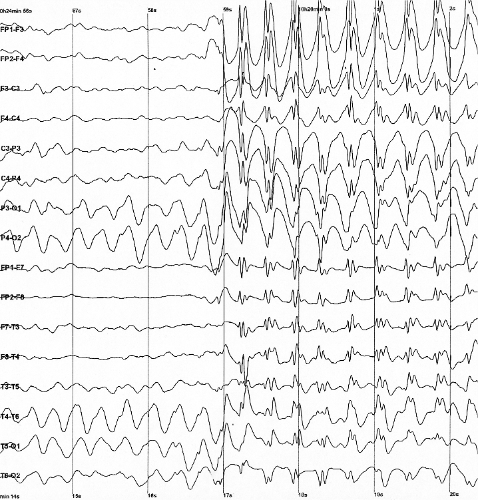
Síndrome epiléptico
📋 Origem dos dados
Esta página agrega dados de fontes públicas e oficiais. Dados sobre cobertura no SUS (PCDT, CEAF) são verificados ativamente por agente proativo (ver badge no infobox). Demais dados têm atribuição de fonte + data da última sincronização — clique para abrir o original.
- Doença rara (ontologia)
- fonte: Orphanet
- Identificador unificado
- fonte: MONDO
- NIH/GARD
- fonte: GARD (NIH)
- Indexação biomédica
- fonte: MeSH (NLM)
- Dado público estruturado
- fonte: Wikidata
- Medicamentos (literatura)
- fonte: Orphanet
- Reposicionamento
- fonte: Drug Repurposing Hub
- Ensaios clínicos
- fonte: ClinicalTrials.gov