
Deficiência de componentes da via clássica do complemento causa infecções recorrentes, especialmente respiratórias, e aumenta risco de sepse. Manifestações incluem autoimunidade, nefrite e erupções cutâneas.
Introdução
O que você precisa saber de cara
Visão geral
A imunodeficiência por deficiência de componente da via clássica do complemento é uma doença rara do sistema imunológico. Ela ocorre quando uma ou mais proteínas da via clássica do complemento (como C1q, C1r, C1s, C4, C2) estão ausentes ou não funcionam corretamente. Isso dificulta a defesa do corpo contra infecções e pode levar a doenças autoimunes, como o lúpus eritematoso sistêmico.[1][3]
Sinais e sintomas
Os sinais e sintomas mais comuns incluem infecções recorrentes, especialmente do trato respiratório inferior (como bronquite e pneumonia), sinusite, otite média e sepse. Muitas pessoas também apresentam manifestações autoimunes, como lúpus eritematoso sistêmico (com eritema facial, erupção cutânea de lúpus discoide, artralgia, artrite e nefrite), tireoidite de Hashimoto, hepatite crônica ativa e glomerulonefrite membranoproliferativa. Outros achados possíveis são anemia, atelectasia, bronquiectasia, asma e taxa de sedimentação de eritrócitos elevada.[1][3]
Causas genéticas
A doença é causada por variantes (mutações) em genes que codificam proteínas da via clássica do complemento. Os genes envolvidos são: C1QA, C1QB, C1QC, C1R, C1S, C4A, C4B e C2. Esses genes fornecem instruções para a produção das proteínas C1q, C1r, C1s, C4 e C2, que são essenciais para o funcionamento adequado do sistema complemento. A herança pode ser autossômica recessiva ou autossômica dominante, dependendo do gene afetado.[1][4]
Diagnóstico
O diagnóstico é baseado na avaliação clínica, exames laboratoriais que medem os níveis e a função das proteínas do complemento, e testes genéticos. Existem 336 testes genéticos disponíveis para essa condição, e 45 variantes foram registradas no ClinVar. A dosagem do fator I do complemento sérico pode estar diminuída. O código CID-10 é D84.1.[1][4]
Tratamento e manejo
O tratamento é individualizado e foca no controle das infecções e das manifestações autoimunes. Antibióticos podem ser usados para tratar e prevenir infecções. Para doenças autoimunes como lúpus, podem ser indicados imunossupressores e anti-inflamatórios. A reposição de componentes do complemento não é uma prática padrão. O acompanhamento deve ser feito por uma equipe multidisciplinar, incluindo imunologista, reumatologista e pneumologista. No Brasil, não há cobertura específica pelo SUS para esta doença.[1]
Prognóstico e qualidade de vida
O prognóstico varia conforme a gravidade das infecções e das complicações autoimunes. Com diagnóstico precoce e manejo adequado, muitas pessoas conseguem ter uma qualidade de vida razoável, embora a doença possa ser crônica e exigir acompanhamento contínuo. Infecções graves e doença renal (nefrite lúpica ou glomerulonefrite) podem impactar a sobrevida.[1][3]
Conteúdo informativo gerado e mantido automaticamente a partir de fontes oficiais (Orphanet, HPO, OMIM, SUS). Não substitui avaliação médica.
Deficiência de componentes da via clássica do complemento causa infecções recorrentes, especialmente respiratórias, e aumenta risco de sepse. Manifestações incluem autoimunidade, nefrite e erupções cutâneas.
Encontrou um erro ou informação desatualizada? Sugira uma correção →
Entender a doença
Do básico ao detalhe, leia no seu ritmo
Preparando trilha educativa...
Sinais e sintomas
O que aparece no corpo e com que frequência cada sintoma acontece
Visão geral
A imunodeficiência por deficiência de componente da via clássica do complemento é uma doença rara do sistema imunológico. Ela ocorre quando uma ou mais proteínas da via clássica do complemento (como C1q, C1r, C1s, C4, C2) estão ausentes ou não funcionam corretamente. Isso dificulta a defesa do corpo contra infecções e pode levar a doenças autoimunes, como o lúpus eritematoso sistêmico.[1][3]
Sinais e sintomas
Os sinais e sintomas mais comuns incluem infecções recorrentes, especialmente do trato respiratório inferior (como bronquite e pneumonia), sinusite, otite média e sepse. Muitas pessoas também apresentam manifestações autoimunes, como lúpus eritematoso sistêmico (com eritema facial, erupção cutânea de lúpus discoide, artralgia, artrite e nefrite), tireoidite de Hashimoto, hepatite crônica ativa e glomerulonefrite membranoproliferativa. Outros achados possíveis são anemia, atelectasia, bronquiectasia, asma e taxa de sedimentação de eritrócitos elevada.[1][3]
Causas genéticas
A doença é causada por variantes (mutações) em genes que codificam proteínas da via clássica do complemento. Os genes envolvidos são: C1QA, C1QB, C1QC, C1R, C1S, C4A, C4B e C2. Esses genes fornecem instruções para a produção das proteínas C1q, C1r, C1s, C4 e C2, que são essenciais para o funcionamento adequado do sistema complemento. A herança pode ser autossômica recessiva ou autossômica dominante, dependendo do gene afetado.[1][4]
Diagnóstico
O diagnóstico é baseado na avaliação clínica, exames laboratoriais que medem os níveis e a função das proteínas do complemento, e testes genéticos. Existem 336 testes genéticos disponíveis para essa condição, e 45 variantes foram registradas no ClinVar. A dosagem do fator I do complemento sérico pode estar diminuída. O código CID-10 é D84.1.[1][4]
Tratamento e manejo
O tratamento é individualizado e foca no controle das infecções e das manifestações autoimunes. Antibióticos podem ser usados para tratar e prevenir infecções. Para doenças autoimunes como lúpus, podem ser indicados imunossupressores e anti-inflamatórios. A reposição de componentes do complemento não é uma prática padrão. O acompanhamento deve ser feito por uma equipe multidisciplinar, incluindo imunologista, reumatologista e pneumologista. No Brasil, não há cobertura específica pelo SUS para esta doença.[1]
Prognóstico e qualidade de vida
O prognóstico varia conforme a gravidade das infecções e das complicações autoimunes. Com diagnóstico precoce e manejo adequado, muitas pessoas conseguem ter uma qualidade de vida razoável, embora a doença possa ser crônica e exigir acompanhamento contínuo. Infecções graves e doença renal (nefrite lúpica ou glomerulonefrite) podem impactar a sobrevida.[1][3]
Conteúdo informativo gerado e mantido automaticamente a partir de fontes oficiais (Orphanet, HPO, OMIM, SUS). Não substitui avaliação médica.
Partes do corpo afetadas
+ 26 sintomas em outras categorias
Características mais comuns
Os sintomas variam de pessoa para pessoa. Abaixo estão as 49 características clínicas mais associadas, ordenadas por frequência.
Linha do tempo da pesquisa
Encontrou um erro ou informação desatualizada? Sugira uma correção →
Genética e causas
O que está alterado no DNA e como passa nas famílias
Genes associados
8 genes identificados com associação a esta condição.
Precursor of non-enzymatic components of the classical, lectin and GZMK complement pathways, which consist in a cascade of proteins that leads to phagocytosis and breakdown of pathogens and signaling that strengthens the adaptive immune system Non-enzymatic component of C3 and C5 convertases (By similarity). Generated following cleavage by complement proteases (C1S, MASP2 or GZMK, depending on the complement pathway), it covalently attaches to the surface of pathogens, where it acts as an opsoni
SecretedSynapseCell projection, axonCell projection, dendriteCell surface
Systemic lupus erythematosus
A chronic, relapsing, inflammatory, and often febrile multisystemic disorder of connective tissue, characterized principally by involvement of the skin, joints, kidneys and serosal membranes. It is of unknown etiology, but is thought to represent a failure of the regulatory mechanisms of the autoimmune system. The disease is marked by a wide range of system dysfunctions, an elevated erythrocyte sedimentation rate, and the formation of LE cells in the blood or bone marrow.
Core component of the complement C1 complex, a multiprotein complex that initiates the classical pathway of the complement system, a cascade of proteins that leads to phagocytosis and breakdown of pathogens and signaling that strengthens the adaptive immune system (PubMed:12847249, PubMed:19006321, PubMed:24626930, PubMed:29449492, PubMed:3258649, PubMed:34155115, PubMed:6249812, PubMed:6776418). The classical complement pathway is initiated by the C1Q subcomplex of the C1 complex, which specifi
SecretedCell surface
C1q deficiency 1
An autosomal recessive disorder caused by impaired activation of the complement classical pathway. It generally leads to severe immune complex disease characterized by recurrent skin lesions, chronic infections, an increased risk of systemic lupus erythematosus, and glomerulonephritis.
Core component of the complement C1 complex, a multiprotein complex that initiates the classical pathway of the complement system, a cascade of proteins that leads to phagocytosis and breakdown of pathogens and signaling that strengthens the adaptive immune system (PubMed:12847249, PubMed:19006321, PubMed:24626930, PubMed:29449492, PubMed:3258649, PubMed:34155115, PubMed:6249812, PubMed:6776418). The classical complement pathway is initiated by the C1Q subcomplex of the C1 complex, which specifi
SecretedCell surface
C1q deficiency 2
An autosomal recessive disorder caused by impaired activation of the complement classical pathway. It generally leads to severe immune complex disease characterized by recurrent skin lesions, chronic infections, an increased risk of systemic lupus erythematosus, and glomerulonephritis.
Precursor of the catalytic component of the C3 and C5 convertase complexes, which are part of the complement pathway, a cascade of proteins that leads to phagocytosis and breakdown of pathogens and signaling that strengthens the adaptive immune system (PubMed:12878586, PubMed:17027507, PubMed:18204047, PubMed:39914456, PubMed:39814882). Component C2 is part of the classical, lectin and GZMK complement systems (PubMed:12878586, PubMed:17027507, PubMed:18204047, PubMed:22691502, PubMed:39914456) C
SecretedCell surface
Macular degeneration, age-related, 14
A form of age-related macular degeneration, a multifactorial eye disease and the most common cause of irreversible vision loss in the developed world. In most patients, the disease is manifest as ophthalmoscopically visible yellowish accumulations of protein and lipid that lie beneath the retinal pigment epithelium and within an elastin-containing structure known as Bruch membrane.
Core component of the complement C1 complex, a multiprotein complex that initiates the classical pathway of the complement system, a cascade of proteins that leads to phagocytosis and breakdown of pathogens and signaling that strengthens the adaptive immune system (PubMed:12847249, PubMed:19006321, PubMed:24626930, PubMed:29449492, PubMed:3258649, PubMed:34155115, PubMed:6249812, PubMed:6776418). The classical complement pathway is initiated by the C1Q subcomplex of the C1 complex, which specifi
SecretedCell surface
C1q deficiency 3
An autosomal recessive disorder caused by impaired activation of the complement classical pathway. It generally leads to severe immune complex disease characterized by recurrent skin lesions, chronic infections, an increased risk of systemic lupus erythematosus, and glomerulonephritis.
Serine protease component of the complement C1 complex, a multiprotein complex that initiates the classical pathway of the complement system, a cascade of proteins that leads to phagocytosis and breakdown of pathogens and signaling that strengthens the adaptive immune system (PubMed:17996945, PubMed:19473974, PubMed:29449492). C1R catalyzes the first enzymatic step in the classical complement pathway: it is activated by the C1Q subcomplex of the C1 complex, which associates with IgG or IgM immun
SecretedCell surface
Ehlers-Danlos syndrome, periodontal type, 1
A form of Ehlers-Danlos syndrome, a connective tissue disorder characterized by hyperextensible skin, atrophic cutaneous scars due to tissue fragility and joint hyperlaxity. EDSPD1 is characterized by the association of typical features of Ehlers-Danlos syndrome with gingival recession and severe early-onset periodontal disease, leading to premature loss of permanent teeth. EDSPD1 inheritance is autosomal dominant.
Precursor of non-enzymatic components of the classical, lectin and GZMK complement pathways, which consist in a cascade of proteins that leads to phagocytosis and breakdown of pathogens and signaling that strengthens the adaptive immune system Non-enzymatic component of C3 and C5 convertases (PubMed:8538770). Generated following cleavage by complement proteases (C1S, MASP2 or GZMK, depending on the complement pathway), it covalently attaches to the surface of pathogens, where it acts as an opson
SecretedSynapseCell projection, axonCell projection, dendriteCell surface
Complement component 4A deficiency
A rare defect of the complement classical pathway associated with the development of autoimmune disorders, mainly systemic lupus with or without associated glomerulonephritis.
Component of the complement C1 complex, a multiprotein complex that initiates the classical pathway of the complement system, a cascade of proteins that leads to phagocytosis and breakdown of pathogens and signaling that strengthens the adaptive immune system (PubMed:11445589, PubMed:16169853, PubMed:417728, PubMed:467643, PubMed:6271784, PubMed:6282646, PubMed:6319179, PubMed:70787, PubMed:9422791). C1S is activated following association of the C1 complex with immunoglobulins (IgG or IgM) compl
SecretedCell surface
Complement component C1s deficiency
A rare defect resulting in C1 deficiency and impaired activation of the complement classical pathway. C1 deficiency generally leads to severe immune complex disease with features of systemic lupus erythematosus and glomerulonephritis.
Variantes genéticas (ClinVar)
45 variantes patogênicas registradas no ClinVar.
Vias biológicas (Reactome)
7 vias biológicas associadas aos genes desta condição.
Diagnóstico
Os sinais que médicos procuram e os exames que confirmam
Tratamento e manejo
Remédios, cuidados de apoio e o que precisa acompanhar
Onde tratar no SUS
Hospitais de referência no Brasil e o protocolo oficial do SUS (PCDT)
🇧🇷 Atendimento SUS — Imunodeficiência por deficiência de componente da via clássica do complemento
Selecione um estado ou use sua localização para ver resultados.
Dados de DATASUS/CNES, SBGM, ABNeuro e Ministério da Saúde. Sempre confirme a disponibilidade diretamente com o estabelecimento.
Pesquisa ativa
Ensaios clínicos abertos e novidades científicas recentes
Pesquisa e ensaios clínicos
Nenhum ensaio clínico registrado para esta condição.
Publicações mais relevantes
Immunodeficiency: Complement disorders.
The complement system is an important component of innate and adaptive immunity that consists of three activation pathways. The classic complement pathway plays a role in humoral immunity, whereas the alternative and lectin pathways augment the innate response. Impairment, deficiency, or overactivation of any of the known 50 complement proteins may lead to increased susceptibility to infection with encapsulated organisms, autoimmunity, hereditary angioedema, or thrombosis, depending on the affected protein. Classic pathway defects result from deficiencies of complement proteins C1q, C1r, C1s, C2, and C4, and typically manifest with features of systemic lupus erythematosus and infections with encapsulated organisms. Alternative pathway defects due to deficiencies of factor B, factor D, and properdin may present with increased susceptibility to Neisseria infections. Lectin pathway defects, including Mannose-binding protein-associated serine protease 2 (MASP2) and ficolin 3, may be asymptomatic or lead to pyogenic infections and autoimmunity. Complement protein C3 is common to all pathways, deficiency of which predisposes patients to severe frequent infections and glomerulonephritis. Deficiencies in factor H and factor I, which regulate the alternative pathway, may lead to hemolytic uremic syndrome. Disseminated Neisseria infections result from terminal pathway defects (i.e., C5, C6, C7, C8, and C9). Diagnosis of complement deficiencies involves screening with functional assays (i.e., total complement activity [CH50], alternative complement pathway activity [AH50], enzyme-linked immunosorbent assay [ELISA]) followed by measurement of individual complement factors by immunoassay. Management of complement deficiencies requires a comprehensive and individualized approach with special attention to vaccination against encapsulated bacteria, consideration of prophylactic antibiotics, treatment of comorbid autoimmunity, and close surveillance.
Complement C1s deficiency in a male Caucasian patient with systemic lupus erythematosus: a case report.
Deficiencies of the early complement components of the classical pathway (CP) are well-documented in association with systemic lupus erythematosus (SLE) or SLE-like syndromes and severe pyogenic infections. Among these, complete C1s deficiency has been reported in nine cases so far. Here, we describe a 34-year-old male patient who presented with severe, recurrent infections since childhood, including meningitides with pneumococci and meningococci, erysipelas, subcutaneous abscess, and recurrent infections of the upper airways. The patient also exhibited adult-onset SLE, meeting 7/11 of the ACR criteria and 34 of the 2019 EULAR/ACR classification criteria, along with class IV-G (A) proliferative lupus nephritis (LN). A screening of the complement cascade showed immeasurably low CH50, while the alternative pathway (AP) function was normal. Subsequent determination of complement components revealed undetectable C1s with low levels of C1r and C1q, normal C3, and slightly elevated C4 and C2 concentrations. The patient had no anti-C1q antibodies. Renal biopsy showed class IV-G (A) LN with complement C1q positivity along the glomerular basement membranes (GBMs) and weak deposition of IgG, IgM, and complement C3 and C4 in the mesangium and GBM. In an ELISA-based functional assay determining C4d deposition, the patient's absent complement activity was fully restored by adding C1s. The genome of the patient was analyzed by whole genome sequencing showing two truncating variants in the C1S gene. One mutation was located at nucleotide 514 in exon 5, caused by a nucleotide substitution from G to T, resulting in a nonsense mutation from Gly172 (p.Gly172*). The other mutation was located at nucleotide 750 in exon 7, where C was replaced by a G, resulting in a nonsense mutation from Tyr250 (p.Tyr250*). Both mutations create a premature stop codon and have not previously been reported in the literature. These genetic findings, combined with the absence of C1s in the circulation, strongly suggest a compound heterozygote C1s deficiency in our patient, without additional defect within the complement cascade. As in a previous C1s deficiency case, the patient responded well to rituximab. The present case highlights unanswered questions regarding the CP's role in SLE etiopathogenesis.
Genetic bases of C7 deficiency: systematic review and report of a novel deletion determining functional hemizygosity.
Primary complement system (C) deficiencies are rare but notably associated with an increased risk of infections, autoimmunity, or immune disorders. Patients with terminal pathway C-deficiency have a 1,000- to 10,000-fold-higher risk of Neisseria meningitidis infections and should be therefore promptly identified to minimize the likelihood of further infections and to favor vaccination. In this paper, we performed a systematic review about clinical and genetic patterns of C7 deficiency starting from the case of a ten-year old boy infected by Neisseria meningitidis B and with clinical presentation suggestive of reduced C activity. Functional assay via Wieslab ELISA Kit confirmed a reduction in total C activity of the classical (0.6% activity), lectin (0.2% activity) and alternative (0.1% activity) pathways. Western blot analysis revealed the absence of C7 in patient serum. Sanger sequencing of genomic DNA extracted from peripheral blood of the patient allowed the identification of two pathogenetic variants in the C7 gene: the already well-characterized missense mutation G379R and a novel heterozygous deletion of three nucleotides located at the 3'UTR (c.*99_*101delTCT). This mutation resulted in an instability of the mRNA; thus, only the allele containing the missense mutation was expressed, making the proband a functional hemizygote for the expression of the mutated C7 allele.
The complement system and human autoimmune diseases.
Genetic deficiencies of early components of the classical complement activation pathway (especially C1q, r, s, and C4) are the strongest monogenic causal factors for the prototypic autoimmune disease systemic lupus erythematosus (SLE), but their prevalence is extremely rare. In contrast, isotype genetic deficiency of C4A and acquired deficiency of C1q by autoantibodies are frequent among patients with SLE. Here we review the genetic basis of complement deficiencies in autoimmune disease, discuss the complex genetic diversity seen in complement C4 and its association with autoimmune disease, provide guidance as to when clinicians should suspect and test for complement deficiencies, and outline the current understanding of the mechanisms relating complement deficiencies to autoimmunity. We focus primarily on SLE, as the role of complement in SLE is well-established, but will also discuss other informative diseases such as inflammatory arthritis and myositis.
Genetic workup as a complementary tool for the diagnosis of primary complement component deficiencies: a multicenter experience.
Diagnosis of primary complement deficiencies requires a high index of suspicion. Thus, susceptible patients are often underdiagnosed and untreated. Here, we present a multicenter experience with two novel inborn errors of the classical complement system. This is a retrospective multicenter analysis of computerized medical records of children (<18 years) admitted in the period between 2012 and 2018 at Shaare Zedek Medical Center in Jerusalem and Edmond and Lily Safra Children's Hospital, Tel-Hashomer Medical Center, in Ramat Gan, Israel. Patients were genetically diagnosed by a complementary immune workup. We identified 5 patients (3 males) from four different families harboring two novel mutations in the complement components C6-C8. Genetic mutations were identified by whole-exome sequencing or by sequencing of the coding exons of a single gene based on the findings in the immune workup. Clinical manifestations consisted of meningitis with or without meningococcemia. The immune workup demonstrated nearly absent levels of CH50, compatible with a complement pathway defect. Diagnosis delay ranged between 0 and 30 years. Awareness of risk factors for primary complement deficiencies, even at the first infectious episode, should facilitate prompt immune and genetic workup, commencing diagnosis and proper treatment for the patient and family. • Deficiencies in the classical terminal complement components increase susceptibility to invasive meningococcal infections. • Recurrent meningococcal infections mandate a diagnostic workup of the complement system. • Genetic workup can be utilized for prompt diagnosis of complement deficiencies. • High rates of consanguinity, even in the presence of a single meningococcal infection, should promote immune and genetic workups.
Publicações recentes
Immunodeficiency: Complement disorders.
Complement C1s deficiency in a male Caucasian patient with systemic lupus erythematosus: a case report.
Genetic bases of C7 deficiency: systematic review and report of a novel deletion determining functional hemizygosity.
The complement system and human autoimmune diseases.
Strong Association of Combined Genetic Deficiencies in the Classical Complement Pathway With Risk of Systemic Lupus Erythematosus and Primary Sjögren's Syndrome.
📚 EuropePMCmostrando 19
Immunodeficiency: Complement disorders.
Allergy and asthma proceedingsComplement C1s deficiency in a male Caucasian patient with systemic lupus erythematosus: a case report.
Frontiers in immunologyGenetic bases of C7 deficiency: systematic review and report of a novel deletion determining functional hemizygosity.
Frontiers in immunologyThe complement system and human autoimmune diseases.
Journal of autoimmunityStrong Association of Combined Genetic Deficiencies in the Classical Complement Pathway With Risk of Systemic Lupus Erythematosus and Primary Sjögren's Syndrome.
Arthritis & rheumatology (Hoboken, N.J.)C2 by-pass: Cross-talk between the complement classical and alternative pathways.
ImmunobiologyGenetic workup as a complementary tool for the diagnosis of primary complement component deficiencies: a multicenter experience.
European journal of pediatricsInherited defects in the complement system.
Pediatric allergy and immunology : official publication of the European Society of Pediatric Allergy and ImmunologyEuropean Society for Immunodeficiencies (ESID) and European Reference Network on Rare Primary Immunodeficiency, Autoinflammatory and Autoimmune Diseases (ERN RITA) Complement Guideline: Deficiencies, Diagnosis, and Management.
Journal of clinical immunologySecondary C1q Deficiency in Activated PI3Kδ Syndrome Type 2.
Frontiers in immunologyAnalysis of the Complement System in the Clinical Immunology Laboratory.
Clinics in laboratory medicineMulti-component meningococcal serogroup B (MenB)-4C vaccine induces effective opsonophagocytic killing in children with a complement deficiency.
Clinical and experimental immunologyClinical and Genetic Spectrum of a Large Cohort With Total and Sub-total Complement Deficiencies.
Frontiers in immunologyComplement deficiencies and dysregulation: Pathophysiological consequences, modern analysis, and clinical management.
Molecular immunologyCutaneous Vasculitis and Digital Ischaemia Caused by Heterozygous Gain-of-Function Mutation in C3.
Frontiers in immunologyC1q Deficiency and Neuropsychiatric Systemic Lupus Erythematosus.
Frontiers in immunologyPrimary immunodeficiency association with systemic lupus erythematosus: review of literature and lessons learned by the Rheumatology Division of a tertiary university hospital at São Paulo, Brazil.
Revista brasileira de reumatologiaInvasive meningococcal disease in three siblings with hereditary deficiency of the 8(th) component of complement: evidence for the importance of an early diagnosis.
Orphanet journal of rare diseasesNovel Mutations Causing C5 Deficiency in Three North-African Families.
Journal of clinical immunologyAssociações
Organizações que acompanham esta doença — pra ter apoio e orientação
Ainda não temos associações cadastradas para Imunodeficiência por deficiência de componente da via clássica do complemento.
É de uma associação que acompanha esta doença? Fale com a gente →
Comunidades
Grupos ativos de quem convive com esta doença aqui no Raras
Ainda não existe comunidade no Raras para Imunodeficiência por deficiência de componente da via clássica do complemento
Pacientes, familiares e cuidadores se organizam em comunidades pra compartilhar experiências, fazer perguntas e se apoiar. Você pode ser o primeiro.
Tire suas dúvidas
Perguntas, dicas e experiências compartilhadas aqui na página
Participe da discussão
Faça login para postar dúvidas, compartilhar experiências e interagir com especialistas.
Fazer loginDoenças relacionadas
Doenças com sintomas parecidos — ajudam quem ainda está buscando diagnóstico
Referências e fontes
Bases de dados externas citadas neste artigo
Publicações científicas
Artigos indexados no PubMed ligados a esta doença no grafo RarasNet — título, periódico e PMID direto da fonte, sem intermediação de IA.
- Immunodeficiency: Complement disorders.
- Complement C1s deficiency in a male Caucasian patient with systemic lupus erythematosus: a case report.
- Genetic bases of C7 deficiency: systematic review and report of a novel deletion determining functional hemizygosity.
- The complement system and human autoimmune diseases.
- Genetic workup as a complementary tool for the diagnosis of primary complement component deficiencies: a multicenter experience.
- Strong Association of Combined Genetic Deficiencies in the Classical Complement Pathway With Risk of Systemic Lupus Erythematosus and Primary Sjögren's Syndrome.
Bases de dados e fontes oficiais
Identificadores e referências canônicas usadas para montar este verbete.
- ORPHA:169147(Orphanet)
- MONDO:0015699(MONDO)
- GARD:15025(GARD (NIH))
- Variantes catalogadas(ClinVar)
- Busca completa no PubMed(PubMed)
- Q5156399(Wikidata)
Dados compilados pelo RarasNet a partir de fontes abertas (Orphanet, OMIM, MONDO, PubMed/EuropePMC, ClinicalTrials.gov, DATASUS, PCDT/MS). Este conteúdo é informativo e não substitui avaliação médica.
Conteúdo mantido por Agente Raras · Médicos e pesquisadores podem colaborar
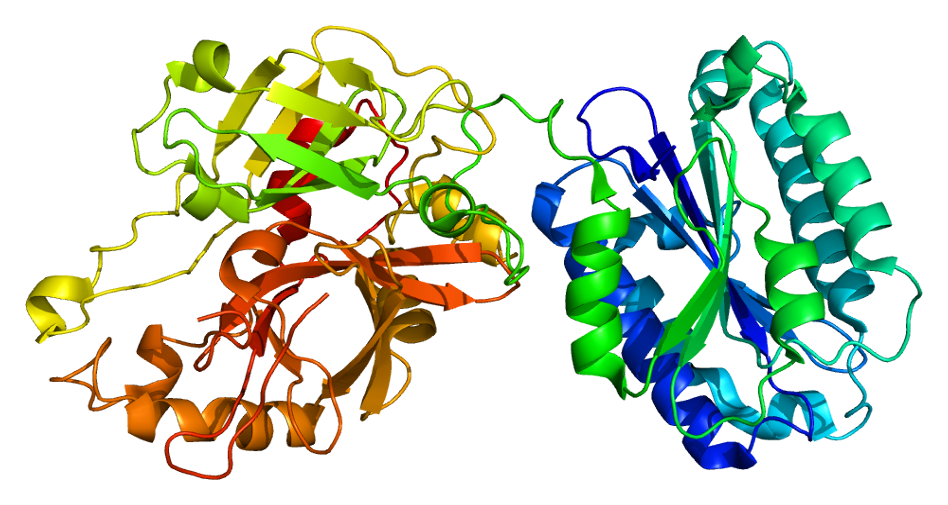
Imunodeficiência por deficiência de componente da via clássica do complemento
📋 Origem dos dados
Esta página agrega dados de fontes públicas e oficiais. Dados sobre cobertura no SUS (PCDT, CEAF) são verificados ativamente por agente proativo (ver badge no infobox). Demais dados têm atribuição de fonte + data da última sincronização — clique para abrir o original.
- Doença rara (ontologia)
- fonte: Orphanet
- Identificador unificado
- fonte: MONDO
- Codificação WHO/SUS
- fonte: WHO ICD-10 / DATASUS
- CID-11 (futuro)
- fonte: WHO ICD-11
- NIH/GARD
- fonte: GARD (NIH)
- Indexação biomédica
- fonte: MeSH (NLM)
- Dado público estruturado
- fonte: Wikidata