
A síndrome periódica associada à criopirina (CAPS) define um grupo de doenças autoinflamatórias, caracterizadas por episódios recorrentes de ataques inflamatórios sistêmicos na ausência de infecção ou doença autoimune. CAPS compreende 3 distúrbios em um continuum de gravidade: síndrome CINCA grave, síndrome de Muckle-Wells intermediária (MWS) e urticária familiar ao frio mais leve (FCAS).
Introdução
O que você precisa saber de cara
A síndrome periódica associada à criopirina (CAPS) define um grupo de doenças autoinflamatórias, caracterizadas por episódios recorrentes de ataques inflamatórios sistêmicos na ausência de infecção ou doença autoimune. CAPS compreende 3 distúrbios em um continuum de gravidade: síndrome CINCA grave, síndrome de Muckle-Wells intermediária (MWS) e urticária familiar ao frio mais leve (FCAS).
Tem tratamento?
Escala de raridade
<1/50kMuito rara
1/20kRara
1/10kPouco freq.
1/5kIncomum
1/2k
Encontrou um erro ou informação desatualizada? Sugira uma correção →
Entender a doença
Do básico ao detalhe, leia no seu ritmo
Preparando trilha educativa...
Sinais e sintomas
O que aparece no corpo e com que frequência cada sintoma acontece
Partes do corpo afetadas
+ 51 sintomas em outras categorias
Características mais comuns
Os sintomas variam de pessoa para pessoa. Abaixo estão as 110 características clínicas mais associadas, ordenadas por frequência.
Linha do tempo da pesquisa
Encontrou um erro ou informação desatualizada? Sugira uma correção →
Genética e causas
O que está alterado no DNA e como passa nas famílias
Genes associados
4 genes identificados com associação a esta condição. Padrão de herança: Autosomal dominant, Not applicable.
Curadoria gene-doença
fontes oficiaisKey component of inflammasomes that indirectly senses specific proteins from pathogenic bacteria and fungi and responds by assembling an inflammasome complex that promotes caspase-1 activation, cytokine production and macrophage pyroptosis (PubMed:15107016). The NLRC4 inflammasome is activated as part of the innate immune response to a range of intracellular bacteria (By similarity)
CytoplasmCytoplasm, cytosolInflammasome
Autoinflammation with infantile enterocolitis
An autosomal dominant disorder characterized by neonatal-onset enterocolitis, periodic fever, and fatal or near-fatal episodes of autoinflammation. Affected individuals tend to have poor overall growth and gastrointestinal symptoms in infancy, recurrent febrile episodes with splenomegaly, and sometimes hematologic disturbances, arthralgias, or myalgias.
Sensor component of the NLRP3 inflammasome, which mediates inflammasome activation in response to defects in membrane integrity, leading to secretion of inflammatory cytokines IL1B and IL18 and pyroptosis (PubMed:16407889, PubMed:18403674, PubMed:18604214, PubMed:23582325, PubMed:25686105, PubMed:27929086, PubMed:28656979, PubMed:28847925, PubMed:30487600, PubMed:30612879, PubMed:31086327, PubMed:31086329, PubMed:31189953, PubMed:33231615, PubMed:34133077, PubMed:34341353, PubMed:34512673, PubMe
Cytoplasm, cytosolInflammasomeCytoplasm, cytoskeleton, microtubule organizing centerGolgi apparatus membraneEndoplasmic reticulumMitochondrionSecretedNucleus
Familial cold autoinflammatory syndrome 1
A rare autosomal dominant systemic inflammatory disease characterized by recurrent episodes of maculopapular rash associated with arthralgias, myalgias, fever and chills, swelling of the extremities, and conjunctivitis after generalized exposure to cold. Rarely, some patients may also develop late-onset renal amyloidosis.
The production of the second messenger molecules diacylglycerol (DAG) and inositol 1,4,5-trisphosphate (IP3) is mediated by activated phosphatidylinositol-specific phospholipase C enzymes. It is a crucial enzyme in transmembrane signaling
Membrane raft
Familial cold autoinflammatory syndrome 3
An autosomal dominant immune disorder characterized by the development of cutaneous urticaria, erythema, and pruritis in response to cold exposure. Affected individuals have variable additional immunologic defects, including antibody deficiency, decreased numbers of B-cells, defective B-cells, increased susceptibility to infection, and increased risk of autoimmune disorders.
Plays an essential role as an potent mitigator of inflammation (PubMed:30559449). Primarily expressed in dendritic cells and macrophages, inhibits both canonical and non-canonical NF-kappa-B and ERK activation pathways (PubMed:15489334, PubMed:17947705). Functions as a negative regulator of NOD2 by targeting it to degradation via the proteasome pathway (PubMed:30559449). In turn, promotes bacterial tolerance (PubMed:30559449). Also inhibits the RIGI-mediated immune signaling against RNA viruses
Cytoplasm
Familial cold autoinflammatory syndrome 2
A rare autosomal dominant systemic inflammatory disease characterized by recurrent episodes of maculopapular rash associated with arthralgias, myalgias, fever and chills, swelling of the extremities, and conjunctivitis after generalized exposure to cold.
Medicamentos e terapias
Mecanismo: Interleukin-1 beta inhibitor
Mecanismo: Interleukin-1 beta inhibitor
Mecanismo: Interleukin-1 receptor antagonist
Variantes genéticas (ClinVar)
473 variantes patogênicas registradas no ClinVar.
Vias biológicas (Reactome)
23 vias biológicas associadas aos genes desta condição.
Diagnóstico
Os sinais que médicos procuram e os exames que confirmam
Tratamento e manejo
Remédios, cuidados de apoio e o que precisa acompanhar
Onde tratar no SUS
Hospitais de referência no Brasil e o protocolo oficial do SUS (PCDT)
🇧🇷 Atendimento SUS — Doença auto-inflamatória NLRP3-associada
Selecione um estado ou use sua localização para ver resultados.
Dados de DATASUS/CNES, SBGM, ABNeuro e Ministério da Saúde. Sempre confirme a disponibilidade diretamente com o estabelecimento.
Pesquisa ativa
Ensaios clínicos abertos e novidades científicas recentes
Ensaios em destaque
🟢 Recrutando agora
4 pesquisas recrutando participantes. Converse com seu médico sobre a possibilidade de participar.
Outros ensaios clínicos
0 ensaios clínicos encontrados.
Publicações mais relevantes
Case Report: A heterozygous mutation of NLRP3 in a Chinese child with NLRP3-AID.
NLR family pyrin domain containing 3 (NLRP3)-associated autoinflammatory disease (NLRP3-AID), formerly known as cryopyrin-associated periodic syndrome, is a group of AIDs comprising neonatal-onset multisystem inflammatory disorder, Muckle-Wells syndrome, and familial cold autoinflammatory syndrome. Mutations in the NLRP3 gene are considered central to its pathogenesis. Here, we present a Chinese infant diagnosed with severe NLRP3-AID who carried a heterozygous variant in the NLRP3 gene. The patient exhibited recurrent episodes of fever, urticaria-like rashes, aseptic meningitis, and hearing loss. During hospitalization, elevated inflammatory markers and leukocytosis in body fluids were observed without evidence of infection. DNA sequencing identified a de novo heterozygous mutation, c.1006A > G (p.I336V), in the NLRP3 gene. We report an infant with NLRP3-AID and emphasize the importance of early diagnosis based on clinical manifestations.
Two Novel Variants in the LRR Domain of NLRP3 Causing Leukoencephalopathy: A Case Report.
The NLR family pyrin domain containing 3-associated autoinflammatory disease (NLRP3-AID) is a rare and heterogeneous hereditary inflammatory disorder caused by variants in the NLRP3 gene on chromosome 1q44. This condition encompasses a broad spectrum of clinical phenotypes, including urticarial rash, fever, ocular disorders, hearing loss, and musculoskeletal and central nervous system (CNS) involvement. This study reports the clinical features and newly identified NLRP3 gene variants in two Chinese Han patients with NLRP3-AID presenting with leukoencephalopathy. The study includes two adult male patients aged 25 and 24 years. Both patients experienced recurrent fevers with elevated C-reactive protein levels during febrile episodes, which normalized during asymptomatic intervals. Elevated cerebrospinal fluid protein levels and magnetic resonance imaging (MRI) findings of intracranial calcification and white matter damage were observed in both cases. Genetic testing revealed novel heterozygous NLRP3 variants: p.L798M in Patient 1 and p.K829T in Patient 2. Both patients received treatment with adalimumab and canakinumab, resulting in significant clinical improvement. The clinical and genetic features of two NLRP3-AID patients were characterized. Functional studies demonstrated overactivation of the NLRP3 inflammasome in these patients. Neurological involvement in NLRP3-AID patients is variable. This study expands the clinical spectrum of CNS damage in NLRP3-AID to include intracranial calcification and leukoencephalopathy. Additionally, two novel NLRP3 variants, L798M and K829T, were identified and associated with the disease.
Optic disc changes in Chinese patients with NLRP3-associated autoinflammatory disease.
To investigate the optic disc changes (ODC) in Chinese patients with NLRP3-associated autoinflammatory disease (NLRP3-AID). Patients who were diagnosed with NLRP3-AID at the Department of Rheumatology, Peking Union Medical College Hospital between April 2015 and December 2022 were retrospectively reviewed and analyzed. A total of 20 patients were enrolled in this retrospective study. All 20 patients had a moderate MWS NLRP3-AID phenotype. Thirteen patients (65%) had ocular involvements. The interval between symptoms onset and diagnosis was significantly longer in patients with ocular involvement than in patients without (p = 0.044). The incidence of hearing loss was significantly higher in patients with ocular involvement (p = 0.017), while the incidence of abdominal pain was significantly lower when compared to patients without ocular involvement (p = 0.007). Optic disc swelling (ODS) (50%) was the most common ODC. All of the four T348M mutation carriers within our cohort exhibited ODS with visual-field defects. There was a significant difference between patients with/without ODS regarding the number of patients carrying T348M mutation (p = 0.014). The occurrence of hearing loss and CNS involvement was significantly higher in the group with ODS compared to the group without (p = 0.0014, p = 0.0198). Of the eight patients who underwent lumbar puncture, five presented with intracranial hypertension (IH). ODS was observed in all patients with IH. The serum inflammatory markers were significantly higher in patients with ODS than in those without. Two patients receiving regular subcutaneous IL-1 inhibitor treatment showed improvements in ODC. ODC is common among Chinese patients with NLRP3-AID, with ODS being the most common manifestation. Hearing loss and CNS involvement often accompany the occurrence of ODS. The serum inflammatory markers are associated with ODS. The T348M mutation is more likely to lead to ODC with visual-field defects.
Functional diversity of NLRP3 gain-of-function mutants associated with CAPS autoinflammation.
NLRP3-associated autoinflammatory disease is a heterogenous group of monogenic conditions caused by NLRP3 gain-of-function mutations. The poor functional characterization of most NLRP3 variants hinders diagnosis despite efficient anti-IL-1 treatments. Additionally, while NLRP3 is controlled by priming and activation signals, gain-of-functions have only been investigated in response to priming. Here, we characterize 34 NLRP3 variants in vitro, evaluating their activity upon induction, priming, and/or activation signals, and their sensitivity to four inhibitors. We highlight the functional diversity of the gain-of-function mutants and describe four groups based on the signals governing their activation, correlating partly with the symptom severity. We identify a new group of NLRP3 mutants responding to the activation signal without priming, associated with frequent misdiagnoses. Our results identify key NLRP3 residues controlling inflammasome activity and sensitivity to inhibitors, and antagonistic mechanisms with broader efficacy for therapeutic strategies. They provide new insights into NLRP3 activation, an explanatory mechanism for NLRP3-AID heterogeneity, and original tools for NLRP3-AID diagnosis and drug development.
Clinical and Genetic Spectrum of Nine Cases of NLRP3-Associated Autoinflammatory Disease (NLRP3-AID) and Identification of One Novel NLRP3 Mutation by Genetic Variation Analyses.
NLRP3-associated autoinflammatory disease (NLRP3-AID) is characterized by gain-of-function variants in the NLRP3 gene. Since there are little literature focusing on pediatric NLRP3-AID in China, we aimed to elucidate the phenotypic and genotypic profiles of Chinese patients with NLRP3-AID. Patients with NLRP3-AID at three rheumatology centers in China were genotyped through whole exome sequencing or gene panel sequencing. Sanger sequencing was performed on all patients and their parents. Clinical phenotype, treatment, and prognosis were analyzed. Nine patients with NLRP3-AID were enrolled between December 2014 and October 2022 with an average follow-up period exceeding 30 months. The median age of onset was 12 months, and 66.7% were younger than 3 years old. The diagnosis was significantly delayed and the median delay duration was 115 months. The patients most commonly presented with rash (100%), arthritis/arthralgia (88.9%), lymphadenopathy (88.9%), fever (77.8%), and growth retardation (44.4%). During acute attack, white blood cell, C-reactive protein, and/or erythrocyte sedimentation rate all increased in all cases, and inflammatory markers remained elevated beyond 7 days postfever resolution in 57.1% of patients (4/7). Two cases of chronic infantile neurological cutaneous articular syndrome (CINCA) had clubbed fingers, one with interstitial lung disease, a finding rarely reported. Treatment with glucocorticoids (77.8%) and biologic agents (33.3%) yielded 66% complete remission and 33% partial remission. Genetic analysis identified eight pathogenic NLRP3 missense mutations, including one novel mutation. Our study illuminated the distinct clinical and genetic features of Chinese NLRP3-AID patients, emphasizing the significance of early genetic screening. Despite delayed diagnosis, treatment primarily with glucocorticoids and biologic agents, led to favorable outcomes. Genetic heterogeneity, including a novel mutation, highlighted the complexity of NLRP3-AID in this population.
Publicações recentes
Case Report: A heterozygous mutation of NLRP3 in a Chinese child with NLRP3-AID.
Two Novel Variants in the LRR Domain of NLRP3 Causing Leukoencephalopathy: A Case Report.
Optic disc changes in Chinese patients with NLRP3-associated autoinflammatory disease.
Functional diversity of NLRP3 gain-of-function mutants associated with CAPS autoinflammation.
Clinical and Genetic Spectrum of Nine Cases of NLRP3-Associated Autoinflammatory Disease (NLRP3-AID) and Identification of One Novel NLRP3 Mutation by Genetic Variation Analyses.
📚 EuropePMC15 artigos no totalmostrando 25
Case Report: A heterozygous mutation of NLRP3 in a Chinese child with NLRP3-AID.
Frontiers in pediatricsTwo Novel Variants in the LRR Domain of NLRP3 Causing Leukoencephalopathy: A Case Report.
Discovery medicineOptic disc changes in Chinese patients with NLRP3-associated autoinflammatory disease.
Annals of medicineFunctional diversity of NLRP3 gain-of-function mutants associated with CAPS autoinflammation.
The Journal of experimental medicineClinical and Genetic Spectrum of Nine Cases of NLRP3-Associated Autoinflammatory Disease (NLRP3-AID) and Identification of One Novel NLRP3 Mutation by Genetic Variation Analyses.
Journal of immunology researchGenetic variations in NLRP3 and NLRP12 genes in adult-onset patients with autoinflammatory diseases: a comparative study.
Frontiers in immunologyPhenotypic and genotypic characterization of Chinese adult patients with NLRP3-associated autoinflammatory disease with hearing loss.
Rheumatology (Oxford, England)Autoinflammatory Diseases/Periodic Fevers.
Pediatrics in reviewNew retinal findings in NLRP3-associated autoinflammatory disease.
Orphanet journal of rare diseasesThe phenotype and genotype of Chinese adult patients with NLRP3-associated autoinflammatory disease.
Clinical rheumatologyA unique presentation of NLRP3-associated autoinflammatory disease: case report.
BMC rheumatologyEarly onset drusen and RPE dysfunction in a patient with NLRP3-AID.
Ocular immunology and inflammationHearing Loss as the Main Clinical Presentation in NLRP3-Associated Autoinflammatory Disease.
Frontiers in immunologyClinical and genetic spectrum of 14 cases of NLRP3-associated autoinflammatory disease (NLRP3-AID) in China and a review of the literature.
Orphanet journal of rare diseasesEfficacy of canakinumab on AA amyloidosis in late-onset NLRP3-associated autoinflammatory disease with an I574F somatic mosaic mutation.
Clinical rheumatologyA 9-Year-Old Patient with Recurrent Fever, Urticarial Rash and Demyelinating Brain Lesions: NLRP3-Autoinflammatory Disease in Ecuador.
Open access rheumatology : research and reviewsBehçet's Syndrome in a Chinese Pedigree of NLRP3-Associated Autoinflammatory Disease: A Coexistence or Novel Presentation?
Frontiers in medicineOcular manifestations in Chinese adult patients with NLRP3-associated autoinflammatory disease.
Scientific reportsClinical benefits of TNF-α inhibitors in Chinese adult patients with NLRP3-associated autoinflammatory disease.
Journal of internal medicineAutoantibodies in NLRP3-associated autoinflammatory disease: a case report.
Clinical and experimental rheumatologyβ-Glucan-induced reprogramming of human macrophages inhibits NLRP3 inflammasome activation in cryopyrinopathies.
The Journal of clinical investigationNeurological manifestations of autoinflammatory diseases in Chinese adult patients.
Seminars in arthritis and rheumatismThe NLRP3 p.A441V Mutation in NLRP3-AID Pathogenesis: Functional Consequences, Phenotype-Genotype Correlations and Evidence for a Recurrent Mutational Event.
ACR open rheumatologyPhenotypes and genotypes of Chinese adult patients with systemic autoinflammatory diseases.
Seminars in arthritis and rheumatismAutoinflammatory diseases: State of the art.
Presse medicale (Paris, France : 1983)Associações
Organizações que acompanham esta doença — pra ter apoio e orientação
Ainda não temos associações cadastradas para Doença auto-inflamatória NLRP3-associada.
É de uma associação que acompanha esta doença? Fale com a gente →
Comunidades
Grupos ativos de quem convive com esta doença aqui no Raras
Ainda não existe comunidade no Raras para Doença auto-inflamatória NLRP3-associada
Pacientes, familiares e cuidadores se organizam em comunidades pra compartilhar experiências, fazer perguntas e se apoiar. Você pode ser o primeiro.
Tire suas dúvidas
Perguntas, dicas e experiências compartilhadas aqui na página
Participe da discussão
Faça login para postar dúvidas, compartilhar experiências e interagir com especialistas.
Fazer loginDoenças relacionadas
Doenças com sintomas parecidos — ajudam quem ainda está buscando diagnóstico
Referências e fontes
Bases de dados externas citadas neste artigo
Publicações científicas
Artigos indexados no PubMed ligados a esta doença no grafo RarasNet — título, periódico e PMID direto da fonte, sem intermediação de IA.
- Case Report: A heterozygous mutation of NLRP3 in a Chinese child with NLRP3-AID.
- Two Novel Variants in the LRR Domain of NLRP3 Causing Leukoencephalopathy: A Case Report.
- Optic disc changes in Chinese patients with NLRP3-associated autoinflammatory disease.
- Functional diversity of NLRP3 gain-of-function mutants associated with CAPS autoinflammation.
- Clinical and Genetic Spectrum of Nine Cases of NLRP3-Associated Autoinflammatory Disease (NLRP3-AID) and Identification of One Novel NLRP3 Mutation by Genetic Variation Analyses.
Bases de dados e fontes oficiais
Identificadores e referências canônicas usadas para montar este verbete.
- ORPHA:208650(Orphanet)
- MONDO:0016168(MONDO)
- GARD:10927(GARD (NIH))
- Variantes catalogadas(ClinVar)
- Busca completa no PubMed(PubMed)
- Q1771331(Wikidata)
Dados compilados pelo RarasNet a partir de fontes abertas (Orphanet, OMIM, MONDO, PubMed/EuropePMC, ClinicalTrials.gov, DATASUS, PCDT/MS). Este conteúdo é informativo e não substitui avaliação médica.
Conteúdo mantido por Agente Raras · Médicos e pesquisadores podem colaborar
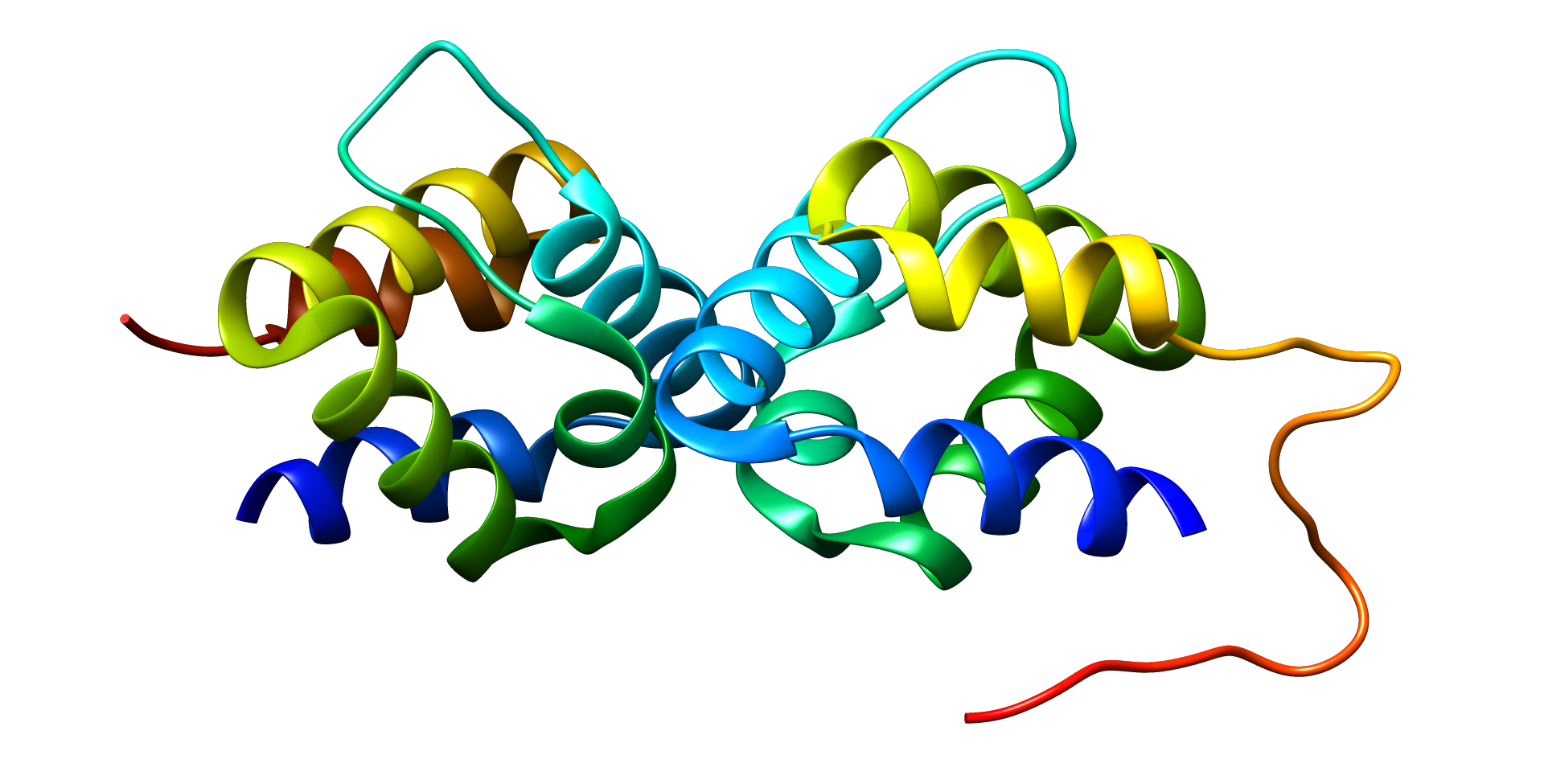
Doença auto-inflamatória NLRP3-associada
📋 Origem dos dados
Esta página agrega dados de fontes públicas e oficiais. Dados sobre cobertura no SUS (PCDT, CEAF) são verificados ativamente por agente proativo (ver badge no infobox). Demais dados têm atribuição de fonte + data da última sincronização — clique para abrir o original.
- Doença rara (ontologia)
- fonte: Orphanet
- Identificador unificado
- fonte: MONDO
- CID-11 (futuro)
- fonte: WHO ICD-11
- NIH/GARD
- fonte: GARD (NIH)
- Indexação biomédica
- fonte: MeSH (NLM)
- Dado público estruturado
- fonte: Wikidata
- Medicamentos (literatura)
- fonte: Orphanet