
Fundus albipunctatus é uma doença genética rara que afeta a retina. Ela se caracteriza por várias manchas pequenas, redondas e de cor branco-amarelada, espalhadas por toda a retina, mas que poupam a fóvea (a parte da retina responsável pela visão mais nítida). Os pacientes geralmente começam a manifestar os sintomas na infância, que incluem uma dificuldade para enxergar no escuro (cegueira noturna) que não piora com o tempo. Além disso, os olhos levam mais tempo para se adaptar à luz ou ao escuro. A mácula, que é a parte central da retina e crucial para a visão nítida, pode ou não ser afetada. Se for, isso pode causar uma diminuição da nitidez da visão central com o passar da idade.
Introdução
O que você precisa saber de cara
Fundus albipunctatus é uma doença genética rara que afeta a retina. Ela se caracteriza por várias manchas pequenas, redondas e de cor branco-amarelada, espalhadas por toda a retina, mas que poupam a fóvea (a parte da retina responsável pela visão mais nítida). Os pacientes geralmente começam a manifestar os sintomas na infância, que incluem uma dificuldade para enxergar no escuro (cegueira noturna) que não piora com o tempo. Além disso, os olhos levam mais tempo para se adaptar à luz ou ao escuro. A mácula, que é a parte central da retina e crucial para a visão nítida, pode ou não ser afetada. Se for, isso pode causar uma diminuição da nitidez da visão central com o passar da idade.
Escala de raridade
<1/50kMuito rara
1/20kRara
1/10kPouco freq.
1/5kIncomum
1/2k
Encontrou um erro ou informação desatualizada? Sugira uma correção →
Entender a doença
Do básico ao detalhe, leia no seu ritmo
Preparando trilha educativa...
Sinais e sintomas
O que aparece no corpo e com que frequência cada sintoma acontece
Partes do corpo afetadas
+ 8 sintomas em outras categorias
Características mais comuns
Os sintomas variam de pessoa para pessoa. Abaixo estão as 23 características clínicas mais associadas, ordenadas por frequência.
Linha do tempo da pesquisa
Encontrou um erro ou informação desatualizada? Sugira uma correção →
Genética e causas
O que está alterado no DNA e como passa nas famílias
Genes associados
4 genes identificados com associação a esta condição. Padrão de herança: Autosomal dominant, Autosomal recessive.
Curadoria gene-doença
fontes oficiaisCatalyzes the oxidation of cis-isomers of retinol, including 11-cis-, 9-cis-, and 13-cis-retinol in an NAD-dependent manner (PubMed:10588954, PubMed:11675386, PubMed:9115228, PubMed:9931293). Has no activity towards all-trans retinal (By similarity). Plays a significant role in 11-cis retinol oxidation in the retinal pigment epithelium cells (RPE). Also recognizes steroids (androsterone, androstanediol) as its substrates (PubMed:29541409, PubMed:9931293)
Endoplasmic reticulum membrane
Fundus albipunctatus
A form of fleck retina disease characterized by discrete uniform white dots over the entire fundus with greatest density in the mid-periphery and no macular involvement. Night blindness occurs. Inheritance can be autosomal dominant or autosomal recessive.
Soluble retinoid carrier essential the proper function of both rod and cone photoreceptors. Participates in the regeneration of active 11-cis-retinol and 11-cis-retinaldehyde, from the inactive 11-trans products of the rhodopsin photocycle and in the de novo synthesis of these retinoids from 11-trans metabolic precursors. The cycling of retinoids between photoreceptor and adjacent pigment epithelium cells is known as the 'visual cycle'
Cytoplasm
Bothnia retinal dystrophy
A type of retinitis punctata albescens. Affected individuals show night blindness from early childhood with features consistent with retinitis punctata albescens and macular degeneration.
Essential for retina photoreceptor outer segment disk morphogenesis, may also play a role with ROM1 in the maintenance of outer segment disk structure (By similarity). Required for the maintenance of retinal outer nuclear layer thickness (By similarity). Required for the correct development and organization of the photoreceptor inner segment (By similarity)
MembraneCell projection, cilium, photoreceptor outer segmentPhotoreceptor inner segment
Retinitis pigmentosa 7
A retinal dystrophy belonging to the group of pigmentary retinopathies. Retinitis pigmentosa is characterized by retinal pigment deposits visible on fundus examination and primary loss of rod photoreceptor cells followed by secondary loss of cone photoreceptors. Patients typically have night vision blindness and loss of midperipheral visual field. As their condition progresses, they lose their far peripheral visual field and eventually central vision as well.
Photoreceptor required for image-forming vision at low light intensity (PubMed:7846071, PubMed:8107847). Required for photoreceptor cell viability after birth (PubMed:12566452, PubMed:2215617). Light-induced isomerization of the chromophore 11-cis-retinal to all-trans-retinal triggers a conformational change that activates signaling via G-proteins (PubMed:26200343, PubMed:28524165, PubMed:28753425, PubMed:8107847). Subsequent receptor phosphorylation mediates displacement of the bound G-protein
MembraneCell projection, cilium, photoreceptor outer segment
Retinitis pigmentosa 4
A retinal dystrophy belonging to the group of pigmentary retinopathies. Retinitis pigmentosa is characterized by retinal pigment deposits visible on fundus examination and primary loss of rod photoreceptor cells followed by secondary loss of cone photoreceptors. Patients typically have night vision blindness and loss of midperipheral visual field. As their condition progresses, they lose their far peripheral visual field and eventually central vision as well.
Variantes genéticas (ClinVar)
820 variantes patogênicas registradas no ClinVar.
Classificação de variantes (ClinVar)
Distribuição de 9 variantes classificadas pelo ClinVar.
Vias biológicas (Reactome)
9 vias biológicas associadas aos genes desta condição.
Diagnóstico
Os sinais que médicos procuram e os exames que confirmam
Tratamento e manejo
Remédios, cuidados de apoio e o que precisa acompanhar
Onde tratar no SUS
Hospitais de referência no Brasil e o protocolo oficial do SUS (PCDT)
🇧🇷 Atendimento SUS — Fundus albipunctatus
Selecione um estado ou use sua localização para ver resultados.
Dados de DATASUS/CNES, SBGM, ABNeuro e Ministério da Saúde. Sempre confirme a disponibilidade diretamente com o estabelecimento.
Pesquisa ativa
Ensaios clínicos abertos e novidades científicas recentes
Ensaios em destaque
🟢 Recrutando agora
1 pesquisa recrutando participantes. Converse com seu médico sobre a possibilidade de participar.
Outros ensaios clínicos
Publicações mais relevantes
Fundus albipunctatus disease-associated RDH5/L310delinsEV mutation undertakes AMFR-mediated polyubiquitination and degradation in proteasome.
Genetic mutations in retinol dehydrogenase 5 (RDH5) are associated with the inherited autosomal recessive retinal degeneration diseases, especially fundus albipunctatus (FA). Most of RDH5 mutants exhibit downregulation of RDH5 protein expression. However, the regulatory mechanism remains unclear. Here, we studied the metabolism of RDH5/L310delinsEV mutation, an indel mutation closely associated with the inherited FA disease. The half-life of RDH5/L310delinsEV was much less than RDH5/WT. Unlike RDH5/WT, which normally underwent degradation in autophagy-lysosomes, the RDH5/L310delinsEV reduced its location to the endoplasmic reticulum and was easy to be polyubiquitinated and degraded in the ubiquitin-proteasome pathway. Both RDH5/WT and RDH5/L310delinsEV interacted with autocrine motility factor receptor (AMFR), which is an E3 ligase on the endoplasmic reticulum. Overexpression of or knockdown of AMFR by siRNA increased or reduced the degradation of RDH5/L310delinsEV. The lysine 179 and lysine 263 of RDH5/L310delinsEV protein were polyubiquitination sites by AMFR. Mutation of K179R and K263R in RDH5/L310delinsEV protein reduced AMFR-mediated polyubiquitination and degradation. Taken together, these results highlight that RDH5/L310delinsEV mutant in RDH5 causes a rapid degradation in the ubiquitin-proteasome pathway. The fast degradation of RDH5/L310delinsEV may be associated with the FA development.
Autofluorescence Insights in Fundus Albipunctatus.
This case report discusses a diagnosis of fundus albipunctatus in a 12-year-old child who presented with diminution of vision at night in both eyes.
Mild RPE65-Associated Inherited Retinal Dystrophies: A Multimodal Clinical and Genetic Evaluation.
RPE65 is a key enzyme in the visual cycle, converting all-trans retinyl esters into 11-cis retinol, a crucial step in regenerating the photopigment necessary for vision. Mutations cause a spectrum of inherited retinal diseases (IRDs), from severe generalized early-onset dystrophies, such as Leber congenital amaurosis, to classical retinitis pigmentosa or mild phenotypes, including congenital stationary night blindness, such as fundus albipunctatus. We analyzed two independent patients with mild RPE65-associated IRDs using multimodal diagnostics, including best-corrected visual acuity; Goldman visual field; dark-adapted testing, including scotopic perimetry; full-field electroretinography; and multimodal retinal imaging. Phenotypes were evaluated based on existing literature and predicted variant impact. Both patients exhibited overall mild IRDs with only slightly impaired rod function and largely preserved cone function. Identified RPE65 missense variants likely allow partial enzyme function, consistent with comparatively mild and slowly progressive disease. Superior rod scotomas and mid-peripheral morphologic changes were identified despite normal or near-normal full-field function. Functional rod changes in the inferior mid-periphery of the retina, which may be followed by metabolic stress and structural retinal changes, seem to be the hallmark of mild RPE65-associated IRDs and may represent early site-specific pathology. These changes may be linked to an increased susceptibility to UV-induced retinal damage associated with RPE65 mutations. Local rod function assessment is critical for proper disease monitoring and guiding therapeutic decisions. Localized multimodal diagnostics help detect early changes in mild RPE65-associated IRDs, supporting precise monitoring and gene therapy counseling.
Mechanisms and Functions of Chromophore Regeneration in the Classical Visual Cycle: Implications for Retinal Disease Pathogenesis and Therapy.
11-cis-retinal, the indispensable chromophore of photoreceptor opsins, is fundamental for light detection and the initiation of visual signal transduction. Its synthesis and regeneration through the visual cycle are critical not only for phototransduction but also for maintaining retinal homeostasis. Disruption of key enzymes, such as retinal pigment epithelium (RPE)65 and retinol dehydrogenases, results in toxic retinoid accumulation, oxidative stress, and progressive photoreceptor degeneration. These pathological mechanisms contribute to inherited and acquired retinal diseases, including Stargardt disease type 1, age-related macular degeneration, Leber congenital amaurosis, retinitis pigmentosa, and fundus albipunctatus. Recent therapeutic advances, ranging from gene replacement therapy with RPE65 (voretigene neparvovec, Luxturna®) to small-molecule modulators and antioxidant strategies, underscore the translational potential of targeting chromophore metabolism. This review outlines molecular processes underlying chromophore synthesis and regeneration, elucidates how disruptions in these processes contribute to inherited and acquired retinal pathologies, and evaluates existing and emerging therapeutic strategies that target chromophore metabolism. We highlight ongoing challenges and critical knowledge gaps to guide future investigations on basic science, translational research, and clinical practice. This review provides a comprehensive overview of the molecular mechanisms, current therapeutic approaches, and outstanding challenges, with a focus on future intervention directions.
Genetic analysis of congenital stationary night blindness and Oguchi disease in an Indian cohort.
Congenital stationary night blindness (CSNB) is a group of genetically and clinically heterogeneous non-progressive retinal disorders and can be classified based on fundus abnormalities as found in Oguchi disease or fundus albipunctatus (FA) or based on the absence of severe fundus abnormalities but altered electroretinography (ERG) findings. Here, we report the clinical and genetic findings of 46 CSNB families, with 18 families showing fundus abnormalities and 28 families without fundus abnormalities but having an altered ERG, showing complete CSNB (cCSNB) and Riggs type CSNB. Ophthalmic examinations including full-field ERG recordings, colour vision test, optical coherence tomography and fundus autofluorescence were performed and candidate genes for CSNB were screened by panel-based next-generation sequencing using an Illumina MiSeq platform. Subsequently, Sanger sequencing was performed to validate the identified variants and to confirm segregation with the phenotype in available family members. In 69% (11/16) of the Oguchi patients', pathogenic variants were found in SAG and GRK1, with p.(R292*) and p.(D537Vfs*7) variants being the most frequent mutations identified in this cohort in the two genes, respectively. A likely pathogenic variant p.(G238A) in RDH5 was identified in one of the two FA patients. In 92% of the CSNB (26/28) families without fundus abnormalities, pathogenic variants were found in NYX, leading to X-linked cCSNB; in GRM6, TRPM1, GPR179, LRIT3, leading to autosomal recessive cCSNB and in GNAT1, leading to autosomal recessive Riggs type CSNB. No significant copy number variants were identified. Combing this study with our previous report on CSNB from India, the most prevalent gene defects were variants in TRPM1 (37%) followed by GRM6 (32%) > NYX (10%) > SLC24A1 (5%) > GPR179 (5%), GNAT1 (3%) and LRIT3 (3%). In the current study, which included Oguchi disease and FA families as well, variants in SAG (38%) and GRK1 (31%) were identified in the Oguchi disease cases, and in the RDH5 gene in one of the two (50%) FA cases. Unsolved 8/56 (14%) (combined cohorts) cases may harbour variants in novel genes or intronic variants or structural variants undetectable by the screening method used herein.
Publicações recentes
Longitudinal evaluation of peripheral photoreceptor atrophy in fundus albipunctatus.
Fundus albipunctatus disease-associated RDH5/L310delinsEV mutation undertakes AMFR-mediated polyubiquitination and degradation in proteasome.
Mechanisms and Functions of Chromophore Regeneration in the Classical Visual Cycle: Implications for Retinal Disease Pathogenesis and Therapy.
Autofluorescence Insights in Fundus Albipunctatus.
Mild RPE65-Associated Inherited Retinal Dystrophies: A Multimodal Clinical and Genetic Evaluation.
📚 EuropePMC91 artigos no totalmostrando 51
Fundus albipunctatus disease-associated RDH5/L310delinsEV mutation undertakes AMFR-mediated polyubiquitination and degradation in proteasome.
Experimental eye researchMechanisms and Functions of Chromophore Regeneration in the Classical Visual Cycle: Implications for Retinal Disease Pathogenesis and Therapy.
BiomoleculesAutofluorescence Insights in Fundus Albipunctatus.
JAMA ophthalmologyMild RPE65-Associated Inherited Retinal Dystrophies: A Multimodal Clinical and Genetic Evaluation.
Translational vision science & technologyGenetic analysis of congenital stationary night blindness and Oguchi disease in an Indian cohort.
Acta ophthalmologicaHSP90 stabilizes visual cycle retinol dehydrogenase 5 in the endoplasmic reticulum by inhibiting its degradation during autophagy.
The Journal of biological chemistryClinical and Genetic Characteristics of Patients with Peripheral Retinal Flecks in Koreans.
Korean journal of ophthalmology : KJOAn incipient late-onset retinal degeneration with a C1QTNF5 mutation: a case report with an 11-year follow-up.
Documenta ophthalmologica. Advances in ophthalmologySubluxated cataractous lens and high myopia: An uncommon association in an achondroplasia child.
Oman journal of ophthalmologyFundus Albipunctatus Associated with Biallelic LRAT Gene Mutation: A Case Report with Long-Term Follow-Up.
Journal of clinical medicineApplication of Electrophysiology in Non-Macular Inherited Retinal Dystrophies.
Journal of clinical medicine[Ultra-widefield imaging of fundus albipunctatus discovered in a 30-year-old woman seen for night blindness].
Journal francais d'ophtalmologieThe Value of Electroretinography in Identifying Candidate Genes for Inherited Retinal Dystrophies: A Diagnostic Guide.
Diagnostics (Basel, Switzerland)One-Year Outcomes of Oral Treatment With Alga Capsules Containing Low Levels of 9-cis-β-Carotene in RDH5-Related Fundus Albipunctatus.
American journal of ophthalmologyA Japanese boy with Bardet-Biedl syndrome caused by a novel homozygous variant in the ARL6 gene who was initially diagnosed with retinitis punctata albescens: A case report.
MedicineApplication of multicolour reflectance imaging for the characterisation of inherited retinal disorders.
European journal of ophthalmologyLarge Benefit from Simple Things: High-Dose Vitamin A Improves RBP4-Related Retinal Dystrophy.
International journal of molecular sciencesA Novel Pathogenic Variant in the RDH5 Gene in a Patient with Fundus Albipunctatus and Severe Macular Atrophy.
Case reports in geneticsTHE TARGET SIGN: A Near Infrared Feature and Multimodal Imaging in a Pluri-Ethnic Cohort with RDH5-Related Fundus Albipunctatus.
Retina (Philadelphia, Pa.)Novel variants in the RDH5 Gene in a Chinese Han family with fundus albipunctatus.
BMC ophthalmologyA PRPH2 gene variant detected in retinitis punctata albescens with congenital hypertrophy of the retinal pigment epithelium.
European journal of ophthalmologyDisturbed retinoid metabolism upon loss of rlbp1a impairs cone function and leads to subretinal lipid deposits and photoreceptor degeneration in the zebrafish retina.
eLifeVariants of Uncertain Significance: Twins With Identical Pathogenic Gene Mutations in Retinitis Punctata Albescens.
Ophthalmic surgery, lasers & imaging retinaShared Features in Retinal Disorders With Involvement of Retinal Pigment Epithelium.
Investigative ophthalmology & visual scienceFundus albipunctatus photoreceptor microstructure revealed using adaptive optics scanning light ophthalmoscopy.
American journal of ophthalmology case reportsRetinal imaging in inherited retinal diseases.
Annals of eye science[Fundus albipunctatus with mutations in the RDH5 gene (clinical case)].
Vestnik oftalmologiiCongenital stationary night blindness: an update and review of the disease spectrum in Saudi Arabia.
Acta ophthalmologicaA multimodal study and management of retinitis punctata albescens.
Romanian journal of ophthalmologyDark Dots in Retinitis Punctata Albescens.
Ophthalmology. RetinaA novel homozygous frameshift variant in the cellular retinaldehyde-binding protein 1 (RLBP1) gene causes retinitis punctata albescens.
European journal of ophthalmologyRDH5-Related Fundus Albipunctatus in a Large Japanese Cohort.
Investigative ophthalmology & visual scienceA retinitis punctata albescens family with biallelic mutations in retinaldehyde-binding Protein 1.
Eye (London, England)A founder RDH5 splice site mutation leads to retinitis punctata albescens in two inbred Pakistani kindreds.
Ophthalmic geneticsRPE65 mutation frequency and phenotypic variation according to exome sequencing in a tertiary centre for genetic eye diseases in China.
Acta ophthalmologicaRPE65-Mutation Associated Fundus Albipunctatus with Cone Dystrophy.
Ophthalmology. RetinaISCEV extended protocol for the dark-adapted red flash ERG.
Documenta ophthalmologica. Advances in ophthalmologySynthetic 9-cis-beta-carotene inhibits photoreceptor degeneration in cultures of eye cups from rpe65rd12 mouse model of retinoid cycle defect.
Scientific reportsFundus autofluorescence imaging in hereditary retinal diseases.
Acta ophthalmologicaA NOVEL LARGE HOMOZYGOUS DELETION IN THE CELLULAR RETINALDEHYDE-BINDING PROTEIN GENE (RLBP1) IN A PATIENT WITH RETINITIS PUNCTATA ALBESCENS.
Retinal cases & brief reportsA novel RLBP1 gene geographical area-related mutation present in a young patient with retinitis punctata albescens.
Human genomicsHomozygous c.359del variant in MGME1 is associated with early onset cerebellar ataxia.
European journal of medical geneticsThe Impact of Whole-Genome Sequencing on the Primary Care and Outcomes of Healthy Adult Patients: A Pilot Randomized Trial.
Annals of internal medicineGenetic and phenotypic characteristics of four Chinese families with fundus albipunctatus.
Scientific reports[Retinitis punctata albescens].
The Pan African medical journalRetinol Dehydrogenases Regulate Vitamin A Metabolism for Visual Function.
NutrientsFUNDUS ALBIPUNCTATUS ASSOCIATED WITH CONE DYSFUNCTION.
Retinal cases & brief reportsPreserved visual function in retinal dystrophy due to hypomorphic RPE65 mutations.
The British journal of ophthalmologyFundus albipunctatus: review of the literature and report of a novel RDH5 gene mutation affecting the invariant tyrosine (p.Tyr175Phe).
Journal of applied geneticsThe kinetics of regeneration of rhodopsin under enzyme-limited availability of 11-cis retinoid.
Vision researchImplantation of refractive multifocal intraocular lens with a surface-embedded near section for cataract eyes complicated with a coexisting ocular pathology.
Eye (London, England)Associações
Organizações que acompanham esta doença — pra ter apoio e orientação
Ainda não temos associações cadastradas para Fundus albipunctatus.
É de uma associação que acompanha esta doença? Fale com a gente →
Comunidades
Grupos ativos de quem convive com esta doença aqui no Raras
Ainda não existe comunidade no Raras para Fundus albipunctatus
Pacientes, familiares e cuidadores se organizam em comunidades pra compartilhar experiências, fazer perguntas e se apoiar. Você pode ser o primeiro.
Tire suas dúvidas
Perguntas, dicas e experiências compartilhadas aqui na página
Participe da discussão
Faça login para postar dúvidas, compartilhar experiências e interagir com especialistas.
Fazer loginDoenças relacionadas
Doenças com sintomas parecidos — ajudam quem ainda está buscando diagnóstico
Referências e fontes
Bases de dados externas citadas neste artigo
Publicações científicas
Artigos indexados no PubMed ligados a esta doença no grafo RarasNet — título, periódico e PMID direto da fonte, sem intermediação de IA.
- Fundus albipunctatus disease-associated RDH5/L310delinsEV mutation undertakes AMFR-mediated polyubiquitination and degradation in proteasome.
- Autofluorescence Insights in Fundus Albipunctatus.
- Mild RPE65-Associated Inherited Retinal Dystrophies: A Multimodal Clinical and Genetic Evaluation.
- Mechanisms and Functions of Chromophore Regeneration in the Classical Visual Cycle: Implications for Retinal Disease Pathogenesis and Therapy.
- Genetic analysis of congenital stationary night blindness and Oguchi disease in an Indian cohort.
- Longitudinal evaluation of peripheral photoreceptor atrophy in fundus albipunctatus.
Bases de dados e fontes oficiais
Identificadores e referências canônicas usadas para montar este verbete.
- ORPHA:227796(Orphanet)
- OMIM OMIM:136880(OMIM)
- MONDO:0007639(MONDO)
- GARD:13809(GARD (NIH))
- Variantes catalogadas(ClinVar)
- Busca completa no PubMed(PubMed)
- Q16570127(Wikidata)
Dados compilados pelo RarasNet a partir de fontes abertas (Orphanet, OMIM, MONDO, PubMed/EuropePMC, ClinicalTrials.gov, DATASUS, PCDT/MS). Este conteúdo é informativo e não substitui avaliação médica.
Conteúdo mantido por Agente Raras · Médicos e pesquisadores podem colaborar
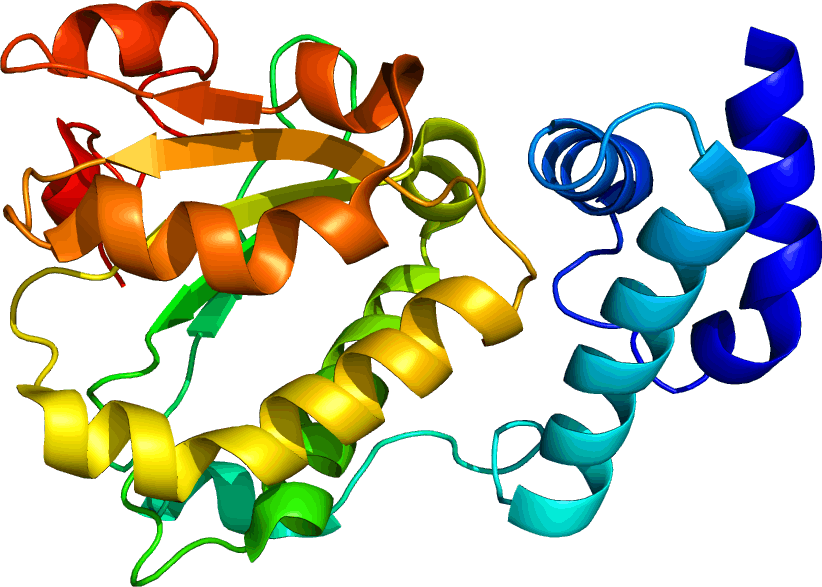
Fundus albipunctatus
📋 Origem dos dados
Esta página agrega dados de fontes públicas e oficiais. Dados sobre cobertura no SUS (PCDT, CEAF) são verificados ativamente por agente proativo (ver badge no infobox). Demais dados têm atribuição de fonte + data da última sincronização — clique para abrir o original.
- Doença rara (ontologia)
- fonte: Orphanet
- Identificador unificado
- fonte: MONDO
- Genética mendeliana
- fonte: OMIM
- Codificação WHO/SUS
- fonte: WHO ICD-10 / DATASUS
- CID-11 (futuro)
- fonte: WHO ICD-11
- NIH/GARD
- fonte: GARD (NIH)
- Indexação biomédica
- fonte: MeSH (NLM)
- Dado público estruturado
- fonte: Wikidata
- Ensaios clínicos
- fonte: ClinicalTrials.gov