
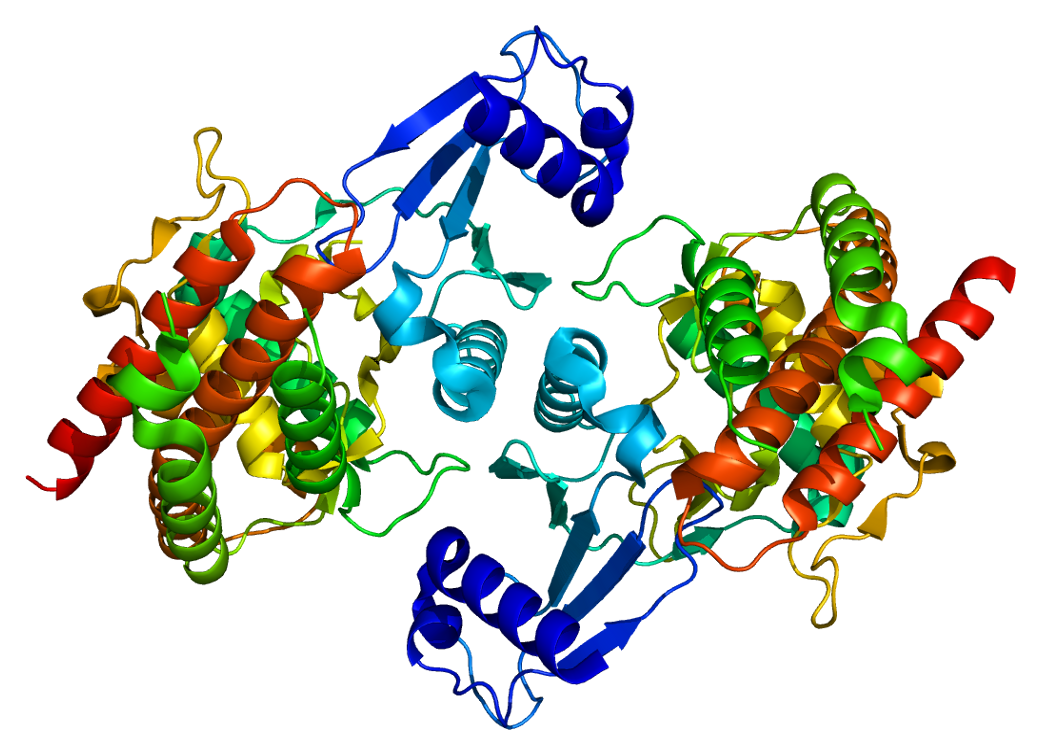
A colina quinase beta (CK), também conhecida como etanolamina quinase (EK), proteína semelhante à colina quinase, colina/etanolamina quinase beta (CKEKB) ou colina/etanolamina quinase, é uma proteína codificada pelo gene CHKB. Este gene é encontrado no cromossomo 22 em humanos. A proteína codificada desempenha um papel fundamental na biossíntese de fosfolipídios. A colina quinase (CK) e a etanolamina quinase (EK) catalisam a primeira etapa da biossíntese de fosfatidiletanolamina. Transcritos de leitura contínua (read-through) são expressos a partir deste loco, os quais incluem éxons do loco a jusante CPT1B.
Introdução
O que você precisa saber de cara
Visão geral
A distrofia muscular congênita por deficiência na biossíntese de fosfatidil-colina, também conhecida internacionalmente como Megaconial congenital muscular dystrophy, é uma doença neuromuscular rara, de herança autossômica recessiva. Estima-se que sua prevalência seja inferior a 1 caso por 1.000.000 de pessoas. O início dos sintomas ocorre ainda na infância ou no período neonatal.[1][4]
Sinais e sintomas
Os principais sinais e sintomas incluem: fraqueza muscular generalizada (miopatia), hipotonia (tônus muscular diminuído), atraso motor, marcha anserina (andar com oscilação do tronco), sinal de Gowers (dificuldade para levantar do chão), paralisia facial, microcefalia, ictiose (pele seca e escamosa), atraso no desenvolvimento da fala e da linguagem, fala pobre, deficiência intelectual, convulsões e cardiomiopatia dilatada. Exames laboratoriais frequentemente mostram concentração elevada de creatina quinase circulante, e a biópsia muscular pode revelar aumento do tecido conjuntivo endomisial e hipertrofia mitocondrial.[1][4]
Causas genéticas
A doença é causada por mutações no gene CHKB (Choline/ethanolamine kinase), que codifica uma enzima envolvida na biossíntese de fosfatidil-colina, um fosfolipídio essencial para a estrutura e função das membranas celulares. A herança é autossômica recessiva, ou seja, é necessário herdar uma cópia alterada do gene de cada um dos pais para manifestar a doença.[1][2][5]
Diagnóstico
O diagnóstico é baseado na avaliação clínica, nos achados de imagem e nos exames laboratoriais, como a dosagem de creatina quinase. A confirmação genética pode ser feita por sequenciamento completo do exoma (WES), disponível no SUS como procedimento de cobertura mínima. Atualmente, há 32 testes genéticos disponíveis e 212 variantes descritas no ClinVar para o gene CHKB.[1][2][5][6]
Tratamento e manejo
Não há medicamentos específicos aprovados para o tratamento da doença. O manejo é multidisciplinar e inclui atendimento em reabilitação para doenças raras, disponível no SUS, além de acompanhamento cardiológico, neurológico e fonoaudiológico. O suporte visa melhorar a qualidade de vida e prevenir complicações.[1][2][6]
Tratamentos citados na literatura
A literatura científica (fonte PubTator3) menciona associações entre a doença e as seguintes substâncias, sem que isso represente recomendação de tratamento: Resveratrol (6 publicações), Lipids (5), Cocaine (3), Adenosine Triphosphate (2), Aldosterone (2), Dopamine (2), Fatty Acids Unsaturated (2), Fluorodeoxyglucose F18 (2), Glucose (2) e Iron (2). Esses dados são minerados de artigos científicos e não indicam eficácia ou segurança comprovadas para uso clínico.[6]
Prognóstico e qualidade de vida
O prognóstico varia conforme a gravidade dos sintomas e a presença de complicações como cardiomiopatia dilatada e deficiência intelectual. O acompanhamento multidisciplinar precoce e a reabilitação podem contribuir para a melhora da funcionalidade e da qualidade de vida. Não há dados de ensaios clínicos ativos registrados para esta condição.[1][4][6]
Conteúdo informativo gerado e mantido automaticamente a partir de fontes oficiais (Orphanet, HPO, OMIM, SUS). Não substitui avaliação médica.
A colina quinase beta (CK), também conhecida como etanolamina quinase (EK), proteína semelhante à colina quinase, colina/etanolamina quinase beta (CKEKB) ou colina/etanolamina quinase, é uma proteína codificada pelo gene CHKB. Este gene é encontrado no cromossomo 22 em humanos. A proteína codificada desempenha um papel fundamental na biossíntese de fosfolipídios. A colina quinase (CK) e a etanolamina quinase (EK) catalisam a primeira etapa da biossíntese de fosfatidiletanolamina. Transcritos de leitura contínua (read-through) são expressos a partir deste loco, os quais incluem éxons do loco a jusante CPT1B.
Escala de raridade
<1/50kMuito rara
1/20kRara
1/10kPouco freq.
1/5kIncomum
1/2k
Encontrou um erro ou informação desatualizada? Sugira uma correção →
Entender a doença
Do básico ao detalhe, leia no seu ritmo
Preparando trilha educativa...
Sinais e sintomas
O que aparece no corpo e com que frequência cada sintoma acontece
Visão geral
A distrofia muscular congênita por deficiência na biossíntese de fosfatidil-colina, também conhecida internacionalmente como Megaconial congenital muscular dystrophy, é uma doença neuromuscular rara, de herança autossômica recessiva. Estima-se que sua prevalência seja inferior a 1 caso por 1.000.000 de pessoas. O início dos sintomas ocorre ainda na infância ou no período neonatal.[1][4]
Sinais e sintomas
Os principais sinais e sintomas incluem: fraqueza muscular generalizada (miopatia), hipotonia (tônus muscular diminuído), atraso motor, marcha anserina (andar com oscilação do tronco), sinal de Gowers (dificuldade para levantar do chão), paralisia facial, microcefalia, ictiose (pele seca e escamosa), atraso no desenvolvimento da fala e da linguagem, fala pobre, deficiência intelectual, convulsões e cardiomiopatia dilatada. Exames laboratoriais frequentemente mostram concentração elevada de creatina quinase circulante, e a biópsia muscular pode revelar aumento do tecido conjuntivo endomisial e hipertrofia mitocondrial.[1][4]
Causas genéticas
A doença é causada por mutações no gene CHKB (Choline/ethanolamine kinase), que codifica uma enzima envolvida na biossíntese de fosfatidil-colina, um fosfolipídio essencial para a estrutura e função das membranas celulares. A herança é autossômica recessiva, ou seja, é necessário herdar uma cópia alterada do gene de cada um dos pais para manifestar a doença.[1][2][5]
Diagnóstico
O diagnóstico é baseado na avaliação clínica, nos achados de imagem e nos exames laboratoriais, como a dosagem de creatina quinase. A confirmação genética pode ser feita por sequenciamento completo do exoma (WES), disponível no SUS como procedimento de cobertura mínima. Atualmente, há 32 testes genéticos disponíveis e 212 variantes descritas no ClinVar para o gene CHKB.[1][2][5][6]
Tratamento e manejo
Não há medicamentos específicos aprovados para o tratamento da doença. O manejo é multidisciplinar e inclui atendimento em reabilitação para doenças raras, disponível no SUS, além de acompanhamento cardiológico, neurológico e fonoaudiológico. O suporte visa melhorar a qualidade de vida e prevenir complicações.[1][2][6]
Tratamentos citados na literatura
A literatura científica (fonte PubTator3) menciona associações entre a doença e as seguintes substâncias, sem que isso represente recomendação de tratamento: Resveratrol (6 publicações), Lipids (5), Cocaine (3), Adenosine Triphosphate (2), Aldosterone (2), Dopamine (2), Fatty Acids Unsaturated (2), Fluorodeoxyglucose F18 (2), Glucose (2) e Iron (2). Esses dados são minerados de artigos científicos e não indicam eficácia ou segurança comprovadas para uso clínico.[6]
Prognóstico e qualidade de vida
O prognóstico varia conforme a gravidade dos sintomas e a presença de complicações como cardiomiopatia dilatada e deficiência intelectual. O acompanhamento multidisciplinar precoce e a reabilitação podem contribuir para a melhora da funcionalidade e da qualidade de vida. Não há dados de ensaios clínicos ativos registrados para esta condição.[1][4][6]
Conteúdo informativo gerado e mantido automaticamente a partir de fontes oficiais (Orphanet, HPO, OMIM, SUS). Não substitui avaliação médica.
Partes do corpo afetadas
+ 11 sintomas em outras categorias
Características mais comuns
Os sintomas variam de pessoa para pessoa. Abaixo estão as 21 características clínicas mais associadas, ordenadas por frequência.
Linha do tempo da pesquisa
Encontrou um erro ou informação desatualizada? Sugira uma correção →
Genética e causas
O que está alterado no DNA e como passa nas famílias
Genes associados
1 gene identificado com associação a esta condição. Padrão de herança: Autosomal recessive.
Curadoria gene-doença
fontes oficiaisHas a key role in phospholipid metabolism, and catalyzes the first step of phosphatidylethanolamine and phosphatidylcholine biosynthesis
Muscular dystrophy, congenital, megaconial type
An autosomal recessive, congenital muscular dystrophy characterized by early-onset muscle wasting, intellectual disability, and dilated cardiomyopathy in half of affected individuals. Some patients may die from cardiomyopathy in the first or second decade of life. Muscle biopsy shows peculiar enlarged mitochondria that are prevalent toward the periphery of the fibers but are sparse in the center.
Variantes genéticas (ClinVar)
212 variantes patogênicas registradas no ClinVar.
Vias biológicas (Reactome)
2 vias biológicas associadas aos genes desta condição.
Diagnóstico
Os sinais que médicos procuram e os exames que confirmam
Tratamento e manejo
Remédios, cuidados de apoio e o que precisa acompanhar
Onde tratar no SUS
Hospitais de referência no Brasil e o protocolo oficial do SUS (PCDT)
🇧🇷 Atendimento SUS — Distrofia muscular congênita por deficiência na biossíntese de fosfatidil-colina
Centros de Referência SUS
24 centros habilitados pelo SUS para Distrofia muscular congênita por deficiência na biossíntese de fosfatidil-colina
Centros para Distrofia muscular congênita por deficiência na biossíntese de fosfatidil-colina
Detalhes dos centros
Hospital Universitário Prof. Edgard Santos (HUPES)
R. Dr. Augusto Viana, s/n - Canela, Salvador - BA, 40110-060 · CNES 0003808
Serviço de Referência
Hospital Infantil Albert Sabin
R. Tertuliano Sales, 544 - Vila União, Fortaleza - CE, 60410-794 · CNES 2407876
Serviço de Referência
Hospital de Apoio de Brasília (HAB)
AENW 3 Lote A Setor Noroeste - Plano Piloto, Brasília - DF, 70684-831 · CNES 0010456
Serviço de Referência
Hospital Estadual Infantil e Maternidade Alzir Bernardino Alves (HIABA)
Av. Min. Salgado Filho, 918 - Soteco, Vila Velha - ES, 29106-010 · CNES 6631207
Serviço de Referência
Hospital das Clínicas da UFG
Rua 235 QD. 68 Lote Área, Nº 285, s/nº - Setor Leste Universitário, Goiânia - GO, 74605-050 · CNES 2338424
Serviço de Referência
Hospital Universitário da UFJF
R. Catulo Breviglieri, Bairro - s/n - Santa Catarina, Juiz de Fora - MG, 36036-110 · CNES 2297442
Atenção Especializada
Hospital das Clínicas da UFMG
Av. Prof. Alfredo Balena, 110 - Santa Efigênia, Belo Horizonte - MG, 30130-100 · CNES 2280167
Serviço de Referência
Hospital Universitário Julio Müller (HUJM)
R. Luis Philippe Pereira Leite, s/n - Alvorada, Cuiabá - MT, 78048-902 · CNES 2726092
Atenção Especializada
Hospital Universitário João de Barros Barreto
R. dos Mundurucus, 4487 - Guamá, Belém - PA, 66073-000 · CNES 2337878
Serviço de Referência
Hospital Universitário Lauro Wanderley (HULW)
R. Tabeliao Estanislau Eloy, 585 - Castelo Branco, João Pessoa - PB, 58050-585 · CNES 0002470
Atenção Especializada
Instituto de Medicina Integral Prof. Fernando Figueira (IMIP)
R. dos Coelhos, 300 - Boa Vista, Recife - PE, 50070-902 · CNES 0000647
Serviço de Referência
Hospital Pequeno Príncipe
R. Des. Motta, 1070 - Água Verde, Curitiba - PR, 80250-060 · CNES 3143805
Serviço de Referência
Hospital Universitário Regional de Maringá (HUM)
Av. Mandacaru, 1590 - Parque das Laranjeiras, Maringá - PR, 87083-240 · CNES 2216108
Atenção Especializada
Hospital de Clínicas da UFPR
R. Gen. Carneiro, 181 - Alto da Glória, Curitiba - PR, 80060-900 · CNES 2364980
Serviço de Referência
Hospital Universitário Pedro Ernesto (HUPE-UERJ)
Blvd. 28 de Setembro, 77 - Vila Isabel, Rio de Janeiro - RJ, 20551-030 · CNES 2280221
Serviço de Referência
Instituto Nacional de Saúde da Mulher, da Criança e do Adolescente Fernandes Figueira (IFF/Fiocruz)
Av. Rui Barbosa, 716 - Flamengo, Rio de Janeiro - RJ, 22250-020 · CNES 2269988
Serviço de Referência
Hospital São Lucas da PUCRS
Av. Ipiranga, 6690 - Jardim Botânico, Porto Alegre - RS, 90610-000 · CNES 2232928
Serviço de Referência
Hospital de Clínicas de Porto Alegre (HCPA)
Rua Ramiro Barcelos, 2350 Bloco A - Av. Protásio Alves, 211 - Bloco B e C - Santa Cecília, Porto Alegre - RS, 90035-903 · CNES 2237601
Serviço de Referência
Hospital Universitário da UFSC (HU-UFSC)
R. Profa. Maria Flora Pausewang - Trindade, Florianópolis - SC, 88036-800 · CNES 2560356
Serviço de Referência
Hospital das Clínicas da FMUSP
R. Dr. Ovídio Pires de Campos, 225 - Cerqueira César, São Paulo - SP, 05403-010 · CNES 2077485
Serviço de Referência
Hospital de Base de São José do Rio Preto
Av. Brg. Faria Lima, 5544 - Vila Sao Jose, São José do Rio Preto - SP, 15090-000 · CNES 2079798
Atenção Especializada
Hospital de Clínicas da UNICAMP
R. Vital Brasil, 251 - Cidade Universitária, Campinas - SP, 13083-888 · CNES 2748223
Serviço de Referência
Hospital de Clínicas de Ribeirão Preto (HCRP-USP)
R. Ten. Catão Roxo, 3900 - Vila Monte Alegre, Ribeirão Preto - SP, 14015-010 · CNES 2082187
Serviço de Referência
UNIFESP / Hospital São Paulo
R. Napoleão de Barros, 715 - Vila Clementino, São Paulo - SP, 04024-002 · CNES 2688689
Serviço de Referência
Dados de DATASUS/CNES, SBGM, ABNeuro e Ministério da Saúde. Sempre confirme a disponibilidade diretamente com o estabelecimento.
Pesquisa ativa
Ensaios clínicos abertos e novidades científicas recentes
Pesquisa e ensaios clínicos
Nenhum ensaio clínico registrado para esta condição.
Publicações mais relevantes
Novel CHKB Mutation Causing Megaconial Congenital Muscular Dystrophy: A Case Report from India.
Alternative splicing events of three rare variants in CHKB gene causing megaconial congenital dystrophy.
We report the case of a Spanish female patient with progressive myopathy and severe muscle atrophy, intellectual delay, absence of expressive language development, overweight, and mitochondrial abnormalities. Whole-exome sequencing uncovered three heterozygous CHKB variants in the patient, one from the paternal allele and two from de maternal allele (NC_000022.11(NM_005198.5): c. [581G > A];[843 T > C;1031 + 3G > C]). This gene encodes the Choline/ethanolamine kinase (CHKB) protein, which catalyzes the first step of phosphatidylcholine biosynthesis. Pathogenic CHKB variants have been associated with megaconial congenital muscular dystrophy (MDCMC). In order to assess the pathogenicity of these variants, expression experiments of RNA for CHKB were carried out by RT-PCR from lymphocytes. The c.581G > A variant, instead to produce a missense change (p.Arg194Gln), induces an aberrant splicing event resulting in the deletion of exon 4 (V1 and V2: r.448_581del). On the other hand, the other two variants (c.843 T > C (p.Phe281 =) and c.1031 + 3G > C splice site variant) induces five alternative splicing events by altering the splice sites of exons 8 and 9 (V3: r.928_1031del, V4: r.970_1033del, V5: r.1026_1033del, V6: r.820_1032del and V7: r.819_927del). In all cases, the predicted codified proteins are truncated in carboxy-terminus, affecting to important domains of the protein or are likely to be degraded by NMD. In conclusion, we describe for the first time the pathological mechanism of the c.581G > A variant, show that c.843 T > C (synonymous variant) might be responsible for the exon 8 skipping, and confirm that c.1031 + 3G > C induces differential splicing as previously shown. Consequently, our findings provide additional functional evidences associated with CHKB variants.
Molecular insights into genodermatoses: Genetic findings from 43 patients.
Genodermatoses, a group of inherited skin disorders, are characterized by significant genetic heterogeneity and clinical variability, often posing diagnostic and therapeutic challenges. Advances in next-generation sequencing (NGS) technologies, such as whole exome sequencing (WES) and clinical exome sequencing (CES), have transformed the diagnostic landscape by enabling comprehensive genetic analysis. This study aimed to investigate the molecular spectrum and clinical relevance of genetic findings in 43 patients diagnosed with genodermatoses. Demographic, clinical, and molecular data were collected, and genetic testing was performed using the MGI-Seq platform. Variants were analyzed for pathogenicity, zygosity, and novelty. Neurofibromatosis Type 1 (27.9%) and Epidermolysis Bullosa (23.2%) were the most common diagnoses, followed by Ichthyosis (16.2%) and Oculocutaneous Albinism (13.9%). Less frequent conditions included Ectodermal Dysplasia (6.9%) and single cases of Palmoplantar Keratoderma, PTEN Hamartoma Syndrome, Rothmund-Thomson Syndrome, Xeroderma Pigmentosum, and Megaconial Congenital Muscular Dystrophy (each 2.3%). Molecular findings underscored the genetic complexity of genodermatoses, with 42 distinct variants identified across 19 genes. Of these, 13 variants (31%) were novel, expanding the known molecular spectrum. The novel variants were detected in genes including NF1, COL7A1, ITGB4, COL17A1, NIPAL4, ALOX12B, KRT10, ST14, OCA2, and PTEN, highlighting the diagnostic value of comprehensive genetic analysis. The mean age at diagnosis varied significantly among conditions, reflecting the diagnostic challenges and clinical variability of genodermatoses. This study emphasizes the critical role of WES and CES in diagnosing genodermatoses and understanding their molecular basis, which enhances diagnostic accuracy and supports personalized management strategies.
Megaconial congenital muscular dystrophy: Importance of cutaneous features and successful response to ustekinumab.
Megaconial congenital muscular dystrophy (MCMD) is a rare autosomal-recessive multisystem disorder characterized by delayed motor development, intellectual disability, and skin involvement. We report a patient with MCMD who had diffuse ichthyosis-like scaling, and successfully responded to ustekinumab.
A rare homozygous variant of CHKB induced severe cardiomyopathy and a cardiac conduction disorder: a case report.
The CHKB (choline kinase beta) gene plays a crucial role in regulating mitochondrial function and choline metabolism. Mutations in CHKB lead to conditions such as megaconial congenital muscular dystrophy (MCMD), characterized by enlarged mitochondria and impaired mitochondrial function, inducing various clinical features in neurological and cardiac performance. Herein, we report a rare case presenting with dilated cardiomyopathy as the dominant feature with a homozygous nonsense variant of CHKB, and the related therapeutic strategy. The proband, a 13-year-old male, presented with a complex clinical profile characterized by mild intellectual disability and severe cardiac impairment, including reduced activity tolerance, suspected acute heart failure, significant cardiac enlargement, a left anterior fascicular block, and a complete right bundle branch block. Whole exome sequencing (WES) identified a homozygous nonsense variant, c.598delC (p.Q200Rfs*11) of the CHKB gene, that resulted in disease caused by amino acid sequence changes, a truncated protein, and splice site changes, as demonstrated by MutationTaster analysis. The protein structure of CHKB was built and named AF-Q9Y259-F1. The residue around 200 amino acid sites changed in CHKB p.Q200Rfs*11 with unaltered hydrogen bonds which indicated the pathogenicity of the variant mainly originated from a truncated protein induced by the nonsense mutation. The heart blocks in the proband were considered to be associated with choline metabolic impairment, and thus cardiac resynchronization therapy would benefit the patient. Furthermore, the missense homozygous or compound heterozygous variants of CHKB, as well as the combined compound heterozygous missense and nonsense variants of CHKB, usually lead to neurological impairments and muscular weakness. This study expands the spectrum of CHKB mutations and provides essential information for the genotype-phenotype map of a nonsense variant of the gene. It is important to confirm a differential diagnosis among such patients using WES analyses. Regular cardiac and musculoskeletal monitoring is recommended for MCMD patients. Patients with a CHKB deficiency presenting with heart blocks could benefit from the administration of cardiac resynchronization therapy. This therapeutic approach might improve cardiac function and conduction in patients with CHKB-related cardiomyopathies.
Publicações recentes
Alternative splicing events of three rare variants in CHKB gene causing megaconial congenital dystrophy.
Novel CHKB Mutation Causing Megaconial Congenital Muscular Dystrophy: A Case Report from India.
Molecular insights into genodermatoses: Genetic findings from 43 patients.
A rare homozygous variant of CHKB induced severe cardiomyopathy and a cardiac conduction disorder: a case report.
Megaconial congenital muscular dystrophy: Importance of cutaneous features and successful response to ustekinumab.
📚 EuropePMC17 artigos no totalmostrando 24
Alternative splicing events of three rare variants in CHKB gene causing megaconial congenital dystrophy.
NeurogeneticsNovel CHKB Mutation Causing Megaconial Congenital Muscular Dystrophy: A Case Report from India.
Annals of Indian Academy of NeurologyMolecular insights into genodermatoses: Genetic findings from 43 patients.
Archives of dermatological researchA rare homozygous variant of CHKB induced severe cardiomyopathy and a cardiac conduction disorder: a case report.
Frontiers in cardiovascular medicineMegaconial congenital muscular dystrophy: Importance of cutaneous features and successful response to ustekinumab.
Pediatric dermatologySkin biopsy findings in megaconial congenital muscular dystrophy with psoriasiform lesions due to variants in CHKB.
Journal of the European Academy of Dermatology and Venereology : JEADVMegaconial congenital muscular dystrophy due to CHKB gene variants, the first report of thirteen Iranian patients.
Neuromuscular disorders : NMDLarge heterozygous deletion and uniparental disomy masquerading as homozygosity in CHKB gene.
Molecular genetics & genomic medicineMegaconial congenital muscular dystrophy due to novel CHKB variants: a case report and literature review.
Skeletal muscleCoexistence of Megaconial Congenital Muscular Dystrophy and Cystinuria: Mimicking Hypotonia-Cystinuria Syndrome.
Molecular syndromologyNovel CMR findings in megaconial congenital muscular dystrophy.
The Kaohsiung journal of medical sciencesReduced mitochondrial fission and impaired energy metabolism in human primary skeletal muscle cells of Megaconial Congenital Muscular Dystrophy.
Scientific reportsMegaconial congenital muscular dystrophy secondary to novel CHKB mutations resemble atypical Rett syndrome.
Journal of human geneticsA Rare Cause of Autism Spectrum Disorder: Megaconial Muscular Dystrophy.
Annals of Indian Academy of NeurologyThe Common miRNA Signatures Associated with Mitochondrial Dysfunction in Different Muscular Dystrophies.
The American journal of pathologyMegaconial congenital muscular dystrophy: Same novel homozygous mutation in CHKB gene in two unrelated Chinese patients.
Neuromuscular disorders : NMDAlteration of mitochondrial membrane inner potential in three Italian patients with megaconial congenital muscular dystrophy carrying new mutations in CHKB gene.
MitochondrionLate-onset megaconial myopathy in mice lacking group I Paks.
Skeletal muscleA milder phenotype of megaconial congenital muscular dystrophy due to a novel CHKB mutation.
Muscle & nerveImportance of Skin Changes in the Differential Diagnosis of Congenital Muscular Dystrophies.
BioMed research internationalMegaconial muscular dystrophy caused by mitochondrial membrane homeostasis defect, new insights from skeletal and heart muscle analyses.
MitochondrionProximal myopathy with focal depletion of mitochondria and megaconial congenital muscular dystrophy are allelic conditions caused by mutations in CHKB.
Neuromuscular disorders : NMDClinical characteristics of megaconial congenital muscular dystrophy due to choline kinase beta gene defects in a series of 15 patients.
Journal of inherited metabolic diseaseCongenital neurogenic muscular atrophy in megaconial myopathy due to a mutation in CHKB gene.
Brain & developmentAssociações
Organizações que acompanham esta doença — pra ter apoio e orientação
Ainda não temos associações cadastradas para Distrofia muscular congênita por deficiência na biossíntese de fosfatidil-colina.
É de uma associação que acompanha esta doença? Fale com a gente →
Comunidades
Grupos ativos de quem convive com esta doença aqui no Raras
Ainda não existe comunidade no Raras para Distrofia muscular congênita por deficiência na biossíntese de fosfatidil-colina
Pacientes, familiares e cuidadores se organizam em comunidades pra compartilhar experiências, fazer perguntas e se apoiar. Você pode ser o primeiro.
Tire suas dúvidas
Perguntas, dicas e experiências compartilhadas aqui na página
Participe da discussão
Faça login para postar dúvidas, compartilhar experiências e interagir com especialistas.
Fazer loginDoenças relacionadas
Doenças com sintomas parecidos — ajudam quem ainda está buscando diagnóstico
Referências e fontes
Bases de dados externas citadas neste artigo
Publicações científicas
Artigos indexados no PubMed ligados a esta doença no grafo RarasNet — título, periódico e PMID direto da fonte, sem intermediação de IA.
- Novel CHKB Mutation Causing Megaconial Congenital Muscular Dystrophy: A Case Report from India.
- Alternative splicing events of three rare variants in CHKB gene causing megaconial congenital dystrophy.
- Molecular insights into genodermatoses: Genetic findings from 43 patients.
- Megaconial congenital muscular dystrophy: Importance of cutaneous features and successful response to ustekinumab.
- A rare homozygous variant of CHKB induced severe cardiomyopathy and a cardiac conduction disorder: a case report.
Bases de dados e fontes oficiais
Identificadores e referências canônicas usadas para montar este verbete.
- ORPHA:280671(Orphanet)
- OMIM OMIM:602541(OMIM)
- MONDO:0011246(MONDO)
- GARD:10317(GARD (NIH))
- Variantes catalogadas(ClinVar)
- Busca completa no PubMed(PubMed)
- Q32139615(Wikidata)
Dados compilados pelo RarasNet a partir de fontes abertas (Orphanet, OMIM, MONDO, PubMed/EuropePMC, ClinicalTrials.gov, DATASUS, PCDT/MS). Este conteúdo é informativo e não substitui avaliação médica.
Conteúdo mantido por Agente Raras · Médicos e pesquisadores podem colaborar
Distrofia muscular congênita por deficiência na biossíntese de fosfatidil-colina
📋 Origem dos dados
Esta página agrega dados de fontes públicas e oficiais. Dados sobre cobertura no SUS (PCDT, CEAF) são verificados ativamente por agente proativo (ver badge no infobox). Demais dados têm atribuição de fonte + data da última sincronização — clique para abrir o original.
- Doença rara (ontologia)
- fonte: Orphanet
- Identificador unificado
- fonte: MONDO
- Genética mendeliana
- fonte: OMIM
- Codificação WHO/SUS
- fonte: WHO ICD-10 / DATASUS
- CID-11 (futuro)
- fonte: WHO ICD-11
- NIH/GARD
- fonte: GARD (NIH)
- Indexação biomédica
- fonte: MeSH (NLM)
- Dado público estruturado
- fonte: Wikidata