
Neurodegeneração associada à proteína beta-propeller (BPAN), também conhecida como uma condição cerebral na infância que se mantém estável por um tempo e depois piora na vida adulta, é uma forma rara de neurodegeneração com acúmulo de ferro no cérebro (NBIA), caracterizada por atraso no desenvolvimento que começa cedo e um agravamento neurológico no início da vida adulta.
Introdução
O que você precisa saber de cara
Neurodegeneração associada à proteína beta-propeller (BPAN), também conhecida como uma condição cerebral na infância que se mantém estável por um tempo e depois piora na vida adulta, é uma forma rara de neurodegeneração com acúmulo de ferro no cérebro (NBIA), caracterizada por atraso no desenvolvimento que começa cedo e um agravamento neurológico no início da vida adulta.
Escala de raridade
<1/50kMuito rara
1/20kRara
1/10kPouco freq.
1/5kIncomum
1/2k
Encontrou um erro ou informação desatualizada? Sugira uma correção →
Entender a doença
Do básico ao detalhe, leia no seu ritmo
Preparando trilha educativa...
Sinais e sintomas
O que aparece no corpo e com que frequência cada sintoma acontece
Partes do corpo afetadas
+ 15 sintomas em outras categorias
Características mais comuns
Os sintomas variam de pessoa para pessoa. Abaixo estão as 33 características clínicas mais associadas, ordenadas por frequência.
Linha do tempo da pesquisa
Encontrou um erro ou informação desatualizada? Sugira uma correção →
Genética e causas
O que está alterado no DNA e como passa nas famílias
Genes associados
1 gene identificado com associação a esta condição. Padrão de herança: X-linked dominant.
Curadoria gene-doença
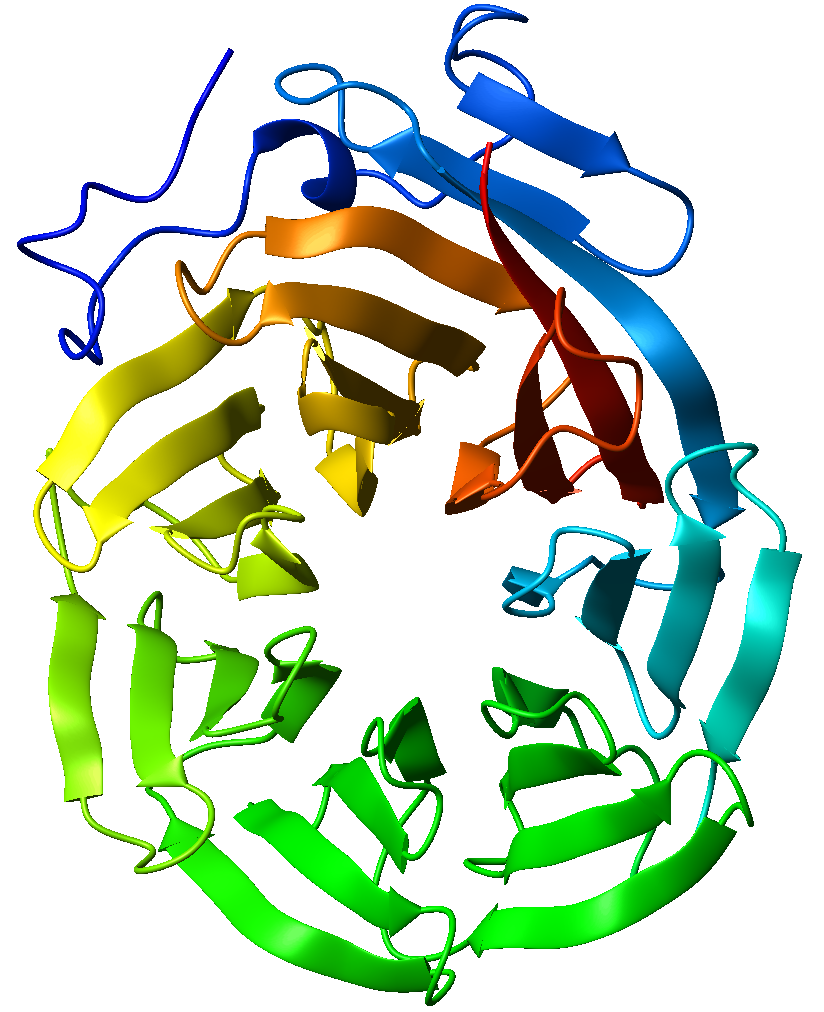
fontes oficiaisComponent of the autophagy machinery that controls the major intracellular degradation process by which cytoplasmic materials are packaged into autophagosomes and delivered to lysosomes for degradation (PubMed:23435086, PubMed:28561066). Binds phosphatidylinositol 3-phosphate (PtdIns3P) (PubMed:28561066). Activated by the STK11/AMPK signaling pathway upon starvation, WDR45 is involved in autophagosome assembly downstream of WIPI2, regulating the size of forming autophagosomes (PubMed:28561066).
Preautophagosomal structureCytoplasm
Neurodegeneration with brain iron accumulation 5
A neurodegenerative disorder associated with iron accumulation in the brain, primarily in the basal ganglia. NBIA5 is characterized by global developmental delay in early childhood that is essentially static, with slow motor and cognitive gains until adolescence or early adulthood. In young adulthood, affected individuals develop progressive dystonia, parkinsonism, extrapyramidal signs, and dementia resulting in severe disability.
Variantes genéticas (ClinVar)
426 variantes patogênicas registradas no ClinVar.
Diagnóstico
Os sinais que médicos procuram e os exames que confirmam
Tratamento e manejo
Remédios, cuidados de apoio e o que precisa acompanhar
Onde tratar no SUS
Hospitais de referência no Brasil e o protocolo oficial do SUS (PCDT)
🇧🇷 Atendimento SUS — Neurodegenerescência associada a proteína hélice-beta
Selecione um estado ou use sua localização para ver resultados.
Dados de DATASUS/CNES, SBGM, ABNeuro e Ministério da Saúde. Sempre confirme a disponibilidade diretamente com o estabelecimento.
Pesquisa ativa
Ensaios clínicos abertos e novidades científicas recentes
Ensaios em destaque
🟢 Recrutando agora
2 pesquisas recrutando participantes. Converse com seu médico sobre a possibilidade de participar.
Outros ensaios clínicos
Publicações mais relevantes
Generation of two human iPSC lines from fibroblasts of BPAN patients carrying pathogenic variants in the WDR45 gene.
Beta-propeller Protein-Associated Neurodegeneration (BPAN) is a rare X-linked dominant disorder (ORPHA:329284) characterized by brain iron accumulation, developmental delay, seizures, motor dysfunction, and progressive neurodegeneration. It results from pathogenic variants inWDR45, encoding WDR45/WIPI4, a key autophagy protein. No curative treatment exists; management is supportive. As BPAN pathogenesis remains unclear, research aims to elucidate its molecular mechanisms and develop targeted therapies. We generated and characterized two induced pluripotent stem cell (iPSC) lines from BPAN patient fibroblasts, providing essential models for studying disease mechanisms and developing effective therapeutic strategies.
A dwdr45 knock-out drosophila model to decipher the role of autophagy in BPAN.
Beta-propeller protein-associated neurodegeneration (BPAN) is a rare neurological disorder characterized by severe cognitive and motor impairments. BPAN is caused by de novo pathogenic variants in the WDR45 gene on the X chromosome. WDR45 gene encodes the protein WDR45/WIPI4, a known regulator of autophagy. A defective autophagy has been observed in cellular models of BPAN disease and is associated with neurological dysfunctions in wdr45 knockout (KO) mice. However, it remains unclear whether the autophagic defect directly contributes to all WDR45 loss-induced phenotypes or whether other WDR45-dependent cellular functions are involved. To investigate this, we generated a CRISPR/Cas9-mediated KO of CG11975 (dwdr45 KO), the Drosophila homolog of WDR45. Our analysis revealed that dwdr45 KO flies display BPAN-like phenotypes, including impaired locomotor function, seizure-like behavior, autophagy dysregulation and iron dyshomeostasis. Additionally, dwdr45 KO flies exhibit shortened lifespan compared to control flies. These findings demonstrate that dwdr45 KO fly is a relevant in-vivo model for investigating the key cellular and molecular mechanisms underlying BPAN-associated phenotypes. Here we showed that induction of autophagy in dwdr45 KO flies improved both the shortened lifespan and the seizure-like behavior, but did not restore locomotor function. This suggests that defective autophagy contributes to some, but not all, aspects of the phenotypes resulting from loss of dWdr45 function.
A Comprehensive Overview of the Clinical, Electrophysiological, and Neuroimaging Features of BPAN: Insights From a New Case Series.
Neurodegeneration with brain iron accumulation (NBIA) comprises a genetically and clinically heterogeneous group of rare neurological disorders characterized particularly by iron accumulation in the basal ganglia. To date, 15 genes have been associated with NBIA. Among them, WDR45, linked to beta-propeller protein-associated neurodegeneration (BPAN), represents the only X-linked dominant subtype of NBIA. Herein, clinical, electrophysiological, and neuroimaging evaluations were used to broaden the understanding of BPAN in a newly reported case series. This study included 10 individuals with BPAN, categorized into three age groups. WDR45 variant data retrieved from next-generation sequencing or Sanger sequencing were reviewed and reassessed. Comprehensive clinical evaluations including magnetic resonance imaging (MRI), fluorodeoxyglucose positron emission tomography (FDG-PET), and video electroencephalographic monitoring were conducted. The clinical manifestations were highly heterogeneous, with cognitive impairment being a consistent finding among the patients, with variable severity. The associated WDR45 variants are likely to exert loss-of-function effects. Electroencephalogram (EEG) abnormalities included age-dependent background slowing and epileptiform discharges. MRI indicated a characteristic pattern, while two patients lacked these typical findings. FDG-PET imaging demonstrated hypometabolism extending beyond cerebral structures, with predominant cerebellar and pontine involvement in pediatric patients and frontoparietal hypometabolism in adults. This study contributes further to our understanding of the heterogeneous clinical spectrum of BPAN. Genotype-phenotype correlation in BPAN remains unclear due to the absence of sufficiently large cohorts in the literature, including the present study. Nevertheless, even within this small sample, the phenotypic heterogeneity observed among individuals harboring the same genotype highlights the biological complexity of the disease. Neuroimaging findings may reflect progressive and widespread neurological involvement in an age-dependent pattern, whereas EEG data suggest that epilepsy severity tends to decrease after adolescence.
Autophagy and mitophagy at the synapse and beyond: implications for learning, memory and neurological disorders.
The human brain is one of the most metabolically active tissues in the body, due in large part to the activity of trillions of synaptic connections. Under normal conditions, macroautophagy/autophagy at the synapse plays a crucial role in synaptic pruning and plasticity, which occurs physiologically in the absence of disease- or aging-related stressors. Disruption of autophagy has profound effects on neuron development, structure, function, and survival. Neurons are dependent upon maintaining high-quality mitochondria, and alterations in selective mitochondrial autophagy (mitophagy) are heavily implicated in both genetic and environmental etiologies of neurodegenerative diseases. The unique spatial and functional demands of neurons result in differences in the regulation of metabolic, autophagic, mitophagic and biosynthetic processes compared to other cell types. Here, we review recent advances in autophagy and mitophagy research with an emphasis on studies involving primary neurons in vitro and in vivo, glial cells, and iPSC-differentiated neurons. The synaptic functions of genes whose mutations implicate autophagic or mitophagic dysfunction in hereditary neurodegenerative and neurodevelopmental diseases are summarized. Finally, we discuss the diagnostic and therapeutic potentials of autophagy-related pathways.Abbreviations: AD: Alzheimer disease; ALS: amyotrophic lateral sclerosis; APP: amyloid beta precursor protein; ASD: autism-spectrum disorder; BDNF: brain-derived neurotrophic factor; BPAN: β-propeller protein associated neurodegeneration; CR: caloric restriction; ΔN111: deleted N-terminal region 111 residues; DLG4/PSD95: discs large MAGUK scaffold protein 4; ER: endoplasmic reticulum; FTD: frontotemporal dementia; HD: Huntington disease; LIR: LC3-interacting region; LRRK2: leucine rich repeat kinase 2; LTD: long-term depression; LTP: long-term potentiation; MAP1LC3/LC3: microtubule associated protein 1 light chain 3; OMM: outer mitochondrial membrane; PD: Parkinson spectrum diseases; PGRN: progranulin; PINK1: PTEN induced kinase 1; PRKA/PKA: protein kinase cAMP-activated; PtdIns3P: phosphatidylinositol-3-phosphate; p-S65-Ub: ubiquitin phosphorylated at serine 65; PTM: post-translational modification; TREM2: triggering receptor expressed on myeloid cells 2.
WDR45 deficiency shortens axon length in dopaminergic neurons from patient-derived iPSCs.
β-propeller protein-associated neurodegeneration (BPAN) is characterized by global developmental delay, intellectual disability, and epileptic encephalopathies in infancy or early childhood caused by WDR45/WIPI4 gene mutations. WDR45 depletion disrupted autophagy, leading to iron accumulation in the brain and contributing to neuronal apoptosis. The impact on neuron performance remains unknown. Our previous study established the iPSC cell line derived from a girl patient with a de novo variant c.344 + 5G > T in WDR45 (FDHPIi001). This study demonstrated that this intron 6 mutation impairs RNA splicing, resulting in a 28 bp insertion and nonsense-mediated mRNA decay (NMD) of truncated WDR45. Upon differentiating the iPSCs into dopaminergic neurons, we observed significantly shorter neuronal axons using high-intensity imaging analysis. Additionally, there was significant ferritin accumulation in the induced neurons but not in the iPSCs from the same patient. This research has elucidated the pathogenicity of a non-canonical splice site mutation in WDR45 and has provided deeper insights into the pathologies of neurodegenerative diseases caused by WDR45 defects.
Publicações recentes
Generation of six hiPSC lines from patients with WDR45-related neurodegenerative disease (Beta-propeller Protein-Associated Neurodegeneration, BPAN).
Generation of two human iPSC lines from fibroblasts of BPAN patients carrying pathogenic variants in the WDR45 gene.
A dwdr45 knock-out drosophila model to decipher the role of autophagy in BPAN.
Early Phenotypic Features of Beta-Propeller Protein-Associated Neurodegeneration: Insights from a Korean Series.
Neurodegeneration With Brain Iron Accumulation and Ferroptosis Disorders in Children and Adults: An Imaging Review.
📚 EuropePMC60 artigos no totalmostrando 124
Generation of two human iPSC lines from fibroblasts of BPAN patients carrying pathogenic variants in the WDR45 gene.
Stem cell researchA dwdr45 knock-out drosophila model to decipher the role of autophagy in BPAN.
Human molecular geneticsEarly Phenotypic Features of Beta-Propeller Protein-Associated Neurodegeneration: Insights from a Korean Series.
Journal of movement disordersNeurodegeneration With Brain Iron Accumulation and Ferroptosis Disorders in Children and Adults: An Imaging Review.
Journal of neuroimaging : official journal of the American Society of NeuroimagingAutophagy and mitophagy at the synapse and beyond: implications for learning, memory and neurological disorders.
AutophagyFunctional ability profiles in beta-propeller protein-associated neurodegeneration (BPAN).
Molecular genetics and metabolismA Comprehensive Overview of the Clinical, Electrophysiological, and Neuroimaging Features of BPAN: Insights From a New Case Series.
Annals of clinical and translational neurologyWDR45 deficiency shortens axon length in dopaminergic neurons from patient-derived iPSCs.
Human molecular geneticsNeurodegeneration with Brain Iron Accumulation.
Advances in experimental medicine and biologyβ-propeller protein-associated neurodegeneration protein WDR45 regulates stress granule disassembly via phase separation with Caprin-1.
Nature communicationsSignificant relief of parkinsonism and dystonia with levodopa in beta-propeller protein-associated neurodegeneration: a video case report and insights into the WDR45 c.400C>T mutation.
Clinical parkinsonism & related disordersMutation in Wdr45 leads to early motor dysfunction and widespread aberrant axon terminals in a beta-propeller protein associated neurodegeneration (BPAN) patient-inspired mouse model.
Frontiers in neuroscienceAAV-Mediated Gene Transfer of WDR45 Corrects Neurological Deficits in the Mouse Model of Beta-Propeller Protein-Associated Neurodegeneration.
Human gene therapyGeneration and characterization of a pluripotent stem cell line CIPi005-A derived from a female patient carrying non-canonical splice site c.827 + 1G > A in WDR45.
Stem cell researchBiotin Induces Inactive Chromosome X Reactivation and Corrects Physiopathological Alterations in Beta-Propeller-Protein-Associated Neurodegeneration.
International journal of molecular sciencesDeciphering the δ-Lactam Formation and lron-Reducing Activity of Spinactins from Saccharopolyspora spinosa.
Organic lettersWDR45-related encephalopathy mimicking Leigh syndrome associated with complex I deficiency: a case report.
European journal of human genetics : EJHGMetabolic alterations in fibroblasts of patients presenting with the MPAN subtype of neurodegeneration with brain iron accumulation (NBIA).
Biochimica et biophysica acta. Molecular basis of diseaseAsymmetrical parkinsonism due to novel WDR45 variant with beta-propeller protein-associated neurodegeneration (BPAN).
Rinsho shinkeigaku = Clinical neurologyDetermination of Health Concepts in β-Propeller Protein-Associated Neurodegeneration.
Journal of child neurologyMetabolic impairments in neurodegeneration with brain iron accumulation.
Biochimica et biophysica acta. BioenergeticsWDR45-dependent impairment of cell cycle in fibroblasts of patients with beta propeller protein-associated neurodegeneration (BPAN).
Biochimica et biophysica acta. Molecular cell researchPathological characteristics of axons and alterations of proteomic and lipidomic profiles in midbrain dopaminergic neurodegeneration induced by WDR45-deficiency.
Molecular neurodegenerationA Rare Coincidence of Three Inherited Diseases in a Family with Cardiomyopathy and Multiple Extracardiac Abnormalities.
International journal of molecular sciencesGenetic Targets and Applications of Iron Chelators for Neurodegeneration with Brain Iron Accumulation.
ACS bio & med chem AuA c.726C>G (p.Tyr242Ter) nonsense mutation-associated with splicing alteration (NASA) of WDR45 gene underlies β-propeller protein-associated neurodegeneration (BPAN).
HeliyonA Case of Beta-Propeller Protein-Associated Neurodegeneration With a Unique Truncating Variant in the WDR45 Gene and Uncommon Clinical and Radiologic Findings.
CureusL-serine restored lysosomal failure in cells derived from patients with BPAN reducing iron accumulation with eliminating lipofuscin.
Free radical biology & medicineLipid droplet accumulation in Wdr45-deficient cells caused by impairment of chaperone-mediated autophagic degradation of Fasn.
Lipids in health and diseaseSuccessful skipping of abnormal pseudoexon by antisense oligonucleotides in vitro for a patient with beta-propeller protein-associated neurodegeneration.
Scientific reportsLoss of WIPI4 in neurodegeneration causes autophagy-independent ferroptosis.
Nature cell biologyAntioxidants Prevent Iron Accumulation and Lipid Peroxidation, but Do Not Correct Autophagy Dysfunction or Mitochondrial Bioenergetics in Cellular Models of BPAN.
International journal of molecular sciencesCardiac glycosides restore autophagy flux in an iPSC-derived neuronal model of WDR45 deficiency.
bioRxiv : the preprint server for biologyLate-Onset Beta-Propeller Protein-Associated Neurodegeneration: A Case Report.
Movement disorders clinical practiceA burning question from the first international BPAN symposium: is restoration of autophagy a promising therapeutic strategy for BPAN?
AutophagyBeta-propeller protein-associated neurodegeneration: A clinical update with a case report.
eNeurologicalSciPathological characteristics of axons and proteome patterns in midbrain dopaminergic neurodegeneration induced by WDR45-deficiency.
Research squareTargeted resequencing reveals high-level mosaicism for a novel frameshift variant in WDR45 associated with beta-propeller protein-associated neurodegeneration.
The International journal of neuroscienceWDR45 mutation dysregulates iron homeostasis by promoting the chaperone-mediated autophagic degradation of ferritin heavy chain in an ER stress/p38 dependent mechanism.
Free radical biology & medicineWDR45 variants cause ferrous iron loss due to impaired ferritinophagy associated with nuclear receptor coactivator 4 and WD repeat domain phosphoinositide interacting protein 4 reduction.
Brain communicationsTime course of serum neuron-specific enolase levels from infancy to early adulthood in a female patient with beta-propeller protein-associated neurodegeneration.
American journal of medical genetics. Part AParkinsonism in Genetic Neurodevelopmental Disorders: A Systematic Review.
Movement disorders clinical practiceGeneration of an induced pluripotent stem cell line FDHPIi001-A derived from a female patient with WDR45-related neurodegeneration disease carrying non-canonical splice site c.344 + 5G > T.
Stem cell researchEarly Neuroimaging Markers in β Propeller Protein-Associated Neurodegeneration.
AJNR. American journal of neuroradiologyExpanding the Spectrum of Early Neuroradiologic Findings in β Propeller Protein-Associated Neurodegeneration.
AJNR. American journal of neuroradiologyWIPI proteins: Biological functions and related syndromes.
Frontiers in molecular neuroscienceMutant WDR45 Leads to Altered Ferritinophagy and Ferroptosis in β-Propeller Protein-Associated Neurodegeneration.
International journal of molecular sciencesPsychometric outcome measures in beta-propeller protein-associated neurodegeneration (BPAN).
Molecular genetics and metabolismCerebrospinal fluid neuropathological biomarkers in beta-propeller protein-associated neurodegeneration, with complicated parkinsonian phenotype.
Parkinsonism & related disordersSeizure in Neurodegeneration with Brain Iron Accumulation: A Systematic Review.
The Canadian journal of neurological sciences. Le journal canadien des sciences neurologiquesA neurodegeneration gene, WDR45, links impaired ferritinophagy to iron accumulation.
Journal of neurochemistryQuantitative retrospective natural history modeling of WDR45-related developmental and epileptic encephalopathy - a systematic cross-sectional analysis of 160 published cases.
AutophagyPhysiological significance of WDR45, a responsible gene for β-propeller protein associated neurodegeneration (BPAN), in brain development.
Scientific reportsA conserved ATG2 binding site in WIPI4 and yeast Hsv2 is disrupted by mutations causing β-propeller protein-associated neurodegeneration.
Human molecular geneticsConsensus clinical management guideline for beta-propeller protein-associated neurodegeneration.
Developmental medicine and child neurologyAutophagic defects observed in fibroblasts from a patient with β-propeller protein-associated neurodegeneration.
American journal of medical genetics. Part ANeurodegeneration with brain iron accumulation: Characterization of clinical, radiological, and genetic features of pediatric patients from Southern India.
Brain & developmentCharacteristic Neuroimaging Findings in β-propeller Protein-associated Neurodegeneration.
Journal of pediatric neurosciencesThe spectrum of neurodevelopmental, neuromuscular and neurodegenerative disorders due to defective autophagy.
AutophagyThe BPAN and intellectual disability disease proteins WDR45 and WDR45B modulate autophagosome-lysosome fusion.
AutophagyA comprehensive phenotypic characterization of a whole-body Wdr45 knock-out mouse.
Mammalian genome : official journal of the International Mammalian Genome SocietyWDR45 Mutation Impairs the Autophagic Degradation of Transferrin Receptor and Promotes Ferroptosis.
Frontiers in molecular biosciencesX-Linked Parkinsonism: Phenotypic and Genetic Heterogeneity.
Movement disorders : official journal of the Movement Disorder SocietyEmerging Disease-Modifying Therapies in Neurodegeneration With Brain Iron Accumulation (NBIA) Disorders.
Frontiers in neurologyWDR45, one gene associated with multiple neurodevelopmental disorders.
AutophagyCerebellar dentate nuclei swelling: a new and early magnetic resonance imaging finding of beta-propeller protein-associated neurodegeneration.
Neurological sciences : official journal of the Italian Neurological Society and of the Italian Society of Clinical Neurophysiologyβ-propeller proteins WDR45 and WDR45B regulate autophagosome maturation into autolysosomes in neural cells.
Current biology : CBEarly-Onset Parkinsonism and Halo Sign: Beta-propeller Proteinassociated Neurodegeneration.
Journal of pediatric neurosciencesExpanding the genotypic and phenotypic spectrum of Beta-propeller protein-associated neurodegeneration.
European journal of neurologyBeta-propeller protein-associated neurodegeneration presenting Rett-like features: A case report and literature review.
American journal of medical genetics. Part ADe novo variants in WDR45 underlie beta-propeller protein-associated neurodegeneration in five independent families.
Molecular genetics & genomic medicineT2 Star-weighted MRI of Beta-propeller Protein-associated Neurodegeneration.
Internal medicine (Tokyo, Japan)Clinical features and blood iron metabolism markers in children with beta-propeller protein associated neurodegeneration.
European journal of paediatric neurology : EJPN : official journal of the European Paediatric Neurology SocietyHigh-amplitude fast activity in EEG: An early diagnostic marker in children with beta-propeller protein-associated neurodegeneration (BPAN).
Clinical neurophysiology : official journal of the International Federation of Clinical NeurophysiologySerial MRI alterations of pediatric patients with beta-propeller protein associated neurodegeneration (BPAN).
Journal of neuroradiology = Journal de neuroradiologie[A case of novel WDR45 mutation with beta-propeller protein-associated neurodegeneration (BPAN) presenting asymmetrical extrapyramidal signs].
Rinsho shinkeigaku = Clinical neurologyA rare cause of epileptic encephalopathy: a beta-propeller protein associated neurodegeneration case with a new mutation and literature review.
The Turkish journal of pediatrics[A phenotypic and genetic study on β-propeller protein-associated neurodegeneration].
Zhonghua er ke za zhi = Chinese journal of pediatricsBeta-Propeller Protein-Associated Neurodegeneration (BPAN) Detected in a Child with Epileptic Spasms.
CureusEarly-onset presentation of a new subtype of β-Propeller protein-associated neurodegeneration (BPAN) caused by a de novo WDR45 deletion in a 6 year-old female patient.
European journal of medical geneticsIs WDR45 the missing link for ER stress-induced autophagy in beta-propeller associated neurodegeneration?
AutophagyChildhood Dystonia-Parkinsonism Following Infantile Spasms-Clinical Clue to Diagnosis in Early Beta-Propeller Protein-Associated Neurodegeneration.
NeuropediatricsFunctional evidence for a de novo mutation in WDR45 leading to BPAN in a Chinese girl.
Molecular genetics & genomic medicineSingle-center experience with Beta-propeller protein-associated neurodegeneration (BPAN); expanding the phenotypic spectrum.
Molecular genetics and metabolism reportsRole of Wdr45b in maintaining neural autophagy and cognitive function.
AutophagyWDR45 contributes to neurodegeneration through regulation of ER homeostasis and neuronal death.
AutophagyA Case with Beta-Propeller Protein Associated Neurodegeneration with Smooth Response to Levodopa Treatment.
Movement disorders clinical practiceSubstantia Nigra Swelling and Dentate Nucleus T2 Hyperintensity May Be Early Magnetic Resonance Imaging Signs of β-Propeller Protein-Associated Neurodegeneration.
Movement disorders clinical practiceA Novel and Mosaic WDR45 Nonsense Variant Causes Beta-Propeller Protein-Associated Neurodegeneration Identified Through Whole Exome Sequencing and X chromosome Heterozygosity Analysis.
Neuromolecular medicineBeta-propeller protein associated neurodegeneration (BPAN); the first report of three patients from Iran with de novo novel mutations.
Parkinsonism & related disordersIschemic Fasciitis of the Left Buttock in a 40-Year-Old Woman with Beta-Propeller Protein-Associated Neurodegeneration (BPAN).
The American journal of case reportsBeta-propeller protein-associated neurodegeneration (BPAN) as a genetically simple model of multifaceted neuropathology resulting from defects in autophagy.
Reviews in the neurosciencesIron overload is accompanied by mitochondrial and lysosomal dysfunction in WDR45 mutant cells.
Brain : a journal of neurologyOcular and systemic manifestations of beta-propeller protein-associated neurodegeneration.
Journal of AAPOS : the official publication of the American Association for Pediatric Ophthalmology and StrabismusA Patient with Beta-Propeller Protein-Associated Neurodegeneration: Treatment with Iron Chelation Therapy.
Journal of movement disordersFunctional mRNA analysis reveals aberrant splicing caused by novel intronic mutation in WDR45 in NBIA patient.
American journal of medical genetics. Part ABeta-propeller protein-associated neurodegeneration: a case report and review of the literature.
Clinical case reportsSevere infantile onset developmental and epileptic encephalopathy caused by mutations in autophagy gene WDR45.
EpilepsiaCongenital Disorders of Autophagy: What a Pediatric Neurologist Should Know.
NeuropediatricsA Case of Beta-propeller Protein-associated Neurodegeneration due to a Heterozygous Deletion of WDR45.
Tremor and other hyperkinetic movements (New York, N.Y.)Japanese WDR45 de novo mutation diagnosed by exome analysis: A case report.
Neurology and clinical neurosciencePresynaptic Dopaminergic Degeneration in a Patient with Beta-Propeller Protein-Associated Neurodegeneration Documented by Dopamine Transporter Positron Emission Tomography Images: A Case Report.
Journal of movement disordersPatient Affected by Beta-Propeller Protein-Associated Neurodegeneration: A Therapeutic Attempt with Iron Chelation Therapy.
Frontiers in neurologyEarly manifestations of epileptic encephalopathy, brain atrophy, and elevation of serum neuron specific enolase in a boy with beta-propeller protein-associated neurodegeneration.
European journal of medical geneticsClinical and Imaging Presentation of a Patient with Beta-Propeller Protein-Associated Neurodegeneration, a Rare and Sporadic form of Neurodegeneration with Brain Iron Accumulation (NBIA).
Clinical neuroradiologyClinical features of a female with WDR45 mutation complicated by infantile spasms: a case report and literature review.
Brain & developmentNovel WDR45 mutation causing beta-propeller protein associated neurodegeneration (BPAN) in two monozygotic twins.
Journal of neurologyFerrous Iron Up-regulation in Fibroblasts of Patients with Beta Propeller Protein-Associated Neurodegeneration (BPAN).
Frontiers in geneticsA novel WDR45 mutation in a patient with β-propeller protein-associated neurodegeneration.
Neurology. GeneticsA diagnostic approach for neurodegeneration with brain iron accumulation: clinical features, genetics and brain imaging.
Arquivos de neuro-psiquiatria[A woman with beta-propeller protein-associated neurodegeneration identified by the WDR45 mutation presenting as Rett-like syndrome in childhood].
No to hattatsu = Brain and developmentWDR45 mutations in three male patients with West syndrome.
Journal of human geneticsBeta Propellar Protein-Associated Neurodegeneration: A Rare Cause of Infantile Autistic Regression and Intracranial Calcification.
NeuropediatricsClinical Heterogeneity of Atypical Pantothenate Kinase-Associated Neurodegeneration in Koreans.
Journal of movement disordersCongenital disorders of autophagy: an emerging novel class of inborn errors of neuro-metabolism.
Brain : a journal of neurologyEpileptic spasms: a previously unreported manifestation of WDR45 gene mutation.
Epileptic disorders : international epilepsy journal with videotapeLessons from a pair of siblings with BPAN.
European journal of human genetics : EJHGElevation of neuron specific enolase and brain iron deposition on susceptibility-weighted imaging as diagnostic clues for beta-propeller protein-associated neurodegeneration in early childhood: Additional case report and review of the literature.
American journal of medical genetics. Part ANovel WDR45 Mutation and Pathognomonic BPAN Imaging in a Young Female With Mild Cognitive Delay.
PediatricsNeuropathology of Beta-propeller protein associated neurodegeneration (BPAN): a new tauopathy.
Acta neuropathologica communicationsBeta-Propeller-Protein-Associated Neurodegeneration: A Case of Mutation in WDR45.
Journal of clinical neurology (Seoul, Korea)The autophagy gene Wdr45/Wipi4 regulates learning and memory function and axonal homeostasis.
AutophagyStereotypic Hand Movements in β-Propeller Protein-Associated Neurodegeneration: First Video Report.
Movement disorders clinical practiceHigh frequency of beta-propeller protein-associated neurodegeneration (BPAN) among patients with intellectual disability and young-onset parkinsonism.
Neurobiology of agingAssociações
Organizações que acompanham esta doença — pra ter apoio e orientação
Ainda não temos associações cadastradas para Neurodegenerescência associada a proteína hélice-beta.
É de uma associação que acompanha esta doença? Fale com a gente →
Comunidades
Grupos ativos de quem convive com esta doença aqui no Raras
Ainda não existe comunidade no Raras para Neurodegenerescência associada a proteína hélice-beta
Pacientes, familiares e cuidadores se organizam em comunidades pra compartilhar experiências, fazer perguntas e se apoiar. Você pode ser o primeiro.
Tire suas dúvidas
Perguntas, dicas e experiências compartilhadas aqui na página
Participe da discussão
Faça login para postar dúvidas, compartilhar experiências e interagir com especialistas.
Fazer loginDoenças relacionadas
Doenças com sintomas parecidos — ajudam quem ainda está buscando diagnóstico
Referências e fontes
Bases de dados externas citadas neste artigo
Publicações científicas
Artigos indexados no PubMed ligados a esta doença no grafo RarasNet — título, periódico e PMID direto da fonte, sem intermediação de IA.
- Generation of two human iPSC lines from fibroblasts of BPAN patients carrying pathogenic variants in the WDR45 gene.
- A dwdr45 knock-out drosophila model to decipher the role of autophagy in BPAN.
- A Comprehensive Overview of the Clinical, Electrophysiological, and Neuroimaging Features of BPAN: Insights From a New Case Series.
- Autophagy and mitophagy at the synapse and beyond: implications for learning, memory and neurological disorders.
- WDR45 deficiency shortens axon length in dopaminergic neurons from patient-derived iPSCs.
- Generation of six hiPSC lines from patients with WDR45-related neurodegenerative disease (Beta-propeller Protein-Associated Neurodegeneration, BPAN).
- Early Phenotypic Features of Beta-Propeller Protein-Associated Neurodegeneration: Insights from a Korean Series.
- Neurodegeneration With Brain Iron Accumulation and Ferroptosis Disorders in Children and Adults: An Imaging Review.
Bases de dados e fontes oficiais
Identificadores e referências canônicas usadas para montar este verbete.
- ORPHA:329284(Orphanet)
- OMIM OMIM:300894(OMIM)
- MONDO:0010476(MONDO)
- GARD:12570(GARD (NIH))
- Variantes catalogadas(ClinVar)
- Busca completa no PubMed(PubMed)
- Q32140749(Wikidata)
Dados compilados pelo RarasNet a partir de fontes abertas (Orphanet, OMIM, MONDO, PubMed/EuropePMC, ClinicalTrials.gov, DATASUS, PCDT/MS). Este conteúdo é informativo e não substitui avaliação médica.
Conteúdo mantido por Agente Raras · Médicos e pesquisadores podem colaborar
Neurodegenerescência associada a proteína hélice-beta
📋 Origem dos dados
Esta página agrega dados de fontes públicas e oficiais. Dados sobre cobertura no SUS (PCDT, CEAF) são verificados ativamente por agente proativo (ver badge no infobox). Demais dados têm atribuição de fonte + data da última sincronização — clique para abrir o original.
- Doença rara (ontologia)
- fonte: Orphanet
- Identificador unificado
- fonte: MONDO
- Genética mendeliana
- fonte: OMIM
- Codificação WHO/SUS
- fonte: WHO ICD-10 / DATASUS
- NIH/GARD
- fonte: GARD (NIH)
- Dado público estruturado
- fonte: Wikidata
- Ensaios clínicos
- fonte: ClinicalTrials.gov