
Doença rara que afeta a biossíntese de fosfolipídios, esfingolipídios e ácidos graxos. Manifesta-se com distúrbios neurológicos, oculares, esqueléticos e cutâneos, como problemas de marcha, inflamação ocular e hiperpigmentação.
Introdução
O que você precisa saber de cara
Visão geral
A doença dos fosfolipídios, esfingolipídios e biossíntese de ácidos graxos é uma condição genética rara que afeta a produção e o funcionamento de gorduras essenciais no organismo. Essas substâncias são fundamentais para a formação das membranas celulares, para o sistema nervoso e para diversos órgãos. Por ser um grupo de doenças, os sintomas e a gravidade podem variar bastante de pessoa para pessoa.[1][3]
Sinais e sintomas
Os sinais e sintomas mais comuns incluem alterações na marcha (distúrbio da marcha), dificuldade de coordenação motora, rigidez nas articulações e fraqueza muscular. Muitas pessoas apresentam comprometimento cognitivo, psicose e alterações oculares, como anormalidades da retina e da córnea. Também podem ocorrer problemas na pele (hiperpigmentação, urticária), nos dentes (anormalidade do esmalte) e na coluna (cifose, escoliose). Em alguns casos, há acúmulo de ferro no cérebro, o que pode levar a sintomas neurológicos progressivos.[1][3]
Causas genéticas
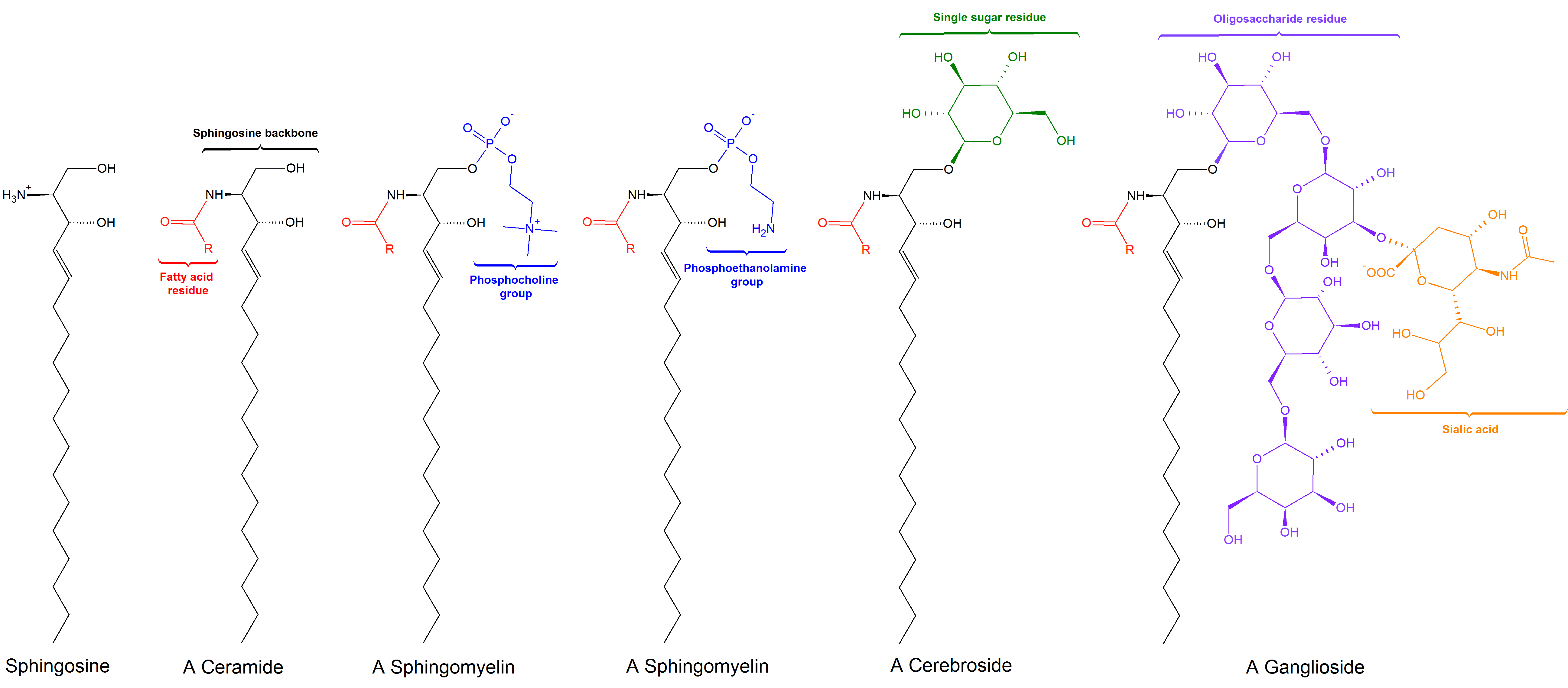
A doença é causada por alterações (mutações) em genes que participam da produção ou do transporte de fosfolipídios, esfingolipídios e ácidos graxos. Os genes já identificados incluem: PANK2, FA2H, SELENOI, TKFC, SLC25A4, ELOVL5, AGK, PNPLA2, DNMT1, ATL1, ELOVL4 e SERAC1. Cada um desses genes fornece instruções para uma proteína específica; quando há uma mutação, a via metabólica correspondente é prejudicada.[1][4]
Diagnóstico
O diagnóstico é baseado na avaliação clínica dos sintomas e na confirmação por meio de testes genéticos. Atualmente, existem 336 testes genéticos disponíveis para essa condição, e mais de 400 variantes genéticas diferentes já foram registradas no banco de dados ClinVar. O exame genético pode identificar mutações nos genes associados, ajudando a confirmar o diagnóstico e orientar o aconselhamento familiar.[1][4]
Tratamento e manejo
Até o momento, não há um tratamento específico que reverta a causa genética da doença. O manejo é focado no alívio dos sintomas e na melhora da qualidade de vida, podendo incluir fisioterapia, terapia ocupacional, suporte nutricional e acompanhamento com especialistas (neurologista, oftalmologista, geneticista). Cada pessoa deve ser avaliada individualmente para definir as melhores estratégias de cuidado.[1]
Tratamentos citados na literatura
Não há fármacos ou intervenções específicas listadas na literatura científica como tratamentos estabelecidos para esta doença. As informações disponíveis são baseadas em relatos de casos e estudos experimentais, sem recomendação formal de uso clínico.[1]
Prognóstico e qualidade de vida
O prognóstico varia amplamente conforme os genes envolvidos e a gravidade dos sintomas. Muitas pessoas apresentam progressão lenta dos sintomas neurológicos e podem necessitar de suporte contínuo. O acompanhamento multidisciplinar é essencial para manter a funcionalidade e a qualidade de vida pelo maior tempo possível.[1][3]
Conteúdo informativo gerado e mantido automaticamente a partir de fontes oficiais (Orphanet, HPO, OMIM, SUS). Não substitui avaliação médica.
Doença rara que afeta a biossíntese de fosfolipídios, esfingolipídios e ácidos graxos. Manifesta-se com distúrbios neurológicos, oculares, esqueléticos e cutâneos, como problemas de marcha, inflamação ocular e hiperpigmentação.
Encontrou um erro ou informação desatualizada? Sugira uma correção →
Entender a doença
Do básico ao detalhe, leia no seu ritmo
Preparando trilha educativa...
Sinais e sintomas
O que aparece no corpo e com que frequência cada sintoma acontece
Visão geral
A doença dos fosfolipídios, esfingolipídios e biossíntese de ácidos graxos é uma condição genética rara que afeta a produção e o funcionamento de gorduras essenciais no organismo. Essas substâncias são fundamentais para a formação das membranas celulares, para o sistema nervoso e para diversos órgãos. Por ser um grupo de doenças, os sintomas e a gravidade podem variar bastante de pessoa para pessoa.[1][3]
Sinais e sintomas
Os sinais e sintomas mais comuns incluem alterações na marcha (distúrbio da marcha), dificuldade de coordenação motora, rigidez nas articulações e fraqueza muscular. Muitas pessoas apresentam comprometimento cognitivo, psicose e alterações oculares, como anormalidades da retina e da córnea. Também podem ocorrer problemas na pele (hiperpigmentação, urticária), nos dentes (anormalidade do esmalte) e na coluna (cifose, escoliose). Em alguns casos, há acúmulo de ferro no cérebro, o que pode levar a sintomas neurológicos progressivos.[1][3]
Causas genéticas
A doença é causada por alterações (mutações) em genes que participam da produção ou do transporte de fosfolipídios, esfingolipídios e ácidos graxos. Os genes já identificados incluem: PANK2, FA2H, SELENOI, TKFC, SLC25A4, ELOVL5, AGK, PNPLA2, DNMT1, ATL1, ELOVL4 e SERAC1. Cada um desses genes fornece instruções para uma proteína específica; quando há uma mutação, a via metabólica correspondente é prejudicada.[1][4]
Diagnóstico
O diagnóstico é baseado na avaliação clínica dos sintomas e na confirmação por meio de testes genéticos. Atualmente, existem 336 testes genéticos disponíveis para essa condição, e mais de 400 variantes genéticas diferentes já foram registradas no banco de dados ClinVar. O exame genético pode identificar mutações nos genes associados, ajudando a confirmar o diagnóstico e orientar o aconselhamento familiar.[1][4]
Tratamento e manejo
Até o momento, não há um tratamento específico que reverta a causa genética da doença. O manejo é focado no alívio dos sintomas e na melhora da qualidade de vida, podendo incluir fisioterapia, terapia ocupacional, suporte nutricional e acompanhamento com especialistas (neurologista, oftalmologista, geneticista). Cada pessoa deve ser avaliada individualmente para definir as melhores estratégias de cuidado.[1]
Tratamentos citados na literatura
Não há fármacos ou intervenções específicas listadas na literatura científica como tratamentos estabelecidos para esta doença. As informações disponíveis são baseadas em relatos de casos e estudos experimentais, sem recomendação formal de uso clínico.[1]
Prognóstico e qualidade de vida
O prognóstico varia amplamente conforme os genes envolvidos e a gravidade dos sintomas. Muitas pessoas apresentam progressão lenta dos sintomas neurológicos e podem necessitar de suporte contínuo. O acompanhamento multidisciplinar é essencial para manter a funcionalidade e a qualidade de vida pelo maior tempo possível.[1][3]
Conteúdo informativo gerado e mantido automaticamente a partir de fontes oficiais (Orphanet, HPO, OMIM, SUS). Não substitui avaliação médica.
Partes do corpo afetadas
+ 187 sintomas em outras categorias
Características mais comuns
Os sintomas variam de pessoa para pessoa. Abaixo estão as 484 características clínicas mais associadas, ordenadas por frequência.
Linha do tempo da pesquisa
Encontrou um erro ou informação desatualizada? Sugira uma correção →
Genética e causas
O que está alterado no DNA e como passa nas famílias
Genes associados
25 genes identificados com associação a esta condição.
Mitochondrial isoform that catalyzes the phosphorylation of pantothenate to generate 4'-phosphopantothenate in the first and rate-determining step of coenzyme A (CoA) synthesis (PubMed:15659606, PubMed:16272150, PubMed:17242360, PubMed:17825826). Required for angiogenic activity of umbilical vein of endothelial cells (HUVEC) (PubMed:30221726) Cytoplasmic isoform that catalyzes the phosphorylation of pantothenate to generate 4'-phosphopantothenate in the first and rate-determining step of coenzym
MitochondrionMitochondrion intermembrane spaceNucleusCytoplasm
Neurodegeneration with brain iron accumulation 1
Autosomal recessive neurodegenerative disorder associated with iron accumulation in the brain, primarily in the basal ganglia. Clinical manifestations include progressive muscle spasticity, hyperreflexia, muscle rigidity, dystonia, dysarthria, and intellectual deterioration which progresses to severe dementia over several years. It is clinically classified into classic, atypical, and intermediate phenotypes. Classic forms present with onset in first decade, rapid progression, loss of independent ambulation within 15 years. Atypical forms have onset in second decade, slow progression, maintenance of independent ambulation up to 40 years later. Intermediate forms manifest onset in first decade with slow progression or onset in second decade with rapid progression. Patients with early onset tend to also develop pigmentary retinopathy, whereas those with later onset tend to also have speech disorders and psychiatric features. All patients have the 'eye of the tiger' sign on brain MRI.
Catalyzes the hydroxylation of free fatty acids at the C-2 position to produce 2-hydroxy fatty acids, which are building blocks of sphingolipids and glycosphingolipids common in neural tissue and epidermis (PubMed:15337768, PubMed:15863841, PubMed:17355976, PubMed:22517924). FA2H is stereospecific for the production of (R)-2-hydroxy fatty acids (PubMed:22517924). Plays an essential role in the synthesis of galactosphingolipids of the myelin sheath (By similarity). Responsible for the synthesis o
Endoplasmic reticulum membraneMicrosome membrane
Spastic paraplegia 35, autosomal recessive, with or without neurodegeneration
A form of spastic paraplegia, a neurodegenerative disorder characterized by a slow, gradual, progressive weakness and spasticity of the lower limbs. Rate of progression and the severity of symptoms are quite variable. Initial symptoms may include difficulty with balance, weakness and stiffness in the legs, muscle spasms, and dragging the toes when walking. In some forms of the disorder, bladder symptoms (such as incontinence) may appear, or the weakness and stiffness may spread to other parts of the body. SPG35 is a complicated form characterized by childhood onset of gait difficulties. It has a rapid progression and many patients become wheelchair-bound as young adults. Patients manifest cognitive decline associated with leukodystrophy. Other variable neurologic features, such as dystonia, optic atrophy, and seizures may also occur.
Ethanolaminephosphotransferase that catalyzes the transfer of phosphoethanolamine (PE) from CDP-ethanolamine to lipid acceptors, the final step in the synthesis of PE via the 'Kennedy' pathway (PubMed:17132865, PubMed:28052917, PubMed:29500230). PE is the second most abundant phospholipid of membranes in mammals and is involved in various membrane-related cellular processes (PubMed:17132865). The enzyme is critical for the synthesis of several PE species and also catalyzes the synthesis of plasm
Endoplasmic reticulum membrane
Spastic paraplegia 81, autosomal recessive
A form of spastic paraplegia, a neurodegenerative disorder characterized by a slow, gradual, progressive weakness and spasticity of the lower limbs. Rate of progression and the severity of symptoms are quite variable. Initial symptoms may include difficulty with balance, weakness and stiffness in the legs, muscle spasms, and dragging the toes when walking. In some forms of the disorder, bladder symptoms (such as incontinence) may appear, or the weakness and stiffness may spread to other parts of the body. SPG81 is a complicated form characterized by white matter abnormalities, hypomyelination with progressive white matter loss, delayed motor development, progressive spasticity, and impaired intellectual development and speech delay. Additional features may include bifid uvula, microcephaly, seizures, and variable ocular anomalies.
Catalyzes both the phosphorylation of dihydroxyacetone and of glyceraldehyde, and the splitting of ribonucleoside diphosphate-X compounds among which FAD is the best substrate. Represses IFIH1-mediated cellular antiviral response (PubMed:17600090)
Triokinase and FMN cyclase deficiency syndrome
An autosomal recessive disease characterized by cataracts and developmental delay that may be associated with cerebellar hypoplasia. Additional features may include liver dysfunction, microcytic anemia, and fatal cardiomyopathy with lactic acidosis following a febrile illness.
ADP:ATP antiporter that mediates import of ADP into the mitochondrial matrix for ATP synthesis, and export of ATP out to fuel the cell (PubMed:21586654, PubMed:27693233, PubMed:23173940, PubMed:30046662). Cycles between the cytoplasmic-open state (c-state) and the matrix-open state (m-state): operates by the alternating access mechanism with a single substrate-binding site intermittently exposed to either the cytosolic (c-state) or matrix (m-state) side of the inner mitochondrial membrane (By si
Mitochondrion inner membraneMembrane
Progressive external ophthalmoplegia with mitochondrial DNA deletions, autosomal dominant, 2
A disorder characterized by progressive weakness of ocular muscles and levator muscle of the upper eyelid. In a minority of cases, it is associated with skeletal myopathy, which predominantly involves axial or proximal muscles and which causes abnormal fatigability and even permanent muscle weakness. Ragged-red fibers and atrophy are found on muscle biopsy. A large proportion of chronic ophthalmoplegias are associated with other symptoms, leading to a multisystemic pattern of this disease. Additional symptoms are variable, and may include cataracts, hearing loss, sensory axonal neuropathy, ataxia, depression, hypogonadism, and parkinsonism.
Catalyzes the first and rate-limiting reaction of the four reactions that constitute the long-chain fatty acids elongation cycle. This endoplasmic reticulum-bound enzymatic process allows the addition of 2 carbons to the chain of long- and very long-chain fatty acids (VLCFAs) per cycle. Condensing enzyme that acts specifically toward polyunsaturated acyl-CoA with the higher activity toward C18:3(n-6) acyl-CoA. May participate in the production of monounsaturated and of polyunsaturated VLCFAs of
Endoplasmic reticulum membraneCell projection, dendrite
Spinocerebellar ataxia 38
A form of spinocerebellar ataxia, a clinically and genetically heterogeneous group of cerebellar disorders. Patients show progressive incoordination of gait and often poor coordination of hands, speech and eye movements, due to degeneration of the cerebellum with variable involvement of the brainstem and spinal cord. SCA38 is an autosomal dominant form characterized by adult-onset of slowly progressive gait ataxia accompanied by nystagmus. Brain MRI shows cerebellar atrophy.
Lipid kinase that can phosphorylate both monoacylglycerol and diacylglycerol to form lysophosphatidic acid (LPA) and phosphatidic acid (PA), respectively (PubMed:15939762). Does not phosphorylate sphingosine (PubMed:15939762). Phosphorylates ceramide (By similarity). Phosphorylates 1,2-dioleoylglycerol more rapidly than 2,3-dioleoylglycerol (By similarity). Independently of its lipid kinase activity, acts as a component of the TIM22 complex (PubMed:28712724, PubMed:28712726). The TIM22 complex m
Mitochondrion inner membraneMitochondrion intermembrane space
Mitochondrial DNA depletion syndrome 10
An autosomal recessive mitochondrial disorder characterized by congenital cataracts, hypertrophic cardiomyopathy, skeletal myopathy, exercise intolerance, and lactic acidosis. Mental development is normal, but affected individuals may die early from cardiomyopathy.
Catalyzes the initial step in triglyceride hydrolysis in adipocyte and non-adipocyte lipid droplets (PubMed:15364929, PubMed:15550674, PubMed:16150821, PubMed:16239926, PubMed:17603008, PubMed:34903883). Exhibits a strong preference for the hydrolysis of long-chain fatty acid esters at the sn-2 position of the glycerol backbone and acts coordinately with LIPE/HLS and DGAT2 within the lipolytic cascade (By similarity). Also possesses acylglycerol transacylase and phospholipase A2 activities (PubM
Lipid dropletCell membraneCytoplasm
DNA methyltransferase that methylates CpG residues (PubMed:17200670, PubMed:18754681, PubMed:21745816, PubMed:26070743). Preferentially methylates hemimethylated DNA (PubMed:21745816, PubMed:26070743). Associates with DNA replication sites in S phase maintaining the methylation pattern in the newly synthesized strand, that is essential for epigenetic inheritance (PubMed:17200670, PubMed:21745816). Associates with chromatin during G2 and M phases to maintain DNA methylation independently of repli
NucleusChromosome
Neuropathy, hereditary sensory, 1E
A neurodegenerative disorder characterized by adult onset of progressive peripheral sensory loss associated with progressive hearing impairment and early-onset dementia.
Atlastin-1 (ATL1) is a membrane-anchored GTPase that mediates the GTP-dependent fusion of endoplasmic reticulum (ER) membranes, maintaining the continuous ER network. It facilitates the formation of three-way junctions where ER tubules intersect (PubMed:14506257, PubMed:18270207, PubMed:19665976, PubMed:27619977, PubMed:34817557, PubMed:38509071). Two atlastin-1 on neighboring ER tubules bind GTP and form loose homodimers through the GB1/RHD3-type G domains and 3HB regions. Upon GTP hydrolysis,
Endoplasmic reticulum membraneGolgi apparatus membraneCell projection, axon
Spastic paraplegia 3, autosomal dominant
A form of spastic paraplegia, a neurodegenerative disorder characterized by a slow, gradual, progressive weakness and spasticity of the lower limbs. Rate of progression and the severity of symptoms are quite variable. Initial symptoms may include difficulty with balance, weakness and stiffness in the legs, muscle spasms, and dragging the toes when walking. In some forms of the disorder, bladder symptoms (such as incontinence) may appear, or the weakness and stiffness may spread to other parts of the body.
Catalyzes the first and rate-limiting reaction of the four reactions that constitute the long-chain fatty acids elongation cycle. This endoplasmic reticulum-bound enzymatic process allows the addition of 2 carbons to the chain of long- and very long-chain fatty acids (VLCFAs) per cycle. Condensing enzyme that catalyzes the synthesis of very long chain saturated (VLC-SFA) and polyunsaturated (PUFA) fatty acids that are involved in multiple biological processes as precursors of membrane lipids and
Endoplasmic reticulum membrane
Stargardt disease 3
A form of Stargardt disease, a common hereditary macular degeneration characterized by decreased central vision, atrophy of the macula and underlying retinal pigment epithelium, and frequent presence of prominent flecks in the posterior pole of the retina. STGD3 is an autosomal dominant form with onset most commonly in the second decade of life.
Facilitates the transport of serine from the cytosol to the mitochondria by interacting with and stabilizing Sideroflexin-1 (SFXN1), a mitochondrial serine transporter, playing a fundamental role in the one-carbon cycle responsible for the synthesis of nucleotides needed for mitochondrial DNA replication (PubMed:35235340). Plays an important role in the phosphatidylglycerol (PG) remodeling that is essential for both mitochondrial function and intracellular cholesterol trafficking (PubMed:2268371
Mitochondrion membraneEndoplasmic reticulumMitochondrion
3-methylglutaconic aciduria with deafness, encephalopathy, and Leigh-like syndrome
An autosomal recessive disorder characterized by childhood onset of delayed psychomotor development or psychomotor regression, sensorineural deafness, spasticity or dystonia, and increased excretion of 3-methylglutaconic acid. Brain imaging shows cerebral and cerebellar atrophy as well as lesions in the basal ganglia reminiscent of Leigh syndrome. Laboratory studies show increased serum lactate and alanine, mitochondrial oxidative phosphorylation defects, abnormal mitochondria, abnormal phosphatidylglycerol and cardiolipin profiles in fibroblasts, and abnormal accumulation of unesterified cholesterol within cells.
Acyltransferase required to remodel newly synthesized phospholipid cardiolipin (1',3'-bis-[1,2-diacyl-sn-glycero-3-phospho]-glycerol or CL), a key component of the mitochondrial inner membrane, with tissue specific acyl chains necessary for adequate mitochondrial function (PubMed:12930833, PubMed:19164547, PubMed:19700766, PubMed:26908608, PubMed:33096711). Its role in cellular physiology is to improve mitochondrial performance (PubMed:32234310). CL is critical for the coassembly of lipids and p
Mitochondrion outer membraneMitochondrion inner membraneMitochondrion membraneCytoplasm
Barth syndrome
An X-linked disease characterized by dilated cardiomyopathy with endocardial fibroelastosis, a predominantly proximal skeletal myopathy, growth retardation, neutropenia, and organic aciduria, particularly excess of 3-methylglutaconic acid. Additional features include hypertrophic cardiomyopathy, isolated left ventricular non-compaction, ventricular arrhythmia, motor delay, poor appetite, fatigue and exercise intolerance, hypoglycemia, lactic acidosis, hyperammonemia, and dramatic late catch-up growth after growth delay throughout childhood.
Coenzyme A-dependent lysophosphatidic acid acyltransferase that catalyzes the transfer of an acyl group on a lysophosphatidic acid (PubMed:18606822). Functions preferentially with 1-oleoyl-lysophosphatidic acid followed by 1-palmitoyl-lysophosphatidic acid, 1-stearoyl-lysophosphatidic acid and 1-arachidonoyl-lysophosphatidic acid as lipid acceptor. Functions preferentially with arachidonoyl-CoA followed by oleoyl-CoA as acyl group donors (By similarity). Functions in phosphatidic acid biosynthes
CytoplasmLipid dropletCytoplasm, cytosol
Chanarin-Dorfman syndrome
An autosomal recessive inborn error of lipid metabolism with multisystemic accumulation of triglycerides although plasma concentrations are normal. Clinical characteristics are congenital generalized ichthyosis, vacuolated leukocytes, hepatomegaly, myopathy, cataracts, neurosensory hearing loss and developmental delay. The disorder presents at birth with generalized, fine, white scaling of the skin and a variable degree of erythema resembling non-bullous congenital ichthyosiform erythroderma.
Ceramide synthase that catalyzes the transfer of the acyl chain from acyl-CoA to a sphingoid base, with high selectivity toward stearoyl-CoA (octadecanoyl-CoA; C18:0-CoA) (PubMed:17977534, PubMed:23530041, PubMed:26887952, PubMed:31916624). N-acylates sphinganine and sphingosine bases to form dihydroceramides and ceramides in de novo synthesis and salvage pathways, respectively (PubMed:17977534, PubMed:23530041, PubMed:24782409, PubMed:26887952, PubMed:31916624). Plays a predominant role in skel
Endoplasmic reticulum membrane
Epilepsy, progressive myoclonic 8
A form of progressive myoclonic epilepsy, a clinically and genetically heterogeneous group of disorders defined by the combination of action and reflex myoclonus, other types of epileptic seizures, and progressive neurodegeneration and neurocognitive impairment. EPM8 is an autosomal recessive form characterized by myoclonus, generalized tonic-clonic seizures and moderate to severe cognitive impairment.
Mitochondrial NAD(+) kinase that phosphorylates NAD(+) to yield NADP(+). Can use both ATP or inorganic polyphosphate as the phosphoryl donor. Also has weak NADH kinase activity in vitro; however NADH kinase activity is much weaker than the NAD(+) kinase activity and may not be relevant in vivo
Mitochondrion
2,4-dienoyl-CoA reductase deficiency
A rare, autosomal recessive, inborn error of polyunsaturated fatty acids and lysine metabolism, resulting in mitochondrial dysfunction. Affected individuals have a severe encephalopathy with neurologic and metabolic abnormalities beginning in early infancy. Laboratory studies show increased C10:2 carnitine levels and hyperlysinemia.
Transfers the sialyl group (N-acetyl-alpha-neuraminyl or NeuAc) from CMP-NeuAc to the non-reducing terminal galactose (Gal) of glycosphingolipids forming gangliosides (important molecules involved in the regulation of multiple cellular processes, including cell proliferation and differentiation, apoptosis, embryogenesis, development, and oncogenesis) (PubMed:16934889, PubMed:9822625). Mainly involved in the biosynthesis of ganglioside GM3 but can also use different glycolipids as substrate accep
Golgi apparatus membrane
Salt and pepper developmental regression syndrome
A rare autosomal recessive disorder characterized by infantile onset of severe, recurrent and refractory seizures, failure to thrive, psychomotor delay, developmental stagnation, and cortical blindness. Deafness is observed in some patients. Affected individuals have patches of skin hypo- or hyperpigmentation on the trunk, face, and extremities.
Component of the serine palmitoyltransferase multisubunit enzyme (SPT) that catalyzes the initial and rate-limiting step in sphingolipid biosynthesis by condensing L-serine and activated acyl-CoA (most commonly palmitoyl-CoA) to form long-chain bases. The SPT complex is also composed of SPTLC2 or SPTLC3 and SPTSSA or SPTSSB. Within this complex, the heterodimer with SPTLC2 or SPTLC3 forms the catalytic core (PubMed:19416851, PubMed:33558762, PubMed:36170811). The composition of the serine palmit
Endoplasmic reticulum membrane
Amyotrophic lateral sclerosis 27, juvenile
A form of amyotrophic lateral sclerosis, a neurodegenerative disorder affecting upper motor neurons in the brain and lower motor neurons in the brain stem and spinal cord, resulting in fatal paralysis. Sensory abnormalities are absent. The pathologic hallmarks of the disease include pallor of the corticospinal tract due to loss of motor neurons, presence of ubiquitin-positive inclusions within surviving motor neurons, and deposition of pathologic aggregates. The etiology of amyotrophic lateral sclerosis is likely to be multifactorial, involving both genetic and environmental factors. The disease is inherited in 5-10% of the cases. ALS27 is an autosomal dominant form manifesting as toe walking and gait abnormalities in early childhood.
Catalyzes the oxidation of medium and long chain aliphatic aldehydes to fatty acids. Active on a variety of saturated and unsaturated aliphatic aldehydes between 6 and 24 carbons in length (PubMed:18035827, PubMed:18182499, PubMed:22633490, PubMed:25047030, PubMed:9133646, PubMed:9662422). Responsible for conversion of the sphingosine 1-phosphate (S1P) degradation product hexadecenal to hexadecenoic acid (PubMed:22633490)
Microsome membraneEndoplasmic reticulum membrane
Sjoegren-Larsson syndrome
An autosomal recessive neurocutaneous disorder characterized by a combination of severe intellectual disability, spastic di- or tetraplegia and congenital ichthyosis. Ichthyosis is usually evident at birth with varying degrees of erythema and scaling, neurologic symptoms appear in the first or second year of life. Most patients have an IQ of less than 60. Additional clinical features include glistening white spots on the retina, seizures, short stature and speech defects.
Cleaves phosphorylated sphingoid bases (PSBs), such as sphingosine-1-phosphate, into fatty aldehydes and phosphoethanolamine. Elevates stress-induced ceramide production and apoptosis (PubMed:11018465, PubMed:14570870, PubMed:24809814, PubMed:28165339). Required for global lipid homeostasis in liver and cholesterol homeostasis in fibroblasts. Involved in the regulation of pro-inflammatory response and neutrophil trafficking. Modulates neuronal autophagy via phosphoethanolamine production which r
Endoplasmic reticulum membrane
RENI syndrome
An autosomal recessive, steroid-resistant nephrotic syndrome that manifests in infancy or early childhood, and progresses to end-stage renal failure within a few years. Additional clinical features include ichthyosis, adrenal insufficiency, immunodeficiency, and neurological defects. In rare cases, patients present with isolated primary adrenal insufficiency. Some patients present in utero with fetal hydrops and fetal demise.
Lysophosphatidylserine (LPS) lipase that mediates the hydrolysis of lysophosphatidylserine, a class of signaling lipids that regulates immunological and neurological processes (PubMed:25290914, PubMed:30237167, PubMed:30420694, PubMed:30643283, PubMed:30720278). Represents a major lysophosphatidylserine lipase in the brain, thereby playing a key role in the central nervous system (By similarity). Also able to hydrolyze oxidized phosphatidylserine; oxidized phosphatidylserine is produced in respo
Endoplasmic reticulum membrane
Polyneuropathy, hearing loss, ataxia, retinitis pigmentosa, and cataract
A slowly progressive neurologic disorder with a variable phenotype resembling Refsum disease. Clinical features include sensorineural hearing loss, visual problems related to cataracts, retinitis pigmentosa, pes cavus, ataxic and/or spastic gait disturbances with a progressive sensorimotor peripheral neuropathy. Other features include hyporeflexia, hyperreflexia, extensor plantar responses.
Atlastin-3 (ATL3) is a membrane-anchored GTPase that mediates the GTP-dependent fusion of endoplasmic reticulum (ER) membranes, maintaining the continuous ER network. It facilitates the formation of three-way junctions where ER tubules intersect (PubMed:18270207, PubMed:19665976, PubMed:24459106, PubMed:27619977, PubMed:37102997). Two atlastin-3 on neighboring ER tubules bind GTP and form loose homodimers through the GB1/RHD3-type G domains and 3HB regions. Upon GTP hydrolysis, the 3HB regions t
Endoplasmic reticulum membrane
Neuropathy, hereditary sensory, 1F
An autosomal dominant sensory neuropathy affecting the lower limbs. Distal sensory impairment becomes apparent during the second or third decade of life, resulting in painless ulceration of the feet with poor healing, which can progress to osteomyelitis, bone destruction, and amputation. There is no autonomic involvement, spasticity, or cognitive impairment.
Component of the serine palmitoyltransferase multisubunit enzyme (SPT) that catalyzes the initial and rate-limiting step in sphingolipid biosynthesis by condensing L-serine and activated acyl-CoA (most commonly palmitoyl-CoA) to form long-chain bases (PubMed:19416851, PubMed:19648650, PubMed:20504773, PubMed:20920666). The SPT complex is composed of SPTLC1, SPTLC2 or SPTLC3 and SPTSSA or SPTSSB. Within this complex, the heterodimer consisting of SPTLC1 and SPTLC2/SPTLC3 forms the catalytic core
Endoplasmic reticulum membrane
Neuropathy, hereditary sensory and autonomic, 1C
A form of hereditary sensory and autonomic neuropathy, a genetically and clinically heterogeneous group of disorders characterized by degeneration of dorsal root and autonomic ganglion cells, and by prominent sensory abnormalities with a variable degree of motor and autonomic dysfunction. The neurological phenotype is often complicated by severe infections, osteomyelitis, and amputations. HSAN1C symptoms include loss of touch and vibration in the feet, dysesthesia and severe panmodal sensory loss in the upper and lower limbs, distal lower limb sensory loss with ulceration and osteomyelitis, and distal muscle weakness.
Phospholipase B that deacylates intracellular phosphatidylcholine (PtdCho), generating glycerophosphocholine (GroPtdCho). This deacylation occurs at both sn-2 and sn-1 positions of PtdCho. Catalyzes the hydrolysis of several naturally occurring membrane-associated lipids (PubMed:11927584). Hydrolyzes lysophospholipids and monoacylglycerols, preferring the 1-acyl to the 2-acyl isomer. Does not catalyze hydrolysis of di- or triacylglycerols or fatty acid amides (PubMed:11927584)
Endoplasmic reticulum membrane
Spastic paraplegia 39, autosomal recessive
A form of spastic paraplegia, a neurodegenerative disorder characterized by a slow, gradual, progressive weakness and spasticity of the lower limbs. Rate of progression and the severity of symptoms are quite variable. Initial symptoms may include difficulty with balance, weakness and stiffness in the legs, muscle spasms, and dragging the toes when walking. In some forms of the disorder, bladder symptoms (such as incontinence) may appear, or the weakness and stiffness may spread to other parts of the body. SPG39 is associated with a motor axonopathy affecting upper and lower limbs and resulting in progressive wasting of distal upper and lower extremity muscles.
Has a key role in phospholipid metabolism, and catalyzes the first step of phosphatidylethanolamine and phosphatidylcholine biosynthesis
Muscular dystrophy, congenital, megaconial type
An autosomal recessive, congenital muscular dystrophy characterized by early-onset muscle wasting, intellectual disability, and dilated cardiomyopathy in half of affected individuals. Some patients may die from cardiomyopathy in the first or second decade of life. Muscle biopsy shows peculiar enlarged mitochondria that are prevalent toward the periphery of the fibers but are sparse in the center.
Variantes genéticas (ClinVar)
407 variantes patogênicas registradas no ClinVar.
Vias biológicas (Reactome)
42 vias biológicas associadas aos genes desta condição.
Diagnóstico
Os sinais que médicos procuram e os exames que confirmam
Tratamento e manejo
Remédios, cuidados de apoio e o que precisa acompanhar
Onde tratar no SUS
Hospitais de referência no Brasil e o protocolo oficial do SUS (PCDT)
🇧🇷 Atendimento SUS — Doença dos fosfolipídios, esfingolipídios e biossíntese de ácidos graxos
Selecione um estado ou use sua localização para ver resultados.
Dados de DATASUS/CNES, SBGM, ABNeuro e Ministério da Saúde. Sempre confirme a disponibilidade diretamente com o estabelecimento.
Pesquisa ativa
Ensaios clínicos abertos e novidades científicas recentes
Pesquisa e ensaios clínicos
Nenhum ensaio clínico registrado para esta condição.
Publicações mais relevantes
Lipid Regulation of Mechanosensitive Ion Channels.
Mechanosensitive ion channels (MSCs) are fundamental transducers that convert mechanical forces into electrochemical signals, enabling cells to regulate processes such as Ca2+ homeostasis, migration, proliferation, and adhesion. Located in both plasma and organellar membranes, MSCs, including Piezos, TRPs, K2Ps, MscL, and MscS families exhibit diverse ion selectivity, gating mechanisms and physiological roles. Emerging evidence demonstrates that lipids are dynamic regulators of MSC activation, sensitivity, and kinetics. Endogenous membrane lipids such as cholesterol, phospholipids, sphingolipids and fatty acids modulate MSC behavior by altering bilayer tension, curvature, stiffness and protein-lipid interactions. Exogenous lipids, including dietary fatty acids and lipid-derived metabolites, influence MSCs by modifying membrane physical properties or engaging specific lipid-binding sites on channel proteins. These interactions shape fundamental biological processes and contribute to disease mechanisms in cardiovascular dysfunction, neurological disorders, metabolic disease, and cancer. Despite significant progress, the molecular principles by which lipids regulate MSC conformational transitions and force sensing remain incompletely defined. This review synthesizes current knowledge on endogenous and exogenous lipid modulation of MSCs, integrating structural, computational and electrophysiological insights to highlight emerging therapeutic opportunities targeting lipid-mechanotransduction interfaces.
Lipidomic Analysis of Plasma Extracellular Vesicles from Adiponectin Deficient Mice or Metabolic Syndrome Patients Reveals Pro-Oxidative and Pro-Inflammatory Lipid Signatures Correlating with Metabolic Dysfunction.
Extracellular vesicles (EV) are emerging regulators of metabolic homeostasis through their bioactive cargo. This study first investigated the lipidomic profile and functional effects of plasma EV derived from adiponectin-knockout (KO) mice to identify EV-associated lipid signatures linked to metabolic dysfunction. Lipidomic profiling revealed that KO EV were enriched in sphingolipids and polyunsaturated phospholipids compared to wild-type (WT) EV. To evaluate functional consequences, recipient cell assays were conducted using macrophages, skeletal muscle cells, and pancreatic beta cells. KO EV showed an increased uptake in RAW 264.7 macrophages and induced elevated reactive oxygen species (ROS) and activation of NF-κB and IRF inflammatory pathways. In L6 skeletal muscle cells, WT EV increased ATP production, while KO EV failed to elicit this effect. Furthermore, KO EV impaired glucose-stimulated insulin secretion in INS-1 pancreatic beta cells. These findings suggested that altered lipid composition in EV from KO mice contributes to oxidative stress, inflammation, and impaired metabolic regulation in recipient cells. Next, translational relevance was established by documenting that plasma EV from patients with metabolic syndrome exhibited lipidomic remodeling features in parallel to the murine KO phenotype, in particular enriched PUFA-containing lipids. Together, these findings identify a conserved adiponectin-EV lipid composition axis regulating oxidative stress, inflammation, and impaired metabolic regulation. The new knowledge presented in this study has implications for biomarker discovery and therapeutic targeting in metabolic disease.
Beyond bile acids synthesis: metabolomics profiling highlights extensive metabolic dysregulation and treatment response in CTX.
Cerebrotendinous xanthomatosis (CTX) is an inherited metabolic disorder caused by variants in CYP27A1 leading to loss of sterol-27-hydroxylase activity. Sterol-27-hydroxylase generates two classes of bioactive signaling molecules: bile acids and oxysterols. The broader metabolic consequences resulting from perturbations in bile acid and oxysterol signaling and their reversibility with FDA-approved treatment chenodeoxycholic acid (CDCA), are not fully described. To establish a comprehensive map of metabolic consequences of CTX, we performed large-scale, untargeted plasma metabolomics in a single subject with CTX, both before and after 6 months of CDCA therapy, and compared results with a reference cohort of over 1100 individuals. Data were analyzed for significant metabolite changes and pathway alterations. Untreated CTX exhibited marked depletion of bile acid intermediates and elevations in sterol precursors, consistent with the known enzymatic block in this pathway. Metabolomics highlighted additional pathways affected by bile acid and oxysterol signaling such as fatty acid metabolism, NAD+ de novo synthesis, phosphatidylethanolamines, sphingolipids and ferroptosis. Following six months of CDCA therapy, sterol precursors normalized, bile acid intermediates partially recovered, and phosphatidylethanolamines were restored toward reference ranges, while steroid and phosphatidylcholine metabolites remained largely unchanged. This study exposes the comprehensive nature of metabolic disturbance in CTX beyond the bile acids pathway, revealing perturbations in bile acids, steroids, fatty acids, phospholipids and NAD+ synthesis and highlights the dynamic early response to CDCA therapy. The metabolomic profile of untreated CTX can be leveraged for diagnostic screening. These findings report new candidate biomarkers for diagnosis and monitoring and underscore the potential of metabolomics to uncover broader metabolic consequences in rare disease.
Brain lipid metabolism and transport: implications for neurodegeneration and therapeutic strategies: a comprehensive review.
This 2024comprehensive review examines the crucial functions of lipids in neurological health, highlighting their vital contributions to brain structure, function, and pathology. The intricate lipid composition of the brain, comprising phospholipids, sphingolipids, cholesterol, glycolipids, and polyunsaturated fatty acids, supports membrane integrity, synaptic transmission, and myelination. Lipid production, metabolism, and transport in the central nervous system are meticulously controlled, necessitating specialised interactions among neurones, glial cells, and the blood-brain barrier. Lipid homeostasis dysregulation is widely acknowledged as playing a critical role in the aetiology of neurodegenerative diseases such as Alzheimer's and Parkinson's, multiple sclerosis, and neuropsychiatric disorders like schizophrenia and depression. These disruptions result in compromised synapse function, neuroinflammation, oxidative stress, and neuronal injury. The review emphasises bioactive lipids, particularly specialised pro-resolving mediators originating from polyunsaturated fatty acids, which regulate neuroinflammation and enhance neuroprotection. Progress in lipidomics has enabled the discovery of new lipid biomarkers and therapeutic targets, presenting intriguing opportunities for disease diagnosis, prognosis, and therapy. This paper highlights the significance of lipid biology in maintaining brain health and the therapeutic potential of targeting lipid pathways to mitigate the progression of neurological diseases, integrating contemporary lipidomic discoveries and mechanistic knowledge.
Lipidomic remodeling of the brain and muscle in a zebrafish model of depression.
Major depressive disorder (MDD) is a highly prevalent and disabling psychiatric condition, increasingly recognized as a systemic disorder involving central and peripheral pathophysiological alterations. In this study, we used a multidimensional approach using zebrafish (Danio rerio) exposed to an unpredictable chronic stress (UCS) protocol as a model of MDD, to unravel the plasticity of the lipidome in this mental disorder. Behavioral analyses revealed a reduction in sociability and locomotor activity in stressed animals, accompanied by significantly elevated cortisol levels. Fatty acid profiling demonstrated a decrease in n-3 (omega-3) polyunsaturated fatty acids (PUFA) and an increase in n-3 (omega-6) PUFA, which was more evident in the brain than in the muscle. After UCS, lipidomic analysis revealed a remodeling of the brain lipid profile, including the modulation of several phospholipid and sphingolipid species that may impact cell membrane properties and cause neuronal dysfunction. Some of these species have been previously correlated with neuroinflammation and impaired neurotransmission. An increase in plasmalogen phospholipids, well-known endogenous oxidant signaling molecules, suggests a dysregulation of the redox state. In muscle, lipidomic alterations were characterized by elevated levels of acylcarnitines, indicative of altered mitochondrial energy metabolism, and ceramides, well-known pro-inflammatory and pro-apoptotic molecules. This study highlights the relevance of lipidomic plasticity in the pathophysiology of MDD, associated with behavioral effects similar to MDD symptoms.
Publicações recentes
Lipid Regulation of Mechanosensitive Ion Channels.
Xanthine oxidoreductase activity in MASLD: links to lipid metabolism, oxidative stress, and inflammation.
Lipidomic Analysis of Plasma Extracellular Vesicles from Adiponectin Deficient Mice or Metabolic Syndrome Patients Reveals Pro-Oxidative and Pro-Inflammatory Lipid Signatures Correlating with Metabolic Dysfunction.
The role of lipids in neuromodulation for psychiatric disorders: A narrative review.
Brain lipid metabolism and transport: implications for neurodegeneration and therapeutic strategies: a comprehensive review.
📚 EuropePMCmostrando 199
Lipidomic remodeling of the brain and muscle in a zebrafish model of depression.
Journal of affective disordersLipidomic profiling in metastatic prostate cancer captures tumor metabolic rewiring and its modulation by androgen receptor-targeting therapy.
Prostate cancer and prostatic diseasesLipid Regulation of Mechanosensitive Ion Channels.
International journal of molecular sciencesXanthine oxidoreductase activity in MASLD: links to lipid metabolism, oxidative stress, and inflammation.
Frontiers in endocrinologyDistinct CSF lipidomic profiles are associated with five proteomic subtypes in patients with Alzheimer's disease.
Molecular neurodegeneration advancesLipidomic Analysis of Plasma Extracellular Vesicles from Adiponectin Deficient Mice or Metabolic Syndrome Patients Reveals Pro-Oxidative and Pro-Inflammatory Lipid Signatures Correlating with Metabolic Dysfunction.
Journal of extracellular vesiclesThe role of lipids in neuromodulation for psychiatric disorders: A narrative review.
Translational psychiatryUntargeted Metabolomics Analysis of Human Milk from Breastfeeding Bangladeshi Women Reveals Amino Acid Metabolic Pathways Associated with Maternal Nutritional Status and Infant Growth.
The Journal of nutritionBeyond bile acids synthesis: metabolomics profiling highlights extensive metabolic dysregulation and treatment response in CTX.
Orphanet journal of rare diseasesBrain lipid metabolism and transport: implications for neurodegeneration and therapeutic strategies: a comprehensive review.
Metabolic brain diseaseMass Spectrometry Imaging Elucidates the Precise Localization and Site-Specific Functions of Skin Lipids.
International journal of molecular sciencesThe role of lipid metabolism in neuronal senescence.
FEBS open bioS1P3 Receptor Mediates the Proinflammatory Effect of the Endocannabinoid 2-Arachidonoylglycerol in Endometriotic Epithelial Cells.
FASEB journal : official publication of the Federation of American Societies for Experimental BiologyUnraveling multiple sclerosis: a hidden interaction between intestinal microbiota and host lipid metabolism.
Gut microbesComprehensive lipid analysis of human meibum and tears.
Scientific reportsLipidomic Profiling: A Promising New Direction in the Diagnosis and Management of Thyroid Cancer?
CureusMetabolomics in Multiple Sclerosis: Advances, Challenges, and Clinical Perspectives-A Systematic Review.
International journal of molecular sciencesMyristic Acid Remodels Sphingolipid Metabolism via Dual Pathways: Canonical d18-Sphingolipid Regulation and Non-Canonical d16-Sphingolipid Synthesis.
NutrientsErythrocyte membrane lipid profile in children and adolescents with metabolic dysfunction-associated steatotic liver disease and insulin resistance: a preliminary study.
Scientific reportsBlood metabolome of cardiovascular disease, diabetic kidney disease, and diabetic retinopathy in type 2 diabetes patients: A systematic review and meta-analysis.
Endocrine researchLipidomic Profiling of Red Blood Cells in the Mitochondrial Fatty Acid β-oxidation Disorder MCADD Reveals Phospholipid and Sphingolipid Dysregulation.
Journal of proteome researchAltered HDL Phospholipid and Fatty Acid Profile in MASLD: A Possible Explanation for the Increased CVD Risk.
International journal of molecular sciencesReprogramming of liver metabolism during West Nile virus infection unveils novel aspects of disease pathophysiology.
Molecular medicine (Cambridge, Mass.)Lipids modulates Tau and amyloid-β proteins in Alzheimer's disease.
Advances in protein chemistry and structural biologyLipidomic profiling of human adiposomes identifies specific lipid shifts linked to obesity and cardiometabolic risk.
JCI insightDrosophila models uncover substrate channeling effects on phospholipids and sphingolipids in peroxisomal biogenesis disorders.
PloS oneAstragalus polysaccharide-containing 3D-printed scaffolds promote cartilage regeneration by correcting metabolic disorders and promoting cellular matrix remodeling.
Journal of materials chemistry. BThe balancing act between lipid droplets and lysosomes for membrane functionality in age-related neurodegeneration and inflammation.
Progress in lipid researchDietary interventions targeting the neurolipidome in epilepsy: From preclinical models to clinical applications and future therapeutic approaches.
Neuroscience and biobehavioral reviewsSex differences in the lipid profiles of visceral adipose tissue with obesity and gonadectomy.
Journal of lipid researchDynamic Lipidome Reorganization in Response to Heat Shock Stress.
International journal of molecular sciencesMetabolome profiling across liver lobes and metabolic shifts of the MASLD mice.
Genes & nutritionMelatonin Repairs the Lipidome of Human Hepatocytes Exposed to Cd and Free Fatty Acid-Induced Lipotoxicity.
Journal of pineal researchBidirectional causal associations between plasma metabolites and bipolar disorder.
Molecular psychiatryStrategic delivery of omega-3 fatty acids for modulating inflammatory neurodegenerative diseases.
Frontiers in aging neuroscienceLipid dysregulation and delirium in older adults: A review of the current evidence and future directions.
Brain research bulletin"Trafficking Disorders: Phenotypical Similarities and Differences With Other IMDs".
Journal of inherited metabolic diseaseLipids dysregulation in diseases: core concepts, targets and treatment strategies.
Lipids in health and diseaseRenal Lipid Alterations From Diabetes to Early-Stage Diabetic Kidney Disease and Mitophagy: Focus on Cardiolipin.
Journal of cellular and molecular medicineLipidomic Expression Analysis in Carotid Atherosclerotic Disease: A Systematic Review.
Annals of vascular surgeryNuclear Magnetic Resonance (NMR)-Based Lipidomics Reveal the Association of Altered Red Blood Cell (RBC) Membrane Lipidome with the Presence and the Severity of Coronary Artery Stenosis.
Molecules (Basel, Switzerland)Metabolomics at the cutting edge of risk prediction of MASLD.
Cell reports. MedicineDe novo lipid synthesis in cardiovascular tissue and disease.
AtherosclerosisDiscovery of potential female-specific biomarkers for major depressive disorder by LC-MS-based metabolomics.
Journal of pharmaceutical and biomedical analysisPhysical activity, metabolites, and breast cancer associations.
Journal of the National Cancer InstituteSex-specific response of the human plasma lipidome to short-term cold exposure.
Biochimica et biophysica acta. Molecular and cell biology of lipidsLipid profiling identifies modifiable signatures of cardiometabolic risk in children and adolescents with obesity.
Nature medicineEfficacy of DHA-enriched phosphatidylserine and its underlying mechanism in alleviating polystyrene nanoplastics-induced hepatotoxicity in mice.
International immunopharmacologyUnveiling the neurolipidome of obsessive-compulsive disorder: A scoping review navigating future diagnostic and therapeutic applications.
Neuroscience and biobehavioral reviewsRegulation of Intestinal Inflammation by Walnut-Derived Bioactive Compounds.
NutrientsBrain region specific regulation of anandamide (down) and sphingosine-1-phosphate (up) in association with anxiety (AEA) and resilience (S1P) in a mouse model of chronic unpredictable mild stress.
Pflugers Archiv : European journal of physiologyThe Interplay of Lipid Signaling in Musculoskeletal Cross Talk: Implications for Health and Disease.
Methods in molecular biology (Clifton, N.J.)Neurolipidomic insights into anxiety disorders: Uncovering lipid dynamics for potential therapeutic advances.
Neuroscience and biobehavioral reviewsER stress inhibition enhances formation of triacylglcerols and protects endothelial cells from lipotoxicity.
Cell communication and signaling : CCSChanges in Lipid Profiles with the Progression of Pregnancy in Black Women.
Journal of clinical medicineDistinctive Lipid Characteristics of Colorectal Cancer Revealed through Non-targeted Lipidomics Analysis of Tongue Coating.
Journal of proteome researchMulticentric investigations of the role in the disease severity of accelerated phospholipid changes in COVID-19 patient airway.
Microbes and infectionThe Regulatory Mechanism of Smilax China L. Saponins against Nonalcoholic Fatty Liver Is Revealed by Metabolomics and Transcriptomics.
Journal of oleo scienceThe bone marrow lipidomics of mice reveal sex-related differences.
Biomedical chromatography : BMCAbnormal saturated fatty acids and sphingolipids metabolism in asthma.
Respiratory investigationEffect of traditional Chinese medicine on metabolism disturbance in ischemic heart diseases.
Journal of ethnopharmacologyAssociation of Altered Plasma Lipidome with Disease Severity in COVID-19 Patients.
BiomoleculesEffect of high NEFA concentration on lipid metabolism disorders in hepatocytes based on lipidomics.
Frontiers in pharmacologyEffects of dietary arsenic exposure on liver metabolism in mice.
Ecotoxicology and environmental safetyAltered myocardial lipid regulation in junctophilin-2-associated familial cardiomyopathies.
Life science allianceA lipidomics approach reveals novel phospholipid changes in palmitate-treated C2C12 myotubes.
LipidsEvidence for alterations in lipid profiles and biophysical properties of lipid rafts from spinal cord in sporadic amyotrophic lateral sclerosis.
Journal of molecular medicine (Berlin, Germany)Untargeted and temporal analysis of retinal lipidome in bacterial endophthalmitis.
Prostaglandins & other lipid mediatorsIntegrated metabolomics revealed the photothermal therapy of melanoma by Mo2C nanosheets: toward rehabilitated homeostasis in metabolome combined lipidome.
Journal of materials chemistry. BAction Mechanisms of Metformin Combined with Exenatide and Metformin Only in the Treatment of PCOS in Obese Patients.
International journal of endocrinologyEffect of statin treatment on metabolites, lipids and prostanoids in patients with Statin Associated Muscle Symptoms (SAMS).
PloS oneMulti-Omics Analysis Reveals Sphingomyelin Accumulation, Glycerolipids Loss, and Disorders of Lipid Metabolism Regulated by Leucine Deprivation in the Liver of Mice.
Molecular nutrition & food researchIdentification of a Novel Acid Sphingomyelinase Activity Associated with Recombinant Human Acid Ceramidase.
BiomoleculesTrifloxystrobin induced developmental toxicity by disturbing the ABC transporters, carbohydrate and lipid metabolism in adult zebrafish.
ChemosphereReview of Eukaryote Cellular Membrane Lipid Composition, with Special Attention to the Fatty Acids.
International journal of molecular sciencesEffect of FTY720P on lipid accumulation in HEPG2 cells.
Scientific reportsHepatoviruses promote very-long-chain fatty acid and sphingolipid synthesis for viral RNA replication and quasi-enveloped virus release.
Science advancesAstragalus membranaceus and Salvia miltiorrhiza ameliorate diabetic kidney disease via the "gut-kidney axis".
Phytomedicine : international journal of phytotherapy and phytopharmacologyEvaluation of plasma sphingolipids as mediators of the relationship between kidney disease and cardiovascular events.
EBioMedicineLipids and Secretory Vesicle Exocytosis.
Advances in neurobiologyMetabolic systems approaches update molecular insights of clinical phenotypes and cardiovascular risk in patients with homozygous familial hypercholesterolemia.
BMC medicineA targeted metabolomics approach for sepsis-induced ARDS and its subphenotypes.
Critical care (London, England)Characterisation of hepatic lipid signature distributed across the liver zonation using mass spectrometry imaging.
JHEP reports : innovation in hepatologyUnraveling the Crosstalk between Lipids and NADPH Oxidases in Diabetic Kidney Disease.
PharmaceuticsMachine Learning Reveals Lipidome Remodeling Dynamics in a Mouse Model of Ovarian Cancer.
Journal of proteome researchThe Heat Shock Transcription Factor HsfA Plays a Role in Membrane Lipids Biosynthesis Connecting Thermotolerance and Unsaturated Fatty Acid Metabolism in Aspergillus fumigatus.
Microbiology spectrumModulating sphingosine 1-phosphate receptor signaling skews intrahepatic leukocytes and attenuates murine nonalcoholic steatohepatitis.
Frontiers in immunologyThe effects of live and pasteurized Akkermansia muciniphila on DSS-induced ulcerative colitis, gut microbiota, and metabolomics in mice.
Food & functionHILPDA promotes NASH-driven HCC development by restraining intracellular fatty acid flux in hypoxia.
Journal of hepatologyInvolvement of Lipids in the Pathogenesis of Amyotrophic Lateral Sclerosis.
Life (Basel, Switzerland)Treatment of tubular damage in high-fat-diet-fed obese mice using sodium-glucose co-transporter inhibitors.
PloS oneCellular transformation promotes the incorporation of docosahexaenoic acid into the endolysosome-specific lipid bis(monoacylglycerol)phosphate in breast cancer.
Cancer lettersFACS-assisted single-cell lipidome analysis of phosphatidylcholines and sphingomyelins in cells of different lineages.
Journal of lipid researchDeletion of ORM2 Causes Oleic Acid-Induced Growth Defects in Saccharomyces cerevisiae.
Applied biochemistry and biotechnologyUntargeted Analysis of Lipids Containing Very Long Chain Fatty Acids in Retina and Retinal Tight Junctions.
Methods in molecular biology (Clifton, N.J.)ELOVL6 deficiency aggravates allergic airway inflammation through the ceramide-S1P pathway in mice.
The Journal of allergy and clinical immunologyLipidomics analysis reveals new insights into the goose fatty liver formation.
Poultry scienceLipid Polarization during Cytokinesis.
CellsDeciphering lipid dysregulation in ALS: from mechanisms to translational medicine.
Translational neurodegenerationIsoflavone consumption reduces inflammation through modulation of phenylalanine and lipid metabolism.
Metabolomics : Official journal of the Metabolomic SocietyTriterpenoids from the genus Ilex attenuate free fatty acid-induced lipid accumulation in HepG2 cells by regulating lipid metabolism disorder and the AMPK signalling pathway.
Journal of ethnopharmacologyAtlas of metabolism reveals palmitic acid results in mitochondrial dysfunction and cell apoptosis by inhibiting fatty acid β-oxidation in Sertoli cells.
Frontiers in endocrinologyRelative Abundance of Lipid Metabolites in Spermatozoa across Three Compartments.
International journal of molecular sciencesZeXie decoction alleviates non-alcoholic fatty liver disease in rats: the study of genes, lipids, and gut microbiotas.
Biochemical and biophysical research communicationsDifferences in lipid metabolism in acquired versus preexisting glucose intolerance during gestation: role of free fatty acids and sphingosine-1-phosphate.
Lipids in health and diseaseAcute exposure to microplastics induces metabolic disturbances and gut dysbiosis in adult zebrafish (Danio rerio).
Ecotoxicology and environmental safetyEarly-life stress and dietary fatty acids impact the brain lipid/oxylipin profile into adulthood, basally and in response to LPS.
Frontiers in immunologyATP-binding cassette protein ABCA7 deficiency impairs sphingomyelin synthesis, cognitive discrimination, and synaptic plasticity in the entorhinal cortex.
The Journal of biological chemistryDietary PUFA Preferably Modify Ethanolamine-Containing Glycerophospholipids of the Human Plasma Lipidome.
NutrientsProgressive, Qualitative, and Quantitative Alterations in HDL Lipidome from Healthy Subjects to Patients with Prediabetes and Type 2 Diabetes.
MetabolitesSphingolipid Catabolism and Glycerophospholipid Levels Are Altered in Erythrocytes and Plasma from Multiple Sclerosis Patients.
International journal of molecular sciencesSkin fibroblast metabolomic profiling reveals that lipid dysfunction predicts the severity of Friedreich's ataxia.
Journal of lipid researchCharacterization of lipoproteins and associated lipidome in very preterm infants: a pilot study.
Pediatric researchLipid metabolism and endometrial receptivity.
Human reproduction updateElevation of fatty acid desaturase 2 in esophageal adenocarcinoma increases polyunsaturated lipids and may exacerbate bile acid-induced DNA damage.
Clinical and translational medicineLipid alterations in chronic liver disease and liver cancer.
JHEP reports : innovation in hepatologyMulti-Omics Approach Reveals Dysregulation of Protein Phosphorylation Correlated with Lipid Metabolism in Mouse Non-Alcoholic Fatty Liver.
CellsAn Association Between Saturated Fatty Acid-Containing Phosphatidylcholine in Cerebrospinal Fluid with Tau Phosphorylation.
Journal of Alzheimer's disease : JADUnderstanding modulations of lipid mediators in cancer using a murine model of carcinomatous peritonitis.
Cancer medicineAlterations of Sphingolipid and Phospholipid Pathways and Ornithine Level in the Plasma as Biomarkers of Parkinson's Disease.
CellsActivation of Sphingomyelinase-Ceramide-Pathway in COVID-19 Purposes Its Inhibition for Therapeutic Strategies.
Frontiers in immunologyPlasma Lipidomics Identifies Unique Lipid Signatures and Potential Biomarkers for Patients With Aortic Dissection.
Frontiers in cardiovascular medicineAdipoAtlas: A reference lipidome for human white adipose tissue.
Cell reports. MedicineLipidomic and Proteomic Alterations Induced by Even and Odd Medium-Chain Fatty Acids on Fibroblasts of Long-Chain Fatty Acid Oxidation Disorders.
International journal of molecular sciencesUntargeted analysis of the serum metabolome in cats with exocrine pancreatic insufficiency.
PloS oneLipid Metabolite Biomarkers in Cardiovascular Disease: Discovery and Biomechanism Translation from Human Studies.
Metabolites[The role of sphingolipids in pathogenesis of amyotrophic lateral sclerosis].
Zhurnal nevrologii i psikhiatrii imeni S.S. KorsakovaDiminished retinal complex lipid synthesis and impaired fatty acid β-oxidation associated with human diabetic retinopathy.
JCI insightAn Integrated Metabolomic Study of Osteoporosis: Discovery and Quantification of Hyocholic Acids as Candidate Markers.
Frontiers in pharmacologyMammalian lipids: structure, synthesis and function.
Essays in biochemistryNovelty of Sphingolipids in the Central Nervous System Physiology and Disease: Focusing on the Sphingolipid Hypothesis of Neuroinflammation and Neurodegeneration.
International journal of molecular sciencesDifferent Lipid Signature in Fibroblasts of Long-Chain Fatty Acid Oxidation Disorders.
CellsAlterations of Lipidomes in Rat Photoreceptor Degeneration Induced by N-Methyl-N-nitrosourea.
LipidsCeramides and Sphingosino-1-Phosphate in Obesity.
Frontiers in endocrinologyPotential Role of Bioactive Lipids in Rheumatoid Arthritis.
Current pharmaceutical designCharacterization of brain-derived extracellular vesicle lipids in Alzheimer's disease.
Journal of extracellular vesiclesREP1 deficiency causes systemic dysfunction of lipid metabolism and oxidative stress in choroideremia.
JCI insightThe Role of Sphingolipids and Specialized Pro-Resolving Mediators in Alzheimer's Disease.
Frontiers in immunologySphingosine 1-phosphate metabolism and insulin signaling.
Cellular signallingSphingomyelin synthase-related protein generates diacylglycerol via the hydrolysis of glycerophospholipids in the absence of ceramide.
The Journal of biological chemistryUPLC-MS based plasma metabolomics and lipidomics reveal alterations associated with IgG4-related disease.
Rheumatology (Oxford, England)Comprehensive lipidomics in apoM-/- mice reveals an overall state of metabolic distress and attenuated hepatic lipid secretion into the circulation.
Journal of genetics and genomics = Yi chuan xue baoHepatic lipid profile in mice fed a choline-deficient, low-methionine diet resembles human non-alcoholic fatty liver disease.
Lipids in health and disease[The role of lipids in the pathogenesis of lateral amyotrophic sclerosis].
Zhurnal nevrologii i psikhiatrii imeni S.S. KorsakovaDistinct insulin granule subpopulations implicated in the secretory pathology of diabetes types 1 and 2.
eLifeUntargeted metabolomics reveals the effect of lovastatin on steroid-induced necrosis of the femoral head in rabbits.
Journal of orthopaedic surgery and researchSignaling and other functions of lipids in autophagy: a review.
Lipids in health and diseaseLipid metabolism in Trypanosoma cruzi: A review.
Molecular and biochemical parasitologyA Lipidomic Analysis of Leaves of Esca-Affected Grapevine Suggests a Role for Galactolipids in the Defense Response and Appearance of Foliar Symptoms.
BiologyHuman skeletal muscle metabolic responses to 6 days of high-fat overfeeding are associated with dietary n-3PUFA content and muscle oxidative capacity.
Physiological reportsUncovering the mechanism of Astragali Radix against nephrotic syndrome by intergrating lipidomics and network pharmacology.
Phytomedicine : international journal of phytotherapy and phytopharmacologySerum Acylglycerols Inversely Associate with Muscle Oxidative Capacity in Severe COPD.
Medicine and science in sports and exerciseEffect of Selenium on the Growth and Lipid Accumulation of Yarrowia lipolytica Yeast.
Biological trace element researchStudies on the Neuromodulatory Effects of Ginkgo biloba on Alterations in Lipid Composition and Membrane Integrity of Rat Brain Following Aluminium Neurotoxicity.
Neurochemical researchLipid Mediators Regulate Pulmonary Fibrosis: Potential Mechanisms and Signaling Pathways.
International journal of molecular sciencesNutritional Lipidomics in Alzheimer's Disease.
Advances in experimental medicine and biologySphingolipid, fatty acid and phospholipid metabolites are associated with disease severity and mTOR inhibition in lymphangioleiomyomatosis.
ThoraxMetabolomics Reveals Altered Hepatic Bile Acids, Gut Microbiome Metabolites, and Cell Membrane Lipids Associated with Marginal Vitamin A Deficiency in a Mongolian Gerbil Model.
Molecular nutrition & food researchOsthole attenuates pulmonary arterial hypertension by the regulation of sphingosine 1-phosphate in rats.
Chinese journal of natural medicinesMultiomics of World Trade Center Particulate Matter-induced Persistent Airway Hyperreactivity. Role of Receptor for Advanced Glycation End Products.
American journal of respiratory cell and molecular biologyCrossing signals: bioactive lipids in the microvasculature.
American journal of physiology. Heart and circulatory physiology[Membrane lipids in schizophrenia and early phases of psychosis: Potential biomarkers and therapeutic targets?].
L'EncephaleWorld Trade Center-Cardiorespiratory and Vascular Dysfunction: Assessing the Phenotype and Metabolome of a Murine Particulate Matter Exposure Model.
Scientific reportsLipidomics reveals the dynamics of lipid profile altered by omega-3 polyunsaturated fatty acid supplementation in healthy people.
Clinical and experimental pharmacology & physiologyReview: Lipid biology in the periparturient dairy cow: contemporary perspectives.
Animal : an international journal of animal bioscienceInhibition of Sphingolipid Synthesis as a Phenotype-Modifying Therapy in Cystic Fibrosis.
Cellular physiology and biochemistry : international journal of experimental cellular physiology, biochemistry, and pharmacologyPlasma lipid profiles discriminate bacterial from viral infection in febrile children.
Scientific reportsGut microbiota combined with metabolomics reveals the metabolic profile of the normal aging process and the anti-aging effect of FuFang Zhenshu TiaoZhi(FTZ) in mice.
Biomedicine & pharmacotherapy = Biomedecine & pharmacotherapieProtective properties of milk sphingomyelin against dysfunctional lipid metabolism, gut dysbiosis, and inflammation.
The Journal of nutritional biochemistryThe role of lipid metabolism in aging, lifespan regulation, and age-related disease.
Aging cellAn integrated metabolomics strategy to reveal dose-effect relationship and therapeutic mechanisms of different efficacy of rhubarb in constipation rats.
Journal of pharmaceutical and biomedical analysisDiet, lipids and colon cancer.
International review of cell and molecular biology[Lipids and mental disorders: Evidence, uncertainties and perspectives].
Psychiatrike = PsychiatrikiOmega-3 polyunsaturated fatty acids impinge on CD4+ T cell motility and adipose tissue distribution via direct and lipid mediator-dependent effects.
Cardiovascular researchSphingolipidomics Investigation of the Temporal Dynamics after Ischemic Brain Injury.
Journal of proteome researchLipidomics in autoimmune diseases with main focus on systemic lupus erythematosus.
Journal of pharmaceutical and biomedical analysisDysferlin deficiency alters lipid metabolism and remodels the skeletal muscle lipidome in mice.
Journal of lipid researchMilk polar lipids reduce lipid cardiovascular risk factors in overweight postmenopausal women: towards a gut sphingomyelin-cholesterol interplay.
GutCardioprotective mechanism study of salvianic acid A sodium based on a proteome microarray approach and metabolomic profiling of rat serum after myocardial infarction.
Molecular omicsMetabolomics Reveal Altered Postprandial Lipid Metabolism After a High-Carbohydrate Meal in Men at High Genetic Risk of Diabetes.
The Journal of nutritionComputational solutions in redox lipidomics - Current strategies and future perspectives.
Free radical biology & medicineMembrane lipids and their degradation compounds control GM2 catabolism at intralysosomal luminal vesicles.
Journal of lipid researchLipidomic analysis of meibomian gland secretions from the tree shrew: Identification of candidate tear lipids critical for reducing evaporation.
Chemistry and physics of lipidsMilk Polar Lipids in a High-Fat Diet Can Prevent Body Weight Gain: Modulated Abundance of Gut Bacteria in Relation with Fecal Loss of Specific Fatty Acids.
Molecular nutrition & food researchPlasma lipidomic signatures of spontaneous obese rhesus monkeys.
Lipids in health and diseaseHepatocyte-Derived Lipotoxic Extracellular Vesicle Sphingosine 1-Phosphate Induces Macrophage Chemotaxis.
Frontiers in immunologySupplemental feeding of phospholipid-enriched alkyl phospholipid from krill relieves spontaneous atopic dermatitis and strengthens skin intercellular lipid barriers in NC/Nga mice.
Bioscience, biotechnology, and biochemistryLong-term follow-up of muscle lipid accumulation, mitochondrial activity and oxidative stress and their relationship with impaired glucose homeostasis in high fat high fructose diet-fed rats.
The Journal of nutritional biochemistryDietary saturated fatty acid type impacts obesity-induced metabolic dysfunction and plasma lipidomic signatures in mice.
The Journal of nutritional biochemistryIntake of stigmasterol and β-sitosterol alters lipid metabolism and alleviates NAFLD in mice fed a high-fat western-style diet.
Biochimica et biophysica acta. Molecular and cell biology of lipidsProfile of cardiac lipid metabolism in STZ-induced diabetic mice.
Lipids in health and diseaseLarge-scale plasma lipidomic profiling identifies lipids that predict cardiovascular events in secondary prevention.
JCI insightLipidomic Profiles of the Heart and Circulation in Response to Exercise versus Cardiac Pathology: A Resource of Potential Biomarkers and Drug Targets.
Cell reportsFollicular dynamics of glycerophospholipid and sphingolipid metabolisms in polycystic ovary syndrome patients.
The Journal of steroid biochemistry and molecular biologyHigh-resolution lipidomics reveals dysregulation of lipid metabolism in respiratory syncytial virus pneumonia mice.
RSC advancesLipids and synaptic functions.
Journal of inherited metabolic diseaseLipidomic signature of serum from the rats exposed to alcohol for one year.
Toxicology letters"Lipid raft aging" in the human frontal cortex during nonpathological aging: gender influences and potential implications in Alzheimer's disease.
Neurobiology of agingLipidomics reveals skin surface lipid abnormity in acne in young men.
The British journal of dermatologyAssociações
Organizações que acompanham esta doença — pra ter apoio e orientação
Ainda não temos associações cadastradas para Doença dos fosfolipídios, esfingolipídios e biossíntese de ácidos graxos.
É de uma associação que acompanha esta doença? Fale com a gente →
Comunidades
Grupos ativos de quem convive com esta doença aqui no Raras
Ainda não existe comunidade no Raras para Doença dos fosfolipídios, esfingolipídios e biossíntese de ácidos graxos
Pacientes, familiares e cuidadores se organizam em comunidades pra compartilhar experiências, fazer perguntas e se apoiar. Você pode ser o primeiro.
Tire suas dúvidas
Perguntas, dicas e experiências compartilhadas aqui na página
Participe da discussão
Faça login para postar dúvidas, compartilhar experiências e interagir com especialistas.
Fazer loginDoenças relacionadas
Doenças com sintomas parecidos — ajudam quem ainda está buscando diagnóstico
Referências e fontes
Bases de dados externas citadas neste artigo
Publicações científicas
Artigos indexados no PubMed ligados a esta doença no grafo RarasNet — título, periódico e PMID direto da fonte, sem intermediação de IA.
- Lipid Regulation of Mechanosensitive Ion Channels.
- Lipidomic Analysis of Plasma Extracellular Vesicles from Adiponectin Deficient Mice or Metabolic Syndrome Patients Reveals Pro-Oxidative and Pro-Inflammatory Lipid Signatures Correlating with Metabolic Dysfunction.
- Beyond bile acids synthesis: metabolomics profiling highlights extensive metabolic dysregulation and treatment response in CTX.
- Brain lipid metabolism and transport: implications for neurodegeneration and therapeutic strategies: a comprehensive review.
- Lipidomic remodeling of the brain and muscle in a zebrafish model of depression.
- Xanthine oxidoreductase activity in MASLD: links to lipid metabolism, oxidative stress, and inflammation.
- The role of lipids in neuromodulation for psychiatric disorders: A narrative review.
Bases de dados e fontes oficiais
Identificadores e referências canônicas usadas para montar este verbete.
- ORPHA:352301(Orphanet)
- MONDO:0018117(MONDO)
- GARD:21516(GARD (NIH))
- Variantes catalogadas(ClinVar)
- Busca completa no PubMed(PubMed)
- Q55787747(Wikidata)
Dados compilados pelo RarasNet a partir de fontes abertas (Orphanet, OMIM, MONDO, PubMed/EuropePMC, ClinicalTrials.gov, DATASUS, PCDT/MS). Este conteúdo é informativo e não substitui avaliação médica.
Conteúdo mantido por Agente Raras · Médicos e pesquisadores podem colaborar
Doença dos fosfolipídios, esfingolipídios e biossíntese de ácidos graxos
📋 Origem dos dados
Esta página agrega dados de fontes públicas e oficiais. Dados sobre cobertura no SUS (PCDT, CEAF) são verificados ativamente por agente proativo (ver badge no infobox). Demais dados têm atribuição de fonte + data da última sincronização — clique para abrir o original.
- Doença rara (ontologia)
- fonte: Orphanet
- Identificador unificado
- fonte: MONDO
- NIH/GARD
- fonte: GARD (NIH)
- Dado público estruturado
- fonte: Wikidata