
Qualquer lipofuscinose ceróide neuronal em que a causa da doença é uma mutação no gene CTSF.
Introdução
O que você precisa saber de cara
Qualquer lipofuscinose ceróide neuronal em que a causa da doença é uma mutação no gene CTSF.
Escala de raridade
<1/50kMuito rara
1/20kRara
1/10kPouco freq.
1/5kIncomum
1/2k
Encontrou um erro ou informação desatualizada? Sugira uma correção →
Entender a doença
Do básico ao detalhe, leia no seu ritmo
Preparando trilha educativa...
Sinais e sintomas
O que aparece no corpo e com que frequência cada sintoma acontece
Partes do corpo afetadas
+ 8 sintomas em outras categorias
Características mais comuns
Os sintomas variam de pessoa para pessoa. Abaixo estão as 25 características clínicas mais associadas, ordenadas por frequência.
Linha do tempo da pesquisa
Encontrou um erro ou informação desatualizada? Sugira uma correção →
Genética e causas
O que está alterado no DNA e como passa nas famílias
Genes associados
1 gene identificado com associação a esta condição.
Curadoria gene-doença
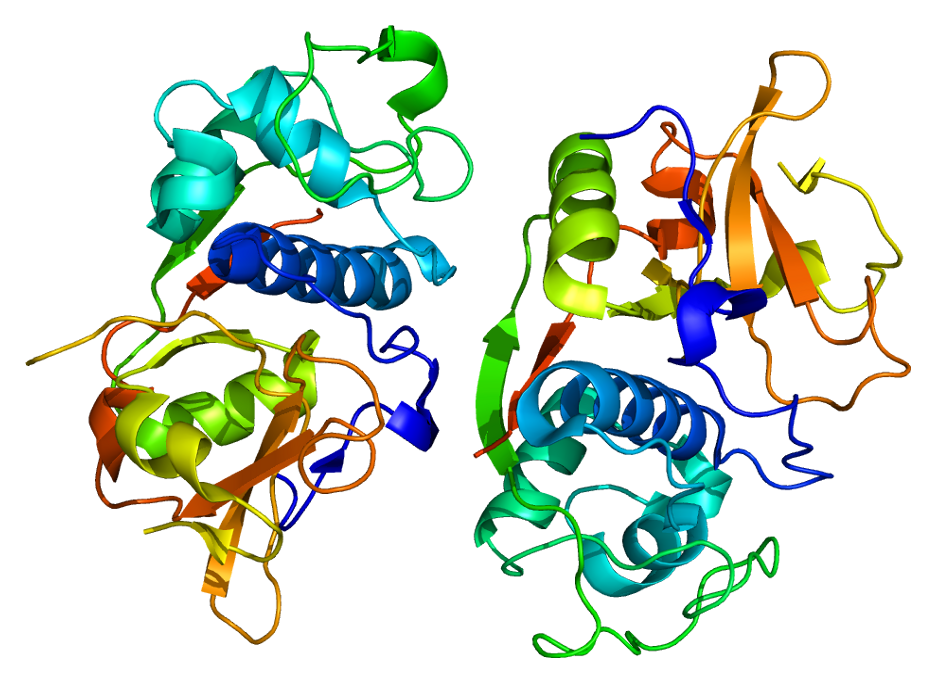
fontes oficiaisThiol protease which is believed to participate in intracellular degradation and turnover of proteins. Has also been implicated in tumor invasion and metastasis
Lysosome
Ceroid lipofuscinosis, neuronal, 13 (Kufs type)
A form of neuronal ceroid lipofuscinosis characterized by adult onset of progressive cognitive decline and motor dysfunction leading to dementia and often early death. Some patients develop seizures. Neuronal ceroid lipofuscinoses are progressive neurodegenerative, lysosomal storage diseases characterized by intracellular accumulation of autofluorescent liposomal material. CLN13 inheritance is autosomal recessive.
Variantes genéticas (ClinVar)
102 variantes patogênicas registradas no ClinVar.
Vias biológicas (Reactome)
1 via biológica associada aos genes desta condição.
Diagnóstico
Os sinais que médicos procuram e os exames que confirmam
Tratamento e manejo
Remédios, cuidados de apoio e o que precisa acompanhar
Onde tratar no SUS
Hospitais de referência no Brasil e o protocolo oficial do SUS (PCDT)
🇧🇷 Atendimento SUS — Doença CLN13
Selecione um estado ou use sua localização para ver resultados.
Dados de DATASUS/CNES, SBGM, ABNeuro e Ministério da Saúde. Sempre confirme a disponibilidade diretamente com o estabelecimento.
Pesquisa ativa
Ensaios clínicos abertos e novidades científicas recentes
Ensaios em destaque
🟢 Recrutando agora
1 pesquisa recrutando participantes. Converse com seu médico sobre a possibilidade de participar.
Outros ensaios clínicos
Publicações mais relevantes
Neuronal Ceroid Lipofuscinosis: Potential for Targeted Therapy.
Neuronal ceroid lipofuscinosis (NCLs) is a group of inherited neurodegenerative lysosomal storage diseases that together represent the most common cause of dementia in children. Phenotypically, patients have visual impairment, cognitive and motor decline, epilepsy, and premature death. A primary challenge is to halt and/or reverse these diseases, towards which developments in potential effective therapies are encouraging. Many treatments, including enzyme replacement therapy (for CLN1 and CLN2 diseases), stem-cell therapy (for CLN1, CLN2, and CLN8 diseases), gene therapy vector (for CLN1, CLN2, CLN3, CLN5, CLN6, CLN7, CLN10, and CLN11 diseases), and pharmacological drugs (for CLN1, CLN2, CLN3, and CLN6 diseases) have been evaluated for safety and efficacy in pre-clinical and clinical studies. Currently, cerliponase alpha for CLN2 disease is the only approved therapy for NCL. Lacking is any study of potential treatments for CLN4, CLN9, CLN12, CLN13 or CLN14 diseases. This review provides an overview of genetics for each CLN disease, and we discuss the current understanding from pre-clinical and clinical study of potential therapeutics. Various therapeutic interventions have been studied in many experimental animal models. Combination of treatments may be useful to slow or even halt disease progression; however, few therapies are unlikely to even partially reverse the disease and a complete reversal is currently improbable. Early diagnosis to allow initiation of therapy, when indicated, during asymptomatic stages is more important than ever.
Rapid progression of a walking disability in a 5-year-old boy with a CLN6 mutation.
Neuronal ceroid lipofuscinoses (NCLs; CLN) are mainly autosomal recessive neurodegenerative disorders characterized by the accumulation of autofluorescent lipopigments in neuronal and other cells. Symptoms include visual disabilities, motor decline, and epilepsy. Causative genes are CLN1, CLN2, CLN3, CLN5, CLN6, CLN7, CLN8, CLN10, CLN11, CLN12, CLN13, and CLN14. We present the fourth Japanese case with a CLN6 mutation. At 3 years of age, our patient became clumsy and fell down easily. He developed focal seizures with impaired consciousness and was started on carbamazepine. He showed ataxic walking and dysarthria with increased deep tendon reflexes. Interictal electroencephalogram revealed slow waves in the left temporal and occipital areas. Brain magnetic resonance imaging showed cerebellar atrophy and ventriculomegaly. In optical coherence tomography (OCT), the inner layer of the retina was thick and highly reflective. Exome sequencing revealed a known homozygous mutation, C.794_976del, p. (Ser265del) in CLN6. A total of 130 cases of NCL with CLN6 mutations have been reported globally, of which only four were from Japan including the current patient. The deletion of serine at position 265 has been reported in six cases. Ser265 is located in a region of short repeated sequences that is susceptible to mutation. Clinical trials of gene therapy using adeno-associated virus serotype 9 have started for NCL6, making early diagnosis crucial. OCT examination might be helpful in achieving a diagnosis.
Comparative transcriptomics reveals mechanisms underlying cln3-deficiency phenotypes in Dictyostelium.
Mutations in CLN3 cause a juvenile form of neuronal ceroid lipofuscinosis (NCL). This devastating neurological disorder, commonly known as Batten disease, is currently untreatable due to a lack of understanding of the physiological role of the protein. Recently, work in the social amoeba Dictyostelium discoideum has provided valuable new insight into the function of CLN3 in the cell. More specifically, research has linked the Dictyostelium homolog (gene: cln3, protein: Cln3) to protein secretion, adhesion, and aggregation during starvation, which initiates multicellular development. In this study, we used comparative transcriptomics to explore the mechanisms underlying the aberrant response of cln3- cells to starvation. During starvation, 1153 genes were differentially expressed in cln3- cells compared to WT. Among the differentially expressed genes were homologs of other human NCL genes including TPP1/CLN2, CLN5, CTSD/CLN10, PGRN/CLN11, and CTSF/CLN13. STRING and GO term analyses revealed an enrichment of genes linked to metabolic, biosynthetic, and catalytic processes. We then coupled the findings from the RNA-seq analysis to biochemical assays, specifically showing that loss of cln3 affects the expression and activity of lysosomal enzymes, increases endo-lysosomal pH, and alters nitric oxide homeostasis. Finally, we show that cln3- cells accumulate autofluorescent storage bodies during starvation and provide evidence linking the function of Cln3 to Tpp1 and CtsD activity. In total, this study enhances our knowledge of the molecular mechanisms underlying Cln3 function in Dictyostelium.
Cln5 is secreted and functions as a glycoside hydrolase in Dictyostelium.
Ceroid lipofuscinosis neuronal 5 (CLN5) is a member of a family of proteins that are linked to neuronal ceroid lipofuscinosis (NCL). This devastating neurological disorder, known commonly as Batten disease, affects all ages and ethnicities and is currently incurable. The precise function of CLN5, like many of the NCL proteins, remains to be elucidated. In this study, we report the localization, molecular function, and interactome of Cln5, the CLN5 homolog in the social amoeba Dictyostelium discoideum. Residues that are glycosylated in human CLN5 are conserved in the Dictyostelium homolog as are residues that are mutated in patients with CLN5 disease. Dictyostelium Cln5 contains a putative signal peptide for secretion and we show that the protein is secreted during growth and starvation. We also reveal that both Dictyostelium Cln5 and human CLN5 are glycoside hydrolases, providing the first evidence in any system linking a molecular function to CLN5. Finally, immunoprecipitation coupled with mass spectrometry identified 61 proteins that interact with Cln5 in Dictyostelium. Of the 61 proteins, 67% localize to the extracellular space, 28% to intracellular vesicles, and 20% to lysosomes. A GO term enrichment analysis revealed that a majority of the interacting proteins are involved in metabolism, catabolism, proteolysis, and hydrolysis, and include other NCL-like proteins (e.g., Tpp1/Cln2, cathepsin D/Cln10, cathepsin F/Cln13) as well as proteins linked to Cln3 function in Dictyostelium (e.g., AprA, CfaD, CadA). In total, this work reveals a CLN5 homolog in Dictyostelium and further establishes this organism as a complementary model system for studying the functions of proteins linked to NCL in humans.
Novel compound heterozygous mutations causing Kufs disease type B.
Kufs disease type B (also termed CLN13), an adult-onset form of neuronal ceroid lipofuscinosis (NCL), is genetically heterogeneous and challenging to diagnose. Recently, mutations in cathepsin-F have been identified as the causative gene for autosomal recessive Kufs disease type B. Here, we report a sporadic case of Kufs disease type B with novel compound heterozygous mutations, a novel missense mutation c.977G>T (p.C326F) and a novel nonsense mutation c.416C>A (p.S139X), in the cathepsin-F gene. The magnetic resonance imaging findings were consistent with those demonstrated in adult neuronal ceroid lipofuscinosis: diffuse cortical atrophy, mild hyperintensity and reduction of the deep white matter on T2-weighted images. A skin biopsy was negative for abnormalities. Altogether, our findings broaden the mutation database in relation to the neuronal ceroid lipofuscinosis, and the clinical diagnosis of Kufs disease type B was confirmed.
Publicações recentes
Clinical Heterogeneity of Neuronal Ceroid Lipofuscinosis Type 13: A Case Report and Systematic Review of Literature.
The Neuronal Ceroid Lipofuscinoses.
Neuronal Ceroid Lipofuscinosis: Potential for Targeted Therapy.
Rapid progression of a walking disability in a 5-year-old boy with a CLN6 mutation.
A transcriptome-wide analysis deciphers distinct roles of G1 cyclins in temporal organization of the yeast cell cycle.
📚 EuropePMCmostrando 9
Neuronal Ceroid Lipofuscinosis: Potential for Targeted Therapy.
DrugsRapid progression of a walking disability in a 5-year-old boy with a CLN6 mutation.
Brain & developmentComparative transcriptomics reveals mechanisms underlying cln3-deficiency phenotypes in Dictyostelium.
Cellular signallingCln5 is secreted and functions as a glycoside hydrolase in Dictyostelium.
Cellular signallingNovel compound heterozygous mutations causing Kufs disease type B.
The International journal of neuroscienceUsing the social amoeba Dictyostelium to study the functions of proteins linked to neuronal ceroid lipofuscinosis.
Journal of biomedical scienceBrain imaging in Kufs disease type B: case reports.
BMC neurologyGenetics of the neuronal ceroid lipofuscinoses (Batten disease).
Biochimica et biophysica actaCell biology of the NCL proteins: What they do and don't do.
Biochimica et biophysica actaAssociações
Organizações que acompanham esta doença — pra ter apoio e orientação
Ainda não temos associações cadastradas para Doença CLN13.
É de uma associação que acompanha esta doença? Fale com a gente →
Comunidades
Grupos ativos de quem convive com esta doença aqui no Raras
Ainda não existe comunidade no Raras para Doença CLN13
Pacientes, familiares e cuidadores se organizam em comunidades pra compartilhar experiências, fazer perguntas e se apoiar. Você pode ser o primeiro.
Tire suas dúvidas
Perguntas, dicas e experiências compartilhadas aqui na página
Participe da discussão
Faça login para postar dúvidas, compartilhar experiências e interagir com especialistas.
Fazer loginDoenças relacionadas
Doenças com sintomas parecidos — ajudam quem ainda está buscando diagnóstico
Referências e fontes
Bases de dados externas citadas neste artigo
Publicações científicas
Artigos indexados no PubMed ligados a esta doença no grafo RarasNet — título, periódico e PMID direto da fonte, sem intermediação de IA.
- Neuronal Ceroid Lipofuscinosis: Potential for Targeted Therapy.
- Rapid progression of a walking disability in a 5-year-old boy with a CLN6 mutation.
- Comparative transcriptomics reveals mechanisms underlying cln3-deficiency phenotypes in Dictyostelium.
- Cln5 is secreted and functions as a glycoside hydrolase in Dictyostelium.
- Novel compound heterozygous mutations causing Kufs disease type B.
- Clinical Heterogeneity of Neuronal Ceroid Lipofuscinosis Type 13: A Case Report and Systematic Review of Literature.
- The Neuronal Ceroid Lipofuscinoses.
- A transcriptome-wide analysis deciphers distinct roles of G1 cyclins in temporal organization of the yeast cell cycle.
Bases de dados e fontes oficiais
Identificadores e referências canônicas usadas para montar este verbete.
- ORPHA:352709(Orphanet)
- OMIM OMIM:615362(OMIM)
- MONDO:0014147(MONDO)
- GARD:17527(GARD (NIH))
- Variantes catalogadas(ClinVar)
- Busca completa no PubMed(PubMed)
- Q32140605(Wikidata)
Dados compilados pelo RarasNet a partir de fontes abertas (Orphanet, OMIM, MONDO, PubMed/EuropePMC, ClinicalTrials.gov, DATASUS, PCDT/MS). Este conteúdo é informativo e não substitui avaliação médica.
Conteúdo mantido por Agente Raras · Médicos e pesquisadores podem colaborar
Doença CLN13
📋 Origem dos dados
Esta página agrega dados de fontes públicas e oficiais. Dados sobre cobertura no SUS (PCDT, CEAF) são verificados ativamente por agente proativo (ver badge no infobox). Demais dados têm atribuição de fonte + data da última sincronização — clique para abrir o original.
- Doença rara (ontologia)
- fonte: Orphanet
- Identificador unificado
- fonte: MONDO
- Genética mendeliana
- fonte: OMIM
- Codificação WHO/SUS
- fonte: WHO ICD-10 / DATASUS
- CID-11 (futuro)
- fonte: WHO ICD-11
- NIH/GARD
- fonte: GARD (NIH)
- Dado público estruturado
- fonte: Wikidata
- Ensaios clínicos
- fonte: ClinicalTrials.gov